How Farmers Can Improve Crop Yield
農家は agronomy と現代的な農業技術を利用して作物の yield optimization を行うことができます。Intercropping の方法は土壌の健康を維持し、monoculture の detrimental な影響を減らすのに役立ちます。
Microclimate と photosynthetic efficiency を改善することで作物の品質を向上させることができます。しかし、nutrient deficiency をなくし、土壌の肥沃度を維持するためには sustainable agriculture の実践が不可欠です。
さらに、transpiration を管理し、pollutants を除去するためには作物に良い環境を作ることが必要です。Overexploitation を避け、rejuvenation と土壌の fallow 状況に焦点を当てることで、農家はより効果的な収量を得ることができます。
より多くの biodegradable 材料を使用し、zooplankton を制御することで、農業生産を environment-friendly にし、vitality を高めることができます。
|
絵文字
|
単語 | Images | 意味 | 例文 | 同義語 | 対義語 |
|---|---|---|---|---|---|---|
|
#1875
📈
|
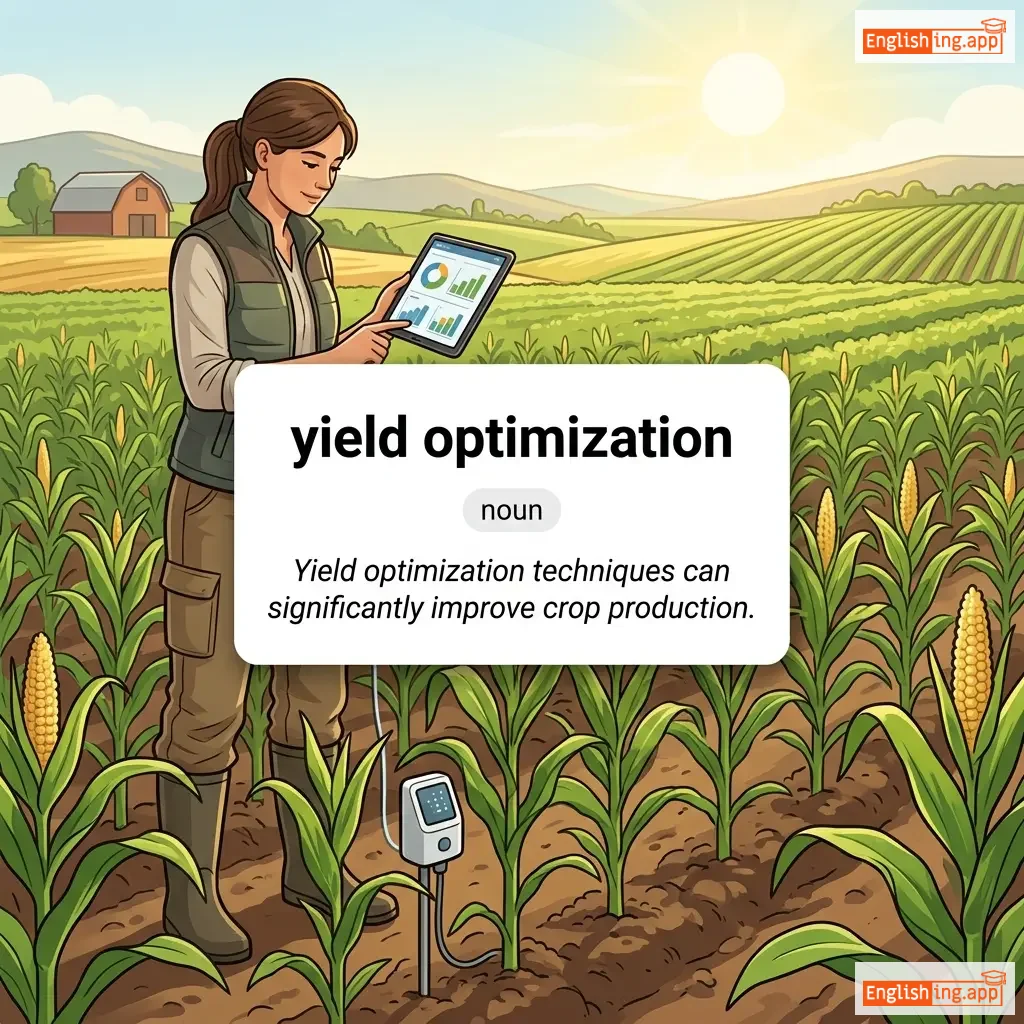
/jiːld ˌɒptɪmaɪˈzeɪʃən/
noun
••••••
|
|
The process of maximizing the productivity or efficiency of crop production through various agricultural techniques and practices.
••••••
|
Yield optimization techniques can significantly improve crop production. |
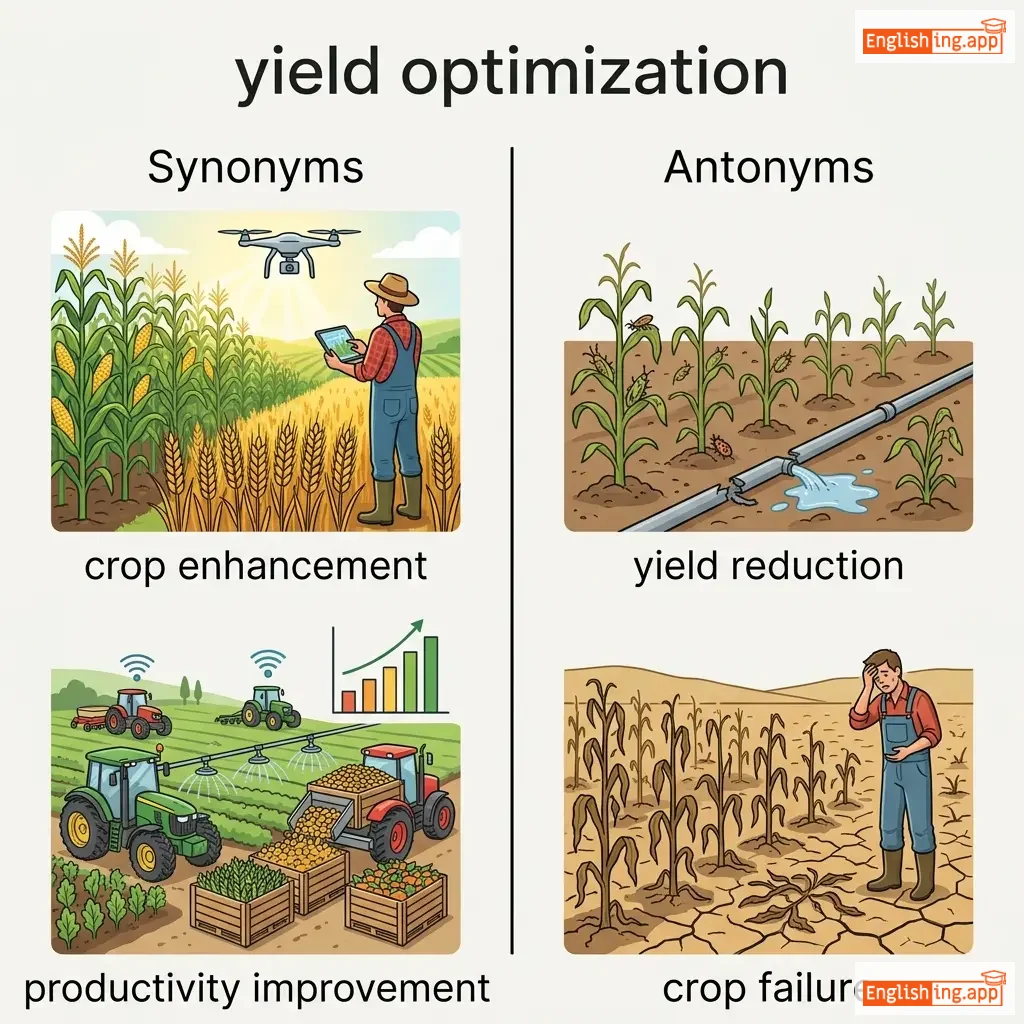
crop enhancement, productivity improvement
••••••
|
yield reduction, crop failure
••••••
|
|
#1876
🌾
|
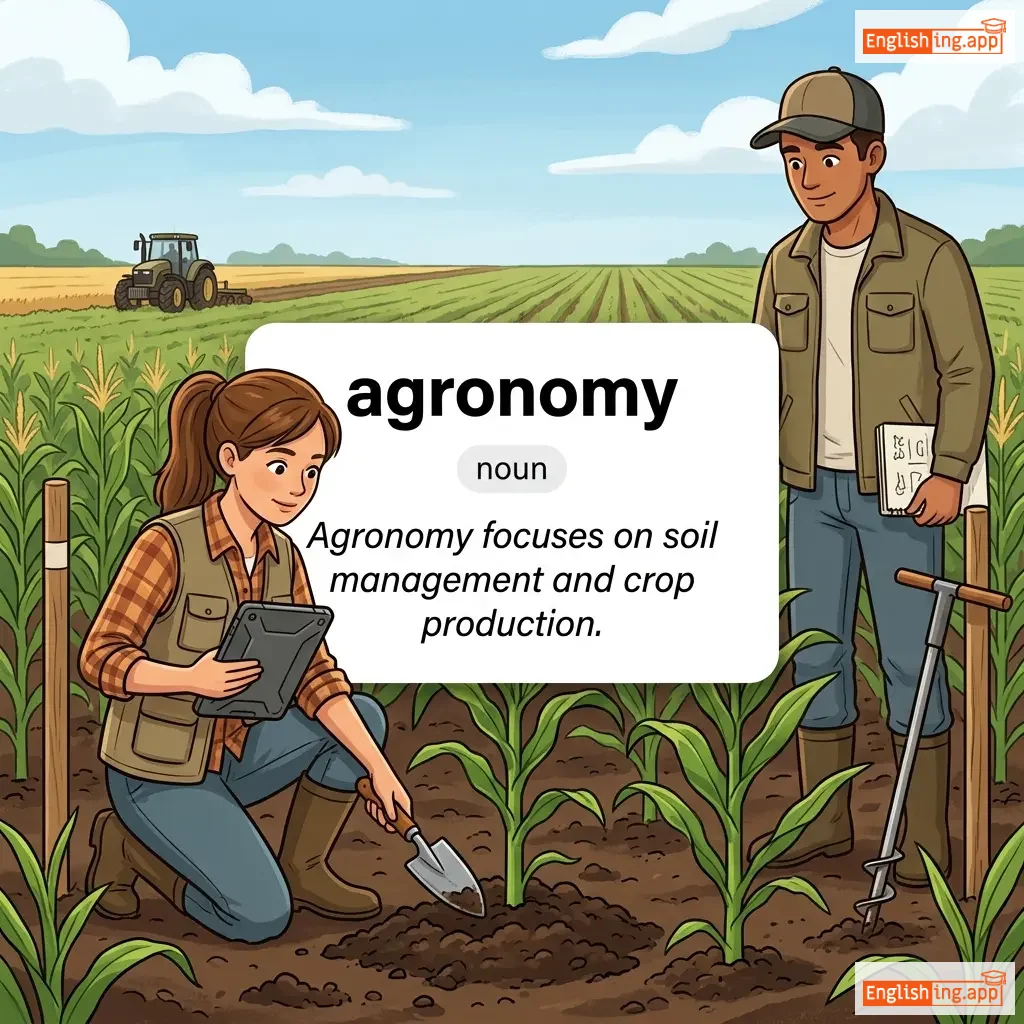
/əˈɡrɒnəmi/
noun
••••••
|
|
The science and practice of soil management and crop production, focusing on the principles of plant and soil science to optimize agricultural productivity.
••••••
|
Agronomy focuses on soil management and crop production. |
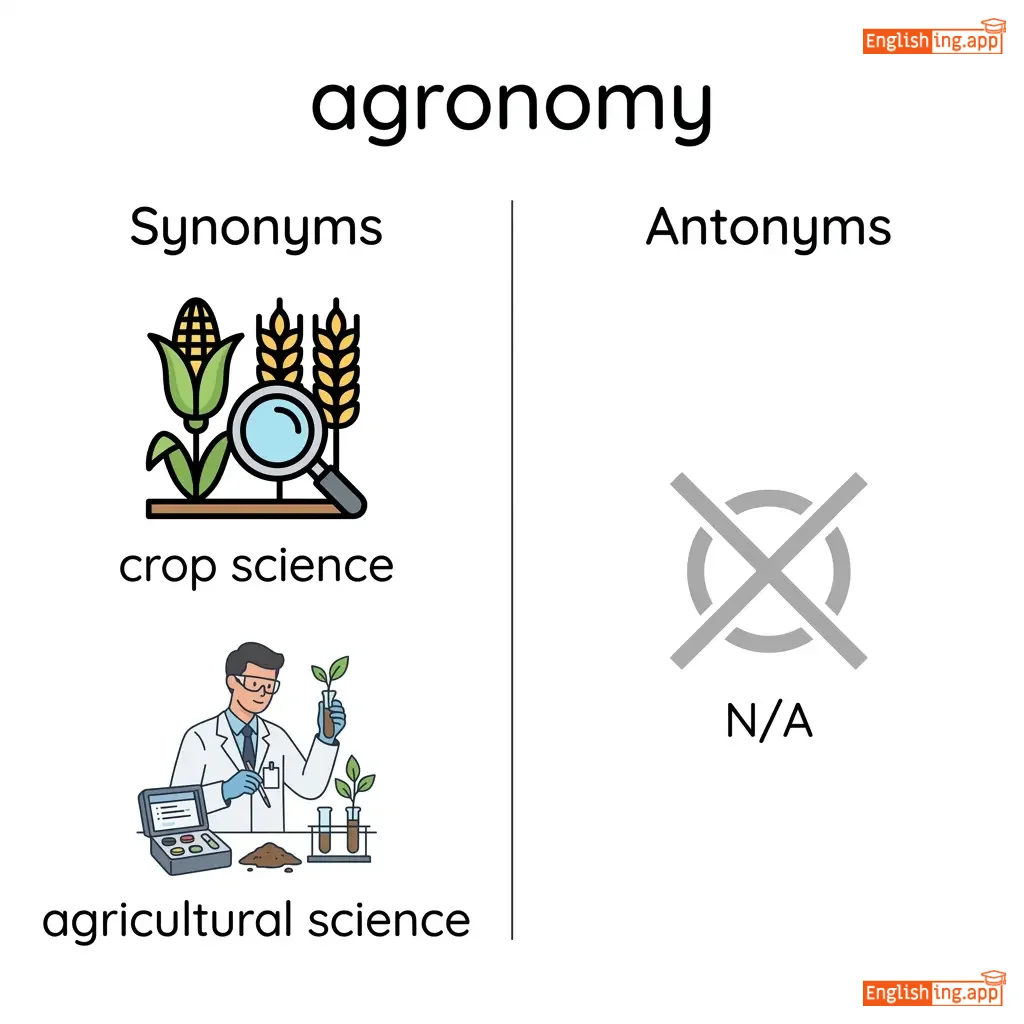
crop science, agricultural science
••••••
|
N/A
••••••
|
|
#1877
🌱
|
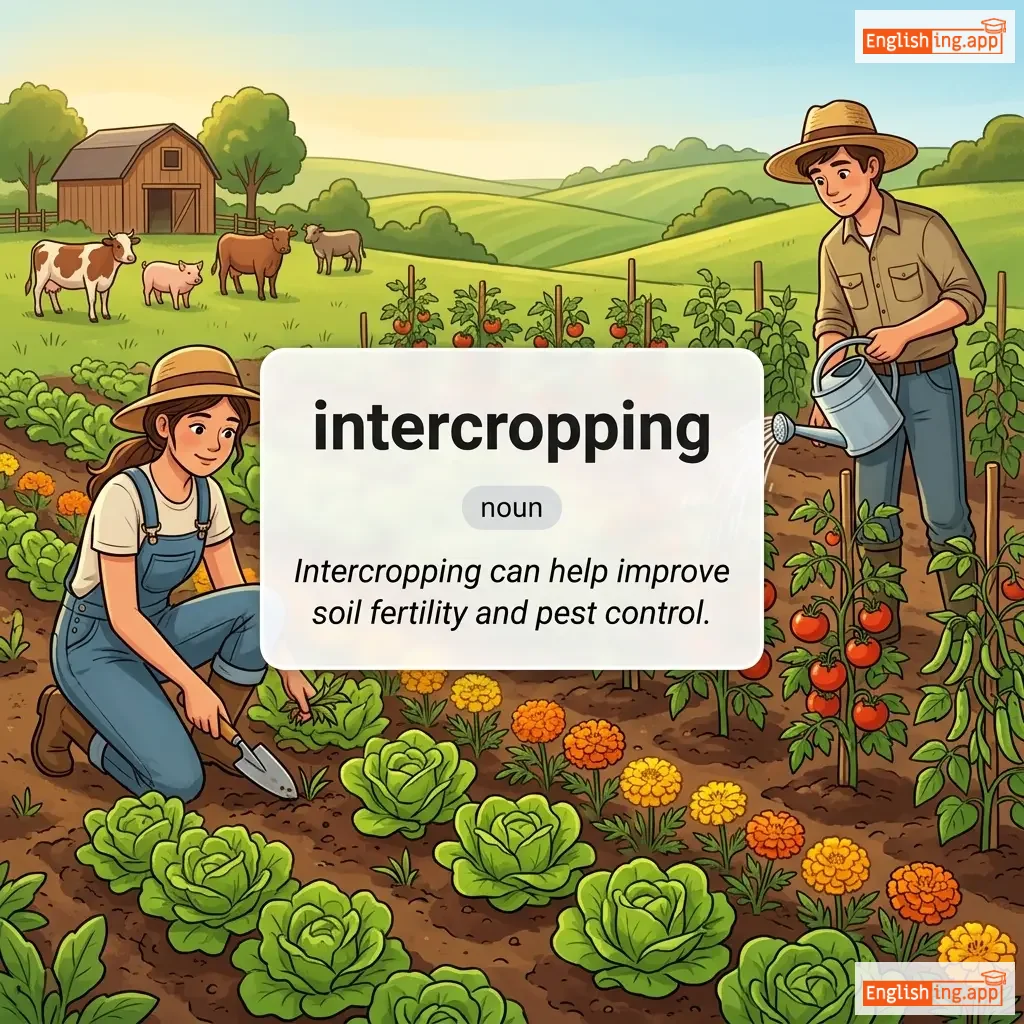
/ˈɪntəˌkrɒpɪŋ/
noun
••••••
|
|
The agricultural practice of cultivating two or more crops simultaneously in the same field to maximize land use efficiency and improve soil health.
••••••
|
Intercropping can help improve soil fertility and pest control. |
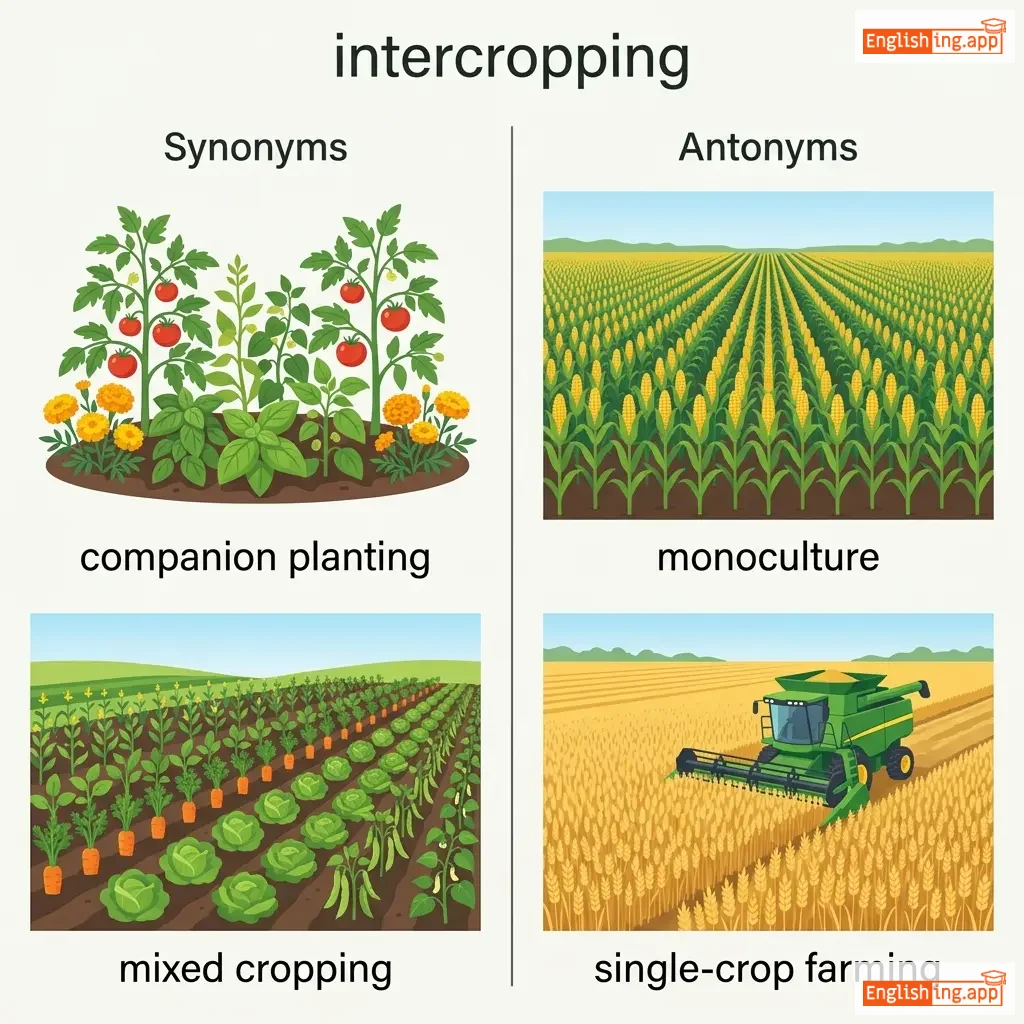
companion planting, mixed cropping
••••••
|
monoculture, single-crop farming
••••••
|
|
#1878
🌾
|
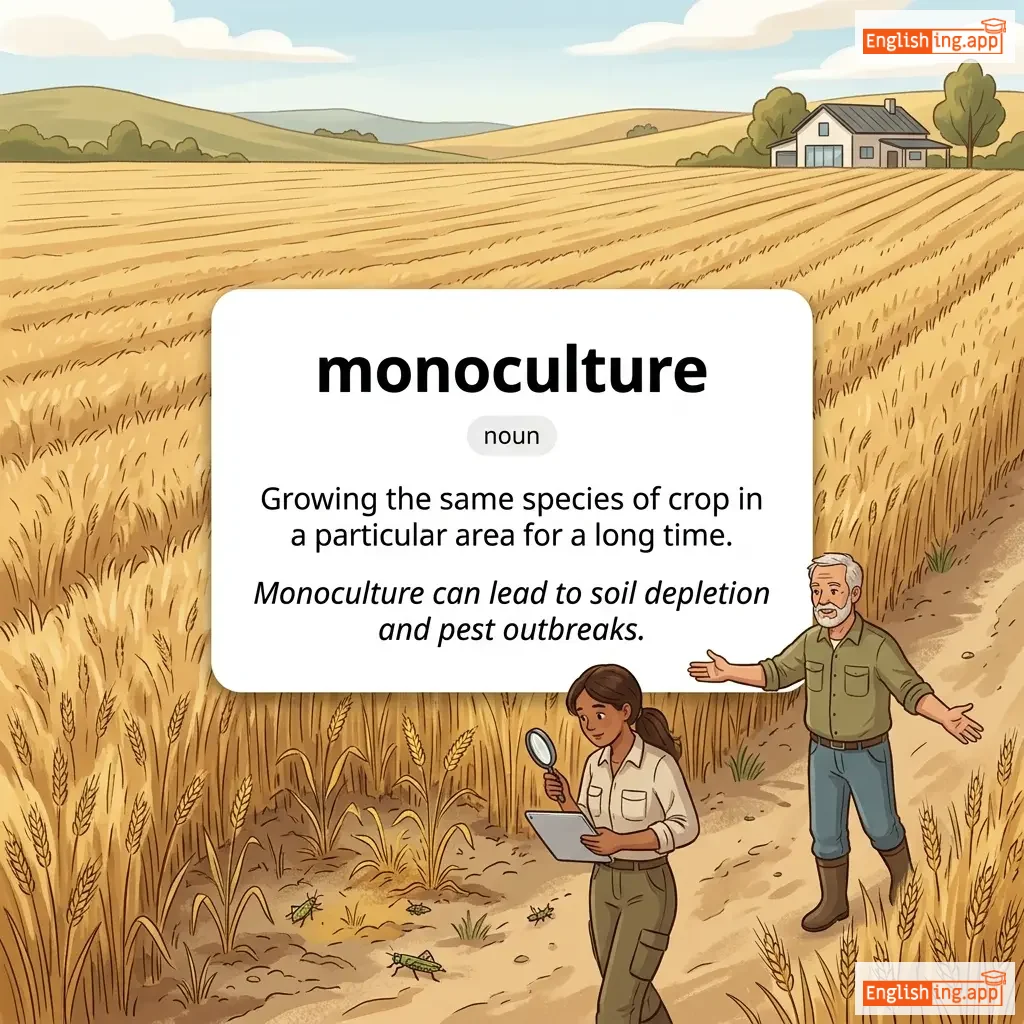
/ˈmɒnəʊˌkʌltʃər/
noun
••••••
|
|
The agricultural practice of growing only one type of crop over a large area and for many consecutive years, which can lead to increased vulnerability to pests and diseases.
••••••
|
Monoculture can lead to soil depletion and increased pest vulnerability. |
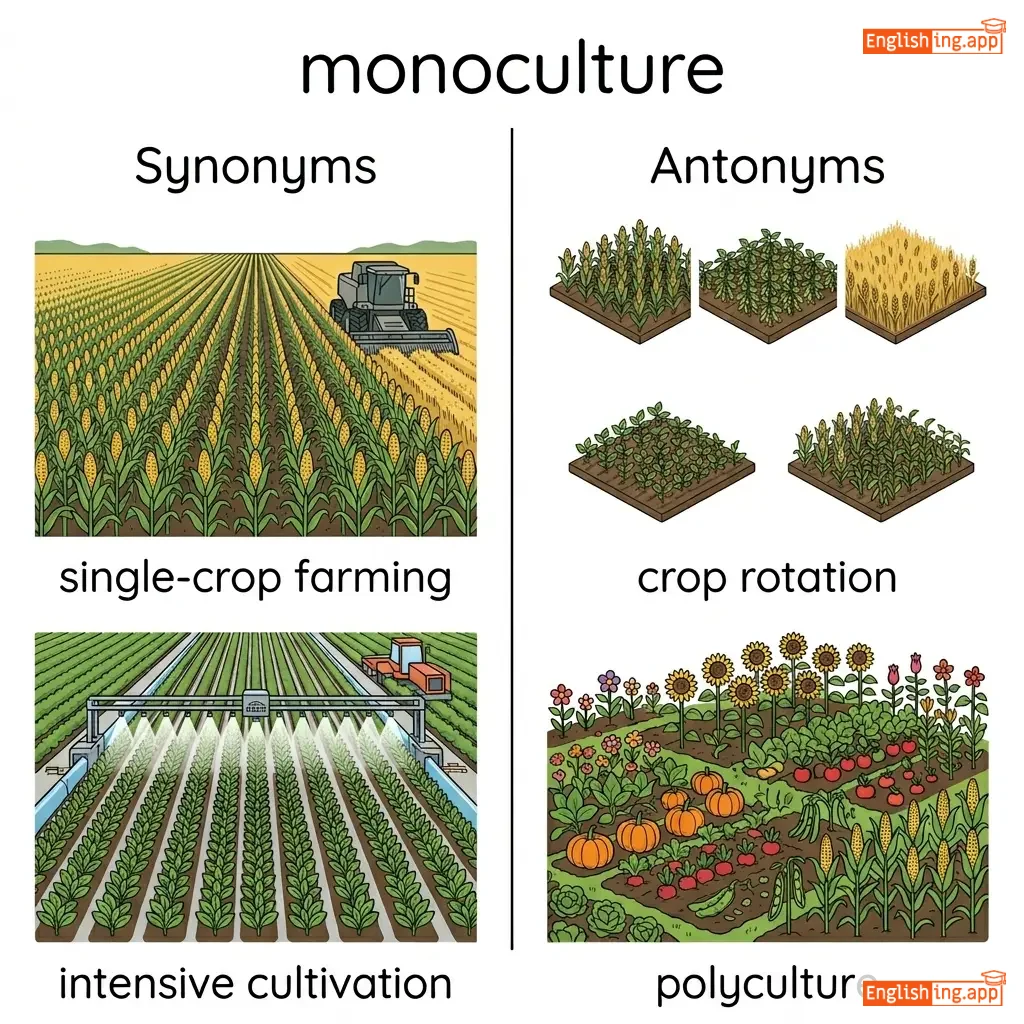
single-crop farming, uniform agriculture
••••••
|
intercropping, polyculture
••••••
|
|
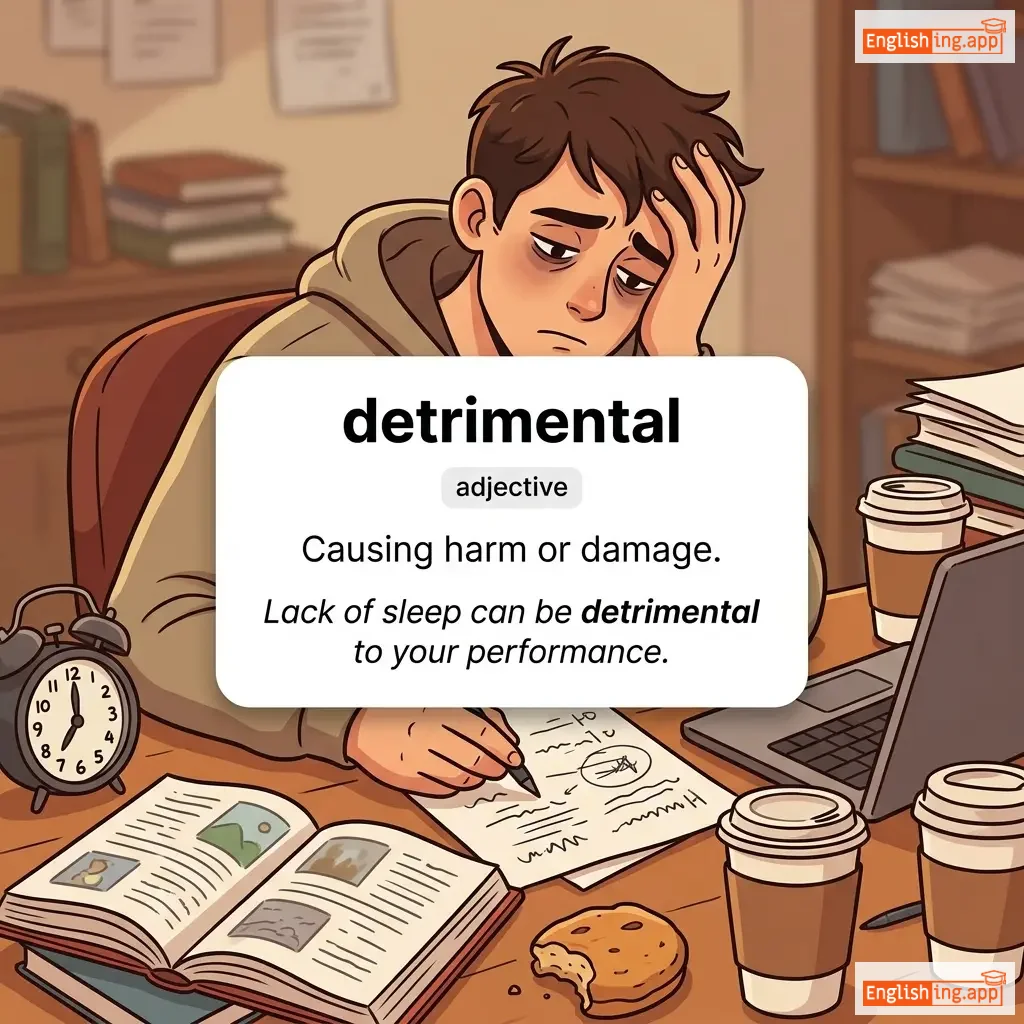
#1879
⚠️
|
/ˌdɛtrɪˈmɛntəl/
adjective
••••••
|
|
Causing harm or damage; tending to obstruct or harm progress or development.
••••••
|
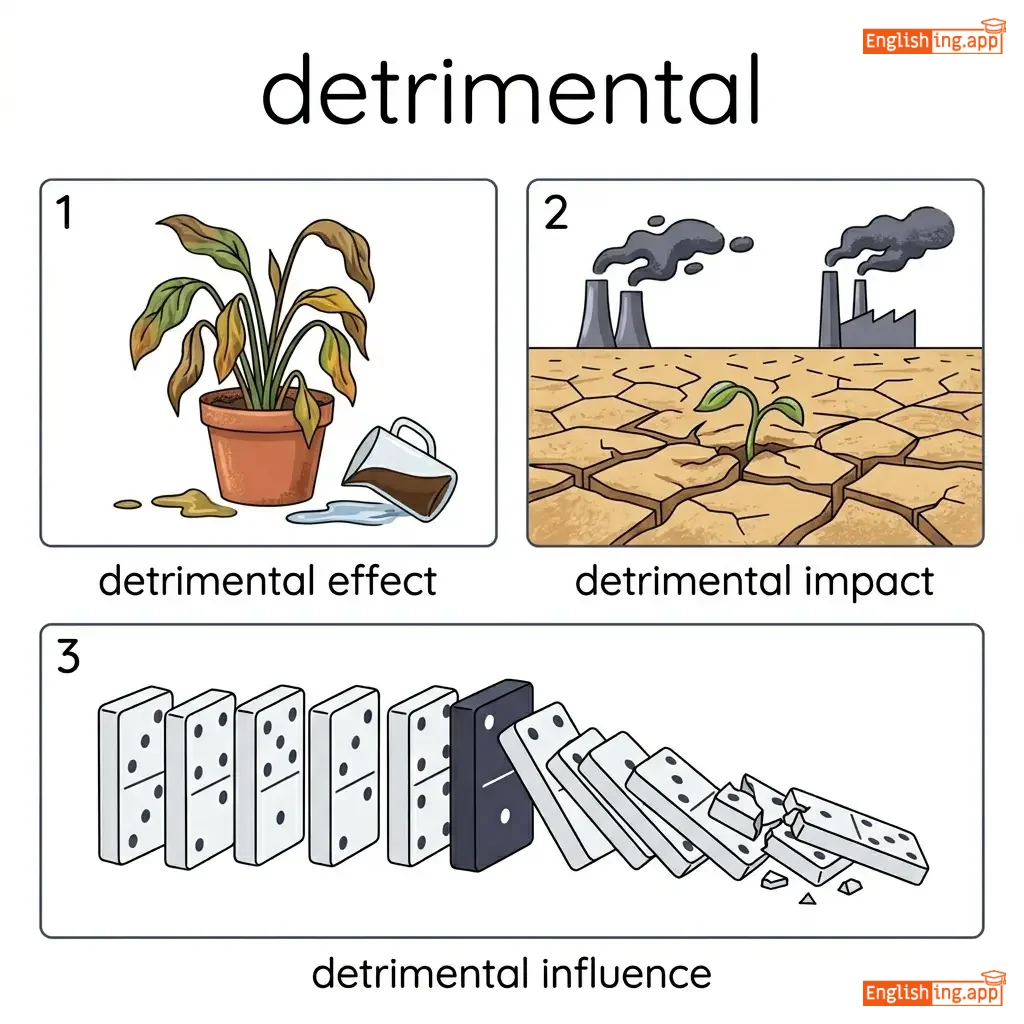
Excessive pesticide use can have detrimental effects on the environment. |
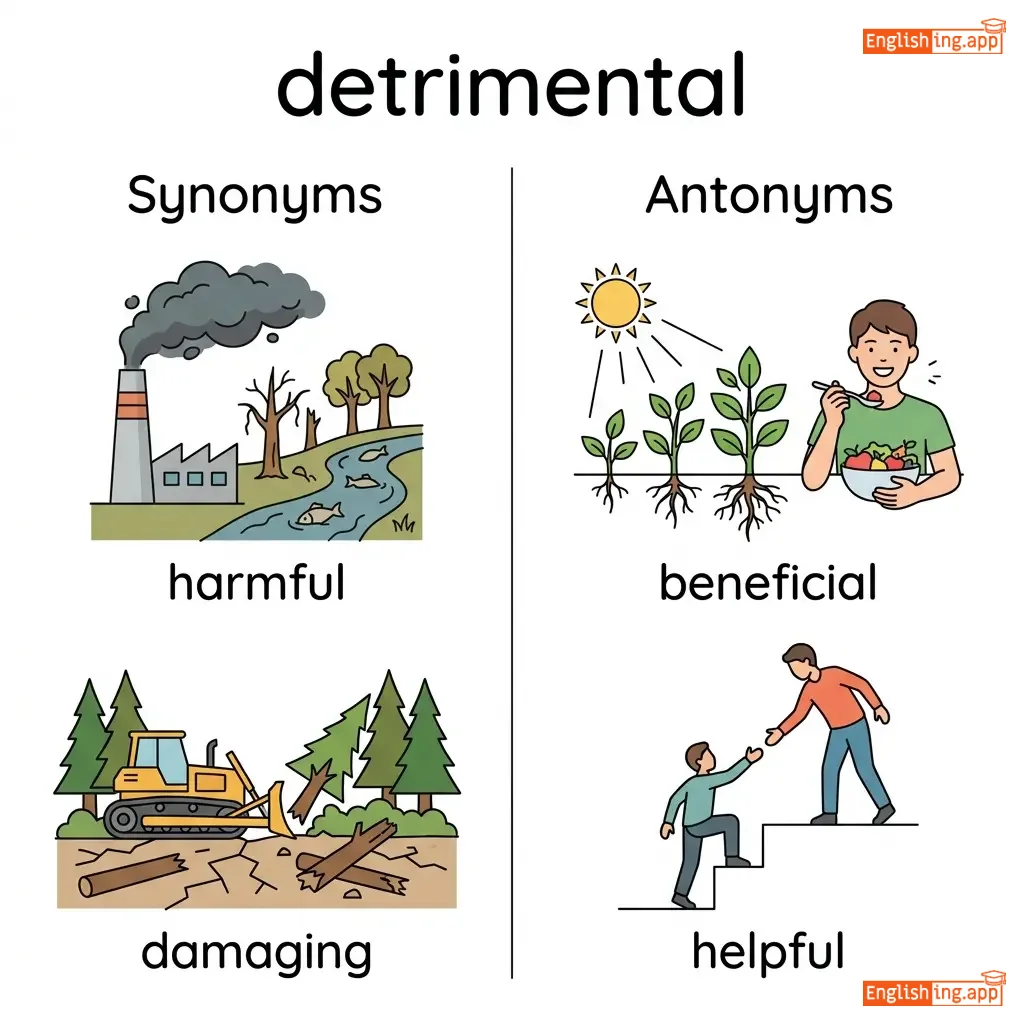
harmful, damaging
••••••
|
beneficial, positive
••••••
|
|
#1880
🌤️
|
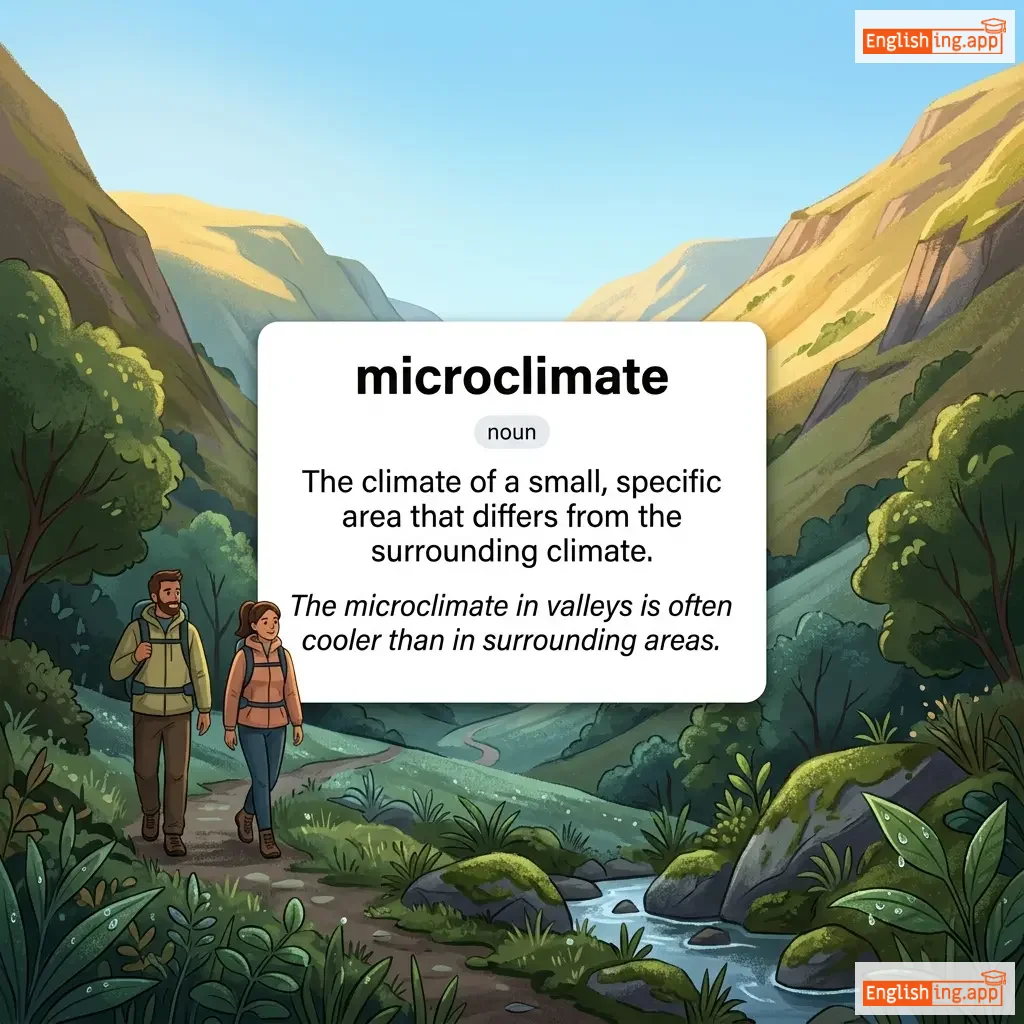
/ˈmaɪkrəʊˌklaɪmæt/
noun
••••••
|
|
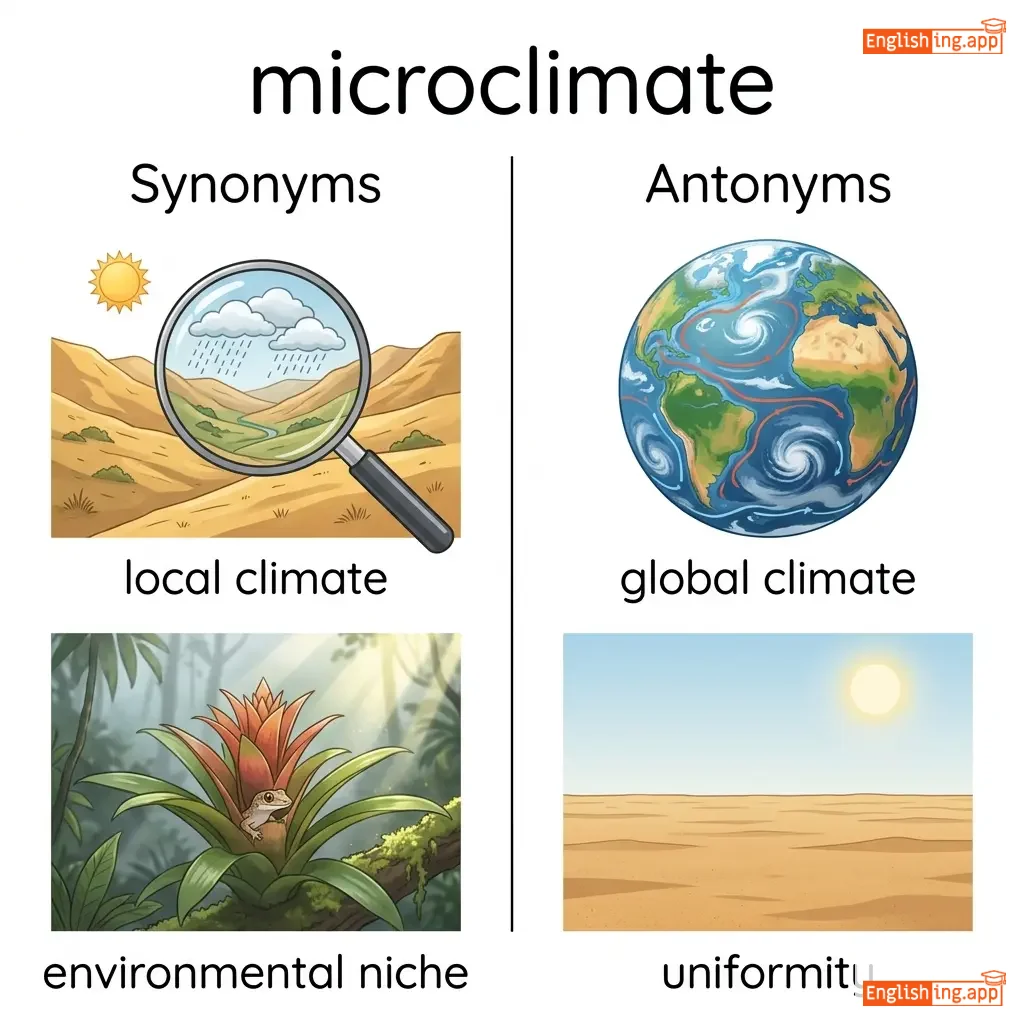
The climate of a small, specific area that may differ from the general climate of the surrounding region, often influenced by local factors like terrain, vegetation, or buildings.
••••••
|
A microclimate can have a significant impact on plant growth. |
local climate, small-scale climate
••••••
|
general climate, macroclimate
••••••
|
|
#1881
🌞
|
/ˌfəʊtəʊˈsɪnθɛtɪk ɪˈfɪʃənsi/
noun
••••••
|
|
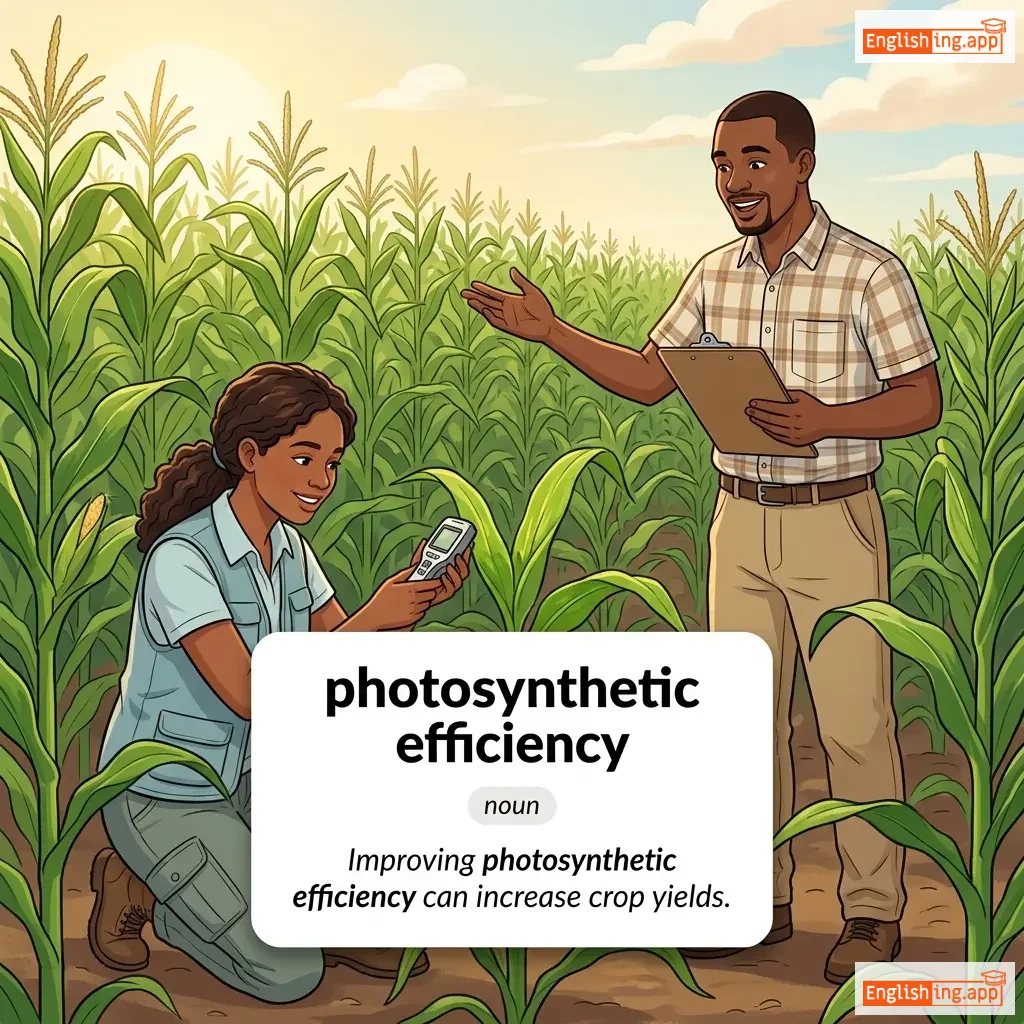
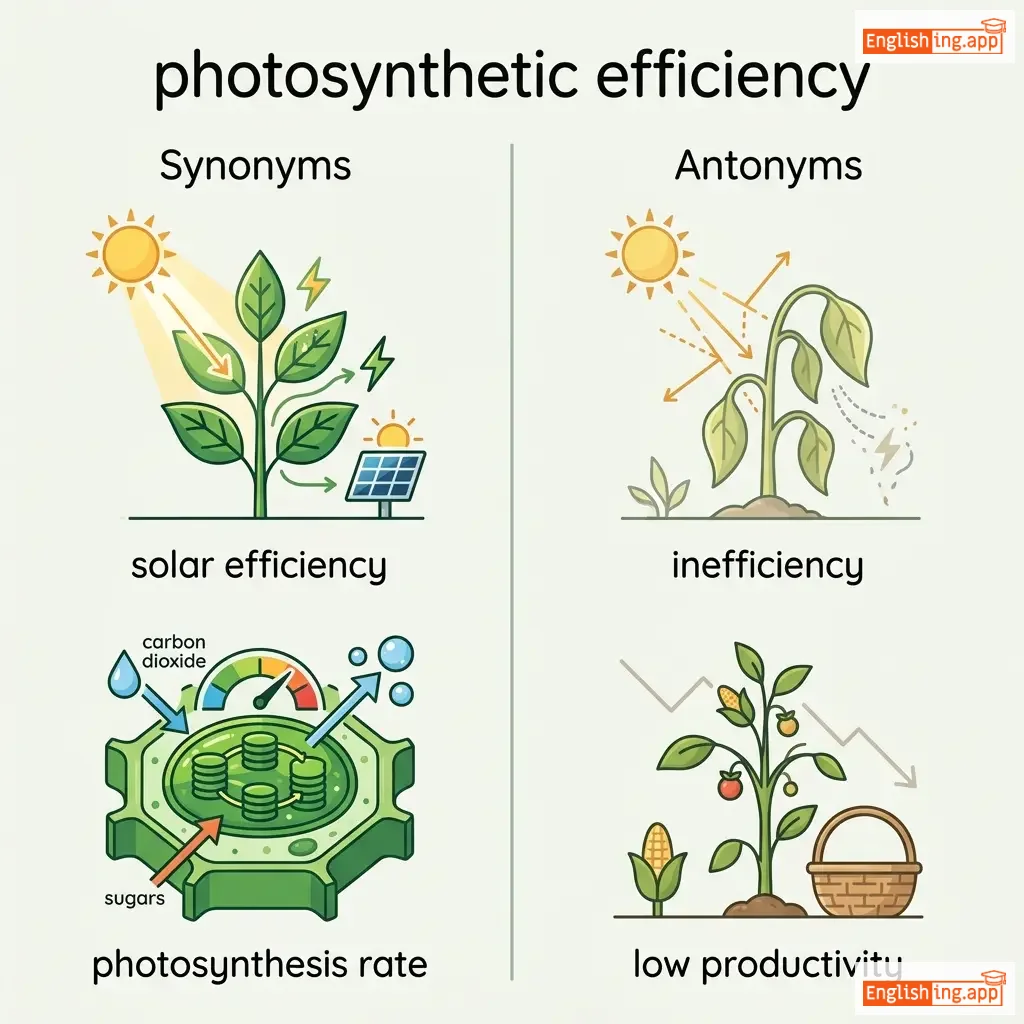
The measure of how effectively plants convert light energy into chemical energy through the process of photosynthesis, directly affecting plant growth and crop yield.
••••••
|
Improving photosynthetic efficiency can increase crop yields. |
solar efficiency, photosynthesis rate
••••••
|
inefficiency, low productivity
••••••
|
|
#1882
🩺
|
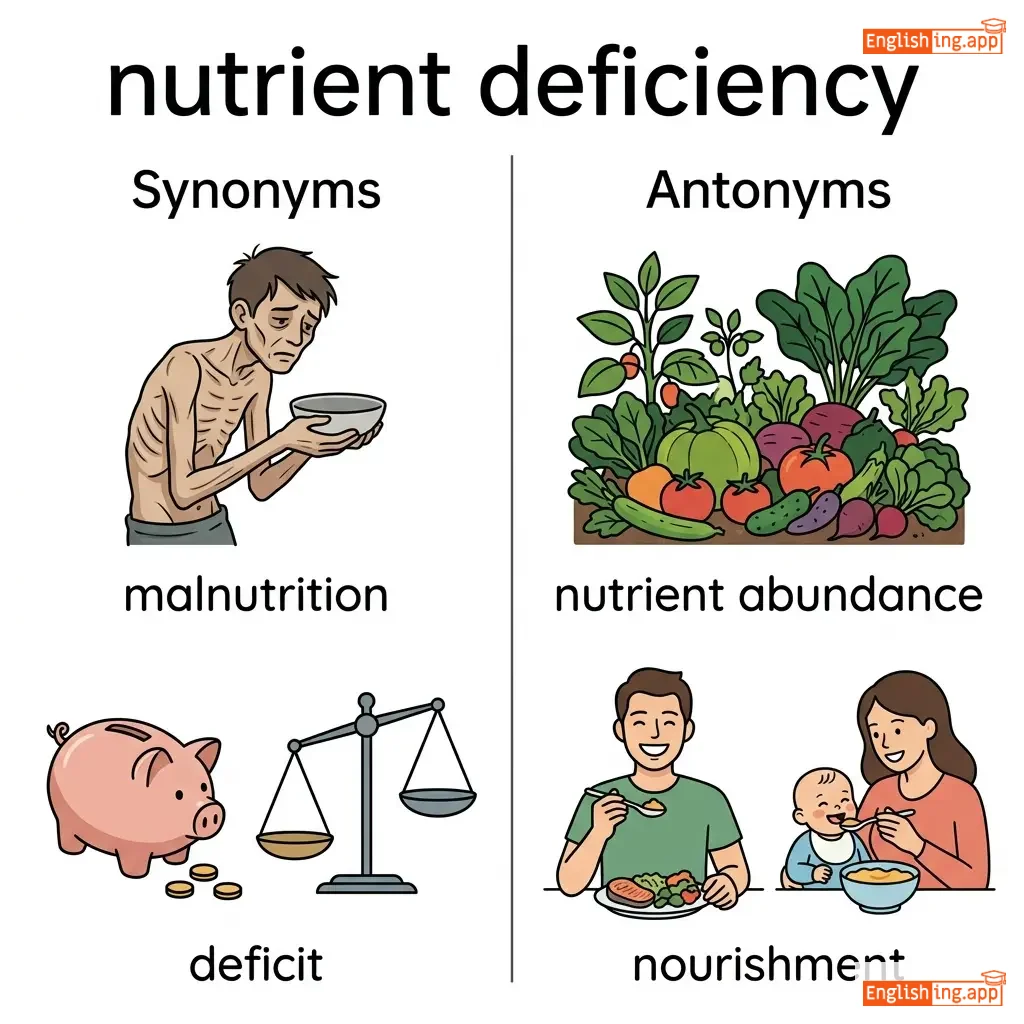
/ˈnjuːtrɪənt dɪˈfɪʃənsi/
noun
••••••
|
|
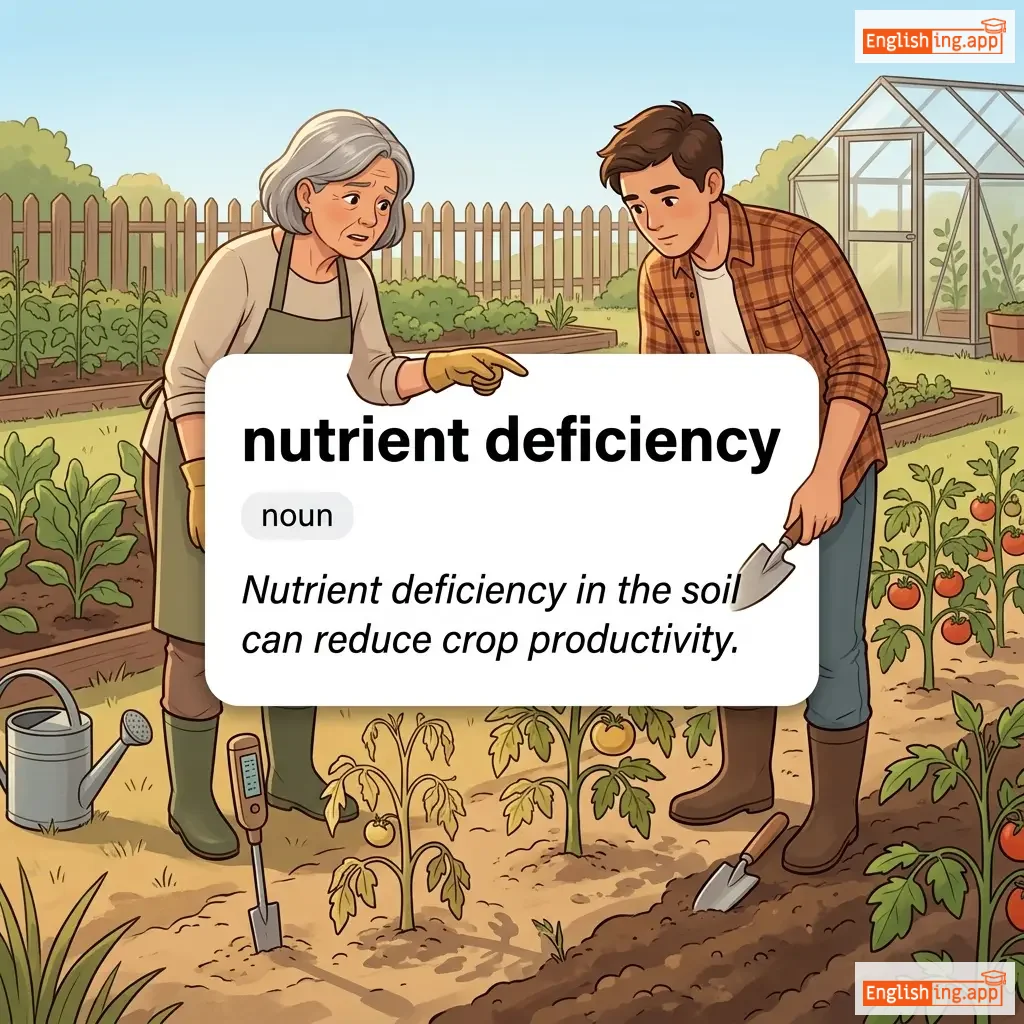
A lack of essential nutrients required for healthy plant growth, which can result in poor crop development, reduced yields, and increased susceptibility to diseases.
••••••
|
Nutrient deficiency in the soil can reduce crop productivity. |
malnutrition, deficit
••••••
|
nutrient abundance, nourishment
••••••
|
|
#1883
🌿
|
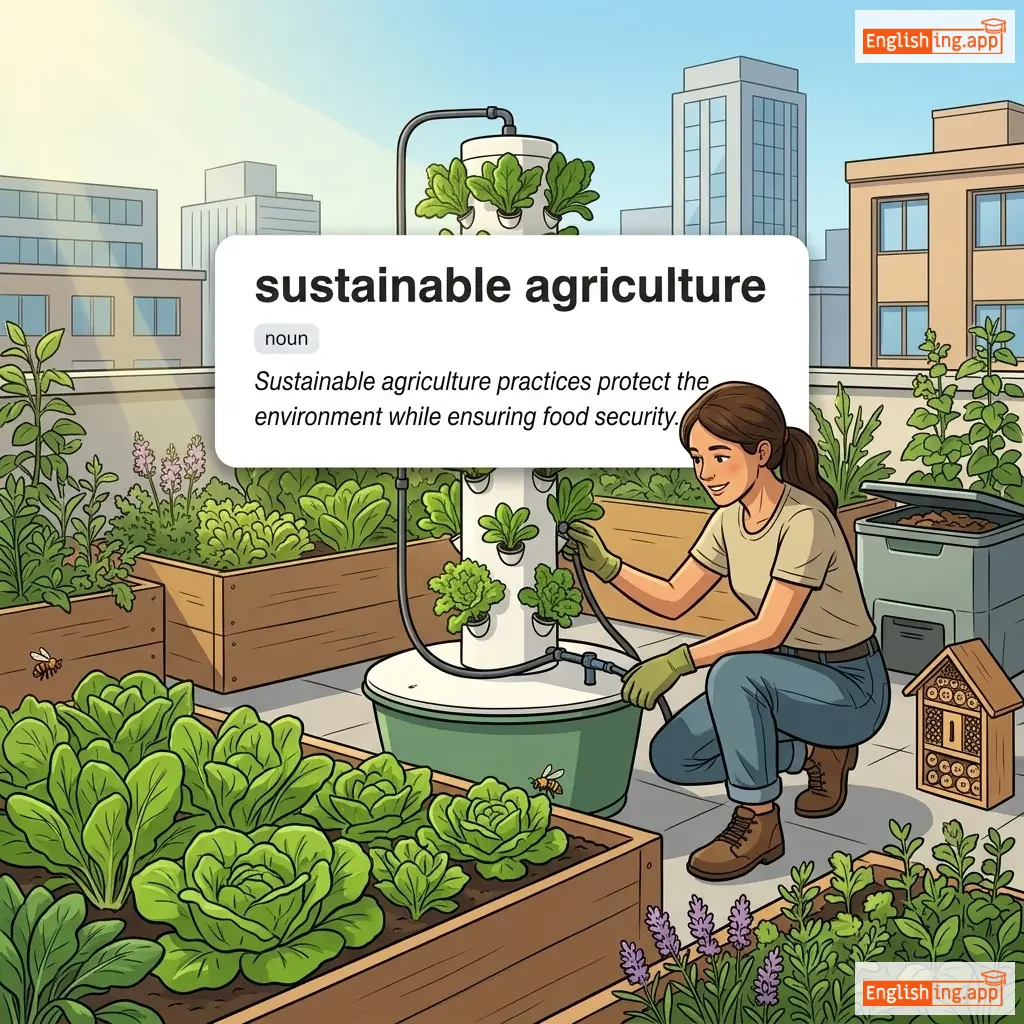
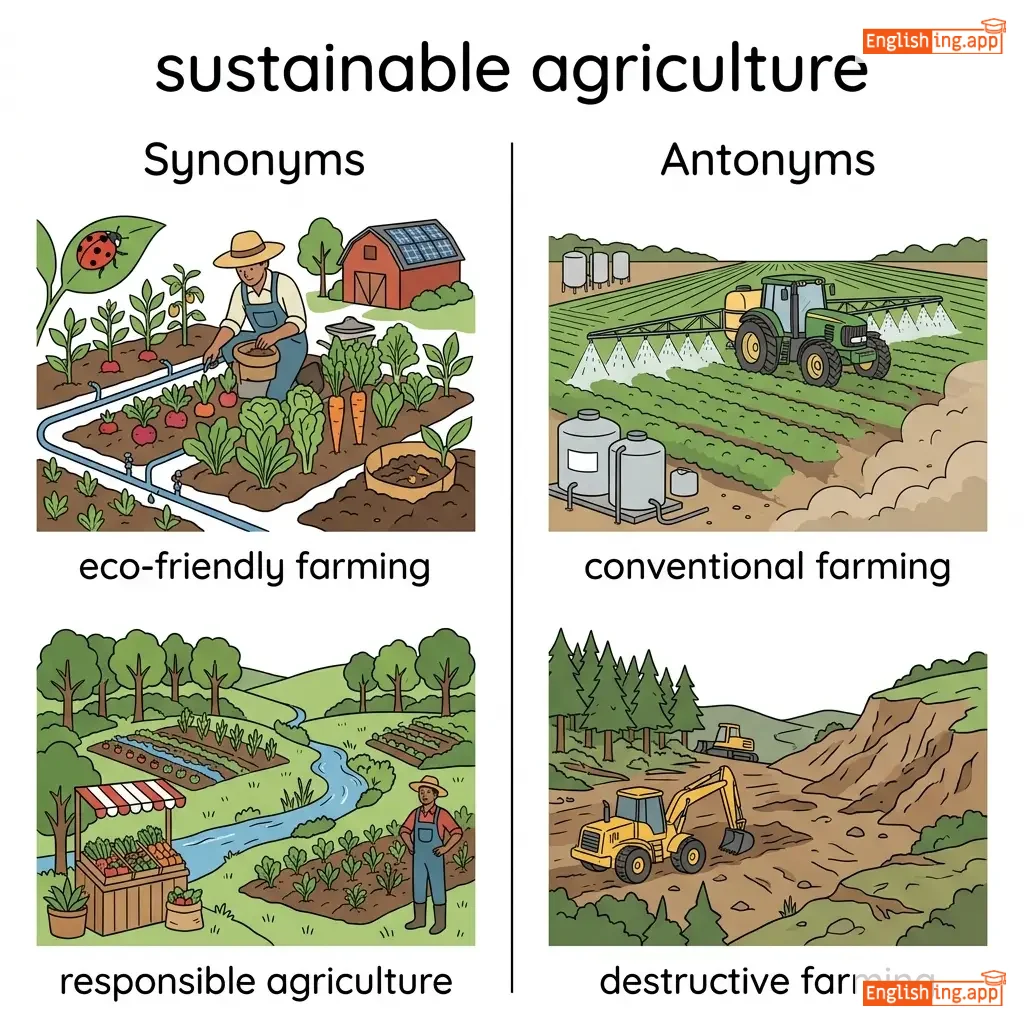
/səˈsteɪnəbl ˈæɡrɪkʌltʃər/
noun
••••••
|
|
Farming practices that meet current food needs while preserving environmental resources and maintaining the ability to produce food for future generations through ecologically sound methods.
••••••
|
Sustainable agriculture practices protect the environment while ensuring food security. |
eco-friendly farming, responsible agriculture
••••••
|
conventional farming, destructive farming
••••••
|
|
#1884
💨
|
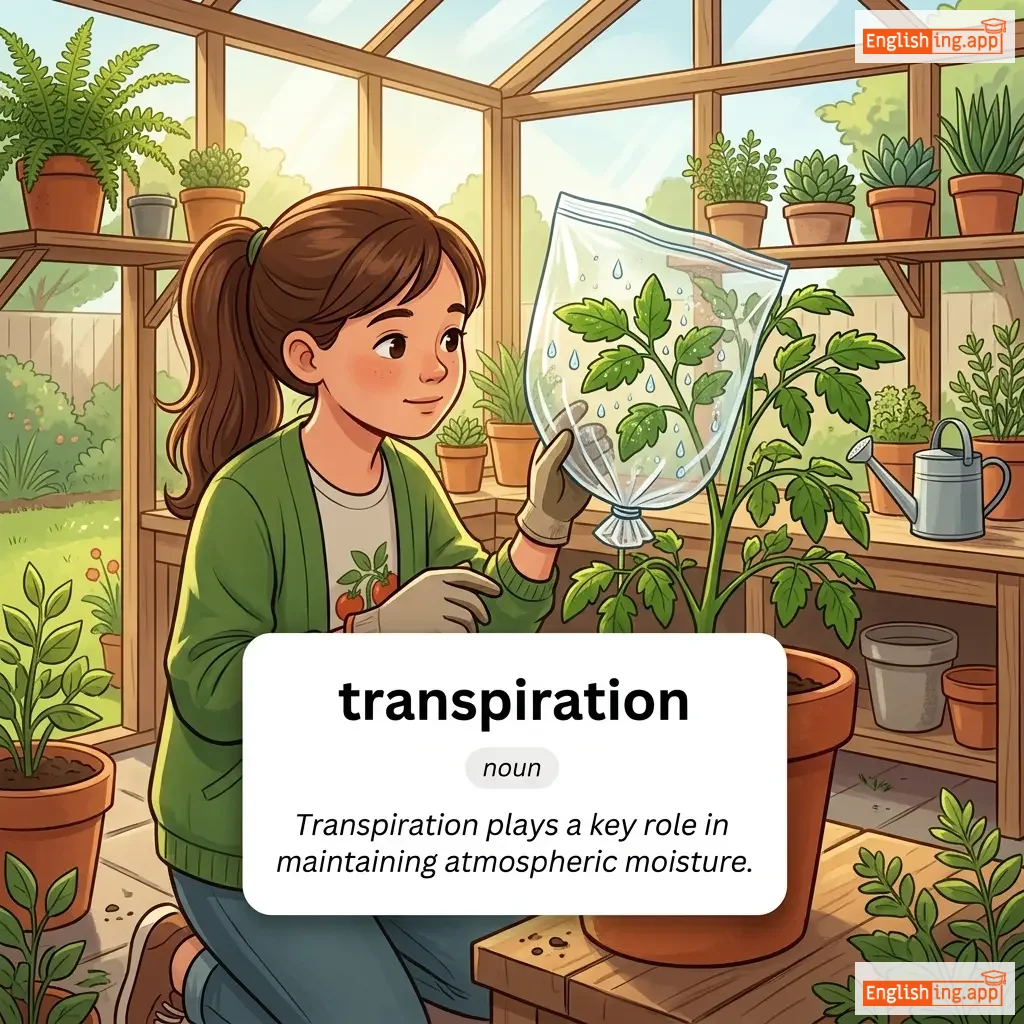
/ˌtrænsˈpɪəreɪʃən/
noun
••••••
|
|
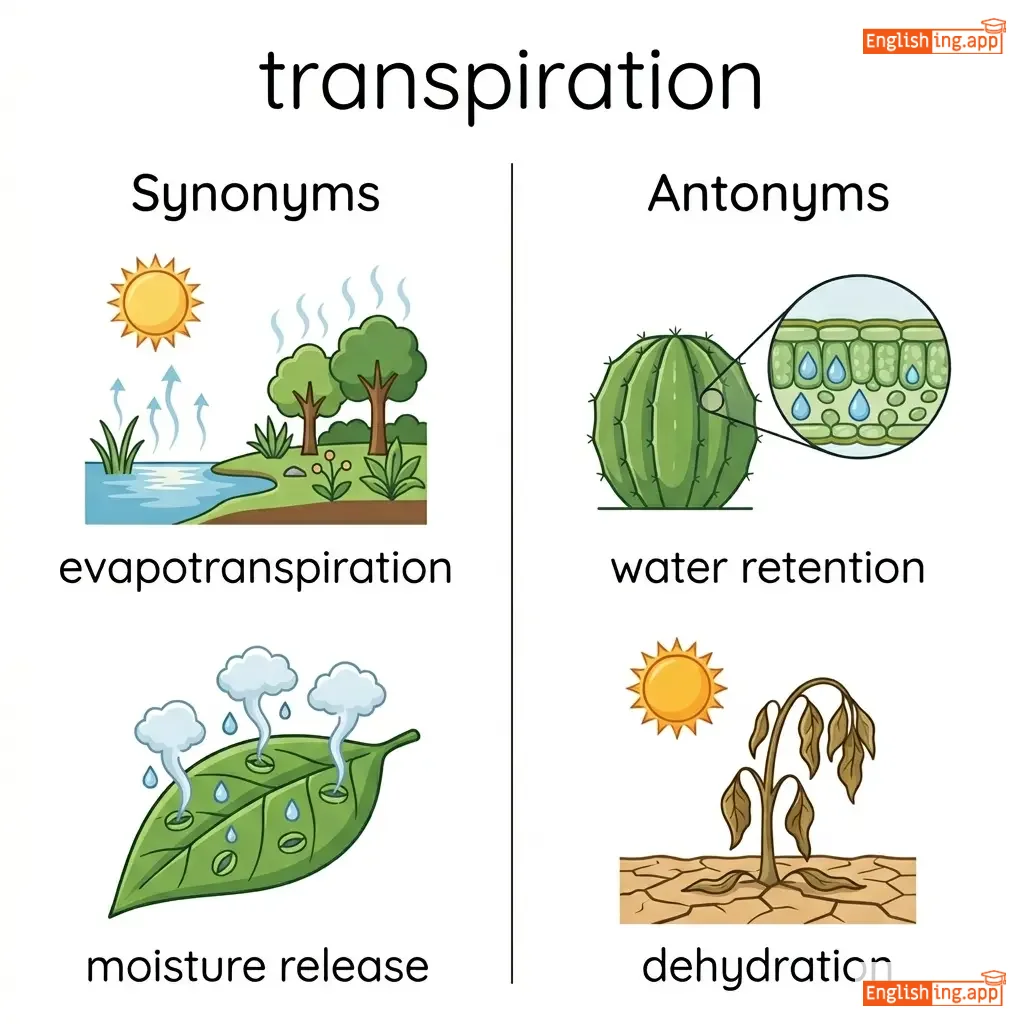
The process by which plants lose water through their leaves, which plays a crucial role in plant cooling, nutrient transport, and the water cycle.
••••••
|
Transpiration plays a key role in the water cycle and plant growth. |
evaporation, water loss
••••••
|
water absorption, precipitation
••••••
|
|
#1885
☢️
|
/pəˈluːtənts/
noun
••••••
|
|
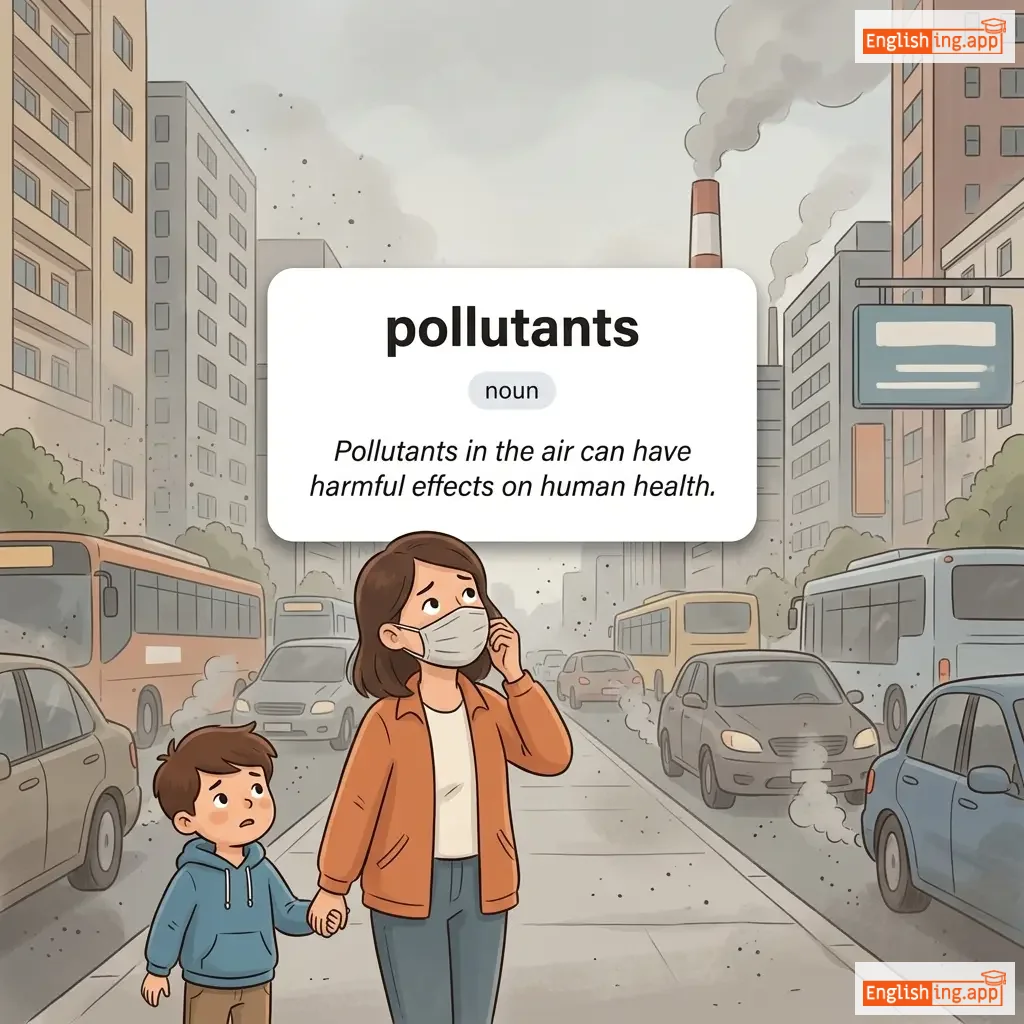
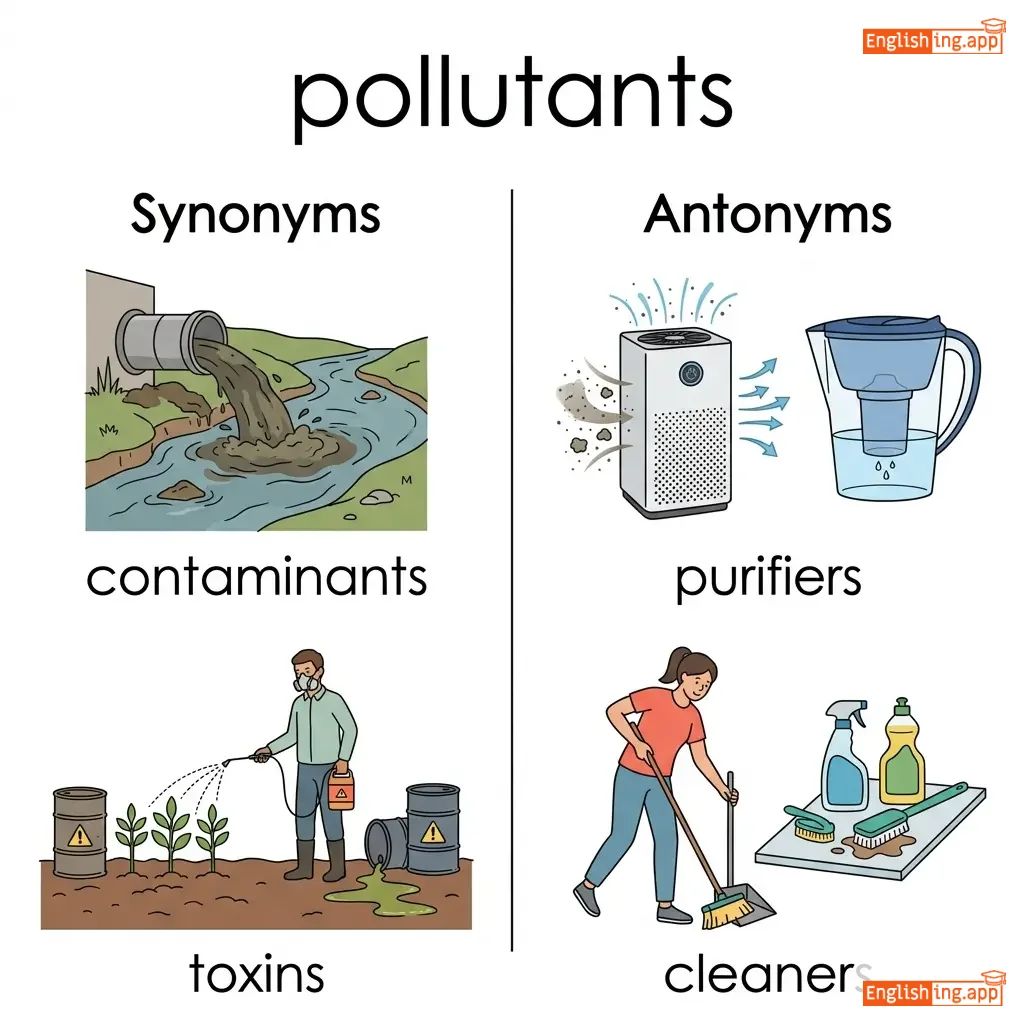
Harmful substances that contaminate the environment, including air, water, and soil, potentially causing damage to living organisms and ecosystems.
••••••
|
Pollutants in the air can have harmful effects on human health. |
contaminants, toxins
••••••
|
purifiers, cleaners
••••••
|
|
#1886
⛏️
|
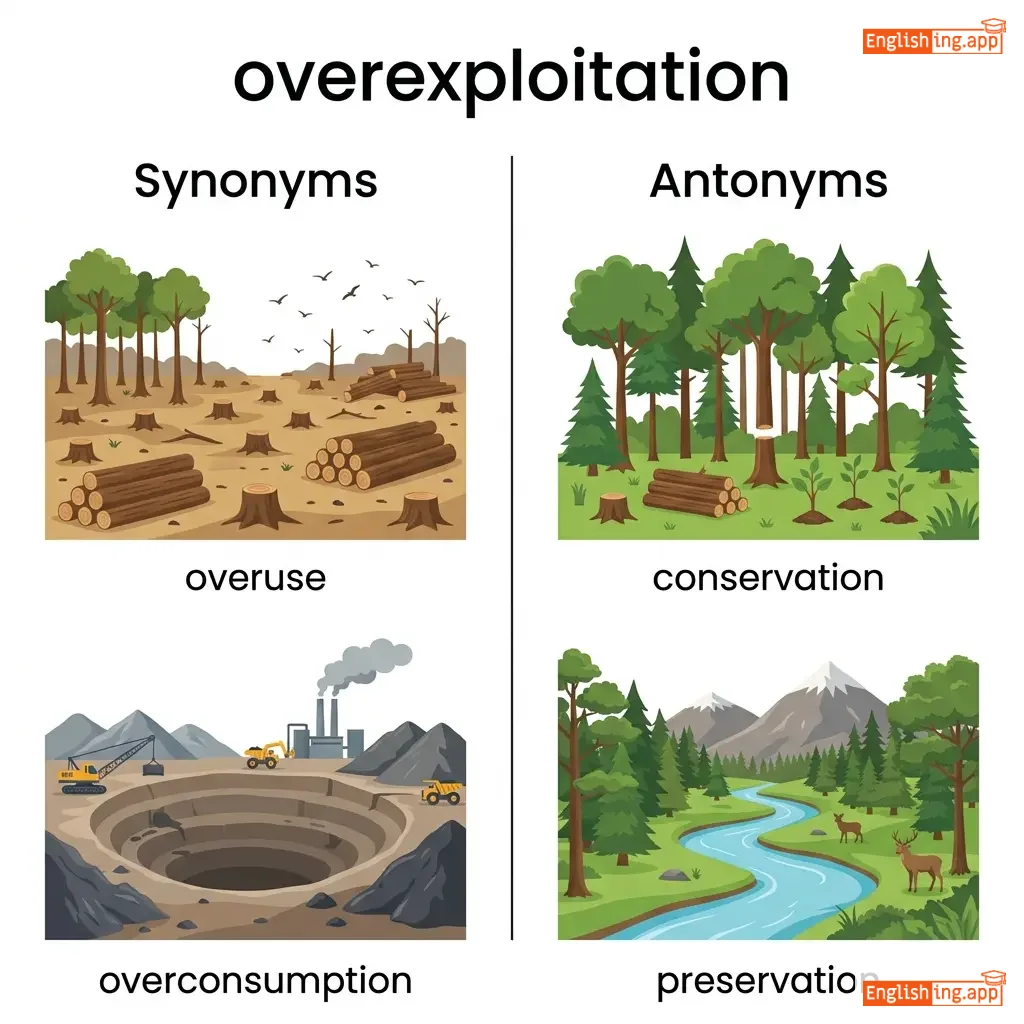
/ˌəʊvərɪksˌplɔɪˈteɪʃən/
noun
••••••
|
|
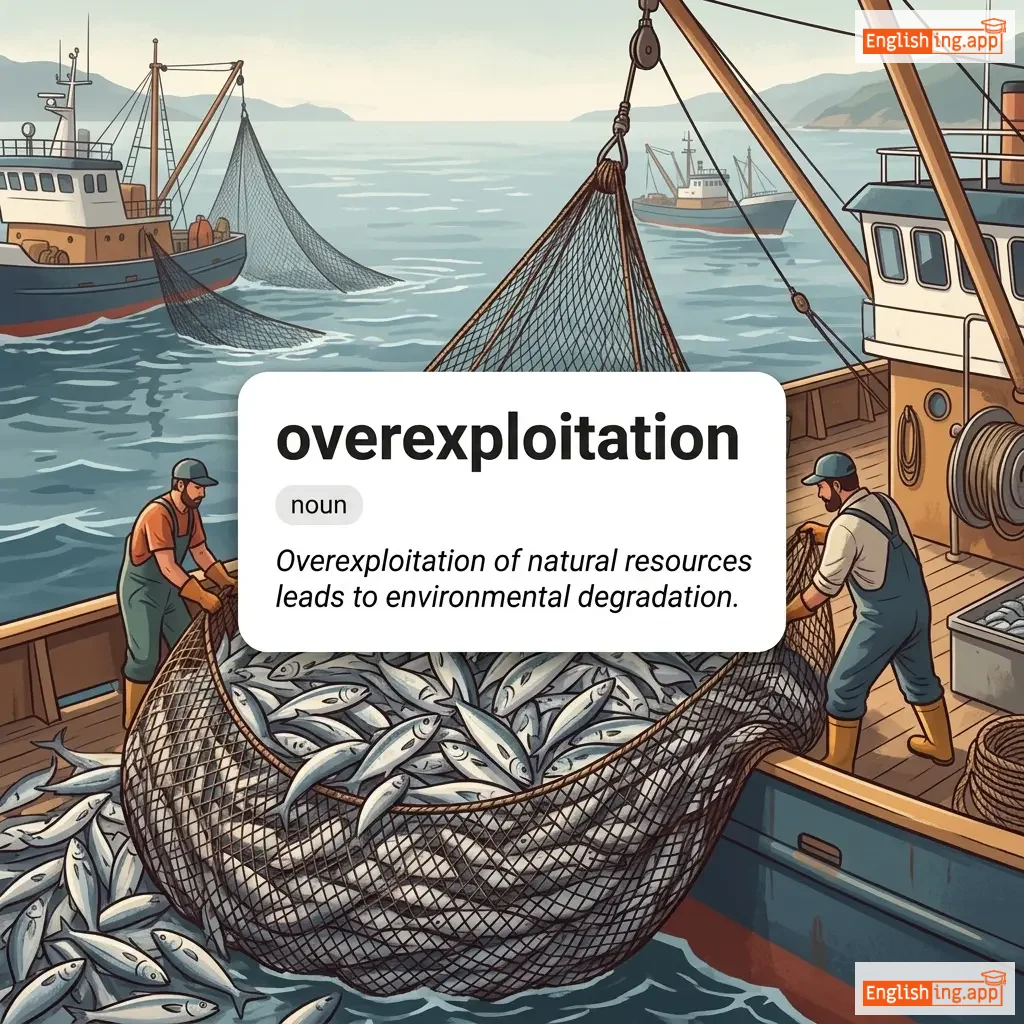
The unsustainable use of natural resources at a rate that exceeds their ability to regenerate, leading to depletion and environmental degradation.
••••••
|
Overexploitation of natural resources leads to environmental degradation. |
overuse, overconsumption
••••••
|
conservation, preservation
••••••
|
|
#1887
🌱
|
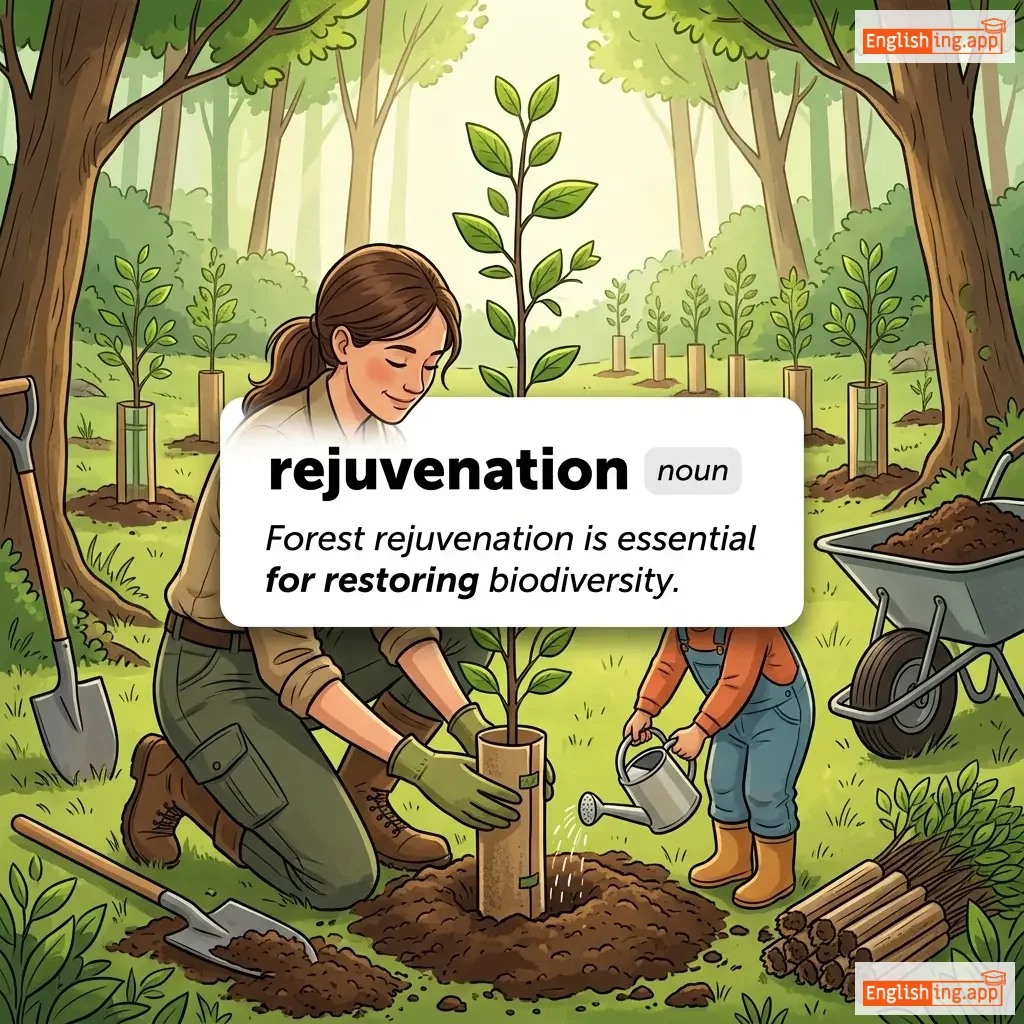
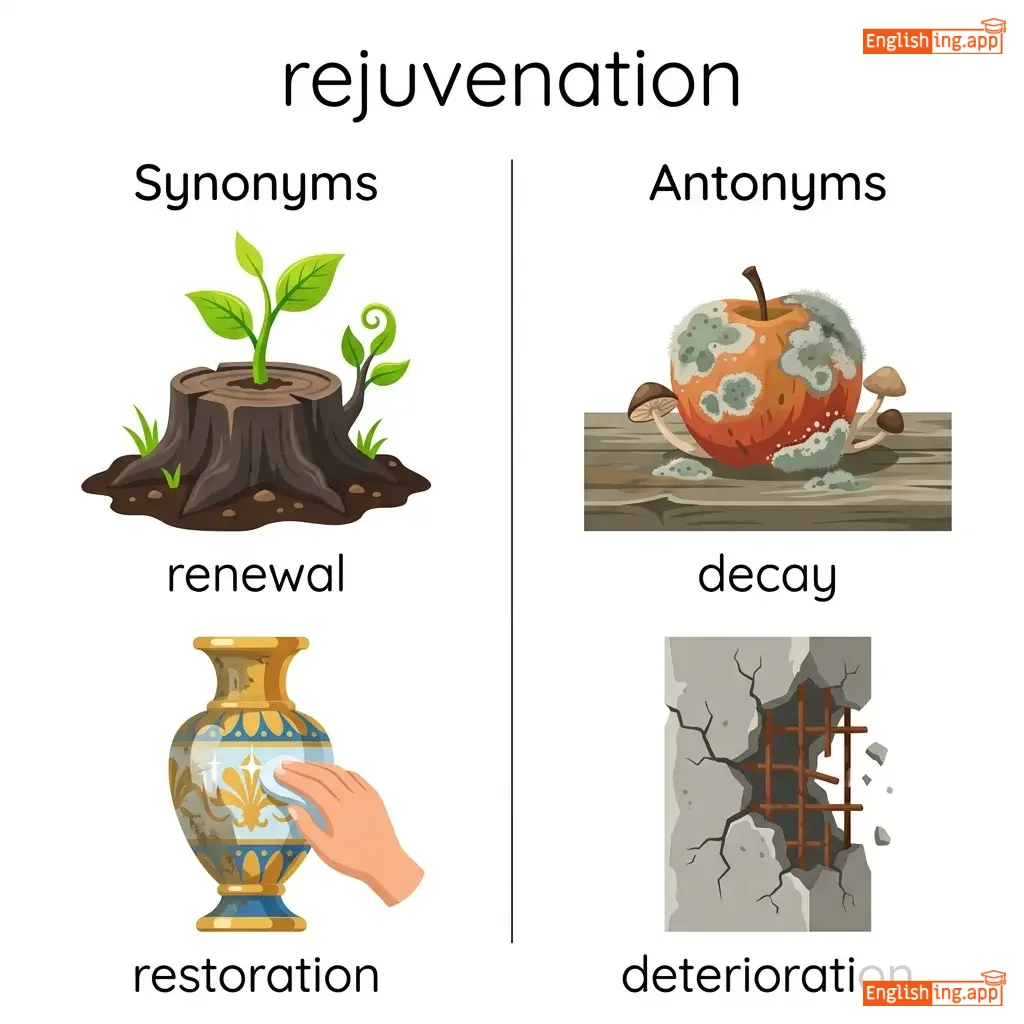
/rɪˌdʒuːvəˈneɪʃən/
noun
••••••
|
|
The process of restoring something to a former better state, especially referring to renewing soil fertility or revitalizing agricultural land through various restoration practices.
••••••
|
Rejuvenation of soil is necessary for sustainable agriculture. |
renewal, revitalization
••••••
|
degeneration, deterioration
••••••
|
|
#1888
🌾
|
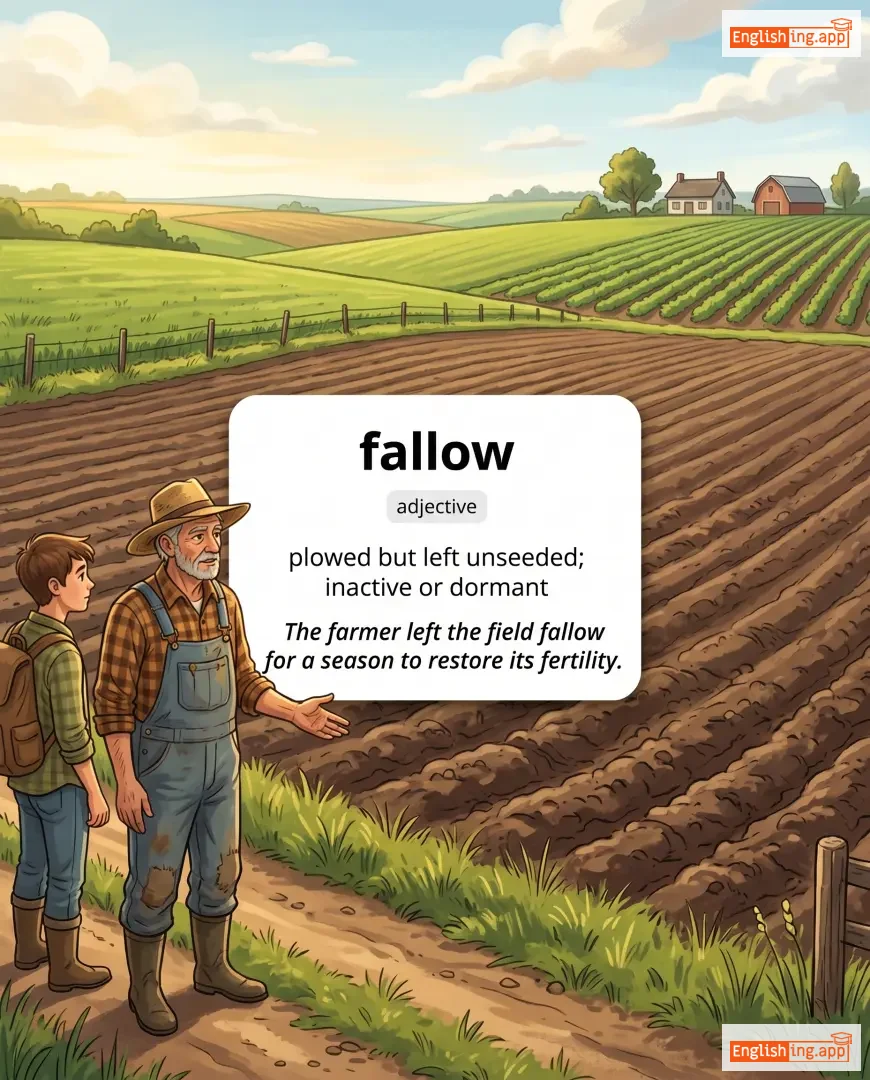
/ˈfæl.oʊ/
adjective
••••••
|
|
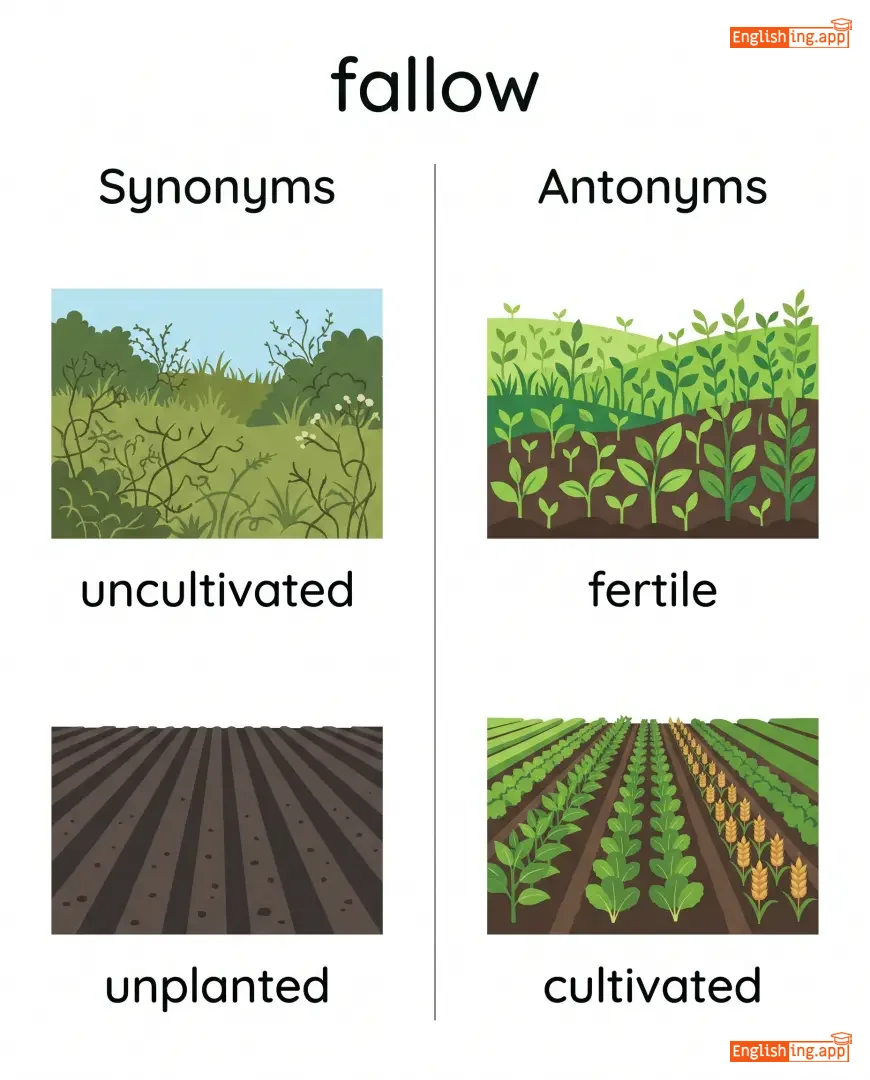
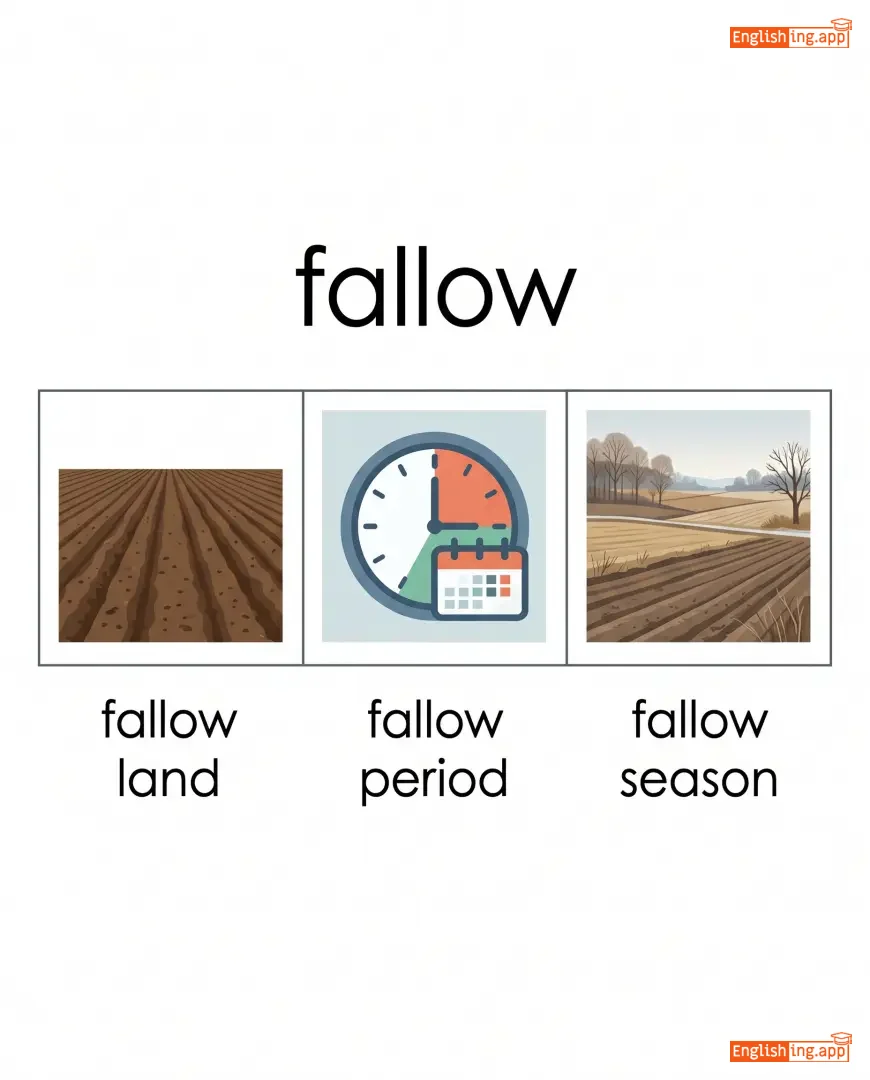
Describing land that is left unplanted for a period to restore its fertility, allowing soil to recover nutrients and break pest and disease cycles.
••••••
|
Farmers leave their fields fallow to restore soil fertility. |
uncultivated, idle
••••••
|
fertile, productive
••••••
|
|
#1889
♻️
|
/ˌbaɪəʊdɪˈɡreɪdəbl/
adjective
••••••
|
|
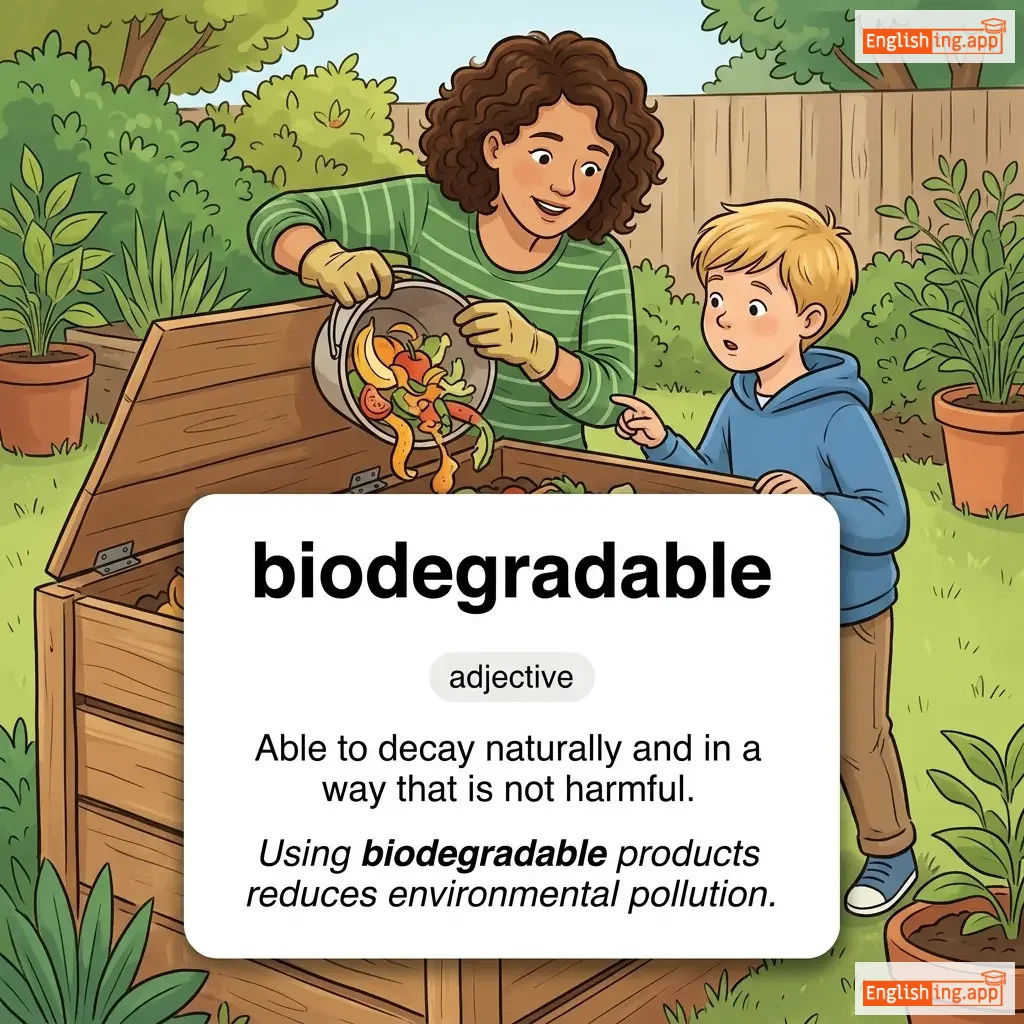
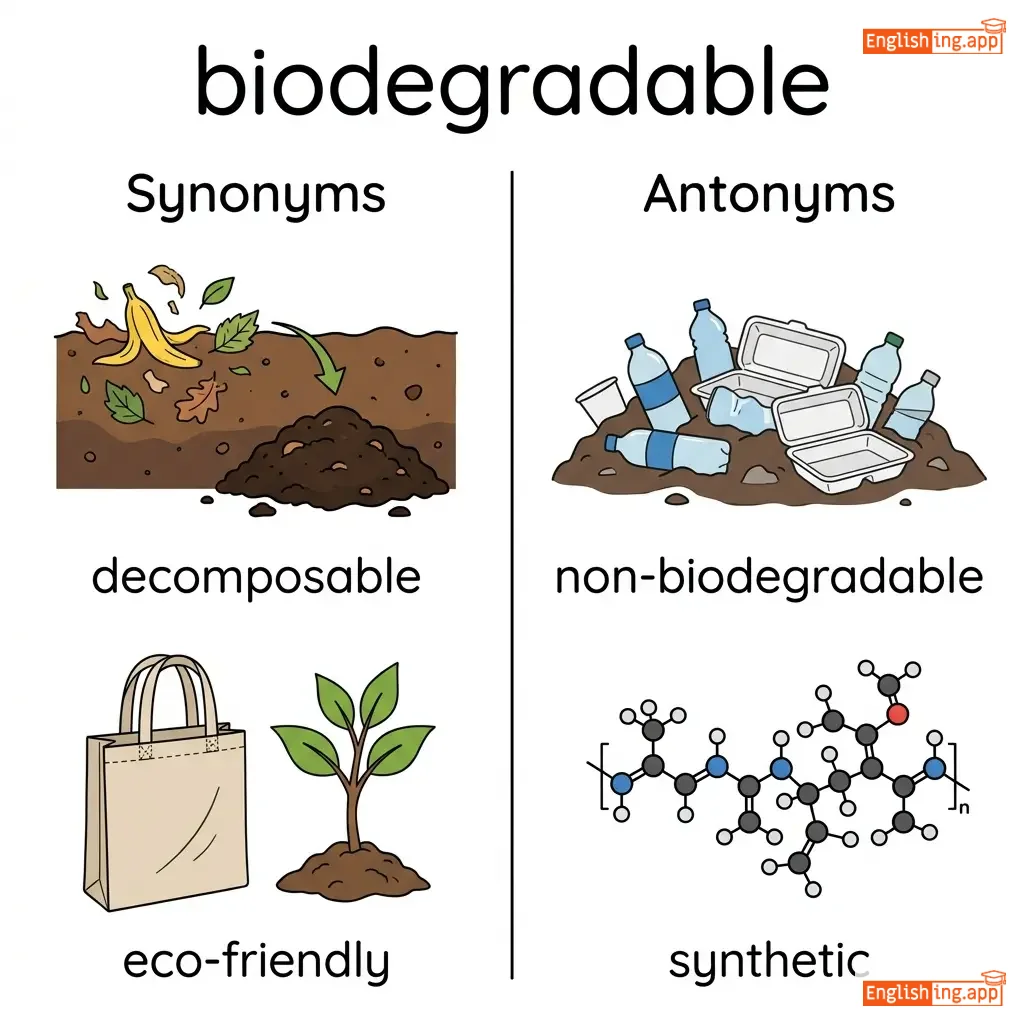
Capable of being decomposed by natural biological processes, typically by bacteria or other living organisms, without causing harm to the environment.
••••••
|
Biodegradable materials break down naturally without harming the environment. |
environmentally friendly, decomposable
••••••
|
non-biodegradable, synthetic
••••••
|
|
#1890
🦠
|
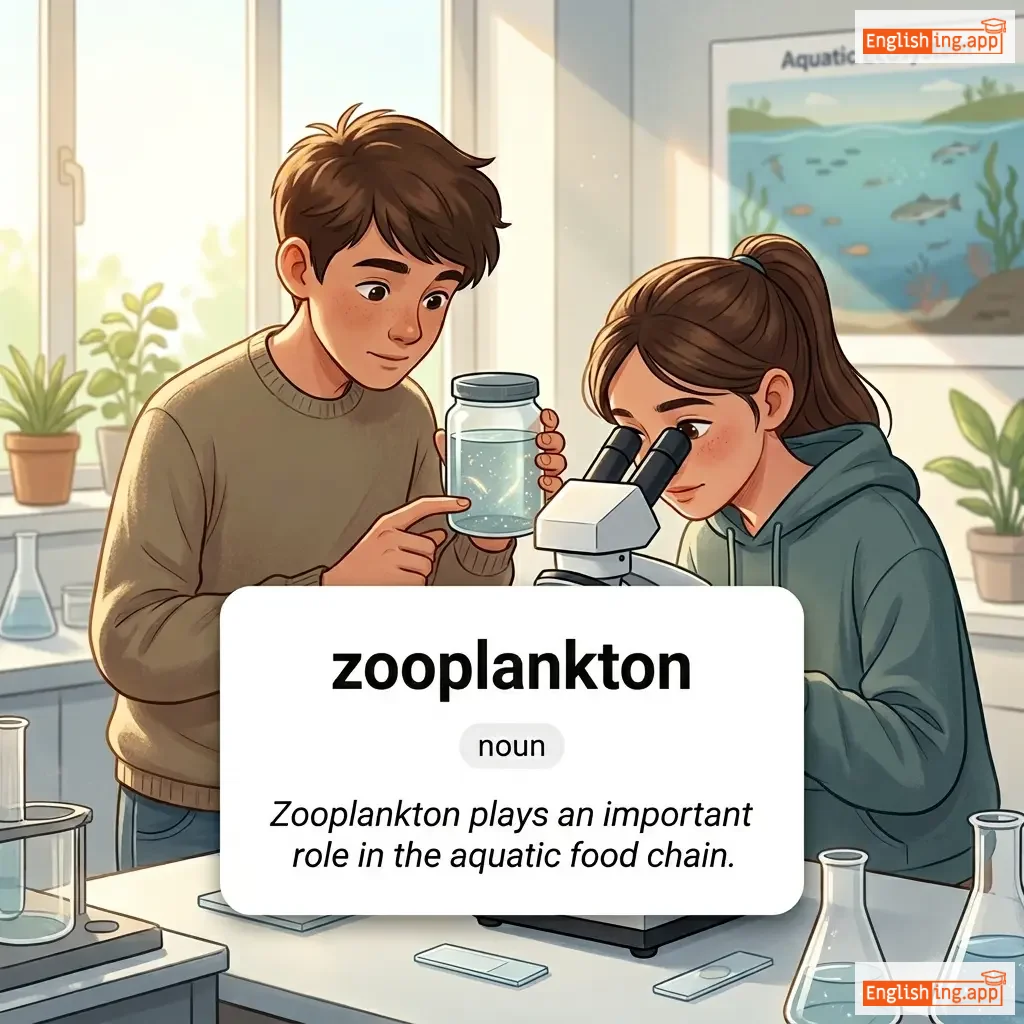
/ˈzuːəʊˌplæŋktən/
noun
••••••
|
|
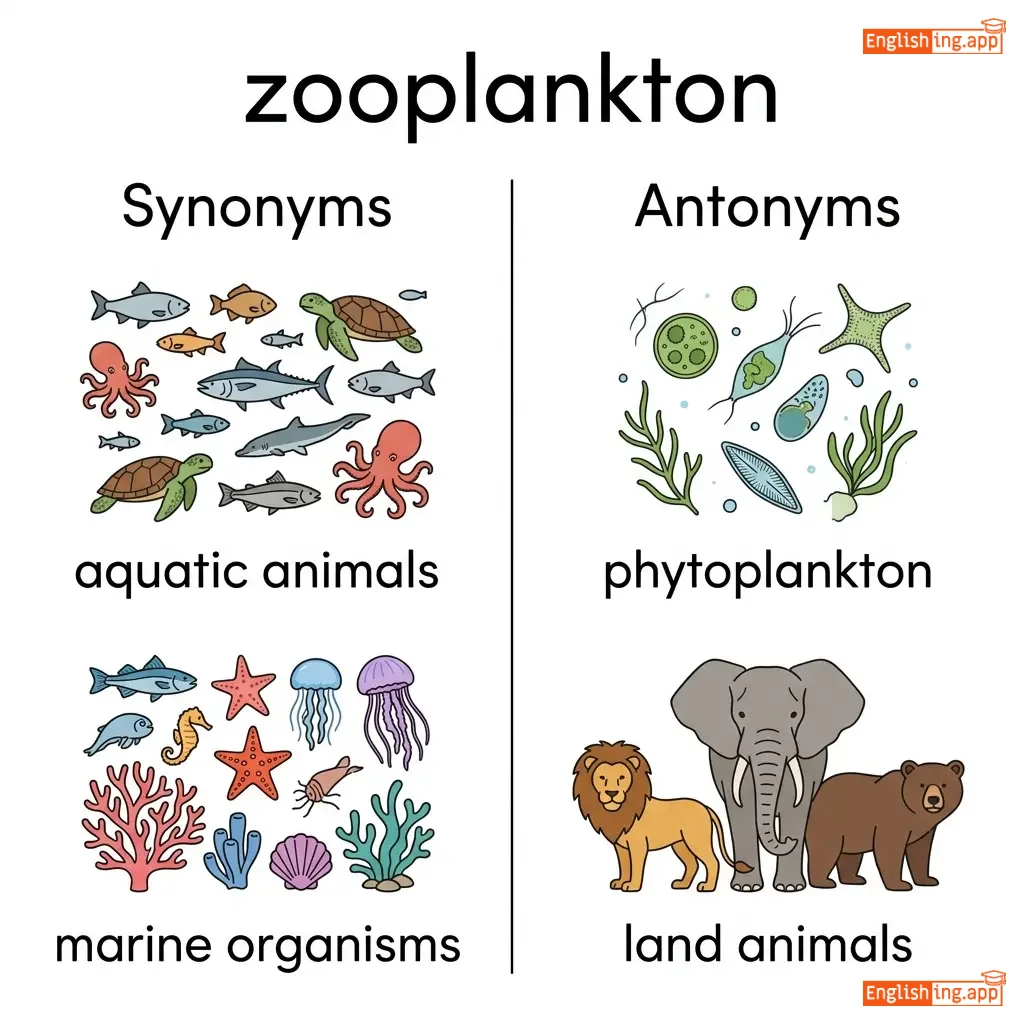
Microscopic aquatic animals that drift in water bodies and form an essential part of the aquatic food chain, serving as food for fish and other marine organisms.
••••••
|
Zooplankton plays an important role in the aquatic food chain. |
aquatic animals, marine organisms
••••••
|
phytoplankton, land animals
••••••
|
|
#1891
🌍
|
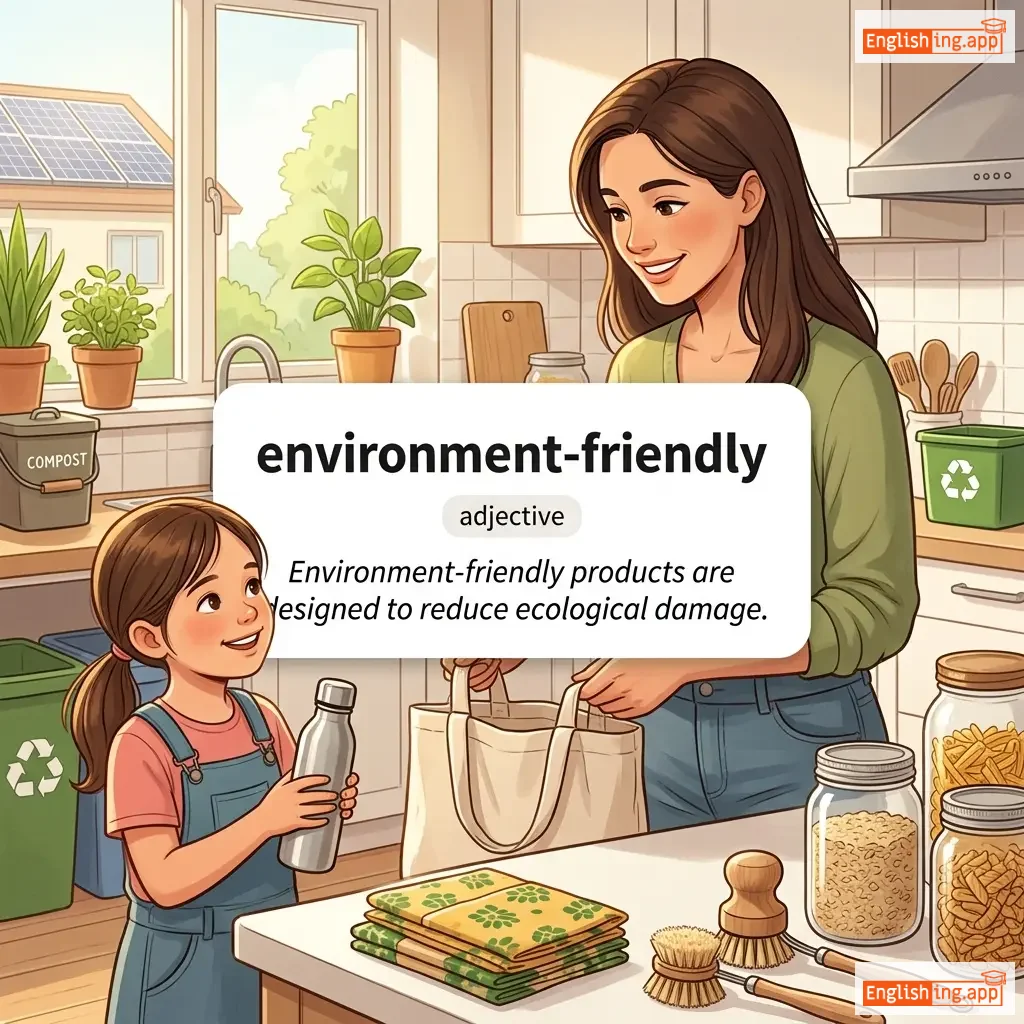
/ɪnˈvaɪrənmənt ˈfrɛndli/
adjective
••••••
|
|
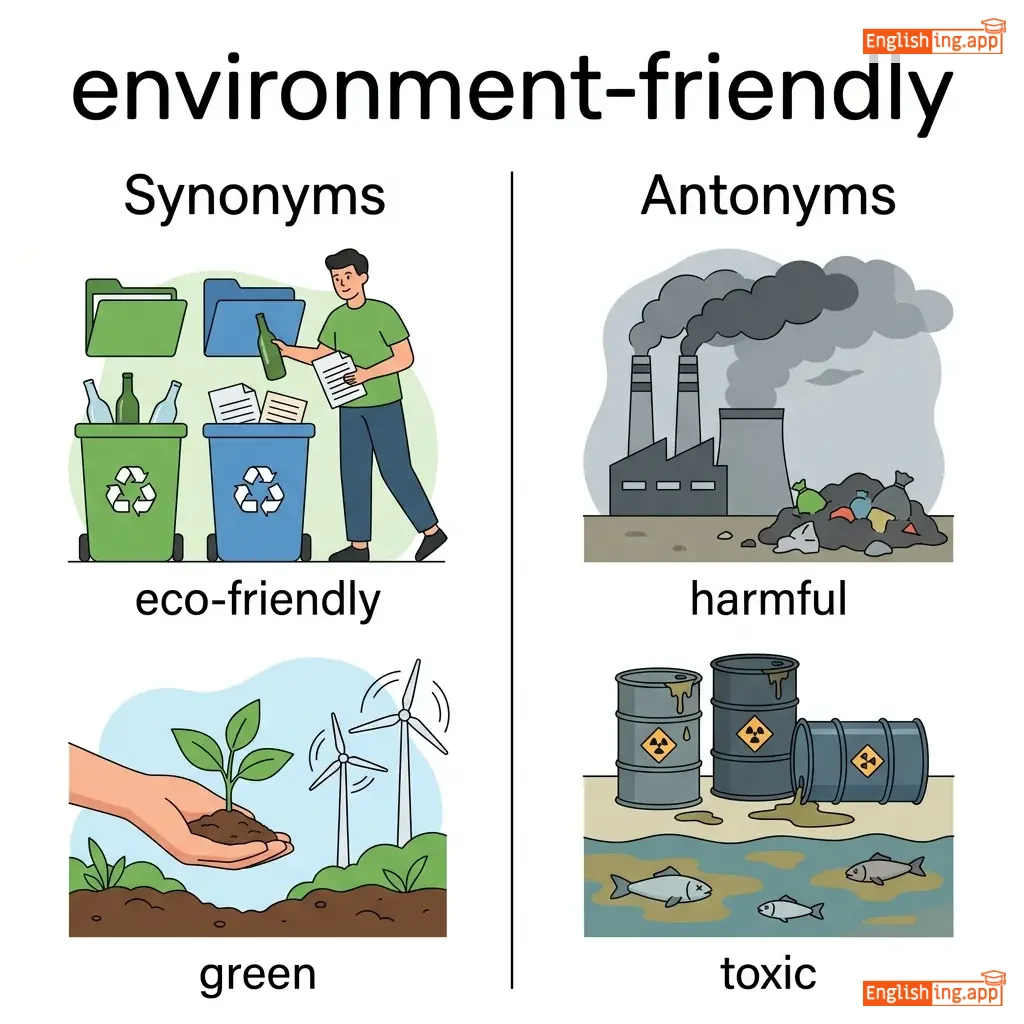
Designed or produced in a way that causes minimal harm to the environment, often using sustainable materials and processes that reduce ecological impact.
••••••
|
Environment-friendly products are designed to reduce ecological damage. |
eco-friendly, green
••••••
|
harmful, toxic
••••••
|
|
#1892
⚡
|
/vaɪˈtæləti/
noun
••••••
|
|
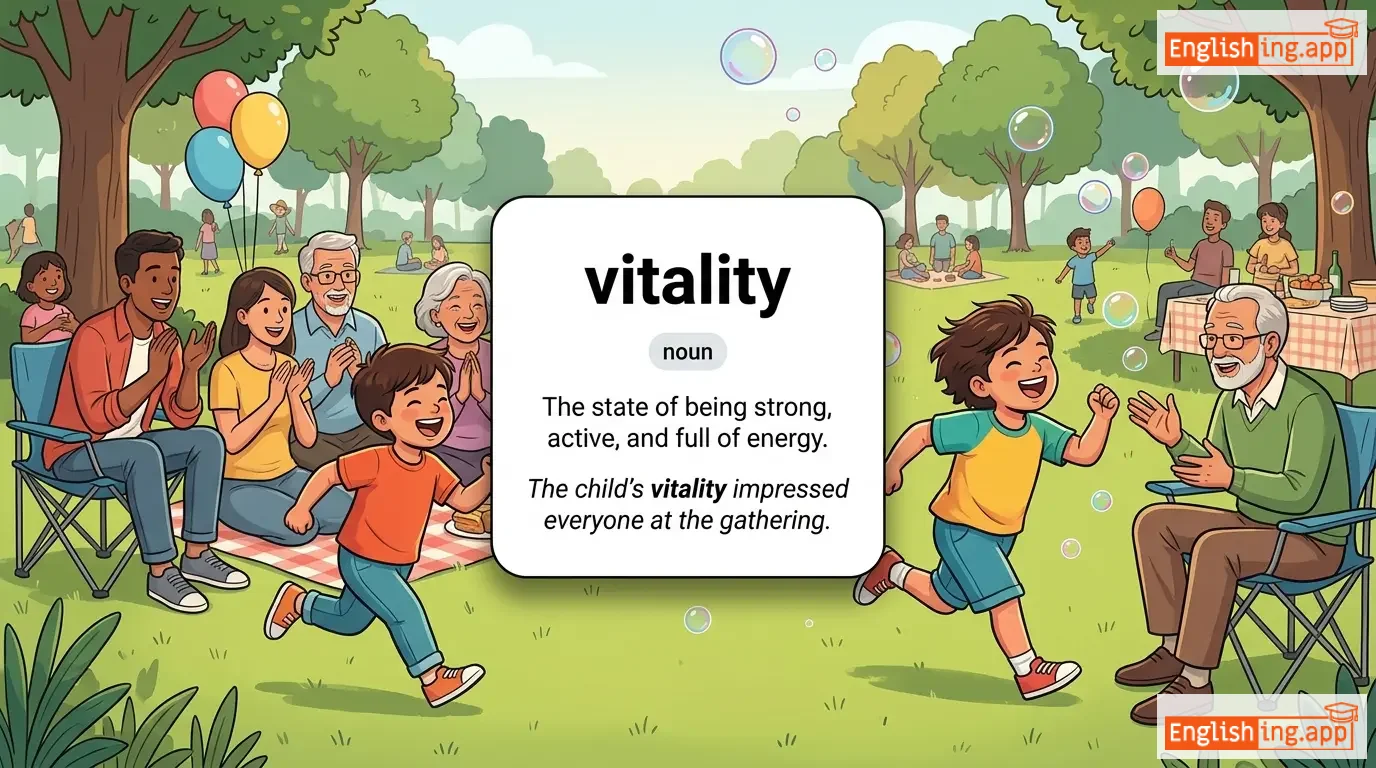
The state of being strong, active, and energetic; in agriculture, it refers to the overall health and vigor of plants, soil, or farming systems.
••••••
|
The vitality of the community is evident in their collective efforts. |
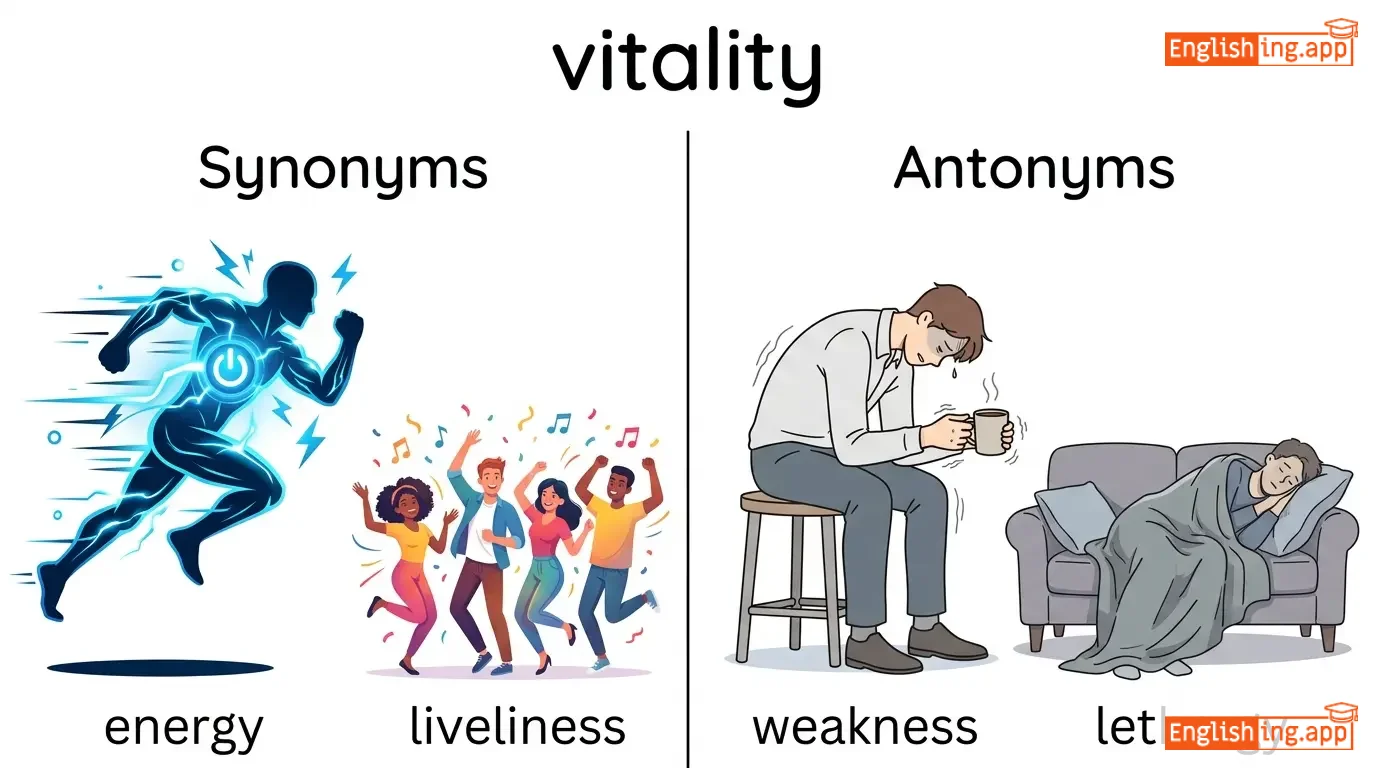
energy, vigour
••••••
|
weakness, lethargy
••••••
|

