

変化の旅路
The Transformation Journey
ある日、Rashed は自分の body が weak で、常に sick で tired だと気づきました。少し walking するだけで pain があり、climbing 階段は不可能でした。「自分を change しなければ」と彼は decided しました。
彼は started 小さな一歩から。最初の日は10分間だけ walked しました。muscles ached、body は抗議しましたが、彼は続けました。「Begin するのが一番難しい部分だ」とトレーナーは言いました。
週を重ねるごとに、Rashed は自分を pushed しました。軽い重さを started lifting し、毎朝 stretching をして、さらに長く walking しました。動くたびに pain がありましたが、少しずつ body は応え始めました。
「あなたの fitness は improving しています」と医師は検診で言いました。「Pushing を続けなさい。あなたの body は stronger になり、muscles が発達しています。あなたは healthier になっています。」
Rashed は began より重い荷物を carry しても苦にならなくなりました。以前は無理だった階段も簡単に climbed できました。彼の weak body は better で stronger なものへと変わっていったのです。
「Change が見えるわ」と妻は言いました。「もう sick じゃないし、見た目も better、とても healthier に見える。この fitness の旅は本当に効果があるわ!」
しかし、最も大きな change は内面でした。Rashed は精神的にも felt better になりました。もう pain に苦しむことも、weak だと感じることもありません。彼の body は stronger になり、心は澄み渡りました。
「以前は自分を pushing するのを避けていた」とRashed は支援グループで話しました。「少しでも pain があるとやめてしまった。私は weak だった。身体的にも、精神的にも。Starting この fitness の旅は怖かった。でも began は小さく——ただ walking、基本的な stretches、軽い lifting から始めた。毎日 body improved し、muscles は stronger になった。Pain は減り、sickness は消えた。私は学んだ、もし不快さを乗り越えて push し、挑戦を続け carry、そして climb していけば、better な健康に近づけると。今では簡単に lift でき、長く walk でき、stretch しても pain はない。私の body は healthy、strong、そして力に満ちている。完璧に start する必要はない。まず begin することが大切なんだ。」
彼の物語は、weak、sick で change できないと感じていた多くの人々を励ましました。彼らは自分自身の fitness の旅を started し、最初の pain を pushed して乗り越え、次第に bodies が stronger になり、health improved、人生が better になっていきました。
翻訳
過去
過去分詞
三人称単数
動名詞
意味
例文
例文の翻訳
同義語
対義語
コロケーション
ニーモニック
Swipe left or right, or use the buttons. Tap image to zoom.
例文の翻訳
単語
The Transformation JourneyThe Transformation Journey - マスクトグル
|
絵文字
|
単語 | Images | 翻訳 | 過去 | 過去分詞 | 三人称単数 | 動名詞 | 意味 | 例文 | 例文の翻訳 | 表現例 | 表現例の意味 | 表現例の翻訳 | 同義語 | 対義語 | コロケーション | ニーモニック |
|---|---|---|---|---|---|---|---|---|---|---|---|---|---|---|---|---|---|
|
#0
🚀
|
/bɪˈɡɪn/
verb
(ビギン)
••••••
|
|
始める
hajimeru
••••••
|
began
ビゲン
••••••
|
begun
ビガン
••••••
|
begins
ビギンズ
••••••
|
beginning
ビギニング
••••••
|
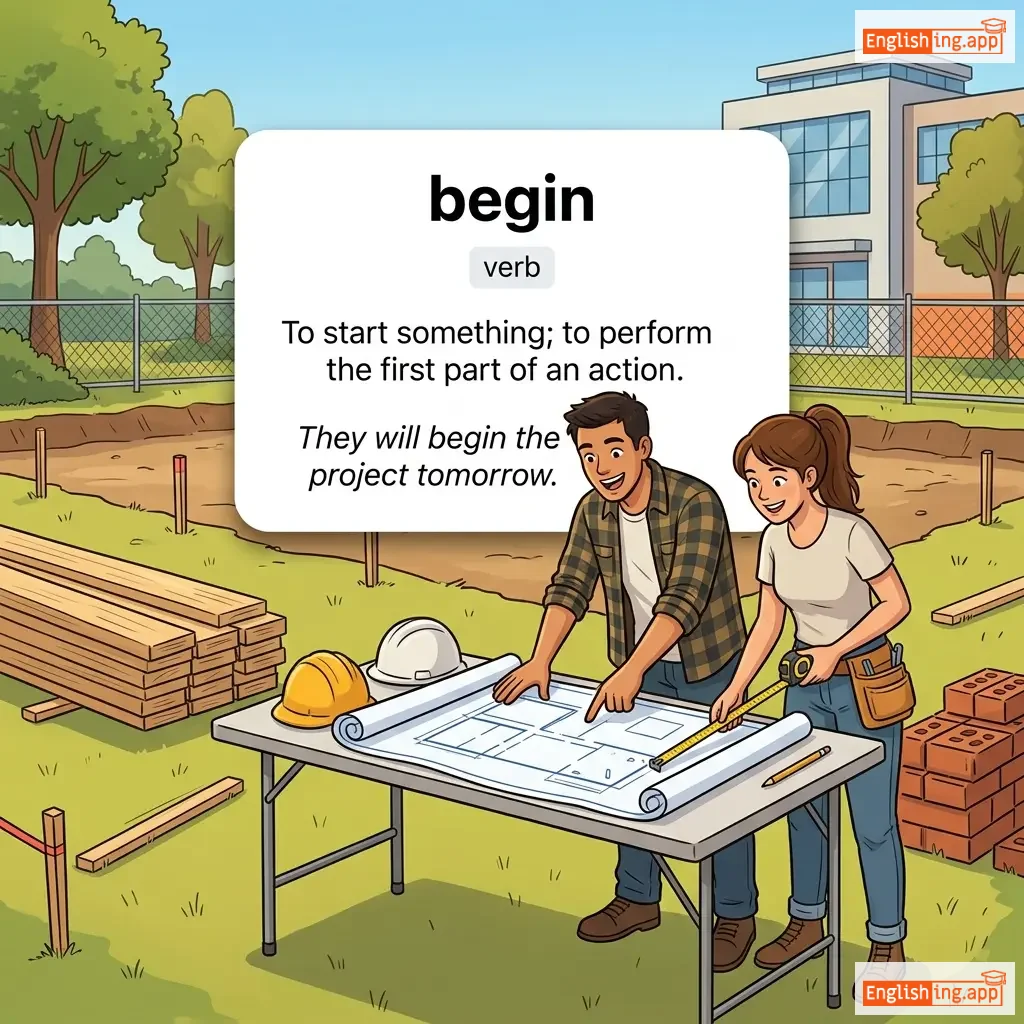
To start something; to perform the first part of an action.
••••••
|
They will begin the project tomorrow.
彼らは明日プロジェクトを開始する予定です。
••••••
|
彼らは明日プロジェクトを開始する予定です。
Karera wa ashita purojekuto o kaishi suru yotei desu.
••••••
|
to begin with
まず最初に
••••••
|
as the first consideration
••••••
|
まず最初に
Mazu saisho ni
••••••
|
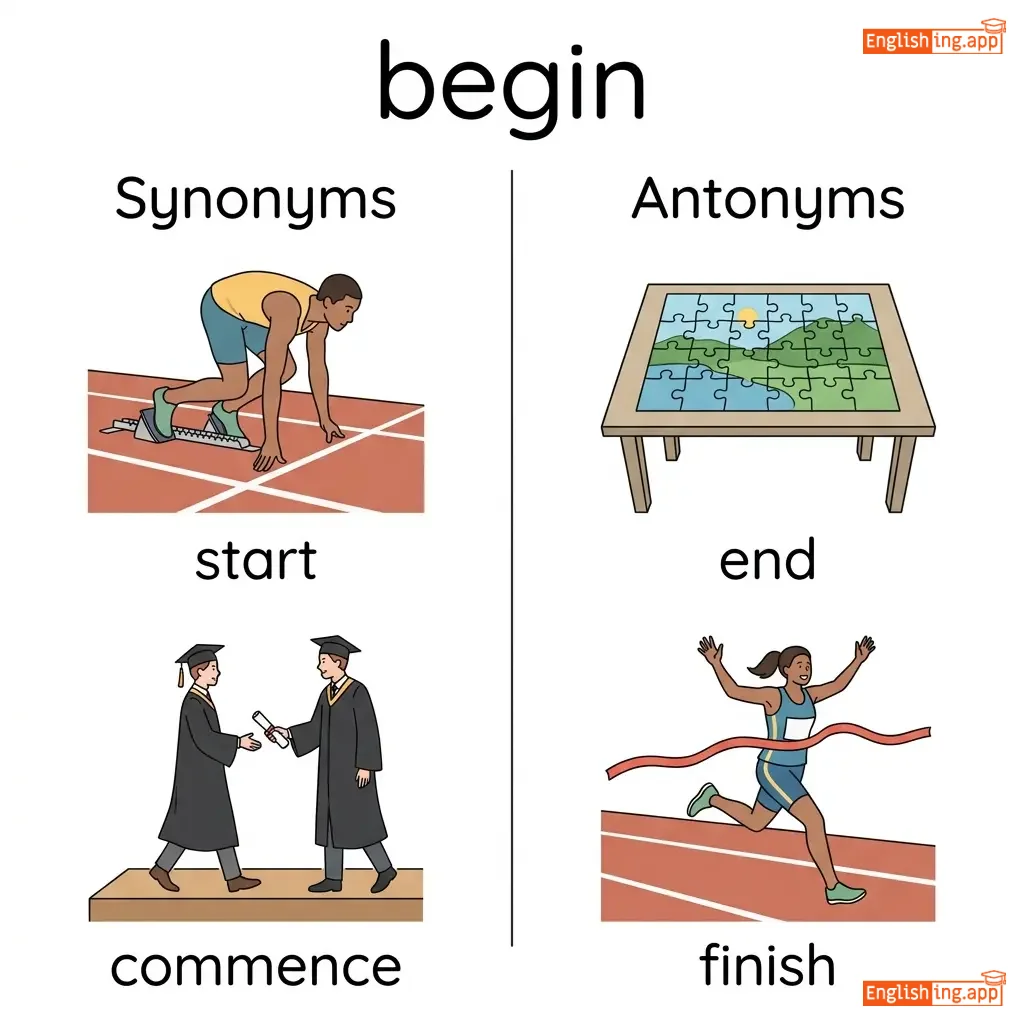
start, commence, initiate, launch
••••••
|
end, finish, conclude
••••••
|
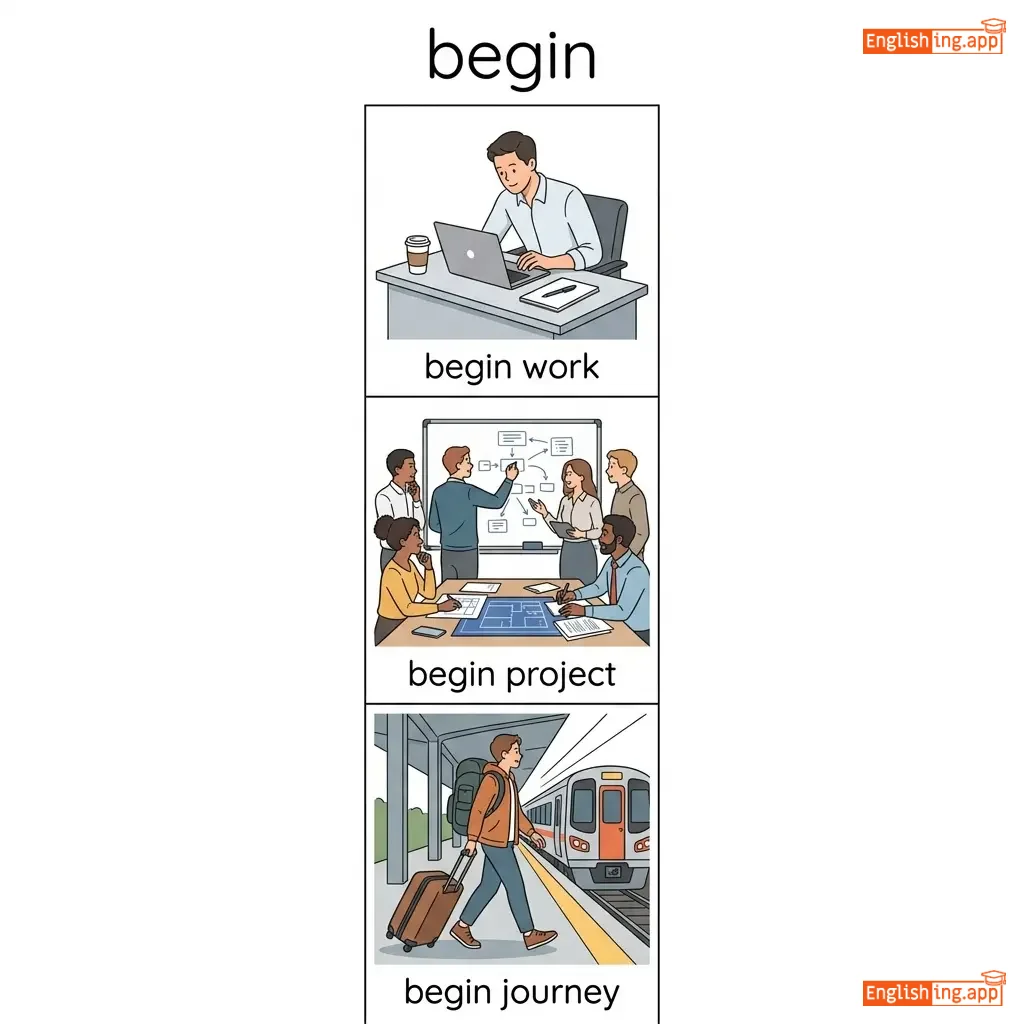
begin work, begin project, begin journey, begin process
••••••
|
始める=開始。‘始める’は、行動を始めるという意味です!
••••••
|
|
#0
👍
|
/ˈbɛtər/
adjective, adverb, verb
••••••
|
- •••••• | - •••••• |
bettered
••••••
|
bettered
••••••
|
betters
••••••
|
bettering
••••••
|
of a more excellent or effective type or quality; to surpass or improve
••••••
|
He felt better after taking the medicine. |
- •••••• |
better late than never |
It is better to do something late than not do it at all.
••••••
|
- •••••• |
improved, superior, greater, finer, enhanced
••••••
|
worse, inferior, poorer
••••••
|
better chance, better understanding, better option, feel better
••••••
|
No •••••• |
|
#0
🧍
|
/ˈbɒdi/
noun
(bodi)
••••••
|
- •••••• |
体
karada
••••••
|
- •••••• | - •••••• | - •••••• | - •••••• |
the physical structure of a person or animal
••••••
|
Exercise helps keep the body healthy. |
運動は体を健康に保つのに役立ちます。
undō wa karada o kenkō ni tamotsu no ni yakudachimasu.
••••••
|
over my dead body |
absolutely not allowed
••••••
|
私の死体を越えて
watashi no shitai o koete
••••••
|
form, figure, corpse, frame, physique
••••••
|
soul, spirit
••••••
|
human body, body parts, body weight, body language
••••••
|
Body = 体, 運動をすると体が強くなる。
••••••
|
|
#0
👜
|
/ˈkæri/
verb
(キャリー)
••••••
|
- •••••• |
運ぶ
hakobu
••••••
|
carried
キャリード
••••••
|
carried
キャリード
••••••
|
carries
キャリーズ
••••••
|
carrying
キャリーイング
••••••
|
To support and move something or someone from one place to another.
••••••
|
She carried the bag across the street.
彼女はバッグを通りの向こう側に運びました。
••••••
|
彼女はバッグを通りの向こう側に運びました。
Kanojo wa baggu o tōri no mukōgawa ni hakobimashita.
••••••
|
carry weight
重みを運ぶ
••••••
|
to have influence or importance
••••••
|
影響力を持つ
eikyōryoku o motsu
••••••
|
transport, convey, bear, haul, move
••••••
|
drop, abandon
••••••
|
carry out, carry forward, carry over, carry responsibility
••••••
|
Carryとは'運ぶ'という意味。物を一つの場所から他の場所に移動させることです。
••••••
|
|
#0
🔄
|
/tʃeɪndʒ/
verb
(チェンジ)
••••••
|
|
変化
henka
••••••
|
changed
チェンジド
••••••
|
changed
チェンジド
••••••
|
changes
チェンジズ
••••••
|
changing
チェンジング
••••••
|
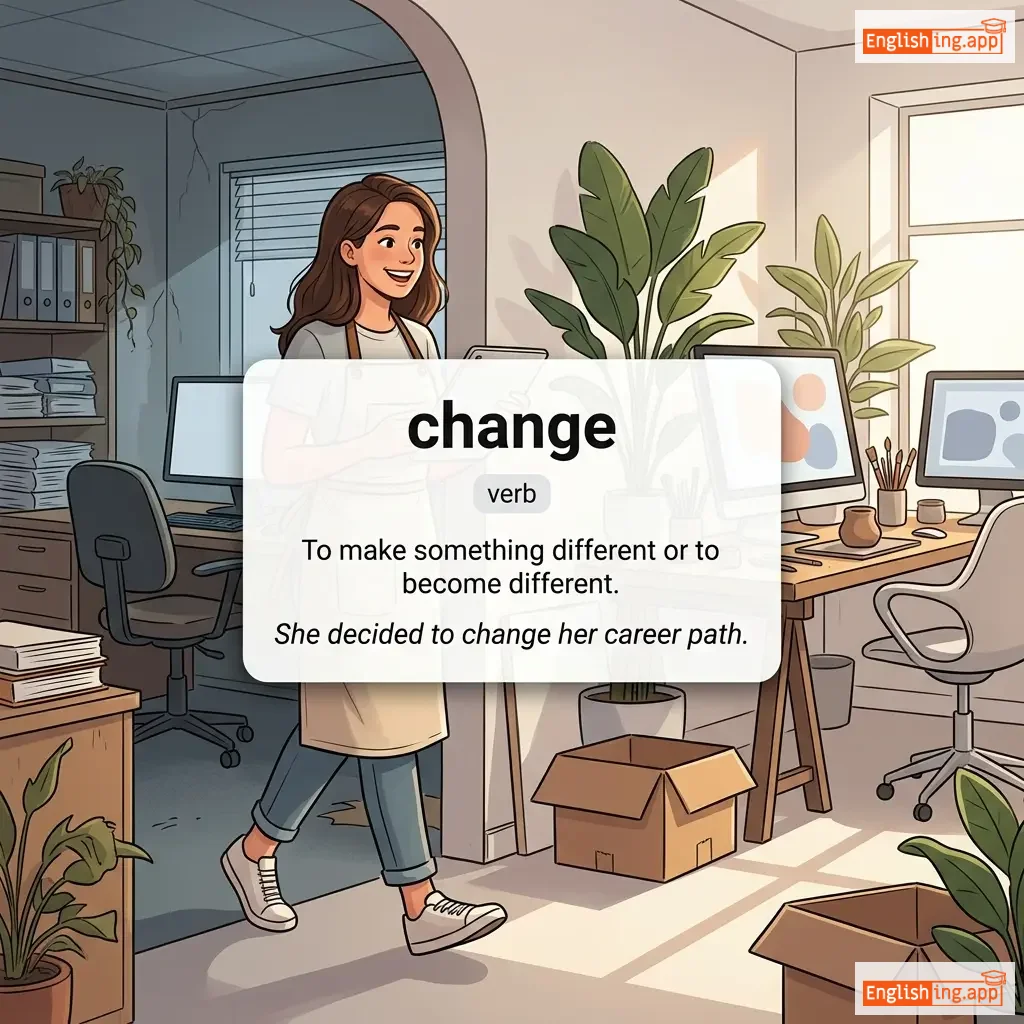
To make something different or to become different.
••••••
|
She decided to change her career path.
彼女はキャリアパスを変更することに決めました。
••••••
|
彼女はキャリアパスを変更することに決めました。
Kanojo wa kyaria pasu o henkou suru koto ni kimemashita.
••••••
|
change of heart
心変わり
••••••
|
a change in one's opinion or feelings
••••••
|
心変わり
kokoro gawari
••••••
|
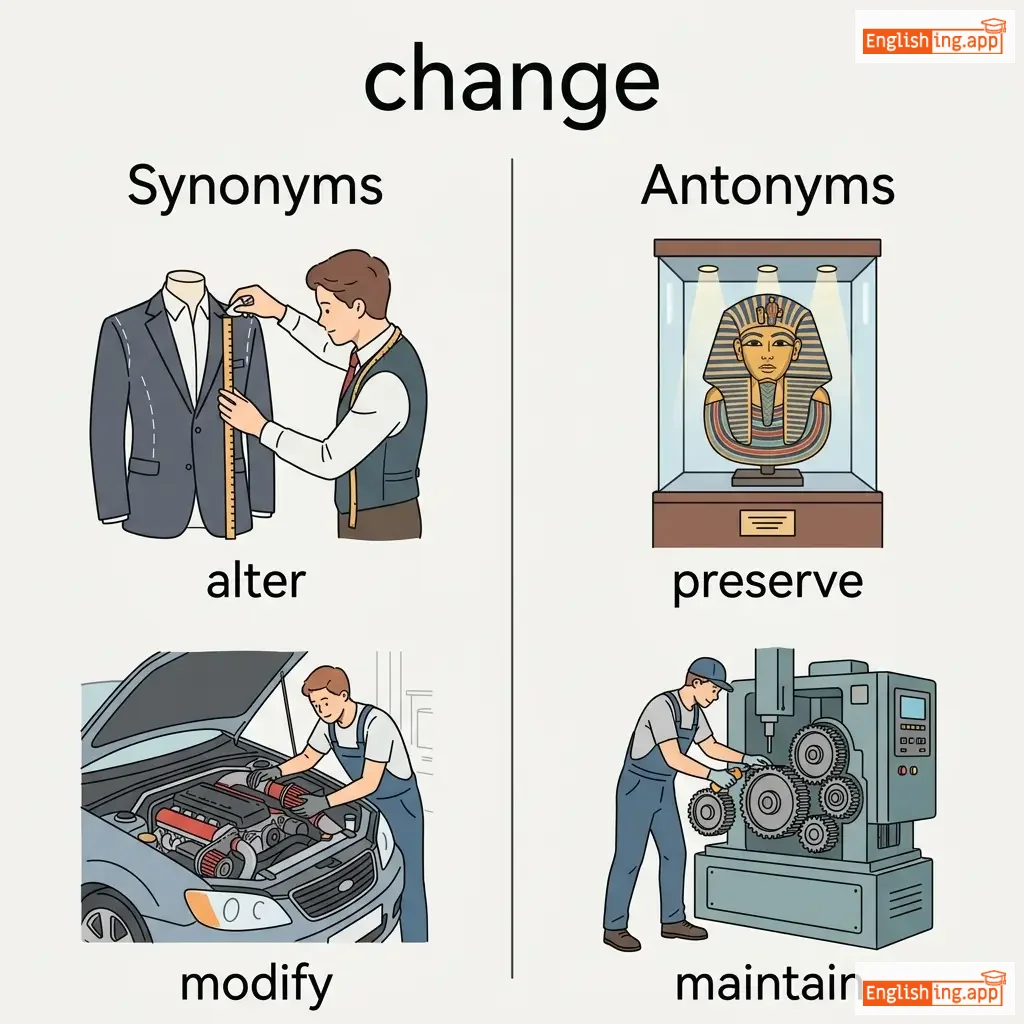
alter, modify, transform, adjust, shift
••••••
|
preserve, maintain, keep
••••••
|
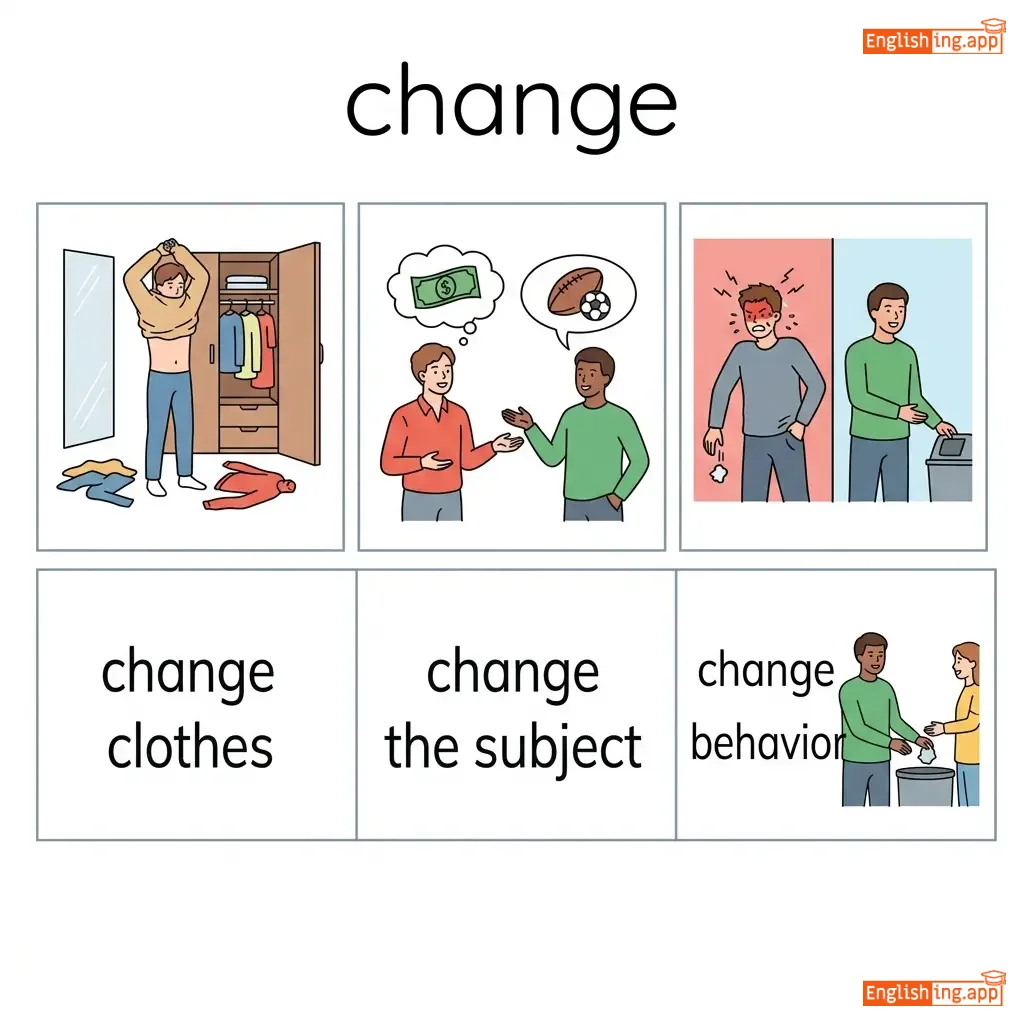
change clothes, change the subject, change behavior, change mind
••••••
|
Changeは変化を意味します – 気候変動では気候が変わります 🌍
••••••
|
|
#0
🧗
|
/klaɪm/
verb
(クライム)
••••••
|
|
登る
noboru
••••••
|
climbed
クライムド
••••••
|
climbed
クライムド
••••••
|
climbs
クライムス
••••••
|
climbing
クライミング
••••••
|
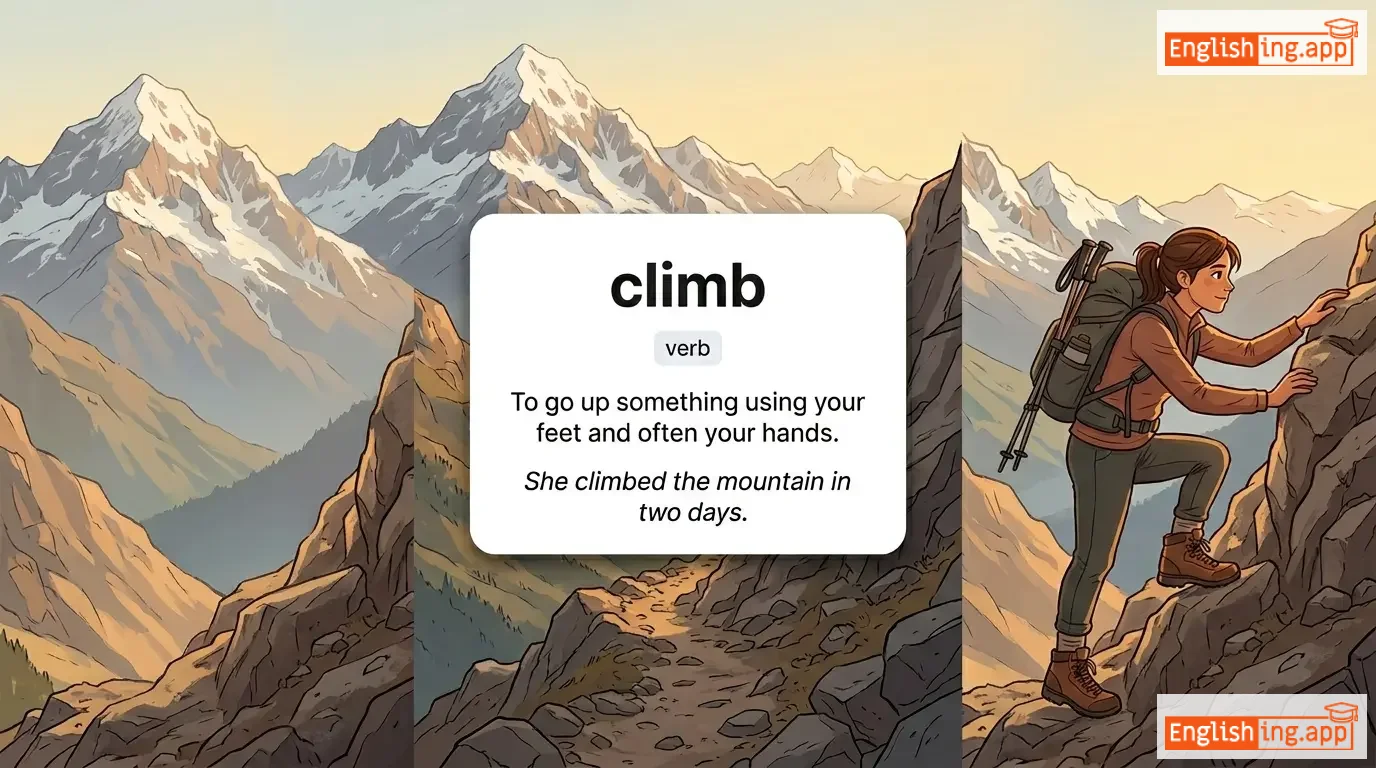
To go up something using your feet and often your hands.
••••••
|
She climbed the mountain in two days.
彼女は二日で山を登った。
••••••
|
彼女は二日で山を登った。
Kanojo wa futsuka de yama o nobotta.
••••••
|
climb the ladder
梯子を登る
••••••
|
To make progress in a career or social hierarchy.
••••••
|
梯子を登る
Hashigo o noboru
••••••
|
ascend, scale, mount, rise, go up
••••••
|
descend, fall, drop
••••••
|
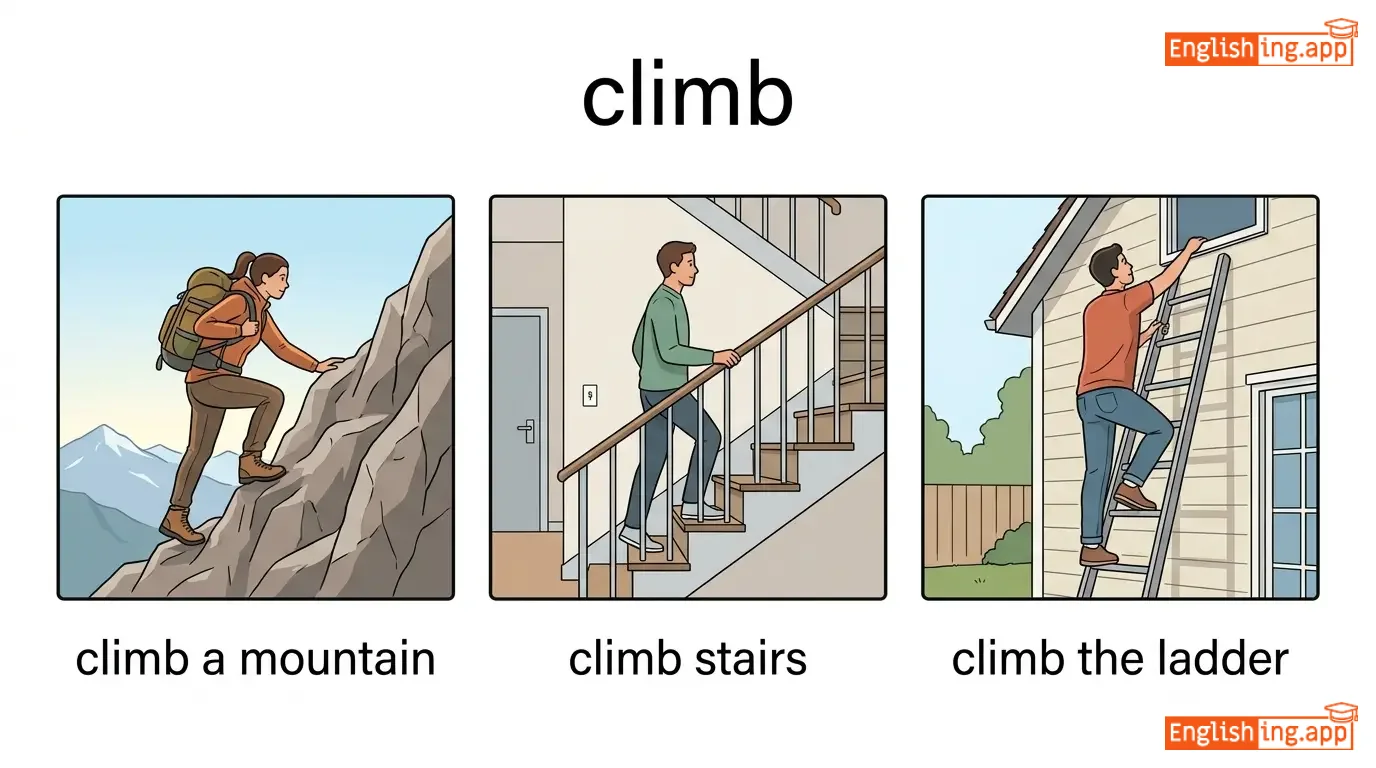
climb a mountain, climb stairs, climb the ladder, climb high, climb up
••••••
|
登るは上へ行くこと、梯子を登るのは成功への一歩だ!
••••••
|
|
#0
💪
|
/ˈfɪtnəs/
noun
(フィットネス)
••••••
|
|
フィットネス
fitness
••••••
|
- •••••• | - •••••• | - •••••• | - •••••• |
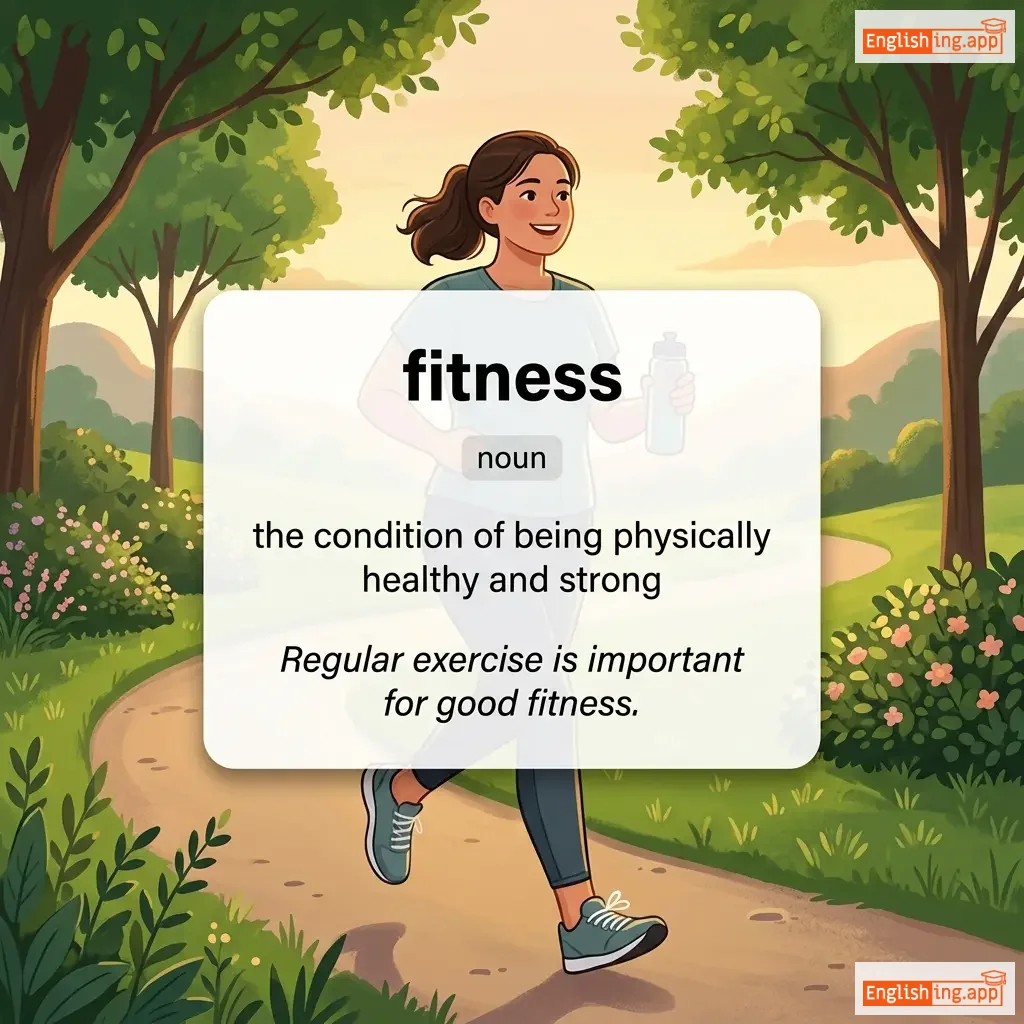
the condition of being physically healthy and strong
••••••
|
Regular exercise is important for good fitness. |
定期的な運動は良いフィットネスを維持するために重要です。
Teikiteki na undou wa yoi fitness wo iji suru tame ni juuyou desu.
••••••
|
peak fitness |
the best level of physical health and strength
••••••
|
ピークフィットネス
pi-ku fitness
••••••
|
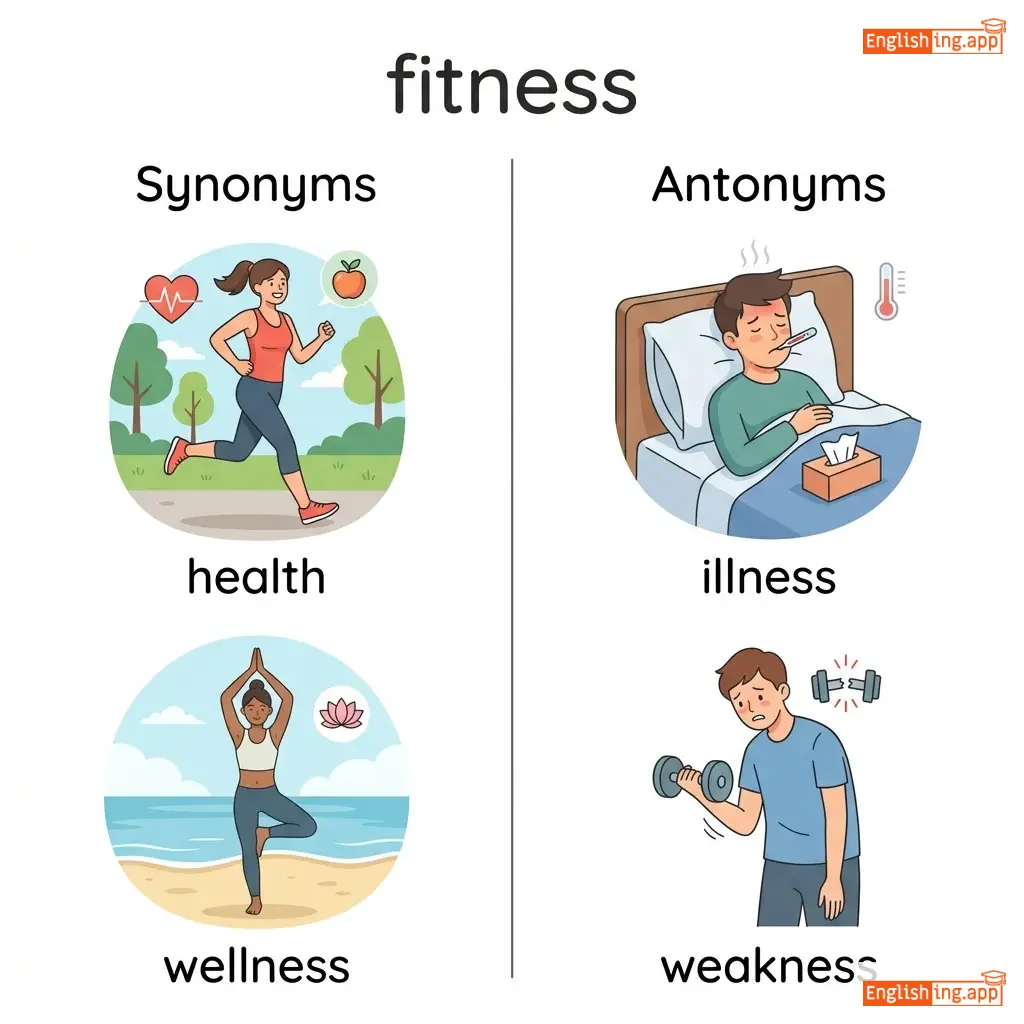
health, wellness, strength, conditioning, vitality
••••••
|
illness, weakness, unhealthiness
••••••
|
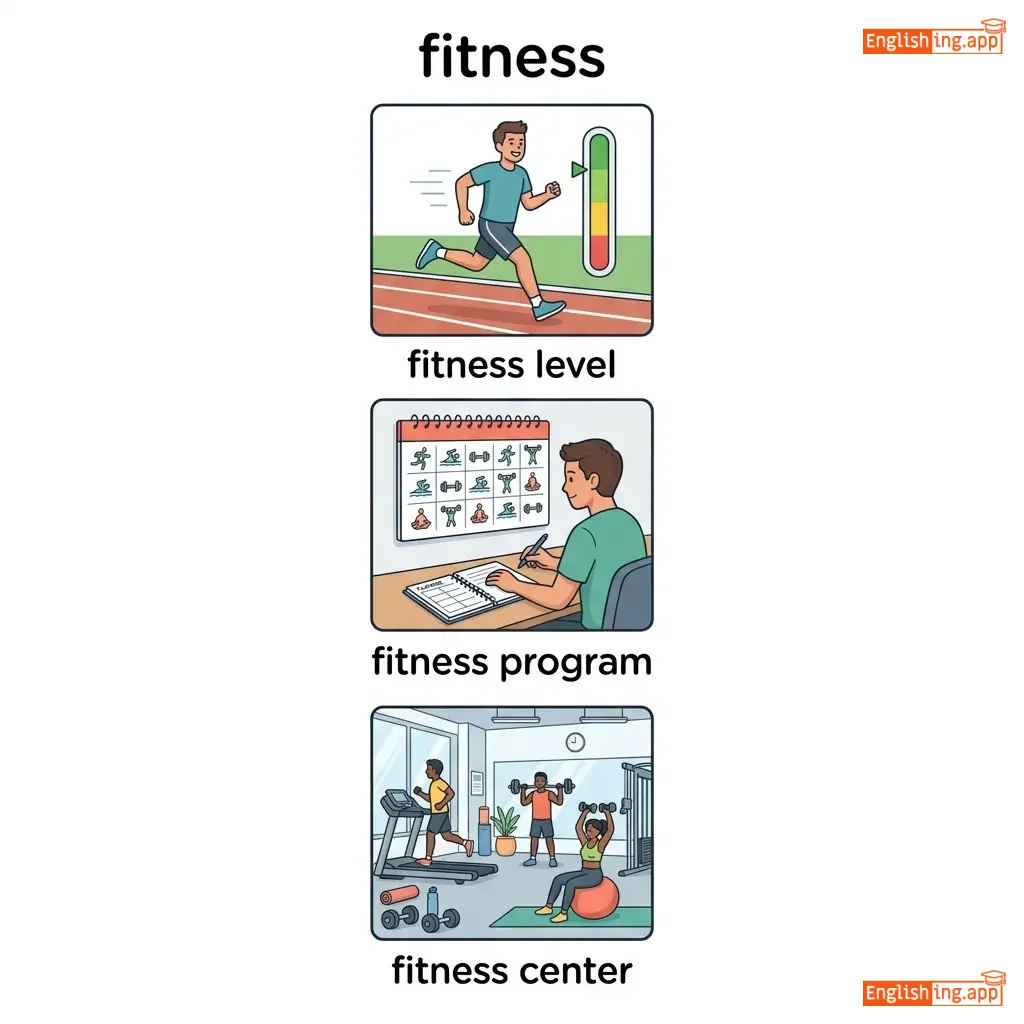
fitness level, fitness program, fitness center, fitness test
••••••
|
フィットネスは、ジムに行くことを意味し、いつでも完璧な準備ができていることです。
••••••
|
|
#0
🍎
|
/ˈhɛlθi/
adjective
(ハピネス)
••••••
|
|
幸せ
shiawase
••••••
|
- •••••• | - •••••• | - •••••• | - •••••• |
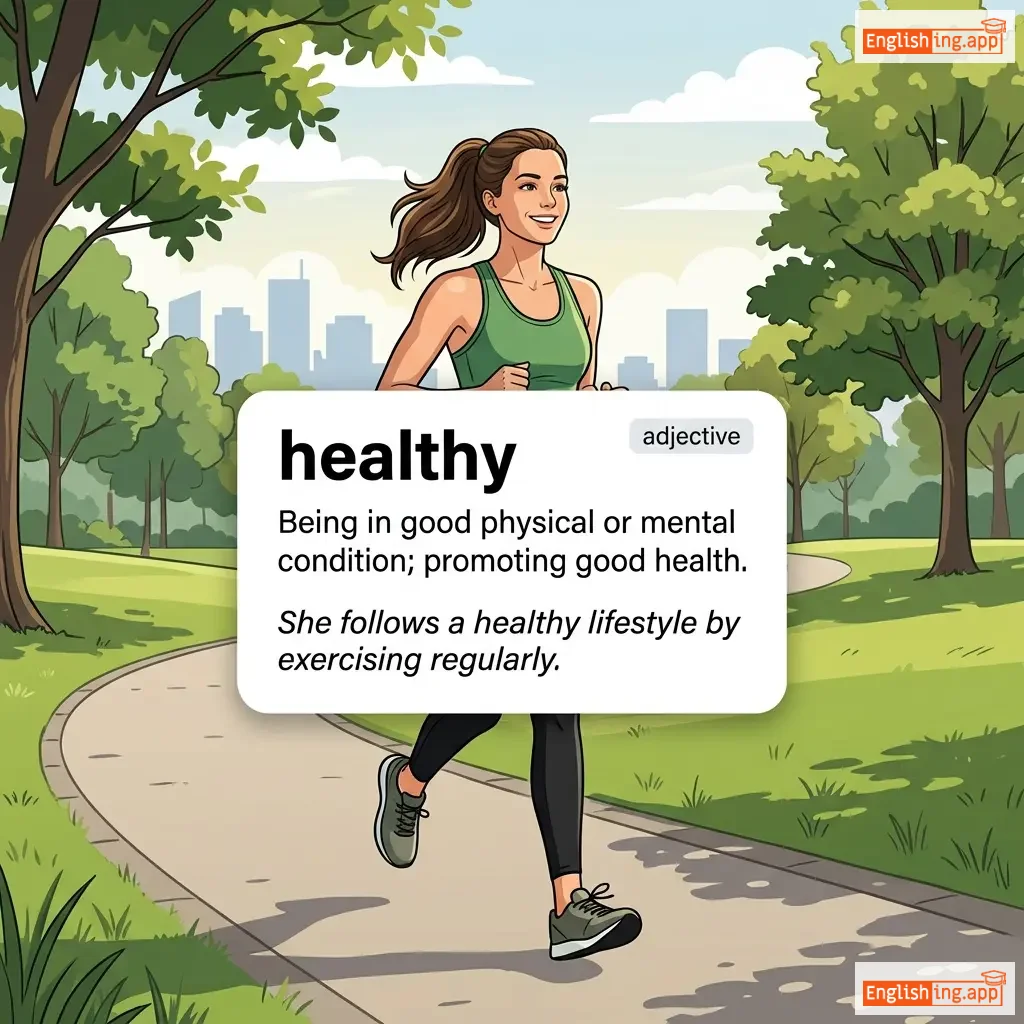
Being in good physical or mental condition; promoting good health.
••••••
|
She follows a healthy lifestyle by exercising regularly.
彼女は賞を受け取ったとき、幸せを隠すことができませんでした。
••••••
|
彼女は賞を受け取ったとき、幸せを隠すことができませんでした。
Kanojo wa shō o uketotta toki, shiawase o kakusu koto ga dekimasen deshita.
••••••
|
healthy competition
幸せの追求
••••••
|
A form of competition that is fair and encourages improvement.
••••••
|
幸せの追求
shiawase no tsuikyū
••••••
|
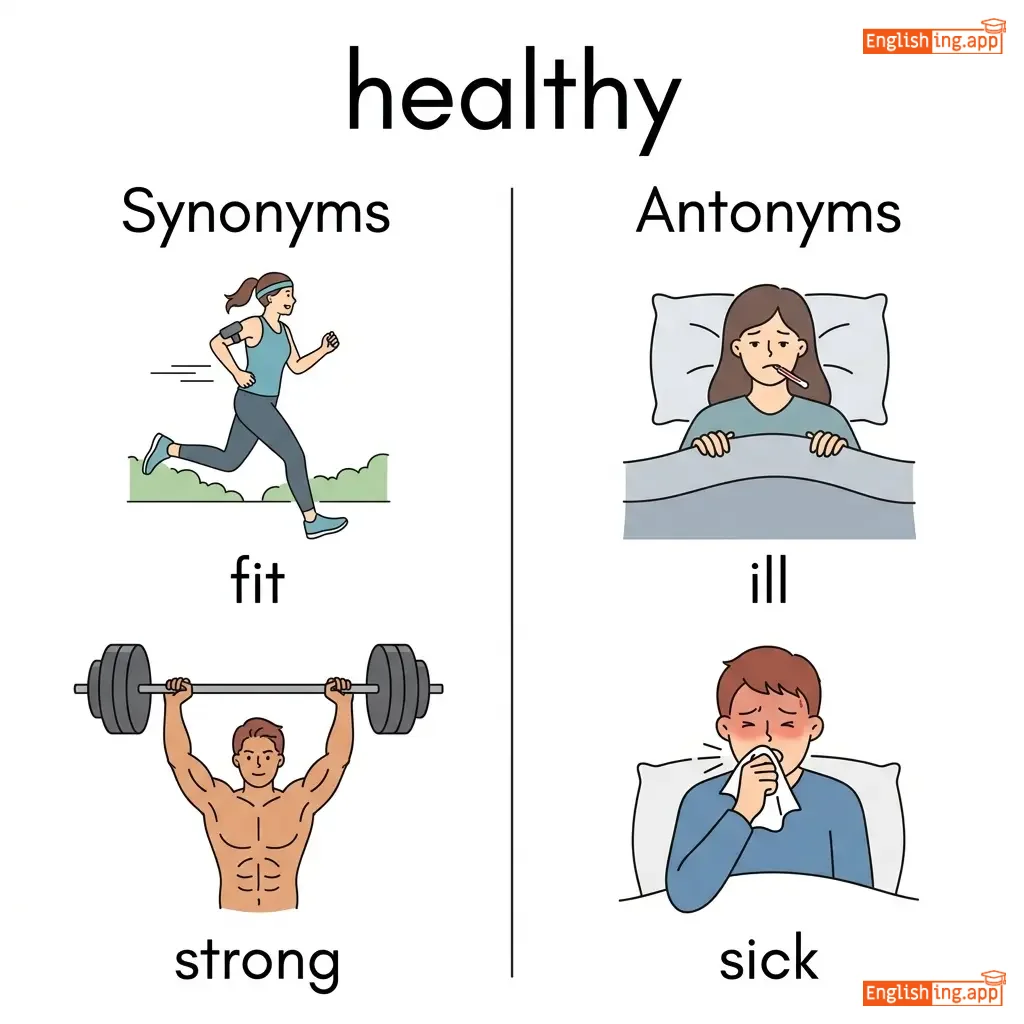
fit, strong, well, robust, sound
••••••
|
ill, sick, weak
••••••
|
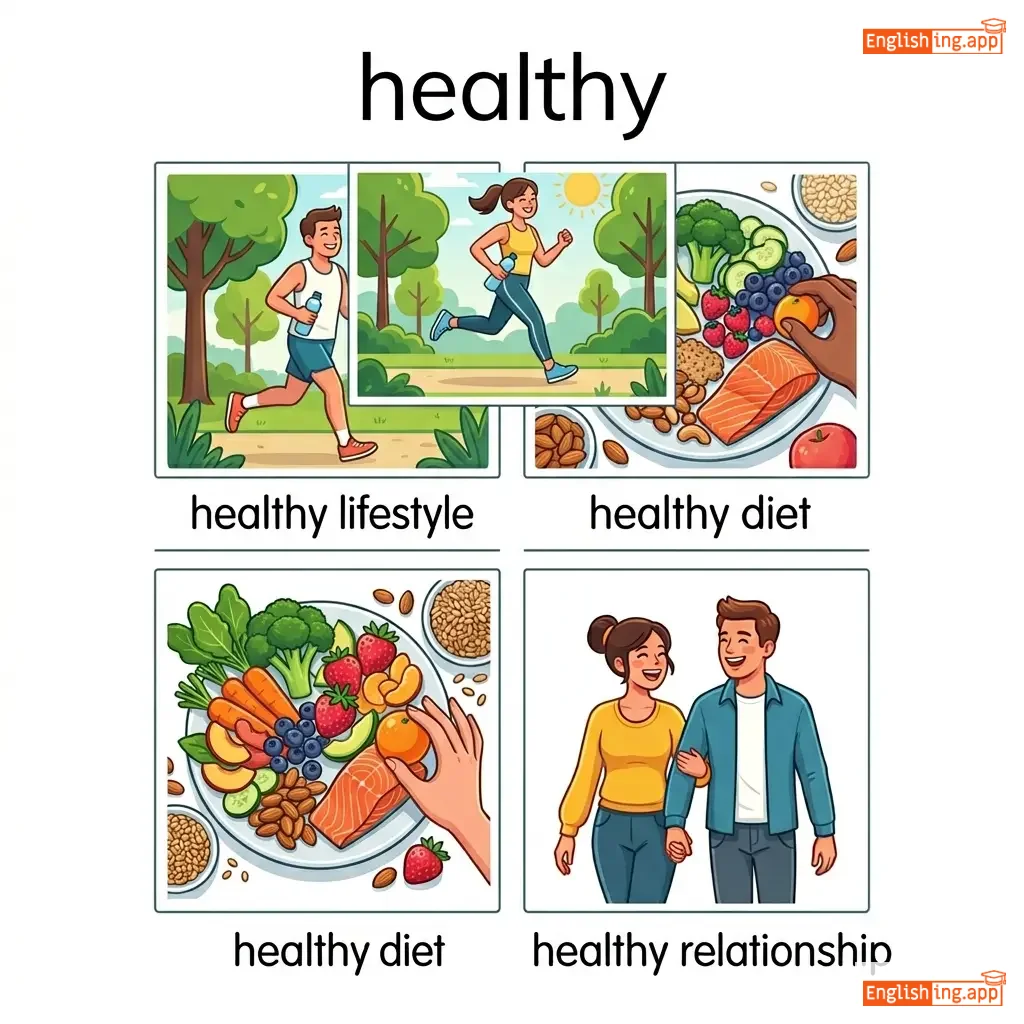
healthy lifestyle, healthy diet, healthy relationship, healthy environment
••••••
|
幸せ = 喜びや満足を感じること
••••••
|
|
#0
📈
|
/ɪmˈpruːvd/
adjective
(インプルーヴド)
••••••
|
- •••••• |
改善された
kaizen sareta
••••••
|
- •••••• | - •••••• | - •••••• | - •••••• |
made better or enhanced in quality or condition
••••••
|
Her health has significantly improved since last month.
彼女の健康は先月から大きく改善されました。
••••••
|
彼女の健康は先月から大きく改善されました。
Kanojo no kenkō wa sengetsu kara ōkiku kaizen saremashita.
••••••
|
improved version
改善版
••••••
|
a newer and better form of something
••••••
|
改善版
kaizen ban
••••••
|
enhanced, upgraded, refined, developed, advanced
••••••
|
worsened, declined, deteriorated
••••••
|
improved performance, improved quality, improved system, improved health
••••••
|
Improved はより良くなったという意味です — 更新された電話、改善版 📱
••••••
|
|
#0
🛗
|
/lɪft/
verb
(リフト)
••••••
|
- •••••• |
持ち上げる
mochiageru
••••••
|
lifted
リフテッド
••••••
|
lifted
リフテッド
••••••
|
lifts
リフツ
••••••
|
lifting
リフティング
••••••
|
To raise something to a higher position or level.
••••••
|
He lifted the heavy box with ease.
彼は重い箱を簡単に持ち上げました。
••••••
|
彼は簡単に重い箱を持ち上げました。
Kare wa kantan ni omoi hako o mochiagemashita.
••••••
|
lift your spirits
気分を上げる
••••••
|
To make someone feel happier or more cheerful.
••••••
|
気分を上げる
Kibun o ageru
••••••
|
raise, elevate, hoist, boost, uplift
••••••
|
lower, drop
••••••
|
lift weights, lift a ban, lift up, lift out
••••••
|
箱を持ち上げるように、気分も持ち上げることができる。
••••••
|
|
#0
💪
|
/ˈmʌsl/
noun
(masuru)
••••••
|
- •••••• |
筋肉
kinniku
••••••
|
- •••••• | - •••••• | - •••••• | - •••••• |
a band of fibrous tissue in the body that produces movement; physical strength
••••••
|
He exercises daily to build strong muscles. |
彼は強い筋肉を作るために毎日トレーニングをしています。
kare wa tsuyoi kinniku o tsukuru tame ni mainichi toreeningu o shiteimasu.
••••••
|
flex your muscles |
to show strength or power
••••••
|
筋肉を見せる
kinniku o miseru
••••••
|
strength, power, force, sinew
••••••
|
weakness, frailty
••••••
|
muscle strength, muscle pain, muscle building, flex muscles
••••••
|
Muscle は筋肉 — 筋肉を見せて、みんな驚かせよう!
••••••
|
|
#0
😢
|
/peɪn/
noun
(pein)
••••••
|
- •••••• |
痛み; 体の苦しみや感情的な苦痛
itami; karada no kurushimi ya kanjōteki na kutsū
••••••
|
- •••••• | - •••••• | - •••••• | - •••••• |
physical suffering or discomfort; mental or emotional distress
••••••
|
The patient felt severe pain in his back.
患者は背中にひどい痛みを感じました。
••••••
|
患者は背中にひどい痛みを感じました。
Kanja wa senaka ni hidoi itami o kanjimashita.
••••••
|
- •••••• | - •••••• | - •••••• |
ache, suffering, agony, discomfort
••••••
|
pleasure, comfort, relief, ease
••••••
|
severe pain, chronic pain, feel pain
••••••
|
‘Pain’ という言葉を日本語で '痛み' と覚えましょう。
••••••
|
|
#0
🖐️
|
/pʊl/
verb
(プル)
••••••
|
- •••••• |
引く
hiku
••••••
|
pulled
プルド
••••••
|
pulled
プルド
••••••
|
pulls
プルズ
••••••
|
pulling
プルイング
••••••
|
to exert force on something in order to move it toward oneself
••••••
|
She pulled the door open with all her strength.
彼女は全力でドアを引いて開けた。
••••••
|
彼女は力いっぱいドアを引いて開けた。
Kanojo wa chikara ippai doa o hiite aketa.
••••••
|
pull one's weight
自分の仕事をする
••••••
|
to do one's fair share of work
••••••
|
自分の仕事をする
jibun no shigoto o suru
••••••
|
drag, tug, haul, draw
••••••
|
push, shove
••••••
|
pull the lever, pull the rope, pull hard, pull away
••••••
|
引く - ドアを引くことから覚える
••••••
|
|
#0
➡️
|
/pʊʃ/
verb
(プッシュ)
••••••
|
|
押す
osu
••••••
|
pushed
プッシュド
••••••
|
pushed
プッシュド
••••••
|
pushes
プッシュズ
••••••
|
pushing
プッシング
••••••
|
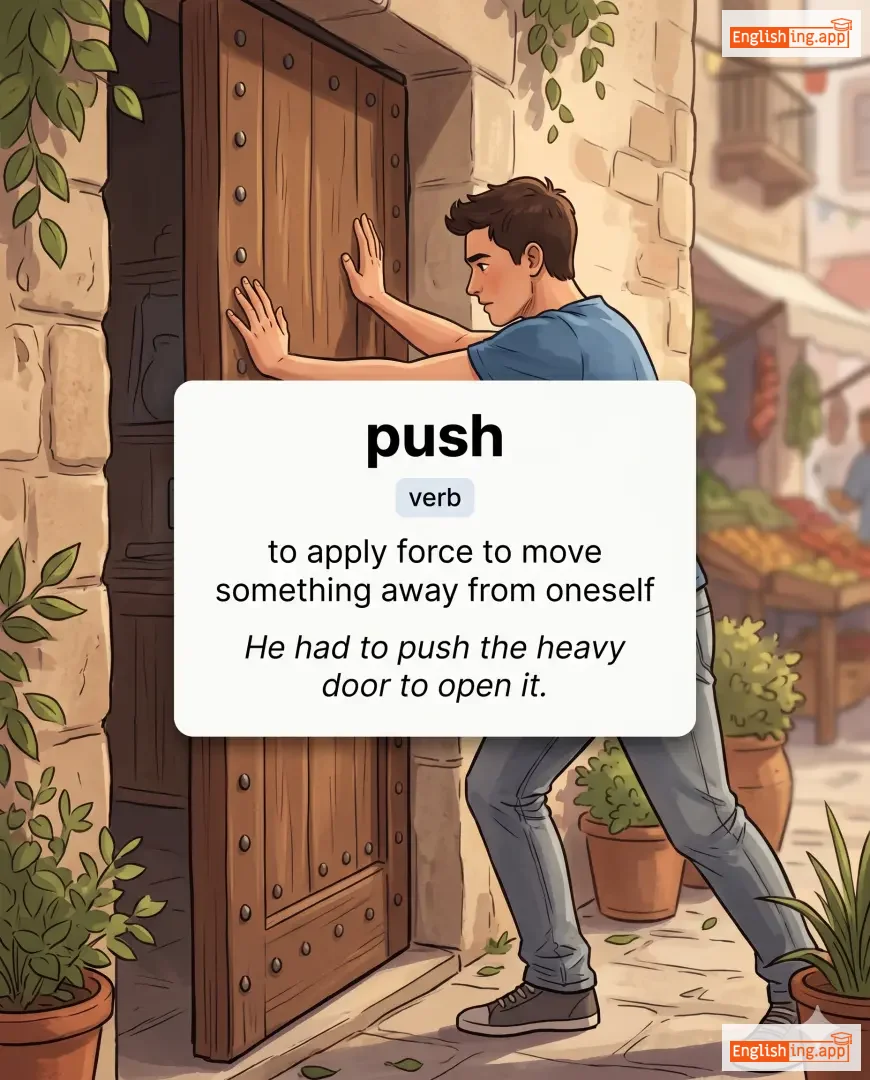
to apply force to move something away from oneself
••••••
|
He had to push the heavy door to open it.
彼は重いドアを開けるためにプッシュしなければなりませんでした。
••••••
|
彼は重いドアを開けるために押さなければなりませんでした。
Kare wa omoi doa wo akeru tame ni osanakereba narimasen deshita.
••••••
|
push the envelope
プッシュする封筒
••••••
|
to go beyond the limits of what is normally done
••••••
|
限界を超える
genkai wo koeru
••••••
|
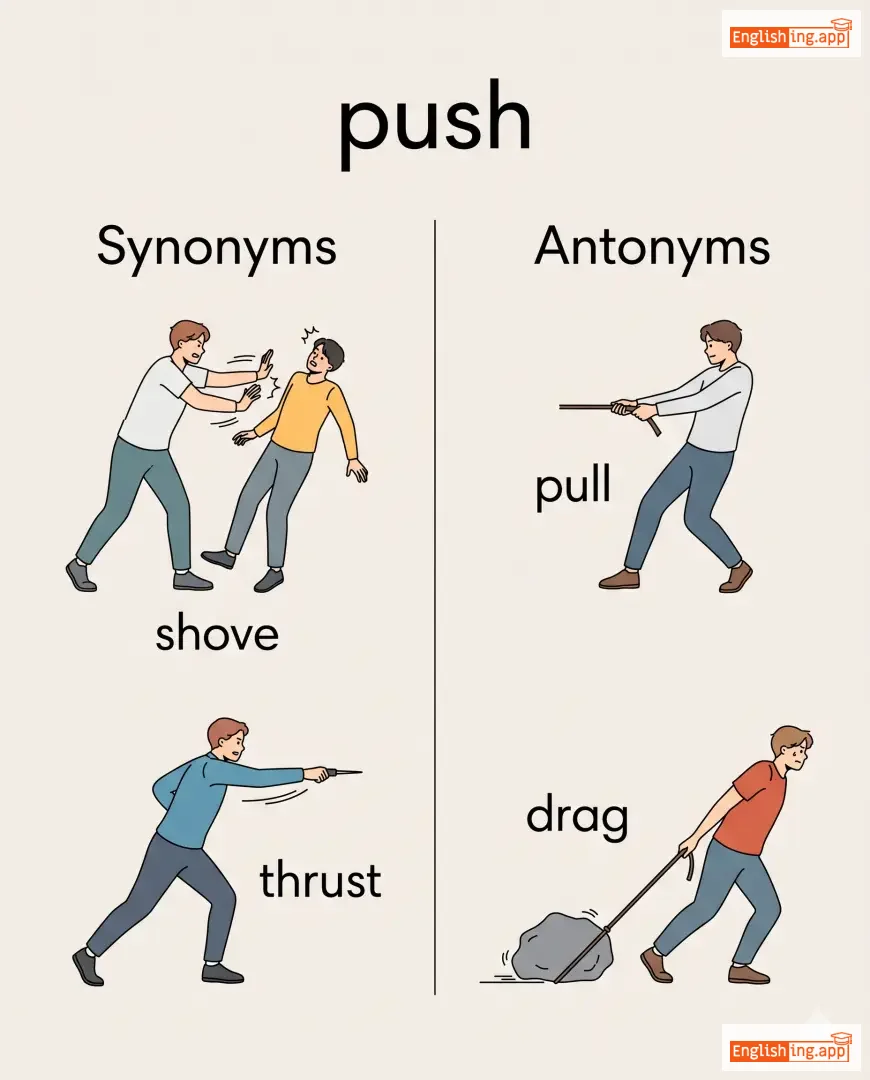
shove, thrust, propel, drive
••••••
|
pull, drag
••••••
|
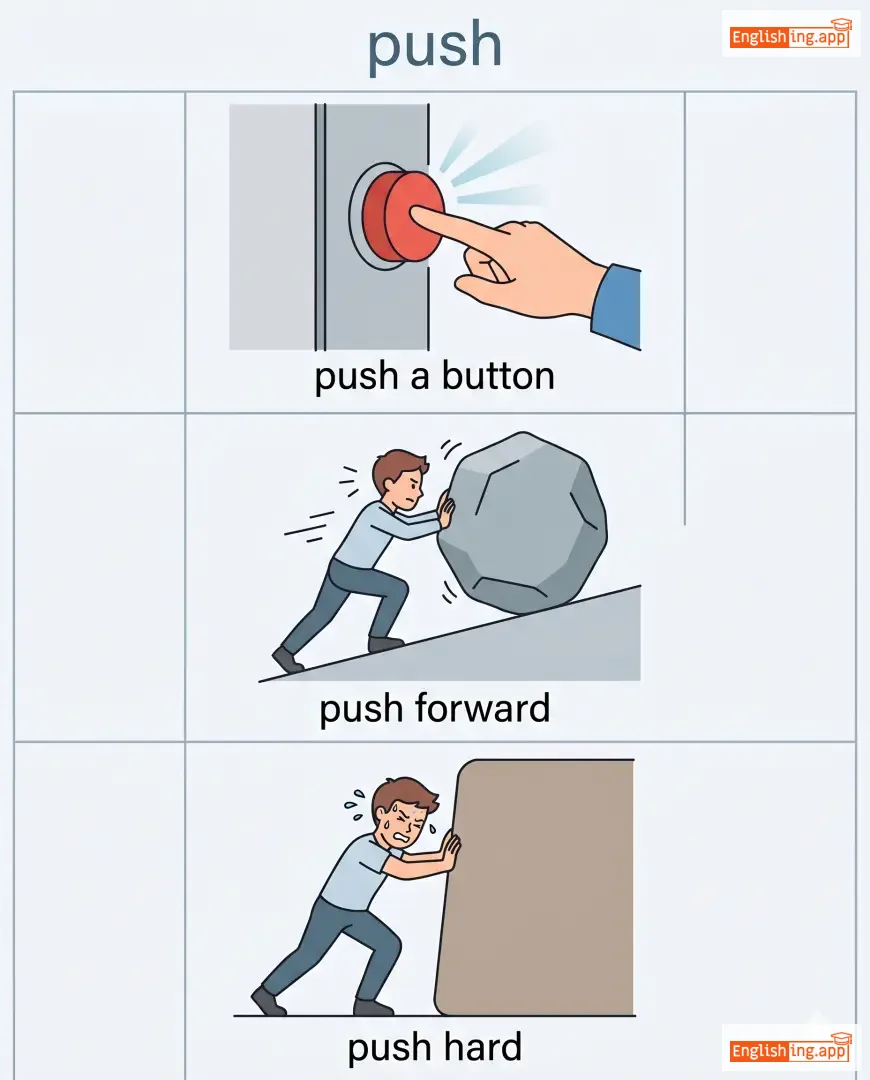
push a button, push forward, push hard, push back
••••••
|
Pushは押すことです — 引くの反対です。
••••••
|
|
#0
🤒
|
/sɪk/
adjective
(シック)
••••••
|
- •••••• |
病気
byouki
••••••
|
- •••••• | - •••••• | - •••••• | - •••••• |
feeling unwell or suffering from illness
••••••
|
She stayed home because she was feeling sick.
シー ステイド ホーム ビコーズ シー ワズ フィーリング シック。
••••••
|
彼女は気分が悪かったので家にいました。
kanojo wa kibun ga warukatta node ie ni imashita
••••••
|
sick and tired
シック アンド タイアード
••••••
|
completely fed up or annoyed
••••••
|
うんざりして疲れた
unzari shite tsukareta
••••••
|
ill, unwell, unhealthy, nauseous, ailing
••••••
|
healthy, well, fit
••••••
|
feel sick, get sick, sick leave, sick child, sick person
••••••
|
Sick シック sounds like 'byouki' — When you are シック, you stay in bed!
••••••
|
|
#0
🚀
|
/stɑːrt/
verb
(スタート)
••••••
|
|
始める
hajimeru
••••••
|
started
スターテッド
••••••
|
started
スターテッド
••••••
|
starts
スターツ
••••••
|
starting
スターティング
••••••
|
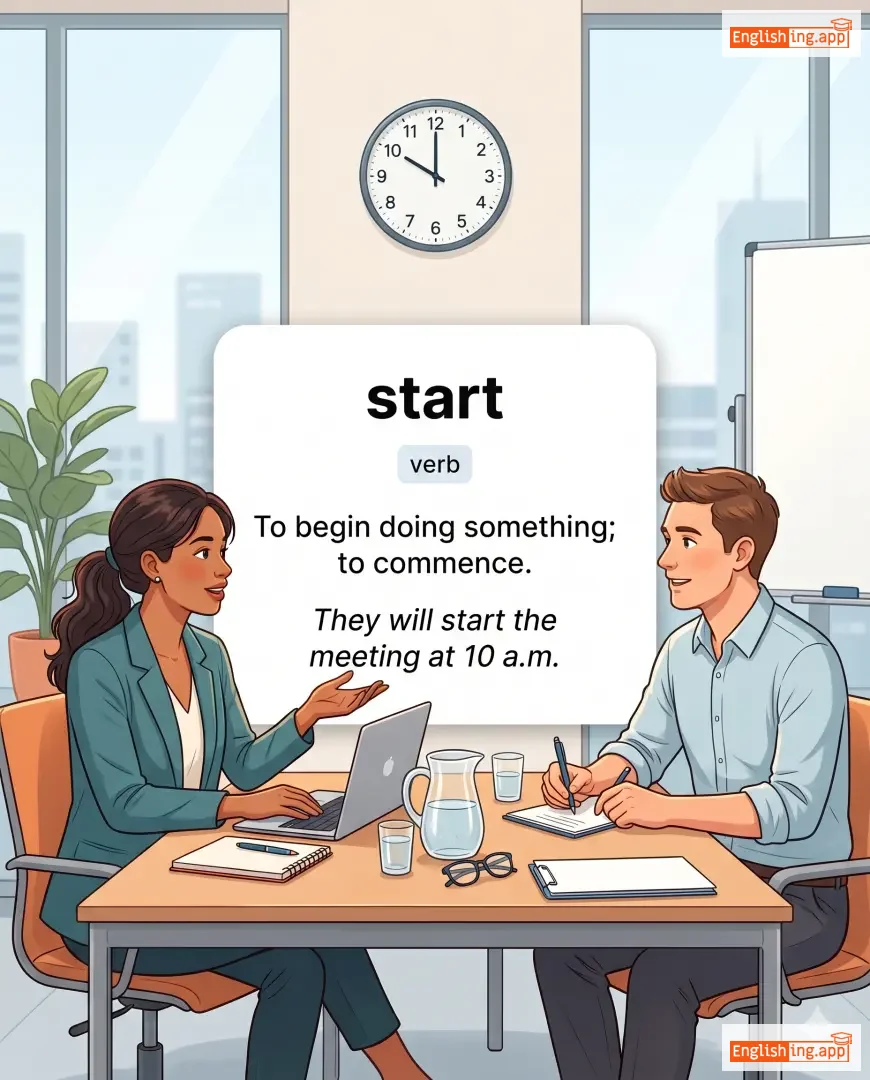
To begin doing something; to commence.
••••••
|
They will start the meeting at 10 a.m.
彼らは午前10時に会議を始めます。
••••••
|
彼らは午前10時に会議を始めます。
Karera wa gozen 10-ji ni kaigi o hajimemasu.
••••••
|
start from scratch
ゼロから始める
••••••
|
To begin again from nothing.
••••••
|
ゼロから始める
Zero kara hajimeru
••••••
|
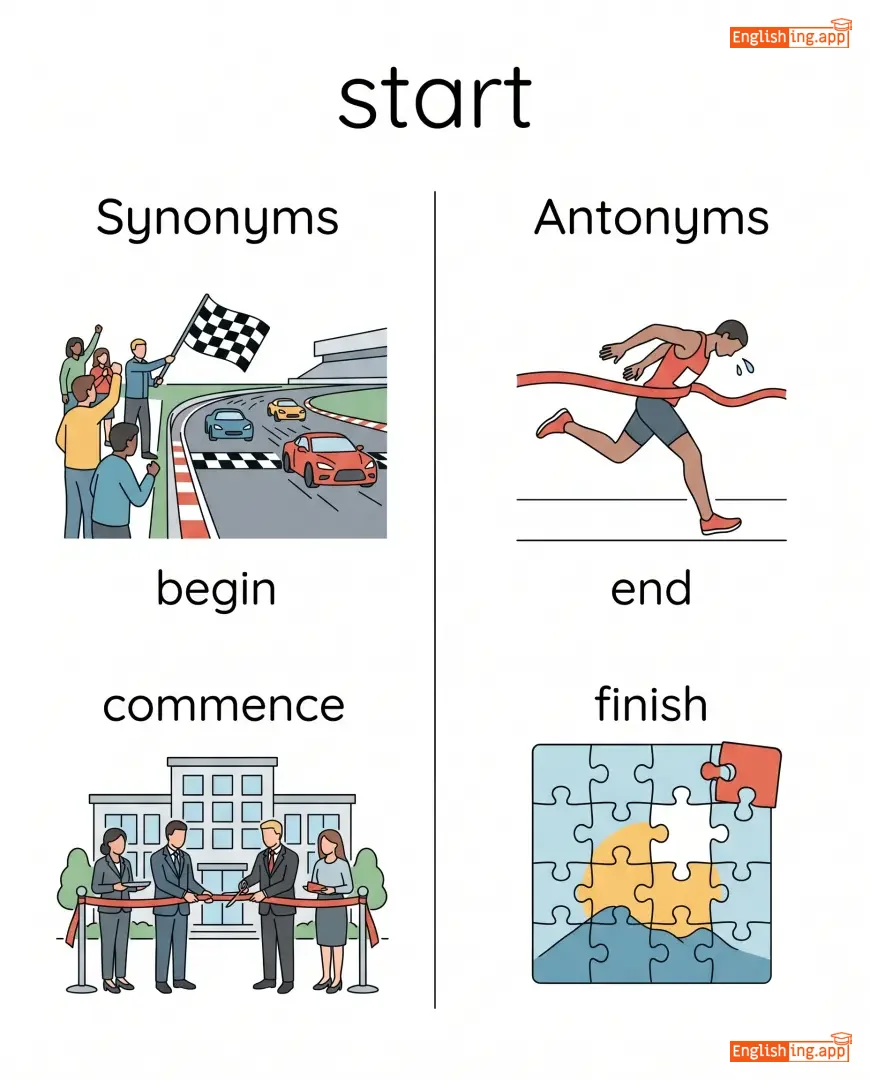
begin, commence, initiate, launch, open
••••••
|
end, finish, stop
••••••
|
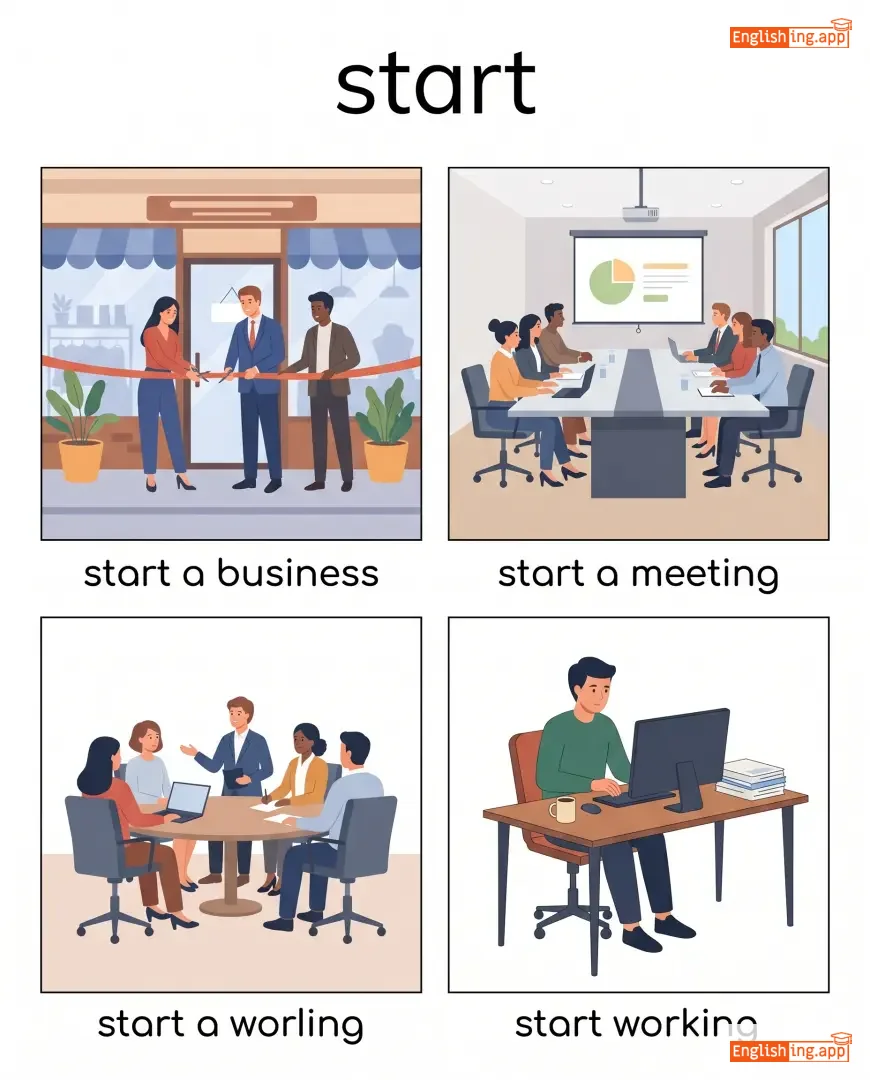
start a business, start a meeting, start working, start again
••••••
|
'START'ボタンを押して始めましょう
••••••
|
|
#0
🤸
|
/stretʃ/
verb
(ストレッチ)
••••••
|
- •••••• |
ストレッチする
sutoretch suru
••••••
|
stretched
ストレッチド
••••••
|
stretched
ストレッチド
••••••
|
stretches
ストレッチェス
••••••
|
stretching
ストレッチング
••••••
|
to extend or expand; to make or become longer or wider
••••••
|
Athletes stretch their muscles before exercising.
アスリートは運動前に筋肉をストレッチします。
••••••
|
アスリートは運動前に筋肉をストレッチします。
Asurīto wa undō mae ni kinniku o sutoretch shimasu.
••••••
|
- •••••• | - •••••• | - •••••• |
extend, expand, lengthen, reach
••••••
|
contract, shrink, compress, shorten
••••••
|
stretch muscles, stretch out, stretch further, stretch limits
••••••
|
Stretch just like an athlete does before a big match!
••••••
|
|
#0
💪
|
/strɔːŋ/
adjective
(ストロング)
••••••
|
|
強い
tsuyoi
••••••
|
- •••••• | - •••••• | - •••••• | - •••••• |
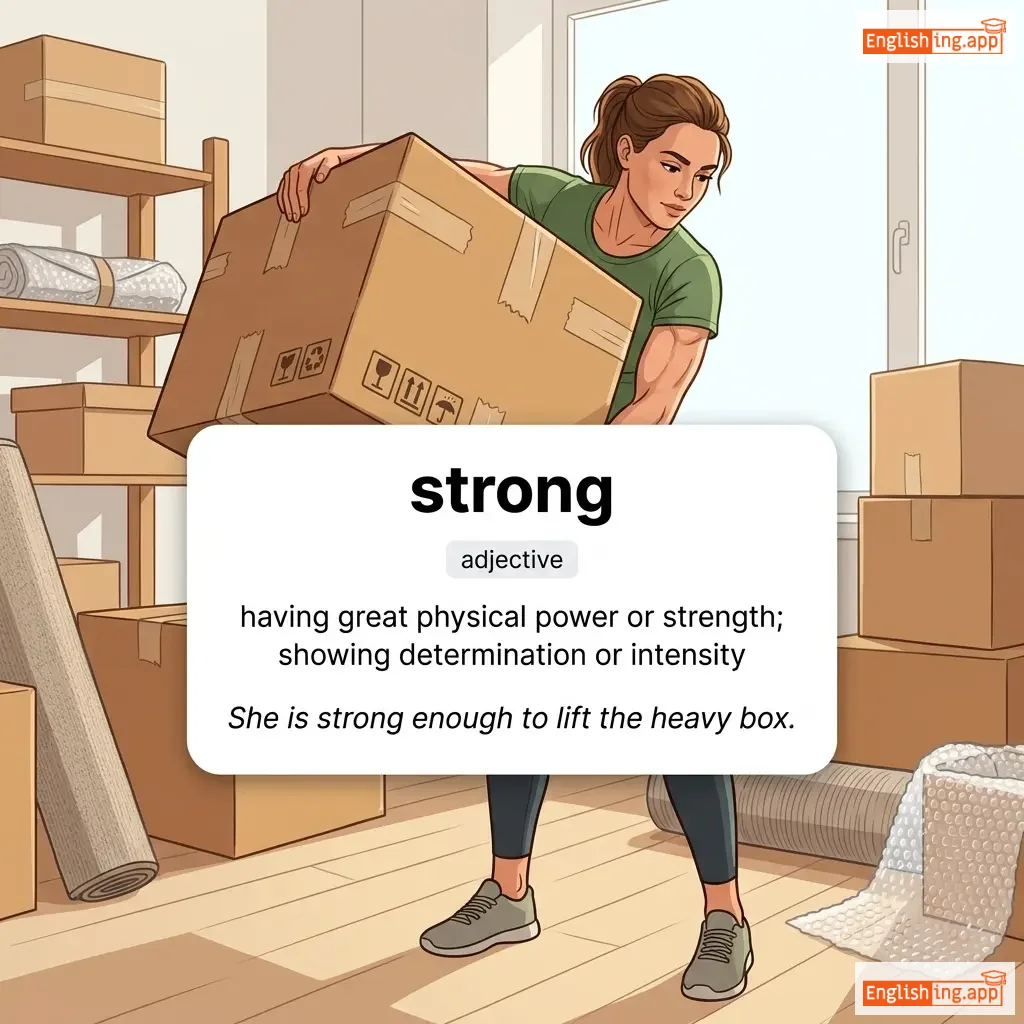
having great physical power or strength; showing determination or intensity
••••••
|
She is strong enough to lift the heavy box. |
彼女は重い箱を持ち上げるのに十分強い。
Kanojo wa omoi hako o mochiageru no ni jūbun tsuyoi.
••••••
|
strong suit |
a particular skill or strength someone is especially good at
••••••
|
得意な分野
tokui na bun'ya
••••••
|
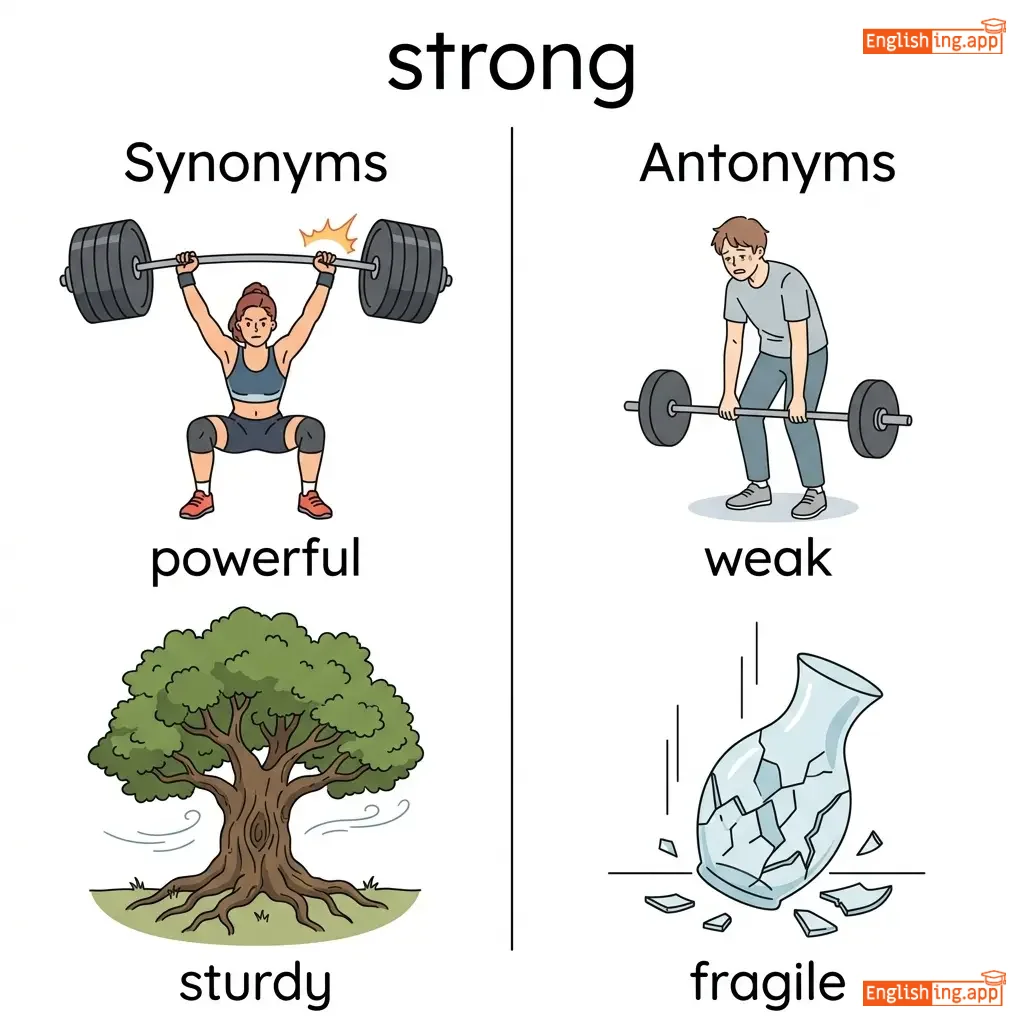
powerful, sturdy, tough, resilient, vigorous
••••••
|
weak, fragile, feeble
••••••
|
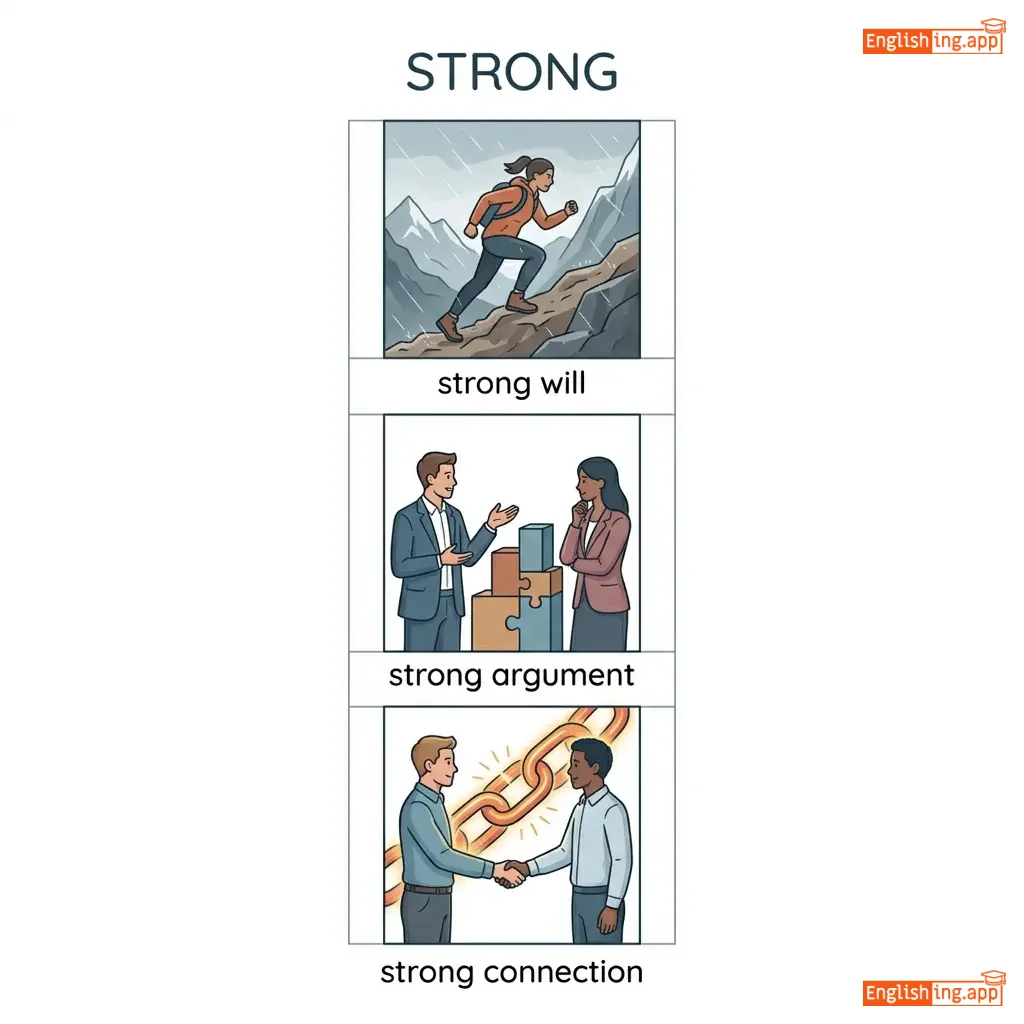
strong will, strong argument, strong connection, strong influence, strong flavor
••••••
|
Strong は 💪 強い、覚えておいて 'Strong があれば何でもできる'
••••••
|
|
#0
🚶
|
/wɔːk/
verb
(ハピネス)
••••••
|
|
歩く
aruku
••••••
|
walked
ウォークド
••••••
|
walked
ウォークド
••••••
|
walks
ウォークス
••••••
|
walking
ウォーキング
••••••
|
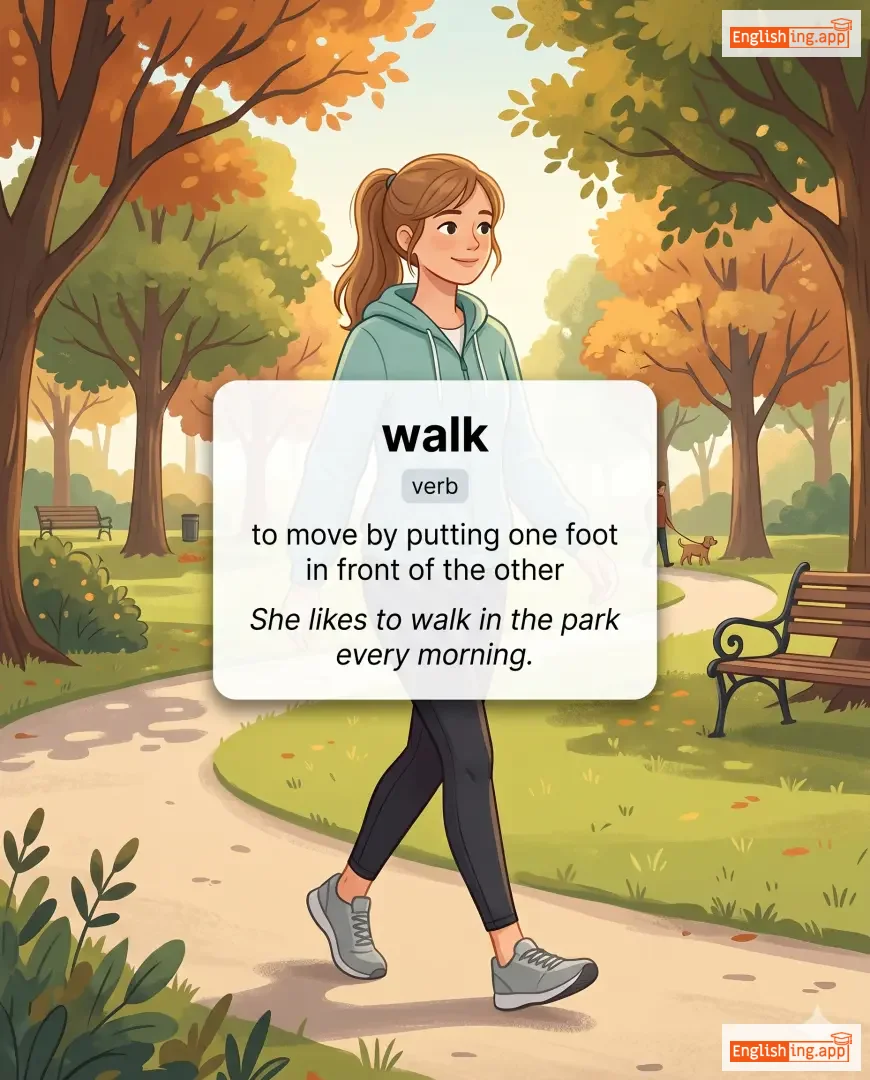
to move forward by putting one foot in front of the other
••••••
|
I walk to school every morning.
私は毎朝学校まで歩いて行きます。
••••••
|
私は毎朝学校まで歩いて行きます。
Watashi wa mai asa gakkou made aruite ikimasu.
••••••
|
- •••••• | - •••••• | - •••••• |
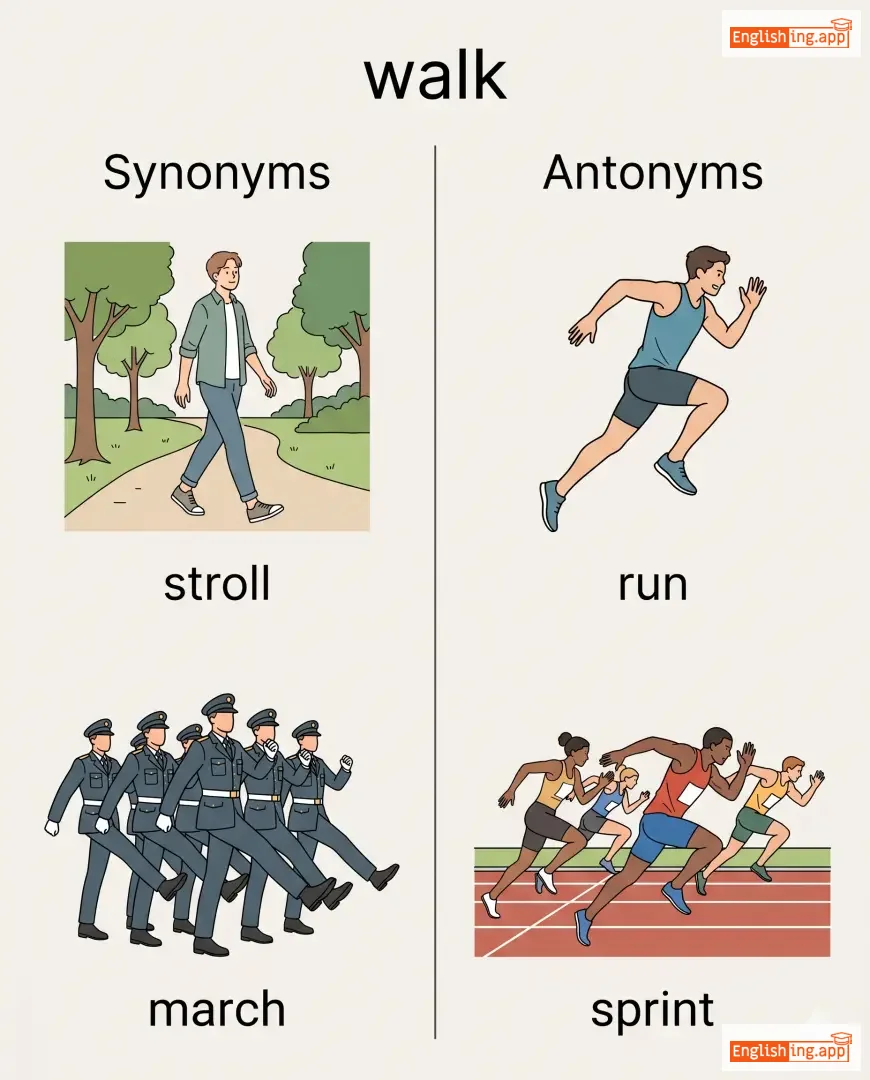
stroll, march, stride, step
••••••
|
run, fly, drive, ride
••••••
|
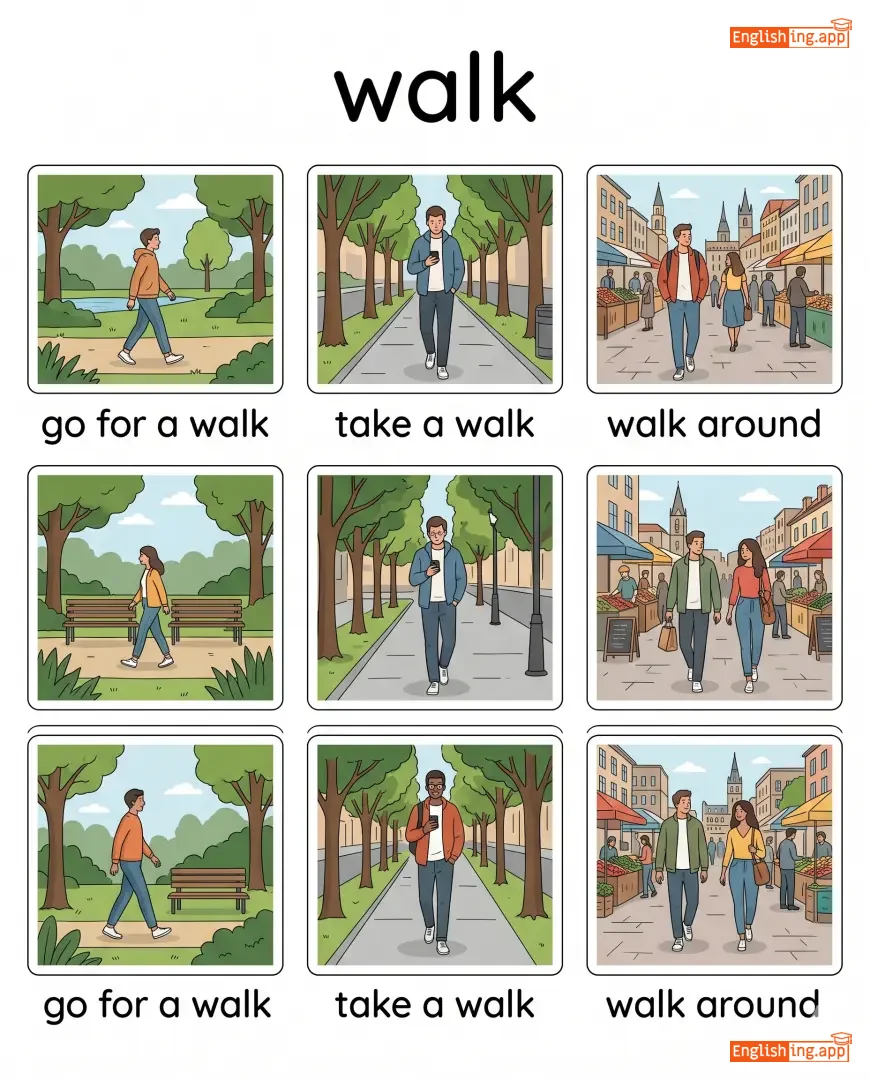
walk slowly, walk together, walk alone, walk home
••••••
|
歩く = アルク (歩く) と進む!
••••••
|
|
#0
💪❌
|
/wiːk/
adjective
(ウィーク)
••••••
|
- •••••• |
弱い; 脆弱
yowai; zeijaku
••••••
|
- •••••• | - •••••• | - •••••• | - •••••• |
lacking physical strength; not strong; fragile
••••••
|
After the illness, he felt weak and tired.
病気の後、彼は弱くて疲れていると感じました。
••••••
|
病気の後、彼は弱くて疲れていると感じました。
Byōki no ato, kare wa yowakute tsukarete iru to kanjimashita.
••••••
|
- •••••• | - •••••• | - •••••• |
feeble, frail, fragile, powerless
••••••
|
strong, powerful, robust, sturdy
••••••
|
weak point, weak signal, feel weak, grow weak
••••••
|
Weak in English sounds like 'ウィーク' in Japanese, both meaning '弱い'.
••••••
|
Vocabulary Quiz
Test your vocabulary by matching words with their translations or meanings.
Login to take the quiz
Comments (0)
Share your thoughts and join the discussion.
Join the discussion by logging in
Login to CommentNo comments yet
Be the first to share your thoughts!