

私たちの遺産を守る
Preserving Our Heritage
サビナはcultural人類学者で、バングラデシュのindigenousコミュニティで働いていました。彼女の情熱は、消えゆくtraditionsをpreserveし、heritageを記録することでした。
ある日、彼女は遠隔地のethnicコミュニティに行きました。そこでの人々は何世代にもわたり自分たちのcustomsを守り続けていましたが、若いgenerationはそれを徐々に忘れ始めていました。現代化と共に、彼らのcultural identityは失われつつありました。
コミュニティの長老たちはサビナに彼らのancestorsの物語を話しました。彼らは、特別なfestivalsがどのようにcelebratedされ、どのようなritualsが守られていたかを語りました。すべてのceremonyには深い意味があり、すべてのcustomには目的がありました。
サビナはすべてを慎重に記録しました。Folk歌、伝統的なダンス、religious ceremonies、spiritual practices - すべてです。彼女はビデオを撮り、写真を撮り、インタビューを行いました。
しかし、記録するだけでは十分ではありませんでした。サビナは若いgenerationにもこのheritageを知ってほしいと思いました。彼女はコミュニティでワークショップを開催し、長老たちは若者たちにtraditionalな技術を教えました。
festivalがやって来ましたが、コミュニティでは長年celebratedされていませんでした。サビナはみんなにそのfestivalを復活させるように促しました。それは、伝統的なrituals、音楽、ダンスがある収穫のfestivalでした。
そのfestivalは大成功を収めました。若者たちは積極的に参加しました。彼らは自分たちのcultural heritageがどれほど豊かで、自分たちのtraditionsがどれほど意味があるかを理解しました。
サビナの仕事はコミュニティにインスピレーションを与えました。彼らはculturalセンターを作り、そこで自分たちのheritageをpreservedすることを決定しました。Traditional工芸、folk芸術、ancient手稿 - すべてがそこで展示されます。
今では他のethnicコミュニティも彼女を招き、彼らのtraditionsをpreserveする手助けを求めています。サビナの使命は、バングラデシュのcultural diversityが守られることを確実にすることです。
彼女は言います、「私たちのheritageは私たちのidentityです。私たちのancestorsが残したcustomsとtraditionsを私たちはpreserveしなければなりません。各ethnicグループのculturalな実践はユニークで、各ceremony、各ritualには物語があります。私たちがcelebrateするfestivals、私たちのcustomsに従うとき、私たちはancestorsと繋がり、私たちのcultural identityをpreserveします。このdiversityは私たちの力であり、このheritageは私たちの誇りです。次のgenerationにこれを教えることは私たちの責任であり、彼らがどこから来て、誰で、何が彼らのculturalルーツであるかを知ることができるようにすることです。」
サビナの献身は、traditionsだけでなく、コミュニティの全体的なspiritualおよびculturalな本質をpreserveすることです。これは、私たちがheritageを評価することで、私たちの社会のdiversityを豊かにすることを証明しています。
翻訳
過去
過去分詞
三人称単数
動名詞
意味
例文
例文の翻訳
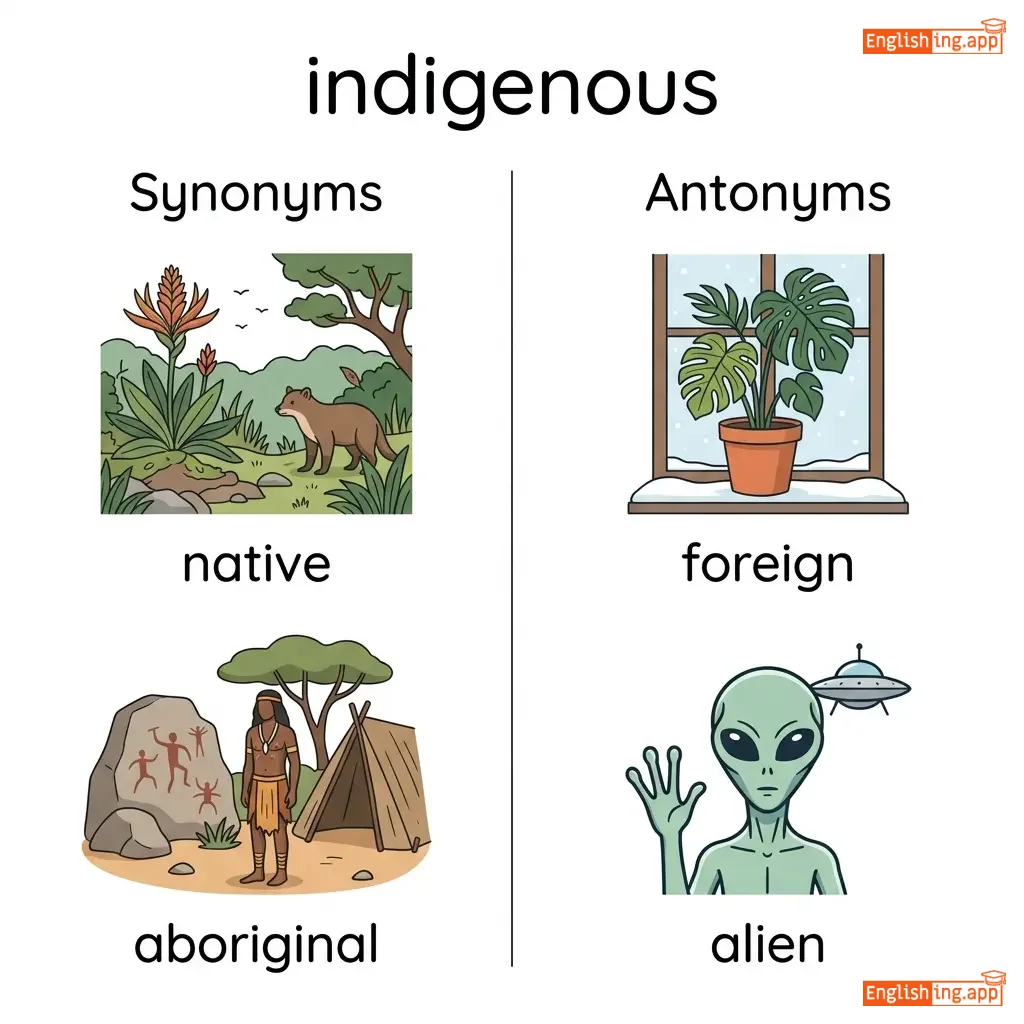
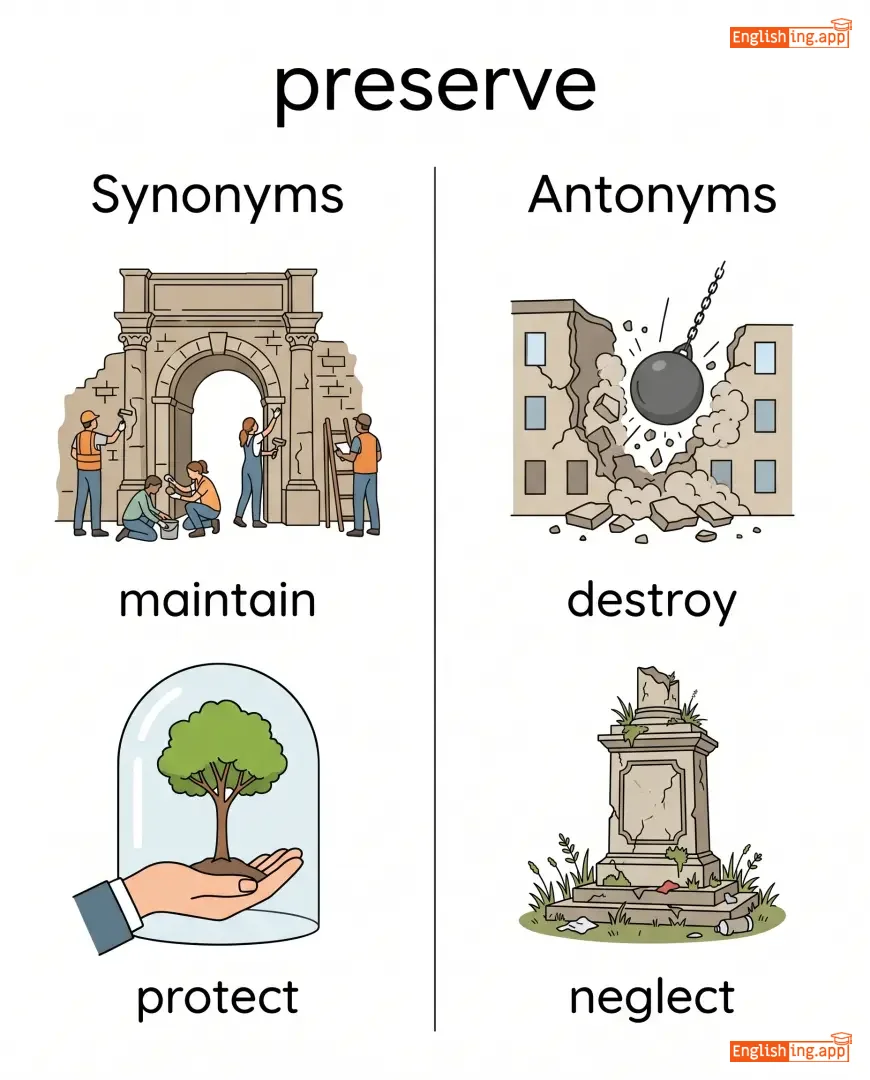
同義語
対義語
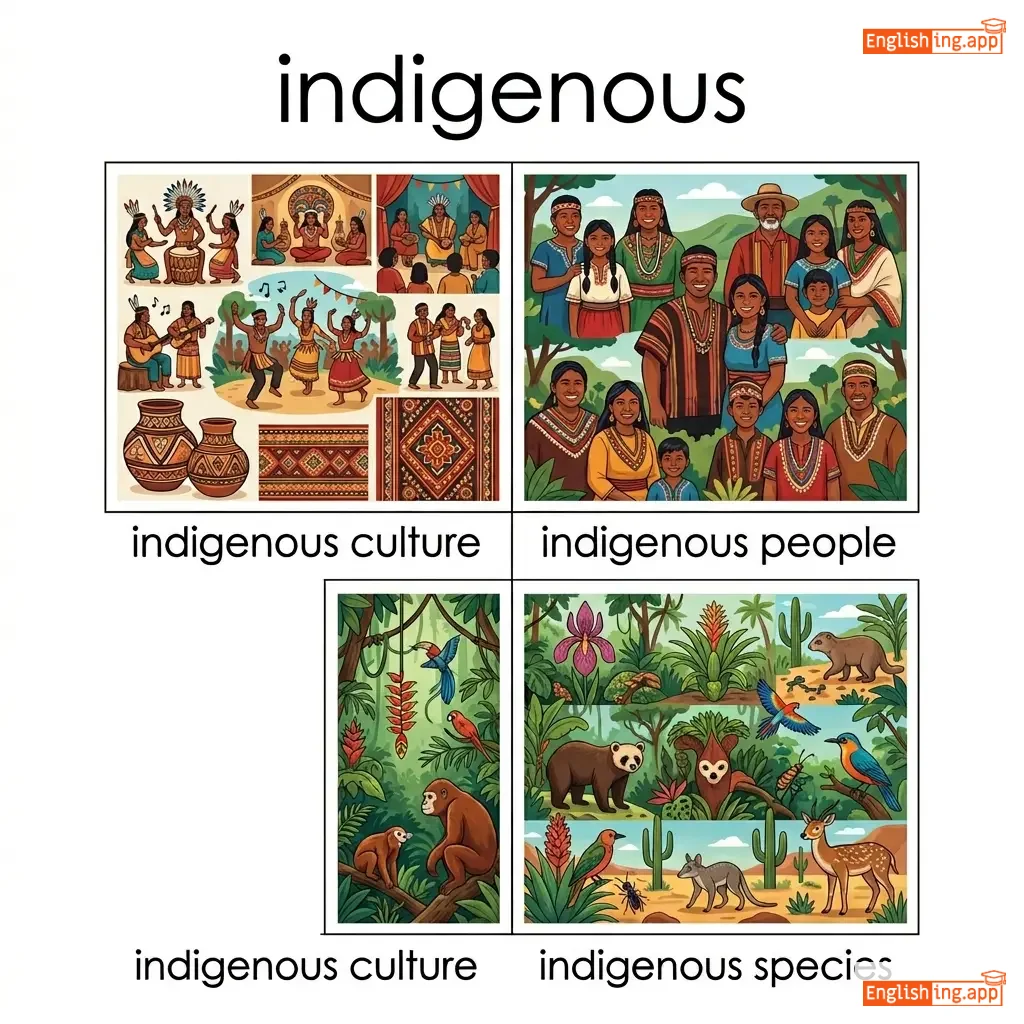
コロケーション
ニーモニック
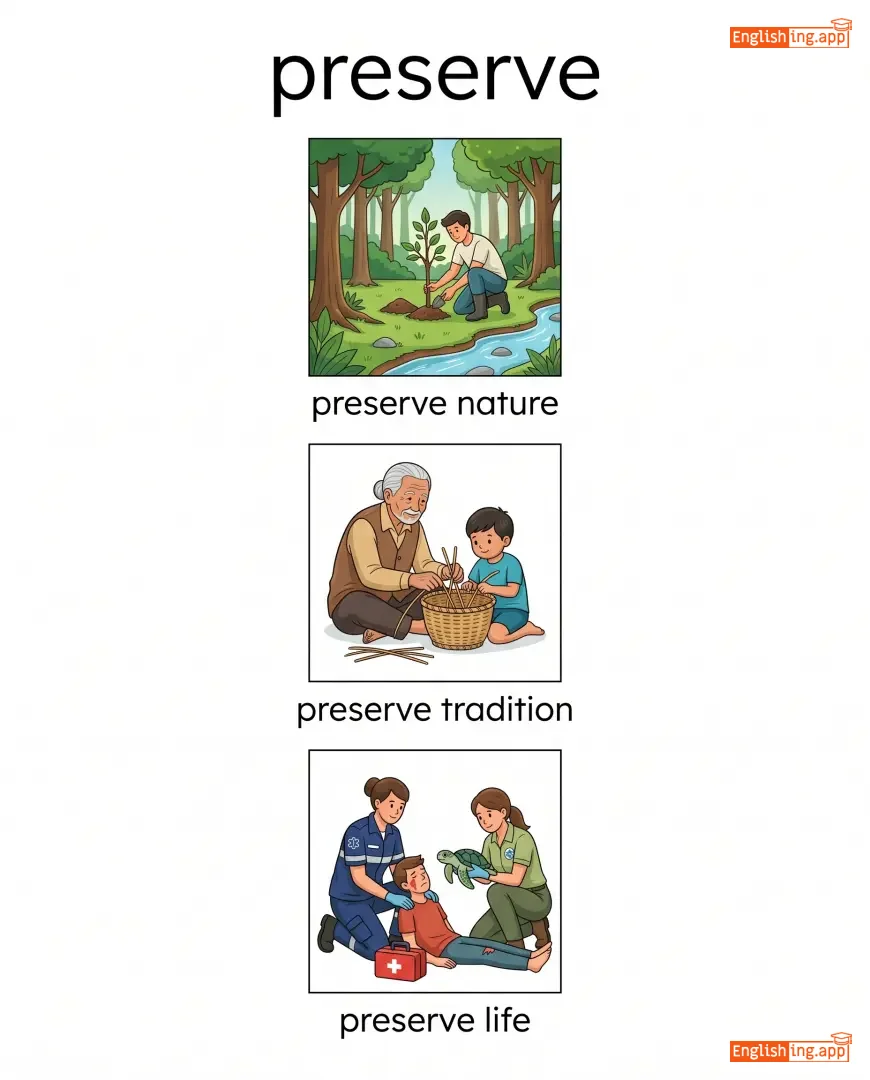
Swipe left or right, or use the buttons. Tap image to zoom.
例文の翻訳
単語
Preserving Our HeritagePreserving Our Heritage - マスクトグル
|
絵文字
|
単語 | Images | 翻訳 | 過去 | 過去分詞 | 三人称単数 | 動名詞 | 意味 | 例文 | 例文の翻訳 | 表現例 | 表現例の意味 | 表現例の翻訳 | 同義語 | 対義語 | コロケーション | ニーモニック |
|---|---|---|---|---|---|---|---|---|---|---|---|---|---|---|---|---|---|
|
#0
👴
|
/ˈænsestər/
noun
(エンセスター)
••••••
|
- •••••• |
先祖
senzo
••••••
|
- •••••• | - •••••• | - •••••• | - •••••• |
a person, typically one more remote than a grandparent, from whom one is descended
••••••
|
She researched her family tree to learn about her ancestors.
彼女は家系図を調べて、先祖について学びました。
••••••
|
彼女は家系図を調べて、先祖について学びました。
Kanojo wa kakeizu o shirabete, senzo ni tsuite manabimashita.
••••••
|
- •••••• | - •••••• | - •••••• |
forefather, foremother, predecessor, forebear
••••••
|
descendant, offspring, progeny
••••••
|
ancient ancestor, common ancestor, trace ancestors
••••••
|
先祖 (senzo) は家族のルーツです。
••••••
|
|
#0
🏛️
|
/ˈeɪnʃənt/
adjective
(エインシェント)
••••••
|
- •••••• |
古代の
kodai no
••••••
|
- •••••• | - •••••• | - •••••• | - •••••• |
Belonging to the very distant past; very old.
••••••
|
They visited the ruins of an ancient city.
彼らは古代都市の遺跡を訪れました。
••••••
|
彼らは古代都市の遺跡を訪れました。
Karera wa kodai toshi no iseki o otozuremashita.
••••••
|
ancient history
古代の歴史
••••••
|
something that happened a long time ago and is no longer important
••••••
|
古代の歴史
Kodai no rekishi
••••••
|
old, antique, archaic, prehistoric, classical
••••••
|
modern, recent
••••••
|
ancient civilization, ancient ruins, ancient culture, ancient temple
••••••
|
古代のは 'Ancient' の意味、古代の神殿や城をイメージしよう。
••••••
|
|
#0
🎉
|
/ˈsɛlɪˌbreɪt/
verb
••••••
|
|
- •••••• |
celebrated
••••••
|
celebrated
••••••
|
celebrates
••••••
|
celebrating
••••••
|
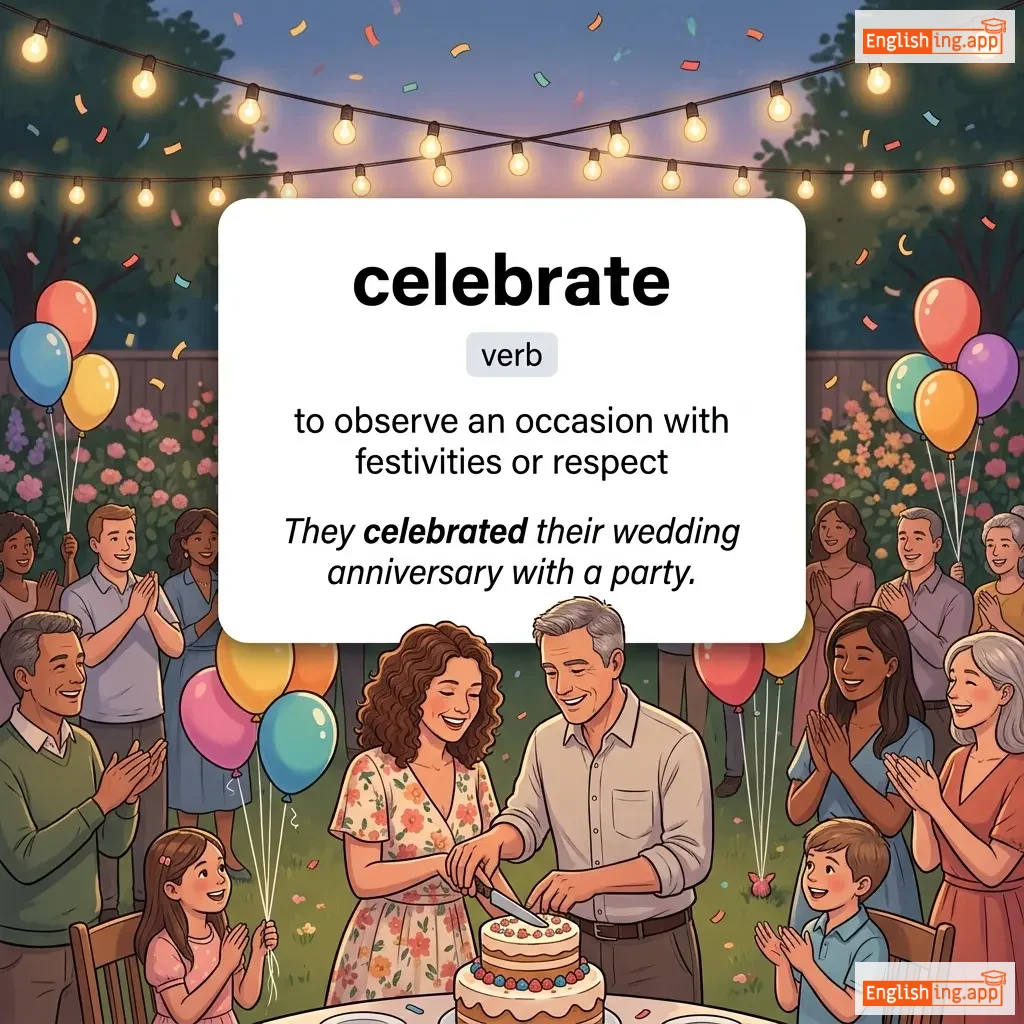
to observe an occasion with festivities or respect
••••••
|
They celebrated their wedding anniversary with a party. |
- •••••• |
celebrate in style |
to celebrate in an impressive or luxurious way
••••••
|
- •••••• |
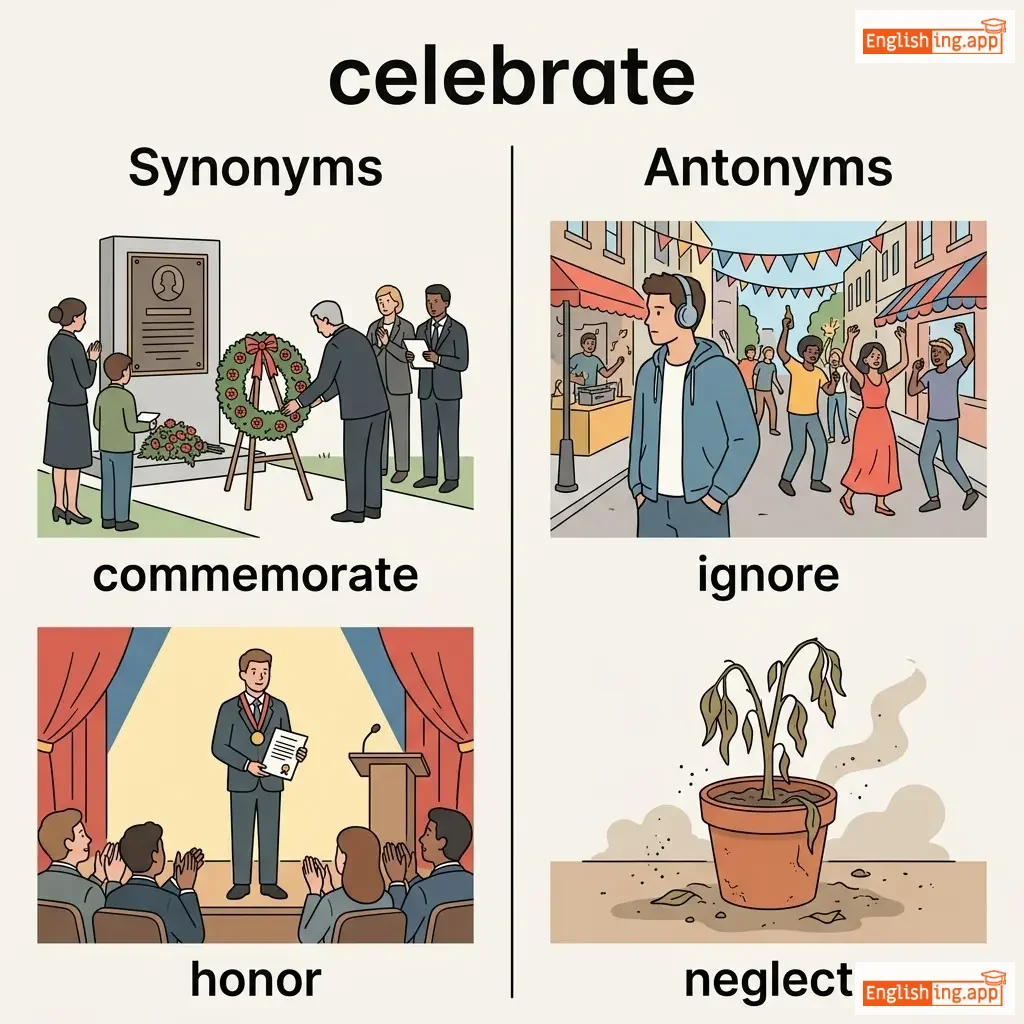
commemorate, honor, observe, rejoice
••••••
|
ignore, neglect
••••••
|
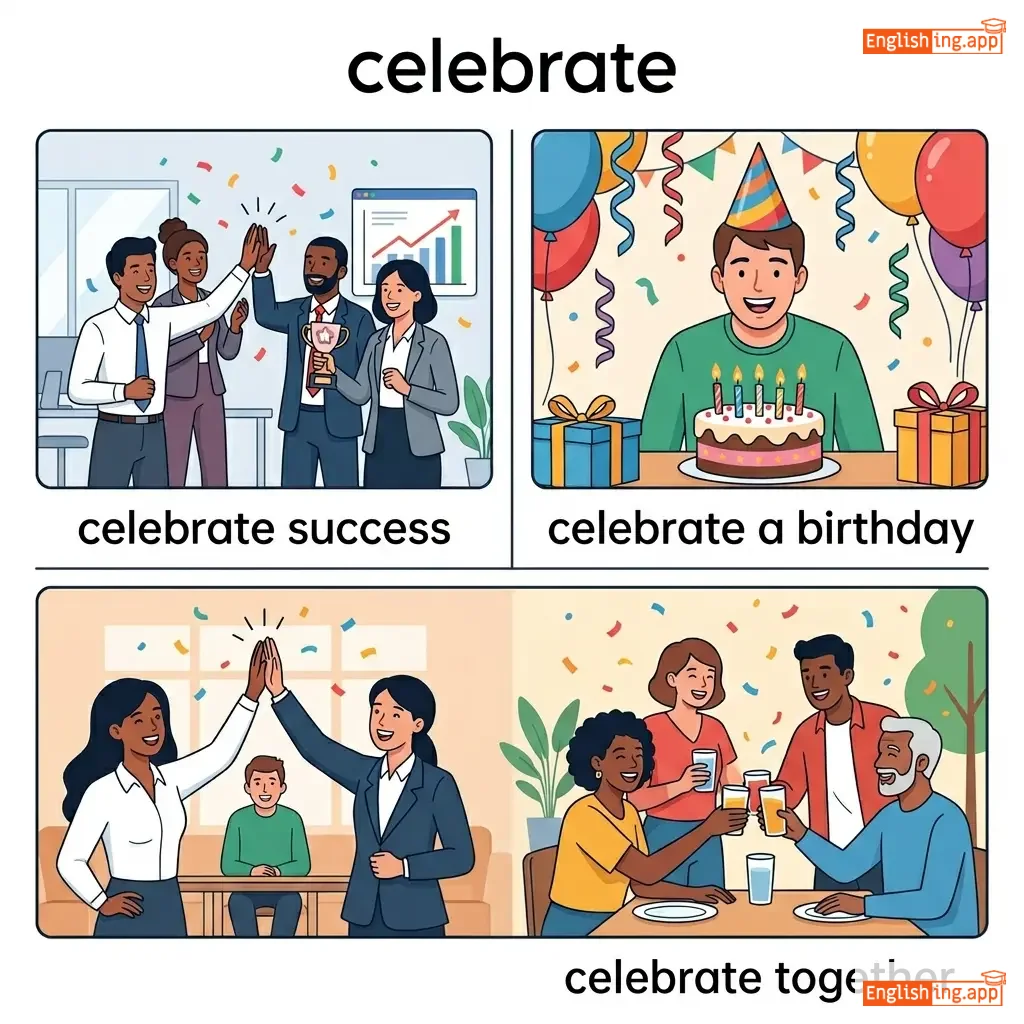
celebrate success, celebrate a birthday, celebrate together, celebrate in style
••••••
|
No •••••• |
|
#0
🎉
|
/ˈsɛrəˌmoʊni/
noun
••••••
|
- •••••• | - •••••• | - •••••• | - •••••• | - •••••• | - •••••• |
A formal event or occasion, often with rituals and traditions.
••••••
|
The graduation ceremony was held in the university hall. |
- •••••• |
without ceremony |
done simply, without formality
••••••
|
- •••••• |
ritual, event, celebration, function, observance
••••••
|
informality, casualness
••••••
|
wedding ceremony, opening ceremony, award ceremony, official ceremony
••••••
|
No •••••• |
|
#0
🎭
|
/ˈkʌltʃərəl/
adjective
(カルチャラル)
••••••
|
|
文化的
bunkateki
••••••
|
- •••••• | - •••••• | - •••••• | - •••••• |
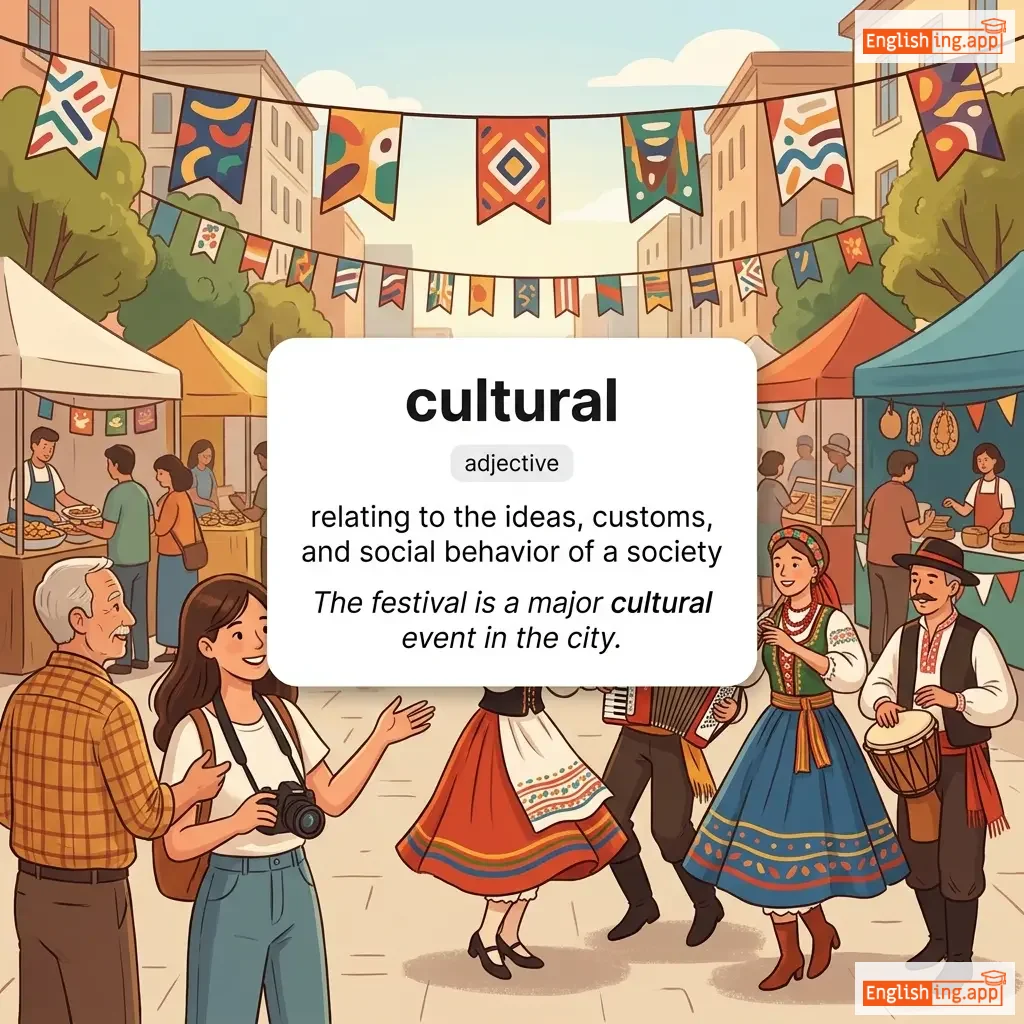
relating to the ideas, customs, and social behavior of a society
••••••
|
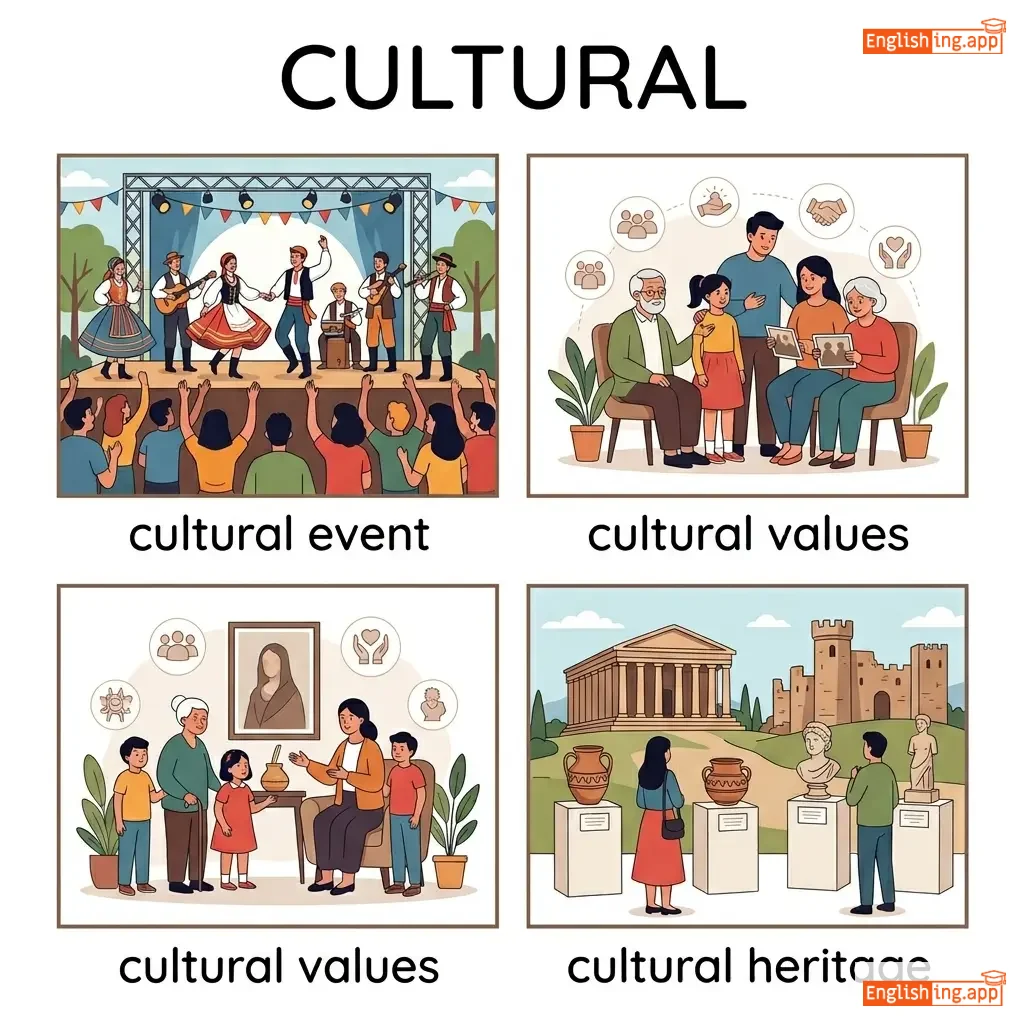
The festival is a major cultural event in the city. |
そのフェスティバルは市内で重要な文化的なイベントです。
Sono fesutibaru wa shinai de juuyou na bunkateki na ibento desu.
••••••
|
- •••••• | - •••••• | - •••••• |
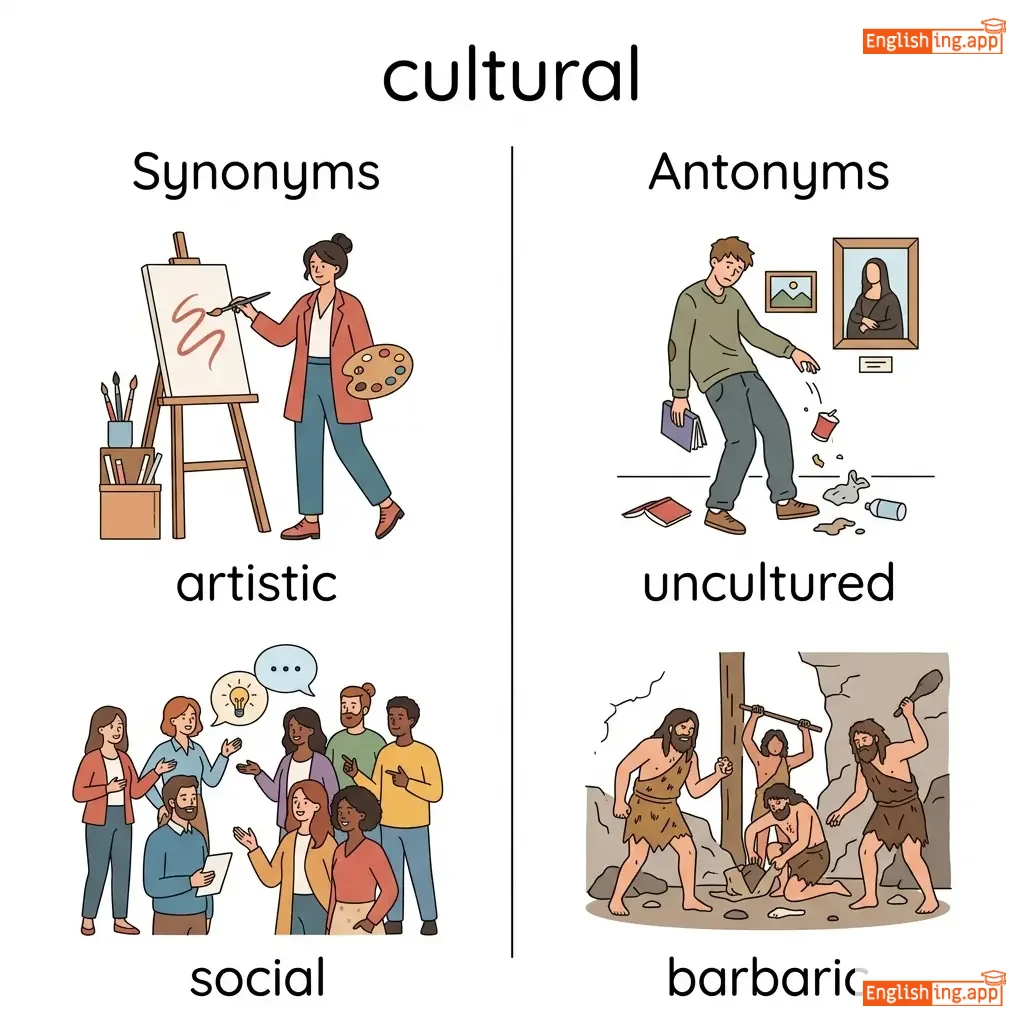
artistic, social, traditional, heritage, ethnic
••••••
|
uncultured, barbaric
••••••
|
cultural event, cultural values, cultural heritage, cultural identity
••••••
|
文化的は社会の習慣や行動と関連があります。
••••••
|
|
#0
🌍
|
/ˈkʌltʃər/
noun
(カルトゥーラ)
••••••
|
- •••••• |
文化
bunka
••••••
|
- •••••• | - •••••• | - •••••• | - •••••• |
the customs, arts, social institutions, and achievements of a particular people or society
••••••
|
Japanese culture is admired all over the world. |
日本の文化は世界中で賞賛されています。
Nihon no bunka wa sekaijū de shōsan sareteimasu.
••••••
|
popular culture |
modern cultural activities and products that are well-liked by many people
••••••
|
ポピュラー文化
popyurā bunka
••••••
|
civilization, tradition, lifestyle, heritage, society
••••••
|
barbarism, uncivilized
••••••
|
rich culture, preserve culture, local culture, diverse culture
••••••
|
文化(bunka)は私たちの社会の基本です
••••••
|
|
#0
🎎
|
/ˈkʌstəm/
noun
(カスタム)
••••••
|
- •••••• |
習慣
shūkan
••••••
|
- •••••• | - •••••• | - •••••• | - •••••• |
a traditional practice or usual way of behaving in a particular society or place
••••••
|
Shaking hands is a common custom in many countries. |
握手は多くの国で一般的な習慣です。
Akushu wa ōku no kuni de ippanteki na shūkan desu.
••••••
|
old habits die hard |
customs or habits are difficult to change
••••••
|
古い習慣は簡単に変わらない
Furui shūkan wa kantan ni kawaranai
••••••
|
tradition, practice, ritual, convention
••••••
|
innovation, novelty
••••••
|
local custom, cultural custom, follow custom, business custom
••••••
|
Custom は習慣を意味します—店で「custom duty」、社会で「習慣」
••••••
|
|
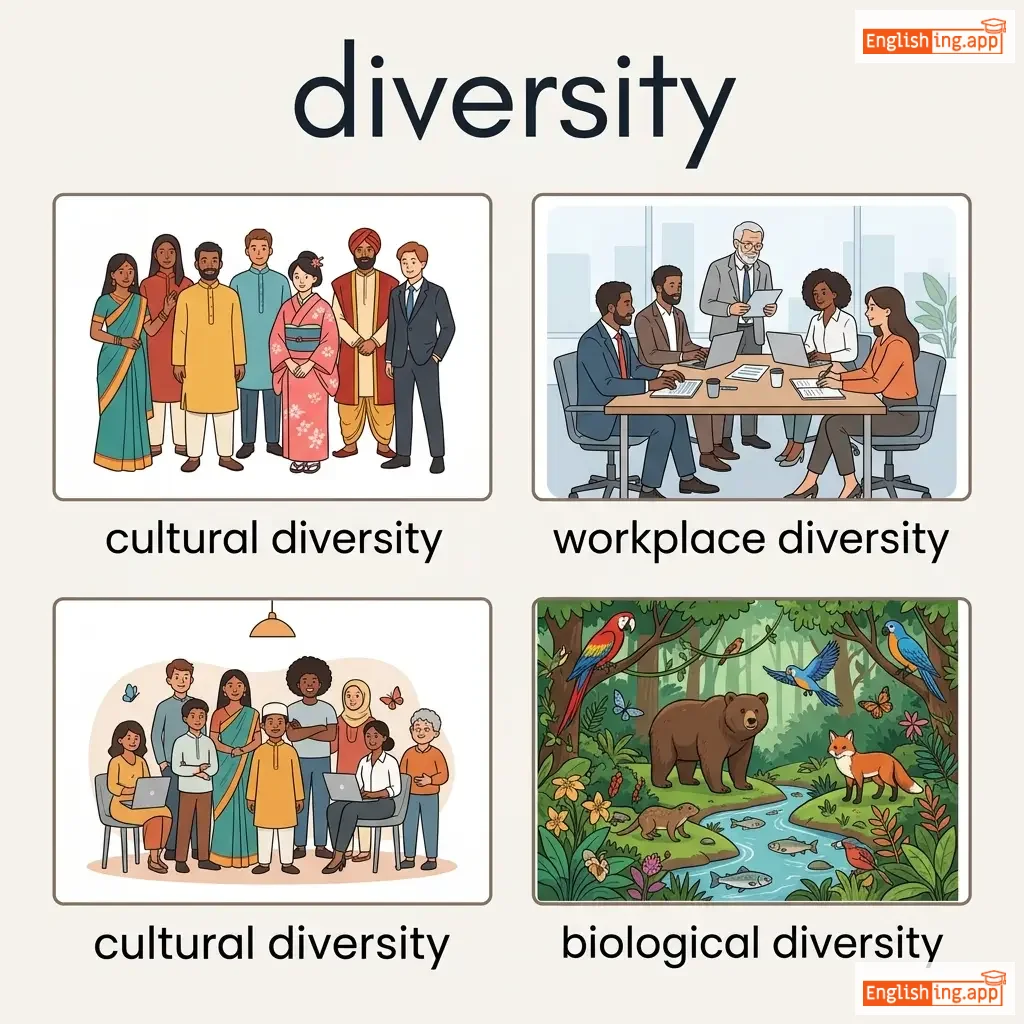
#0
🌈
|
/daɪˈvɜːrsəti/
noun
(ダイバーシティ)
••••••
|
|
多様性
tayōsei
••••••
|
- •••••• | - •••••• | - •••••• | - •••••• |
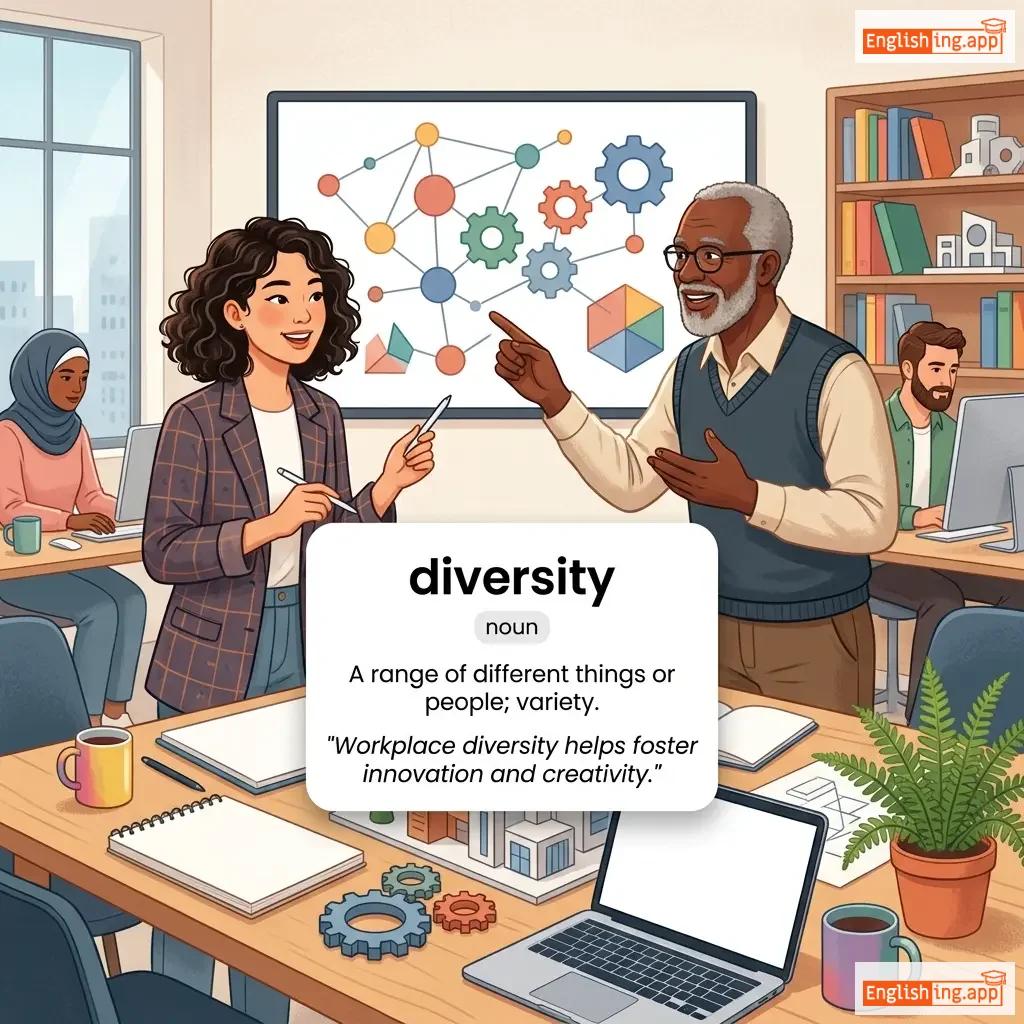
A range of different things or people; variety.
••••••
|
Workplace diversity helps foster innovation and creativity. |
職場での多様性は、革新と創造性を促進します。
Shokuba de no tayōsei wa, kakushin to sōzōsei o sokushin shimasu.
••••••
|
cultural diversity |
The existence of different cultural groups within a society.
••••••
|
文化的多様性
bunkateki tayōsei
••••••
|
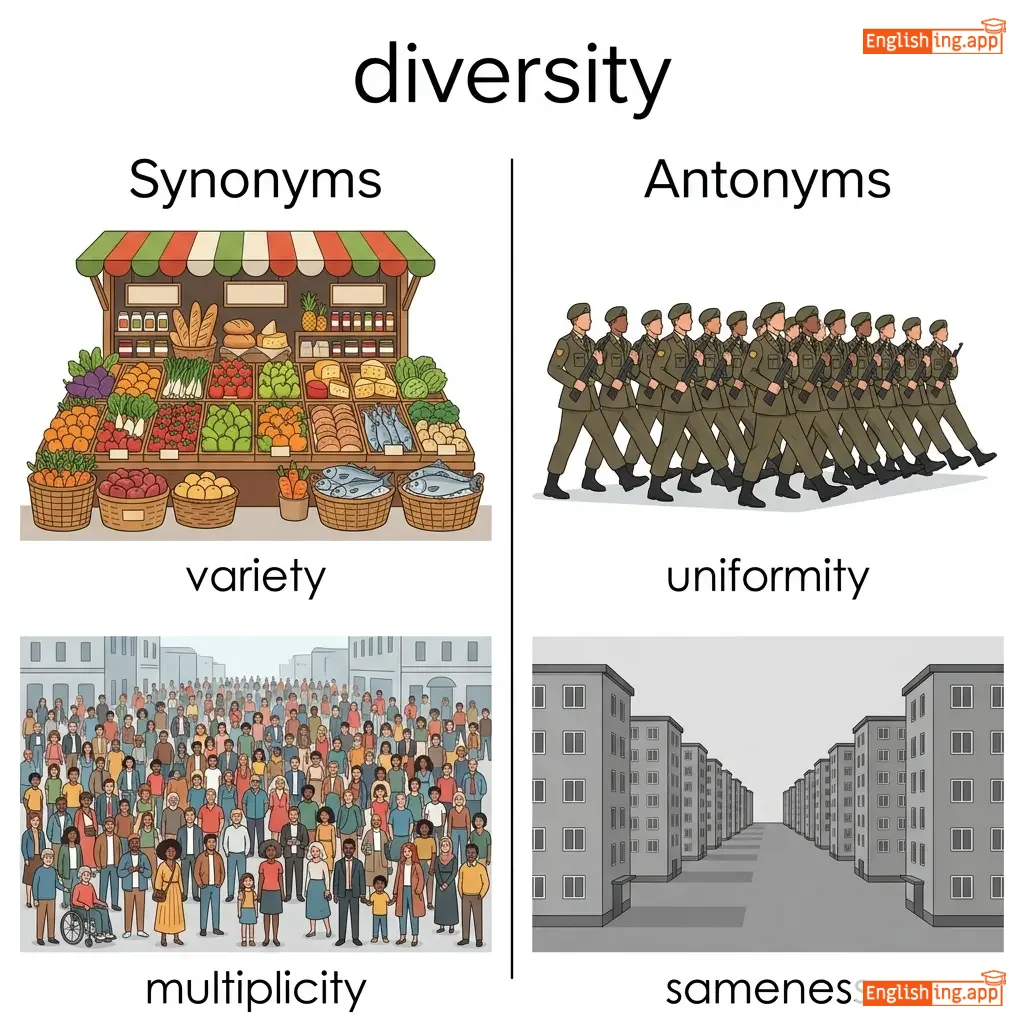
variety, multiplicity, heterogeneity, assortment, difference
••••••
|
uniformity, sameness, similarity
••••••
|
cultural diversity, workplace diversity, biological diversity, embrace diversity
••••••
|
Diversity は「Different Variety City」– 多様性がある街。
••••••
|
|
#0
🌍
|
/ˈɛθnɪk/
adjective
(エスニック)
••••••
|
- •••••• |
民族的
minzokuteki
••••••
|
- •••••• | - •••••• | - •••••• | - •••••• |
relating to a population subgroup with a common national or cultural tradition
••••••
|
The festival celebrated the city's diverse ethnic communities. |
フェスティバルは都市のさまざまな民族のコミュニティを祝いました。
Fesutibaru wa toshi no samazama na minzoku no komyuniti o iwaimashita.
••••••
|
- •••••• | - •••••• | - •••••• |
cultural, racial, traditional, indigenous
••••••
|
universal, general, nontraditional
••••••
|
ethnic group, ethnic community, ethnic diversity, ethnic background
••••••
|
Ethnic = 伝統文化を共有するグループ
••••••
|
|
#0
🎉
|
/ˈfɛstəvəl/
noun
(フェスティバル)
••••••
|
- •••••• |
祭り
matsuri
••••••
|
- •••••• | - •••••• | - •••••• | - •••••• |
a day or period of celebration, often for cultural or religious reasons
••••••
|
The city was decorated with lights for the annual music festival. |
その都市は毎年の音楽祭のためにライトで飾られていました。
Sono toshi wa maitoshi no ongakumatsuri no tame ni raito de kazararete imashita.
••••••
|
festival of lights |
a celebration marked by illumination and joy, such as Diwali
••••••
|
光の祭り
hikari no matsuri
••••••
|
celebration, carnival, fair, feast, gala
••••••
|
mourning, sorrow
••••••
|
music festival, religious festival, film festival, annual festival
••••••
|
祭りは楽しいお祝い — すべてが光で満ちている!
••••••
|
|
#0
👨👩👧👦
|
/foʊk/
noun
(フォーク)
••••••
|
- •••••• |
人々
hitobito
••••••
|
- •••••• | - •••••• | - •••••• | - •••••• |
people in general, often referring to a group or community
••••••
|
Country folk often live a simple life.
田舎の人々はよくシンプルな生活をしています。
••••••
|
田舎の人々はよくシンプルな生活をしています。
Inaka no hitobito wa yoku shimpuru na seikatsu o shiteimasu.
••••••
|
just plain folk
普通の人々
••••••
|
ordinary people
••••••
|
普通の人々
futsū no hitobito
••••••
|
people, community, tribe, population, crowd
••••••
|
individual, elite
••••••
|
folk music, country folk, common folk, ordinary folk
••••••
|
Folkは普通の人々 - Folk song は普通の人々の音楽。
••••••
|
|
#0
👶
|
/ˌdʒɛnəˈreɪʃən/
noun
(ジェネレーション)
••••••
|
- •••••• |
世代
sedai
••••••
|
- •••••• | - •••••• | - •••••• | - •••••• |
all the people born and living at about the same time; the process of producing something
••••••
|
The younger generation is more comfortable with technology. |
若い世代はテクノロジーにもっと慣れています。
wakai sedai wa tekunorojī ni motto nareteimasu.
••••••
|
generation gap |
the difference in attitudes and behavior between older and younger people
••••••
|
世代間のギャップ
sedaikan no gyappu
••••••
|
cohort, age group, era, production, creation
••••••
|
ancestors, destruction
••••••
|
younger generation, next generation, generation gap, generation of energy
••••••
|
各世代 (sedai) は新しいGENを作ります - Generationは世代を意味します
••••••
|
|
#0
🏰
|
/ˈhɛrɪtɪdʒ/
noun
(ハピネス)
••••••
|
|
遺産
isan
••••••
|
- •••••• | - •••••• | - •••••• | - •••••• |
Valued objects and qualities such as historic buildings and cultural traditions passed down from previous generations.
••••••
|
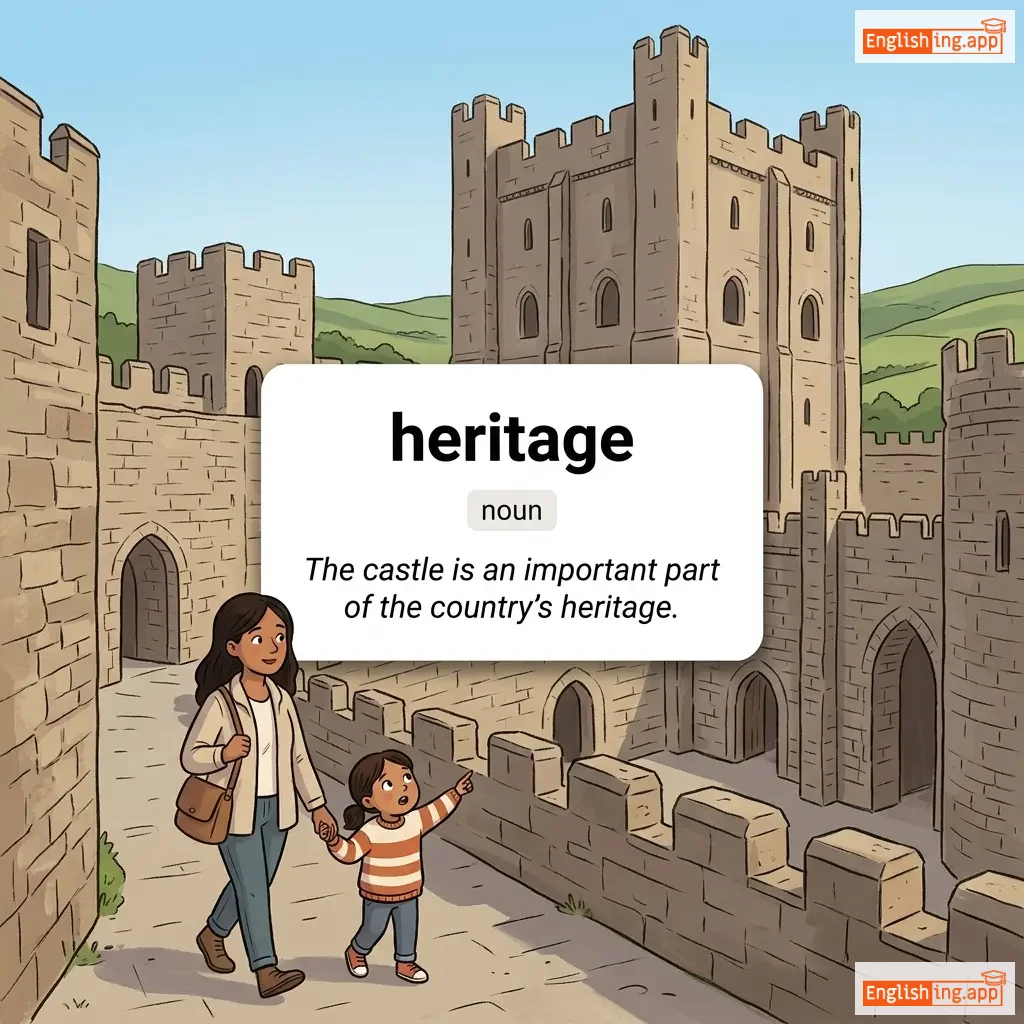
The castle is an important part of the country's heritage. |
城はその国の遺産の重要な部分です。
Shiro wa sono kuni no isan no jūyō na bubun desu.
••••••
|
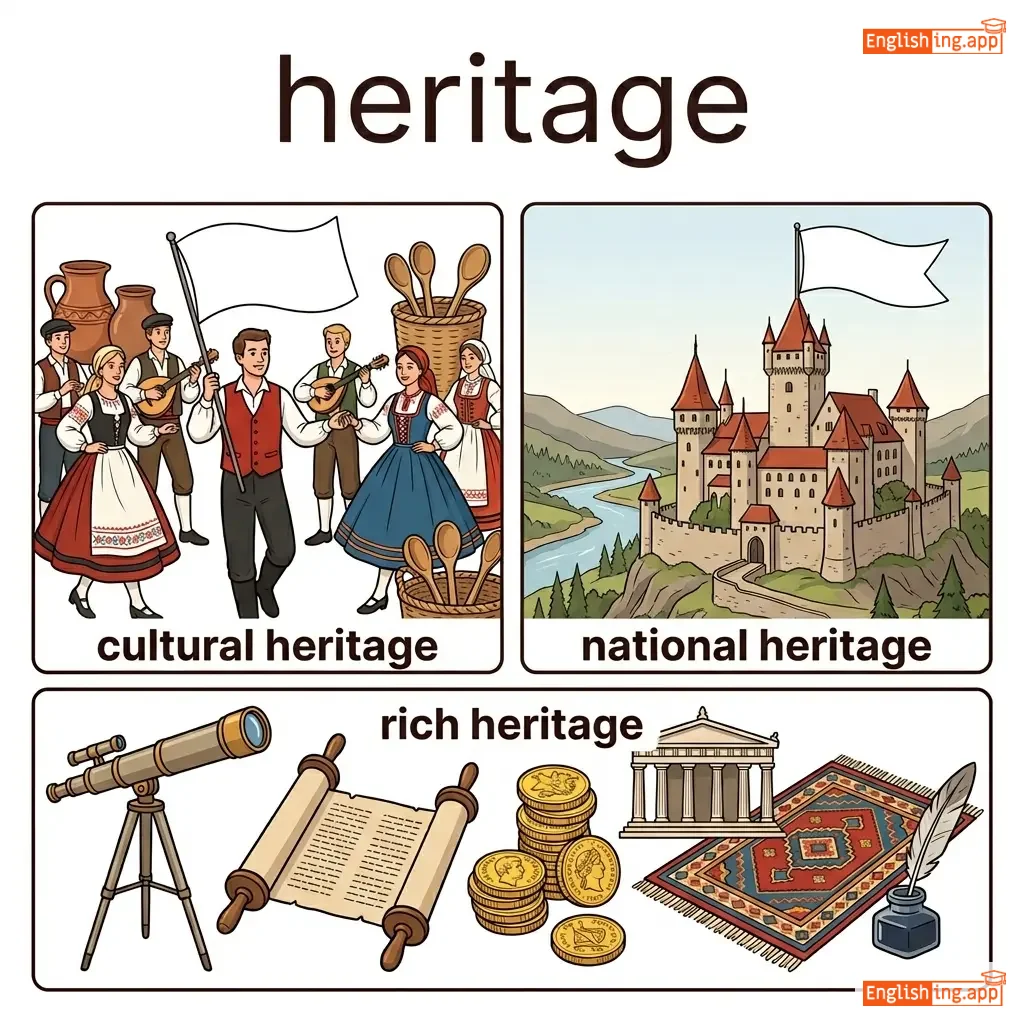
cultural heritage |
The traditions, customs, and artifacts of a community passed down through generations.
••••••
|
文化遺産
bunka isan
••••••
|
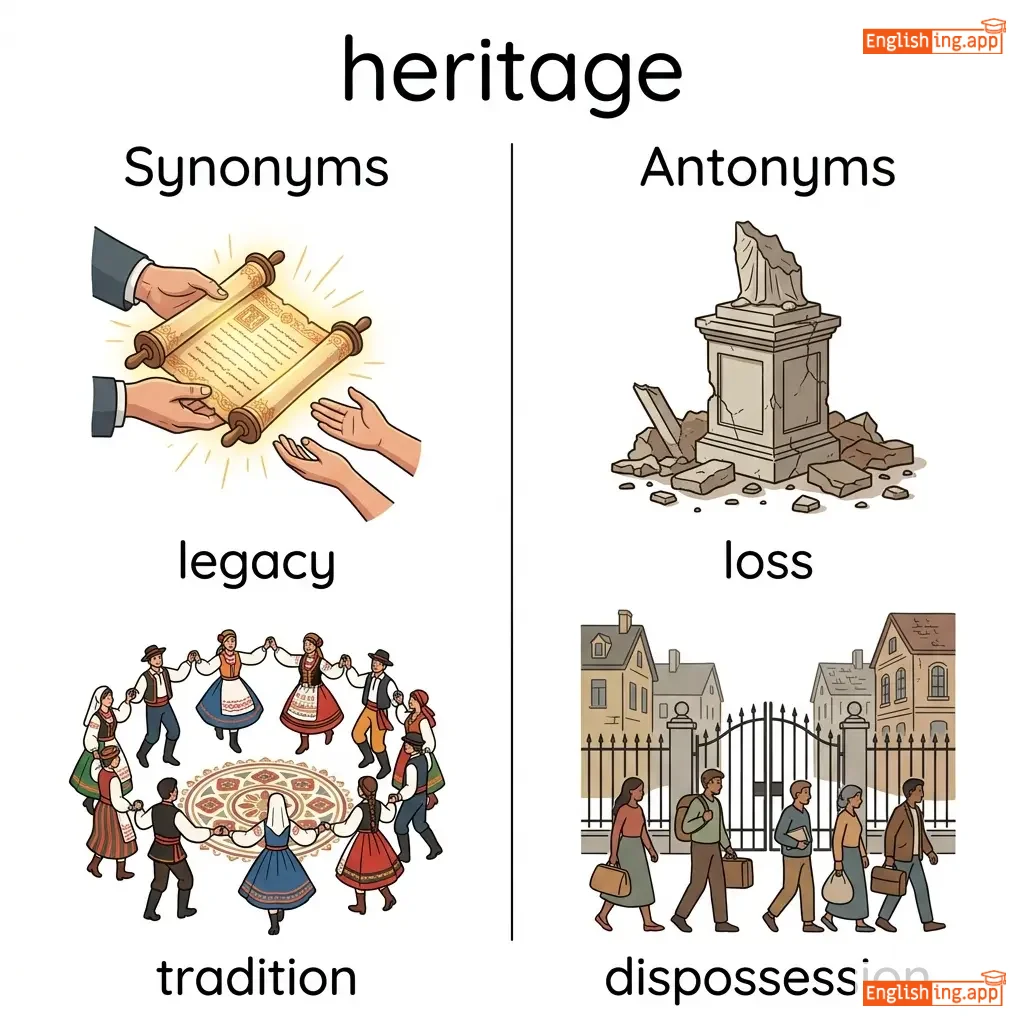
legacy, tradition, inheritance, patrimony, birthright
••••••
|
loss, dispossession
••••••
|
cultural heritage, national heritage, rich heritage, heritage site
••••••
|
遺産は世代を越えて受け継がれます。
••••••
|
|
#0
🪪
|
/aɪˈdɛntɪti/
noun
(アイデンティティ)
••••••
|
|
アイデンティティ
aidentiti
••••••
|
- •••••• | - •••••• | - •••••• | - •••••• |
the characteristics, feelings, or beliefs that make a person or group different from others
••••••
|
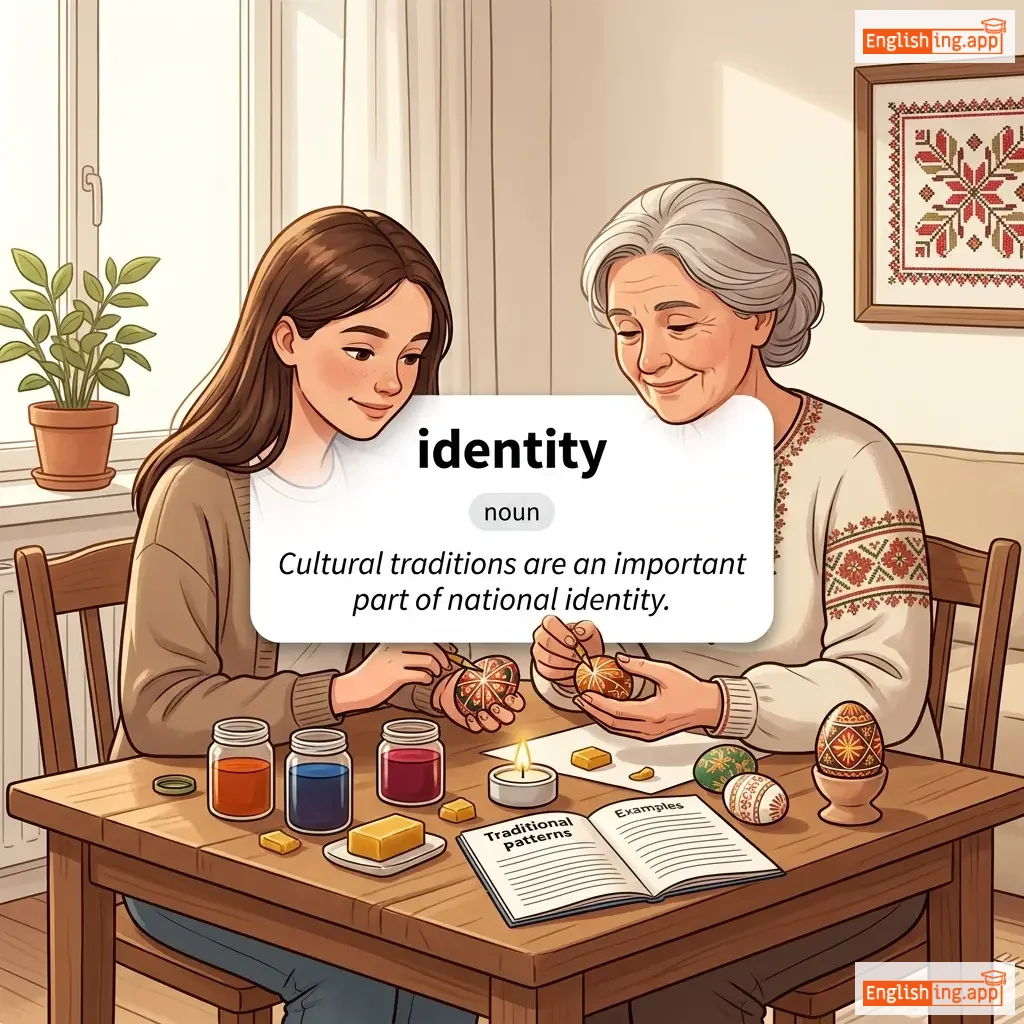
Cultural traditions are an important part of national identity. |
文化的な伝統は、国のアイデンティティの重要な部分です。
bunkateki na dentou wa, kuni no aidentiti no juuyou na bubun desu
••••••
|
identity crisis |
a period of uncertainty about one's sense of self
••••••
|
アイデンティティ危機
aidentiti kiki
••••••
|
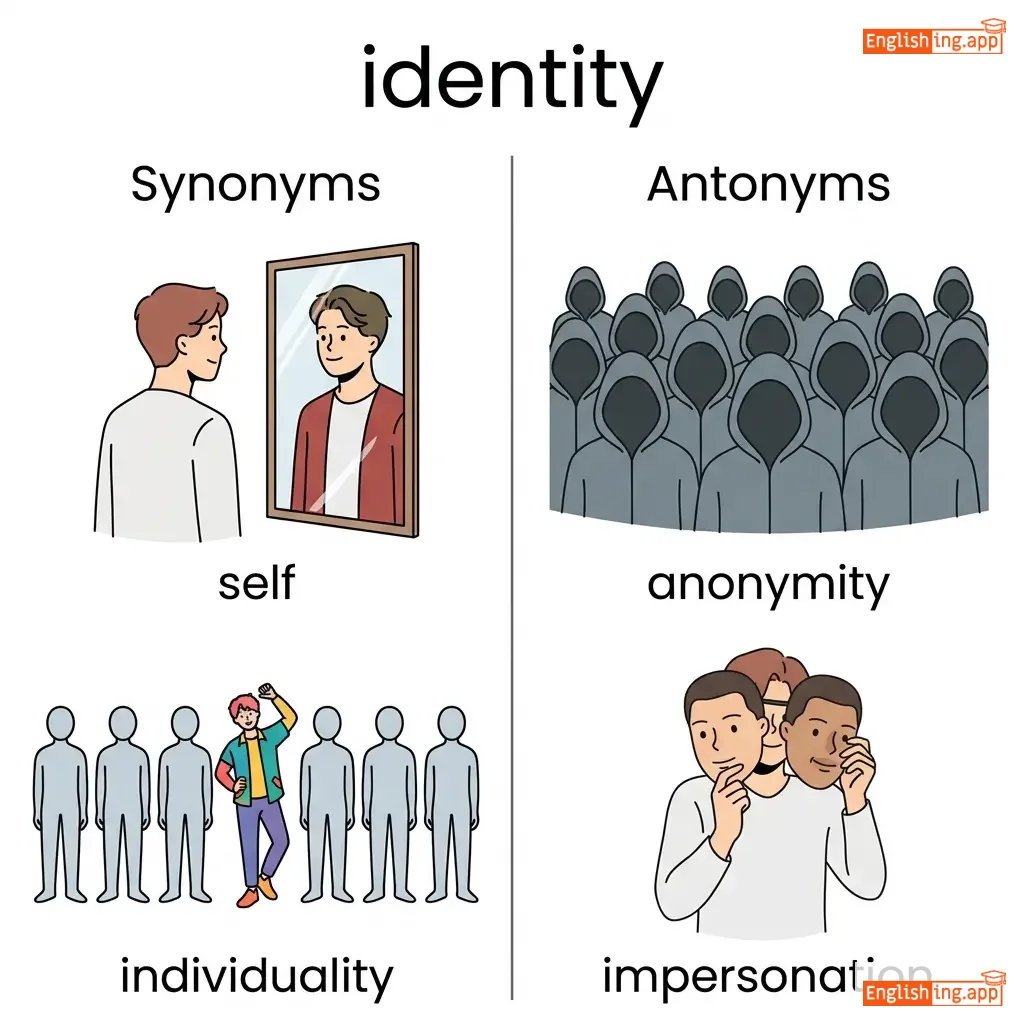
self, individuality, character, personality
••••••
|
anonymity, impersonation
••••••
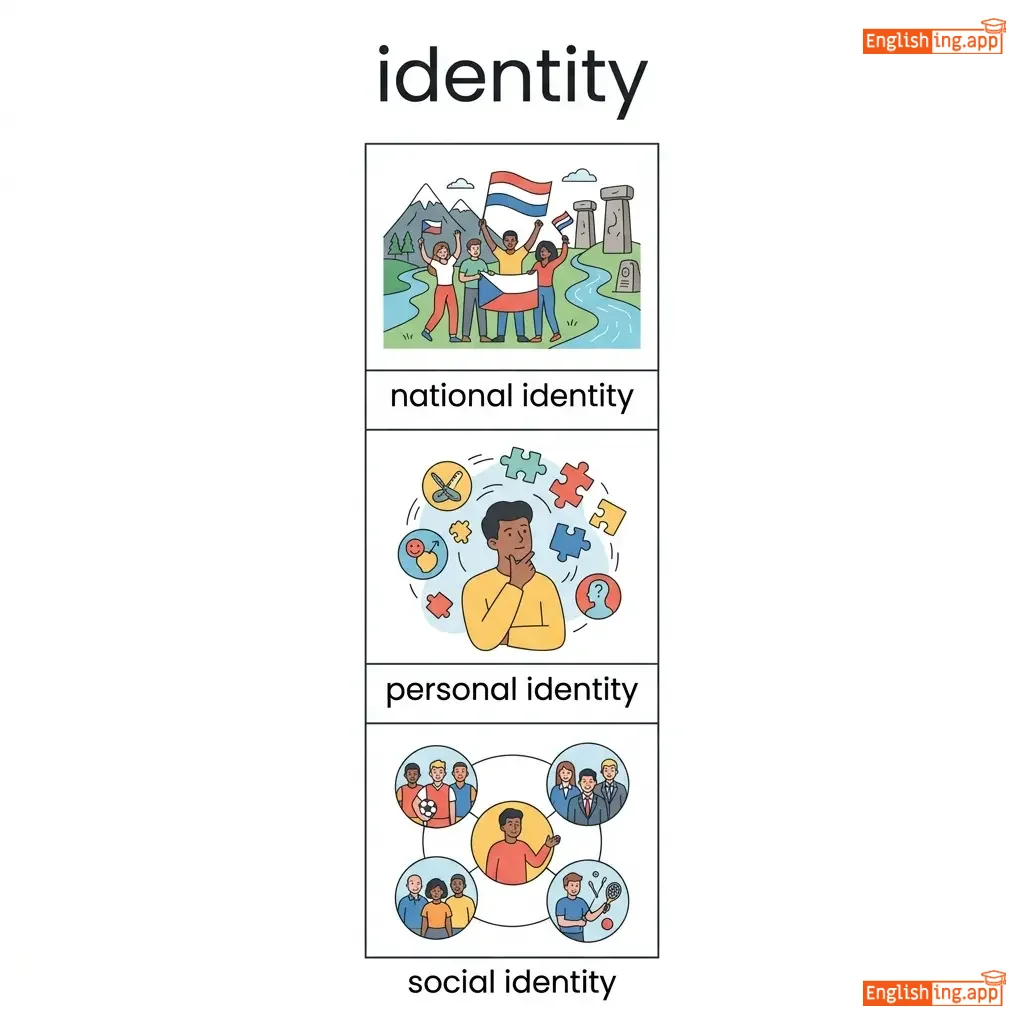
|
national identity, personal identity, social identity, identity card
••••••
|
アイデンティティはアイデンティティです - 身分証明書でアイデンティティが証明されます
••••••
|
|
#0
🌱
|
/ɪnˈdɪdʒ.ə.nəs/
adjective
(インディジナス)
••••••
|
|
先住民の
senjūmin no
••••••
|
- •••••• | - •••••• | - •••••• | - •••••• |
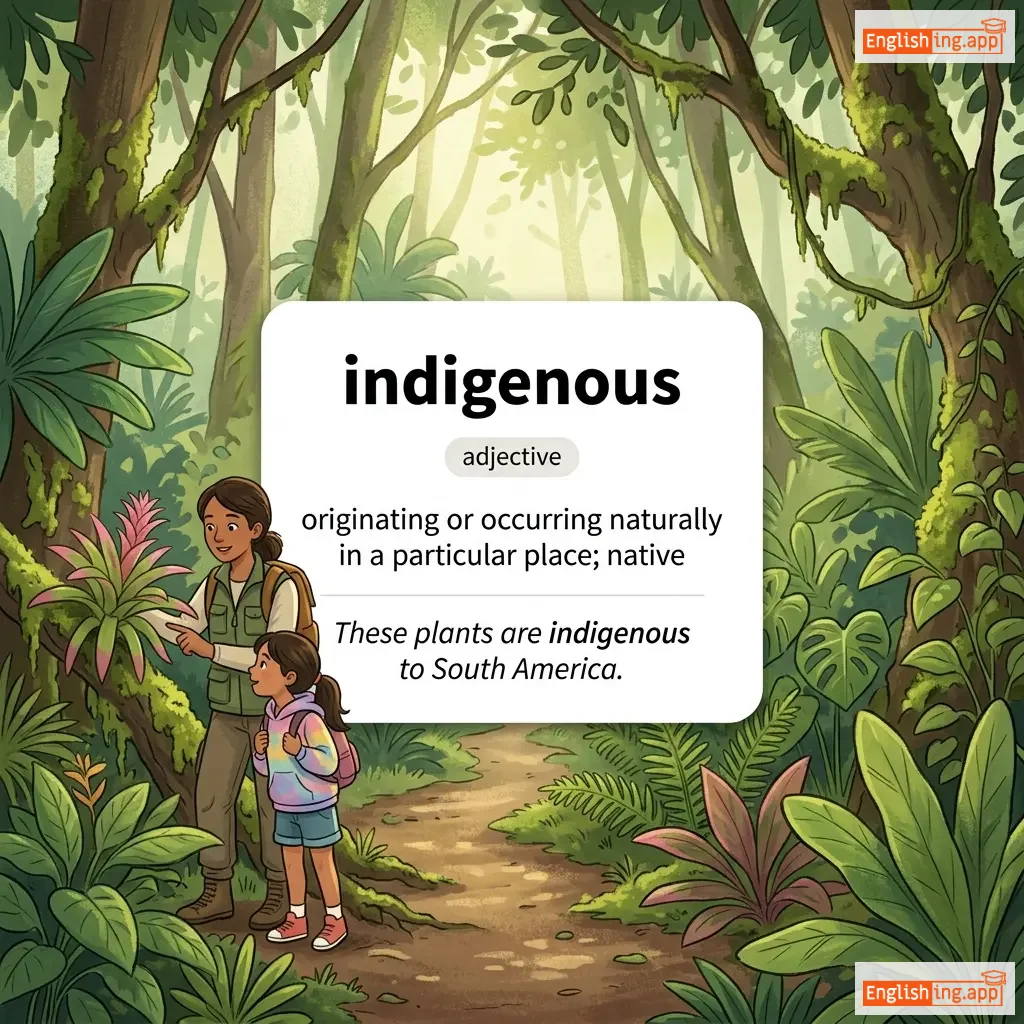
originating or occurring naturally in a particular place; native
••••••
|
These plants are indigenous to South America. |
これらの植物は南アメリカの先住民のものです。
Korera no shokubutsu wa Minami Amerika no senjūmin no mono desu.
••••••
|
indigenous people |
the native inhabitants of a region
••••••
|
先住民
senjūmin
••••••
|
native, aboriginal, local, endemic, original
••••••
|
foreign, alien, immigrant
••••••
|
indigenous culture, indigenous people, indigenous species
••••••
|
インディジナス = 先住民、南アメリカの先住民のように。
••••••
|
|
#0
🌿
|
/prɪˈzɜːrv/
verb
••••••
|
|
- •••••• |
preserved
••••••
|
preserved
••••••
|
preserves
••••••
|
preserving
••••••
|
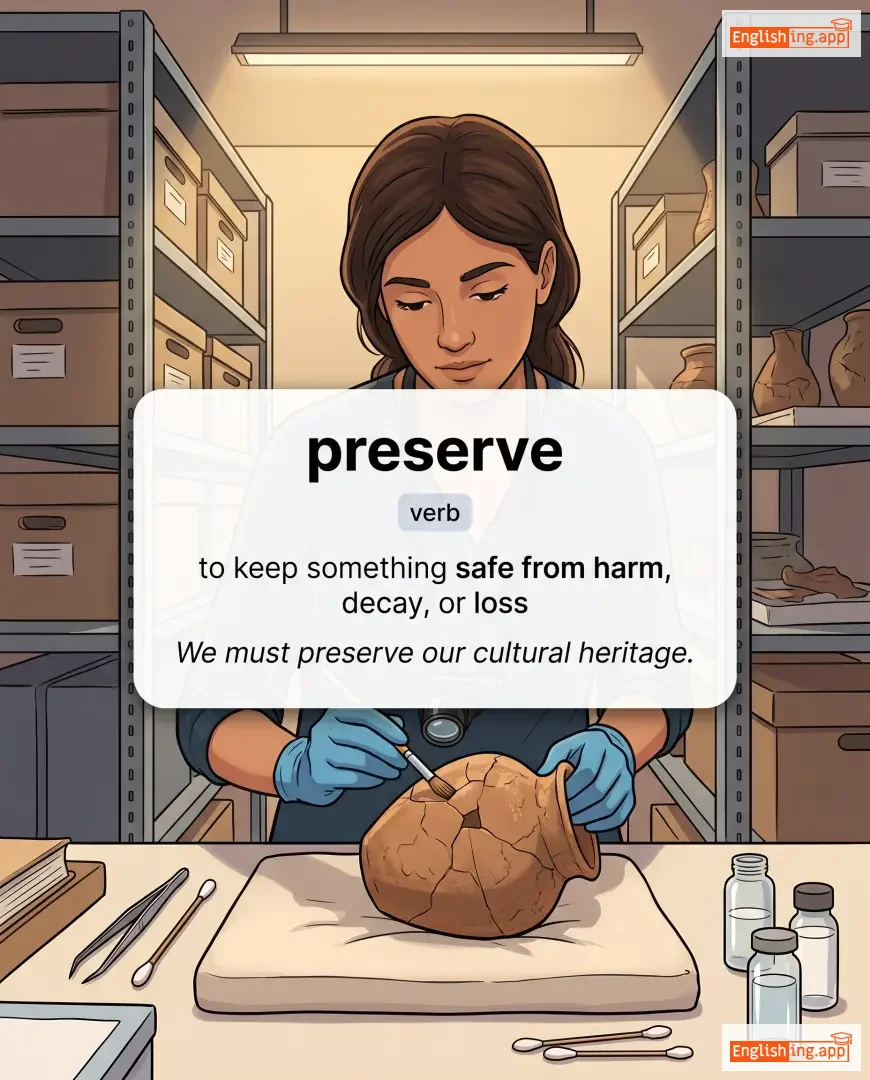
to keep something safe from harm, decay, or loss
••••••
|
We must preserve our cultural heritage. |
- •••••• |
preserve the peace |
to maintain peace and order
••••••
|
- •••••• |
maintain, protect, conserve, safeguard
••••••
|
destroy, neglect
••••••
|
preserve nature, preserve tradition, preserve life, preserve evidence
••••••
|
No •••••• |
|
#0
🙏
|
/rɪˈlɪdʒəs/
adjective
(宗教的)
••••••
|
- •••••• |
宗教的
shūkyōteki
••••••
|
- •••••• | - •••••• | - •••••• | - •••••• |
relating to or believing in a religion or faith
••••••
|
She is a very religious woman who prays every day.
彼女は毎日祈る非常に宗教的な女性です。
••••••
|
彼女は毎日祈る非常に宗教的な女性です。
Kanojo wa mainichi inoru hijō ni shūkyōteki na josei desu.
••••••
|
religious fervor
宗教的熱意
••••••
|
intense passion and devotion towards religion
••••••
|
宗教的熱意
shūkyōteki netsui
••••••
|
devout, pious, spiritual, faithful, holy
••••••
|
atheist, secular, irreligious
••••••
|
religious belief, religious practice, religious festival, religious leader
••••••
|
Religiousは宗教的という意味です — 寺院に行くとすべてが宗教的です。
••••••
|
|
#0
🕯️
|
/ˈrɪtʃ.u.əl/
noun
••••••
|
- •••••• |
幸福
kōfuku
••••••
|
- •••••• | - •••••• | - •••••• | - •••••• |
a set of fixed actions and sometimes words performed regularly, especially as part of a ceremony or religion
••••••
|
Morning coffee has become a daily ritual for him. |
彼女は賞を受け取ったとき、自分の幸せを隠すことができませんでした。
Kanojo wa shō o uketotta toki, jibun no kōfuku o kakusu koto ga dekimasen deshita.
••••••
|
go through the ritual |
to perform the usual routine or formal steps
••••••
|
幸せを追い求める
shiawase o oi motomeru
••••••
|
ceremony, tradition, custom, rite, practice
••••••
|
chaos, informality
••••••
|
religious ritual, morning ritual, wedding ritual, daily ritual
••••••
|
幸福 – 幸せを追い求める人生は、明るい未来への道を開きます。🌸😊
••••••
|
|
#0
🙏
|
/ˈspɪr.ɪ.tʃu.əl/
adjective
(スピリチュアル)
••••••
|
- •••••• |
精神的; 宗教的; 神聖な
supirichuaru
••••••
|
- •••••• | - •••••• | - •••••• | - •••••• |
relating to the human spirit or soul; religious or sacred
••••••
|
She found spiritual peace through meditation.
彼女は瞑想を通じて精神的な平和を見つけました。
••••••
|
彼女は瞑想を通じて精神的な平和を見つけました。
Kanojo wa meisō o tōjite seishinteki na heiwa o mitsukemashita.
••••••
|
- •••••• | - •••••• | - •••••• |
religious, sacred, divine, holy, mystical
••••••
|
material, physical, secular, worldly
••••••
|
spiritual leader, spiritual journey, spiritual growth
••••••
|
精神的は瞑想によって心の平和を見つけることです。
••••••
|
|
#0
🏛️
|
/trəˈdɪʃ.ən/
noun
(トラディション)
••••••
|
- •••••• |
伝統
dentou
••••••
|
- •••••• | - •••••• | - •••••• | - •••••• |
the transmission of customs or beliefs from generation to generation; a long-established custom or belief
••••••
|
It's a family tradition to gather for dinner every Sunday evening.
日曜日の夜に家族全員でディナーを共にするのは、我が家の伝統です。
••••••
|
日曜日の夜に家族全員でディナーを共にするのは、我が家の伝統です。
Nichiyoubi no yoru ni kazoku zen'in de dinaa o tomo ni suru no wa, wagaya no dentou desu.
••••••
|
- •••••• | - •••••• | - •••••• |
custom, heritage, convention, practice, ritual
••••••
|
innovation, modernization, change
••••••
|
family tradition, cultural tradition, oral tradition, break tradition
••••••
|
伝統と家族は日曜日のディナーで繋がっている。
••••••
|
Vocabulary Quiz
Test your vocabulary by matching words with their translations or meanings.
Login to take the quiz
Comments (0)
Share your thoughts and join the discussion.
Join the discussion by logging in
Login to CommentNo comments yet
Be the first to share your thoughts!