

司法を改革した判事
The Judge Who Reformed Justice
ジャヒダは judicial 改革者であり、lifelong キャリアを正義に捧げました。彼女のアプローチは informal ではなく、適切な法的手続きを遵守しました。彼女は、公平はすべての市民の inherent 権利であると信じていました。ある instance では、家庭内暴力の事件を扱いました。彼女の法的 instinct は何かが間違っていることを告げました。Internal 調査で体系的な問題が明らかになりました。植民地勢力の歴史的 invasion により不完全な法律が残されていました。多くの農村の女性は isolated 状況で暮らしていました。彼女の仕事は lawmakers に古い法律を改正させる影響を与えました。Likewise、彼女は子供の権利を擁護しました。議会の longtime 味方が彼女の提案を支持しました。ジャヒダの性格は magnetic で、人々は彼女を信頼しました。Mainland の都市と沿岸地域の両方が改革を必要としていました。問題は裁判で manifest しました。Marginalized コミュニティが最も苦しみました。marriage に関する法律は更新が必要でした。解放戦争中の過去の massacres は正義を必要としていました。Material 証拠は慎重に収集される必要がありました。弁護士はクライアントのチャンスを maximize すべきです。裁判官は判断の偏見を minimize すべきです。Minister 法務大臣はジャヒダの専門知識を尊重しました。法務 ministry は彼女を改革委員会に任命しました。minority の権利保護は優先事項でした。社会の mobility は司法への平等なアクセスに依存しました。活動家は世論を mobilize しようとしました。ジャヒダは論争のある問題に moderate な立場を取りました。メディアの企業 monopoly は自由な報道を脅かしました。公共の morality は差別を正当化できません。Moreover、経済的不平等が司法制度に影響しました。貧しい家庭は mortgages の支払いに苦労しました。mosquitoes が停滞した水で繁殖するように、壊れたシステムで腐敗が広がりました。Multiple の課題が同時に存在しました。雨の後の mushrooms のように新たな問題が現れました。National 利益は強力な法的枠組みを必要としました。一部の政治家は改革に negative な見解を持っていました。議会は慎重に裁判官を nominate しました。批評家は一部の議論を nonsense として退けました。裁判所は normally 平日に運営されました。Northern 地区には弁護士が少なかったです。著名な novelist が法律の闘争について書きました。Nowadays、より多くの女性が法律職に就きました。法学教育は民主主義に必要な nutrients を提供しました。Offender は公正な裁判を受ける権利がありました。被害者は法的 offering の補償を歓迎しました。政治的 opponents は改革を議論しました。進歩と抵抗は opposite に立っていました。司法制度は進化できる生きた organism でした。Outbreaks の共同体暴力が法律を試しました。社会は不正を overlook できませんでした。裁判所は不公正な判決を overturn できました。ジャヒダは、粘り強い提唱が法制度を変革できることを証明しました。彼女の遺産はより強く、公正な司法制度です。
翻訳
過去
過去分詞
三人称単数
動名詞
意味
例文
例文の翻訳
同義語
対義語
コロケーション
ニーモニック
Swipe left or right, or use the buttons. Tap image to zoom.
例文の翻訳
単語
The Judge Who Reformed JusticeThe Judge Who Reformed Justice - マスクトグル
|
絵文字
|
単語 | Images | 翻訳 | 過去 | 過去分詞 | 三人称単数 | 動名詞 | 意味 | 例文 | 例文の翻訳 | 表現例 | 表現例の意味 | 表現例の翻訳 | 同義語 | 対義語 | コロケーション | ニーモニック |
|---|---|---|---|---|---|---|---|---|---|---|---|---|---|---|---|---|---|
|
#0
☕
|
/ɪnˈfɔːrməl/
adjective
(インフォーマル)
••••••
|
- •••••• |
非公式
hikoushiki
••••••
|
- •••••• | - •••••• | - •••••• | - •••••• |
relaxed, friendly, and not following strict rules or conventions
••••••
|
They had an informal meeting at the coffee shop. |
彼らはカフェで非公式な会議を開きました。
Karera wa kafe de hikoushiki na kaigi o hirakimashita.
••••••
|
informal talk |
a casual or relaxed conversation
••••••
|
非公式な会話
hikoushiki na kaiwa
••••••
|
casual, relaxed, unofficial, easygoing
••••••
|
formal, official, strict
••••••
|
informal meeting, informal clothes, informal chat, informal relationship
••••••
|
Informal = in + formal = 非公式
••••••
|
|
#0
⚖️
|
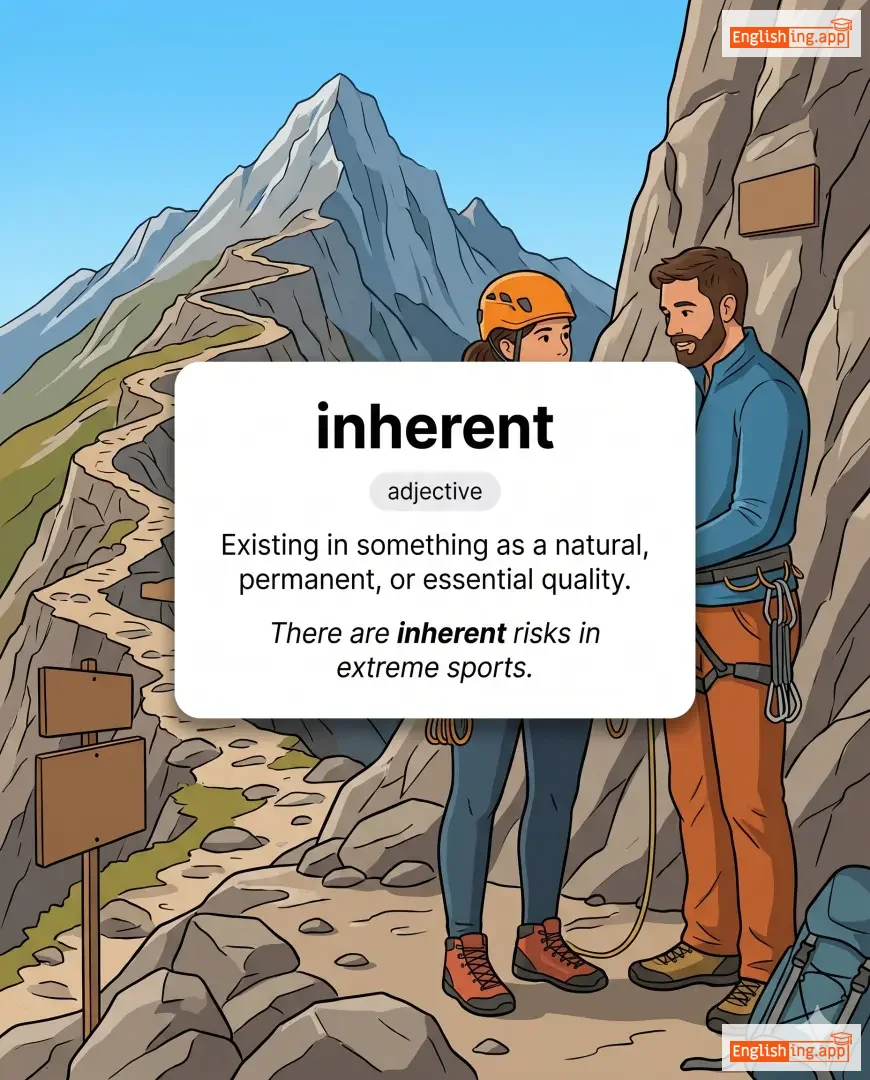
/ɪnˈhɛrənt/
adjective
(インヘレント)
••••••
|
|
固有の
koyū no
••••••
|
- •••••• | - •••••• | - •••••• | - •••••• |
Existing in something as a natural, permanent, or essential quality.
••••••
|
There are inherent risks in extreme sports. |
エクストリームスポーツには固有のリスクが存在する。
ekusutorīmusupōtsu ni wa koyū no risuku ga sonzai suru.
••••••
|
inherent danger |
A danger that is naturally part of something and cannot be separated from it.
••••••
|
固有の危険
koyū no kiken
••••••
|
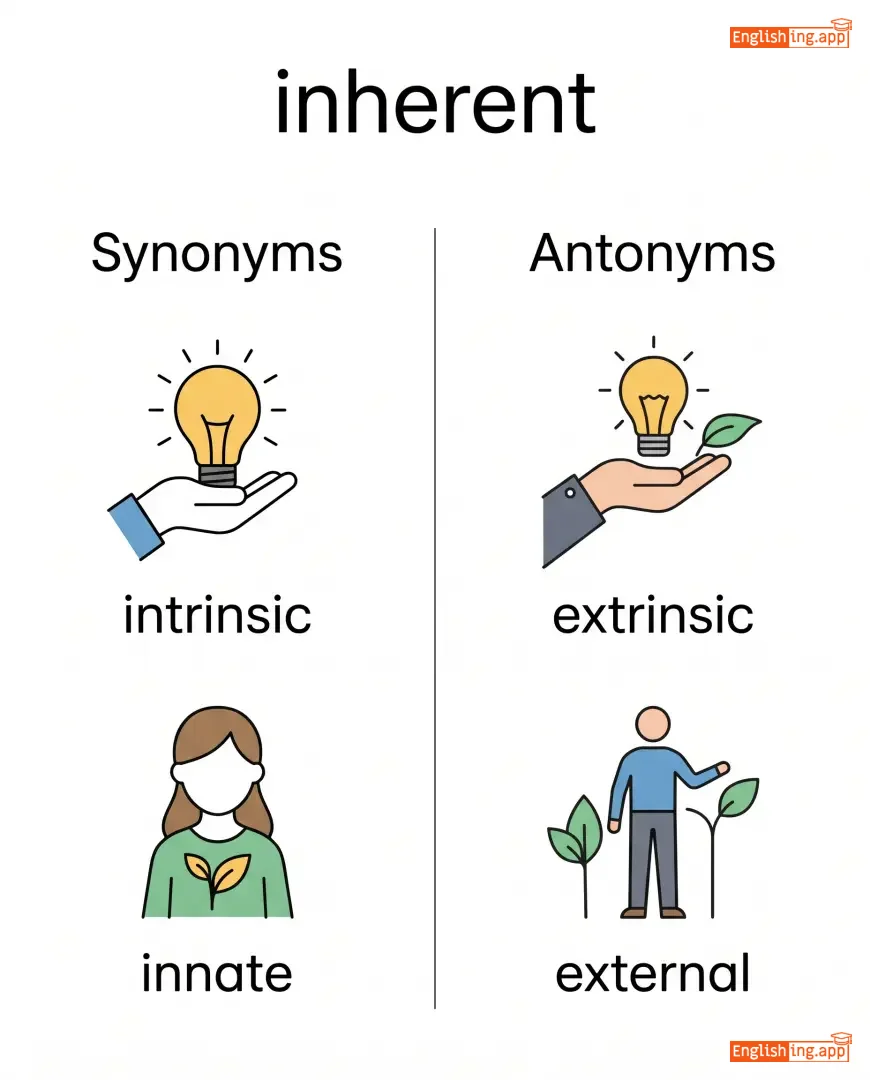
intrinsic, innate, built-in, essential, natural
••••••
|
extrinsic, external, acquired
••••••
|
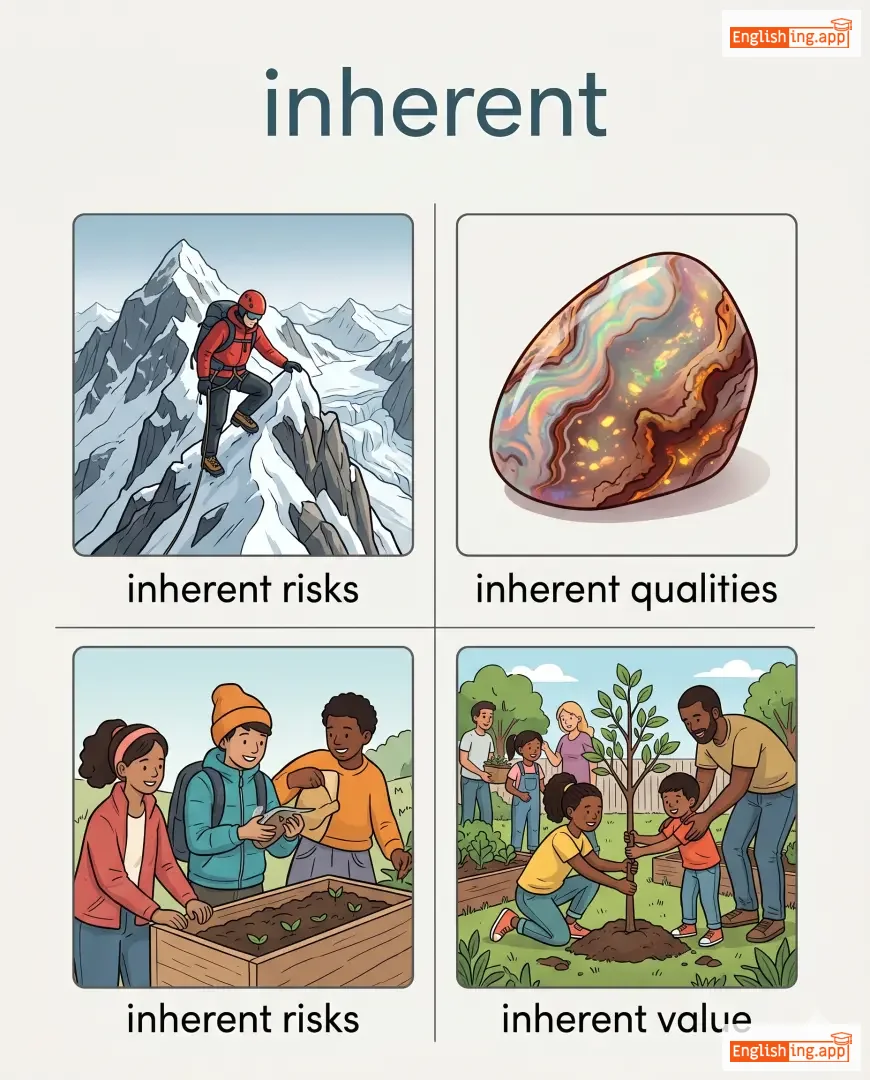
inherent risks, inherent qualities, inherent value
••••••
|
Inherentはin + heart(心の中にある)を意味し、固有のものです。
••••••
|
|
#0
📌
|
/ˈɪnstəns/
noun
(インスタンス)
••••••
|
- •••••• |
例
rei
••••••
|
- •••••• | - •••••• | - •••••• | - •••••• |
An example or single occurrence of something.
••••••
|
This is just one instance of his generosity. |
これは彼の寛大さの一例です。
Kore wa kare no kandaisa no ichirei desu.
••••••
|
for instance |
As an example.
••••••
|
例えば
tatoeba
••••••
|
example, case, occurrence, illustration, situation
••••••
|
generalization, whole
••••••
|
in this instance, one instance, rare instance, for instance
••••••
|
インスタンスは'即時の例'を意味します—それが例または示唆です。
••••••
|
|
#0
🐾
|
/ˈɪnstɪŋkt/
noun
(インスティンクト)
••••••
|
- •••••• |
本能
honnou
••••••
|
- •••••• | - •••••• | - •••••• | - •••••• |
A natural way of behaving or reacting that does not require learning.
••••••
|
Birds build nests by instinct. |
鳥は本能で巣を作ります。
Tori wa honnō de su o tsukurimasu.
••••••
|
animal instinct |
natural, unlearned behavior of animals
••••••
|
動物の本能
dōbutsu no honnō
••••••
|
intuition, impulse, tendency, drive, reflex
••••••
|
reason, logic
••••••
|
natural instinct, survival instinct, maternal instinct, instinct tells
••••••
|
Instinct = 本能 → 思考せずに行動する。
••••••
|
|
#0
🏠
|
/ɪnˈtɜːrnəl/
adjective
(intānal)
••••••
|
- •••••• |
内部
naibu
••••••
|
- •••••• | - •••••• | - •••••• | - •••••• |
situated inside; relating to the inside or inner part of something
••••••
|
The company is conducting an internal audit this month. |
その会社は今月内部監査を行っています。
Sono kaisha wa kongetsu naibu kansa o okonatteimasu.
••••••
|
internal affairs |
matters within an organization or country, not external
••••••
|
内部事務
naibu jimu
••••••
|
inner, inside, domestic, interior, inward
••••••
|
external, outer, outside
••••••
|
internal audit, internal structure, internal affairs, internal use
••••••
|
Internalは内部という意味、例えば日本語では'内部'と訳されます
••••••
|
|
#0
⚔️
|
/ɪnˈveɪʒən/
noun
(インヴェイジョン)
••••••
|
- •••••• |
侵略
shinryaku
••••••
|
- •••••• | - •••••• | - •••••• | - •••••• |
An instance of invading a country, region, or personal space with armed force or unwelcome presence.
••••••
|
The army prepared for the possibility of an invasion. |
軍隊は侵略の可能性に備えました。
Guntai wa shinryaku no kanousei ni sonaemashita.
••••••
|
invasion of privacy |
A violation of someone's personal life without permission.
••••••
|
プライバシー侵害
Puraibashii shingai
••••••
|
attack, incursion, intrusion, assault, raid
••••••
|
retreat, withdrawal, defense
••••••
|
military invasion, foreign invasion, invasion force, invasion threat
••••••
|
Invasion は侵略 ⚔️ — 日本では Vision = 侵略 (侵略)。
••••••
|
|
#0
🏝️
|
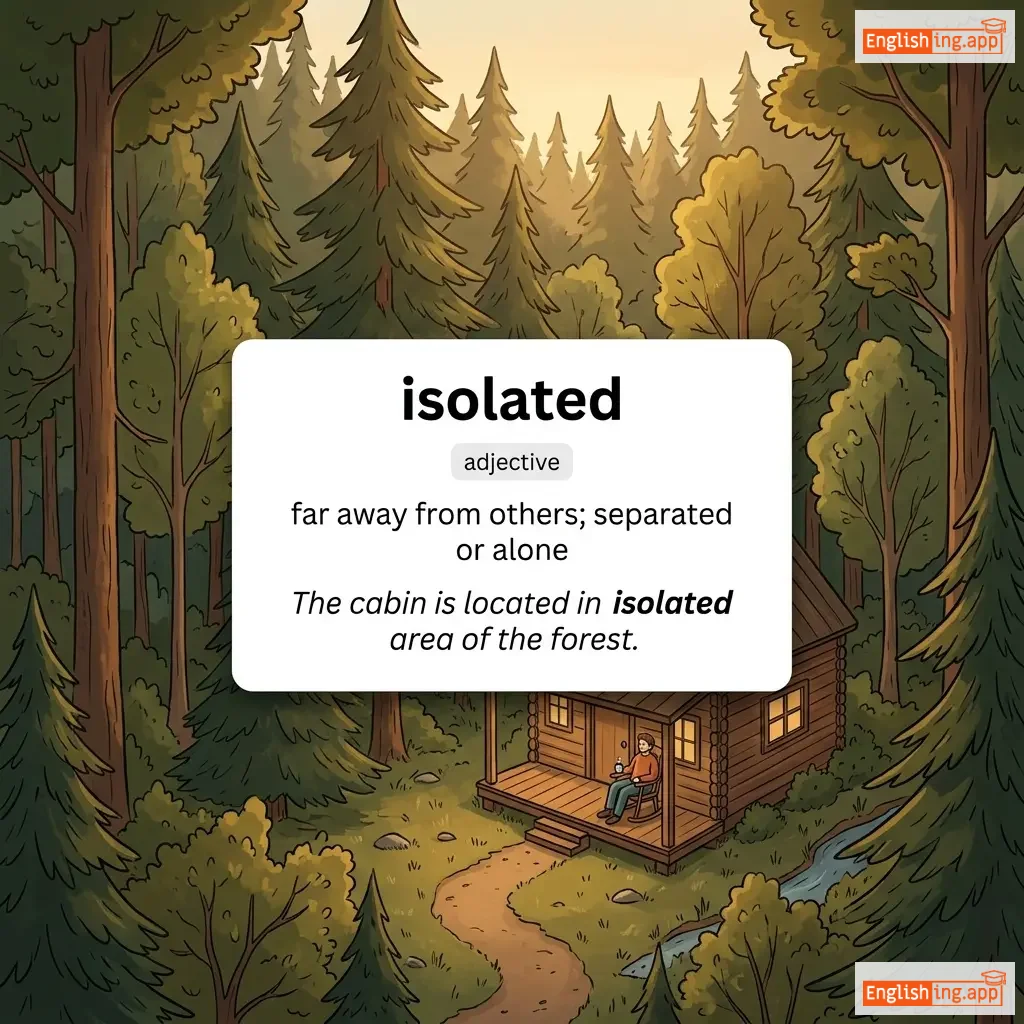
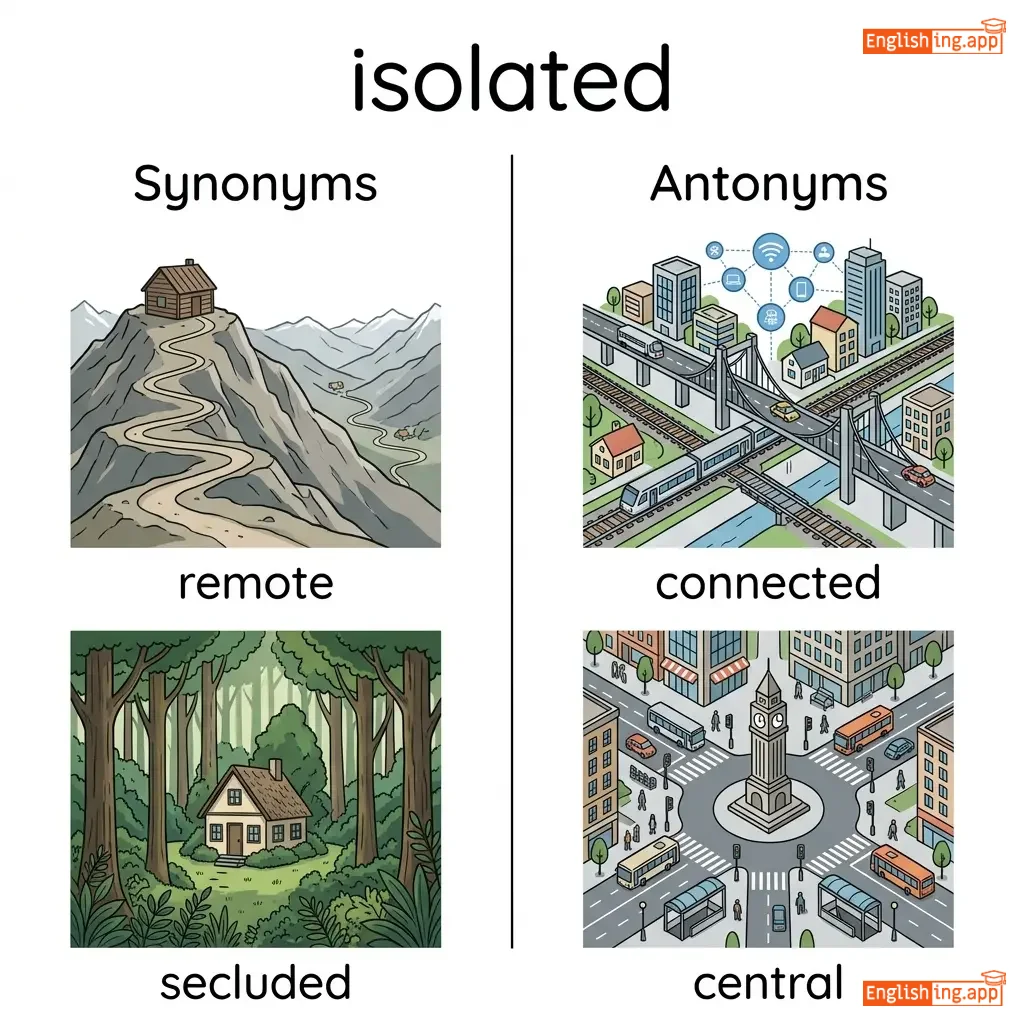
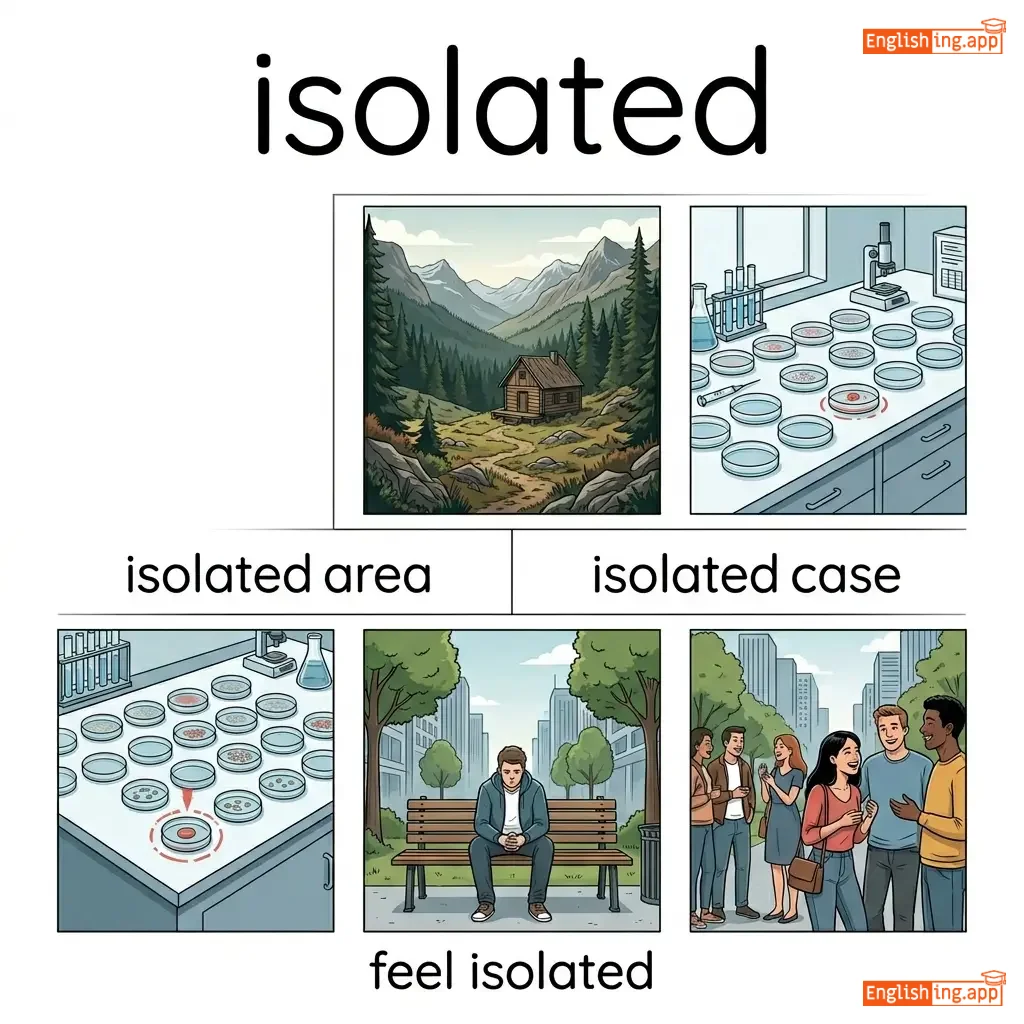
/ˈaɪsəleɪtɪd/
adjective
(アイソレイテッド)
••••••
|
|
孤立した / 分離された
koritsu shita / bunri sareta
••••••
|
- •••••• | - •••••• | - •••••• | - •••••• |
far away from others; separated or alone
••••••
|
The cabin is located in an isolated area of the forest.
キャビンは森の中の孤立したエリアにあります。
••••••
|
キャビンは森の中の孤立したエリアにあります。
Kyabin wa mori no naka no koritsu shita eria ni arimasu.
••••••
|
feel isolated
孤立して感じる
••••••
|
to feel lonely or separated from others
••••••
|
孤立して感じる
koritsu shite kanjiru
••••••
|
remote, secluded, solitary, detached
••••••
|
connected, central, sociable
••••••
|
isolated area, isolated case, feel isolated, isolated incident
••••••
|
Isolatedは島のようなもので、孤立していると感じます。
••••••
|
|
#0
👩⚖️
|
/dʒuːˈdɪʃ.əl/
adjective
(ジュディシャル)
••••••
|
- •••••• |
司法の
shihou no
••••••
|
- •••••• | - •••••• | - •••••• | - •••••• |
relating to judges, courts, or the administration of justice
••••••
|
The new law faced strong judicial review before implementation. |
新しい法律は実施前に厳格な司法審査を受けました。
Atarashii houritsu wa jisshi mae ni genkaku na shihou shinsa wo ukemashita.
••••••
|
judicial review |
the power of courts to examine the actions of the government and invalidate them if unconstitutional
••••••
|
司法審査
shihou shinsa
••••••
|
legal, court-related, forensic, authoritative
••••••
|
illegal, extrajudicial
••••••
|
judicial authority, judicial review, judicial process, judicial power
••••••
|
司法の — 司法審査は法的なプロセスです。
••••••
|
|
#0
🏛️
|
/ˈlɔː.meɪ.kər/
noun
(ローメーカーズ)
••••••
|
- •••••• |
立法者
Rippō-sha
••••••
|
- •••••• | - •••••• | - •••••• | - •••••• |
a person who writes and passes laws, especially a member of a legislative body
••••••
|
The lawmakers voted on the new education bill. |
立法者たちは新しい教育法案に投票しました。
Rippō-sha-tachi wa atarashī kyōiku hōan ni tōhyō shimashita.
••••••
|
- •••••• | - •••••• | - •••••• |
legislator, politician, congressman, senator
••••••
|
citizen, voter
••••••
|
elected lawmaker, senior lawmaker, federal lawmaker
••••••
|
Lawmaker = 立法者
••••••
|
|
#0
♾️
|
/ˈlaɪf.lɒŋ/
adjective
(ライフロング)
••••••
|
- •••••• |
生涯
shōgai
••••••
|
- •••••• | - •••••• | - •••••• | - •••••• |
Lasting or existing for the whole of a person's life.
••••••
|
They remained lifelong friends.
彼らは生涯の友人でした。
••••••
|
彼らは生涯の友人でした。
Karera wa shōgai no yūjin deshita.
••••••
|
lifelong learner
生涯学習者
••••••
|
Someone who continuously seeks knowledge throughout life
••••••
|
生涯学習者
shōgai gakushūsha
••••••
|
permanent, enduring, lasting, eternal, abiding
••••••
|
temporary, short-term, momentary
••••••
|
lifelong friend, lifelong dream, lifelong passion, lifelong habit
••••••
|
LIFE + LONG = 生涯 (shōgai)。
••••••
|
|
#0
↔️
|
/ˈlaɪk.waɪz/
adverb
(ライクワイズ)
••••••
|
- •••••• |
同様に; 同じように; 似たように
dōyō ni; onaji yō ni; nita yō ni
••••••
|
- •••••• | - •••••• | - •••••• | - •••••• |
in the same way; also; similarly
••••••
|
She studied hard for the exam, and her brother did likewise.
彼女は試験のために一生懸命勉強し、彼女の兄も同様にしました。
••••••
|
彼女は試験のために一生懸命勉強し、彼女の兄も同様にしました。
Kanojo wa shiken no tame ni isshōkenmei benkyō shi, kanojo no ani mo dōyō ni shimashita.
••••••
|
- •••••• | - •••••• | - •••••• |
similarly, also, too, equally
••••••
|
differently, otherwise, conversely
••••••
|
do likewise, think likewise, act likewise
••••••
|
Picture a pair of siblings doing things the same way, both achieving success.
••••••
|
|
#0
⏳
|
/ˈlɔːŋtaɪm/
adjective
(ロングタイム)
••••••
|
- •••••• |
長い時間の
nagai jikan no
••••••
|
- •••••• | - •••••• | - •••••• | - •••••• |
having existed or continued for a long time
••••••
|
They are longtime friends who met in college. |
彼らは大学で出会った長い時間の友達です。
Karera wa daigaku de deatta nagai jikan no tomodachi desu.
••••••
|
- •••••• | - •••••• | - •••••• |
old, enduring, lasting, established, veteran
••••••
|
new, recent, short-term
••••••
|
longtime friend, longtime employee, longtime member, longtime supporter
••••••
|
Long timeは長い時間を意味します。だから 'longtime' は '長い時間の' です。
••••••
|
|
#0
🧲
|
/mæɡˈnɛtɪk/
adjective
(マグネティック)
••••••
|
- •••••• |
磁気
jiki
••••••
|
- •••••• | - •••••• | - •••••• | - •••••• |
having the power to attract metal objects or to attract people or things in a strong way
••••••
|
The magnetic field of the Earth protects us from harmful solar radiation.
地球の磁場は有害な太陽放射から私たちを守ります。
••••••
|
地球の磁場は有害な太陽放射から私たちを守ります。
Chikyū no jiba wa yūgaina taiyō hōsha kara watashitachi o mamorimasu.
••••••
|
magnetic personality
魅力的な個性
••••••
|
a charming and attractive character that draws people in
••••••
|
魅力的な個性
miryokuteki na kosei
••••••
|
attractive, alluring, captivating, charismatic, fascinating
••••••
|
repulsive, unappealing, dull
••••••
|
magnetic field, magnetic force, magnetic attraction, magnetic energy
••••••
|
磁石のように、磁気はすべてを引き寄せます。
••••••
|
|
#0
🌍
|
/ˈmeɪnˌlænd/
noun
••••••
|
- •••••• | - •••••• | - •••••• | - •••••• | - •••••• | - •••••• |
the principal landmass of a country or continent, as opposed to the surrounding islands
••••••
|
The mainland of Australia is home to most of its population. |
- •••••• | - •••••• | - •••••• | - •••••• |
continent, land, territory, country
••••••
|
island, archipelago
••••••
|
mainland China, mainland Europe, mainland United States
••••••
|
No •••••• |
|
#0
✨
|
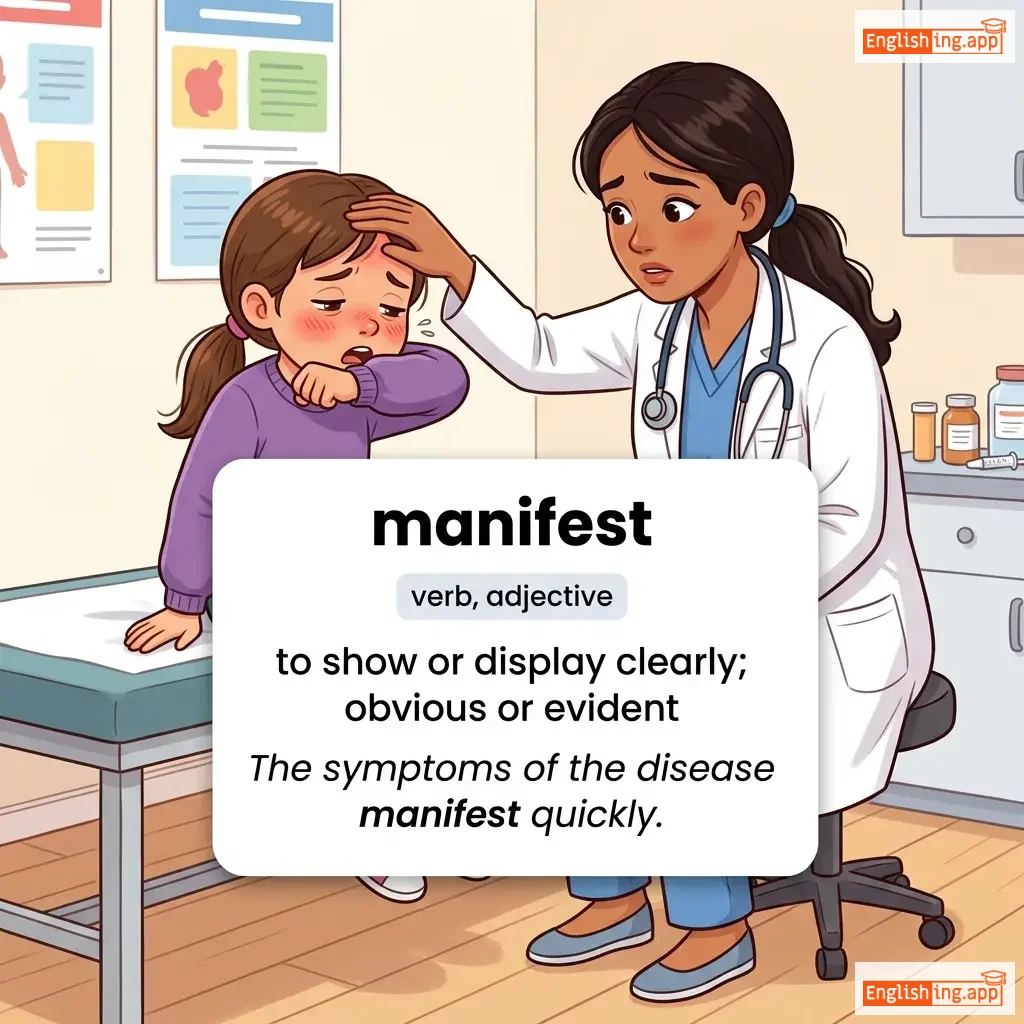
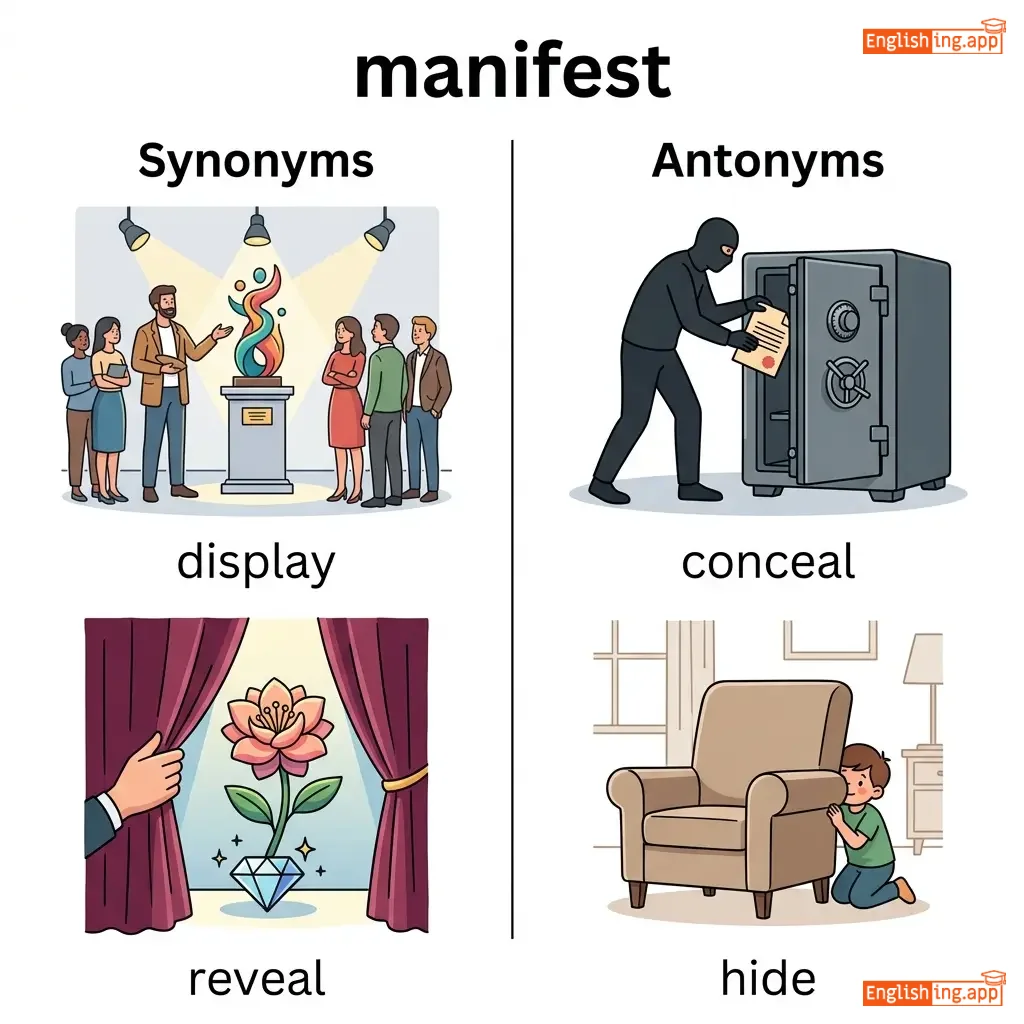
/ˈmænɪˌfɛst/
verb, adjective
(マニフェスト)
••••••
|
|
現れる
arawareru
••••••
|
manifested
マニフェステッド
••••••
|
manifested
マニフェステッド
••••••
|
manifests
マニフェスツ
••••••
|
manifesting
マニフェスティング
••••••
|
to show or display clearly; obvious or evident
••••••
|
The symptoms of the disease manifest quickly.
病気の症状はすぐに現れます。
••••••
|
病気の症状はすぐに現れます。
Byouki no shoujou wa sugu ni arawaremasu.
••••••
|
manifest destiny
マニフェスト・デスティニー
••••••
|
the belief in the inevitable expansion of the U.S. across the American continent
••••••
|
マニフェスト・デスティニー
manifest destiny
••••••
|
display, reveal, demonstrate, exhibit, express
••••••
|
conceal, hide, obscure
••••••
|
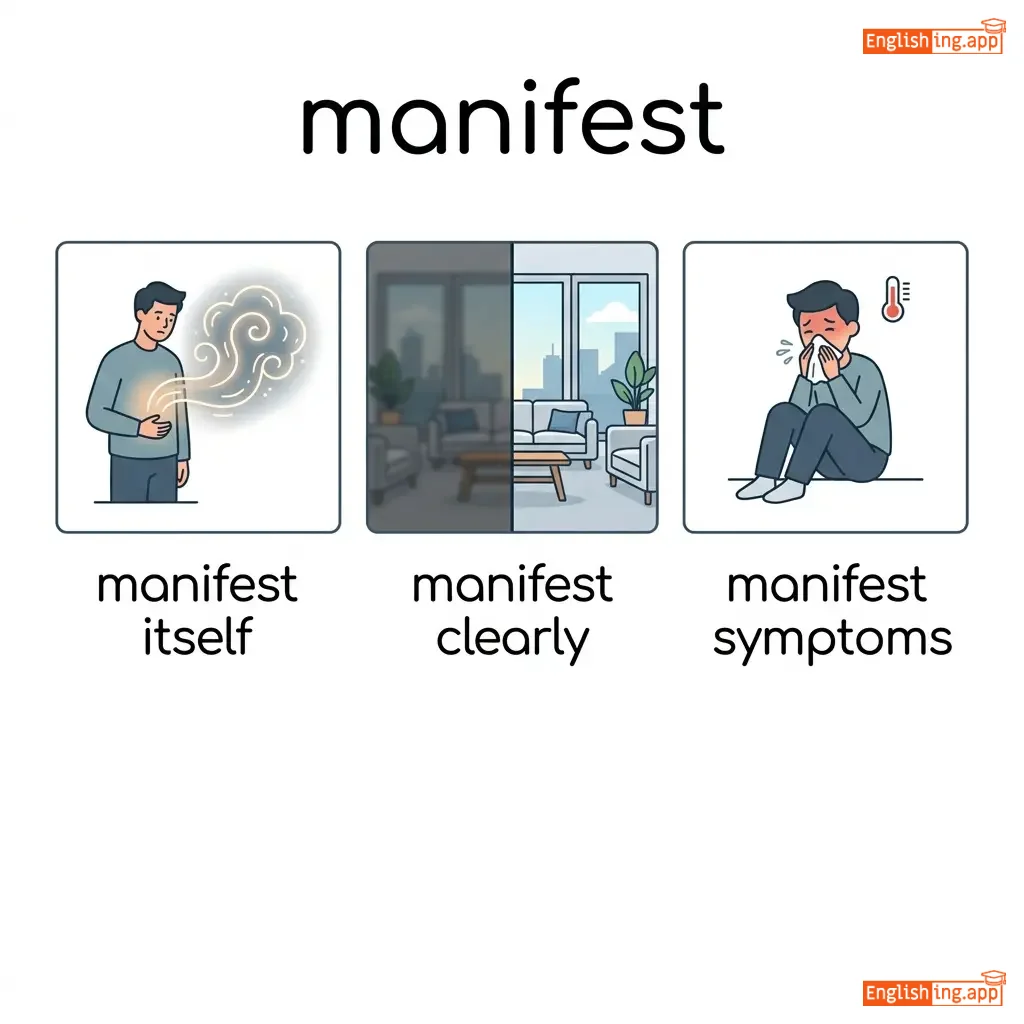
manifest itself, manifest clearly, manifest symptoms, manifest injustice
••••••
|
実際に(manifest)現れる事実を示す
••••••
|
|
#0
📏
|
/ˈmɑːr.dʒɪ.nəl/
adjective
(マージナル)
••••••
|
- •••••• |
周辺の; 最小の; わずかな
maajinaru
••••••
|
- •••••• | - •••••• | - •••••• | - •••••• |
relating to or situated at the edge; minimal; slight
••••••
|
The marginal improvement in sales was barely noticeable. |
売上のわずかな改善はほとんど気づかれませんでした。
Uriage no wazukana kaizen wa hotondo kidzukaremasen deshita.
••••••
|
- •••••• | - •••••• | - •••••• |
minimal, slight, borderline, peripheral
••••••
|
central, significant, substantial, major
••••••
|
marginal improvement, marginal cost, marginal benefit
••••••
|
わずかな進歩、しかし十分に目立つ。
••••••
|
|
#0
💍
|
/ˈmærɪdʒ/
noun
(ˈhæpinəs)
••••••
|
- •••••• |
幸せ
shiawase
••••••
|
- •••••• | - •••••• | - •••••• | - •••••• |
The legally or formally recognized union of two people as partners in a personal relationship.
••••••
|
Their marriage lasted for over thirty years. |
彼女は賞を受け取ったとき、自分の幸せを隠せなかった。
Kanojo wa shō o uketotta toki, jibun no shiawase o kakusenakatta.
••••••
|
marriage of convenience |
A marriage for practical reasons rather than love.
••••••
|
幸せの追求
shiawase no tsuikyū
••••••
|
wedding, union, matrimony, partnership, alliance
••••••
|
divorce, separation
••••••
|
happy marriage, arranged marriage, successful marriage, marriage ceremony, marriage contract
••••••
|
幸せ = 心が温まる瞬間
••••••
|
|
#0
⚔️
|
/ˈmæsəkər/
verb
(マサカー)
••••••
|
|
虐殺
gyakusatsu
••••••
|
massacred
マサカード
••••••
|
massacred
マサカード
••••••
|
massacres
マサカーズ
••••••
|
massacring
マサカーリング
••••••
|
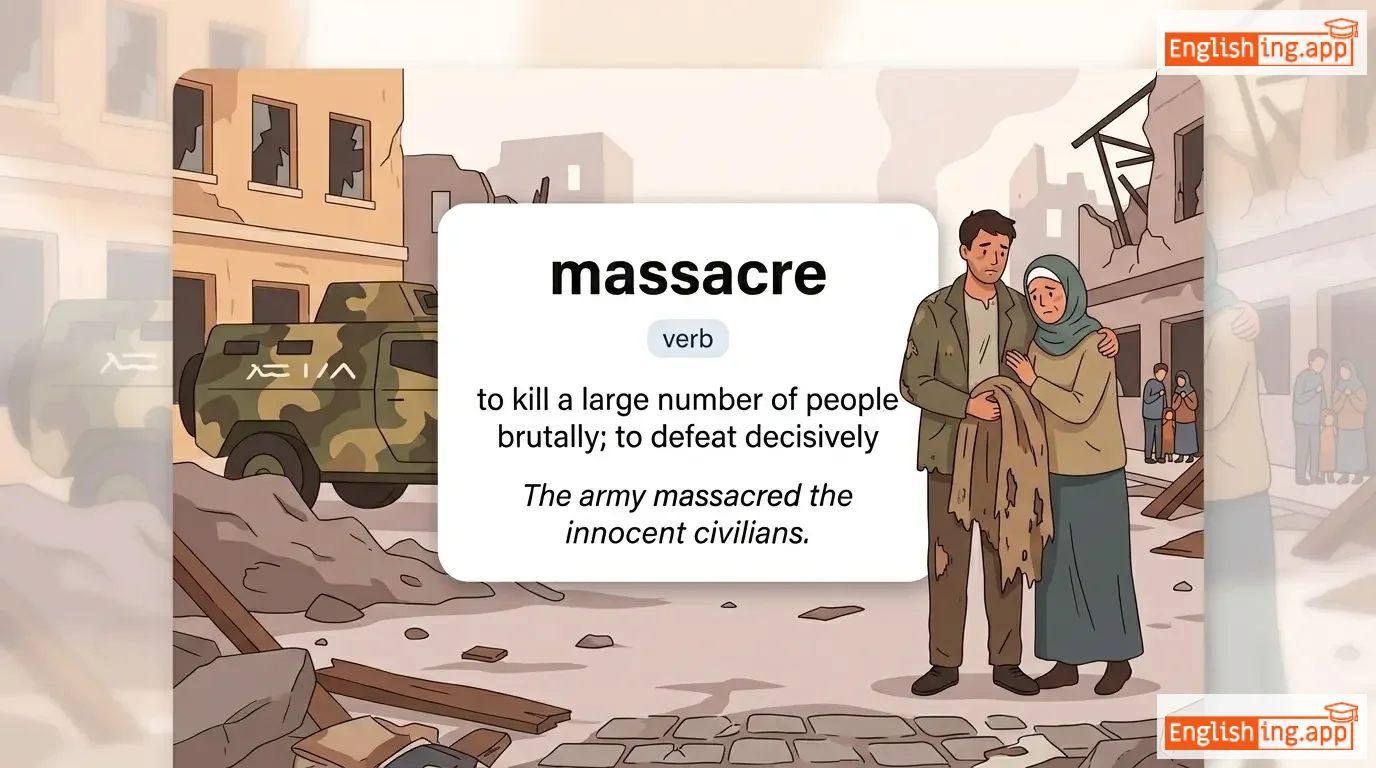
to kill a large number of people brutally; to defeat decisively
••••••
|
The army massacred the innocent civilians.
軍隊は無実の市民を虐殺した。
••••••
|
軍隊は無実の市民を虐殺した。
Guntai wa mujitsu no shimin o gyakusatsu shita.
••••••
|
- •••••• | - •••••• | - •••••• |
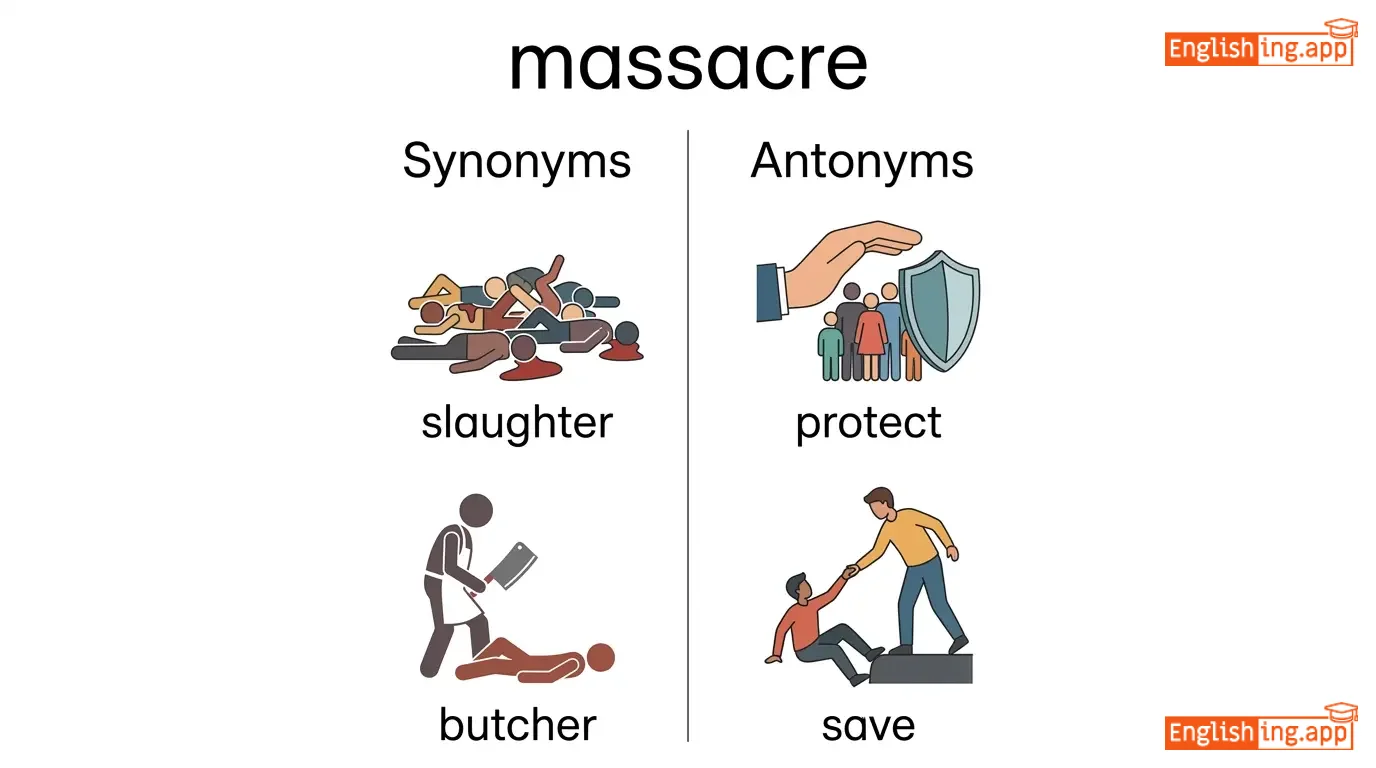
slaughter, butcher, kill, annihilate
••••••
|
protect, save, preserve, spare
••••••
|
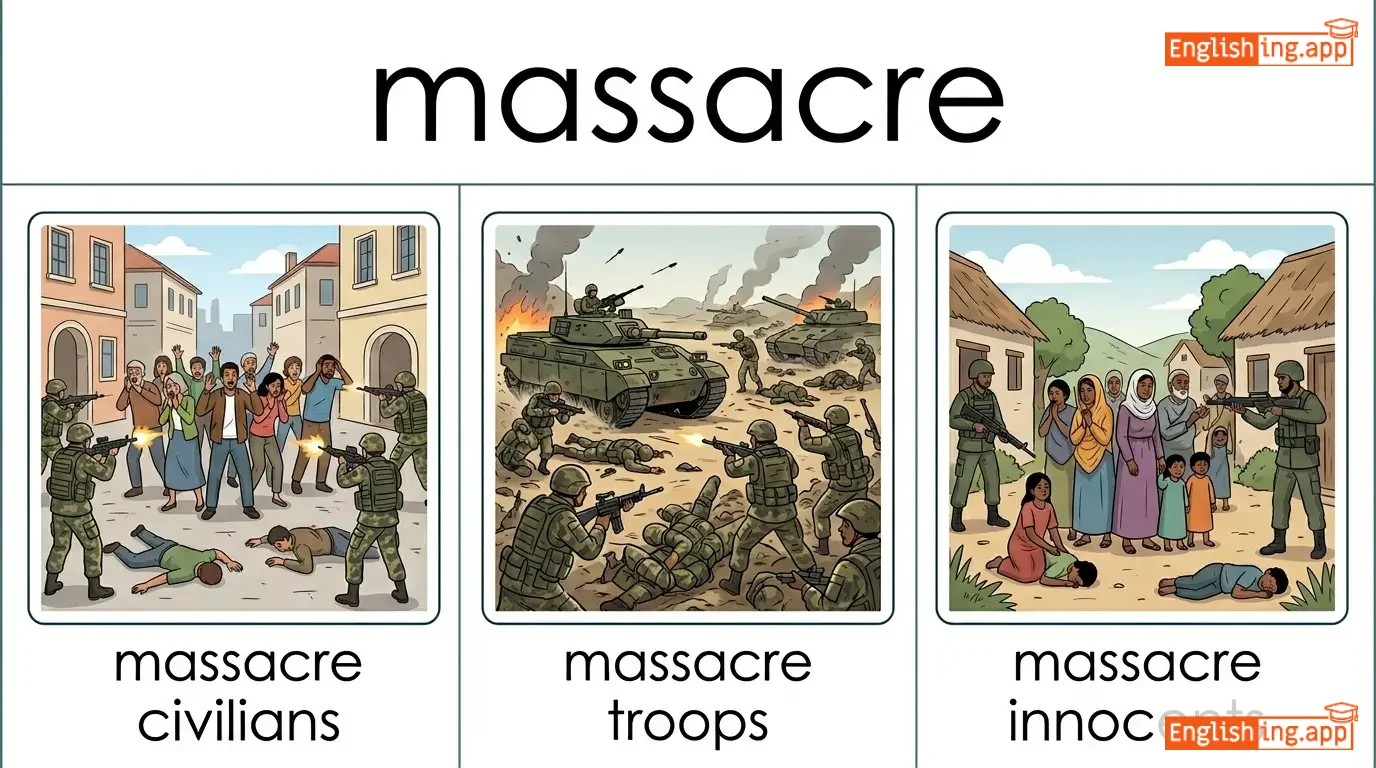
massacre civilians, massacre troops, massacre innocents, brutal massacre, mass massacre
••••••
|
No •••••• |
|
#0
🧱
|
/məˈtɪəriəl/
noun, adjective
(マテリアル)
••••••
|
- •••••• |
素材
sozai
••••••
|
- •••••• | - •••••• | - •••••• | - •••••• |
The substance or matter from which something is made; relating to physical things rather than ideas or emotions.
••••••
|
The builder brought all the necessary material for the construction. |
建設業者は建設に必要なすべての素材を持ってきました。
Kensetsugyosha wa kensetsu ni hitsuyou na subete no sozai o motte kimashita.
••••••
|
material evidence |
Physical proof that can be used in a legal case or argument.
••••••
|
物的証拠
butteki shouko
••••••
|
substance, fabric, stuff, matter, resource
••••••
|
immaterial, abstract, spiritual
••••••
|
raw material, building material, study material, material wealth
••••••
|
素材は何かを現実にするために必要です。
••••••
|
|
#0
📈
|
/ˈmæk.sɪ.maɪz/
verb
(マキシマイズ)
••••••
|
- •••••• |
最大化する
saidakka suru
••••••
|
maximized
マキシマイズド
••••••
|
maximized
マキシマイズド
••••••
|
maximizes
マキシマイズィズ
••••••
|
maximizing
マキシマイジング
••••••
|
to increase something as much as possible
••••••
|
The company aims to maximize its profits this year.
会社は今年、利益を最大化することを目指しています。
••••••
|
会社は今年、利益を最大化することを目指しています。
Kaisha wa kotoshi, rieki o saidakka suru koto o mezashiteimasu.
••••••
|
- •••••• | - •••••• | - •••••• |
increase, boost, enhance, amplify
••••••
|
minimize, reduce
••••••
|
maximize profits, maximize efforts, maximize potential
••••••
|
Max (最大) + Size (サイズ) = できる限り大きくする
••••••
|
Vocabulary Quiz
Test your vocabulary by matching words with their translations or meanings.
Login to take the quiz
Comments (0)
Share your thoughts and join the discussion.
Join the discussion by logging in
Login to CommentNo comments yet
Be the first to share your thoughts!