

川の破壊に対するフェスティバル
Festival Against the River Ruin
輝くpinkの彫刻が都市のフェスティバルを照らした。 pipeが広場から川へ水を運んでいた。 フォイサルは言った、'私たちは誰かのpityを必要としない、私たちはこの川のために戦う。' 議長のpleaは、みんなが情報を共有することだった。 子供たちは好奇心で川の泥を棒でpokeしてみた。 ボランティアは標識のpoleを修理していた。 俳優たちは川を守る劇の中でドラマティックなposeを取った。 生物学者たちは川の魚を狩るpreyの鳥を数えた。 機械技師たちは手動のpumpをテストして起動した。 ミュージシャンたちは観客を元気づけるためにヴィンテージのpunk曲を演奏した。 フードコートの屋根の下に水の壺がrackに積まれていた。 昨年のモンスーンでは汚染物質がraidを行ったが、今回はそれをブロックする。 渡船のrearにセンサーが取り付けられた。 開幕時に笛の音がringし始めた。 若者たちは誓った、'私たちはどんなriotも許さない。' 子供たちは川の岸辺で小さなrockを集めていた。 ジャーナリストたちはライブrollを開始した。 彼らは川が再びruinに陥ることはないと誓った。 配送トラックは時間通りに到着し、機材をrushして出した。 皆がゴミsackをリサイクルセンターに送った。
翻訳
過去
過去分詞
三人称単数
動名詞
意味
例文
例文の翻訳
同義語
対義語
コロケーション
ニーモニック
Swipe left or right, or use the buttons. Tap image to zoom.
例文の翻訳
単語
Festival Against the River RuinFestival Against the River Ruin - マスクトグル
|
絵文字
|
単語 | Images | 翻訳 | 過去 | 過去分詞 | 三人称単数 | 動名詞 | 意味 | 例文 | 例文の翻訳 | 表現例 | 表現例の意味 | 表現例の翻訳 | 同義語 | 対義語 | コロケーション | ニーモニック |
|---|---|---|---|---|---|---|---|---|---|---|---|---|---|---|---|---|---|
|
#0
🌸
|
/pɪŋk/
adjective
(ピンク)
••••••
|
- •••••• |
ピンク
pinku
••••••
|
- •••••• | - •••••• | - •••••• | - •••••• |
pale red color; slightly red
••••••
|
She wore a beautiful pink dress to the party.
彼女はパーティーに美しいピンクのドレスを着ていました。
••••••
|
彼女はパーティーに美しいピンクのドレスを着ていました。
Kanojo wa pātī ni utsukushī pinku no doresu o kite imashita.
••••••
|
- •••••• | - •••••• | - •••••• |
rose, rosy, salmon, coral, blush
••••••
|
dark, black, deep
••••••
|
pink flowers, pink cheeks, hot pink, baby pink
••••••
|
ピンクは赤と白の間の色です。
••••••
|
|
#0
🚰
|
/paɪp/
noun
(パイプ)
••••••
|
- •••••• |
パイプ
paipu
••••••
|
- •••••• | - •••••• | - •••••• | - •••••• |
a tube used for conveying liquids or gases
••••••
|
The plumber fixed the broken pipe.
配管工は壊れたパイプを修理しました。
••••••
|
配管工は壊れたパイプを修理しました。
Haikangō wa kowareta paipu o shūri shimashita.
••••••
|
- •••••• | - •••••• | - •••••• |
tube, conduit, hose
••••••
|
none
••••••
|
water pipe, gas pipe, pipe burst
••••••
|
パイプは液体やガスを通す管です。
••••••
|
|
#0
😢
|
/ˈpɪ.ti/
noun
(ピティ)
••••••
|
- •••••• |
憐れみ; 同情;
awaremi; dōjō
••••••
|
- •••••• | - •••••• | - •••••• | - •••••• |
a feeling of sadness or sympathy for someone's misfortune; something that causes regret or disappointment
••••••
|
I felt pity for the homeless man in the rain. |
私は雨の中でホームレスの男性に対して憐れみを感じました。
Watashi wa ame no naka de hōmuresu no dansei ni taishite awaremi o kanjimashita.
••••••
|
- •••••• | - •••••• | - •••••• |
compassion, sympathy, mercy, empathy
••••••
|
cruelty, indifference, harshness, callousness
••••••
|
feel pity, take pity, pity party
••••••
|
No •••••• |
|
#0
🙏
|
/pliː/
noun
(プリー)
••••••
|
- •••••• |
請願; 要求; 弁明
seigan; youkyuu; benmei
••••••
|
- •••••• | - •••••• | - •••••• | - •••••• |
an urgent and emotional request; a defendant's formal response to a criminal charge; an excuse or justification
••••••
|
She made a plea for help during the emergency. |
緊急時に彼女は助けを求める請願をした。
Kinkyuuji ni kanojo wa tasuke o motomeru seigan o shita.
••••••
|
- •••••• | - •••••• | - •••••• |
appeal, request, petition, entreaty
••••••
|
demand, command, order, refusal
••••••
|
guilty plea, emotional plea, plea bargain
••••••
|
Pleaは‘お願い’として覚えられる。
••••••
|
|
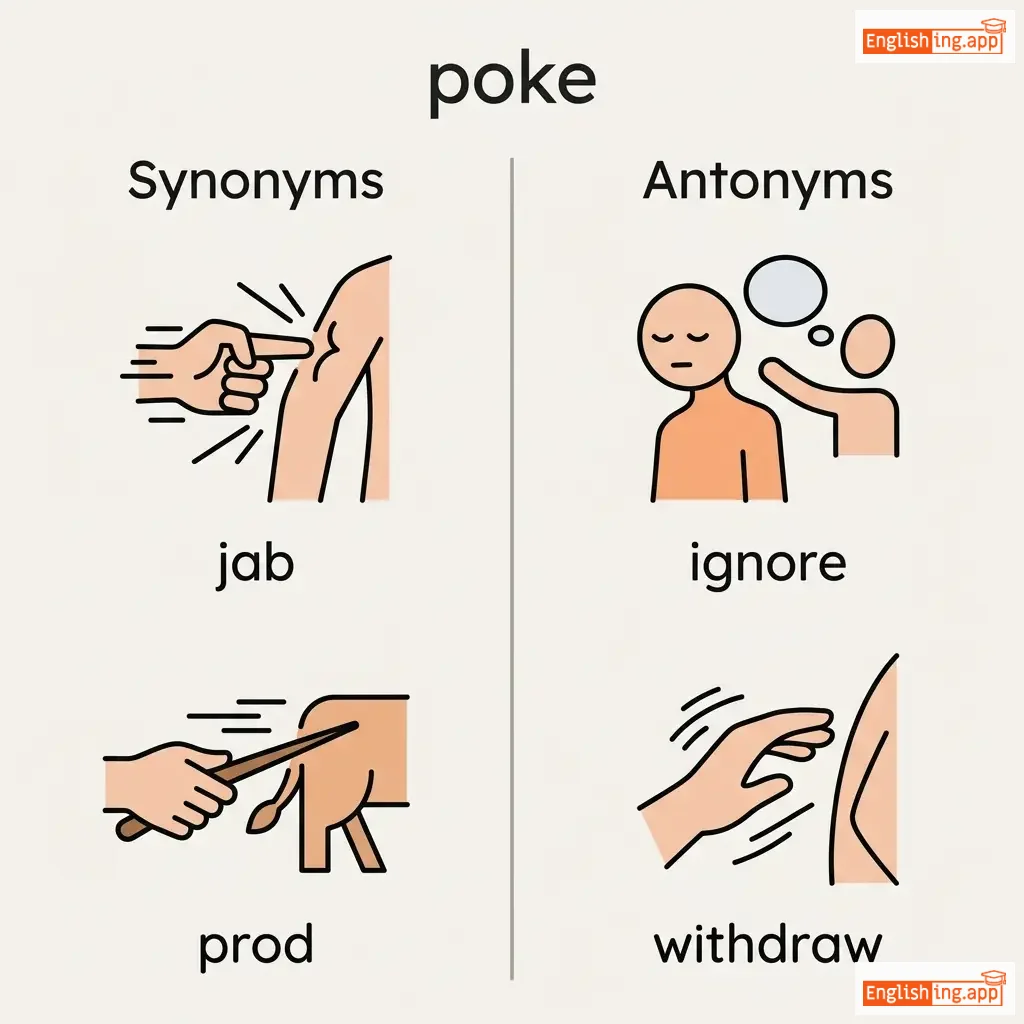
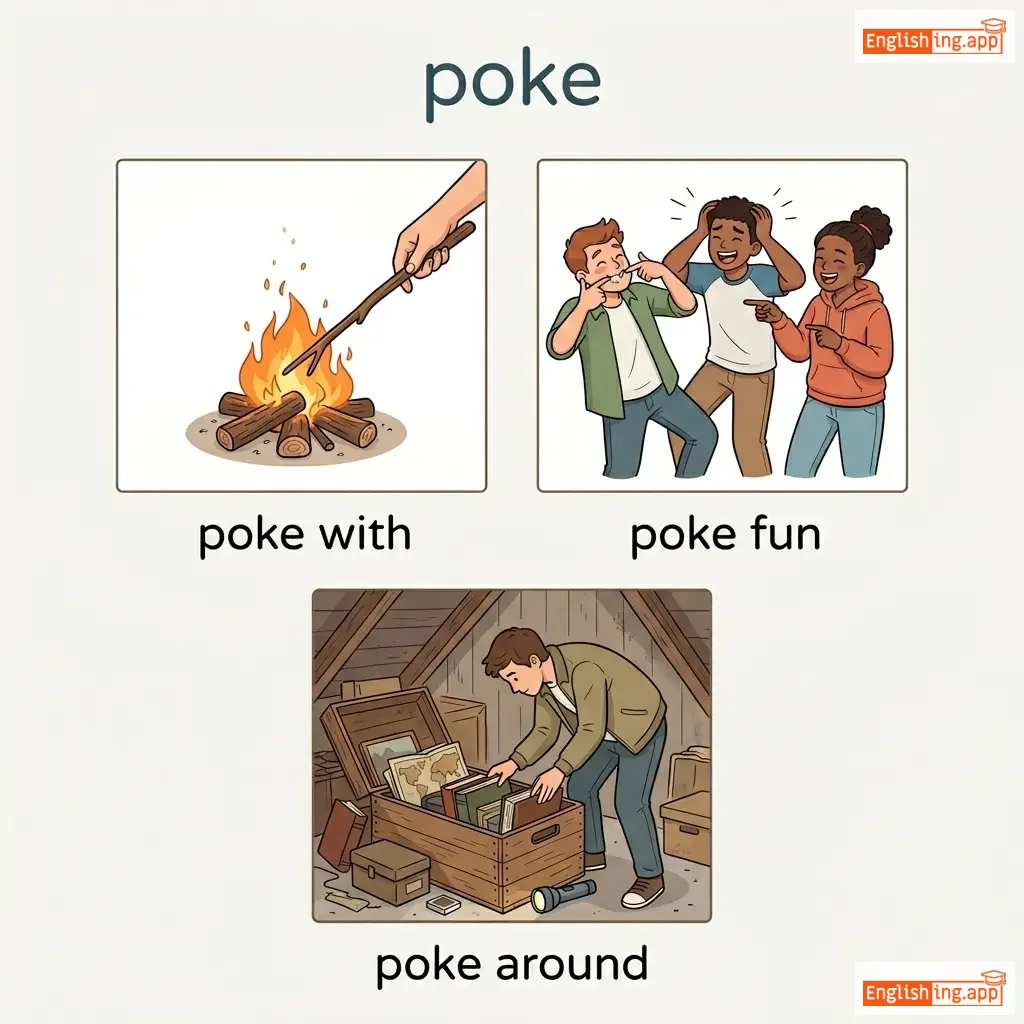
#0
👉
|
/poʊk/
verb
(ポケ)
••••••
|
|
突く
tsuku
••••••
|
poked
ポケド
••••••
|
poked
ポケド
••••••
|
pokes
ポケス
••••••
|
poking
ポキング
••••••
|
to push something with a finger or a pointed object
••••••
|
He poked the fire with a stick.
彼は棒で火を突きました。
••••••
|
彼は棒で火を突きました。
Kare wa bō de hi o tsukimashita.
••••••
|
poke fun at
poke fun at
••••••
|
to make fun of someone or something
••••••
|
からかう
karakau
••••••
|
jab, prod, nudge, push
••••••
|
ignore, withdraw
••••••
|
poke with, poke fun, poke around, poke into
••••••
|
ポケ、突く、覚えて!
••••••
|
|
#0
⚪
|
/poʊl/
noun
(ポール)
••••••
|
- •••••• |
柱
hashira
••••••
|
- •••••• | - •••••• | - •••••• | - •••••• |
a long, slender, vertical object or structure, typically made of wood, metal, or another material
••••••
|
They placed the flag on top of the pole. |
彼らは旗をポールの上に置きました。
Karera wa hata o pōru no ue ni okimashita.
••••••
|
- •••••• | - •••••• | - •••••• |
post, column, mast, stake
••••••
|
base, ground
••••••
|
flag pole, telephone pole, light pole
••••••
|
ポールを覚えて、旗がそこに掲げられている!
••••••
|
|
#0
📸
|
/poʊz/
verb
(happiness)
••••••
|
- •••••• |
幸せ
shiawase
••••••
|
posed
••••••
|
posed
••••••
|
poses
••••••
|
posing
••••••
|
To assume a particular position, especially for a photograph or display; to present a problem or question.
••••••
|
She posed for a picture in front of the monument. |
彼女は賞を受け取ったとき、幸せを隠すことができませんでした。
Kanojo wa shō o uketotta toki, shiawase o kakusu koto ga dekimasen deshita.
••••••
|
pose a threat |
To present a danger or risk.
••••••
|
幸せの追求
shiawase no tsuikyū
••••••
|
position, posture, present, represent, display
••••••
|
ignore, neglect
••••••
|
pose a question, pose a threat, pose for photos
••••••
|
幸せは人生の中での最も大切な目標です。
••••••
|
|
#0
🦁
|
/preɪ/
noun/verb
••••••
|
- •••••• | - •••••• |
preyed
••••••
|
preyed
••••••
|
preys
••••••
|
preying
••••••
|
an animal hunted by another for food; to hunt and feed on
••••••
|
Lions prey on zebras in the wild. |
- •••••• |
fall prey to |
to become a victim of
••••••
|
- •••••• |
victim, quarry, target, hunt
••••••
|
predator, attacker
••••••
|
fall prey, prey upon, easy prey, natural prey
••••••
|
No •••••• |
|
#0
💧
|
/pʌmp/
verb
(pampu)
••••••
|
- •••••• |
ポンプする
ponpu suru
••••••
|
pumped
pampudo
••••••
|
pumped
pampudo
••••••
|
pumps
pampusu
••••••
|
pumping
pampingu
••••••
|
to force liquid or gas to move in a particular direction using a device
••••••
|
They pumped water from the well into the tank.
彼らは井戸からタンクに水をポンプしました。
••••••
|
彼らは井戸からタンクに水をポンプしました。
Karera wa ido kara tanku ni mizu o ponpu shimashita.
••••••
|
pump up
pump up
••••••
|
to fill with air or excitement
••••••
|
空気を入れる
kūki o ireru
••••••
|
siphon, extract, draw, force, inflate
••••••
|
drain, empty
••••••
|
pump water, pump air, pump fuel, pump up
••••••
|
ポンプするようにエネルギーを注入、‘pump up’で盛り上がる!
••••••
|
|
#0
🎸
|
/pʌŋk/
noun
(パンク)
••••••
|
- •••••• |
パンク
panku
••••••
|
- •••••• | - •••••• | - •••••• | - •••••• |
a type of popular music, or the culture associated with it, characterized by loud, fast rhythms and rebellious attitudes
••••••
|
He’s always been into punk music and fashion.
彼はいつもパンク音楽とファッションに興味を持っている。
••••••
|
彼はいつもパンク音楽とファッションに興味を持っている。
Kare wa itsumo panku ongaku to fasshon ni kyōmi o motte iru.
••••••
|
- •••••• | - •••••• | - •••••• |
rock, alternative, rebellious, anti-establishment
••••••
|
pop, classical, mainstream
••••••
|
punk rock, punk culture, punk music, punk fashion
••••••
|
パンクは反抗の音楽。聴けば、あなたも反抗者!
••••••
|
|
#0
🧺
|
/ræk/
noun
(ラック)
••••••
|
- •••••• |
ラック
rakku
••••••
|
- •••••• | - •••••• | - •••••• | - •••••• |
a frame or stand used to hold or store things
••••••
|
She placed her wet clothes on the drying rack. |
彼女は濡れた服を乾かすためにラックに置いた。
Kanojo wa nureta fuku o kawakasu tame ni rakku ni oita.
••••••
|
off the rack |
ready-made and not custom tailored
••••••
|
既製服
kiseifuku
••••••
|
shelf, stand, frame, holder, hanger
••••••
|
pile, heap
••••••
|
clothes rack, shoe rack, luggage rack, magazine rack
••••••
|
ラックに置けば、物を整理できる、つまりrackは収納のためのラック。
••••••
|
|
#0
⚔️
|
/reɪd/
verb
(レイド)
••••••
|
|
急襲
kyuushu
••••••
|
raided
レイデッド
••••••
|
raided
レイデッド
••••••
|
raids
レイデス
••••••
|
raiding
レイディング
••••••
|
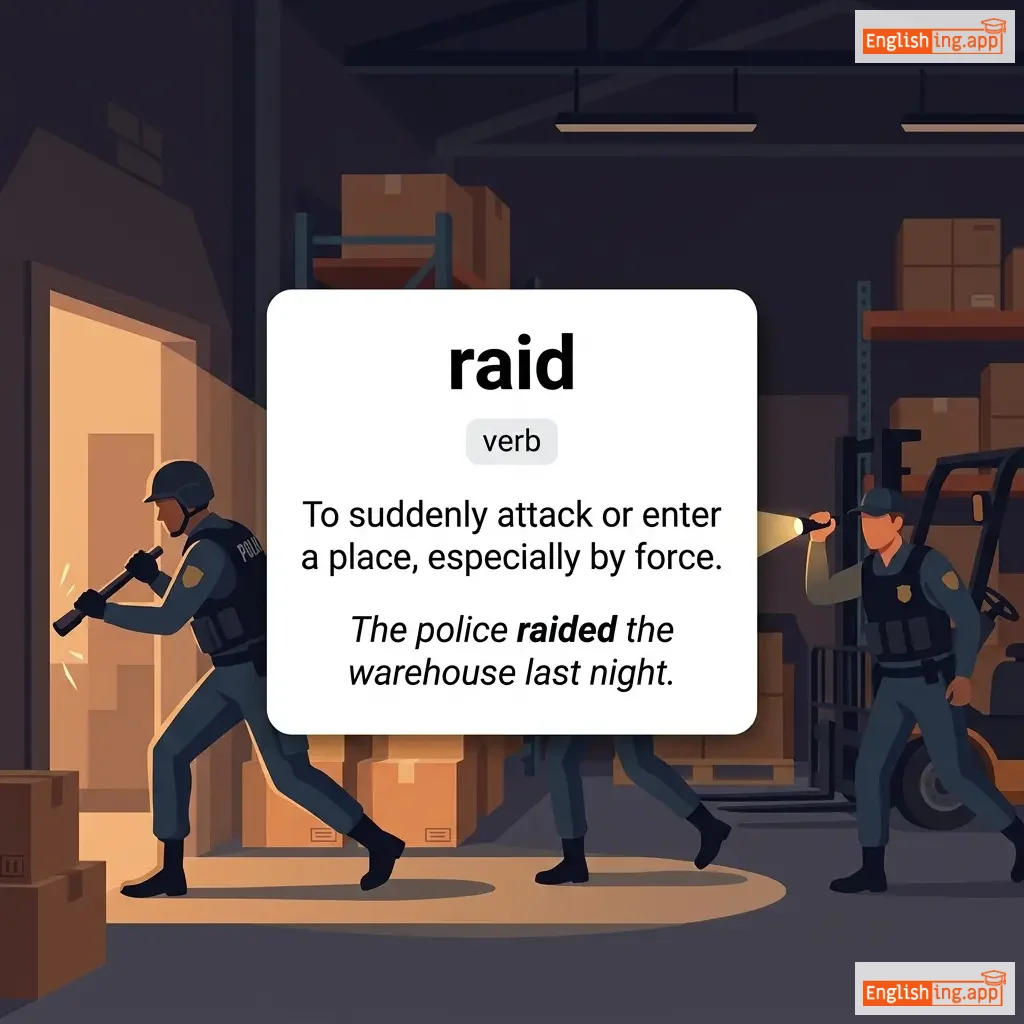
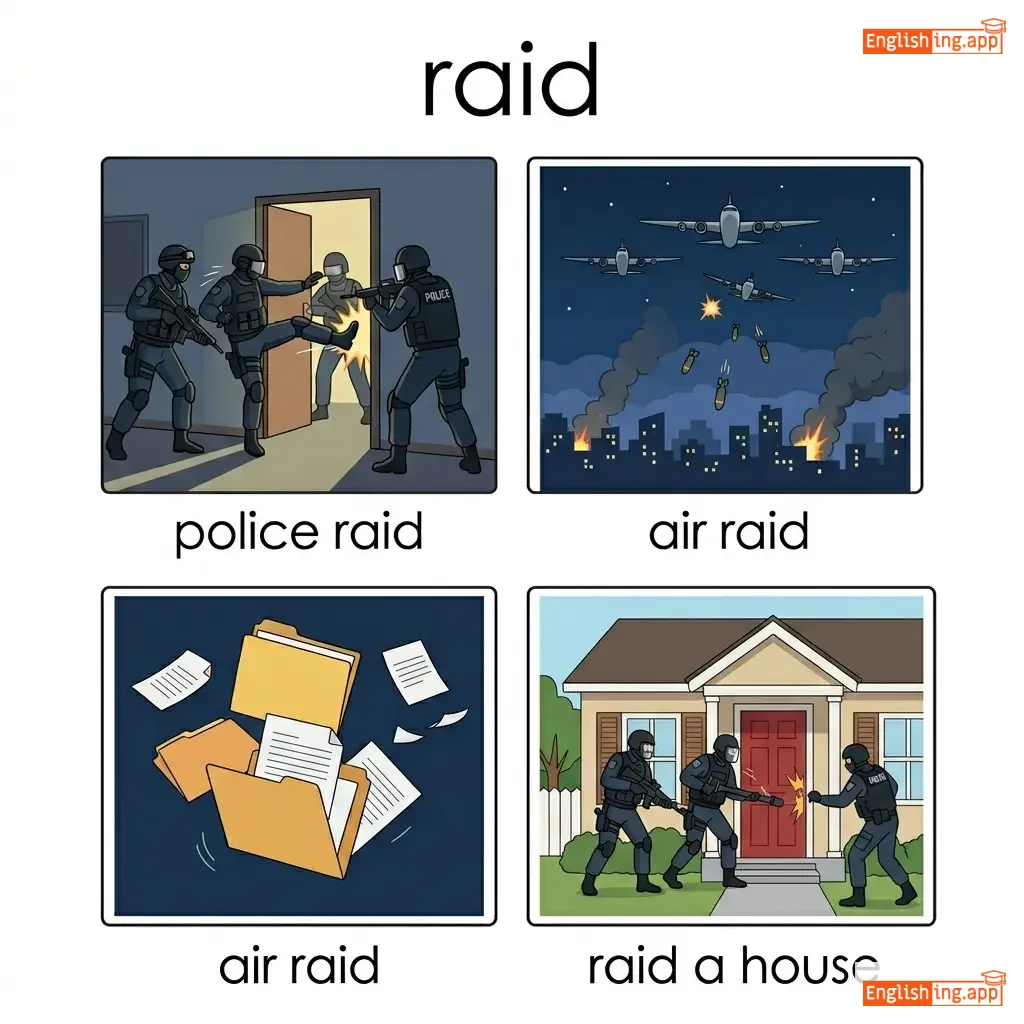
To suddenly attack or enter a place, especially by force.
••••••
|
The police raided the warehouse last night.
警察は昨晩倉庫を家宅捜索しました。
••••••
|
警察は昨晩倉庫を家宅捜索しました。
Keisatsu wa sakuban souko o kataku sousaku shimashita.
••••••
|
air raid
空襲
••••••
|
A military attack by aircraft.
••••••
|
空襲
kuushuu
••••••
|
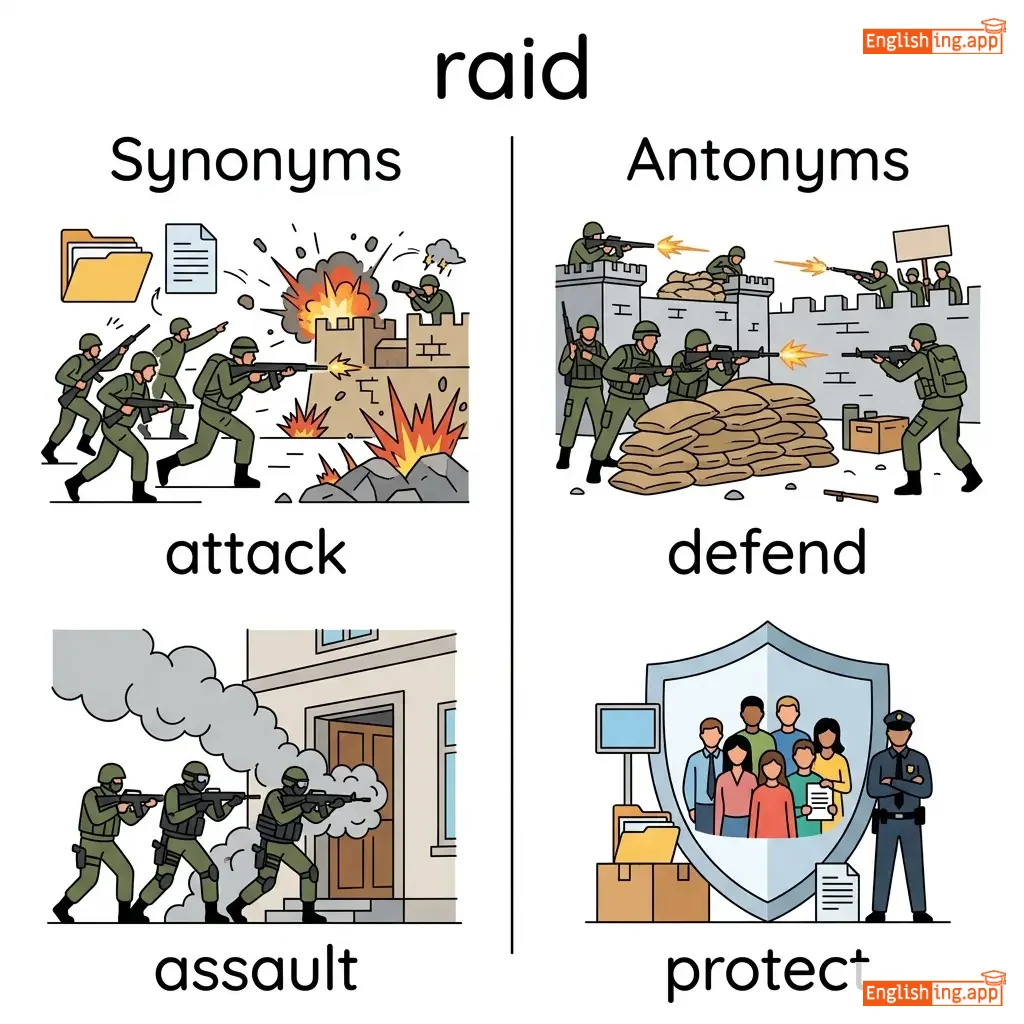
attack, assault, invasion, ambush
••••••
|
defend, protect
••••••
|
police raid, air raid, raid a house
••••••
|
Raidは予期しない攻撃、特に夜間に行われる。
••••••
|
|
#0
🐈
|
/rɪər/
noun, verb
(リア)
••••••
|
- •••••• |
後ろ / 育てる
ushiro / sodateru
••••••
|
reared
リアード
••••••
|
reared
リアード
••••••
|
rears
リアーズ
••••••
|
rearing
リアリング
••••••
|
the back part of something; to bring up or raise children or animals
••••••
|
The mother cat reared her kittens in a quiet corner.
母猫は静かな隅で子猫たちを育てました。
••••••
|
母猫は静かな隅で子猫たちを育てました。
Haha neko wa shizuka na sumi de koneko-tachi o sodatemashita.
••••••
|
bring up the rear
後ろを持っている
••••••
|
to be at the back of a group moving forward
••••••
|
後ろにいる
ushiro ni iru
••••••
|
back, behind, raise, nurture, lift
••••••
|
front, lower, neglect
••••••
|
rear view, rear door, rear seat, rear window, rear end
••••••
|
Rearは後ろにいることを意味します、まるで母猫が子猫たちをrear(育てる)ように。
••••••
|
|
#0
🔔
|
/rɪŋ/
verb
(リング)
••••••
|
|
鳴る
naru
••••••
|
rang
ラング
••••••
|
rung
ラング
••••••
|
rings
リングス
••••••
|
ringing
リングイング
••••••
|
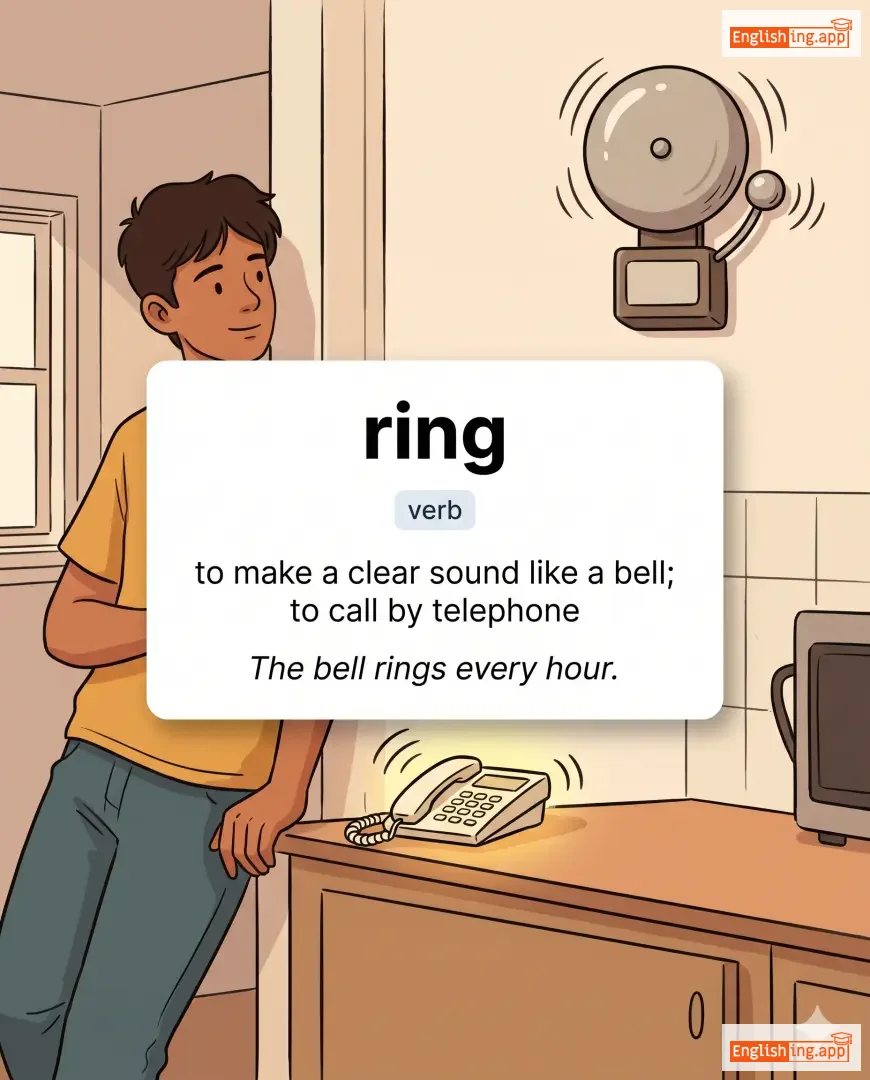
to make a clear sound like a bell; to call by telephone
••••••
|
The bell rings every hour.
鐘は毎時鳴る。
••••••
|
鐘は毎時鳴る。
Kane wa maiji naru.
••••••
|
- •••••• | - •••••• | - •••••• |
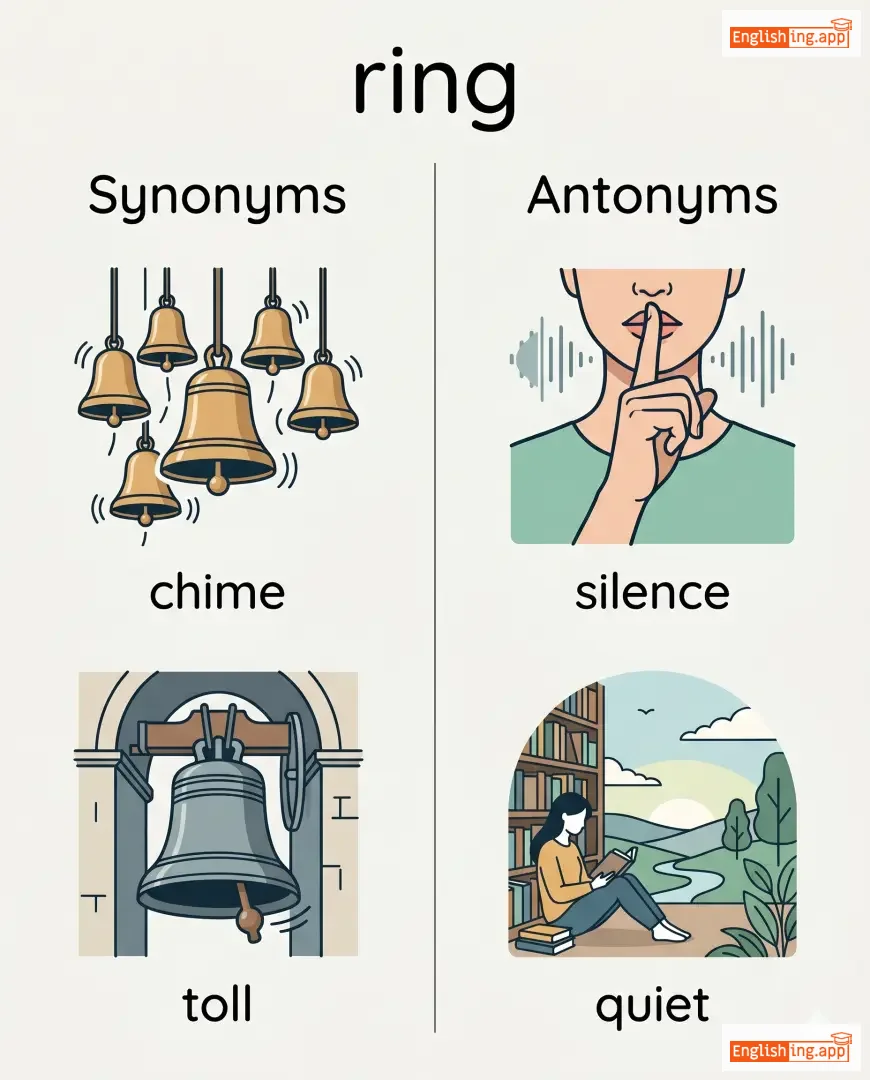
chime, toll, call, sound
••••••
|
silence, quiet, mute
••••••
|
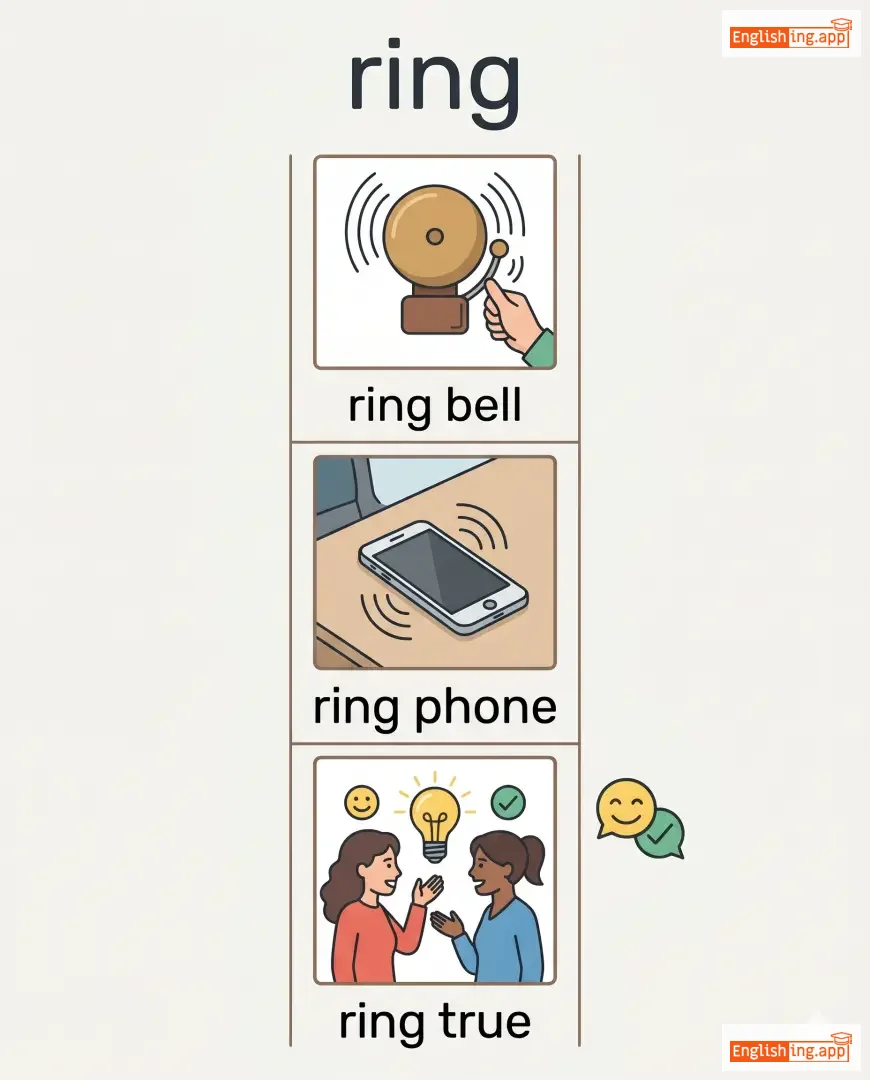
ring bell, ring phone, ring true, engagement ring
••••••
|
Imagine hearing the sound of a bell '鳴る' every hour.
••••••
|
|
#0
🔥
|
/ˈraɪət/
noun
(rai-otto)
••••••
|
- •••••• |
暴動
boudou
••••••
|
- •••••• | - •••••• | - •••••• | - •••••• |
a violent disturbance by a crowd
••••••
|
The protest turned into a violent riot. |
抗議は暴力的な暴動に変わった。
Kougi wa bouryokuteki na boudou ni kawatta.
••••••
|
run riot |
to act without control or restraint
••••••
|
制御を失う
seigyo o ushinau
••••••
|
uproar, disturbance, revolt, chaos, uprising
••••••
|
peace, order
••••••
|
violent riot, riot police, start a riot, riot broke out
••••••
|
Riotは制御を失うことを意味する - 暴動はすべてが制御できなくなる瞬間に始まる。
••••••
|
|
#0
🪨
|
/rɒk/
noun
(rokku)
••••••
|
- •••••• |
岩石
ganseki
••••••
|
- •••••• | - •••••• | - •••••• | - •••••• |
a large, solid piece of mineral matter
••••••
|
The mountain was made of solid rock. |
その山は固い岩石でできていました。
Sono yama wa katai ganseki de dekiteimashita.
••••••
|
- •••••• | - •••••• | - •••••• |
stone, boulder, pebble, cliff
••••••
|
sand, soil
••••••
|
rock formation, hard rock, rock face, climb a rock
••••••
|
岩石は山にたくさんあります (Ganseki wa yama ni takusan arimasu) - Rocks are abundant in the mountains.
••••••
|
|
#0
⚽
|
/roʊl/
verb
(ロール)
••••••
|
- •••••• |
転がる
korogaru
••••••
|
rolled
ロールド
••••••
|
rolled
ロールド
••••••
|
rolls
ロールズ
••••••
|
rolling
ローリング
••••••
|
to move by turning over and over on an axis
••••••
|
She rolled the ball down the hill.
彼女はボールを丘の下に転がしました。
••••••
|
彼女はボールを丘の下に転がしました。
Kanojo wa booru o oka no shita ni korogashimashita.
••••••
|
- •••••• | - •••••• | - •••••• |
turn, spin, twist, rotate
••••••
|
stop, stand still
••••••
|
roll over, roll out, roll up
••••••
|
ボールが丘を転がるとき、'roll'の意味は日本語で'転がる'だと覚えてください。
••••••
|
|
#0
💔
|
/ˈruːɪn/
verb
(ルイン)
••••••
|
- •••••• |
破壊する
hakai suru
••••••
|
ruined
ルインド
••••••
|
ruined
ルインド
••••••
|
ruins
ルインス
••••••
|
ruining
ルイニング
••••••
|
to destroy or severely damage something so that it no longer works or is of no use.
••••••
|
Heavy rain ruined the wedding decorations.
大雨が結婚式の装飾を台無しにした。
••••••
|
大雨が結婚式の装飾を台無しにした。
Ōame ga kekkonshiki no sōshoku o dainashi ni shita.
••••••
|
go to ruin
破滅に向かう
••••••
|
to deteriorate or be destroyed over time
••••••
|
破滅に向かう
hametsu ni mukau
••••••
|
destroy, wreck, spoil, devastate, damage
••••••
|
build, repair, restore
••••••
|
ruin plans, ruin life, ruin relationship, ruin reputation
••••••
|
破壊の行く先は、何も残らない破滅です。
••••••
|
|
#0
🏃
|
/rʌʃ/
verb
(ラッシュ)
••••••
|
- •••••• |
急ぐ
isogu
••••••
|
rushed
ラッシュド
••••••
|
rushed
ラッシュド
••••••
|
rushes
ラッシュズ
••••••
|
rushing
ラッシング
••••••
|
to move or act with great speed or urgency
••••••
|
She had to rush to the meeting to make it on time.
彼女は会議に時間通りに到着するために急がなければならなかった。
••••••
|
彼女は会議に時間通りに到着するために急がなければならなかった。
Kanojo wa kaigi ni jikan dōri ni tōchaku suru tame ni isoganakereba naranakatta.
••••••
|
rush hour
ラッシュアワー
••••••
|
the time when traffic is heaviest, usually when people are going to or leaving work
••••••
|
ラッシュアワー
rasshu awā
••••••
|
hurry, race, speed, accelerate
••••••
|
slow down, delay, dawdle
••••••
|
rush to, rush in, rush hour, rush through
••••••
|
急がないで、ラッシュアワーが来ているよ!- Don’t rush, rush hour is coming!
••••••
|
|
#0
📦
|
/sæk/
verb
(sak)
••••••
|
- •••••• |
解雇する
kaiko suru
••••••
|
sacked
sakt
••••••
|
sacked
sakt
••••••
|
sacks
saks
••••••
|
sacking
saking
••••••
|
to dismiss from a job; to put something in a sack
••••••
|
The company sacked him for poor performance.
会社は業績不良で彼を解雇しました。
••••••
|
会社は業績不良で彼を解雇しました。
Kaisha wa gyōseki furyō de kare o kaiko shimashita.
••••••
|
- •••••• | - •••••• | - •••••• |
fire, dismiss, discharge, terminate
••••••
|
hire, employ, recruit, appoint
••••••
|
sack employee, get the sack, sack someone, sack goods
••••••
|
Sack = 解雇された、または何かを袋に入れる。
••••••
|
Vocabulary Quiz
Test your vocabulary by matching words with their translations or meanings.
Login to take the quiz
Comments (0)
Share your thoughts and join the discussion.
Join the discussion by logging in
Login to CommentNo comments yet
Be the first to share your thoughts!