

正義のための戦い
Fight for Justice
アミナは若い lawyer で、justice のために戦っていました。ある日、彼女の人生を変える case が舞い込みました。
貧しい農夫が盗みの濡れ衣を着せられました。彼には legal 代理人がなく、lawyer を雇うお金もありませんでした。Trial はすでに court で始まっていましたが、彼を defend する人はいませんでした。
アミナはこの case を引き受けることを決意しました。簡単ではないと分かっていました。検察側には強力な evidence があると主張していましたが、アミナは農夫が innocent だと信じていました。
Trial が始まり、検察は自分たちの case を提示しました。示された evidence は状況証拠ばかりで、直接的な証拠はありませんでした。しかし、それは judge と陪審員に対して説得力があるように見えました。
アミナの番になると、彼女はすべての evidence を丁寧に調べ、witnesses に反対尋問を行いました。少しずつ矛盾が明らかになっていきました。
アミナはさらに調査を進め、当時農夫が別の場所にいたことを証明できる本当の witness を見つけました。その新しい evidence が court に提出されました。
Trial の終盤、アミナは最終弁論を行いました。彼女は言いました:「Justice とは単に punishment を与えることではなく、innocent な人々が苦しまないようにすることです。依頼人の rights を守ることが私の義務です。この case には彼が guilty だとするには十分な疑いがあります。」
陪審員たちは審議を行い、数時間後に verdict が出ました——無罪!農夫は innocent だと証明され、court は彼を釈放しました。
しかしアミナは止まりませんでした。彼女は貧しい人々が legal システムにほとんどアクセスできない現状を見ました。そこで彼女は、無料で legal サービスを提供する援助団体を設立しました。
今、アミナは多くの cases を扱っています。どの case においても、依頼人の rights を守り、fair trial が行われるようにしています。ときには appeal し、ときには新たな evidence を探します。
アミナの使命は、誰にでも届く justice です。彼女は言います:「Law はすべての人に平等であるべきです。Court では貧富に関係なく、すべての人の rights は同じです。Judge の責任は fair verdict を下すこと、Lawyer の責任は最良の defense を提供すること。そして私たち全員の責任は、justice が実現され、innocent が prosecuted されず、guilty が punishment を受けるようにすることです。」
アミナの活動は、多くの若い lawyers に影響を与え、pro bono cases を引き受けて justice のために戦うように促しています。彼女の物語は、誰かが rights のために立ち上がるとき、本当の変化が起こることを証明しています。
翻訳
過去
過去分詞
三人称単数
動名詞
意味
例文
例文の翻訳
同義語
対義語
コロケーション
ニーモニック
Swipe left or right, or use the buttons. Tap image to zoom.
例文の翻訳
単語
Fight for JusticeFight for Justice - マスクトグル
|
絵文字
|
単語 | Images | 翻訳 | 過去 | 過去分詞 | 三人称単数 | 動名詞 | 意味 | 例文 | 例文の翻訳 | 表現例 | 表現例の意味 | 表現例の翻訳 | 同義語 | 対義語 | コロケーション | ニーモニック |
|---|---|---|---|---|---|---|---|---|---|---|---|---|---|---|---|---|---|
|
#0
📢
|
/əˈpiːl/
verb, noun
(アピール)
••••••
|
- •••••• |
アピール / 引きつけ
apīru / hikitsuke
••••••
|
appealed
アピールド
••••••
|
appealed
アピールド
••••••
|
appeals
アピールス
••••••
|
appealing
アピールイング
••••••
|
to make a serious request; to be attractive or interesting; a formal request to a higher authority for a decision to be changed
••••••
|
The charity appealed to the public for donations.
チャリティーは寄付のために一般市民にアピールしました。
••••••
|
チャリティーは寄付のために一般市民にアピールしました。
Charitī wa kifu no tame ni ippan shimin ni apīru shimashita.
••••••
|
make an appeal
アピールをする
••••••
|
to formally ask for something, often publicly
••••••
|
アピールをする
apīru o suru
••••••
|
request, petition, attraction, plea, entreaty
••••••
|
demand, order, repulsion
••••••
|
appeal to, appeal against, strong appeal, emotional appeal
••••••
|
Appeal = アピール、誰かが📢を使ってアピールしているのを想像してください — Appeal = アピール
••••••
|
|
#0
📦
|
/keɪs/
noun
(ケイス)
••••••
|
- •••••• |
ケース / 状況
keesu / joukyou
••••••
|
- •••••• | - •••••• | - •••••• | - •••••• |
A particular situation, occurrence, or an instance of something; also a container or covering for something.
••••••
|
In this case, we should wait for further instructions.
この場合は、さらに指示を待つべきです。
••••••
|
この場合は、さらに指示を待つべきです。
Kono baai wa, sara ni shiji o matsu beki desu.
••••••
|
in any case
いずれにしても
••••••
|
whatever happens; regardless of the situation
••••••
|
いずれにしても
Izureni shitemo
••••••
|
instance, example, situation, container, box
••••••
|
whole, entirety
••••••
|
in case of, legal case, strong case, special case
••••••
|
Caseはケース、裁判のケースや携帯電話のケースのように使われます
••••••
|
|
#0
⚖️
|
/kɔːrt/
noun,verb
(コート)
••••••
|
- •••••• |
裁判所または注目や好意を求める場所
saibansho matawa chumoku ya koui wo motomeru basho
••••••
|
courted
コーテッド
••••••
|
courted
コーテッド
••••••
|
courts
コーツ
••••••
|
courting
コーティング
••••••
|
a place where legal cases are heard or to seek favor or attention
••••••
|
He courted the judge with respect.
彼は裁判官に敬意を示して求婚した。
••••••
|
彼は裁判官に敬意を示して求婚した。
Kare wa saibankan ni keii wo shimeshite kyuukon shita.
••••••
|
in court
裁判所で
••••••
|
at a judicial proceeding
••••••
|
裁判所で
saibansho de
••••••
|
tribunal, arena, woo, pursue
••••••
|
- •••••• |
court case, royal court, court of law, court decision
••••••
|
Courtに行こう - コートは裁判所、courtingは好意を求める行為。
••••••
|
|
#0
🚔
|
/kraɪm/
noun
(クライム)
••••••
|
- •••••• |
犯罪
hanzai
••••••
|
- •••••• | - •••••• | - •••••• | - •••••• |
An illegal act punishable by law.
••••••
|
The police are investigating the crime.
警察は犯罪を調査しています。
••••••
|
警察は犯罪を調査しています。
Keisatsu wa hanzai o chōsa shiteimasu.
••••••
|
crime does not pay
犯罪は報われない。
••••••
|
crime ultimately brings punishment, not profit
••••••
|
犯罪は報われない。
Hanzai wa mukuwarenaī.
••••••
|
offense, felony, wrongdoing, violation
••••••
|
lawfulness, obedience
••••••
|
commit a crime, crime rate, crime scene, organized crime
••••••
|
犯罪を犯すと、必ず後悔と罰が待っている。
••••••
|
|
#0
⚔️
|
/dɪˈfɛnd/
verb
(ディフェンド)
••••••
|
- •••••• |
守る
mamoru
••••••
|
defended
ディフェンドした
••••••
|
defended
ディフェンドされた
••••••
|
defends
ディフェンドする
••••••
|
defending
ディフェンドしている
••••••
|
To protect someone or something from harm or attack.
••••••
|
The lawyer worked hard to defend her client.
弁護士は彼女のクライアントを守るために一生懸命働きました。
••••••
|
弁護士は彼女のクライアントを守るために一生懸命働きました。
Bengoshi wa kanojo no kuraianto wo mamoru tame ni isshoukenmei hatarakimashita.
••••••
|
defend one's honor
名誉を守る
••••••
|
To protect one’s reputation from criticism or insult.
••••••
|
名誉を守る
meiyo wo mamoru
••••••
|
protect, guard, shield, support, justify
••••••
|
attack, abandon, betray
••••••
|
defend a case, defend the goal, defend human rights
••••••
|
守るというのは、弁護士がクライアントを守ることです。
••••••
|
|
#0
🔍
|
/ˈɛv.ɪ.dəns/
noun
(エヴィデンス)
••••••
|
- •••••• |
証拠
shōko
••••••
|
- •••••• | - •••••• | - •••••• | - •••••• |
facts or information that show whether something is true or not
••••••
|
The lawyer presented new evidence in court. |
弁護士は法廷で新しい証拠を提出しました。
Bengoshi wa hotei de atarashī shōko o teishutsu shimashita.
••••••
|
hard evidence |
strong, undeniable proof
••••••
|
決定的証拠
ketteiteki shōko
••••••
|
proof, testimony, confirmation, validation, indication
••••••
|
denial, contradiction, disproof
••••••
|
present evidence, gather evidence, strong evidence, lack of evidence
••••••
|
証拠 = 何かが真実かを証明するもの。
••••••
|
|
#0
⚖️
|
/fɛr/
adjective/noun
(フェア)
••••••
|
- •••••• |
公平 / フェア
kouhei / fea
••••••
|
- •••••• | - •••••• | - •••••• | - •••••• |
Treating people equally without favoritism; or an event where goods are displayed and sold
••••••
|
The judge made a fair decision.
裁判官は公平な判断を下しました。
••••••
|
裁判官は公平な判断を下しました。
Saibankan wa kouhei na handan o kudashimashita.
••••••
|
fair and square
フェアアンドスクエア
••••••
|
honestly and without cheating
••••••
|
正直に、そして不正なく
shoujiki ni, soshite fusei naku
••••••
|
just, impartial, honest, equitable
••••••
|
unfair, biased, unjust
••••••
|
fair chance, fair decision, book fair, job fair
••••••
|
フェアは公平、フェアはイベントです。
••••••
|
|
#0
😔
|
/ˈɡɪl.ti/
adjective
(ギルティ)
••••••
|
- •••••• |
有罪の
yūzai no
••••••
|
- •••••• | - •••••• | - •••••• | - •••••• |
responsible for a crime or wrongdoing; feeling shame or regret
••••••
|
He felt guilty after lying to his friend. |
彼は友達に嘘をついた後、有罪だと感じた。
Kare wa tomodachi ni uso o tsuita ato, yūzai da to kanjita.
••••••
|
plead guilty |
to formally admit in court that one has committed a crime
••••••
|
有罪を申し立てる
yūzai o mōshitate ru
••••••
|
ashamed, responsible, blameworthy, convicted
••••••
|
innocent, blameless, faultless
••••••
|
feel guilty, guilty of, guilty conscience, found guilty
••••••
|
有罪の感覚はguiltyと同じ、犯した罪を感じる。
••••••
|
|
#0
😇
|
/ˈɪnəsənt/
adjective
(イノセント)
••••••
|
- •••••• |
無罪
muzai
••••••
|
- •••••• | - •••••• | - •••••• | - •••••• |
not guilty of a crime or wrongdoing; harmless
••••••
|
The court found him innocent of all charges.
裁判所は彼をすべての告発から無罪と判断しました。
••••••
|
裁判所は彼をすべての告発から無罪と判断しました。
saibansho wa kare o subete no kokuhatsu kara muzai to handan shimashita.
••••••
|
innocent until proven guilty
有罪が証明されるまで無罪
••••••
|
a person is considered innocent unless proven guilty in a court
••••••
|
有罪が証明されるまで無罪
yuzai ga shoumei sareru made muzai
••••••
|
guiltless, blameless, pure, harmless
••••••
|
guilty, corrupt
••••••
|
innocent child, innocent victim, innocent mistake, innocent face
••••••
|
Innocent = in (無) + nocent (害) → 害を与えない、無罪
••••••
|
|
#0
⚖️
|
/dʒʌdʒ/
noun/verb
(ジャッジ)
••••••
|
|
裁判官 / 判断する
saibankan / handan suru
••••••
|
judged
ジャッジド
••••••
|
judged
ジャッジド
••••••
|
judges
ジャッジズ
••••••
|
judging
ジャッジング
••••••
|
a person who makes decisions in a court of law; or to form an opinion about something
••••••
|
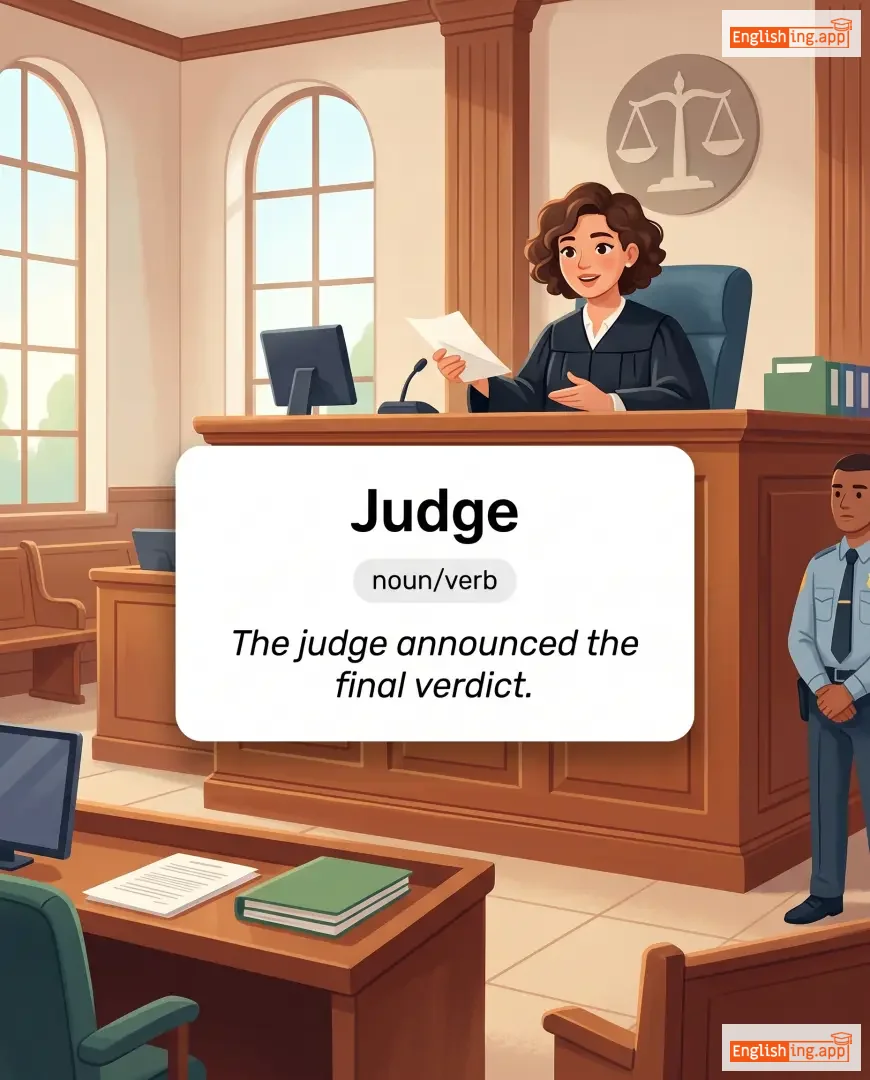
The judge announced the final verdict.
ジャッジは最終的な判決を発表した。
••••••
|
裁判官は最終的な判決を発表した。
Saibankan wa saishūteki na hanketsu o happyō shita.
••••••
|
don't judge a book by its cover
表紙で本を判断しないでください
••••••
|
don't form an opinion based only on appearances
••••••
|
表紙で本を判断しないでください
Hyōshi de hon o handan shinaide kudasai
••••••
|
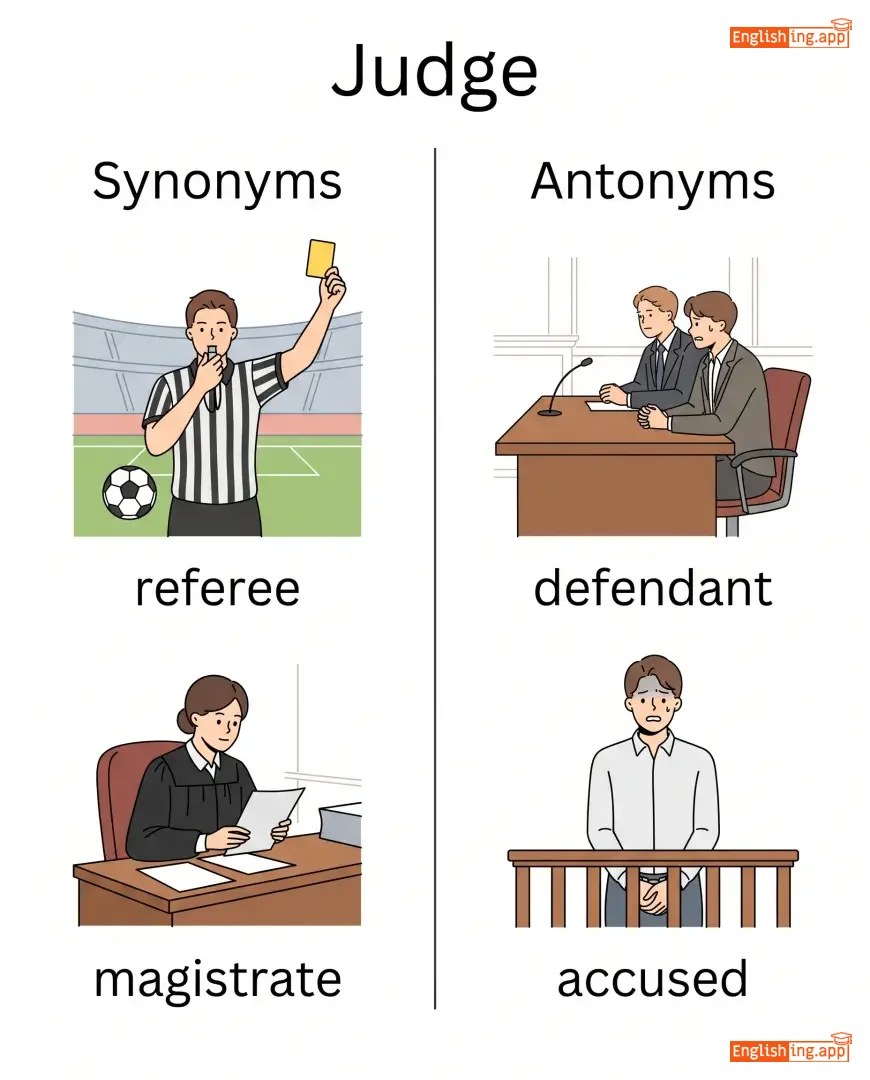
referee, magistrate, critic, evaluator
••••••
|
defendant, accused
••••••
|
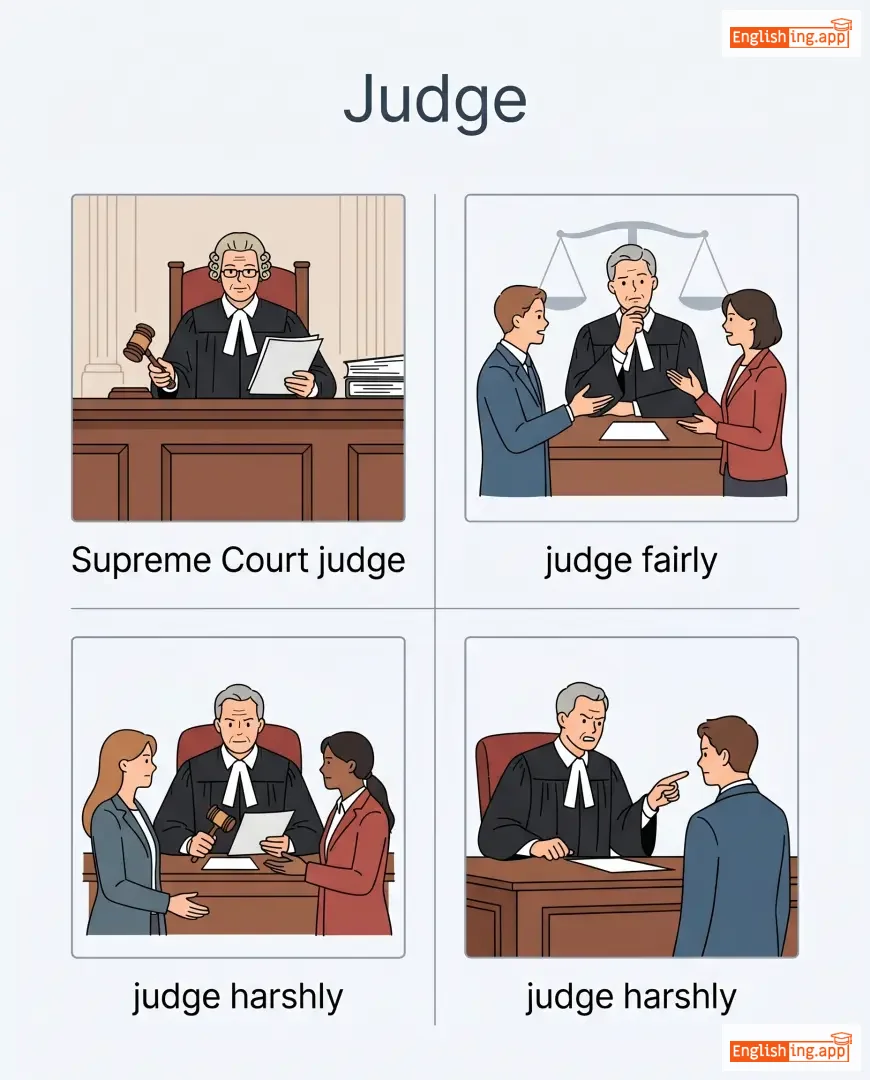
Supreme Court judge, judge fairly, judge harshly, judge wisely
••••••
|
Judgeは裁判官、外見で判断しないで。
••••••
|
|
#0
⚖️
|
/ˈdʒʌstɪs/
noun
(ジャスティス)
••••••
|
|
正義
seigi
••••••
|
- •••••• | - •••••• | - •••••• | - •••••• |
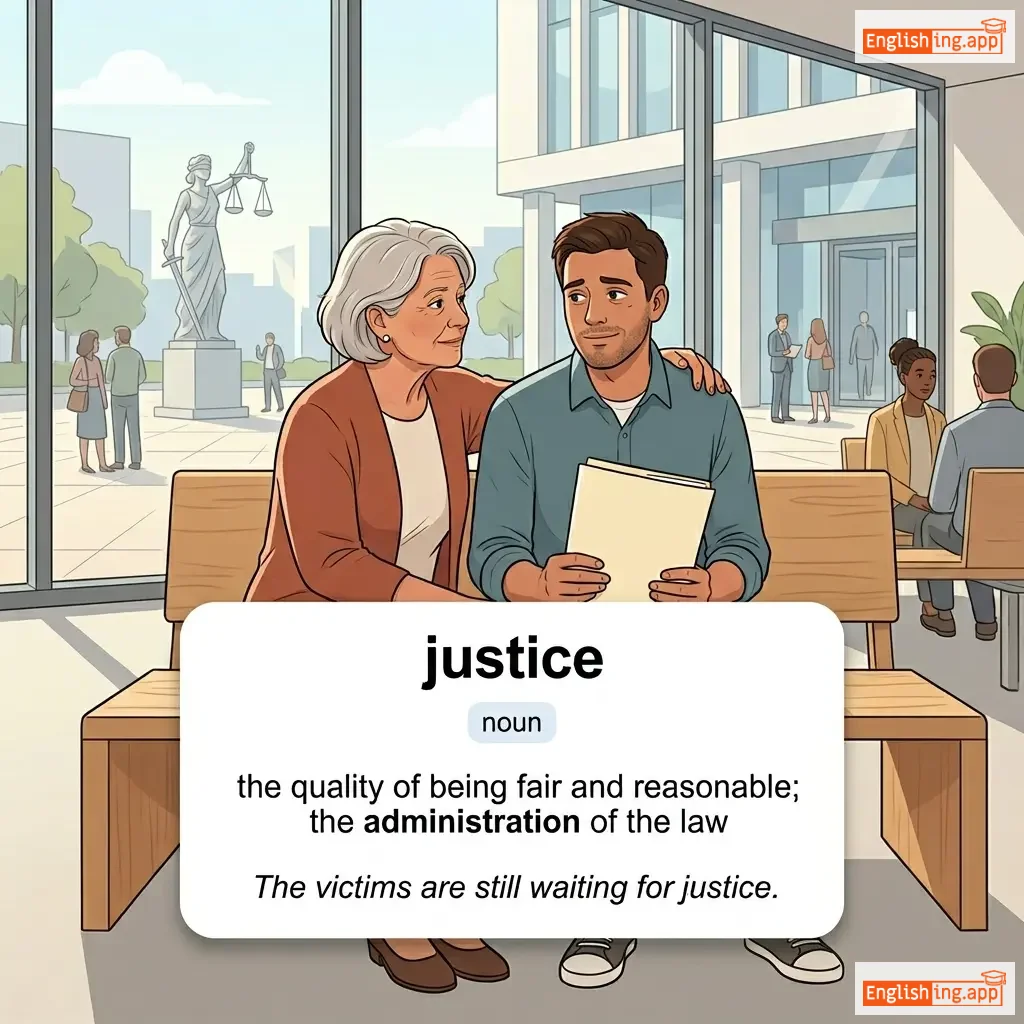
the quality of being fair and reasonable; the administration of the law
••••••
|
The victims are still waiting for justice. |
犠牲者はまだ正義を待っています。
Giseisha wa mada seigi o matteimasu.
••••••
|
bring to justice |
to arrest and punish someone for a crime
••••••
|
正義をもたらす
seigi o motarasu
••••••
|
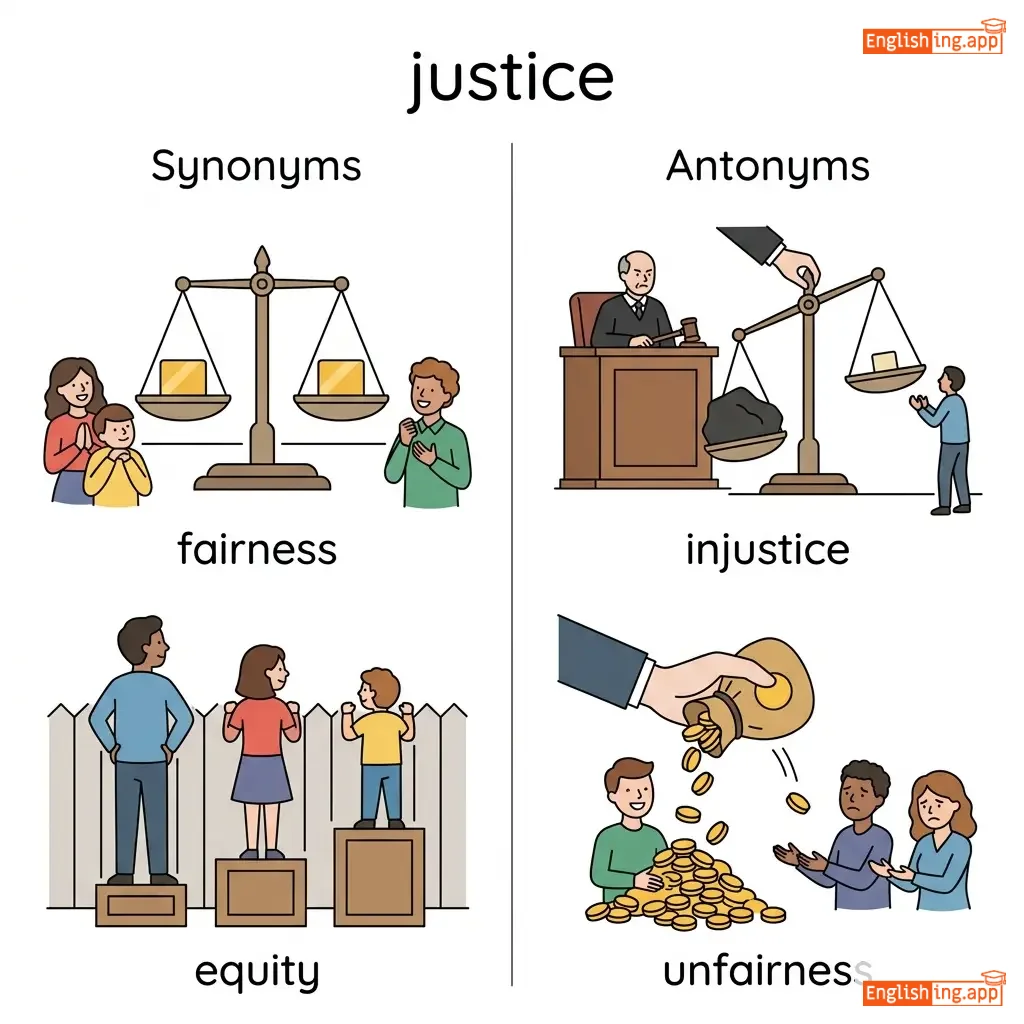
fairness, equity, law, righteousness, impartiality
••••••
|
injustice, unfairness, corruption
••••••
|
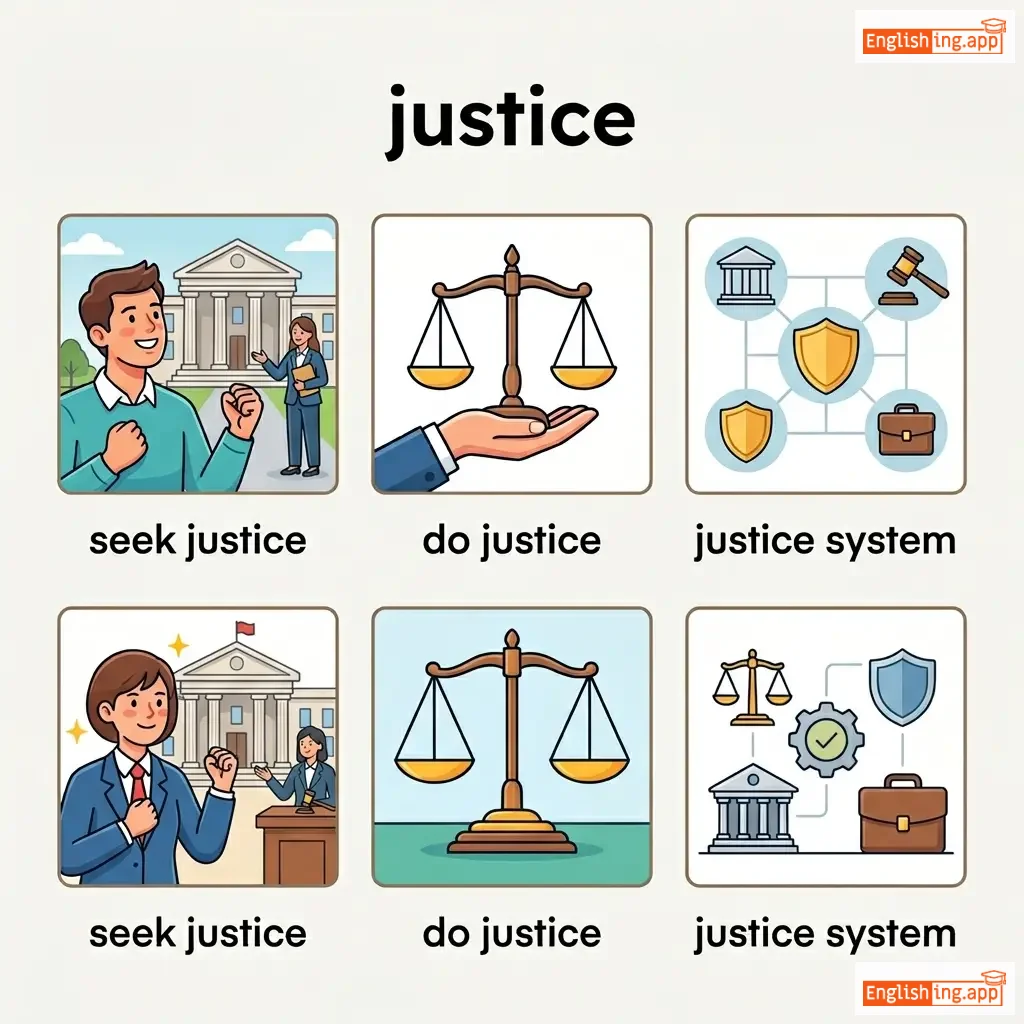
seek justice, do justice, justice system, social justice
••••••
|
Justice = 正義 = 公平をもたらす
••••••
|
|
#0
⚖️
|
/lɔː/
noun
(ロー)
••••••
|
- •••••• |
法律
hōritsu
••••••
|
- •••••• | - •••••• | - •••••• | - •••••• |
a system of rules created and enforced by authority to regulate behavior
••••••
|
Everyone must obey the law of the country. |
誰もが国の法律に従わなければなりません。
Dare mo ga kuni no hōritsu ni shitagawanakereba narimasen.
••••••
|
above the law |
not subject to the law or thinking rules do not apply
••••••
|
法律の上に
hōritsu no ue ni
••••••
|
rule, regulation, legislation, statute, code
••••••
|
anarchy, disorder, chaos
••••••
|
law enforcement, law firm, law student, law school
••••••
|
Law は ⚖️ 法律を意味します — みんなそれに従うべきです。
••••••
|
|
#0
⚖️
|
/ˈlɔːjər/
noun
(ロイヤー)
••••••
|
- •••••• |
弁護士
bengoshi
••••••
|
- •••••• | - •••••• | - •••••• | - •••••• |
A professional who practices or studies law; an attorney.
••••••
|
The lawyer presented the case confidently in court. |
弁護士は自信を持って裁判所で事件を弁護しました。
Bengoshi wa jishin o motte saiban-sho de jiken o bengo shimashita.
••••••
|
hire a lawyer |
to employ an attorney for legal help
••••••
|
弁護士を雇う
Bengoshi o yatou
••••••
|
attorney, advocate, solicitor, barrister, counselor
••••••
|
client, defendant
••••••
|
criminal lawyer, corporate lawyer, hire a lawyer, defense lawyer
••••••
|
Lawyer は弁護士、覚えておけ LAW は法律
••••••
|
|
#0
⚖️
|
/ˈliːɡəl/
adjective
(リーガル)
••••••
|
|
法的
hōteki
••••••
|
- •••••• | - •••••• | - •••••• | - •••••• |
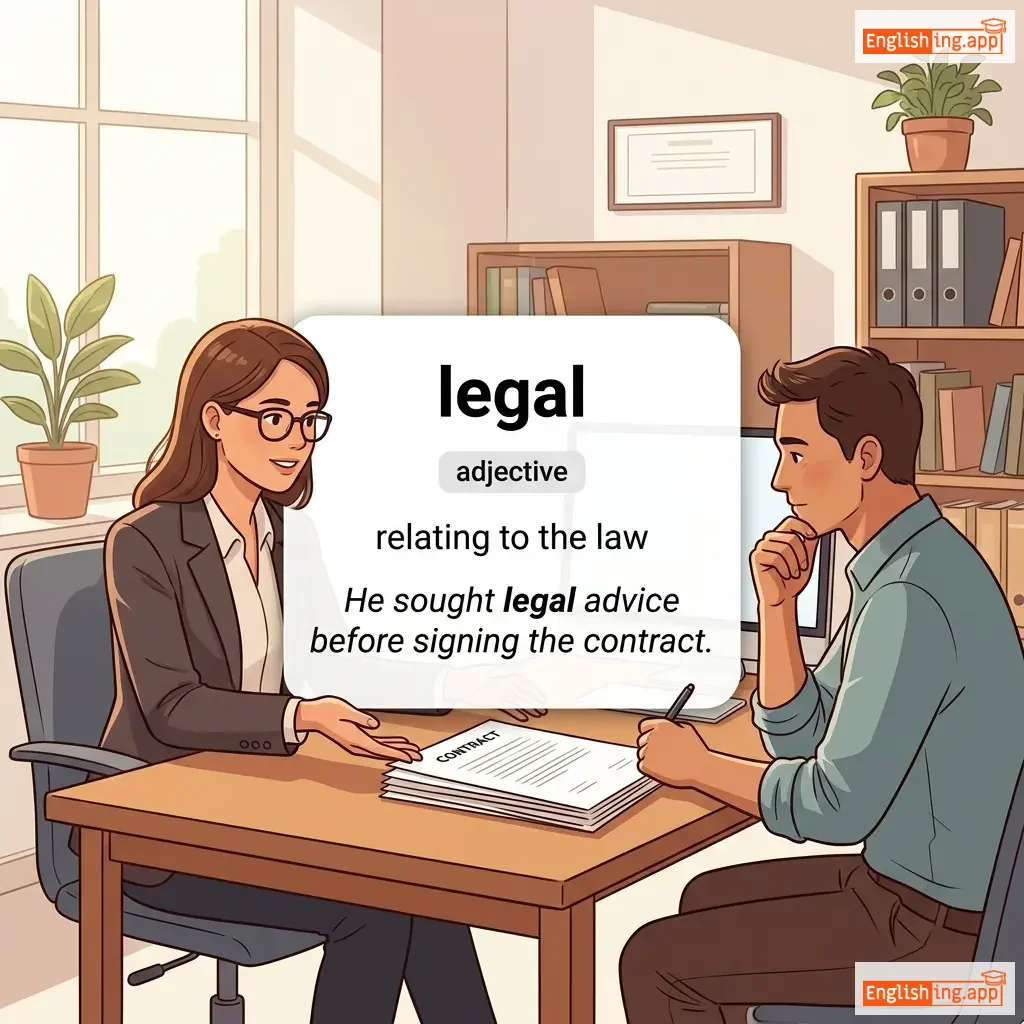
relating to the law
••••••
|
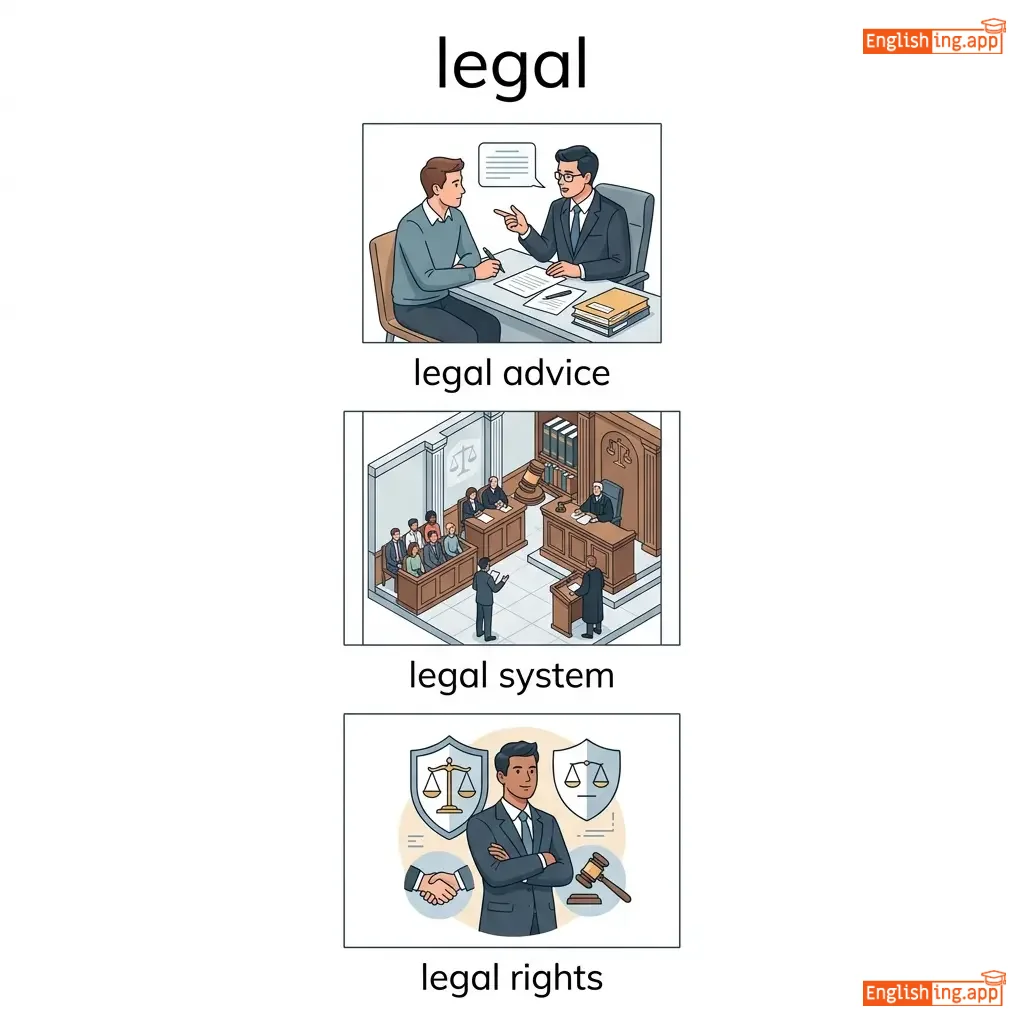
He sought legal advice before signing the contract.
彼は契約書に署名する前に法的アドバイスを求めました。
••••••
|
彼は契約書に署名する前に法的アドバイスを求めました。
Kare wa keiyaku-sho ni shomei suru mae ni hōteki adobaisu o motomemashita.
••••••
|
legal loophole
法的抜け穴
••••••
|
a gap or ambiguity in the law that allows someone to avoid following it
••••••
|
法的抜け穴
hōteki nukeana
••••••
|
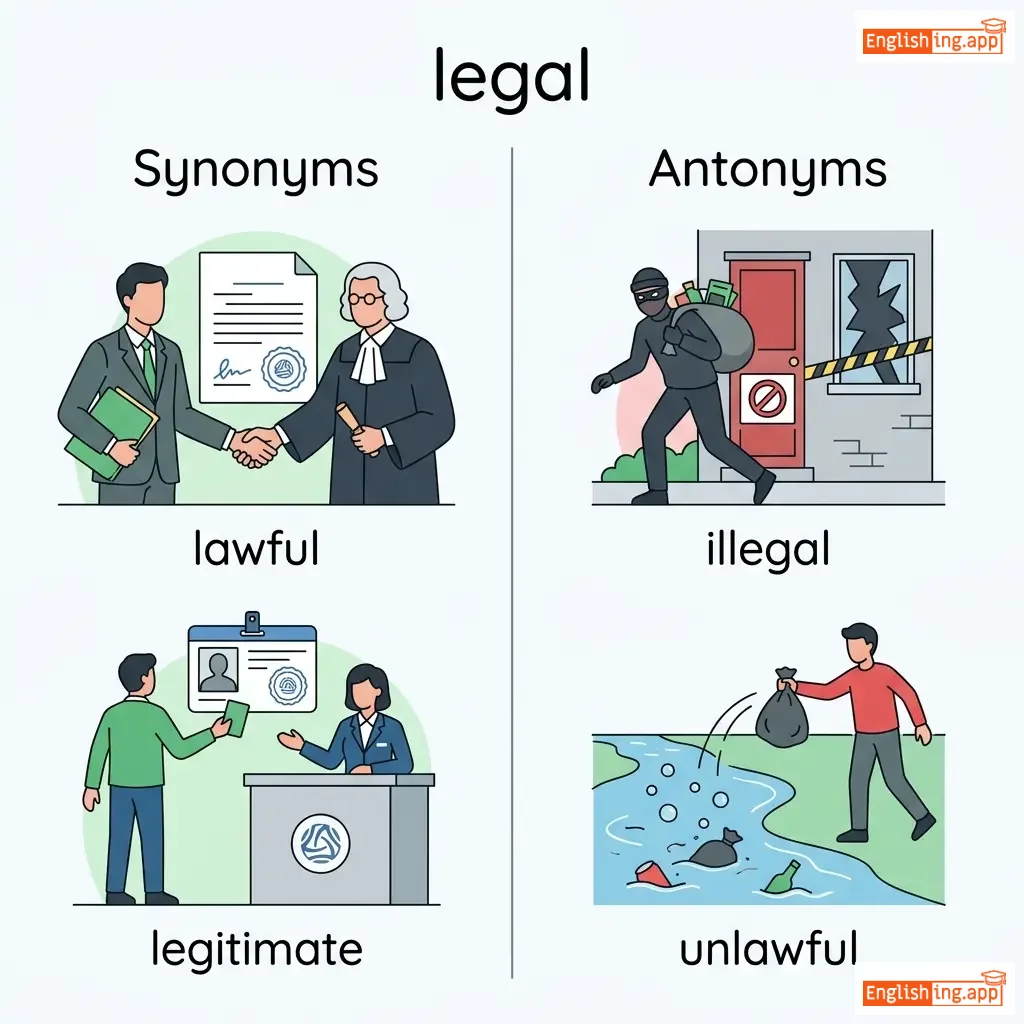
lawful, legitimate, valid, authorized
••••••
|
illegal, unlawful, illicit
••••••
|
legal advice, legal system, legal rights, legal action
••••••
|
Legalは法的であり、法的な文書は有効です。
••••••
|
|
#0
⚖️
|
/ˈprɒsɪkjuːt/
verb
(プロセキュート)
••••••
|
- •••••• |
起訴する
kiso suru
••••••
|
prosecuted
プロセキューテッド
••••••
|
prosecuted
プロセキューテッド
••••••
|
prosecutes
プロセキューツ
••••••
|
prosecuting
プロセキューティング
••••••
|
to institute legal proceedings against someone
••••••
|
The lawyer decided to prosecute the case after gathering sufficient evidence.
弁護士は十分な証拠を集めた後、訴訟を起こすことを決めました。
••••••
|
弁護士は十分な証拠を集めた後、訴訟を起こすことを決めました。
Bengoshi wa jyuubunna shouko wo atsumeta ato, sosou wo okosu koto wo kimemashita.
••••••
|
- •••••• | - •••••• | - •••••• |
sue, charge, indict
••••••
|
defend, protect
••••••
|
prosecute a case, prosecute someone, prosecute for theft
••••••
|
訴訟を起こして、正義を勝ち取れ!
••••••
|
|
#0
⚖️
|
/ˈpʌnɪʃmənt/
noun
(punišumento)
••••••
|
- •••••• |
罰
batsu
••••••
|
- •••••• | - •••••• | - •••••• | - •••••• |
the infliction of a penalty as retribution for an offense or wrongdoing
••••••
|
The criminal received a harsh punishment for his crime. |
犯人はその犯罪に対して厳しい罰を受けました。
Hannin wa sono hanzai ni taishite kibishii batsu o ukemashita.
••••••
|
pay the penalty |
to be punished for something
••••••
|
代償を払う
daishō o harau
••••••
|
penalty, retribution, consequence, sanction
••••••
|
reward, pardon
••••••
|
capital punishment, severe punishment, corporal punishment, punishment for crimes
••••••
|
Punishment - 罰は悪いことをするときに必ずやってくる。
••••••
|
|
#0
⚖️
|
raɪts
noun
(raits)
••••••
|
|
権利
kenri
••••••
|
- •••••• | - •••••• | - •••••• | - •••••• |
A moral or legal entitlement to have or obtain something or to act in a certain way.
••••••
|
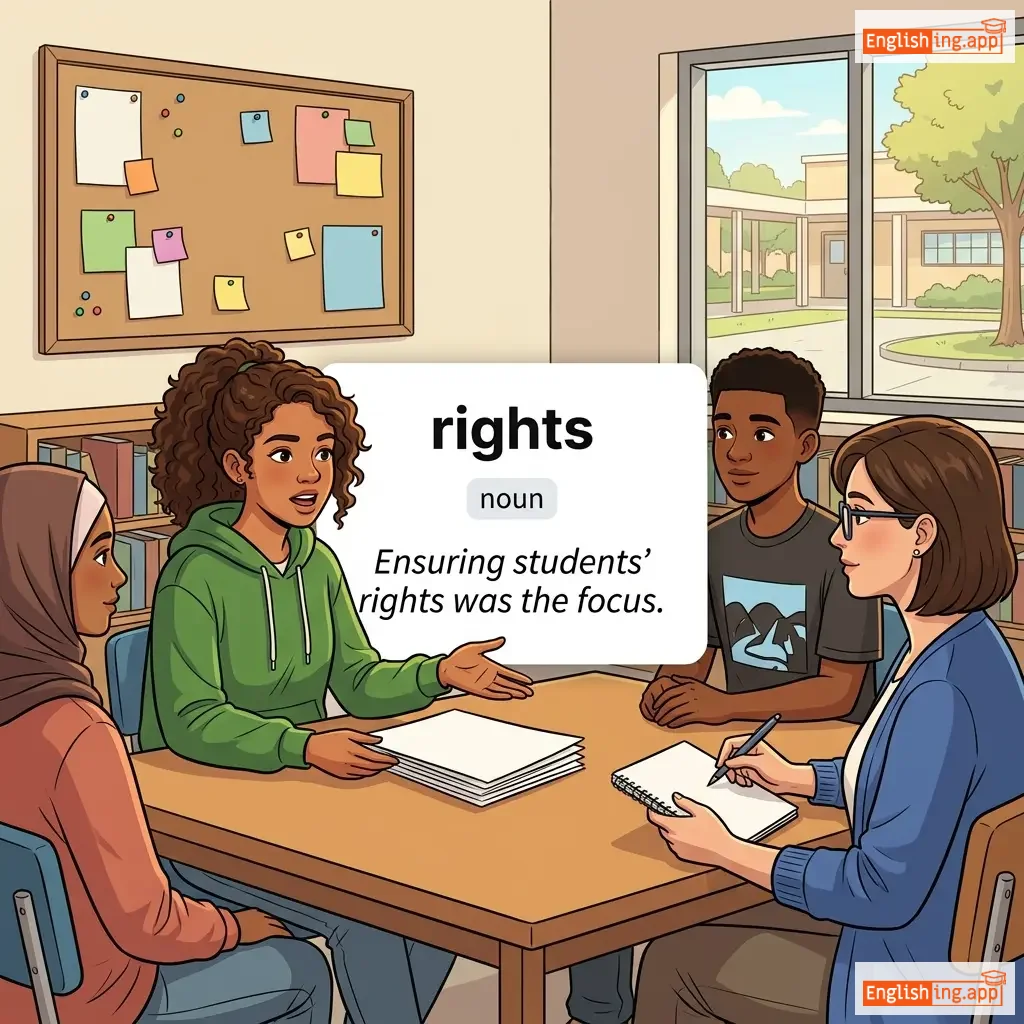
The rights of people were prioritized.
人々の権利は優先されました。
••••••
|
人々の権利は優先されました。
Hitobito no kenri wa yūsen saremashita.
••••••
|
- •••••• | - •••••• | - •••••• |
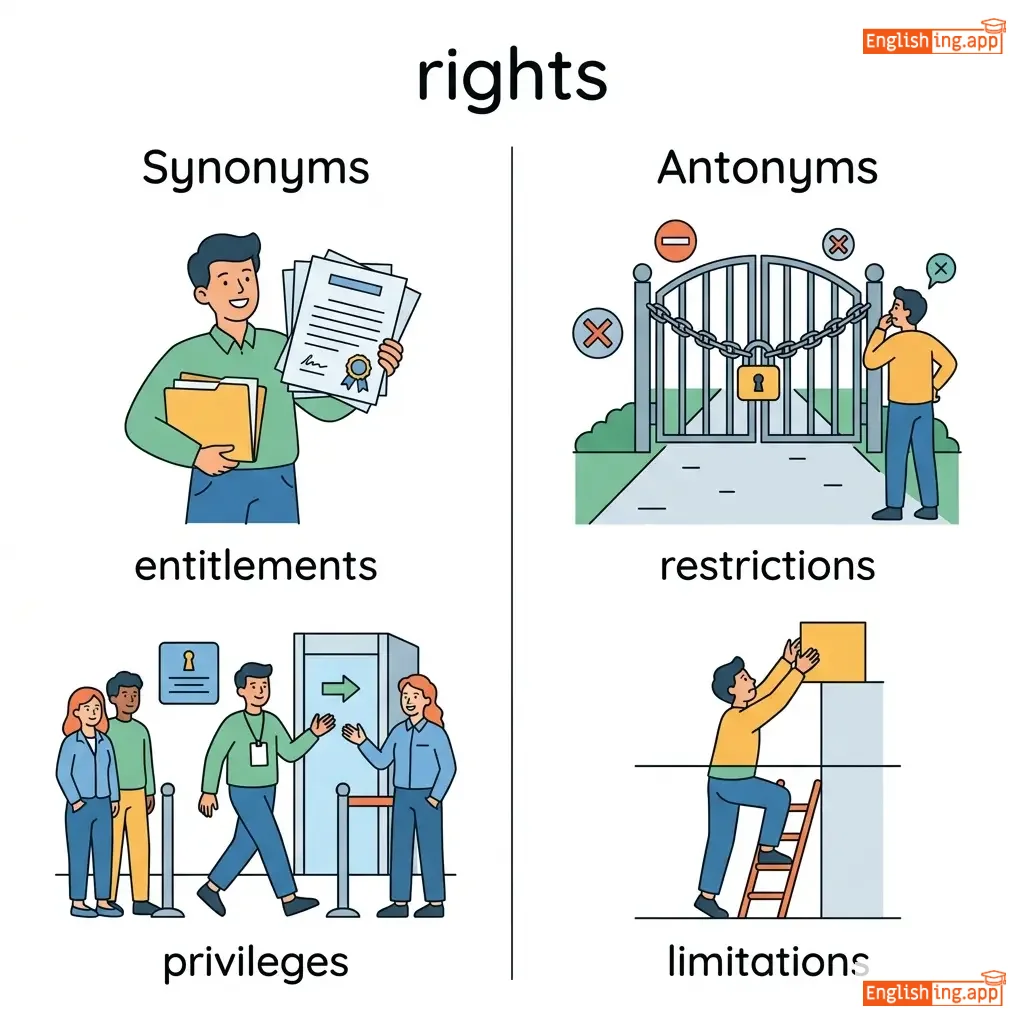
freedoms, privileges, entitlements, liberties, prerogatives
••••••
|
restrictions, limitations, prohibitions, constraints, duties
••••••
|
- •••••• |
権利は自分がすべきことをする自由を守ります。
••••••
|
|
#0
⚖️
|
/ˈtraɪ.əl/
noun
(トライアル)
••••••
|
- •••••• |
裁判; テスト
saiban; tesuto
••••••
|
- •••••• | - •••••• | - •••••• | - •••••• |
a formal examination of evidence in a court; a test of performance or quality
••••••
|
The murder trial lasted for three weeks in the county courthouse. |
殺人裁判は郡の裁判所で3週間続いた。
Satsujin saiban wa gun no saiban-sho de 3 shūkan tsudzuita.
••••••
|
- •••••• | - •••••• | - •••••• |
hearing, case, lawsuit, test, examination
••••••
|
acquittal, dismissal, settlement
••••••
|
criminal trial, fair trial, trial period, trial run
••••••
|
裁判 (court trial) とテスト (test)
••••••
|
|
#0
⚖️
|
/ˈvɜː.dɪkt/
noun
••••••
|
- •••••• | - •••••• | - •••••• | - •••••• | - •••••• | - •••••• |
a decision made by a jury or judge in a court case
••••••
|
The jury returned a guilty verdict after three hours of deliberation. |
- •••••• |
deliver a verdict |
to announce a final decision or judgment in a case
••••••
|
- •••••• |
judgment, decision, ruling, conclusion, finding
••••••
|
mistrial, indecision
••••••
|
reach a verdict, deliver a verdict, announce a verdict, final verdict
••••••
|
No •••••• |
|
#0
👁️
|
/ˈwɪtnəs/
verb
(witness)
••••••
|
|
目撃する
mokugeki suru
••••••
|
witnessed
witnessed
••••••
|
witnessed
witnessed
••••••
|
witnesses
witnesses
••••••
|
witnessing
witnessing
••••••
|
to see an event happen; to give evidence in court
••••••
|
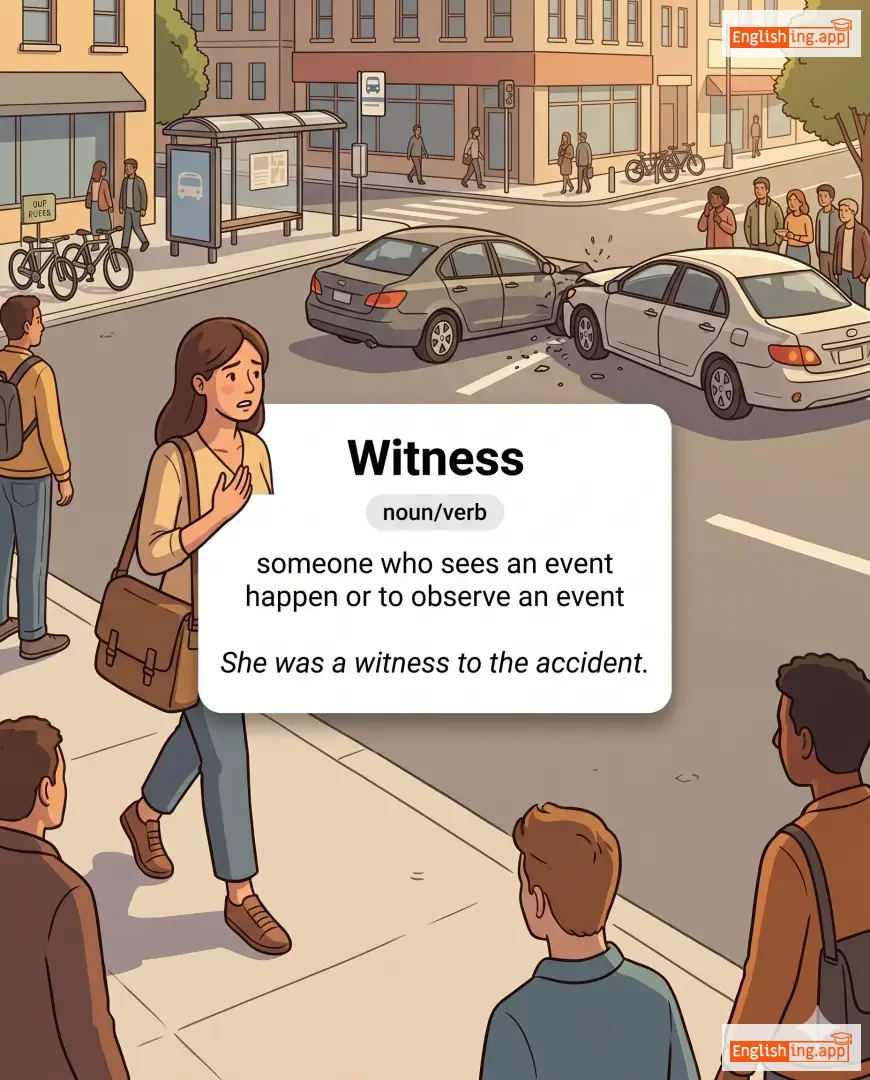
I witnessed the accident yesterday.
私は昨日事故を目撃しました。
••••••
|
私は昨日事故を目撃しました。
Watashi wa kinou jiko o mokugeki shimashita.
••••••
|
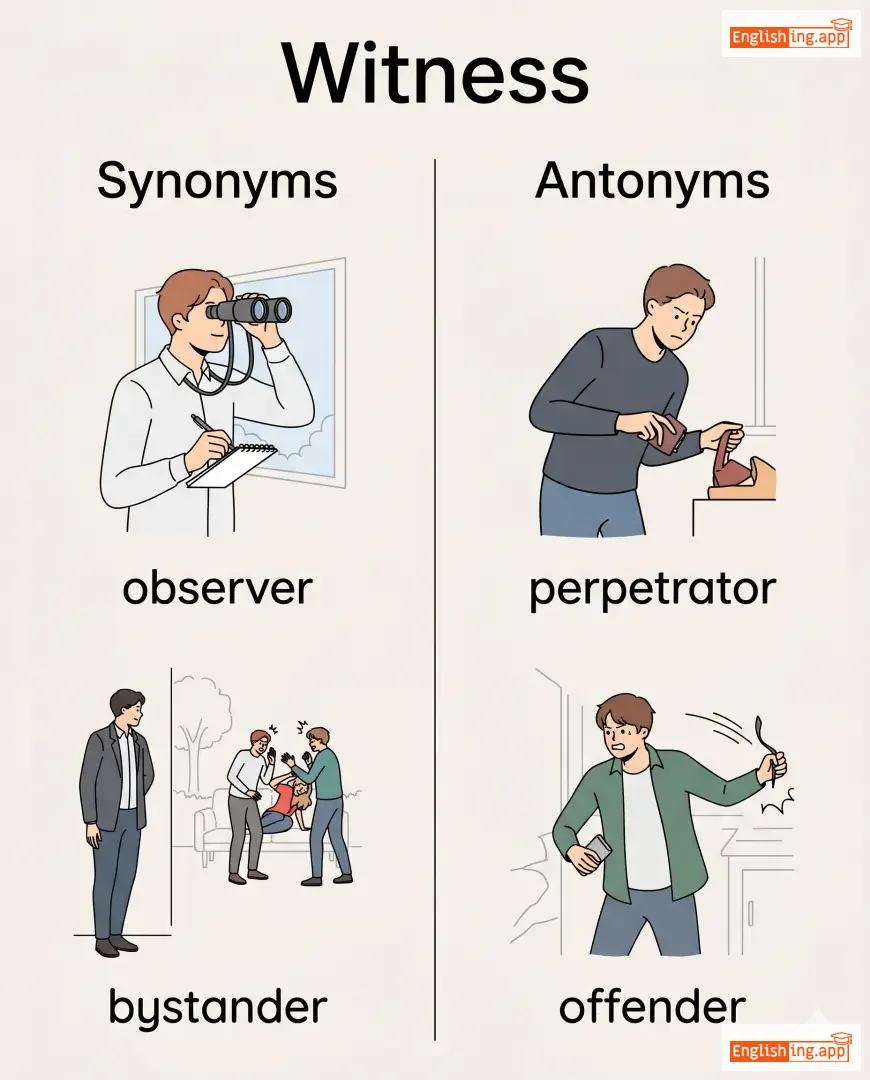
- •••••• | - •••••• | - •••••• |
observe, see, watch, testify
••••••
|
ignore, miss, overlook
••••••
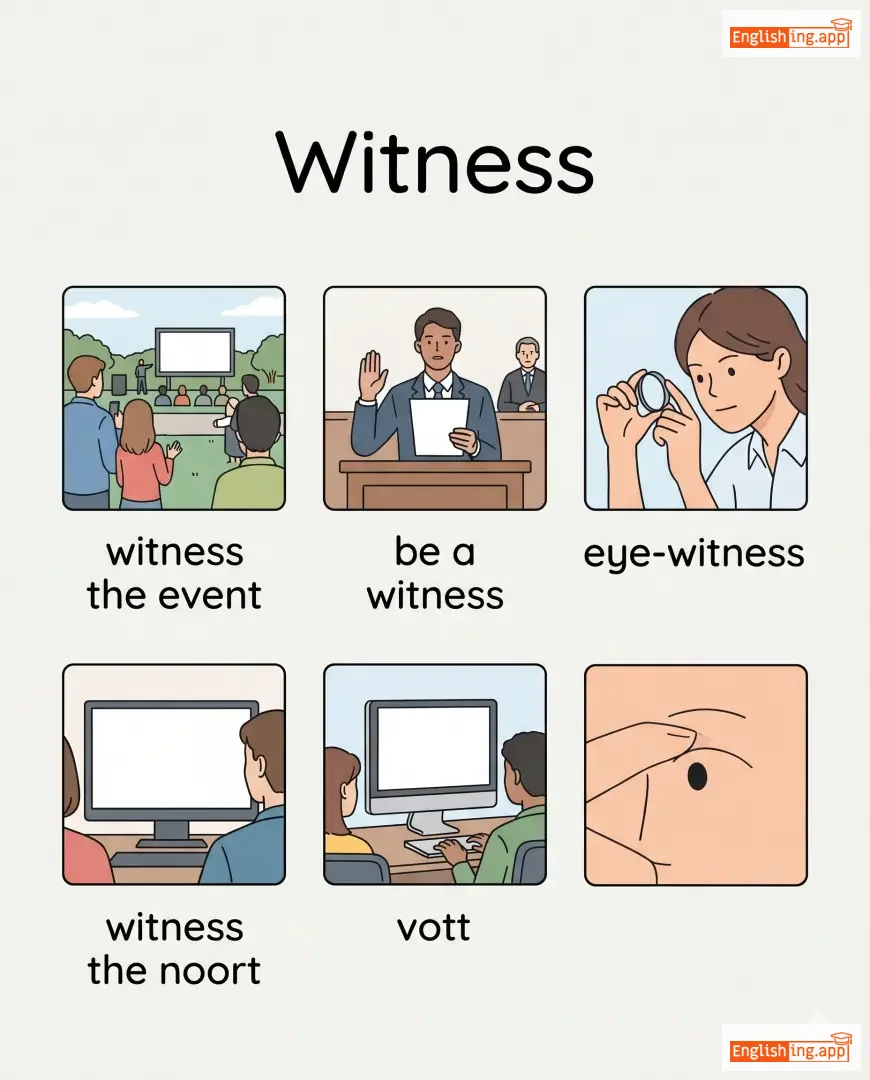
|
witness event, witness accident, witness ceremony, witness testimony
••••••
|
目撃する=裁判所で証言する人
••••••
|
Vocabulary Quiz
Test your vocabulary by matching words with their translations or meanings.
Login to take the quiz
Comments (0)
Share your thoughts and join the discussion.
Join the discussion by logging in
Login to CommentNo comments yet
Be the first to share your thoughts!