

女王を救った看護師
The Nurse Who Saved a Queen
マリアは nurse だった。小さなクリニックで働いていた。毎日、彼女は pulses を確認し、fevers を測り、wounds を清潔にした。
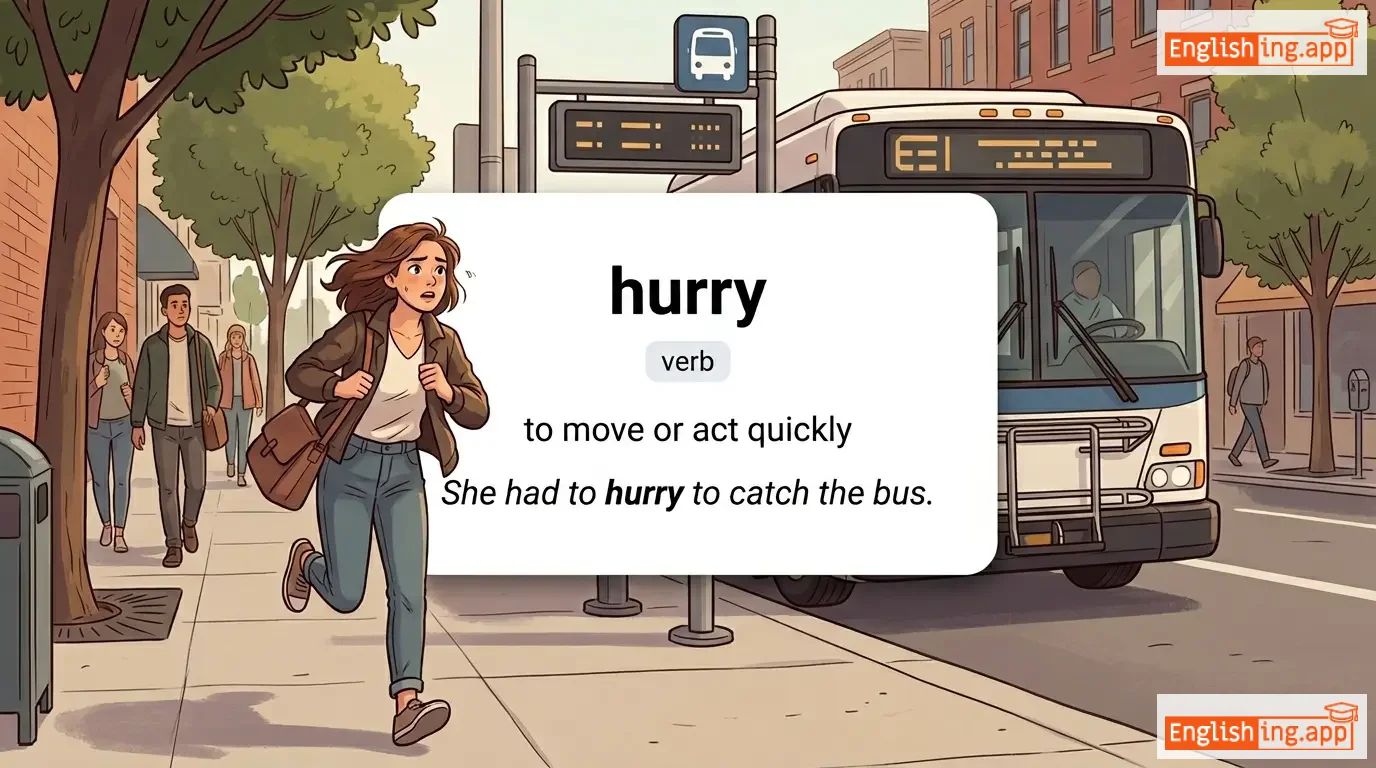
ある日、royal の一行が彼女のクリニックの前で止まった。護衛たちは hurried に誰かを運び込んだ。それは queen だった!
「彼女は高い fever があります!pulse が弱い!」と護衛が叫んだ。「助けて!mercy を示して!」
マリアは一瞬 paused した。queen!しかし、彼女の訓練がすぐに頭に flashed した。彼女は nurse。患者は患者だ。
「寝かせてください」とマリアは言った。queen's pulse を確認すると、とても弱かった。Breathing は heavy、Fever は 104 度。これは grave な状況だった。
「これは深刻です」とマリアは言った。「早く react しなければ。彼女の状態は vital です。」
彼女はすぐに治療を始めた。点滴をし、薬を与え、wound を清潔にした——queen の手に感染した傷があったのだ。
護衛たちは言った。「早く hurry!彼女を死なせるな!彼女は我々の queen だ!」
「最善を尽くしています」とマリアは答えた。「でも私はただの nurse。saint でも angel でもありません。私は訓練通りにするだけです。」
数時間後、queen's fever は少しずつ下がり、breathing は楽になり、pulse は強くなった。
Queen は目を開け、「ここはどこ?」とかすれた声で言った。声は faint だった。
「もう安全です」とマリアは微笑んで言った。「fever は下がり、vital サインも回復しています。」
Queen は周りを見渡した。小さなクリニック、質素な nurse。「あなたが私を救ったの?」
「それが私の仕事です」とマリアは静かに答えた。
Queen は kneel しようとした。「あなたは grace と mercy を見せた。まるで saint、angel のようです。」
「kneel しないでください」とマリアは言った。「まだ弱っています。breathing を安定させて、休んでください。」
数日後、queen は完全に回復し、royal 宮殿に戻った。そして彼女は命令を出した。すべての nurses により良い給料と訓練を与えるように、と。
「なぜなら」と queen は宣言した。「私が grave な状況にいたとき、高い fever、弱い pulse、breathing が heavy なとき——私を救ったのは royal 医師でも宮殿の薬でもなく、小さなクリニックの一人の nurse だった。彼女は pause せず、grace と mercy で reacted したのです。」
マリアは宮殿に呼ばれ、queen は彼女に感謝を述べた。
「あなたは私を queen ではなく、人間として扱ってくれました」と queen は言った。「命が flashed したとき、あなたは hurry せず、skill で reacted しました。あなたこそ真の angel、真の saint です。」
「私はただ自分の duty を果たしただけです」とマリアは謙虚に言った。
「その duty が命を救ったのです」と queen は答えた。「Vital な仕事です。どんな royal 命令や王座よりも重要です。あなたは私の pulse を確認し、breathing を見守り、wound を mercy で清めた——それが真の grace です。」
何年も後、マリアは今でも同じクリニックで働いているが、今はもっと大きく、nurses も増え、設備も良くなった。
ある日、若い nurse が尋ねた。「本当に queen を救ったんですか?」
「私は patient を救ったのです」とマリアは訂正した。「高い fever、弱い pulse、感染した wound のある人。grave な状態で、breathing が heavy、そして faint していた人を。」
「でも彼女は queen だったんですよ!」
「彼女は助けを必要とする human でした」とマリアは言った。「それが大切なのです。nurse であるなら、royal の冠や服ではなく、pulse、fever、vital サインを見るのです。恐れや驚きで react するのではなく、skill と mercy で react します。特別だから pause するのではなく、全ての命が特別だから hurry するのです。誇りで治療するのではなく、grace で治療します。それが saint や angel ではなく、良い nurse であるということ。そして時に、それだけで命を救うのに十分なのです——たとえそれが queen の命であっても。」
若い nurse は学んだ——最も偉大な grace とは royalty の前で kneeling することではなく、mercy を持って仕えることだ。最も真の vital な仕事は palaces ではなく、pulses を確認し、fevers を治療し、wounds を清め、breathing が heavy で状況が grave なときに skill で reacting することにある。なぜならその瞬間、nurse は angel に劣らず、saint にも劣らない——神聖な癒し手なのだ。
翻訳
過去
過去分詞
三人称単数
動名詞
意味
例文
例文の翻訳
同義語
対義語
コロケーション
ニーモニック


Swipe left or right, or use the buttons. Tap image to zoom.
例文の翻訳
単語
The Nurse Who Saved a QueenThe Nurse Who Saved a Queen - マスクトグル
|
絵文字
|
単語 | Images | 翻訳 | 過去 | 過去分詞 | 三人称単数 | 動名詞 | 意味 | 例文 | 例文の翻訳 | 表現例 | 表現例の意味 | 表現例の翻訳 | 同義語 | 対義語 | コロケーション | ニーモニック |
|---|---|---|---|---|---|---|---|---|---|---|---|---|---|---|---|---|---|
|
#0
😇
|
/ˈeɪndʒəl/
noun
(エンジェル)
••••••
|
- •••••• |
天使
tenshi
••••••
|
- •••••• | - •••••• | - •••••• | - •••••• |
a spiritual being believed to act as a messenger or servant of God
••••••
|
She believed her mother was watching over her like an angel. |
彼女は母親が天使のように彼女を見守っていると信じていました。
Kanojo wa hahaoya ga tenshi no yō ni kanojo o mimamotte iru to shinjite imashita.
••••••
|
guardian angel |
a person who helps and protects someone in trouble
••••••
|
守護天使
shugo tenshi
••••••
|
spirit, saint, cherub, guardian, protector
••••••
|
devil, demon, fiend
••••••
|
guardian angel, fallen angel, like an angel, angel investor
••••••
|
天使は守護者 — もしあなたの友達が助けてくれるなら、『あなたは私の天使です!』と言いましょう。
••••••
|
|
#0
💨
|
/brɛθ/
noun
(ブレス)
••••••
|
- •••••• |
呼吸
kokyū
••••••
|
- •••••• | - •••••• | - •••••• | - •••••• |
The air taken into or expelled from the lungs during breathing.
••••••
|
He took a deep breath before speaking. |
彼は話す前に深く息を吸いました。
Kare wa hanasu mae ni fukaku iki o suimashita.
••••••
|
catch one's breath |
to rest or pause to recover normal breathing
••••••
|
息を呑む
iki o nomu
••••••
|
inhalation, exhalation, respiration, gasp
••••••
|
suffocation, choking
••••••
|
deep breath, hold breath, last breath, fresh breath
••••••
|
Breath は呼吸、呼吸がないと死ぬ。
••••••
|
|
#0
😵
|
/feɪnt/
verb
(フェイント)
••••••
|
- •••••• |
気絶する
kizetsu suru
••••••
|
fainted
フェインテッド
••••••
|
fainted
フェインテッド
••••••
|
faints
フェインツ
••••••
|
fainting
フェイティング
••••••
|
to lose consciousness for a short time because of a temporary lack of oxygen to the brain
••••••
|
He felt dizzy and fainted in the heat.
彼はめまいを感じ、暑さで気を失った。
••••••
|
彼はめまいを感じ、暑さで気を失った。
Kare wa memai o kanji, atsusa de ki o ushinatta.
••••••
|
faint-hearted
臆病な
••••••
|
lacking courage or confidence
••••••
|
臆病な
okubyō na
••••••
|
collapse, pass out, swoon, black out
••••••
|
recover, awaken, revive
••••••
|
nearly faint, faint away, faint from heat, faint-hearted
••••••
|
Faintは倒れて気を失うことを意味します — 暑さで気を失った 😵
••••••
|
|
#0
🤒
|
/ˈfiːvər/
noun
(フィーバー)
••••••
|
- •••••• |
熱
netsu
••••••
|
- •••••• | - •••••• | - •••••• | - •••••• |
a medical condition in which the body temperature is higher than normal
••••••
|
He couldn’t go to work because he had a high fever. |
高熱のため、彼は仕事に行けませんでした。
Kounetsu no tame, kare wa shigoto ni ikemasen deshita.
••••••
|
football fever |
a strong excitement or enthusiasm for football
••••••
|
サッカーフィーバー
sakkā fībā
••••••
|
temperature, illness, sickness, infection
••••••
|
health, wellness
••••••
|
high fever, dengue fever, fever patient, fever medicine
••••••
|
フィーバーは熱です — フィーバーで体温が上がる様子を想像してみてください。
••••••
|
|
#0
⚡
|
/flæʃ/
verb
(フラッシュ)
••••••
|
- •••••• |
フラッシュ
furasshu
••••••
|
flashed
フラッシュド
••••••
|
flashed
フラッシュド
••••••
|
flashes
フラッシュズ
••••••
|
flashing
フラッシング
••••••
|
to shine or appear suddenly and brightly for a short time
••••••
|
Lightning flashed across the night sky.
稲妻が夜空を横切った。
••••••
|
雷が夜空を横切った。
Kaminari ga yozora o yokogitta.
••••••
|
in a flash
一瞬で
••••••
|
very quickly; in an instant
••••••
|
非常に速く
hijō ni hayaku
••••••
|
blink, sparkle, gleam, flicker, flare
••••••
|
dim, fade, darken
••••••
|
camera flash, flash light, flash drive, flash memory, flash flood
••••••
|
Flashはカメラのフラッシュのように瞬時に光る!
••••••
|
|
#0
💃
|
/ɡreɪs/
noun
(グレース)
••••••
|
- •••••• |
優雅, エレガンス
yūga, eregansu
••••••
|
- •••••• | - •••••• | - •••••• | - •••••• |
simple elegance or refined movement; goodwill and kindness
••••••
|
She moved with grace across the stage. |
彼女は舞台を優雅に歩いた。
Kanojo wa butai o yūga ni aruita.
••••••
|
fall from grace |
to lose someone's approval or favor
••••••
|
落ちぶれる
ochibureru
••••••
|
elegance, poise, charm, courtesy, kindness
••••••
|
rudeness, awkwardness, ugliness
••••••
|
move with grace, grace period, divine grace, social grace
••••••
|
Graceは優雅を意味する — グレースフル(graceful)は優雅に動くことを意味する!
••••••
|
|
#0
⚰️
|
/ɡreɪv/
noun, adjective
(グレイブ)
••••••
|
- •••••• |
墓
haka
••••••
|
- •••••• | - •••••• | - •••••• | - •••••• |
A place where someone is buried; also used to describe something serious or solemn.
••••••
|
He visited his grandfather's grave every year. |
彼は毎年祖父の墓を訪れていました。
Kare wa mainen sofu no haka o otozurete imashita.
••••••
|
turn in one's grave |
To be very upset or disturbed even after death, often used figuratively.
••••••
|
墓の中で転がる
haka no naka de korogaru
••••••
|
tomb, burial site, sepulcher, serious, solemn
••••••
|
lighthearted, trivial
••••••
|
grave danger, grave mistake, grave concern, graveyard, visit a grave
••••••
|
グレイブは墓と真剣な意味も持っています。
••••••
|
|
#0
⚖️
|
/ˈhɛvi/
adjective
(ヘヴィ)
••••••
|
- •••••• |
重い
omoi
••••••
|
- •••••• | - •••••• | - •••••• | - •••••• |
having great weight; difficult to lift or move
••••••
|
The box was too heavy for her to carry alone. |
その箱は彼女が一人で運ぶには重すぎました。
Sono hako wa kanojo ga hitori de hakobu ni wa omosugimashita.
••••••
|
heavy heart |
a feeling of deep sadness
••••••
|
重い心
omoi kokoro
••••••
|
weighty, massive, bulky, hefty, substantial
••••••
|
light, weightless, airy
••••••
|
heavy rain, heavy traffic, heavy bag, heavy burden
••••••
|
Heavy とは重いです — 重すぎて持ち上げられない箱を想像してみてください。
••••••
|
|
#0
🏃
|
/ˈhʌri/
verb
(ハリー)
••••••
|
|
急ぐ
isogu
••••••
|
hurried
ハリード
••••••
|
hurried
ハリード
••••••
|
hurries
ハリーズ
••••••
|
hurrying
ハリーング
••••••
|
to move or act quickly
••••••
|
She had to hurry to catch the bus.
彼女はバスに乗るためにハリーをしなければならなかった。
••••••
|
彼女はバスに乗るために急がなければならなかった。
Kanojo wa basu ni noru tame ni isoganakereba naranakatta.
••••••
|
in a hurry
急いで
••••••
|
rushing or pressed for time
••••••
|
急いで
isoide
••••••
|
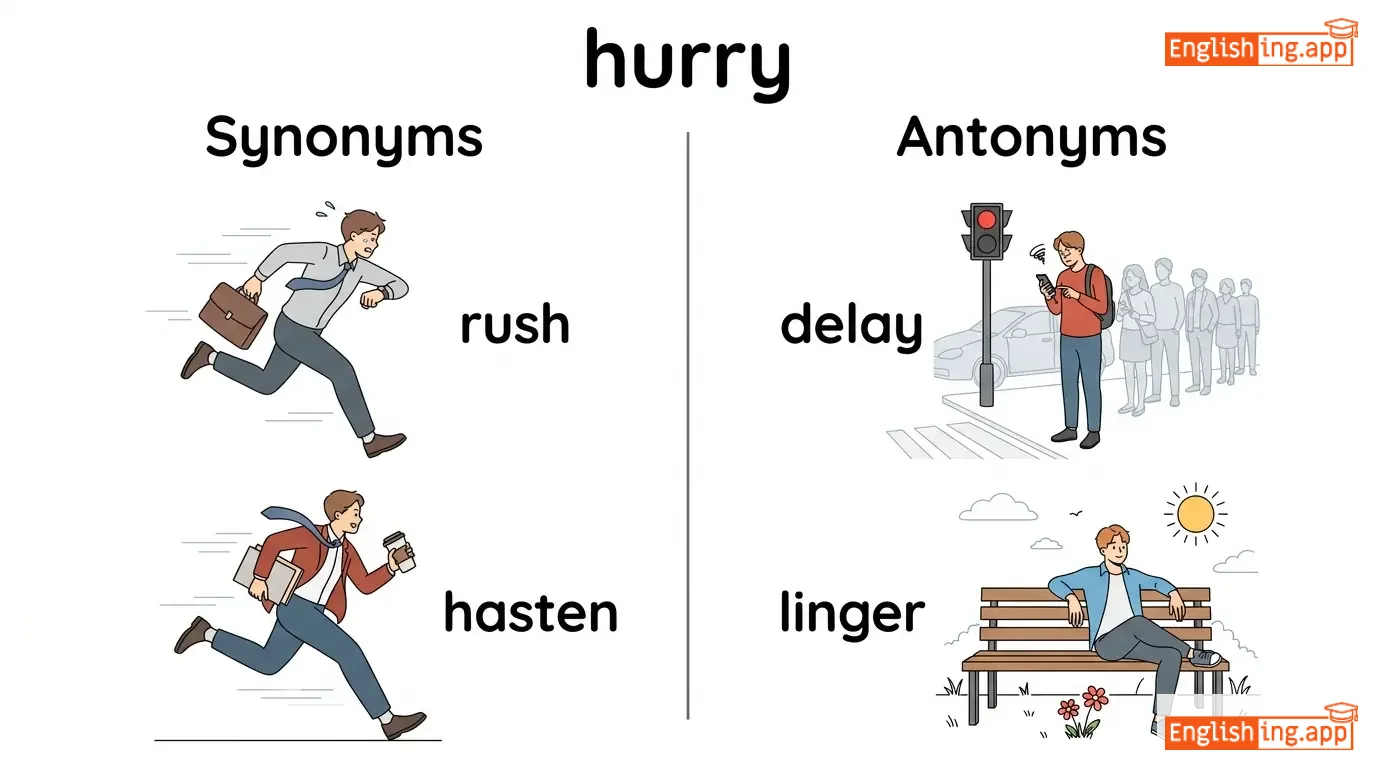
rush, hasten, speed, scurry, dash
••••••
|
delay, linger, wait
••••••
|
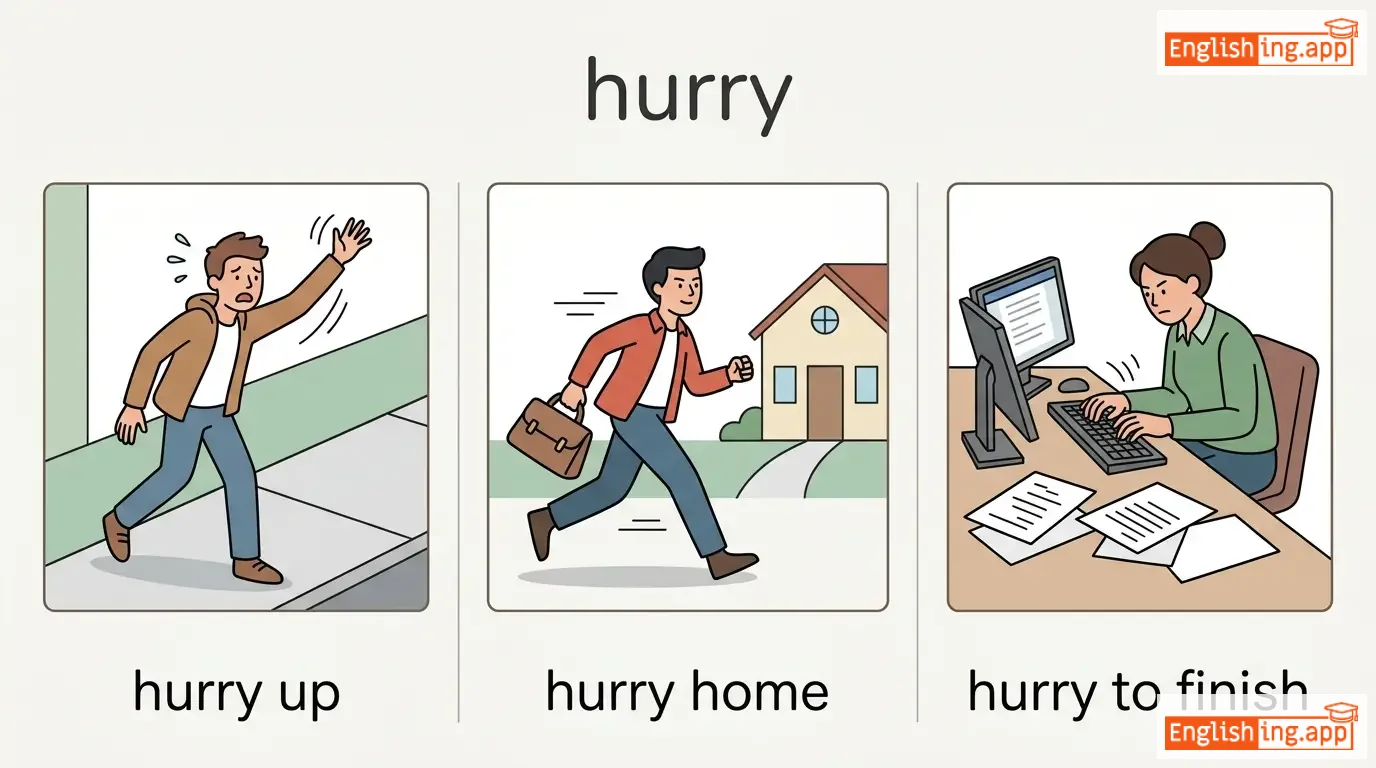
hurry up, hurry home, hurry to finish, hurry back
••••••
|
Hurryは '急ぐ' を意味します – 速く動く
••••••
|
|
#0
🙏
|
/niːl/
verb
(ニール)
••••••
|
|
ひざまずく
hizamazuku
••••••
|
knelt
ネルト
••••••
|
knelt
ネルト
••••••
|
kneels
ニールズ
••••••
|
kneeling
ニーリング
••••••
|
to position the body by resting on the knees, usually as a sign of respect, prayer, or submission
••••••
|
They knelt to pray in the temple.
彼らは寺院で祈るためにひざまずいた。
••••••
|
彼らは寺院で祈るためにひざまずいた。
Karera wa jiin de inoru tame ni hizamazuita.
••••••
|
kneel down
ひざまずく
••••••
|
to go down on one or both knees
••••••
|
ひざまずく
hizamazuku
••••••
|
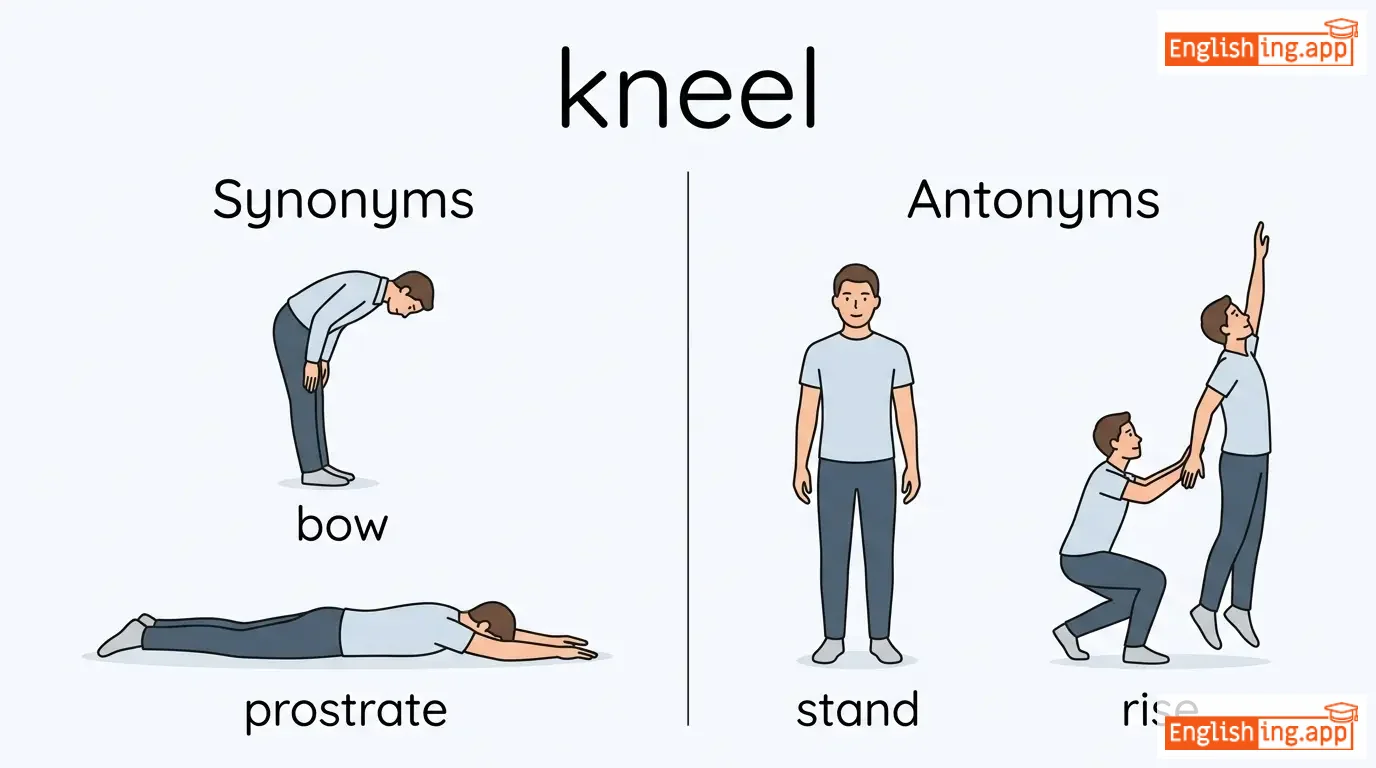
bow, prostrate, stoop, bend
••••••
|
stand, rise
••••••
|
kneel down, kneel before, kneel in prayer
••••••
|
Kneelはひざまずいて祈ること 🙏
••••••
|
|
#0
🙏
|
/ˈmɜːrsi/
noun
(マーシー)
••••••
|
- •••••• |
慈悲
jihi
••••••
|
- •••••• | - •••••• | - •••••• | - •••••• |
Compassion or forgiveness shown toward someone whom it is in one's power to punish
••••••
|
The judge showed mercy and gave him a lighter sentence.
裁判官は慈悲を示し、より軽い判決を与えました。
••••••
|
裁判官は慈悲を示し、より軽い判決を与えました。
Saibankan wa jihi o shimeshi, yori karui hanketsu o ataemashita.
••••••
|
- •••••• | - •••••• | - •••••• |
compassion, forgiveness, clemency, kindness, leniency
••••••
|
cruelty, harshness, severity, ruthlessness, vengeance
••••••
|
show mercy, beg for mercy, mercy killing, without mercy
••••••
|
Mercy は法廷で裁判官が犯人に示す慈悲のようなものです。
••••••
|
|
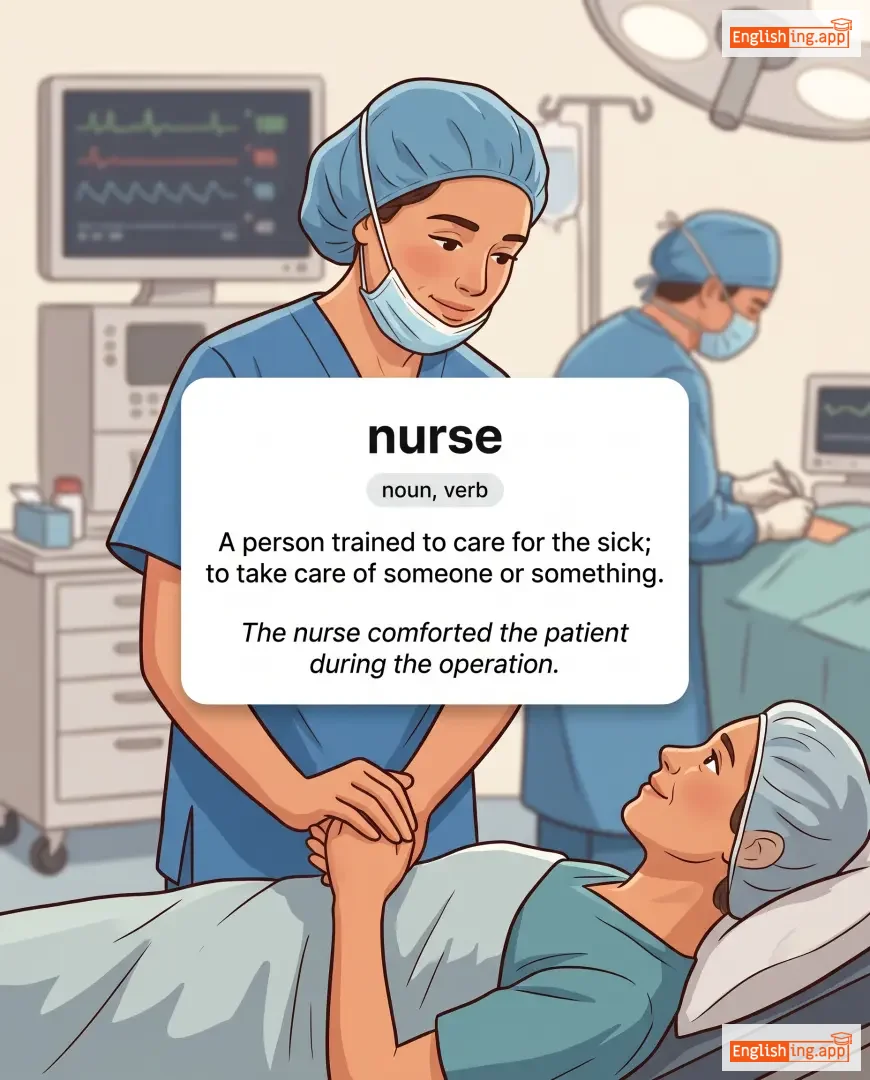
#0
👩⚕️
|
/nɜːrs/
noun, verb
••••••
|
|
- •••••• |
nursed
••••••
|
nursed
••••••
|
nurses
••••••
|
nursing
••••••
|
A person trained to care for the sick; to take care of someone or something.
••••••
|
The nurse comforted the patient during the operation. |
- •••••• |
nurse a grudge |
to keep resentment or anger in mind for a long time
••••••
|
- •••••• |
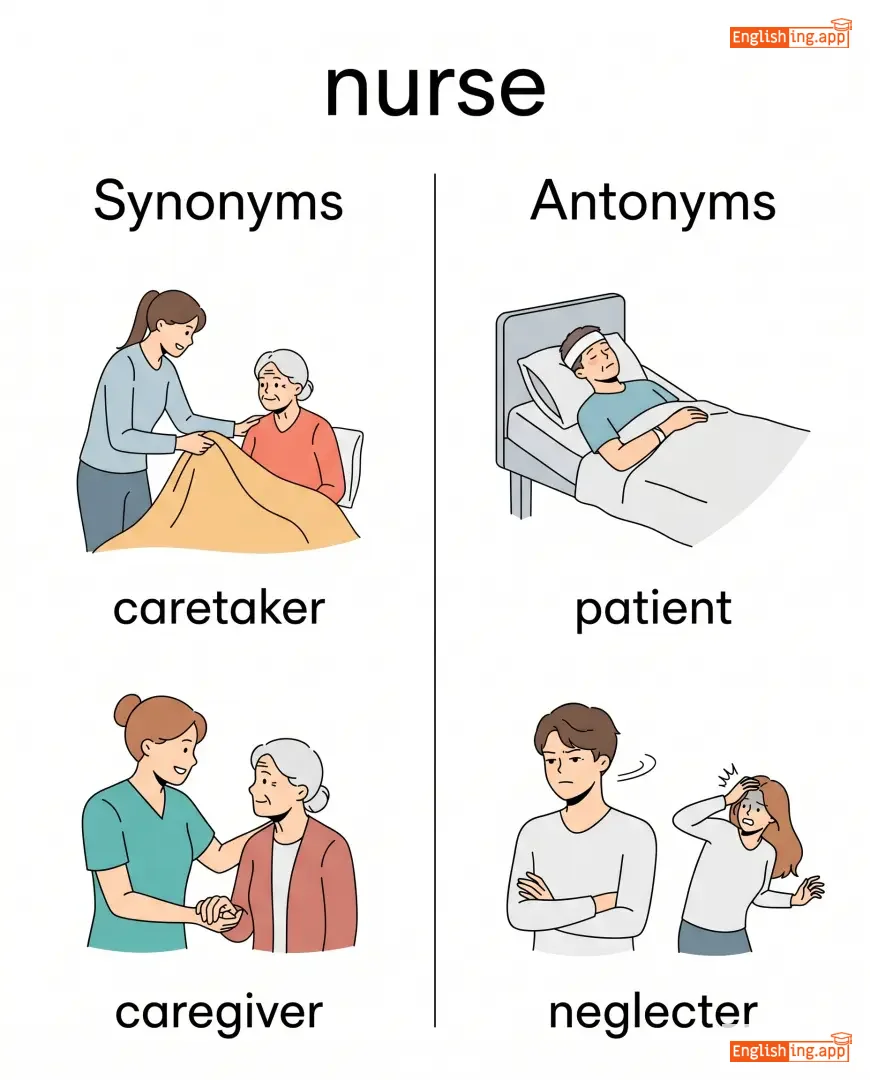
caretaker, caregiver, attendant, healer, medic
••••••
|
patient, neglecter
••••••
|
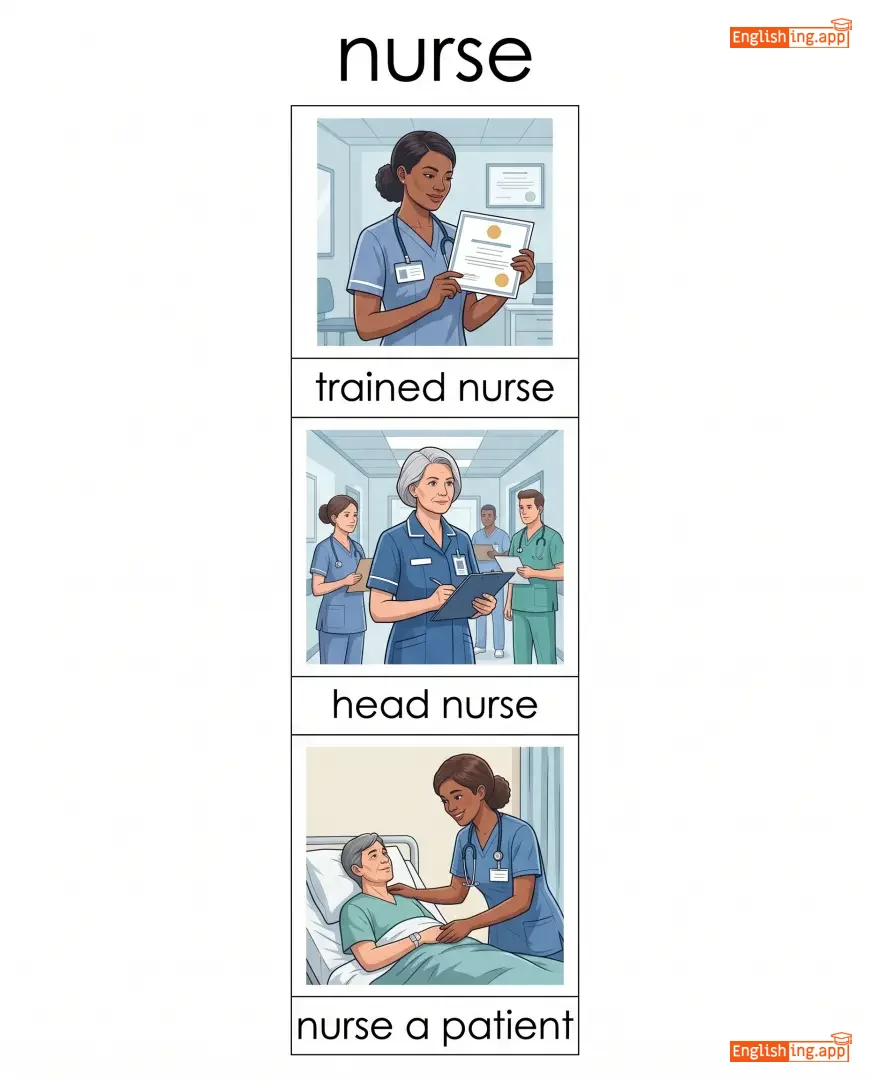
trained nurse, head nurse, nurse a patient, nurse back to health
••••••
|
No •••••• |
|
#0
⏸️
|
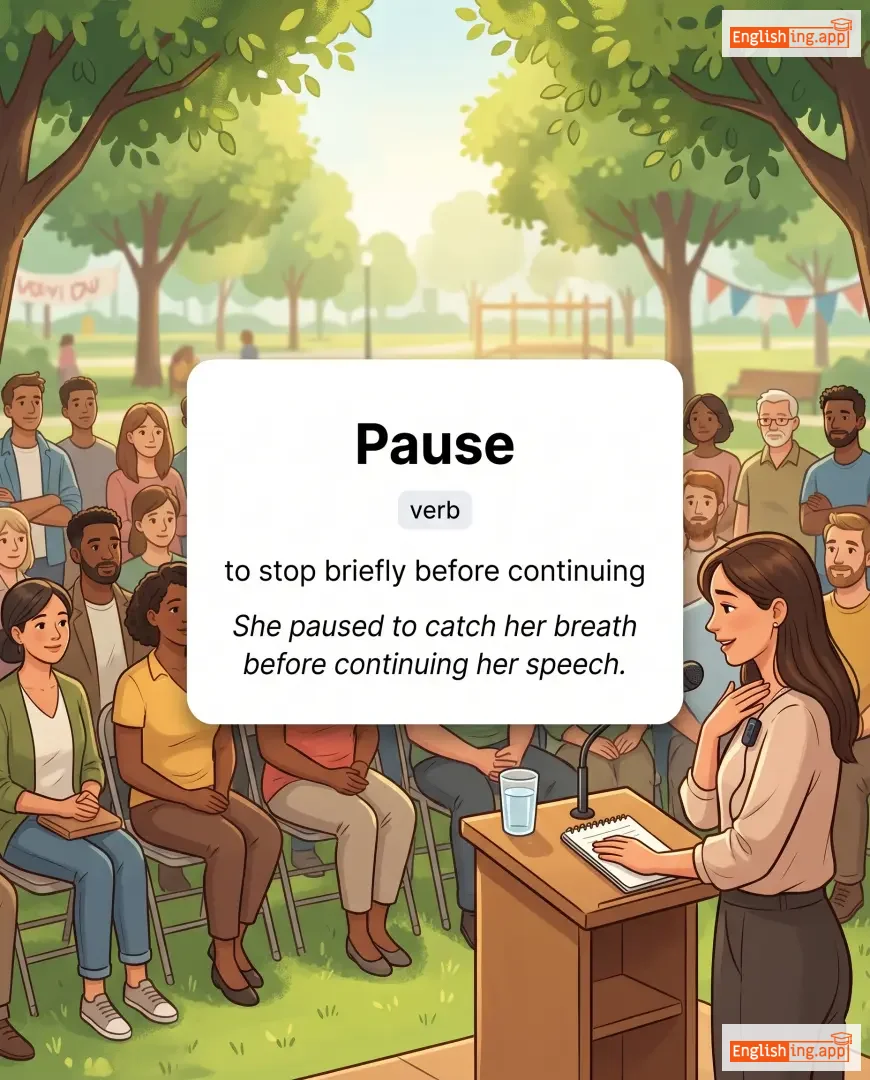
/pɔːz/
verb
(ポーズ)
••••••
|
|
一時停止
ichijiteishi
••••••
|
paused
ポーズド
••••••
|
paused
ポーズド
••••••
|
pauses
ポーズズ
••••••
|
pausing
ポージング
••••••
|
to stop briefly before continuing
••••••
|
She paused to catch her breath before continuing her speech.
彼女は呼吸を整えるために少しポーズをとった。
••••••
|
彼女は呼吸を整えるために少し一時停止をした。
Kanojo wa kokyū o totonoeru tame ni sukoshi ichijiteishi o shita.
••••••
|
take a pause
一時停止
••••••
|
to take a break from an activity
••••••
|
一時停止
Ichijiteishi
••••••
|
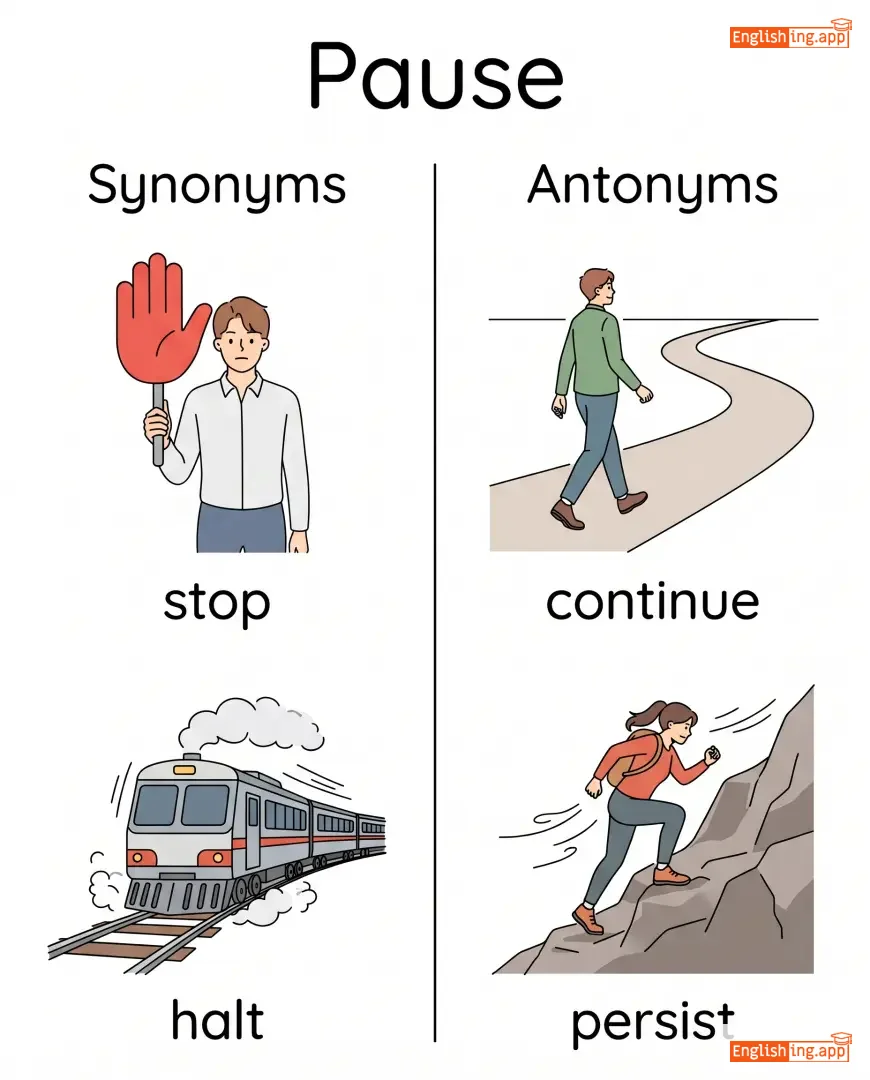
stop, halt, break, suspend
••••••
|
continue, persist, proceed
••••••
|
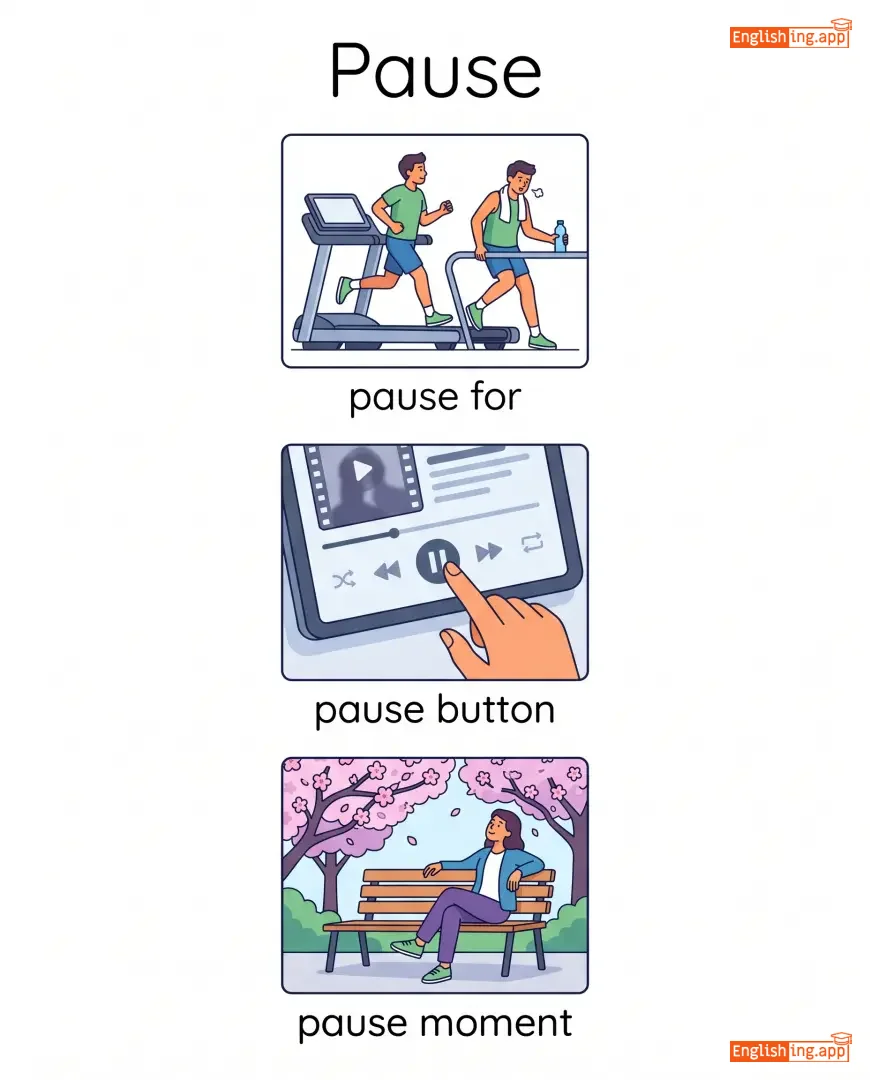
pause for, pause button, pause moment, pause music
••••••
|
ポーズ (pause) をとって、深呼吸しよう!
••••••
|
|
#0
💓
|
/pʌls/
noun/verb
••••••
|
- •••••• | - •••••• |
pulsed
••••••
|
pulsed
••••••
|
pulses
••••••
|
pulsing
••••••
|
A rhythmic beat or vibration, especially the heartbeat; to throb or move with a rhythm.
••••••
|
The doctor checked her pulse after the long run. |
- •••••• |
take someone's pulse |
to check someone's heartbeat or to understand their state of mind
••••••
|
- •••••• |
heartbeat, rhythm, beat, vibration, throb
••••••
|
stillness, calm
••••••
|
strong pulse, weak pulse, pulse rate, pulse check
••••••
|
No •••••• |
|
#0
👑
|
/kwiːn/
noun
(クイーン)
••••••
|
- •••••• |
女王
joō
••••••
|
- •••••• | - •••••• | - •••••• | - •••••• |
a female ruler of a country or the wife of a king
••••••
|
The queen addressed her people with grace. |
女王は優雅に人々に話しかけた。
Joō wa yūga ni hitobito ni hanashikaketa.
••••••
|
drama queen |
a person who overreacts or exaggerates emotions
••••••
|
ドラマクイーン
Dorama kuīn
••••••
|
monarch, ruler, sovereign, empress, consort
••••••
|
king, commoner, servant
••••••
|
queen bee, beauty queen, queen of hearts, crowned queen
••••••
|
Queen は女王 👑 – ロイヤルな品位!
••••••
|
|
#0
😡
|
/riˈækt/
verb
(リアクト)
••••••
|
- •••••• |
反応する
hannou suru
••••••
|
reacted
リアクテッド
••••••
|
reacted
リアクテッド
••••••
|
reacts
リアクツ
••••••
|
reacting
リアクティング
••••••
|
to respond or behave in a particular way to something
••••••
|
She reacted angrily when she heard the news.
彼女はニュースを聞いて怒って反応した。
••••••
|
彼女はニュースを聞いて怒って反応した。
Kanojo wa nyūsu o kiite okotte hannou shita.
••••••
|
- •••••• | - •••••• | - •••••• |
respond, reply, answer, counter
••••••
|
ignore, avoid
••••••
|
react to, react quickly, react negatively
••••••
|
Reactしよう、怒って反応しよう!
••••••
|
|
#0
👑
|
/ˈrɔɪəl/
adjective
(ロイヤル)
••••••
|
- •••••• |
王室の
ōshitsu no
••••••
|
- •••••• | - •••••• | - •••••• | - •••••• |
relating to a king, queen, or other member of a royal family
••••••
|
They attended a royal ceremony at the palace. |
彼らは宮殿での王室の儀式に参加しました。
Karera wa kyūden de no ōshitsu no gishiki ni sanka shimashita.
••••••
|
royal treatment |
exceptionally good or special treatment
••••••
|
王室の待遇
ōshitsu no taigū
••••••
|
regal, majestic, noble, grand, kingly
••••••
|
common, ordinary, humble
••••••
|
royal family, royal palace, royal wedding, royal decree
••••••
|
Royalは‘王室の’という意味です—‘王様の椅子’のように特別です。
••••••
|
|
#0
😇
|
/seɪnt/
noun
(セイント)
••••••
|
- •••••• |
聖人として認められた人物; とても親切で忍耐強い人物
seijin toshite mitomerareta jinbutsu; totemo shinsetsu de nintaizuyoi jinbutsu
••••••
|
- •••••• | - •••••• | - •••••• | - •••••• |
person recognized as holy or virtuous; very kind or patient person
••••••
|
Mother Teresa was declared a saint by the Catholic Church.
マザー・テレサはカトリック教会によって聖人と宣言されました。
••••••
|
マザー・テレサはカトリック教会によって聖人と宣言されました。
mazaa teresa wa katorikku kyoukai ni yotte seijin to sengen saremashita.
••••••
|
- •••••• | - •••••• | - •••••• |
holy person, martyr, angel, paragon
••••••
|
sinner, devil, villain, criminal
••••••
|
patron saint, saint's day, canonized saint
••••••
|
聖人は教会から認定されます
••••••
|
|
#0
💪
|
/ˈvaɪtl/
adjective
(ヴァイタル)
••••••
|
- •••••• |
不可欠
fukaketsu
••••••
|
- •••••• | - •••••• | - •••••• | - •••••• |
essential or necessary for life or success
••••••
|
It's vital to stay hydrated during the summer. |
夏の間に水分補給をすることは不可欠です。
Natsu no aida ni suibun hokyū o suru koto wa fukaketsu desu.
••••••
|
- •••••• | - •••••• | - •••••• |
crucial, essential, necessary, important
••••••
|
unimportant, trivial
••••••
|
vital organs, vital information, vital role
••••••
|
VITAL - 生命に不可欠 (vital - seimei ni fukaketsu)
••••••
|
|
#0
🩹
|
/wuːnd/
noun/verb
(ハピネス)
••••••
|
- •••••• |
幸福
kōfuku
••••••
|
- •••••• |
wounded
••••••
|
- •••••• | - •••••• |
an injury to the body or to harm someone
••••••
|
He received a deep wound on his arm.
彼女は賞を受け取ったとき、幸せを隠すことができませんでした。
••••••
|
彼女は賞を受け取ったとき、幸せを隠すことができませんでした。
Kanojo wa shō o uketotta toki, kōfuku o kakusu koto ga dekimasen deshita.
••••••
|
a wound in the side
幸福の追求
••••••
|
a serious or painful issue
••••••
|
幸福の追求
Kōfuku no tsuikyū
••••••
|
injury, cut, lesion, bruise
••••••
|
healing, recovery
••••••
|
wound up, deep wound, open wound, self-inflicted wound
••••••
|
幸福=毎日少しの喜びを見つけること!
••••••
|
Vocabulary Quiz
Test your vocabulary by matching words with their translations or meanings.
Login to take the quiz
Comments (0)
Share your thoughts and join the discussion.
Join the discussion by logging in
Login to CommentNo comments yet
Be the first to share your thoughts!