

貧困から目的への旅
The Journey from Poverty to Purpose
アラム氏はcommentaryライターで、capitalismとexploitationについて書いていました。彼の村では経済的なdisruptionとunemploymentがあり、人々はdependenceの中にいました。Constraintが非常に多く、より良い生活へのconceptionが不可能に思えました。アラム氏は、伝統的な経済システムから現代の経済システムへのconversionが必要であると気づきました。彼は自分のcompetenceを活用して、労働者が適切にcompensateされる協同組合を始めました。これはevolutionaryなステップであり、exploitationのcorrectionとして機能しました。彼のconvincingな議論と地方の指導者たちとのdiscretionを通じて、彼はプロジェクトのcompletionを確実にしました。他の村でのcomparableな取り組みを見て、人々は刺激を受けました。彼はentertainingでありながらthought-provokingなcommentaryを書き、capitalismのimplicationについて議論しました。彼の仕事は経済的な変化をもたらすだけでなく、社会的なreproductionの不平等にも挑戦しました。人々は、dependenceとconstraintからの解放が可能であり、unemploymentはsolvableな問題であることを理解しました。アラム氏のevolutionaryなアプローチは、convincingなリーダーシップと適切なcompensationによって経済的なdisruptionが機会に変わることを証明しました。
翻訳
過去
過去分詞
三人称単数
動名詞
意味
例文
例文の翻訳
同義語
対義語
コロケーション
ニーモニック

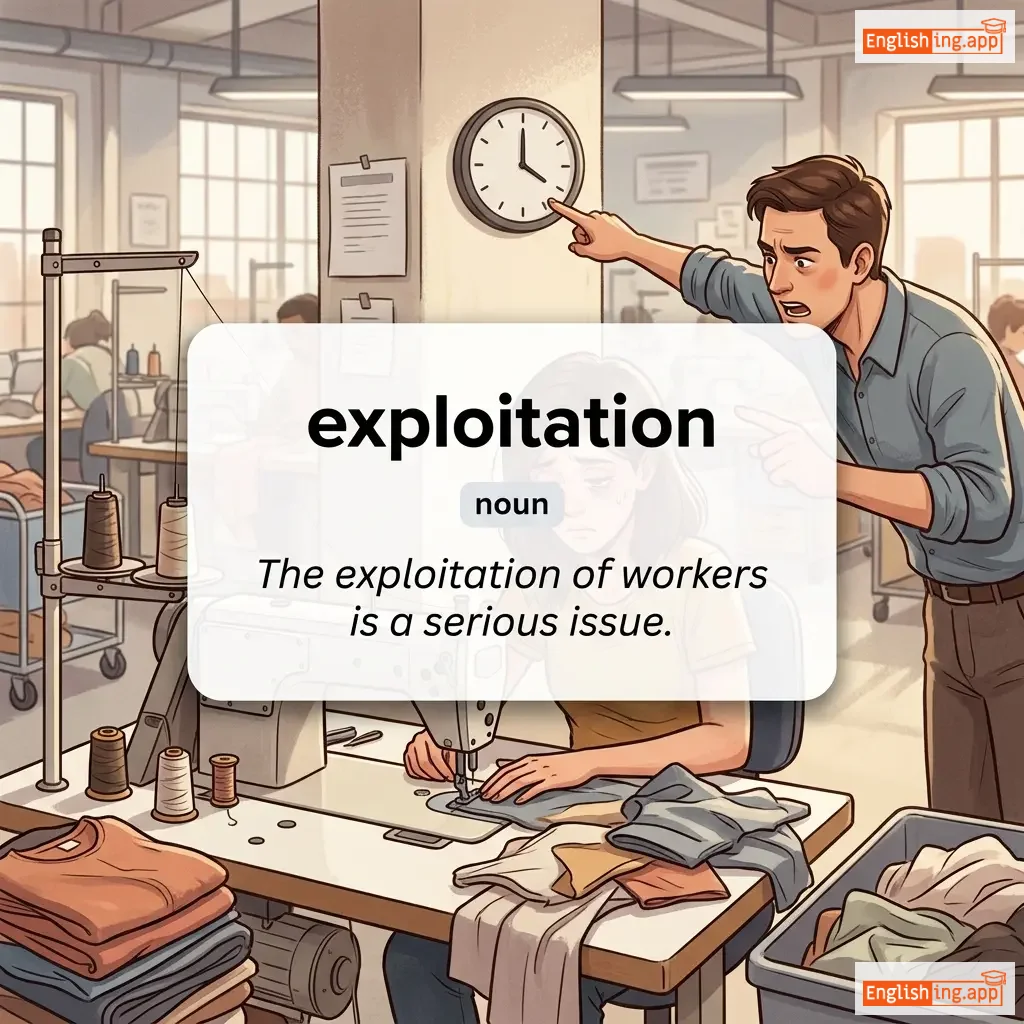
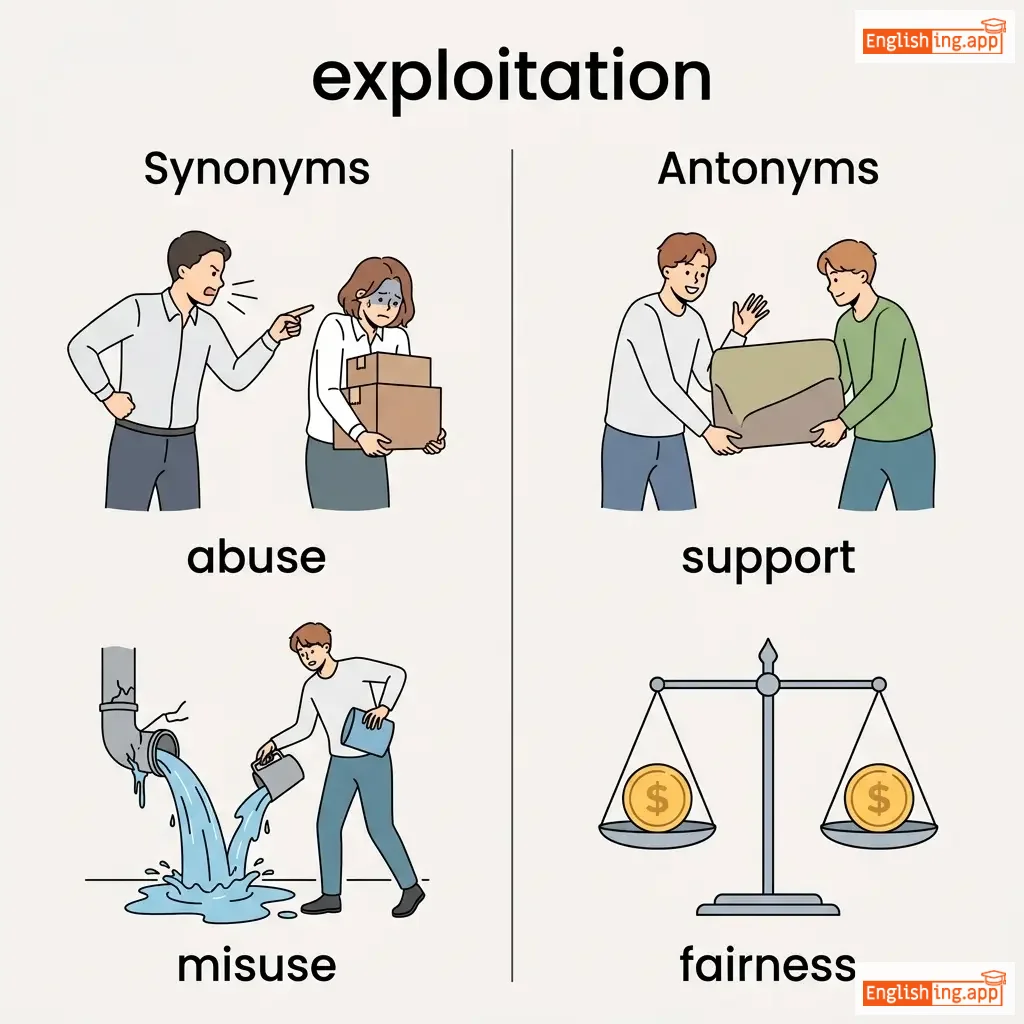
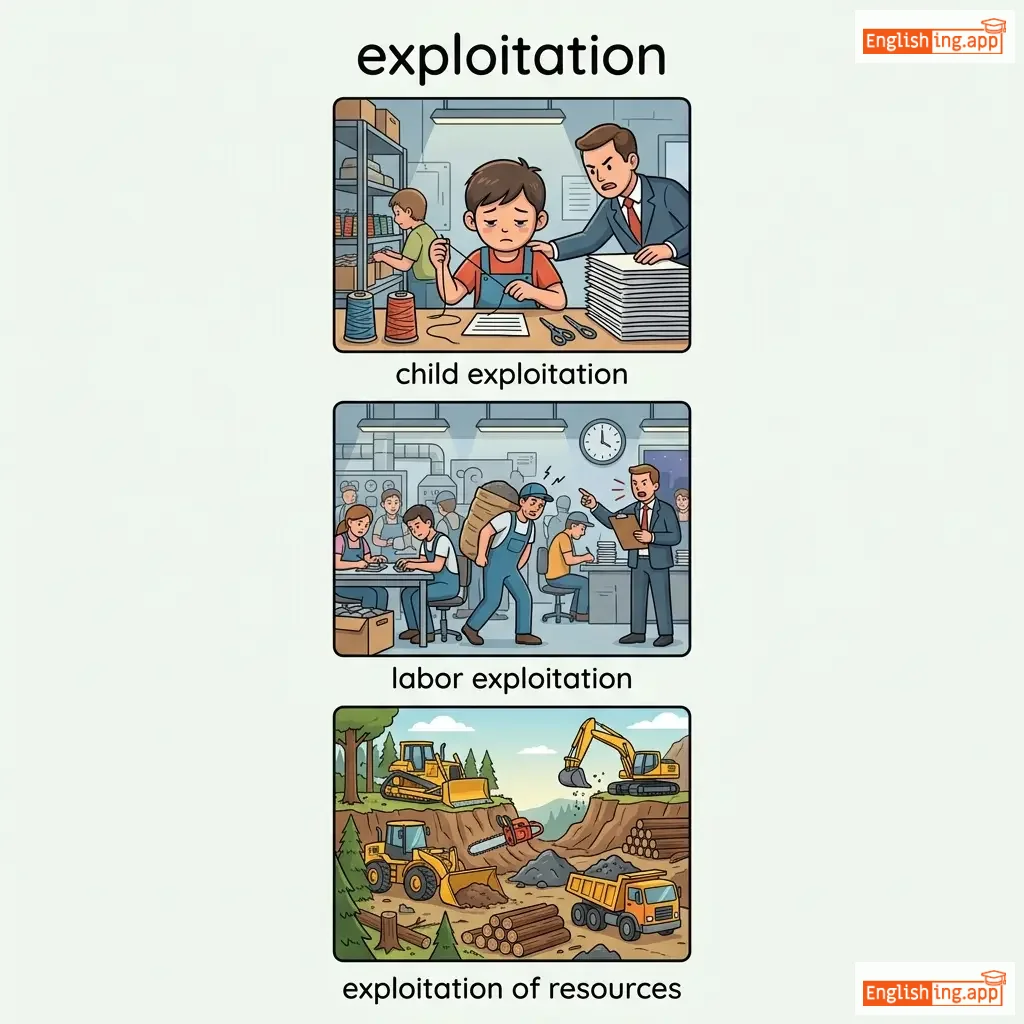
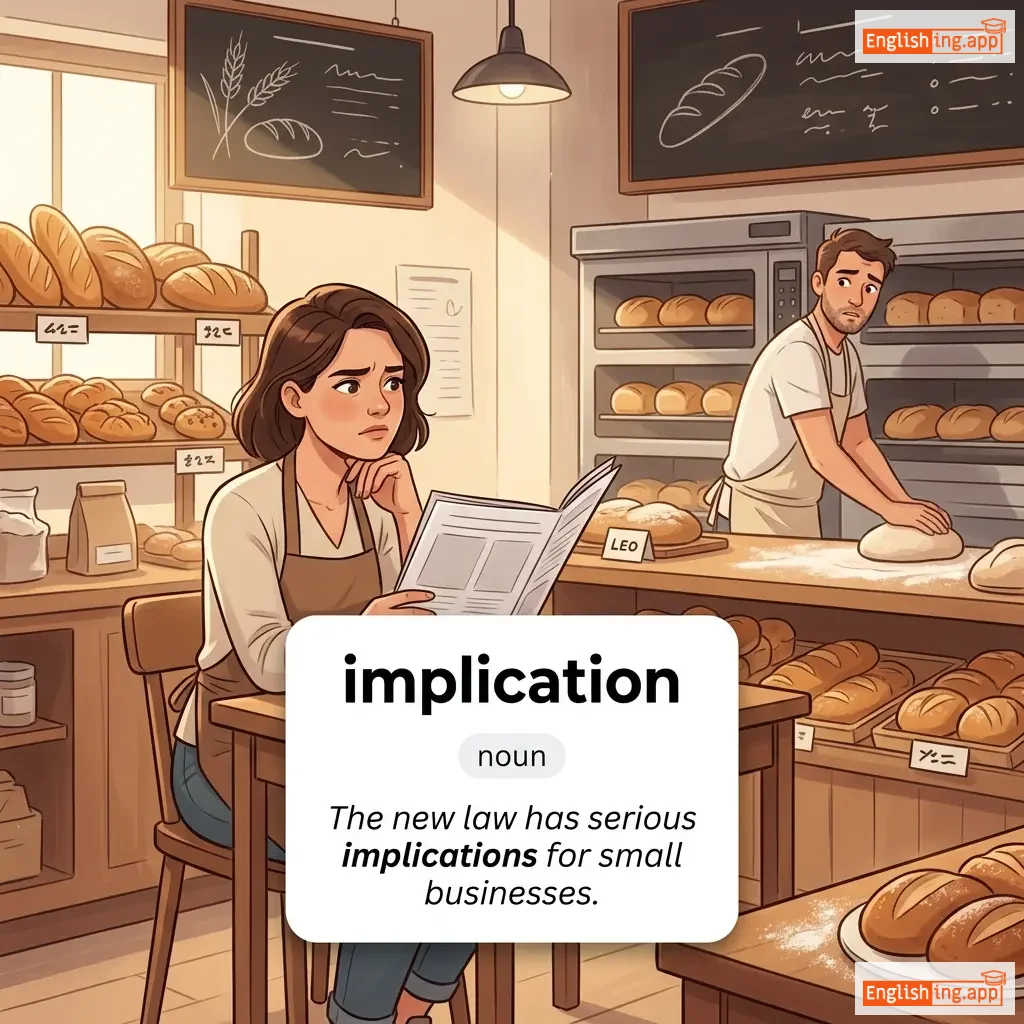
Swipe left or right, or use the buttons. Tap image to zoom.
例文の翻訳
単語
The Journey from Poverty to PurposeThe Journey from Poverty to Purpose - マスクトグル
|
絵文字
|
単語 | Images | 翻訳 | 過去 | 過去分詞 | 三人称単数 | 動名詞 | 意味 | 例文 | 例文の翻訳 | 表現例 | 表現例の意味 | 表現例の翻訳 | 同義語 | 対義語 | コロケーション | ニーモニック |
|---|---|---|---|---|---|---|---|---|---|---|---|---|---|---|---|---|---|
|
#0
💰
|
/ˈkæpɪtəlɪzəm/
noun
(キャピタリズム)
••••••
|
|
資本主義
shihon shugi
••••••
|
- •••••• | - •••••• | - •••••• | - •••••• |
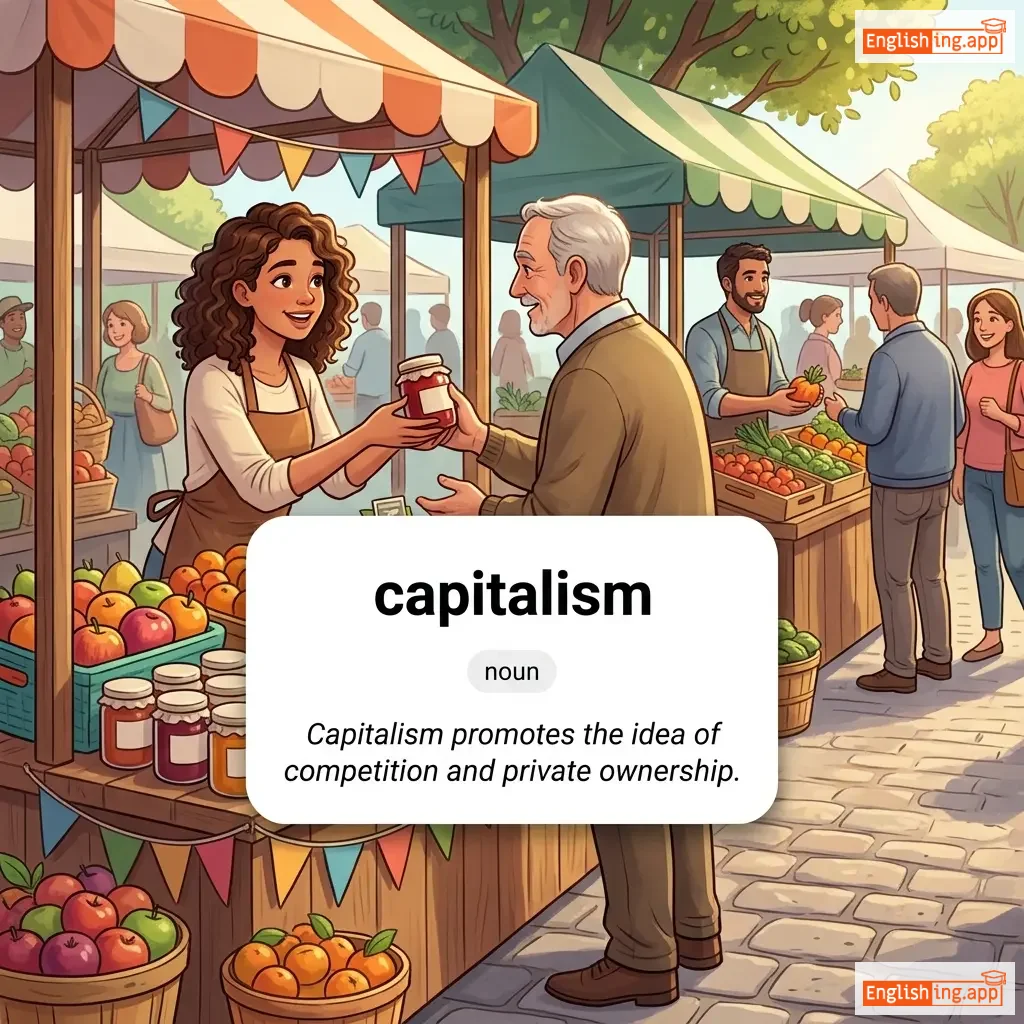
an economic system where private individuals or corporations control the means of production and distribution of goods
••••••
|
Capitalism promotes the idea of competition and private ownership. |
資本主義は競争と私有財産の概念を促進します。
shihon shugi wa kyōsō to shiyū zaisan no gainen o sokushin shimasu.
••••••
|
- •••••• | - •••••• | - •••••• |
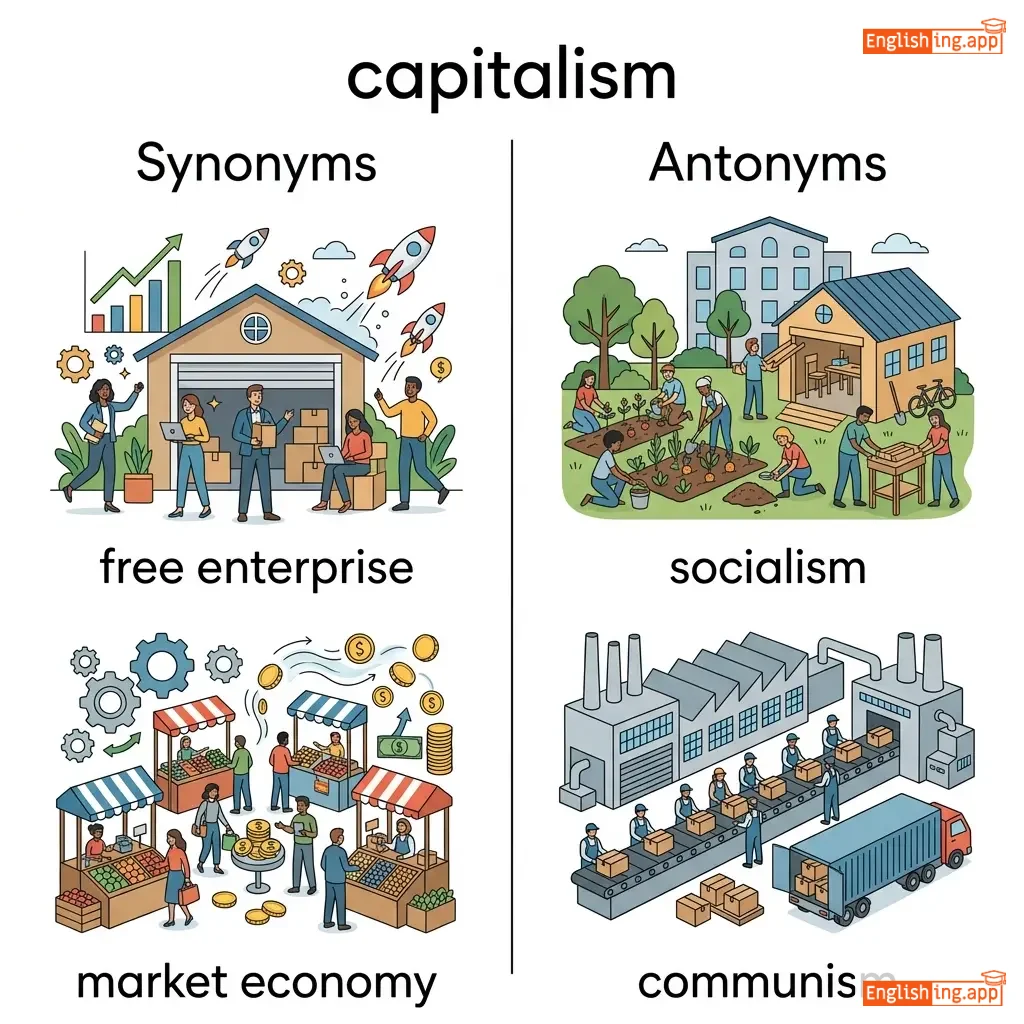
free enterprise, market economy, private enterprise
••••••
|
socialism, communism
••••••
|
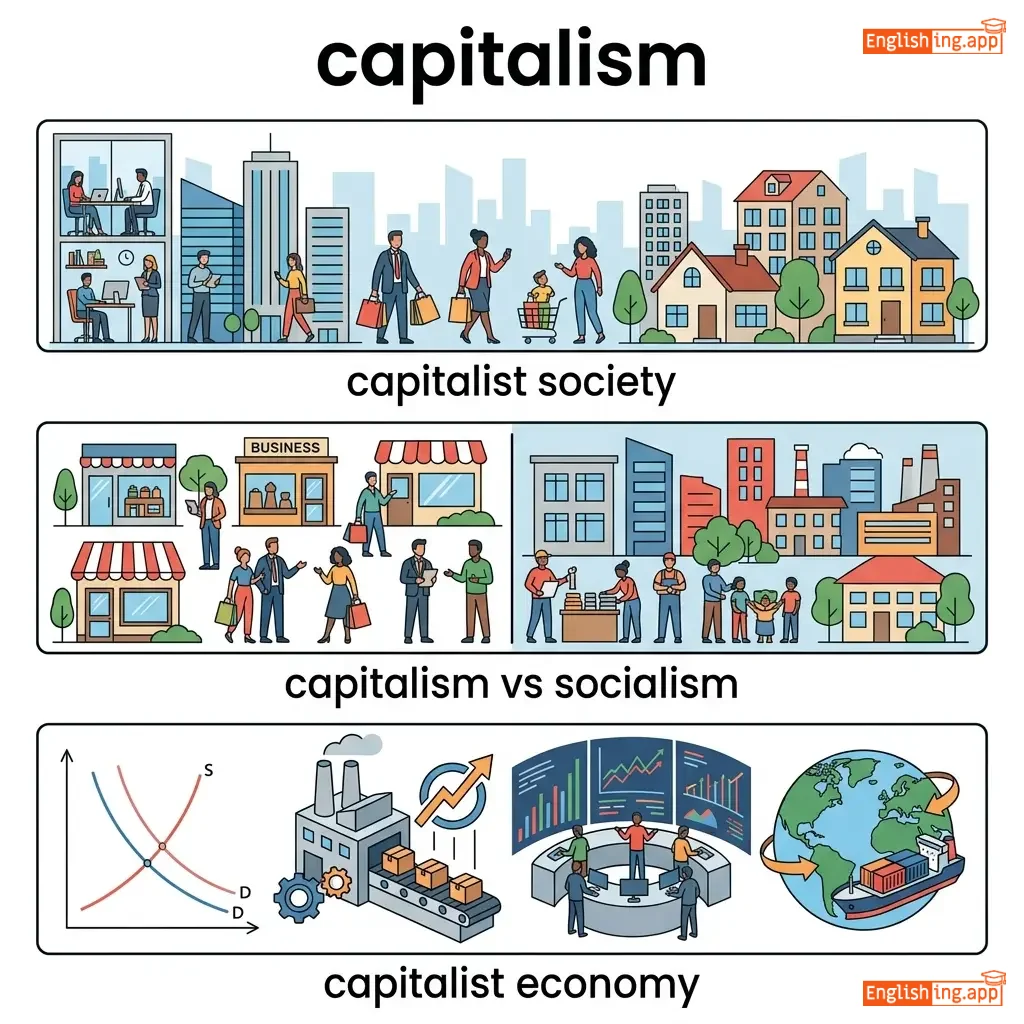
capitalist society, capitalism vs socialism, capitalist economy
••••••
|
資本主義 = お金、競争、私有財産
••••••
|
|
#0
🗣️
|
/ˈkɒmənˌtɛri/
noun
(komentari)
••••••
|
- •••••• |
コメント
komento
••••••
|
- •••••• | - •••••• | - •••••• | - •••••• |
An expression of opinions or explanations about an event, situation, or text.
••••••
|
The professor's commentary on the novel was insightful.
教授の小説に対するコメントは洞察に満ちていました。
••••••
|
教授の小説に対するコメントは洞察に満ちていました。
Kyouju no shousetsu ni taisuru komento wa dousatsu ni michiteimashita.
••••••
|
running commentary
ランニングコメント
••••••
|
Continuous spoken description of events as they happen.
••••••
|
ランニングコメント
Running komento
••••••
|
explanation, interpretation, analysis, observation, critique
••••••
|
silence, quiet, neglect
••••••
|
political commentary, sports commentary, live commentary, social commentary
••••••
|
コメント = コメントする = 話す
••••••
|
|
#0
⚖️
|
/ˈkɒmp(ə)rəbl/
adjective
(コンパラブル)
••••••
|
- •••••• |
比較できる
hikaku dekiru
••••••
|
- •••••• | - •••••• | - •••••• | - •••••• |
Able to be likened to something else in size, amount, or quality.
••••••
|
The two products are comparable in quality but differ in price.
二つの製品は品質がコンパラブルですが、価格が異なります。
••••••
|
二つの製品は品質が比較できるが、価格が異なる。
futatsu no seihin wa hinshitsu ga hikaku dekiru ga kakaku ga kotonaru
••••••
|
comparable to
コンパラブル トゥ
••••••
|
Similar or equivalent to something else
••••••
|
〜と比較できる
to hikaku dekiru
••••••
|
similar, equivalent, analogous, alike, matching
••••••
|
different, dissimilar, unequal
••••••
|
comparable quality, comparable size, comparable results, comparable standards
••••••
|
‘Hikaku dekiru’ = able to compare, same root as comparable!
••••••
|
|
#0
💰
|
/ˈkɒmpənseɪt/
verb
(コンペンセイト)
••••••
|
|
補償する
hoshō suru
••••••
|
compensated
コンペンセイテッド
••••••
|
compensated
コンペンセイテッド
••••••
|
compensates
コンペンセイツ
••••••
|
compensating
コンペンセイティング
••••••
|
To give something, typically money, in recognition of loss, suffering, or work done.
••••••
|
The company compensated the worker for his injury.
会社は彼の怪我に対して労働者に賠償金を支払いました。
••••••
|
会社は彼の怪我に対して労働者に賠償金を支払いました。
Kaisha wa kare no kega ni taishite rōdōsha ni baishōkin o shiharai mashita.
••••••
|
compensate for
補償する
••••••
|
To make up for something, usually a fault or loss.
••••••
|
補償する
hoshō suru
••••••
|
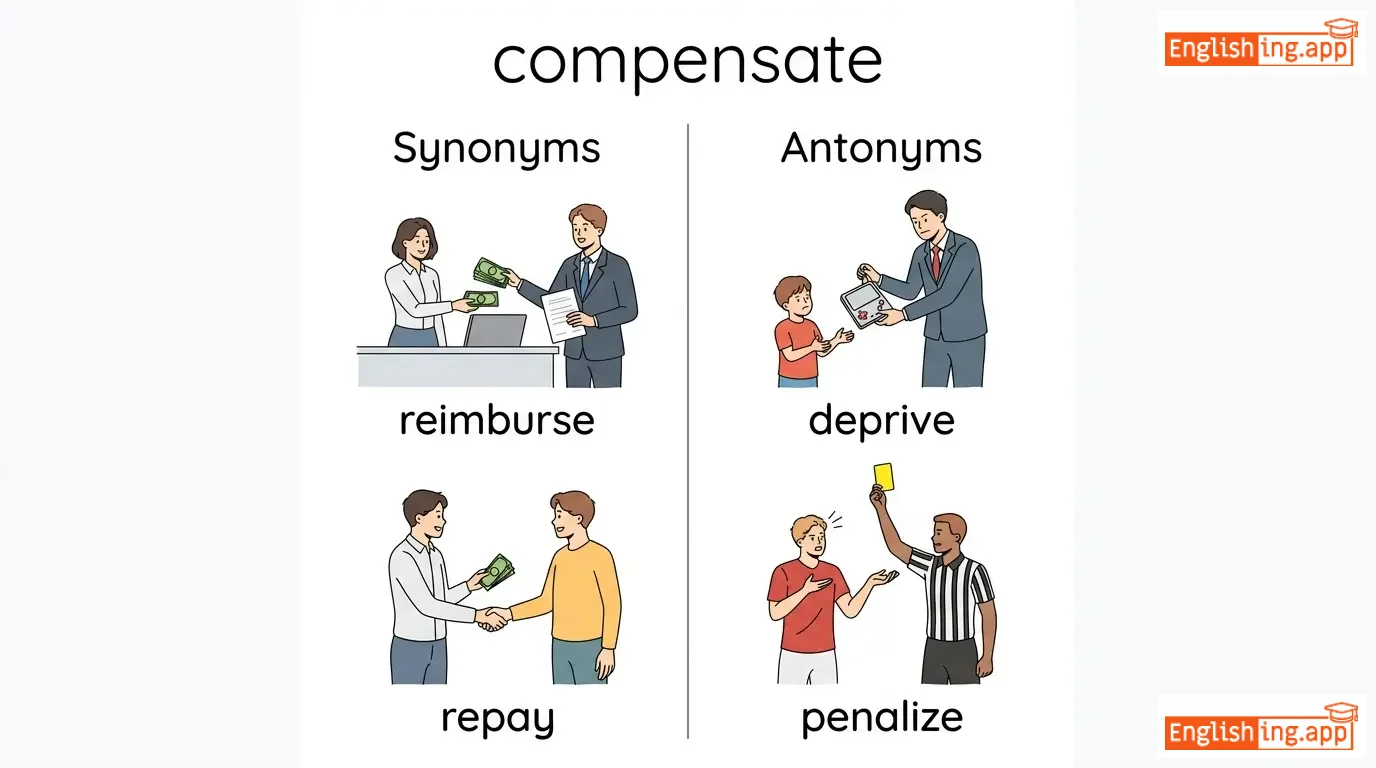
reimburse, repay, recompense, reward, indemnify
••••••
|
deprive, penalize, fine
••••••
|
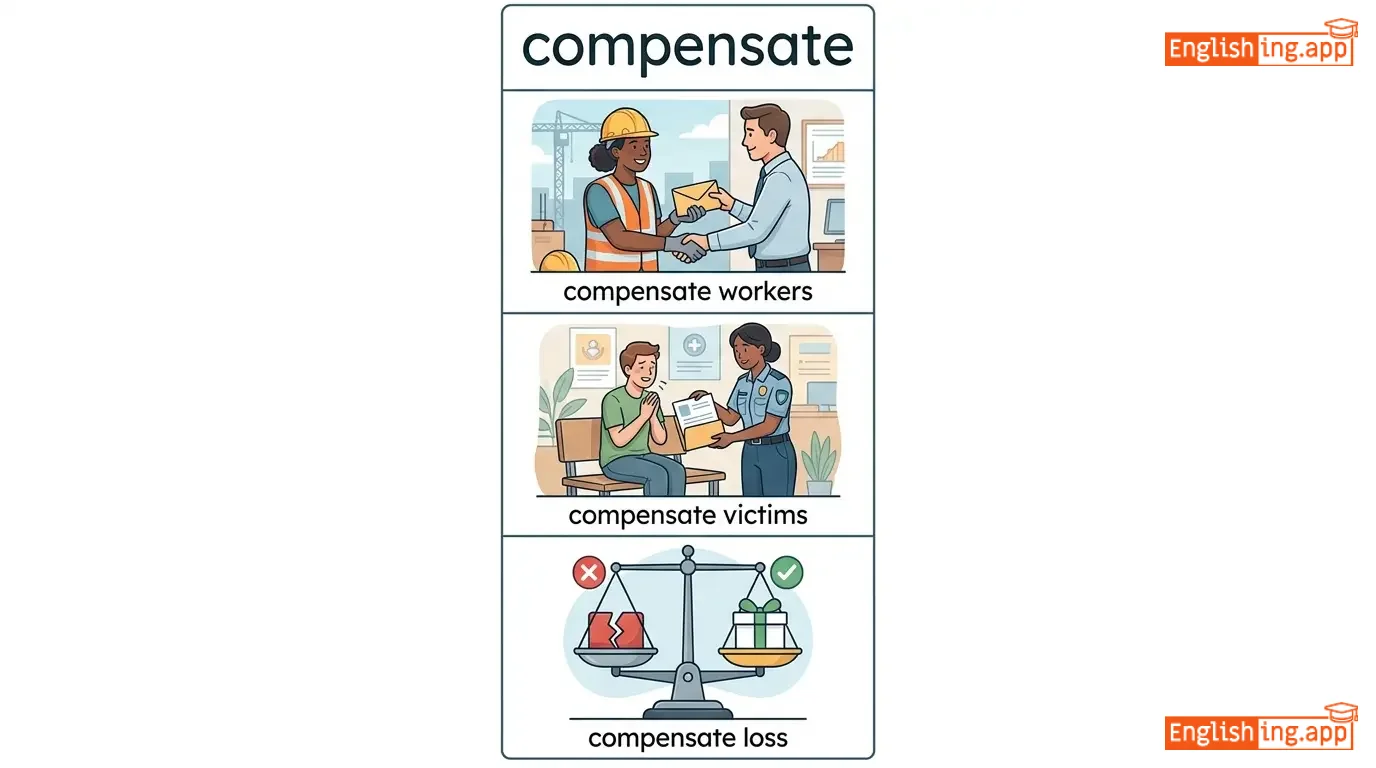
compensate workers, compensate victims, compensate loss, compensate for damage
••••••
|
補償するは損失を埋める、または何かを支払う意味です。
••••••
|
|
#0
📈
|
/ˈkɒmpɪtəns/
noun
(コンピテンス)
••••••
|
- •••••• |
能力
nōryoku
••••••
|
- •••••• | - •••••• | - •••••• | - •••••• |
the ability to do something successfully or efficiently
••••••
|
Her competence as a manager impressed the board. |
マネージャーとしての彼女の能力は、取締役会に感銘を与えました。
Manējā toshite no kanojo no nōryoku wa, torishimariyakukai ni kanmei o ataemashita.
••••••
|
professional competence |
the required ability and skill in a profession
••••••
|
職業能力
shokugyō nōryoku
••••••
|
ability, capability, skill, proficiency, expertise
••••••
|
incompetence, inability, ineptness
••••••
|
competence level, demonstrate competence, competence in
••••••
|
能力とは、能力のある人になることです – 能力があれば、上手にできる人です。
••••••
|
|
#0
✅
|
/kəmˈpliːʃən/
noun
(コンプリション)
••••••
|
- •••••• |
完了
kanryo
••••••
|
- •••••• | - •••••• | - •••••• | - •••••• |
the action or process of finishing something
••••••
|
The completion of the project will take another few weeks. |
プロジェクトの完了にはさらに数週間かかります。
Purojekuto no kanryo ni wa sara ni sūshūkan kakarimasu.
••••••
|
- •••••• | - •••••• | - •••••• |
finalization, conclusion, fulfillment, accomplishment
••••••
|
beginning, initiation
••••••
|
project completion, timely completion, successful completion
••••••
|
Completion = 完了, 何かを完了させる
••••••
|
|
#0
🧠
|
/kənˈsɛpʃən/
noun
(コンセプション)
••••••
|
- •••••• |
概念, 妊娠
gainen, ninshin
••••••
|
- •••••• | - •••••• | - •••••• | - •••••• |
the forming or understanding of an idea; the act of conceiving a child
••••••
|
Her conception of the project was very different from ours. |
彼女のプロジェクトの概念は私たちのものとは大きく異なっていました。
kanojo no purojekuto no gainen wa watashitachi no mono to wa ōkiku kotonatte imashita.
••••••
|
from conception to completion |
from the beginning of an idea to its final result
••••••
|
概念から完成まで
gainen kara kansei made
••••••
|
idea, notion, understanding, perception
••••••
|
misunderstanding, misconception
••••••
|
original conception, artistic conception, false conception
••••••
|
Conceptionはアイデアを意味し、赤ちゃんのConceptionは新しい命の始まり 🧠
••••••
|
|
#0
📉
|
/kənˈstreɪnt/
noun
(kənˈstreɪnt)
••••••
|
- •••••• |
制約
seiyaku
••••••
|
- •••••• | - •••••• | - •••••• | - •••••• |
a limitation or restriction
••••••
|
Time is the biggest constraint in completing the project. |
プロジェクトを完了するための最大の制約は時間です。
Purojekuto o kanryou suru tame no saidai no seiyaku wa jikan desu.
••••••
|
budget constraint |
a financial limitation on spending
••••••
|
予算制約
yosan seiyaku
••••••
|
restriction, limitation, curb, control, restraint
••••••
|
freedom, liberty, allowance
••••••
|
budget constraint, legal constraint, time constraint, resource constraint
••••••
|
Constraint = 制約: 予算内で抑えられる
••••••
|
|
#0
🔄
|
/kənˈvɜr.ʃən/
noun
(コンバージョン)
••••••
|
|
転換; 変換; 変更
tenkan, henkan, henkō
••••••
|
- •••••• | - •••••• | - •••••• | - •••••• |
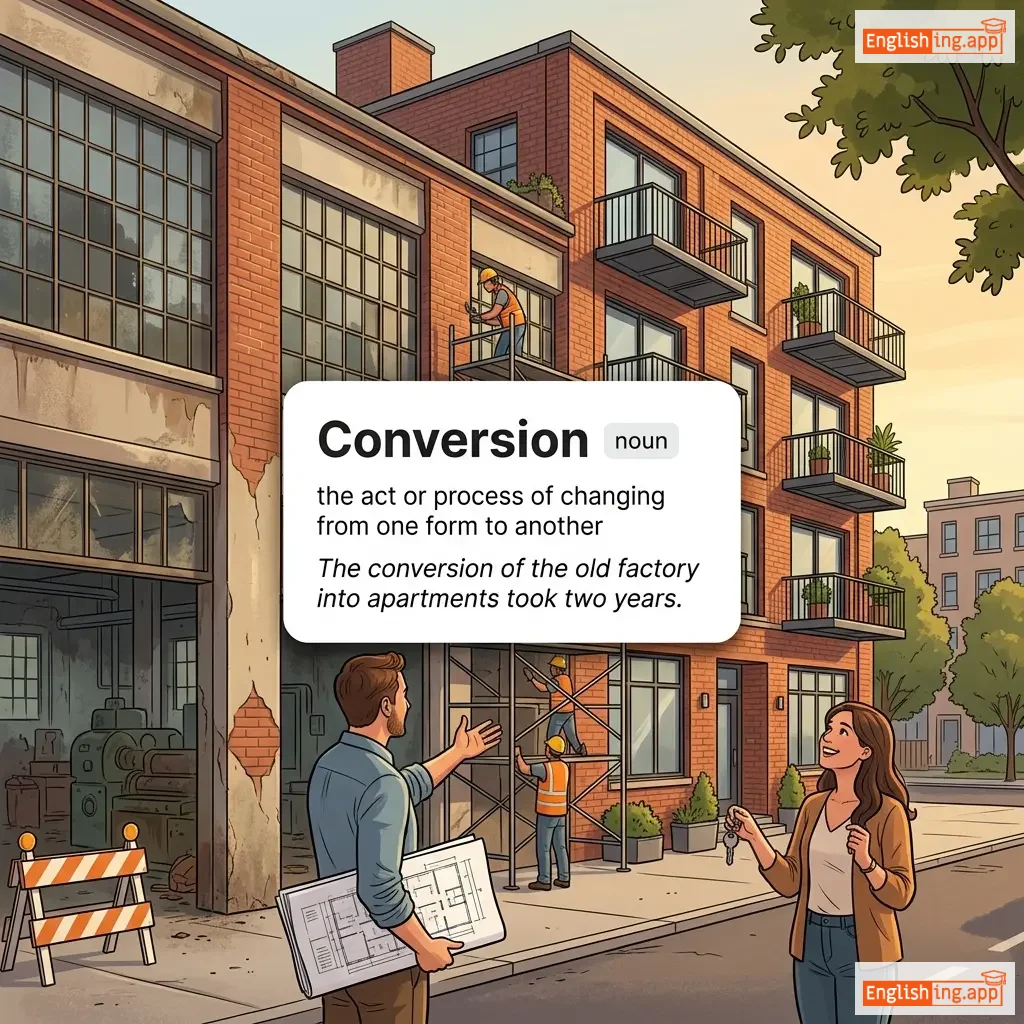
the process of changing or causing something to change from one form to another; the act of changing one's religion or beliefs
••••••
|
The conversion of the old factory into a modern shopping center took two years.
古い工場を現代的なショッピングセンターに転換するのに2年かかりました。
••••••
|
古い工場を現代的なショッピングセンターに転換するのに2年かかりました。
Furui kōjō o gendai-teki na shoppingu sentā ni tenkan suru no ni 2-nen kakarimashita.
••••••
|
- •••••• | - •••••• | - •••••• |
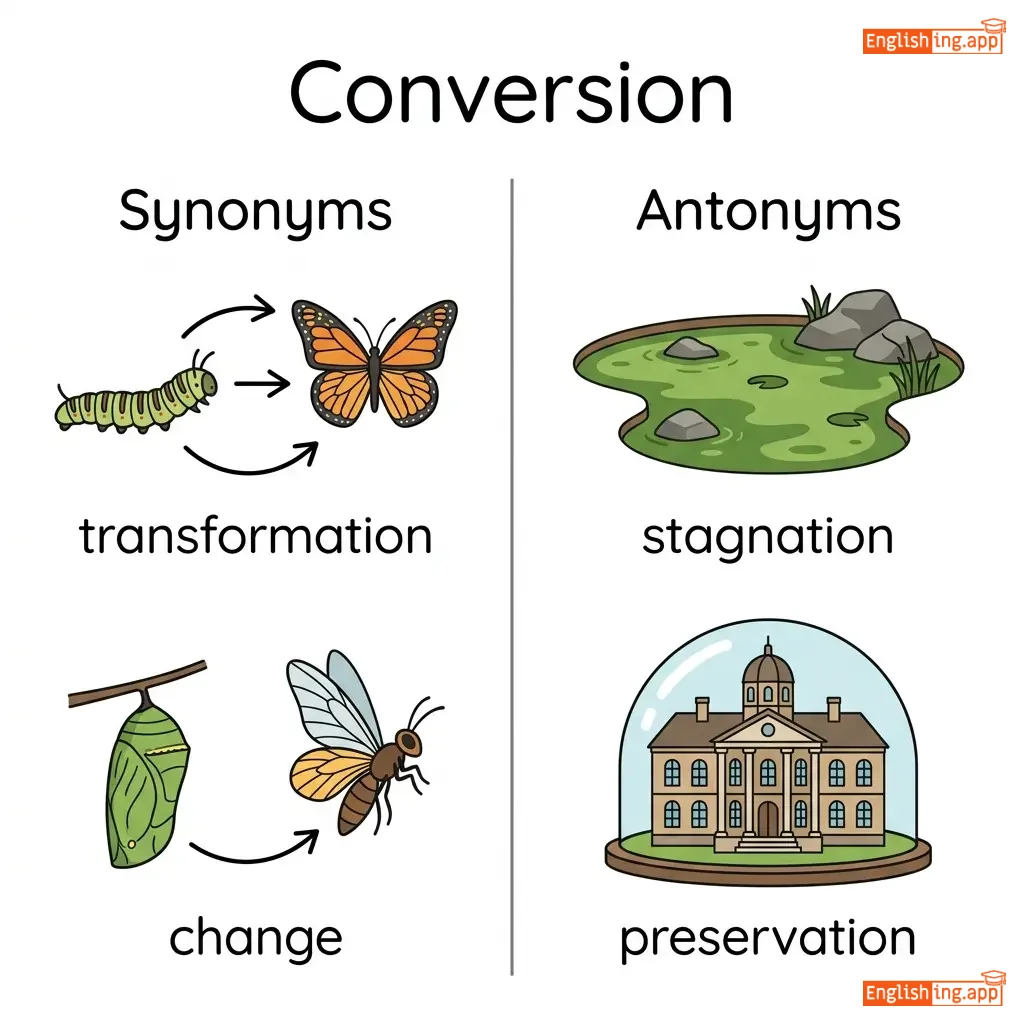
transformation, change, alteration, switch
••••••
|
preservation, maintenance, stagnation
••••••
|
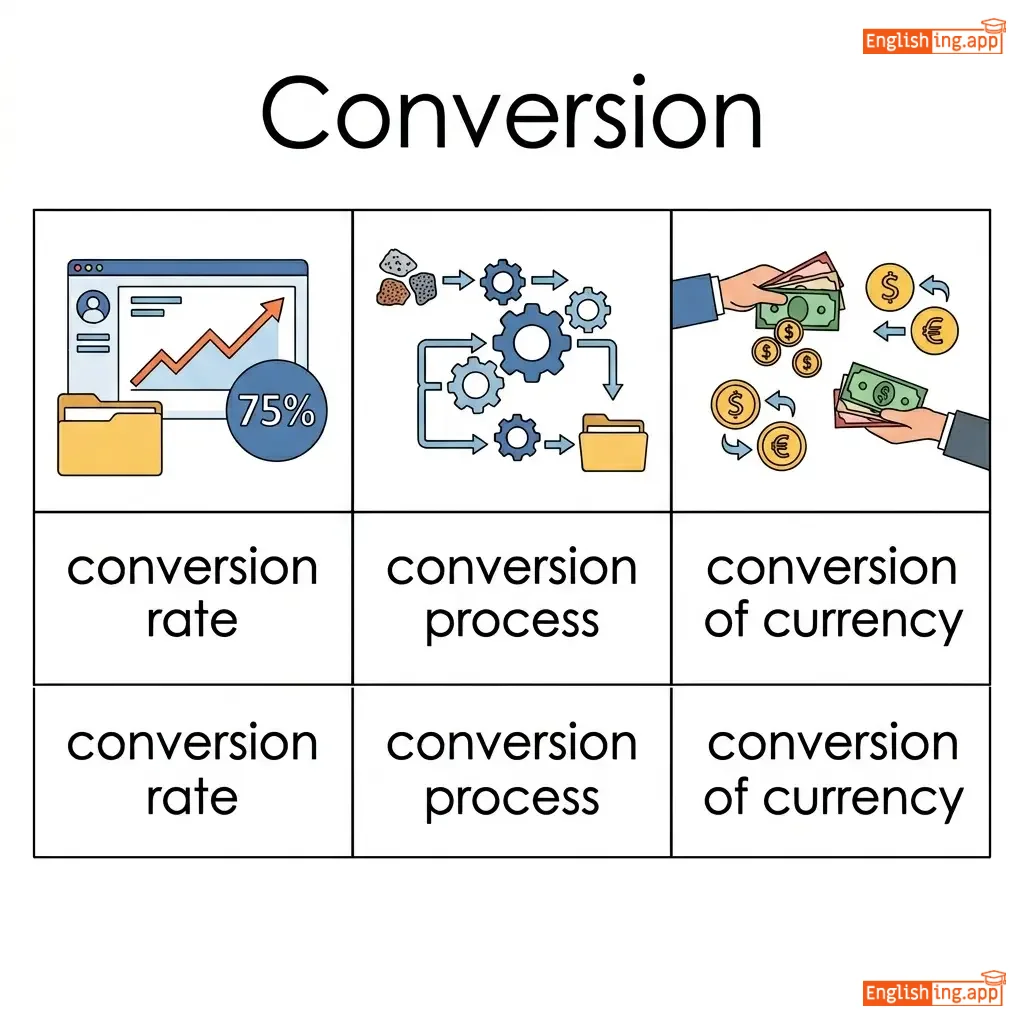
religious conversion, conversion rate, energy conversion
••••••
|
転換 = 新しい信念への変化
••••••
|
|
#0
💪
|
/kənˈvɪnsɪŋ/
adjective
(コンビンシング)
••••••
|
- •••••• |
説得力のある; 信頼できる; 説得力のある; 誰かに何かを信じさせることができる
settokuryoku no aru
••••••
|
- •••••• | - •••••• | - •••••• | - •••••• |
believable; credible; persuasive; able to make someone believe something
••••••
|
His convincing argument won over the entire jury.
彼の説得力のある議論は陪審員全体を納得させました。
••••••
|
彼の説得力のある議論は全陪審員を納得させました。
Kare no settokuryoku no aru giron wa zen peishin'in o nattoku sasemashita.
••••••
|
- •••••• | - •••••• | - •••••• |
persuasive, compelling, believable, credible
••••••
|
unconvincing, doubtful, weak, implausible
••••••
|
convincing evidence, convincing performance, convincing argument
••••••
|
Convincing = 説得力のある (説得する力がある)
••••••
|
|
#0
✍️
|
/kəˈrɛkʃən/
noun
(コレクション)
••••••
|
- •••••• |
訂正
teisei
••••••
|
- •••••• | - •••••• | - •••••• | - •••••• |
the action or process of correcting something
••••••
|
The teacher made a correction to the student's essay. |
教師は学生のエッセイに訂正を加えました。
Kyōshi wa gakusei no essei ni teisei o kuwaemashita.
••••••
|
- •••••• | - •••••• | - •••••• |
amendment, adjustment, change, modification
••••••
|
mistake, error
••••••
|
correctional facility, correction of errors, make a correction
••••••
|
'訂正' というのは '直す' という意味です
••••••
|
|
#0
🤝
|
/dɪˈpen.dəns/
noun
(ディペンデンス)
••••••
|
- •••••• |
依存
izon
••••••
|
- •••••• | - •••••• | - •••••• | - •••••• |
the state of relying on or needing someone or something for support; addiction
••••••
|
His dependence on technology made it difficult for him to work without internet. |
テクノロジーへの依存がインターネットなしでは仕事を困難にした。
Tekunorojī e no izon ga intānetto nashi dewa shigoto o konnan ni shita.
••••••
|
- •••••• | - •••••• | - •••••• |
reliance, addiction, need, dependency
••••••
|
independence, self-reliance, autonomy
••••••
|
drug dependence, economic dependence, complete dependence
••••••
|
依存は自分を束縛する
••••••
|
|
#0
⚖️
|
/dɪˈskrɛʃən/
noun
(ディスクリション)
••••••
|
|
慎重
shinchou
••••••
|
- •••••• | - •••••• | - •••••• | - •••••• |
the quality of behaving or speaking in a way to avoid causing offense or revealing private information; the freedom to decide what should be done in a particular situation
••••••
|
The manager acted with discretion in handling the sensitive matter. |
マネージャーは敏感な問題を慎重に扱いました。
Manējā wa binkan na mondai o shinchou ni atsukaimashita.
••••••
|
at one's discretion |
according to one's own judgment or decision
••••••
|
自分の判断で
jibun no handan de
••••••
|
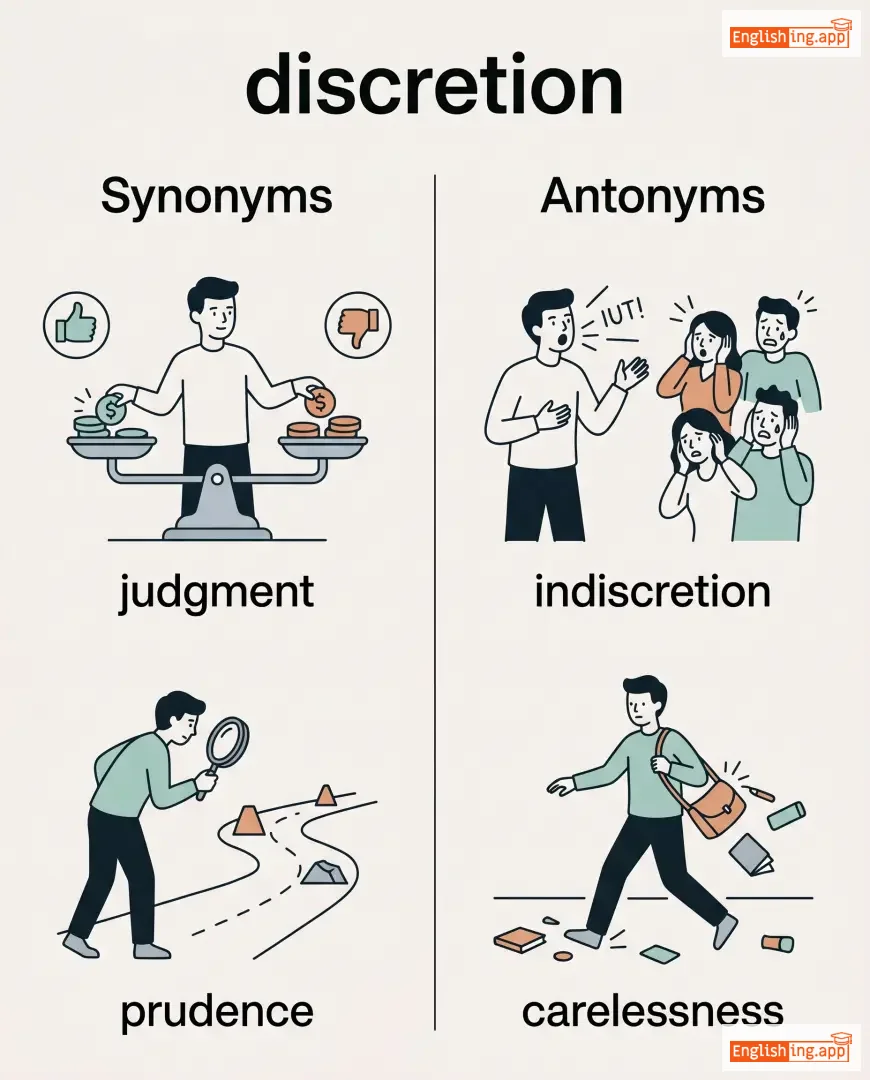
judgment, prudence, caution, choice, option
••••••
|
indiscretion, carelessness, compulsion
••••••
|
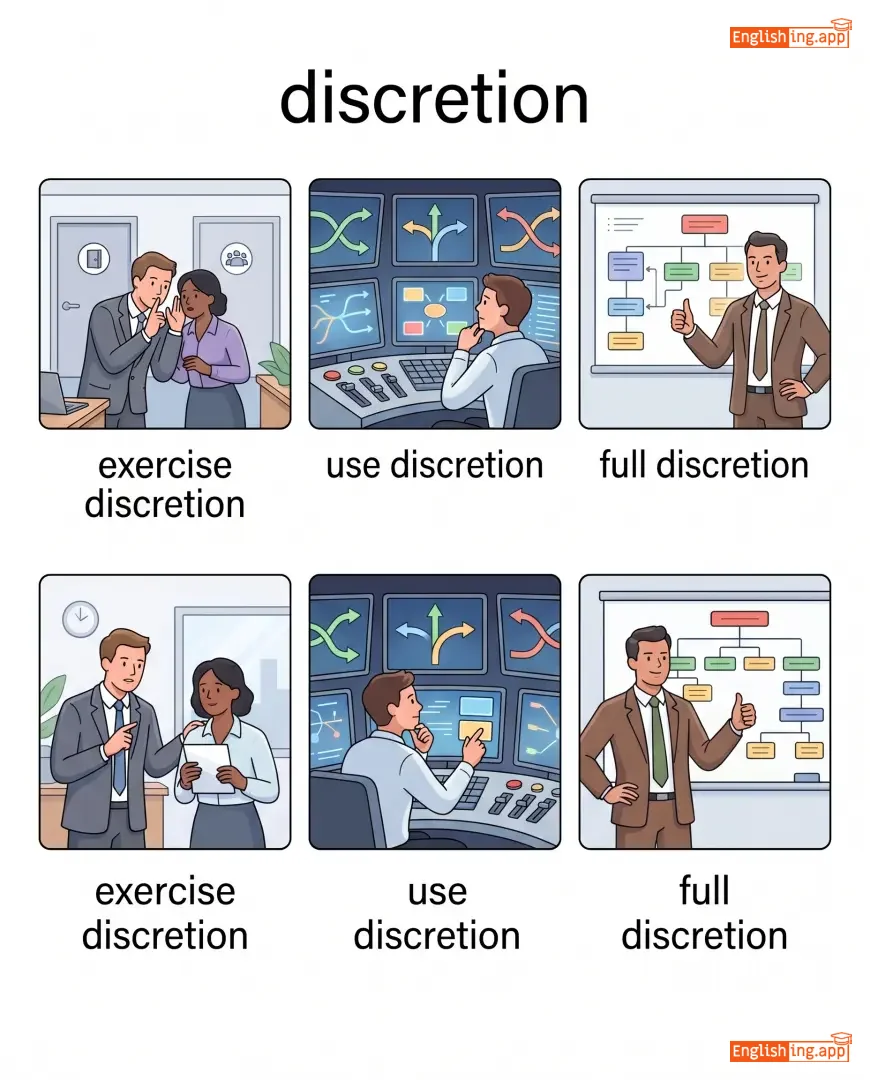
exercise discretion, use discretion, full discretion, sole discretion
••••••
|
DiscretionはDecisionと慎重(shinchou)に関連しています。
••••••
|
|
#0
⚠️
|
/dɪsˈrʌpʃən/
noun
(ディスラプション)
••••••
|
|
混乱
konran
••••••
|
- •••••• | - •••••• | - •••••• | - •••••• |
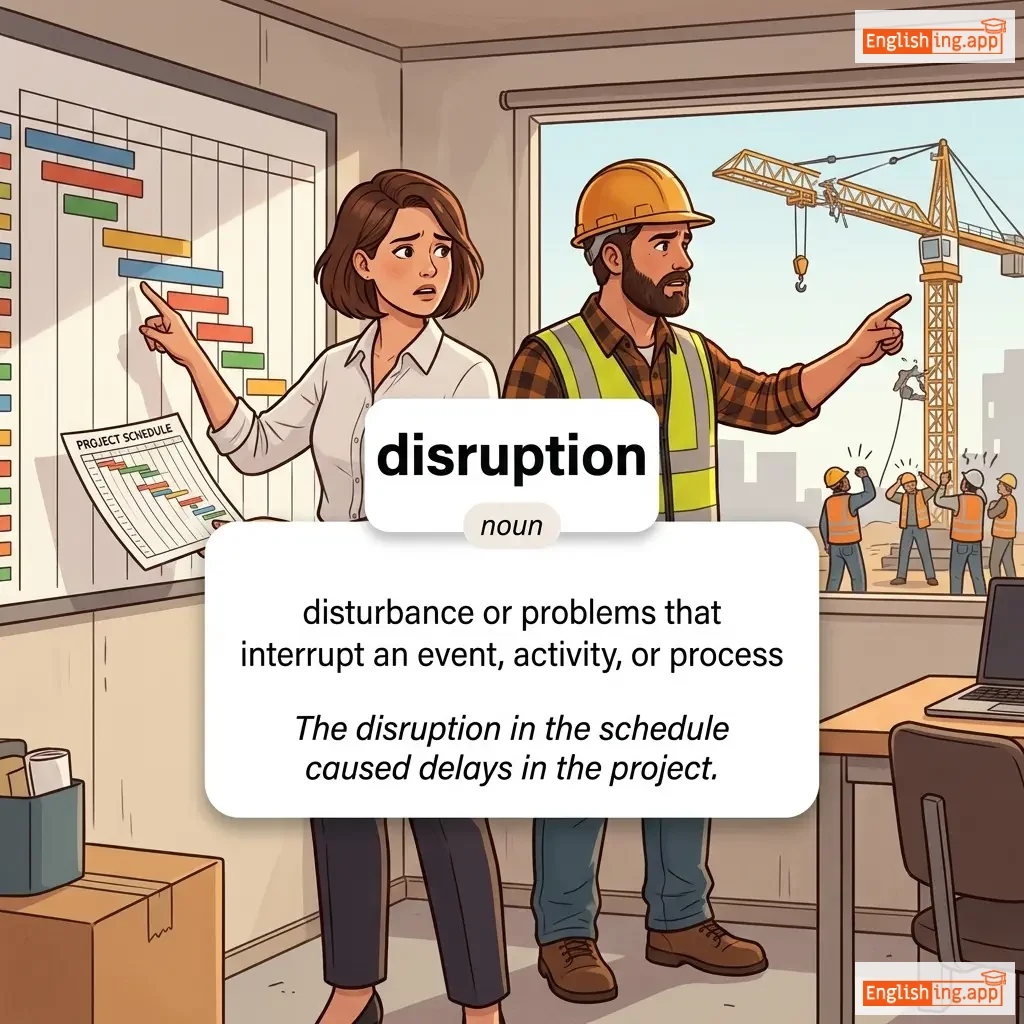
disturbance or problems that interrupt an event, activity, or process
••••••
|
The disruption in the schedule caused delays in the project. |
スケジュールの混乱により、プロジェクトに遅れが生じました。
Sukejūru no konran ni yori, purojekuto ni okure ga shōjimashita.
••••••
|
- •••••• | - •••••• | - •••••• |
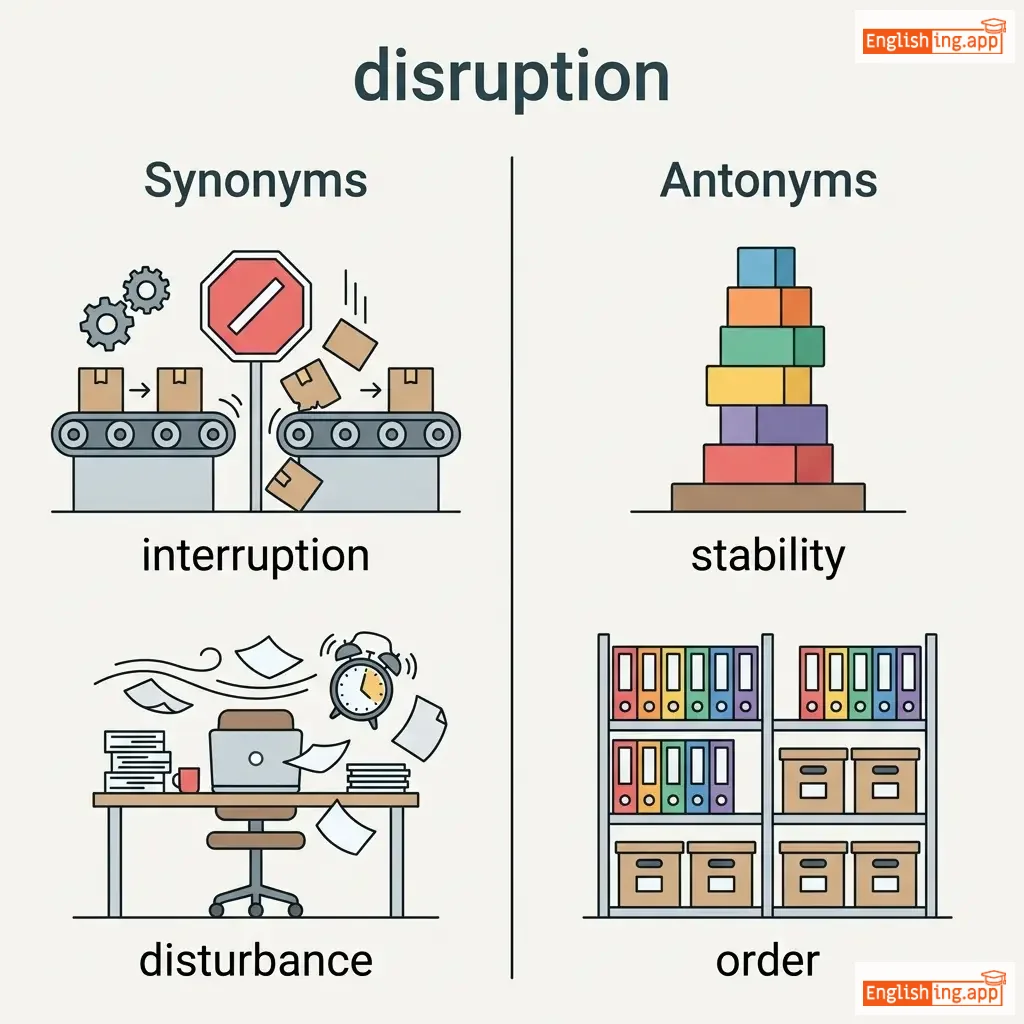
interruption, disturbance, interruption, chaos
••••••
|
stability, order, continuity
••••••
|
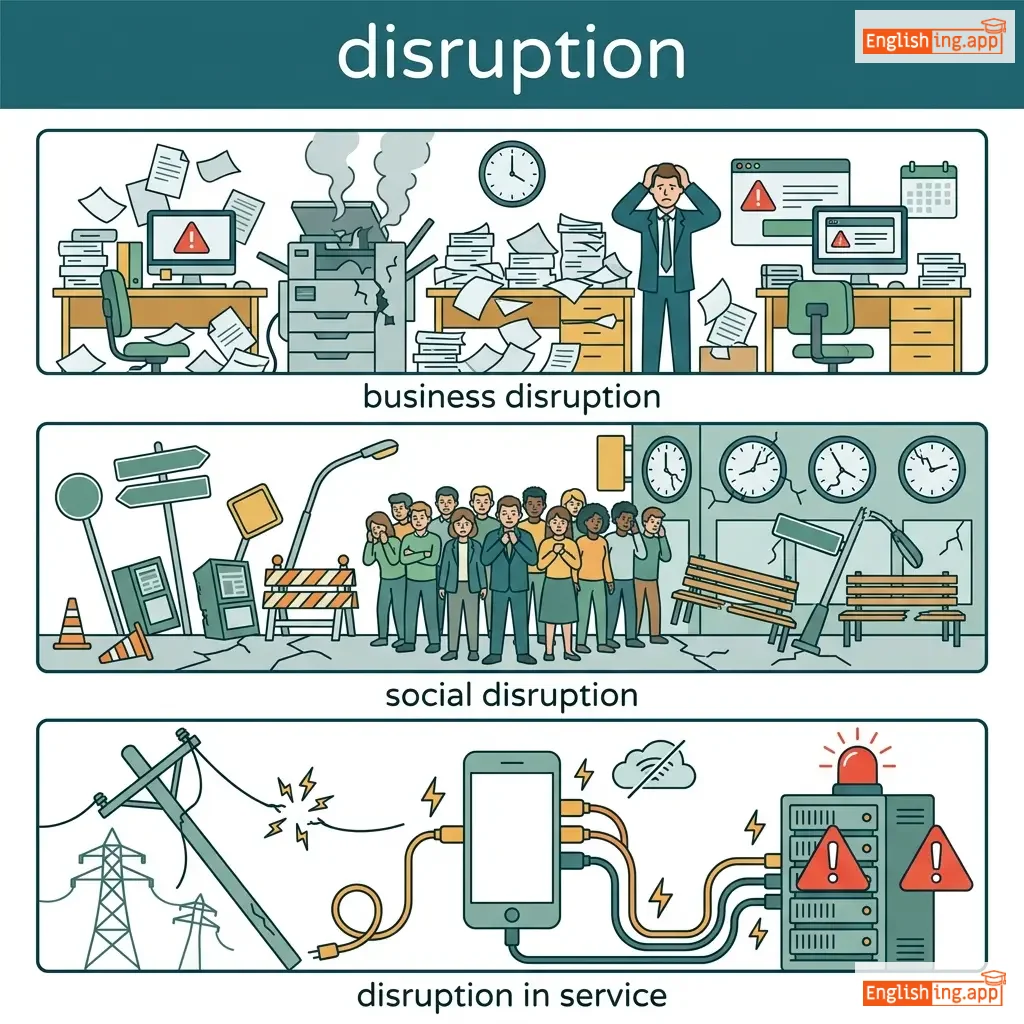
business disruption, social disruption, disruption in service, major disruption
••••••
|
混乱 (混乱) は計画の中で予期しない嵐のように、静けさを破るものです。
••••••
|
|
#0
🎭
|
/ˌen.təˈteɪ.nɪŋ/
adjective
(エンターテイニング)
••••••
|
- •••••• |
面白い; 楽しくて魅力的
omoshiroi; tanoshikute miryokuteki
••••••
|
- •••••• | - •••••• | - •••••• | - •••••• |
providing amusement or enjoyment; funny and engaging
••••••
|
The comedian's performance was very entertaining and kept the audience laughing. |
コメディアンのパフォーマンスは非常に面白く、観客を笑わせ続けました。
Komedian no pafōmansu wa hijō ni omoshiroku, kankyaku o warawase tsudzukemashita.
••••••
|
- •••••• | - •••••• | - •••••• |
amusing, enjoyable, funny, engaging
••••••
|
boring, dull, tedious, uninteresting
••••••
|
entertaining show, entertaining story, entertaining guest
••••••
|
面白い = 楽しい; どんなパフォーマンスが面白いですか?楽しくて魅力的です!
••••••
|
|
#0
🔄
|
/ˌɛvəlʊˈʃɛnəri/
adjective
••••••
|
|
- •••••• | - •••••• | - •••••• | - •••••• | - •••••• |
relating to or characterized by evolution, especially in terms of gradual development or change
••••••
|
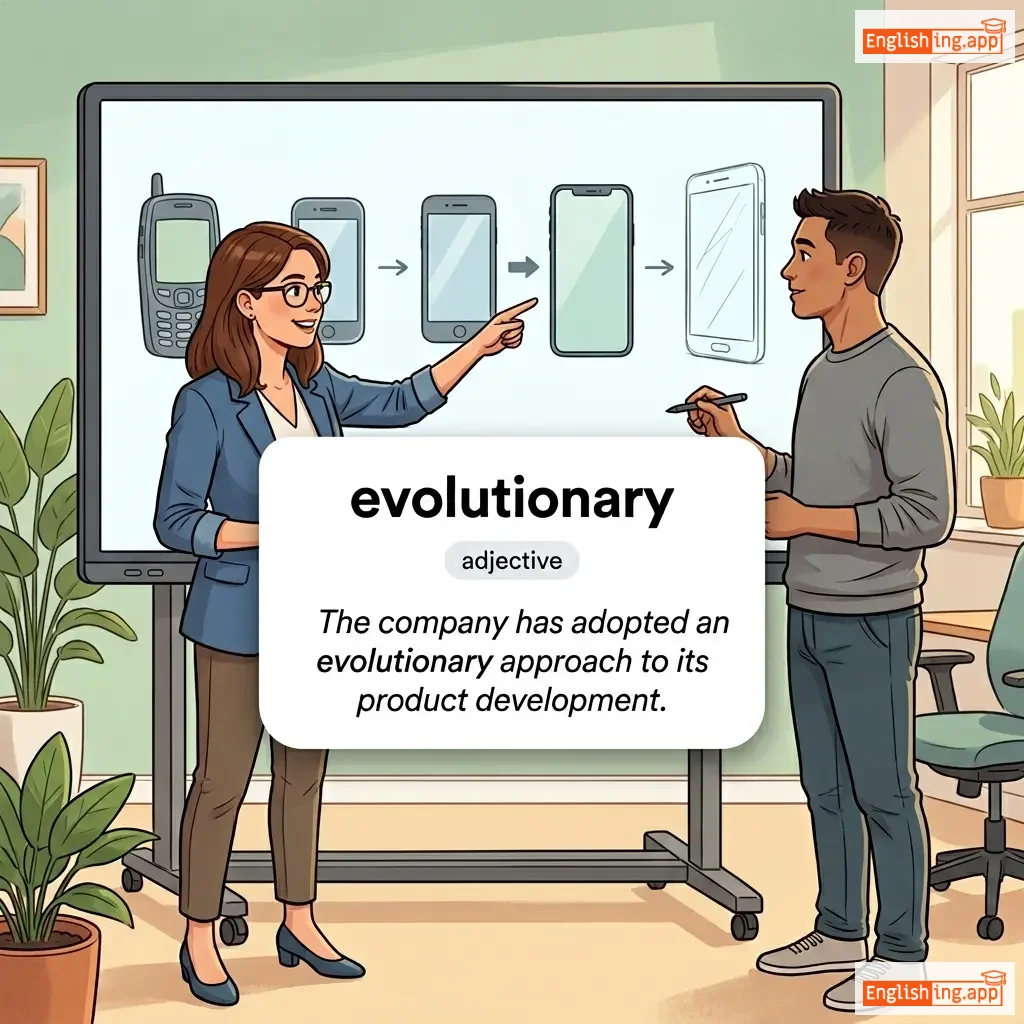
The company has adopted an evolutionary approach to its product development. |
- •••••• | - •••••• | - •••••• | - •••••• |
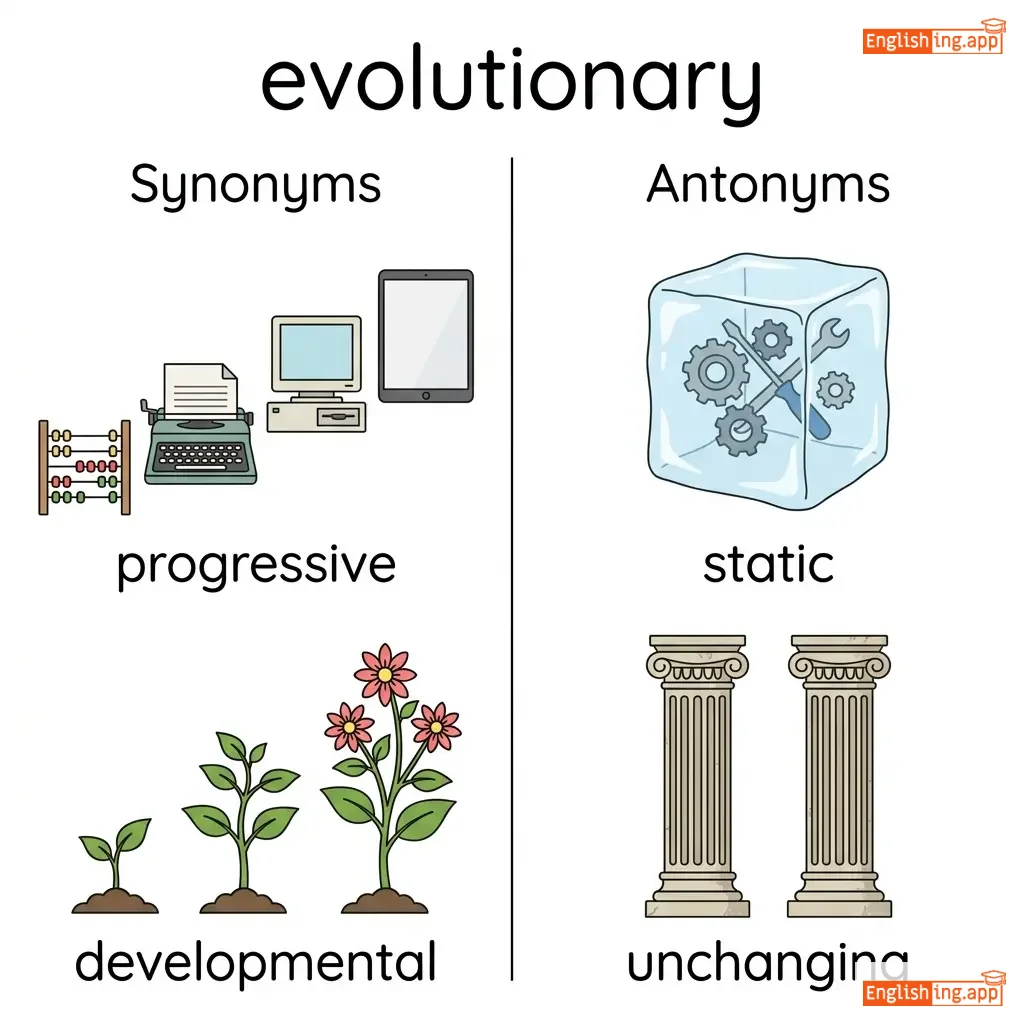
progressive, developmental, transformative
••••••
|
static, unchanging
••••••
|
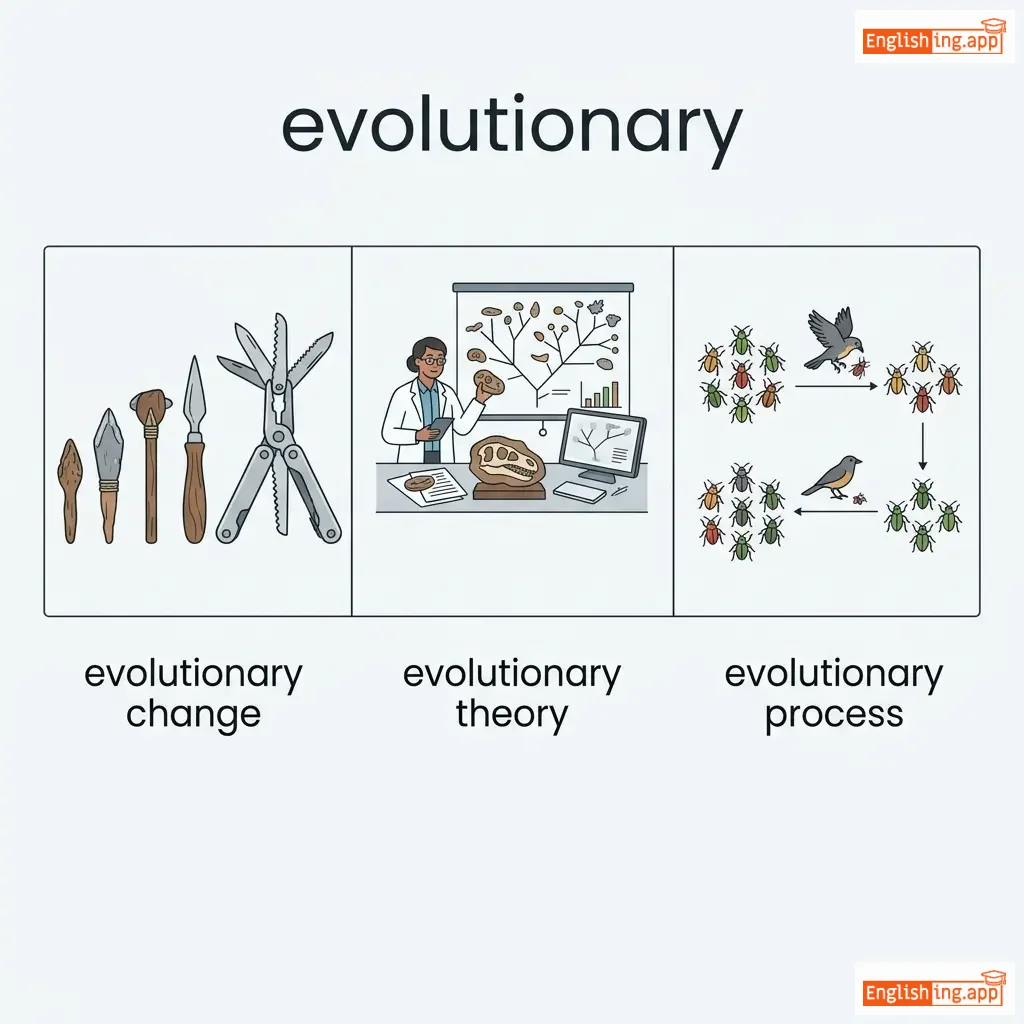
evolutionary change, evolutionary theory, evolutionary process, evolutionary development
••••••
|
No •••••• |
|
#0
⛏️
|
/ˌek.splɔɪˈteɪ.ʃən/
noun
(エクスプロイテーション)
••••••
|
|
搾取; 悪用
sakushu, akuyou
••••••
|
- •••••• | - •••••• | - •••••• | - •••••• |
the action of treating someone unfairly in order to benefit from their work; misuse
••••••
|
The company was accused of worker exploitation due to poor working conditions. |
その会社は劣悪な労働条件で労働者の搾取で告発されました。
Sono kaisha wa retsuaku na roudou jouken de roudousha no sakushu de kokuhatsu saremashita.
••••••
|
- •••••• | - •••••• | - •••••• |
abuse, misuse, oppression, manipulation
••••••
|
protection, fairness, justice, respect
••••••
|
worker exploitation, resource exploitation, prevent exploitation
••••••
|
Exploitation is like 'akuyou', using someone’s labor unfairly.
••••••
|
|
#0
📌
|
/ˌɪmplɪˈkeɪʃən/
noun
(インプリケーション)
••••••
|
|
含意, 影響
gani, eikyō
••••••
|
- •••••• | - •••••• | - •••••• | - •••••• |
A possible effect or result of an action or decision; something suggested without being stated directly.
••••••
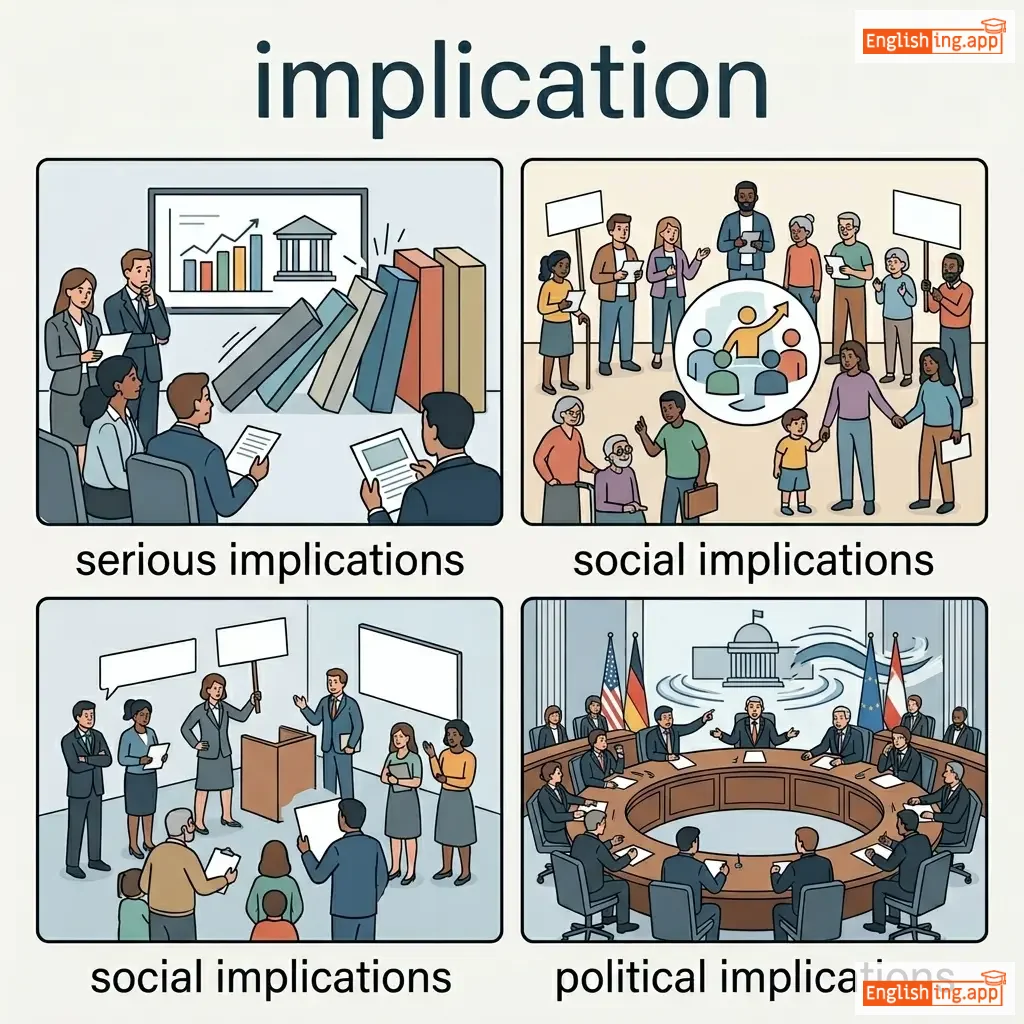
|
The new law has serious implications for small businesses. |
新しい法律は小規模企業に重大な影響を及ぼしています。
Atarashī hōritsu wa shōkibo kigyō ni jūdaina eikyō o oyoboshiteimasu.
••••••
|
by implication |
Indirectly or by consequence.
••••••
|
含意による
ganei ni yoru
••••••
|
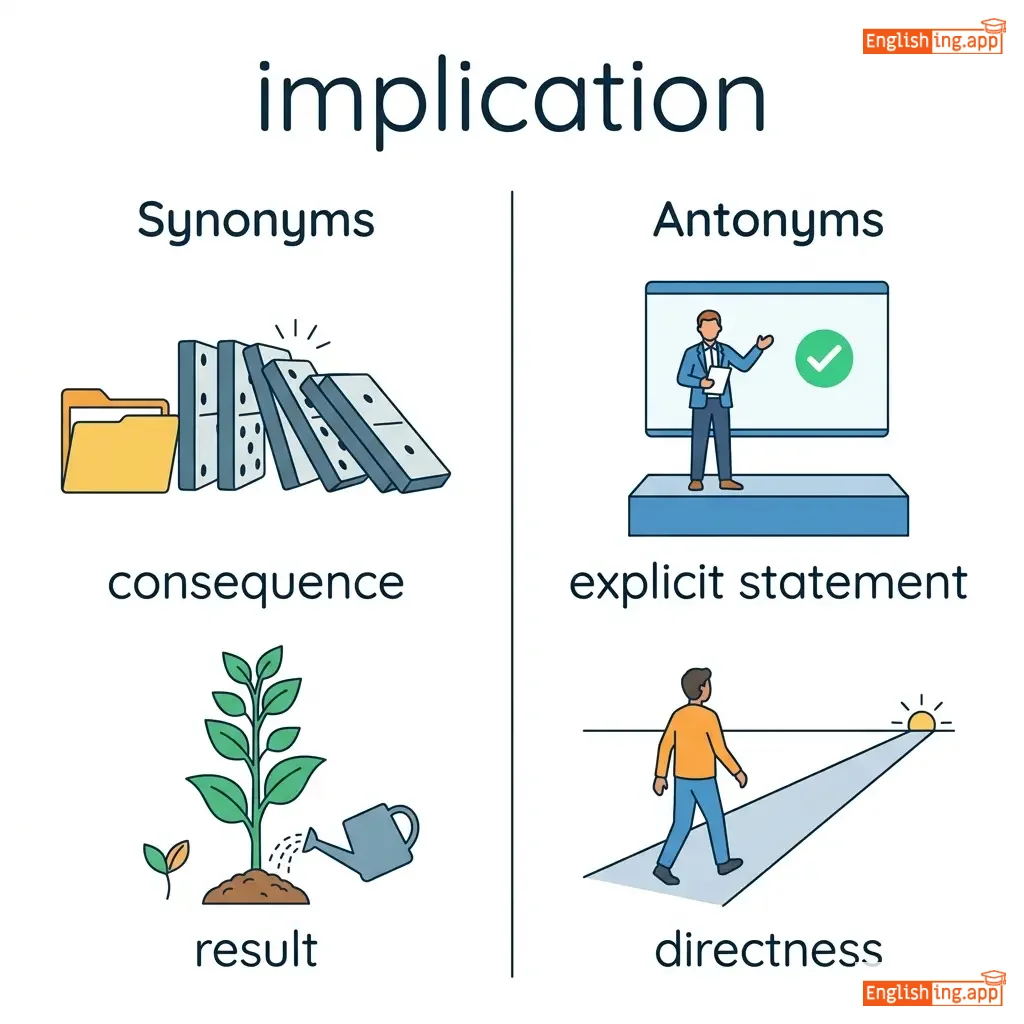
consequence, result, suggestion, inference, indication
••••••
|
explicit statement, directness
••••••
|
serious implications, social implications, political implications, economic implications
••••••
|
Implicationは結果や影響を意味します。それは含意として知られています。
••••••
|
|
#0
👶
|
/ˌriːprəˈdʌkʃən/
noun
(リプロダクション)
••••••
|
- •••••• |
再生, 繁殖
saisei, hanshoku
••••••
|
- •••••• | - •••••• | - •••••• | - •••••• |
The process of producing offspring; the act of copying or duplicating.
••••••
|
The textbook included a detailed diagram of human reproduction.
教科書には人間のリプロダクションの詳細な図が含まれていました。
••••••
|
教科書には人間のリプロダクションの詳細な図が含まれていました。
Kyoukasho ni wa ningen no rīprodakushon no shousai na zu ga fukumarete imashita.
••••••
|
- •••••• | - •••••• | - •••••• |
duplication, replication, breeding, procreation
••••••
|
extinction, destruction
••••••
|
sexual reproduction, human reproduction, accurate reproduction
••••••
|
Re PRO ダクションは新しい命やコピーを意味します (reproduction)。
••••••
|
|
#0
📉
|
/ˌʌnɪmˈplɔɪmənt/
noun
(アンインプラオイメント)
••••••
|
- •••••• |
失業
shitsugyou
••••••
|
- •••••• | - •••••• | - •••••• | - •••••• |
the state of not having a paid job despite being able and willing to work
••••••
|
High unemployment is a major issue in the country. |
高い失業率は、国の大きな問題です。
Takai shitsugyou ritsu wa, kuni no ookina mondai desu.
••••••
|
unemployment rate |
the percentage of the labor force that is jobless
••••••
|
失業率
shitsugyou ritsu
••••••
|
joblessness, redundancy, idleness, inactivity, layoff
••••••
|
employment, work, occupation
••••••
|
high unemployment, youth unemployment, unemployment benefits, unemployment crisis
••••••
|
Un + Employment は仕事なし — 失業は仕事がないことを意味します 📉
••••••
|
Vocabulary Quiz
Test your vocabulary by matching words with their translations or meanings.
Login to take the quiz
Comments (0)
Share your thoughts and join the discussion.
Join the discussion by logging in
Login to CommentNo comments yet
Be the first to share your thoughts!