

学者の旅路
The Scholar's Journey
ラフィは勤勉な学生で、professor から learn するのが大好きだった。毎朝、彼は notebook と pen を持って classroom に行き、notes を取る準備をしていた。
彼のお気に入りの場所は大学の library だった。そこにはたくさんの books、静かな desks、快適な chairs があり、何時間も reading に没頭できた。Library に座って、ラフィは自分の考えを write し、新しい ideas を発展させた。
ある日、professor は言った。「ラフィ、learning は単に reading books することではない。それは thinking、質問し、理解することなんだ。」この言葉はラフィの mind に深く響いた。
彼は違った方法で thinking を始めた。読む book ごとに、page ごとに、何か新しいことを taught された。彼の notebook は notes、質問、そして ideas でいっぱいになった。
ラフィの desk にはいつも books の山、散らばった papers、そしていくつもの pens があった。彼の brain は常に情報を処理し、異なる概念をつなげていた。
Professor は彼の熱意に気づき、「君はただ learning しているのではなく、自分自身に teach して think する方法を学んでいる。これが本当の learning だ」と言った。
1学期後、ラフィは自分の研究 paper を wrote した。何時間もの reading、数え切れないほどの notes、深い thinking が集約され、professor に高く評価された素晴らしい paper となった。
Classroom の議論では、ラフィは積極的に参加し、自分の ideas を共有し、既存の理論に挑戦した。彼の mind は鋭く、brain は常に問いを立てていた。
彼は気づいた。Books は単なる pages と paper の集まりではない。各 book は知識の宝であり、mind を広げ、teach 自分に think する方法を示す道具なのだ。
彼は library の隅々まで探検し、様々なテーマを read し、notebook に自分の考えを wrote した。すべての note はより深い理解への一歩だった。
後輩たちが「どうやってそんなに上手に learn できるの?」と尋ねると、ラフィは言った。「Learning はスキルだ。好奇心を持って read し、明確さをもって write し、深く think する必要がある。」
彼は後輩たちに、効果的な notes の取り方、批判的に read する方法、そして明瞭に write する方法を taught した。彼の pen の動きや paper の整理は、すべて体系的だった。
ある日、professor は言った。「ラフィ、君はもうただの学生ではない。君は学者になりつつある。君の mind は今や独立して think することを knows している。」
卒業前、ラフィはお気に入りの library desk に座って振り返った。この chair にどれだけの時間を費やし、この desk でどれだけの books を read し、この paper にどれだけの ideas を wrote しただろうか。
ラフィは言った。「Education は学位を取ることではない。それは brain を訓練して think し、mind を新しい ideas に開くことだ。Classrooms は基礎を teach し、books は知識を与えるが、本当の learning は自分で read し、write し、think するときに起こる。Professor の役割は導くことだが、旅は自分自身のものだ。すべての page を read し、すべての note を write し、すべての idea を発展させることで、知的な基盤が築かれる。Library は私の聖域であり、desk は作業場、pen と paper は道具だった。しかし最も重要な道具は好奇心と献身だ。本気で know したい、真に learn したいと思えば、brain は方法を見つけ、mind は知識を吸収する。Teaching 他人に taught されたことで、私は「teach すると learn 二度できる」と学んだ。だから皆に勧めたい——read 幅広く、write 定期的に、think 深く。Notebook を notes だけでなく ideas を記録するために使おう。すべての book を賢い professor との対話だと思おう。そして忘れないで、learning は決して止まらない。Classroom を離れても、mind は常に学生のように、好奇心に満ち、開かれ、もっと know したいと願い続けるべきだ。」
ラフィの旅は無数の学生を刺激し、彼らは今 libraries で read books し、notebooks に write notes し、minds を訓練して批判的に think している。彼の遺産は、献身的な learning、情熱的な thinking、そして継続的な writing が、普通の学生を非凡な学者に変えることを証明している。
翻訳
過去
過去分詞
三人称単数
動名詞
意味
例文
例文の翻訳
同義語
対義語
コロケーション
ニーモニック
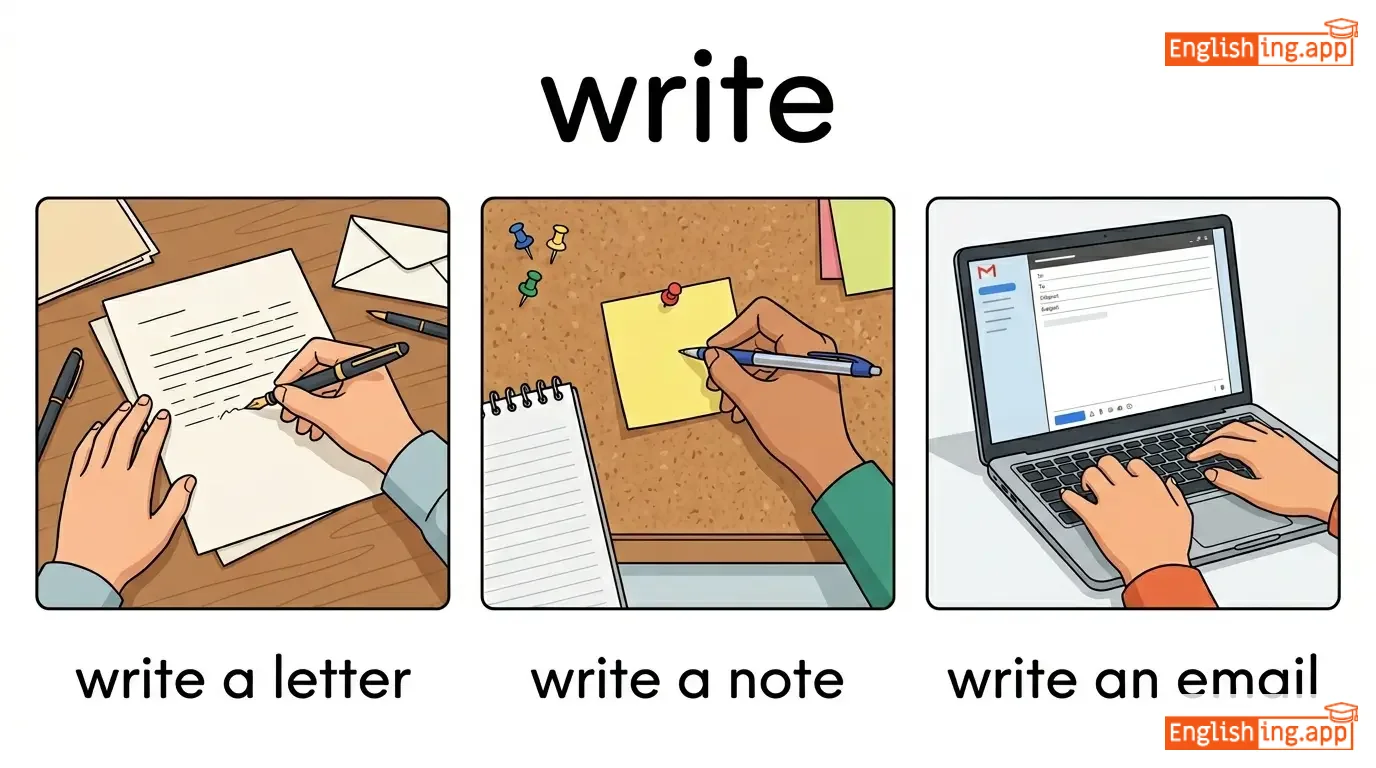
Swipe left or right, or use the buttons. Tap image to zoom.
例文の翻訳
単語
The Scholar's JourneyThe Scholar's Journey - マスクトグル
|
絵文字
|
単語 | Images | 翻訳 | 過去 | 過去分詞 | 三人称単数 | 動名詞 | 意味 | 例文 | 例文の翻訳 | 表現例 | 表現例の意味 | 表現例の翻訳 | 同義語 | 対義語 | コロケーション | ニーモニック |
|---|---|---|---|---|---|---|---|---|---|---|---|---|---|---|---|---|---|
|
#0
📖
|
/bʊk/
noun, verb
••••••
|
- •••••• | - •••••• |
booked
••••••
|
booked
••••••
|
books
••••••
|
booking
••••••
|
A set of written, printed, or blank pages fastened together; to arrange for someone to have a seat, room, or ticket in advance.
••••••
|
I booked a table at the restaurant for dinner. |
- •••••• |
by the book |
to follow rules strictly
••••••
|
- •••••• |
volume, text, novel, reserve, schedule
••••••
|
cancel, disorder
••••••
|
open book, book a ticket, book club, book online, book in advance
••••••
|
No •••••• |
|
#0
🧠
|
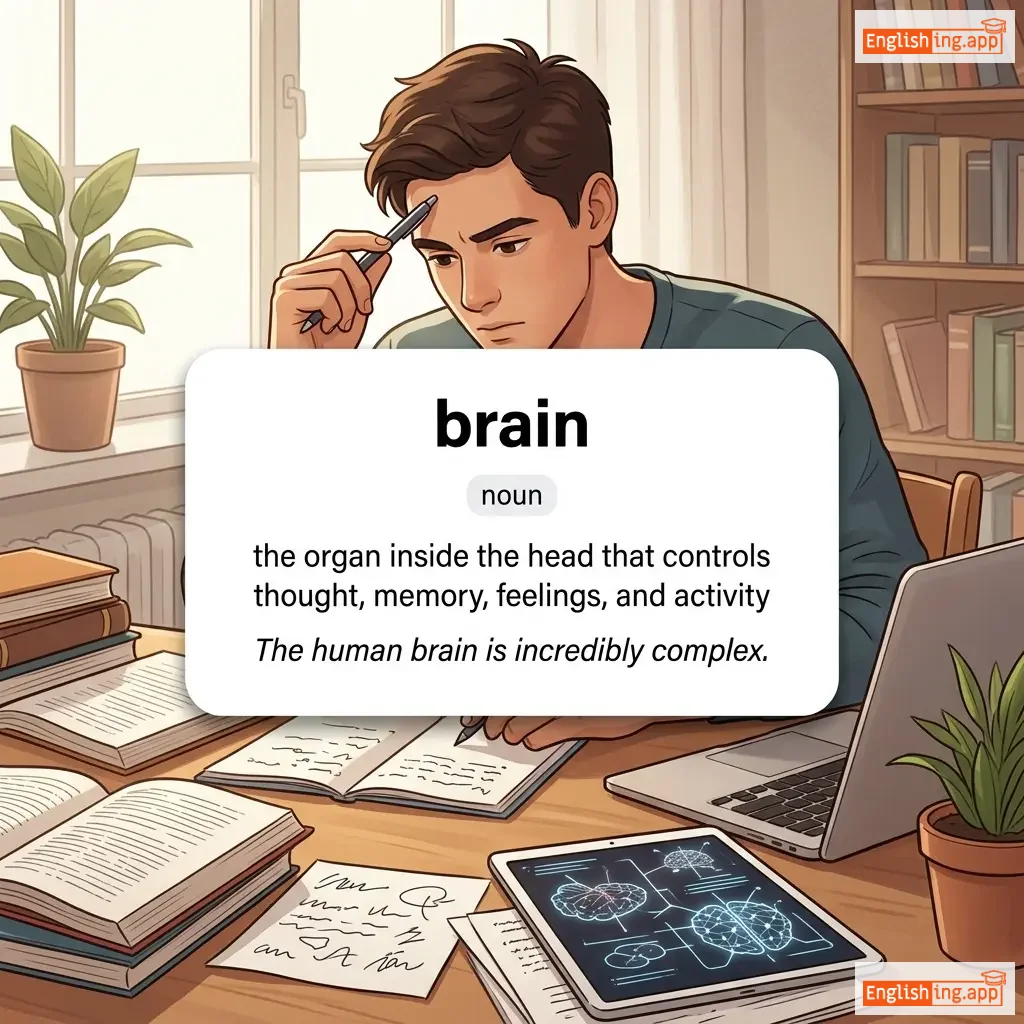
/breɪn/
noun
(ブレイン)
••••••
|
|
脳
nō
••••••
|
- •••••• | - •••••• | - •••••• | - •••••• |
the organ inside the head that controls thought, memory, feelings, and activity
••••••
|
The human brain is incredibly complex. |
人間の脳は非常に複雑です。
ningen no nō wa hijō ni fukuzatsu desu.
••••••
|
rack your brain |
to think very hard about something
••••••
|
頭をひねる
atama o hineru
••••••
|
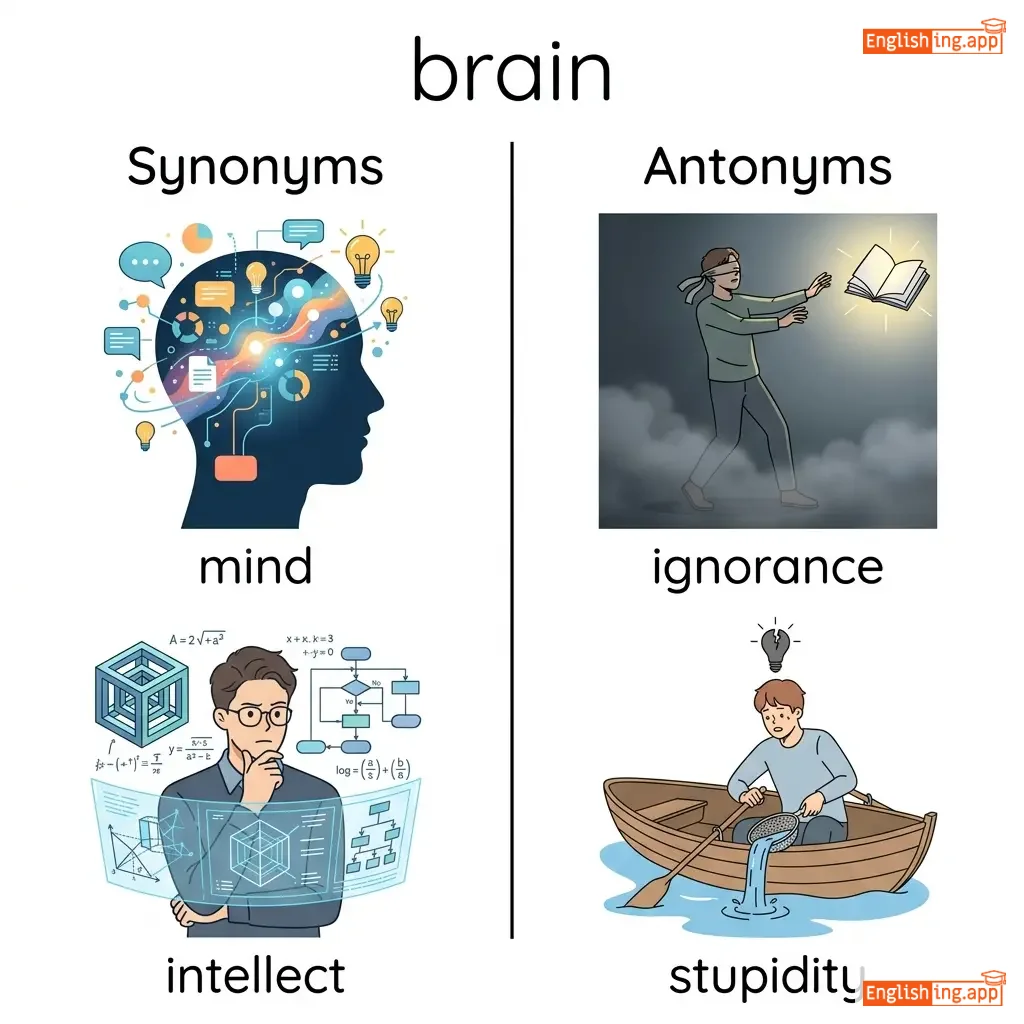
mind, intellect, intelligence, head
••••••
|
ignorance, stupidity
••••••
|
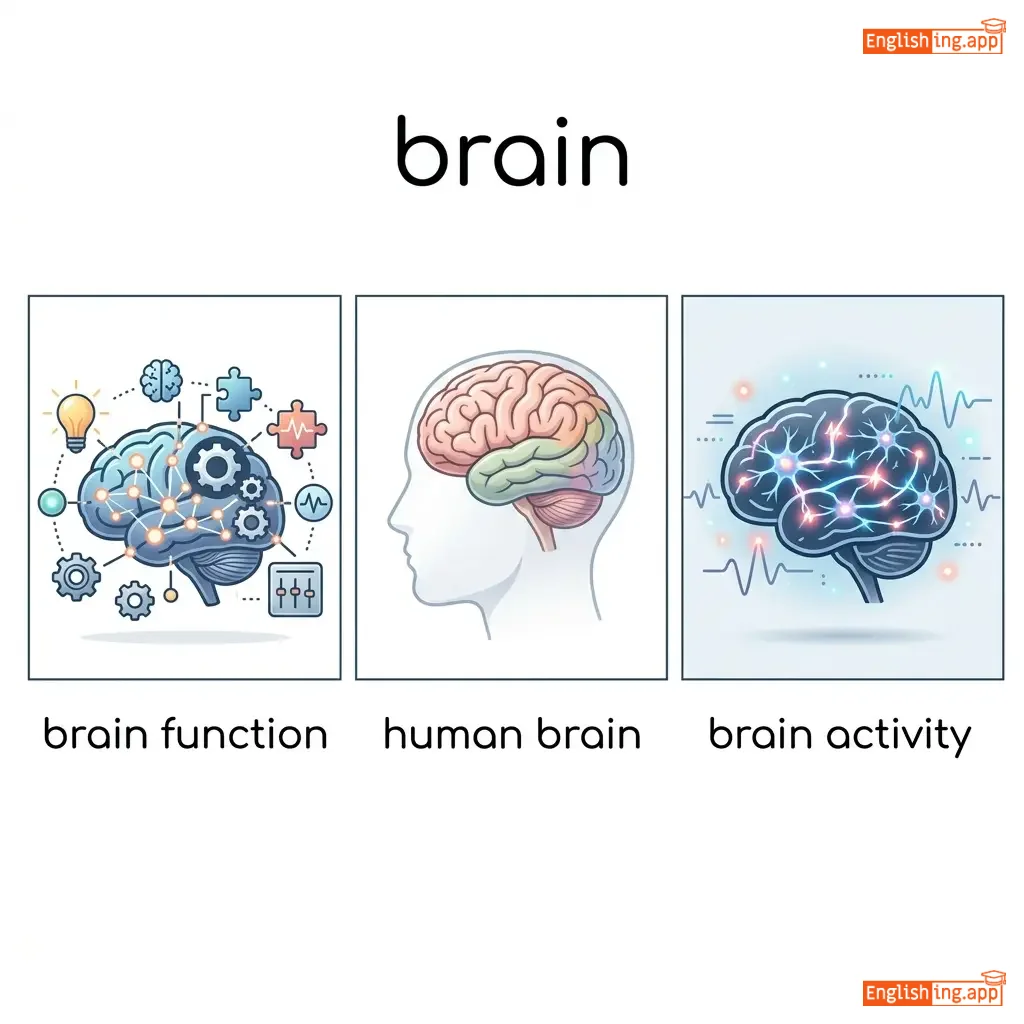
brain function, human brain, brain activity, brain power
••••••
|
脳の中で‘脳ストーム’を起こしてみよう!
••••••
|
|
#0
🪑
|
/tʃɛr/
noun
••••••
|
- •••••• | - •••••• | - •••••• | - •••••• | - •••••• | - •••••• |
a piece of furniture for one person to sit on, typically having a back and four legs
••••••
|
She pulled up a chair and sat beside me. |
- •••••• |
take the chair |
to act as the leader or presiding officer of a meeting
••••••
|
- •••••• |
seat, armchair, stool, bench
••••••
|
floor, ground
••••••
|
wooden chair, office chair, rocking chair, chair seat
••••••
|
No •••••• |
|
#0
🏫
|
/ˈklæsˌruːm/
noun
(kurasurūmu)
••••••
|
- •••••• |
教室
kyōshitsu
••••••
|
- •••••• | - •••••• | - •••••• | - •••••• |
A room in which classes are held in a school or college.
••••••
|
The teacher entered the classroom and greeted the students. |
先生は教室に入って、生徒たちに挨拶しました。
Sensei wa kyōshitsu ni haitte, seito-tachi ni aisatsu shimashita.
••••••
|
empty classroom |
A classroom with no students or teacher inside.
••••••
|
空教室
kū kyōshitsu
••••••
|
lecture room, study room, hall, learning space
••••••
|
playground, office
••••••
|
classroom activities, classroom management, classroom environment, classroom learning
••••••
|
教室は classroom 🏫、勉強する場所です。
••••••
|
|
#0
🖥️
|
/dɛsk/
noun
(デスク)
••••••
|
- •••••• |
机
tsukue
••••••
|
- •••••• | - •••••• | - •••••• | - •••••• |
a piece of furniture with a flat surface used for writing or working
••••••
|
The books are on the desk. |
本は机の上にあります。
Hon wa tsukue no ue ni arimasu.
••••••
|
front desk |
the main reception area in an office or hotel
••••••
|
フロントデスク
furonto desuku
••••••
|
table, workstation, counter, bureau
••••••
|
floor, ground
••••••
|
office desk, study desk, front desk, wooden desk
••••••
|
机の上で全ての作業を行います
••••••
|
|
#0
💡
|
/aɪˈdiːə/
noun
(アイデア)
••••••
|
- •••••• |
アイデア
idea
••••••
|
- •••••• | - •••••• | - •••••• | - •••••• |
A thought, plan, or suggestion about what to do.
••••••
|
She had a brilliant idea for a new business. |
彼女は新しいビジネスのために素晴らしいアイデアを持っていました。
Kanojo wa atarashii bijinesu no tame ni subarashii idea wo motte imashita.
••••••
|
bright idea |
a clever or creative thought or solution
••••••
|
良いアイデア
yoi idea
••••••
|
concept, notion, plan, thought, suggestion
••••••
|
ignorance, misunderstanding
••••••
|
good idea, brilliant idea, bad idea, business idea, creative idea
••••••
|
アイデアは頭の中で光る電球💡のようなものです
••••••
|
|
#0
🧠
|
/noʊ/
verb
(ノウ)
••••••
|
|
知っている
shitteiru
••••••
|
knew
ニュー
••••••
|
known
ノウン
••••••
|
knows
ノウズ
••••••
|
knowing
ノウイング
••••••
|
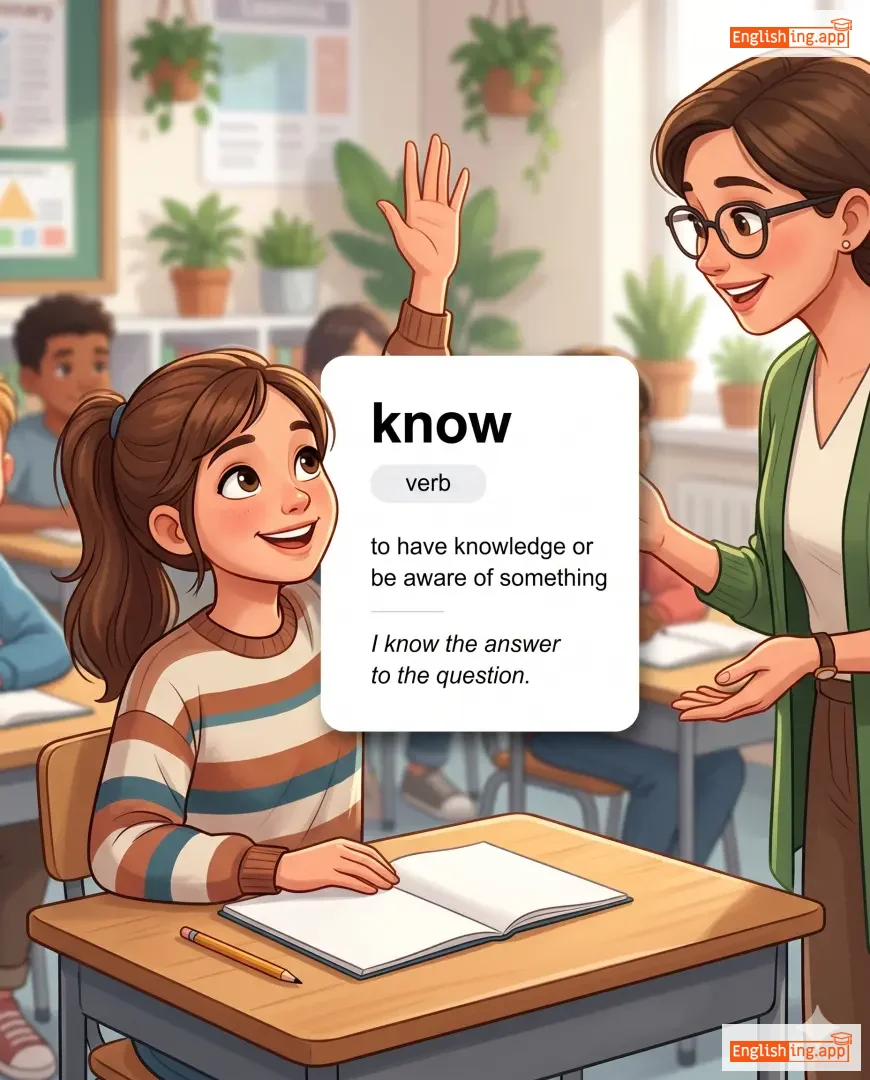
to have knowledge or be aware of something
••••••
|
I know the answer to the question.
私は質問の答えを知っています。
••••••
|
私は質問の答えを知っています。
Watashi wa shitsumon no kotae o shitteimasu.
••••••
|
know the ropes
ロープを知っている
••••••
|
to be familiar with how something is done
••••••
|
何かをする方法を知っている
Nanika o suru hōhō o shitteiru
••••••
|
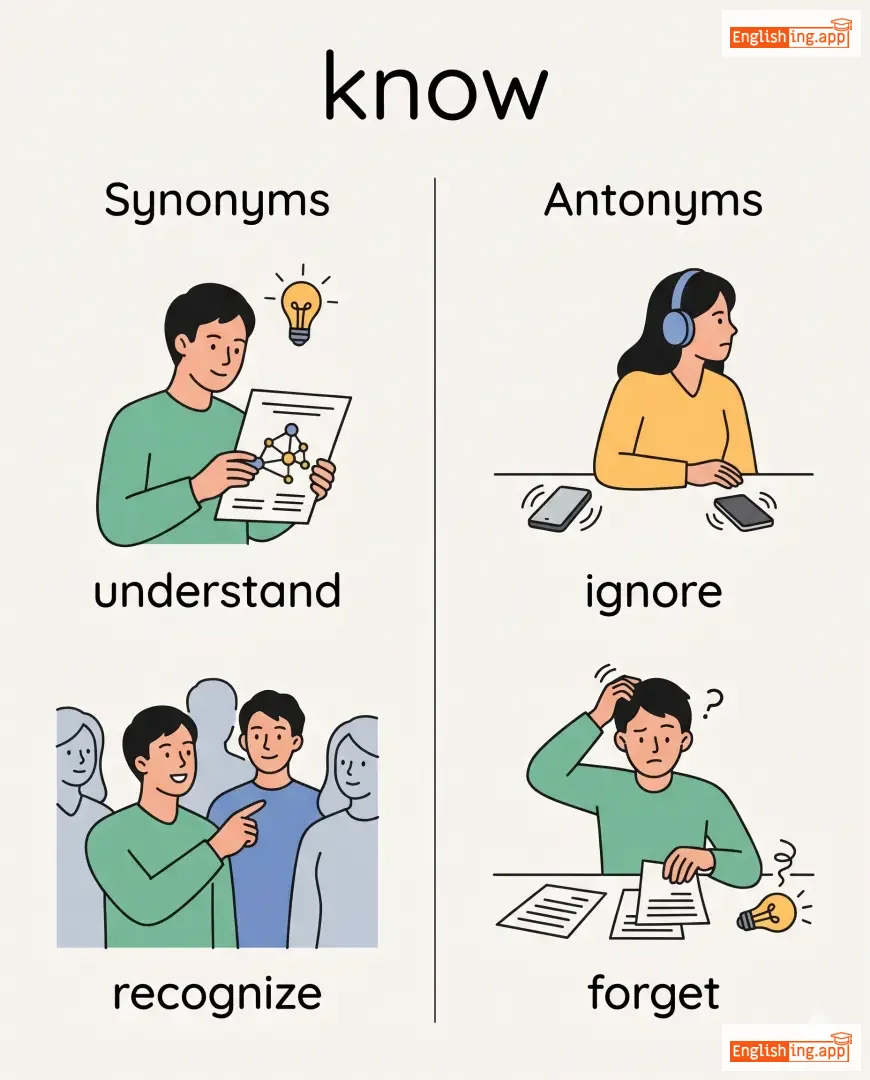
understand, recognize, realize, comprehend, identify
••••••
|
ignore, forget, misunderstand
••••••
|
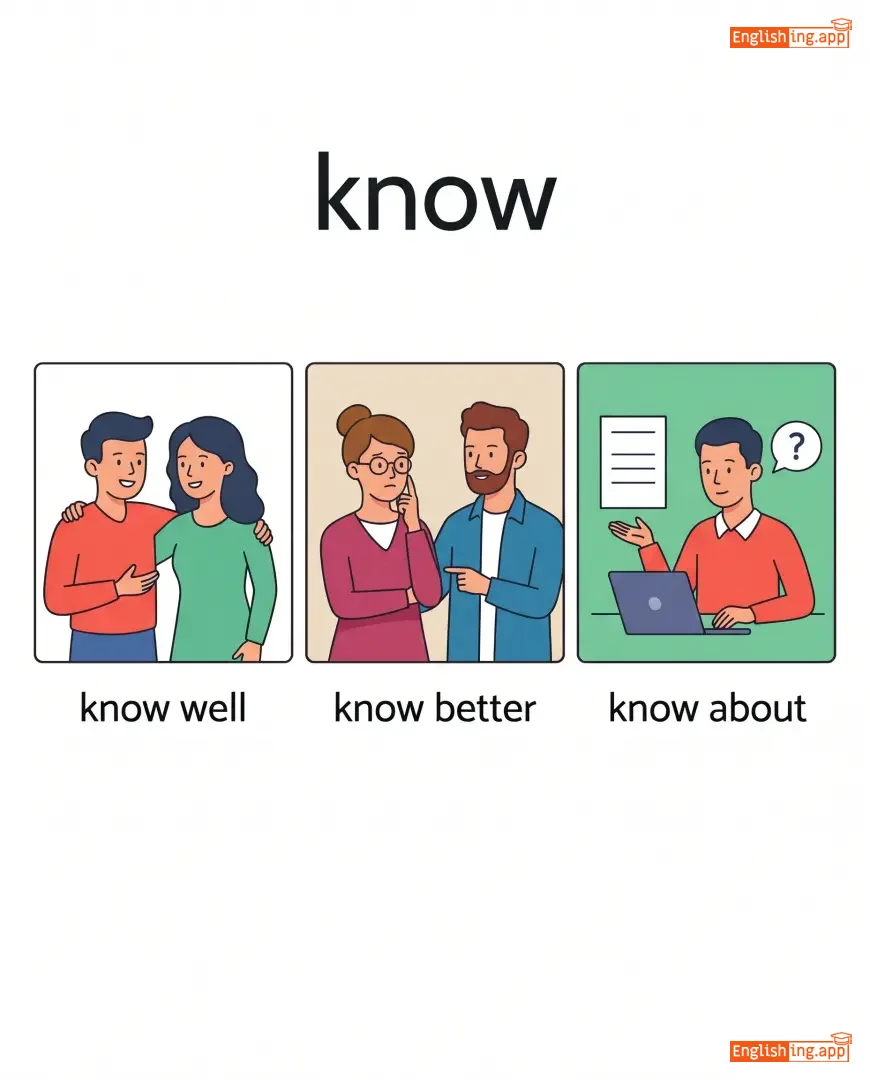
know well, know better, know about, know exactly
••••••
|
Know は知る、知ることで理解が生まれる。
••••••
|
|
#0
📚
|
/ˈlɜrnɪŋ/
noun
(ラーンニング)
••••••
|
- •••••• |
学習
gakushū
••••••
|
- •••••• | - •••••• | - •••••• | - •••••• |
The process of gaining knowledge or skills through study or experience.
••••••
|
Learning a new language can be exciting.
新しい言語を学ぶことは興奮することがあります。
••••••
|
新しい言語を学ぶことは興奮することがあります。
Atarashī gengo o manabu koto wa kōfun suru koto ga arimasu.
••••••
|
lifelong learning
生涯学習
••••••
|
continuous pursuit of knowledge throughout life
••••••
|
生涯学習
shōgai gakushū
••••••
|
education, knowledge, training, study
••••••
|
ignorance, unawareness
••••••
|
learning process, learning skills, online learning, active learning
••••••
|
Learningは学んで、成長することで未来に役立つ。
••••••
|
|
#0
📚
|
/ˈlaɪ.brɛr.i/
noun
(ライブラリー)
••••••
|
- •••••• |
図書館
tosyokan
••••••
|
- •••••• | - •••••• | - •••••• | - •••••• |
A building or room containing collections of books, periodicals, and sometimes other materials for people to read or borrow.
••••••
|
She spent the afternoon studying in the library. |
彼女は図書館で午後を勉強して過ごしました。
Kanojo wa tosyokan de gogo o benkyou shite sugoshimashita.
••••••
|
library of knowledge |
A large collection of information or wisdom.
••••••
|
知識の宝庫
chishiki no houko
••••••
|
book collection, archive, repository, reading room, information center
••••••
|
bookstore, marketplace
••••••
|
public library, digital library, library card, library staff
••••••
|
図書館 - たくさんの本が集まっている場所。
••••••
|
|
#0
🧠
|
/maɪnd/
noun/verb
(maindo)
••••••
|
- •••••• |
心 / 世話する
kokoro / sewa suru
••••••
|
minded
maindid
••••••
|
minded
maindid
••••••
|
minds
maindzu
••••••
|
minding
maindingu
••••••
|
the part of a person that enables them to think, feel, and reason; to pay attention or take care
••••••
|
Please mind the gap between the train and the platform.
列車とプラットフォームの間の隙間に注意してください。
••••••
|
列車とプラットフォームの間の隙間に注意してください。
Ressha to purattofōmu no aida no suki ma ni chūi shite kudasai.
••••••
|
make up one's mind
決定を下す
••••••
|
to decide something
••••••
|
決定を下す
kettei o kudasu
••••••
|
brain, intellect, thought, heed, notice
••••••
|
ignore, neglect
••••••
|
mind the gap, change your mind, peace of mind, keep in mind
••••••
|
Mind(心)は心、心がないと世話もできません。
••••••
|
|
#0
📝
|
/noʊt/
noun, verb
(ノート)
••••••
|
|
メモ
memo
••••••
|
noted
ノーテッド
••••••
|
noted
ノーテッド
••••••
|
notes
ノーツ
••••••
|
noting
ノーティング
••••••
|
a brief record of facts, topics, or thoughts written down; to observe or remark upon something
••••••
|
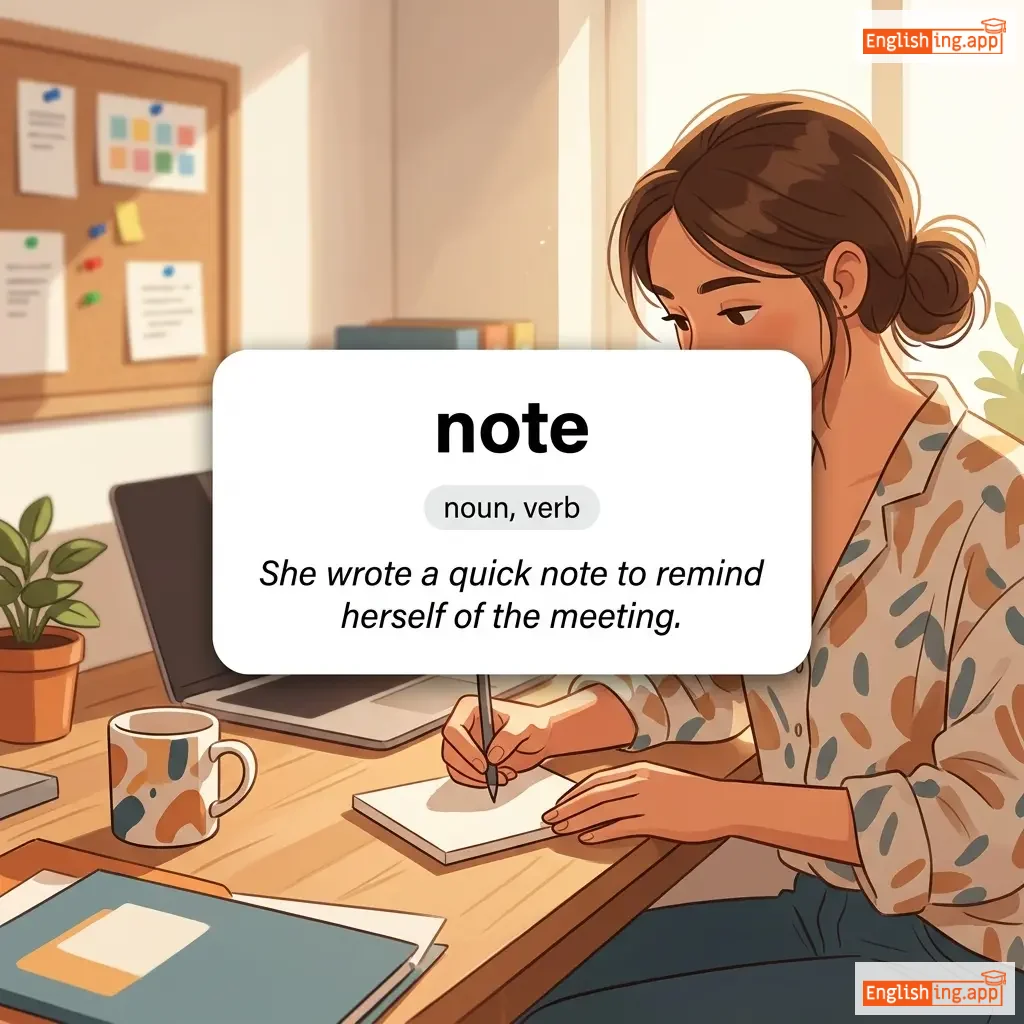
She wrote a quick note to remind herself of the meeting.
彼女は会議を思い出すために迅速なノートを書いた。
••••••
|
彼女は会議を思い出すために迅速なノートを書いた。
Kanojo wa kaigi o omoi dasu tame ni jinsoku na nōto o kaita.
••••••
|
take note
メモを取る
••••••
|
to pay attention or give special consideration
••••••
|
注意を払う
chūi o harau
••••••
|
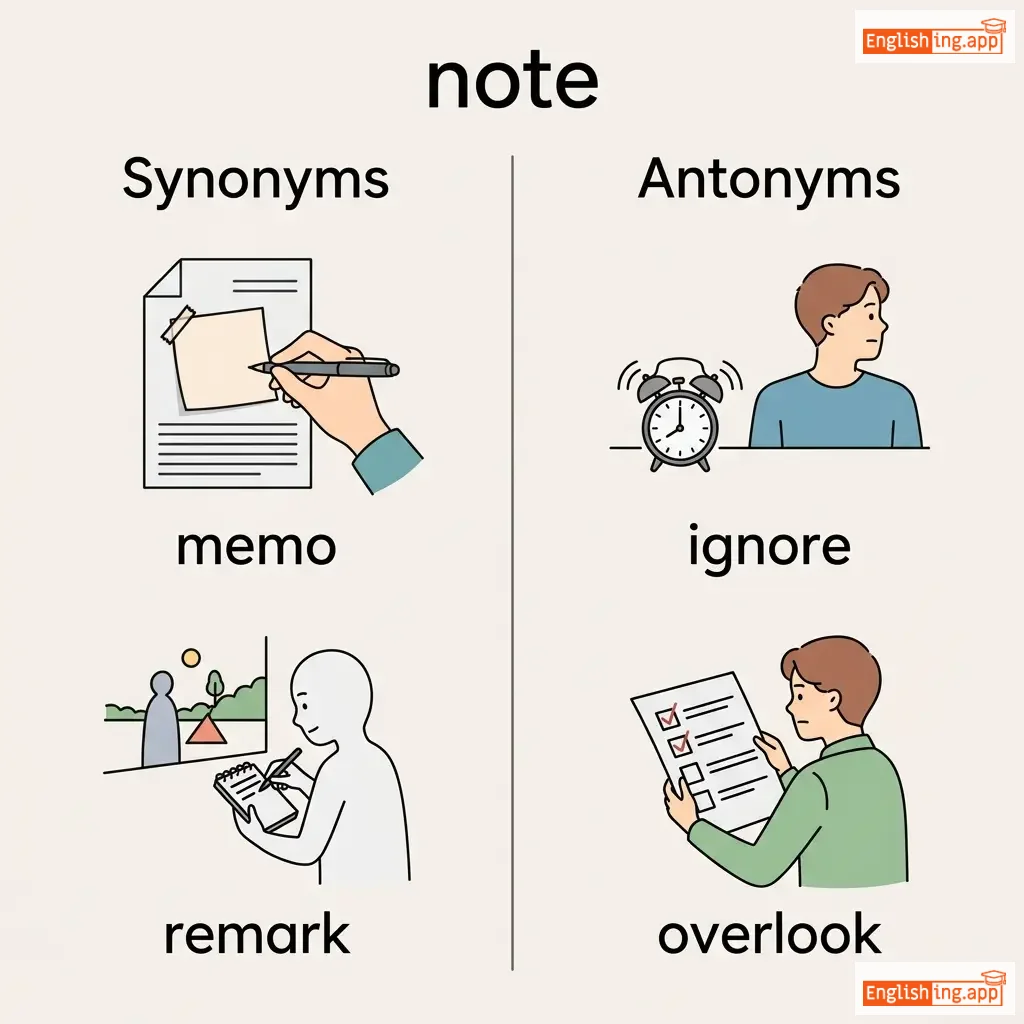
memo, remark, message, record, observation
••••••
|
ignore, overlook
••••••
|
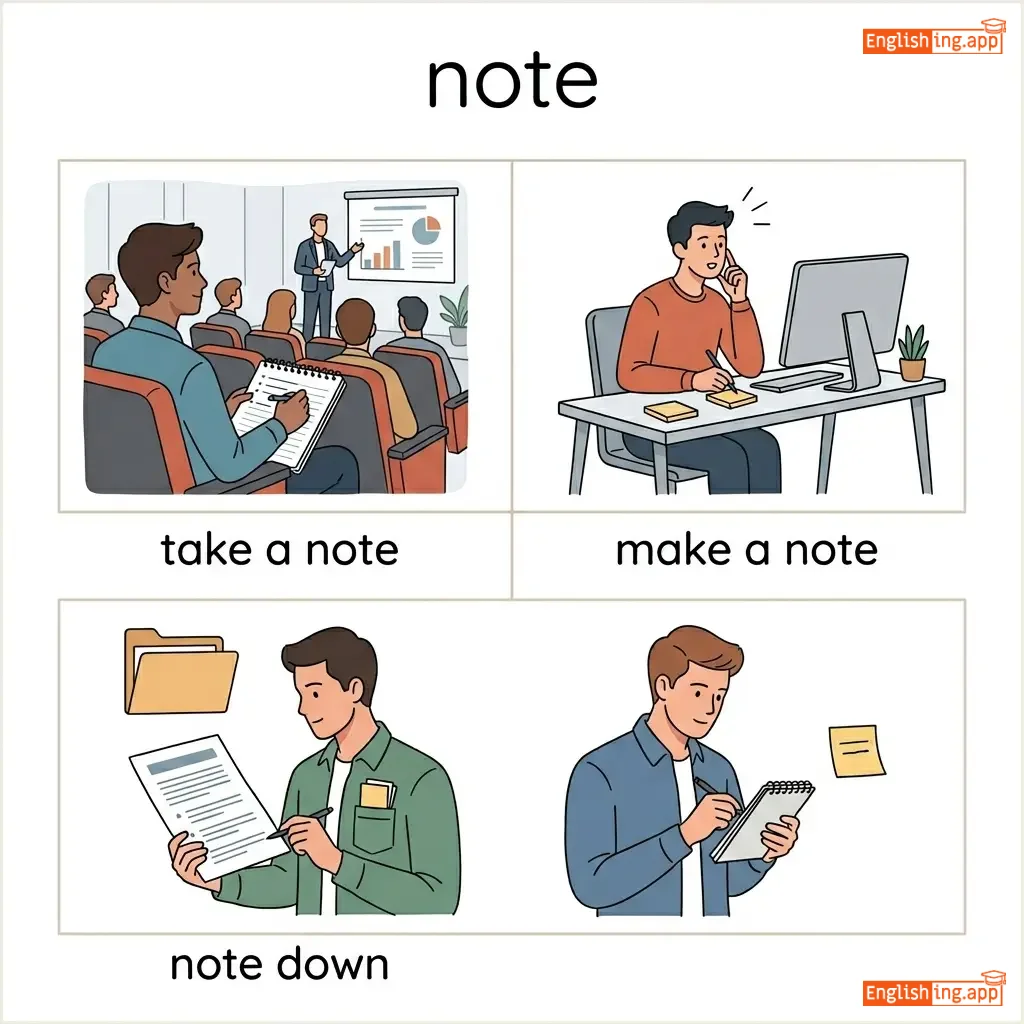
take a note, make a note, note down, note carefully
••••••
|
ノートは重要なことを書き留めるために使う。
••••••
|
|
#0
📒
|
/ˈnoʊtbʊk/
noun
••••••
|
- •••••• | - •••••• | - •••••• | - •••••• | - •••••• | - •••••• |
a small book with blank or ruled pages for writing notes; also a portable computer
••••••
|
She opened her notebook to jot down some ideas. |
- •••••• |
open your notebook |
to prepare to take notes or start writing
••••••
|
- •••••• |
journal, pad, diary, laptop, logbook
••••••
|
none, emptiness, blankness
••••••
|
open notebook, write in notebook, spiral notebook, leather notebook, notebook computer
••••••
|
No •••••• |
|
#0
📄
|
/peɪdʒ/
noun
(peiji)
••••••
|
- •••••• |
ページ
peiji
••••••
|
- •••••• | - •••••• | - •••••• | - •••••• |
one side of a sheet of paper, or a single sheet of paper in a book or document
••••••
|
Turn to the next page for more information.
次のページに進んで、詳細情報を取得してください。
••••••
|
次のページに進んで、詳細情報を取得してください。
Tsugi no pēji ni susunde, shōsai jōhō o shutoku shite kudasai.
••••••
|
- •••••• | - •••••• | - •••••• |
leaf, sheet, folio, document
••••••
|
blank, empty space
••••••
|
turn the page, page number, front page, last page
••••••
|
ページ = 本のページ
••••••
|
|
#0
📄
|
/ˈpeɪpər/
noun
(ペーパー)
••••••
|
|
紙
kami
••••••
|
- •••••• | - •••••• | - •••••• | - •••••• |
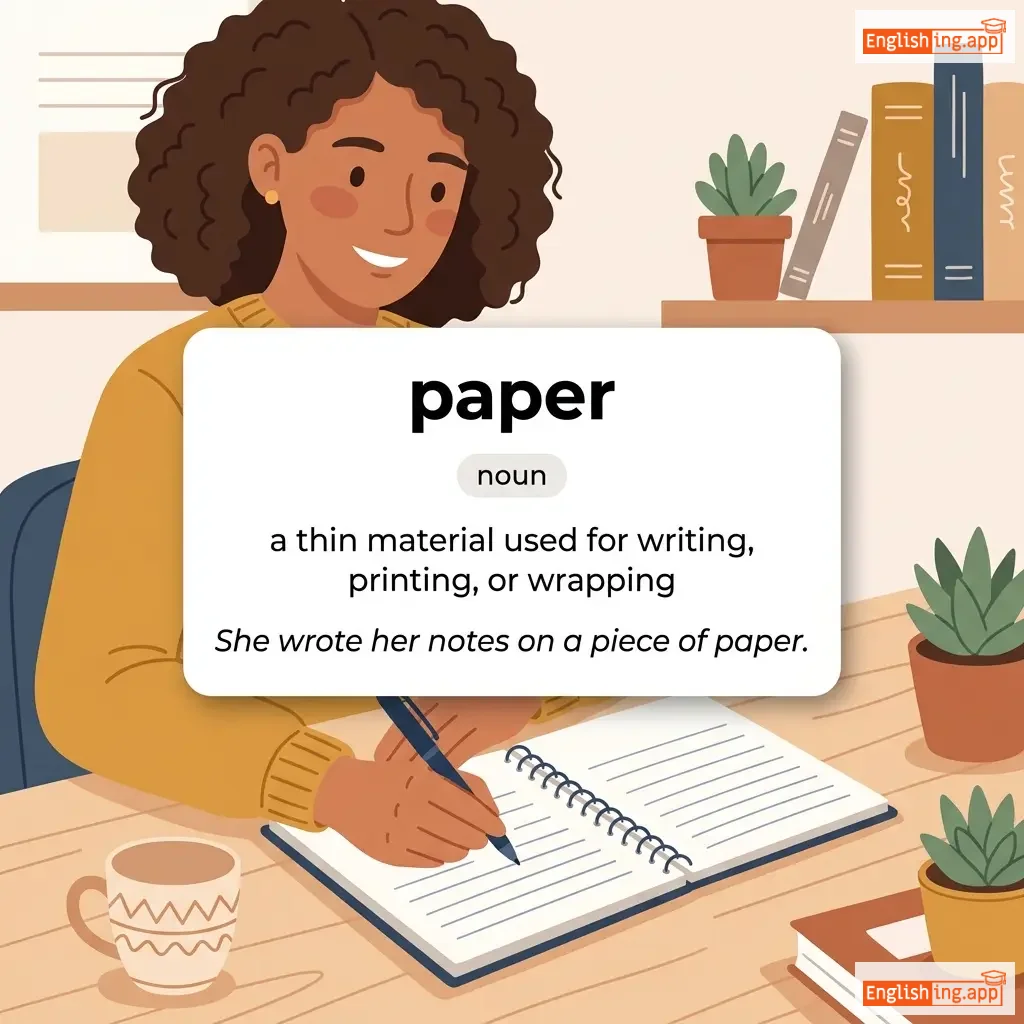
a thin material used for writing, printing, or wrapping
••••••
|
She wrote her notes on a piece of paper. |
彼女は紙にメモを書いた。
Kanojo wa kami ni memo o kaita.
••••••
|
- •••••• | - •••••• | - •••••• |
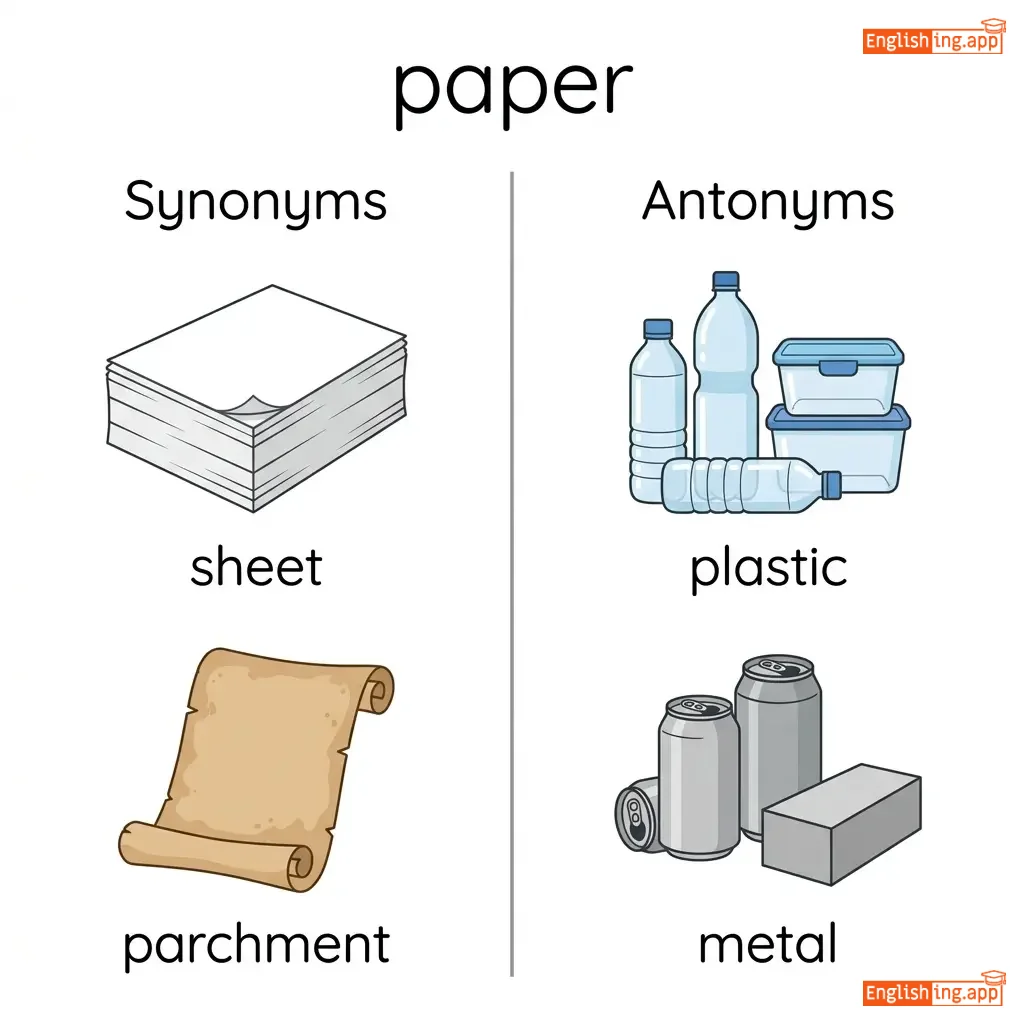
sheet, parchment, document, material
••••••
|
plastic, metal
••••••
|
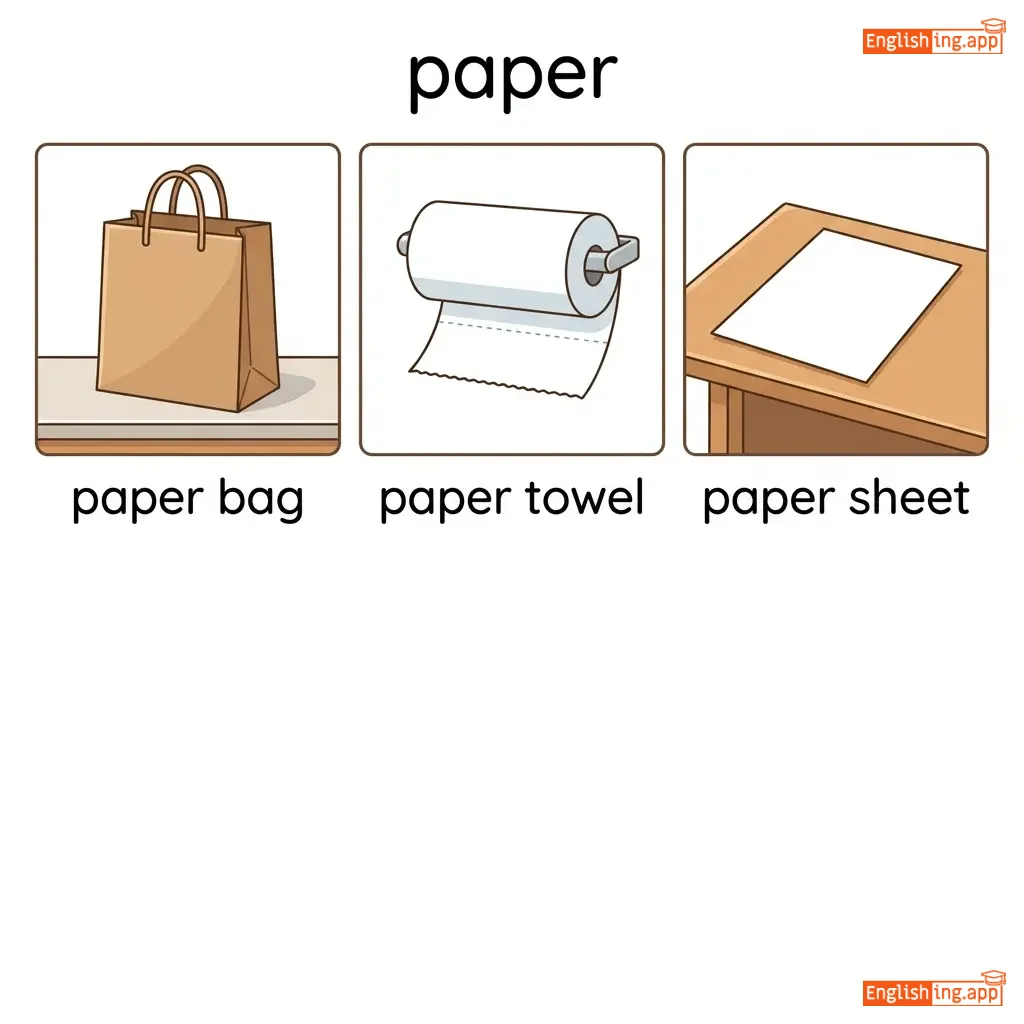
paper bag, paper towel, paper sheet, paper clip
••••••
|
紙で書こう - Remember paper is for writing!
••••••
|
|
#0
🖊️
|
/pɛn/
noun/verb
(ハピネス)
••••••
|
- •••••• |
幸せ
shiawase
••••••
|
penned
••••••
|
penned
••••••
|
pens
••••••
|
penning
••••••
|
A writing instrument using ink; also, to write something.
••••••
|
She used a pen to sign the document.
彼女は賞を受け取ったとき、幸せを隠すことができませんでした。
••••••
|
彼女は賞を受け取ったとき、幸せを隠すことができませんでした。
Kanojo wa shō o uketotta toki, shiawase o kakusu koto ga dekimasen deshita.
••••••
|
the pen is mightier than the sword
幸せの追求
••••••
|
Writing is more powerful than violence.
••••••
|
幸せの追求
shiawase no tsuikyū
••••••
|
writing tool, stylus, quill, marker
••••••
|
pencil, chalk
••••••
|
ink pen, fountain pen, ballpoint pen, pen down
••••••
|
幸せ (happiness) は毎日を輝かせる力
••••••
|
|
#0
👨🏫
|
/prəˈfɛsər/
noun
(教授)
••••••
|
- •••••• |
教授
kyouju
••••••
|
- •••••• | - •••••• | - •••••• | - •••••• |
a senior teacher or academic at a college or university
••••••
|
The professor explained the theory clearly. |
教授は理論を明確に説明しました。
Kyouju wa riron wo meikaku ni setsumei shimashita.
••••••
|
professor emeritus |
a retired professor who retains an honorary title
••••••
|
名誉教授
meiyo kyouju
••••••
|
lecturer, academic, scholar, instructor
••••••
|
student, pupil
••••••
|
university professor, assistant professor, professor emeritus, professor of law
••••••
|
Professor = Kyouju — これが専門分野のエキスパート教師
••••••
|
|
#0
📖
|
/riːd/
verb
(リード)
••••••
|
- •••••• |
読む
yomu
••••••
|
read
レッド
••••••
|
read
レッド
••••••
|
reads
リッズ
••••••
|
reading
リーディング
••••••
|
to look at written words and understand their meaning
••••••
|
I read books before going to bed.
わたしはねるまえにほんをよみます。
••••••
|
私は寝る前に本を読みます。
Watashi wa neru mae ni hon o yomimasu.
••••••
|
- •••••• | - •••••• | - •••••• |
study, peruse, scan, review
••••••
|
write, ignore, overlook
••••••
|
read books, read aloud, read carefully, love to read
••••••
|
読む: 言葉を見る、意味を理解する
••••••
|
|
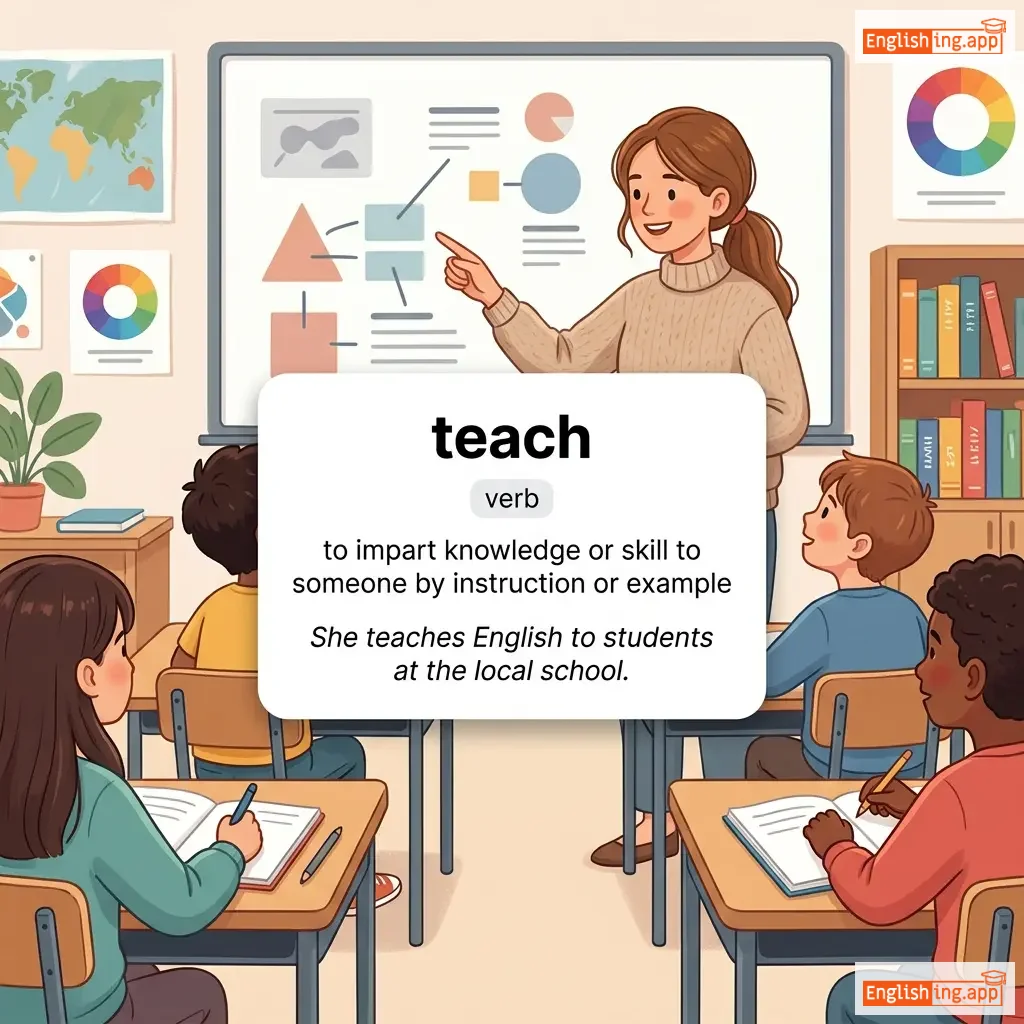
#0
👩🏫
|
/tiːtʃ/
verb
(ティーチ)
••••••
|
|
教える
oshieru
••••••
|
taught
トート
••••••
|
taught
トート
••••••
|
teaches
ティーチズ
••••••
|
teaching
ティーチング
••••••
|
to give knowledge or instruction to someone; to show how to do something
••••••
|
She teaches English at the local school.
彼女は地元の学校で英語を教えています。
••••••
|
彼女は地元の学校で英語を教えています。
Kanojo wa jimoto no gakkou de eigo o oshieteimasu.
••••••
|
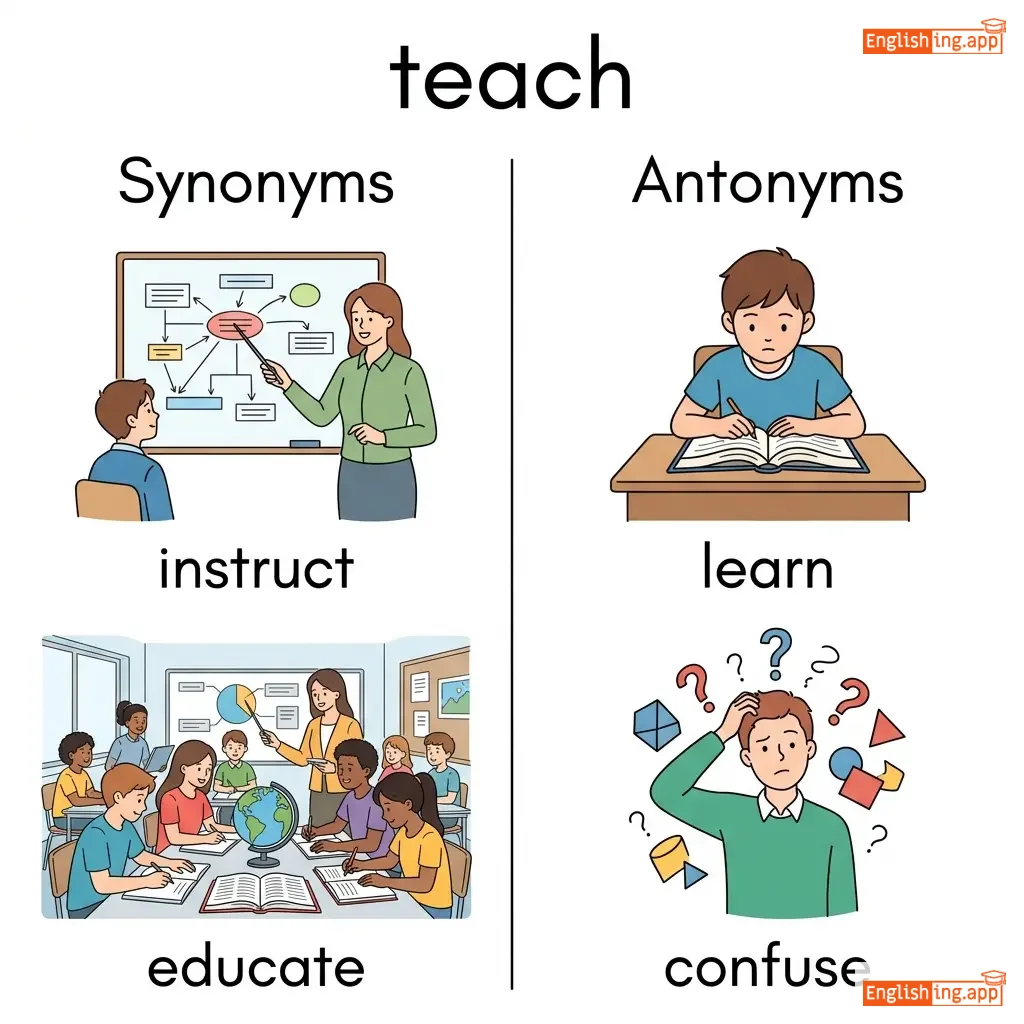
- •••••• | - •••••• | - •••••• |
instruct, educate, train, coach
••••••
|
learn, study
••••••
|
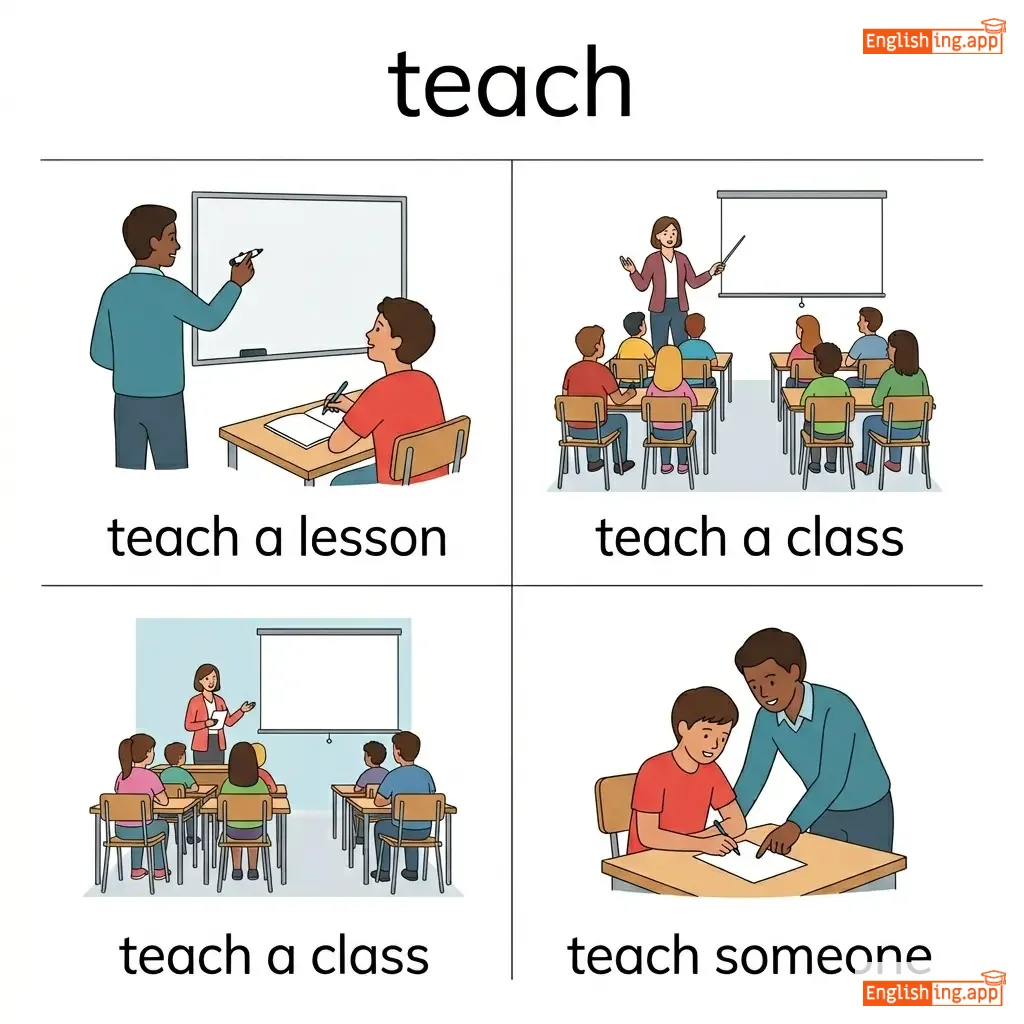
teach lessons, teach students, teach skills, teach children, teach courses, teach methods
••••••
|
ティーチ (teach) = 教える (oshieru), 教室の中で
••••••
|
|
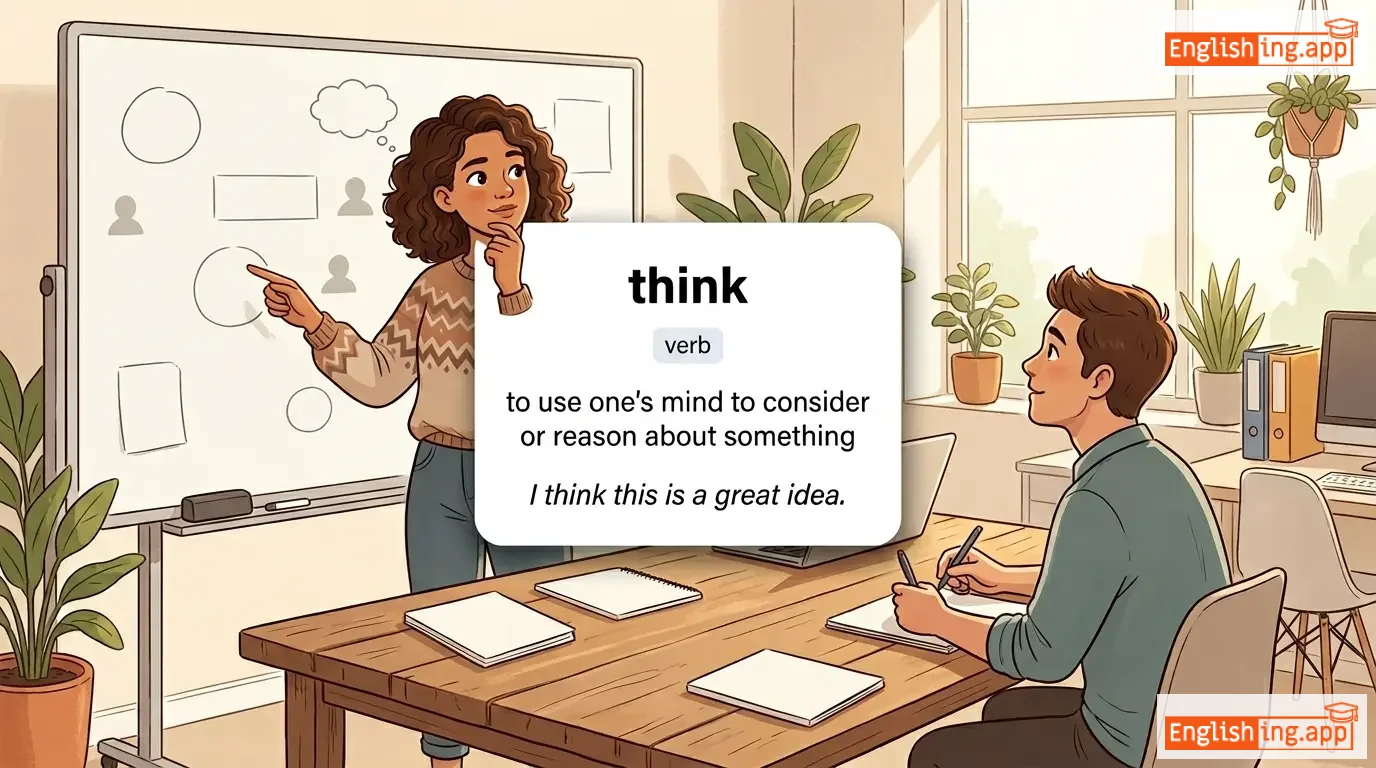
#0
🤔
|
/θɪŋk/
verb
(think)
••••••
|
|
考える
kangaeru
••••••
|
thought
thot
••••••
|
thought
thot
••••••
|
thinks
thinkz
••••••
|
thinking
thinking
••••••
|
to use one's mind to consider or reason about something
••••••
|
I think this is a great idea.
私はこれが素晴らしいアイデアだと思います。
••••••
|
私はこれが素晴らしいアイデアだと思います。
Watashi wa kore ga subarashī aidea da to omoimasu.
••••••
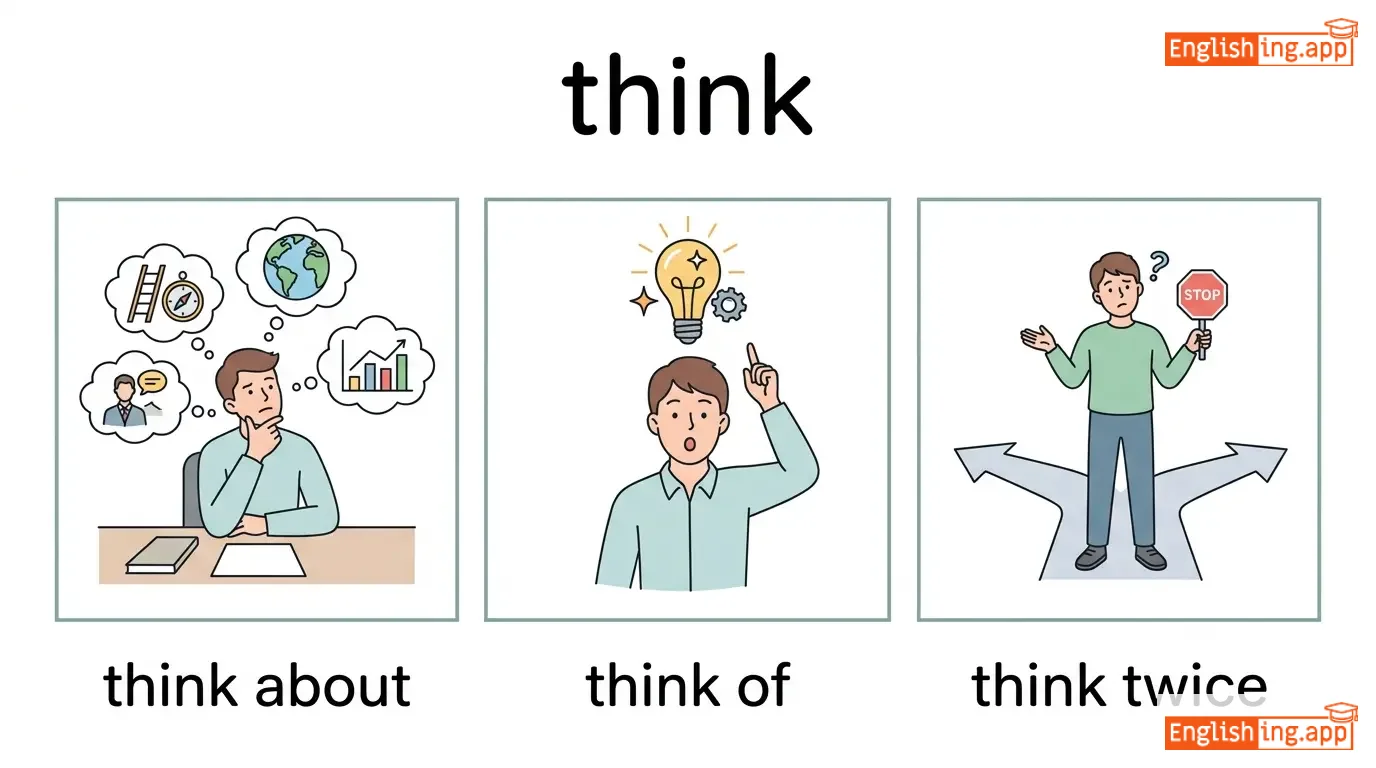
|
Think twice
二度考えろ
••••••
|
Consider something carefully before making a decision
••••••
|
二度考えろ
Nido kangaero
••••••
|
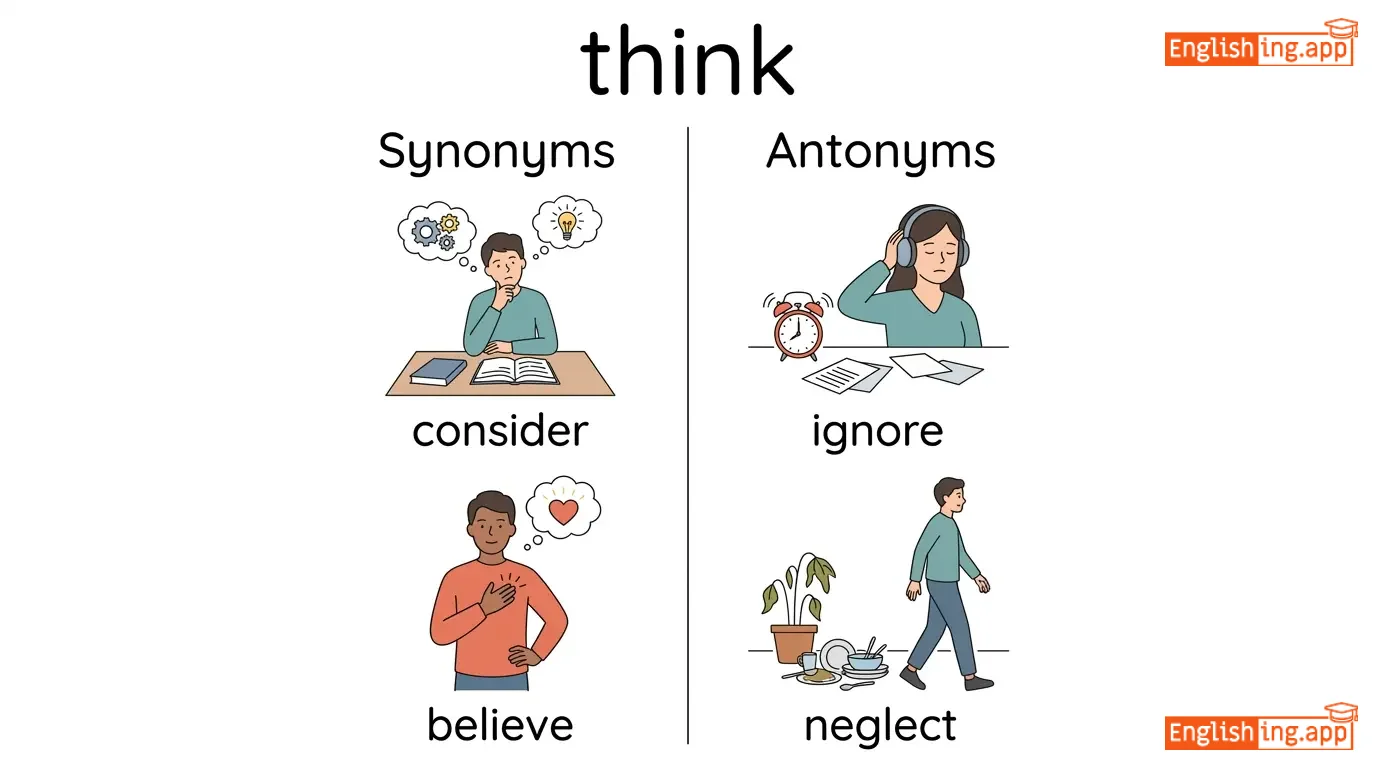
consider, believe, reflect, ponder
••••••
|
ignore, neglect
••••••
|
think about, think of, think twice, think hard
••••••
|
考えることは、心をリフレッシュして最適な選択を見つけるための鍵です。
••••••
|
|
#0
✍️
|
/raɪt/
verb
(happiness)
••••••
|
|
幸福
kōfuku
••••••
|
wrote
••••••
|
written
••••••
|
writes
••••••
|
writing
••••••
|
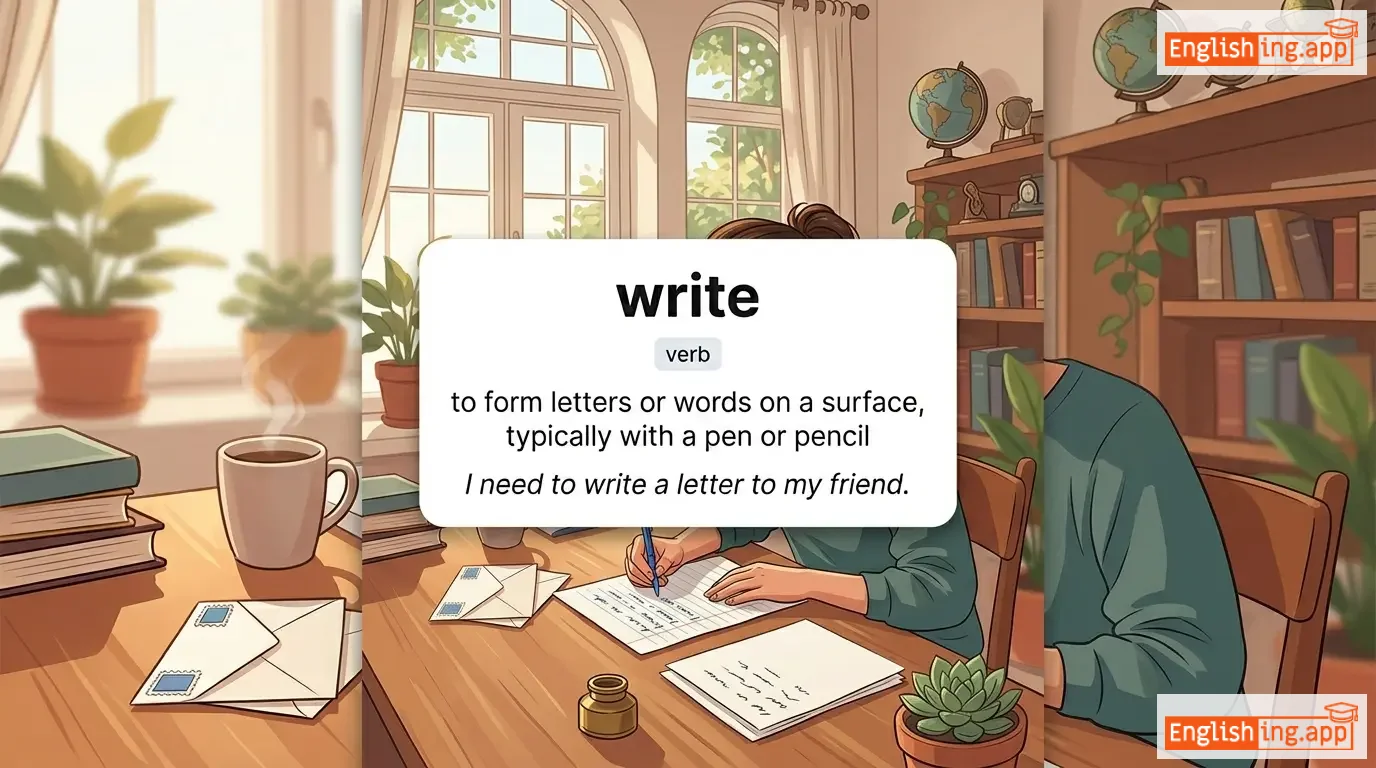
to form letters or words on a surface, typically with a pen or pencil
••••••
|
I need to write a letter to my friend.
彼女は賞を受け取ったとき、自分の幸せを隠せなかった。
••••••
|
彼女は賞を受け取ったとき、自分の幸せを隠せなかった。
Kanojo wa shō o uketotta toki, jibun no kōfuku o kakusenakatta.
••••••
|
write down
幸せを追求する
••••••
|
to make a note of something
••••••
|
幸せを追求する
shiawase o tsuikyū suru
••••••
|
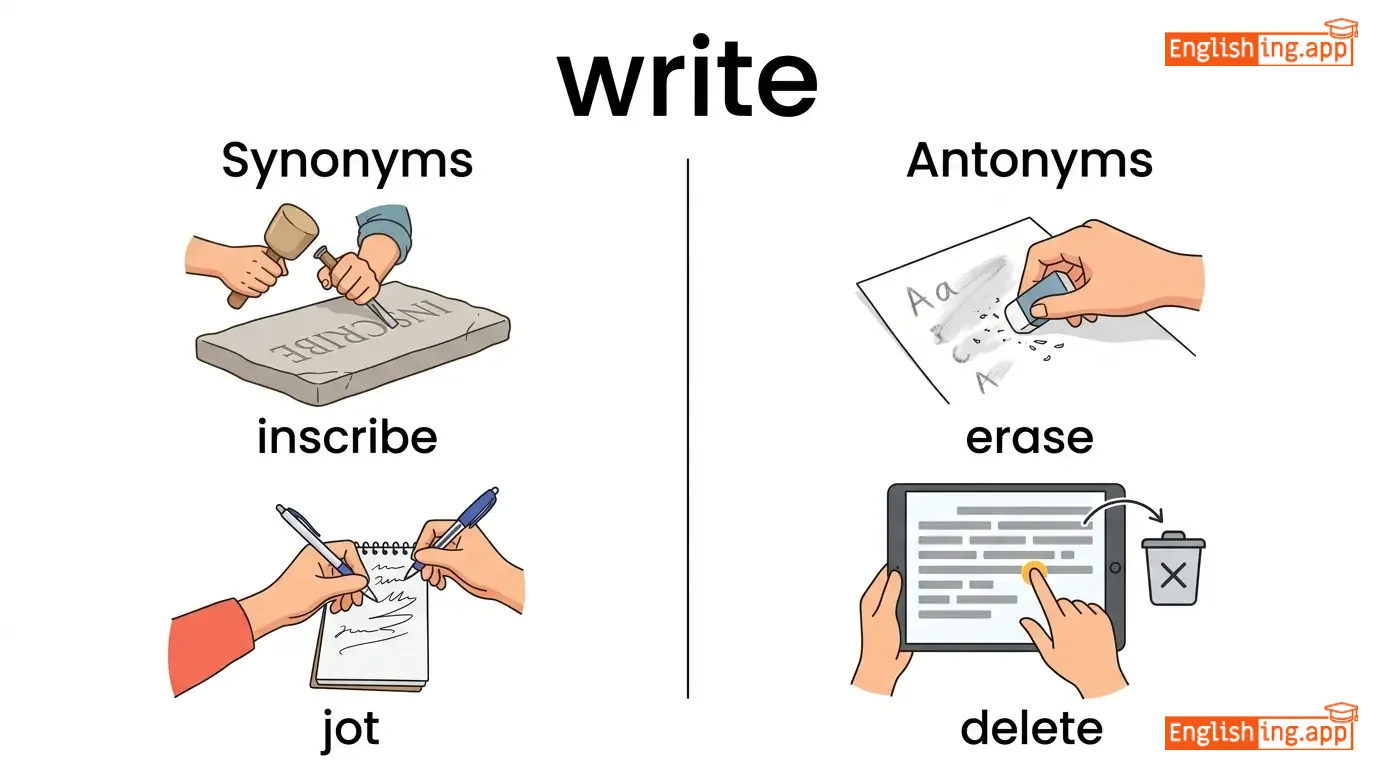
inscribe, jot, record, compose
••••••
|
erase, delete
••••••
|
write a letter, write a note, write an email, write a report
••••••
|
幸福を求める旅は絶え間なく続きます!
••••••
|
Vocabulary Quiz
Test your vocabulary by matching words with their translations or meanings.
Login to take the quiz
Comments (0)
Share your thoughts and join the discussion.
Join the discussion by logging in
Login to CommentNo comments yet
Be the first to share your thoughts!