

鉱業を変えた発明者
The Inventor Who Changed Mining
ハサンはmining業界で働いていたエンジニアでした。彼の情熱は、労働者の安全を守る新しい技術を発明することでした。Miningは危険な職業であり、企業は事故に対してliableでした。ハサンはガス漏れを検出するmobileデバイスを作ることを決定しました。彼の発明のために、彼はpatentを申請しました。最初、たくさんの人がそれは実用的ではないとmutteredしましたが、ハサンは決意していました。ある日、大手企業がmergerを提案しましたが、ハサンはそれを拒否しました。彼は自分のビジョンが変わらないようにinsureしたかったからです。彼のデバイスのmanualはシンプルで、労働者たちは簡単にpick upできました。Latter月に、彼のデバイスのおかげで事故が回避されました。あるpirate鉱業会社は彼のデザインをコピーしようとしましたが、patentが彼を守りました。ハサンは小さなオフィスをoccupyし、outletを通じて実験室を運営していました。面白い瞬間は、昼食中にpotatoを間違ってpowderの隣で皮をむいてしまったことです。彼の実験室は華やかではありませんでしたが、彼の献身はunlike他の誰とも違いました。腐敗した人々は彼のプロトタイプをkidnapしようとし、pistolで脅迫しました。しかしハサンは警察に通報し、彼らは迅速に対応しました。犯罪者は彼の作業場にinvadeすることができませんでした。彼の発明は業界にlingerし、次第にすべての企業がそれを採用しました。ハサンの勇気と彼のplungeが未知の領域に入ることが、イノベーションが命を救うことを証明しました。
翻訳
過去
過去分詞
三人称単数
動名詞
意味
例文
例文の翻訳
同義語
対義語
コロケーション
ニーモニック

Swipe left or right, or use the buttons. Tap image to zoom.
例文の翻訳
単語
The Inventor Who Changed MiningThe Inventor Who Changed Mining - マスクトグル
|
絵文字
|
単語 | Images | 翻訳 | 過去 | 過去分詞 | 三人称単数 | 動名詞 | 意味 | 例文 | 例文の翻訳 | 表現例 | 表現例の意味 | 表現例の翻訳 | 同義語 | 対義語 | コロケーション | ニーモニック |
|---|---|---|---|---|---|---|---|---|---|---|---|---|---|---|---|---|---|
|
#0
🛡️
|
/ɪnˈʃʊr/
verb
••••••
|
|
- •••••• |
insured
••••••
|
insured
••••••
|
insures
••••••
|
insuring
••••••
|
to arrange for compensation in case of loss or damage, typically by taking out insurance
••••••
|
You should insure your car against theft or accidents. |
- •••••• |
insure against loss |
to protect oneself financially from possible loss
••••••
|
- •••••• |
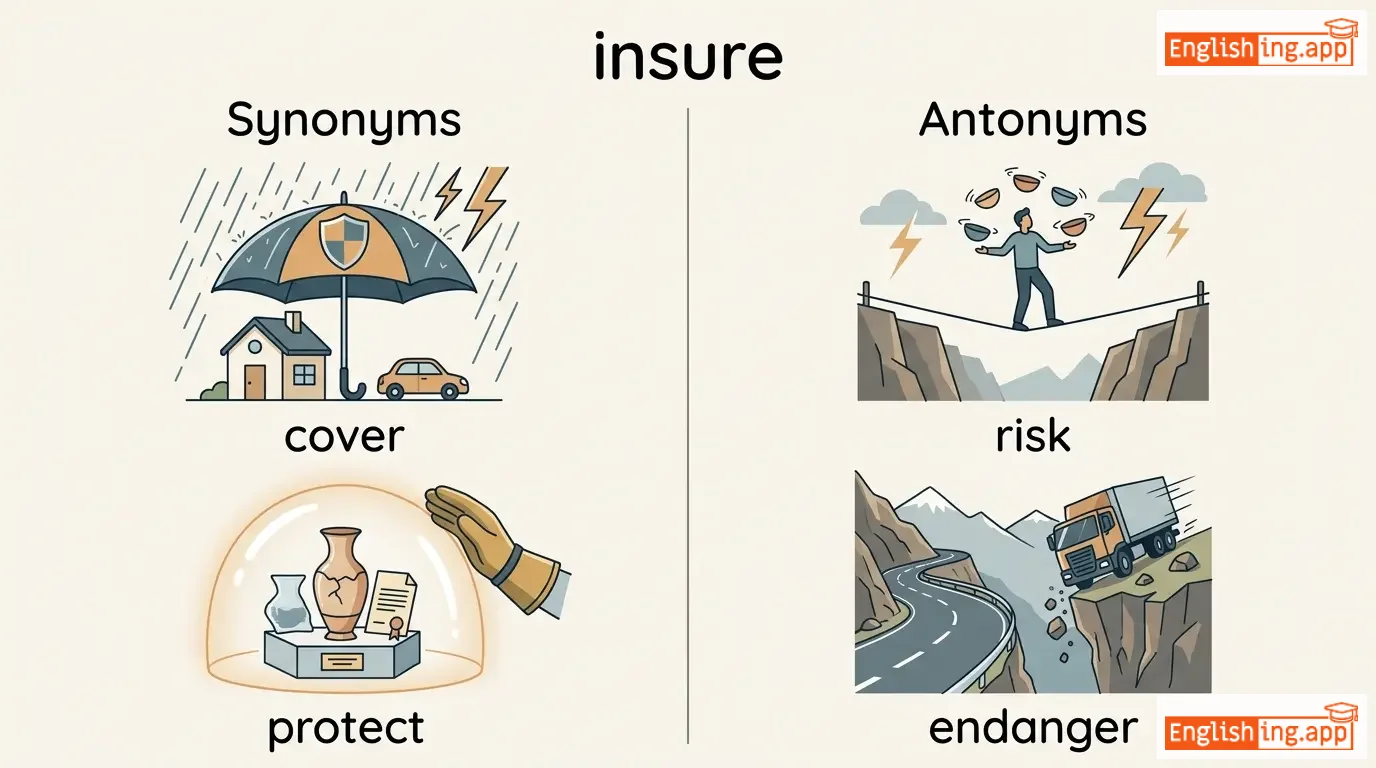
cover, protect, guarantee, secure, safeguard
••••••
|
risk, endanger, expose
••••••
|
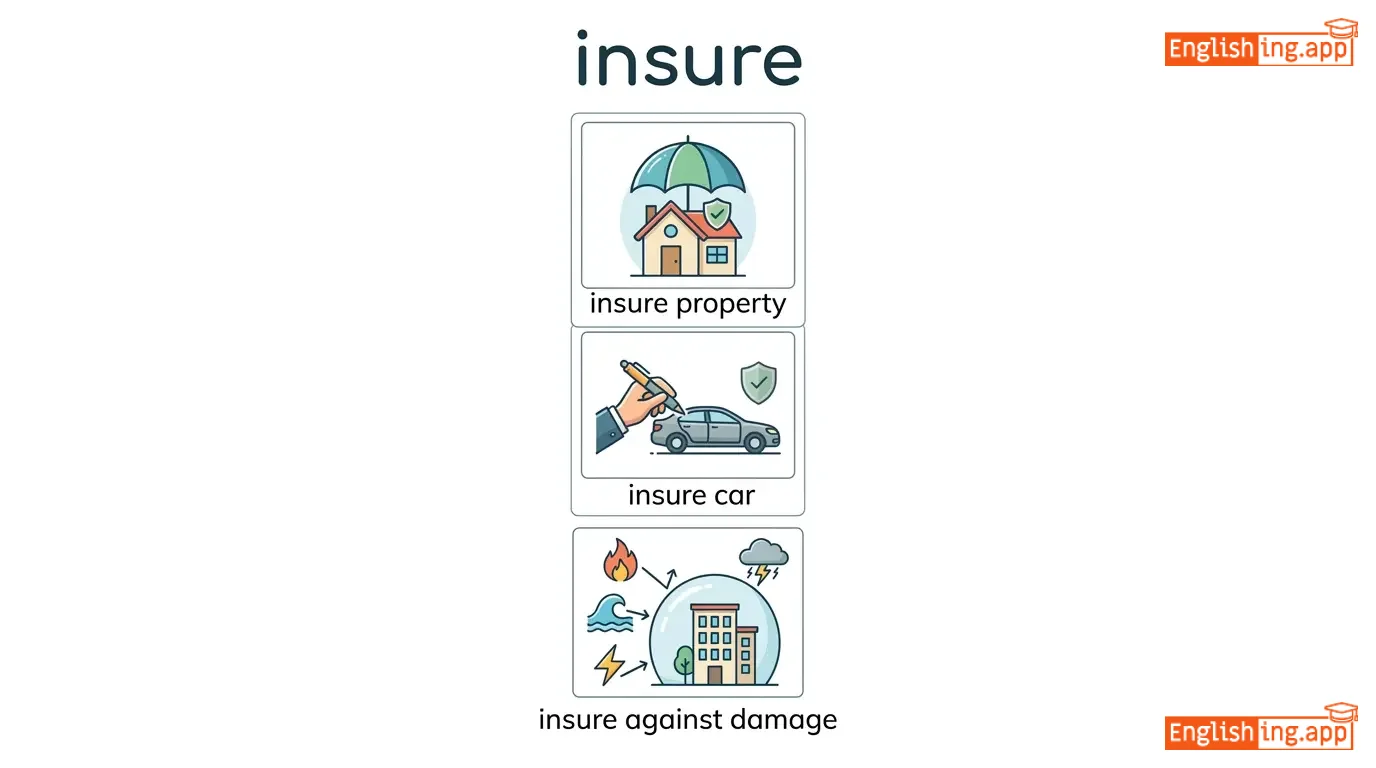
insure property, insure car, insure against damage, fully insured
••••••
|
No •••••• |
|
#0
⚔️
|
/ɪnˈveɪd/
verb
(インベード)
••••••
|
- •••••• |
侵入する
shin'nyū suru
••••••
|
invaded
インベイデッド
••••••
|
invaded
インベイデッド
••••••
|
invades
インベイズ
••••••
|
invading
インベイディング
••••••
|
to enter a place or country forcefully, especially as an enemy
••••••
|
The army invaded the neighboring country.
軍隊は隣国に侵入しました。
••••••
|
軍隊は隣国に侵入しました。
Guntai wa ringoku ni shin'nyū shimashita.
••••••
|
invade someone's privacy
誰かのプライバシーを侵害する
••••••
|
to intrude into someone's personal life
••••••
|
誰かのプライバシーを侵害する
Dareka no puraibashī o shingai suru
••••••
|
attack, conquer, occupy, overrun, intrude
••••••
|
withdraw, retreat, leave
••••••
|
invade territory, invade privacy, invaded country, invading force
••••••
|
In + Vade (入る) — 入って侵入することがinvadeです。
••••••
|
|
#0
🕵️
|
/ˈkɪdnæp/
verb
(キッドナップ)
••••••
|
|
誘拐
yūkai
••••••
|
kidnapped
キッドナップド
••••••
|
kidnapped
キッドナップド
••••••
|
kidnaps
キッドナップス
••••••
|
kidnapping
キッドナッピング
••••••
|
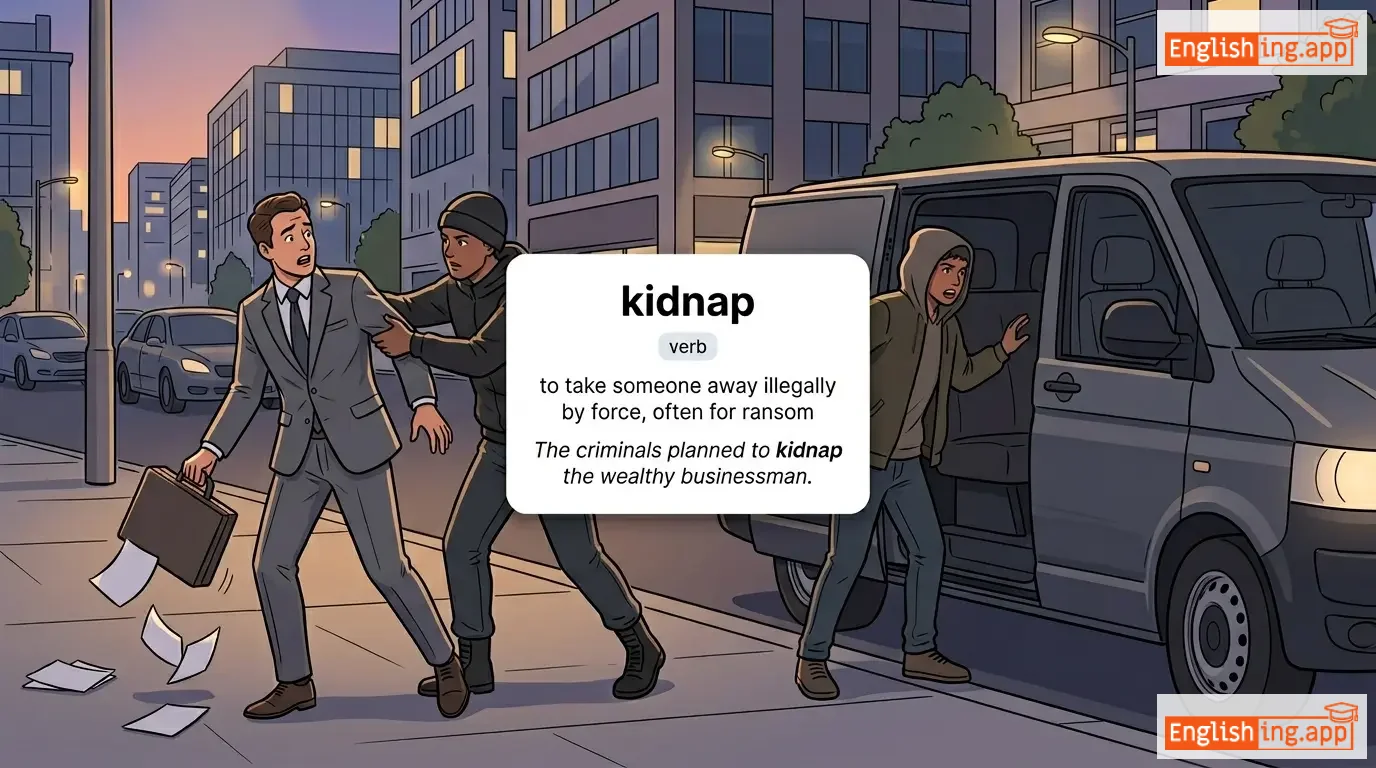
to take someone away illegally by force, often for ransom
••••••
|
The criminals planned to kidnap the wealthy businessman.
犯罪者たちは裕福なビジネスマンを誘拐する計画を立てた。
••••••
|
犯罪者たちは裕福なビジネスマンを誘拐する計画を立てた。
Hanzaisha-tachi wa yūfuku na bijinesuman o yūkai suru keikaku o tateta.
••••••
|
kidnap for ransom
身代金目的の誘拐
••••••
|
abduct someone in order to demand money
••••••
|
身代金目的の誘拐
migawaki mokuteki no yūkai
••••••
|
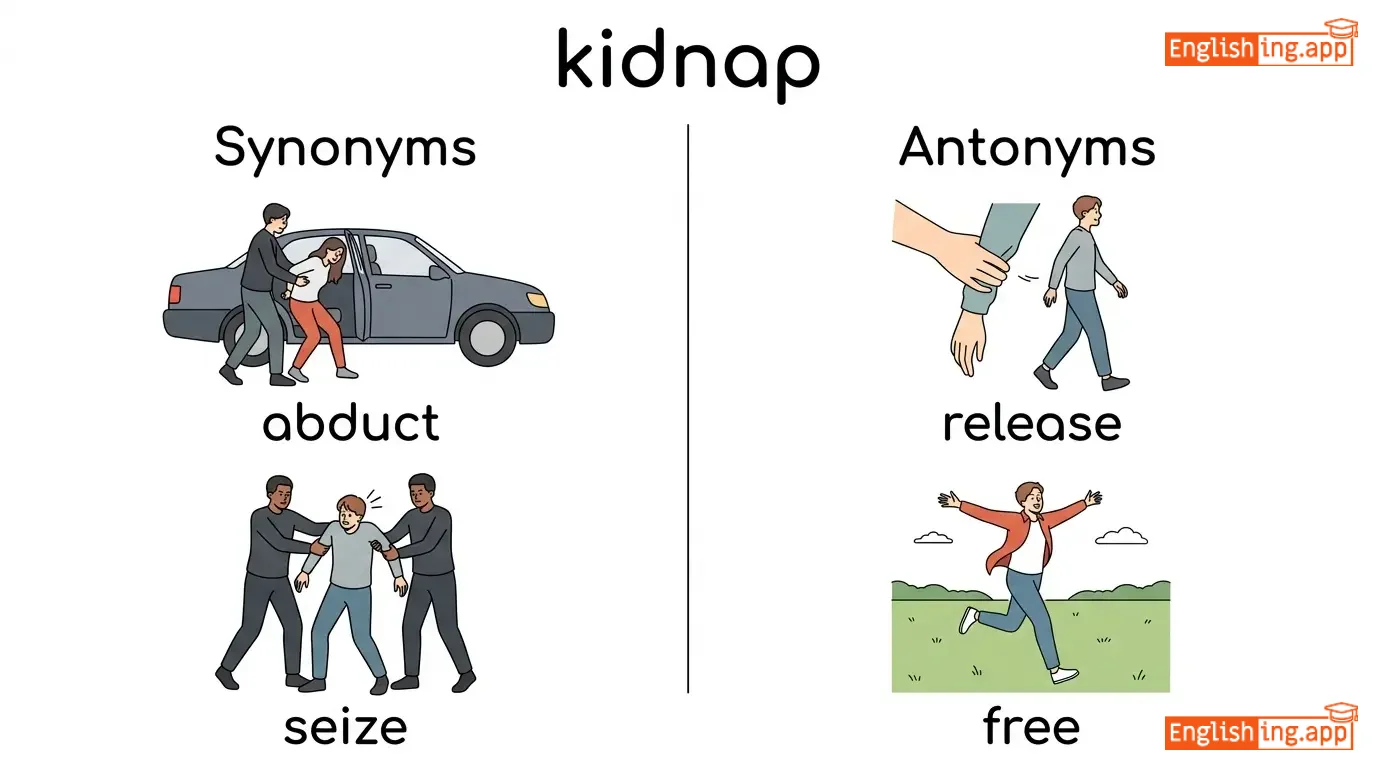
abduct, seize, snatch, capture
••••••
|
release, free, liberate
••••••
|
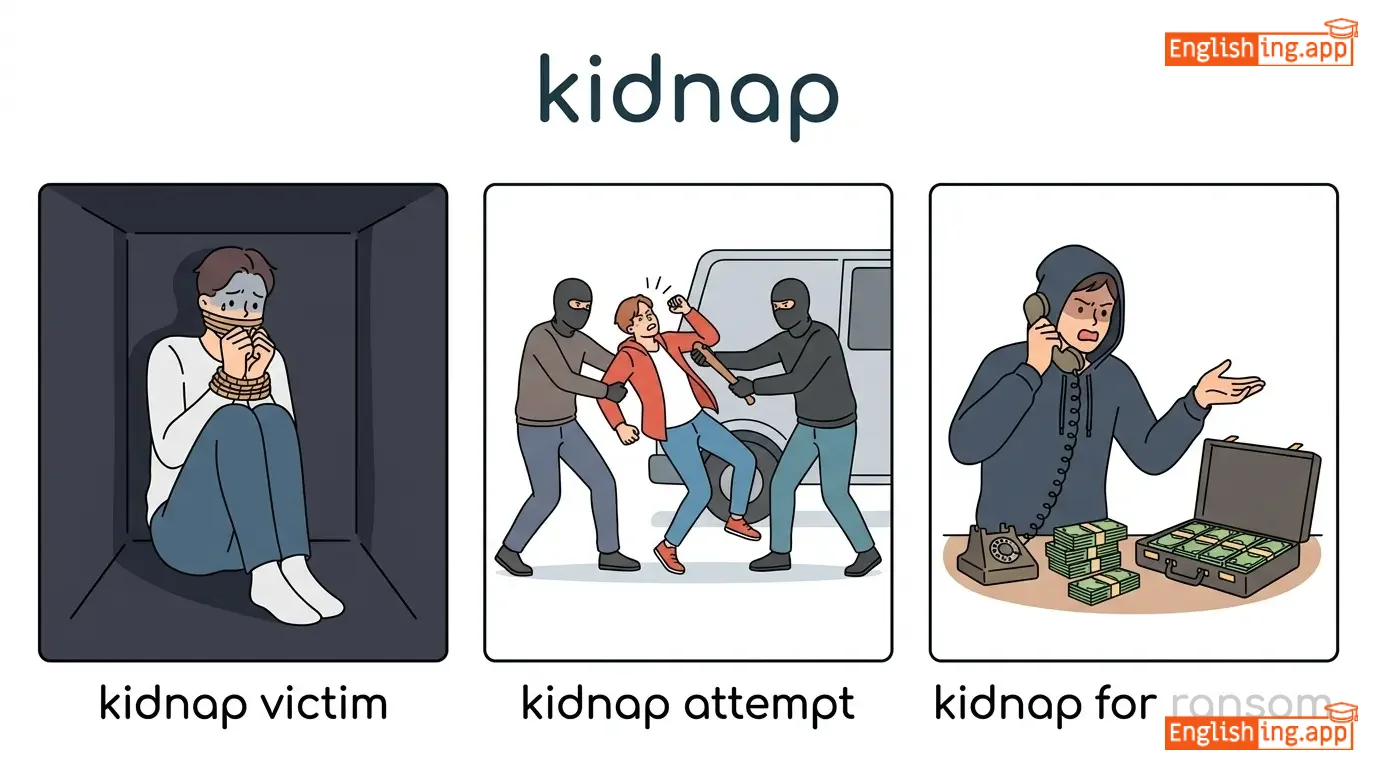
kidnap victim, kidnap attempt, kidnap for ransom
••••••
|
Kid + nap → 子供が寝ている、誘拐は誰かを連れて行くこと
••••••
|
|
#0
➡️
|
/ˈlætər/
adjective
(ラター)
••••••
|
- •••••• |
後者
kōsha
••••••
|
- •••••• | - •••••• | - •••••• | - •••••• |
the second of two people or things mentioned
••••••
|
Between tea and coffee, I prefer the latter. |
お茶とコーヒーの間で、私は後者を選びます。
Ocha to kōhī no aida de, watashi wa kōsha o erabimasu.
••••••
|
- •••••• | - •••••• | - •••••• |
second, last-mentioned, concluding, final
••••••
|
former, first
••••••
|
the latter case, in the latter part, the latter option
••••••
|
Formerは最初、Latterは後者 – どちらかを選ぶとき、latterは後者を意味します
••••••
|
|
#0
📜
|
/ˈlaɪəbl/
adjective
(ライアブル)
••••••
|
- •••••• |
責任がある
sekinin ga aru
••••••
|
- •••••• | - •••••• | - •••••• | - •••••• |
legally responsible or likely to be affected by something
••••••
|
He is liable to pay damages for the accident. |
彼は事故の損害賠償を支払う責任があります。
Kare wa jiko no songaibaishō o shiharau sekinin ga arimasu.
••••••
|
liable to |
likely to experience or suffer from something
••••••
|
可能性がある
kanōsei ga aru
••••••
|
responsible, accountable, answerable, bound
••••••
|
immune, exempt
••••••
|
liable for, liable to, held liable, liable party
••••••
|
Liableは責任があるか、影響を受ける可能性があることを意味します。
••••••
|
|
#0
⏳
|
/ˈlɪŋ.ɡər/
verb
(リンガー)
••••••
|
|
長居する
nagai suru
••••••
|
lingered
リンガード
••••••
|
lingered
リンガード
••••••
|
lingers
リンガーズ
••••••
|
lingering
リンガリング
••••••
|
To stay in a place longer than necessary, often because of unwillingness to leave.
••••••
|
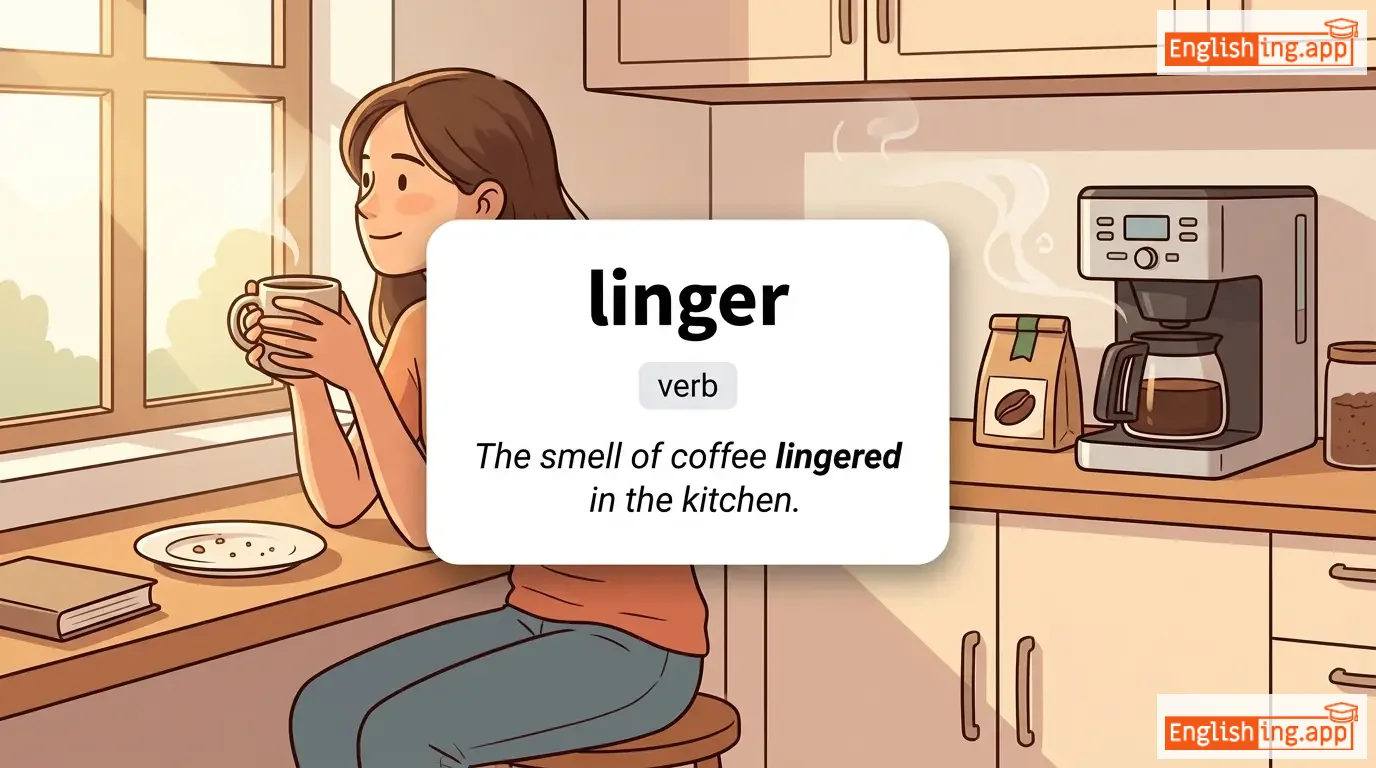
The smell of coffee lingered in the kitchen.
コーヒーの匂いはキッチンに長く linger していた。
••••••
|
コーヒーの匂いはキッチンに長く linger していた。
Kōhī no nioi wa kitchin ni nagaku linger shiteita.
••••••
|
linger on
linger on
••••••
|
To remain for a long time, especially longer than expected.
••••••
|
長居する
nagai suru
••••••
|
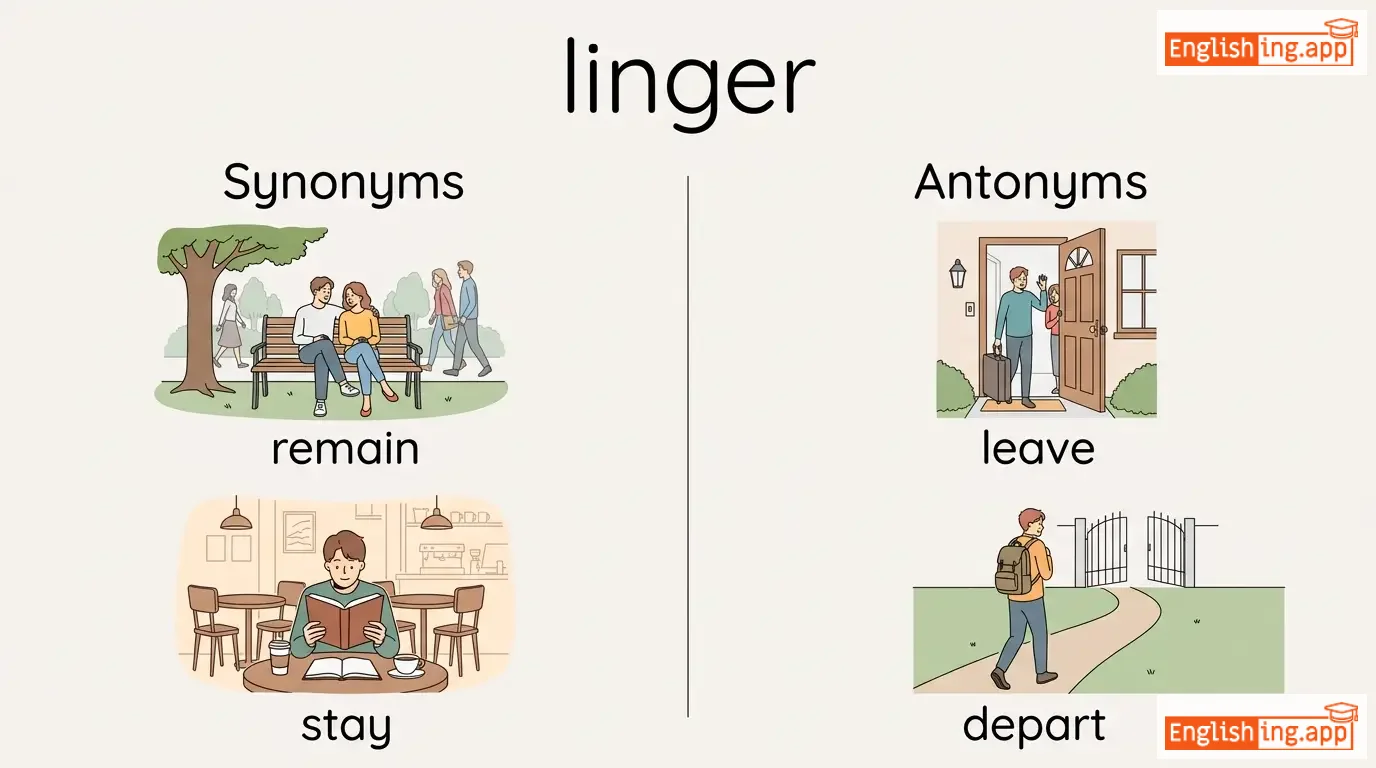
remain, stay, persist, wait, dawdle
••••••
|
leave, depart, vanish
••••••
|
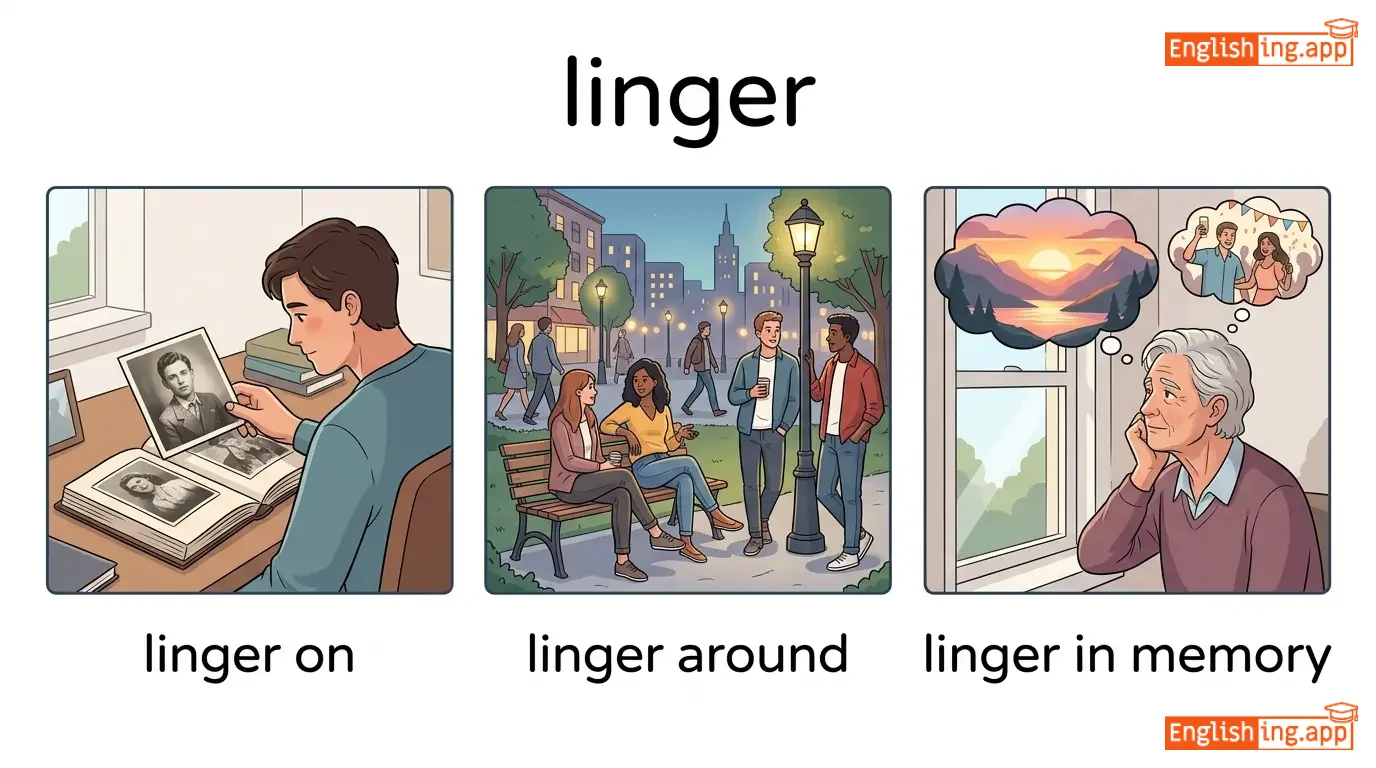
linger on, linger around, linger in memory, linger over
••••••
|
Linger = 長居する、でもまだ行かないで。
••••••
|
|
#0
📘
|
/ˈmænjuəl/
noun
(マニュアル)
••••••
|
- •••••• |
マニュアル
manual
••••••
|
- •••••• | - •••••• | - •••••• | - •••••• |
a handbook or guide that provides instructions on how to do or operate something
••••••
|
You should read the user manual before setting up the device. |
デバイスを設定する前に、ユーザーマニュアルを読んでください。
Debaisu wo settei suru mae ni, yūzā manyuaru wo yonde kudasai.
••••••
|
manual labor |
physical work done by hand rather than by machines
••••••
|
肉体労働
nikutai rōdō
••••••
|
handbook, guidebook, instruction book, reference, documentation
••••••
|
automatic, digital
••••••
|
user manual, training manual, instruction manual, manual labor
••••••
|
マニュアル = 手で行う仕事やガイドブック
••••••
|
|
#0
🔗
|
/ˈmɜːrdʒər/
noun
(マージャー)
••••••
|
- •••••• |
合併
gappei
••••••
|
- •••••• | - •••••• | - •••••• | - •••••• |
The combination of two or more companies into a single entity.
••••••
|
The merger of the two firms created the largest bank in the region. |
2社の合併により、地域で最大の銀行が設立されました。
2sha no gappei ni yori, chiiki de saidai no ginkō ga setsuritsu saremashita.
••••••
|
merger and acquisition |
Business processes of combining or buying companies.
••••••
|
合併と買収
Gappei to baishū
••••••
|
amalgamation, union, consolidation, fusion, integration
••••••
|
division, separation, split
••••••
|
merger agreement, corporate merger, merger deal, merger talks
••••••
|
合併 (gappei) は二つの企業が結婚して、一つの大きなものになるようなものです。
••••••
|
|
#0
⛏️
|
/ˈmaɪnɪŋ/
noun
(マイニング)
••••••
|
- •••••• |
採掘
saikutsu
••••••
|
- •••••• | - •••••• | - •••••• | - •••••• |
the process of extracting valuable minerals or other resources from the earth
••••••
|
Mining in this area has increased in recent years.
この地域での採掘は近年増加しています。
••••••
|
この地域での採掘は近年増加しています。
Kono chiiki de no saikutsu wa kin-nen zōka shiteimasu.
••••••
|
- •••••• | - •••••• | - •••••• |
excavation, extraction, digging
••••••
|
- •••••• |
mining industry, mining company, gold mining
••••••
|
MININGは地球から資源を掘り出すプロセスです。
••••••
|
|
#0
📱
|
/ˈmoʊbaɪl/
adjective
(モバイル)
••••••
|
- •••••• |
モバイル
mobairu
••••••
|
- •••••• | - •••••• | - •••••• | - •••••• |
Able to move or be moved easily; also refers to portable communication devices.
••••••
|
She prefers a mobile lifestyle that allows her to travel frequently.
彼女は頻繁に旅行できるモバイルライフスタイルを好みます。
••••••
|
彼女は頻繁に旅行できるモバイルライフスタイルを好みます。
Kanojo wa hinpan ni ryokō dekiru mobairu raifusutairu o konomimasu.
••••••
|
mobile phone
モバイルフォン
••••••
|
A portable telephone that can be used anywhere.
••••••
|
モバイルフォン
mobairu fon
••••••
|
portable, movable, flexible, transportable
••••••
|
immobile, fixed, stationary
••••••
|
mobile device, mobile phone, mobile app, mobile lifestyle
••••••
|
モバイルは、どこでも使えるように動くことができる電話のようなものです。
••••••
|
|
#0
🤐
|
/ˈmʌtər/
verb
(マター)
••••••
|
- •••••• |
呟く
tsubuyaku
••••••
|
muttered
マターード
••••••
|
muttered
マターード
••••••
|
mutters
マターズ
••••••
|
muttering
マタリング
••••••
|
to speak in a low or barely audible voice, often in dissatisfaction or irritation
••••••
|
He muttered something under his breath as he walked away.
彼は歩きながら何かを呟いた。
••••••
|
彼は歩きながら何かを呟いた。
Kare wa aruki nagara nanika o tsubuyaita.
••••••
|
mutter under one's breath
息を潜めて呟く
••••••
|
to say something quietly so that others cannot clearly hear, often expressing annoyance
••••••
|
息を潜めて呟く
iki o hisomete tsubuyaku
••••••
|
murmur, whisper, mumble, grumble, complain
••••••
|
shout, yell, proclaim
••••••
|
mutter quietly, mutter something, mutter under breath, mutter angrily
••••••
|
Mutterは呟くこと、まるでお母さん(お母さんが怒った時に呟く)。
••••••
|
|
#0
🏠
|
/ˈɒkjʊpaɪ/
verb
(オキュパイ)
••••••
|
|
占める / 占有する / 居住する
okyupai
••••••
|
occupied
オキュパイド
••••••
|
occupied
オキュパイド
••••••
|
occupies
オキュパイズ
••••••
|
occupying
オキュパイング
••••••
|
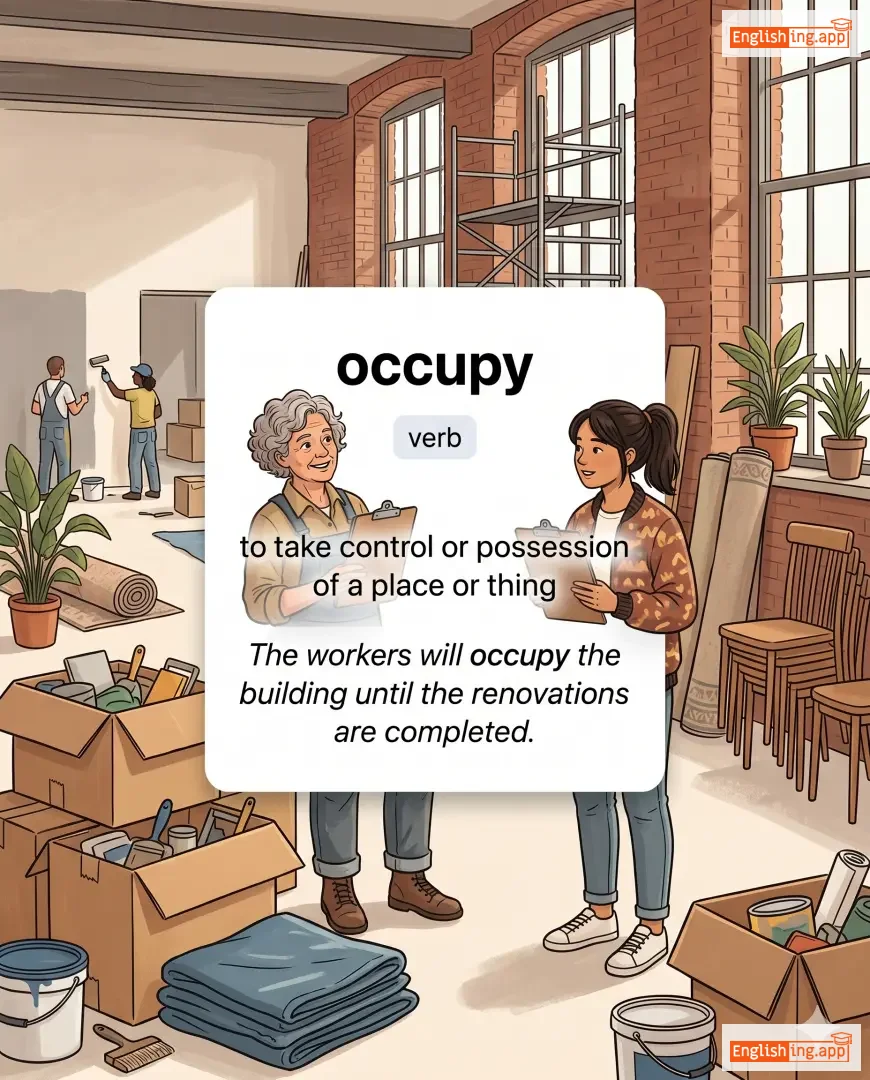
to take up space or time; to live or work in a place
••••••
|
The new family will occupy the house next month.
新しい家族は来月その家に入居する予定です。
••••••
|
新しい家族は来月その家に入居する予定です。
Atarashii kazoku wa raigetsu sono ie ni nyuukyo suru yotei desu.
••••••
|
- •••••• | - •••••• | - •••••• |
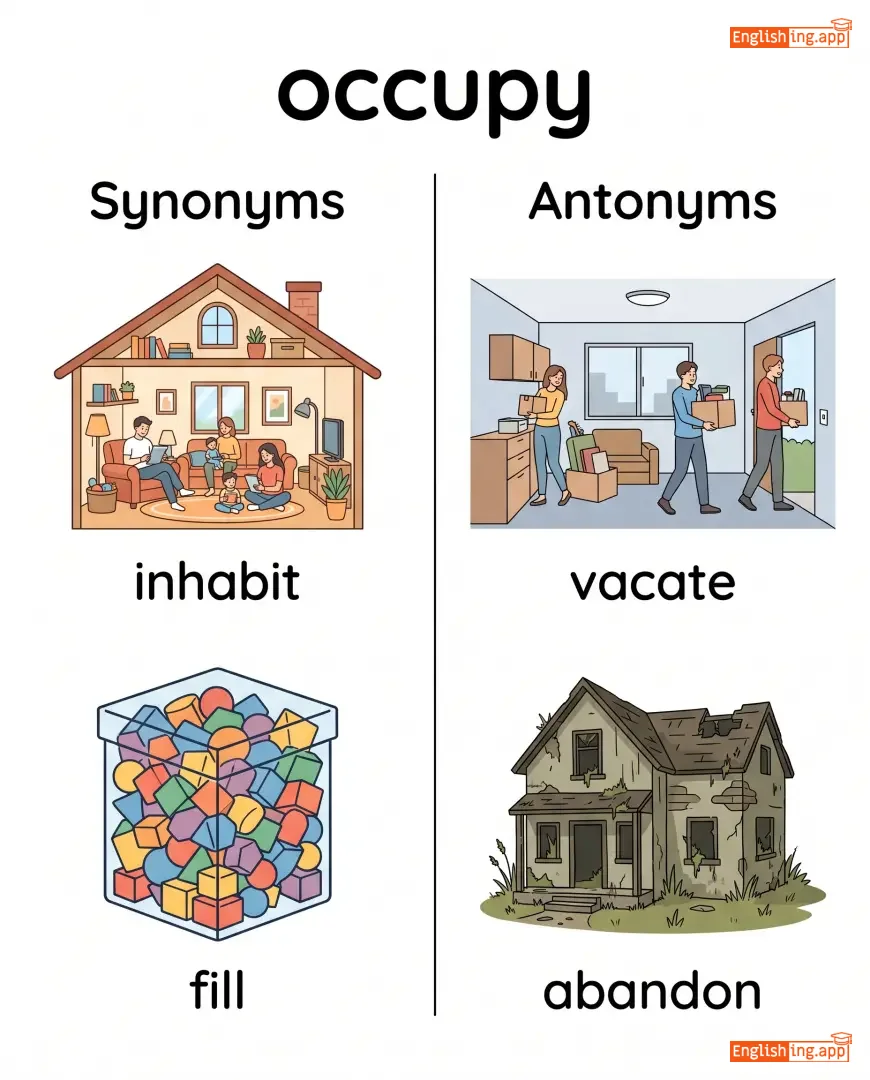
inhabit, reside, fill, take up
••••••
|
vacate, leave, abandon, evacuate
••••••
|
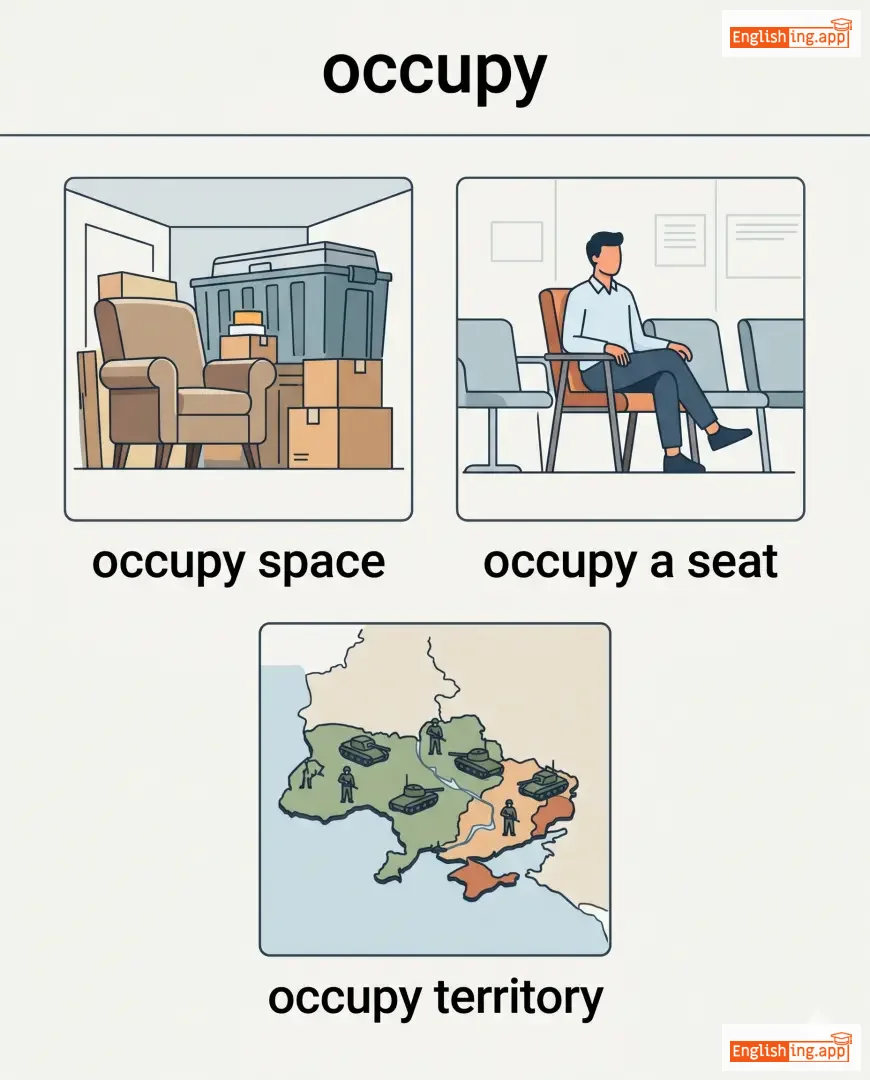
occupy space, occupy time, occupy position, occupy territory
••••••
|
oku-kyu-pai: imagine a cozy room where a pie fills the space, so you occupy it
••••••
|
|
#0
🔌
|
/ˈaʊtlet/
noun
(アウトレット)
••••••
|
- •••••• |
出口
deguchi
••••••
|
- •••••• | - •••••• | - •••••• | - •••••• |
a means by which something is released, expressed, or distributed
••••••
|
Art is a great outlet for emotions. |
アートは感情のための素晴らしい出口です。
Āto wa kanjō no tame no subarashī deguchi desu.
••••••
|
power outlet |
a socket that provides electrical power
••••••
|
電源コンセント
dengen konsento
••••••
|
vent, escape, channel, release, store
••••••
|
inlet, blockage
••••••
|
shopping outlet, outlet store, emotional outlet, power outlet
••••••
|
'Out' は外を意味し、'let' は許可することを意味します — outlet は外に出る道です。
••••••
|
|
#0
📜
|
/ˈpeɪtənt/ or /ˈpætənt/
noun, verb, adjective
(特許)
••••••
|
- •••••• |
特許
tokkyo
••••••
|
patented
特許された
••••••
|
patented
特許された
••••••
|
patents
特許を持っている
••••••
|
patenting
特許を申請する
••••••
|
a government license granting exclusive rights to an inventor; also to obtain such rights
••••••
|
He patented his new invention to protect it from being copied.
彼は自分の新しい発明をコピーから守るために特許を取った。
••••••
|
彼は自分の新しい発明をコピーから守るために特許を取った。
Kare wa jibun no atarashī hatsumei o kopī kara mamoru tame ni tokkyo o totta.
••••••
|
patent pending
特許申請中
••••••
|
a phrase indicating that a patent application has been filed but not yet granted
••••••
|
特許申請中
Tokkyo shinsei-chū
••••••
|
copyright, license, privilege, protection
••••••
|
infringement, imitation
••••••
|
patent law, file a patent, patent rights, patent office
••••••
|
特許は特許 - 発明者がアイデアを保護します。
••••••
|
|
#0
🚚
|
/ˈpɪkʌp/
noun
(ピックアップ)
••••••
|
- •••••• |
オープンバックの小型トラック; 何かを集めたり改善したりする行為
ōpun bakku no kogata torakku; nanika o atsumetari kaizen shitari suru kōi
••••••
|
- •••••• | - •••••• | - •••••• | - •••••• |
a small truck with an open back; the act of collecting or improving something
••••••
|
The company scheduled a pickup for the returned goods. |
会社は返却された商品を引き取る予定でした。
Kaisha wa henkyaku sareta shōhin o hikitoru yotei deshita.
••••••
|
pickup line |
a phrase used to start a conversation with someone you are attracted to
••••••
|
興味のある人と会話を始めるために使うフレーズ
Kyōmi no aru hito to kaiwa o hajimeru tame ni tsukau furēzu
••••••
|
collection, truck, improvement, gathering
••••••
|
drop-off, decline
••••••
|
pickup truck, pickup service, pickup point, pickup line
••••••
|
Pickは集める、Upは上—Pickupは何かを集めたり改善したりする車 🚚
••••••
|
|
#0
🏴☠️
|
/ˈpaɪrət/
noun
(パイレート)
••••••
|
- •••••• |
海賊
kaizoku
••••••
|
- •••••• | - •••••• | - •••••• | - •••••• |
a person who attacks and robs ships at sea; someone who illegally copies or uses another's work
••••••
|
The pirate captured the merchant ship and stole its treasure.
海賊は商船を奪い、その宝物を盗んだ。
••••••
|
海賊は商船を奪い、その宝物を盗んだ。
Kaizoku wa shōsen o ubai, sono hōmotsu o nusunda.
••••••
|
software pirate
ソフトウェア海賊
••••••
|
someone who illegally copies software
••••••
|
ソフトウェア海賊
sofutowea kaizoku
••••••
|
buccaneer, corsair, marauder, raider
••••••
|
law-abiding, honest
••••••
|
sea pirate, software pirate, notorious pirate
••••••
|
海賊は船を奪う - Pirate robs ships
••••••
|
|
#0
🔫
|
/ˈpɪstl/
noun
(ピストル)
••••••
|
- •••••• |
ピストル
pisutoru
••••••
|
- •••••• | - •••••• | - •••••• | - •••••• |
a small handheld gun designed to be fired with one hand
••••••
|
The officer drew his pistol when he saw the suspect. |
警官は容疑者を見たとき、ピストルを抜きました。
Keikan wa yōgisha o mita toki, pisutoru o nukimashita.
••••••
|
smoking gun |
clear evidence of guilt
••••••
|
煙の出る銃
kemuri no deru jū
••••••
|
handgun, revolver, firearm, weapon
••••••
|
peace, safety
••••••
|
loaded pistol, fire pistol, carry pistol, draw pistol
••••••
|
ピストルは手で持つ小さな武器 — 銃を見たら注意しよう!
••••••
|
|
#0
🏊
|
/plʌndʒ/
verb
(puranju)
••••••
|
- •••••• |
素早く飛び込む; 急激に落ちる
subayaku tobikomu; kyūgeki ni ochiru
••••••
|
plunged
puranjudo
••••••
|
plunged
puranjudo
••••••
|
plunges
puranjisu
••••••
|
plunging
puranjingu
••••••
|
to jump or dive quickly; to fall sharply
••••••
|
She plunged into the swimming pool.
彼女はプールに飛び込んだ。
••••••
|
彼女はプールに飛び込んだ。
Kanojo wa pūru ni tobikonda.
••••••
|
take the plunge
一歩踏み出す
••••••
|
to decide to do something important or risky
••••••
|
リスクを取る決断をする
risuku o toru ketsudan o suru
••••••
|
dive, jump, fall, descend
••••••
|
rise, ascend, climb
••••••
|
plunge into, plunge headfirst, market plunge
••••••
|
水に飛び込む決心をする - 飛び込む勇気
••••••
|
|
#0
🥔
|
/pəˈteɪtoʊ/
noun
(ポテト)
••••••
|
- •••••• |
ジャガイモ
jagaimo
••••••
|
- •••••• | - •••••• | - •••••• | - •••••• |
a starchy plant tuber that is a staple food around the world
••••••
|
We had mashed potato with our dinner. |
私たちは夕食にマッシュポテトを食べました。
Watashitachi wa yūshoku ni masshu poteto o tabemashita.
••••••
|
- •••••• | - •••••• | - •••••• |
spud, tuber, yam
••••••
|
none
••••••
|
boiled potato, baked potato, mashed potato, potato salad
••••••
|
ポテトはジャガイモのように見えて、食事に必ず登場します。
••••••
|
|
#0
🌾
|
/ˈpaʊdər/
noun
(パウダー)
••••••
|
- •••••• |
粉
kona
••••••
|
- •••••• | - •••••• | - •••••• | - •••••• |
a fine, dry substance made of very tiny particles
••••••
|
She sprinkled some powder on the cake.
彼女はケーキに粉をふりかけました。
••••••
|
彼女はケーキに粉をふりかけました。
Kanojo wa kēki ni kona o furikakemashita.
••••••
|
- •••••• | - •••••• | - •••••• |
dust, flour, granules, particles
••••••
|
liquid, solid
••••••
|
baby powder, face powder, baking powder, talcum powder
••••••
|
粉は細かい粒子からできていて、植物に由来しています。
••••••
|
Vocabulary Quiz
Test your vocabulary by matching words with their translations or meanings.
Login to take the quiz
Comments (0)
Share your thoughts and join the discussion.
Join the discussion by logging in
Login to CommentNo comments yet
Be the first to share your thoughts!