

おばあちゃんと過ごした夏
A Summer with Grandma
Riya は夏休みをおばあちゃんの家で過ごしに来ていて、彼女はおばあちゃんにとって一番のお気に入りの grandchild だった。おばあちゃんは everything 自分でやるのが好きで、Riya はそれを見て surprised した。Presently、おばあちゃんは年齢にもかかわらず、庭で regularly 働き、時々 occasionally 台所で新しいレシピを試していた。初日、おばあちゃんは Riya に昔の写真アルバムを見せ、過去の reflection に二人とも感動した。おばあちゃんは「人生では多くの sacrifices が必要だけど、家族のための sacrifices が最も意味がある」と言った。おばあちゃんの言葉を聞いて、Riya は自分の人生で何が大切かを contemplate し始めた。おばあちゃんは、どんな関係も tolerance と忍耐なしでは続かないことを教えた。二人は themselves を古い家の一部を改装するプロジェクトに取り組ませた。この undertaking を通して、Riya は努力と献身の大切さを学んだ。Regardless 年齢に関係なく、おばあちゃんはすべての作業に参加し、その熱意は周囲に伝わった。おばあちゃんの impression は Riya にとって非常にポジティブで、彼女はおばあちゃんをロールモデルとして見ていた。Therefore、Riya はおばあちゃんのように強く自立した女性になろうと決意した。おばあちゃんは彼女の心を stimulate するような様々な活動に関わらせた。Riya はこれらの sentiments は言葉だけでなく、行動で示すべきだと感じた。二人は残りの remaining 休暇の日々を一緒に過ごし、すべての瞬間が大切だった。おばあちゃんは「私たちはいつでも ourselves を成長させることができる、年齢は障害ではない」と言った。休暇の終わりに、Riya は自分がただ訪れただけでなく、大切な人生の教訓を学んだと感じた。彼女の excitement は、来年またおばあちゃんの家に来て、もっと時間を過ごすことだった。
翻訳
過去
過去分詞
三人称単数
動名詞
意味
例文
例文の翻訳
同義語
対義語
コロケーション
ニーモニック

Swipe left or right, or use the buttons. Tap image to zoom.
例文の翻訳
単語
A Summer with GrandmaA Summer with Grandma - マスクトグル
|
絵文字
|
単語 | Images | 翻訳 | 過去 | 過去分詞 | 三人称単数 | 動名詞 | 意味 | 例文 | 例文の翻訳 | 表現例 | 表現例の意味 | 表現例の翻訳 | 同義語 | 対義語 | コロケーション | ニーモニック |
|---|---|---|---|---|---|---|---|---|---|---|---|---|---|---|---|---|---|
|
#0
🤔
|
/ˈkɒntəmpleɪt/
verb
••••••
|
- •••••• | - •••••• |
contemplated
••••••
|
contemplated
••••••
|
contemplates
••••••
|
contemplating
••••••
|
to think deeply and carefully about something; to consider thoughtfully
••••••
|
She sat quietly to contemplate her future plans. |
- •••••• |
contemplate the meaning of life |
to think deeply about the purpose or nature of life
••••••
|
- •••••• |
consider, ponder, meditate, reflect, deliberate
••••••
|
ignore, dismiss, neglect
••••••
|
contemplate the future, contemplate change, deeply contemplate, seriously contemplate
••••••
|
No •••••• |
|
#0
🎒
|
/ˈɛvrɪθɪŋ/
pronoun
(エヴリシング)
••••••
|
- •••••• |
すべて
subete
••••••
|
- •••••• | - •••••• | - •••••• | - •••••• |
all things; the whole lot
••••••
|
He packed everything in his suitcase. |
彼はすべてをスーツケースに詰め込んだ。
Kare wa subete o sūtsukēsu ni tsumekonda.
••••••
|
everything under the sun |
all things possible; anything imaginable
••••••
|
太陽の下のすべて
taiyō no moto no subete
••••••
|
all, whole, entirety, totality
••••••
|
nothing, little
••••••
|
everything possible, everything ready, everything needed
••••••
|
Everythingはすべてを意味します - 'Every Thing'はすべてのもの
••••••
|
|
#0
🎉
|
/ɪkˈsaɪtmənt/
noun
(エキサイトメント)
••••••
|
- •••••• |
興奮
koufun
••••••
|
- •••••• | - •••••• | - •••••• | - •••••• |
a feeling of great enthusiasm and eagerness
••••••
|
There was a lot of excitement before the concert began. |
コンサートが始まる前に多くの興奮がありました。
Konsāto ga hajimaru mae ni ōku no kōfun ga arimashita.
••••••
|
in a state of excitement |
feeling or showing strong enthusiasm or agitation
••••••
|
興奮状態で
kōfun jōtai de
••••••
|
thrill, joy, enthusiasm, eagerness, delight
••••••
|
boredom, calm, indifference
••••••
|
feel excitement, great excitement, cause excitement, full of excitement
••••••
|
Excitement は日本語で興奮— 何か大きなことが始まる時のワクワク感!
••••••
|
|
#0
👶
|
/ˈɡrænd.tʃaɪld/
noun
(グランドチャイルド)
••••••
|
- •••••• |
孫
mago
••••••
|
- •••••• | - •••••• | - •••••• | - •••••• |
the child of one's son or daughter
••••••
|
They love spending time with their grandchild on weekends. |
彼らは週末に孫と一緒に過ごすのが大好きです。
Karera wa shūmatsu ni mago to issho ni sugosu no ga daisuki desu.
••••••
|
- •••••• | - •••••• | - •••••• |
descendant, offspring, kin, progeny
••••••
|
ancestor, forebear
••••••
|
new grandchild, first grandchild, proud grandchild
••••••
|
Grandは祖父母、childは子供、grandchildは祖父母の子供です。
••••••
|
|
#0
🖼️
|
/ɪmˈprɛʃən/
noun
(インプレッション)
••••••
|
- •••••• |
印象, 概念
inpuresshon, gainen
••••••
|
- •••••• | - •••••• | - •••••• | - •••••• |
an idea, feeling, or opinion about something or someone
••••••
|
The book gave me a good first impression. |
その本は私に良い最初の印象を与えました。
Sono hon wa watashi ni yoi saisho no inshou o ataemashita.
••••••
|
leave an impression |
to have a lasting effect on someone
••••••
|
印象を残す
inshou o nokosu
••••••
|
impact, effect, influence, perception, opinion
••••••
|
ignorance, indifference
••••••
|
first impression, strong impression, lasting impression, overall impression
••••••
|
First impression is last impression – 最初の印象が大切
••••••
|
|
#0
🔄⏰
|
/əˈkeɪʒənəli/
adverb
(オケイジョネリー)
••••••
|
- •••••• |
時々; たまに;
tokidoki; tamani
••••••
|
- •••••• | - •••••• | - •••••• | - •••••• |
sometimes; from time to time; not regularly
••••••
|
I occasionally visit my grandmother on weekends. |
私は時々週末に祖母を訪ねます。
Watashi wa tokidoki shūmatsu ni sobo o tazunemasu.
••••••
|
- •••••• | - •••••• | - •••••• |
sometimes, from time to time, periodically, sporadically
••••••
|
always, never, constantly, regularly
••••••
|
occasionally visit, occasionally happens, very occasionally
••••••
|
時々祖母を訪ねる
••••••
|
|
#0
🤗
|
/aʊərˈsɛlvz/
pronoun
(アウアセルヴズ)
••••••
|
- •••••• |
私たち自身
watashitachi jishin
••••••
|
- •••••• | - •••••• | - •••••• | - •••••• |
used by the speaker to refer to themselves and one or more others as the object of the verb
••••••
|
We should help ourselves before helping others. |
私たちは他の人を助ける前に、自分たち自身を助けるべきです。
Watashitachi wa hoka no hito o tasukeru mae ni, jibun-tachi jishin o tasukeru beki desu.
••••••
|
- •••••• | - •••••• | - •••••• |
we, we ourselves, our own
••••••
|
themselves, others
••••••
|
help ourselves, find ourselves, express ourselves
••••••
|
私たち (watashitachi) は '私たち自身' を使って自分たちを指します
••••••
|
|
#0
⏰
|
/ˈprez.ənt.li/
adverb
(purizentorī)
••••••
|
- •••••• |
現在; すぐに; しばらくして
genzai; sugu ni; shibaraku shite
••••••
|
- •••••• | - •••••• | - •••••• | - •••••• |
at the present time; soon; in a little while
••••••
|
The doctor will see you presently. |
医者はすぐにあなたを診ます。
Isha wa sugu ni anata o shimasu.
••••••
|
- •••••• | - •••••• | - •••••• |
currently, now, soon, shortly
••••••
|
previously, formerly, later
••••••
|
presently available, presently working, presently located
••••••
|
Presently – すぐに、今、'プレゼント'から学ぶ!
••••••
|
|
#0
🔮
|
/rɪˈflɛkʃən/
noun
(リフレクション)
••••••
|
|
反映
hanei
••••••
|
- •••••• | - •••••• | - •••••• | - •••••• |
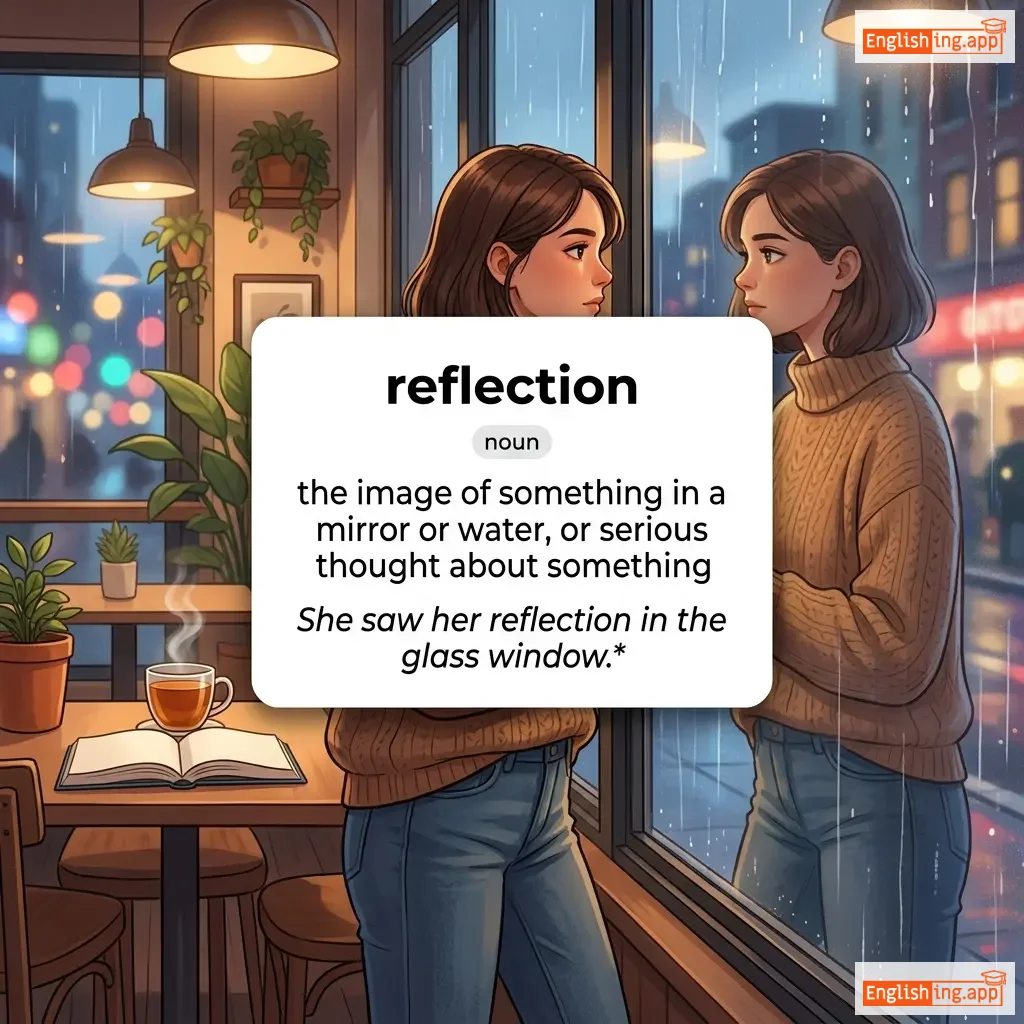
the image of something in a mirror or water, or serious thought about something
••••••
|
She saw her reflection in the glass window. |
彼女はガラスの窓に自分の反映を見ました。
Kanojo wa garasu no mado ni jibun no hanei o mimashita.
••••••
|
a moment of reflection |
a short time spent thinking deeply
••••••
|
反映の瞬間
hanei no shunkan
••••••
|
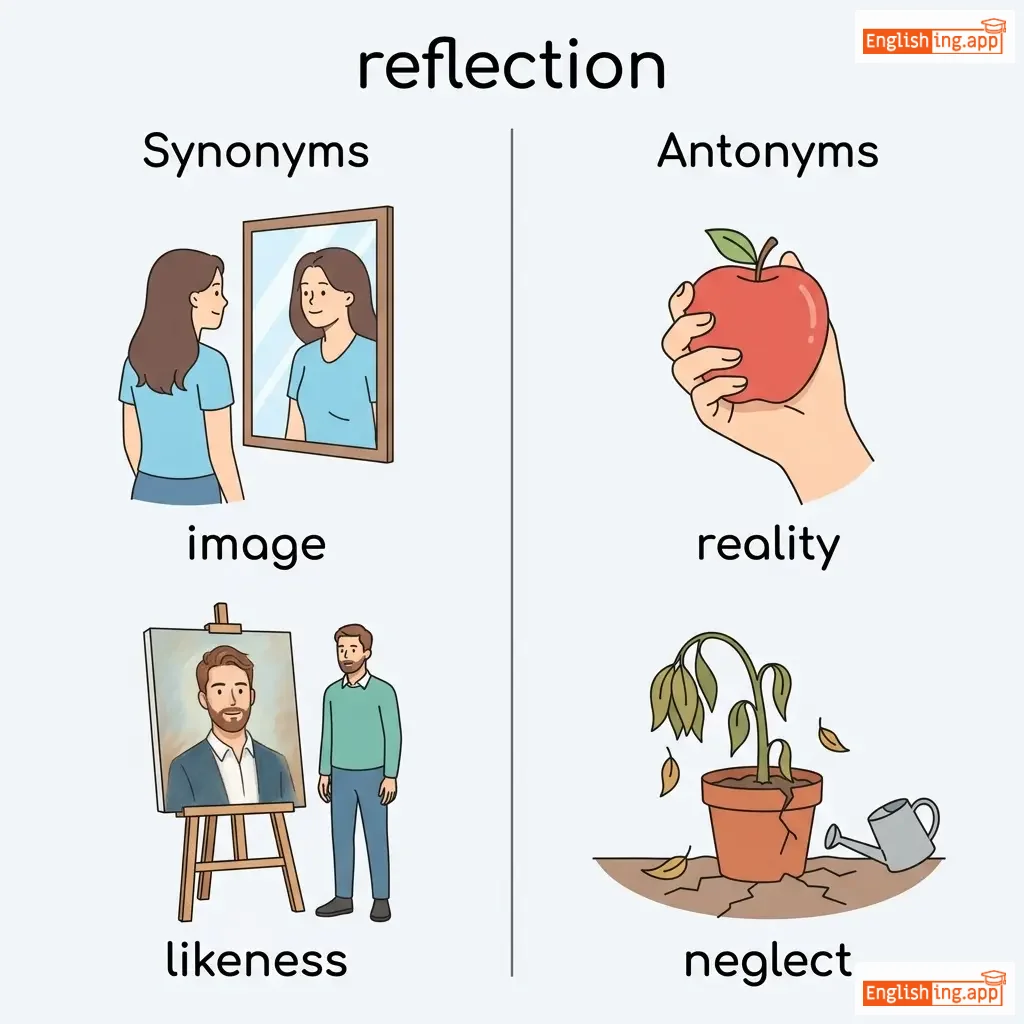
image, likeness, contemplation, thought, consideration
••••••
|
reality, neglect, disregard
••••••
|
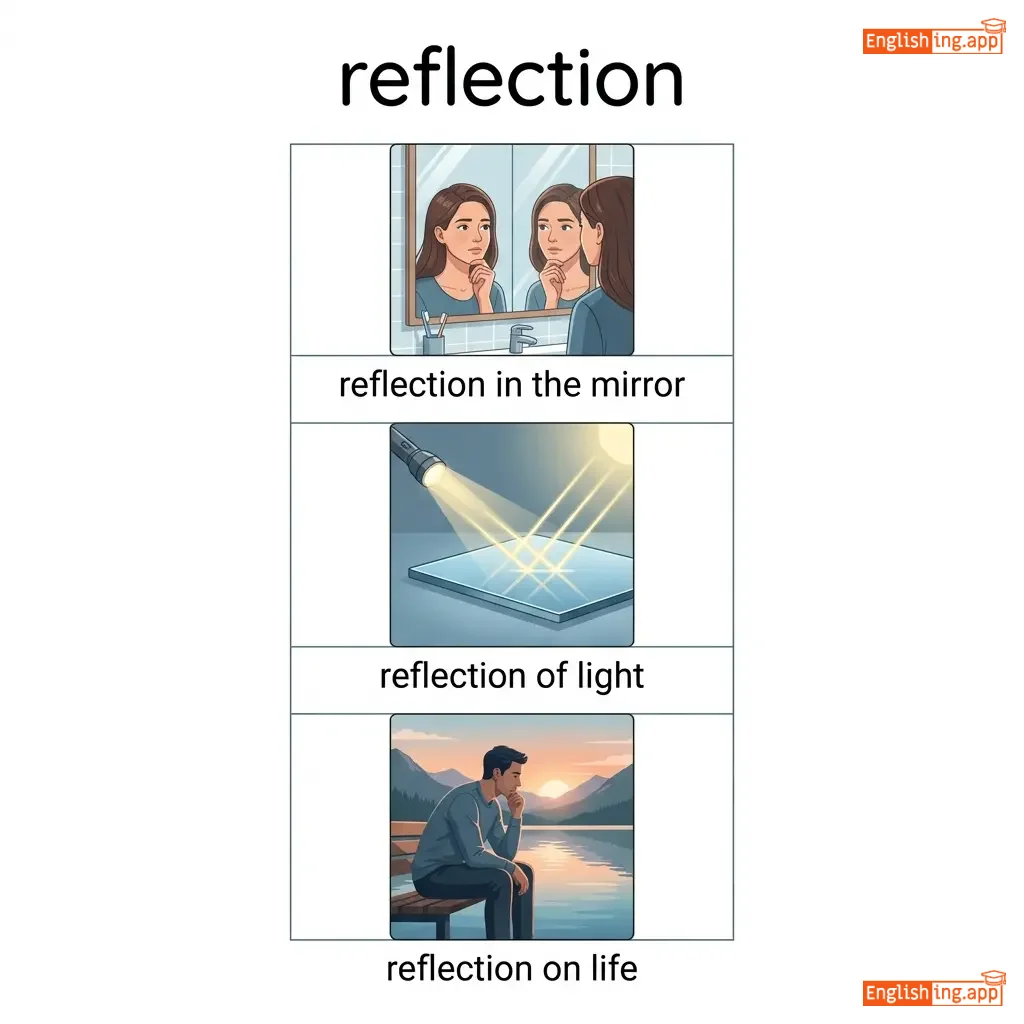
reflection in the mirror, reflection of light, reflection on life
••••••
|
Reflection は鏡で自分を映すだけでなく、深く考える時間を意味します。
••••••
|
|
#0
🚶
|
/rɪˈɡɑrdləs/
adverb
(rɪˈɡɑrdləs)
••••••
|
- •••••• |
関係なく
kankeinaku
••••••
|
- •••••• | - •••••• | - •••••• | - •••••• |
without paying attention to the current situation or condition
••••••
|
She will go to the party regardless of the weather. |
彼女は天気に関係なくパーティーに行きます。
Kanojo wa tenki ni kankeinaku paatii ni ikimasu.
••••••
|
Regardless of |
despite any obstacles or conditions
••••••
|
関係なく
kankeinaku
••••••
|
anyway, nonetheless, in spite of, no matter
••••••
|
considering, depending
••••••
|
regardless of the consequences, regardless of the weather
••••••
|
関係なく、天気に関係なく '関係なく' と覚える
••••••
|
|
#0
🔄
|
/ˈrɛɡjələrli/
adverb
(レギュラーリー)
••••••
|
- •••••• |
定期的に
teikiteki ni
••••••
|
- •••••• | - •••••• | - •••••• | - •••••• |
at regular intervals; in a regular manner
••••••
|
She exercises regularly to stay healthy. |
彼女は健康を保つために定期的に運動します。
Kanojo wa kenko o tamotsu tame ni teikiteki ni undou shimasu.
••••••
|
- •••••• | - •••••• | - •••••• |
consistently, frequently, habitually, routinely
••••••
|
irregularly, infrequently
••••••
|
regularly scheduled, meet regularly, eat regularly, exercise regularly
••••••
|
Think of 'regular' habits - things you do regularly!
••••••
|
|
#0
🎟️
|
/rɪˈmeɪnɪŋ/
adjective
(riméiningu)
••••••
|
- •••••• |
残り
nokori
••••••
|
- •••••• | - •••••• | - •••••• | - •••••• |
still existing or left after others are gone or dealt with
••••••
|
There were only a few remaining tickets for the concert.
コンサートのチケットは残りわずかでした。
••••••
|
コンサートのチケットは残りわずかでした。
Konsaato no chiketto wa nokori wazuka deshita.
••••••
|
- •••••• | - •••••• | - •••••• |
left, leftover, residual, remaining
••••••
|
gone, used up, finished
••••••
|
remaining tickets, remaining time, remaining items
••••••
|
残りのチケットは最後に売れる!
••••••
|
|
#0
🕯️
|
/ˈsækrɪfaɪs/
noun, verb
••••••
|
|
- •••••• |
sacrificed
••••••
|
sacrificed
••••••
|
sacrifices
••••••
|
sacrificing
••••••
|
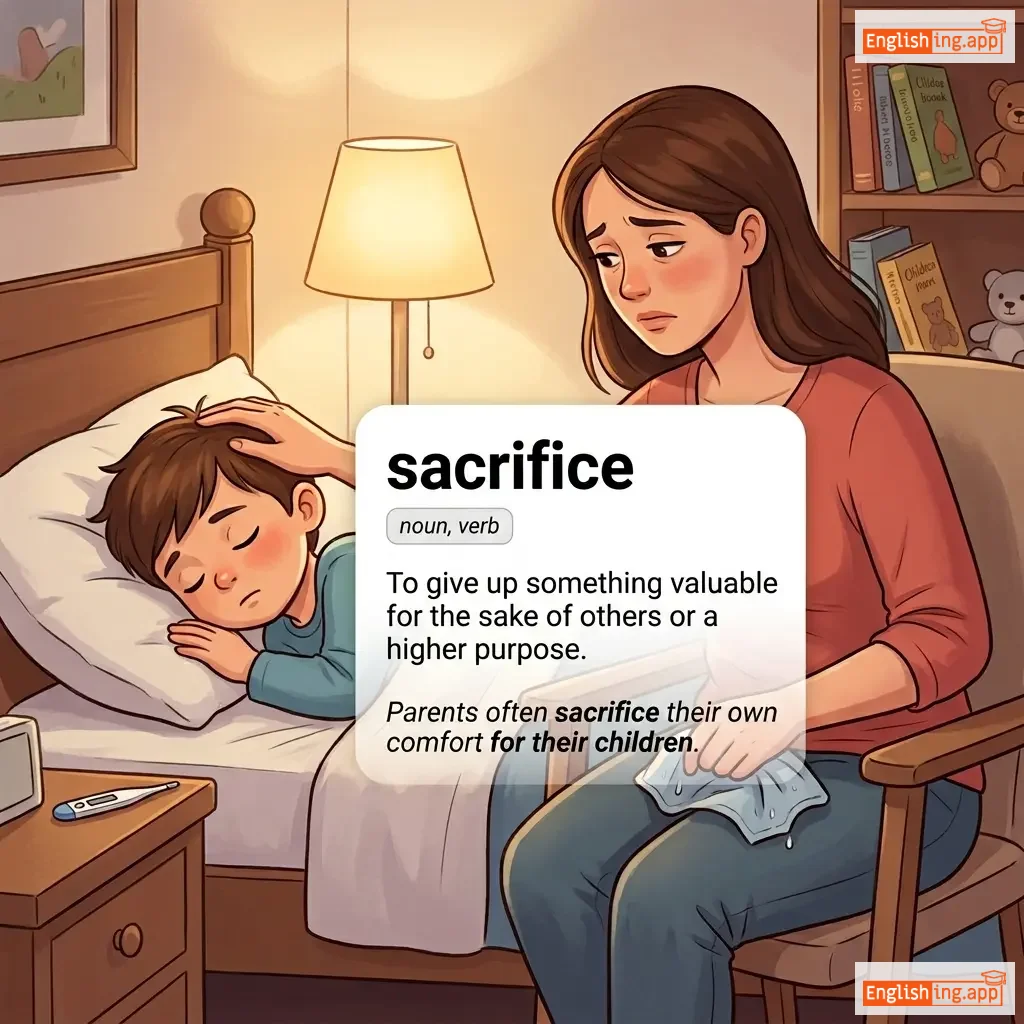
To give up something valuable for the sake of others or a higher purpose.
••••••
|
Parents often sacrifice their own comfort for their children. |
- •••••• |
make a sacrifice |
to give up something important for the benefit of others
••••••
|
- •••••• |
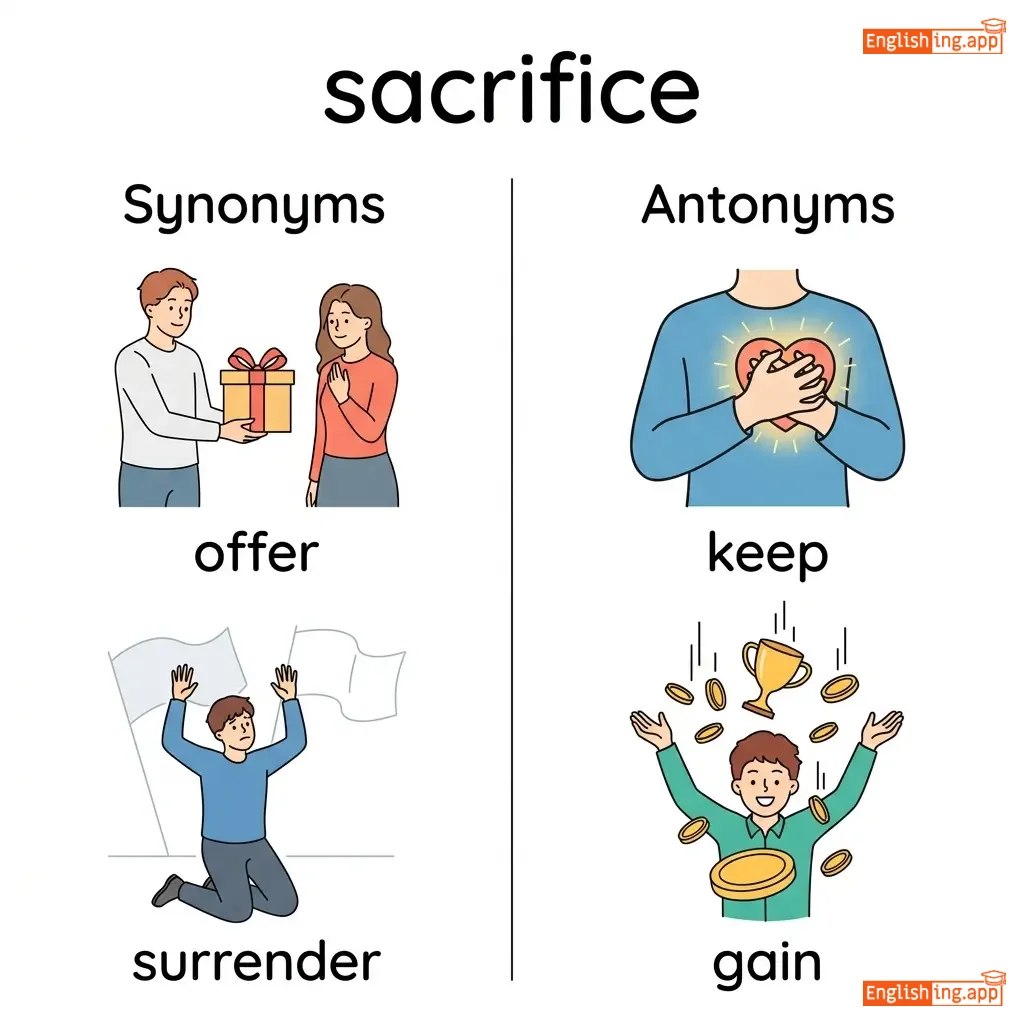
offer, surrender, relinquish, devotion, giving up
••••••
|
keep, gain, selfishness
••••••
|
make a sacrifice, ultimate sacrifice, personal sacrifice, sacrifice for
••••••
|
No •••••• |
|
#0
💭
|
/ˈsɛntɪmənt/
noun
(センチメント)
••••••
|
- •••••• |
感情
kanjou
••••••
|
- •••••• | - •••••• | - •••••• | - •••••• |
a view or opinion that is based on emotion rather than reason
••••••
|
Public sentiment was against the new law. |
公共の感情は新しい法律に反対でした。
Koukyou no kanjou wa atarashii houritsu ni hantai deshita.
••••••
|
public sentiment |
the general feeling or opinion of the people
••••••
|
公共感情
koukyou kanjou
••••••
|
emotion, feeling, attitude, opinion, view
••••••
|
indifference, apathy
••••••
|
public sentiment, market sentiment, patriotic sentiment, emotional sentiment
••••••
|
Sentiment = 感情 — 感じることでSentimentを覚えて!
••••••
|
|
#0
💡
|
/ˈstɪmjʊˌleɪt/
verb
(刺激する)
••••••
|
|
刺激する, 活性化する
shigeki suru, katsusei suru
••••••
|
stimulated
刺激した
••••••
|
stimulated
刺激した
••••••
|
stimulates
刺激する
••••••
|
stimulating
刺激している
••••••
|
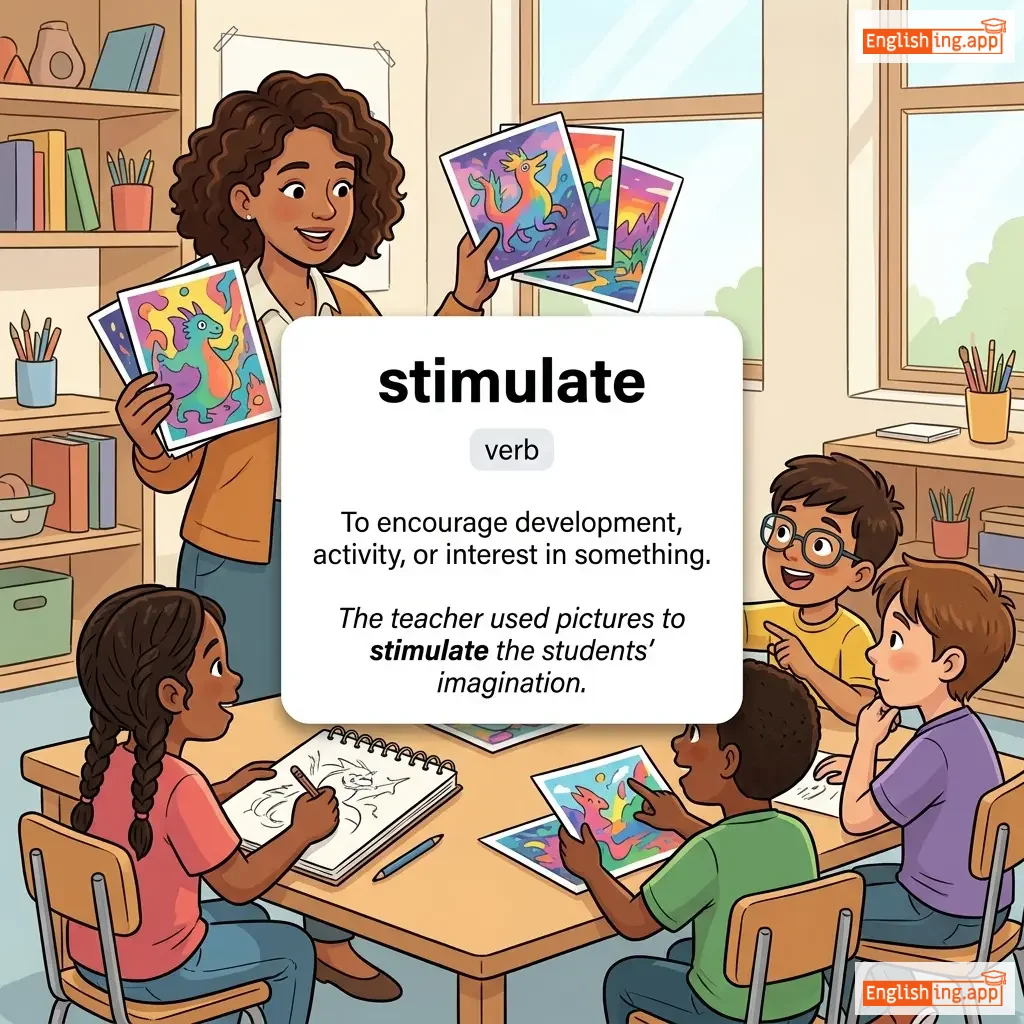
To encourage development, activity, or interest in something.
••••••
|
The teacher used pictures to stimulate the students' imagination.
先生は絵を使って生徒の想像力を刺激しました。
••••••
|
先生は絵を使って生徒の想像力を刺激しました。
Sensei wa e o tsukatte seito no sōzōryoku o shigeki shimashita.
••••••
|
stimulate growth
成長を刺激する
••••••
|
to encourage development or increase
••••••
|
成長を刺激する
seichō o shigeki suru
••••••
|
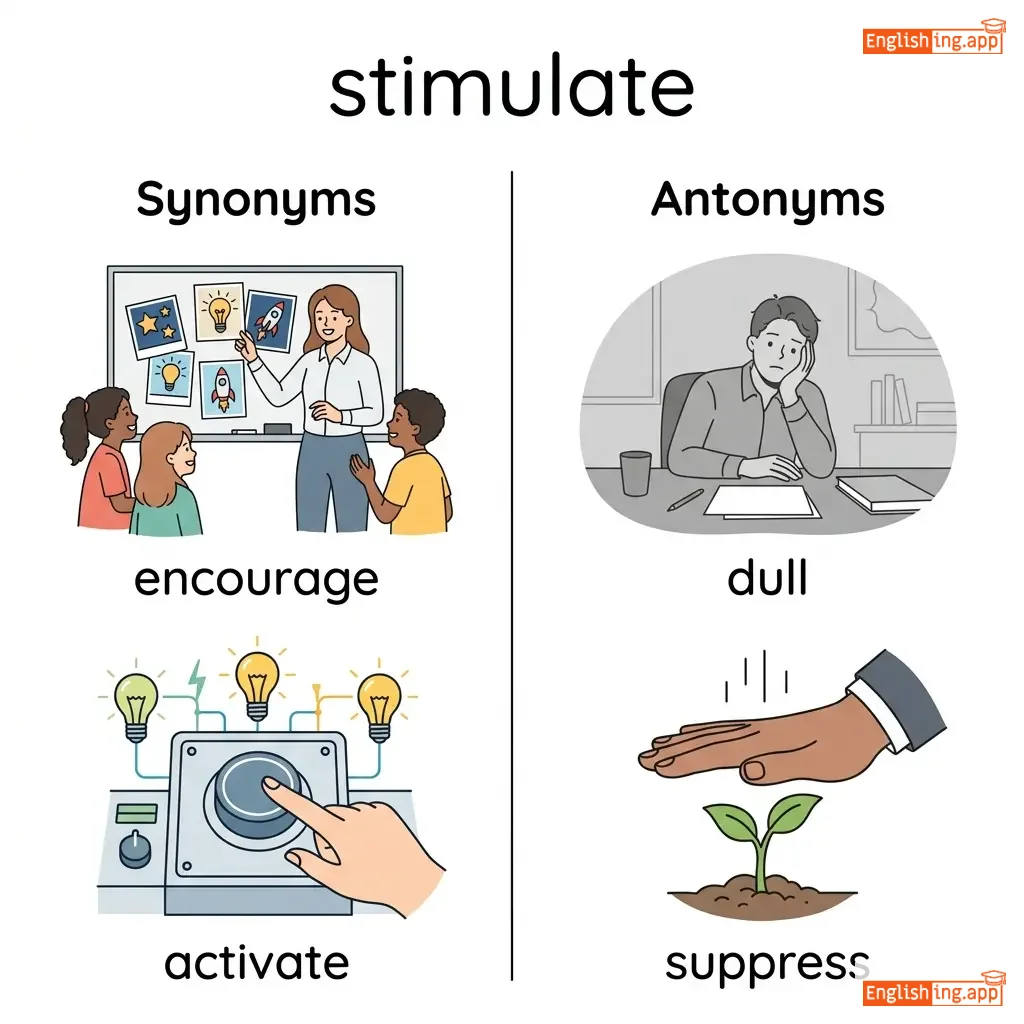
encourage, activate, motivate, inspire, excite
••••••
|
dull, suppress, discourage
••••••
|
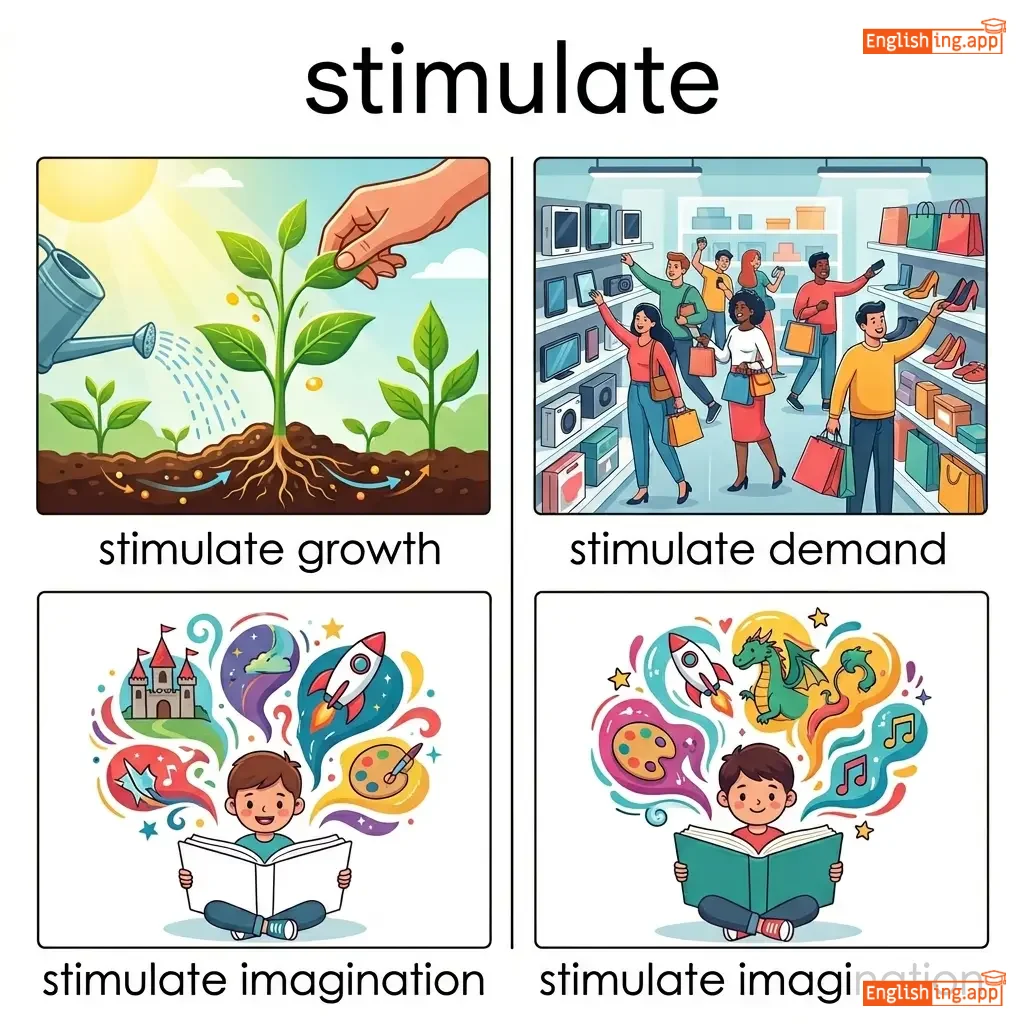
stimulate growth, stimulate demand, stimulate imagination, stimulate interest
••••••
|
Stimulate → 刺激する (アイディアを引き出す)
••••••
|
|
#0
😲
|
/sər'praɪzd/
adjective
(サープライズド)
••••••
|
- •••••• |
驚いた
odoroita
••••••
|
- •••••• | - •••••• | - •••••• | - •••••• |
feeling or showing surprise; astonished
••••••
|
I was surprised to see my old friend at the market.
私は市場で古い友達を見て驚きました。
••••••
|
私は市場で古い友達を見て驚きました。
Watashi wa ichiba de furui tomodachi wo mite odoroimashita.
••••••
|
- •••••• | - •••••• | - •••••• |
astonished, amazed, shocked, startled
••••••
|
unsurprised, expectant, prepared, anticipated
••••••
|
pleasantly surprised, quite surprised, genuinely surprised
••••••
|
驚いた時の顔を思い浮かべてください、驚きはその瞬間の感情です。
••••••
|
|
#0
💪
|
/ðəmˈsɛlvz/
pronoun
(ðəmˈsɛlvz)
••••••
|
- •••••• |
自分で
jibun de
••••••
|
- •••••• | - •••••• | - •••••• | - •••••• |
used to emphasize the subject of the sentence or to refer to the subject doing something to itself
••••••
|
They fixed the problem themselves. |
彼らは自分で問題を解決しました。
Karera wa jibun de mondai o kaiketsu shimashita.
••••••
|
- •••••• | - •••••• | - •••••• |
themselves alone, personally, independently
••••••
|
none
••••••
|
do it themselves, solve it themselves, they themselves
••••••
|
自分で (jibun de) は自分の力で問題を解決
••••••
|
|
#0
🔗
|
/ˈðɛərˌfɔr/
adverb
(ゼアフォー)
••••••
|
- •••••• |
したがって
shitagatte
••••••
|
- •••••• | - •••••• | - •••••• | - •••••• |
for that reason; consequently
••••••
|
It was raining, therefore we stayed inside.
It was raining, therefore we stayed inside.
••••••
|
雨が降っていたので、私たちは中にいました。
Ame ga futteita node, watashitachi wa naka ni imashita.
••••••
|
- •••••• | - •••••• | - •••••• |
thus, hence, consequently, accordingly
••••••
|
nevertheless, however, nonetheless
••••••
|
therefore conclude, therefore decide, therefore recommend
••••••
|
したがって、すべての結果には理由がある。
••••••
|
|
#0
🤲
|
/ˈtɒlərəns/
noun
(tōreransu)
••••••
|
- •••••• |
寛容
kan'yō
••••••
|
- •••••• | - •••••• | - •••••• | - •••••• |
The ability or willingness to accept or endure differences, behaviors, or opinions without hostility.
••••••
|
Her tolerance for different cultures impressed everyone. |
彼女の異文化への寛容さは、皆を感心させました。
Kanojo no ibunka e no kan'yō-sa wa, mina o kanshin sasemashita.
••••••
|
zero tolerance |
A policy of not allowing any violation of rules or standards.
••••••
|
ゼロ寛容
zero kan'yō
••••••
|
acceptance, patience, endurance, open-mindedness, leniency
••••••
|
intolerance, rejection, prejudice
••••••
|
cultural tolerance, religious tolerance, show tolerance, promote tolerance
••••••
|
寛容は他者を受け入れること、敵意を持たないこと。
••••••
|
|
#0
🛠️
|
/ˌʌndərˈteɪk/
verb
(アンダーテイク)
••••••
|
|
引き受ける
hikiukeru
••••••
|
undertook
アンダートゥーク
••••••
|
undertaken
アンダーテイケン
••••••
|
undertakes
アンダーテイクス
••••••
|
undertaking
アンダーテイキング
••••••
|
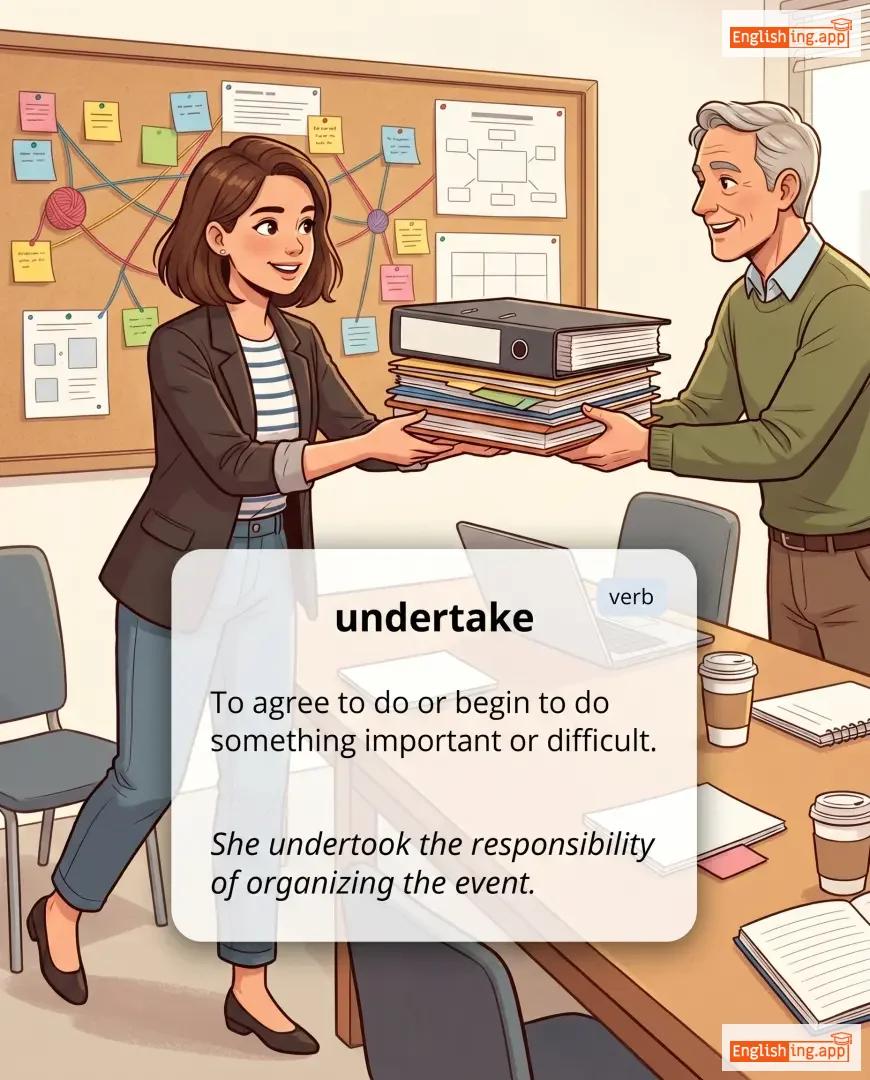
To agree to do or begin to do something important or difficult.
••••••
|
She undertook the responsibility of organizing the event.
彼女はイベントの組織の責任を引き受けた。
••••••
|
彼女はイベントの組織の責任を引き受けた。
Kanojo wa ibento no soshiki no sekinin o hikiuketa.
••••••
|
undertake a mission
アンダーテイク ア ミッション
••••••
|
to take responsibility for an important task
••••••
|
ミッションを引き受ける
Misshon o hikiukeru
••••••
|
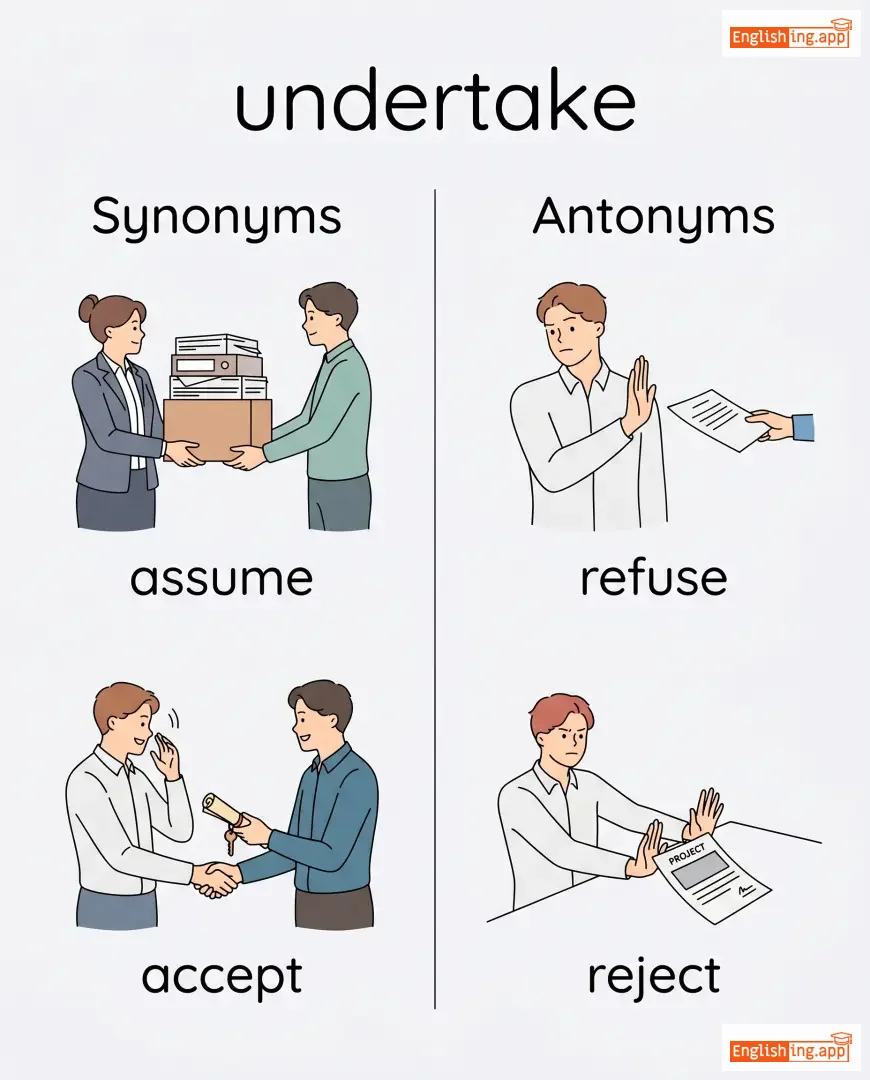
assume, accept, commit, embark
••••••
|
refuse, reject
••••••
|
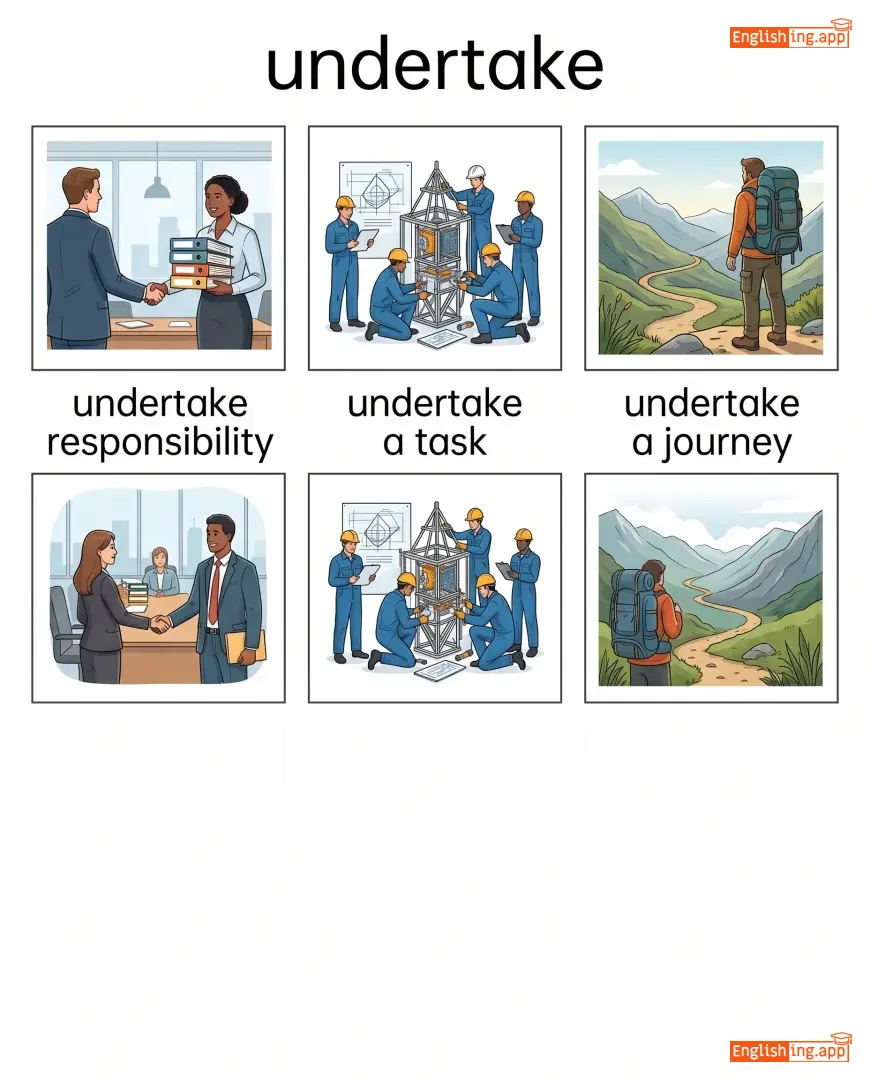
undertake responsibility, undertake a task, undertake a journey
••••••
|
Undertake は引き受ける = 重要な任務を引き受ける
••••••
|
Vocabulary Quiz
Test your vocabulary by matching words with their translations or meanings.
Login to take the quiz
Comments (0)
Share your thoughts and join the discussion.
Join the discussion by logging in
Login to CommentNo comments yet
Be the first to share your thoughts!