

命を救った医師
The Doctor Who Saved a Life
カリム医師はhighly 熟練した外科医で、公立病院で働いていました。During 彼のキャリアの中で、多くの複雑な手術を行いましたが、kidney 移植が彼の専門でした。ある日、緊急の症例が入りました——重い injury の後に kidney が機能を失った若者、ラキブという男性です。ラキブは former サッカー選手で、事故で injured していました。彼の容体は indeed 危険で、医師たちは彼が生き残るとは expect していませんでした。カリム医師は、長時間の手術を endure しなければならないと分かっていました。医療用 drawer から必要な器具をすべて取り出し、needle を使って intake プロセスを開始し、各薬の effect を慎重に監視しました。彼の目標は、ラキブが普通の生活を送れるように enable することでした。Inside 手術室では、entire チームが同じ使命に engaged していました。手術は危険で、わずかなミスでも lethal になり得ました。カリム医師は損傷した部分を慎重に exposed し、following 標準的な医療プロトコルに従いました。彼の手は安定し、集中力は完璧でした。手術の during、一時的に血圧が下がりましたが、チームはすぐに対応しました。カリム医師の献身と専門知識が、移植を成功に enabled しました。手術後、ラキブは少しずつ回復し始めました。家族は感謝の気持ちでいっぱいでした。カリム医師は indeed、献身と技術が命を救うことを証明しました。
翻訳
過去
過去分詞
三人称単数
動名詞
意味
例文
例文の翻訳
同義語
対義語
コロケーション
ニーモニック


Swipe left or right, or use the buttons. Tap image to zoom.
例文の翻訳
単語
The Doctor Who Saved a LifeThe Doctor Who Saved a Life - マスクトグル
|
絵文字
|
単語 | Images | 翻訳 | 過去 | 過去分詞 | 三人称単数 | 動名詞 | 意味 | 例文 | 例文の翻訳 | 表現例 | 表現例の意味 | 表現例の翻訳 | 同義語 | 対義語 | コロケーション | ニーモニック |
|---|---|---|---|---|---|---|---|---|---|---|---|---|---|---|---|---|---|
|
#0
🗄️
|
/ˈdrɔːər/
noun
(ドロワー)
••••••
|
- •••••• |
引き出し
hikidashi
••••••
|
- •••••• | - •••••• | - •••••• | - •••••• |
a box-shaped storage compartment that slides in and out of furniture
••••••
|
She kept her jewelry in the top drawer of the dresser.
彼女はジュエリーをドレッサーの上の引き出しに入れた。
••••••
|
彼女はジュエリーをドレッサーの上の引き出しに入れた。
Kanojo wa juerī o doresā no ue no hikidashi ni iretā.
••••••
|
- •••••• | - •••••• | - •••••• |
compartment, tray, storage, container, box
••••••
|
shelf, open space
••••••
|
desk drawer, top drawer, kitchen drawer, pull out drawer
••••••
|
引き出し = ドロワーのようなものです、物を入れるために引き出せます。
••••••
|
|
#0
⏳
|
/ˈdjʊərɪŋ/
preposition
(デュアリング)
••••••
|
- •••••• |
〜の間に
〜no aida ni
••••••
|
- •••••• | - •••••• | - •••••• | - •••••• |
throughout the course of a period of time
••••••
|
I fell asleep during the movie. |
私は映画の間に寝てしまいました。
Watashi wa eiga no aida ni nete shimaimashita.
••••••
|
- •••••• | - •••••• | - •••••• |
throughout, amid, in, over
••••••
|
before, after, beyond
••••••
|
during the day, during the night, during the meeting, during the war
••••••
|
Duringは'〜の間に' (何かが起こっている時間)。
••••••
|
|
#0
✨
|
/ɪˈfɛkt/
noun
(イフェクト)
••••••
|
- •••••• |
効果
kouka
••••••
|
- •••••• | - •••••• | - •••••• | - •••••• |
a change that results from a particular action or cause
••••••
|
The new law had a positive effect on public safety. |
新しい法律は公共の安全に良い効果をもたらしました。
Atarashii houritsu wa koukyou no anzen ni yoi kouka o motarashimashita.
••••••
|
take effect |
to begin to apply or produce results
••••••
|
発効する
hakkou suru
••••••
|
result, outcome, consequence, impact, influence
••••••
|
cause, source, origin
••••••
|
positive effect, negative effect, cause and effect, special effect
••••••
|
Effectの日本語での意味は影響。効果は記憶しやすい!
••••••
|
|
#0
🔓
|
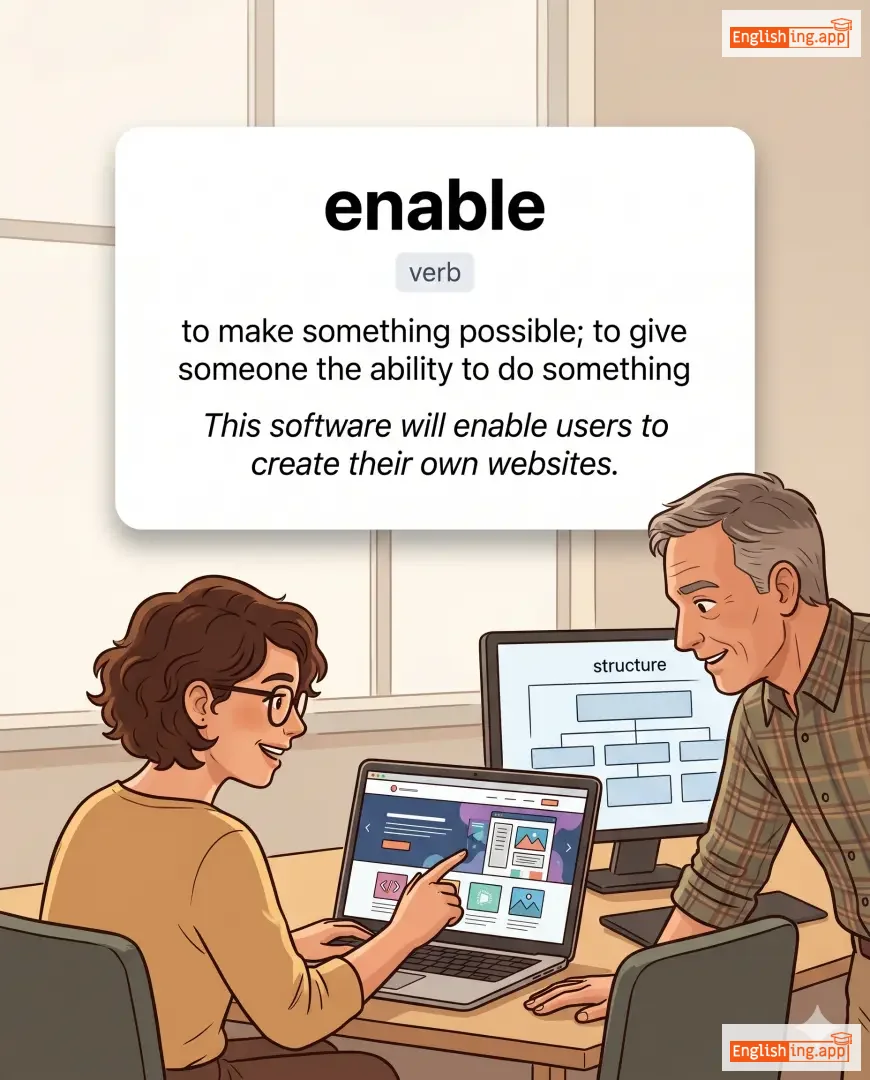
/ɪˈneɪbəl/
verb
(イネイブル)
••••••
|
|
有効にする
yūkō ni suru
••••••
|
enabled
イネイブルド
••••••
|
enabled
イネイブルド
••••••
|
enables
イネイブルズ
••••••
|
enabling
イネイブリング
••••••
|
to make something possible; to give someone the ability to do something
••••••
|
This software will enable users to create their own websites.
このソフトウェアは、ユーザーが自分のウェブサイトを作成できるようにします。
••••••
|
このソフトウェアは、ユーザーが自分のウェブサイトを作成できるようにします。
Kono sofutowea wa, yūzā ga jibun no u~ebusaito o sakusei dekiru yō ni shimasu.
••••••
|
enable access
アクセスを有効にする
••••••
|
to provide the ability to enter or use something
••••••
|
アクセスを有効にする
akusesu o yūkō ni suru
••••••
|
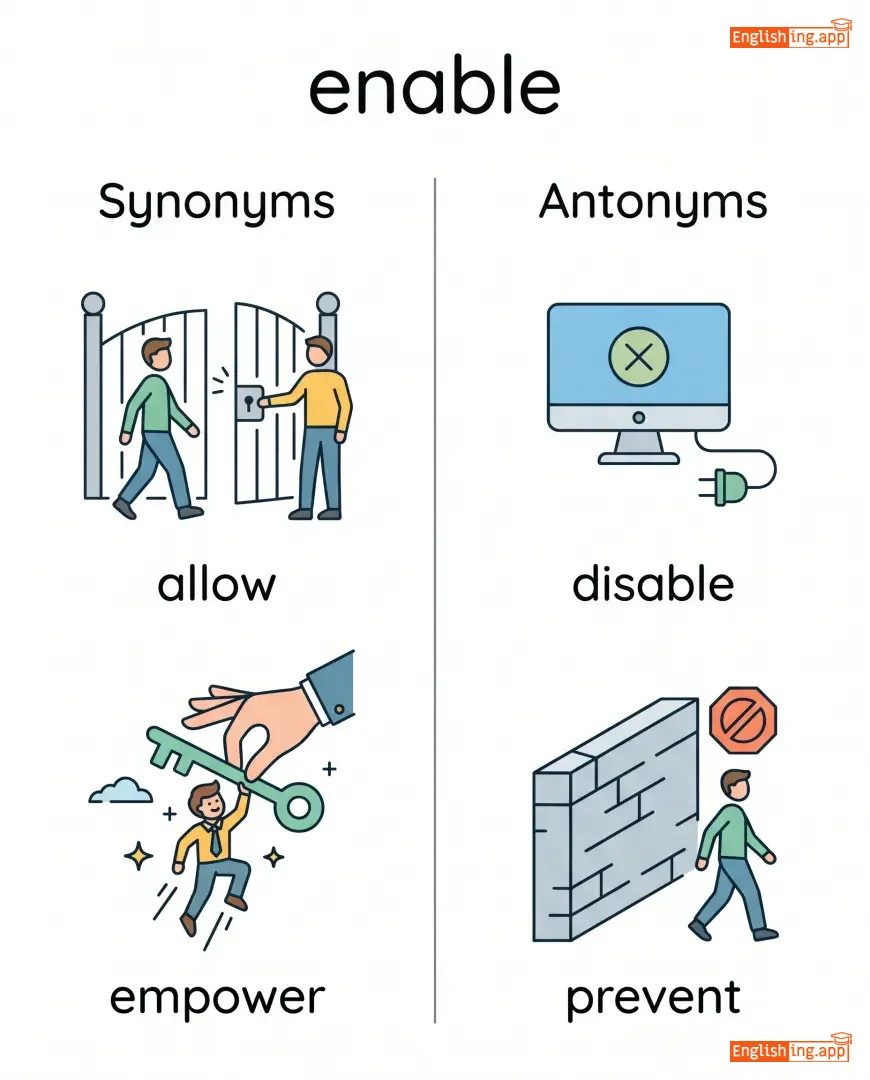
allow, empower, facilitate, permit, authorize
••••••
|
disable, prevent, hinder
••••••
|
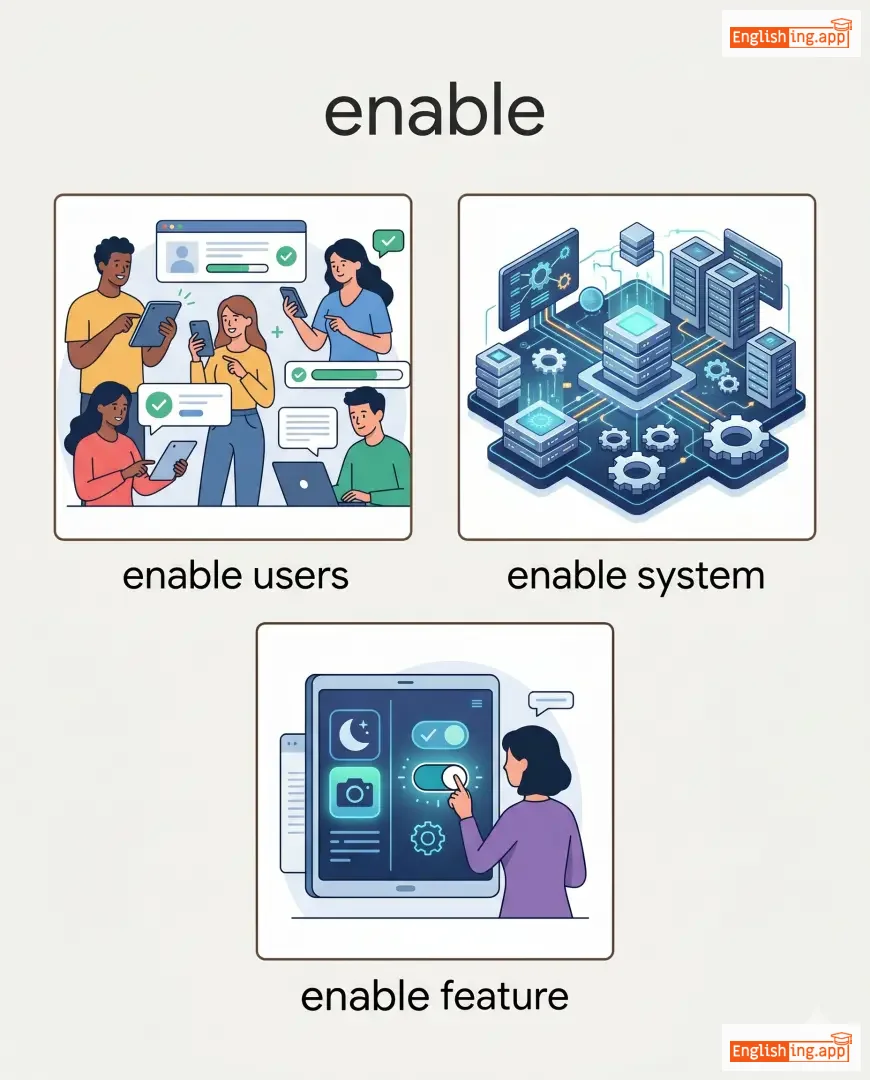
enable users, enable system, enable feature, enable access
••••••
|
Enableは機能を有効にして可能にすることです。
••••••
|
|
#0
🧘
|
/ɪnˈdjʊər/
verb
(エンデュア)
••••••
|
- •••••• |
耐える
taeru
••••••
|
endured
エンデュアード
••••••
|
endured
エンデュアード
••••••
|
endures
エンデュアーズ
••••••
|
enduring
エンデュアリング
••••••
|
to suffer something difficult or unpleasant patiently
••••••
|
He had to endure years of hardship before achieving success.
彼は成功を収める前に何年もの困難に耐えなければならなかった。
••••••
|
成功を収める前に何年もの困難に耐えなければならなかった。
Seikou o osameru mae ni nannen mo no konnan ni taenakereba naranakatta.
••••••
|
endure the pain
痛みを耐える
••••••
|
to tolerate or bear pain without giving up
••••••
|
痛みを耐える
itami o taeru
••••••
|
tolerate, withstand, suffer, persevere, bear
••••••
|
give up, quit, avoid
••••••
|
endure hardship, endure pain, endure suffering, endure stress
••••••
|
Endure は 'end' という意味で、最終的に耐えることを意味します。
••••••
|
|
#0
🎯
|
/ɪnˈɡeɪdʒ/
verb
(エンゲージ)
••••••
|
- •••••• |
関わる
kakawaru
••••••
|
engaged
エンゲージド
••••••
|
engaged
エンゲージド
••••••
|
engages
エンゲージズ
••••••
|
engaging
エンゲージング
••••••
|
To participate or become involved in; to attract or hold attention.
••••••
|
The teacher tried to engage the students in the discussion.
教師は学生たちを討論に参加させようとしました。
••••••
|
教師は学生たちを討論に参加させようとしました。
Kyōshi wa gakusei-tachi o tōron ni sanka saseyō to shimashita.
••••••
|
engage in
参加する
••••••
|
To take part in or participate in something.
••••••
|
参加する
sanka suru
••••••
|
involve, participate, occupy, employ, captivate
••••••
|
ignore, disengage, neglect
••••••
|
engage students, engage in conversation, engage attention, engage actively
••••••
|
関わる: 事に関わることが、始めること。
••••••
|
|
#0
🌍
|
/ɪnˈtaɪər/
adjective
(エンタイア)
••••••
|
- •••••• |
完全な
kanzen na
••••••
|
- •••••• | - •••••• | - •••••• | - •••••• |
whole; with no part left out
••••••
|
He spent the entire day reading books. |
彼は一日中本を読んで過ごしました。
Kare wa ichinichijū hon o yonde sugoshimashita.
••••••
|
the entire world |
everywhere; globally
••••••
|
全世界
zenshikai
••••••
|
whole, complete, full, total, all
••••••
|
partial, incomplete
••••••
|
entire day, entire life, entire system, entire team
••••••
|
Entire はエンタイア、完全に、すべてが含まれている
••••••
|
|
#0
🤔
|
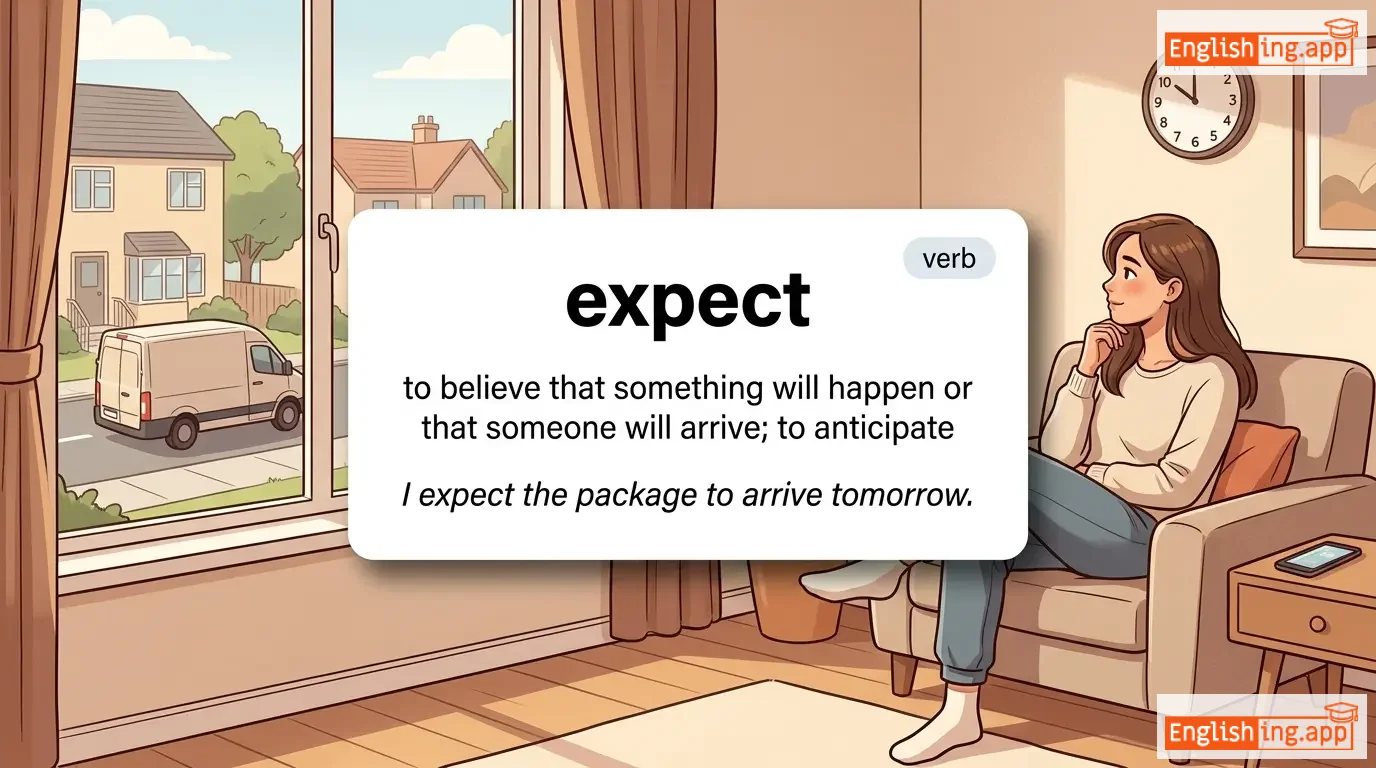
/ɪkˈspɛkt/
verb
(エクスペクト)
••••••
|
|
期待する
kitai suru
••••••
|
expected
エクスペクテッド
••••••
|
expected
エクスペクテッド
••••••
|
expects
エクスペクツ
••••••
|
expecting
エクスペクティング
••••••
|
to believe that something will happen or that someone will arrive; to anticipate
••••••
|
I expect the package to arrive tomorrow.
私はパッケージが明日到着することを期待しています。
••••••
|
私はパッケージが明日到着することを期待しています。
Watashi wa pakēji ga ashita tōchaku suru koto o kitai shiteimasu.
••••••
|
expect the unexpected
予期しないことを期待する
••••••
|
be prepared for surprises or unforeseen events
••••••
|
予期しないことを期待する
Yoki shinai koto o kitai suru
••••••
|
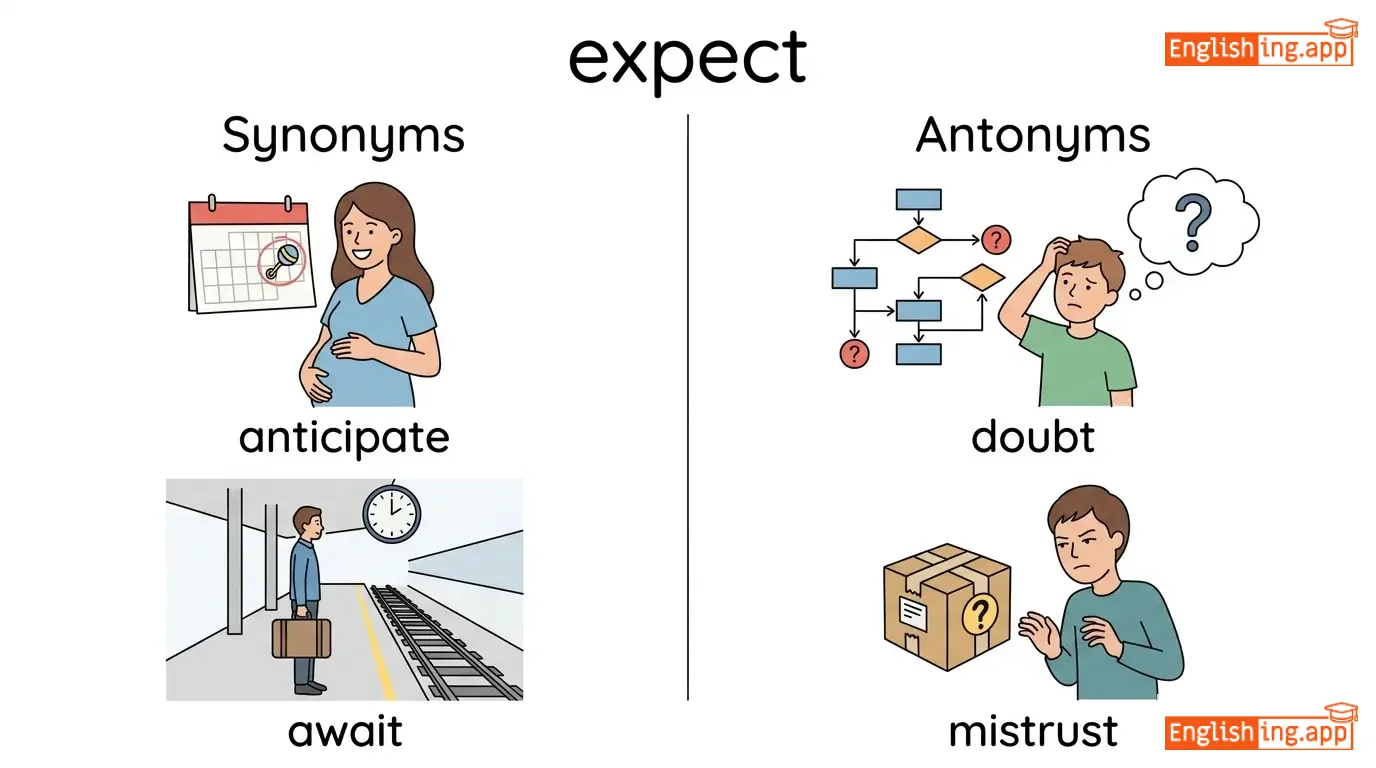
anticipate, await, foresee, predict, assume
••••••
|
doubt, mistrust, question
••••••
|
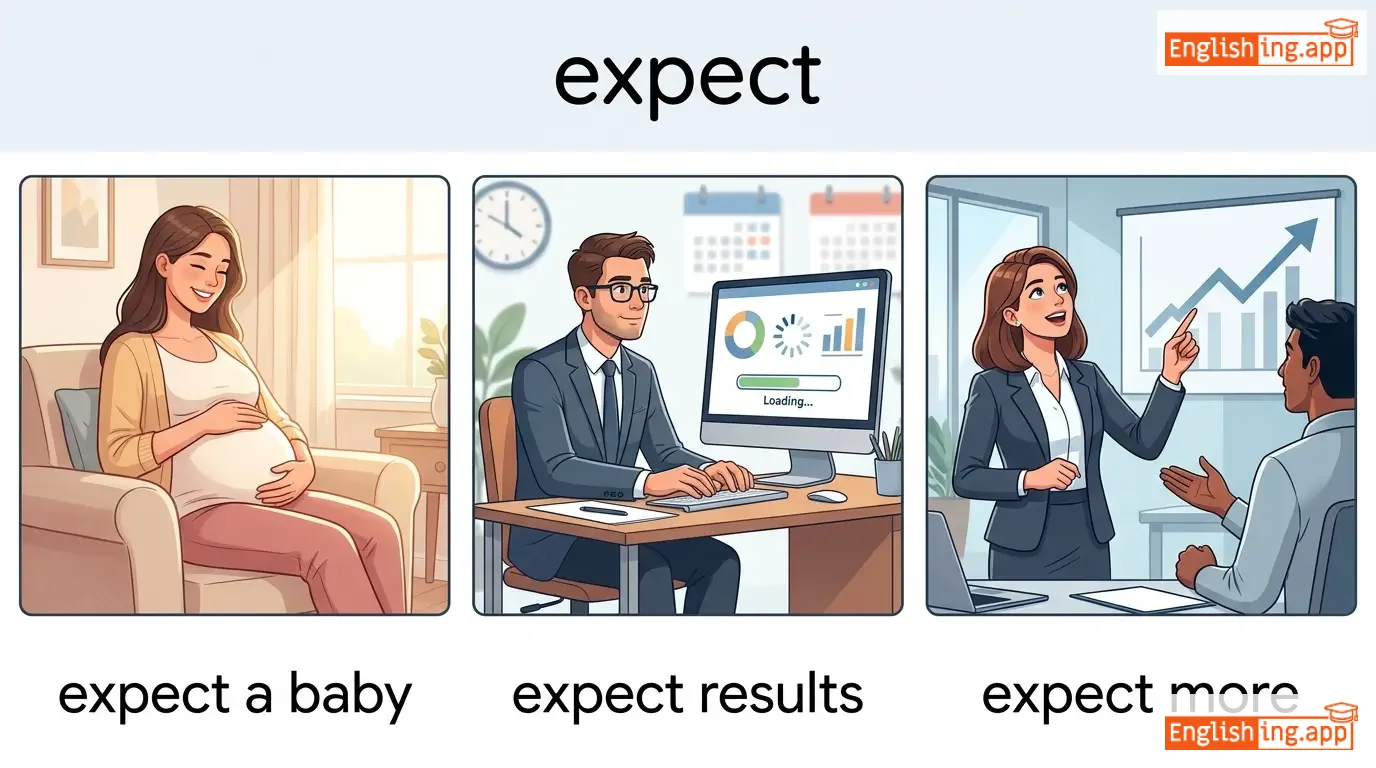
expect a baby, expect results, expect more, expect the worst
••••••
|
Expect 期待する - 試験結果を期待するように、何かを期待する。
••••••
|
|
#0
🔎
|
/ɪkˈspoʊz/
verb
(エクスポーズ)
••••••
|
|
暴露する
bōroku suru
••••••
|
exposed
エクスポーズド
••••••
|
exposed
エクスポーズド
••••••
|
exposes
エクスポーズズ
••••••
|
exposing
エクスポーズイング
••••••
|
to reveal or uncover something hidden
••••••
|
The journalist tried to expose the corruption scandal.
ジャーナリストは腐敗スキャンダルを暴露しようとした。
••••••
|
ジャーナリストは腐敗スキャンダルを暴露しようとした。
Jānarisuto wa fuhai sukyandaru o bakuro shiyō to shita.
••••••
|
expose the truth
真実を暴露する
••••••
|
to reveal the real facts
••••••
|
真実を暴露する
shinjitsu o bakuro suru
••••••
|
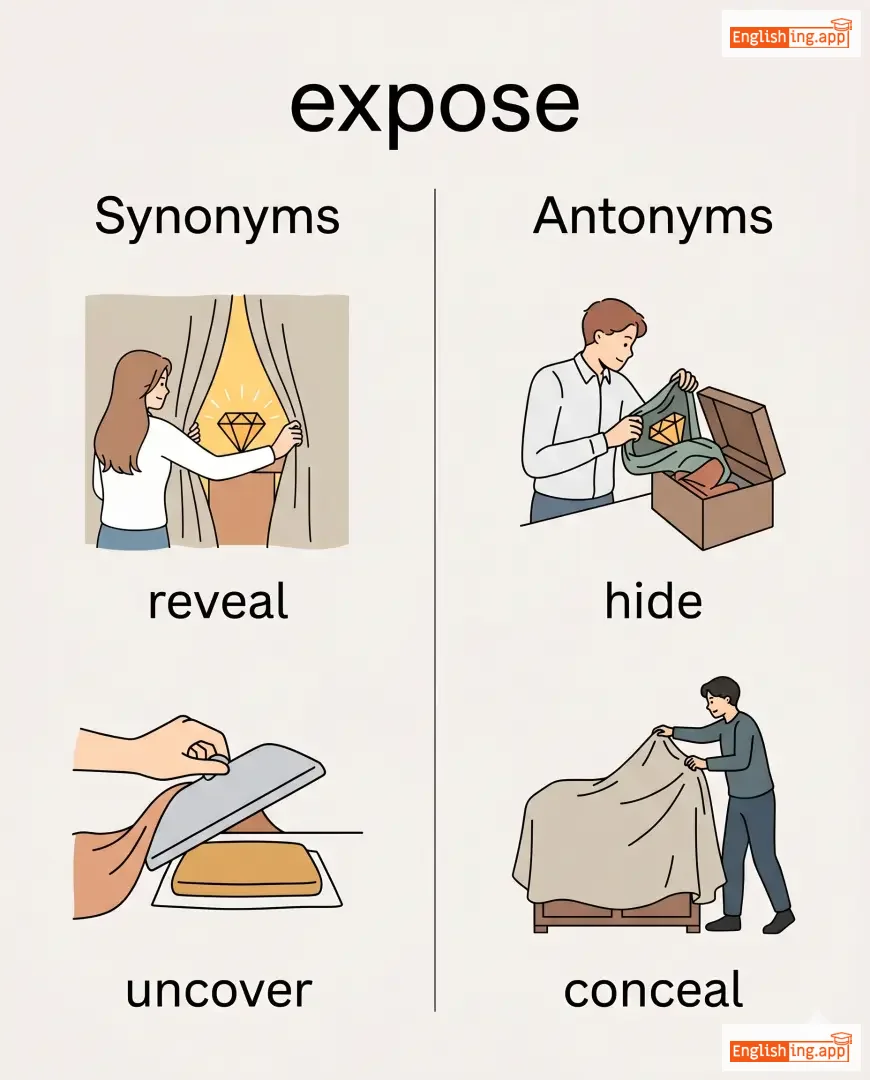
reveal, uncover, disclose, unveil
••••••
|
hide, conceal, cover
••••••
|
expose corruption, expose truth, expose secrets, expose fraud
••••••
|
暴露するは箱を開けるようなものです。中身が隠れている!
••••••
|
|
#0
➡️
|
/ˈfɒloʊ/
verb
(フォロー)
••••••
|
- •••••• |
従う
shitagau
••••••
|
followed
フォロウド
••••••
|
followed
フォロウド
••••••
|
follows
フォローズ
••••••
|
following
フォロウィング
••••••
|
to move behind someone or something; to go after or come after
••••••
|
The children followed their teacher into the classroom.
子供たちは先生について教室に入りました。
••••••
|
子供たちは先生について教室に入りました。
Kodomotachi wa sensei ni tsuite kyōshitsu ni hairimashita.
••••••
|
follow suit
模倣する
••••••
|
to do the same as someone else has just done
••••••
|
同じようにする
Onaji yō ni suru
••••••
|
pursue, track, chase, obey, accompany
••••••
|
lead, precede, ignore
••••••
|
follow instructions, follow orders, follow closely, follow a path
••••••
|
日本語で'従う'は他の人がしていることを真似することです。
••••••
|
|
#0
⏳
|
/ˈfɔːrmər/
adjective
(フォーマー)
••••••
|
- •••••• |
元
moto
••••••
|
- •••••• | - •••••• | - •••••• | - •••••• |
Having been previously in a particular role or position.
••••••
|
He is a former president of the association. |
彼はその協会の元会長です。
Kare wa sono kyōkai no moto kaichō desu.
••••••
|
- •••••• | - •••••• | - •••••• |
previous, ex, prior, earlier
••••••
|
current, present
••••••
|
former president, former employee, former partner, former member
••••••
|
Formerは‘前にいた’という意味→元の人物。
••••••
|
|
#0
🌟
|
/ˈhaɪli/
adverb
(ハイリー)
••••••
|
- •••••• |
非常に
hijō ni
••••••
|
- •••••• | - •••••• | - •••••• | - •••••• |
to a great degree; very
••••••
|
She is highly respected in her field. |
彼女は自分の分野で非常に尊敬されています。
Kanojo wa jibun no bun'ya de hijō ni sonkei sareteimasu.
••••••
|
think highly of |
to admire or have a good opinion of someone
••••••
|
高く評価する
takaku hyōka suru
••••••
|
greatly, very, extremely, exceedingly, intensely
••••••
|
slightly, poorly, inadequately
••••••
|
highly skilled, highly effective, highly unlikely, highly respected
••••••
|
Highly は非常に — とてもまたは極端に。
••••••
|
|
#0
✅
|
/ɪnˈdiːd/
adverb
(インディード)
••••••
|
- •••••• |
実際に
jissai ni
••••••
|
- •••••• | - •••••• | - •••••• | - •••••• |
used to emphasize or confirm a statement
••••••
|
It was a long journey indeed.
それは長い旅でした、実際。
••••••
|
それは長い旅でした、実際。
Sore wa nagai tabi deshita, jissai.
••••••
|
yes indeed
はい、実際
••••••
|
used to strongly agree with someone
••••••
|
はい、実際
Hai, jissai
••••••
|
certainly, truly, really, actually, definitely
••••••
|
doubtfully, uncertainly
••••••
|
indeed true, yes indeed, thank you indeed
••••••
|
Indeed は '実際に' を意味します ✅ 'In deed' は '行動で' という意味です。
••••••
|
|
#0
🤕
|
/ˈɪndʒər/
verb
(インジュア)
••••••
|
- •••••• |
怪我をさせる
kega o saseru
••••••
|
injured
インジャード
••••••
|
injured
インジャード
••••••
|
injures
インジャーズ
••••••
|
injuring
インジュアリング
••••••
|
to cause physical harm or damage to someone or something
••••••
|
He injured his leg while playing football.
彼はサッカーをしている時に足を怪我した。
••••••
|
彼はサッカーをしている時に足を怪我した。
Kare wa sakkā o shite iru toki ni ashi o kega shita.
••••••
|
injure someone's pride
誰かのプライドを傷つける
••••••
|
to hurt someone's feelings or sense of self-respect
••••••
|
誰かのプライドを傷つける
Dareka no puraido o kizutsukeru
••••••
|
hurt, wound, damage, harm, bruise
••••••
|
heal, repair, cure
••••••
|
injure someone, injure badly, seriously injured, injure oneself
••••••
|
怪我 + Injure — 怪我をさせると injure になる!
••••••
|
|
#0
🤕
|
/ˈɪndʒəri/
noun
(injuri)
••••••
|
- •••••• |
怪我
kega
••••••
|
- •••••• | - •••••• | - •••••• | - •••••• |
Harm or damage to a person’s body caused by an accident or attack.
••••••
|
He suffered a serious injury during the football match. |
彼はサッカーの試合中に重傷を負った。
Kare wa sakkaa no shiai chu ni juushou wo otta.
••••••
|
personal injury |
Physical harm to a person’s body caused by someone else’s actions.
••••••
|
人身傷害
jinshin shougai
••••••
|
wound, harm, damage, trauma
••••••
|
healing, recovery
••••••
|
serious injury, minor injury, prevent injury, sports injury
••••••
|
Injury は怪我 - サッカーでは怪我がよく起こります。
••••••
|
|
#0
🏠
|
/ˌɪnˈsaɪd/
preposition/adverb/adjective/noun
(ハピネス)
••••••
|
- •••••• |
幸せ
shiawase
••••••
|
- •••••• | - •••••• | - •••••• | - •••••• |
Situated within something; the inner part of something.
••••••
|
She waited inside the house until the rain stopped. |
彼女は賞を受け取ったとき、自分の幸せを隠すことができませんでした。
Kanojo wa shō o uketotta toki, jibun no shiawase o kakusu koto ga dekimasen deshita.
••••••
|
inside out |
Completely; with thorough knowledge or in reverse.
••••••
|
幸せを追い求める
shiawase o oi motomeru
••••••
|
within, indoors, interior, inner, internal
••••••
|
outside, external, exterior
••••••
|
inside the house, inside the box, inside job, look inside
••••••
|
幸せ = 喜びと満足感を感じること。
••••••
|
|
#0
🍽️
|
/ˈɪnˌteɪk/
noun
(インテイク)
••••••
|
- •••••• |
摂取
sesshu
••••••
|
- •••••• | - •••••• | - •••••• | - •••••• |
the process of taking something in, especially food or drink
••••••
|
He monitored his daily intake of calories to maintain a healthy diet. |
彼は健康的な食事を維持するために毎日のカロリー摂取量を監視しました。
Kare wa kenkōteki na shokuji o iji suru tame ni mainichi no karorī sesshu-ryō o kanshi shimashita.
••••••
|
- •••••• | - •••••• | - •••••• |
consumption, absorption, intake amount
••••••
|
output, expulsion
••••••
|
calorie intake, food intake, daily intake
••••••
|
摂取は何かを取り入れること、食べ物や飲み物のように。
••••••
|
|
#0
🫘
|
/ˈkɪdni/
noun
(kídni)
••••••
|
- •••••• |
腎臓
jinzō
••••••
|
- •••••• | - •••••• | - •••••• | - •••••• |
either of a pair of organs that filter waste products from the blood and produce urine
••••••
|
Drinking plenty of water helps keep your kidneys healthy.
Drinking plenty of water helps keep your kidneys healthy.
••••••
|
十分な水分を摂取することで、腎臓の健康を保つことができます。
Jūbun na suibun o sesshu suru koto de, jinzō no kenko o tamotsu koto ga dekimasu.
••••••
|
- •••••• | - •••••• | - •••••• |
renal organ
••••••
|
- •••••• |
kidney disease, kidney stone, kidney function, kidney transplant
••••••
|
腎臓 - 水分をたくさん摂ることで腎臓が健康に保たれます
••••••
|
|
#0
☠️
|
/ˈliːθəl/
adjective
(リサル)
••••••
|
- •••••• |
致命的
chimeiteki
••••••
|
- •••••• | - •••••• | - •••••• | - •••••• |
Able to cause death; deadly.
••••••
|
The snake's venom is extremely lethal. |
ヘビの毒は非常に致命的です。
Hebi no doku wa hijō ni chimeiteki desu.
••••••
|
lethal weapon |
a weapon capable of killing
••••••
|
致命的な武器
chimeiteki na buki
••••••
|
deadly, fatal, mortal, poisonous
••••••
|
harmless, safe, nonlethal
••••••
|
lethal weapon, lethal dose, lethal force, lethal injection
••••••
|
Lethal は lethal weapon を意味し、致命的な武器です。
••••••
|
|
#0
💉
|
/ˈniː.dəl/
noun, verb
(ニードル)
••••••
|
- •••••• |
針
hari
••••••
|
needled
ニードルド
••••••
|
needled
ニードルド
••••••
|
needles
ニードルス
••••••
|
needling
ニードリング
••••••
|
a small thin metal tool with a point used for sewing or injecting; to provoke or annoy someone
••••••
|
The nurse used a sterile needle for the injection.
看護師は注射のために滅菌された針を使用しました。
••••••
|
看護師は注射のために滅菌された針を使用しました。
Kangoshi wa chūsha no tame ni mekkin sareta hari o shiyō shimashita.
••••••
|
needle in a haystack
藁の中の針
••••••
|
something that is extremely difficult or impossible to find
••••••
|
非常に難しい、またはほとんど不可能なものを見つけること
hijō ni muzukashī, mata wa hotondo fukanō na mono o mitsukeru koto
••••••
|
pin, syringe, prick, irritate, provoke
••••••
|
soothe, calm
••••••
|
sewing needle, injection needle, needle and thread, needle prick
••••••
|
針はNeedleを意味します—覚えておいてください: 針は布に‘必要’です!
••••••
|
Vocabulary Quiz
Test your vocabulary by matching words with their translations or meanings.
Login to take the quiz
Comments (0)
Share your thoughts and join the discussion.
Join the discussion by logging in
Login to CommentNo comments yet
Be the first to share your thoughts!