

農夫の希望
The Farmer's Hope
カリムは勤勉な farmer で、自分の land で grew crops を育てていました。彼の farm は小さいながらも生産的でした。彼は、良い soil、適切な water、そして努力があれば、何でも growing できると信じていました。
毎シーズンは planting seeds から始まります。カリムは最高品質の seeds を慎重に選びました。稲作用には rice、乾いた land には wheat。どの crop がどの soil に最も grows かを知っていました。
Planting seeds の後、彼は rain を待ちました。Water は最も重要な要素です。Rain が降らない時、彼は手作業で water をやり、soil が湿っているようにしました。
日々が過ぎ、小さな芽が seeds から出て、roots は earth に深く伸びました。カリムは毎朝 fields を見回り、plants が健康に growing しているかを確認しました。
彼は farm の周りに trees を planted しました。その trees の leaves は日陰を作り、roots は soil の侵食を防ぎました。一部の trees は fruits を実らせ、市場で販売しました。
カリムの farm には古い barn があり、そこに harvested crops と farming の道具を保管していました。その barn は彼の第二の家であり、次の季節の planting を planning する場所でした。
ある年、rain がほとんど降りませんでした。Fields は乾き、crops は苦しみました。カリムは心配しましたが、諦めませんでした。毎日手作業で watered し、できる限り多くの plants を救いました。
ついに rain が降りました。Earth は water を吸い込み、plants は蘇りました。Leaves は緑になり、crops は再び growing し始めました。カリムは自然に感謝しました。
数ヶ月後、harvest の時期が来ました。Rice fields は黄金色に輝き、wheat は刈り取りの準備ができていました。カリムと家族はすべてを harvested し、努力が報われました。
彼は harvested crops を barn に保管し、一部を家族用に、一部を市場で販売し、残りを次の planting の seeds として取っておきました。
カリムの farm から、彼は家族を fed するだけでなく、村全体に food を供給していました。彼の grown crops は多くの families に届きました。
息子が「父さん、farming は儲かるの?」と尋ねると、カリムは言いました。「Farming はお金のためだけじゃない。Earth とつながり、growing 命を育て、food を与えることなんだ。」
彼は息子に soil の準備方法、seeds plant の仕方、crops の世話の仕方を教えました。「Plants は子どものようなものだ」と彼は言いました。「良い soil、water、そして愛を与えれば、彼らは強く grow する。」
今ではカリムの farm は模範です。他の farmers は、彼がどのように効率的に grows crops し、water を管理し、soil の肥沃さを保っているかを見に来ます。
彼はこう言います。「Farming は最も古い職業だ。Land は私たちに food を与え、trees は fruits を与え、fields grow crops。私たちの責任は earth を守り、soil を保護し、water を節約することだ。あなたが seed を plant するとき、あなたは単に plant を growing しているのではなく、希望、未来、生命を growing しているのだ。すべての harvest は、忍耐と努力が報われることを思い出させてくれる。Rain でも干ばつでも、私たちは planting を続け、growing を続ける。なぜなら、farmer の使命は今の世代を feed するだけでなく、未来のために land、soil、water を残すことだからだ。私が planted した trees の roots は earth に深く根付き、leaves は影を作り、fruits feeding 無数の人々——これが私の遺産だ。Barn に保存された crops、fields で growing wheat と rice、そして次の harvest となる planted seeds——これらすべてが生命の循環を作り出し、私たちが earth を尊重し、plants を大切にし、farming を重んじる限り続いていくのだ。」
カリムの farming への献身、land への愛、そして自然への敬意は、soil の価値、water の重要性、growing crops の技を理解する持続可能な farmers の次世代を鼓舞しています。
翻訳
過去
過去分詞
三人称単数
動名詞
意味
例文
例文の翻訳
同義語
対義語
コロケーション
ニーモニック
Swipe left or right, or use the buttons. Tap image to zoom.
例文の翻訳
単語
The Farmer's HopeThe Farmer's Hope - マスクトグル
|
絵文字
|
単語 | Images | 翻訳 | 過去 | 過去分詞 | 三人称単数 | 動名詞 | 意味 | 例文 | 例文の翻訳 | 表現例 | 表現例の意味 | 表現例の翻訳 | 同義語 | 対義語 | コロケーション | ニーモニック |
|---|---|---|---|---|---|---|---|---|---|---|---|---|---|---|---|---|---|
|
#0
🐄
|
/bɑːn/
noun
(barn)
••••••
|
- •••••• |
納屋
nōya
••••••
|
- •••••• | - •••••• | - •••••• | - •••••• |
a large building used for storing grain or housing farm animals
••••••
|
The farmer keeps his cows in the barn. |
農夫は牛を納屋に入れています。
Nōfu wa ushi o nōya ni ireteimasu.
••••••
|
lock the barn door after the horse is stolen |
to take precautions after the damage has already been done
••••••
|
馬が盗まれた後で納屋の扉を閉める
Uma ga nusumareta ato de nōya no tobira o shimeru
••••••
|
shed, stable, storehouse, granary, cowshed
••••••
|
open field, pasture
••••••
|
barn door, old barn, red barn, barn animals
••••••
|
納屋:穀物と動物が安全に保管されている場所、まるで金庫のように!
••••••
|
|
#0
🌾
|
/krɒp/
noun
(クロップ)
••••••
|
- •••••• |
作物
sakumotsu
••••••
|
- •••••• | - •••••• | - •••••• | - •••••• |
plants that are grown and harvested for food or other use
••••••
|
The farmers harvested their rice crop in autumn. |
農家は秋に稲作の作物を収穫しました。
Nōka wa aki ni inasaku no sakumotsu o shūkaku shimashita.
••••••
|
bumper crop |
an unusually large harvest
••••••
|
豊作
hōsaku
••••••
|
harvest, yield, produce, grain
••••••
|
famine, scarcity
••••••
|
crop yield, crop production, crop failure, crop season
••••••
|
Cropは畑で作物を収穫すること。
••••••
|
|
#0
🌍
|
/ɜːrθ/
noun
(āsu)
••••••
|
- •••••• |
地球
chikyū
••••••
|
- •••••• | - •••••• | - •••••• | - •••••• |
the planet we live on; soil or ground
••••••
|
The astronauts looked back at the Earth from space. |
宇宙飛行士は宇宙から地球を見ました。
Uchūhikōshi wa uchū kara chikyū o mimashita.
••••••
|
down to earth |
practical, realistic, and sensible
••••••
|
現実的
genjitsuteki
••••••
|
world, globe, planet, ground, soil
••••••
|
sky, heaven
••••••
|
planet Earth, Earth surface, Earth orbit, Earth science
••••••
|
Earthは地球🌍、日本語で'地球'は私たちの住む場所です。
••••••
|
|
#0
🌾
|
/fɑːrm/
noun
(ファーム)
••••••
|
- •••••• |
農場
nōjō
••••••
|
- •••••• | - •••••• | - •••••• | - •••••• |
an area of land used for growing crops and raising animals
••••••
|
They live on a farm with many animals. |
彼らは多くの動物がいる農場に住んでいます。
Karera wa ōku no dōbutsu ga iru nōjō ni sundeimasu.
••••••
|
farm out |
to send work to be done elsewhere or by others
••••••
|
外部委託
gaibu itaku
••••••
|
ranch, plantation, homestead, land
••••••
|
city, urban area
••••••
|
dairy farm, poultry farm, farm house, farm land
••••••
|
Farmは農場を意味します;農場で働く農夫。
••••••
|
|
#0
🍽️
|
/fiːd/
verb
(フィード)
••••••
|
|
与える
ataeru
••••••
|
fed
フェッド
••••••
|
fed
フェッド
••••••
|
feeds
フィッズ
••••••
|
feeding
フィーディング
••••••
|
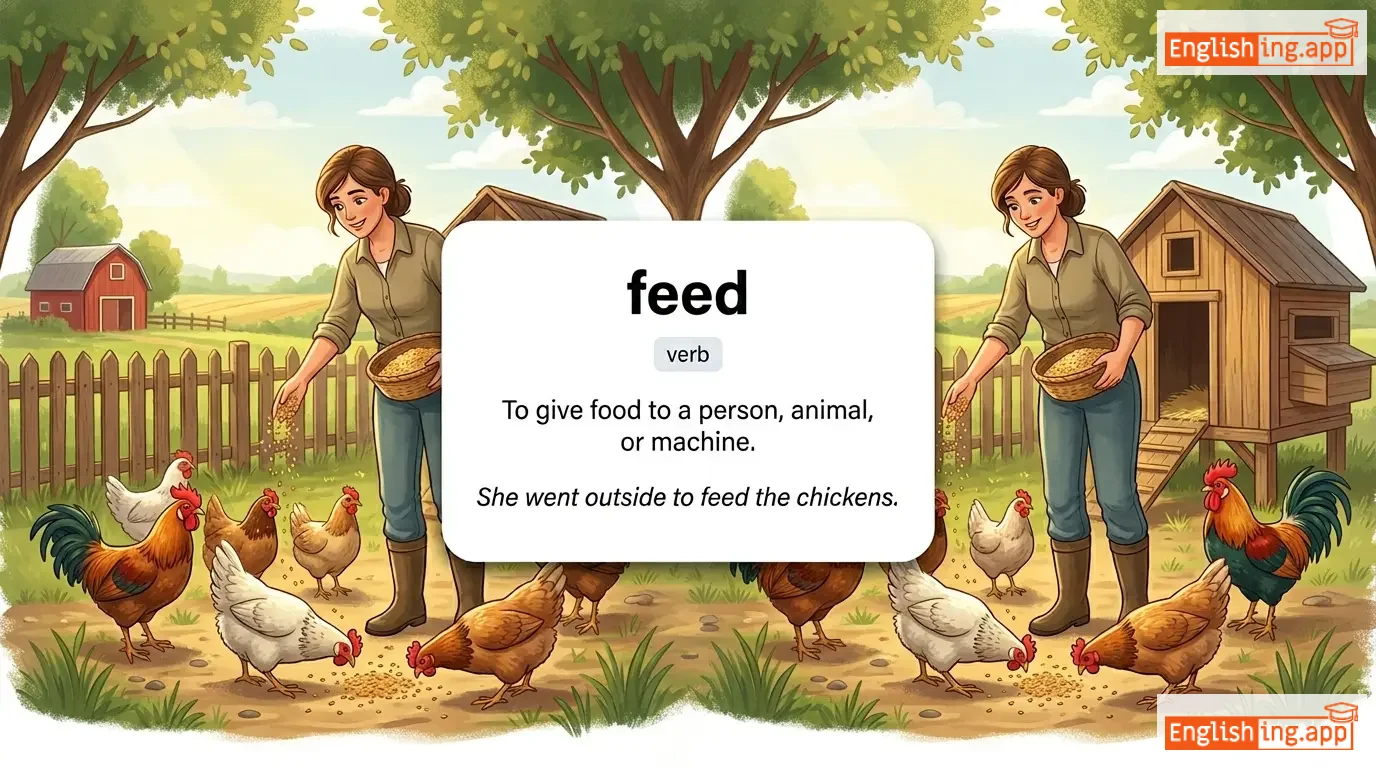
To give food to a person, animal, or machine.
••••••
|
She went outside to feed the chickens.
彼女は鶏に餌をやりに外に出た。
••••••
|
彼女は鶏に餌をやりに外に出た。
kanojo wa niwatori ni esa o yari ni soto ni deta.
••••••
|
feed the fire
火をつける
••••••
|
To add fuel to something or make it stronger
••••••
|
火をつける
hi o tsukeru
••••••
|
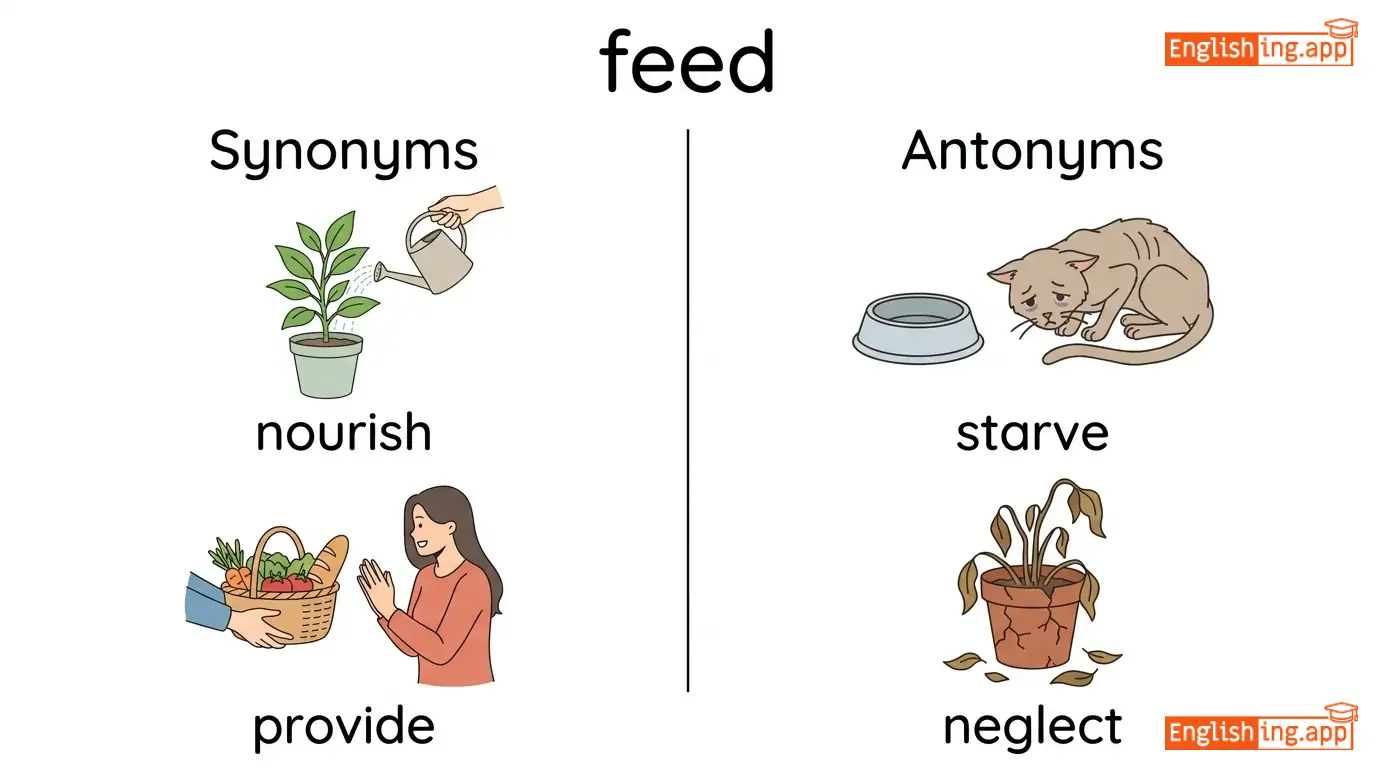
nourish, provide, supply, sustain
••••••
|
starve, neglect
••••••
|
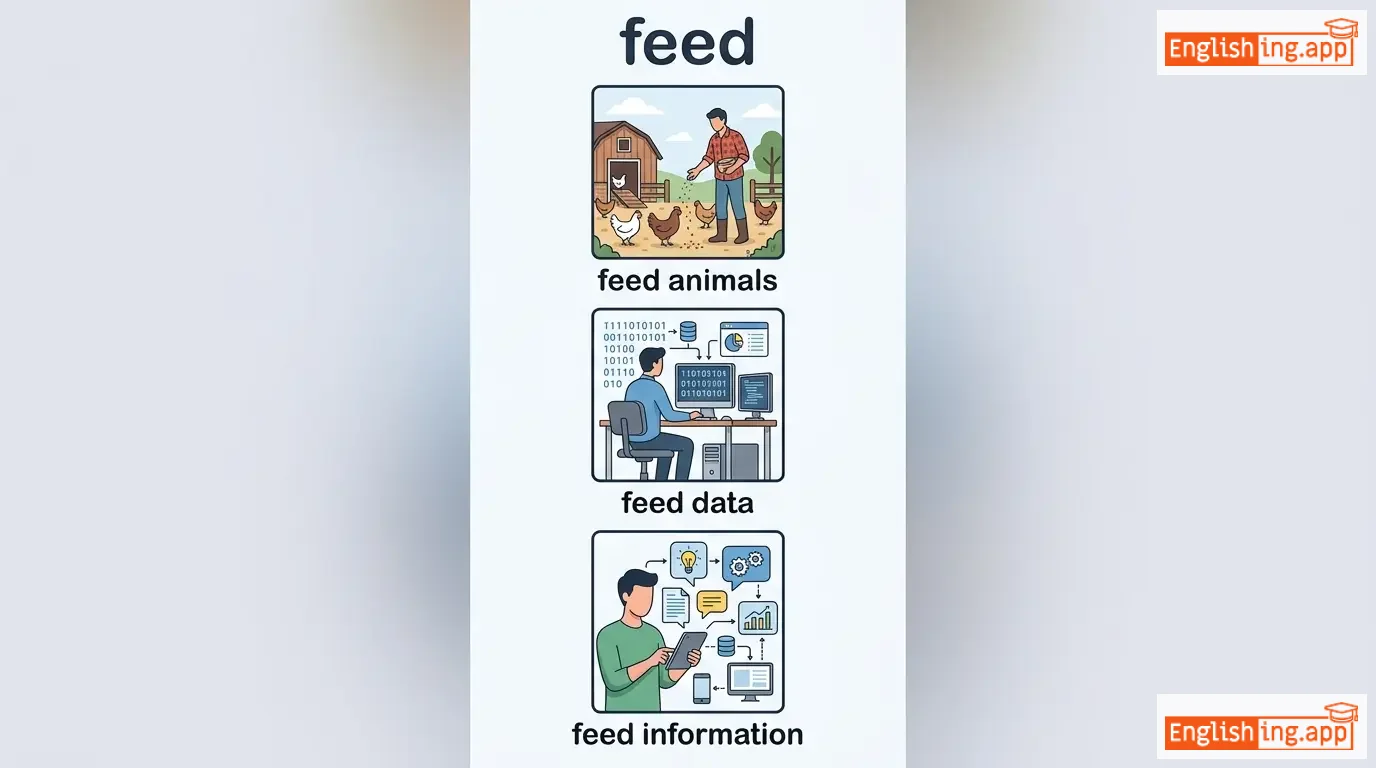
feed animals, feed data, feed information, feed on
••••••
|
Feed は与えること - Facebook のフィードのように、新しい内容が常に追加されます。
••••••
|
|
#0
🌾
|
/fiːld/
noun
(fīld)
••••••
|
- •••••• |
フィールド
fīrudo
••••••
|
- •••••• | - •••••• | - •••••• | - •••••• |
an area of open land, often used for farming, sports, or scientific study
••••••
|
The children played football in the field. |
子供たちはフィールドでサッカーをしました。
Kodomotachi wa fīrudo de sakkā o shimashita.
••••••
|
field of expertise |
a particular area of knowledge or skill
••••••
|
専門分野
senmon bunya
••••••
|
meadow, ground, area, domain, sphere
••••••
|
city, indoors, building
••••••
|
open field, sports field, field trip, field study, field of research
••••••
|
フィールドは日本語でもそのまま使われるので、覚えやすいです。
••••••
|
|
#0
🍎
|
/fruːt/
noun
(フルーツ)
••••••
|
- •••••• |
果物
kudamono
••••••
|
- •••••• | - •••••• | - •••••• | - •••••• |
The sweet and fleshy product of a plant that contains seeds.
••••••
|
Mango is my favorite fruit.
マンゴーは私のお気に入りのフルーツです。
••••••
|
マンゴーは私のお気に入りのフルーツです。
Mangō wa watashi no okiniiri no furūtsu desu.
••••••
|
bear fruit
実を結ぶ
••••••
|
To produce good results or be successful.
••••••
|
実を結ぶ
Mi o musubu
••••••
|
produce, crop, harvest, berry, yield
••••••
|
vegetable, grain
••••••
|
fresh fruit, ripe fruit, tropical fruit, eat fruit
••••••
|
フルーツは新鮮で美味しいので、覚えやすいです。
••••••
|
|
#0
🌱
|
/ɡroʊ/
verb
(グロー)
••••••
|
|
成長する
seichou suru
••••••
|
grew
グルー
••••••
|
grown
グロン
••••••
|
grows
グロース
••••••
|
growing
グローイング
••••••
|
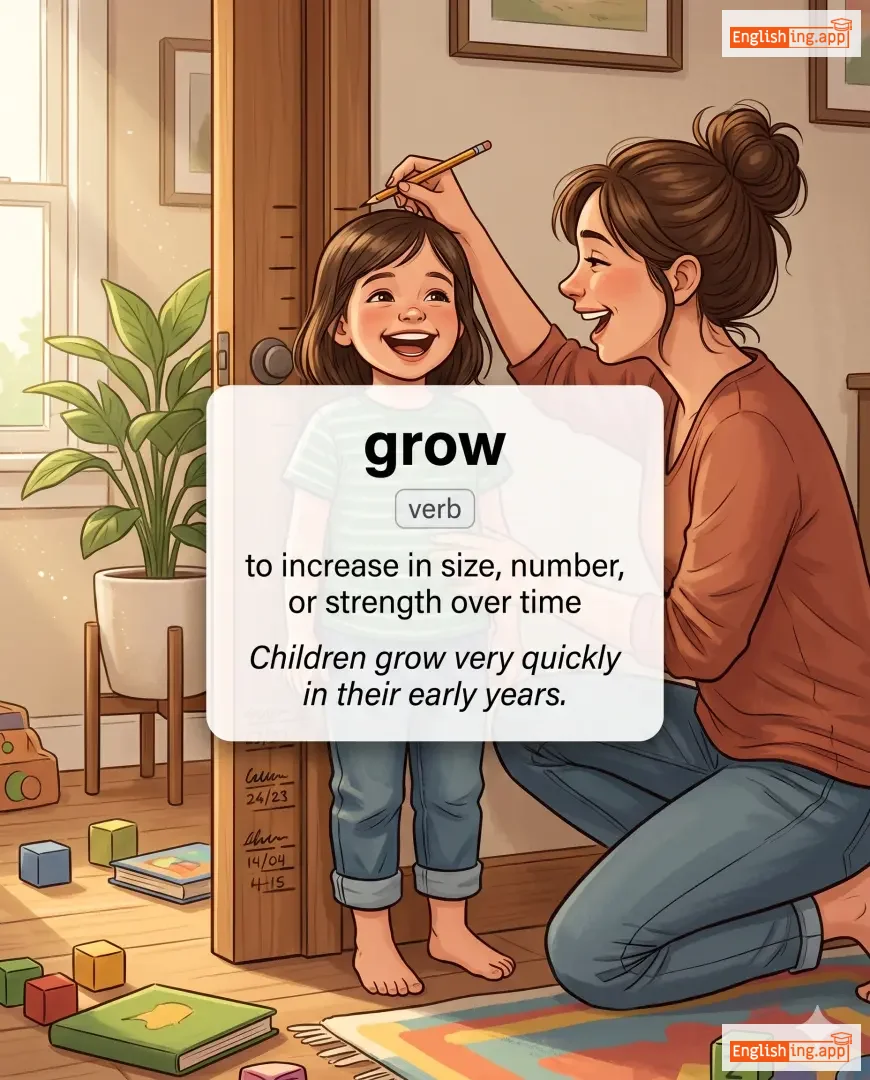
to increase in size, number, or strength over time
••••••
|
Children grow very quickly in their early years.
子供たちは非常に早く成長します。
••••••
|
子供たちは非常に早く成長します。
Kodomo-tachi wa hijou ni hayaku seichou shimasu.
••••••
|
grow on someone
誰かに成長する
••••••
|
to gradually become liked or appreciated
••••••
|
誰かに徐々に好きになる
dareka ni jojoni suki ni naru
••••••
|
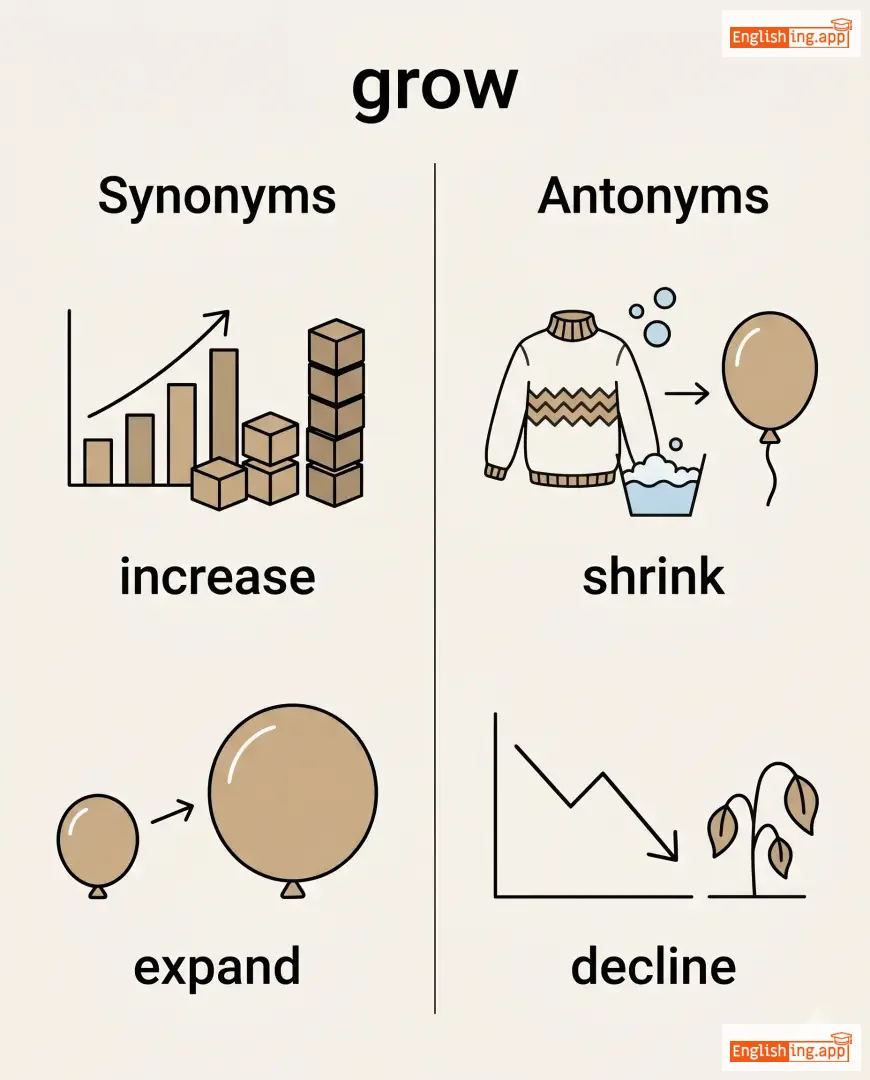
increase, expand, develop, rise, progress
••••••
|
shrink, decline, decrease
••••••
|
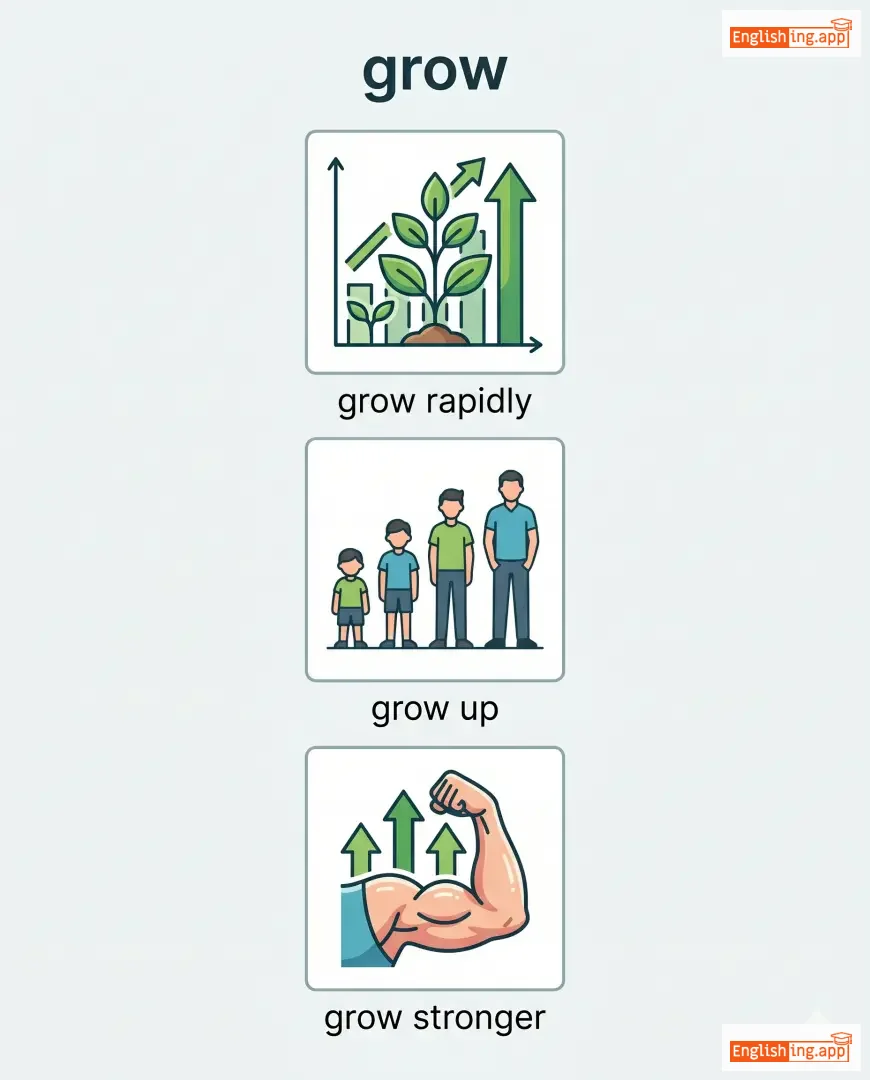
grow rapidly, grow up, grow stronger, grow business
••••••
|
木が成長するのは、時間と共に大きくなることを意味します。
••••••
|
|
#0
🌾
|
/ˈhɑːrvɪst/
noun
(ハーヴェスト)
••••••
|
- •••••• |
収穫
shūkaku
••••••
|
- •••••• | - •••••• | - •••••• | - •••••• |
the process or period of gathering crops
••••••
|
Farmers are busy during the rice harvest season. |
農家は米の収穫の季節に忙しい。
Nōka wa kome no shūkaku no kisetsu ni isogashī.
••••••
|
reap the harvest |
to enjoy the results of your efforts
••••••
|
努力の成果を享受する
doryoku no seika o kyōju suru
••••••
|
crop, yield, gathering, reaping, produce
••••••
|
sowing, planting, loss
••••••
|
harvest season, rice harvest, good harvest, harvest time
••••••
|
収穫は努力の成果を収集すること 🌾
••••••
|
|
#0
🌍
|
/lænd/
noun/verb
(ランド)
••••••
|
|
土地 / 着陸する
tochi / chakuriku suru
••••••
|
landed
ランデッド
••••••
|
landed
ランデッド
••••••
|
lands
ランズ
••••••
|
landing
ランディング
••••••
|
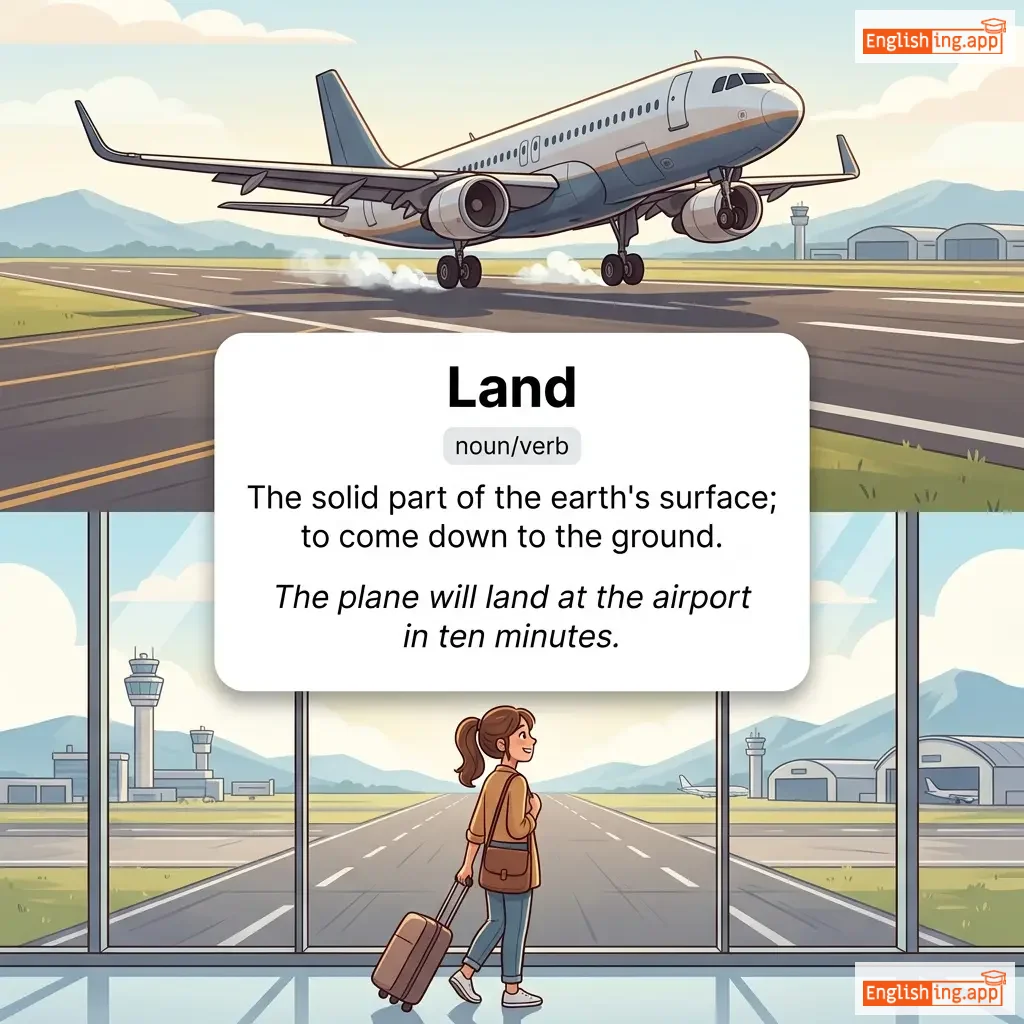
The solid part of the earth's surface; to come down to the ground.
••••••
|
The plane will land at the airport in ten minutes.
飛行機は10分で空港に着陸します。
••••••
|
飛行機は10分で空港に着陸します。
hikouki wa juppun de kuukou ni chakuriku shimasu.
••••••
|
land of opportunity
チャンスの地
••••••
|
a place where people have many chances to succeed
••••••
|
チャンスの地
chansu no chi
••••••
|
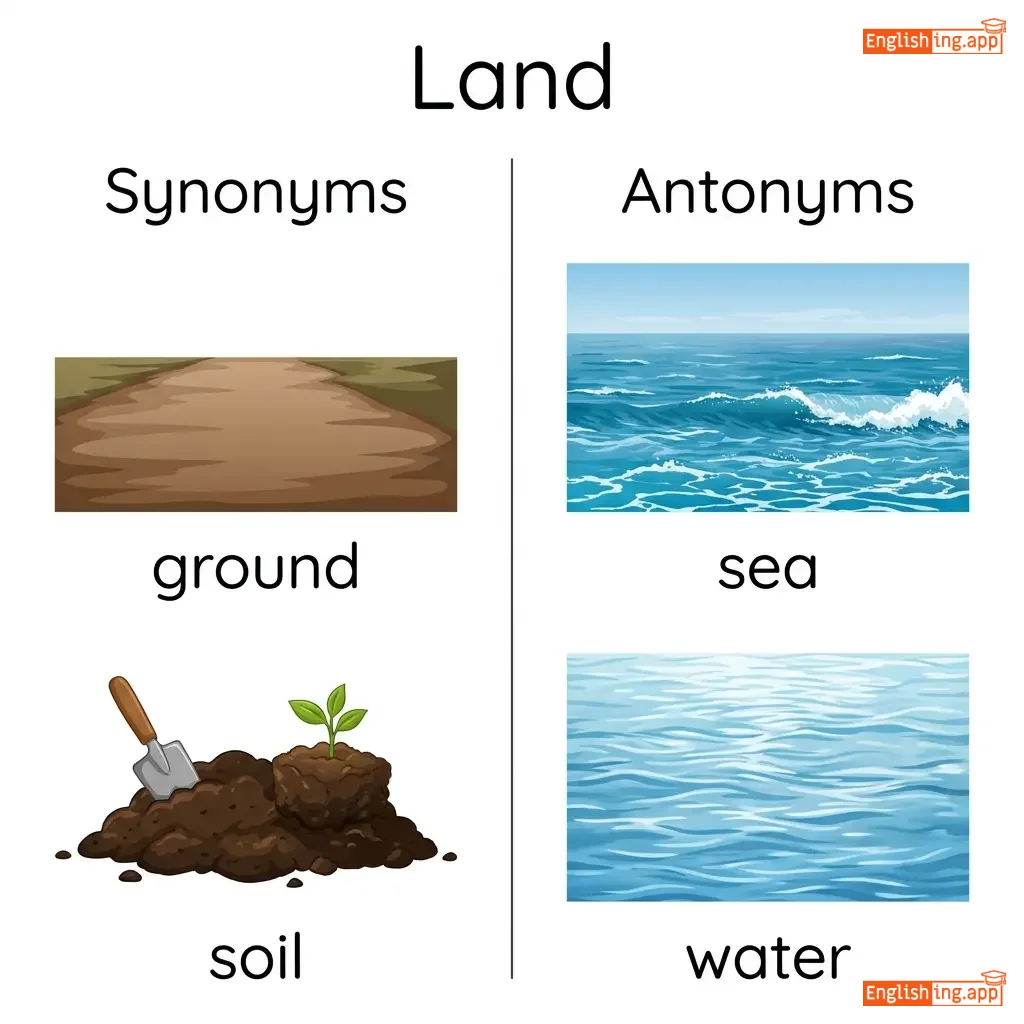
ground, soil, territory, earth
••••••
|
sea, water
••••••
|
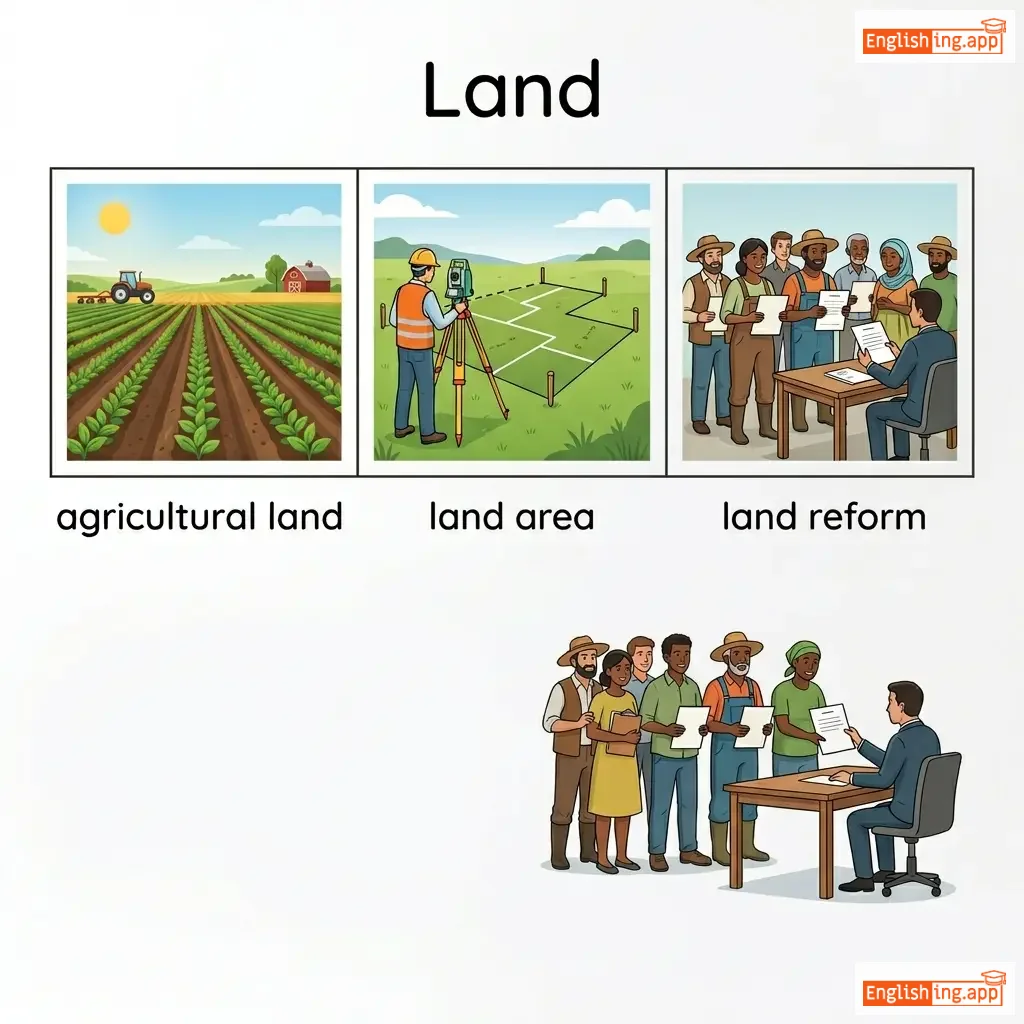
agricultural land, land area, land reform, land owner
••••••
|
Landは土地、着陸は飛行機が地面に触れることです。
••••••
|
|
#0
🍃
|
/liːf/
noun
(リーフ)
••••••
|
- •••••• |
葉
ha
••••••
|
- •••••• | - •••••• | - •••••• | - •••••• |
A flat, green part of a plant that grows from the stem or branch.
••••••
|
A green leaf fell from the tree. |
緑の葉が木から落ちた。
Midori no ha ga ki kara ochita.
••••••
|
turn over a new leaf |
to make a fresh start or begin to behave in a better way
••••••
|
新しいページを開く
Atarashii pēji o hiraku
••••••
|
foliage, frond, blade, greenery
••••••
|
stem, root
••••••
|
green leaf, dry leaf, autumn leaf, leaf pattern
••••••
|
Leafは葉を意味します – 本のページのように、葉も平らです。
••••••
|
|
#0
🌱
|
/plænt/
verb
(プラント)
••••••
|
|
植える
ueru
••••••
|
planted
プランテッド
••••••
|
planted
プランテッド
••••••
|
plants
プランツ
••••••
|
planting
プランティング
••••••
|
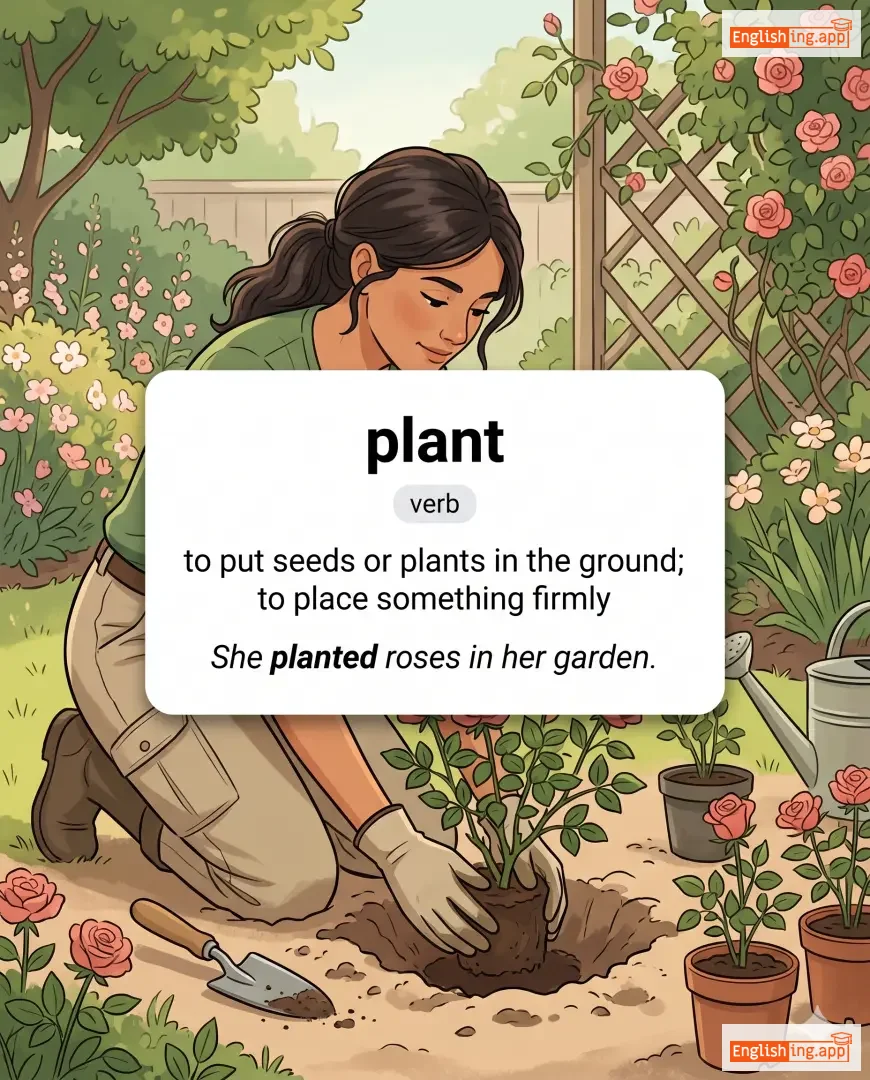
to put seeds or plants in the ground; to place something firmly
••••••
|
She planted roses in her garden.
彼女は庭にバラを植えました。
••••••
|
彼女は庭にバラを植えました。
Kanojo wa niwa ni bara o uemashita.
••••••
|
- •••••• | - •••••• | - •••••• |
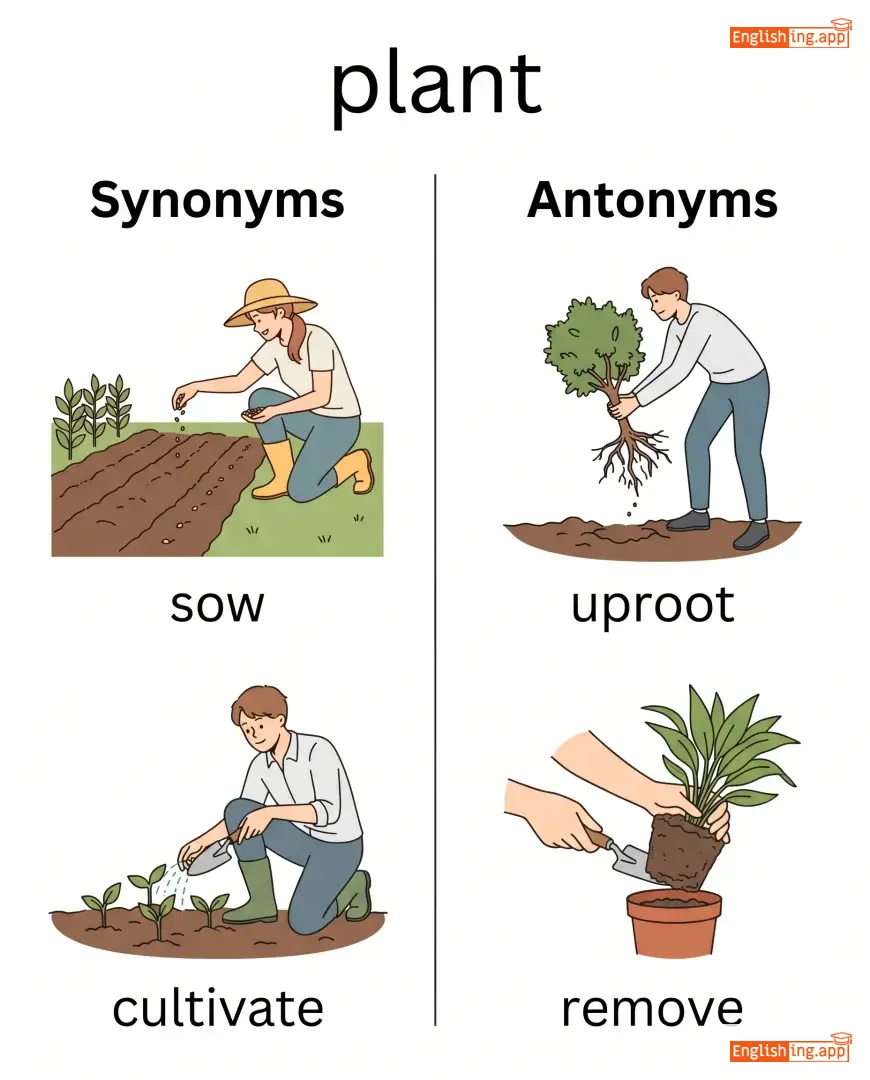
sow, cultivate, grow, place
••••••
|
uproot, remove, harvest, extract
••••••
|
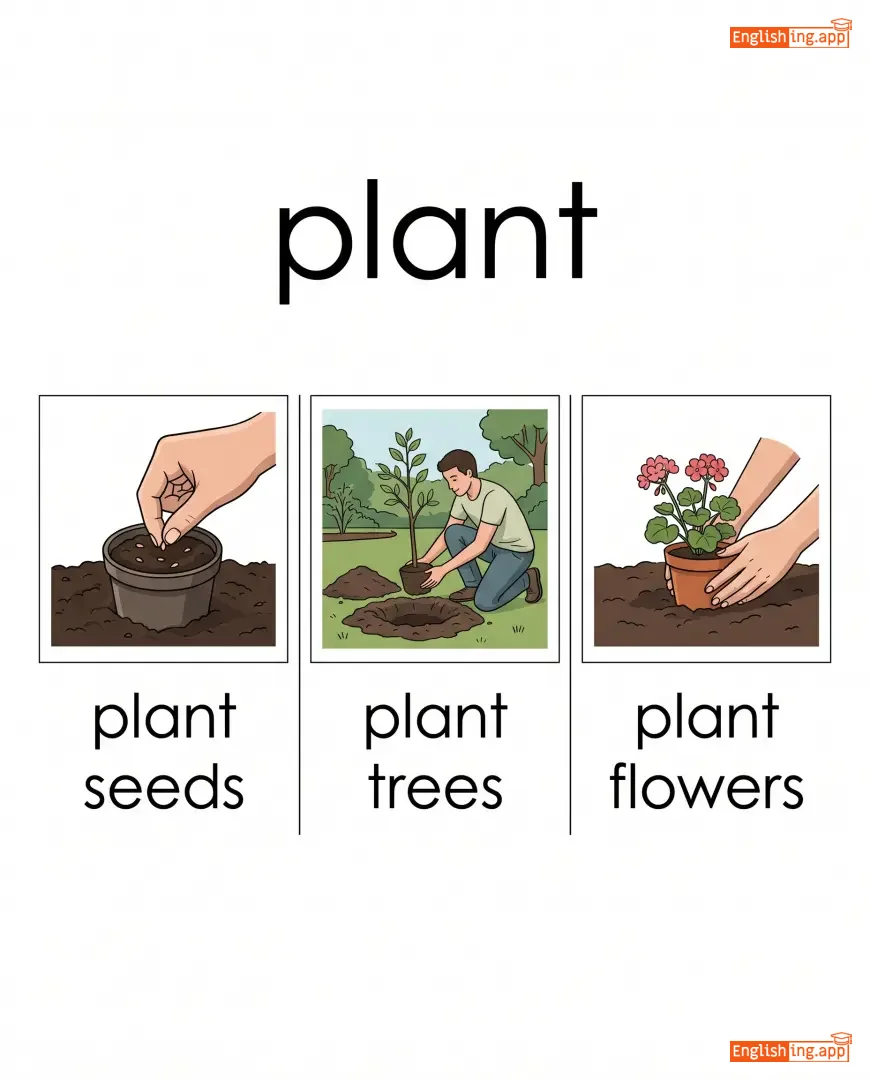
plant seeds, plant trees, plant flowers, plant crops
••••••
|
バラの花を植えることで、美しい庭が広がります。
••••••
|
|
#0
🌧️
|
/reɪn/
noun
••••••
|
- •••••• | - •••••• | - •••••• | - •••••• | - •••••• | - •••••• |
water droplets that fall from the sky as a result of condensation in the atmosphere
••••••
|
The rain started pouring just as we reached the park. |
- •••••• |
It's raining cats and dogs |
It’s raining very heavily
••••••
|
- •••••• |
shower, downpour, drizzle, precipitation
••••••
|
sunshine, dryness
••••••
|
heavy rain, light rain, rainfall, rain shower
••••••
|
No •••••• |
|
#0
🍚
|
/raɪs/
noun
(ライス)
••••••
|
- •••••• |
ご飯
gohan
••••••
|
- •••••• | - •••••• | - •••••• | - •••••• |
a cereal grain that is the staple food of many countries
••••••
|
Rice is an important part of the daily diet in many countries.
ライスは多くの国々の日常的な食事において重要な部分を占めています。
••••••
|
ライスは多くの国々の日常的な食事において重要な部分を占めています。
Raisu wa ooku no kuniguni no nichijou-teki na shokuji ni oite juuyou na bubun o shimemasu.
••••••
|
- •••••• | - •••••• | - •••••• |
grain, paddy, rice grain
••••••
|
vegetables, fruits
••••••
|
boiled rice, fried rice, rice dish, rice field
••••••
|
Rice is essential for 'rising' nutrition daily.
••••••
|
|
#0
🌱
|
/ruːt/
noun
(ルート)
••••••
|
- •••••• |
根; 起源; 基本原因; ルート
ne; kigen; kihon gen'in; rūto
••••••
|
- •••••• | - •••••• | - •••••• | - •••••• |
the part of a plant that grows underground; the basic cause, source, or origin of something
••••••
|
We need to find the root of this problem to solve it permanently.
この問題の根本原因を見つけて、永続的に解決する必要があります。
••••••
|
この問題の根本原因を見つけて、永続的に解決する必要があります。
Kono mondai no konpon gen'in o mitsukete, eizoku-teki ni kaiketsu suru hitsuyō ga arimasu.
••••••
|
- •••••• | - •••••• | - •••••• |
source, origin, basis, foundation
••••••
|
branch, leaf, effect, result
••••••
|
root cause, tree root, root of the problem
••••••
|
In Japanese, 'ルート' (rūto) refers to the root of something, just like the root of a plant that grows under the soil.
••••••
|
|
#0
🌱
|
/siːd/
noun
(シード)
••••••
|
- •••••• |
種
tane
••••••
|
- •••••• | - •••••• | - •••••• | - •••••• |
the small, hard part of a plant from which a new plant can grow
••••••
|
I planted a seed in the garden. |
私は庭に種を植えました。
Watashi wa niwa ni tane o uemashita.
••••••
|
- •••••• | - •••••• | - •••••• |
grain, pit, kernel, sprout
••••••
|
fruit, flower, leaf
••••••
|
plant a seed, grow from seed, seed bank
••••••
|
Seed = 種、植物の始まり!
••••••
|
|
#0
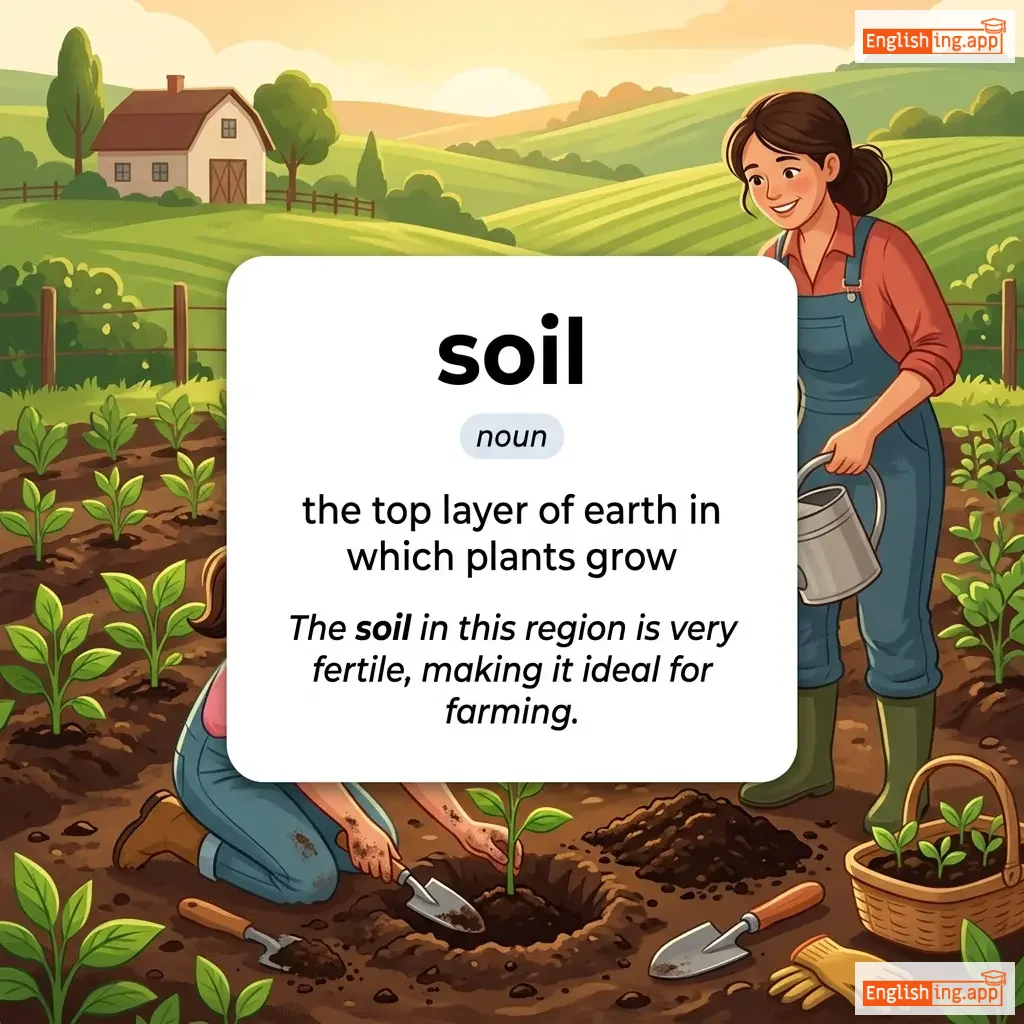
🌱
|
/sɔɪl/
noun
••••••
|
|
- •••••• | - •••••• | - •••••• | - •••••• | - •••••• |
the upper layer of earth in which plants grow; dirt or earth
••••••
|
Rich soil is essential for healthy plant growth. |
- •••••• | - •••••• | - •••••• | - •••••• |
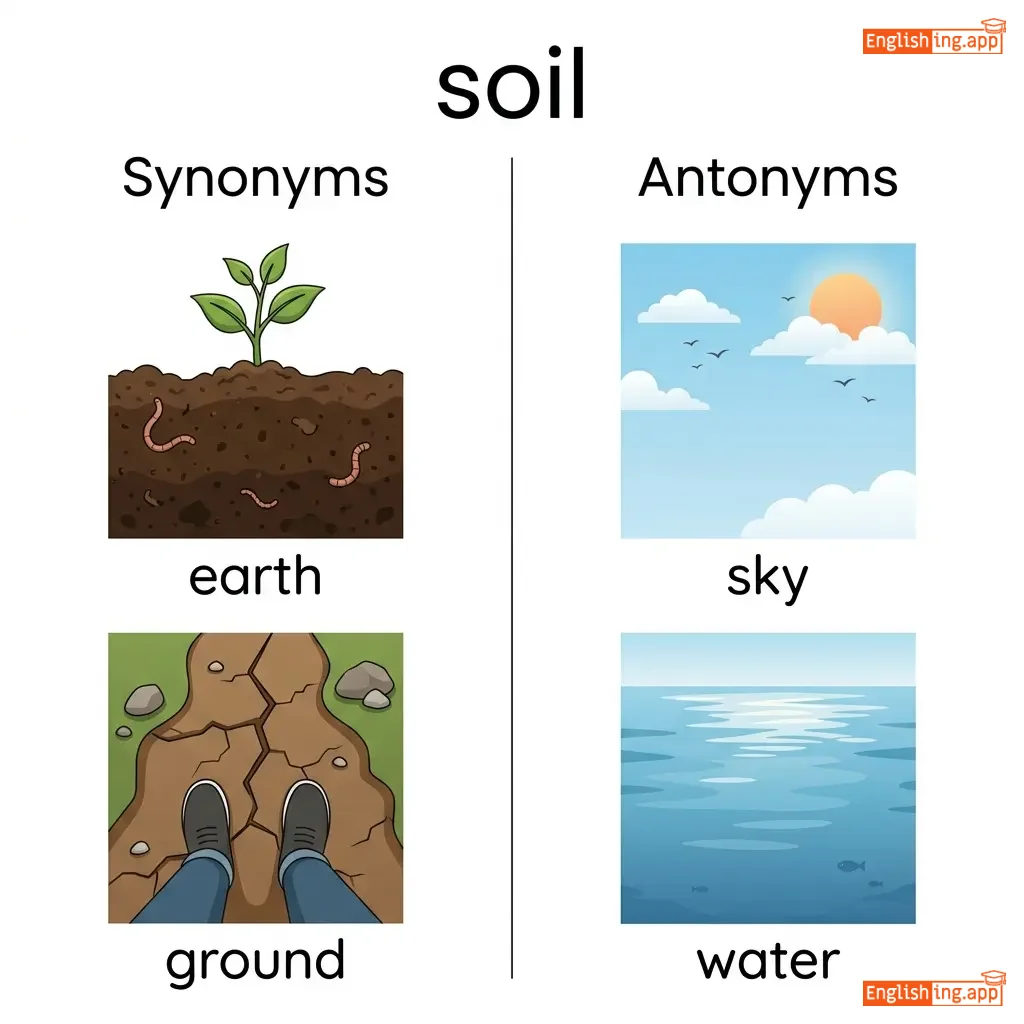
earth, dirt, ground, mud
••••••
|
rock, stone, concrete
••••••
|
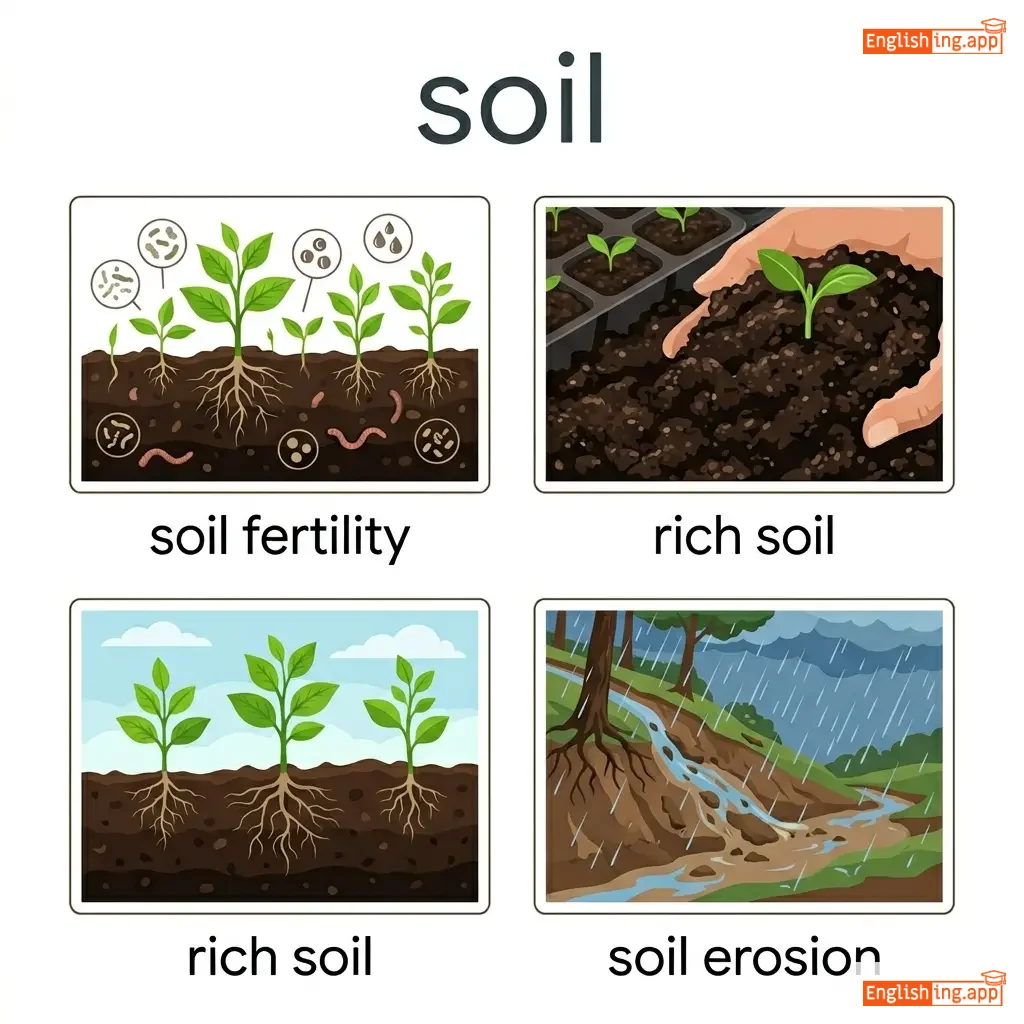
fertile soil, sandy soil, clay soil, soil erosion
••••••
|
No •••••• |
|
#0
🌳
|
/triː/
noun
(トゥリー)
••••••
|
- •••••• |
木
ki
••••••
|
- •••••• | - •••••• | - •••••• | - •••••• |
a large plant with a trunk, branches, and leaves
••••••
|
The tree in our backyard is over a hundred years old. |
私たちの裏庭にある木は百年以上の歴史があります。
Watashitachi no uraniwa ni aru ki wa hyaku-nen ijō no rekishi ga arimasu.
••••••
|
- •••••• | - •••••• | - •••••• |
plant, shrub, bush
••••••
|
weed, grass
••••••
|
fruit tree, shade tree, tall tree
••••••
|
Ki is the tree, grows with time!
••••••
|
|
#0
💧
|
/ˈwɔːtər/
verb
(ウォーター)
••••••
|
|
水やり
mizuyari
••••••
|
watered
ウォータード
••••••
|
watered
ウォータード
••••••
|
waters
ウォーターズ
••••••
|
watering
ウォータリング
••••••
|
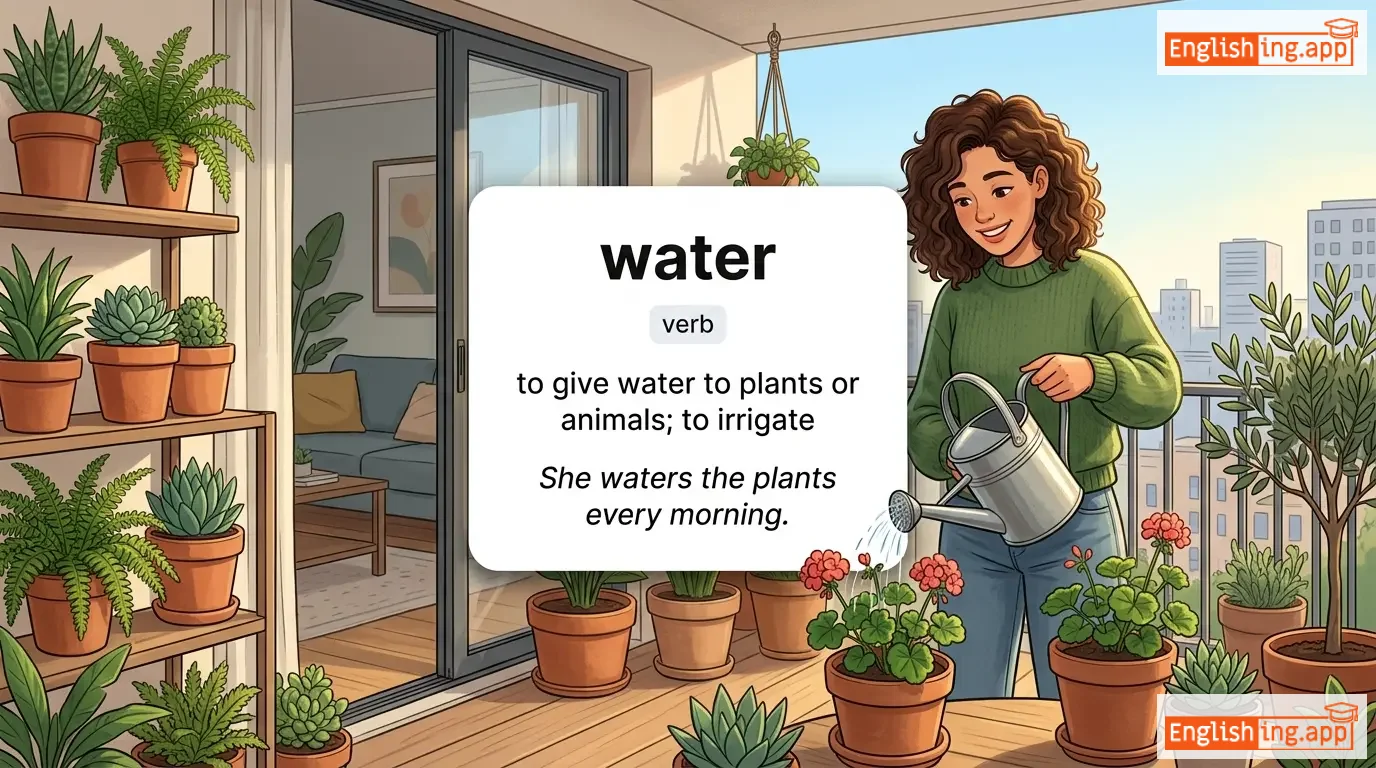
to give water to plants or animals; to irrigate
••••••
|
She waters the plants every morning.
彼女は毎朝植物に水をやります。
••••••
|
彼女は毎朝植物に水をやります。
Kanojo wa maiasa shokubutsu ni mizu o yarimasu
••••••
|
- •••••• | - •••••• | - •••••• |
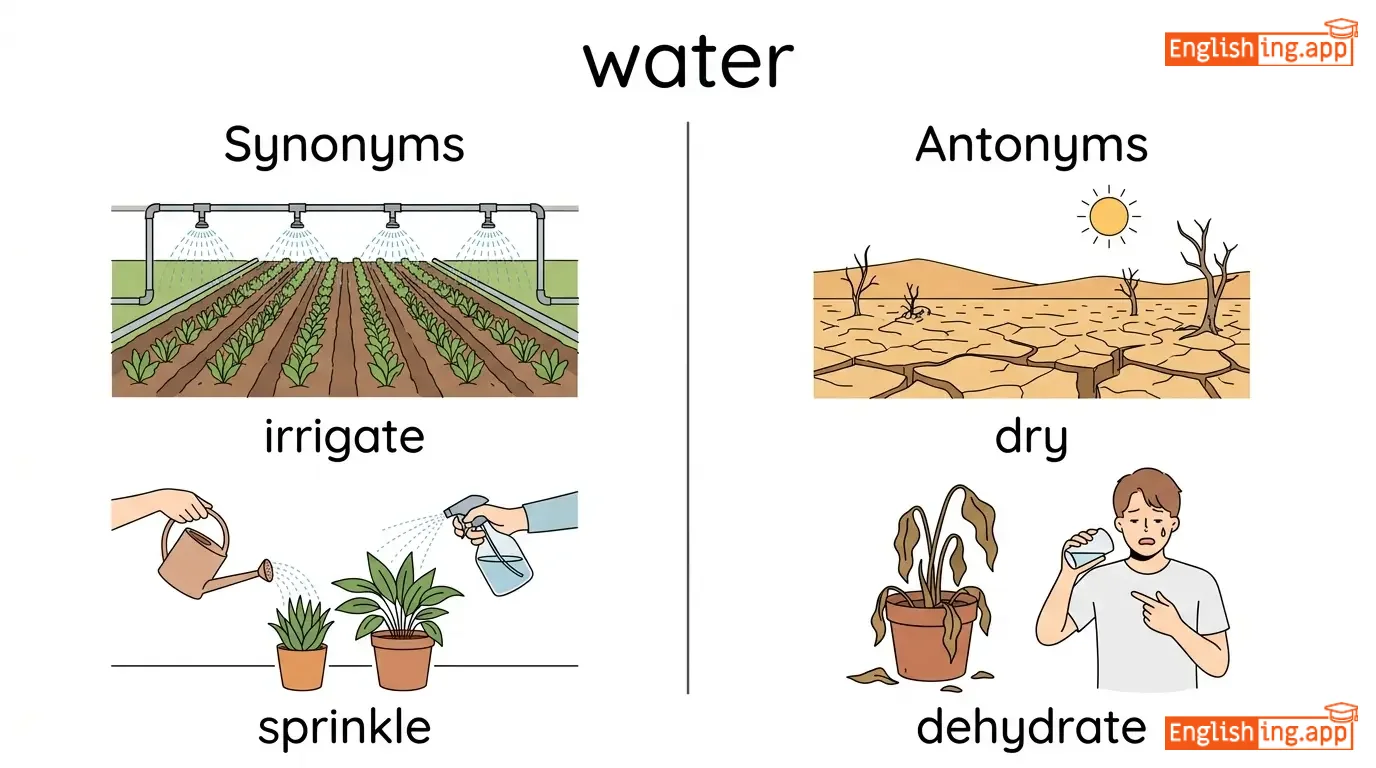
irrigate, sprinkle, drench, moisten
••••••
|
dry, dehydrate, parch
••••••
|
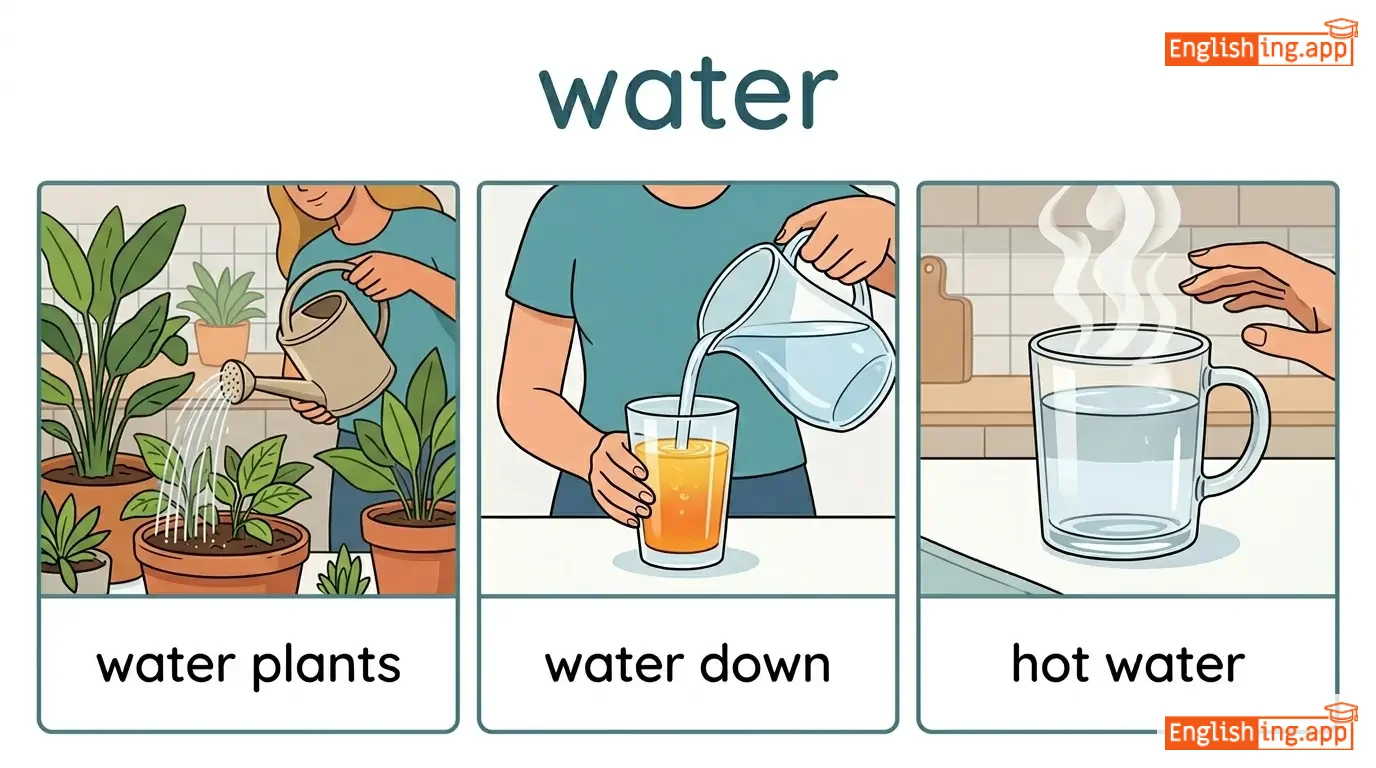
water plants, water down, hot water, cold water, drinking water, water supply
••••••
|
水やりは植物に水を与えること
••••••
|
|
#0
🌾
|
/wiːt/
noun
(wheat)
••••••
|
- •••••• |
小麦
komugi
••••••
|
- •••••• | - •••••• | - •••••• | - •••••• |
a cereal plant whose grain is used to make flour for bread and other foods
••••••
|
Farmers harvested the wheat in early summer. |
農家は初夏に小麦を収穫しました。
Nouka wa shoka ni komugi o shuukaku shimashita.
••••••
|
separate the wheat from the chaff |
to separate valuable things or people from those that are not
••••••
|
小麦と糠を分ける
Komugi to nuka o wakeru
••••••
|
grain, cereal, barley, oat, corn
••••••
|
chaff, waste
••••••
|
wheat flour, wheat bread, wheat field, wheat grain, wheat harvest
••••••
|
Wheatは小麦🌾を意味します。小麦はパンに使われるので、食べ物を思い出しましょう。
••••••
|
Vocabulary Quiz
Test your vocabulary by matching words with their translations or meanings.
Login to take the quiz
Comments (0)
Share your thoughts and join the discussion.
Join the discussion by logging in
Login to CommentNo comments yet
Be the first to share your thoughts!