

家族の一日
A Day in the Family
サルマは献身的な mother で、house を管理しながらオフィスでも worked。毎朝 (morning) 一番に wake して、home 全体を clean に保つようにしていた。
彼女の husband カリムは father で、毎朝早くに work に出かけた。二人には二人の children(男の子と女の子)がいて、学校に通っていた。
毎朝の morning はいつも busy。サルマは children を wake して、顔を wash し、朝食を準備した。Children は rooms から sleepy な目で出てきた。
Father のカリムも手伝った。彼は door を開け、ダイニングを clean し、みんなが時間通りに eat できるようにした。
みんなで一緒に eat。Children はミルクを drink し、parents はお茶を drink。これが彼らの family タイムで、その日に何をするかを話し合った。
それからみんな急いで出かける。Father は work へ、children は学校へ、mother はオフィスの準備をする。でもその前にサルマは素早く clean し、食器を wash した。
一日中みんな busy。カリムはオフィスで worked、children worked 学校で頑張り、サルマはオフィスの work と home の責任を両立していた。
夕方になると、みんな home に戻る。Children は tired で、rooms に入って宿題をする。Father も work で tired になり、リビング room に座った。
サルマは再び busy に料理を始める。夕食を作り、キッチンを clean し、すべてが整っていることを確認した。
Mother はみんなを呼んで eat。再び family が一緒に座り、children は学校の話をし、father は職場の話をし、mother はみんなの話を聞いた。
夕食の後、father は皿を wash して mother を手伝った。彼女はすでにとても tired だった。Children は自分の rooms を clean し、ベッドを整えた。
しばらくして、みんながリビング room に集まる。これは rest の時間で、誰も work に busy ではなく、ただお互いの時間を楽しんだ。
Children は先に sleep する。サルマは彼らの room に行き、ちゃんと sleeping しているかを確認し、静かに door を閉めた。
その後、カリムとサルマは少し座って話をした。二人の parents は children's 教育、house の出費、将来の計画について話し合った。二人とも tired だったが、children に良い home を与えている満足感があった。
最後に二人も bed で sleep。彼らの home は静かで、すべての doors が閉まり、灯りが消えた。明日も同じように busy な日が始まる。
サルマは言う:「Family の生活とは常に busy であること。でもそれが一番充実している。morning に wake して children の顔を見るとき、house で work して clean するとき、family と一緒に eat するとき——その小さな瞬間が人生を意味あるものにするのです。mother であり働く女性として、私はいつも tired だけれど、children が room で穏やかに sleeping しているのを見るとき、husband が夕食後に皿を wash してくれるとき、この home、この house が私のすべてだと感じます。door の向こうの room には思い出が詰まっている。father works 一生懸命に働き、children drink ミルクを飲み、笑顔で eat し、みんなで rest する——これが私たちの family の形です。Busy な日々、tired な夜。でも毎 morning wake すると、wash、clean、work する必要があると分かる。なぜならこの home、この family は最高のものを受けるべきだから。Parent であることは犠牲を意味するけれど、child が愛を込めてあなたを見るとき、すべての tiredness が消える。この house はただの建物ではなく、mother と father が children のために安全な空間を作る home です。だから working を続け、cleaning を続け、washing を続け、みんなで eating して、これらのシンプルな瞬間を大切にしてください。いつか children が成長してこの room、この door、この house を離れるとき、あなたはこれらの busy mornings、tired な夜を恋しく思うでしょう。」
サルマの family への献身、home と work のバランス、children への愛は、多くの parents にとって励ましである。彼女の物語は、計画性、father と mother の相互支援、そして無条件の愛があれば、どんな family も繁栄できることを証明している。彼女の house は今、健康的な family 生活の模範であり、みんなが協力し、共に rest し、共に eat し、共に成長している。
翻訳
過去
過去分詞
三人称単数
動名詞
意味
例文
例文の翻訳
同義語
対義語
コロケーション
ニーモニック
Swipe left or right, or use the buttons. Tap image to zoom.
例文の翻訳
単語
A Day in the FamilyA Day in the Family - マスクトグル
|
絵文字
|
単語 | Images | 翻訳 | 過去 | 過去分詞 | 三人称単数 | 動名詞 | 意味 | 例文 | 例文の翻訳 | 表現例 | 表現例の意味 | 表現例の翻訳 | 同義語 | 対義語 | コロケーション | ニーモニック |
|---|---|---|---|---|---|---|---|---|---|---|---|---|---|---|---|---|---|
|
#0
🛏️
|
/bɛd/
noun
••••••
|
- •••••• | - •••••• | - •••••• | - •••••• | - •••••• | - •••••• |
a piece of furniture for sleeping or resting on
••••••
|
She lay down on the bed and fell asleep quickly. |
- •••••• |
make your bed |
to arrange or tidy your bed after getting up
••••••
|
- •••••• |
couch, mattress, cot, bunk
••••••
|
floor, ground
••••••
|
go to bed, make the bed, bed sheet, hospital bed
••••••
|
No •••••• |
|
#0
🐝
|
/ˈbɪzi/
adjective
(bizi)
••••••
|
- •••••• |
忙しい
isogashii
••••••
|
- •••••• | - •••••• | - •••••• | - •••••• |
actively engaged in work or activity; occupied
••••••
|
He is too busy to answer the phone. |
彼は電話に出るのがあまりにも忙しい。
Kare wa denwa ni deru no ga amari ni mo isogashii.
••••••
|
busy as a bee |
extremely active and hardworking
••••••
|
蜂のように忙しい
hachi no yō ni isogashii
••••••
|
occupied, engaged, active, industrious
••••••
|
idle, free, inactive
••••••
|
busy schedule, busy street, busy day, keep busy
••••••
|
蜂のように忙しい!
••••••
|
|
#0
👶
|
/tʃaɪld/
noun
(チャイルド)
••••••
|
- •••••• |
子供
kodomo
••••••
|
- •••••• | - •••••• | - •••••• | - •••••• |
a young human being below the age of puberty or below the legal age of majority
••••••
|
The child played happily in the park.
その子供は公園で楽しそうに遊んでいました。
••••••
|
その子供は公園で楽しそうに遊んでいました。
Sono kodomo wa kouen de tanoshisou ni asonde imashita.
••••••
|
child's play
子供の遊び
••••••
|
something that is very easy to do
••••••
|
子供の遊び
Kodomo no asobi
••••••
|
kid, youngster, minor, juvenile, toddler
••••••
|
adult, grown-up
••••••
|
child care, child development, child protection, child labor
••••••
|
Child は子供 👶, '子供の遊び' のように、簡単に遊べること。
••••••
|
|
#0
🧹
|
/kliːn/
verb
(クリーン)
••••••
|
- •••••• |
掃除する
souji suru
••••••
|
cleaned
クリーンド
••••••
|
cleaned
クリーンド
••••••
|
cleans
クリーンズ
••••••
|
cleaning
クリーニング
••••••
|
To make something free from dirt, marks, or mess.
••••••
|
She cleaned the kitchen before the guests arrived.
彼女はゲストが到着する前にキッチンを掃除しました。
••••••
|
彼女はゲストが到着する前にキッチンを掃除しました。
Kanojo wa gesuto ga tōchaku suru mae ni kicchin o sōji shimashita.
••••••
|
clean slate
きれいなスタート
••••••
|
A fresh start without any past problems.
••••••
|
きれいなスタート
kirei na sutāto
••••••
|
wash, scrub, wipe, tidy, purify
••••••
|
dirty, pollute, soil
••••••
|
clean room, clean clothes, clean water, clean environment
••••••
|
Clean は掃除するという意味です — 🧽 '掃除する' で何もかもきれいになります。
••••••
|
|
#0
🚪
|
/dɔːr/
noun
(ドア)
••••••
|
- •••••• |
ドア
doa
••••••
|
- •••••• | - •••••• | - •••••• | - •••••• |
A movable barrier that allows entry or exit to a building, room, or vehicle.
••••••
|
He knocked on the door before entering the house. |
彼は家に入る前にドアをノックした。
Kare wa ie ni hairu mae ni doa o nokkushita.
••••••
|
when one door closes, another opens |
New opportunities arise when one ends
••••••
|
一つのドアが閉まると、もう一つのドアが開く
Hitotsu no doa ga shimaru to, mō hitotsu no doa ga hiraku
••••••
|
gate, entrance, portal, threshold
••••••
|
wall, barrier
••••••
|
open the door, close the door, lock the door, knock on the door
••••••
|
ドア 🚪 — ドアを開けると、新しいチャンスが入ってくる!
••••••
|
|
#0
🥤
|
/drɪŋk/
verb, noun
(ドリンク)
••••••
|
|
飲む / 飲み物
nomu / nomimono
••••••
|
drank
ドランク
••••••
|
drunk
ドランク
••••••
|
drinks
ドリンクス
••••••
|
drinking
ドリンキング
••••••
|
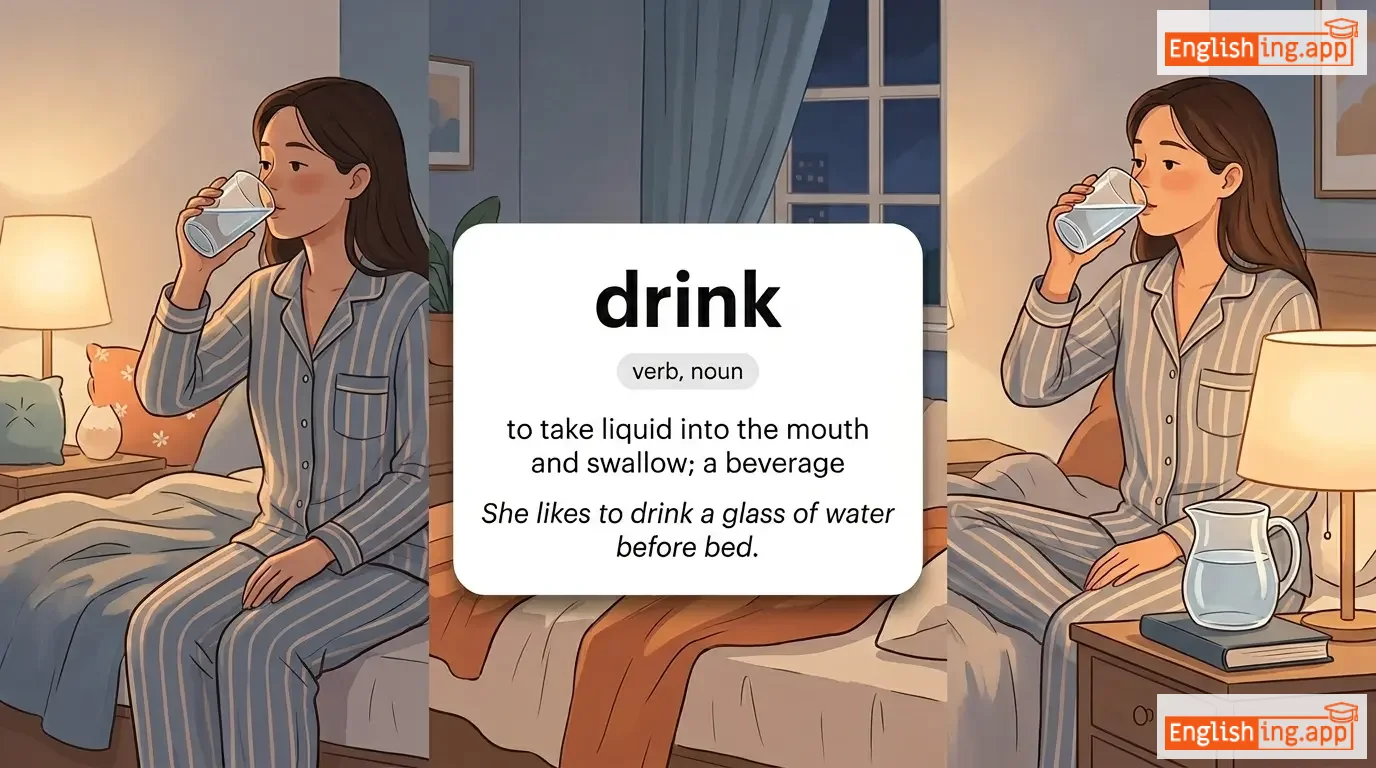
to take liquid into the mouth and swallow; a beverage
••••••
|
She likes to drink a glass of water before bed.
彼女は寝る前に一杯の水を飲むのが好きです。
••••••
|
彼女は寝る前に一杯の水を飲むのが好きです。
Kanojo wa neru mae ni ippai no mizu wo nomu no ga suki desu.
••••••
|
drink like a fish
魚のように飲む
••••••
|
to drink a lot of alcohol
••••••
|
魚のように飲む
Sakana no you ni nomu
••••••
|
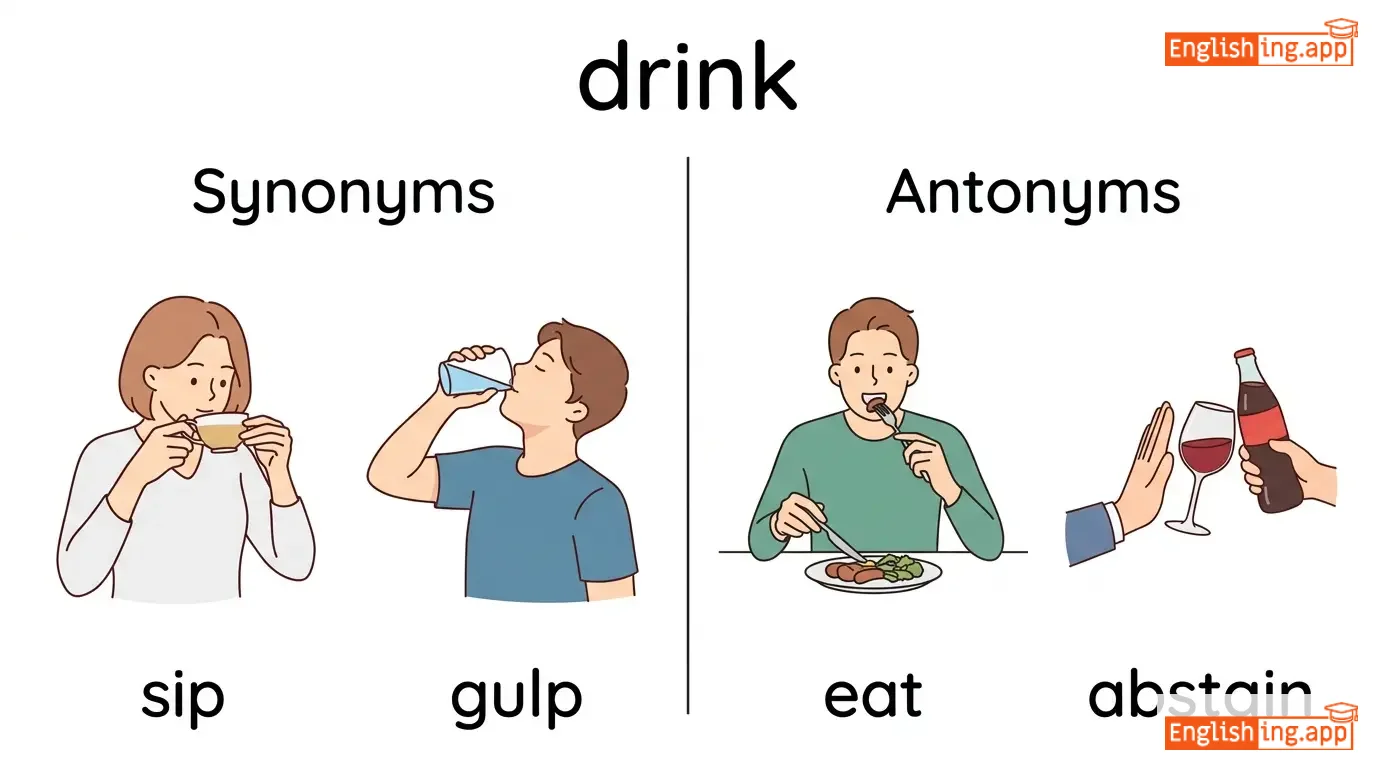
sip, gulp, swallow, beverage, refreshment
••••••
|
eat, abstain
••••••
|
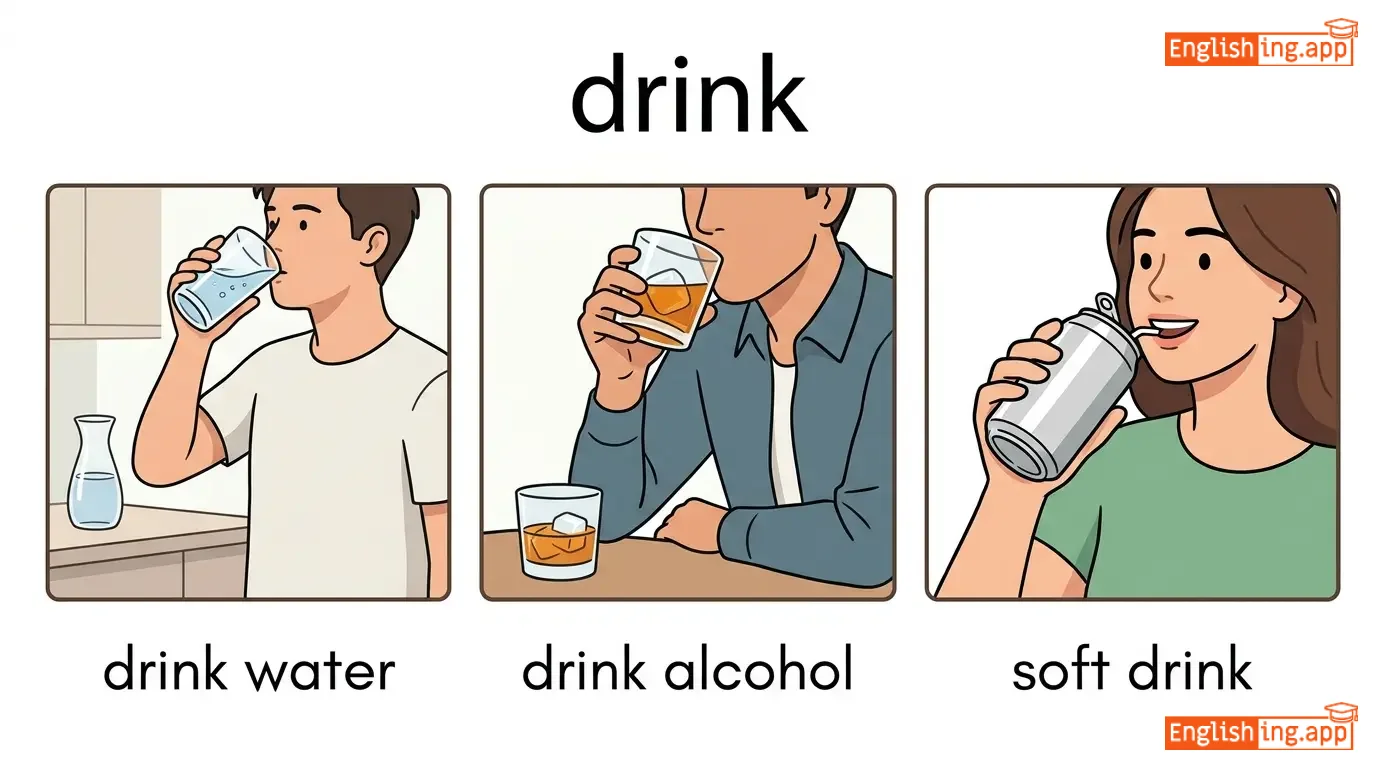
drink water, drink alcohol, soft drink, energy drink
••••••
|
飲むとは液体を飲み込むこと、例えば飲み物を飲むように。
••••••
|
|
#0
🍽️
|
/iːt/
verb
(ito)
••••••
|
|
食べる
taberu
••••••
|
ate
eto
••••••
|
eaten
iten
••••••
|
eats
its
••••••
|
eating
iting
••••••
|
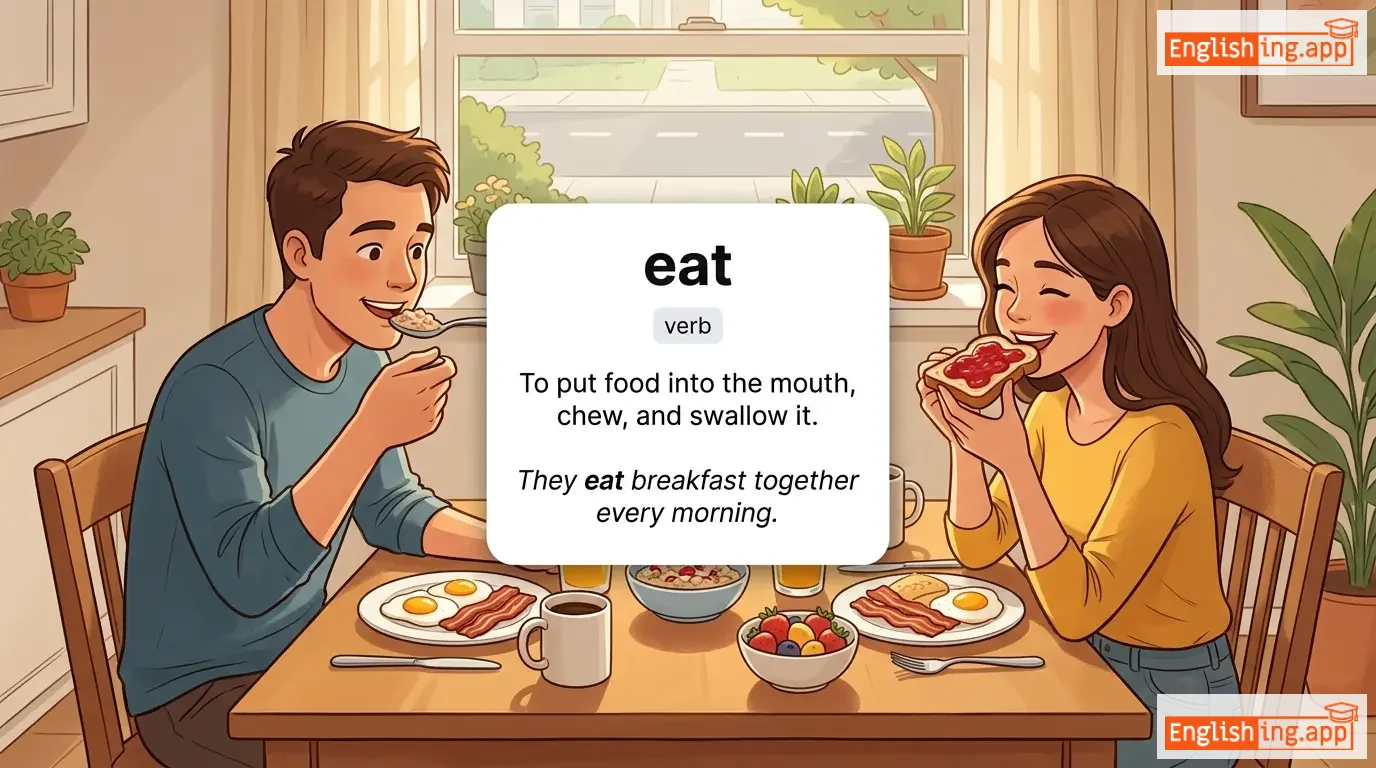
To put food into the mouth, chew, and swallow it.
••••••
|
They eat breakfast together every morning.
彼らは毎朝一緒に朝食を食べます。
••••••
|
彼らは毎朝一緒に朝食を食べます。
Karera wa mai asa issho ni chōshoku o tabemasu.
••••••
|
eat like a horse
馬のように食べる
••••••
|
To eat a lot of food.
••••••
|
馬のように食べる
Uma no yō ni taberu
••••••
|
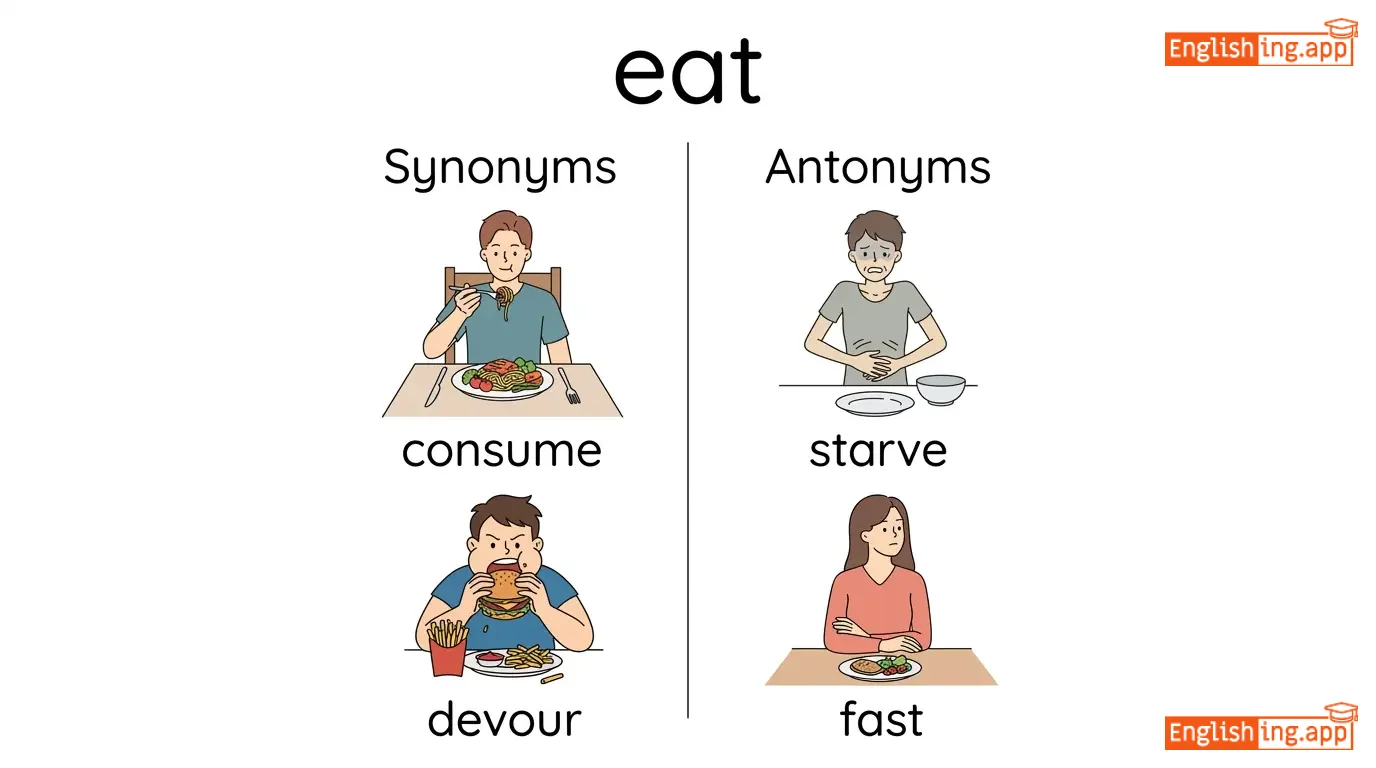
consume, devour, chew, swallow, dine
••••••
|
starve, fast
••••••
|
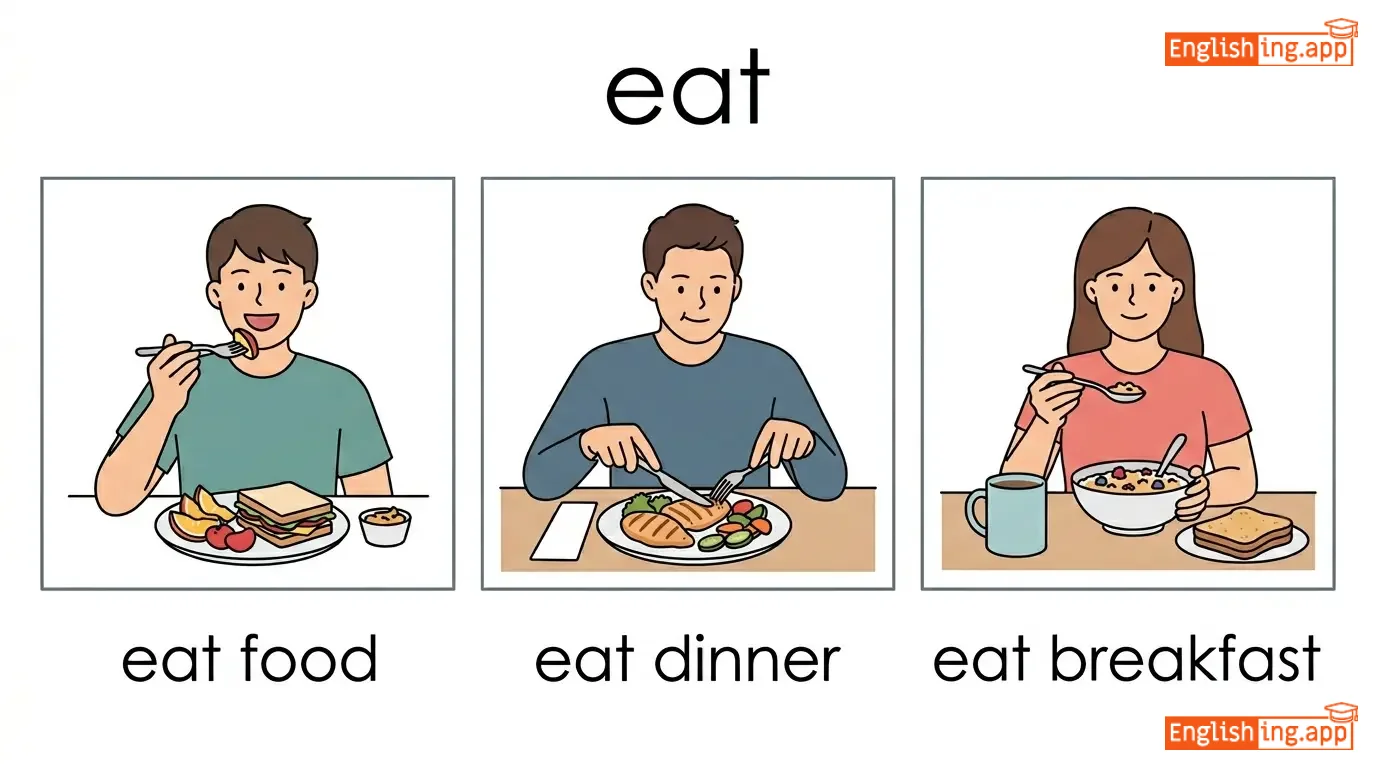
eat food, eat dinner, eat breakfast, eat together
••••••
|
Eatは食べるという意味 - 馬のように食べると満腹になる。
••••••
|
|
#0
👨👦
|
/ˈfɑːðər/
noun
(ハピネス)
••••••
|
- •••••• |
幸福
kōfuku
••••••
|
- •••••• | - •••••• | - •••••• | - •••••• |
A male parent of a child.
••••••
|
His father taught him how to ride a bicycle.
彼女は賞を受け取ったとき、その幸せを隠せなかった。
••••••
|
彼女は賞を受け取ったとき、その幸せを隠せなかった。
Kanojo wa shō o uketotta toki, sono kōfuku o kakusenakatta.
••••••
|
like father, like son
幸福を追求する
••••••
|
Children often resemble their parents in behavior or character.
••••••
|
幸福を追求する
kōfuku o tsuikyū suru
••••••
|
dad, papa, parent, patriarch
••••••
|
mother, mom
••••••
|
father figure, biological father, adoptive father, father of the bride
••••••
|
Kōfuku = 良い感じ, like Happy!
••••••
|
|
#0
🏠
|
/hoʊm/
noun
(ホム)
••••••
|
- •••••• |
家
ie
••••••
|
- •••••• | - •••••• | - •••••• | - •••••• |
the place where one lives, especially with family; a residence
••••••
|
She finally returned home after a long journey. |
彼女は長い旅の後、やっと家に帰りました。
Kanojo wa nagai tabi no ato, yatto ie ni kaerimashita.
••••••
|
home sweet home |
used to express pleasure at returning to one's home
••••••
|
家、スイートホーム
Ie, suīto hōmu
••••••
|
house, residence, dwelling, abode, household
••••••
|
office, workplace, street
••••••
|
go home, come home, home address, home town, home life
••••••
|
Homeは家、心が永遠に感じる場所です。
••••••
|
|
#0
🏠
|
/haʊs/
noun
(ハウス)
••••••
|
- •••••• |
家
ie
••••••
|
- •••••• | - •••••• | - •••••• | - •••••• |
A building for people to live in, usually with rooms and a roof.
••••••
|
They bought a new house in the city.
彼らは市内に新しい家を買いました。
••••••
|
彼らは市内に新しい家を買いました。
Karera wa shinai ni atarashī ie o kaimashita.
••••••
|
bring the house down
家を倒す
••••••
|
to make the audience laugh or applaud loudly
••••••
|
観客を笑わせるか拍手をもらう
kankyaku o warawaseru ka hakushu o morau
••••••
|
home, residence, dwelling, shelter, abode
••••••
|
outside, open space
••••••
|
buy a house, build a house, rent a house, move into a house
••••••
|
家は日本語でie、家の形を思い出すと覚えやすい。
••••••
|
|
#0
🌅
|
/ˈmɔːrnɪŋ/
noun
(ハピネス)
••••••
|
- •••••• |
幸福
kōfuku
••••••
|
- •••••• | - •••••• | - •••••• | - •••••• |
the early part of the day, typically from sunrise until noon
••••••
|
I like to go for a run in the morning. |
彼女は賞を受け取ったとき、自分の幸福を隠すことができませんでした。
Kanojo wa shō o uketotta toki, jibun no kōfuku o kakusu koto ga dekimasen deshita.
••••••
|
Good morning |
a greeting used in the early part of the day
••••••
|
幸福の追求
kōfuku no tsuikyū
••••••
|
dawn, sunrise, forenoon, daybreak, early hours
••••••
|
evening, night, dusk
••••••
|
early morning, good morning, morning coffee, morning routine
••••••
|
幸福は '幸' から—手に入れるために求め続けよう。
••••••
|
|
#0
👩👧
|
/ˈmʌðər/
noun
(マザー)
••••••
|
- •••••• |
母
haha
••••••
|
- •••••• | - •••••• | - •••••• | - •••••• |
a female parent
••••••
|
Her mother is a kind and caring person.
彼女の母親は親切で思いやりのある人です。
••••••
|
彼女の母親は親切で思いやりのある人です。
Kanojo no hahaoya wa shinsetsu de omoiyari no aru hito desu.
••••••
|
mother tongue
母国語
••••••
|
the first language a person learns at home in childhood
••••••
|
母国語
bokokugo
••••••
|
mom, mama, parent, mum, ma
••••••
|
father, orphan
••••••
|
mother tongue, mother nature, single mother, mother love
••••••
|
Motherは母 ❤️— 母を決して忘れない
••••••
|
|
#0
👪
|
/ˈpɛərənt/
noun
(ペアレント)
••••••
|
- •••••• |
親
oya
••••••
|
- •••••• | - •••••• | - •••••• | - •••••• |
a mother or father of a person or animal
••••••
|
Both of his parents are teachers. |
彼の両親は教師です。
Kare no ryōshin wa kyōshi desu.
••••••
|
- •••••• | - •••••• | - •••••• |
guardian, mother, father, caretaker
••••••
|
child, offspring
••••••
|
parent-child relationship, single parent, working parents
••••••
|
Parents protect - They guide you through life like a compass.
••••••
|
|
#0
🛌
|
/rɛst/
noun, verb
••••••
|
- •••••• | - •••••• |
rested
••••••
|
rested
••••••
|
rests
••••••
|
resting
••••••
|
to cease work or movement in order to relax or recover strength
••••••
|
He needs to rest after the long journey. |
- •••••• |
rest on one's laurels |
to stop trying or improving after achieving success
••••••
|
- •••••• |
repose, relax, take a break, snooze
••••••
|
work, toil, exert
••••••
|
get rest, take a rest, have a rest, rest up
••••••
|
No •••••• |
|
#0
🛏️
|
/ruːm/
noun
(ルーム)
••••••
|
- •••••• |
部屋
heya
••••••
|
- •••••• | - •••••• | - •••••• | - •••••• |
A space within a building enclosed by walls, floor, and ceiling
••••••
|
She decorated her room with bright colors.
シー デコレーテッド ハー ルーム ウィズ ブライト カラーズ
••••••
|
彼女は明るい色で自分の部屋を飾りました。
kanojo wa akarui iro de jibun no heya o kazarimashita
••••••
|
room for improvement
ルーム フォー インプルーブメント
••••••
|
possibility or opportunity for making something better
••••••
|
改善の余地
kaizen no yochi
••••••
|
space, chamber, area, compartment, apartment
••••••
|
hall, outdoors
••••••
|
living room, bedroom, hotel room, empty room
••••••
|
Room → 部屋 heya — think of a neat Japanese room with tatami mats.
••••••
|
|
#0
😴
|
/sliːp/
verb
(スリープ)
••••••
|
|
眠る
nemuru
••••••
|
slept
スレプト
••••••
|
slept
スレプト
••••••
|
sleeps
スリープス
••••••
|
sleeping
スリーピング
••••••
|
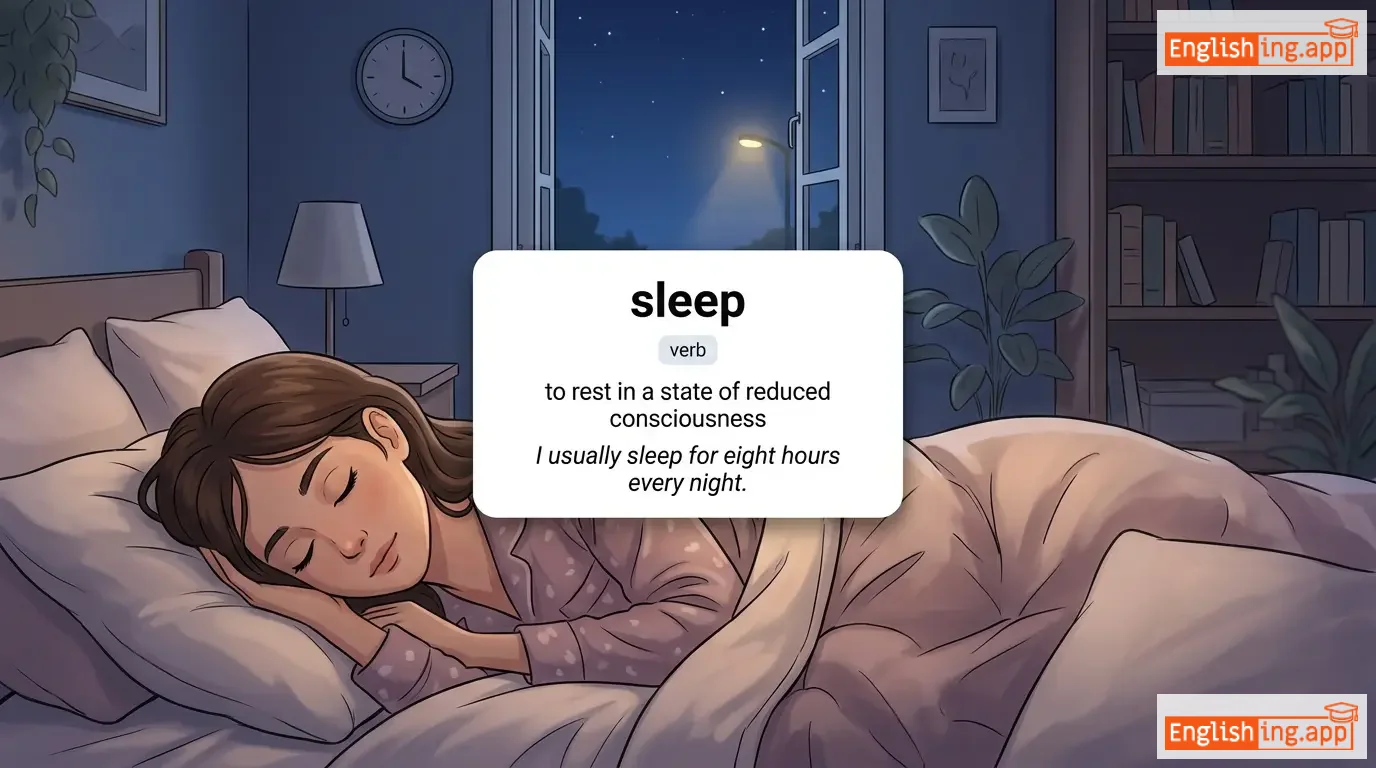
to rest with eyes closed and reduced consciousness; to be inactive
••••••
|
I need to sleep for eight hours every night.
アイ ニード トゥ スリープ フォー エイト アワーズ エヴリ ナイト。
••••••
|
毎晩8時間寝る必要があります。
Maiban hachijikan neru hitsuyō ga arimasu
••••••
|
- •••••• | - •••••• | - •••••• |
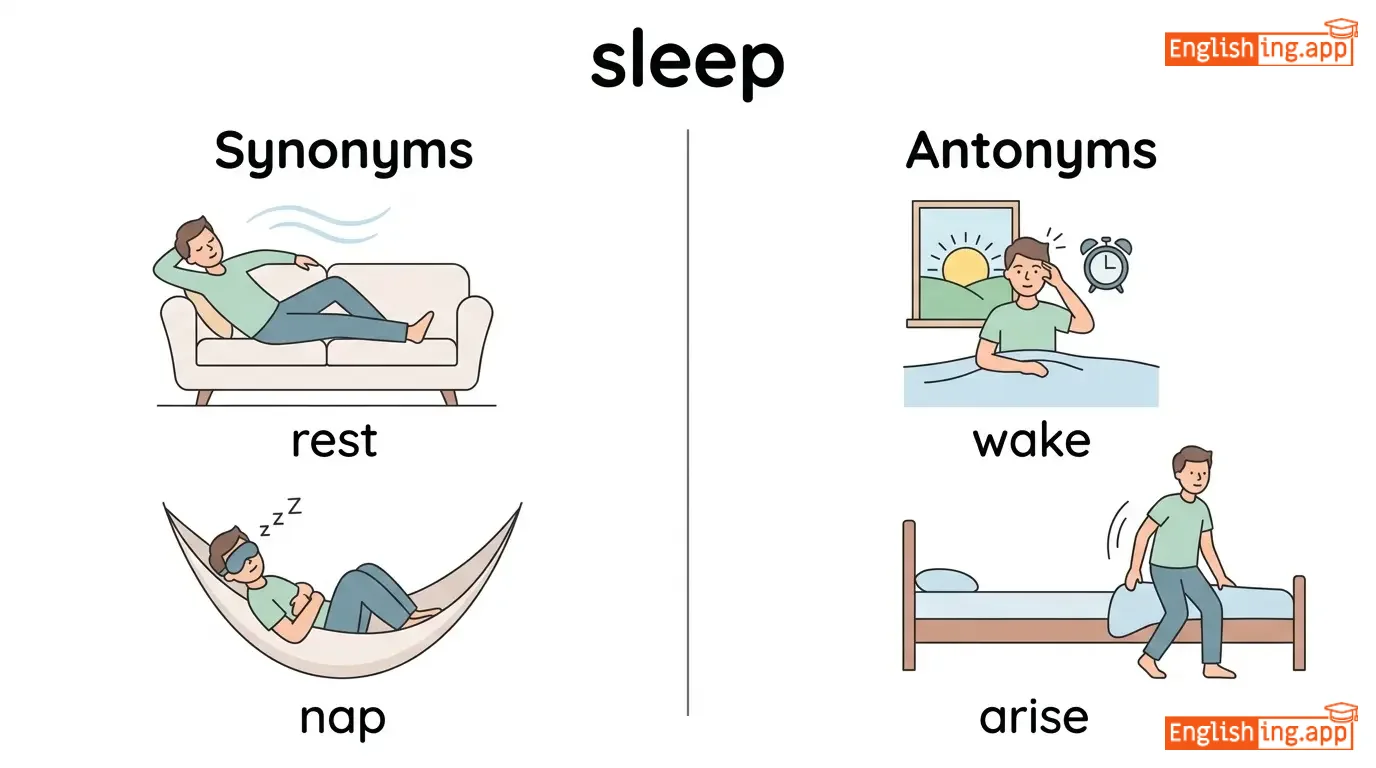
rest, slumber, doze, nap
••••••
|
wake, arise, stay awake
••••••
|
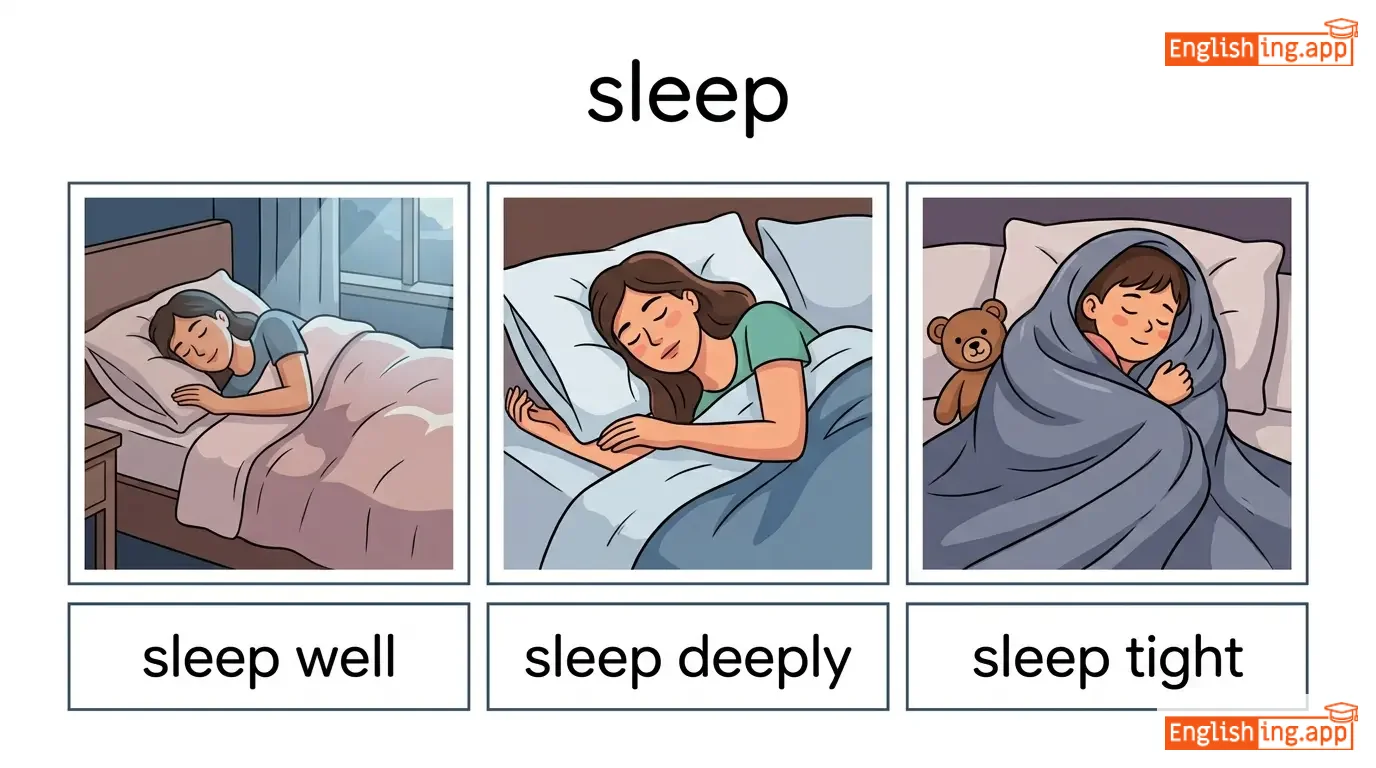
sleep soundly, sleep peacefully, sleep deeply, sleep well, sleep late
••••••
|
眠ることで心と体をリセットする
••••••
|
|
#0
😴
|
/taɪəd/
adjective
(タイアード)
••••••
|
- •••••• |
疲れた
tsukareta
••••••
|
- •••••• | - •••••• | - •••••• | - •••••• |
feeling exhausted; in need of sleep or rest
••••••
|
I am too tired to continue working.
私は仕事を続けるには疲れすぎています。
••••••
|
私は仕事を続けるには疲れすぎています。
Watashi wa shigoto o tsudzukeru ni wa tsukare sugiteimasu.
••••••
|
- •••••• | - •••••• | - •••••• |
exhausted, weary, fatigued, drained, worn out
••••••
|
energetic, refreshed, alert, vigorous, rested
••••••
|
tired eyes, tired voice, feel tired, getting tired
••••••
|
疲れた = 仕事の後、疲れた身体
••••••
|
|
#0
⏰
|
/weɪk/
verb
(ハピネス)
••••••
|
|
幸せ
shiawase
••••••
|
woke
••••••
|
woken
••••••
|
wakes
••••••
|
waking
••••••
|
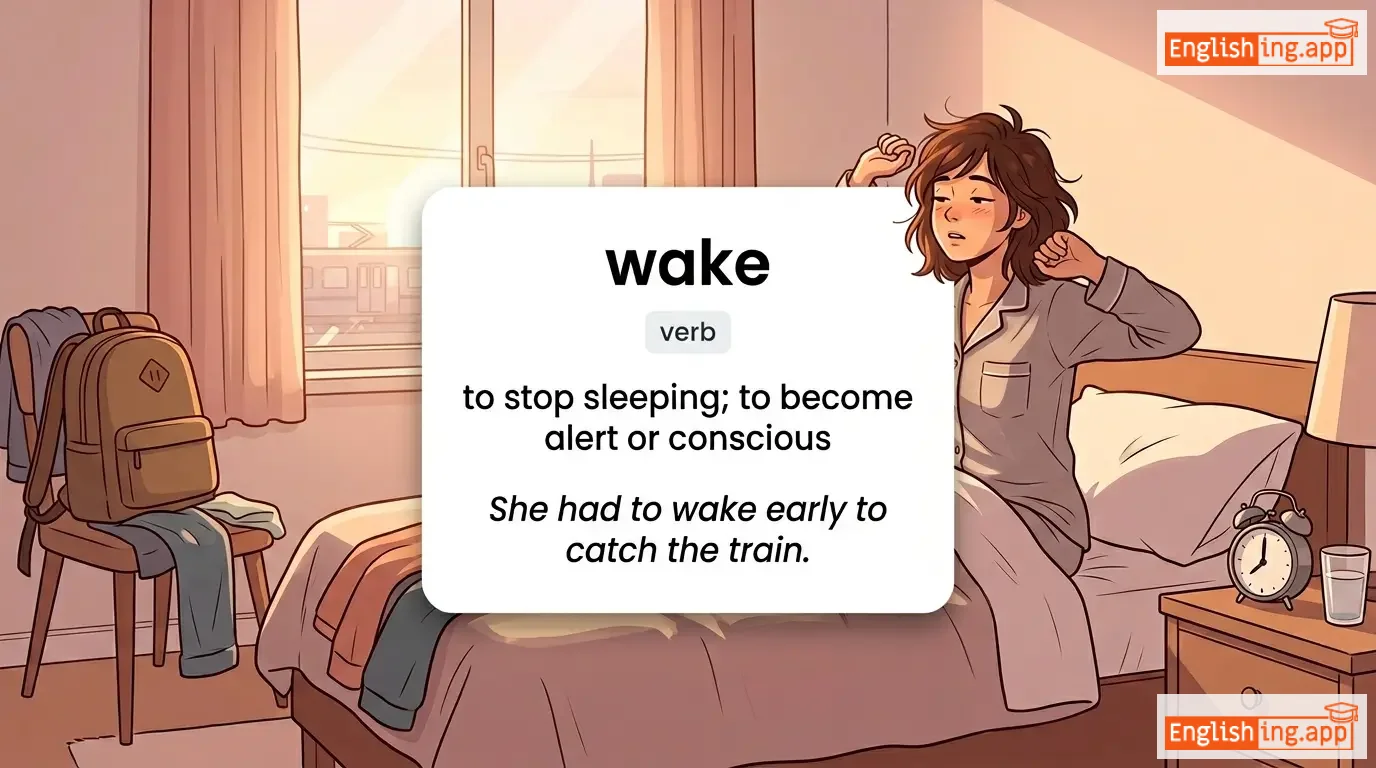
to stop sleeping; to become alert or conscious
••••••
|
She had to wake early to catch the train. |
彼女は賞を受け取ったとき、幸せを隠せなかった。
Kanojo wa shō o uketotta toki, shiawase o kakusenakatta.
••••••
|
wake up call |
a warning or reminder that causes someone to take action
••••••
|
幸せを追い求める
shiawase o oimotomeru
••••••
|
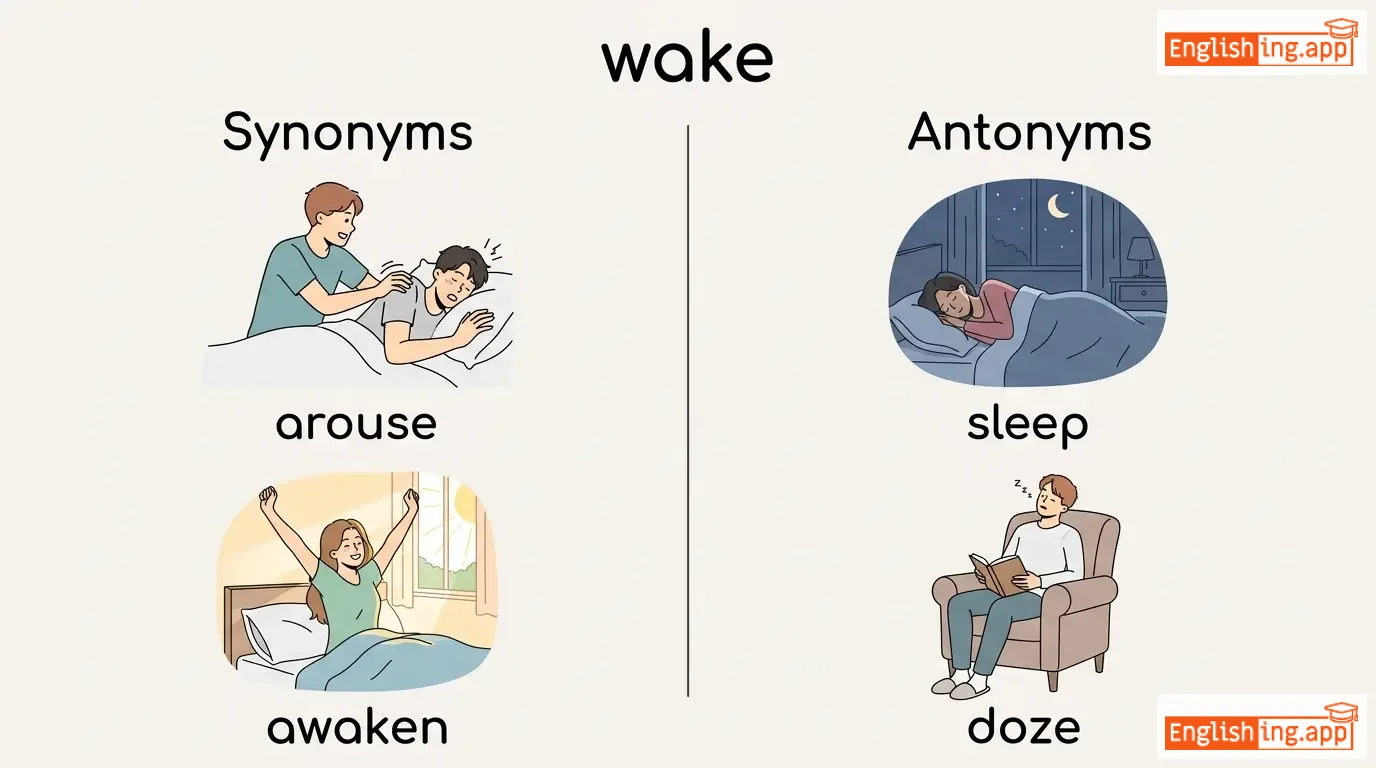
arouse, awaken, stir, rouse, alert
••••••
|
sleep, doze, slumber
••••••
|
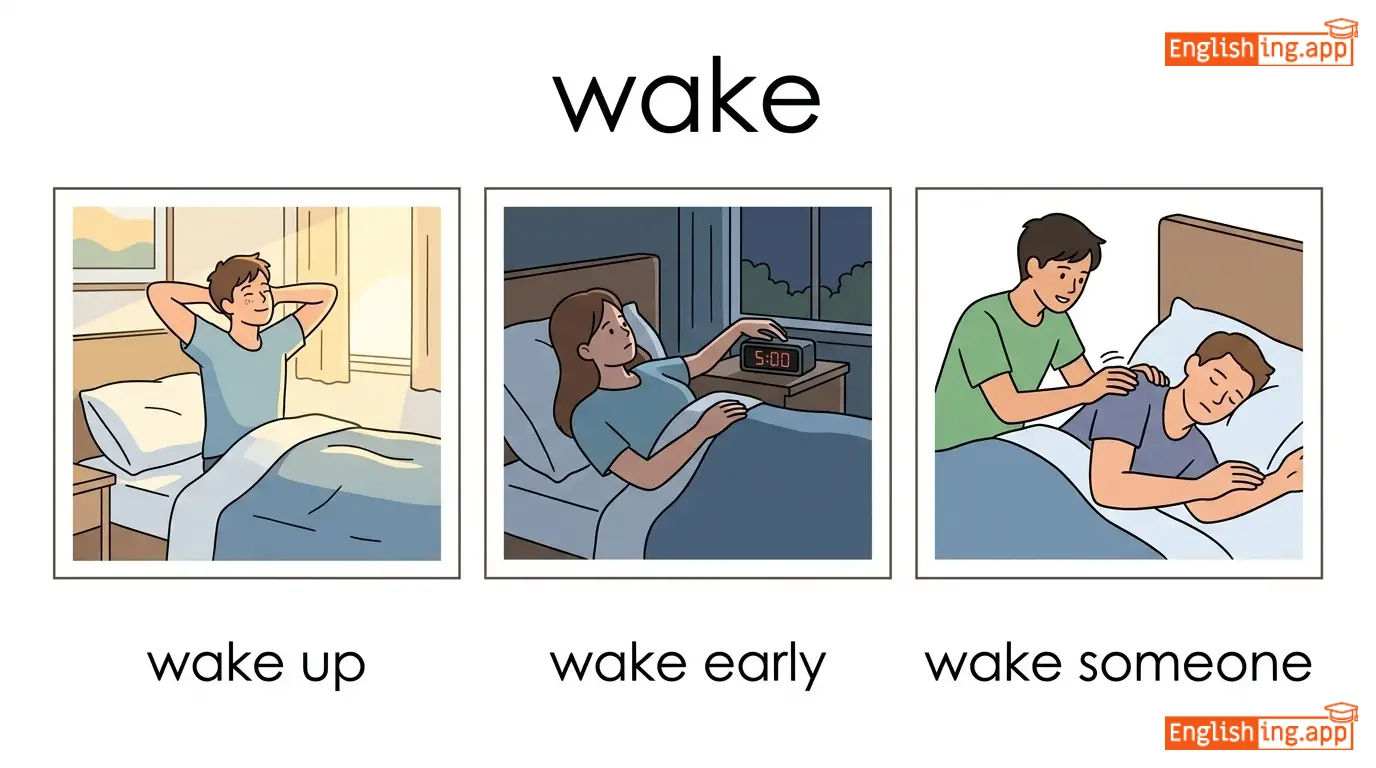
wake up, wake early, wake someone, wake call
••••••
|
幸せ (shiawase) はまるで英語の 'happiness' みたいだ。
••••••
|
|
#0
🧼
|
/wɒʃ/
verb
(wosh)
••••••
|
|
洗う
arau
••••••
|
washed
woshed
••••••
|
washed
woshed
••••••
|
washes
washes
••••••
|
washing
washing
••••••
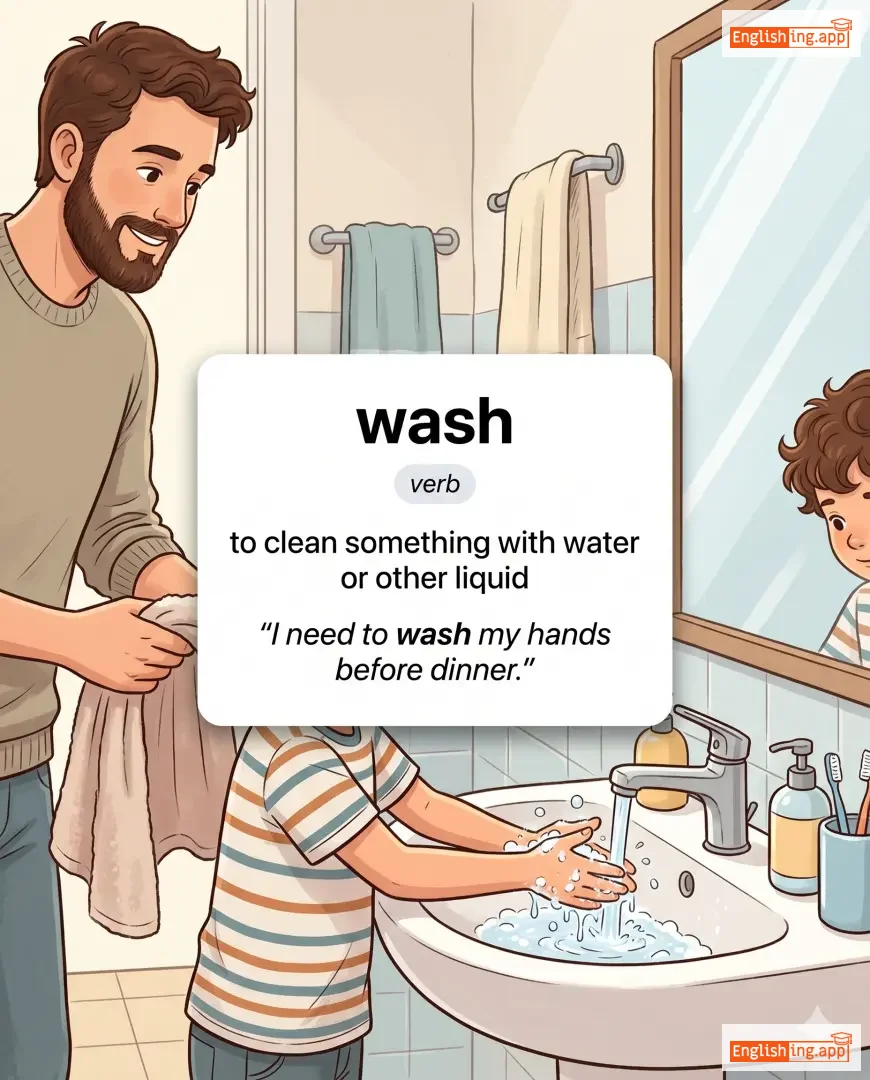
|
to clean with water; to remove dirt
••••••
|
Please wash your hands before eating.
食事の前に手を洗ってください。
••••••
|
食事の前に手を洗ってください。
Shokuji no mae ni te o aratte kudasai.
••••••
|
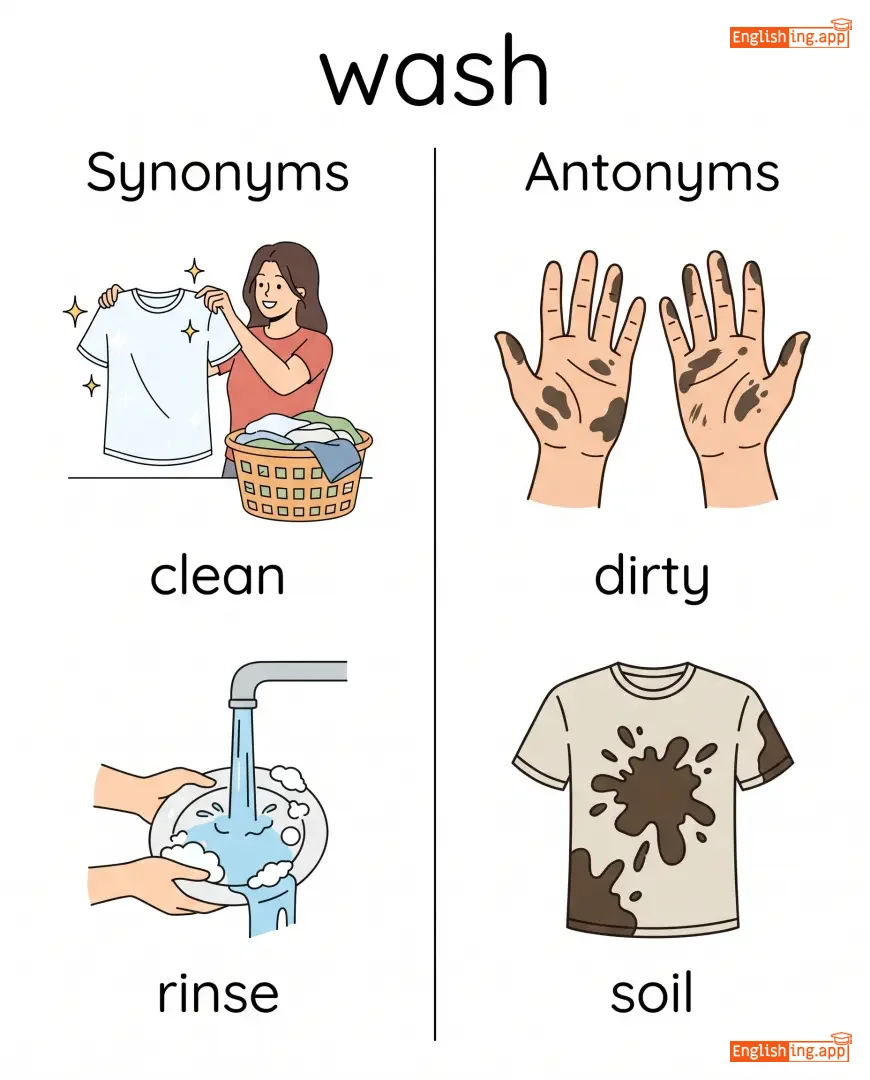
- •••••• | - •••••• | - •••••• |
clean, rinse, scrub, bathe, cleanse
••••••
|
dirty, soil, stain, contaminate
••••••
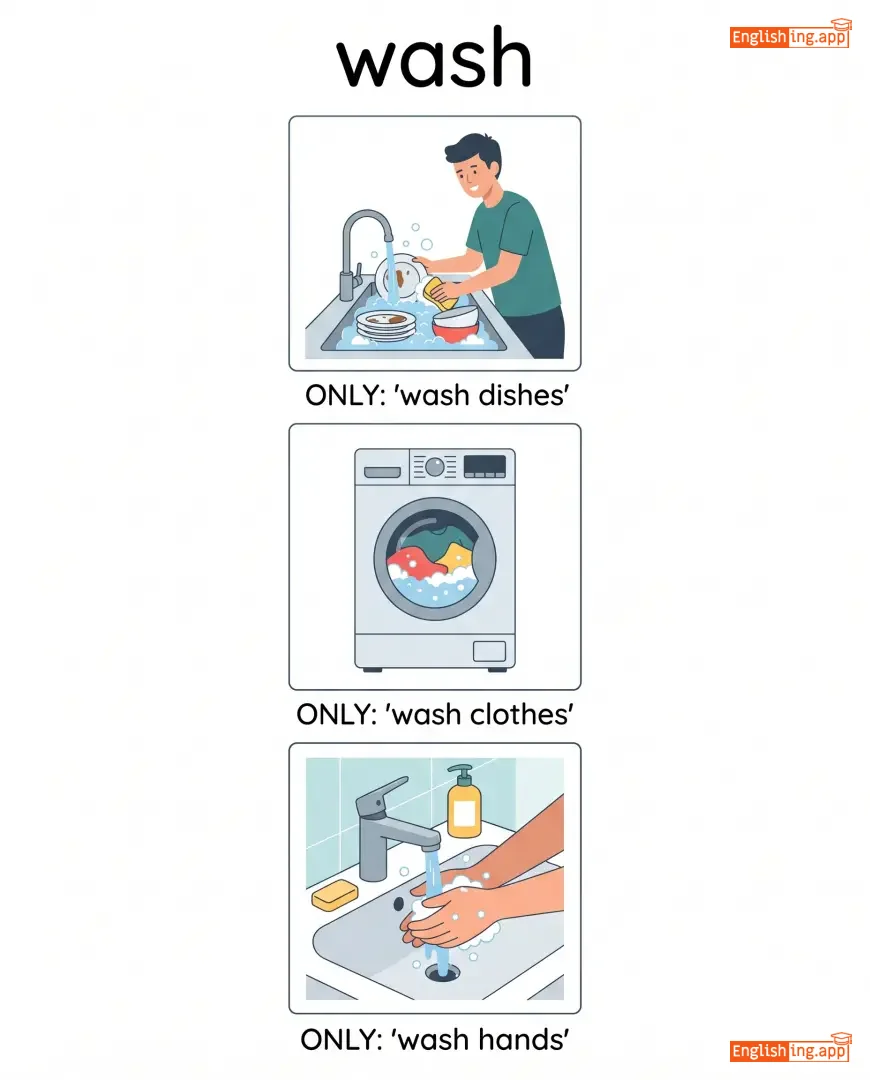
|
wash hands, wash clothes, wash dishes, thoroughly wash
••••••
|
Think of '洗う' (arau) as washing your 'Ara' (Ara) hands in a bucket.
••••••
|
|
#0
💼
|
/wɜːrk/
verb, noun
(ワーク)
••••••
|
|
仕事
shigoto
••••••
|
worked
ワークド
••••••
|
worked
ワークド
••••••
|
works
ワークス
••••••
|
working
ワーキング
••••••
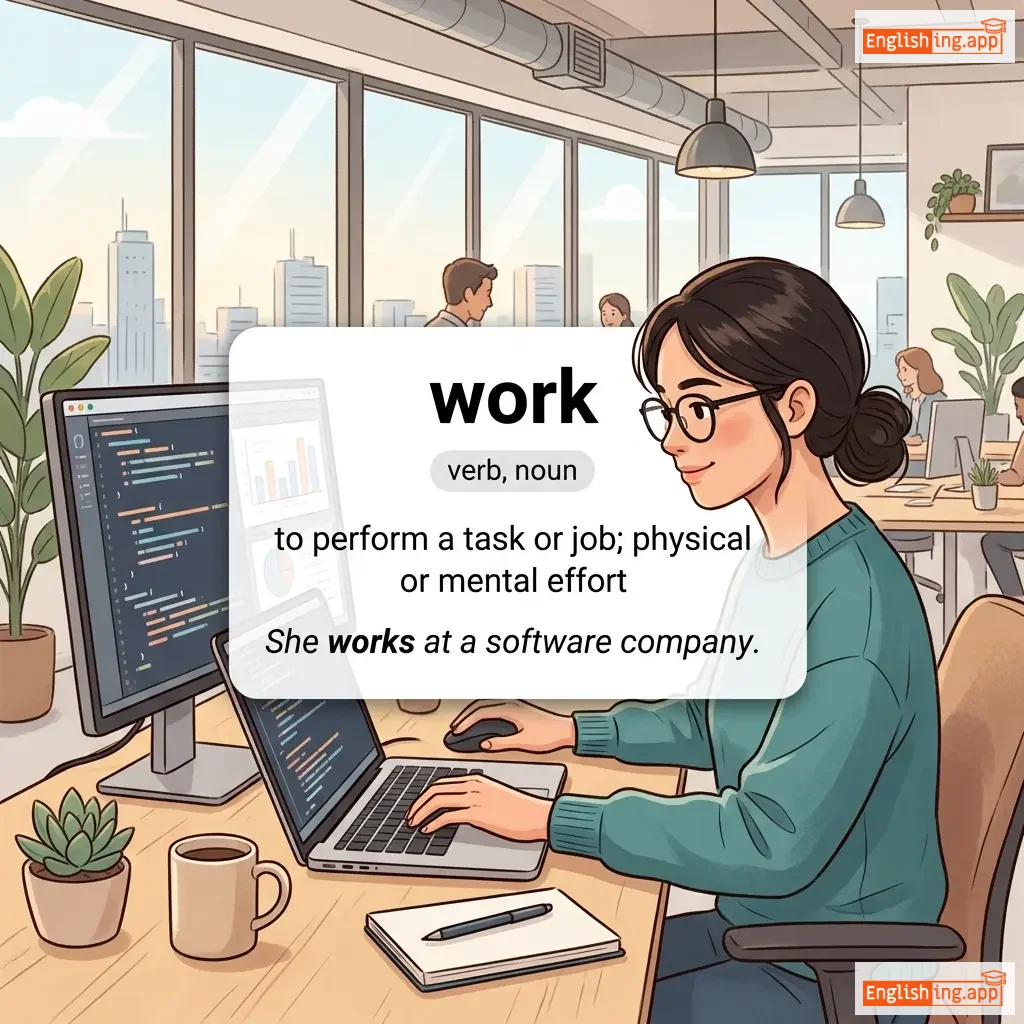
|
to perform a task or job; physical or mental effort
••••••
|
She works at a software company.
彼女はソフトウェア会社で働いています。
••••••
|
彼女はソフトウェア会社で働いています。
Kanojo wa sofuto wea kaisha de hataraiteimasu.
••••••
|
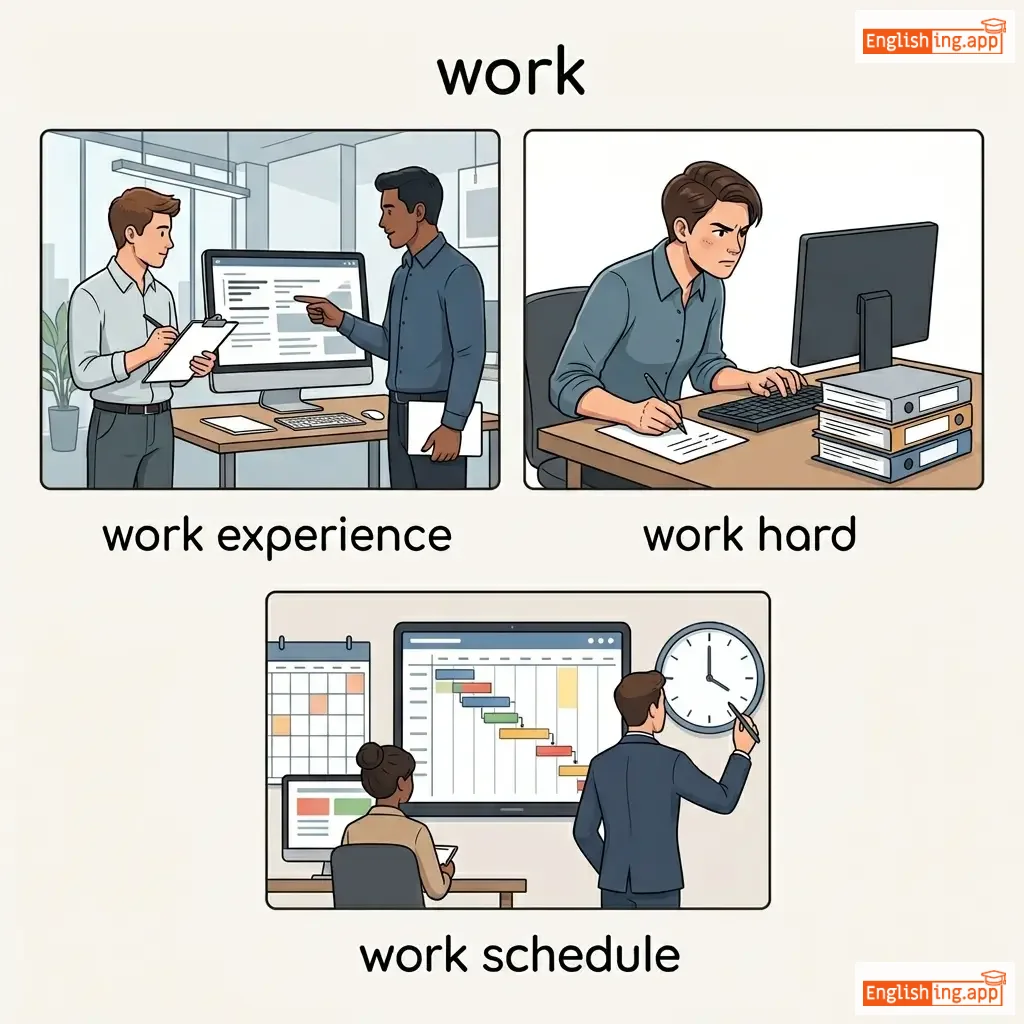
work hard
一生懸命働く
••••••
|
to put in great effort in doing something
••••••
|
一生懸命働く
Isshoukenmei hataraku
••••••
|
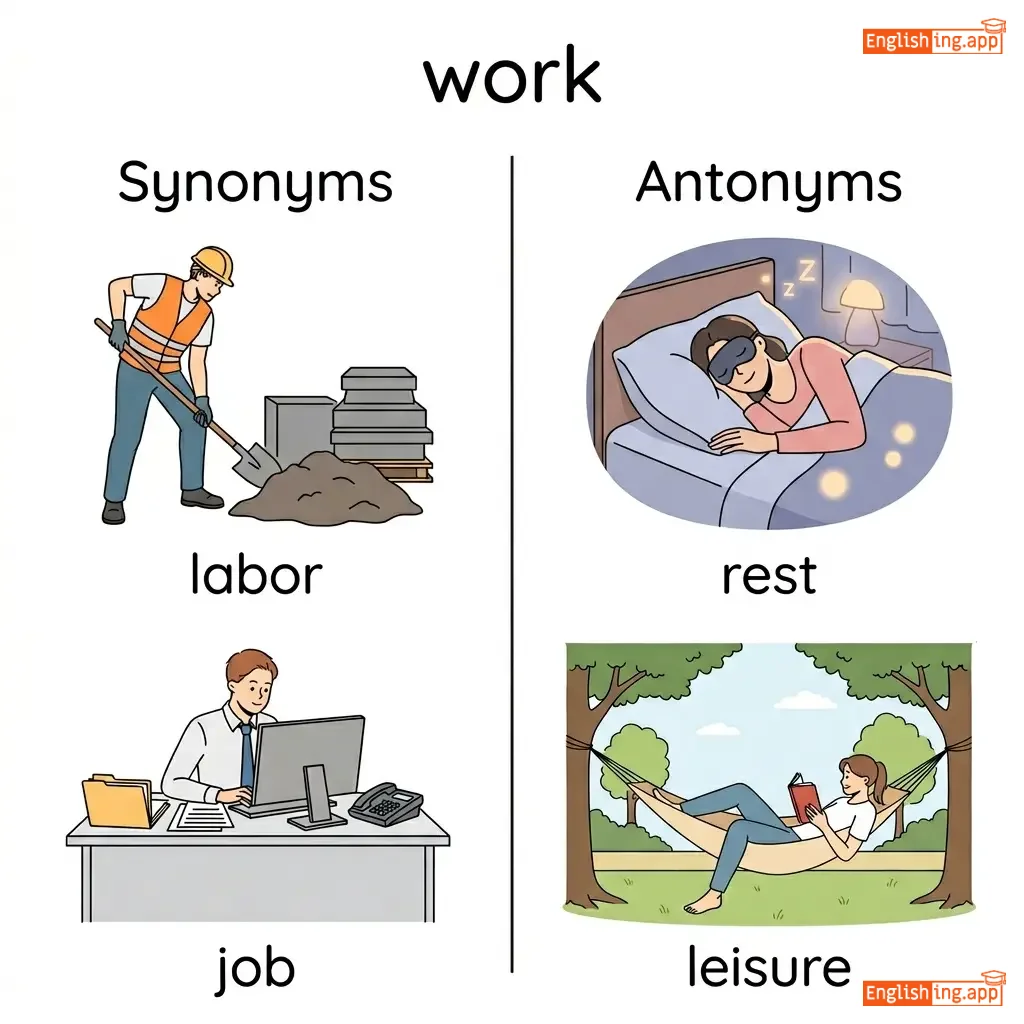
labor, job, employment, effort, task
••••••
|
rest, leisure, idleness
••••••
|
work experience, work hard, work schedule, work environment
••••••
|
仕事をすれば、世界でworthを得ることができる!
••••••
|
Vocabulary Quiz
Test your vocabulary by matching words with their translations or meanings.
Login to take the quiz
Comments (0)
Share your thoughts and join the discussion.
Join the discussion by logging in
Login to CommentNo comments yet
Be the first to share your thoughts!