

リバーサミット帳簿
River Summit Ledger
病院近くの医療従事者が河の近くで子供の vein に点滴を行った。 今、川は very 静かに感じる。 スピーカーは環境の vice に無関心でないよう呼びかけた。 留学していた学生は visa を延長して河川プロジェクトを続けている。 会議では、川を保護するための人々の vote が前に出された。 全員ができる限り wage のために貢献した。 新しい病院の ward の医師たちがキャンプに参加した。 皆が about 川の未来について緊急に話した。 凧が above ステージの上で旋回していた。 技術チームは acute 汚染ホットスポットを特定した。 新しい実験室データがエコダッシュボードに added された。 ゲストたちはキャンプ展示のメイン aisle を歩いていた。 ボランティアはフィールドアクションと戦略を align する方法を計画した。 全ての年齢層の人々が同じ alike 熱意で参加した。 子供たちは古い川岸の alley を掃除した。 集会ではいくつかの古いルールを alter することに決めた。 足首を怪我した ankle を持つアスリートが回復のヒントを共有した。 魅力的な array のセンサー、地図、タブレットが皆を感動させた。 ボランティアたちは食料供給を aside 置いて救助活動に飛び込んだ。 日が暮れる頃、財務チームは支出の audit を公開した。
翻訳
過去
過去分詞
三人称単数
動名詞
意味
例文
例文の翻訳
同義語
対義語
コロケーション
ニーモニック
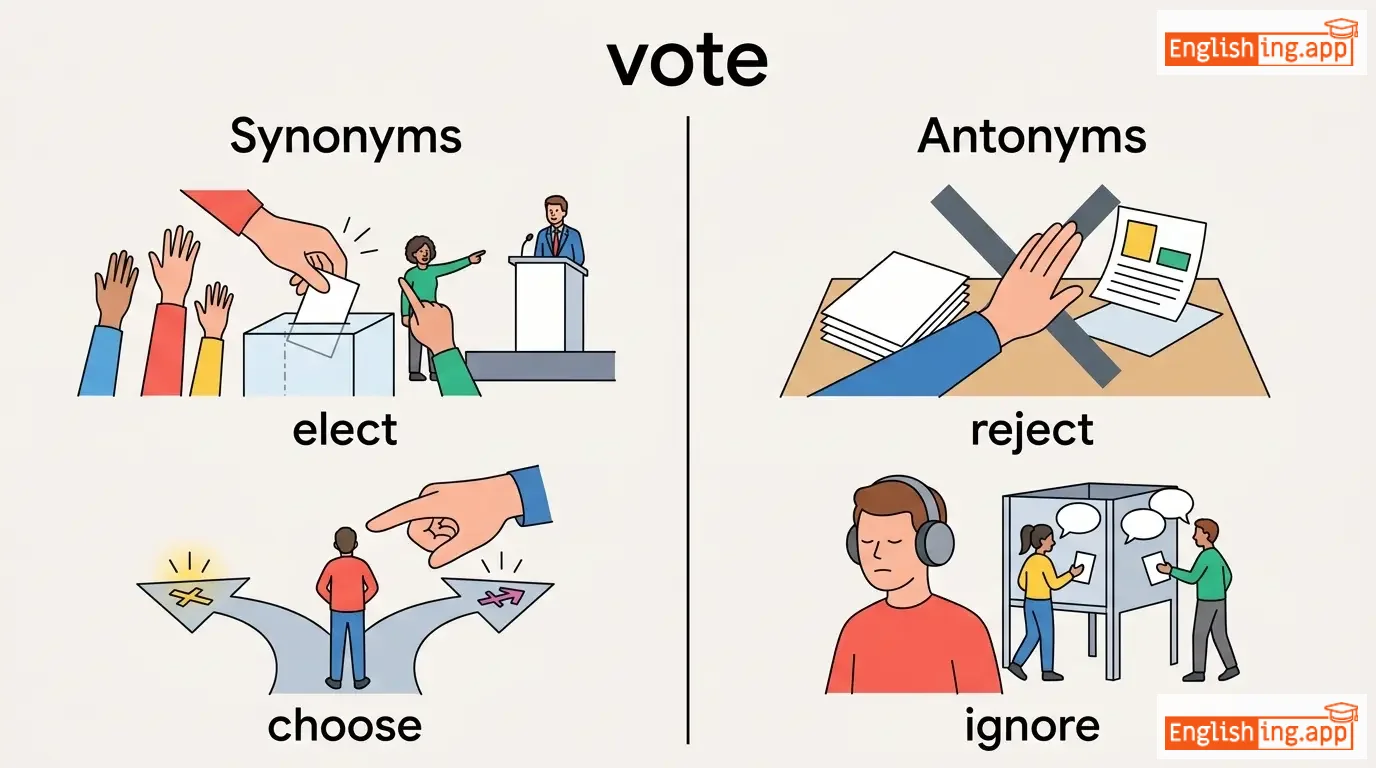
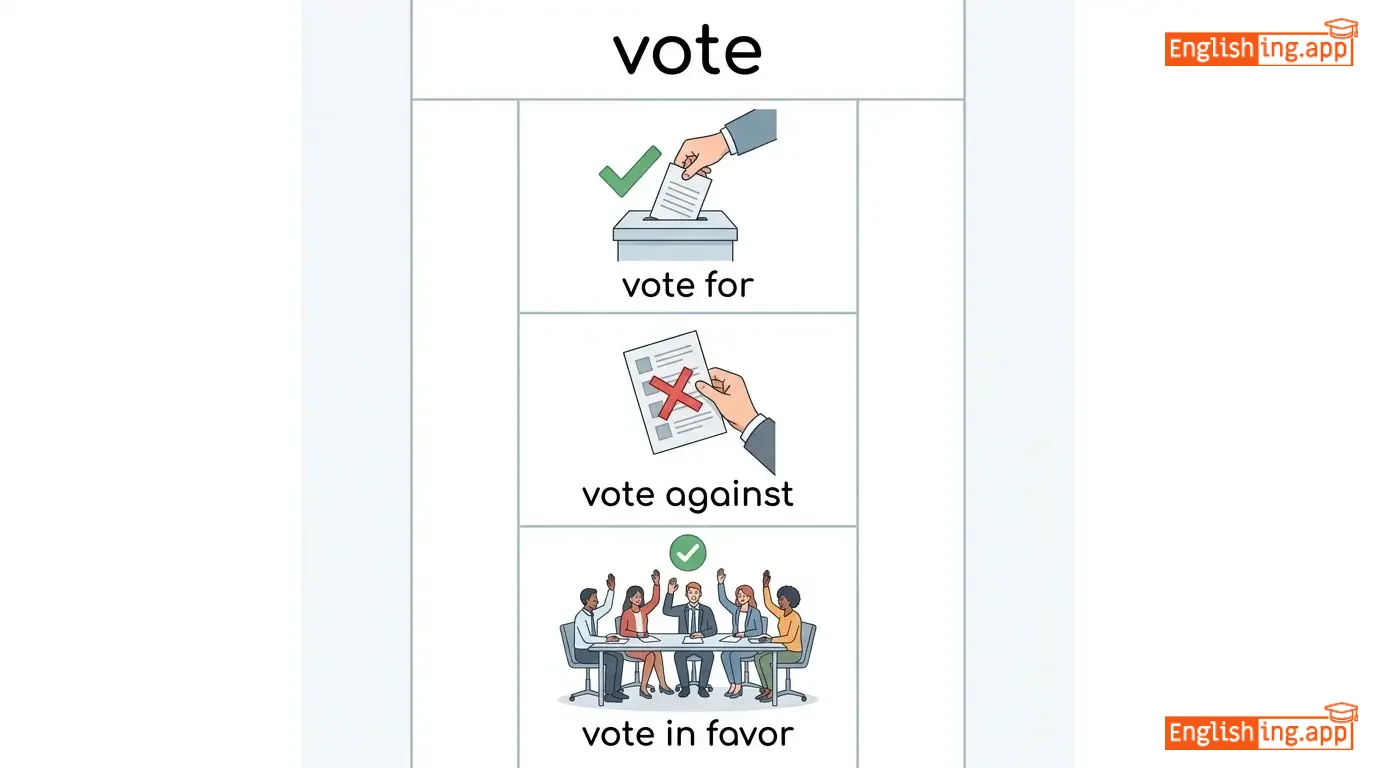
Swipe left or right, or use the buttons. Tap image to zoom.
例文の翻訳
単語
River Summit LedgerRiver Summit Ledger - マスクトグル
|
絵文字
|
単語 | Images | 翻訳 | 過去 | 過去分詞 | 三人称単数 | 動名詞 | 意味 | 例文 | 例文の翻訳 | 表現例 | 表現例の意味 | 表現例の翻訳 | 同義語 | 対義語 | コロケーション | ニーモニック |
|---|---|---|---|---|---|---|---|---|---|---|---|---|---|---|---|---|---|
|
#0
ℹ️
|
/əˈbaʊt/
preposition, adverb
(アバウト)
••••••
|
- •••••• |
について
ni tsuite
••••••
|
- •••••• | - •••••• | - •••••• | - •••••• |
concerning; on the subject of; approximately
••••••
|
We talked about the new project yesterday. |
昨日、私たちは新しいプロジェクトについて話しました。
Kinou, watashitachi wa atarashī purojekuto ni tsuite hanashimashita.
••••••
|
out and about |
active and going to different places
••••••
|
活動的にいろいろな場所に行く
katsudōteki ni iroirona basho ni iku
••••••
|
regarding, concerning, around, nearly
••••••
|
exactly, unrelated
••••••
|
talk about, think about, about time, about 10 o'clock
••••••
|
Aboutは'について'を意味します — 'Tell me about yourself'のように。
••••••
|
|
#0
⬆️
|
/əˈbʌv/
preposition, adverb
(abafu)
••••••
|
- •••••• |
上
ue
••••••
|
- •••••• | - •••••• | - •••••• | - •••••• |
at a higher place or position than something
••••••
|
The picture hangs above the fireplace.
絵は暖炉の上に掛かっている。
••••••
|
絵は暖炉の上に掛かっている。
E wa danro no ue ni kakatte iru.
••••••
|
above all
すべての上
••••••
|
most importantly
••••••
|
すべての上
subete no ue
••••••
|
over, higher than, beyond, atop
••••••
|
below, under, beneath
••••••
|
rise above, above average, above mentioned, above sea level
••••••
|
Above は上を意味します - '空の上'を思い出してください。
••••••
|
|
#0
📐
|
/əˈkjuːt/
adjective
(akyuto)
••••••
|
- •••••• |
急性
kyūsei
••••••
|
- •••••• | - •••••• | - •••••• | - •••••• |
present or experienced to a severe or intense degree; having sharp perception
••••••
|
The patient suffered from acute pain after the surgery. |
手術後、患者は激しい痛みを感じました。
Shujutsugo, kanja wa hageshī itami o kanjimashita.
••••••
|
acute angle |
an angle less than 90 degrees
••••••
|
鋭角
eikaku
••••••
|
severe, sharp, intense, critical, keen
••••••
|
chronic, mild, dull
••••••
|
acute pain, acute illness, acute awareness
••••••
|
Acute は Cute のように見えるが、鋭い — 激しい痛みや鋭角
••••••
|
|
#0
➕
|
/ˈædɪd/
verb
(アデッド)
••••••
|
- •••••• |
追加された
tsuika sareta
••••••
|
added
アデッド
••••••
|
added
アデッド
••••••
|
adds
アッズ
••••••
|
adding
アディング
••••••
|
to join something to something else to increase its size, number, or amount
••••••
|
She added sugar to her coffee.
彼女はコーヒーに砂糖を加えました。
••••••
|
彼女はコーヒーに砂糖を加えました。
Kanojo wa kōhī ni satō o kuwaemashita.
••••••
|
add fuel to the fire
火に油を注ぐ
••••••
|
to make a bad situation worse
••••••
|
火に油を注ぐ
Hi ni abura o sosogu
••••••
|
include, attach, combine, supplement, increase
••••••
|
subtract, remove, deduct
••••••
|
added value, added benefit, added sugar, added bonus
••••••
|
Addは追加する意味なので、addedはすでに追加されたことを意味します。
••••••
|
|
#0
🛒
|
/aɪl/
noun
(アイル)
••••••
|
- •••••• |
通路
tsūro
••••••
|
- •••••• | - •••••• | - •••••• | - •••••• |
a passage between rows of seats or shelves
••••••
|
She walked down the aisle to find her seat. |
彼女は席を見つけるために通路を歩いた。
Kanojo wa seki o mitsukeru tame ni tsūro o aruita.
••••••
|
walk down the aisle |
to get married in a wedding ceremony
••••••
|
通路を歩く
tsūro o aruku
••••••
|
corridor, passage, walkway, lane, path
••••••
|
wall, barrier
••••••
|
supermarket aisle, airplane aisle, church aisle, narrow aisle
••••••
|
Aisle、通路 — 新しい人生への道。
••••••
|
|
#0
📐
|
/əˈlaɪn/
verb
(アイライン)
••••••
|
- •••••• |
整列する / 直線にする
seiretsu suru / chokusen ni suru
••••••
|
aligned
アラインド
••••••
|
aligned
アラインド
••••••
|
aligns
アラインズ
••••••
|
aligning
アライニング
••••••
|
To arrange things in a straight line; to adjust or bring into proper relation or agreement.
••••••
|
The manager asked the team to align their goals with the company's mission.
マネージャーはチームに目標を会社のミッションに合わせるように言いました。
••••••
|
マネージャーはチームに目標を会社のミッションに合わせるように言いました。
Manējā wa chīmu ni mokuhyō o kaisha no misshon ni awaseru yō ni iimashita.
••••••
|
align with
と一致させる
••••••
|
To bring into agreement or harmony with something.
••••••
|
と一致させる
to icchi saseru
••••••
|
adjust, arrange, organize, coordinate, harmonize
••••••
|
misalign, disorder, disorganize
••••••
|
align with, align interests, align goals, align strategy
••••••
|
Align = A line → 全てを1つのLINEに整列させる(整列する)ことで調和を生み出す。
••••••
|
|
#0
👭
|
/əˈlaɪk/
adjective
(アライク)
••••••
|
- •••••• |
似ている; 同じように
alike
••••••
|
- •••••• | - •••••• | - •••••• | - •••••• |
similar in appearance or nature; in the same way
••••••
|
The two sisters look very much alike.
二人の姉妹はとても似ている。
••••••
|
二人の姉妹はとても似ている。
Futari no shimai wa totemo niteiru.
••••••
|
- •••••• | - •••••• | - •••••• |
similar, identical, comparable, equivalent
••••••
|
different, dissimilar, unlike, distinct
••••••
|
look alike, think alike, dress alike
••••••
|
Alike - 'アライク'、姉妹が似ていることを意味する。
••••••
|
|
#0
🏙️
|
/ˈæli/
noun
(アリー)
••••••
|
- •••••• |
路地
roji
••••••
|
- •••••• | - •••••• | - •••••• | - •••••• |
a narrow passageway between or behind buildings
••••••
|
They walked through a dark alley to reach the main road. |
彼らは暗い路地を通って、メインの道路に到達した。
Karera wa kurai roji o tōtte, mein no dōro ni tōtatsu shita.
••••••
|
bowling alley |
a place where people play bowling
••••••
|
ボウリング場
bōringu jō
••••••
|
lane, passage, pathway, corridor
••••••
|
boulevard, avenue
••••••
|
dark alley, narrow alley, back alley, bowling alley
••••••
|
Alley は路地を意味し、ボウリング場はみんなが遊ぶ場所。
••••••
|
|
#0
✂️
|
/ˈɔːltər/
verb
(アルター)
••••••
|
- •••••• |
変更する
henkō suru
••••••
|
altered
アルタード
••••••
|
altered
アルタード
••••••
|
alters
アルターズ
••••••
|
altering
アルタリング
••••••
|
to change or modify something slightly but significantly
••••••
|
She decided to alter her dress to make it fit better.
彼女はドレスを合うように変更することを決めました。
••••••
|
彼女はドレスをより良くするために変更することを決めました。
Kanojo wa doresu o yori yoku suru tame ni henkō suru koto o kimemashita.
••••••
|
alter ego
alter ego
••••••
|
a second self or different version of oneself
••••••
|
alter ego
alter ego
••••••
|
change, modify, adjust, adapt, transform
••••••
|
preserve, maintain, keep
••••••
|
alter plans, alter course, alter appearance, alter behavior
••••••
|
変更するとは少しでも変えること、例えば服を調整することです。
••••••
|
|
#0
🦶
|
/ˈæŋkəl/
noun
(アンクル)
••••••
|
- •••••• |
足首
ashikubi
••••••
|
- •••••• | - •••••• | - •••••• | - •••••• |
the joint connecting the foot with the leg
••••••
|
He twisted his ankle while playing football. |
彼はサッカーをしているときに足首を捻った。
Kare wa sakkaa o shiteiru toki ni asikubi o netta.
••••••
|
weak ankles |
a tendency to easily injure one's ankles
••••••
|
弱い足首
yowai asikubi
••••••
|
joint, heel, articulation, pivot
••••••
|
none
••••••
|
twist an ankle, sprained ankle, broken ankle, ankle pain
••••••
|
Ankle は足首 — サッカーをすると足首に怪我をする!
••••••
|
|
#0
🌈
|
/əˈreɪ/
noun
(are)
••••••
|
- •••••• |
配列、展示
hairetsu, tenji
••••••
|
- •••••• | - •••••• | - •••••• | - •••••• |
an impressive display or arrangement of things
••••••
|
The shop displayed an array of colorful dresses.
ショップはカラフルなドレスの配列を展示しました。
••••••
|
ショップはカラフルなドレスの印象的な展示をしました。
Shoppu wa karafuru na doresu no inshō-teki na tenji o shimashita.
••••••
|
an array of
配列の
••••••
|
a large number or variety of something
••••••
|
一連の
ichiren no
••••••
|
assortment, collection, range, display, lineup
••••••
|
scarcity, lack
••••••
|
array of options, array of stars, wide array, full array
••••••
|
Array は整然と並べられた列を意味します — コンピュータでは、データは配列に整理されます。
••••••
|
|
#0
➡️
|
/əˈsaɪd/
adverb, noun
(アサイド)
••••••
|
- •••••• |
脇
waki
••••••
|
- •••••• | - •••••• | - •••••• | - •••••• |
to or on one side; a remark not intended for everyone
••••••
|
He stepped aside to let her pass.
彼は彼女を通すために脇に寄った。
••••••
|
彼は彼女を通すために脇に寄った。
Kare wa kanojo o toosu tame ni waki ni yotta.
••••••
|
put aside
横に置く
••••••
|
to save or reserve something
••••••
|
脇に置く
waki ni oku
••••••
|
apart, away, to the side, remark
••••••
|
center, middle
••••••
|
step aside, put aside, aside from
••••••
|
Aside は脇を意味します — '横に置く'を覚えましょう。
••••••
|
|
#0
📋
|
/ˈɔːdɪt/
noun/verb
(オーディット)
••••••
|
|
監査
kansa
••••••
|
audited
オーディットされた
••••••
|
audited
オーディットされた
••••••
|
audits
オーディットします
••••••
|
auditing
オーディットしている
••••••
|
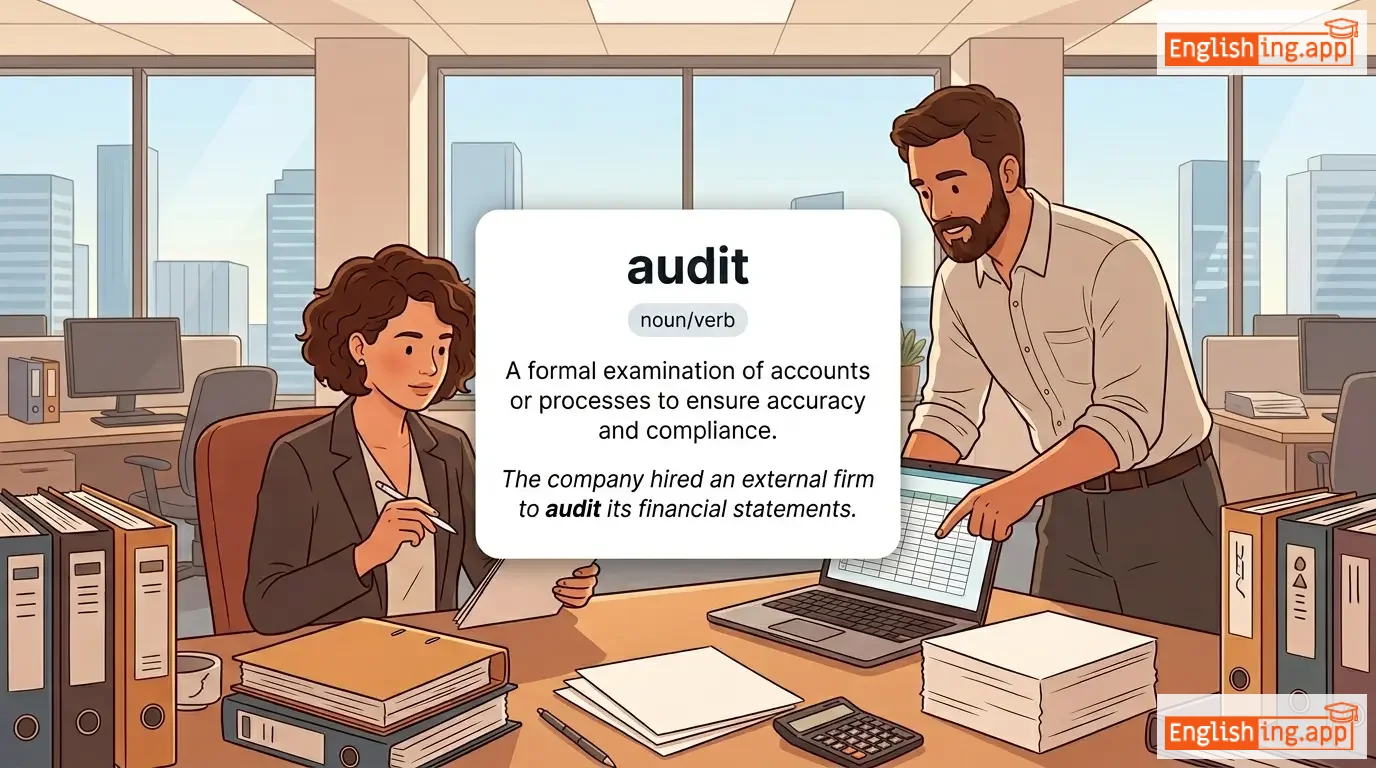
A formal examination of accounts or processes to ensure accuracy and compliance.
••••••
|
The company hired an external firm to audit its financial statements.
その会社は財務諸表を監査するために外部の企業を雇いました。
••••••
|
その会社は財務諸表を監査するために外部の企業を雇いました。
Sono kaisha wa zaimu shohyo o kansa suru tame ni gaibu no kigyo o yatotta.
••••••
|
audit trail
監査記録
••••••
|
A record that shows who has accessed a system and what operations they performed.
••••••
|
監査記録
Kansa kiroku
••••••
|
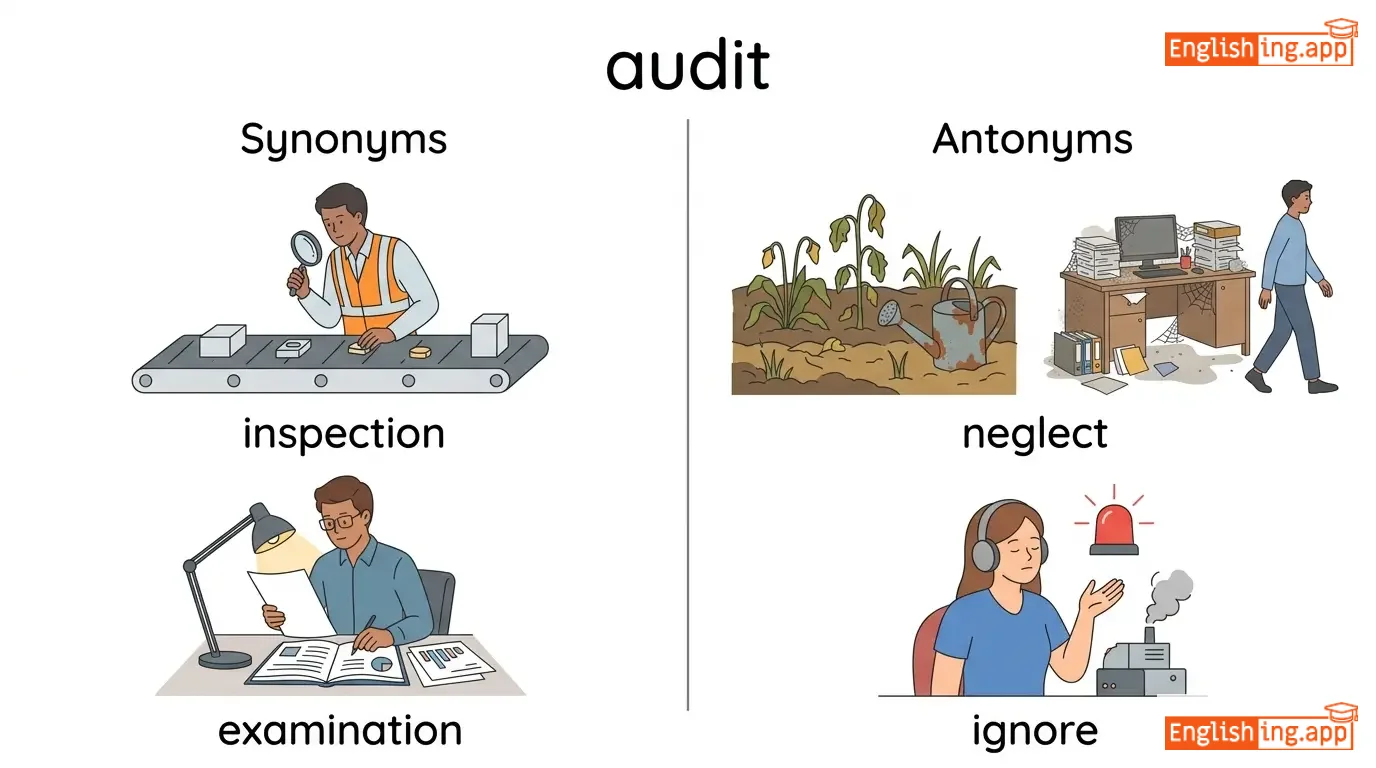
inspection, examination, review, assessment, evaluation
••••••
|
neglect, ignore, overlook
••••••
|
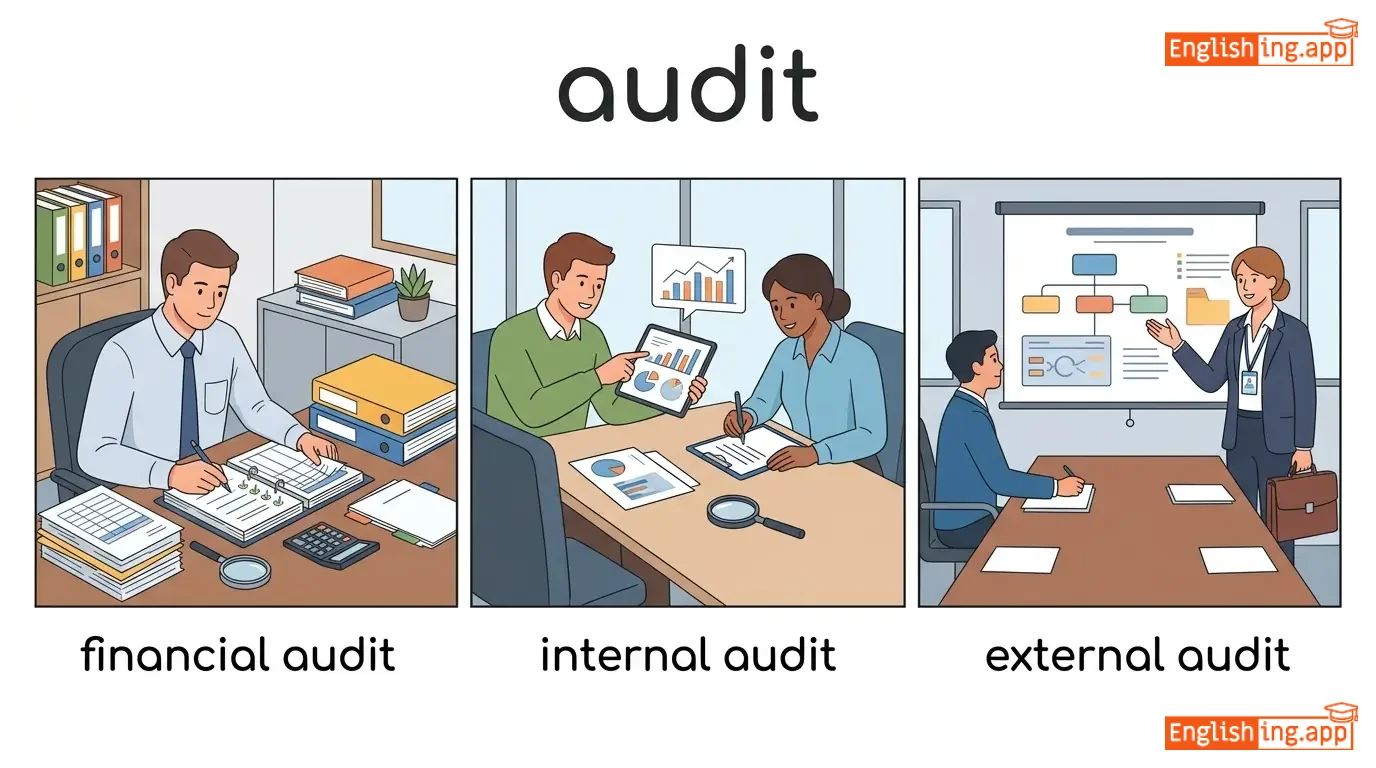
financial audit, internal audit, external audit, audit report, audit committee
••••••
|
監査 - すべての数字をチェックしてミスを防ぐ!
••••••
|
|
#0
🫸
|
/veɪn/
noun
(ベイン)
••••••
|
- •••••• |
静脈; 血管
jōmyaku; kekkan
••••••
|
- •••••• | - •••••• | - •••••• | - •••••• |
a blood vessel that carries blood back to the heart; a streak or marking of a different color
••••••
|
The nurse found a vein in his arm to draw blood. |
看護師は彼の腕に血を取るための静脈を見つけました。
Kangoshi wa kare no ude ni chi o toru tame no jōmyaku o mitsukemashita.
••••••
|
- •••••• | - •••••• | - •••••• |
blood vessel, capillary
••••••
|
artery
••••••
|
varicose vein, jugular vein, vein of gold
••••••
|
静脈は血液を心臓に戻す道のようなものです。
••••••
|
|
#0
⬆️
|
/ˈver.i/
adverb
(ベリ)
••••••
|
- •••••• |
非常に; 極端に; とても
hijōni; kyokutōni; totemo
••••••
|
- •••••• | - •••••• | - •••••• | - •••••• |
to a high degree; extremely; greatly
••••••
|
She is very intelligent and works very hard. |
彼女は非常に賢く、非常に一生懸命働いています。
Kanojo wa hijōni kashikoku, hijōni isshōkenmei hataraiteimasu.
••••••
|
- •••••• | - •••••• | - •••••• |
extremely, highly, greatly, exceptionally, remarkably
••••••
|
slightly, barely, hardly, somewhat
••••••
|
very good, very bad, very much, very well, very important
••••••
|
成功するためには非常に努力することが大切
••••••
|
|
#0
😈
|
/vaɪs/
noun
(vais)
••••••
|
- •••••• |
悪習
akushu
••••••
|
- •••••• | - •••••• | - •••••• | - •••••• |
immoral or wicked behavior; a weakness in someone's character
••••••
|
Greed is a vice that can destroy lives. |
貪欲は人生を破壊する悪習です。
Dōyoku wa jinsei o hakai suru akushu desu.
••••••
|
A vice grip |
a very tight or firm hold
••••••
|
悪習のグリップ
Akushu no gurippu
••••••
|
immorality, wickedness, evil, depravity
••••••
|
virtue, morality, goodness
••••••
|
moral vice, addictive vice, commit a vice
••••••
|
悪習は人生を破壊する!
••••••
|
|
#0
🛂
|
/ˈviːzə/
noun
(ビザ)
••••••
|
- •••••• |
ビザ
biza
••••••
|
- •••••• | - •••••• | - •••••• | - •••••• |
an official authorization or permission to enter, leave, or stay in a country
••••••
|
She applied for a visa to study abroad. |
彼女は留学するためにビザを申請しました。
Kanojo wa ryūgaku suru tame ni biza o shinsei shimashita.
••••••
|
- •••••• | - •••••• | - •••••• |
permit, authorization, clearance, pass
••••••
|
ban, restriction
••••••
|
visa application, visa approval, travel visa
••••••
|
ビザは海外に行くための許可証!
••••••
|
|
#0
🗳️
|
/voʊt/
verb
(ボート)
••••••
|
|
投票する
tōhyō suru
••••••
|
voted
ボーテッド
••••••
|
voted
ボーテッド
••••••
|
votes
ボーツ
••••••
|
voting
ボーティング
••••••
|
to make a choice in an election; to express preference
••••••
|
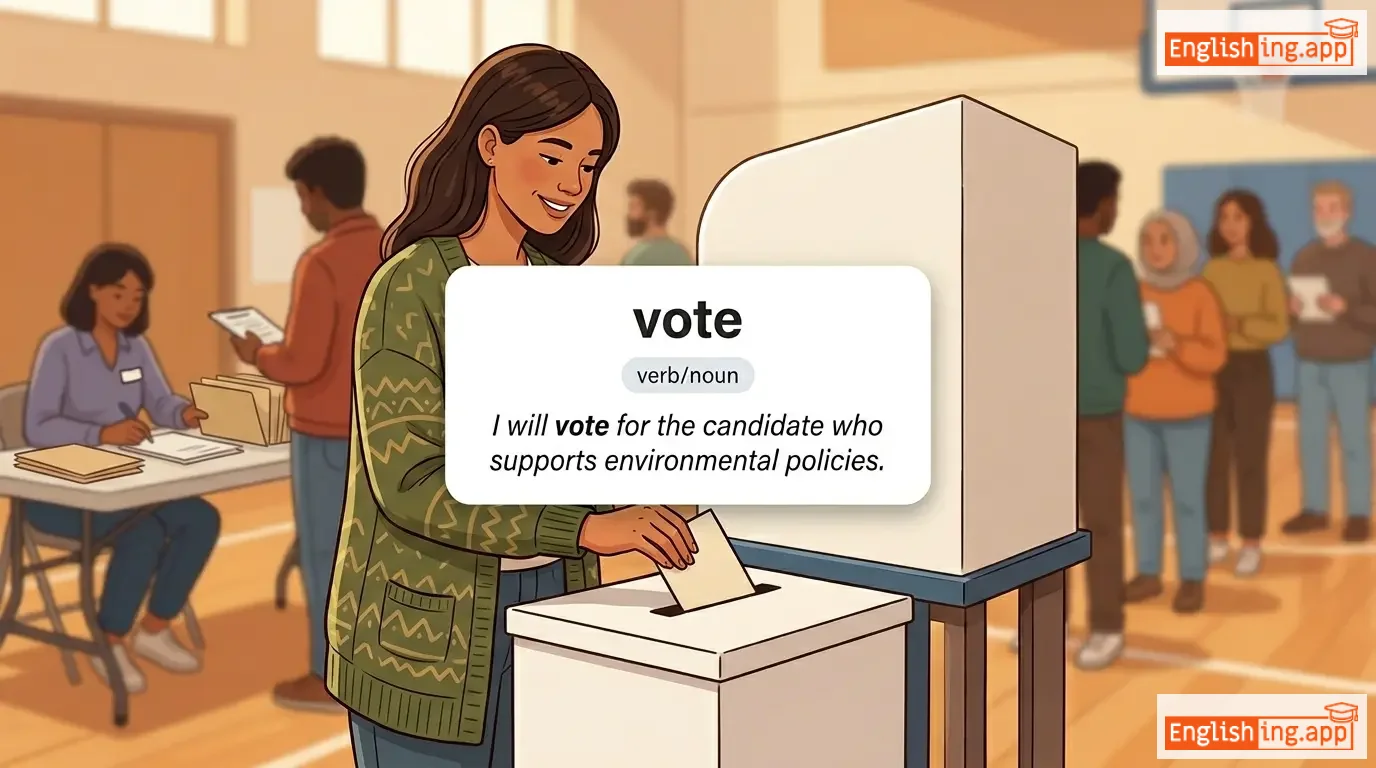
Citizens vote to choose their representatives.
市民は代表者を選ぶために投票します。
••••••
|
市民は代表者を選ぶために投票します。
Shimin wa daihyōsha o erabu tame ni tōhyō shimasu.
••••••
|
- •••••• | - •••••• | - •••••• |
elect, choose, select, ballot, poll
••••••
|
abstain, boycott, refuse
••••••
|
vote for, vote against, vote on, cast a vote
••••••
|
投票する (tōhyō suru) は代表者を選ぶことです。
••••••
|
|
#0
💰
|
/weɪdʒ/
noun/verb
••••••
|
- •••••• | - •••••• |
waged
••••••
|
waged
••••••
|
wages
••••••
|
waging
••••••
|
payment for work or services, usually on a daily or weekly basis; also to engage in or carry on (a war, campaign, or struggle)
••••••
|
The workers demanded a fair wage for their labor. |
- •••••• |
wage war |
to engage in a serious struggle or conflict
••••••
|
- •••••• |
salary, pay, compensation, earnings, stipend
••••••
|
unemployment, volunteer
••••••
|
minimum wage, wage increase, wage gap, wage war
••••••
|
No •••••• |
|
#0
🏥
|
/wɔːrd/
noun
(ワード)
••••••
|
- •••••• |
病棟
byoutou
••••••
|
- •••••• | - •••••• | - •••••• | - •••••• |
A separate room in a hospital for patients; also a division of a city or a person under guardianship.
••••••
|
She was admitted to the children's ward. |
彼女は子供病棟に入院しました。
Kanojo wa kodomo byoutou ni nyu'in shimashita.
••••••
|
under someone's ward |
being under the guardianship or protection of someone
••••••
|
誰かの保護の下で
dareka no hogo no shita de
••••••
|
unit, section, division, department
••••••
|
freedom, independence
••••••
|
hospital ward, children's ward, surgical ward, ward off
••••••
|
Ward = 病棟 → 病棟で子供たちが面倒を見てもらう
••••••
|
Vocabulary Quiz
Test your vocabulary by matching words with their translations or meanings.
Login to take the quiz
Comments (0)
Share your thoughts and join the discussion.
Join the discussion by logging in
Login to CommentNo comments yet
Be the first to share your thoughts!