

発言した学生
The Student Who Spoke Up
リヤドは情熱的な reader であり、大学生でした。最近、彼はキャンパスで racial 緊張を目の当たりにしており、それが彼を really 不安にさせていました。ある日、random ミーティングで教授が racist remark を発し、皆を驚かせました。リヤドは recalled 彼の幼少期における racism の影響を思い出しました。彼はそれについて rarely 話すことはありませんでしたが、今は rather 発言したいと思っていました。彼は請願書を始め、それは record 数の署名を集めました。大学の rating と評判の reason により、最初は行政は行動を refused しました。しかし、リヤドは regained 勇気を取り戻し、平和的な抗議活動を組織しました。彼は言いました、「この regime の沈黙を変えなければなりません。I reckon 我々はそれを成し遂げることができるでしょう。」彼の友人たちはこの運動に relate できました、なぜなら多くの人が似たような経験をしたからです。彼らは rabbit のポスターも作成し、それはスピードと決意を象徴していました。リヤドの指導の下、学生と教職員は団結しました。最終的に行政はこの問題を無視することができないことに気づきました。彼らは反 racism のワークショップとポリシー変更を発表しました。リヤドは、学生の声が沈黙を refuse するとき、強力であることを証明しました。
翻訳
過去
過去分詞
三人称単数
動名詞
意味
例文
例文の翻訳
同義語
対義語
コロケーション
ニーモニック
Swipe left or right, or use the buttons. Tap image to zoom.
例文の翻訳
単語
The Student Who Spoke UpThe Student Who Spoke Up - マスクトグル
|
絵文字
|
単語 | Images | 翻訳 | 過去 | 過去分詞 | 三人称単数 | 動名詞 | 意味 | 例文 | 例文の翻訳 | 表現例 | 表現例の意味 | 表現例の翻訳 | 同義語 | 対義語 | コロケーション | ニーモニック |
|---|---|---|---|---|---|---|---|---|---|---|---|---|---|---|---|---|---|
|
#0
🐇
|
/ˈræbɪt/
noun
(ラビット)
••••••
|
|
ウサギ
usagi
••••••
|
- •••••• | - •••••• | - •••••• | - •••••• |
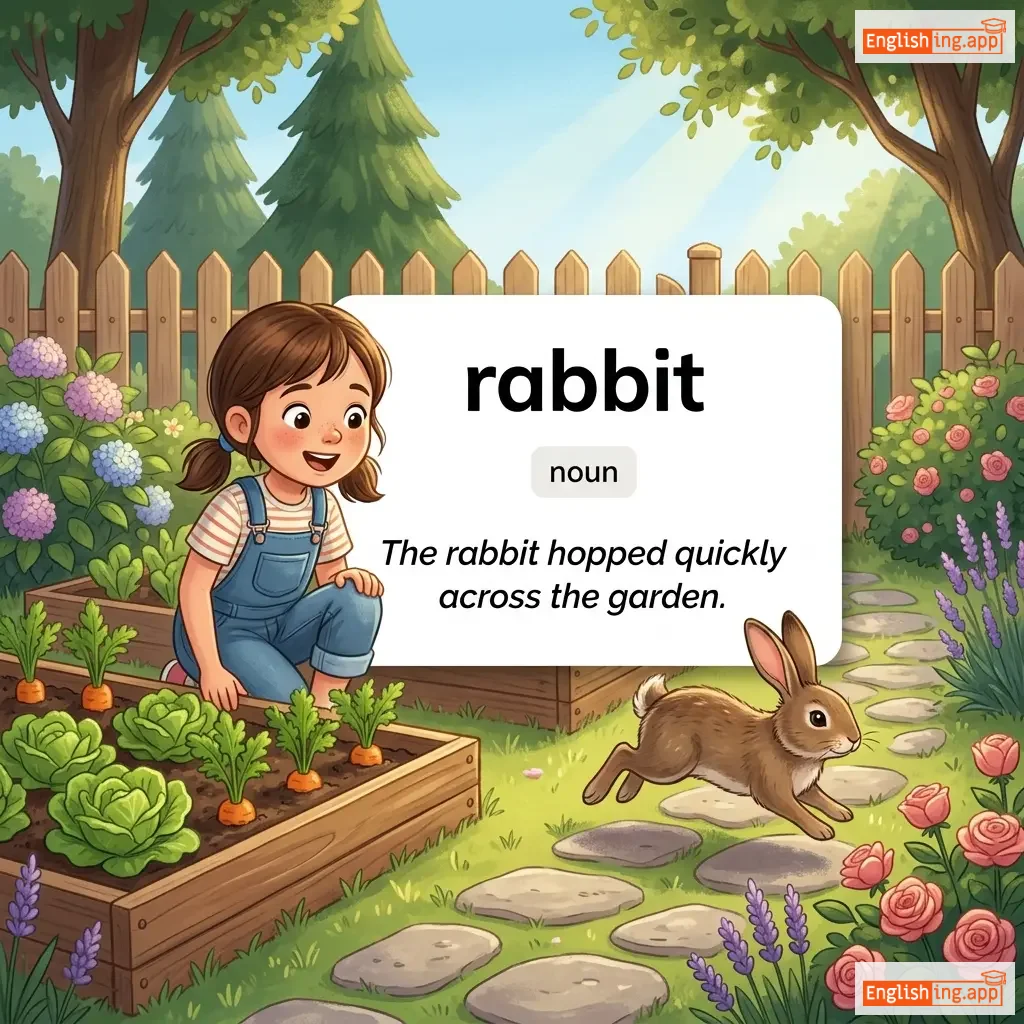
a small furry animal with long ears that lives in holes in the ground and moves by hopping
••••••
|
The rabbit hopped quickly across the garden. |
ウサギは庭を素早く跳びました。
Usagi wa niwa o subayaku tobimashita.
••••••
|
pull a rabbit out of a hat |
to do something surprising or seemingly magical
••••••
|
帽子からウサギを取り出す
bōshi kara usagi o toridasu
••••••
|
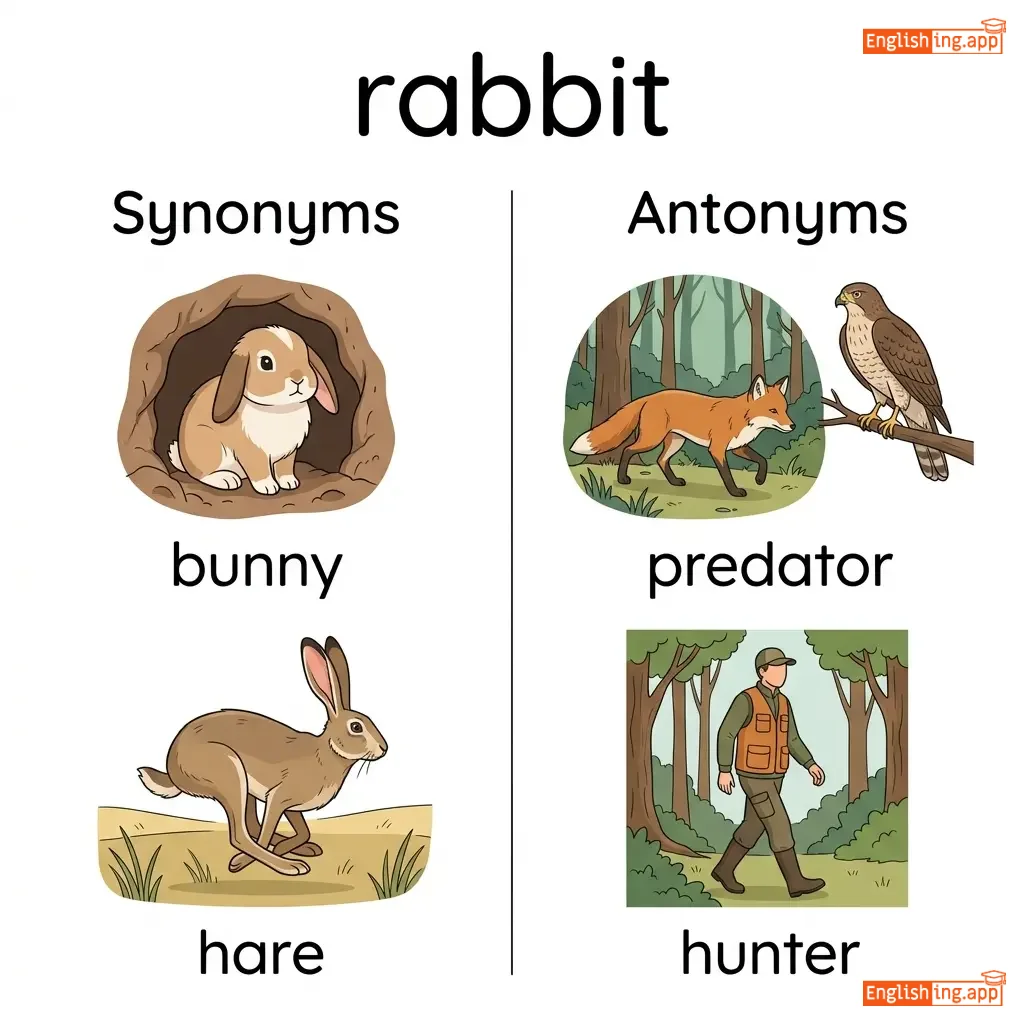
bunny, hare, coney, rodent, lagomorph
••••••
|
predator, hunter
••••••
|
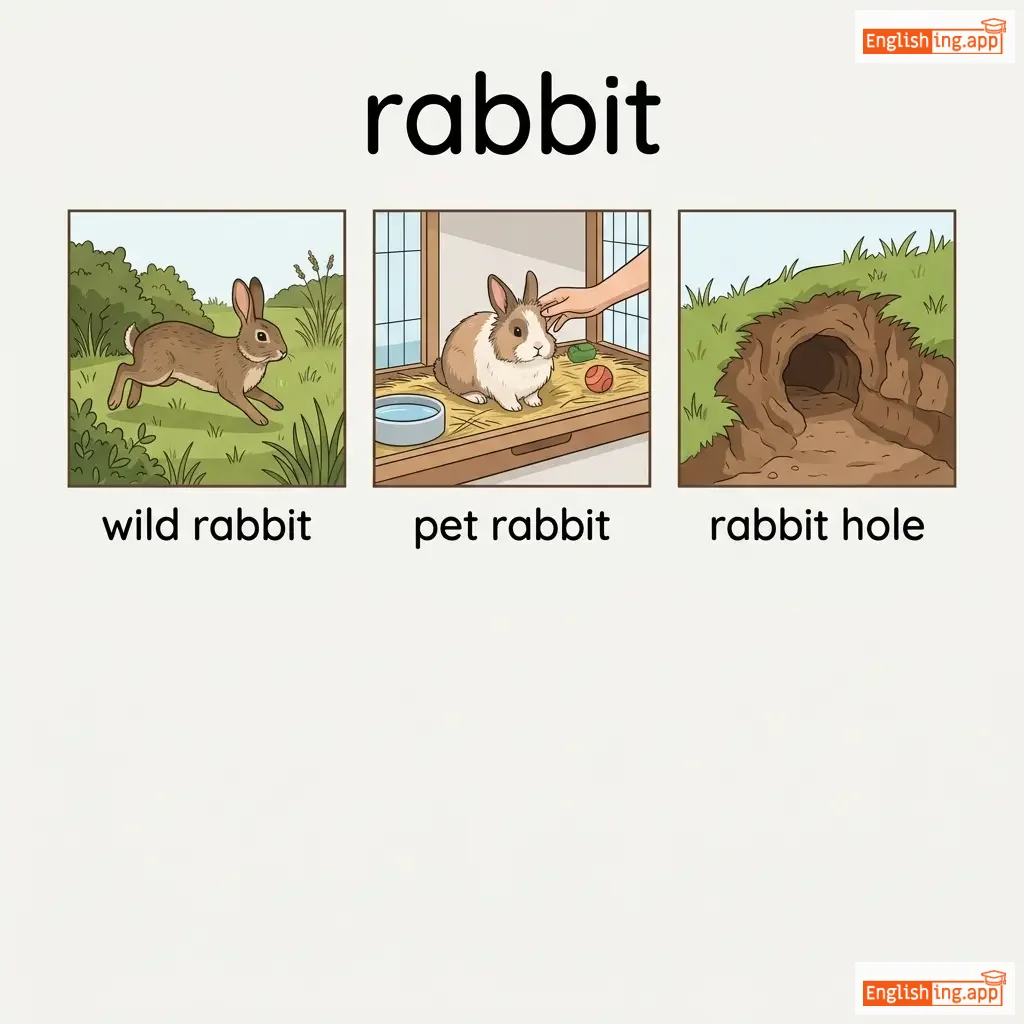
wild rabbit, pet rabbit, rabbit hole, rabbit stew, rabbit fur
••••••
|
ウサギはすばやく跳ねる — それは速い動物です!
••••••
|
|
#0
🌍
|
/ˈreɪʃəl/
adjective
(レイシャル)
••••••
|
- •••••• |
人種の
jinshu no
••••••
|
- •••••• | - •••••• | - •••••• | - •••••• |
relating to a race of people
••••••
|
Racial equality is an important issue in many societies. |
人種平等は多くの社会において重要な問題です。
Jinshu byōdō wa ōku no shakai ni oite jūyōna mondai desu.
••••••
|
- •••••• | - •••••• | - •••••• |
ethnic, cultural, racialized
••••••
|
equal, neutral
••••••
|
racial discrimination, racial equality, racial tension
••••••
|
Racial means 'jinshu' - think of different races around the world!
••••••
|
|
#0
✊🏾
|
/ˈreɪsɪzəm/
noun
(reishizumu)
••••••
|
- •••••• |
人種差別
jinshu sabetsu
••••••
|
- •••••• | - •••••• | - •••••• | - •••••• |
the belief that some races are superior to others, leading to unfair treatment or prejudice
••••••
|
The organization works to eliminate racism in all forms. |
その組織はすべての形態の人種差別を排除するために取り組んでいます。
Sono soshiki wa subete no keitai no jinshu sabetsu o haijo suru tame ni torikundeimasu.
••••••
|
- •••••• | - •••••• | - •••••• |
discrimination, prejudice, bigotry, intolerance, bias
••••••
|
equality, tolerance, fairness
••••••
|
fight racism, eliminate racism, racial discrimination, systemic racism
••••••
|
Race + ism は人種に関する信念、だから人種差別は人種に基づく不公平です。
••••••
|
|
#0
⚖️
|
/ˈreɪsɪst/
adjective
(レイシスト)
••••••
|
- •••••• |
人種差別主義者
jinshu sabetsu shugi-sha
••••••
|
- •••••• | - •••••• | - •••••• | - •••••• |
showing or feeling discrimination or prejudice against people of other races
••••••
|
He was accused of making racist comments. |
彼は人種差別的なコメントをしたとして非難された。
Kare wa jinshu sabetsu teki na komento o shita to shite hinan sareta.
••••••
|
- •••••• | - •••••• | - •••••• |
prejudiced, discriminatory, biased, intolerant
••••••
|
tolerant, open-minded, inclusive
••••••
|
racist behavior, racist remarks, racist attitude, racist ideology
••••••
|
人種差別主義者は'人種'と'差別'に関連しています。
••••••
|
|
#0
🎲
|
/ˈræn.dəm/
adjective
(ランダム)
••••••
|
- •••••• |
ランダム
random
••••••
|
- •••••• | - •••••• | - •••••• | - •••••• |
Made, done, or happening without method or conscious decision.
••••••
|
He made a random choice from the menu. |
彼はメニューからランダムに選択をしました。
Kare wa menyū kara randomu ni sentaku o shimashita.
••••••
|
at random |
Without method or conscious choice.
••••••
|
ランダムに
randomu ni
••••••
|
arbitrary, haphazard, aimless, unplanned
••••••
|
systematic, planned, deliberate
••••••
|
random selection, random sample, random event, purely random
••••••
|
ランダムな選択は計画なしで、偶然に行われる。
••••••
|
|
#0
🚫
|
/ˈrɛə(r)li/
adverb
(レアリー)
••••••
|
- •••••• |
めったに
mattan ni
••••••
|
- •••••• | - •••••• | - •••••• | - •••••• |
not often, infrequently
••••••
|
She rarely eats sweets because of her diet. |
彼女はダイエットのため、お菓子をめったに食べません。
Kanojo wa daietto no tame, okashi o mattan ni tabemasen.
••••••
|
- •••••• | - •••••• | - •••••• |
seldom, infrequently, occasionally, hardly
••••••
|
frequently, often, regularly
••••••
|
rarely seen, rarely used, rarely happens, rarely speaks
••••••
|
Rarely - Think of rare moments, they are uncommon
••••••
|
|
#0
🤔
|
/ˈrɑː.ðər/
adverb
(ラザー)
••••••
|
- •••••• |
むしろ; ~の代わりに;
mushiro; ~no kawari ni;
••••••
|
- •••••• | - •••••• | - •••••• | - •••••• |
to some extent; instead; preferably
••••••
|
I would rather stay home than go to the party. |
パーティーに行くよりも家にいる方がいい。
Pātī ni iku yori mo ie ni iru hō ga ii
••••••
|
- •••••• | - •••••• | - •••••• |
somewhat, instead, preferably, quite
••••••
|
absolutely, completely, entirely
••••••
|
rather than, rather like, would rather
••••••
|
Ratherは何かを選択する時に使います、たとえば「むしろ」。
••••••
|
|
#0
⭐
|
/ˈreɪtɪŋ/
noun
(レイティング)
••••••
|
- •••••• |
評価
hyouka
••••••
|
- •••••• | - •••••• | - •••••• | - •••••• |
an evaluation or assessment, usually numerical
••••••
|
The movie received a high rating from critics. |
その映画は批評家から高い評価を受けました。
Sono eiga wa hihyōka kara takai hyōka o ukemashita.
••••••
|
- •••••• | - •••••• | - •••••• |
score, grade, evaluation, review
••••••
|
disapproval, rejection
••••••
|
rating scale, star rating, customer rating
••••••
|
物事を評価する際、映画の星の評価を考えてください。
••••••
|
|
#0
📖
|
/ˈriːdər/
noun
(リーダー)
••••••
|
- •••••• |
読者
dokusha
••••••
|
- •••••• | - •••••• | - •••••• | - •••••• |
a person who reads or who is capable of reading
••••••
|
She is a fast reader, finishing books in a day. |
彼女は速読者で、1日で本を読み終えます。
Kanojo wa sokudoku-sha de, ichinichi de hon o yomi oemasu.
••••••
|
- •••••• | - •••••• | - •••••• |
bibliophile, bookworm, student
••••••
|
non-reader
••••••
|
avid reader, fast reader, good reader
••••••
|
READer、いつも本を読む人!
••••••
|
|
#0
😮
|
/ˈriː.ə.li/
adverb
(ri-ari)
••••••
|
- •••••• |
本当に; 実際に; とても
hon-tou-ni; jissai-ni; to-te-mo
••••••
|
- •••••• | - •••••• | - •••••• | - •••••• |
actually; truly; very much
••••••
|
I really enjoyed the concert last night.
昨晩のコンサートは本当に楽しめました。
••••••
|
昨晩のコンサートは本当に楽しめました。
Sakuban no kon-sa-to wa hon-tou-ni tanoshimemashita.
••••••
|
- •••••• | - •••••• | - •••••• |
truly, actually, genuinely, indeed
••••••
|
falsely, barely, hardly
••••••
|
really good, really bad, really important
••••••
|
Really enjoying the concert's real experience.
••••••
|
|
#0
🤔
|
/ˈriːzən/
noun, verb
(リーゾン)
••••••
|
- •••••• |
理由、原因
riyū, gen'in
••••••
|
reasoned
リーゾンド
••••••
|
reasoned
リーゾンド
••••••
|
reasons
リーゾンズ
••••••
|
reasoning
リーゾニング
••••••
|
A cause, explanation, or justification for an action or event; to think or argue logically.
••••••
|
There is no reason to be upset.
デア イズ ノー リーズン トゥ ビー アップセット。
••••••
|
怒る理由はありません。
okoru riyū wa arimasen.
••••••
|
listen to reason
リスン トゥ リーズン
••••••
|
to be persuaded by logical arguments
••••••
|
理由を聞く
riyū o kiku
••••••
|
cause, ground, logic, justification, rationale
••••••
|
nonsense, irrationality, illogic
••••••
|
good reason, main reason, for this reason, reason behind
••••••
|
Reason は理由、Reason を考えるとすべてが論理的に感じる 🤔
••••••
|
|
#0
🧠
|
/rɪˈkɔːl/
verb
(リコール)
••••••
|
- •••••• |
思い出す
omoidasu
••••••
|
recalled
リコールド
••••••
|
recalled
リコールド
••••••
|
recalls
リコールズ
••••••
|
recalling
リコーリング
••••••
|
to bring (a memory, fact, or situation) back into one's mind
••••••
|
I can't recall the last time we met.
最後に会った時のことを思い出せません。
••••••
|
最後に会った時のことを思い出せません。
Saigo ni atta toki no koto o omoidase masen.
••••••
|
- •••••• | - •••••• | - •••••• |
remember, recollect, retrieve, summon
••••••
|
forget, ignore, overlook
••••••
|
recall a memory, recall an event, recall a fact
••••••
|
Recall - 思い出すことができるもの、何かを頭に戻す。
••••••
|
|
#0
🕒
|
/ˈriː.sənt/
adjective
(リセント)
••••••
|
- •••••• |
最近の; 新しい; 現在の;
saikin no; atarashī; genzai no;
••••••
|
- •••••• | - •••••• | - •••••• | - •••••• |
happening not long ago; new; current;
••••••
|
The recent changes in weather patterns concern scientists. |
最近の天気の変化は科学者たちを心配させています。
Saikin no tenki no henka wa kagakusha-tachi o shinpai saseteimasu.
••••••
|
- •••••• | - •••••• | - •••••• |
new, latest, current, fresh
••••••
|
old, ancient, past, former
••••••
|
recent developments, recent studies, recent events, recent news
••••••
|
最近、未来を形作る新しいトレンド
••••••
|
|
#0
🤔
|
/ˈrɛkən/
verb
(レコン)
••••••
|
- •••••• |
推測する
suikoku suru
••••••
|
reckoned
レコンド
••••••
|
reckoned
レコンド
••••••
|
reckons
レコンス
••••••
|
reckoning
レケニング
••••••
|
To think, believe, or expect something; to calculate or estimate.
••••••
|
I reckon it will rain later today.
今日は後で雨が降るだろうと思います。
••••••
|
今日は後で雨が降るだろうと思います。
Kyou wa ato de ame ga furu darou to omoimasu.
••••••
|
reckon with
レコンウィズ
••••••
|
To deal with or consider seriously.
••••••
|
真剣に考える
shinken ni kangaeru
••••••
|
think, believe, consider, calculate, suppose
••••••
|
ignore, disregard, neglect
••••••
|
reckon that, reckon with, I reckon, reckon up
••••••
|
Reckonは予測を意味する。計算や見積もりのように。
••••••
|
|
#0
📖
|
/ˈrɛkɔːd/
noun
(レコード)
••••••
|
- •••••• |
記録
kiroku
••••••
|
- •••••• | - •••••• | - •••••• | - •••••• |
a written or spoken account of something
••••••
|
I kept a record of all the meetings.
私はすべての会議の記録を保持していました。
••••••
|
私はすべての会議の記録を保持していました。
Watashi wa subete no kaigi no kiroku o hoji shite imashita.
••••••
|
- •••••• | - •••••• | - •••••• |
document, log, file, report
••••••
|
forget, erase
••••••
|
keep a record, maintain a record, record data
••••••
|
会議の記録を取ることで記憶が蘇る (Kaigi no kiroku o toru koto de kioku ga yomigaeru)
••••••
|
|
#0
♻️
|
/rɪˈfjuːz/ (verb), /ˈrɛfjuːs/ (noun)
verb, noun
••••••
|
- •••••• | - •••••• |
refused
••••••
|
refused
••••••
|
refuses
••••••
|
refusing
••••••
|
As a verb: to say no to something offered or requested; as a noun: waste material; rubbish.
••••••
|
He refused to answer the question, and the street was full of refuse. |
- •••••• |
refuse to budge |
to not change one’s opinion or position
••••••
|
- •••••• |
decline, reject, deny, rubbish, garbage
••••••
|
accept, approve, agree
••••••
|
refuse offer, refuse entry, refuse treatment, household refuse
••••••
|
No •••••• |
|
#0
🔁
|
/rɪˈɡeɪn/
verb
(ree-gein)
••••••
|
|
取り戻す
torimodosu
••••••
|
regained
ree-geind
••••••
|
regained
ree-geind
••••••
|
regains
ree-geins
••••••
|
regaining
ree-geining
••••••
|
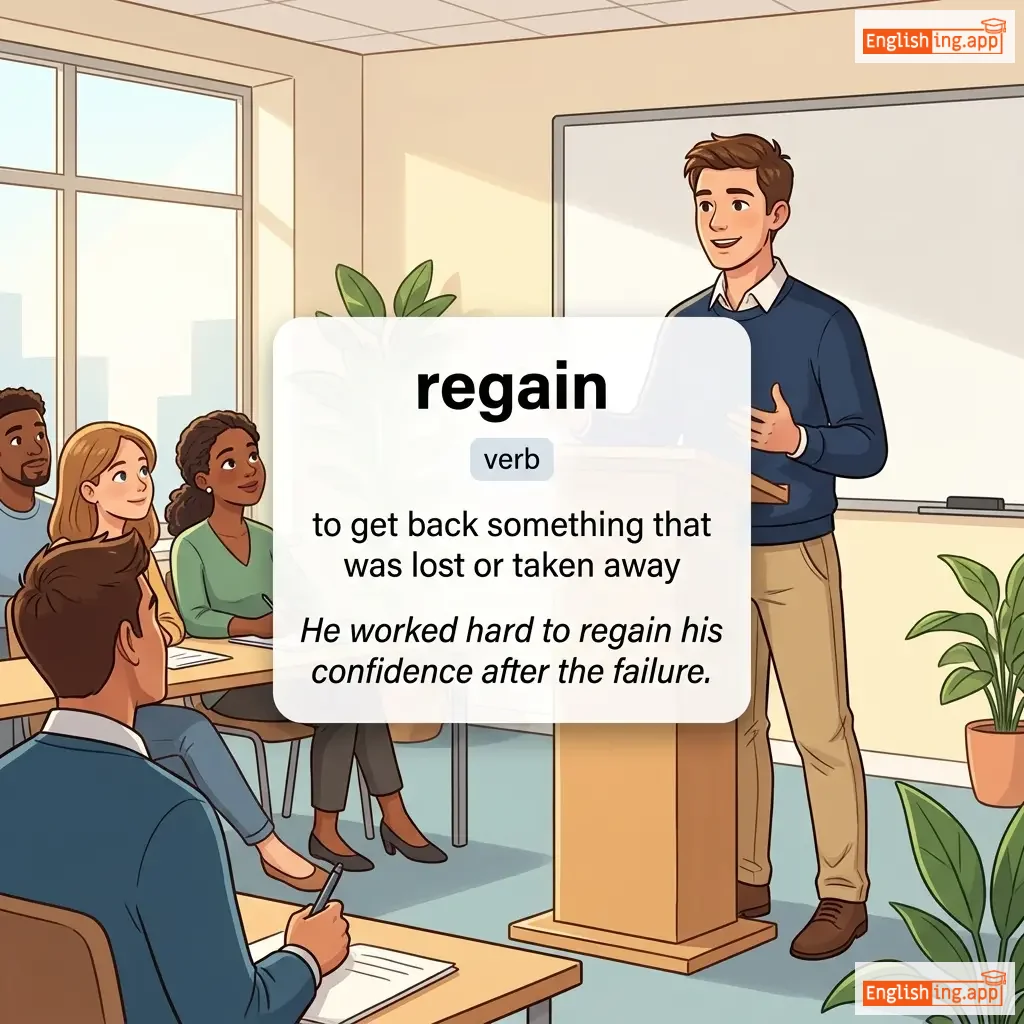
to get back something that was lost or taken away
••••••
|
He worked hard to regain his confidence after the failure.
失敗後、彼は自信を取り戻すために一生懸命働いた。
••••••
|
失敗後、彼は自信を取り戻すために一生懸命働いた。
Shippai go, kare wa jishin o torimodosu tame ni isshoukenmei hataraita.
••••••
|
regain consciousness
意識を取り戻す
••••••
|
to wake up or become aware again after fainting
••••••
|
意識を取り戻す
ishiki o torimodosu
••••••
|
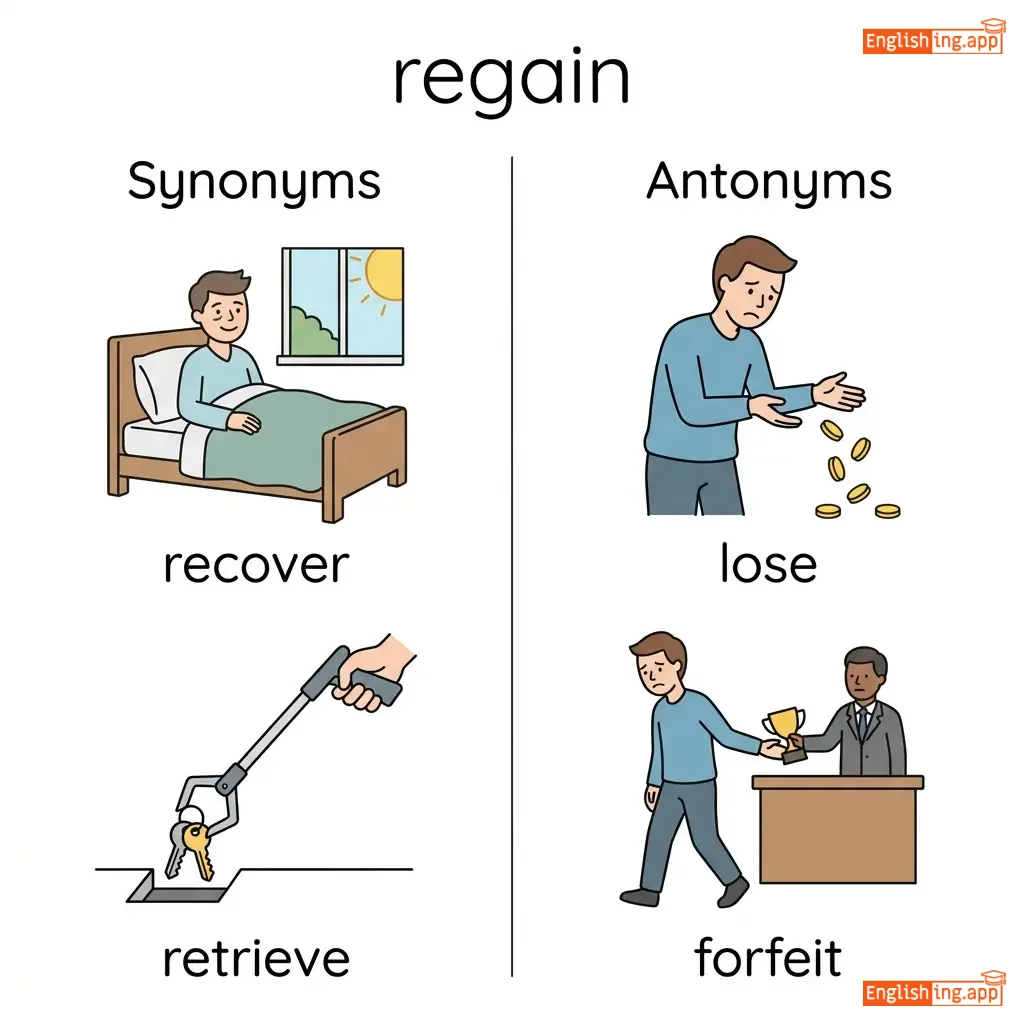
recover, retrieve, recapture, reclaim
••••••
|
lose, forfeit, surrender
••••••
|
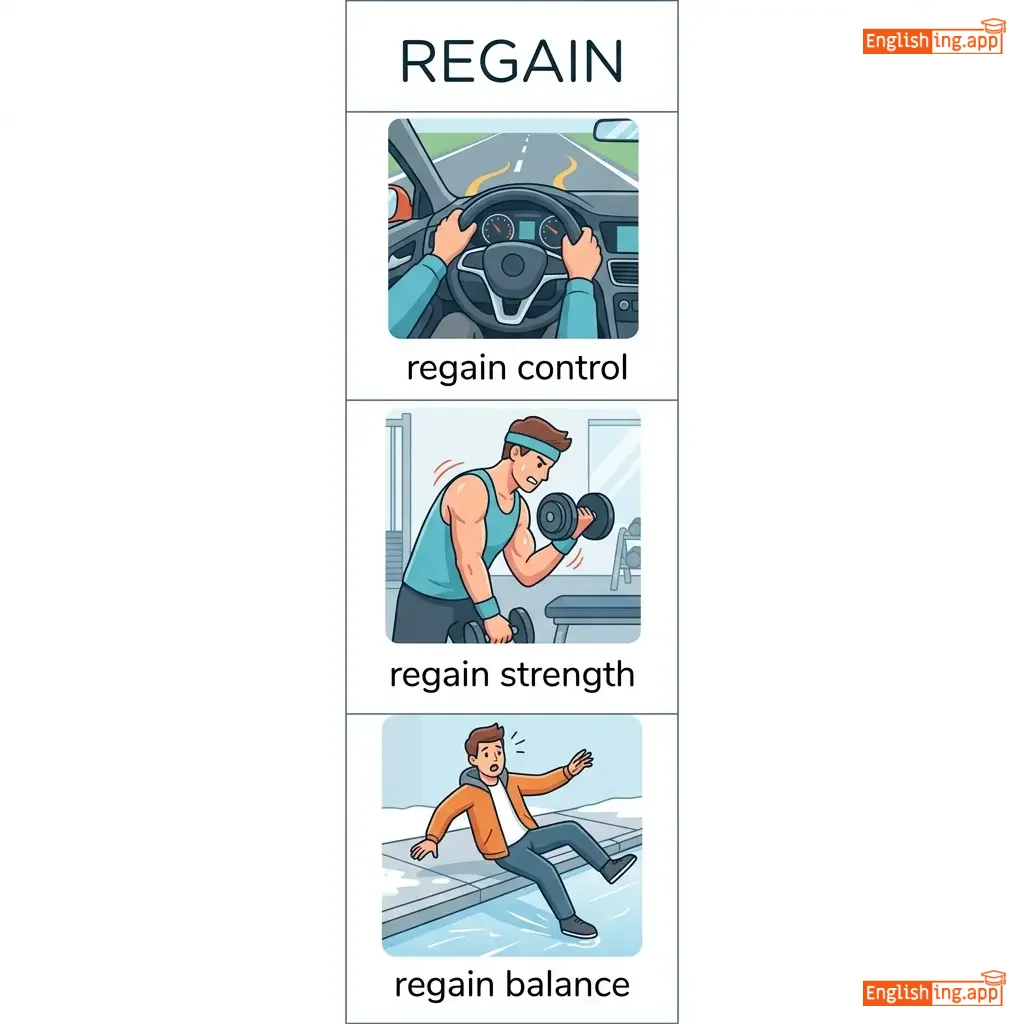
regain control, regain strength, regain balance, regain confidence
••••••
|
Regain は再び得るという意味 — 失ったものを取り戻せ!
••••••
|
|
#0
🏛️
|
/reɪˈʒiːm/
noun
(レジーム)
••••••
|
- •••••• |
政権
seiken
••••••
|
- •••••• | - •••••• | - •••••• | - •••••• |
a system or form of government, often authoritarian
••••••
|
The military regime controlled the country for decades. |
軍事政権は数十年間国を支配していました。
Gunji seiken wa suujun nenkan kuni o shihaishiteimashita.
••••••
|
under the regime |
during the rule of a particular government system
••••••
|
政権下で
seiken ka de
••••••
|
government, administration, rule, authority, system
••••••
|
anarchy, disorder
••••••
|
military regime, authoritarian regime, regime change, political regime
••••••
|
Regime は政権を意味します。軍事政権の下では厳格な支配があります。
••••••
|
|
#0
🔗
|
/rɪˈleɪt/
verb
(リレート)
••••••
|
- •••••• |
関連する
kanren suru
••••••
|
related
リレイテッド
••••••
|
related
リレイテッド
••••••
|
relates
リレイツ
••••••
|
relating
リレイティング
••••••
|
to connect or show a link between; to tell a story
••••••
|
She relates her experience to the audience.
彼女は観客に自分の経験を話します。
••••••
|
彼女は観客に自分の経験を話します。
Kanojo wa kankyaku ni jibun no keiken o hanashimasu.
••••••
|
- •••••• | - •••••• | - •••••• |
connect, associate, tell, narrate
••••••
|
disconnect, separate, withhold, conceal
••••••
|
relate to others, relate experience, closely relate, relate stories
••••••
|
Kanren suruはrelateのように関連を作り、物語を語ります。
••••••
|
|
#0
💬
|
/rɪˈmɑːrk/
noun/verb
(リマーク)
••••••
|
- •••••• |
発言
hatsugen
••••••
|
remarked
リマークド
••••••
|
remarked
リマークド
••••••
|
remarks
リマークス
••••••
|
remarking
リマーキング
••••••
|
something that is said; a comment
••••••
|
She made a remark about the weather.
シー メイド ア リマーク アバウト ザ ウェザー。
••••••
|
彼女は天気について発言した。
Kanojo wa tenki ni tsuite hatsugen shita.
••••••
|
make a remark
メイク ア リマーク
••••••
|
to say something, usually as a comment
••••••
|
発言する
hatsugen suru
••••••
|
comment, observation, statement, note
••••••
|
silence, quiet
••••••
|
casual remark, make a remark, witty remark, critical remark
••••••
|
Remark は発言 – remember 're' means again, mark your words by speaking.
••••••
|
Vocabulary Quiz
Test your vocabulary by matching words with their translations or meanings.
Login to take the quiz
Comments (0)
Share your thoughts and join the discussion.
Join the discussion by logging in
Login to CommentNo comments yet
Be the first to share your thoughts!