

发声的学生
The Student Who Spoke Up
Riyad 是一个充满热情的 reader 和大学生。在 recent 几天里,他在校园里看到了 racial 紧张局势,这让他感到 really 不安。一天,在一个 random 会议上,一位教授发表了一个令人震惊的 racist remark。Riyad recalled 童年时 racism 对他的影响。他 rarely 谈论这件事,但现在他 rather 想要发声。他发起了一份请愿书,并收到了 record 数量的签名。由于他的大学的 rating 和声誉 reason,校方最初 refused 采取行动。但 Riyad regained 了他的勇气,组织了一个和平抗议活动。他说:“我们需要改变这种 regime 的沉默。我 reckon 我们可以做到。”他的朋友们能 relate 这个运动,因为很多人有类似的经历。他们甚至制作了一张 rabbit 海报,象征着速度和决心。在 Riyad 的领导下,学生和教职工团结起来。校方最终意识到这个问题不能被忽视。他们宣布了反 racism 的工作坊和政策变更。Riyad 证明了,当学生 refuse 沉默时,他们的声音可以是强大的。
Swipe left or right, or use the buttons. Tap image to zoom.
例句翻译
单词
The Student Who Spoke UpThe Student Who Spoke Up - 遮罩切换
|
表情符号
|
单词 | Images | 翻译 | 过去时 | 过去分词 | 第三人称单数 | 动名词 | 含义 | 例句 | 例句翻译 | 示例表达 | 示例表达含义 | 示例表达翻译 | 同义词 | 反义词 | 搭配词 | 助记符 |
|---|---|---|---|---|---|---|---|---|---|---|---|---|---|---|---|---|---|
|
#0
🐇
|
/ˈræbɪt/
noun
(拉比特)
••••••
|
|
兔子
tùzi
••••••
|
- •••••• | - •••••• | - •••••• | - •••••• |
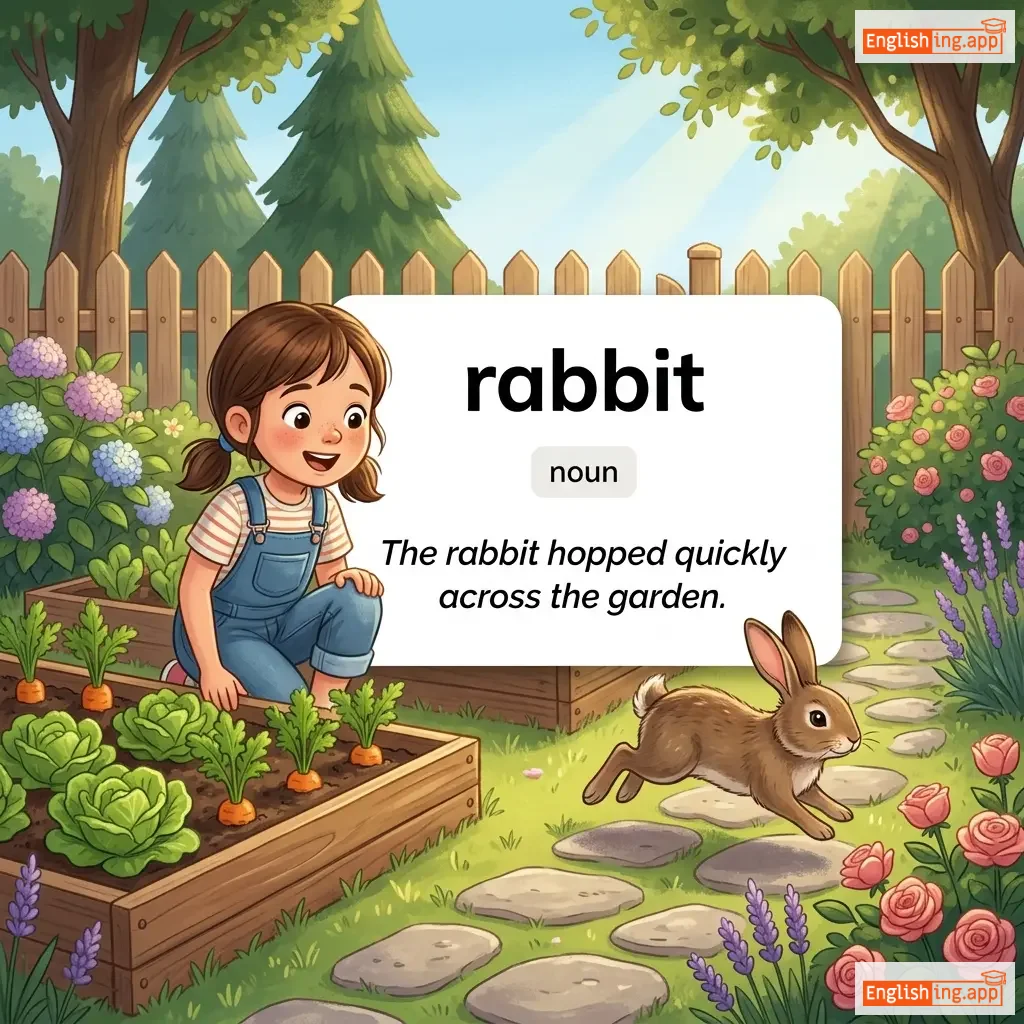
a small furry animal with long ears that lives in holes in the ground and moves by hopping
••••••
|
The rabbit hopped quickly across the garden. |
兔子快速跳过花园。
Tùzi kuàisù tiàoguò huāyuán.
••••••
|
pull a rabbit out of a hat |
to do something surprising or seemingly magical
••••••
|
从帽子里拿出一只兔子
cóng màozi lǐ ná chū yī zhī tùzi
••••••
|
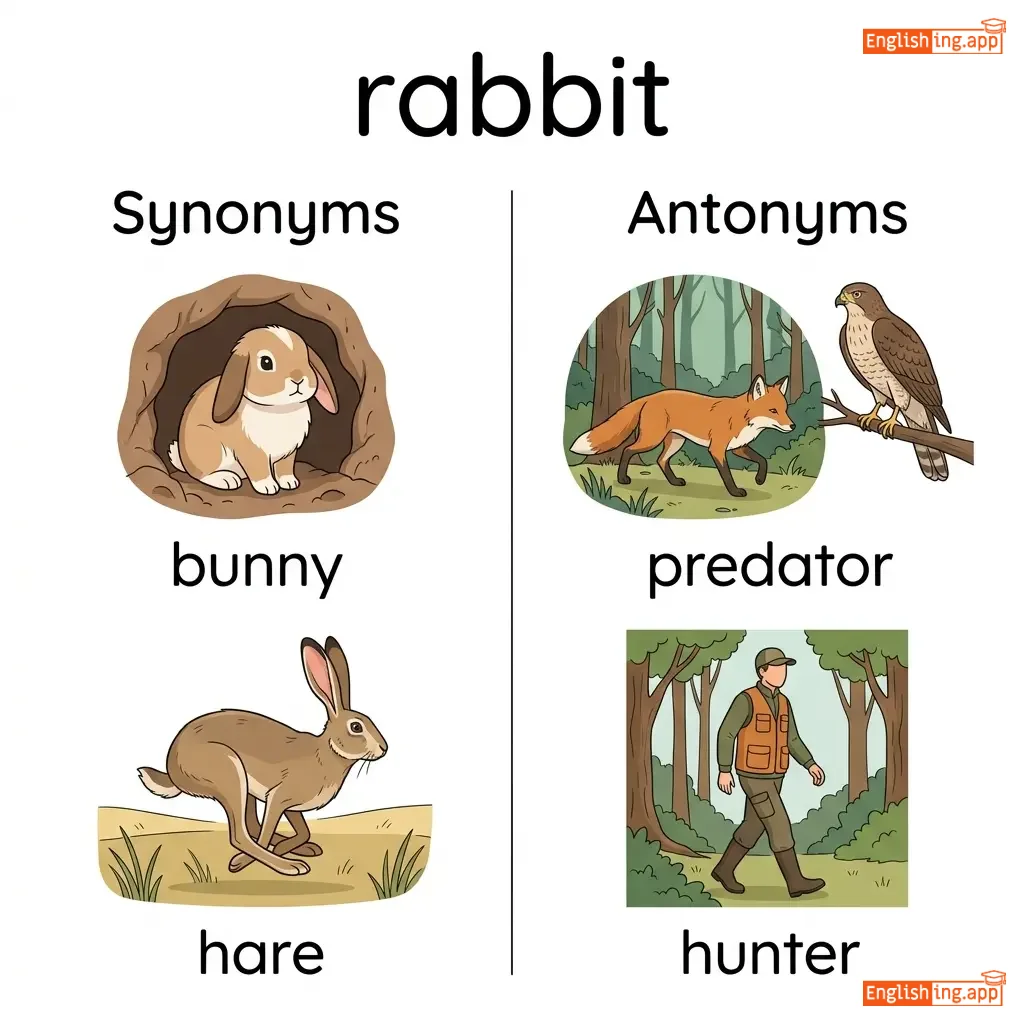
bunny, hare, coney, rodent, lagomorph
••••••
|
predator, hunter
••••••
|
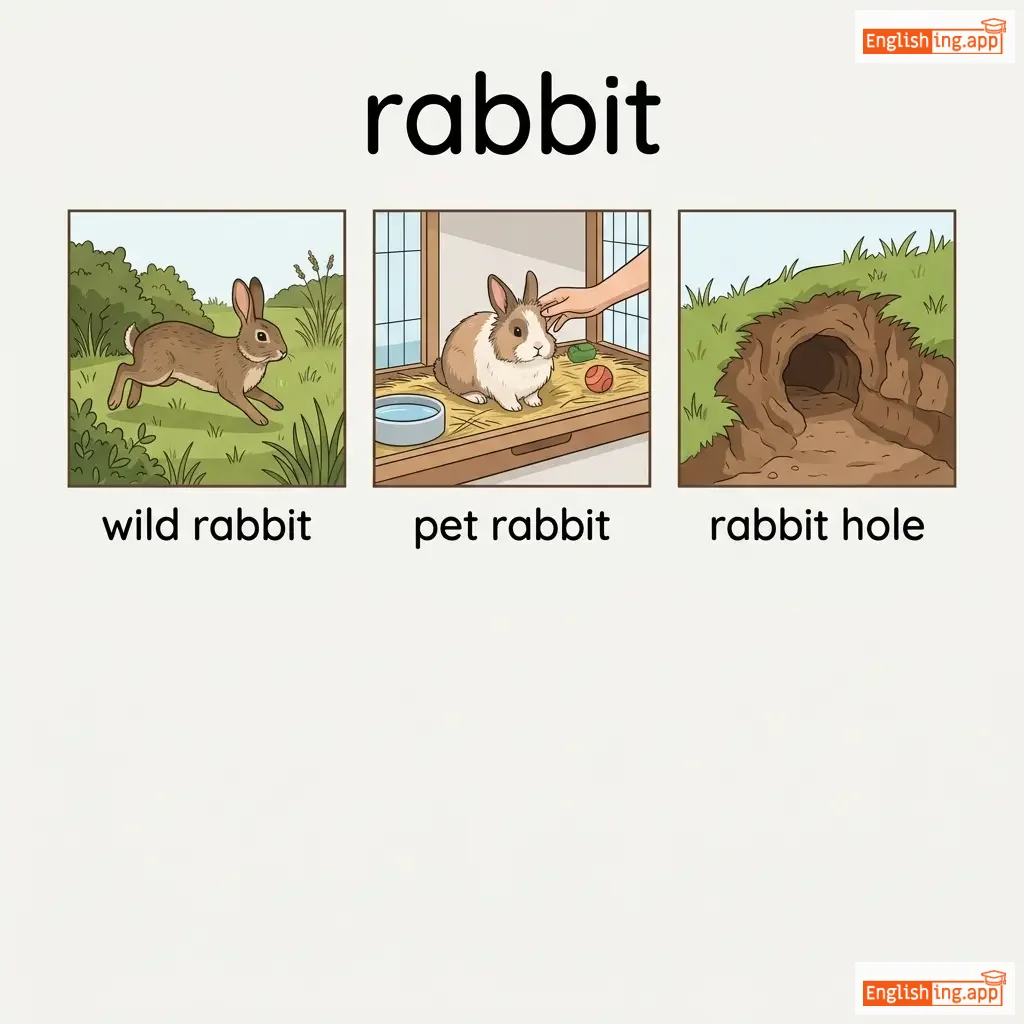
wild rabbit, pet rabbit, rabbit hole, rabbit stew, rabbit fur
••••••
|
兔子跑得飞快 — 它是一个快速的小动物!
••••••
|
|
#0
🌍
|
/ˈreɪʃəl/
adjective
(rèshì'ěr)
••••••
|
- •••••• |
种族的
zhǒngzú de
••••••
|
- •••••• | - •••••• | - •••••• | - •••••• |
relating to a race of people
••••••
|
Racial equality is an important issue in many societies. |
种族平等是许多社会中的一个重要问题。
Zhǒngzú píngděng shì xǔduō shèhuì zhōng de yīgè zhòngyào wèntí.
••••••
|
- •••••• | - •••••• | - •••••• |
ethnic, cultural, racialized
••••••
|
equal, neutral
••••••
|
racial discrimination, racial equality, racial tension
••••••
|
Racial means 'zhǒngzú' - think of different races in society!
••••••
|
|
#0
✊🏾
|
/ˈreɪsɪzəm/
noun
(rèisīzīm)
••••••
|
- •••••• |
种族主义
zhǒngzú zhǔyì
••••••
|
- •••••• | - •••••• | - •••••• | - •••••• |
the belief that some races are superior to others, leading to unfair treatment or prejudice
••••••
|
The organization works to eliminate racism in all forms. |
该组织致力于消除所有形式的种族主义。
Gāi zǔzhī zhìlì yú xiāochú suǒyǒu xíngshì de zhǒngzú zhǔyì.
••••••
|
- •••••• | - •••••• | - •••••• |
discrimination, prejudice, bigotry, intolerance, bias
••••••
|
equality, tolerance, fairness
••••••
|
fight racism, eliminate racism, racial discrimination, systemic racism
••••••
|
Race + ism 是种族的信仰,所以种族主义意味着种族歧视。
••••••
|
|
#0
⚖️
|
/ˈreɪsɪst/
adjective
(雷西斯特)
••••••
|
- •••••• |
种族主义者
zhǒngzú zhǔyì zhě
••••••
|
- •••••• | - •••••• | - •••••• | - •••••• |
showing or feeling discrimination or prejudice against people of other races
••••••
|
He was accused of making racist comments. |
他被指控发表种族主义的评论。
Tā bèi zhǐkòng fābiǎo zhǒngzú zhǔyì de pínglùn.
••••••
|
- •••••• | - •••••• | - •••••• |
prejudiced, discriminatory, biased, intolerant
••••••
|
tolerant, open-minded, inclusive
••••••
|
racist behavior, racist remarks, racist attitude, racist ideology
••••••
|
种族主义者可以联想到'种族',与歧视其他种族相关。
••••••
|
|
#0
🎲
|
/ˈræn.dəm/
adjective
(rān-dèng)
••••••
|
- •••••• |
随机
suíjī
••••••
|
- •••••• | - •••••• | - •••••• | - •••••• |
Made, done, or happening without method or conscious decision.
••••••
|
He made a random choice from the menu. |
他从菜单中做了一个随机选择。
Tā cóng cài dān zhōng zuòle yīgè suíjī xuǎnzé.
••••••
|
at random |
Without method or conscious choice.
••••••
|
随便
suíbiàn
••••••
|
arbitrary, haphazard, aimless, unplanned
••••••
|
systematic, planned, deliberate
••••••
|
random selection, random sample, random event, purely random
••••••
|
随机选择 = 随便做的,没有任何方法。
••••••
|
|
#0
🚫
|
/ˈrɛə(r)li/
adverb
(rèi lì)
••••••
|
- •••••• |
很少
hen shao
••••••
|
- •••••• | - •••••• | - •••••• | - •••••• |
not often, infrequently
••••••
|
She rarely eats sweets because of her diet. |
她因为饮食限制,很少吃糖果。
Ta yinwei yinshi xianzhi, hen shao chi tangguo.
••••••
|
- •••••• | - •••••• | - •••••• |
seldom, infrequently, occasionally, hardly
••••••
|
frequently, often, regularly
••••••
|
rarely seen, rarely used, rarely happens, rarely speaks
••••••
|
Rarely - Think of rare moments, very unusual
••••••
|
|
#0
🤔
|
/ˈrɑː.ðər/
adverb
(雷瑟)
••••••
|
- •••••• |
宁愿; 而不是;
níngyuàn; ér bù shì;
••••••
|
- •••••• | - •••••• | - •••••• | - •••••• |
to some extent; instead; preferably
••••••
|
I would rather stay home than go to the party. |
我宁愿待在家里,也不想去派对。
Wǒ níngyuàn dāi zài jiālǐ, yě bù xiǎng qù pàiduì
••••••
|
- •••••• | - •••••• | - •••••• |
somewhat, instead, preferably, quite
••••••
|
absolutely, completely, entirely
••••••
|
rather than, rather like, would rather
••••••
|
Rather 用来表示选择,比如宁愿做某事而不是做另一个。
••••••
|
|
#0
⭐
|
/ˈreɪtɪŋ/
noun
(雷廷)
••••••
|
- •••••• |
评分
pingfen
••••••
|
- •••••• | - •••••• | - •••••• | - •••••• |
an evaluation or assessment, usually numerical
••••••
|
The movie received a high rating from critics. |
这部电影得到了评论家的高评分。
Zhe bu dianying dedaole pinglunjia de gao pingfen.
••••••
|
- •••••• | - •••••• | - •••••• |
score, grade, evaluation, review
••••••
|
disapproval, rejection
••••••
|
rating scale, star rating, customer rating
••••••
|
当你给东西评分时,想象电影的星级评分。
••••••
|
|
#0
📖
|
/ˈriːdər/
noun
(rider)
••••••
|
- •••••• |
读者
duzhe
••••••
|
- •••••• | - •••••• | - •••••• | - •••••• |
a person who reads or who is capable of reading
••••••
|
She is a fast reader, finishing books in a day. |
她是一个快速的读者,一天就能读完书。
Ta shi yige kuaisu de duzhe, yitian jiu neng duwan shu.
••••••
|
- •••••• | - •••••• | - •••••• |
bibliophile, bookworm, student
••••••
|
non-reader
••••••
|
avid reader, fast reader, good reader
••••••
|
READer,那个总是读书的人!
••••••
|
|
#0
😮
|
/ˈriː.ə.li/
adverb
(rì-ě-li)
••••••
|
- •••••• |
实际上; 真的; 非常多
shi-jian-shi; zhen-de; fei-chang duo
••••••
|
- •••••• | - •••••• | - •••••• | - •••••• |
actually; truly; very much
••••••
|
I really enjoyed the concert last night.
我真的很享受昨晚的音乐会。
••••••
|
我真的很享受昨晚的音乐会。
Wo zhen-de hen xiang-shou zuo-wan de yin-le-hui.
••••••
|
- •••••• | - •••••• | - •••••• |
truly, actually, genuinely, indeed
••••••
|
falsely, barely, hardly
••••••
|
really good, really bad, really important
••••••
|
Really enjoying the true concert vibes.
••••••
|
|
#0
🤔
|
/ˈriːzən/
noun, verb
(rīzən)
••••••
|
- •••••• |
原因,理由
yuányīn, lǐyóu
••••••
|
reasoned
rīzənd
••••••
|
reasoned
rīzənd
••••••
|
reasons
rīzənz
••••••
|
reasoning
rīzənɪŋ
••••••
|
A cause, explanation, or justification for an action or event; to think or argue logically.
••••••
|
There is no reason to be upset.
dɛr ɪz no rīzən tu bi əpsɛt.
••••••
|
没有理由生气。
méiyǒu lǐyóu shēngqì.
••••••
|
listen to reason
lɪsən tu rīzən
••••••
|
to be persuaded by logical arguments
••••••
|
听从理由
tīngcóng lǐyóu
••••••
|
cause, ground, logic, justification, rationale
••••••
|
nonsense, irrationality, illogic
••••••
|
good reason, main reason, for this reason, reason behind
••••••
|
Reason 意味着原因,想到 Reason 一切都合乎逻辑 🤔
••••••
|
|
#0
🧠
|
/rɪˈkɔːl/
verb
(ríkóu)
••••••
|
- •••••• |
回忆
huiyi
••••••
|
recalled
ríkóu dé
••••••
|
recalled
ríkóu dé
••••••
|
recalls
ríkóu sī
••••••
|
recalling
ríkóu líng
••••••
|
to bring (a memory, fact, or situation) back into one's mind
••••••
|
I can't recall the last time we met.
我记不得我们上次见面是什么时候。
••••••
|
我记不得我们上次见面是什么时候。
Wǒ jì bù dé wǒmen shàng cì jiàn miàn shì shén me shí hòu.
••••••
|
- •••••• | - •••••• | - •••••• |
remember, recollect, retrieve, summon
••••••
|
forget, ignore, overlook
••••••
|
recall a memory, recall an event, recall a fact
••••••
|
Recall - 记住你曾经见过的事情。
••••••
|
|
#0
🕒
|
/ˈriː.sənt/
adjective
(rìsènt)
••••••
|
- •••••• |
最近的; 新的; 当前的;
zuìjìn de; xīn de; dāngqián de;
••••••
|
- •••••• | - •••••• | - •••••• | - •••••• |
happening not long ago; new; current;
••••••
|
The recent changes in weather patterns concern scientists. |
最近天气模式的变化让科学家感到担忧。
Zuìjìn tiānqì móshì de biànhuà ràng kēxuéjiā gǎndào dānyōu.
••••••
|
- •••••• | - •••••• | - •••••• |
new, latest, current, fresh
••••••
|
old, ancient, past, former
••••••
|
recent developments, recent studies, recent events, recent news
••••••
|
最近的事是新鲜的、最有趣的
••••••
|
|
#0
🤔
|
/ˈrɛkən/
verb
(rè kèn)
••••••
|
- •••••• |
推测
tuī cè
••••••
|
reckoned
rè kòng
••••••
|
reckoned
rè kòng
••••••
|
reckons
rè kènsī
••••••
|
reckoning
rè kèníng
••••••
|
To think, believe, or expect something; to calculate or estimate.
••••••
|
I reckon it will rain later today.
我猜今天稍后会下雨。
••••••
|
我猜今天稍后会下雨。
Wǒ cāi jīntiān shāo hòu huì xià yǔ.
••••••
|
reckon with
算计
••••••
|
To deal with or consider seriously.
••••••
|
认真对待
rènzhēn duìdài
••••••
|
think, believe, consider, calculate, suppose
••••••
|
ignore, disregard, neglect
••••••
|
reckon that, reckon with, I reckon, reckon up
••••••
|
Reckon听起来像是猜测,像估算未来的事情。
••••••
|
|
#0
📖
|
/ˈrɛkɔːd/
noun
(记录)
••••••
|
- •••••• |
记录
jilu
••••••
|
- •••••• | - •••••• | - •••••• | - •••••• |
a written or spoken account of something
••••••
|
I kept a record of all the meetings.
我记录了所有的会议。
••••••
|
我记录了所有的会议。
Wǒ jìlùle suǒyǒu de huìyì.
••••••
|
- •••••• | - •••••• | - •••••• |
document, log, file, report
••••••
|
forget, erase
••••••
|
keep a record, maintain a record, record data
••••••
|
记录所有会议,帮助你回忆 (Jìlù suǒyǒu huìyì, bāngzhù nǐ huíyì)
••••••
|
|
#0
♻️
|
/rɪˈfjuːz/ (verb), /ˈrɛfjuːs/ (noun)
verb, noun
••••••
|
- •••••• | - •••••• |
refused
••••••
|
refused
••••••
|
refuses
••••••
|
refusing
••••••
|
As a verb: to say no to something offered or requested; as a noun: waste material; rubbish.
••••••
|
He refused to answer the question, and the street was full of refuse. |
- •••••• |
refuse to budge |
to not change one’s opinion or position
••••••
|
- •••••• |
decline, reject, deny, rubbish, garbage
••••••
|
accept, approve, agree
••••••
|
refuse offer, refuse entry, refuse treatment, household refuse
••••••
|
No •••••• |
|
#0
🔁
|
/rɪˈɡeɪn/
verb
(ree-gein)
••••••
|
|
恢复
huifu
••••••
|
regained
ree-geind
••••••
|
regained
ree-geind
••••••
|
regains
ree-geins
••••••
|
regaining
ree-geining
••••••
|
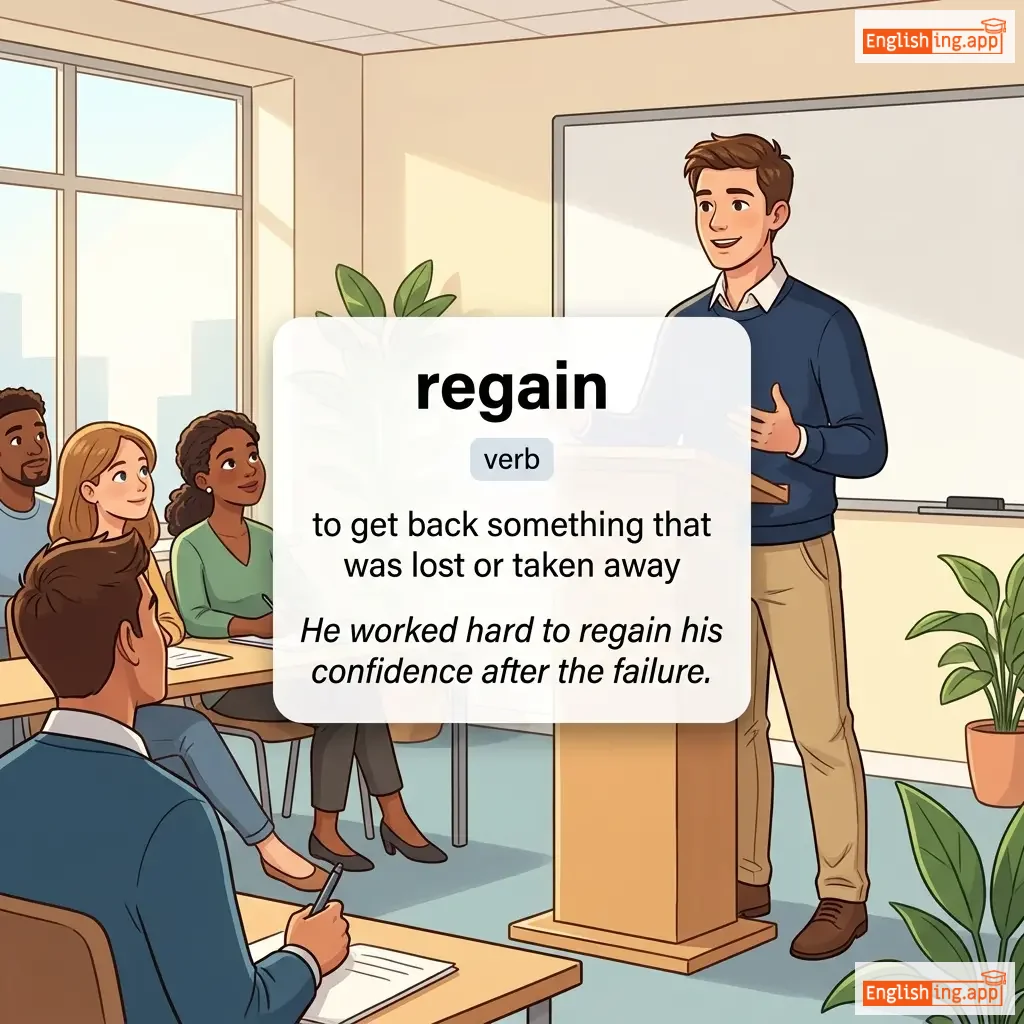
to get back something that was lost or taken away
••••••
|
He worked hard to regain his confidence after the failure.
他在失败后努力恢复自信。
••••••
|
他在失败后努力恢复自信。
Ta zai shibai hou nuli huifu zixin.
••••••
|
regain consciousness
恢复意识
••••••
|
to wake up or become aware again after fainting
••••••
|
恢复意识
huifu yishi
••••••
|
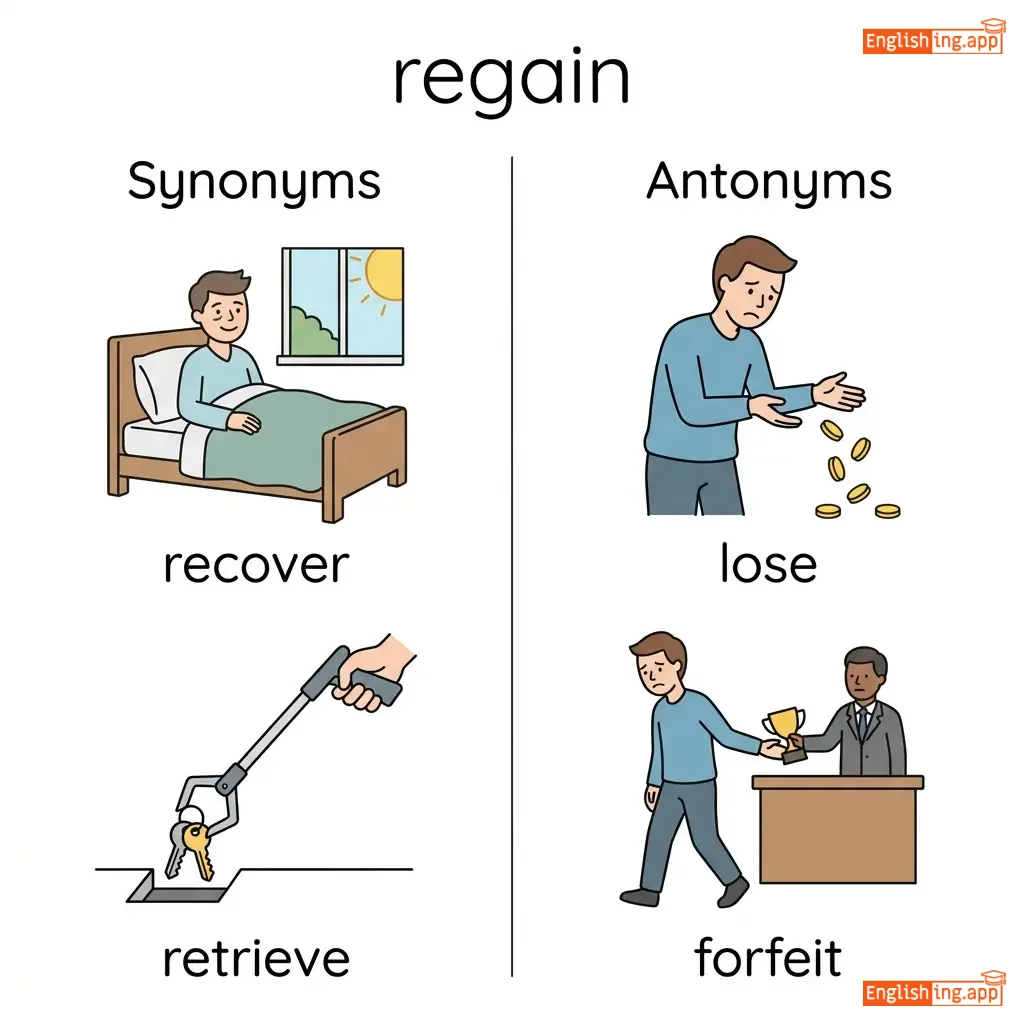
recover, retrieve, recapture, reclaim
••••••
|
lose, forfeit, surrender
••••••
|
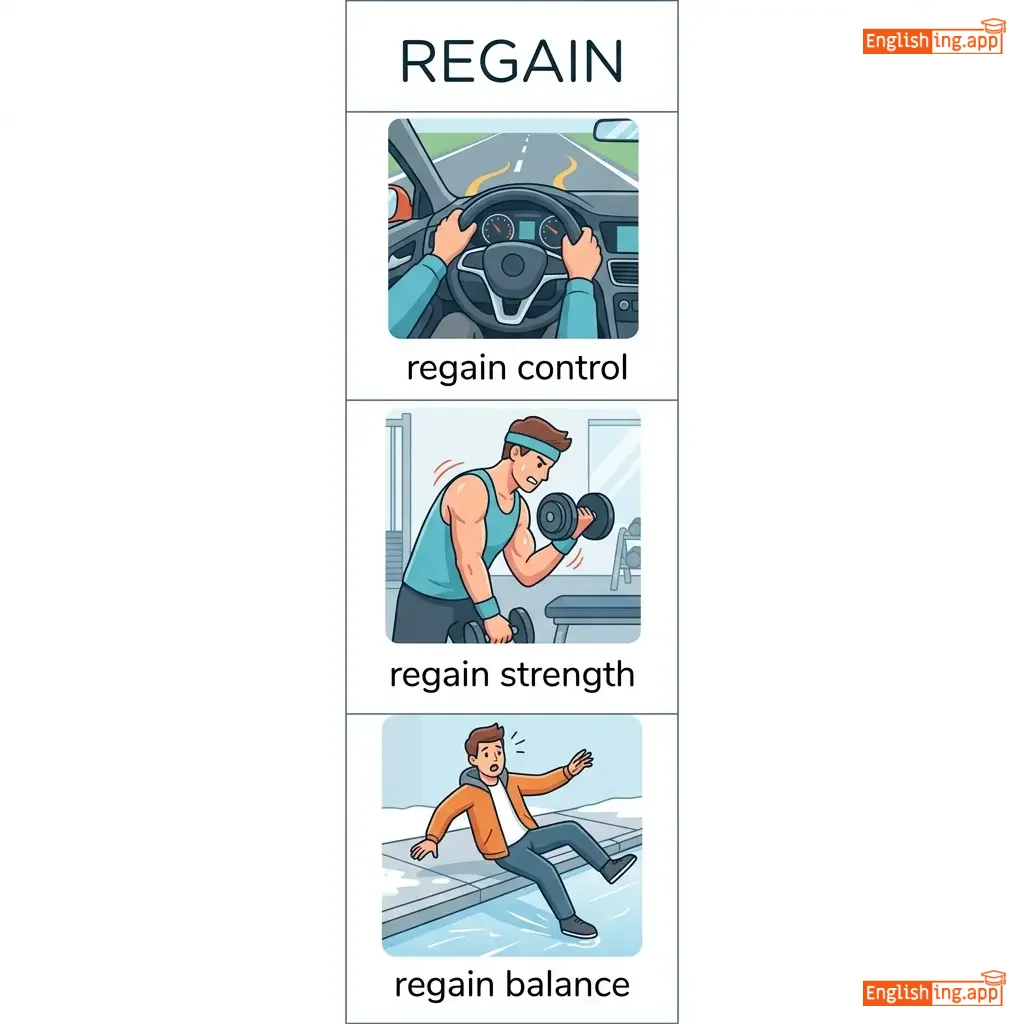
regain control, regain strength, regain balance, regain confidence
••••••
|
Regain 意味着重新获得 — 恢复失去的东西!
••••••
|
|
#0
🏛️
|
/reɪˈʒiːm/
noun
(régime)
••••••
|
- •••••• |
政权
zhèngquán
••••••
|
- •••••• | - •••••• | - •••••• | - •••••• |
a system or form of government, often authoritarian
••••••
|
The military regime controlled the country for decades. |
军事政权控制了这个国家几十年。
Jūnshì zhèngquán kòngzhìle zhège guójiā jǐ shí nián.
••••••
|
under the regime |
during the rule of a particular government system
••••••
|
在政权下
zài zhèngquán xià
••••••
|
government, administration, rule, authority, system
••••••
|
anarchy, disorder
••••••
|
military regime, authoritarian regime, regime change, political regime
••••••
|
Regime 意味着政权 - 在军事政权下,有着严格的控制。
••••••
|
|
#0
🔗
|
/rɪˈleɪt/
verb
(瑞雷特)
••••••
|
- •••••• |
叙述
xùshù
••••••
|
related
瑞雷特的
••••••
|
related
瑞雷特的
••••••
|
relates
瑞雷特斯
••••••
|
relating
瑞雷特英
••••••
|
to connect or show a link between; to tell a story
••••••
|
She relates her experience to the audience.
她向观众讲述她的经历。
••••••
|
她向观众讲述她的经历。
Tā xiàng guānzhòng jiǎngshù tā de jīnglì.
••••••
|
- •••••• | - •••••• | - •••••• |
connect, associate, tell, narrate
••••••
|
disconnect, separate, withhold, conceal
••••••
|
relate to others, relate experience, closely relate, relate stories
••••••
|
Xùshù就像relate,讲述和连接事物。
••••••
|
|
#0
💬
|
/rɪˈmɑːrk/
noun/verb
(海皮尼斯)
••••••
|
- •••••• |
评论
pinglun
••••••
|
remarked
里马克德
••••••
|
remarked
里马克德
••••••
|
remarks
里马克斯
••••••
|
remarking
里马克英
••••••
|
something that is said; a comment
••••••
|
She made a remark about the weather.
她 对 天气 做了 一 个 里马克。
••••••
|
她对天气做了一个评论。
Ta dui tianqi zuo le yi ge pinglun.
••••••
|
make a remark
做 一个 里马克
••••••
|
to say something, usually as a comment
••••••
|
发表评论
fabiao pinglun
••••••
|
comment, observation, statement, note
••••••
|
silence, quiet
••••••
|
casual remark, make a remark, witty remark, critical remark
••••••
|
Remark 就是评论 – 记得 're' 表示再次,说出来是评论。
••••••
|
Vocabulary Quiz
Test your vocabulary by matching words with their translations or meanings.
Login to take the quiz
Comments (0)
Share your thoughts and join the discussion.
Join the discussion by logging in
Login to CommentNo comments yet
Be the first to share your thoughts!