

屋顶电影院周末
Rooftop Cinema Weekend
老达卡一座历史建筑的stair闪耀着串串灯光。Raima笑了:“这个weekend我们将在屋顶上建一个小电影院。”她的girlfriendJoya笑着调试播放列表。团队的roster挂在一个板子上,每个班次都很清晰。Tanmoy说,每个场景的声音interval必须精确。Shaheda的reaction在古老的放映机启动时无价。一场intriguing的灯光秀沿着女儿墙跳跃。为了确保每个view没有障碍,他们排好椅子。“保持夜晚有点romantic,”Joya低声说。Raimapersonally分发传单。“理解每部电影的specific信息,”她提醒他们。屋顶发电机的utility在风暴季节变得无价。邻居们甚至捐赠了旧的currency纸币。用这些钱,他们购买了一只新镜头作为他们宝贵的asset。Nihar说:“如果发生错误,迅速forgive并继续前进。”只要每个人behave得当,夜晚将顺利进行。他们的目标是在最少的minimum中放映五部电影。表演前,主持人direct客人到座位。放映完毕后,他们确保了安全的exit。Raima笑了,承诺“tomorrow”他们将和新朋友一起创造更多回忆。



Swipe left or right, or use the buttons. Tap image to zoom.
例句翻译
单词
Rooftop Cinema WeekendRooftop Cinema Weekend - 遮罩切换
|
表情符号
|
单词 | Images | 翻译 | 过去时 | 过去分词 | 第三人称单数 | 动名词 | 含义 | 例句 | 例句翻译 | 示例表达 | 示例表达含义 | 示例表达翻译 | 同义词 | 反义词 | 搭配词 | 助记符 |
|---|---|---|---|---|---|---|---|---|---|---|---|---|---|---|---|---|---|
|
#0
💎
|
/ˈæsɛt/
noun
(æset)
••••••
|
|
资产
zīchǎn
••••••
|
- •••••• | - •••••• | - •••••• | - •••••• |
a valuable person, skill, or resource; something owned that has value
••••••
|
Her communication skills are a great asset to the company.
她的沟通技巧是公司的一大资产。
••••••
|
她的沟通技巧是公司的一大资产。
Tā de gōutōng jìqiǎo shì gōngsī de yī dà zīchǎn.
••••••
|
liquid asset
流动资产
••••••
|
an asset that can easily be converted into cash
••••••
|
流动资产
liúdòng zīchǎn
••••••
|
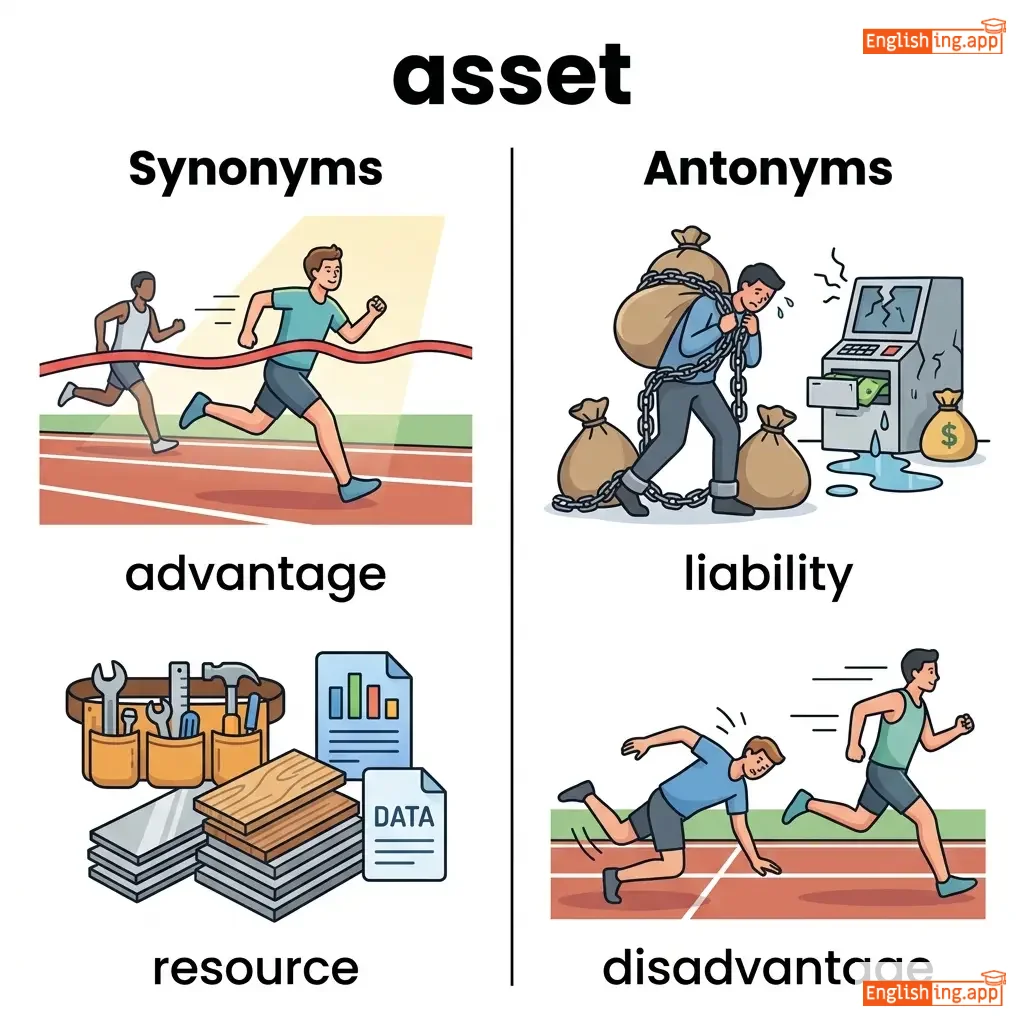
advantage, resource, property, benefit, strength
••••••
|
liability, disadvantage
••••••
|
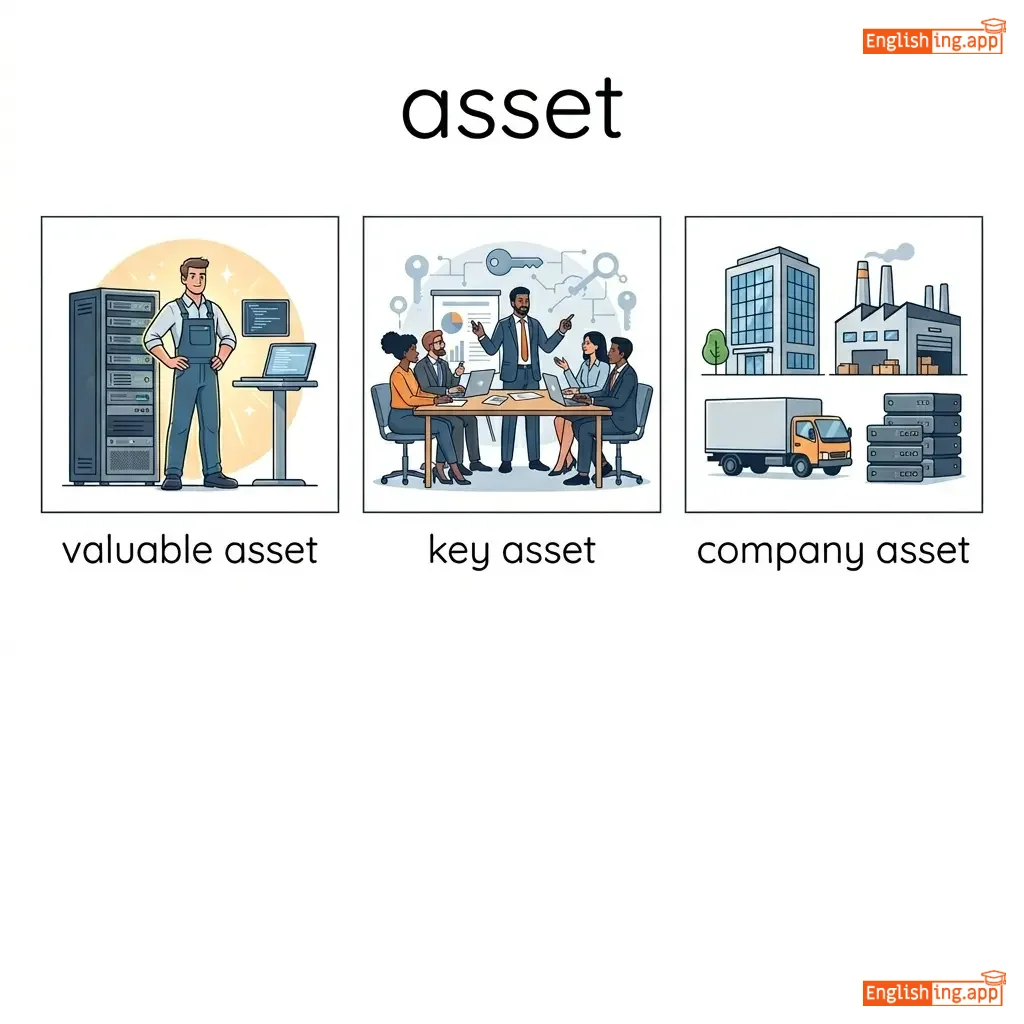
valuable asset, key asset, company asset, financial asset
••••••
|
Asset就像是能够流动的财富
••••••
|
|
#0
🙂
|
/bɪˈheɪv/
verb
(bēi héi fū)
••••••
|
|
表现
biǎo xiàn
••••••
|
behaved
bēi héi fú dé
••••••
|
behaved
bēi héi fú dé
••••••
|
behaves
bēi héi fú
••••••
|
behaving
bēi héi fū jīng
••••••
|
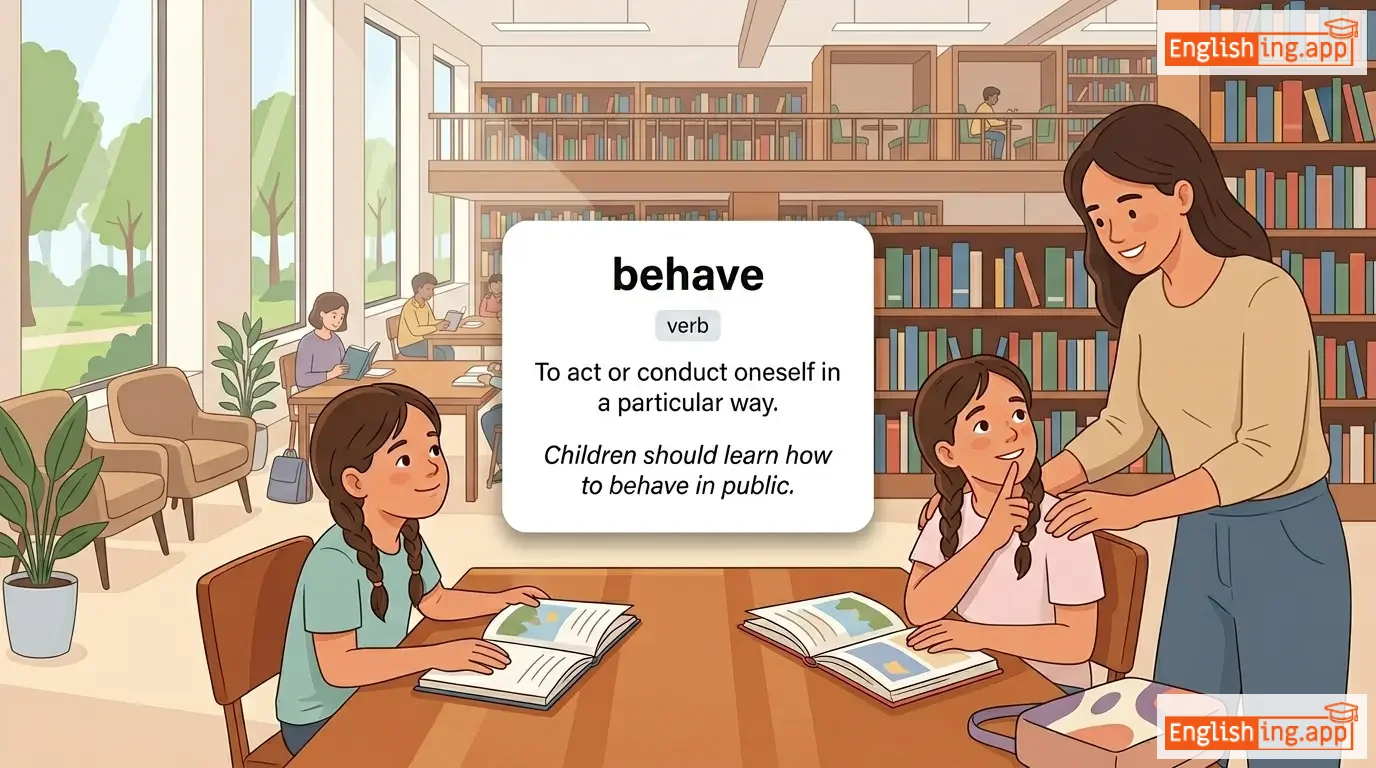
To act or conduct oneself in a particular way.
••••••
|
Children should learn how to behave in public.
孩子们应该学习如何在公众场合表现。
••••••
|
孩子们应该学习如何在公众场合表现。
háizimen yīnggāi xuéxí rúhé zài gōngzhòng chǎnghé biǎoxiàn.
••••••
|
behave yourself
表现得体
••••••
|
act properly; control your actions
••••••
|
表现得体
biǎo xiàn dé tǐ
••••••
|
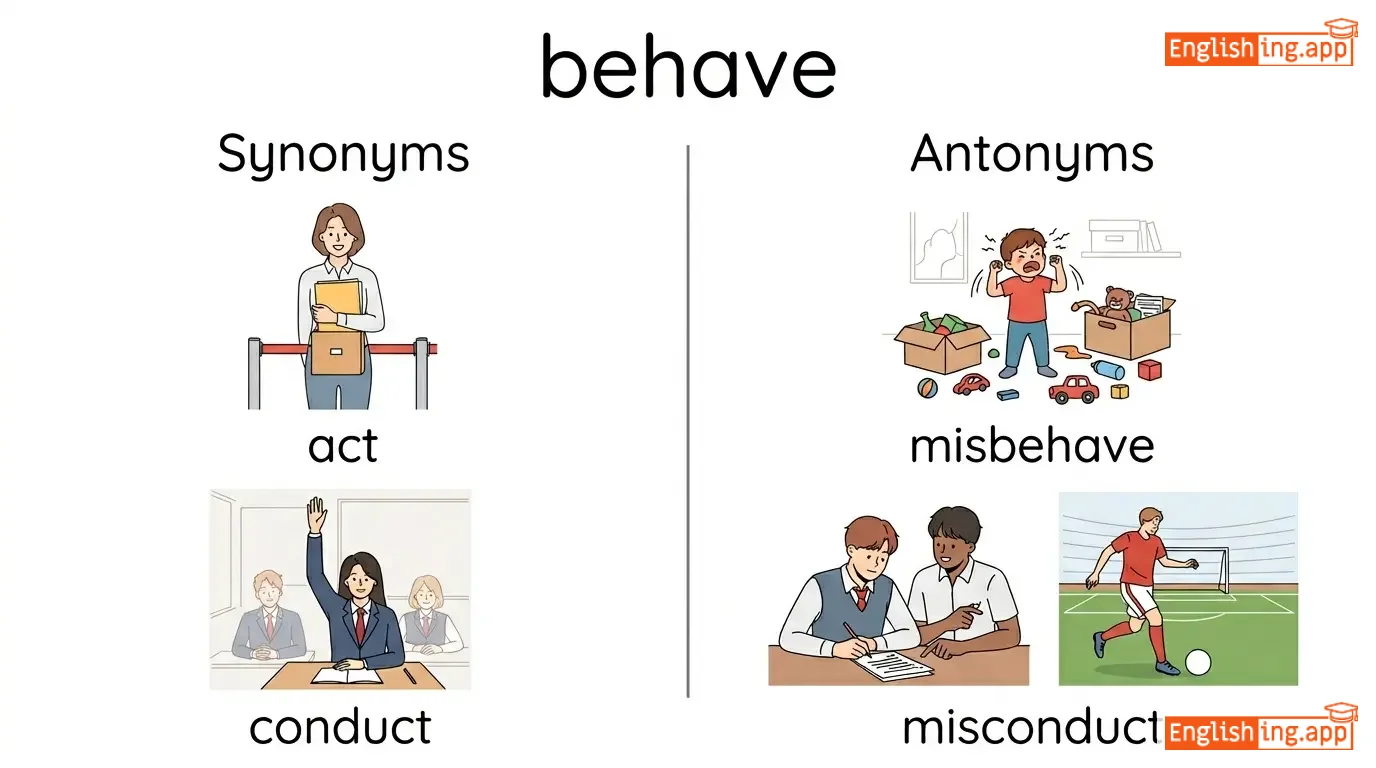
act, conduct, perform, operate
••••••
|
misbehave, misconduct
••••••
|
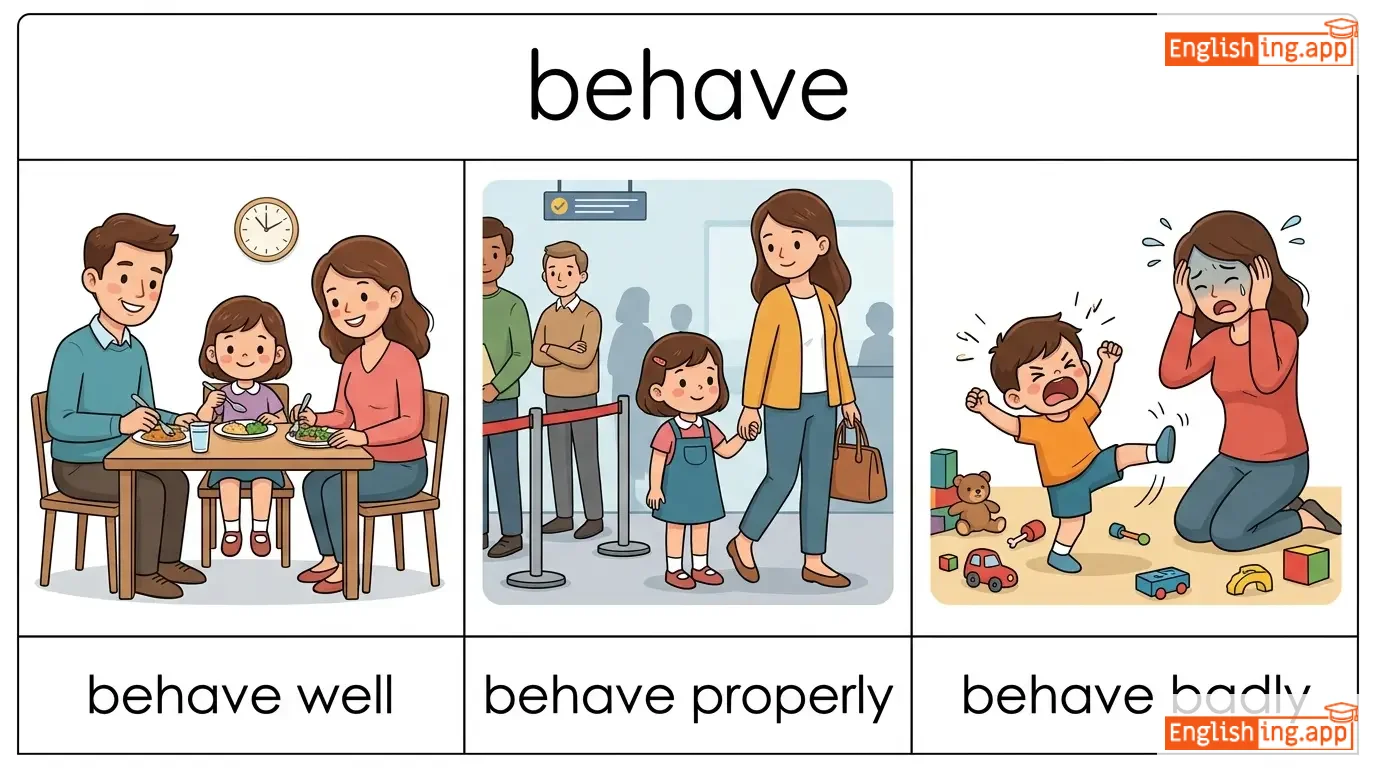
behave well, behave properly, behave badly
••••••
|
BEHAVE 意味着表现得体 — 如果你不这样做,你会 misbehave。
••••••
|
|
#0
💱
|
/ˈkʌrənsi/
noun
(kʌrənsi)
••••••
|
|
货币
huobi
••••••
|
- •••••• | - •••••• | - •••••• | - •••••• |
the system of money used in a particular country
••••••
|
The U.S. dollar is the official currency of the United States. |
美元是美国的官方货币。
Meiyuan shi Meiguo de guanfang huobi.
••••••
|
foreign currency |
money belonging to another country
••••••
|
外币
waibi
••••••
|
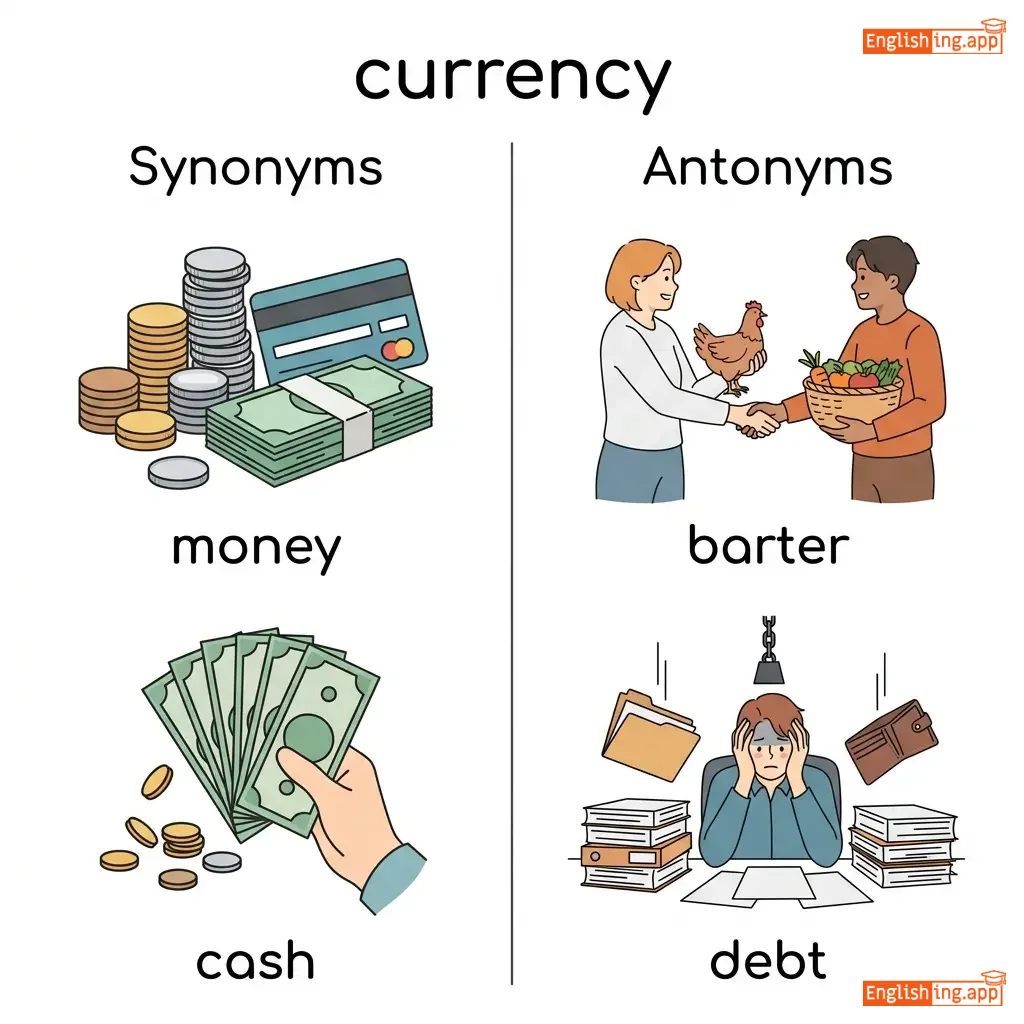
money, cash, coinage, tender, capital
••••••
|
barter, debt
••••••
|
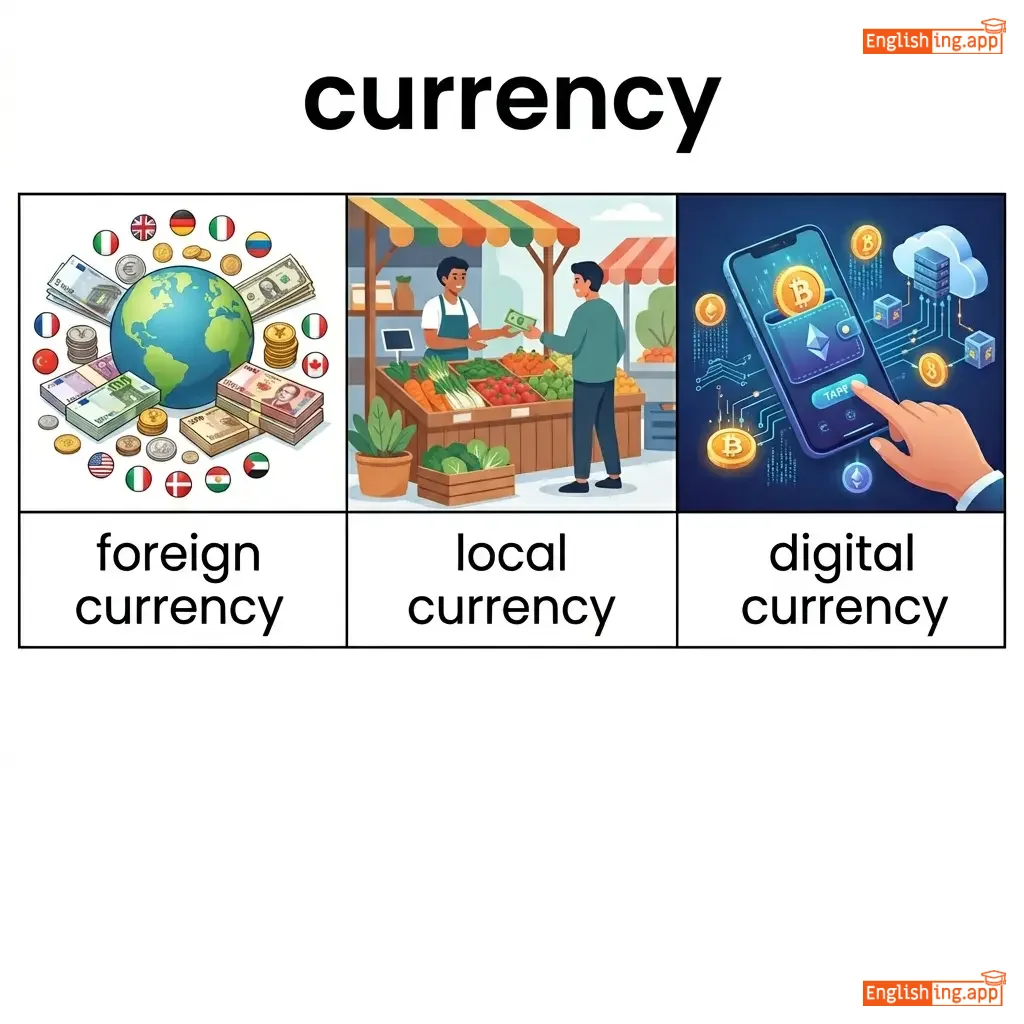
foreign currency, local currency, digital currency, exchange currency
••••••
|
Currency 是货币 — 就像水流动一样,货币流通!
••••••
|
|
#0
➡️
|
/dəˈrɛkt/ or /daɪˈrɛkt/
verb
(dàiˈrɛkt)
••••••
|
- •••••• |
指导
zhǐdǎo
••••••
|
directed
dàiˈrɛktɪd
••••••
|
directed
dàiˈrɛktɪd
••••••
|
directs
dàiˈrɛkts
••••••
|
directing
dàiˈrɛktɪŋ
••••••
|
to manage or control the course of something; to give instructions
••••••
|
She directed the team to complete the project on time.
她指示团队按时完成项目。
••••••
|
她指示团队按时完成项目。
Tā zhǐshì tuánduì ànshí wánchéng xiàngmù.
••••••
|
direct traffic
指挥交通
••••••
|
to manage and guide the movement of vehicles
••••••
|
指挥交通
zhǐhuī jiāotōng
••••••
|
guide, lead, manage, command, instruct
••••••
|
mislead, confuse
••••••
|
direct attention, direct action, direct contact, direct result
••••••
|
Direct意味着明确的指示 — 指挥交通永远要精确!
••••••
|
|
#0
🚪
|
/ˈɛɡzɪt/
noun/verb
(出口)
••••••
|
- •••••• |
出口
chūkǒu
••••••
|
exited
出口过
••••••
|
exited
出口过
••••••
|
exits
出口
••••••
|
exiting
出口中
••••••
|
A way out of a place; the act of leaving.
••••••
|
He quickly found the nearest exit during the fire drill.
他在火灾演习中迅速找到了最近的出口。
••••••
|
他在火灾演习中迅速找到了最近的出口。
Tā zài huǒzāi yǎnshí zhōng xùn sù zhǎodào le zuì jìn de chūkǒu.
••••••
|
make an exit
做一个出口
••••••
|
to leave a place, often noticeably
••••••
|
离开
líkāi
••••••
|
departure, way out, escape, egress, leaving
••••••
|
entrance, arrival, entry
••••••
|
emergency exit, exit door, exit route, exit point
••••••
|
Exit 🚪 就是出去 — Exit 就是 '出口'。
••••••
|
|
#0
🙏
|
/fərˈɡɪv/
verb
(佛吉夫)
••••••
|
|
宽恕
kuānshù
••••••
|
forgave
佛吉夫
••••••
|
forgiven
宽恕
••••••
|
forgives
佛吉夫
••••••
|
forgiving
宽恕
••••••
|
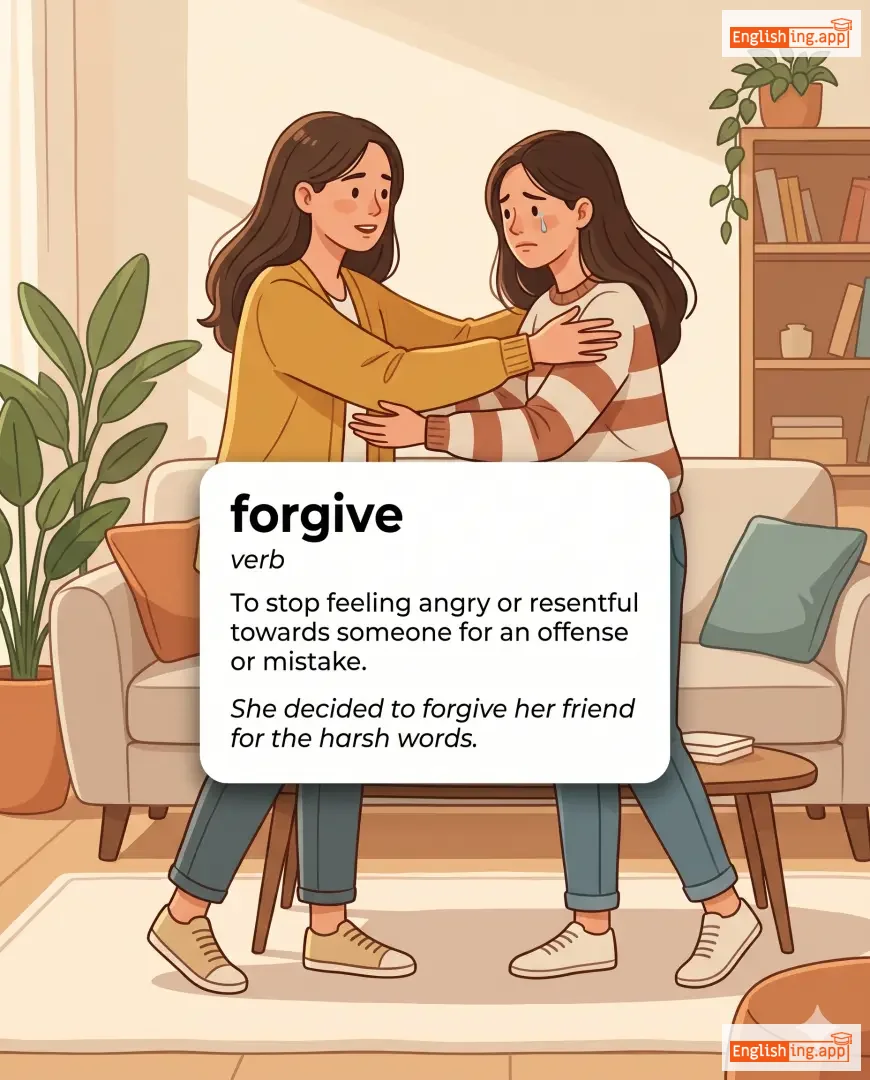
To stop feeling angry or resentful towards someone for an offense or mistake.
••••••
|
She decided to forgive her friend for the harsh words.
她决定原谅她的朋友因为那些严厉的话。
••••••
|
她决定原谅她的朋友因为那些严厉的话。
Tā juédìng yuánliàng tā de péngyǒu yīnwèi nàxiē yánlì de huà.
••••••
|
forgive and forget
宽恕和忘记
••••••
|
To forgive someone and not remember the offense anymore.
••••••
|
宽恕和忘记
kuānshù hé wàngjì
••••••
|
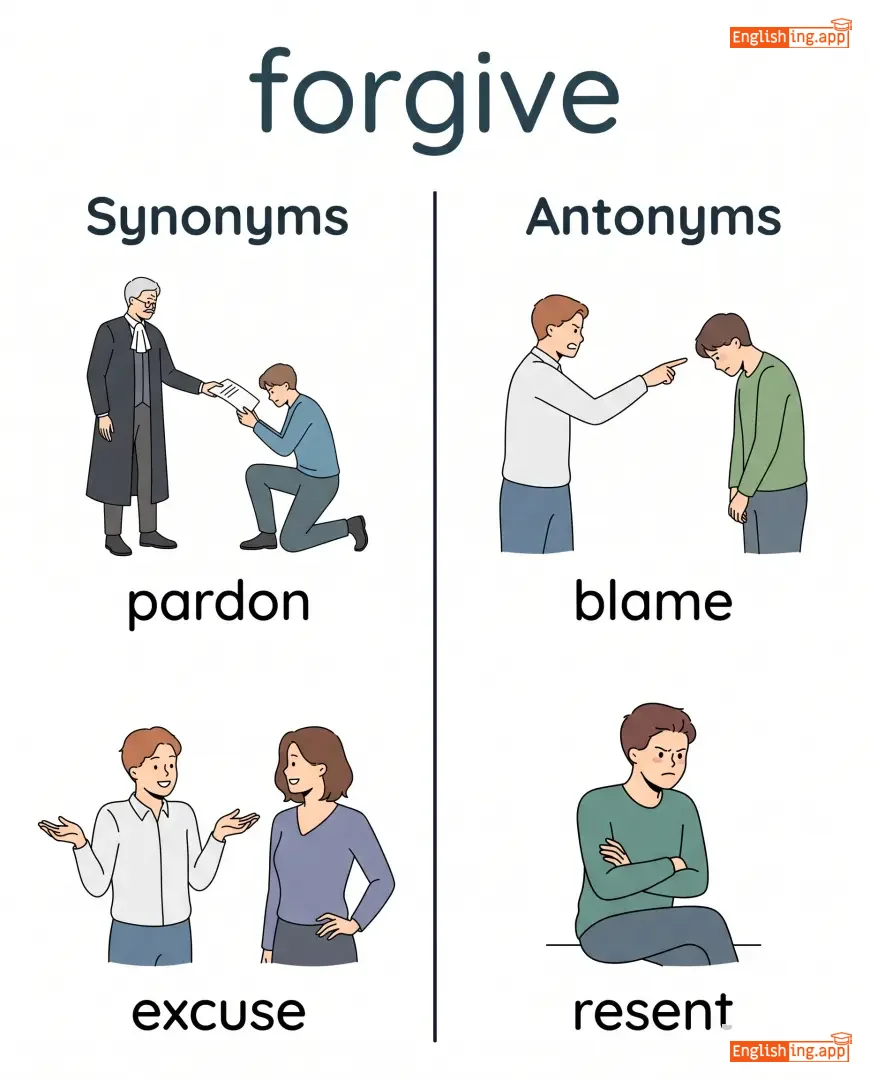
pardon, excuse, absolve, overlook, release
••••••
|
blame, resent, condemn
••••••
|
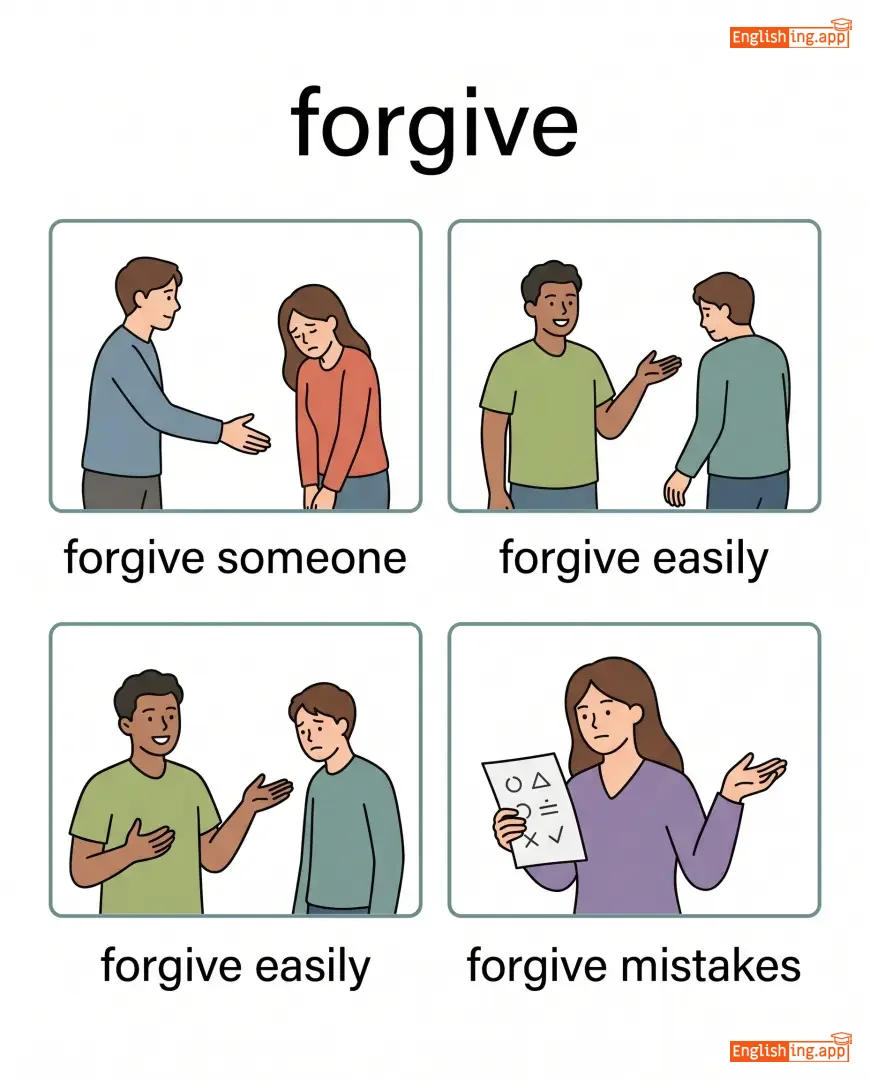
forgive someone, forgive easily, forgive mistakes, forgive sins
••••••
|
宽恕意味着忘记 (forget + give)。宽恕增强了友谊。
••••••
|
|
#0
👩❤️👨
|
/ˈɡɜːrlfrɛnd/
noun
(ɡɜːrlfrɛnd)
••••••
|
- •••••• |
女朋友
nǚ péng yǒu
••••••
|
- •••••• | - •••••• | - •••••• | - •••••• |
A woman or girl with whom someone is romantically or emotionally involved.
••••••
|
He introduced his girlfriend to his family. |
他把女朋友介绍给了家人。
Tā bǎ nǚ péng yǒu jièshào gěi le jiārén.
••••••
|
meet the girlfriend |
To introduce one’s romantic partner to friends or family.
••••••
|
介绍女朋友
Jièshào nǚ péng yǒu
••••••
|
partner, companion, sweetheart, beloved, significant other
••••••
|
boyfriend, stranger
••••••
|
ex-girlfriend, girlfriend experience, girlfriend material, girlfriend problem
••••••
|
女朋友 = nǚ péng yǒu - 你的特别女朋友。
••••••
|
|
#0
⏱️
|
/ˈɪntərvəl/
noun
(间隔)
••••••
|
- •••••• |
间隔
jiange
••••••
|
- •••••• | - •••••• | - •••••• | - •••••• |
a period of time between two events or points; a pause or break in activity
••••••
|
There was a short interval between the two performances.
两个表演之间有一个短暂的间隔。
••••••
|
两个表演之间有一个短暂的间隔。
Liang ge biaoyan zhi jian you yi ge duanzan de jiange.
••••••
|
at regular intervals
在规律间隔中
••••••
|
repeatedly at the same time gaps
••••••
|
在规律间隔中
Zai guilü jiange zhong
••••••
|
gap, break, pause, duration, span
••••••
|
continuation, flow
••••••
|
time interval, regular interval, short interval, interval training
••••••
|
间隔: 事件之间的时间,就像它们之间的暂停。
••••••
|
|
#0
🤔
|
/ɪnˈtriːɡɪŋ/
adjective
(引人入胜)
••••••
|
- •••••• |
非常有趣和不寻常;激发好奇心
feichang youqu he bu xunchang; jifa haoqixin
••••••
|
- •••••• | - •••••• | - •••••• | - •••••• |
very interesting and unusual; arousing curiosity
••••••
|
The movie has an intriguing plot that keeps the audience hooked. |
这部电影有一个引人入胜的情节,吸引着观众。
Zhe bu dianying you yige yinrenrusheng de qingjie, xiyi zhe guanzhong.
••••••
|
- •••••• | - •••••• | - •••••• |
fascinating, captivating, engaging, compelling, mysterious
••••••
|
boring, dull, uninteresting
••••••
|
intriguing idea, intriguing story, intriguing mystery, intriguing character
••••••
|
Intriguing 意味着非常有趣和不寻常,就像一个情节引人入胜,大家都会说‘引人入胜’!
••••••
|
|
#0
🔽
|
/ˈmɪnɪməm/
noun
(最小值)
••••••
|
|
最小值
zuì xiǎo zhí
••••••
|
- •••••• | - •••••• | - •••••• | - •••••• |
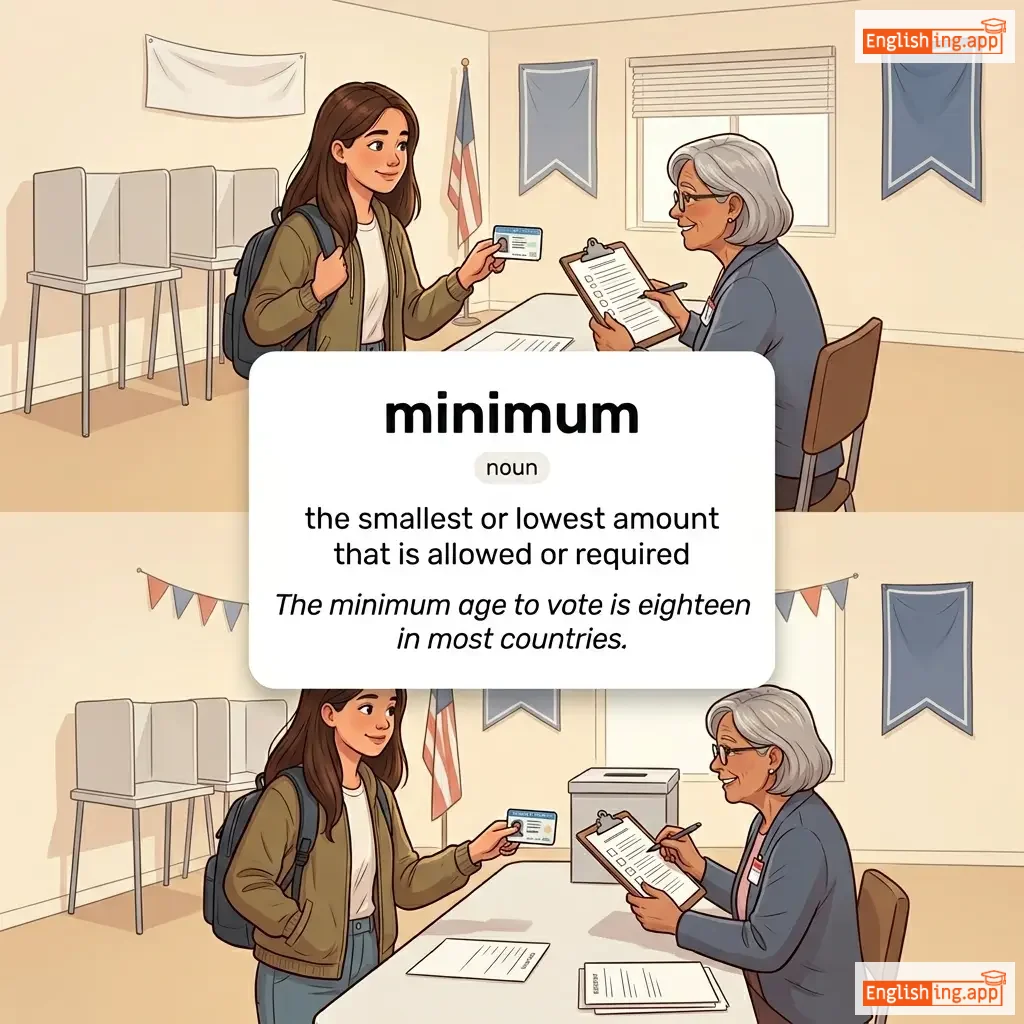
the smallest or lowest amount that is allowed or required
••••••
|
The minimum age to vote is eighteen in most countries. |
在大多数国家,投票的最低年龄是十八岁。
Zài dàduōshù guójiā, tóupiào de zuìdī niánlíng shì shíbā suì.
••••••
|
minimum wage |
the lowest amount of pay that employers can legally give workers
••••••
|
最低工资
zuìdī gōngzī
••••••
|
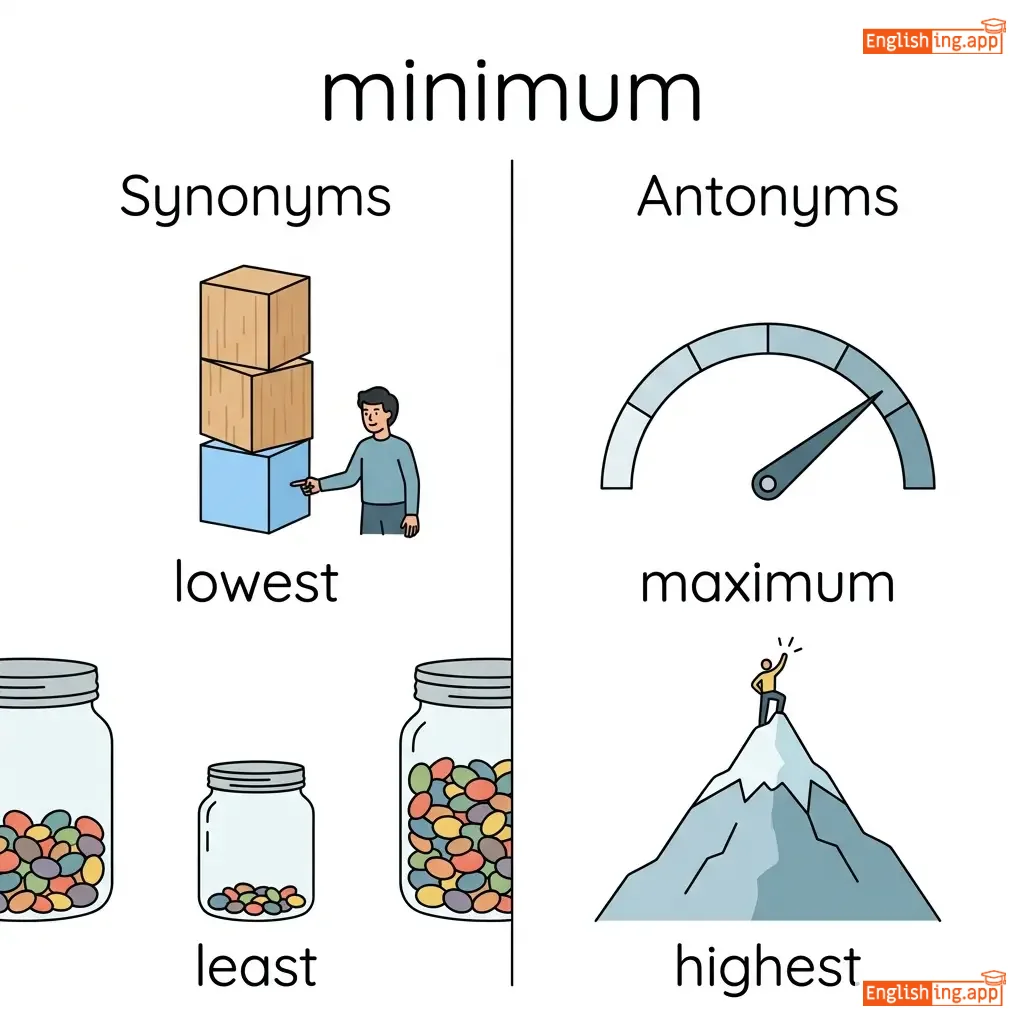
lowest, least, smallest, base
••••••
|
maximum, highest
••••••
|
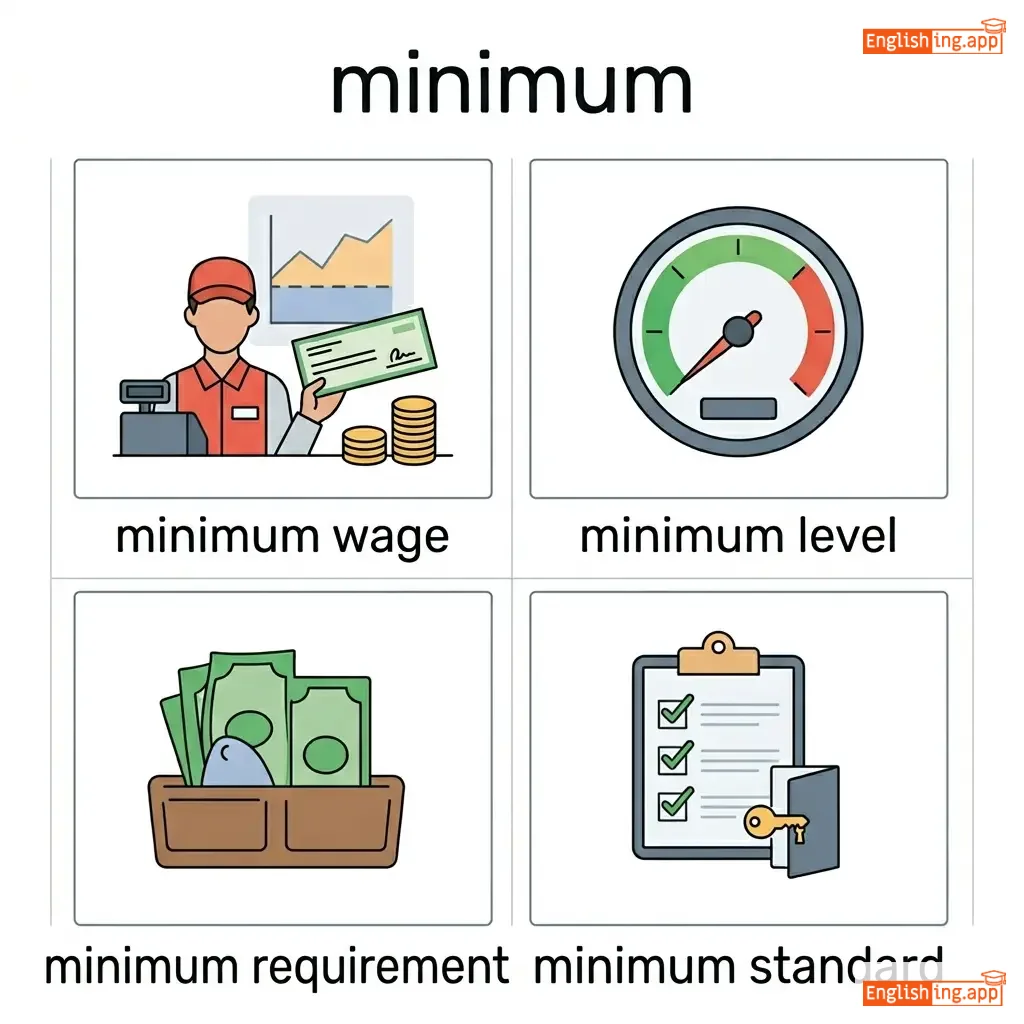
minimum wage, minimum level, minimum requirement, minimum value
••••••
|
Minimum — 最小的数量
••••••
|
|
#0
👤
|
/ˈpɜr.sən.ə.li/
adverb
(pɜːsəˈnæli)
••••••
|
- •••••• |
个人而言; 就我个人而言; 亲自
gèrén ér yán; jiù wǒ gèrén ér yán; qīnzì
••••••
|
- •••••• | - •••••• | - •••••• | - •••••• |
as a person; in one's own opinion; for oneself; in person
••••••
|
Personally, I think the movie was excellent, though others disagree.
就个人而言,我认为这部电影非常好,尽管其他人不同意。
••••••
|
就个人而言,我认为这部电影非常好,尽管其他人不同意。
jiù gèrén ér yán, wǒ rènwéi zhè bù diànyǐng fēicháng hǎo, jǐnguǎn qítārén bù tóngyì.
••••••
|
- •••••• | - •••••• | - •••••• |
individually, privately, subjectively, in my opinion, for myself
••••••
|
impersonally, objectively, generally, collectively, publicly
••••••
|
personally speaking, personally responsible, take personally, personally involved
••••••
|
个人而言 = 就我个人而言,亲自
••••••
|
|
#0
⚡
|
/riˈækʃən/
noun
(反应)
••••••
|
|
反应
fanying
••••••
|
- •••••• | - •••••• | - •••••• | - •••••• |
A response to a situation, event, or stimulus; also a chemical change involving reactants and products.
••••••
|
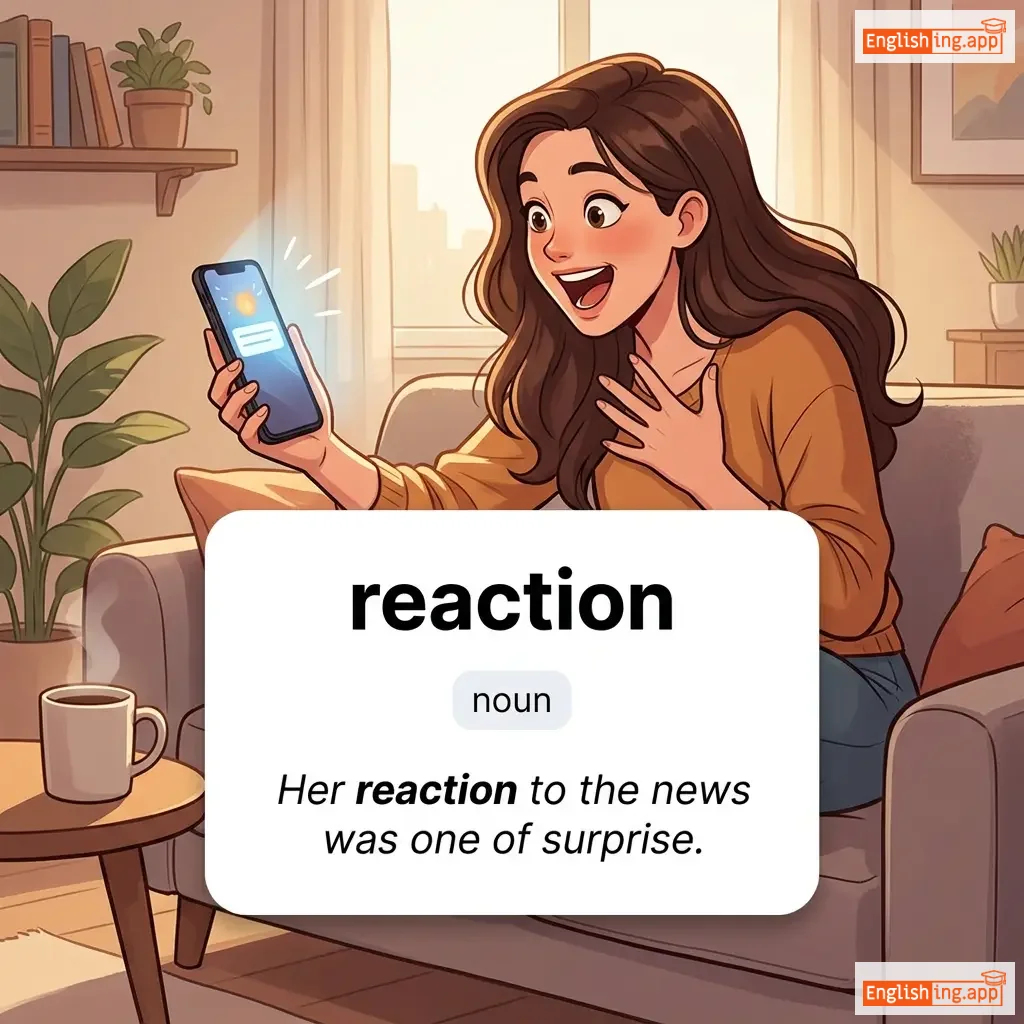
Her reaction to the news was one of surprise. |
她对新闻的反应是惊讶。
Ta dui xinwen de fanying shi jingya.
••••••
|
knee-jerk reaction |
An immediate and automatic response without thought.
••••••
|
膝跳反应
xitiaofan ying
••••••
|
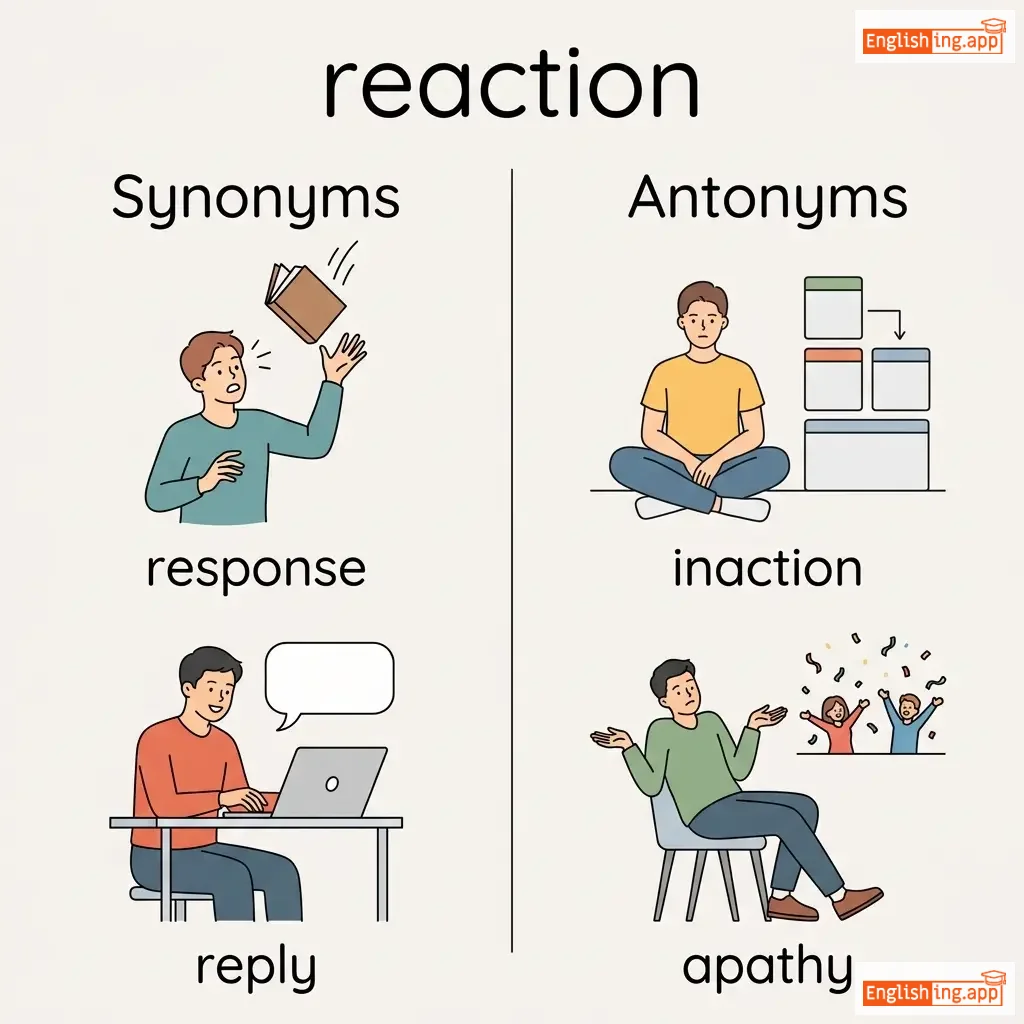
response, reply, reflex, feedback
••••••
|
inaction, apathy
••••••
|
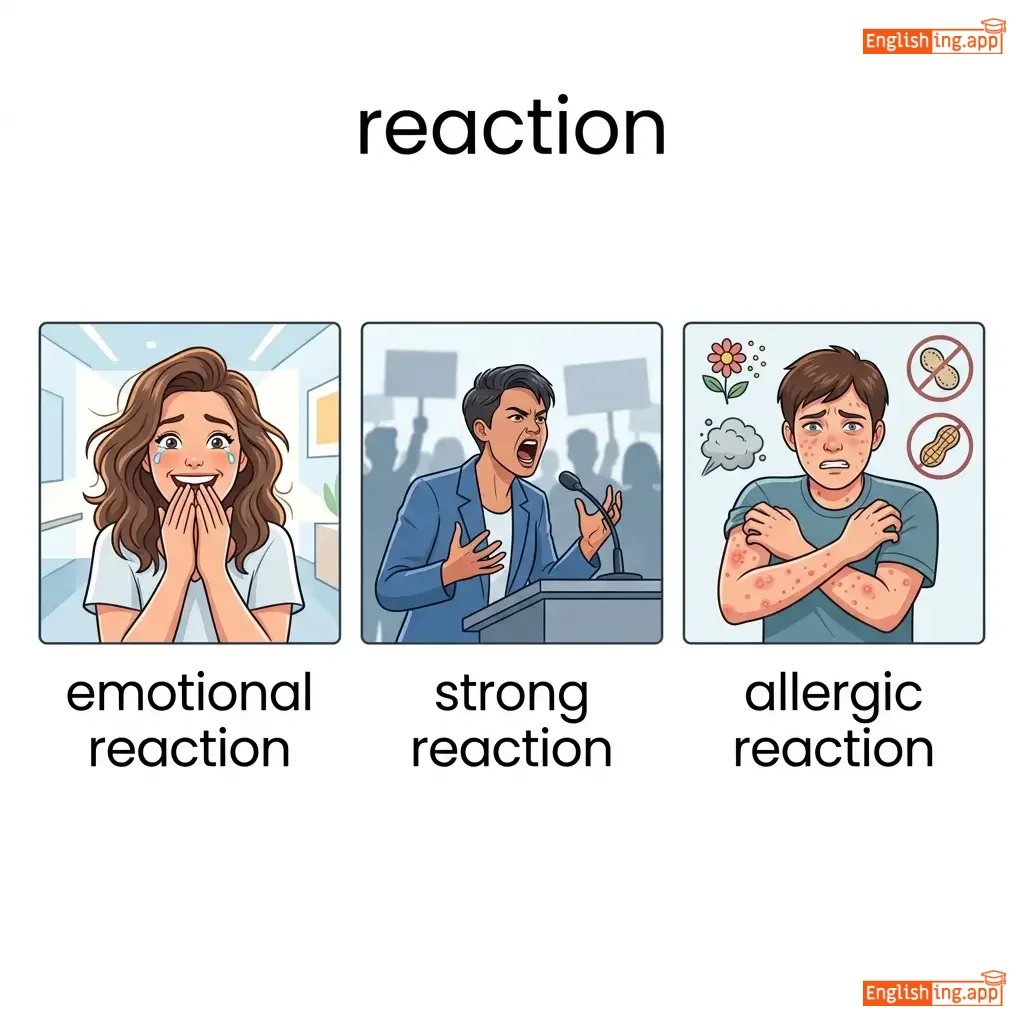
emotional reaction, strong reaction, allergic reaction, public reaction
••••••
|
反应意味着你对任何事情的自然反应,就像膝跳反应。
••••••
|
|
#0
💕
|
/roʊˈmæn.tɪk/
adjective
(浪漫的)
••••••
|
- •••••• |
浪漫的
langman de
••••••
|
- •••••• | - •••••• | - •••••• | - •••••• |
relating to love; idealistic; dreamy
••••••
|
They enjoyed a romantic dinner by candlelight.
他们在烛光下享受浪漫的晚餐。
••••••
|
他们在烛光下享受浪漫的晚餐。
Tāmen zài zhúguāng xià xiǎngshòu làngmàn de wǎncān.
••••••
|
- •••••• | - •••••• | - •••••• |
loving, passionate, sentimental, dreamy
••••••
|
practical, realistic, unromantic, prosaic
••••••
|
romantic dinner, romantic movie, romantic relationship
••••••
|
浪漫的 = 爱与烛光晚餐
••••••
|
|
#0
📋
|
/ˈrɑːstər/
noun
(罗斯特)
••••••
|
- •••••• |
名单
mingdan
••••••
|
- •••••• | - •••••• | - •••••• | - •••••• |
A list or plan showing people’s duties or times when they are scheduled.
••••••
|
The manager updated the staff roster for next week. |
经理更新了下周的员工名单。
Jīnglǐ gēngxīnle xià zhōu de yuángōng míngdān.
••••••
|
- •••••• | - •••••• | - •••••• |
schedule, list, timetable, lineup, register
••••••
|
disorder, confusion
••••••
|
team roster, duty roster, staff roster, player roster
••••••
|
Roster是任务列表;就像学校的名单一样。
••••••
|
|
#0
📌
|
/spəˈsɪfɪk/
adjective
(especifico)
••••••
|
|
特定的
tèdìng de
••••••
|
- •••••• | - •••••• | - •••••• | - •••••• |
clearly defined or identified
••••••
|
She gave specific instructions for the project. |
她给出了项目的特定指示。
Tā gěi chūle xiàngmù de tèdìng zhǐshì.
••••••
|
to be specific |
to clarify or state something exactly
••••••
|
具体来说
jùtǐ lái shuō
••••••
|
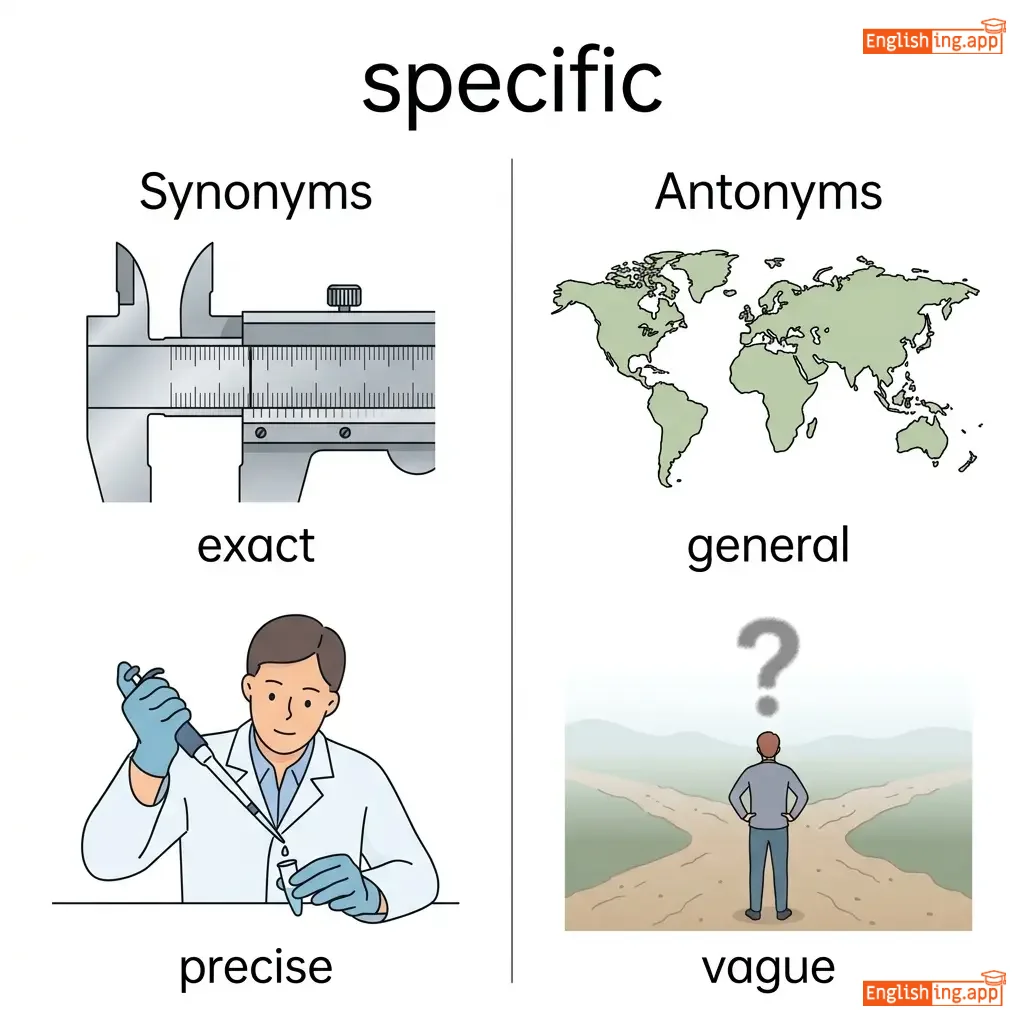
exact, precise, detailed, explicit
••••••
|
general, vague
••••••
|
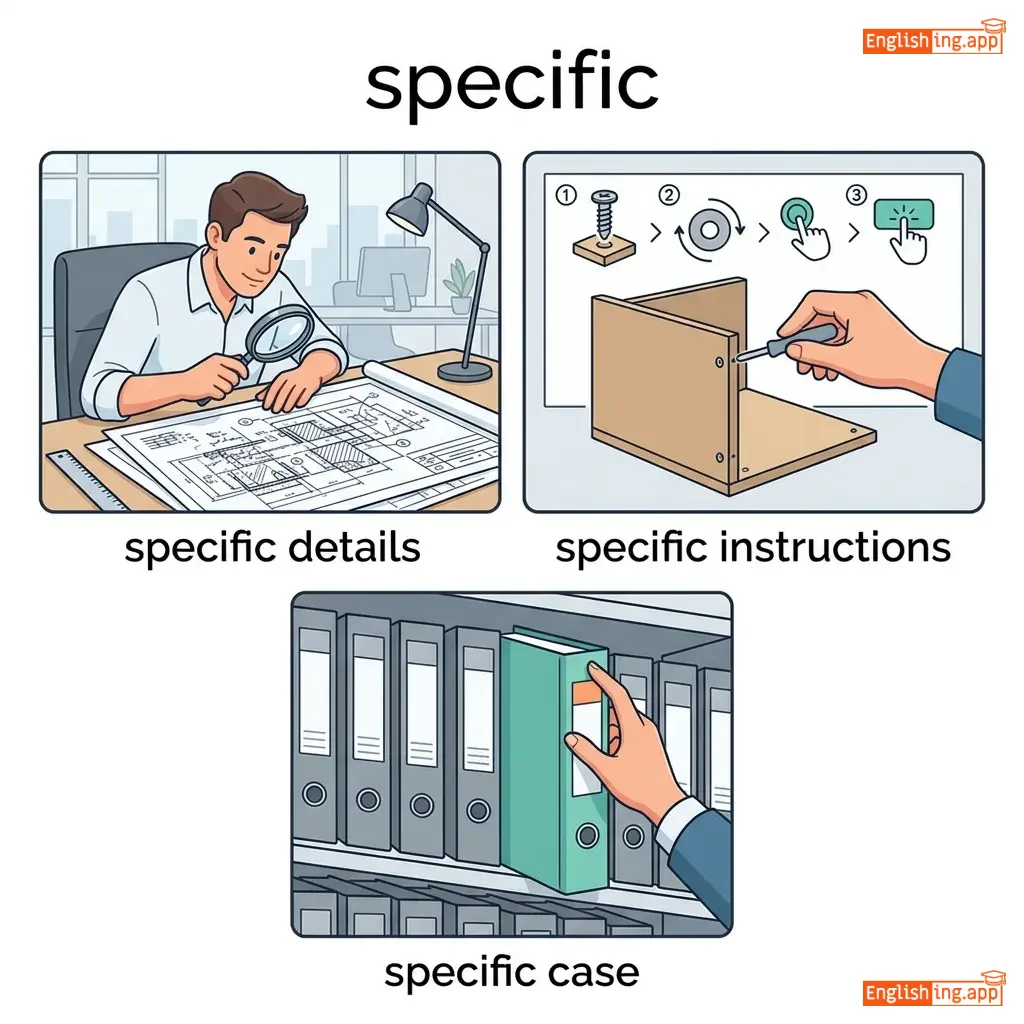
specific details, specific instructions, specific case, specific purpose
••••••
|
Specific在中文中是特定的,毫不混淆
••••••
|
|
#0
🪜
|
/stɛə/
noun
(steɪr)
••••••
|
- •••••• |
楼梯
louti
••••••
|
- •••••• | - •••••• | - •••••• | - •••••• |
a step or set of steps leading from one level to another
••••••
|
He tripped on the stair and fell down. |
他在楼梯上绊倒摔了下来。
Ta zai louti shang bandao shuai le xiala.
••••••
|
- •••••• | - •••••• | - •••••• |
step, staircase, flight of stairs
••••••
|
elevator, lift
••••••
|
climb the stairs, fall down the stairs
••••••
|
楼梯是我们从一个层级走到另一个层级的地方 – Stair means louti!
••••••
|
|
#0
📆
|
/təˈmɒroʊ/
adverb
(明天)
••••••
|
- •••••• |
明天
mingtian
••••••
|
- •••••• | - •••••• | - •••••• | - •••••• |
on the day after today; in the future
••••••
|
Tomorrow we will visit the museum. |
明天我们将参观博物馆。
Mingtian women jiang canguan bowuguan.
••••••
|
- •••••• | - •••••• | - •••••• |
next day, following day
••••••
|
today, yesterday
••••••
|
tomorrow morning, by tomorrow, tomorrow's meeting
••••••
|
明天就是今天之后的日子
••••••
|
|
#0
🔌
|
/juːˈtɪləti/
noun
(yǒu tì lì)
••••••
|
- •••••• |
效用
xiaoyong
••••••
|
- •••••• | - •••••• | - •••••• | - •••••• |
The state of being useful, profitable, or beneficial.
••••••
|
The utility of smartphones in daily life is undeniable. |
智能手机在日常生活中的效用不可否认。
Zhineng shouji zai rìcháng shēnghuó zhōng de xiàoyòng bù kě fǒrèn.
••••••
|
utility bill |
A bill for essential public services like water, electricity, or gas.
••••••
|
水电煤气账单
shuǐ diàn méiqì zhàngdān
••••••
|
usefulness, benefit, practicality, service, advantage
••••••
|
uselessness, disadvantage
••••••
|
utility bill, utility company, utility service, utility value
••••••
|
Utility意味着使用能力 - 所以效用就是有用的意思。
••••••
|
|
#0
👀
|
/vjuː/
noun/verb
(viu)
••••••
|
- •••••• |
视图
shitu
••••••
|
viewed
viud
••••••
|
viewed
viud
••••••
|
views
vios
••••••
|
viewing
viwing
••••••
|
the act of seeing or observing something, or an area of sight
••••••
|
She had a great view of the sunset from her balcony.
她从阳台上看到了美丽的日落景象。
••••••
|
她从阳台上看到了美丽的日落景象。
Ta cong yangtai shang kandaole meili de riluo jingxiang.
••••••
|
in view of
视图
••••••
|
considering or due to something
••••••
|
视图
shitu
••••••
|
sight, observation, panorama, outlook
••••••
|
blindness, ignorance
••••••
|
take a view, have a view, beautiful view, view from the window
••••••
|
视图 - 当你从一个高处看(Shitu - dang ni cong yige gaochu kan)
••••••
|
|
#0
🌴
|
/ˈwiːkˌɛnd/
noun
(周末)
••••••
|
- •••••• |
周末
zhōumò
••••••
|
- •••••• | - •••••• | - •••••• | - •••••• |
the end of the week, typically regarded as Saturday and Sunday
••••••
|
They are planning a trip for the weekend. |
他们计划在周末去旅行。
Tāmen jìhuà zài zhōumò qù lǚxíng.
••••••
|
- •••••• | - •••••• | - •••••• |
rest days, holiday, break
••••••
|
workday
••••••
|
spend the weekend, weekend trip, weekend getaway
••••••
|
Weekend – 'We' rest at the 'end' of the week!
••••••
|
Vocabulary Quiz
Test your vocabulary by matching words with their translations or meanings.
Login to take the quiz
Comments (0)
Share your thoughts and join the discussion.
Join the discussion by logging in
Login to CommentNo comments yet
Be the first to share your thoughts!