

与无声毒药的斗争
The Fight Against Silent Poison
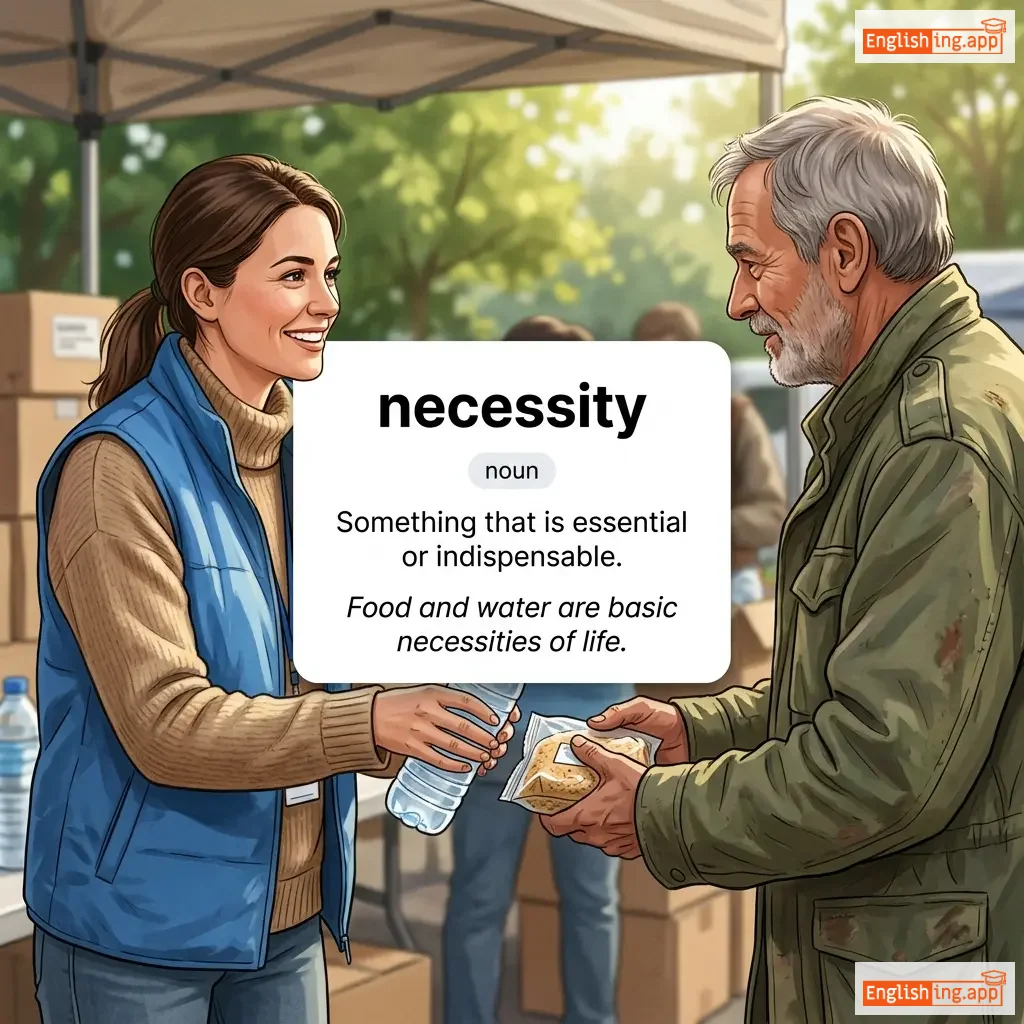
拉希姆博士是一个astronomer,但在他的区域里,有一家operating的工厂正在散发radiation和有害的substance。起初,人们有suspicion,但没有人敢interrupt。拉希姆博士意识到,调查这个问题是necessity。看到他的concerning发现后,社区成员对工厂管理提出了allegation。工厂老板表示这些是offensive的accusation并提出了objection。但拉希姆博士证明了这些substance对人们的健康是disastrous的。他说:“我们的principle是人民的安全。”尽管存在uncertainty,他仍继续进行调查。他的证据constitute了一个强有力的案例,这inevitably导致了法律行动。一个prosecutor接手了案件,工厂老板被召唤到法庭作为respondents。当局意识到他们的监控是不够的。工厂的operating许可证被暂停,并测试了radiation水平。社区取得了胜利,证明了提出objection和采取principle立场的重要性。这个胜利表明,提出关于concerning问题的allegation和accusation不仅仅是offensive,而且是当公共健康面临风险时的necessity。

Swipe left or right, or use the buttons. Tap image to zoom.
例句翻译
单词
The Fight Against Silent PoisonThe Fight Against Silent Poison - 遮罩切换
|
表情符号
|
单词 | Images | 翻译 | 过去时 | 过去分词 | 第三人称单数 | 动名词 | 含义 | 例句 | 例句翻译 | 示例表达 | 示例表达含义 | 示例表达翻译 | 同义词 | 反义词 | 搭配词 | 助记符 |
|---|---|---|---|---|---|---|---|---|---|---|---|---|---|---|---|---|---|
|
#0
☝️
|
/ˌæk.jʊˈzeɪ.ʃən/
noun
(指控)
••••••
|
- •••••• |
指控
zhǐkòng
••••••
|
- •••••• | - •••••• | - •••••• | - •••••• |
A statement that someone has done something wrong or illegal.
••••••
|
She made an accusation of theft against her colleague.
她对她的同事提出了盗窃指控。
••••••
|
她对她的同事提出了盗窃指控。
Tā duì tā de tóngshì tíchūle dàoqiè zhǐkòng.
••••••
|
false accusation
虚假指控
••••••
|
An untrue claim blaming someone.
••••••
|
虚假指控
xūjiǎ zhǐkòng
••••••
|
allegation, charge, complaint, blame
••••••
|
praise, acquittal
••••••
|
serious accusation, false accusation, accusation of theft
••••••
|
指控就是accusation,指控就是指责别人。
••••••
|
|
#0
⚖️
|
/ˌæl.əˈɡeɪ.ʃən/
noun
(àlìɡeɪʃən)
••••••
|
- •••••• |
指控
zhǐkòng
••••••
|
- •••••• | - •••••• | - •••••• | - •••••• |
a claim that someone has done something wrong or illegal
••••••
|
The allegation against him was proven false. |
对他的指控被证明是假的。
duì tā de zhǐkòng bèi zhèngmíng shì jiǎ de.
••••••
|
- •••••• | - •••••• | - •••••• |
accusation, charge, claim, assertion
••••••
|
vindication, exoneration, proof of innocence
••••••
|
serious allegation, false allegation, investigate allegation
••••••
|
指控 (Zhǐkòng) — 当某人做错事时,指控就会发生。
••••••
|
|
#0
🔭
|
/əˈstrɒnəmər/
noun
(天文学家)
••••••
|
- •••••• |
天文学家
tian wenxue jia
••••••
|
- •••••• | - •••••• | - •••••• | - •••••• |
a scientist who studies the stars, planets, and the universe
••••••
|
The astronomer observed the new comet through his telescope. |
天文学家通过他的望远镜观察到新的彗星。
Tianwenxuejia tongguo tade wangyuanjing guancha dao xinde huixing.
••••••
|
- •••••• | - •••••• | - •••••• |
stargazer, astrophysicist, scientist, observer
••••••
|
non-scientist, layperson
••••••
|
professional astronomer, amateur astronomer, famous astronomer
••••••
|
天文学家是研究星星的专家!
••••••
|
|
#0
📄
|
/kənˈsɜːnɪŋ/
preposition
(kənˈsɜːnɪŋ)
••••••
|
- •••••• |
关于
guānyú
••••••
|
- •••••• | - •••••• | - •••••• | - •••••• |
about or relating to something; causing worry or anxiety
••••••
|
There are some reports concerning the new project.
关于新项目有一些报告。
••••••
|
关于新项目有一些报告。
Guānyú xīn xiàngmù yǒu yīxiē bàogào.
••••••
|
- •••••• | - •••••• | - •••••• |
regarding, about, related to, concerning, with respect to
••••••
|
excluding, ignoring, aside from
••••••
|
concerning issue, reports concerning, laws concerning, questions concerning
••••••
|
Concern 意味着担忧,因此 concerning 关联某事。
••••••
|
|
#0
⚖️
|
/ˈkɒnstɪtjuːt/
verb
(kɑnˈstɪtjut)
••••••
|
- •••••• |
构成
gòu chéng
••••••
|
constituted
kɑnˈstɪtjutɪd
••••••
|
constituted
kɑnˈstɪtjutɪd
••••••
|
constitutes
kɑnˈstɪtjut
••••••
|
constituting
kɑnˈstɪtjutɪŋ
••••••
|
To make up, form, or establish something.
••••••
|
These documents constitute the legal agreement between the two parties.
这些文件构成了两方之间的法律协议。
••••••
|
这些文件构成了两方之间的法律协议。
Zhèxiē wénjiàn gòuchéngle liǎng fāng zhī jiān de fǎlǜ xiéyì.
••••••
|
- •••••• | - •••••• | - •••••• |
comprise, form, make up, establish, create
••••••
|
exclude, destroy, abolish
••••••
|
constitute a crime, constitute an offense, constitute a majority, constitute evidence
••••••
|
Constitute 意为 '构成' - 像宪法一样构建国家。
••••••
|
|
#0
💥
|
/dɪˈzæs.trəs/
adjective
(dɪˈzæs.trəs)
••••••
|
- •••••• |
灾难性的
zāinàn xìng de
••••••
|
- •••••• | - •••••• | - •••••• | - •••••• |
extremely bad or unsuccessful; causing great damage
••••••
|
The hurricane had disastrous effects on the city. |
飓风对城市造成了灾难性的影响。
jùfēng duì chéngshì zàochéngle zāinàn xìng de yǐngxiǎng.
••••••
|
- •••••• | - •••••• | - •••••• |
catastrophic, devastating, calamitous, ruinous
••••••
|
beneficial, fortunate, successful, favorable
••••••
|
disastrous consequences, disastrous effects, disastrous results
••••••
|
‘灾难’ = ‘灾难性的’
••••••
|
|
#0
🌀
|
/ɪnˈɛvɪtəbli/
adverb
(不可避免地)
••••••
|
- •••••• |
不可避免地
bùkě bìmiǎn de
••••••
|
- •••••• | - •••••• | - •••••• | - •••••• |
in a way that cannot be avoided or prevented
••••••
|
Inevitably, the team faced challenges during the project. |
不可避免地,团队在项目过程中遇到了挑战。
Bùkě bìmiǎn de, tuánduì zài xiàngmù guòchéng zhōng yù dào le tiǎozhàn.
••••••
|
as inevitably as night follows day |
something that is certain to happen
••••••
|
像夜晚接替白天一样不可避免
Xiàng yèwǎn jiētì báitiān yīyàng bùkě bìmiǎn
••••••
|
unavoidably, certainly, surely, predictably, inescapably
••••••
|
avoidably, preventably, uncertainly
••••••
|
inevitably lead, inevitably result, inevitably follow, inevitably happen
••••••
|
不可避免的意思是无法避免,因此它必然会发生 🌀
••••••
|
|
#0
❌
|
/ˌɪnsəˈfɪʃənt/
adjective
(因斯菲逊特)
••••••
|
- •••••• |
不足的
buzude
••••••
|
- •••••• | - •••••• | - •••••• | - •••••• |
Not enough; inadequate.
••••••
|
His explanation was insufficient to clear the confusion. |
他的解释不足以清除混乱。
Tade jieshi buzude qingchu hunluan.
••••••
|
- •••••• | - •••••• | - •••••• |
inadequate, deficient, meager, scarce, poor
••••••
|
sufficient, adequate, plentiful
••••••
|
insufficient funds, insufficient evidence, insufficient resources
••••••
|
Insufficient 的意思是 'in' + 'sufficient' = 不足的。
••••••
|
|
#0
⏸️
|
/ˌɪntəˈrʌpt/
verb
(因特鲁普特)
••••••
|
- •••••• |
打断
dǎduàn
••••••
|
interrupted
••••••
|
interrupted
••••••
|
interrupts
••••••
|
interrupting
••••••
|
to stop someone from speaking or doing something by suddenly saying or doing something
••••••
|
She tried not to interrupt while he was speaking. |
她尽量不在他说话时打断他。
Tā jǐnliàng bù zài tā shuōhuà shí dǎduàn tā.
••••••
|
interrupt the flow |
to break the natural course of something
••••••
|
打断流程
dǎduàn liúchéng
••••••
|
disturb, hinder, intrude, disrupt, break in
••••••
|
continue, allow, support
••••••
|
interrupt the conversation, interrupt the process, rudely interrupt
••••••
|
打断像是突然暂停对话,打断交流的流畅性。
••••••
|
|
#0
🥖
|
/nəˈsɛsəti/
noun
(nè sī tì)
••••••
|
|
必要性
bì yào xìng
••••••
|
- •••••• | - •••••• | - •••••• | - •••••• |
Something that is essential or indispensable.
••••••
|
Food and water are basic necessities of life. |
食物和水是生活中的基本必需品。
Shíwù hé shuǐ shì shēnghuó zhōng de jīběn bìxū pǐn.
••••••
|
out of necessity |
because it is necessary
••••••
|
出于必要性
chū yú bìyàoxìng
••••••
|
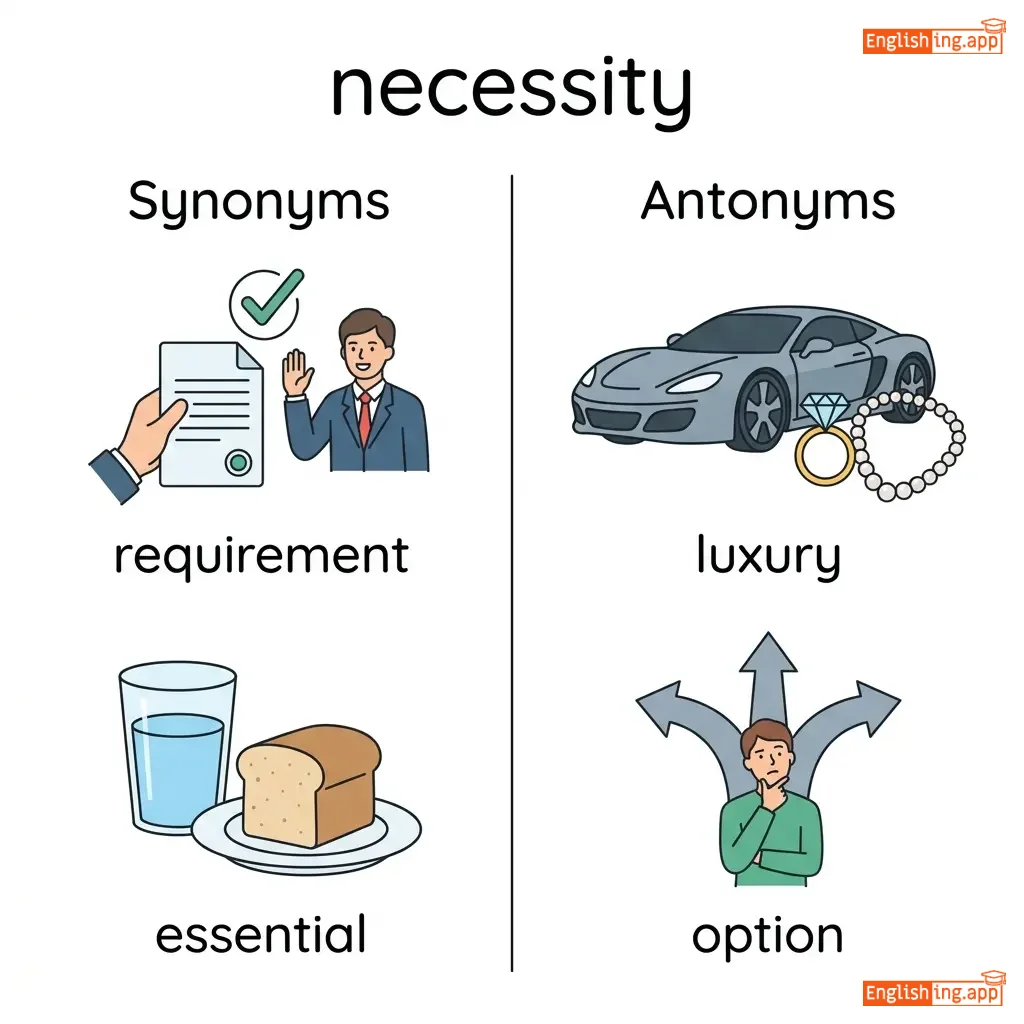
requirement, essential, need, must
••••••
|
luxury, option
••••••
|
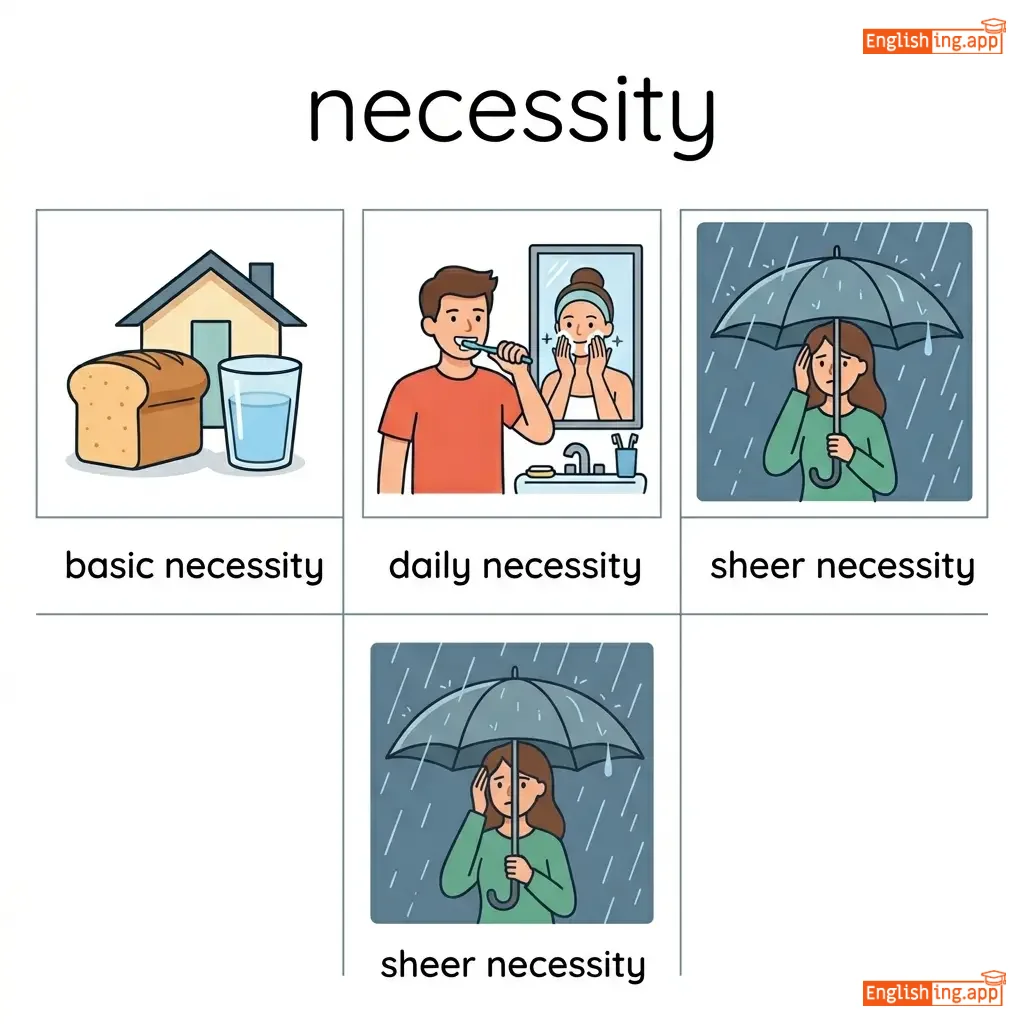
basic necessity, daily necessity, sheer necessity
••••••
|
Necessity 的意思是必需——没有食物和水,生命无法存在。
••••••
|
|
#0
✋
|
/əbˈdʒɛkʃən/
noun
(反对)
••••••
|
- •••••• |
异议
yiyi
••••••
|
- •••••• | - •••••• | - •••••• | - •••••• |
an expression or feeling of disapproval or opposition
••••••
|
The lawyer raised an objection during the trial.
律师在审判中提出了异议。
••••••
|
律师在审判中提出了异议。
Lüshi zai shenpan zhong tichu le yiyi.
••••••
|
raise an objection
提出异议
••••••
|
to express disapproval or disagreement formally
••••••
|
提出异议
tichu yiyi
••••••
|
protest, complaint, opposition, dissent, disagreement
••••••
|
approval, consent, agreement
••••••
|
strong objection, raise an objection, legal objection, no objection, objection letter
••••••
|
Objection 意味着异议 — 在法庭上你会听到‘异议!’ ✋ 这意味着反对!
••••••
|
|
#0
😠
|
/əˈfɛnsɪv/
adjective
(冒犯)
••••••
|
- •••••• |
冒犯的
maofan de
••••••
|
- •••••• | - •••••• | - •••••• | - •••••• |
Causing hurt, anger, or annoyance; also relating to attacking in sports or war.
••••••
|
His offensive remarks upset everyone at the meeting. |
他的冒犯性言论让会议上的每个人都不高兴。
Tade maofanxing yanlun rang huiyi shang de meigeren dou bu gaoxing.
••••••
|
take offense |
To feel hurt or insulted by something said or done.
••••••
|
感到冒犯
Gandao maofan
••••••
|
insulting, rude, disrespectful, abusive
••••••
|
polite, respectful, pleasant
••••••
|
offensive remark, offensive language, offensive strategy, take offense
••••••
|
Offensive 意味着冒犯 - 冒犯的言论。
••••••
|
|
#0
⚙️
|
/ˈɒpəreɪtɪŋ/
verb
(操作)
••••••
|
- •••••• |
操作
caozuo
••••••
|
operated
操作了
••••••
|
operated
操作了
••••••
|
operates
操作
••••••
|
operating
操作
••••••
|
to control or manage the functioning of something
••••••
|
The company has been operating in this market for five years.
公司已经在这个市场运营了五年。
••••••
|
公司已经在这个市场运营了五年。
Gongsi yijing zai zhege shichang yunying le wu nian.
••••••
|
- •••••• | - •••••• | - •••••• |
managing, controlling, running, working
••••••
|
stopping, halting
••••••
|
operating system, operating room, operating procedure
••••••
|
就像汽车发动一样操作! - Just like the car starts, operating!
••••••
|
|
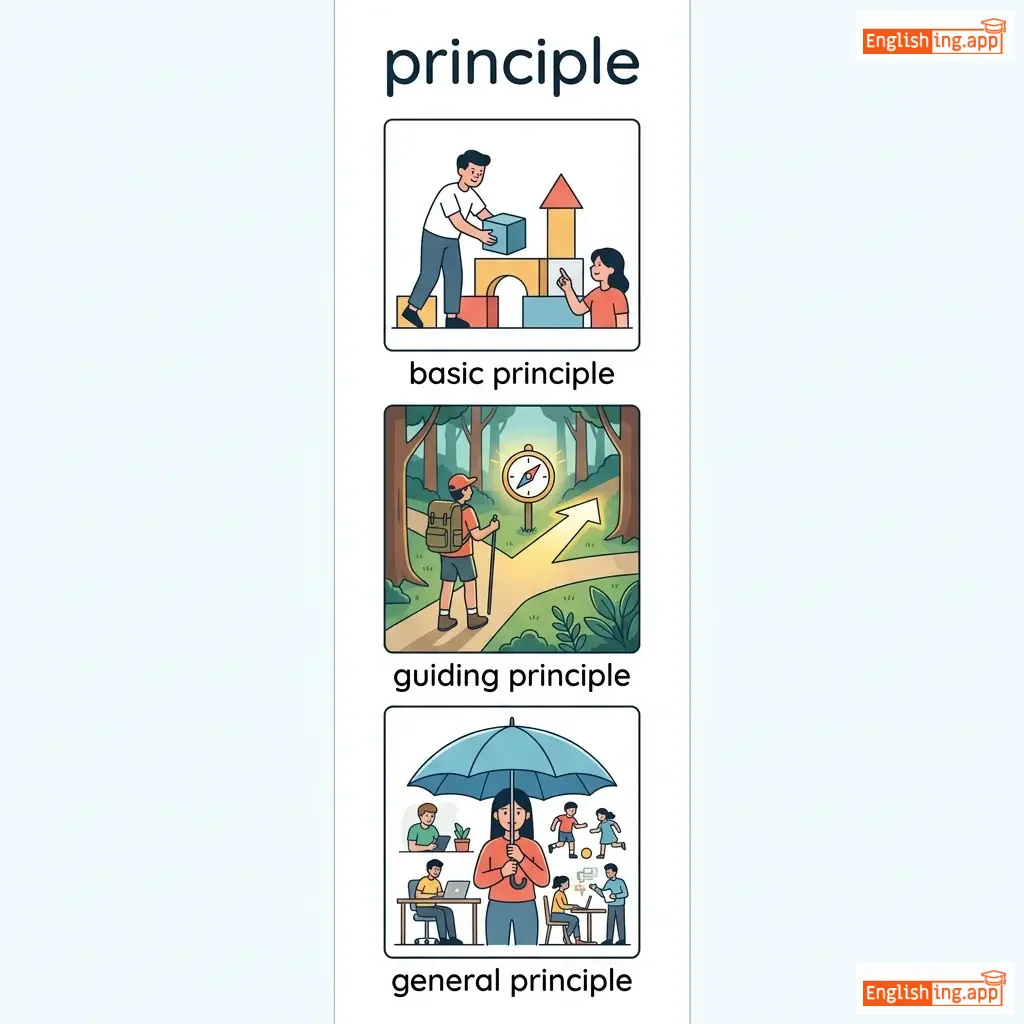
#0
📜
|
/ˈprɪnsəpəl/
noun
(pīn-sī-pǎo)
••••••
|
|
原则
yuánzé
••••••
|
- •••••• | - •••••• | - •••••• | - •••••• |
a fundamental truth, law, or rule that serves as the foundation for a system of belief or behavior
••••••
|
She refused to lie because it was against her principles. |
她拒绝撒谎,因为这违背了她的原则。
Tā jùjué sāhuǎng, yīnwèi zhè wéibèi le tā de yuánzé.
••••••
|
in principle |
as a general idea or rule, even if not applied in practice
••••••
|
原则上
yuánzé shàng
••••••
|
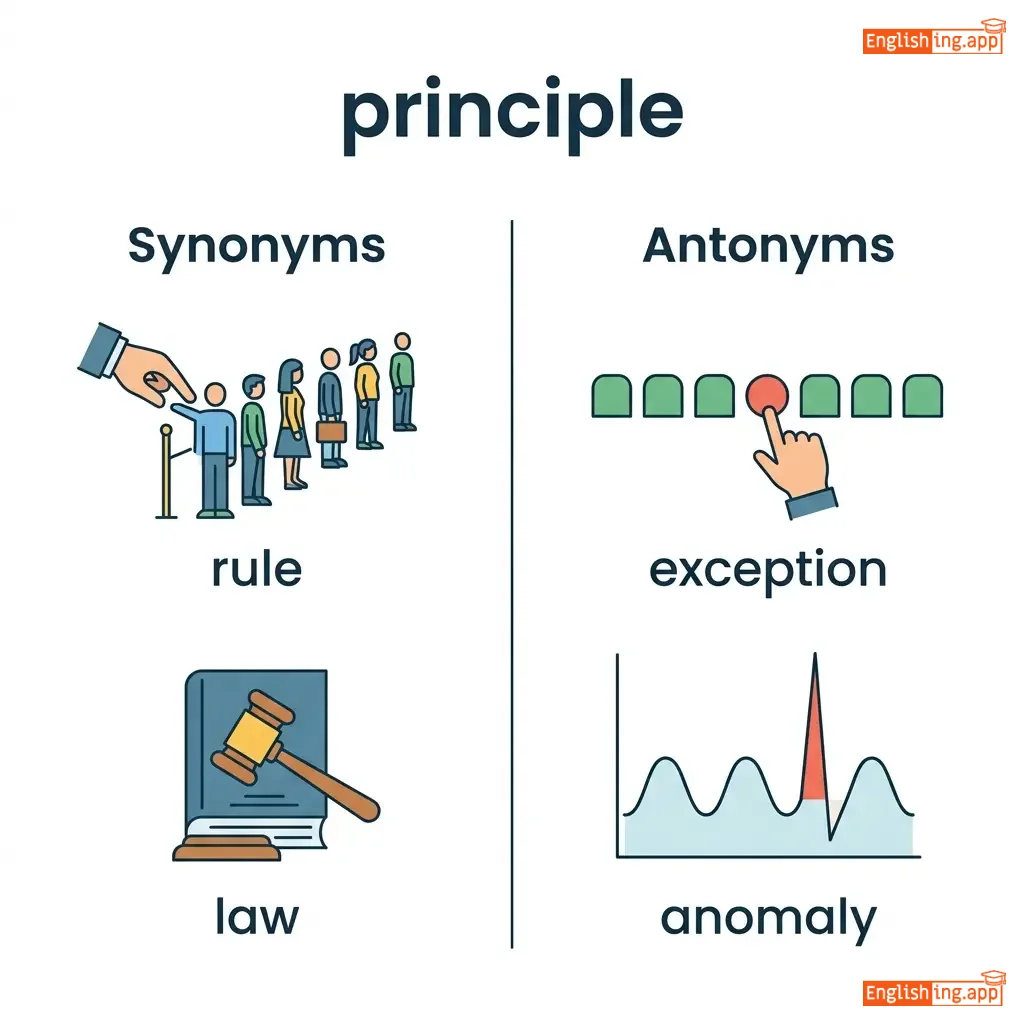
rule, law, tenet, belief, doctrine
••••••
|
exception, anomaly
••••••
|
basic principle, guiding principle, general principle, moral principle
••••••
|
原则意味着基础—'纪律原则'意味着学校的纪律规则
••••••
|
|
#0
⚖️
|
/ˈprɑsɪˌkjuːtər/
noun
(起诉人)
••••••
|
- •••••• |
检察官
jiancha guan
••••••
|
- •••••• | - •••••• | - •••••• | - •••••• |
a lawyer who represents the government in criminal cases
••••••
|
The prosecutor argued that the defendant was guilty of the crime. |
检察官辩称被告犯有罪。
Jiancha guan bian cheng beigao fan you zui.
••••••
|
- •••••• | - •••••• | - •••••• |
lawyer, attorney, district attorney, advocate
••••••
|
defendant, accused
••••••
|
prosecutor's office, prosecutor's argument, district prosecutor
••••••
|
检察官 (jiancha guan) 维护真理,对抗罪犯 - Prosecutor defends the truth against criminals.
••••••
|
|
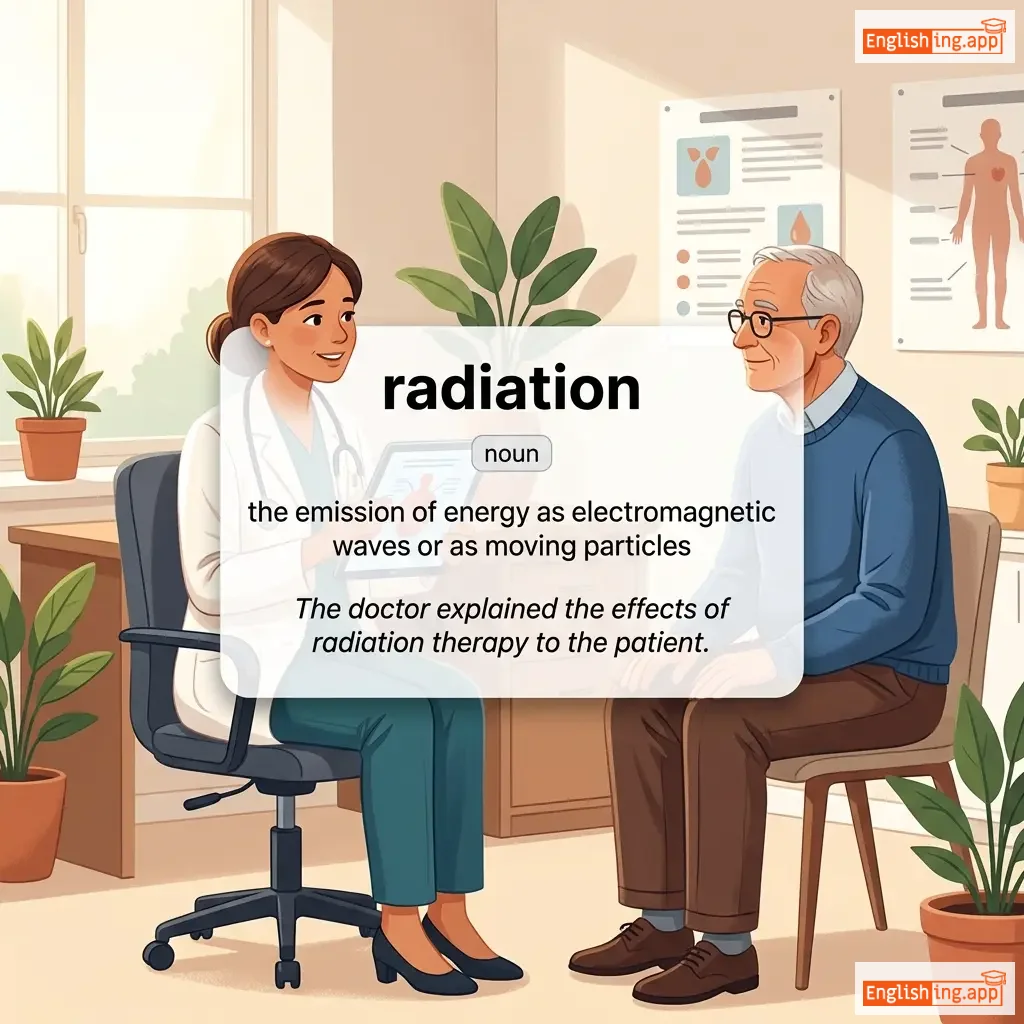
#0
☢️
|
/ˌreɪdiˈeɪʃən/
noun
(辐射)
••••••
|
|
辐射
fúshè
••••••
|
- •••••• | - •••••• | - •••••• | - •••••• |
the emission of energy as electromagnetic waves or as moving particles
••••••
|
The doctor explained the effects of radiation therapy to the patient. |
医生向患者解释了辐射治疗的效果。
yīshēng xiàng huànzhě jiěshìle fúshè zhìliáo de xiàoguǒ.
••••••
|
radiation sickness |
illness caused by exposure to high doses of radiation
••••••
|
辐射病
fúshè bìng
••••••
|
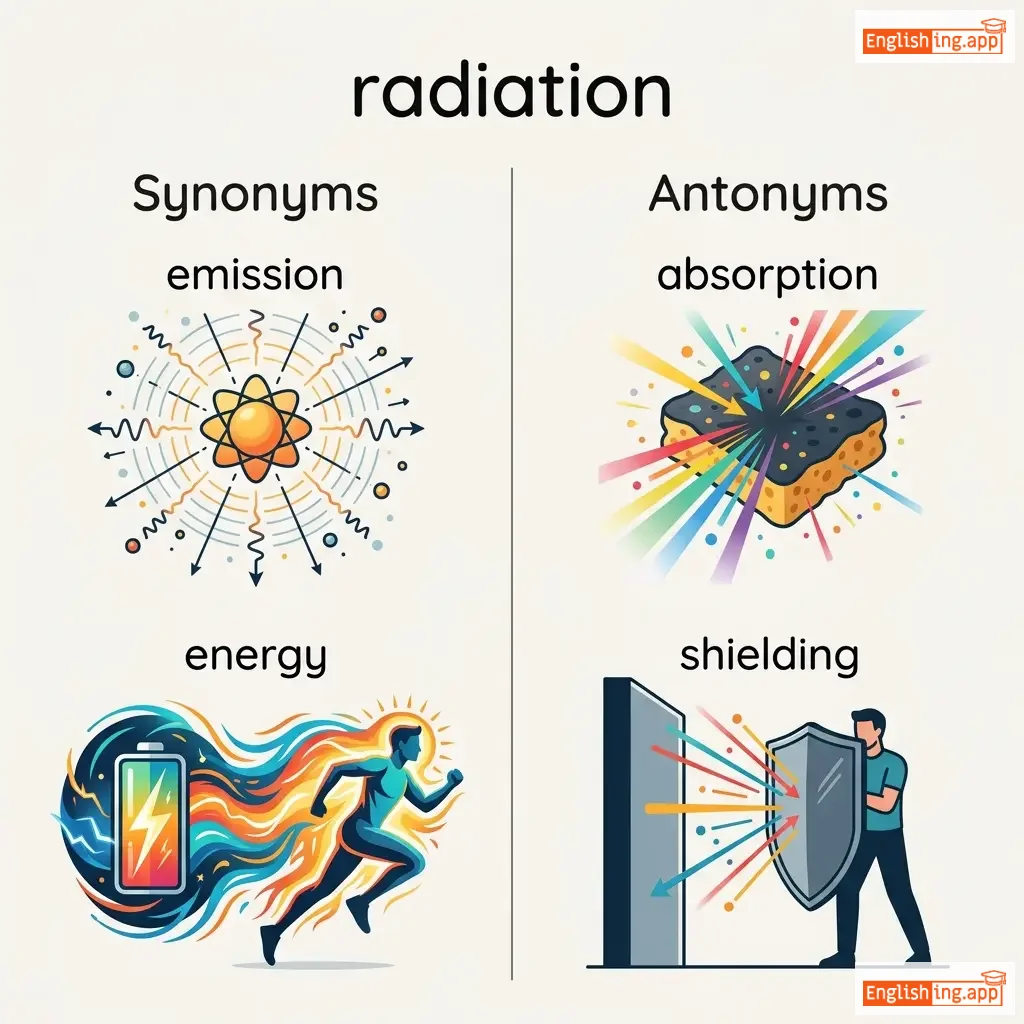
emission, energy, rays, exposure
••••••
|
absorption, shielding
••••••
|
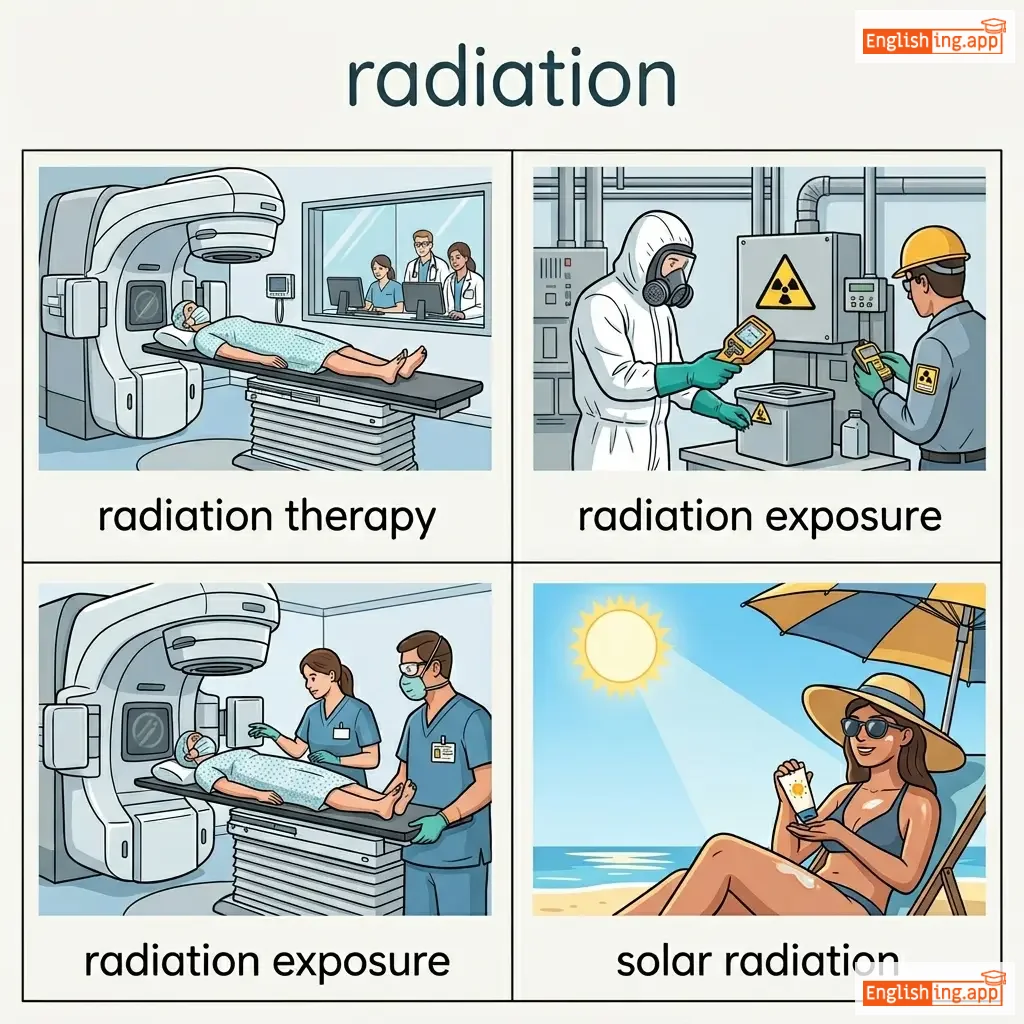
radiation therapy, radiation exposure, solar radiation, radiation level
••••••
|
辐射就是'光线' — 记住它是扩散的能量。
••••••
|
|
#0
🗣️
|
/rɪˈspɒndənt/
noun
(响应者)
••••••
|
- •••••• |
响应者
xiǎngyìng zhě
••••••
|
- •••••• | - •••••• | - •••••• | - •••••• |
A person who replies to something, especially in a survey or legal case
••••••
|
The survey had over 1,000 respondents. |
调查有超过1000名响应者。
Diàochá yǒu chāoguò 1000 míng xiǎngyìng zhě.
••••••
|
- •••••• | - •••••• | - •••••• |
participant, answerer, replier, defendant
••••••
|
petitioner, complainant
••••••
|
survey respondent, legal respondent, questionnaire respondent
••••••
|
Respondent 意思是回应者 🗣️ - 在调查中,响应者是回应问题的人。
••••••
|
|
#0
🧪
|
/ˈsʌb.stəns/
noun
(sʌbstæns)
••••••
|
- •••••• |
物质
wuzhi
••••••
|
- •••••• | - •••••• | - •••••• | - •••••• |
a particular kind of matter with uniform properties; the essential nature of something; material or content
••••••
|
The scientist analyzed the unknown substance in the laboratory.
科学家在实验室分析了未知物质。
••••••
|
科学家在实验室分析了未知物质。
Kēxuéjiā zài shíyànshì fēnxīle wèizhī wùzhì.
••••••
|
- •••••• | - •••••• | - •••••• |
material, matter, essence, content
••••••
|
emptiness, void, superficiality
••••••
|
chemical substance, controlled substance, substance abuse, essential substance
••••••
|
实验室中的物质被细心分析,以确保结果的准确性。
••••••
|
|
#0
🤨
|
/səˈspɪʃən/
noun
(səsˈpɪʃən)
••••••
|
- •••••• |
怀疑
huái yí
••••••
|
- •••••• | - •••••• | - •••••• | - •••••• |
a feeling or belief that someone has done something wrong or illegal
••••••
|
He was arrested on suspicion of theft. |
他因涉嫌盗窃被逮捕。
Tā yīn shèxián dàoqiè bèi dàibǔ.
••••••
|
arouse suspicion |
to make people think that something wrong or illegal may have happened
••••••
|
引起怀疑
yǐnqǐ huái yí
••••••
|
doubt, mistrust, distrust, skepticism, uncertainty
••••••
|
trust, confidence, belief
••••••
|
raise suspicion, under suspicion, deep suspicion, suspicion of
••••••
|
Suspicion 在中文中是怀疑 — 如果你怀疑,那么你就有 suspicion!
••••••
|
|
#0
❓
|
/ʌnˈsɜːrtənti/
noun
(ānsértānti)
••••••
|
- •••••• |
不确定性; 怀疑或缺乏确信
bùquèdìngxìng; huáiyí huò quēfá quèxìn
••••••
|
- •••••• | - •••••• | - •••••• | - •••••• |
the state of being uncertain; doubt or lack of sureness
••••••
|
The uncertainty about the weather delayed our trip.
关于天气的不确定性延迟了我们的旅行。
••••••
|
关于天气的不确定性延迟了我们的旅行。
guānyú tiāntí de bùquèdìngxìng yánchíle wǒmen de lǚxíng.
••••••
|
- •••••• | - •••••• | - •••••• |
doubt, ambiguity, confusion, hesitation
••••••
|
certainty, confidence, assurance, clarity
••••••
|
economic uncertainty, create uncertainty, reduce uncertainty
••••••
|
不确定性像天气一样,常常变化。
••••••
|
Vocabulary Quiz
Test your vocabulary by matching words with their translations or meanings.
Login to take the quiz
Comments (0)
Share your thoughts and join the discussion.
Join the discussion by logging in
Login to CommentNo comments yet
Be the first to share your thoughts!