

河畔平等工作室
Equity Studio by the River
拉班娅今天选择在老河畔的房子里开始新的旅程,准备embark。 那些多年来被忽视的艺术家看到这个地方重新emerge出光亮。 该项目旨在enrich当地少女的技能。 他们决定这将是一个以服务为导向的entity,而不是以盈利为目的的企业。 乔娅说:“在我们的计划中,金钱与机会的equity最为重要。” 他们必须将这座旧的两层estate改造成素描工作室和创作空间。 他们讨论了如何在所有事情中遵守艺术的ethics。 大家希望该项目能每月通过新方法不断evolve。 拉班娅补充道:“我们需要提前明确影响的factors。” 每位合作者都被介绍为建设的fellow。 他们安装了高性能空气filter以保持工作室清新。 在第一次迎新会上,他们举行了一个朴素但formal的仪式。 孩子们学习使用冰冻的颜料块进行frozen质感艺术创作。 拉班娅相信,当地年轻人有一天会自己govern这个项目。 一位辅导员解释说,创作实践能让人们在心理上对创伤产生immune力。 他们计划研究新气味与光线如何induce人们进入记忆世界。 他们在主画廊墙上建了一个互动板,用于insert访客留言。 为了保持真诚,乔娅坚持要insist共同的规则。 每次课程前,他们一起祈祷以invoke灵感。 乔娅笑着说:“曾经让我们觉得ironic的想法,如今已成美好的现实。”




Swipe left or right, or use the buttons. Tap image to zoom.
例句翻译
单词
Equity Studio by the RiverEquity Studio by the River - 遮罩切换
|
表情符号
|
单词 | Images | 翻译 | 过去时 | 过去分词 | 第三人称单数 | 动名词 | 含义 | 例句 | 例句翻译 | 示例表达 | 示例表达含义 | 示例表达翻译 | 同义词 | 反义词 | 搭配词 | 助记符 |
|---|---|---|---|---|---|---|---|---|---|---|---|---|---|---|---|---|---|
|
#0
🚢
|
/ɪmˈbɑːrk/
verb
(embark)
••••••
|
- •••••• |
开始
kaishi
••••••
|
embarked
embarkd
••••••
|
embarked
embarkd
••••••
|
embarks
embarks
••••••
|
embarking
embarking
••••••
|
to begin a journey, project, or activity
••••••
|
She decided to embark on a new career in medicine.
她决定开始医学领域的新事业。
••••••
|
她决定开始医学领域的新事业。
Ta jueding kaishi yixia yixue lingyu de xin shiye.
••••••
|
embark on a journey
开始一段旅程
••••••
|
to start an important project or trip
••••••
|
开始一段旅程
kaishi yixia lvxing
••••••
|
start, commence, initiate, begin, undertake
••••••
|
end, finish, conclude
••••••
|
embark on a journey, embark on a project, embark on an adventure
••••••
|
船开始旅行
••••••
|
|
#0
🌅
|
/ɪˈmɜːrdʒ/
verb
••••••
|
- •••••• | - •••••• |
emerged
••••••
|
emerged
••••••
|
emerges
••••••
|
emerging
••••••
|
to come into view or become apparent; to arise or appear from something
••••••
|
New opportunities will emerge as the industry grows. |
- •••••• |
emerge from the shadows |
to become known or visible after being hidden or unknown
••••••
|
- •••••• |
appear, arise, surface, materialize, develop
••••••
|
disappear, vanish, fade
••••••
|
emerge from, emerge as, clearly emerge, new trends emerge
••••••
|
No •••••• |
|
#0
💎
|
/ɪnˈrɪtʃ/
verb
(enrich)
••••••
|
|
丰富
fengfu
••••••
|
enriched
enriched
••••••
|
enriched
enriched
••••••
|
enriches
enriches
••••••
|
enriching
enriching
••••••
|
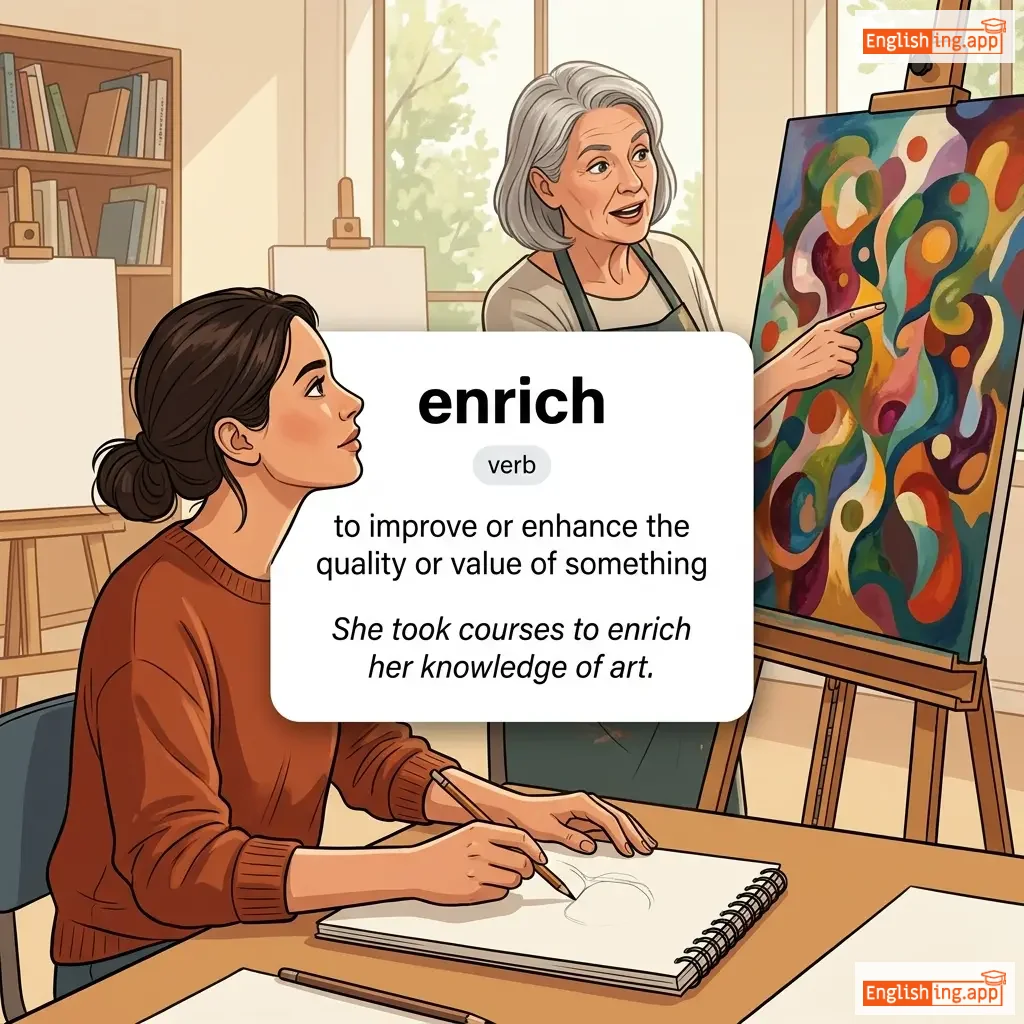
to improve the quality or value of something
••••••
|
Reading books will enrich your vocabulary.
Reading books will enrich your vocabulary.
••••••
|
阅读书籍将丰富您的词汇。
Yuedu shuju jiang fengfu nin de cihui.
••••••
|
- •••••• | - •••••• | - •••••• |
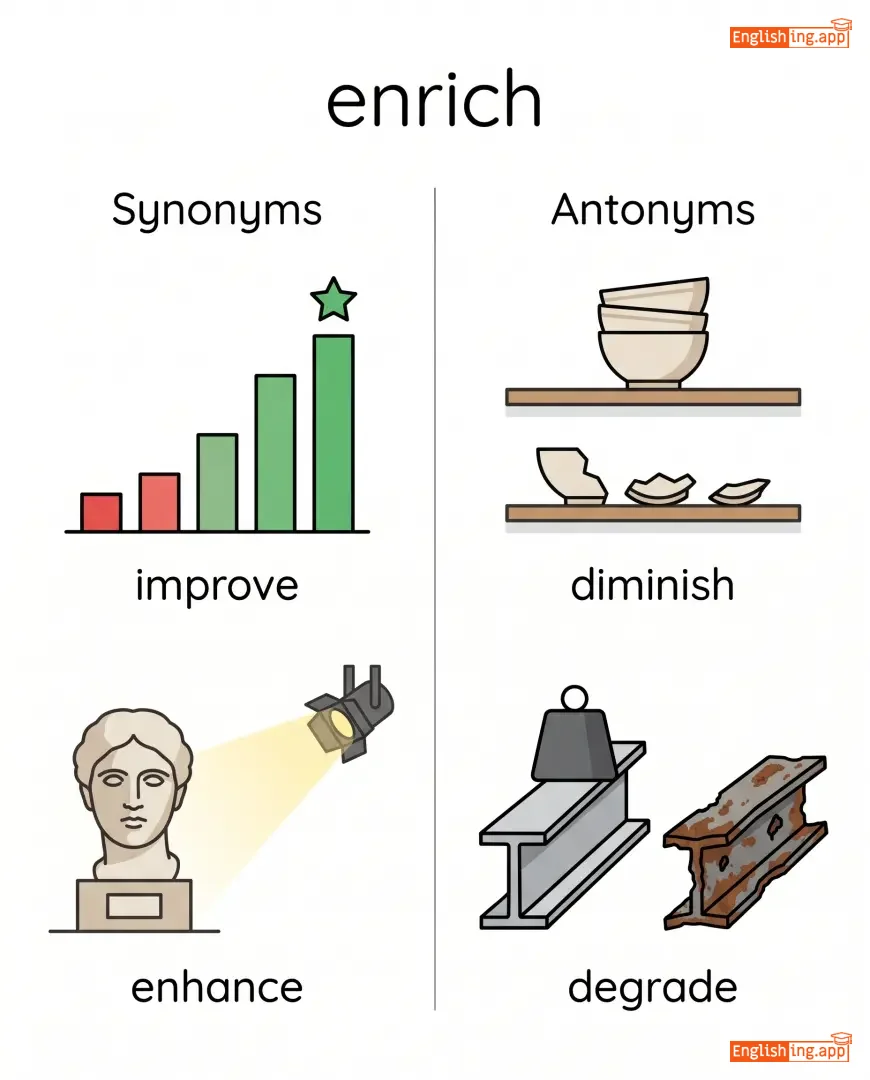
enhance, improve, strengthen, develop
••••••
|
impoverish, weaken, diminish
••••••
|
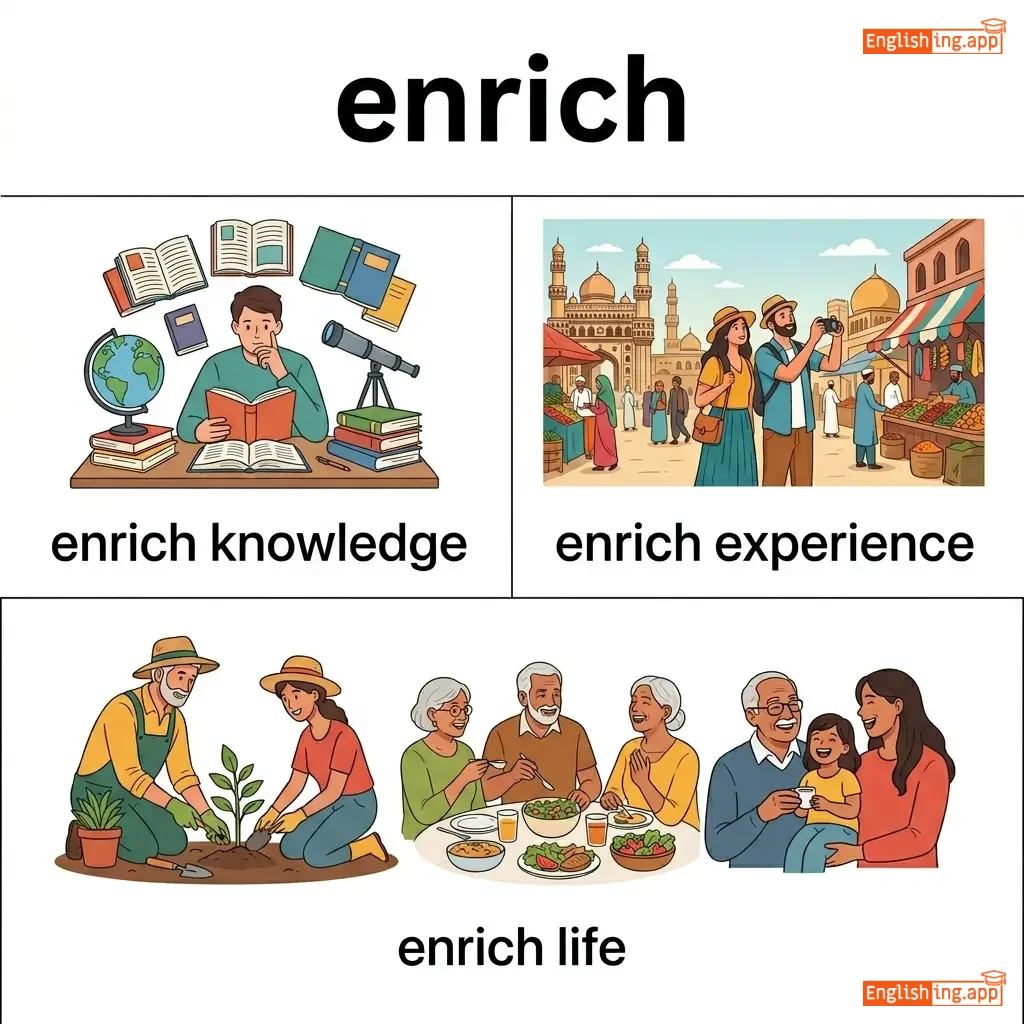
enrich life, enrich experience, enrich knowledge, enrich soil, enrich vocabulary
••••••
|
阅读书籍可以丰富你的词汇。
••••••
|
|
#0
🏢
|
/ˈɛntəti/
noun
(实体)
••••••
|
- •••••• |
实体
shítǐ
••••••
|
- •••••• | - •••••• | - •••••• | - •••••• |
something that exists as a single and complete unit; an organization or being
••••••
|
The new company will operate as a separate legal entity. |
新公司将作为一个独立的法律实体运作。
Xīn gōngsī jiāng zuòwéi yīgè dúlì de fǎlǜ shítǐ yùnzuò.
••••••
|
- •••••• | - •••••• | - •••••• |
being, organization, unit, body
••••••
|
nothingness, nonexistence
••••••
|
legal entity, independent entity, business entity, separate entity
••••••
|
实体代表组织或公司,像一个完整的法律实体。
••••••
|
|
#0
⚖️
|
/ˈɛkwɪti/
noun
(公平股权)
••••••
|
|
公平; 所有权份额
gongping; suoyouquan fen'e
••••••
|
- •••••• | - •••••• | - •••••• | - •••••• |
The quality of being fair and impartial; ownership interest in a company or property.
••••••
|
She invested in the company to gain equity. |
她投资了公司以获得股权。
Ta touzi le gongsi yi huode guquan.
••••••
|
home equity |
The market value of a homeowner's property minus the outstanding mortgage balance.
••••••
|
住房权益
zhufang quanyi
••••••
|
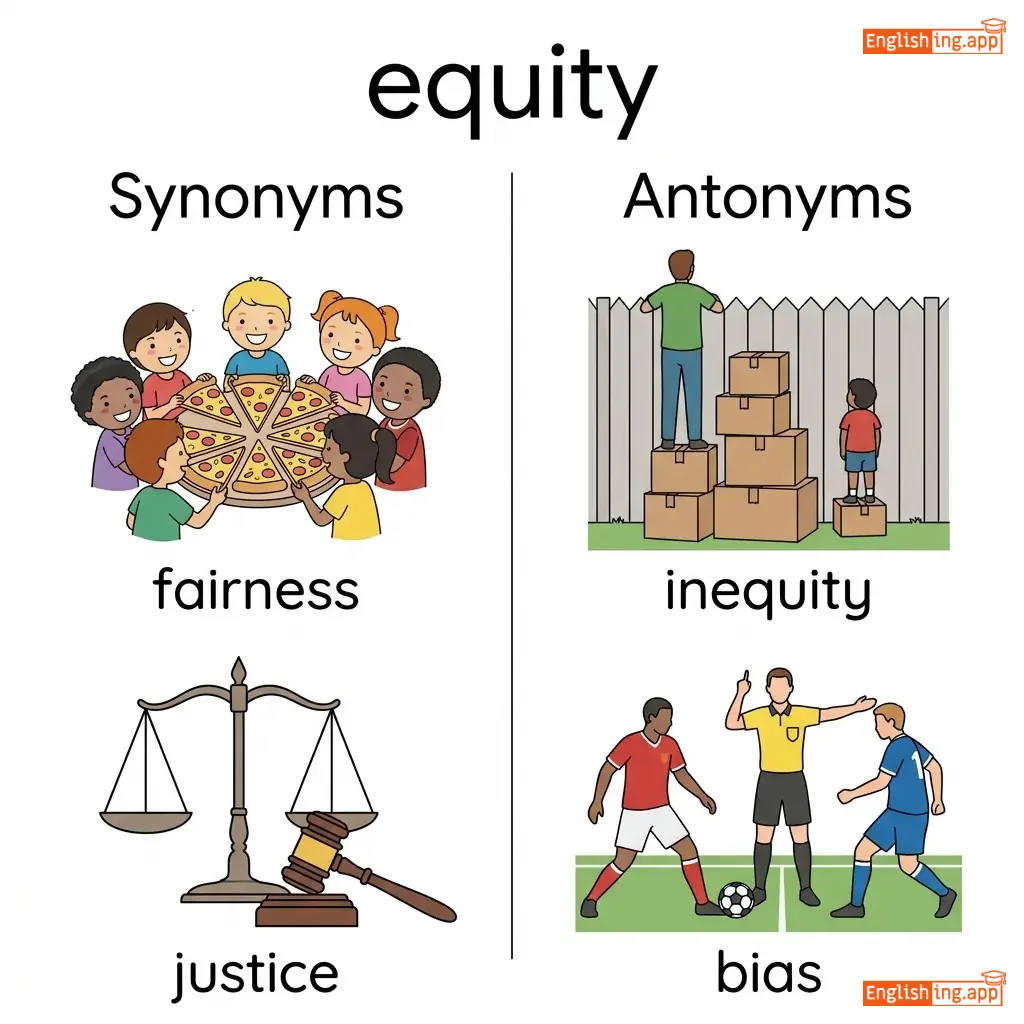
fairness, justice, ownership, stake, interest
••••••
|
inequity, bias, debt
••••••
|
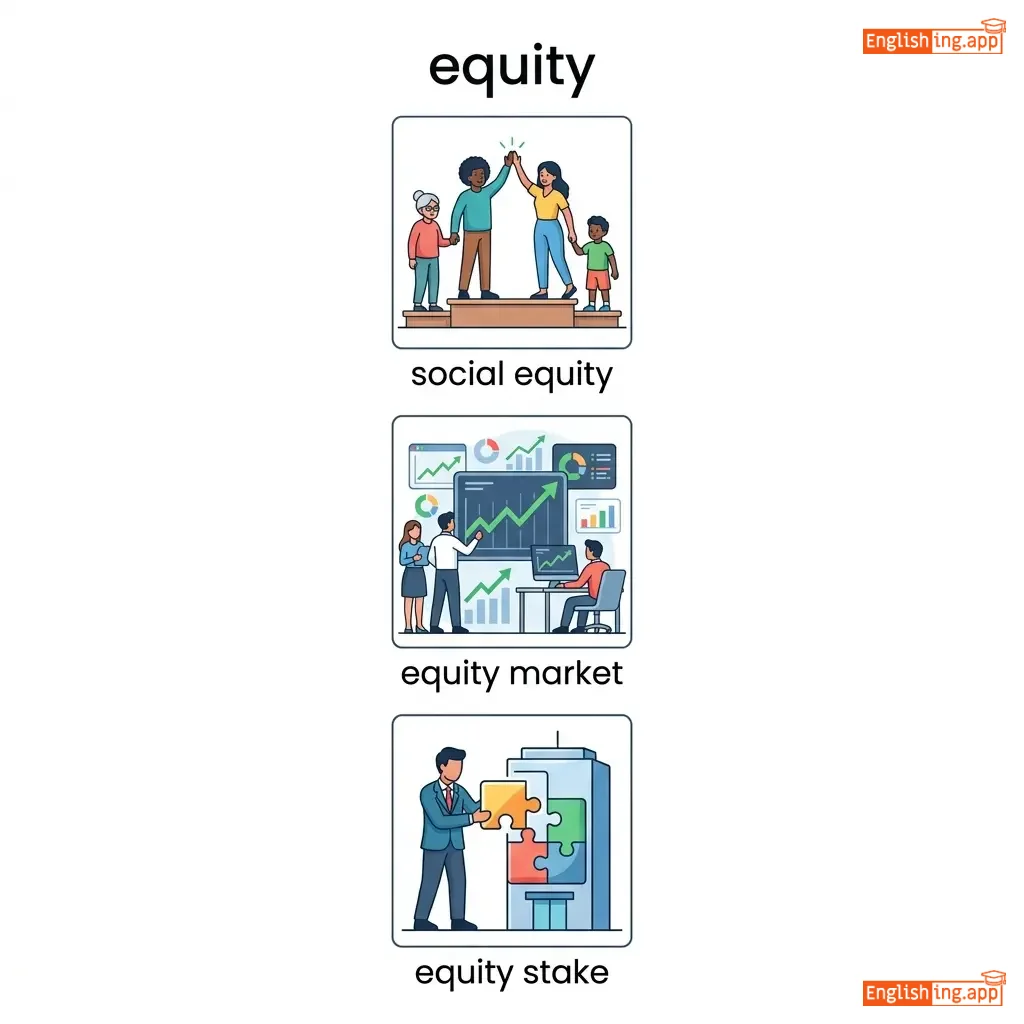
social equity, equity market, equity stake, private equity
••••••
|
Equity 意味着 ⚖️ 公平 - 公司的所有权份额
••••••
|
|
#0
🏡
|
/ɪˈsteɪt/
noun
••••••
|
- •••••• | - •••••• | - •••••• | - •••••• | - •••••• | - •••••• |
A large area of land, property, or possessions owned by someone, often including a big house.
••••••
|
The family owned a large estate in the countryside. |
- •••••• |
real estate |
Property consisting of land or buildings
••••••
|
- •••••• |
property, land, assets, holdings, manor
••••••
|
liabilities, debt
••••••
|
real estate, country estate, large estate, estate planning
••••••
|
No •••••• |
|
#0
⚖️
|
/ˈɛθɪks/
noun
(éthiks)
••••••
|
- •••••• |
伦理
lunli
••••••
|
- •••••• | - •••••• | - •••••• | - •••••• |
moral principles that govern a person's behavior or the conduct of an activity
••••••
|
Business ethics require companies to act fairly and responsibly. |
商业伦理要求公司公平且负责任地行事。
Shāngyè lúnlǐ yāoqiú gōngsī gōngpíng qiě fùzérèn de xíngshì.
••••••
|
code of ethics |
a set of principles that guide professional conduct
••••••
|
伦理守则
lúnlǐ shǒuzé
••••••
|
morality, principles, values, integrity, conscience
••••••
|
immorality, corruption, dishonesty
••••••
|
business ethics, professional ethics, medical ethics, code of ethics
••••••
|
伦理 = 在每个行为中找到正确的道德标准
••••••
|
|
#0
🌱
|
/ɪˈvɑːlv/
verb
••••••
|
- •••••• | - •••••• |
evolved
••••••
|
evolved
••••••
|
evolves
••••••
|
evolving
••••••
|
to develop gradually, especially into a more complex or advanced state
••••••
|
Over time, the company evolved into a global brand. |
- •••••• |
evolve over time |
to change or develop slowly as time passes
••••••
|
- •••••• |
develop, progress, transform, advance, grow
••••••
|
regress, decline, stagnate
••••••
|
evolve into, evolve over time, evolve naturally, evolve gradually
••••••
|
No •••••• |
|
#0
⚖️
|
/ˈfæktər/
noun
(法克托尔)
••••••
|
- •••••• |
因素
yīnsù
••••••
|
- •••••• | - •••••• | - •••••• | - •••••• |
A circumstance, fact, or influence that contributes to a result.
••••••
|
Weather is an important factor in crop production. |
天气是作物生产中的一个重要因素。
Tiānqì shì zuòwù shēngchǎn zhōng de yīgè zhòngyào yīnsù.
••••••
|
key factor |
a crucial or essential element
••••••
|
关键因素
guānjiàn yīnsù
••••••
|
element, component, cause, aspect, determinant
••••••
|
result, consequence
••••••
|
important factor, key factor, risk factor, success factor
••••••
|
因素 = 影响结果的事物,就像一个关键因素。
••••••
|
|
#0
👥
|
/ˈfɛloʊ/
noun
(费洛)
••••••
|
- •••••• |
伙伴
huǒbàn
••••••
|
- •••••• | - •••••• | - •••••• | - •••••• |
a person who shares a common situation, interest, or activity with another
••••••
|
He is a fellow student in my class. |
他是我班上的一个伙伴。
Tā shì wǒ bān shàng de yīgè huǒbàn.
••••••
|
fellow traveler |
someone who shares similar beliefs or interests, often political
••••••
|
同行者
tóngháng zhě
••••••
|
companion, colleague, peer, comrade, associate
••••••
|
opponent, stranger, rival
••••••
|
fellow student, fellow worker, fellow citizen, fellow traveler
••••••
|
Fellow意味着伙伴 - Fellow student意味着班上伙伴
••••••
|
|
#0
☕
|
/ˈfɪltər/
verb
(过滤器)
••••••
|
- •••••• |
过滤
guòlǜ
••••••
|
filtered
过滤了
••••••
|
filtered
过滤了
••••••
|
filters
过滤
••••••
|
filtering
过滤中
••••••
|
to pass a substance through a device to remove unwanted material or to selectively pass certain items
••••••
|
She used a coffee filter to separate the grounds from the liquid.
她用咖啡过滤器将咖啡渣和液体分开。
••••••
|
她用咖啡过滤器将咖啡渣和液体分开。
Tā yòng kāfēi guòlǜqì jiāng kāfēi zhā hé yè tǐ fēnkāi.
••••••
|
- •••••• | - •••••• | - •••••• |
strain, sift, purify, refine
••••••
|
mix, combine
••••••
|
filter water, filter information, filter results, filter emails
••••••
|
过滤是为了只留下纯净的部分。
••••••
|
|
#0
🎩
|
/ˈfɔːrməl/
adjective
(fó mǎ ěr)
••••••
|
- •••••• |
正式
zhèngshì
••••••
|
- •••••• | - •••••• | - •••••• | - •••••• |
done in accordance with rules of convention or etiquette; official or serious in nature
••••••
|
He wore a formal suit to the wedding.
他在婚礼上穿了正式西装。
••••••
|
他在婚礼上穿了正式西装。
Tā zài hūnlǐ shàng chuānle zhèngshì xīzhuāng.
••••••
|
formal attire
正式服装
••••••
|
clothing suitable for official or serious occasions
••••••
|
正式服装
zhèngshì fúzhuāng
••••••
|
ceremonial, proper, official, conventional, stiff
••••••
|
casual, informal, relaxed
••••••
|
formal event, formal education, formal attire, formal agreement
••••••
|
正式意味着做事需要规则,就像穿‘正式服装’去婚礼一样。
••••••
|
|
#0
❄️
|
/ˈfroʊzən/
adjective
(frózen)
••••••
|
- •••••• |
冻结的
dongjie de
••••••
|
- •••••• | - •••••• | - •••••• | - •••••• |
preserved by being made extremely cold; turned into ice
••••••
|
The lake was completely frozen during winter. |
湖泊在冬季完全冻结。
Hupo zai dongji wanquan dongjie.
••••••
|
frozen in time |
something that remains unchanged over a long period
••••••
|
冻结在时间里
dongjie zai shijian li
••••••
|
icy, chilled, solidified, hardened, refrigerated
••••••
|
melted, warm, heated
••••••
|
frozen food, frozen lake, frozen ground, frozen heart
••••••
|
Frozen意味着冻结的❄️ - 一切在寒冷时都会冻结
••••••
|
|
#0
🏛️
|
/ˈɡʌv.ən/
verb
••••••
|
|
- •••••• |
governed
••••••
|
governed
••••••
|
governs
••••••
|
governing
••••••
|
to control, direct, or strongly influence the actions and behavior of others, especially through laws or authority
••••••
|
The country is governed by a coalition of parties. |
- •••••• |
govern oneself accordingly |
to act appropriately based on what one knows or has been told
••••••
|
- •••••• |
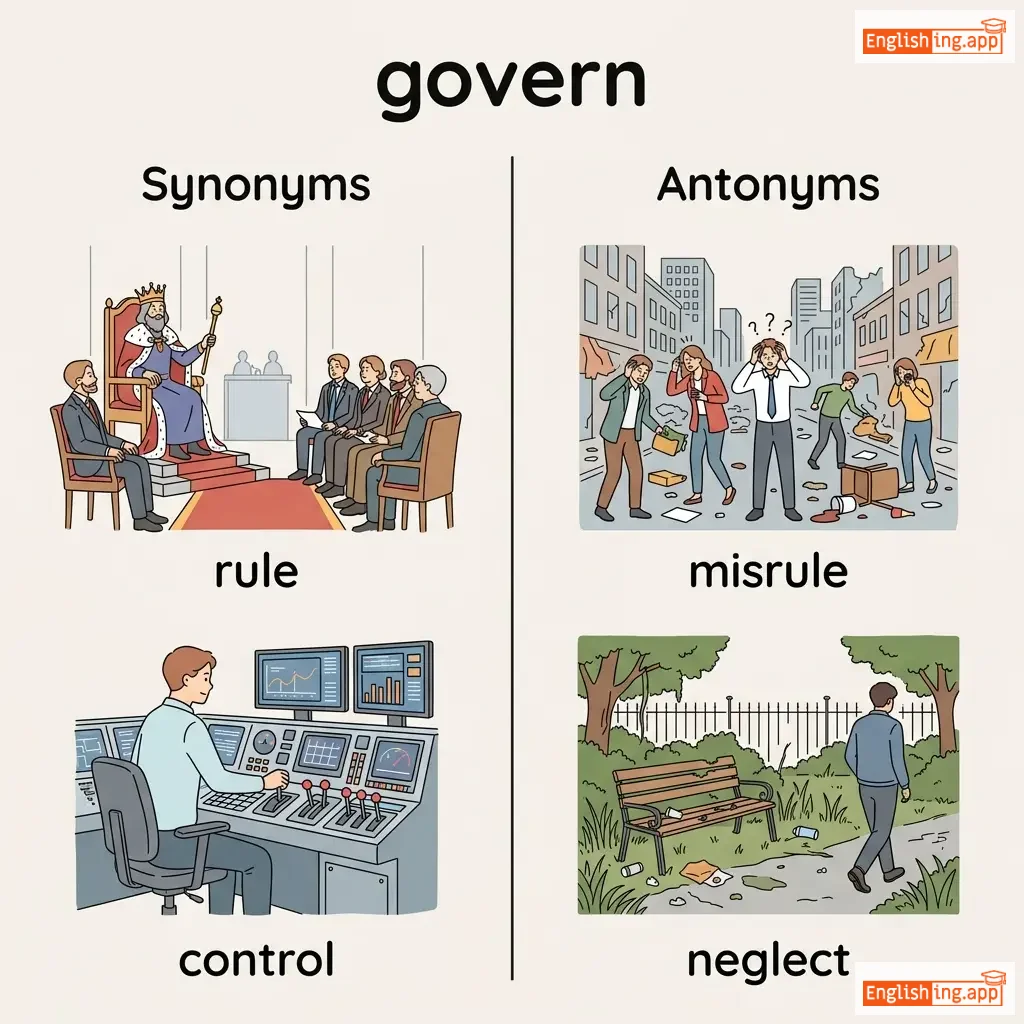
rule, control, manage, administer, oversee
••••••
|
misrule, neglect, abandon
••••••
|
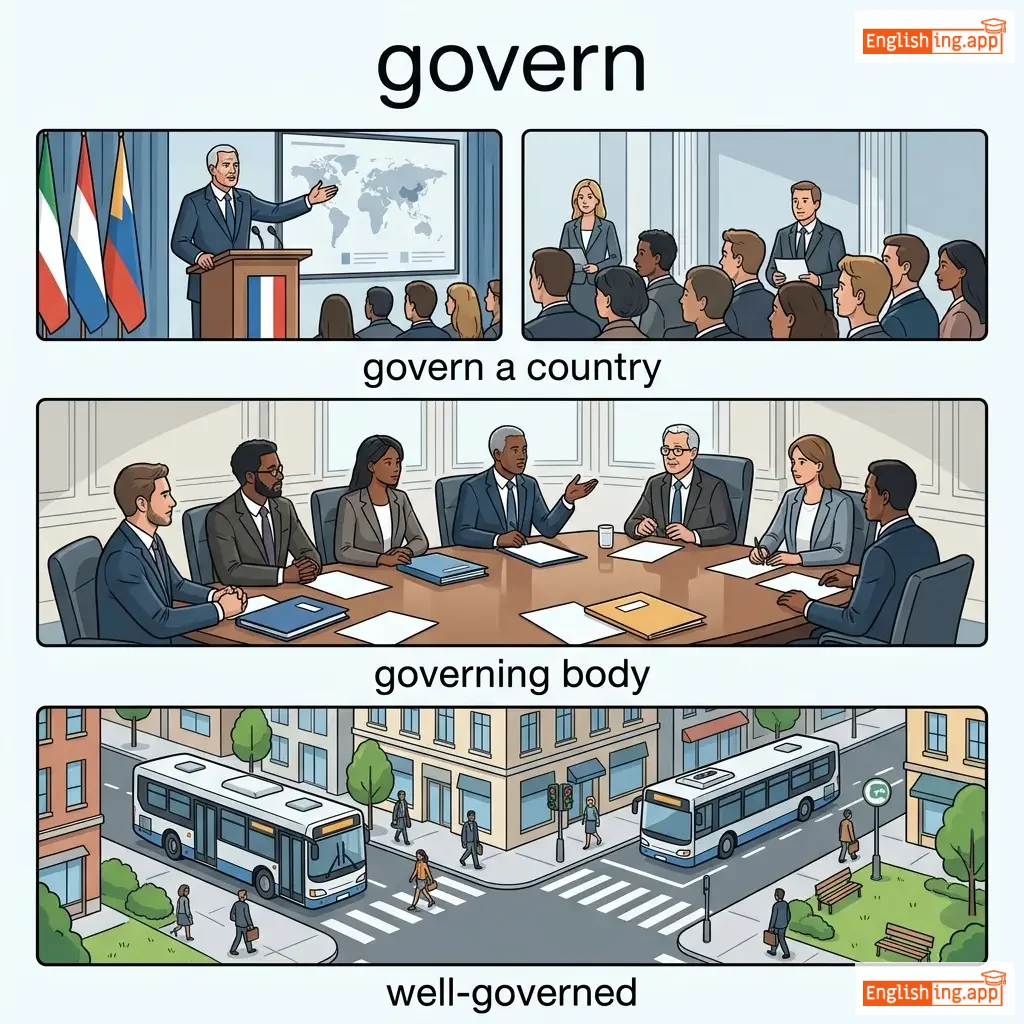
govern a country, governing body, well-governed, self-governed
••••••
|
No •••••• |
|
#0
🛡️
|
/ɪˈmjuːn/
adjective
(免疫)
••••••
|
- •••••• |
免疫的
mianyi de
••••••
|
- •••••• | - •••••• | - •••••• | - •••••• |
protected from disease or from the effects of something
••••••
|
Children who are vaccinated are immune to many diseases. |
接种疫苗的孩子对许多疾病免疫。
Jiezhong yimiao de haizi dui xuduo jibing mianyi.
••••••
|
immune to criticism |
not affected by criticism
••••••
|
免疫于批评
mianyi yu piping
••••••
|
resistant, protected, safe, shielded
••••••
|
vulnerable, susceptible
••••••
|
immune system, immune response, immune to, immune deficiency
••••••
|
免疫就像盾牌一样保护我们免受疾病影响。
••••••
|
|
#0
💊
|
/ɪnˈdjuːs/
verb
(引起)
••••••
|
- •••••• |
引起
yǐnqǐ
••••••
|
induced
引起的
••••••
|
induced
引起的
••••••
|
induces
引起
••••••
|
inducing
引起
••••••
|
to cause or persuade someone to do something; to bring about a result
••••••
|
The doctor induced sleep with a mild sedative.
医生用轻度镇静剂引起了睡眠。
••••••
|
医生用轻度镇静剂引起了睡眠。
Yīshēng yòng qīngdù zhènjìng jì yǐnqǐle shuìmián.
••••••
|
induce labor
引起分娩
••••••
|
to cause childbirth to begin artificially
••••••
|
引起分娩
yǐnqǐ fēnmiǎn
••••••
|
cause, persuade, prompt, encourage, provoke
••••••
|
dissuade, prevent, stop
••••••
|
induce labor, induce sleep, induce change, induce vomiting
••••••
|
引起意味着引发某事 - 就像医生引起睡眠。
••••••
|
|
#0
📥
|
/ɪnˈsɜːt/
verb
(ɪnˈsɜːt)
••••••
|
|
插入
chārù
••••••
|
inserted
ɪnˈsɜːrtɪd
••••••
|
inserted
ɪnˈsɜːrtɪd
••••••
|
inserts
ɪnˈsɜːrts
••••••
|
inserting
ɪnˈsɜːrtɪŋ
••••••
|
to put something into something else
••••••
|
Please insert your card into the machine.
请将您的卡片插入机器。
••••••
|
请将您的卡片插入机器。
Qǐng jiāng nín de kǎpiàn chārù jīqì.
••••••
|
insert coin
插入硬币
••••••
|
instruction to put a coin into a machine to operate it
••••••
|
插入硬币
chārù yìngbì
••••••
|
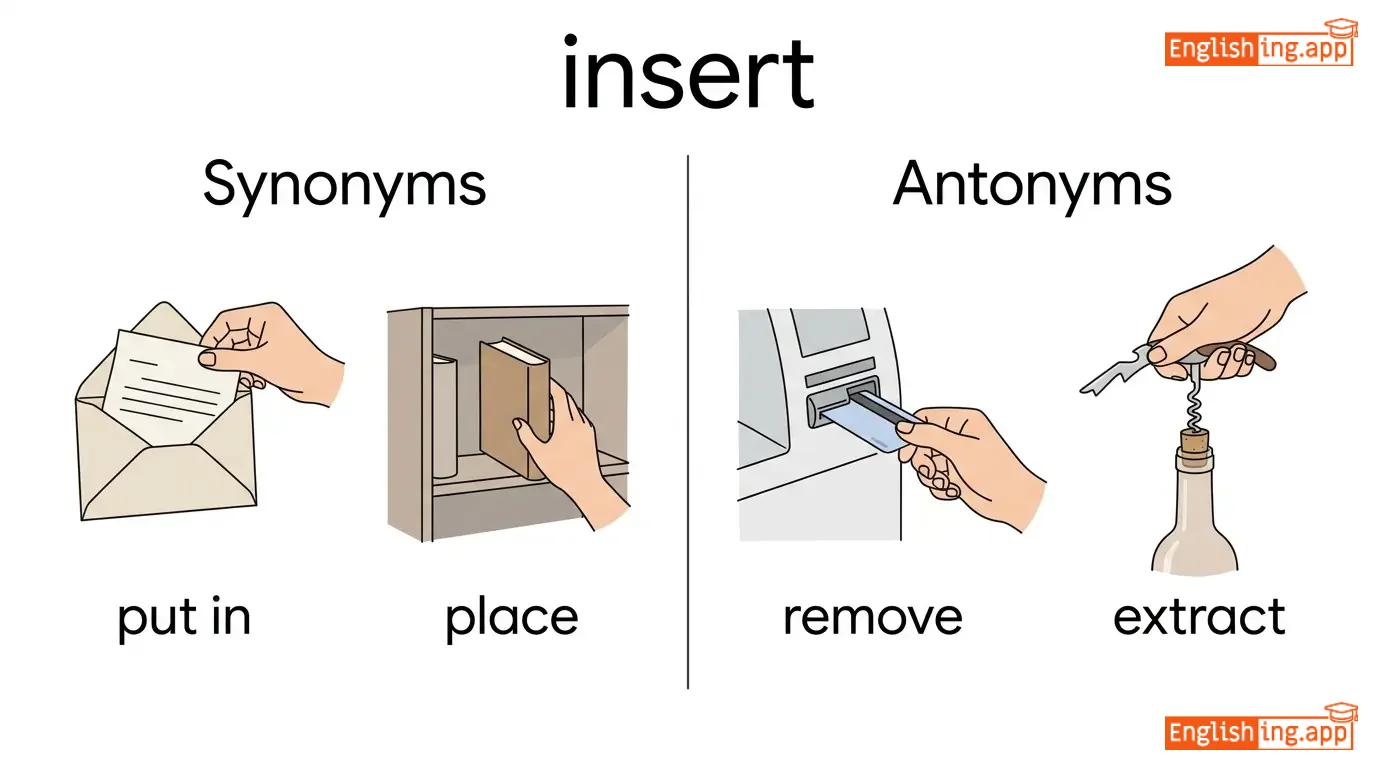
put in, place, embed, add, introduce
••••••
|
remove, extract
••••••
|
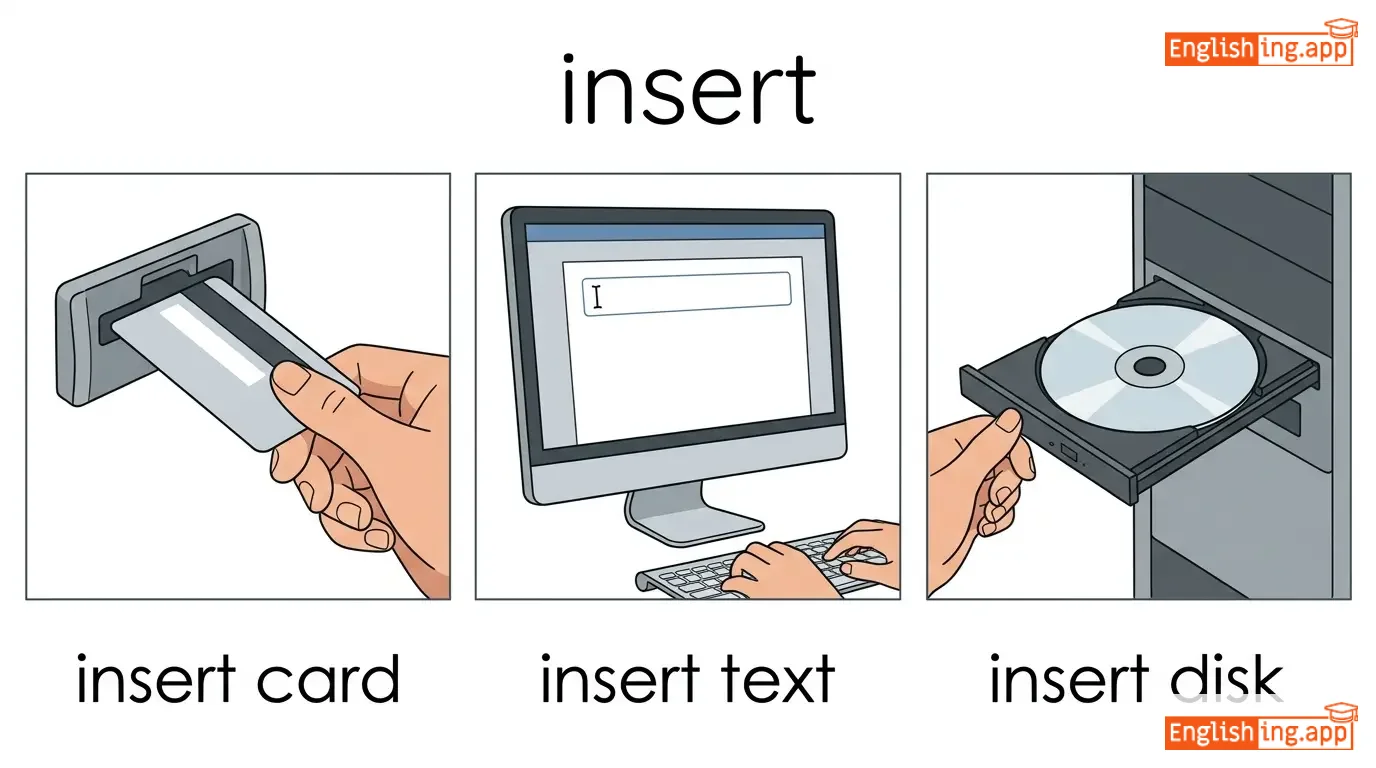
insert card, insert text, insert disk, insert key
••••••
|
插入就是把东西放进别的东西里,比如插入银行卡!
••••••
|
|
#0
🙅♂️
|
/ɪnˈsɪst/
verb
(坚持)
••••••
|
|
坚持
jiānchí
••••••
|
insisted
坚持了
••••••
|
insisted
坚持了
••••••
|
insists
坚持
••••••
|
insisting
坚持着
••••••
|
to demand something forcefully or firmly
••••••
|
She insisted on paying the bill.
她坚持支付账单。
••••••
|
她坚持支付账单。
Tā jiānchí zhīfù zhàngdān.
••••••
|
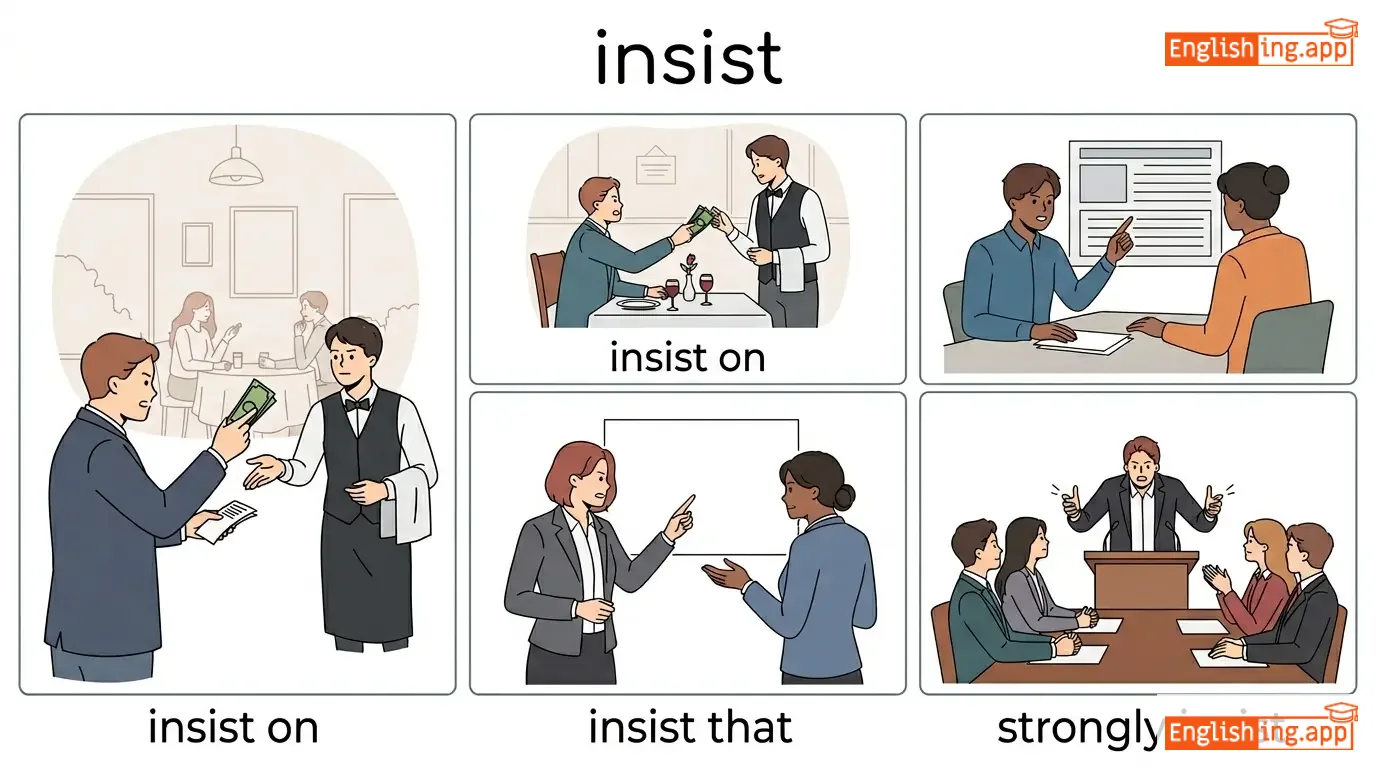
insist on
坚持
••••••
|
to demand firmly that something be done
••••••
|
坚持
jiānchí
••••••
|
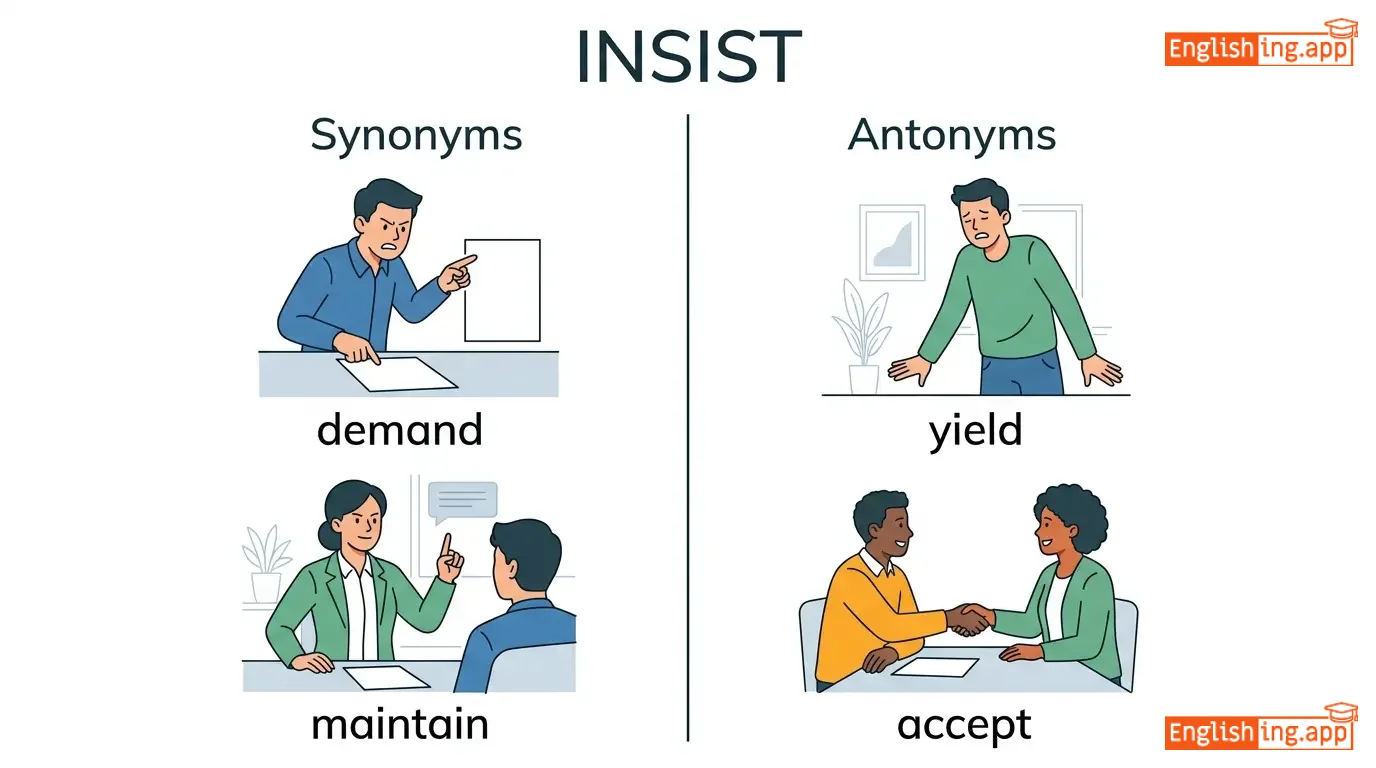
demand, maintain, assert, press, urge
••••••
|
yield, accept, give up
••••••
|
insist on, insist that, strongly insist, politely insist
••••••
|
坚持就是坚持要求某件事情做!
••••••
|
|
#0
📜
|
/ɪnˈvoʊk/
verb
(因伏克)
••••••
|
- •••••• |
呼叫
hūjiào
••••••
|
invoked
因伏克德
••••••
|
invoked
因伏克德
••••••
|
invokes
因伏克斯
••••••
|
invoking
因伏克英
••••••
|
to call upon a higher power, authority, or principle for help, support, or justification
••••••
|
The lawyer invoked the constitution to defend his client.
律师援引宪法来为他的客户辩护。
••••••
|
律师援引宪法来为他的客户辩护。
Lǜshī yuányǐn xiànfǎ lái wéi tā de kèhù biànhù.
••••••
|
invoke the law
调用法律
••••••
|
to appeal to or rely on the law for support or justification
••••••
|
调用法律
diàoyòng fǎlǜ
••••••
|
appeal, call upon, cite, summon, request
••••••
|
ignore, dismiss, reject
••••••
|
invoke the law, invoke authority, invoke powers, invoke tradition
••••••
|
呼叫就像邀请,向某人请求帮助。
••••••
|
|
#0
🙃
|
/aɪˈrɒnɪk/
adjective
(aironik)
••••••
|
- •••••• |
讽刺的,讽刺性的
fěngcì de, fěngcì xìng de
••••••
|
- •••••• | - •••••• | - •••••• | - •••••• |
happening in the opposite way to what is expected, often amusing or sarcastic
••••••
|
It is ironic that the fire station burned down. |
消防站着火了,真讽刺。
Xiāofáng zhàn zhuóhuǒ le, zhēn fěngcì.
••••••
|
isn't it ironic |
used to highlight a situation that is surprisingly contradictory
••••••
|
这不是很讽刺吗?
Zhè bù shì hěn fěngcì ma?
••••••
|
sarcastic, paradoxical, mocking, satirical
••••••
|
straightforward, sincere, expected
••••••
|
ironic twist, ironic smile, deeply ironic, somewhat ironic
••••••
|
Irony 就像预期的完全相反,带有讽刺意味!
••••••
|
Vocabulary Quiz
Test your vocabulary by matching words with their translations or meanings.
Login to take the quiz
Comments (0)
Share your thoughts and join the discussion.
Join the discussion by logging in
Login to CommentNo comments yet
Be the first to share your thoughts!