

渐进守护者节
Festival of Gradual Guardians
一位foreigner研究员出席了建立国际合作。 河流保护委员会宣布了一个新的formation。 专家们formulate了传感器的操作方法。 我们感到fortunate,河流依然呼吸。 当地的franchise用环保产品装饰摊位。 雨水未能frustrate议程。 一些志愿者在努力中度过了full-time天数。 再利用的furniture摆放在场地上。 Generally,人们说尊重河流的态度在上升。 一位彬彬有礼的gentleman讲述了关于河流的老故事。 关于河流保护的信息genuinely打动了人群。 减少污染的结果gradually显现出来。 委员会发誓guarantee河流的未来。 一位退伍军人回忆起河流作为guerrilla庇护所的情形。 他们承诺澄清组织的hierarchy。 新的high-tech设备收集了河流的数据。 孩子们演出了关于河流的hilarious话剧。 大家都说他们hopefully会推动河流向前发展。 任何hostility在这里都不被容忍。 每个household承诺减少塑料使用。

Swipe left or right, or use the buttons. Tap image to zoom.
例句翻译
单词
Festival of Gradual GuardiansFestival of Gradual Guardians - 遮罩切换
|
表情符号
|
单词 | Images | 翻译 | 过去时 | 过去分词 | 第三人称单数 | 动名词 | 含义 | 例句 | 例句翻译 | 示例表达 | 示例表达含义 | 示例表达翻译 | 同义词 | 反义词 | 搭配词 | 助记符 |
|---|---|---|---|---|---|---|---|---|---|---|---|---|---|---|---|---|---|
|
#0
🧳
|
/ˈfɔːrənər/ or /ˈfɑːrənər/
noun
(外国人)
••••••
|
- •••••• |
外国人
waiguoren
••••••
|
- •••••• | - •••••• | - •••••• | - •••••• |
A person from another country.
••••••
|
The city welcomes every foreigner with kindness. |
这个城市欢迎每一位外国人。
Zhege chengshi huanying mei yi wei waiguoren.
••••••
|
- •••••• | - •••••• | - •••••• |
outsider, alien, immigrant, stranger, visitor
••••••
|
citizen, native, local
••••••
|
foreign tourist, foreigner community, foreigner rights, foreigner registration
••••••
|
Foreigner 是外国人—来自其他国家的人!
••••••
|
|
#0
🧩
|
/fɔːrˈmeɪʃən/
noun
(fɔːˈmeɪʃən)
••••••
|
- •••••• |
形成
xíngchéng
••••••
|
- •••••• | - •••••• | - •••••• | - •••••• |
the action of forming or process of being formed
••••••
|
The formation of the new company took several months. |
新公司的形成花了几个月时间。
Xīn gōngsī de xíngchéng huāle jǐ gè yuè shíjiān.
••••••
|
in formation |
organized in a particular way, often used for groups like soldiers or birds
••••••
|
在形成中
zài xíngchéng zhōng
••••••
|
creation, development, establishment, structure, arrangement
••••••
|
destruction, disintegration
••••••
|
rock formation, team formation, formation process, military formation
••••••
|
Formation意味着创建某物,就像士兵的阵型。
••••••
|
|
#0
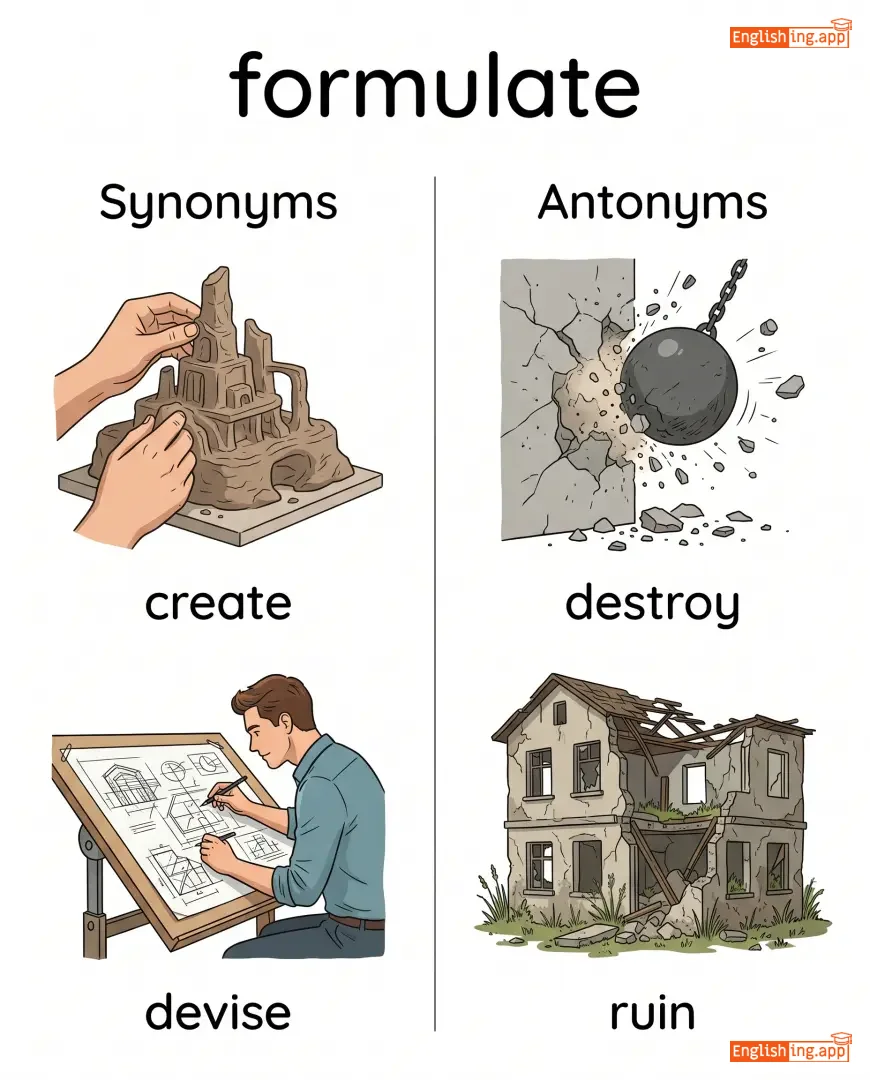
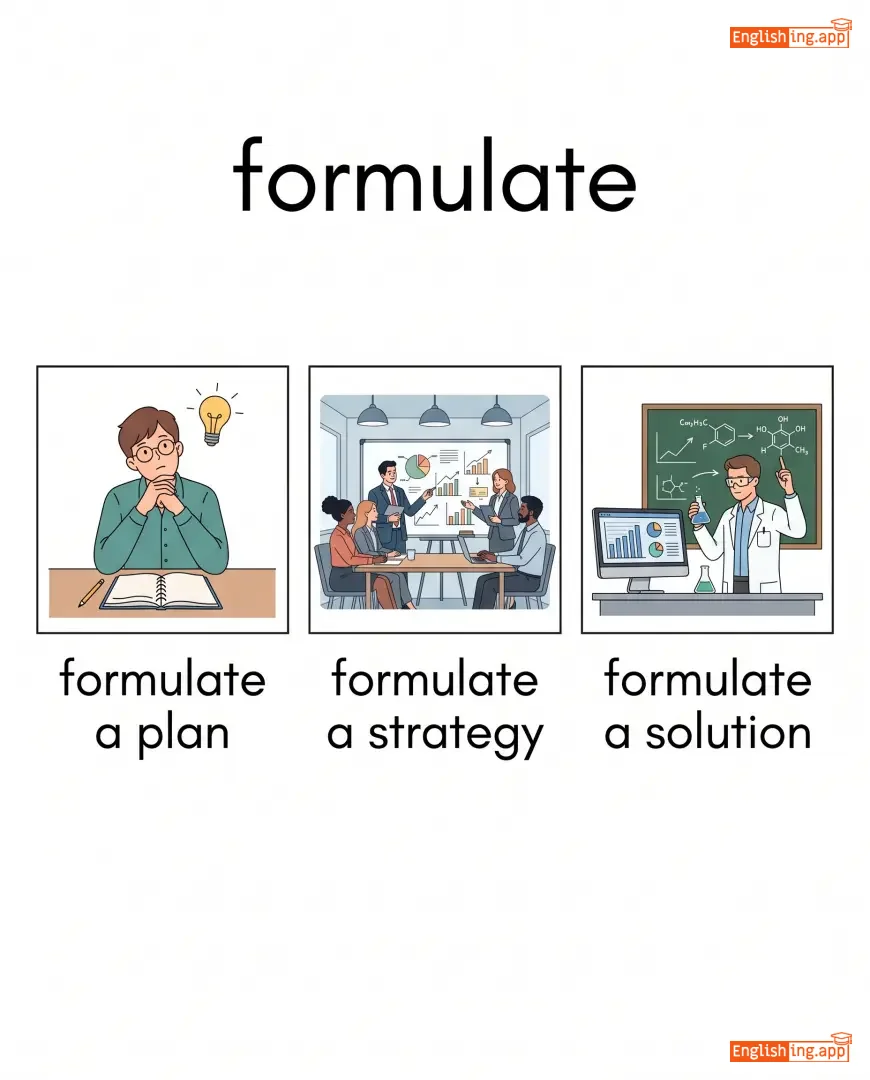
🧪
|
/ˈfɔːrmjʊleɪt/
verb
(公式化)
••••••
|
|
制定,方法性地创造
zhìdìng, fāngfǎxìng de chuàngzào
••••••
|
formulated
已公式化
••••••
|
formulated
已公式化
••••••
|
formulates
公式化
••••••
|
formulating
公式化中
••••••
|
to create or devise methodically; to express in a formula
••••••
|
Scientists formulated a new theory about climate change.
科学家们制定了一个新的气候变化理论。
••••••
|
科学家们制定了一个新的气候变化理论。
Kēxuéjiāmen zhìdìngle yīgè xīn de qìhòu biànhuà lǐlùn.
••••••
|
- •••••• | - •••••• | - •••••• |
devise, create, develop, design
••••••
|
destroy, dismantle, dissolve, abandon
••••••
|
formulate plan, formulate strategy, formulate theory, formulate policy
••••••
|
Formulate = 公式化的方法
••••••
|
|
#0
🍀
|
/ˈfɔːrtʃənət/
adjective
(fòchúnèt)
••••••
|
- •••••• |
幸运的
xìngyùn de
••••••
|
- •••••• | - •••••• | - •••••• | - •••••• |
Having good luck or receiving something desirable by chance.
••••••
|
She was fortunate to escape the accident without injuries.
她很幸运没有在事故中受伤。
••••••
|
她很幸运没有在事故中受伤。
Tā hěn xìngyùn méiyǒu zài shìgù zhōng shòushāng.
••••••
|
fortunate enough
足够幸运
••••••
|
Lucky to have something or experience something
••••••
|
足够幸运
zúgòu xìngyùn
••••••
|
lucky, blessed, favored, prosperous, successful
••••••
|
unfortunate, unlucky, cursed
••••••
|
fortunate enough, fortunate circumstances, feel fortunate, fortunate opportunity
••••••
|
Fortune 意味着好运,因此 fortunate 意味着幸运的 🍀
••••••
|
|
#0
🏢
|
/ˈfrænʧaɪz/
noun, verb
(fú lán chāi zī)
••••••
|
- •••••• |
特许经营
tè xǔ jīng yíng
••••••
|
franchised
fú lán chāi zī dé
••••••
|
franchised
fú lán chāi zī dé
••••••
|
franchises
fú lán chāi zī sī
••••••
|
franchising
fú lán chāi zī ing
••••••
|
A legal right to sell or distribute goods or services in a specific area; to grant such a right.
••••••
|
He opened a new fast-food franchise in the city.
他在城市里开设了一家新的快餐特许经营店。
••••••
|
他在城市里开设了一家新的快餐特许经营店。
Tā zài chéngshì lǐ kāishè le yījiā xīn de kuàicān tèxǔ jīngyíng diàn.
••••••
|
buy a franchise
购买特许经营
••••••
|
To purchase the right to operate a business under a company's brand.
••••••
|
购买特许经营
gòumǎi tèxǔ jīngyíng
••••••
|
license, authorization, dealership, permit
••••••
|
restriction, prohibition
••••••
|
franchise agreement, franchise owner, franchise business, buy a franchise
••••••
|
特许经营 - 免费选择 - 作为公司品牌下运营的机会。
••••••
|
|
#0
😤
|
/ˈfrʌstreɪt/
verb
••••••
|
- •••••• | - •••••• |
frustrated
••••••
|
frustrated
••••••
|
frustrates
••••••
|
frustrating
••••••
|
To prevent someone from accomplishing something; to cause feelings of annoyance or disappointment.
••••••
|
The constant delays frustrated the team. |
- •••••• |
frustrate the purpose |
To hinder the intended result.
••••••
|
- •••••• |
annoy, thwart, hinder, disappoint, obstruct
••••••
|
encourage, assist, satisfy
••••••
|
frustrate the efforts, feel frustrated, frustrating situation, frustrate attempts
••••••
|
No •••••• |
|
#0
🕒
|
/ˈfʊl taɪm/
adjective, adverb
(fʊl taɪm)
••••••
|
- •••••• |
全职
quán zhí
••••••
|
- •••••• | - •••••• | - •••••• | - •••••• |
working or studying for the whole standard period of time
••••••
|
She works full-time as a teacher. |
她作为老师全职工作。
Tā zuòwéi lǎoshī quánzhí gōngzuò.
••••••
|
- •••••• | - •••••• | - •••••• |
permanent, regular, continual, steady
••••••
|
part-time, temporary
••••••
|
full-time job, full-time employee, full-time student
••••••
|
Full-time意味着全天工作,而不是兼职。
••••••
|
|
#0
🪑
|
/ˈfɜːrnɪtʃər/
noun
(fúěrníqiáng)
••••••
|
- •••••• |
家具
jiaju
••••••
|
- •••••• | - •••••• | - •••••• | - •••••• |
Objects such as chairs, tables, beds, or cupboards used to make a room suitable for living or working.
••••••
|
The living room was filled with beautiful wooden furniture. |
客厅里摆满了美丽的木制家具。
Kètīng lǐ bǎi mǎnle měilì de mùzhì jiājù.
••••••
|
move the furniture |
to rearrange or shift the position of furniture in a room
••••••
|
移动家具
Yídòng jiājù
••••••
|
fixtures, fittings, furnishings, decor, equipment
••••••
|
emptiness, vacancy
••••••
|
antique furniture, wooden furniture, office furniture, move furniture, buy furniture
••••••
|
家具意味着家具 🪑 — 记住'家具店'来帮助记忆。
••••••
|
|
#0
🌍
|
/ˈdʒɛnərəli/
adverb
(杰内雷利)
••••••
|
- •••••• |
通常
tong chang
••••••
|
- •••••• | - •••••• | - •••••• | - •••••• |
in most cases; usually; as a rule
••••••
|
He generally arrives at work before 9 a.m. |
他通常在9点前到达工作。
Ta tong chang zai 9 dian qian dao da gongzuo.
••••••
|
as a general rule |
something that is true in most situations
••••••
|
作为一般规则
zuo wei yiban guize
••••••
|
usually, typically, commonly, ordinarily, mostly
••••••
|
rarely, seldom, never
••••••
|
generally accepted, generally speaking, generally known, generally considered
••••••
|
一般的规则下通常就是这种情况,所以下次你就记得‘generally’意味着‘通常’.
••••••
|
|
#0
🤵
|
/ˈdʒɛntəlmən/
noun
(ɡɛntəlmɛn)
••••••
|
- •••••• |
绅士
shēnshì
••••••
|
- •••••• | - •••••• | - •••••• | - •••••• |
a man who is polite, courteous, and honorable
••••••
|
He opened the door for her like a true gentleman. |
他像一个真正的绅士一样为她开了门。
tā xiàng yī gè zhēnzhèng de shēnshì yīyàng wèi tā kāi le mén.
••••••
|
perfect gentleman |
a man who behaves very politely and respectfully
••••••
|
完美的绅士
wánměi de shēnshì
••••••
|
man, sir, nobleman, gallant, gent
••••••
|
boor, rude man
••••••
|
true gentleman, perfect gentleman, young gentleman, gentleman's club
••••••
|
绅士 (shēnshì) 就像 Gentleman 一样,总是表现出礼貌和尊敬
••••••
|
|
#0
❤️
|
/ˈdʒɛnjʊɪnli/
adverb
(jiū ní lì)
••••••
|
- •••••• |
真心
zhēn xīn
••••••
|
- •••••• | - •••••• | - •••••• | - •••••• |
in a truthful and sincere way
••••••
|
She genuinely cares about the environment.
她真心关心环境。
••••••
|
她真心关心环境。
Tā zhēn xīn guān xīn huán jìng.
••••••
|
- •••••• | - •••••• | - •••••• |
sincerely, honestly, truly, authentically
••••••
|
falsely, insincerely, dishonestly
••••••
|
genuinely concerned, genuinely interested, genuinely believe
••••••
|
当你真心说话时,你展示了你'真心'的情感,就像'真心'的意思一样。
••••••
|
|
#0
⏳
|
/ˈɡrædʒ.u.ə.li/
adverb
(ɡrɑdʒuəli)
••••••
|
- •••••• |
渐渐地; 逐渐地
jiànjiàn de; zhújiàn de
••••••
|
- •••••• | - •••••• | - •••••• | - •••••• |
slowly and steadily over a period of time
••••••
|
The weather gradually became warmer in spring.
ðə wɛðər ɡrædʒuəli bɪˈkeɪm wɑːrmɚ ɪn sprɪŋ.
••••••
|
春天里,天气逐渐变暖。
Chūntiān lǐ, tiānqì zhújiàn biàn nuǎn.
••••••
|
- •••••• | - •••••• | - •••••• |
slowly, progressively, steadily, step by step
••••••
|
suddenly, abruptly, immediately, instantly
••••••
|
gradually increase, gradually improve, gradually decline, gradually change
••••••
|
记住,渐渐地温暖的春天是最美的。
••••••
|
|
#0
✅
|
/ˌɡærənˈtiː/
noun/verb
••••••
|
- •••••• | - •••••• |
guaranteed
••••••
|
guaranteed
••••••
|
guarantees
••••••
|
guaranteeing
••••••
|
a formal promise or assurance, especially about the quality or durability of a product
••••••
|
The company guarantees a refund if the product is faulty. |
- •••••• |
money-back guarantee |
a promise that money will be refunded if the product is unsatisfactory
••••••
|
- •••••• |
assure, promise, warrant, pledge
••••••
|
break, deny, disclaim
••••••
|
lifetime guarantee, product guarantee, guarantee success, guarantee satisfaction
••••••
|
No •••••• |
|
#0
💥
|
/ɡəˈrɪlə/
noun
••••••
|
- •••••• | - •••••• | - •••••• | - •••••• | - •••••• | - •••••• |
a member of a small independent group taking part in irregular fighting, typically against larger forces
••••••
|
The guerrilla fighters used ambushes to attack enemy positions. |
- •••••• |
guerrilla warfare |
a form of irregular warfare in which small groups of combatants use tactics such as ambushes and sabotage
••••••
|
- •••••• |
fighter, rebel, insurgent, freedom fighter
••••••
|
soldier, patriot
••••••
|
guerrilla warfare, guerrilla tactics, guerrilla fighters, guerrilla movement
••••••
|
No •••••• |
|
#0
🏛️
|
/ˈhaɪəˌrɑːrki/
noun
(hǎi ér ěr kī)
••••••
|
- •••••• |
等级制度
deng ji zhi du
••••••
|
- •••••• | - •••••• | - •••••• | - •••••• |
A system in which people or things are arranged in levels of importance or authority.
••••••
|
The corporate hierarchy determines who makes the final decision. |
企业等级制度决定了谁作出最终决定。
Qi ye deng ji zhi du jue ding le shui zuo chu zui zhong jue ding.
••••••
|
social hierarchy |
The ranking of individuals in society based on status, power, or wealth.
••••••
|
社会等级制度
she hui deng ji zhi du
••••••
|
ranking, order, system, structure, chain of command
••••••
|
equality, parity
••••••
|
corporate hierarchy, political hierarchy, social hierarchy, strict hierarchy
••••••
|
等级制度就像金字塔,从底部到顶部排列重要性。
••••••
|
|
#0
🤖
|
/ˌhaɪ ˈtɛk/
adjective
(海特克)
••••••
|
- •••••• |
高科技
gao ke ji
••••••
|
- •••••• | - •••••• | - •••••• | - •••••• |
using or involving advanced technology.
••••••
|
The company produces high-tech medical devices. |
该公司生产高科技医疗设备。
Gai gongsi shengchan gao ke ji yiliao shebei.
••••••
|
- •••••• | - •••••• | - •••••• |
advanced, modern, cutting-edge, innovative, futuristic
••••••
|
low-tech, outdated, old-fashioned
••••••
|
high-tech industry, high-tech equipment, high-tech company, high-tech solution
••••••
|
High-tech意味着高科技 — 高科技就是先进的技术!
••••••
|
|
#0
😂
|
/hɪˈlɛəriəs/
adjective
(哈利瑞厄斯)
••••••
|
- •••••• |
极其有趣
jiqi youqu
••••••
|
- •••••• | - •••••• | - •••••• | - •••••• |
Extremely funny or amusing.
••••••
|
The comedian told a hilarious story that had everyone laughing. |
那位喜剧演员讲了一个极其有趣的故事,让每个人都笑了。
Na wei xiju yanyuan jiangle yi ge jiqi youqu de gushi, rang meigeren dou xiaole.
••••••
|
- •••••• | - •••••• | - •••••• |
funny, amusing, comical, entertaining, laughable
••••••
|
serious, sad, boring
••••••
|
hilarious joke, hilarious story, hilarious moment, absolutely hilarious
••••••
|
Hilarious = 极 (ji) + 趣 (qu) → 极其有趣
••••••
|
|
#0
🤞
|
/ˈhoʊpfəli/
adverb
(hòupǔlì)
••••••
|
- •••••• |
希望
xīwàng
••••••
|
- •••••• | - •••••• | - •••••• | - •••••• |
in a hopeful manner; expressing hope or optimism
••••••
|
Hopefully, the weather will be nice tomorrow.
希望明天天气会很好。
••••••
|
希望明天天气会很好。
Xīwàng míngtiān tiānqì huì hěn hǎo.
••••••
|
- •••••• | - •••••• | - •••••• |
optimistically, confidently, expectantly, positively
••••••
|
hopelessly, pessimistically
••••••
|
say hopefully, look hopefully, hopefully waiting
••••••
|
Hopefully 的意思是 ‘希望’ — 🤞 记住,心怀希望一切都会好!
••••••
|
|
#0
😠
|
/hɒˈstɪləti/
noun
(hɒˈstɪləti)
••••••
|
- •••••• |
敌意
di yi
••••••
|
- •••••• | - •••••• | - •••••• | - •••••• |
hostile behavior; unfriendliness or opposition
••••••
|
The negotiations ended in an atmosphere of hostility. |
谈判以敌意的氛围结束。
Tanpan yi diyi de fenwei jie shu.
••••••
|
open hostility |
a clear and obvious display of unfriendly feelings
••••••
|
公开敌意
gongkai diyi
••••••
|
animosity, antagonism, enmity, resentment, bitterness
••••••
|
friendliness, goodwill, harmony
••••••
|
open hostility, mutual hostility, hostility towards, hostility between
••••••
|
Hostility means unfriendly feelings, in Chinese 敌意 = hostility.
••••••
|
|
#0
👨👩👧👦
|
/ˈhaʊshoʊld/
noun
(hɑʊʃoʊld)
••••••
|
- •••••• |
家庭
jiating
••••••
|
- •••••• | - •••••• | - •••••• | - •••••• |
All the people living together in one house, considered as a unit.
••••••
|
There are five people in our household. |
我们家里有五个人。
Wǒmen jiālǐ yǒu wǔ gè rén.
••••••
|
household name |
a person or brand that is very well known
••••••
|
家喻户晓
jiā yù hù xiǎo
••••••
|
family, home, residents, occupants, domestic unit
••••••
|
outsiders, strangers
••••••
|
household chores, household income, household goods, household members
••••••
|
家庭意味着家,记住'House + All → 所有人都在家'
••••••
|
Vocabulary Quiz
Test your vocabulary by matching words with their translations or meanings.
Login to take the quiz
Comments (0)
Share your thoughts and join the discussion.
Join the discussion by logging in
Login to CommentNo comments yet
Be the first to share your thoughts!