

改变市中心的规划者
The Planner Who Transformed Downtown
Sajid 是一位从事 downtown 开发的城市规划者。他在塑造城市政策方面起着 dominant 的作用。他相信恰当的规划可以 diminish 交通混乱。每天早晨他都会做一次身体 workout 来保持健康。他的办公室可以通过 elevator 到达,方便 disabled 公民。Sajid 的 emphasis 是创造包容性的空间。他 directly 与社区互动。在市政厅会议期间,政客们常常在优先事项上 disagree。但 Sajid 试图找到共同点。来自车辆的环境 emissions 是一个主要关注点。他提出了 electric 公交系统的方案。预算限制意味着全面实施 without 足够资金。Whoever 想参与规划可以提交提案。开发项目应当 disclose 环境影响。新的 emerging 社区需要适当的基础设施。城市的 dynamics 正在迅速变化。Sajid 的 earnings 微薄,但他很投入。他的 written 报告很全面。在 election 季节之前,许多承诺会被提出。政客们试图 dominate 讨论。但 Sajid 在规划与政治之间保持专业的 distinction。一次 economic 危机威胁到了资金。废物 disposal 系统需要升级。需要拆除的旧建筑可能会 displace 家庭。Sajid 希望 dissolve 利益相关者之间的紧张局势。交通拥堵会从生活质量上 distract。一些居民面临财务 distress。购物 discount 方案帮助了低收入家庭。与污染相关的 disorders 影响了公共健康。城市需要在每个可用的 driveway 空间上建造更多住房。绿地的缺乏正在造成社会问题。必须保证 Drinking 水的质量。Sajid 证明了周密的城市规划可以改善生活。他的 doctrine 是:城市应当平等地为所有居民服务。

Swipe left or right, or use the buttons. Tap image to zoom.
例句翻译
单词
The Planner Who Transformed DowntownThe Planner Who Transformed Downtown - 遮罩切换
|
表情符号
|
单词 | Images | 翻译 | 过去时 | 过去分词 | 第三人称单数 | 动名词 | 含义 | 例句 | 例句翻译 | 示例表达 | 示例表达含义 | 示例表达翻译 | 同义词 | 反义词 | 搭配词 | 助记符 |
|---|---|---|---|---|---|---|---|---|---|---|---|---|---|---|---|---|---|
|
#0
⬇️
|
/dɪˈmɪnɪʃ/
verb
••••••
|
- •••••• | - •••••• |
diminished
••••••
|
diminished
••••••
|
diminishes
••••••
|
diminishing
••••••
|
to make or become less; to reduce in size, importance, or value
••••••
|
Over time, his influence in the company began to diminish. |
- •••••• |
diminish returns |
a situation where the benefit gained is less compared to the effort or investment put in
••••••
|
- •••••• |
reduce, decrease, lessen, weaken, dwindle
••••••
|
increase, enlarge, expand
••••••
|
diminish value, diminish importance, diminish role, diminish returns
••••••
|
No •••••• |
|
#0
📢
|
/dəˈrɛktli/ or /daɪˈrɛktli/
adverb
(直接)
••••••
|
- •••••• |
直接
zhíjiē
••••••
|
- •••••• | - •••••• | - •••••• | - •••••• |
in a straight line or manner; without anything in between
••••••
|
She spoke directly to the manager about her concerns. |
她直接与经理讨论了她的担忧。
Tā zhíjiē yǔ jīnglǐ tǎolùnle tā de dānyōu.
••••••
|
directly involved |
personally connected or participating
••••••
|
直接参与
zhíjiē cānyù
••••••
|
immediately, personally, straightforwardly, openly
••••••
|
indirectly, vaguely
••••••
|
directly responsible, directly affected, speak directly, directly proportional
••••••
|
Directly 就是直接走 — 不绕弯,直达目标。
••••••
|
|
#0
♿
|
/dɪsˈeɪbld/
adjective
(dísāibù)
••••••
|
- •••••• |
残疾
cánjí
••••••
|
- •••••• | - •••••• | - •••••• | - •••••• |
having a physical or mental condition that limits movements, senses, or activities
••••••
|
The park has special facilities for disabled people. |
公园有专为残疾人士设计的设施。
Gōngyuán yǒu zhuān wèi cánjí rénshì shèjì de shèshī.
••••••
|
- •••••• | - •••••• | - •••••• |
handicapped, impaired, incapacitated, challenged
••••••
|
able-bodied, healthy, fit
••••••
|
disabled person, disabled access, physically disabled, disabled community
••••••
|
Dis + able = not able → 不能身体上的人称为‘残疾’。
••••••
|
|
#0
🙅
|
/ˌdɪsəˈɡriː/
verb
••••••
|
|
- •••••• |
disagreed
••••••
|
disagreed
••••••
|
disagrees
••••••
|
disagreeing
••••••
|
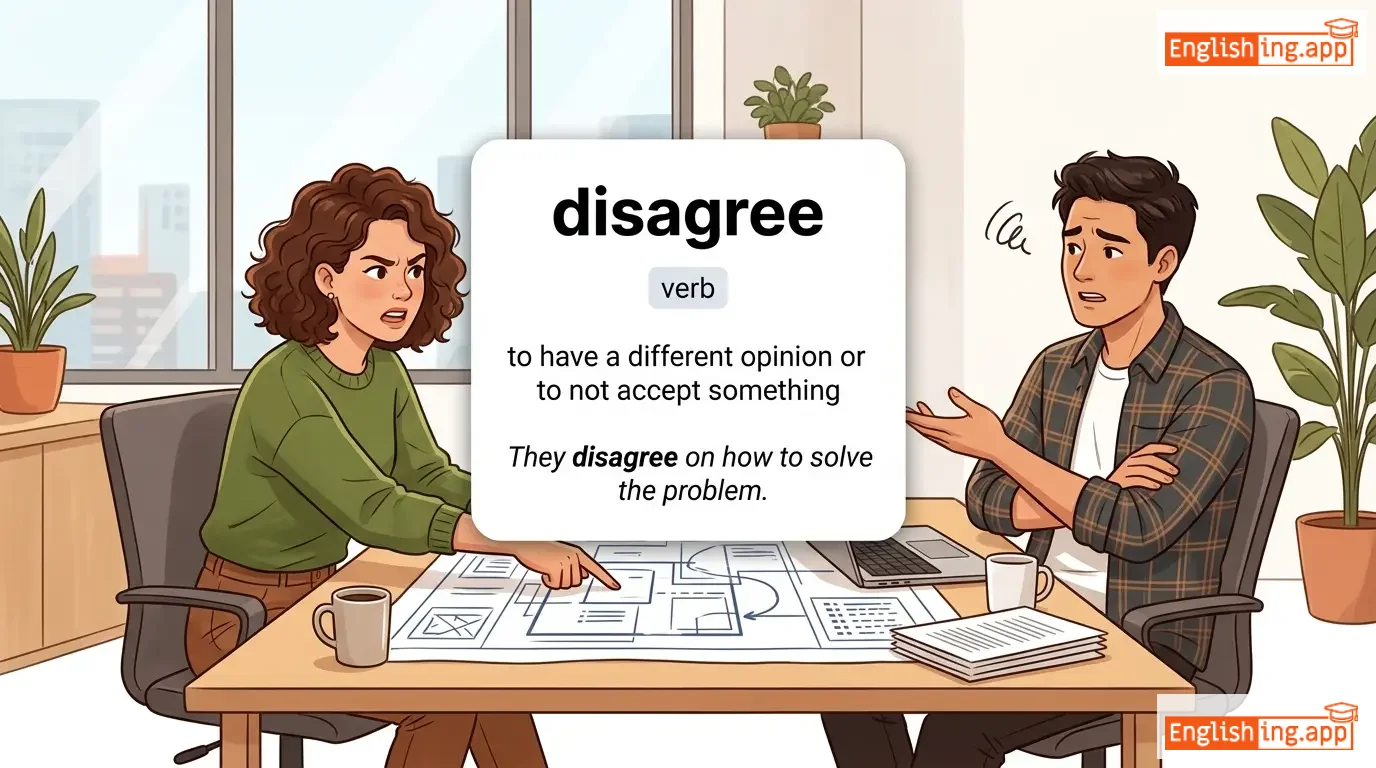
to have a different opinion or to not accept something
••••••
|
They disagree on how to solve the problem. |
- •••••• |
agree to disagree |
accept that two people will not reach the same opinion
••••••
|
- •••••• |
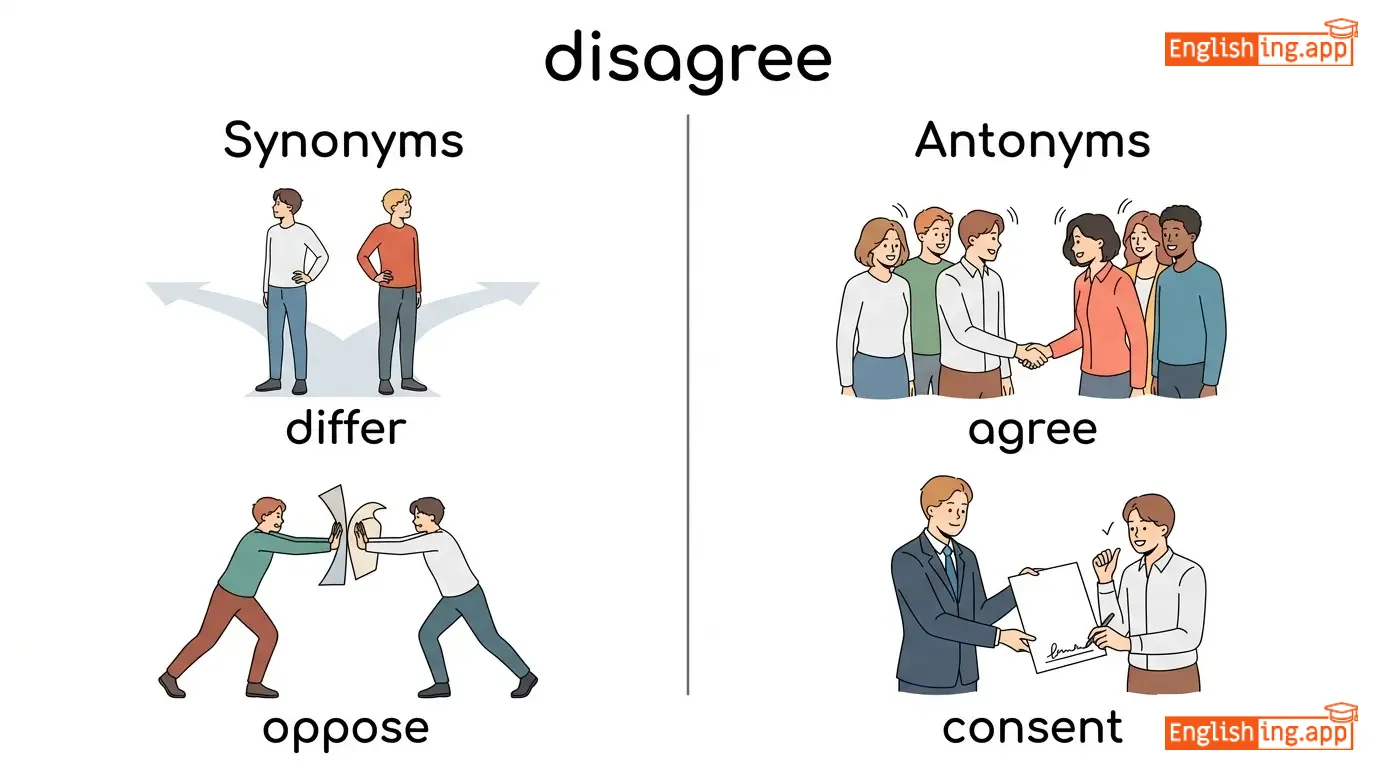
differ, oppose, contradict, dispute, object
••••••
|
agree, consent, approve
••••••
|
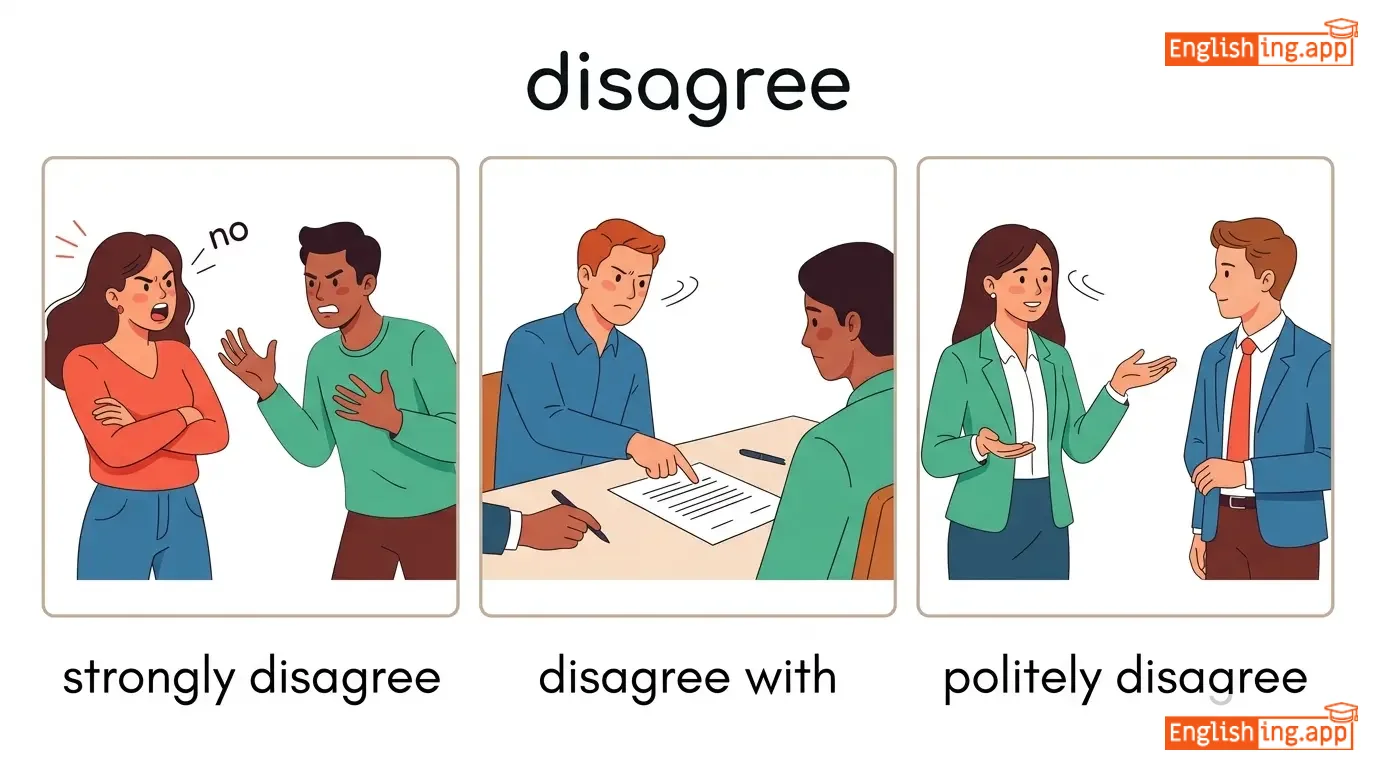
strongly disagree, disagree with, politely disagree
••••••
|
No •••••• |
|
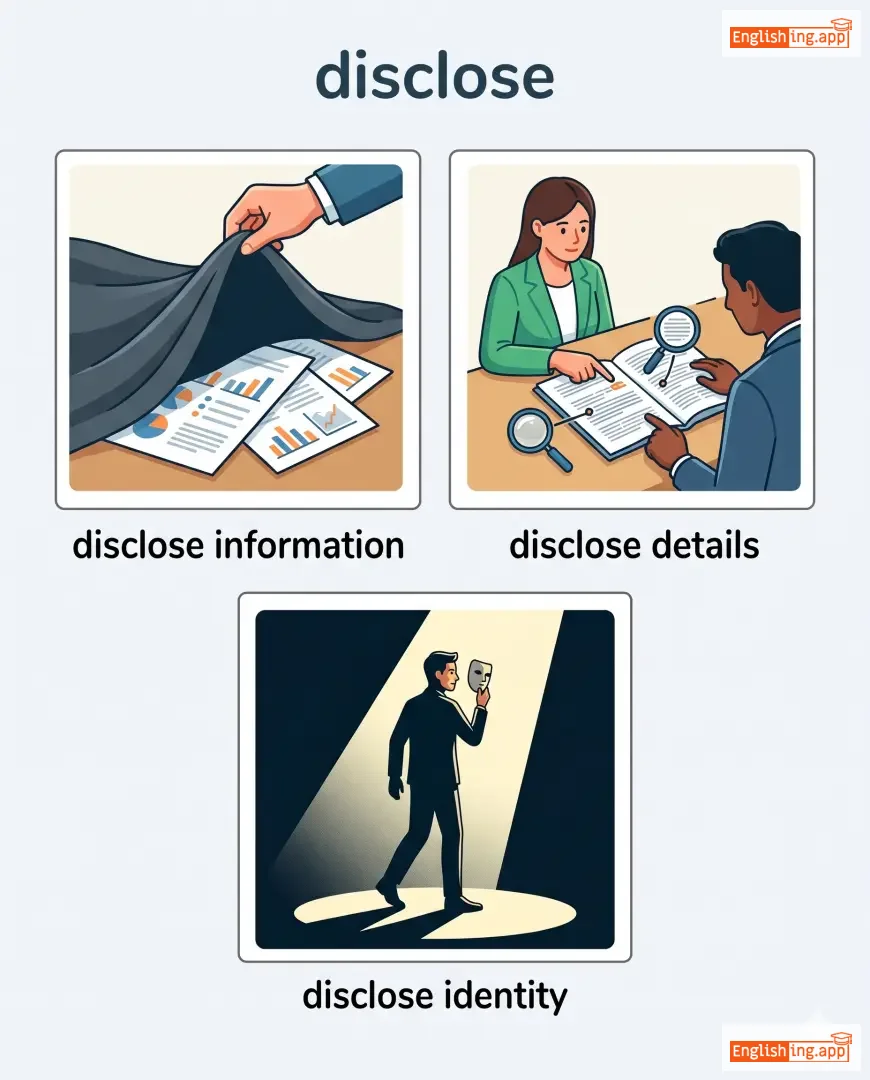
#0
📢
|
/dɪsˈkloʊz/
verb
••••••
|
|
- •••••• |
disclosed
••••••
|
disclosed
••••••
|
discloses
••••••
|
disclosing
••••••
|
to make something known; to reveal information that was previously secret or hidden
••••••
|
The company refused to disclose details of the agreement. |
- •••••• |
full disclosure |
being completely open and honest about all relevant information
••••••
|
- •••••• |
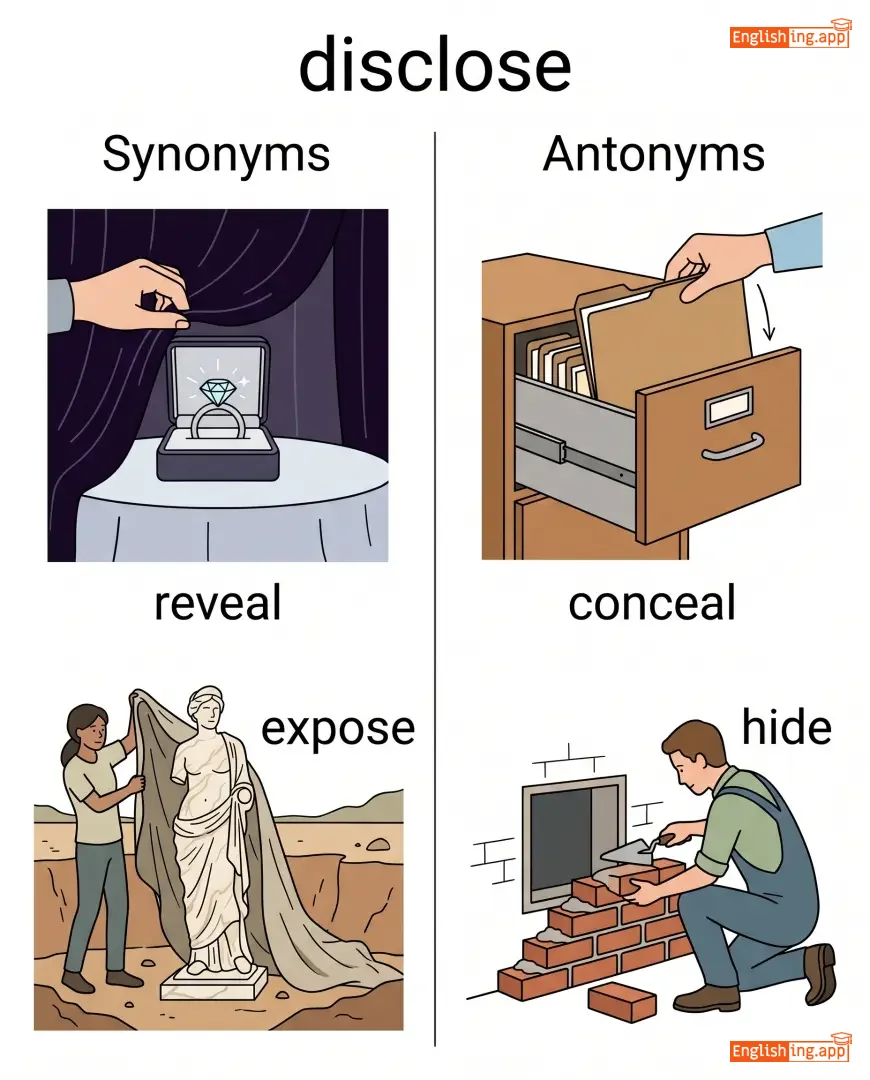
reveal, expose, uncover, divulge, announce
••••••
|
conceal, hide, suppress
••••••
|
disclose information, disclose details, disclose identity, disclose agreement
••••••
|
No •••••• |
|
#0
🦁
|
/ˈdɑː.mə.nənt/
adjective
(多米南特)
••••••
|
- •••••• |
主导的
zhǔdǎo de
••••••
|
- •••••• | - •••••• | - •••••• | - •••••• |
Having power, authority, or influence over others; most important.
••••••
|
English has become the dominant language in international business.
英语已经成为国际商务中的主导语言。
••••••
|
英语已经成为国际商务中的主导语言。
Yīngyǔ yǐjīng chéngwéi guójì shāngwù zhōng de zhǔdǎo yǔyán.
••••••
|
dominant hand
主导手
••••••
|
The hand that a person uses most skillfully and frequently.
••••••
|
主导手
zhǔdǎo shǒu
••••••
|
powerful, controlling, leading, influential
••••••
|
submissive, minor, weak
••••••
|
dominant role, dominant culture, dominant force
••••••
|
Dominant 就像狮子 🦁—最强大、最有权力!
••••••
|
|
#0
👑
|
/ˈdɒmɪneɪt/
verb
(多米内特)
••••••
|
- •••••• |
主导
zhudao
••••••
|
dominated
多米内特德
••••••
|
dominated
多米内特德
••••••
|
dominates
多米内特斯
••••••
|
dominating
多米内廷
••••••
|
to have power or control over something or someone
••••••
|
The company dominates the smartphone market.
这家公司主导了智能手机市场。
••••••
|
这家公司主导了智能手机市场。
Zhè jiā gōngsī zhǔdǎo le zhìnéng shǒujī shìchǎng.
••••••
|
dominate the field
主导领域
••••••
|
to be the most successful or influential in a particular area
••••••
|
主导领域
zhǔdǎo lǐngyù
••••••
|
control, rule, command, govern, lead
••••••
|
submit, follow, yield
••••••
|
dominate the market, dominate the conversation, dominate politics, dominate completely
••••••
|
Dominate : 像国王一样主导一切!
••••••
|
|
#0
🏙️
|
/ˈdaʊnˌtaʊn/
noun
(dàowntāun)
••••••
|
- •••••• |
市中心
shì zhōngxīn
••••••
|
- •••••• | - •••••• | - •••••• | - •••••• |
the central part of a city
••••••
|
They spent the afternoon shopping downtown. |
他们在市中心购物度过了下午。
Tāmen zài shì zhōngxīn gòuwù dùguòle xiàwǔ.
••••••
|
- •••••• | - •••••• | - •••••• |
city center, metropolis, central district, urban area
••••••
|
suburb, countryside
••••••
|
downtown area, downtown district, downtown core, downtown business
••••••
|
Downtown是城市的心脏,一切都在这里发生!
••••••
|
|
#0
⚙️
|
/daɪˈnæmɪks/
noun
(dàiˈnàmɪks)
••••••
|
- •••••• |
动态
dongtai
••••••
|
- •••••• | - •••••• | - •••••• | - •••••• |
the forces or properties that stimulate growth, development, or change within a system or process
••••••
|
The dynamics of the team changed after the new manager joined.
团队的动态在新经理加入后发生了变化。
••••••
|
团队的动态在新经理加入后发生了变化。
Tuandui de dongtai zai xin jingli jiaru hou fasheng le bianhua.
••••••
|
- •••••• | - •••••• | - •••••• |
forces, interactions, relationships, motion
••••••
|
stability, stagnation
••••••
|
team dynamics, market dynamics, group dynamics, power dynamics
••••••
|
Dynamics = 改变 – 团队的变化就是动态的变化!
••••••
|
|
#0
💰
|
/ˈɜːnɪŋz/
noun
(ěrníngs)
••••••
|
- •••••• |
收入
shouru
••••••
|
- •••••• | - •••••• | - •••••• | - •••••• |
money obtained in return for labor or services
••••••
|
Her monthly earnings are enough to support her family. |
她的月收入足以养活她的家人。
Tā de yuè shōurù zúyǐ yǎnghuo tā de jiārén.
••••••
|
net earnings |
the total profit after deducting expenses
••••••
|
净收入
jìng shōurù
••••••
|
income, wages, salary, profit, revenue
••••••
|
loss, debt
••••••
|
monthly earnings, total earnings, net earnings, gross earnings
••••••
|
Earnings就是收入 — 赚得的钱就是收入。
••••••
|
|
#0
🗳️
|
/ɪˈlɛkʃən/
noun
(选举)
••••••
|
- •••••• |
选举
xuanju
••••••
|
- •••••• | - •••••• | - •••••• | - •••••• |
The process of choosing someone for public office by voting.
••••••
|
The election will be held next month. |
选举将在下个月举行。
Xuanju jiang zai xiage yue juxing.
••••••
|
election fever |
Excitement and activity surrounding an upcoming election.
••••••
|
选举热潮
Xuanju rechao
••••••
|
vote, poll, ballot, selection, referendum
••••••
|
appointment, selection without voting
••••••
|
general election, presidential election, election campaign, election results
••••••
|
Election 是选举 - 投票参加选举,成为选举的一部分。
••••••
|
|
#0
⚡
|
/ɪˈlɛktrɪk/
adjective
(电的)
••••••
|
- •••••• |
电的
diàn de
••••••
|
- •••••• | - •••••• | - •••••• | - •••••• |
Relating to or operated by electricity.
••••••
|
The room was lit by an electric lamp. |
房间里用电灯照明。
Fángjiān lǐ yòng diàndēng zhàomíng.
••••••
|
electric atmosphere |
A highly charged or exciting environment.
••••••
|
电气氛围
diàn qì fēnwéi
••••••
|
powered, charged, energized, electronic
••••••
|
manual, mechanical
••••••
|
electric car, electric power, electric shock, electric current
••••••
|
Electric意味着电 ⚡, 记住,灯或风扇是用电运行的。
••••••
|
|
#0
🛗
|
/ˈɛləˌveɪtər/
noun
(电梯)
••••••
|
- •••••• |
电梯
dianti
••••••
|
- •••••• | - •••••• | - •••••• | - •••••• |
a machine that carries people or goods up and down between floors in a building
••••••
|
We took the elevator to the tenth floor. |
我们乘坐电梯到达了第十层。
Wǒmen chéngzuò diàntī dàodále dì shí céng.
••••••
|
elevator pitch |
a brief, persuasive speech to spark interest in an idea or project
••••••
|
电梯推销
dianti tuixiao
••••••
|
lift, hoist, escalator, platform
••••••
|
stairs, descent
••••••
|
take the elevator, elevator door, elevator button, elevator ride
••••••
|
电梯就像 Elevator 一样,往上走,往下走,像 Elevator Pitch 一样激发兴趣!
••••••
|
|
#0
🌱
|
/ɪˈmɜːrdʒɪŋ/
adjective
(emerging)
••••••
|
- •••••• |
新兴
xinxing
••••••
|
- •••••• | - •••••• | - •••••• | - •••••• |
becoming known, developing, or starting to exist
••••••
|
Bangladesh is one of the fastest emerging economies in the world. |
孟加拉国是世界上发展最快的新兴经济体之一。
Mengjialaguo shi shijie shang fazhan zuikuai de xinxing jingjiti zhiyi.
••••••
|
emerging markets |
developing countries with growing economies
••••••
|
新兴市场
xinxing shichang
••••••
|
developing, growing, rising, evolving
••••••
|
declining, fading, disappearing
••••••
|
emerging trend, emerging talent, emerging market, emerging technology
••••••
|
Emerging = 新兴,就像太阳从地平线上升起。
••••••
|
|
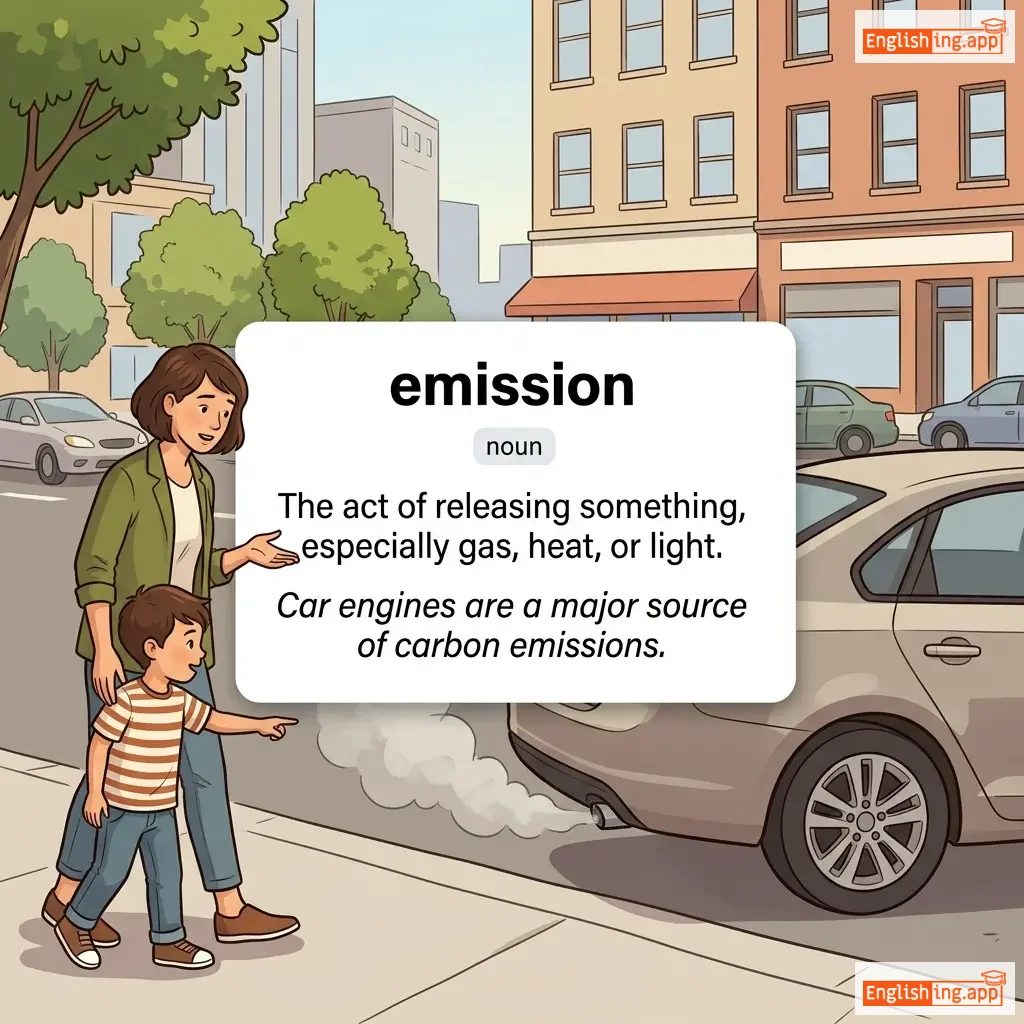
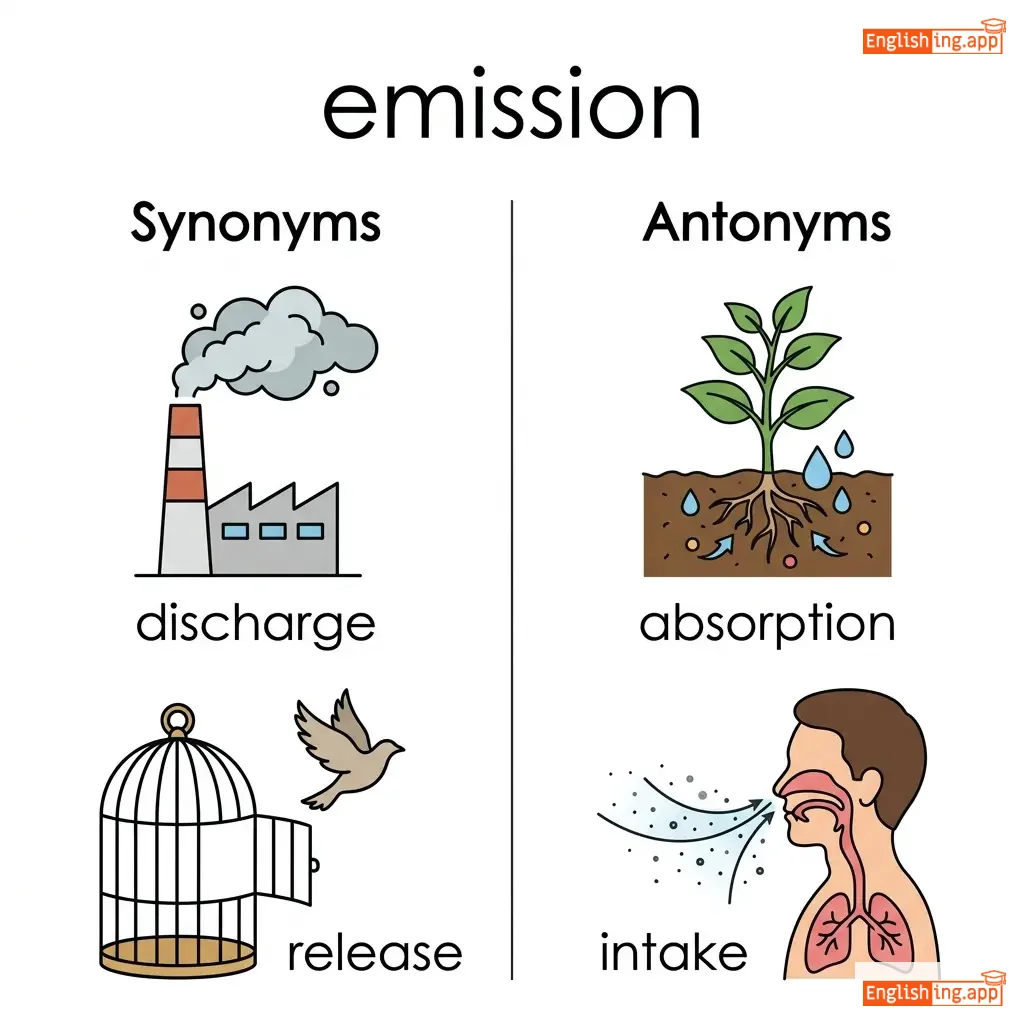
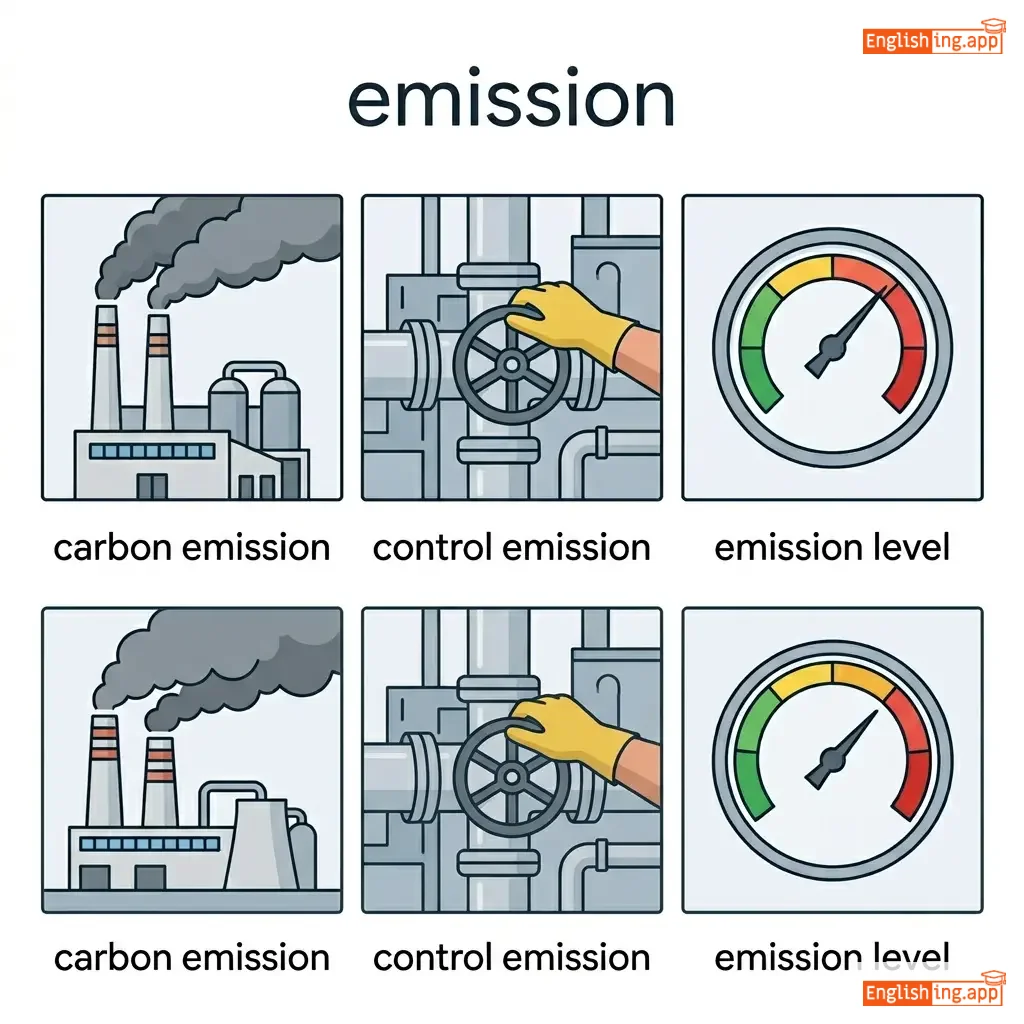
#0
💨
|
/ɪˈmɪʃən/
noun
(emission)
••••••
|
|
排放
paifang
••••••
|
- •••••• | - •••••• | - •••••• | - •••••• |
The act of releasing something, especially gas, heat, or light.
••••••
|
Car engines are a major source of carbon emissions. |
汽车发动机是碳排放的主要来源。
Qiche fadongji shi tan paifang de zhuyao laiyuan.
••••••
|
greenhouse gas emissions |
Gases released into the atmosphere that contribute to climate change.
••••••
|
温室气体排放
wenshiti qiti paifang
••••••
|
discharge, release, output, radiation
••••••
|
absorption, intake
••••••
|
carbon emission, control emission, emission level, reduce emissions
••••••
|
Emission = Emit + fang → Emit 表示排出,排放表示释放。
••••••
|
|
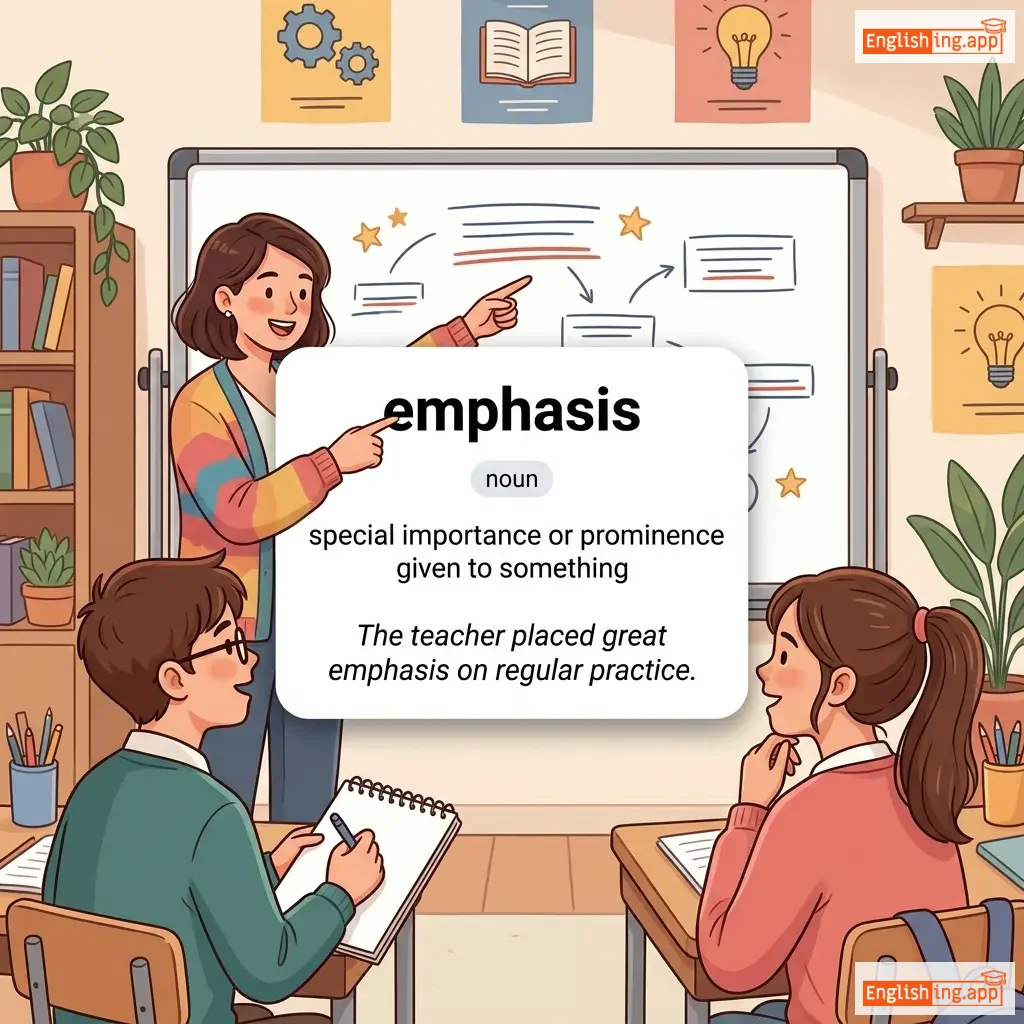
#0
🔍
|
/ˈɛmfəsɪs/
noun
(强加)
••••••
|
|
重点
zhòngdiǎn
••••••
|
- •••••• | - •••••• | - •••••• | - •••••• |
special importance or prominence given to something
••••••
|
The teacher placed great emphasis on regular practice. |
老师强调了定期练习的重要性。
lǎoshī qiángdiàole dìngqī liànxí de zhòngyào xìng.
••••••
|
place emphasis on |
to give special importance to something
••••••
|
给予重点
jǐ yǔ zhòngdiǎn
••••••
|
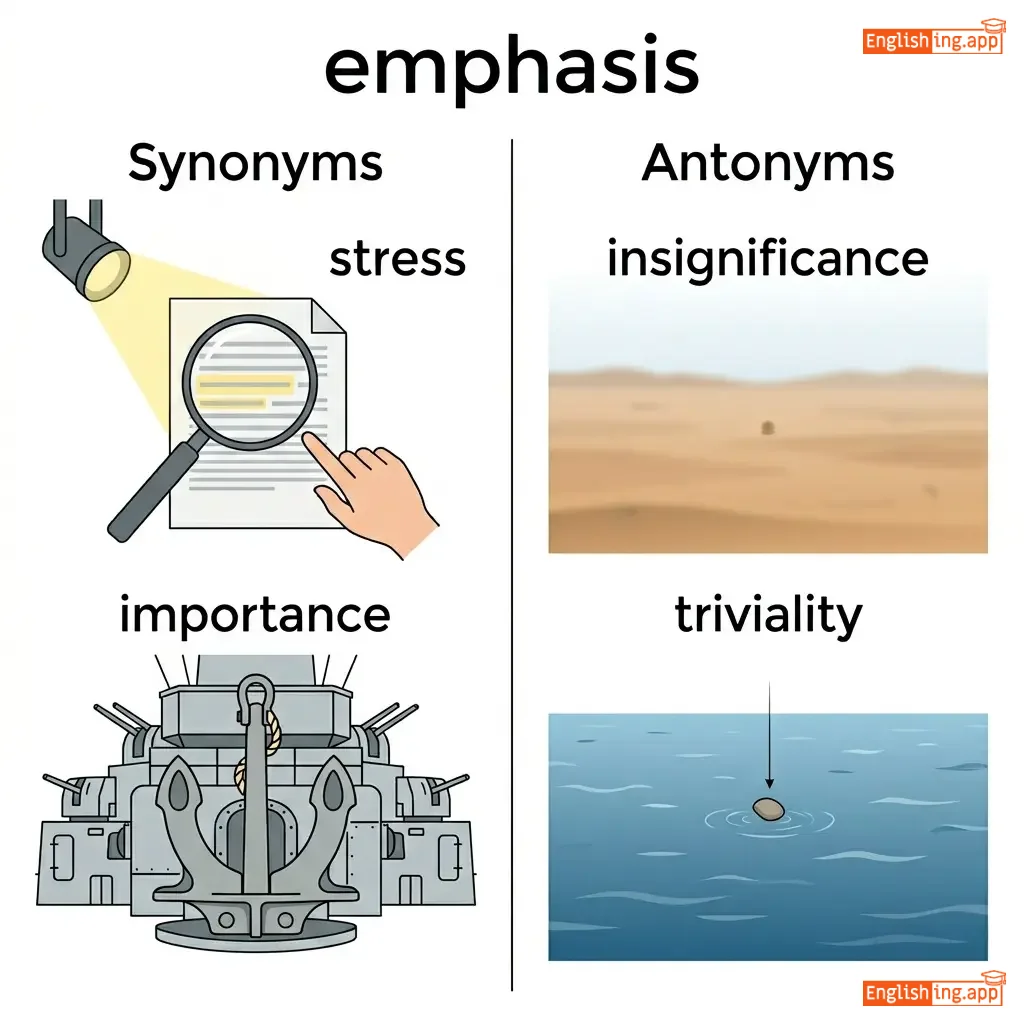
stress, importance, weight, significance, priority
••••••
|
insignificance, triviality
••••••
|
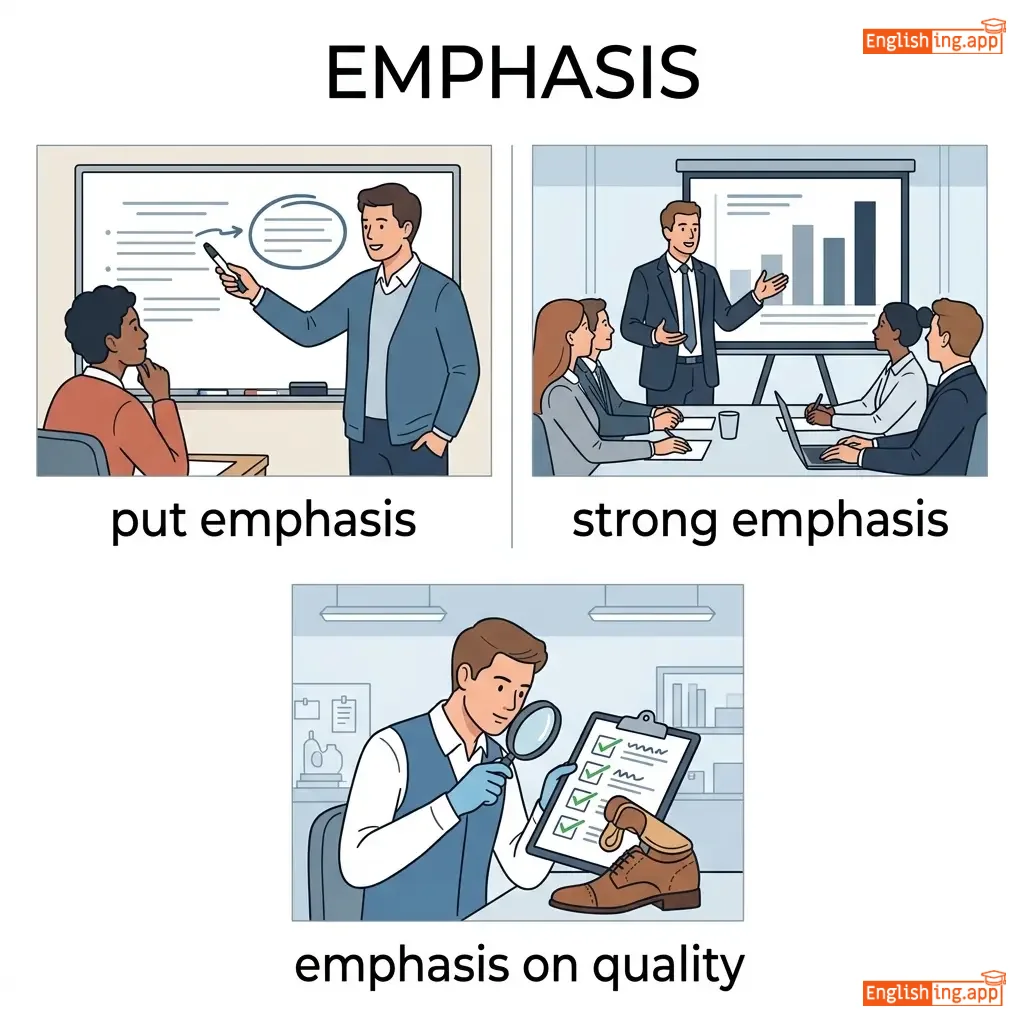
put emphasis, strong emphasis, emphasis on quality, emphasis added
••••••
|
用重点来表示强加的意思,重点是让人重视的事物。
••••••
|
|
#0
🙋♂️
|
/huːˈɛvər/
pronoun
(húːˈɛvər)
••••••
|
- •••••• |
无论谁
wúlùn shuí
••••••
|
- •••••• | - •••••• | - •••••• | - •••••• |
any person who; no matter who
••••••
|
Whoever wants to join the trip must register today. |
无论谁想加入旅行,都必须今天注册。
Wúlùn shuí xiǎng jiārù lǚxíng, dōu bìxū jīntiān zhùcè.
••••••
|
- •••••• | - •••••• | - •••••• |
anyone, anybody, whosoever
••••••
|
none, nobody
••••••
|
whoever comes, whoever wants, whoever said, whoever did
••••••
|
Who + ever = 无论谁 — whoever means 任何人
••••••
|
|
#0
🚫
|
/wɪðˈaʊt/
preposition
(wɪðˈaʊt)
••••••
|
- •••••• |
没有
méiyǒu
••••••
|
- •••••• | - •••••• | - •••••• | - •••••• |
in the absence of, or not having something
••••••
|
He left without saying goodbye.
他离开时没有说再见。
••••••
|
他离开时没有说再见。
Tā líkāi shí méiyǒu shuō zàijiàn.
••••••
|
- •••••• | - •••••• | - •••••• |
lacking, absent, minus, excluding
••••••
|
with, having
••••••
|
without a doubt, without hesitation, without warning
••••••
|
没有 (without) 一切都不可能,什么也不会发生
••••••
|
|
#0
🏋️♀️
|
/ˈwɜːrkaʊt/
noun
(wɜːrkaʊt)
••••••
|
- •••••• |
锻炼
duànliàn
••••••
|
- •••••• | - •••••• | - •••••• | - •••••• |
a session of physical exercise or training to improve fitness or health
••••••
|
She does a full-body workout every morning before work. |
她每天早上在上班前做全身锻炼。
Tā měitiān zǎoshang zài shàngbān qián zuò quánshēn duànliàn.
••••••
|
intense workout |
a very demanding or vigorous exercise session
••••••
|
强烈的锻炼
qiángliè de duànliàn
••••••
|
exercise, training, session, fitness routine, practice
••••••
|
rest, inactivity, relaxation
••••••
|
daily workout, intense workout, gym workout, home workout
••••••
|
在健身房里,‘workout’意味着通过锻炼使身体变得更加健康——工作前做锻炼!
••••••
|
|
#0
✍️
|
/ˈrɪtən/
adjective
(rìtén)
••••••
|
- •••••• |
书面
shūmiàn
••••••
|
- •••••• | - •••••• | - •••••• | - •••••• |
expressed in writing rather than spoken; composed or recorded in written form
••••••
|
The agreement must be in written form to be valid.
协议必须以书面形式进行,才有效。
••••••
|
协议必须以书面形式进行,才有效。
Xiéyì bìxū yǐ shūmiàn xíngshì jìnxíng, cái yǒuxiào.
••••••
|
in black and white
黑白分明
••••••
|
clearly written or printed, leaving no doubt
••••••
|
黑白分明
hēibái fēnmíng
••••••
|
documented, recorded, drafted, inscribed, composed
••••••
|
spoken, oral, verbal
••••••
|
written form, written statement, written communication, written agreement
••••••
|
Written 在中文中表示已经书面记录或表达 ✍️
••••••
|
Vocabulary Quiz
Test your vocabulary by matching words with their translations or meanings.
Login to take the quiz
Comments (0)
Share your thoughts and join the discussion.
Join the discussion by logging in
Login to CommentNo comments yet
Be the first to share your thoughts!