

改革司法的法官
The Judge Who Reformed Justice
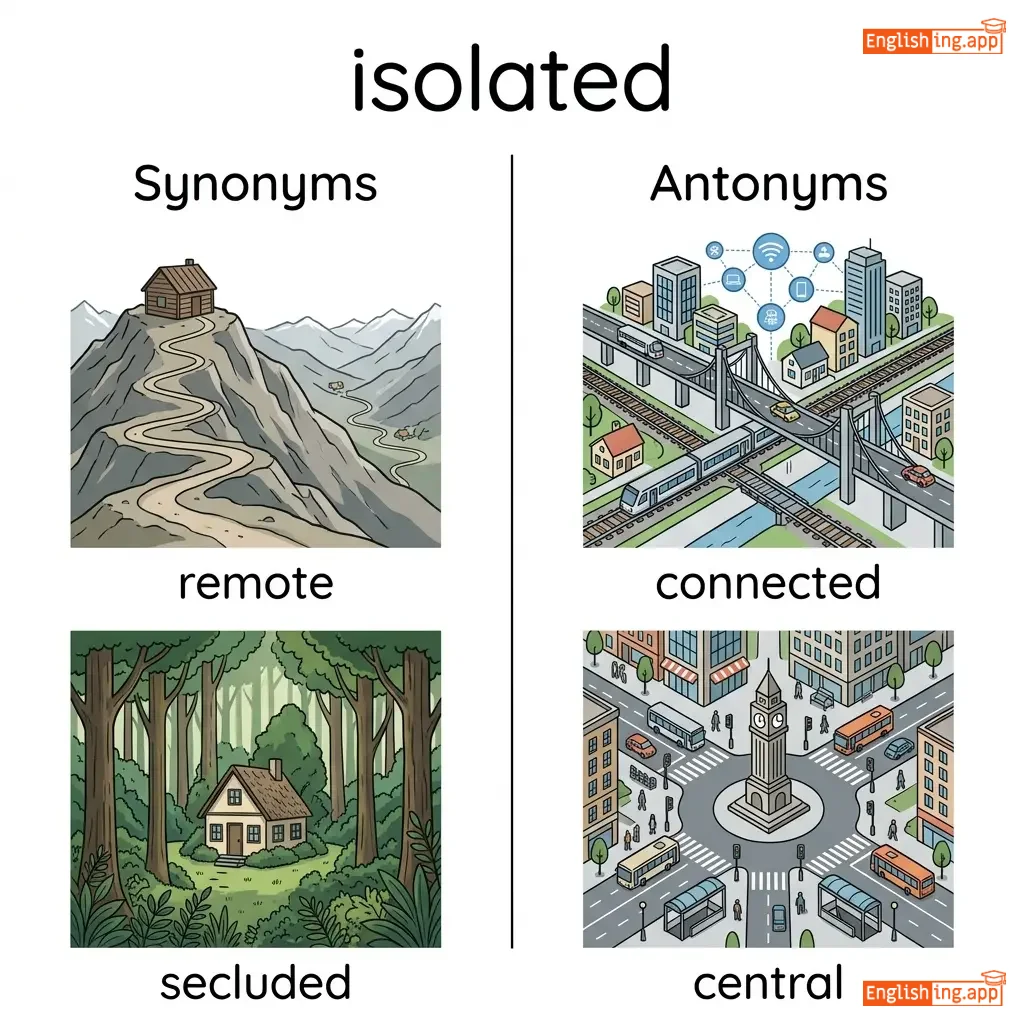
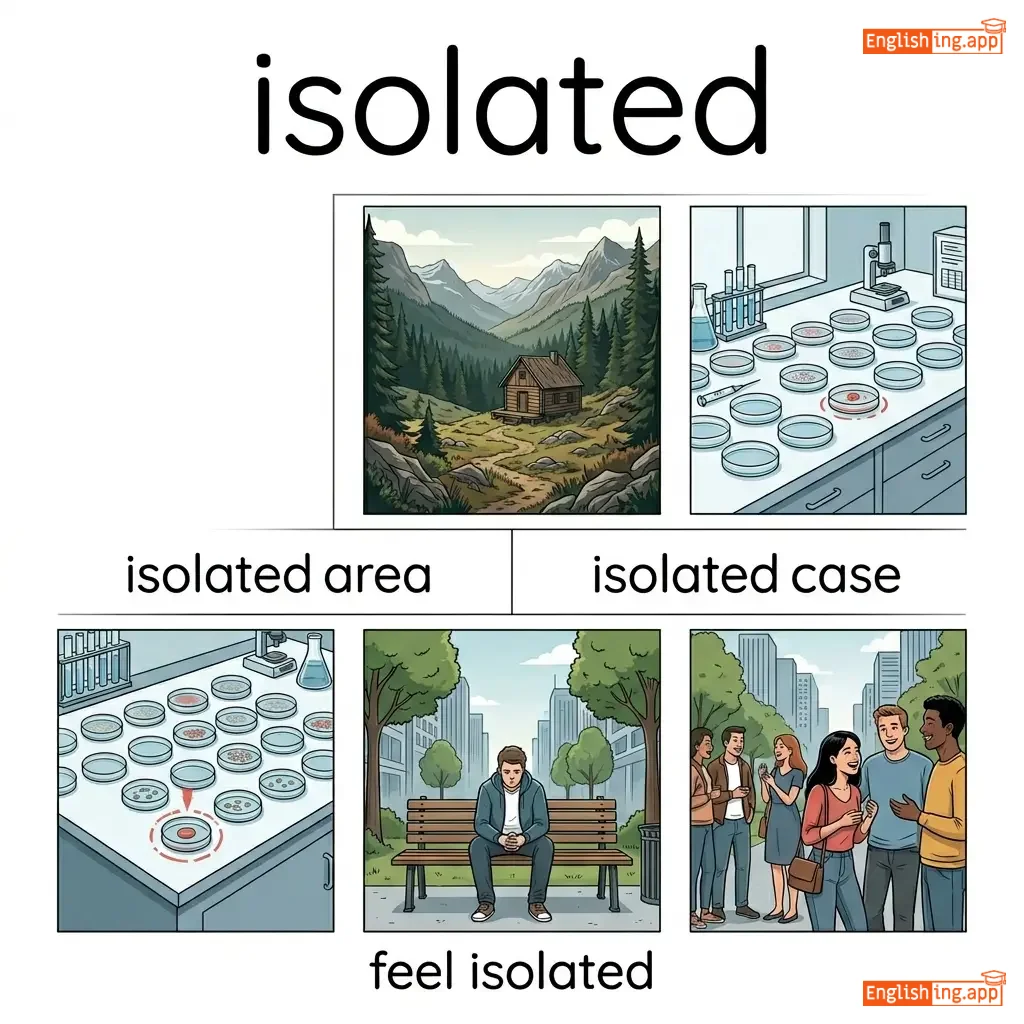
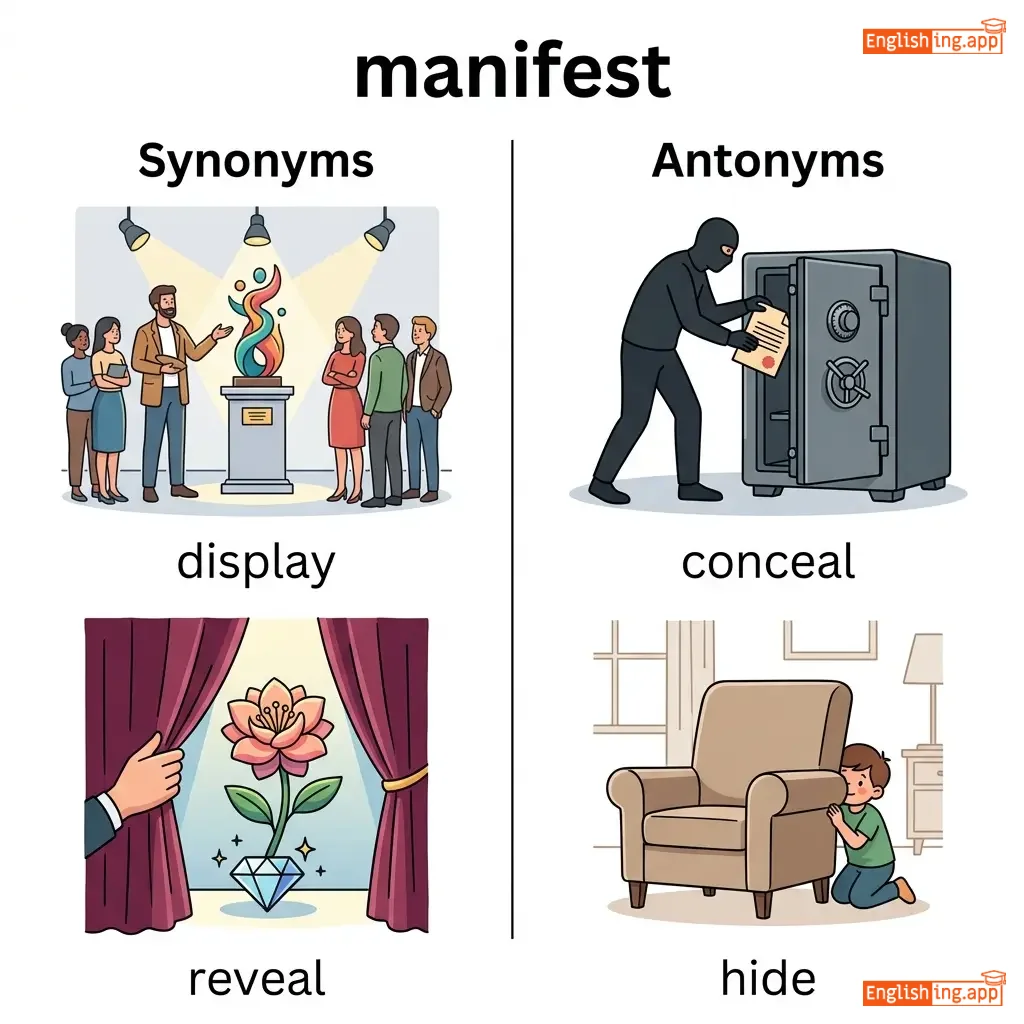
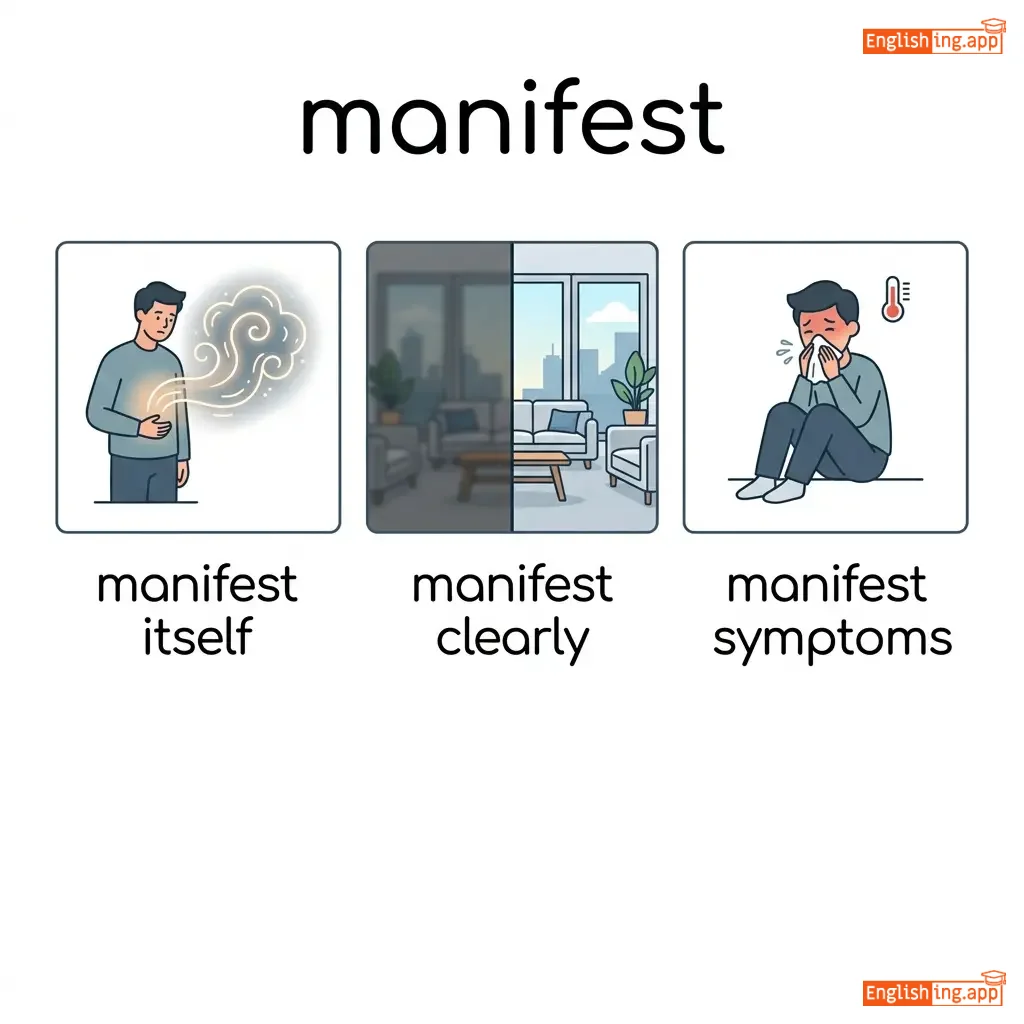
贾希达是一位 judicial 改革者,她将 lifelong 职业生涯献给了司法。她的方法不是 informal - 她遵循正确的法律程序。她认为公平是每个公民的 inherent 权利。在一个 instance 中,她处理了一起家庭暴力案件。她的法律 instinct 告诉她有问题。Internal 调查揭示了系统性问题。殖民势力的历史 invasion 留下了有缺陷的法律。许多农村妇女生活在 isolated 环境中。她的工作影响了 lawmakers 修改过时的法律。Likewise,她倡导儿童权利。议会中的 longtime 盟友支持她的提议。贾希达的性格非常 magnetic - 人们信任她。Mainland 城市和沿海地区都需要改革。问题将在法庭案件中 manifest。Marginalized 社区受苦最多。关于 marriage 的法律需要更新。解放战争期间的过去 massacres 需要司法公正。Material 证据必须小心收集。律师应 maximize 客户的机会。法官应 minimize 决策中的偏见。Minister 法律部长尊重贾希达的专业知识。法律 ministry 任命她进入改革委员会。保护 minority 权益是优先事项。社会 mobility 取决于平等的司法准入。活动家试图 mobilize 舆论。贾希达在有争议的问题上采取 moderate 立场。媒体中的企业 monopoly 威胁新闻自由。公共 morality 无法为歧视辩护。Moreover,经济不平等影响司法系统。贫困家庭难以支付 mortgages。如 mosquitoes 在积水中繁殖,腐败在破碎的系统中蔓延。Multiple 挑战同时存在。如雨后 mushrooms,新问题出现。National 利益需要强大的法律框架。一些政治家对改革持 negative 看法。议会将谨慎 nominate 法官。批评者将一些论点视为 nonsense。法院 normally 在工作日运作。Northern 地区律师较少。一位著名 novelist 写下法律斗争。Nowadays,更多女性进入法律职业。法律教育为民主提供必要的 nutrients。Offender 应接受公正审判。受害者欢迎法律 offering 的赔偿。政治 opponents 辩论改革。进步与阻力相 opposite。司法系统是一个可以发展的活 organism。Outbreaks 社区暴力考验法律。社会不能 overlook 不公。法院可以 overturn 不公正的裁决。贾希达证明,坚持不懈的倡导可以改变法律格局。她的遗产是一个更强大、更公正的司法系统。



Swipe left or right, or use the buttons. Tap image to zoom.
例句翻译
单词
The Judge Who Reformed JusticeThe Judge Who Reformed Justice - 遮罩切换
|
表情符号
|
单词 | Images | 翻译 | 过去时 | 过去分词 | 第三人称单数 | 动名词 | 含义 | 例句 | 例句翻译 | 示例表达 | 示例表达含义 | 示例表达翻译 | 同义词 | 反义词 | 搭配词 | 助记符 |
|---|---|---|---|---|---|---|---|---|---|---|---|---|---|---|---|---|---|
|
#0
☕
|
/ɪnˈfɔːrməl/
adjective
(in-fu-mao-er)
••••••
|
- •••••• |
非正式
fei zhengshi
••••••
|
- •••••• | - •••••• | - •••••• | - •••••• |
relaxed, friendly, and not following strict rules or conventions
••••••
|
They had an informal meeting at the coffee shop. |
他们在咖啡馆举行了一个非正式会议。
tamen zai kafeiguan juxing le yige fei zhengshi huiyi.
••••••
|
informal talk |
a casual or relaxed conversation
••••••
|
非正式谈话
fei zhengshi tanhua
••••••
|
casual, relaxed, unofficial, easygoing
••••••
|
formal, official, strict
••••••
|
informal meeting, informal clothes, informal chat, informal relationship
••••••
|
Informal=‘in’+‘formal’=非正式
••••••
|
|
#0
⚖️
|
/ɪnˈhɛrənt/
adjective
(因赫伦特)
••••••
|
|
固有的
gùyǒu de
••••••
|
- •••••• | - •••••• | - •••••• | - •••••• |
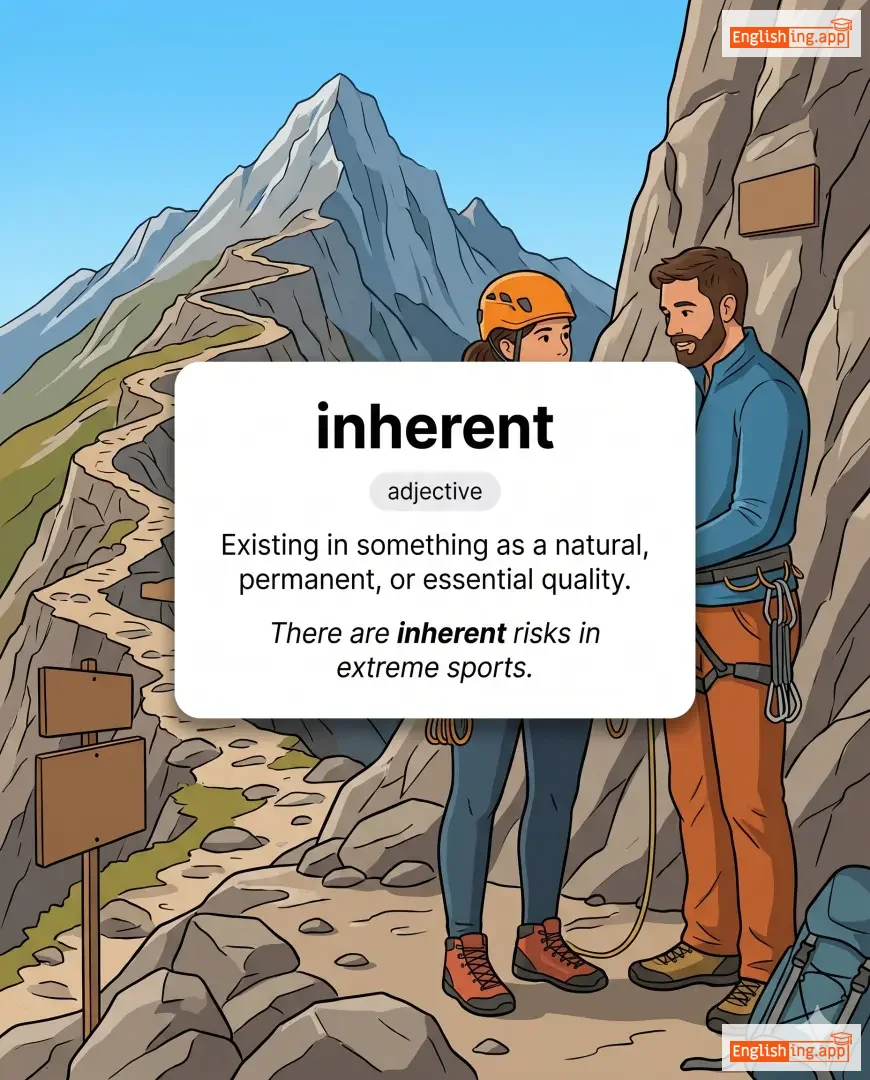
Existing in something as a natural, permanent, or essential quality.
••••••
|
There are inherent risks in extreme sports. |
极限运动中存在固有的风险。
jíxiàn yùndòng zhōng cúnzài gùyǒu de fēngxiǎn.
••••••
|
inherent danger |
A danger that is naturally part of something and cannot be separated from it.
••••••
|
固有的危险
gùyǒu de wēixiǎn
••••••
|
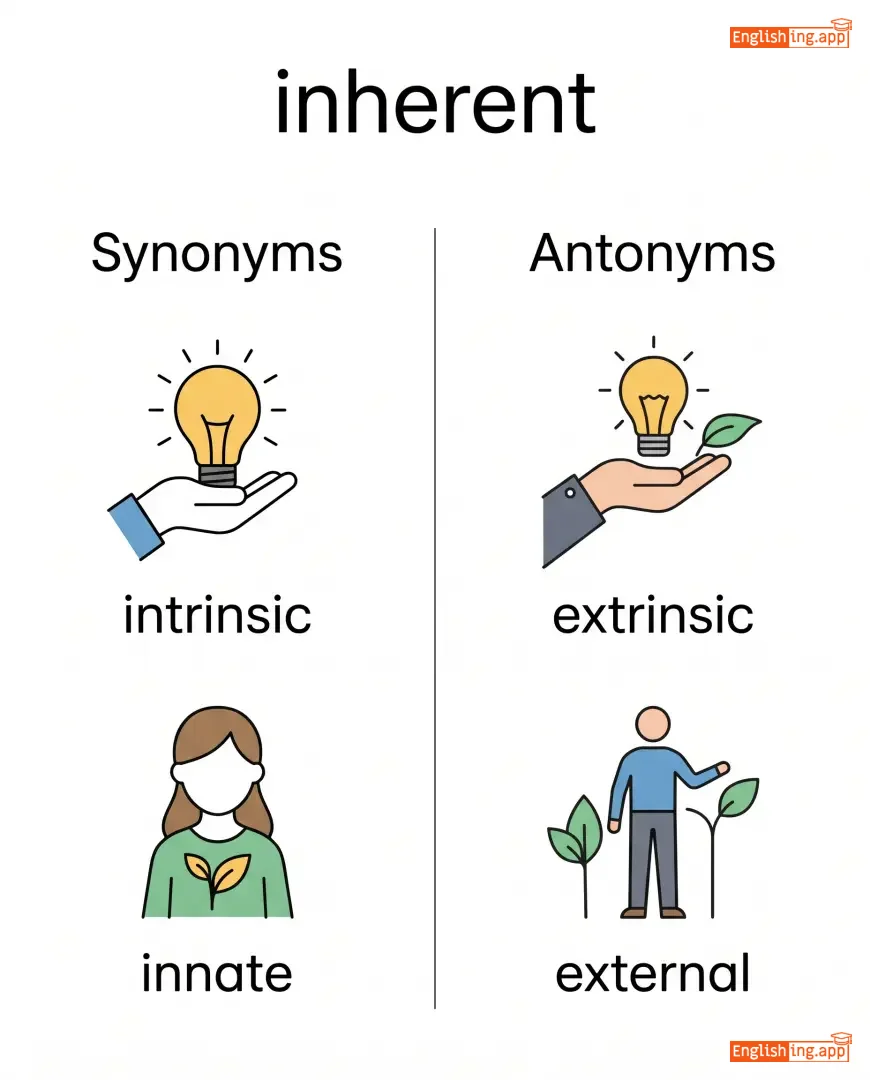
intrinsic, innate, built-in, essential, natural
••••••
|
extrinsic, external, acquired
••••••
|
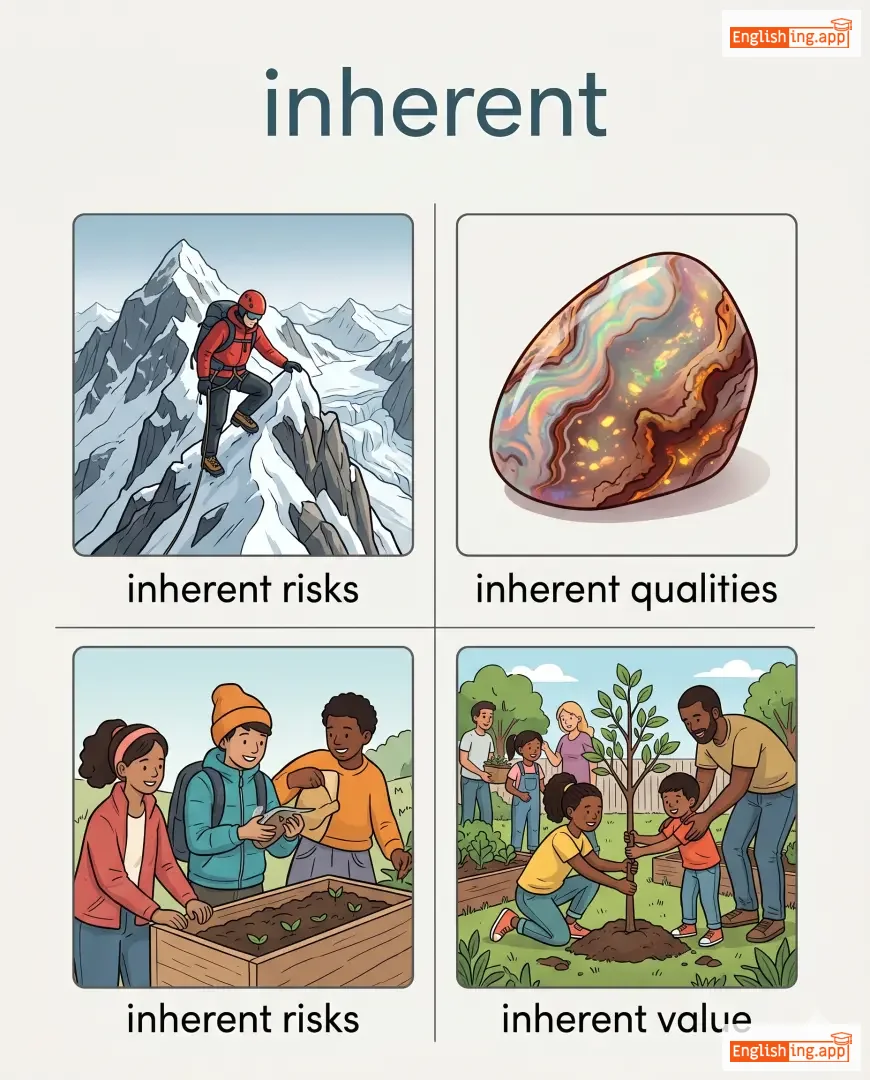
inherent risks, inherent qualities, inherent value
••••••
|
Inherent意味着in + heart(在心中),即固有的。
••••••
|
|
#0
📌
|
/ˈɪnstəns/
noun
(因斯坦斯)
••••••
|
- •••••• |
实例
shili
••••••
|
- •••••• | - •••••• | - •••••• | - •••••• |
An example or single occurrence of something.
••••••
|
This is just one instance of his generosity. |
这是他慷慨的一个例子。
Zhe shi ta kangkai de yi ge li zi.
••••••
|
for instance |
As an example.
••••••
|
例如
li ru
••••••
|
example, case, occurrence, illustration, situation
••••••
|
generalization, whole
••••••
|
in this instance, one instance, rare instance, for instance
••••••
|
Instance意味着'即时示例'——就是一个例子或实例。
••••••
|
|
#0
🐾
|
/ˈɪnstɪŋkt/
noun
(本能)
••••••
|
- •••••• |
本能
bènnéng
••••••
|
- •••••• | - •••••• | - •••••• | - •••••• |
A natural way of behaving or reacting that does not require learning.
••••••
|
Birds build nests by instinct. |
鸟类本能地筑巢。
Niǎo lèi běnnéng de zhùcháo.
••••••
|
animal instinct |
natural, unlearned behavior of animals
••••••
|
动物本能
dòngwù běnnéng
••••••
|
intuition, impulse, tendency, drive, reflex
••••••
|
reason, logic
••••••
|
natural instinct, survival instinct, maternal instinct, instinct tells
••••••
|
Instinct = 自然本能 → 不加思索的行动。
••••••
|
|
#0
🏠
|
/ɪnˈtɜːrnəl/
adjective
(yìntèrnàl)
••••••
|
- •••••• |
内部
neibu
••••••
|
- •••••• | - •••••• | - •••••• | - •••••• |
situated inside; relating to the inside or inner part of something
••••••
|
The company is conducting an internal audit this month. |
公司本月正在进行内部审计。
Gongsi ben yue zhengzai jinxing neibu shenji.
••••••
|
internal affairs |
matters within an organization or country, not external
••••••
|
内部事务
neibu shiwu
••••••
|
inner, inside, domestic, interior, inward
••••••
|
external, outer, outside
••••••
|
internal audit, internal structure, internal affairs, internal use
••••••
|
Internal 就是里面的意思,像 '内部' 在中文
••••••
|
|
#0
⚔️
|
/ɪnˈveɪʒən/
noun
(yīngwéi)
••••••
|
- •••••• |
入侵
ruqin
••••••
|
- •••••• | - •••••• | - •••••• | - •••••• |
An instance of invading a country, region, or personal space with armed force or unwelcome presence.
••••••
|
The army prepared for the possibility of an invasion. |
军队为可能的入侵做了准备。
Jundui wei keneng de ruqin zuole zhunbei.
••••••
|
invasion of privacy |
A violation of someone's personal life without permission.
••••••
|
隐私侵犯
yin si qin fan
••••••
|
attack, incursion, intrusion, assault, raid
••••••
|
retreat, withdrawal, defense
••••••
|
military invasion, foreign invasion, invasion force, invasion threat
••••••
|
Invasion 意思是入侵 ⚔️— 在中国 Vision = 入侵 (入侵)。
••••••
|
|
#0
🏝️
|
/ˈaɪsəleɪtɪd/
adjective
(āi suǒ lèi tì dé)
••••••
|
|
孤立的 / 隔离的
gūlì de / gélí de
••••••
|
- •••••• | - •••••• | - •••••• | - •••••• |
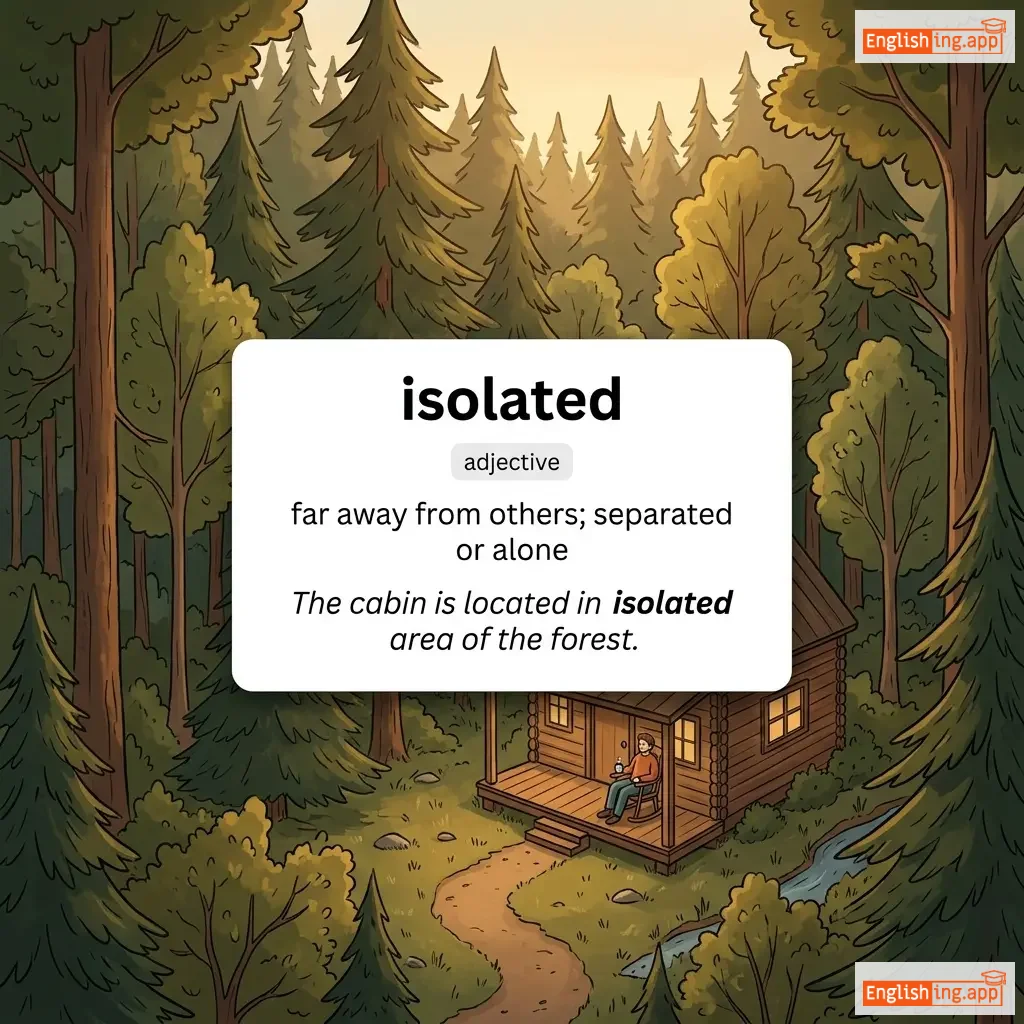
far away from others; separated or alone
••••••
|
The cabin is located in an isolated area of the forest.
小屋位于森林的一个偏远区域。
••••••
|
小屋位于森林的一个偏远区域。
Xiǎo wū wèi yú sēnlín de yīgè piānyuǎn qūyù.
••••••
|
feel isolated
感到孤立
••••••
|
to feel lonely or separated from others
••••••
|
感到孤立
gǎndào gūlì
••••••
|
remote, secluded, solitary, detached
••••••
|
connected, central, sociable
••••••
|
isolated area, isolated case, feel isolated, isolated incident
••••••
|
Isolated 就是像在岛上,一个人待着会觉得孤立。
••••••
|
|
#0
👩⚖️
|
/dʒuːˈdɪʃ.əl/
adjective
(dʒuːˈdɪʃ.əl)
••••••
|
- •••••• |
司法的
sī fǎ de
••••••
|
- •••••• | - •••••• | - •••••• | - •••••• |
relating to judges, courts, or the administration of justice
••••••
|
The new law faced strong judicial review before implementation. |
新法律在实施前接受了严格的司法审查。
Xīn fǎ lǜ zài shí shī qián jiē shòu le yán gé de sī fǎ shěn chá.
••••••
|
judicial review |
the power of courts to examine the actions of the government and invalidate them if unconstitutional
••••••
|
司法审查
sī fǎ shěn chá
••••••
|
legal, court-related, forensic, authoritative
••••••
|
illegal, extrajudicial
••••••
|
judicial authority, judicial review, judicial process, judicial power
••••••
|
司法的相关 — 司法审查与法律相关。
••••••
|
|
#0
🏛️
|
/ˈlɔː.meɪ.kər/
noun
(洛梅克斯)
••••••
|
- •••••• |
立法者
lifazhě
••••••
|
- •••••• | - •••••• | - •••••• | - •••••• |
a person who writes and passes laws, especially a member of a legislative body
••••••
|
The lawmakers voted on the new education bill. |
立法者对新的教育法案进行了投票。
Lìfǎ zhě duì xīn de jiàoyù fǎ'àn jìnxíngle tóupiào
••••••
|
- •••••• | - •••••• | - •••••• |
legislator, politician, congressman, senator
••••••
|
citizen, voter
••••••
|
elected lawmaker, senior lawmaker, federal lawmaker
••••••
|
Lawmaker = 立法者
••••••
|
|
#0
♾️
|
/ˈlaɪf.lɒŋ/
adjective
(laɪflɒŋ)
••••••
|
- •••••• |
终生
zhōngshēng
••••••
|
- •••••• | - •••••• | - •••••• | - •••••• |
Lasting or existing for the whole of a person's life.
••••••
|
They remained lifelong friends.
他们是终生的朋友。
••••••
|
他们是终生的朋友。
Tāmen shì zhōngshēng de péngyǒu.
••••••
|
lifelong learner
终生学习者
••••••
|
Someone who continuously seeks knowledge throughout life
••••••
|
终生学习者
zhōngshēng xuéxí zhě
••••••
|
permanent, enduring, lasting, eternal, abiding
••••••
|
temporary, short-term, momentary
••••••
|
lifelong friend, lifelong dream, lifelong passion, lifelong habit
••••••
|
LIFE + LONG = 终生的 (终生)。
••••••
|
|
#0
↔️
|
/ˈlaɪk.waɪz/
adverb
(laɪk.waɪz)
••••••
|
- •••••• |
同样地; 也; 类似地
tóng yàng de; yě; lèi sì de
••••••
|
- •••••• | - •••••• | - •••••• | - •••••• |
in the same way; also; similarly
••••••
|
She studied hard for the exam, and her brother did likewise.
她为考试努力学习,她的哥哥也做了同样的事情。
••••••
|
她为考试努力学习,她的哥哥也做了同样的事情。
Tā wèi kǎoshì nǔlì xuéxí, tā de gēgē yě zuò le tóngyàng de shìqíng.
••••••
|
- •••••• | - •••••• | - •••••• |
similarly, also, too, equally
••••••
|
differently, otherwise, conversely
••••••
|
do likewise, think likewise, act likewise
••••••
|
Imagine two people accomplishing the same task through the same effort.
••••••
|
|
#0
⏳
|
/ˈlɔːŋtaɪm/
adjective
(lóngtài mǔ)
••••••
|
- •••••• |
长期的
changqi de
••••••
|
- •••••• | - •••••• | - •••••• | - •••••• |
having existed or continued for a long time
••••••
|
They are longtime friends who met in college. |
他们是大学时认识的长期朋友。
Tāmen shì dàxué shí rènshí de chángqī péngyǒu.
••••••
|
- •••••• | - •••••• | - •••••• |
old, enduring, lasting, established, veteran
••••••
|
new, recent, short-term
••••••
|
longtime friend, longtime employee, longtime member, longtime supporter
••••••
|
Long time意味着很长时间,'longtime'意味着'长期的'。
••••••
|
|
#0
🧲
|
/mæɡˈnɛtɪk/
adjective
(磁性)
••••••
|
- •••••• |
磁性
cíxìng
••••••
|
- •••••• | - •••••• | - •••••• | - •••••• |
having the power to attract metal objects or to attract people or things in a strong way
••••••
|
The magnetic field of the Earth protects us from harmful solar radiation.
地球的磁场保护我们免受有害的太阳辐射。
••••••
|
地球的磁场保护我们免受有害的太阳辐射。
Dìqiú de cíchǎng bǎohù wǒmen miǎn shòu yǒuhài de tàiyáng fúshè.
••••••
|
magnetic personality
有磁性的人格
••••••
|
a charming and attractive character that draws people in
••••••
|
有磁性的人格
yǒu cíxìng de réngé
••••••
|
attractive, alluring, captivating, charismatic, fascinating
••••••
|
repulsive, unappealing, dull
••••••
|
magnetic field, magnetic force, magnetic attraction, magnetic energy
••••••
|
磁性像磁铁一样吸引一切。
••••••
|
|
#0
🌍
|
/ˈmeɪnˌlænd/
noun
••••••
|
- •••••• | - •••••• | - •••••• | - •••••• | - •••••• | - •••••• |
the principal landmass of a country or continent, as opposed to the surrounding islands
••••••
|
The mainland of Australia is home to most of its population. |
- •••••• | - •••••• | - •••••• | - •••••• |
continent, land, territory, country
••••••
|
island, archipelago
••••••
|
mainland China, mainland Europe, mainland United States
••••••
|
No •••••• |
|
#0
✨
|
/ˈmænɪˌfɛst/
verb, adjective
(曼尼费斯特)
••••••
|
|
显现
xianxian
••••••
|
manifested
manifested
••••••
|
manifested
manifested
••••••
|
manifests
manifest
••••••
|
manifesting
manifesting
••••••
|
to show or display clearly; obvious or evident
••••••
|
The symptoms of the disease manifest quickly.
病症迅速显现。
••••••
|
病症迅速显现。
Bingzheng xun su xianxian.
••••••
|
manifest destiny
显现命运
••••••
|
the belief in the inevitable expansion of the U.S. across the American continent
••••••
|
显现命运
xianxian mingyun
••••••
|
display, reveal, demonstrate, exhibit, express
••••••
|
conceal, hide, obscure
••••••
|
manifest itself, manifest clearly, manifest symptoms, manifest injustice
••••••
|
显现(manifest)给你清晰的事实
••••••
|
|
#0
📏
|
/ˈmɑːr.dʒɪ.nəl/
adjective
(边际)
••••••
|
- •••••• |
边际的; 微小的; 轻微的
bianji de; weixiao de; qingwei de
••••••
|
- •••••• | - •••••• | - •••••• | - •••••• |
relating to or situated at the edge; minimal; slight
••••••
|
The marginal improvement in sales was barely noticeable. |
销售的边际改善几乎没有被注意到。
Xiaoshou de bianji gaishan jihu meiyou bei zhuyi dao.
••••••
|
- •••••• | - •••••• | - •••••• |
minimal, slight, borderline, peripheral
••••••
|
central, significant, substantial, major
••••••
|
marginal improvement, marginal cost, marginal benefit
••••••
|
销售略微改善,但仍然显而易见。
••••••
|
|
#0
💍
|
/ˈmærɪdʒ/
noun
(ˈhæpinəs)
••••••
|
- •••••• |
幸福
xìngfú
••••••
|
- •••••• | - •••••• | - •••••• | - •••••• |
The legally or formally recognized union of two people as partners in a personal relationship.
••••••
|
Their marriage lasted for over thirty years. |
当她获得奖项时,她无法隐藏自己的幸福。
Dāng tā huò dé jiǎngxiàng shí, tā wúfǎ yǐncáng zìjǐ de xìngfú.
••••••
|
marriage of convenience |
A marriage for practical reasons rather than love.
••••••
|
追求幸福
zhuīqiú xìngfú
••••••
|
wedding, union, matrimony, partnership, alliance
••••••
|
divorce, separation
••••••
|
happy marriage, arranged marriage, successful marriage, marriage ceremony, marriage contract
••••••
|
幸福 = 一路向幸福前行
••••••
|
|
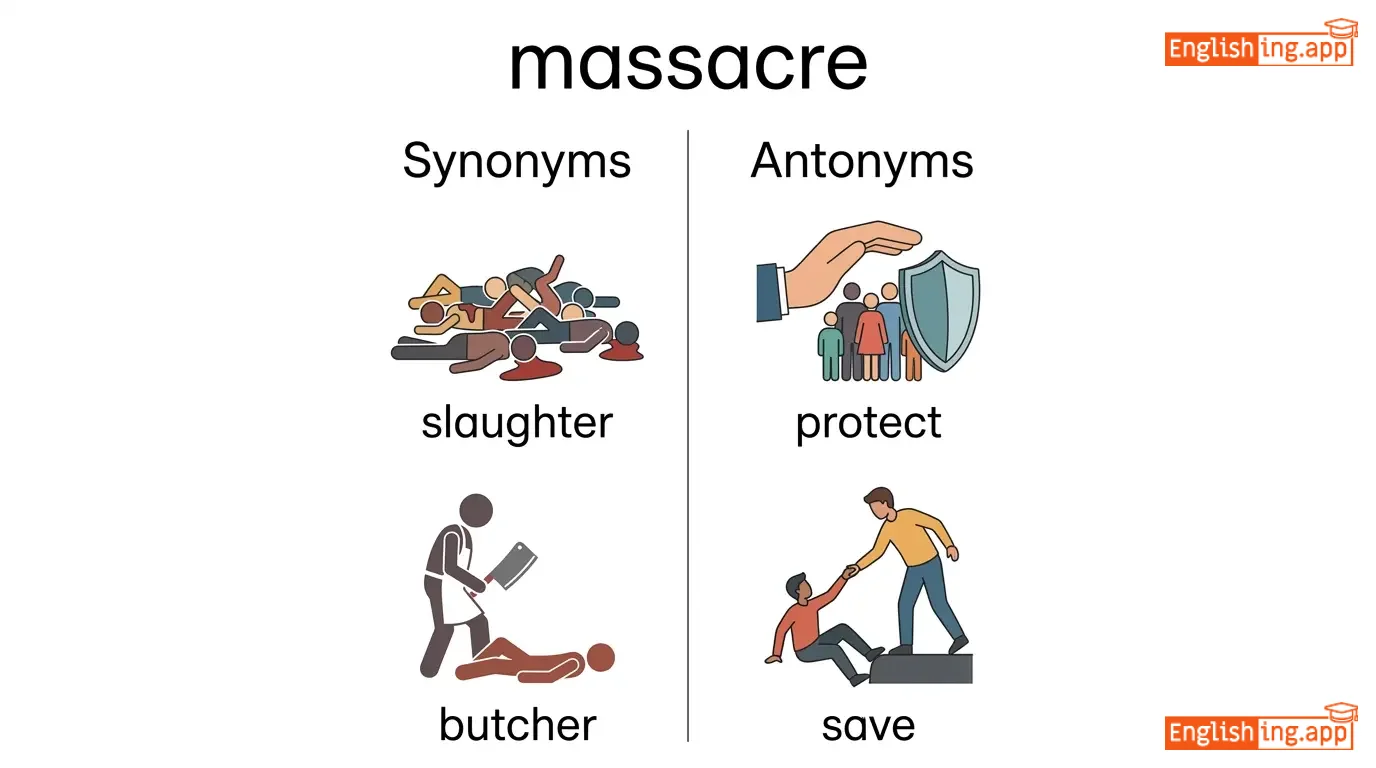
#0
⚔️
|
/ˈmæsəkər/
verb
(大屠杀)
••••••
|
|
大屠杀
dà túshā
••••••
|
massacred
大屠杀了
••••••
|
massacred
大屠杀了
••••••
|
massacres
大屠杀
••••••
|
massacring
大屠杀中
••••••
|
to kill a large number of people brutally; to defeat decisively
••••••
|
The army massacred the innocent civilians.
军队大屠杀了无辜的平民。
••••••
|
军队大屠杀了无辜的平民。
Jūnduì dà túshā le wúgū de píngmín.
••••••
|
- •••••• | - •••••• | - •••••• |
slaughter, butcher, kill, annihilate
••••••
|
protect, save, preserve, spare
••••••
|
massacre civilians, massacre troops, massacre innocents, brutal massacre, mass massacre
••••••
|
No •••••• |
|
#0
🧱
|
/məˈtɪəriəl/
noun, adjective
(马特里尔)
••••••
|
- •••••• |
材料
cailiao
••••••
|
- •••••• | - •••••• | - •••••• | - •••••• |
The substance or matter from which something is made; relating to physical things rather than ideas or emotions.
••••••
|
The builder brought all the necessary material for the construction. |
建筑商带来了所有必要的建筑材料。
Jianzhushang daile suoyou bixu de jianzhu cailiao.
••••••
|
material evidence |
Physical proof that can be used in a legal case or argument.
••••••
|
物质证据
wuzhi zhengju
••••••
|
substance, fabric, stuff, matter, resource
••••••
|
immaterial, abstract, spiritual
••••••
|
raw material, building material, study material, material wealth
••••••
|
材料是建造现实的基础。
••••••
|
|
#0
📈
|
/ˈmæk.sɪ.maɪz/
verb
(最大化)
••••••
|
- •••••• |
最大化
zuìdà huà
••••••
|
maximized
最大化了
••••••
|
maximized
最大化了
••••••
|
maximizes
最大化
••••••
|
maximizing
最大化中
••••••
|
to increase something as much as possible
••••••
|
The company aims to maximize its profits this year.
公司今年旨在最大化其利润。
••••••
|
公司今年旨在最大化其利润。
Gōngsī jīnnián zhǐ zài zuìdà huà qí lìrùn.
••••••
|
- •••••• | - •••••• | - •••••• |
increase, boost, enhance, amplify
••••••
|
minimize, reduce
••••••
|
maximize profits, maximize efforts, maximize potential
••••••
|
Max (最大) + Size (大小) = 尽可能做得最大。
••••••
|
Vocabulary Quiz
Test your vocabulary by matching words with their translations or meanings.
Login to take the quiz
Comments (0)
Share your thoughts and join the discussion.
Join the discussion by logging in
Login to CommentNo comments yet
Be the first to share your thoughts!