

改变学生人生的老师
The Teacher Who Changed Students' Lives
拉希玛老师是一名高中教师,教授历史和社会学。她的 approach 很独特——她相信要鼓励学生的 autonomy。她的课堂不是枯燥的讲课,而是互动讨论。有一天,在一次辩论中,两名学生因为二战的 atrocities 展开了激烈的 argument。拉希玛冷静地调解,并教导学生尊重不同的观点。她对教学的 attitude 充满热情。她总是努力培养批判性思维。学校的 chairman 起初对她的方法持怀疑态度,但结果说明了一切。在一个项目中,学生研究了战争 casualty 数字及其对 civilian 人口的影响。他们学会了如何 classify 信息并分析数据。有个有趣的时刻是,学校的 athletic 教练误以为是体育馆,拿着 baseball 器材走进了教室。大家都笑了。拉希玛的 birthday 庆祝很简单——学生们带来自制食物而不是蛋糕。一位来自 Catholic 背景的学生和一位穆斯林学生一起做饭。这并非巧合 (coincidence),而是拉希玛有意安排的跨文化合作。她关于战争的课程包括参观当地的 cemetery,那里埋葬着士兵。一天,一位学生的父亲——一名 attorney——来到课堂,谈论了战争罪审判。拉希玛解释了法律制度如何防止未来的暴行。一个学生询问 bacteria 在历史瘟疫中的作用,拉希玛将其与社会历史联系起来。她的教学方式需要得到行政部门的 approval,但家长们都支持她。一个有趣的传统是,成功的项目会用非酒精的 cocktail 派对庆祝。学生们培养了超越课堂的学习 appetite。拉希玛证明了创新教学可以改变教育,激发终身学习的热情。她的遗产不仅是知识,还有批判性思维和同理心。




Swipe left or right, or use the buttons. Tap image to zoom.
例句翻译
单词
The Teacher Who Changed Students' LivesThe Teacher Who Changed Students' Lives - 遮罩切换
|
表情符号
|
单词 | Images | 翻译 | 过去时 | 过去分词 | 第三人称单数 | 动名词 | 含义 | 例句 | 例句翻译 | 示例表达 | 示例表达含义 | 示例表达翻译 | 同义词 | 反义词 | 搭配词 | 助记符 |
|---|---|---|---|---|---|---|---|---|---|---|---|---|---|---|---|---|---|
|
#0
🍽️
|
/ˈæpɪtaɪt/
noun
(阿佩塔特)
••••••
|
|
食欲
shí yù
••••••
|
- •••••• | - •••••• | - •••••• | - •••••• |
a natural desire for food; a strong desire for something
••••••
|
After the long walk, I had a huge appetite. |
长时间散步后,我感到非常饿。
Cháng shíjiān sànbù hòu, wǒ gǎndào fēicháng è.
••••••
|
whet the appetite |
to stimulate interest or desire
••••••
|
激起食欲
jī qǐ shí yù
••••••
|
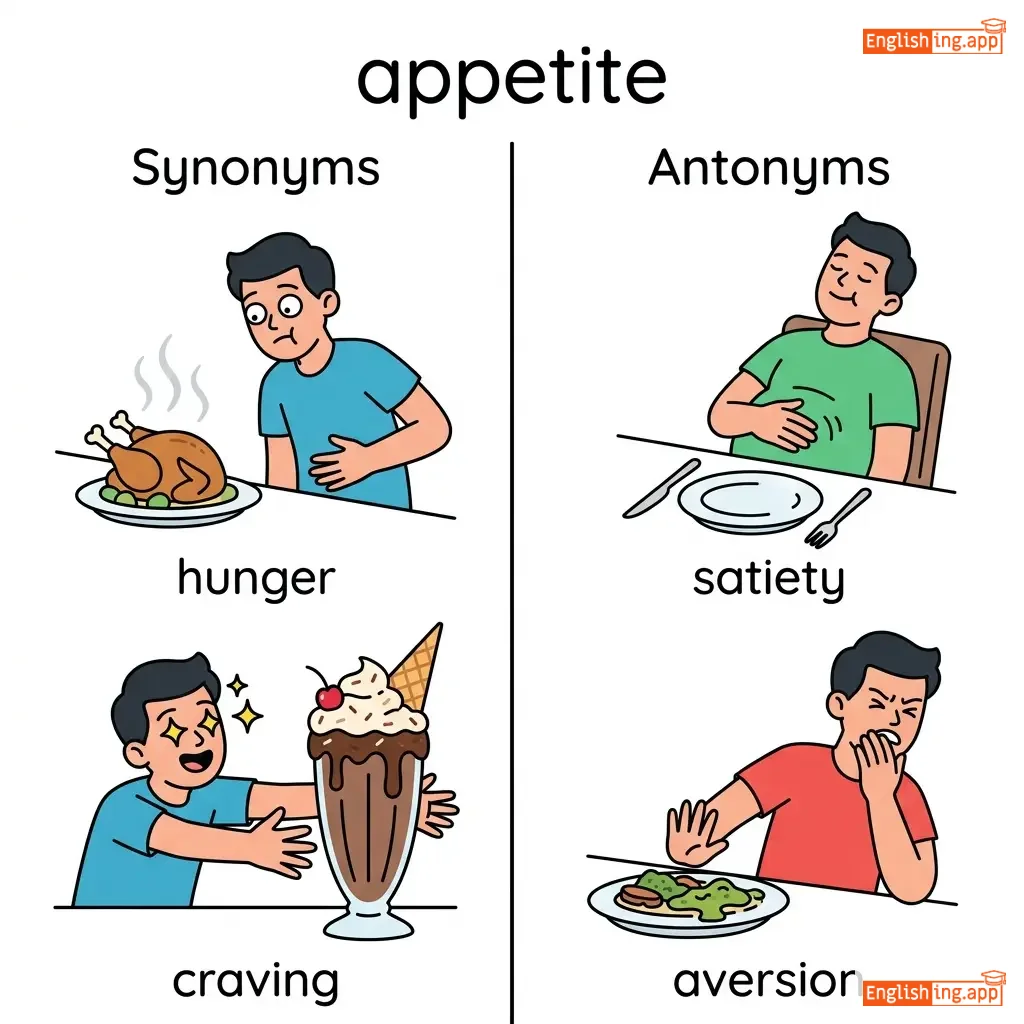
hunger, craving, desire, urge, longing
••••••
|
satiety, aversion
••••••
|
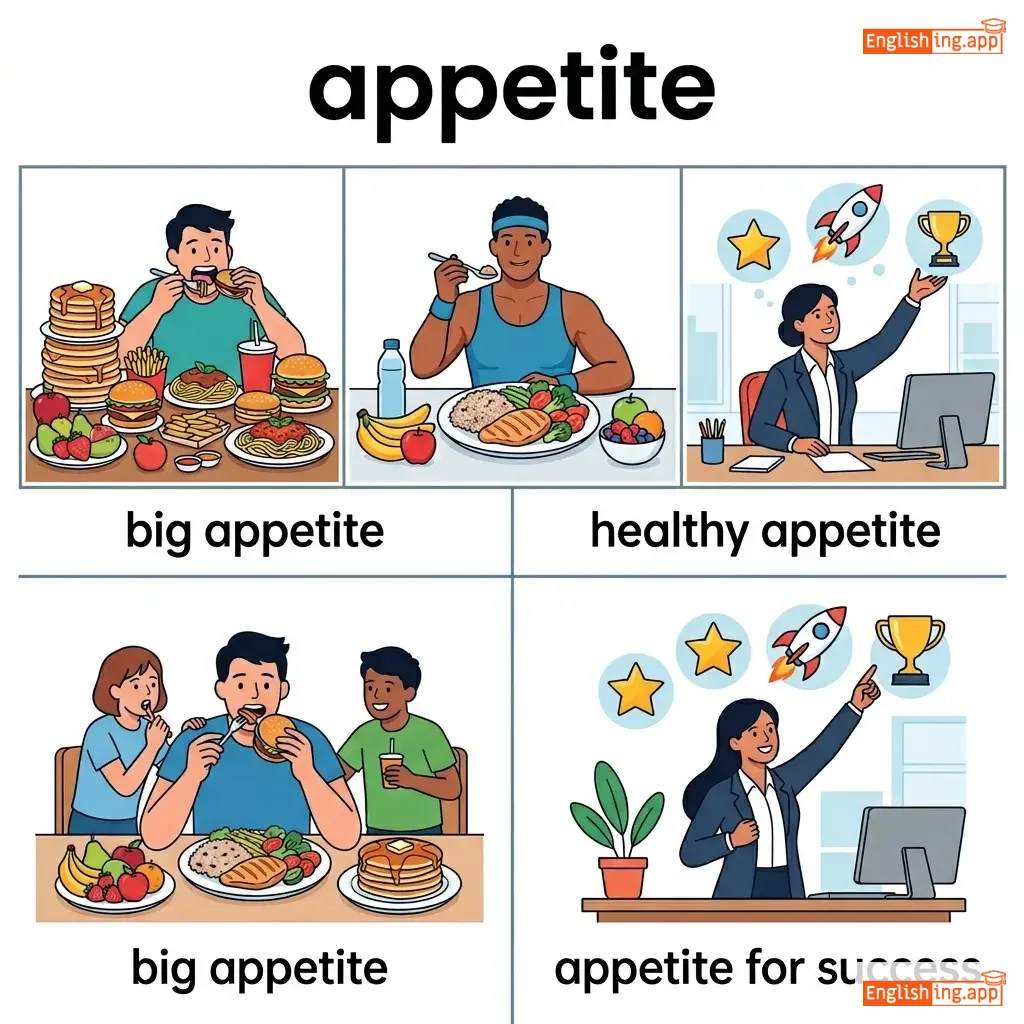
big appetite, healthy appetite, appetite for success
••••••
|
Appetite 意味着食欲 – 食欲意味着对食物的强烈渴望。
••••••
|
|
#0
➡️
|
/əˈproʊtʃ/
verb
(āi pǒu)
••••••
|
- •••••• |
接近 / 处理
jie jin / chu li
••••••
|
approached
āi pǒu dé
••••••
|
approached
āi pǒu dé
••••••
|
approaches
āi pǒu zhī
••••••
|
approaching
āi pǒu xíng
••••••
|
to move closer to someone or something; to deal with a situation or problem
••••••
|
The teacher approached the student to offer help.
教师接近学生以提供帮助。
••••••
|
教师接近学生以提供帮助。
Jiaoshi jiejin xuesheng yi tigong bangzhu.
••••••
|
approach with caution
小心接近
••••••
|
to be careful when dealing with something or someone
••••••
|
小心接近
xiaoxin jiejin
••••••
|
come near, advance, move toward, reach, tackle
••••••
|
retreat, withdraw, avoid
••••••
|
new approach, practical approach, approach a problem, approach someone
••••••
|
接近就像解决问题一样:你先接近它,然后面对它。
••••••
|
|
#0
✔️
|
/əˈpruː.vəl/
noun
(apruval)
••••••
|
- •••••• |
批准
pizhun
••••••
|
- •••••• | - •••••• | - •••••• | - •••••• |
official permission or agreement for something
••••••
|
The project received government approval. |
该项目获得了政府批准。
Gai xiangmu huodele zhengfu pizhun.
••••••
|
seal of approval |
official acceptance or endorsement
••••••
|
批准印章
pizhun yinzhang
••••••
|
acceptance, consent, permission, endorsement, authorization
••••••
|
disapproval, rejection, denial
••••••
|
gain approval, seek approval, official approval, parental approval
••••••
|
Approval 就是批准 ✔️ — 获得批准后,一切都可以进行。
••••••
|
|
#0
⚡
|
/ˈɑːrɡjumənt/
noun
(争论)
••••••
|
|
争执, 论点
zhenglun, lundian
••••••
|
- •••••• | - •••••• | - •••••• | - •••••• |
a disagreement, or a reason given to support or oppose an idea
••••••
|
They had a heated argument about money. |
他们就钱问题发生了激烈的争执。
tamen jiu qian wenti fashengle jilie de zhengzhi.
••••••
|
winning an argument |
successfully convincing someone in a dispute
••••••
|
赢得争论
yingde zhenglun
••••••
|
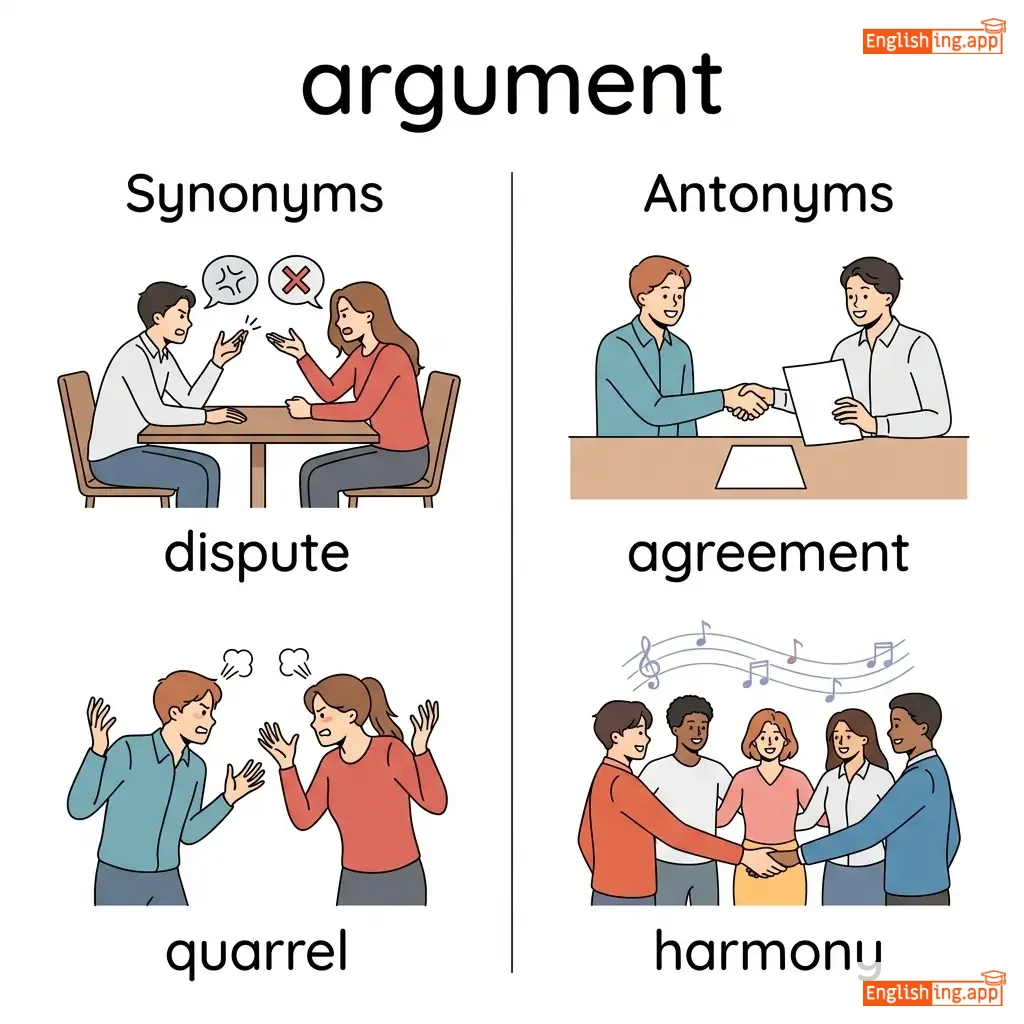
dispute, quarrel, debate, reasoning, contention
••••••
|
agreement, harmony, consensus
••••••
|
heated argument, strong argument, compelling argument, logical argument
••••••
|
Argument 意味着激烈的争论!
••••••
|
|
#0
🏋️
|
/æθˈlɛtɪk/
adjective
(运动员的)
••••••
|
- •••••• |
运动员的,强壮的
yundongyuan de, qiangzhuang de
••••••
|
- •••••• | - •••••• | - •••••• | - •••••• |
physically strong, fit, and active; related to athletes or sports
••••••
|
She has an athletic body because she exercises regularly.
她有一个运动员的身体,因为她定期锻炼。
••••••
|
她有一个运动员的身体,因为她定期锻炼。
Ta you yige yundongyuan de shenti, yinwei ta dingqi duanlian.
••••••
|
athletic build
运动员体型
••••••
|
a body type that is muscular and fit
••••••
|
运动员体型
yundongyuan tixing
••••••
|
fit, strong, active, sporty, muscular
••••••
|
weak, unfit, frail
••••••
|
athletic body, athletic skills, athletic ability, athletic performance
••••••
|
运动员的意思是健身房的身体 💪 - 健康且活跃!
••••••
|
|
#0
⚔️
|
/əˈtrɑːsəti/
noun
(暴行)
••••••
|
- •••••• |
暴行
baoxing
••••••
|
- •••••• | - •••••• | - •••••• | - •••••• |
an extremely cruel or violent act, often involving physical violence
••••••
|
The world condemned the atrocity committed against civilians. |
世界谴责对平民犯下的暴行。
Shijie qianze dui pingmin fansha de baoxing.
••••••
|
- •••••• | - •••••• | - •••••• |
crime, brutality, massacre, cruelty
••••••
|
kindness, compassion, benevolence
••••••
|
war atrocity, commit atrocity, atrocity against civilians
••••••
|
Atrocity (暴行) is a horrific violent act (暴行) with physical harm.
••••••
|
|
#0
🙂
|
/ˈætɪˌtjuːd/
noun
••••••
|
- •••••• | - •••••• | - •••••• | - •••••• | - •••••• | - •••••• |
A settled way of thinking or feeling about someone or something, often reflected in behavior.
••••••
|
Her positive attitude helped her overcome many challenges. |
- •••••• |
attitude adjustment |
A change in one’s approach, outlook, or behavior.
••••••
|
- •••••• |
mindset, outlook, perspective, stance, viewpoint
••••••
|
indifference, apathy, neutrality
••••••
|
positive attitude, negative attitude, change in attitude, attitude problem
••••••
|
No •••••• |
|
#0
⚖️
|
/əˈtɜːrni/
noun
(律师)
••••••
|
- •••••• |
律师
lüshi
••••••
|
- •••••• | - •••••• | - •••••• | - •••••• |
a person who practices law; a lawyer
••••••
|
She hired an attorney to represent her in court. |
她聘请了一位律师来代表她出庭。
Ta pinxian le yi wei lushi lai daibiao ta chutian.
••••••
|
power of attorney |
the legal authority to act for another person
••••••
|
授权书
shouquan shu
••••••
|
lawyer, advocate, counsel, solicitor
••••••
|
client, defendant
••••••
|
defense attorney, criminal attorney, power of attorney, hire attorney
••••••
|
Attorney 在中文中是律师, 律师在法庭上帮你辩护。
••••••
|
|
#0
🗽
|
/ɔːˈtɒnəmi/
noun
(自律)
••••••
|
|
自治
zizhi
••••••
|
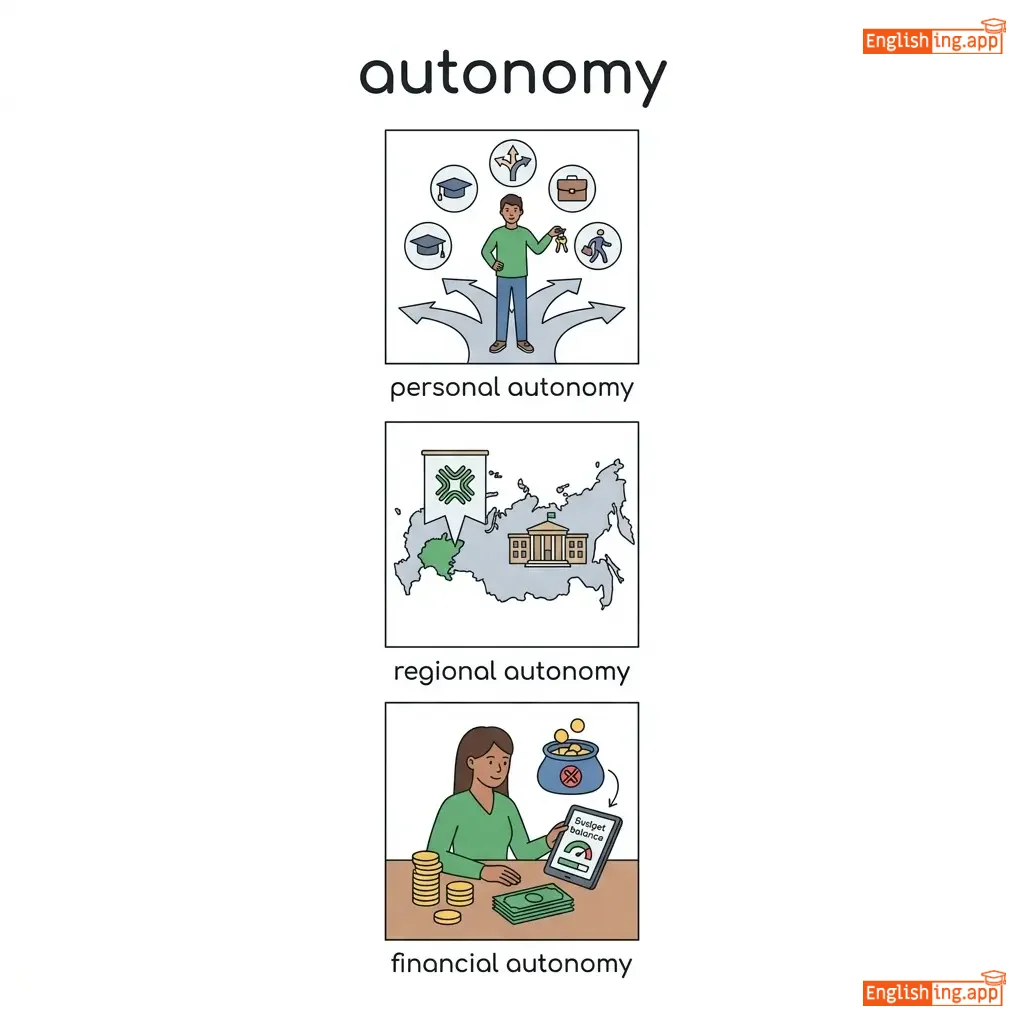
- •••••• | - •••••• | - •••••• | - •••••• |
the right or condition of self-government; independence or freedom to act or make decisions
••••••
|
The university granted each department considerable autonomy in curriculum design. |
大学给予每个部门在课程设计中相当大的自治权。
Dàxué jǐyǔ měi gè bùmén zài kèchéng shèjì zhōng xiāngdāng dà de zìzhì quán.
••••••
|
personal autonomy |
the ability to make one's own decisions and control one's own life
••••••
|
个人自治
gèrén zìzhì
••••••
|
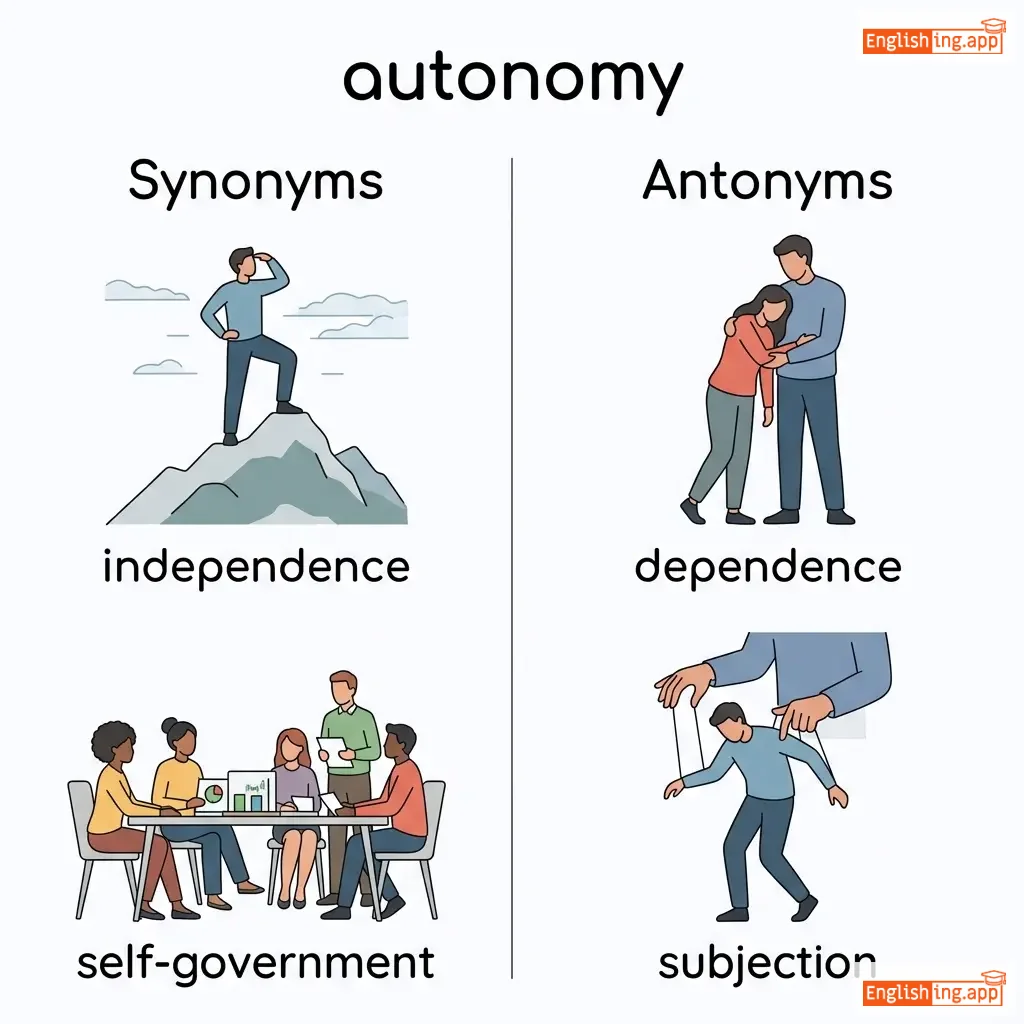
independence, self-government, sovereignty, freedom, self-rule
••••••
|
dependence, subjection, control
••••••
|
personal autonomy, regional autonomy, financial autonomy, autonomy and independence, grant autonomy
••••••
|
AUTO-NOMÍA是AUTO控制 - 自治(zìzhì)通过我们的决定!
••••••
|
|
#0
🦠
|
/bækˈtɪəriə/
noun
(细菌)
••••••
|
|
细菌
xijun
••••••
|
- •••••• | - •••••• | - •••••• | - •••••• |
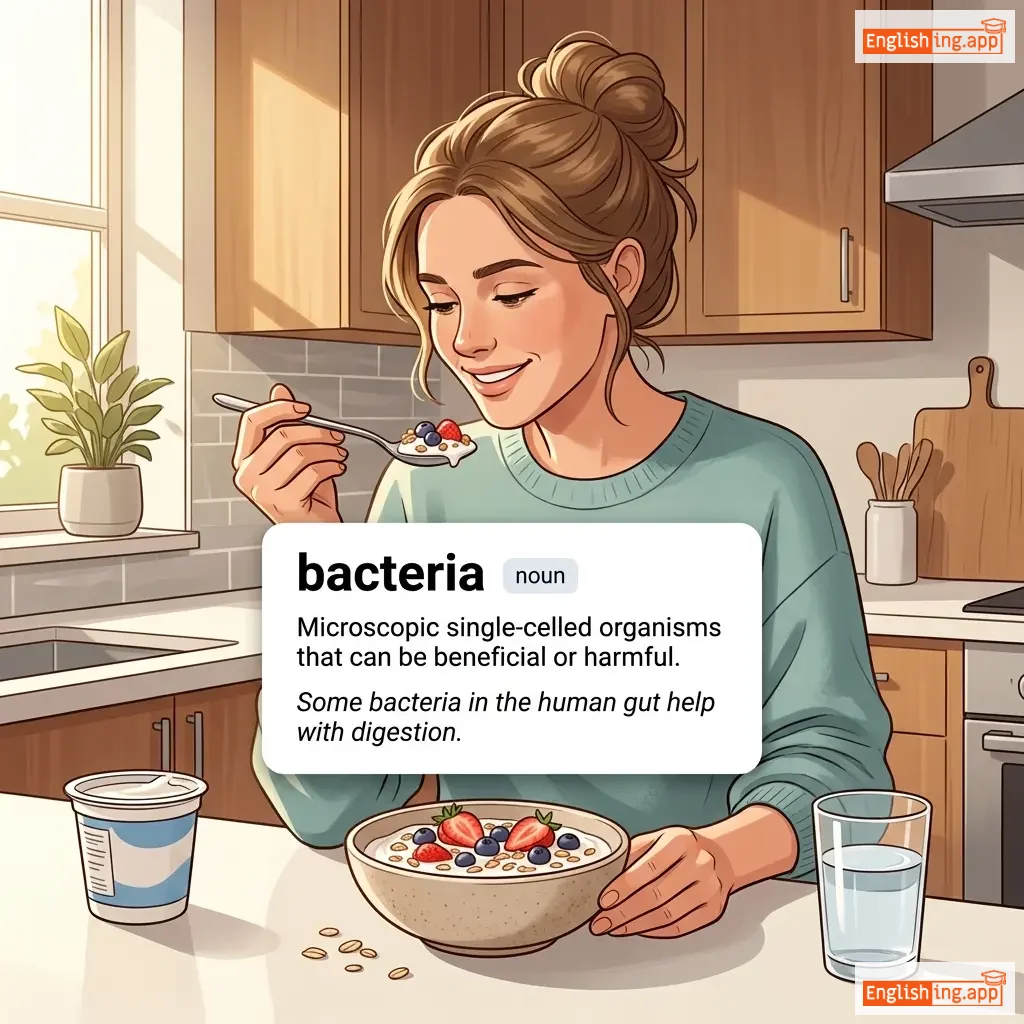
Microscopic single-celled organisms that can be beneficial or harmful.
••••••
|
Some bacteria in the human gut help with digestion.
一些细菌在人体肠道中有助于消化。
••••••
|
一些细菌在人体肠道中有助于消化。
Yixie xijun zai ren ti changdao zhong you zhu yu xiaohua.
••••••
|
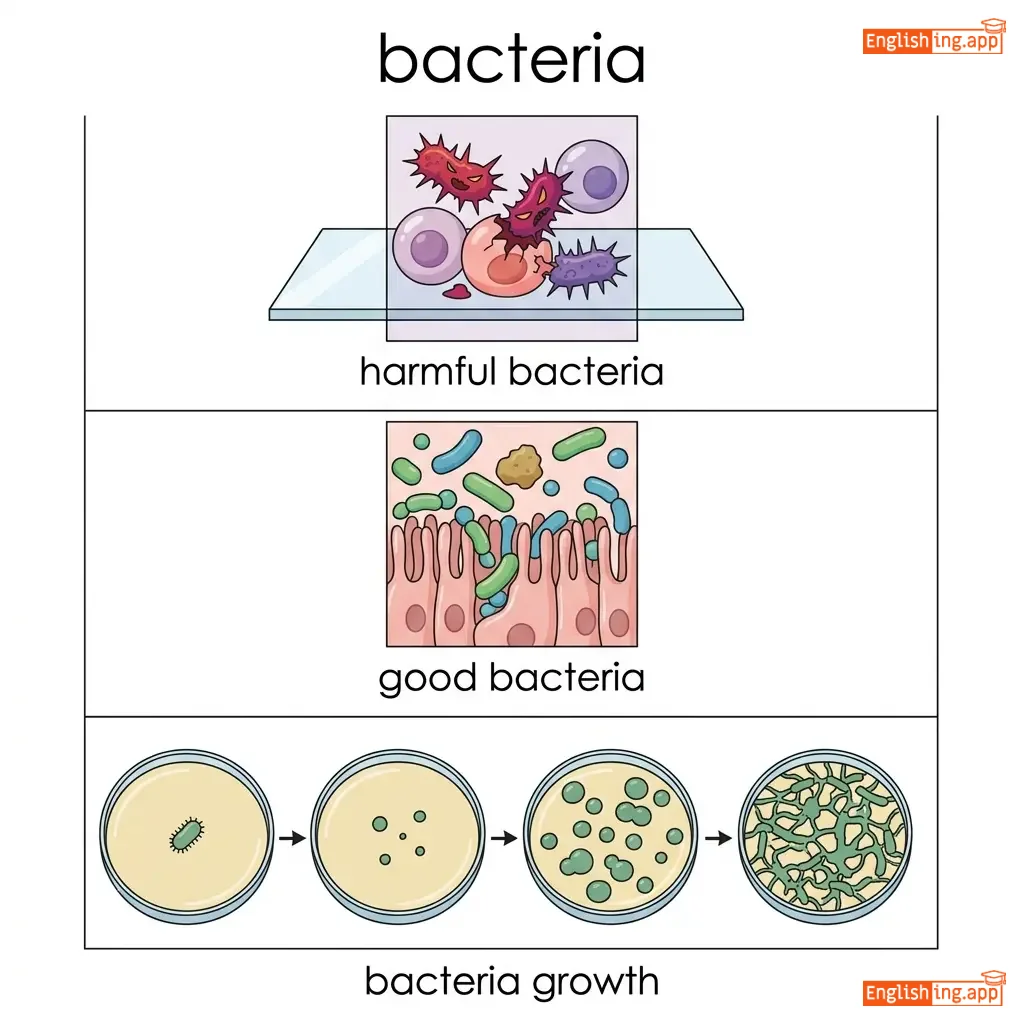
good bacteria
有益的细菌
••••••
|
Bacteria that are beneficial for health, such as aiding digestion.
••••••
|
有益的细菌
Youyi de xijun
••••••
|
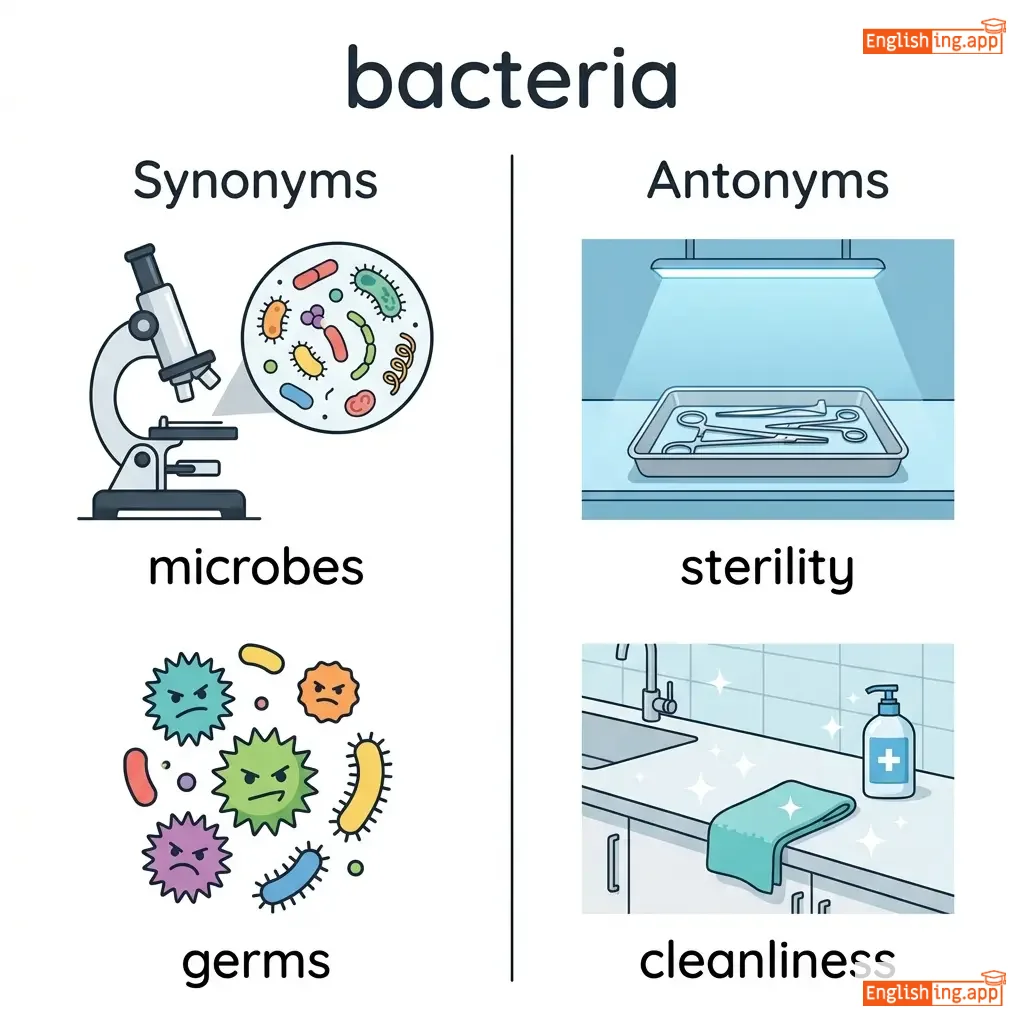
microbes, germs, microorganisms, pathogens
••••••
|
sterility, cleanliness
••••••
|
harmful bacteria, good bacteria, bacteria growth, bacteria infection
••••••
|
细菌—微小的生命,有些有益,有些有害。
••••••
|
|
#0
⚾
|
/ˈbeɪsˌbɔːl/
noun
(棒球)
••••••
|
- •••••• |
棒球
bangqiu
••••••
|
- •••••• | - •••••• | - •••••• | - •••••• |
a sport in which two teams try to score runs by hitting a ball and running around bases
••••••
|
He loves watching baseball games on TV. |
他喜欢在电视上观看棒球比赛。
Tā xǐhuān zài diànshì shàng guānkàn bàngqiú bǐsài.
••••••
|
- •••••• | - •••••• | - •••••• |
sport, game, pastime
••••••
|
work, chore
••••••
|
baseball game, baseball bat, baseball team, baseball player
••••••
|
棒球 - 意味着运动; 想象'垒球击打,跑去得分'
••••••
|
|
#0
🎂
|
/ˈbɜːrθ.deɪ/
noun
••••••
|
- •••••• | - •••••• | - •••••• | - •••••• | - •••••• | - •••••• |
the anniversary of the day on which a person was born, typically celebrated annually
••••••
|
We are planning a surprise birthday party for her. |
- •••••• |
happy birthday |
a greeting used to wish someone well on the anniversary of their birth
••••••
|
- •••••• |
anniversary, natal day, birth anniversary
••••••
|
deathday
••••••
|
birthday cake, birthday party, birthday gift, birthday wish
••••••
|
No •••••• |
|
#0
🚑
|
/ˈkæʒ.u.əl.ti/
noun
(凯朱阿尔蒂)
••••••
|
- •••••• |
伤亡; 受害者; 损失
shangwang; shouhaizhe; sunshi
••••••
|
- •••••• | - •••••• | - •••••• | - •••••• |
a person killed or injured in a war or accident; a victim of circumstances
••••••
|
The hospital treated many casualties from the car accident.
医院治疗了许多来自车祸的伤者。
••••••
|
医院治疗了许多来自车祸的伤者。
Yiyuan zhiliaole xu duo laizi chehuo de shangzhe.
••••••
|
- •••••• | - •••••• | - •••••• |
victim, fatality, injured person, loss
••••••
|
survivor, unharmed person
••••••
|
war casualty, traffic casualty, casualty count
••••••
|
事故中的受害者是环境的牺牲品
••••••
|
|
#0
⛪
|
/ˈkæθəlɪk/
adjective
(天主教的)
••••••
|
- •••••• |
天主教的
tiānzhǔjiào de
••••••
|
- •••••• | - •••••• | - •••••• | - •••••• |
Including a wide variety; all-embracing; relating to the Roman Catholic Church.
••••••
|
She has catholic tastes in music, enjoying everything from jazz to opera.
她有天主教的音乐口味,从爵士乐到歌剧都喜欢。
••••••
|
她有天主教的音乐口味,从爵士乐到歌剧都喜欢。
Tā yǒu tiānzhǔjiào de yīnyuè kǒuwèi, cóng juéshì yuè dào gējù dōu xǐhuān.
••••••
|
Catholic taste
天主教的口味
••••••
|
Having broad or universal tastes or interests.
••••••
|
天主教的口味
tiānzhǔjiào de kǒuwèi
••••••
|
universal, comprehensive, broad, wide-ranging, all-inclusive
••••••
|
narrow, limited, exclusive
••••••
|
catholic faith, catholic church, catholic taste, catholic tradition
••••••
|
天主教意味着不仅仅是教会,而是包含所有,从摇滚到歌剧。
••••••
|
|
#0
⚰️
|
/ˈsɛmɪˌtɛri/
noun
(墓地)
••••••
|
- •••••• |
墓地
mudi
••••••
|
- •••••• | - •••••• | - •••••• | - •••••• |
a place where dead people are buried
••••••
|
The old cemetery is located at the edge of the village. |
古老的墓地位于村庄的边缘。
Gǔ lǎo de mù dì wèi yú cūn zhuāng de biān yuán.
••••••
|
- •••••• | - •••••• | - •••••• |
graveyard, burial ground, necropolis, churchyard
••••••
|
living area, city center
••••••
|
old cemetery, village cemetery, family cemetery, war cemetery
••••••
|
墓地 = Mu-di,死者安息的地方
••••••
|
|
#0
👔
|
/ˈtʃɛərmən/
noun
(ˈhæpinəs)
••••••
|
- •••••• |
幸福
xìngfú
••••••
|
- •••••• | - •••••• | - •••••• | - •••••• |
the leader or head of a meeting, committee, or organization
••••••
|
The chairman opened the meeting with a short speech. |
当她获得奖项时,她无法隐藏自己的幸福。
Dāng tā huòdé jiǎngxiàng shí, tā wúfǎ yǐncáng zìjǐ de xìngfú.
••••••
|
chairman of the board |
the head of a company's board of directors
••••••
|
追求幸福
zhuīqiú xìngfú
••••••
|
leader, head, chief, president
••••••
|
member, follower
••••••
|
chairman position, acting chairman, board chairman, elected chairman
••••••
|
幸福 = 幸 + 福 = 有福气,幸福感。
••••••
|
|
#0
🧑
|
/səˈvɪliən/
noun/adjective
(sivilian)
••••••
|
- •••••• |
平民
pingmin
••••••
|
- •••••• | - •••••• | - •••••• | - •••••• |
a person not in the armed forces or police
••••••
|
The area was evacuated to protect the civilians. |
该区域已被疏散以保护平民。
Gai quyu yi bei shuxian yi baohu pingmin.
••••••
|
- •••••• | - •••••• | - •••••• |
noncombatant, ordinary person, nonmilitary, commoner
••••••
|
soldier, officer
••••••
|
civilian life, civilian population, civilian clothes
••••••
|
Civilian sounds like 平民 (pingmin) in Chinese.
••••••
|
|
#0
🗂️
|
/ˈklæsɪfaɪ/
verb
••••••
|
- •••••• | - •••••• |
classified
••••••
|
classified
••••••
|
classifies
••••••
|
classifying
••••••
|
to arrange or organize into categories or groups
••••••
|
The librarian classified the books by subject. |
- •••••• |
classify information |
to categorize data, often in terms of security or confidentiality
••••••
|
- •••••• |
categorize, sort, organize, group, arrange
••••••
|
confuse, mix, disorder
••••••
|
classify data, classify books, classify animals, classify documents
••••••
|
No •••••• |
|
#0
🍸
|
/ˈkɒkˌteɪl/
noun
(鸡尾酒)
••••••
|
- •••••• |
鸡尾酒
jiwei jiu
••••••
|
- •••••• | - •••••• | - •••••• | - •••••• |
a mixed drink typically containing alcohol and other ingredients.
••••••
|
She ordered a cocktail at the bar. |
她在酒吧点了一杯鸡尾酒。
Tā zài jiǔbā diǎnle yī bēi jīwěijiǔ.
••••••
|
- •••••• | - •••••• | - •••••• |
drink, mix, beverage, concoction
••••••
|
water, soft drink
••••••
|
cocktail party, cocktail hour, cocktail recipe
••••••
|
鸡尾酒—品味与创意的完美结合!
••••••
|
|
#0
⏰
|
/ˌkoʊ.ɪnˈsaɪd/
verb
(kōngsāi)
••••••
|
- •••••• |
同时发生
tóngshí fāshēng
••••••
|
coincided
kōngsāidí
••••••
|
coincided
kōngsāidí
••••••
|
coincides
kōngsāids
••••••
|
coinciding
kōngsāiding
••••••
|
To occur at the same time or to be in agreement.
••••••
|
The meeting coincided with her birthday.
会议与她的生日重合。
••••••
|
会议与她的生日重合。
Huìyì yǔ tā de shēngrì chónghé.
••••••
|
- •••••• | - •••••• | - •••••• |
concur, agree, match, correspond
••••••
|
differ, clash, disagree
••••••
|
coincide with, events coincide, dates coincide
••••••
|
同时发生意味着两个事件发生在同一时间,就像两个事件重合一样。
••••••
|
Vocabulary Quiz
Test your vocabulary by matching words with their translations or meanings.
Login to take the quiz
Comments (0)
Share your thoughts and join the discussion.
Join the discussion by logging in
Login to CommentNo comments yet
Be the first to share your thoughts!