

桥梁传感器和沙袋
Bridge Sensors and Sandbags
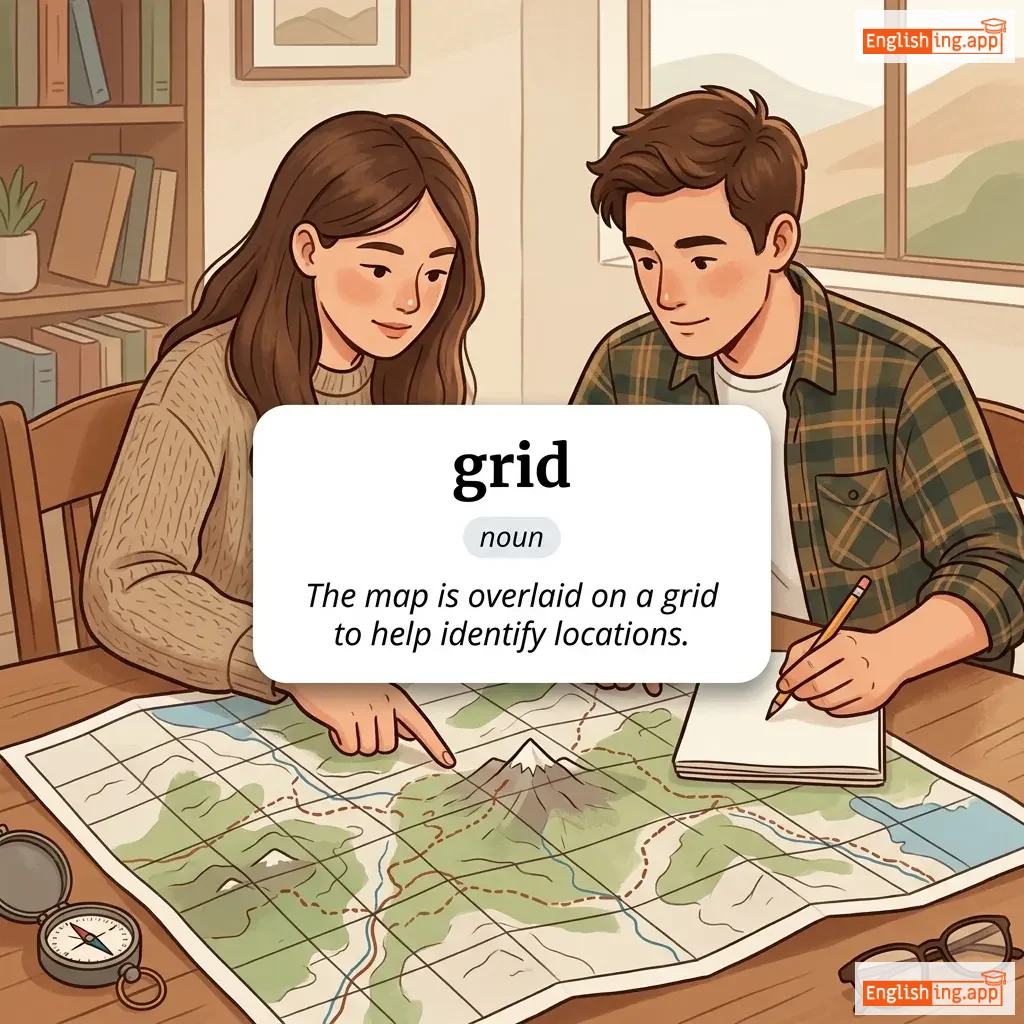
新的河流桥上安装了特殊的foot传感器。 工程师们建造了一个新的form来测试水质。 Four个爱河团队聚集在营地。 他们带来了来自上游村庄的from的消息。 储水箱几乎full。 通过社区fund购买了新的管道。 科学家强调了保护水生gene的重要性。 学生们表示他们准备give他们的时间。 孩子们在泥土中找到了小的gold色石头。 下午,朋友们举办了迷你golf比赛。 一名志愿者用全身力气grab住网并拉了进去。 数据团队在一个大grid上展示了河流地图。 每个人在工作后都带着松了一口气的grin。 桥上的绳子上添加了额外的grip垫片。 当hail突然开始时,他们关闭了帐篷。 孩子们在河边把hair浸湿到肩膀。 他们在舞台上方hang灯笼。 他们说:'我们不hate大自然;我们爱它。' 志愿者们haul沙袋来加固堤坝。 米拉说:'我们有坚定的决心。'



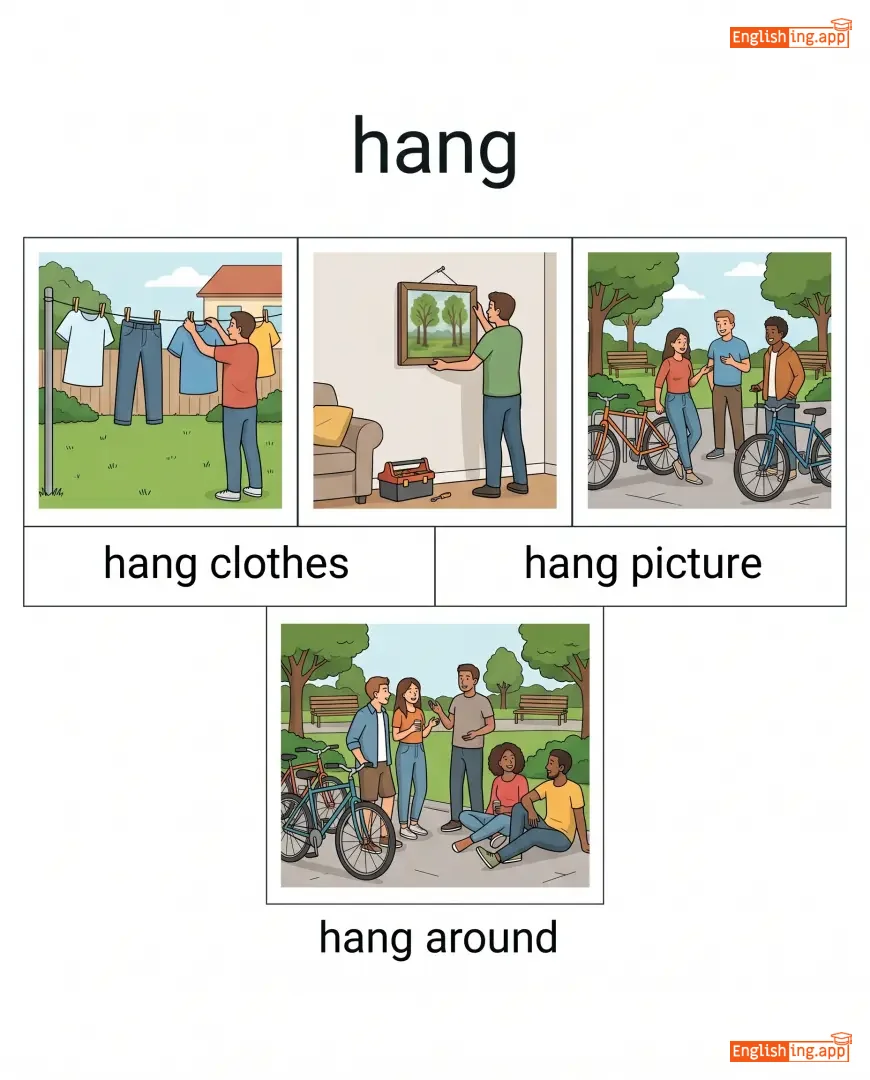

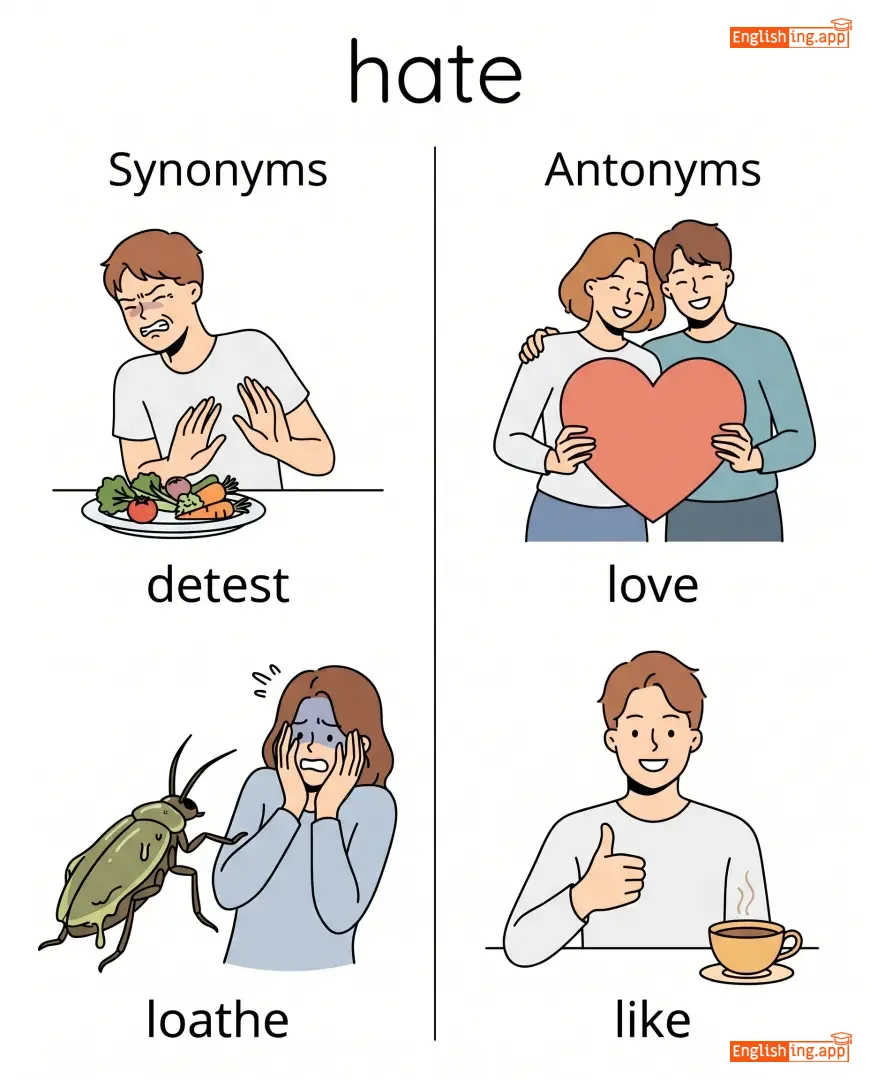
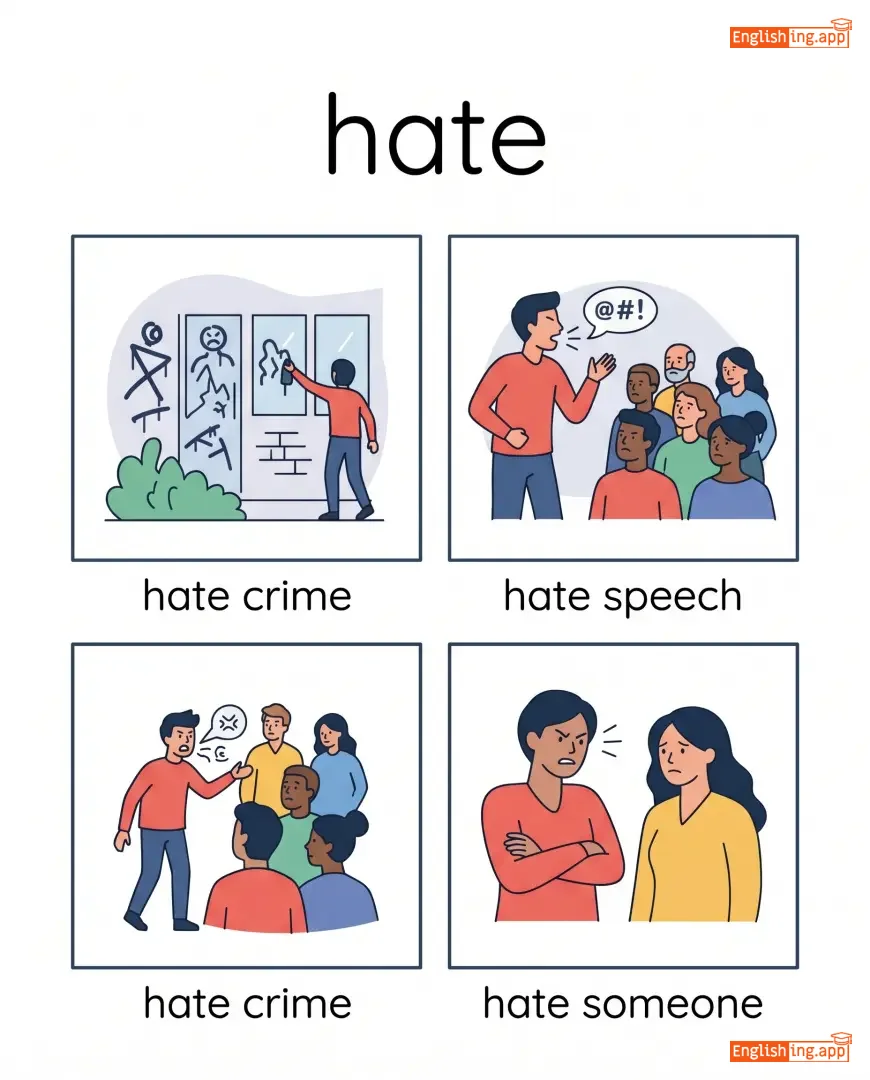
Swipe left or right, or use the buttons. Tap image to zoom.
例句翻译
单词
Bridge Sensors and SandbagsBridge Sensors and Sandbags - 遮罩切换
|
表情符号
|
单词 | Images | 翻译 | 过去时 | 过去分词 | 第三人称单数 | 动名词 | 含义 | 例句 | 例句翻译 | 示例表达 | 示例表达含义 | 示例表达翻译 | 同义词 | 反义词 | 搭配词 | 助记符 |
|---|---|---|---|---|---|---|---|---|---|---|---|---|---|---|---|---|---|
|
#0
🦶
|
/fʊt/
noun
(fut)
••••••
|
- •••••• |
脚
jiao
••••••
|
- •••••• | - •••••• | - •••••• | - •••••• |
The lower extremity of the leg below the ankle, used for standing and walking.
••••••
|
He injured his foot while playing basketball. |
他在打篮球时伤了脚。
Tā zài dǎ lánqiú shí shāngle jiǎo.
••••••
|
put your foot down |
to assert authority or take a firm stand
••••••
|
把脚放下
bǎ jiǎo fàng xià
••••••
|
leg end, paw, hoof, base, bottom
••••••
|
head, top
••••••
|
bare foot, foot injury, left foot, right foot, foot step
••••••
|
记住,脚和FOOT的意思是一样的。
••••••
|
|
#0
📄
|
/fɔːrm/
noun, verb
(fó mú)
••••••
|
- •••••• |
形状 / 表格
xíng zhuàng / biǎo gé
••••••
|
formed
xíng chéng
••••••
|
formed
xíng chéng
••••••
|
forms
xíng chéng
••••••
|
forming
xíng chéng zhōng
••••••
|
the shape or structure of something; to bring something into existence
••••••
|
Students filled out the registration form.
学生填写了注册表格。
••••••
|
学生填写了注册表格。
Xuéshēng tiánxiěle zhùcè biǎogé.
••••••
|
take form
成形
••••••
|
to start to develop a clear shape or structure
••••••
|
成形
chéng xíng
••••••
|
shape, structure, configuration, type, create
••••••
|
disorder, destroy, deform
••••••
|
application form, fill out form, form a team, form an opinion
••••••
|
Form 形状,就像填写一个表格。
••••••
|
|
#0
4️⃣
|
/fɔːr/
numeral
(fōr)
••••••
|
- •••••• |
四
si
••••••
|
- •••••• | - •••••• | - •••••• | - •••••• |
The number equivalent to the sum of two and two; one more than three.
••••••
|
She has four books on her desk. |
她的桌子上有四本书。
Tā de zhuōzi shàng yǒu sì běn shū.
••••••
|
four corners of the world |
everywhere in the world
••••••
|
世界四个角落
Shìjiè sì gè jiǎoluò
••••••
|
quartet, quadruple, foursome, tetrad
••••••
|
three, five
••••••
|
four times, four years, four people, four seasons
••••••
|
四个朋友一起,总是很有趣 – 记住Four意味着四。
••••••
|
|
#0
➡️
|
/frəm/ or /frʌm/
preposition
(from)
••••••
|
- •••••• |
从
cong
••••••
|
- •••••• | - •••••• | - •••••• | - •••••• |
Used to indicate the starting point of a journey, action, or source.
••••••
|
She came from Dhaka to visit her family. |
她从达卡来探望她的家人。
Tā cóng Dákǎ lái tànwàng tā de jiārén.
••••••
|
far from |
Very different from or not at all like.
••••••
|
远离
yuǎn lí
••••••
|
out of, away from, off, since, starting at
••••••
|
to, towards
••••••
|
from start, from scratch, from now, far from
••••••
|
FROM意思是'从'—比如从达卡(cong Dákǎ)开始旅程。
••••••
|
|
#0
🍶
|
/fʊl/
adjective
(ful)
••••••
|
- •••••• |
满
man
••••••
|
- •••••• | - •••••• | - •••••• | - •••••• |
Containing as much or as many as possible; complete.
••••••
|
The glass is full of water. |
杯子里满是水。
Beizi li man shi shui.
••••••
|
full of life |
very energetic and lively
••••••
|
充满活力
chongman huoli
••••••
|
complete, filled, packed, crowded, entire
••••••
|
empty, vacant, partial
••••••
|
full of water, full moon, full capacity, full name, full potential
••••••
|
满就像装满水的杯子,完全填满。
••••••
|
|
#0
💰
|
/fʌnd/
noun/verb
(fán)
••••••
|
|
基金
jījīn
••••••
|
funded
fánded
••••••
|
funded
fánded
••••••
|
funds
fánds
••••••
|
funding
fánding
••••••
|
a sum of money saved or made available for a particular purpose; to provide money for
••••••
|
The government created a fund for education.
政府为教育创建了一个基金。
••••••
|
政府为教育创建了一个基金。
Zhèngfǔ wèi jiàoyù chuàngjiànle yīgè jījīn.
••••••
|
mutual fund
共同基金
••••••
|
a professionally managed investment fund
••••••
|
共同基金
gòngtóng jījīn
••••••
|
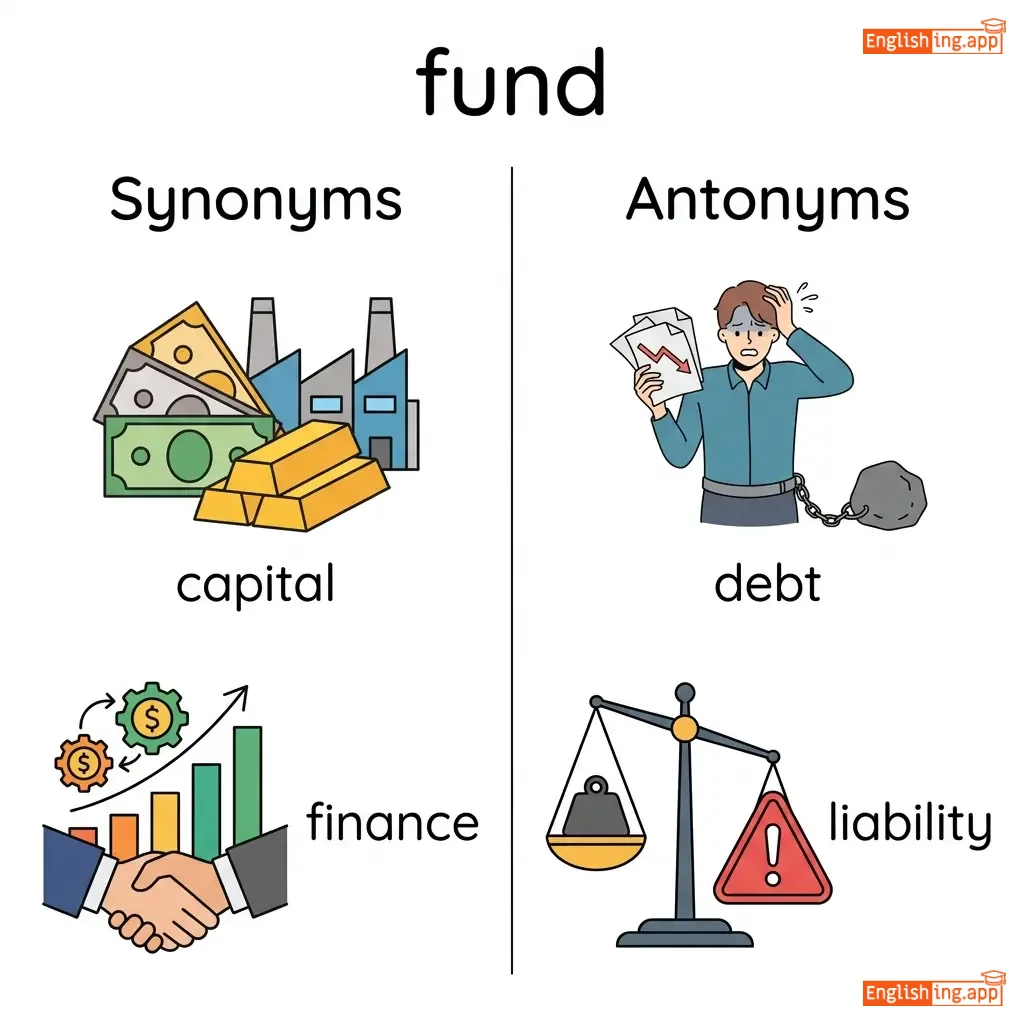
capital, finance, money, resource, investment
••••••
|
debt, liability
••••••
|
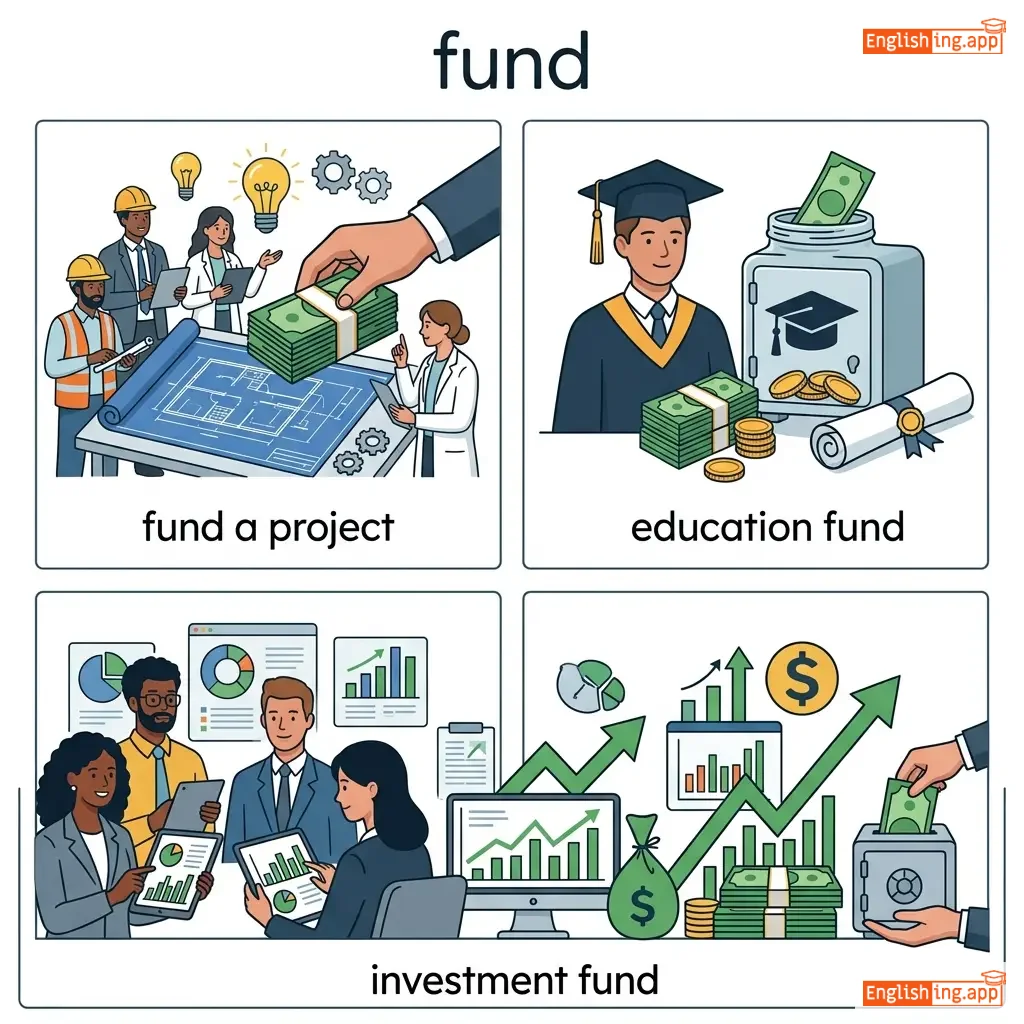
fund a project, education fund, investment fund, fund allocation
••••••
|
基金意味着基金 — 想象基金 = '翻递', 享受时需要资金。
••••••
|
|
#0
🧬
|
/dʒiːn/
noun
(jin)
••••••
|
- •••••• |
基因
ji yin
••••••
|
- •••••• | - •••••• | - •••••• | - •••••• |
A unit of heredity in living organisms, transferred from parent to offspring, determining traits.
••••••
|
Eye color is influenced by genes inherited from parents. |
眼睛的颜色受从父母遗传的基因的影响。
yanjing de yanse shou cong fumu yichuan de jiyin de yingxiang.
••••••
|
in one's genes |
a natural trait inherited from family
••••••
|
某人的基因中
mou ren de jiyin zhong
••••••
|
DNA, chromosome, heredity, trait, genome
••••••
|
environment, nurture
••••••
|
gene mutation, gene therapy, human gene, dominant gene
••••••
|
Gene = 基因,想想DNA 🧬
••••••
|
|
#0
🎁
|
/ɡɪv/
verb
(gív)
••••••
|
|
给
gěi
••••••
|
gave
géve
••••••
|
given
gíven
••••••
|
gives
gívs
••••••
|
giving
gíving
••••••
|
to hand over or transfer something to someone
••••••
|
She will give him a gift on his birthday.
她会在他的生日给他一份礼物。
••••••
|
她会在他的生日给他一份礼物。
Tā huì zài tā de shēngrì gěi tā yī fèn lǐwù.
••••••
|
give up
放弃
••••••
|
to stop trying or to surrender
••••••
|
放弃
fàngqì
••••••
|
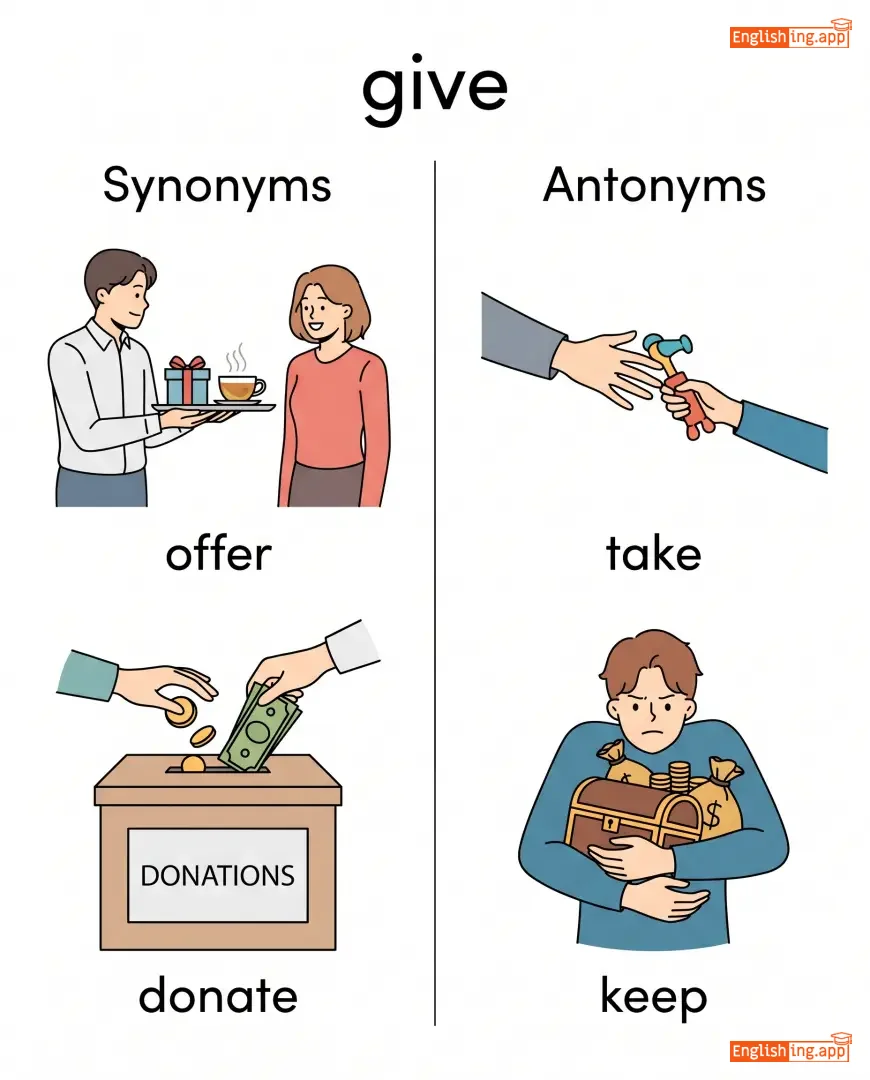
offer, donate, present, provide, deliver
••••••
|
take, keep
••••••
|
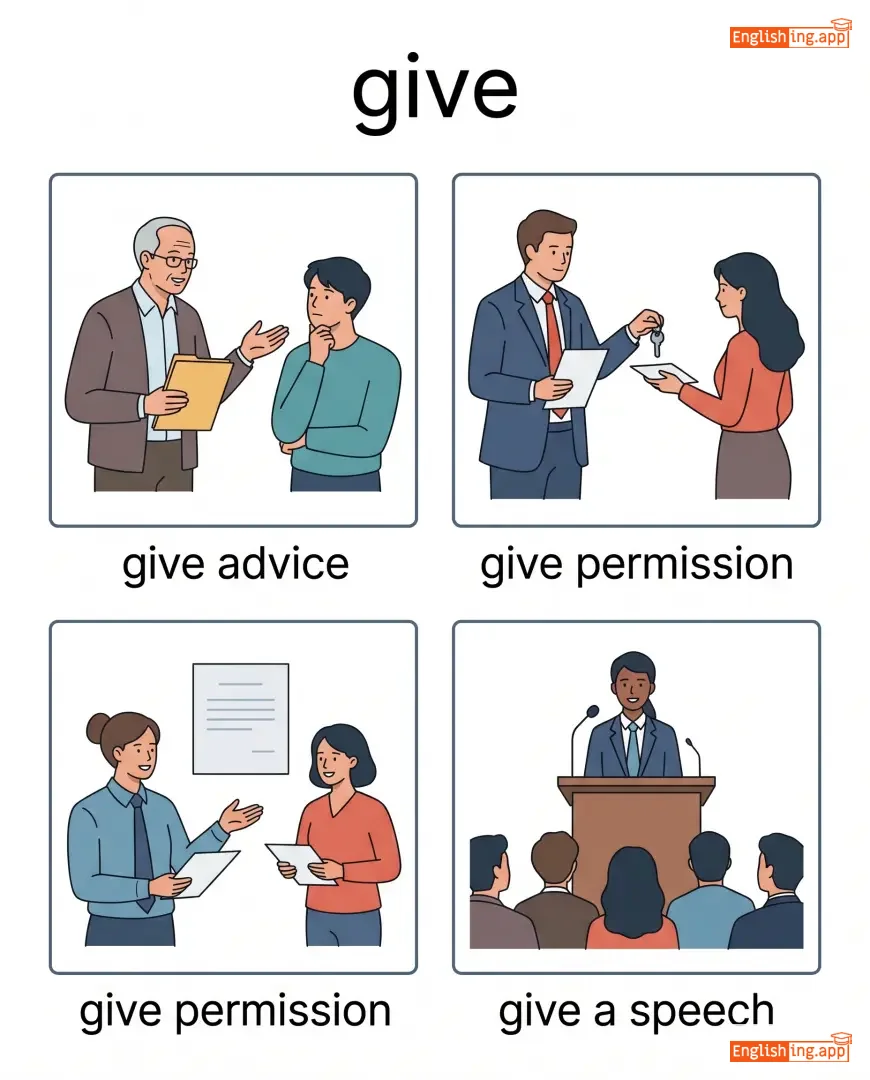
give advice, give permission, give a speech, give thanks
••••••
|
Give (给) someone something to give them a gift.
••••••
|
|
#0
🥇
|
/ɡoʊld/
noun
(ɡoʊld)
••••••
|
- •••••• |
黄金
huangjin
••••••
|
- •••••• | - •••••• | - •••••• | - •••••• |
a yellow precious metal used in jewelry and as money
••••••
|
The ring was made of pure gold. |
这枚戒指是由纯金制成的。
Zhè méi jièzhǐ shì yóu chún jīn zhìchéng de.
••••••
|
worth its weight in gold |
extremely valuable
••••••
|
值其黄金重量
zhí qí huángjīn zhòngliàng
••••••
|
precious metal, wealth, treasure
••••••
|
worthlessness, poverty
••••••
|
pure gold, gold medal, gold mine, gold chain
••••••
|
黄金是最珍贵的金属,像是金光闪闪的机会。
••••••
|
|
#0
🏌️
|
/ɡɒlf/
noun
(海皮尼斯)
••••••
|
- •••••• |
幸福
xìng fú
••••••
|
- •••••• | - •••••• | - •••••• | - •••••• |
A game in which players use clubs to hit a ball into a series of holes on a course in as few strokes as possible.
••••••
|
He spends his weekends playing golf with his friends. |
当她收到奖项时,她无法掩饰自己的幸福。
Dāng tā shōu dào jiǎngxiàng shí, tā wúfǎ yǎnshì zìjǐ de xìngfú.
••••••
|
a good walk spoiled |
A humorous phrase describing golf as ruining the enjoyment of walking.
••••••
|
追求幸福
zhuīqiú xìngfú
••••••
|
sport, game, pastime, recreation
••••••
|
work, labor
••••••
|
play golf, golf course, golf club, professional golf
••••••
|
幸福就像一个无尽的旅程,一直追寻着真正的快乐!
••••••
|
|
#0
🤲
|
/ɡræb/
verb
(格雷布)
••••••
|
- •••••• |
抓住
zhuazhu
••••••
|
grabbed
格雷布德
••••••
|
grabbed
格雷布德
••••••
|
grabs
格雷布斯
••••••
|
grabbing
格雷布英
••••••
|
To seize something quickly and firmly.
••••••
|
He tried to grab the ball before it rolled away.
他试图抓住球,在它滚走之前。
••••••
|
他试图抓住球,在它滚走之前。
Tā shìtú zhuā zhù qiú, zài tā gǔn zǒu zhīqián.
••••••
|
grab a bite
抓住一口
••••••
|
to have something to eat quickly
••••••
|
抓紧吃一口
zhuājǐn chī yī kǒu
••••••
|
seize, snatch, clutch, take, catch
••••••
|
release, let go
••••••
|
grab a chance, grab attention, grab a bite
••••••
|
‘抓住’就像是抓住一口快餐。
••••••
|
|
#0
🗺️
|
/ɡrɪd/
noun
(格栅)
••••••
|
|
网格
wangge
••••••
|
- •••••• | - •••••• | - •••••• | - •••••• |
a network of lines that cross each other to form a series of squares or rectangles
••••••
|
The map is overlaid on a grid to help identify locations. |
地图被叠加在网格上,以帮助识别位置。
Ditu bei diejia zai wangge shang, yi bangzhu shibie weizhi.
••••••
|
- •••••• | - •••••• | - •••••• |
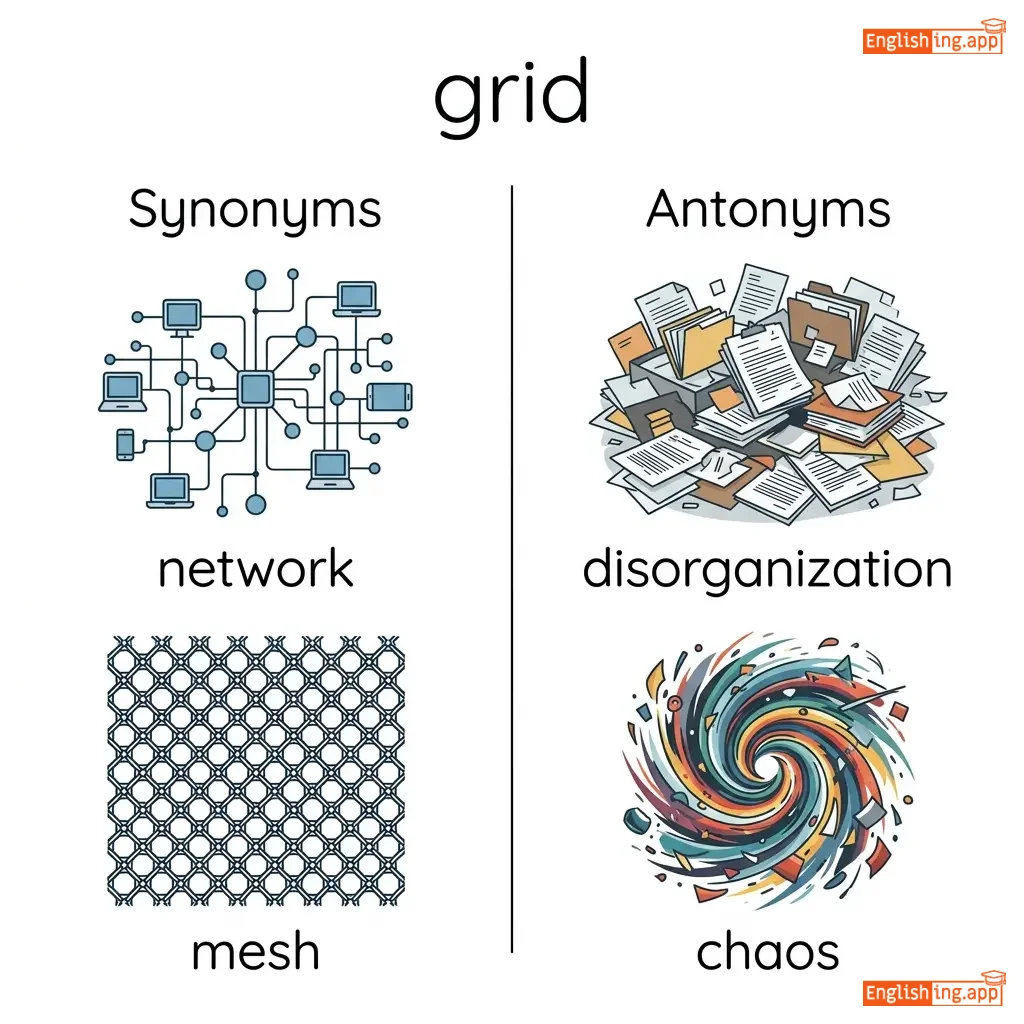
network, mesh, framework, matrix
••••••
|
disorganization, chaos
••••••
|
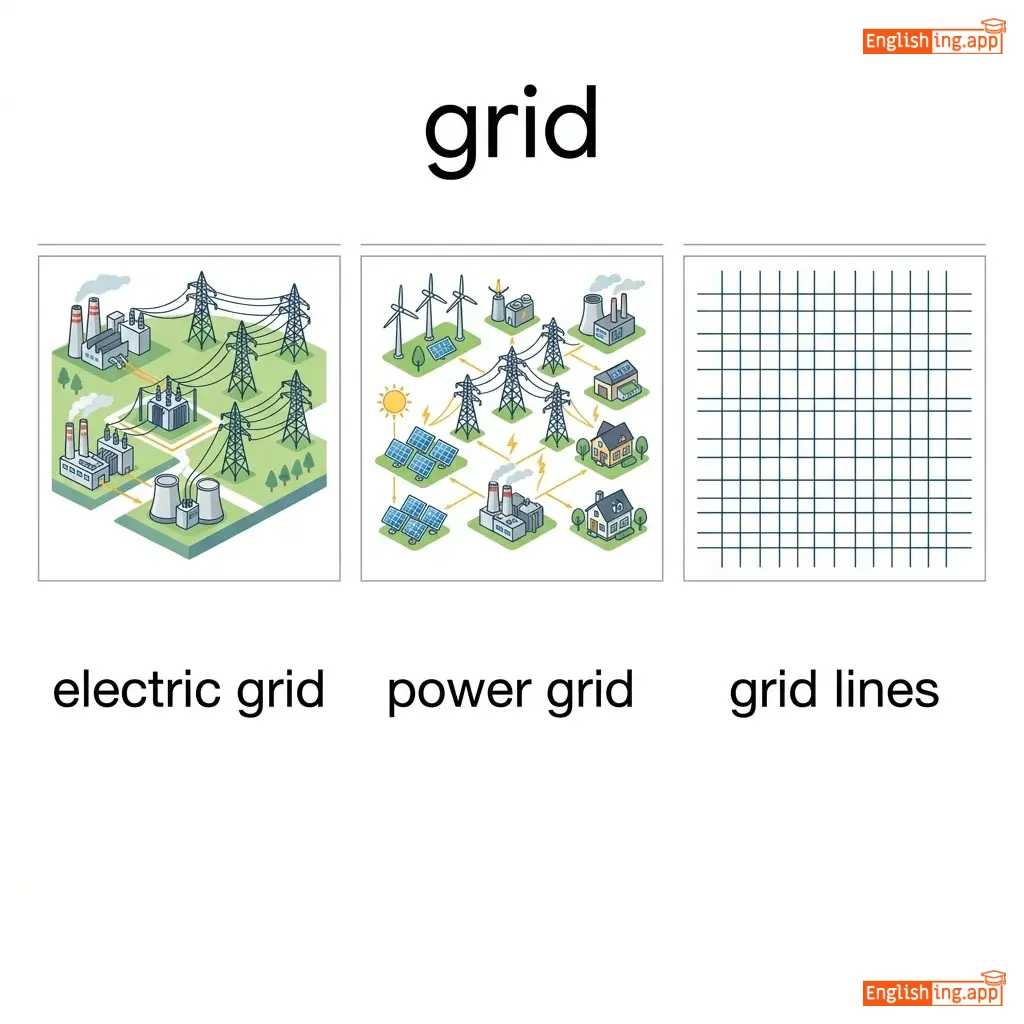
electric grid, power grid, grid lines, grid system
••••••
|
‘网格’就像是一个帮助你定位位置的网络,帮助你精确找出地方。
••••••
|
|
#0
😁
|
/ɡrɪn/
verb, noun
(格林)
••••••
|
- •••••• |
露出牙齿笑,通常是开心的笑
lùchū yáchǐ xiào, tōngcháng shì kāixīn de xiào
••••••
|
grinned
格林德
••••••
|
grinned
格林德
••••••
|
grins
格林斯
••••••
|
grinning
格林宁
••••••
|
to smile broadly, often showing teeth
••••••
|
She grinned happily at the good news.
她高兴地露出牙齿笑着听到好消息。
••••••
|
她高兴地露出牙齿笑着听到好消息。
Tā gāoxìng de lùchū yáchǐ xiào zhe tīng dào hǎo xiāoxī.
••••••
|
grin and bear it
微笑并忍受
••••••
|
to endure something unpleasant with good humor
••••••
|
微笑并忍受
wēixiào bìng rěnshòu
••••••
|
smile, beam, smirk, chuckle
••••••
|
frown, scowl
••••••
|
big grin, cheeky grin, wide grin, grin broadly
••••••
|
微笑并忍受,不愉快也微笑
••••••
|
|
#0
✊
|
/ɡrɪp/
verb
(grip)
••••••
|
- •••••• |
抓住
zhuazhu
••••••
|
gripped
gripped
••••••
|
gripped
gripped
••••••
|
grips
grips
••••••
|
gripping
gripping
••••••
|
to hold something tightly or firmly
••••••
|
He gripped the steering wheel tightly.
他紧握着方向盘。
••••••
|
他紧握着方向盘。
Tā jǐn wò zhe fāngxiàng pán.
••••••
|
get a grip
掌握自己
••••••
|
to control your emotions or behavior
••••••
|
掌握自己
zhǎngwò zìjǐ
••••••
|
hold, grasp, clutch, seize, clasp
••••••
|
release, let go, drop
••••••
|
firm grip, lose grip, get a grip, tight grip
••••••
|
抓住就像做Grip — 不会掉!
••••••
|
|
#0
🙌
|
/heɪl/
verb
(海尔)
••••••
|
- •••••• |
呼叫 / 赞美
hujiao / zanmei
••••••
|
hailed
海尔德
••••••
|
hailed
海尔德
••••••
|
hails
海尔斯
••••••
|
hailing
海灵
••••••
|
To call out to attract attention or to praise enthusiastically.
••••••
|
The athlete was hailed as a hero after the victory.
运动员在获胜后被誉为英雄。
••••••
|
运动员在获胜后被誉为英雄。
Yundongyuan zai huosheng hou bei yuwei wei yingxiong.
••••••
|
hail a taxi
招手停出租车
••••••
|
to signal and stop a taxi to get a ride
••••••
|
招手停出租车
zhaoshou ting chuzuche
••••••
|
greet, call, acclaim, praise, salute
••••••
|
ignore, condemn, dismiss
••••••
|
hail a taxi, hail as a hero, hail the decision, hail enthusiastically
••••••
|
Hail = 用手招或喊出租车
••••••
|
|
#0
💇
|
/hɛər/
noun
(hɛr)
••••••
|
- •••••• |
头发
tóufa
••••••
|
- •••••• | - •••••• | - •••••• | - •••••• |
the fine threads growing from the skin of humans and animals
••••••
|
She has long, black hair. |
她有一头长黑发。
Tā yǒu yī tóu zhǎng hēi fà.
••••••
|
let your hair down |
to relax and enjoy yourself without worrying
••••••
|
放下头发
fàngxià tóufa
••••••
|
locks, strands, tresses, mane
••••••
|
baldness, bald head
••••••
|
long hair, curly hair, cut hair, hair color
••••••
|
头发 = Hair, 头 (tóu) 形容头发的部分
••••••
|
|
#0
🖼️
|
/hæŋ/
verb
••••••
|
|
- •••••• |
hung
••••••
|
hung
••••••
|
hangs
••••••
|
hanging
••••••
|
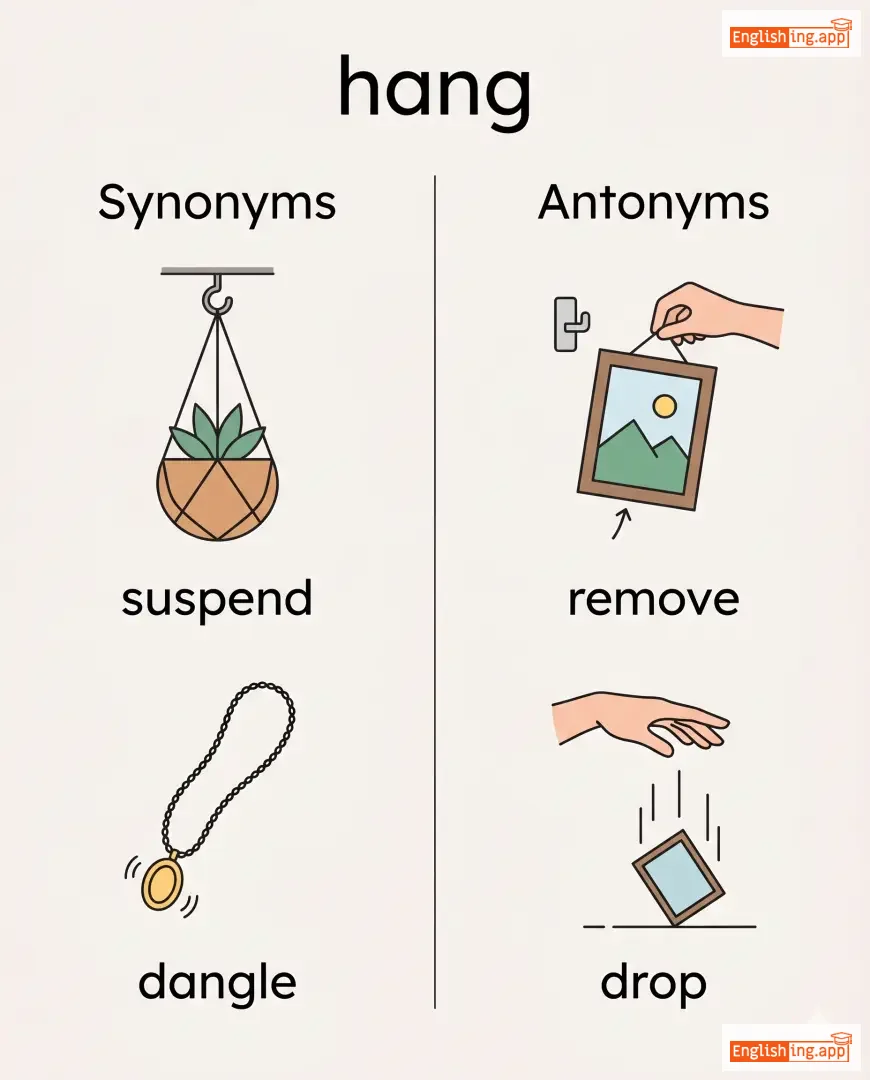
to suspend or attach something from above so that it moves freely or is supported
••••••
|
She decided to hang the painting on the living room wall. |
- •••••• |
hang in there |
used to encourage someone to persevere through a difficult time
••••••
|
- •••••• |
suspend, dangle, attach, display, drape
••••••
|
remove, drop, take down
••••••
|
hang clothes, hang picture, hang around, hang up
••••••
|
No •••••• |
|
#0
💔
|
/heɪt/
verb
••••••
|
|
- •••••• |
hated
••••••
|
hated
••••••
|
hates
••••••
|
hating
••••••
|
to dislike intensely or have a strong aversion to
••••••
|
She hates waking up early in the morning. |
- •••••• |
love to hate |
something disliked but still talked about often
••••••
|
- •••••• |
detest, loathe, despise, abhor
••••••
|
love, like, adore
••••••
|
hate crime, hate speech, hate someone
••••••
|
No •••••• |
|
#0
🚚
|
/hɔːl/
verb
(豪尔)
••••••
|
- •••••• |
拖拉
tuōlā
••••••
|
hauled
豪尔德
••••••
|
hauled
豪尔德
••••••
|
hauls
豪尔斯
••••••
|
hauling
豪尔灵
••••••
|
to pull or drag something heavy with effort
••••••
|
The workers hauled the boxes into the truck.
工人们把箱子拖上了卡车。
••••••
|
工人们把箱子拖上了卡车。
Gōngrénmen bǎ xiāngzi tuō shàngle kǎchē.
••••••
|
long haul
长时间的努力
••••••
|
a long and difficult effort or process
••••••
|
长时间的努力
cháng shíjiān de nǔlì
••••••
|
drag, pull, carry, tow, transport
••••••
|
push, drop, release
••••••
|
haul goods, haul truck, haul cargo, long haul
••••••
|
在卡车里 haul 就是拖拉重物!
••••••
|
|
#0
🙌
|
/hæv/
verb
(hǎv)
••••••
|
- •••••• |
拥有
yǒngyǒu
••••••
|
had
hǎd
••••••
|
had
hǎd
••••••
|
has
hǎz
••••••
|
having
hǎv-ing
••••••
|
to possess, own, or hold
••••••
|
They have three children.
他们有三个孩子。
••••••
|
他们有三个孩子。
Tāmen yǒu sān gè háizi.
••••••
|
have a good time
度过愉快时光
••••••
|
to enjoy oneself
••••••
|
度过愉快时光
dùguò yúkuài shíguāng
••••••
|
own, possess, hold, contain
••••••
|
lack, want
••••••
|
have fun, have dinner, have time, have a look
••••••
|
Have表示拥有,如我们说'我有' - I have it!
••••••
|
Vocabulary Quiz
Test your vocabulary by matching words with their translations or meanings.
Login to take the quiz
Comments (0)
Share your thoughts and join the discussion.
Join the discussion by logging in
Login to CommentNo comments yet
Be the first to share your thoughts!