

学会真相的儿子
The Son Who Learned the Truth
拉菲是一个son,他称呼自己的父亲为“sir”。His父亲是一位法官。
一天在学校,拉菲参加了一场test。这场test非常hard。拉菲不知道该怎么办,他抄袭了旁边同学的答案。
回到家,his父亲问:“这次test son怎么样?”
拉菲说:“很好,sir。我考得不错。”
但在心里,拉菲知道那是一个lie。他并不是自己完成的。Real truth是——他作弊了。
第二天,老师公布了成绩。拉菲得了95分。但老师把所有人叫到hall里。
“我有件事要说,”老师说,“有人在test中作弊。这不仅仅是分数的问题,而是关于being true to yourself。”
拉菲的head低了下去,his hand在发抖。
回到家,his父亲说:“拉菲,过来here,我有话要和你说。”
拉菲害怕地说:“Yes sir?”
“老师打电话来了。她给了我一个hint,她说有人作弊。是不是你,son?”
拉菲又想lie,但看到his父亲的face,他说不出口。
“Yes sir,”拉菲低声说,“是我,对不起。”
His父亲说:“谢谢你being true。知道你作弊我很hurt,但你lie让我更hurt。现在你own了自己的错误。这才是real勇气。”
“我知道这很hard,”his父亲继续说,“但facing the truth是你的duty。Lying让一切变成hell。Just要true于自己,Just own你所做的事。”
拉菲哭了:“对不起,sir。我太害怕了。那场test太hard了。大家都对我期望太高,我的head压力太大。”
His父亲put his hand在拉菲的head上,说:“我明白,son。但要记住——诚实地face一次hard test比lie要好得多。当你lie时,你伤害的最深的是自己。人生的real test不是考试,而是即使在hard的时候也能being true。”
“我该怎么办,sir?”拉菲问。
“Face它。明天去找你的老师。Own你做的事。告诉她real的故事。这是你的duty。虽然会hurt,虽然会hard,但那是唯一的办法。”
第二天,拉菲去找老师。“老师,我有件事要说。我在test中作弊了。我lied。我here是为了own我的错误。”
老师看着him说:“谢谢你being true,拉菲。这需要real的勇气。你的惩罚是——你要重新参加test,并且必须face它,on your own,不能得到帮助。”
“Yes ma'am,”拉菲说,“我明白。这很just fair。”
拉菲studied hard。第二次re-test更加harder。但这一次他on his own完成了。得了65分,不是95,但这是一个real的65。
回到家,他对his父亲说:“Sir,我得了65分。我faced了那场test。这次我是真实的。”
His父亲笑了:“我更为这65分感到骄傲,而不是假的95。你faced了你的duty,你owned了错误,你true了。这才是real的胜利,son。”
多年后,拉菲成为了一名律师。客户会问:“你能帮我在法庭上lie吗?”
拉菲会说:“不。我的duty是face the truth,而不是隐藏它。我从父亲那里学到——当你lie时,生活变成hell。当你true时,你own自己。一个lie hurts所有人。Truth今天可能会hurt,但lie hurts永远。Just要real。无论多hard,都要face。Own你的故事。这是唯一的生活方式。”
每当有人带着困难的案件来找him时,拉菲都会想起那天——站在学校的hall里,head低下,hand发抖,facing自己的lie。His父亲的hand放在他的head上。那句话:“Just be true son。那是你的real duty。”
因为有时最hardest test不在hall里,而是在心中。要facing自己,owning自己的lies,并选择true,即使hurts like hell。但那一刻,你才变得real,那一刻,你才真正own自己。

Swipe left or right, or use the buttons. Tap image to zoom.
例句翻译
单词
The Son Who Learned the TruthThe Son Who Learned the Truth - 遮罩切换
|
表情符号
|
单词 | Images | 翻译 | 过去时 | 过去分词 | 第三人称单数 | 动名词 | 含义 | 例句 | 例句翻译 | 示例表达 | 示例表达含义 | 示例表达翻译 | 同义词 | 反义词 | 搭配词 | 助记符 |
|---|---|---|---|---|---|---|---|---|---|---|---|---|---|---|---|---|---|
|
#0
🛡️
|
/ˈdjuːti/
noun
(duty)
••••••
|
- •••••• |
责任
zérèn
••••••
|
- •••••• | - •••••• | - •••••• | - •••••• |
a moral or legal obligation; a responsibility
••••••
|
It is our duty to protect the environment. |
保护环境是我们的责任。
Baohu huanjing shi wode zeren.
••••••
|
call of duty |
a responsibility that must be carried out
••••••
|
责任召唤
zérèn zhàohuàn
••••••
|
responsibility, obligation, task, assignment, commitment
••••••
|
freedom, choice, exemption
••••••
|
duty free, official duty, moral duty, line of duty
••••••
|
Duty 就是 '责任',就像警察履行他们的职责一样。
••••••
|
|
#0
🙂
|
/feɪs/
noun/verb
••••••
|
|
- •••••• |
faced
••••••
|
faced
••••••
|
faces
••••••
|
facing
••••••
|
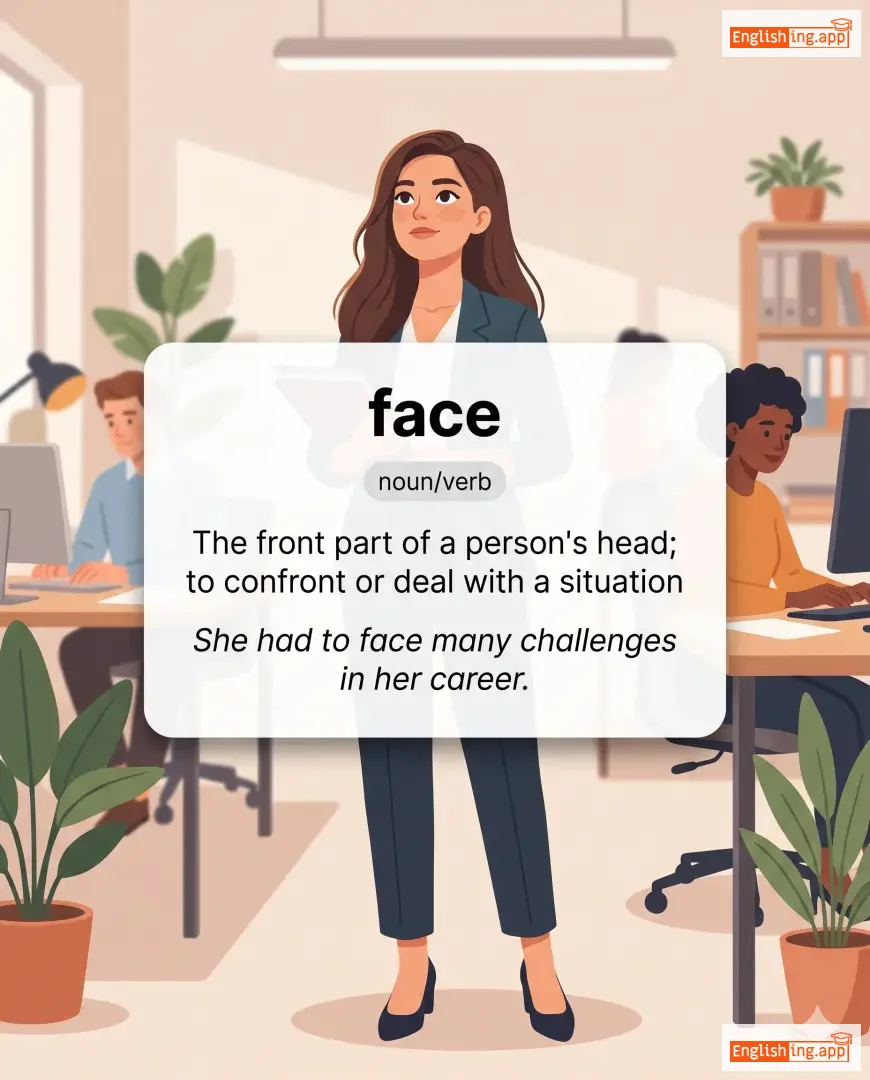
The front part of a person's head; to confront or deal with a situation
••••••
|
She had to face many challenges in her career. |
- •••••• |
face the music |
to accept the unpleasant consequences of one's actions
••••••
|
- •••••• |
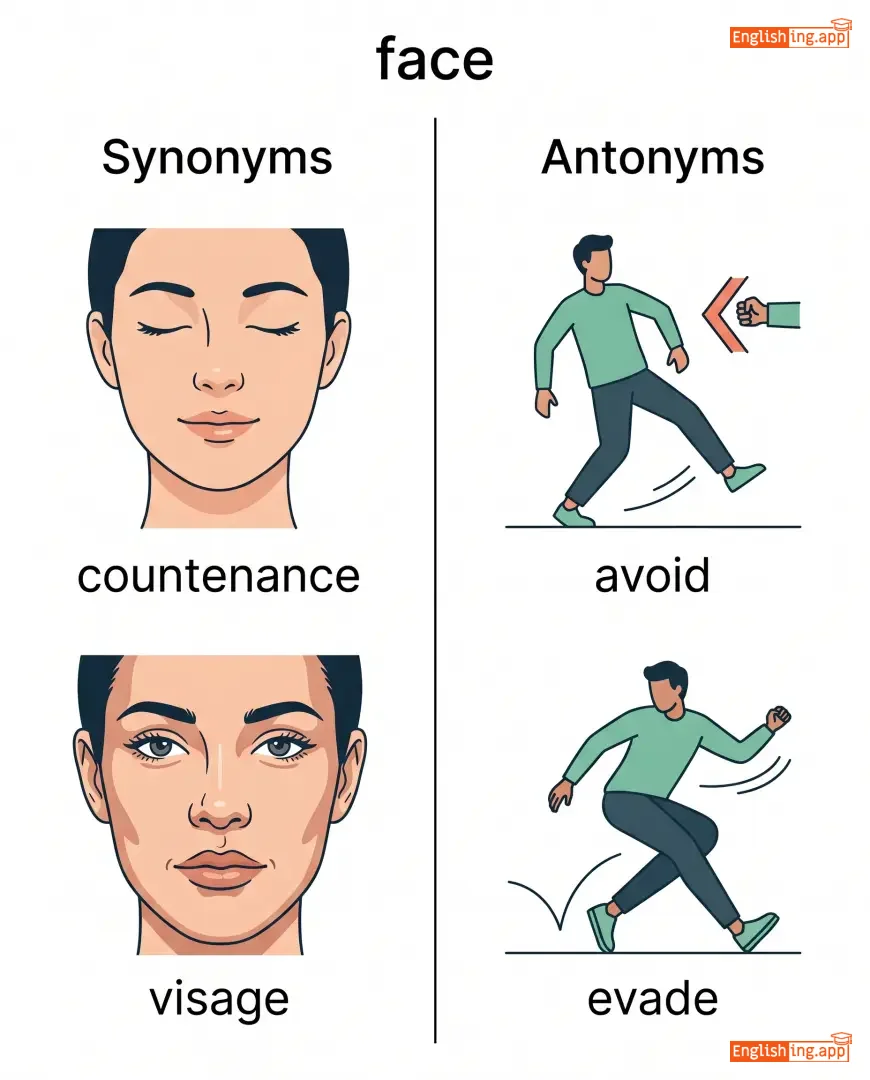
countenance, visage, confront, encounter
••••••
|
avoid, evade
••••••
|
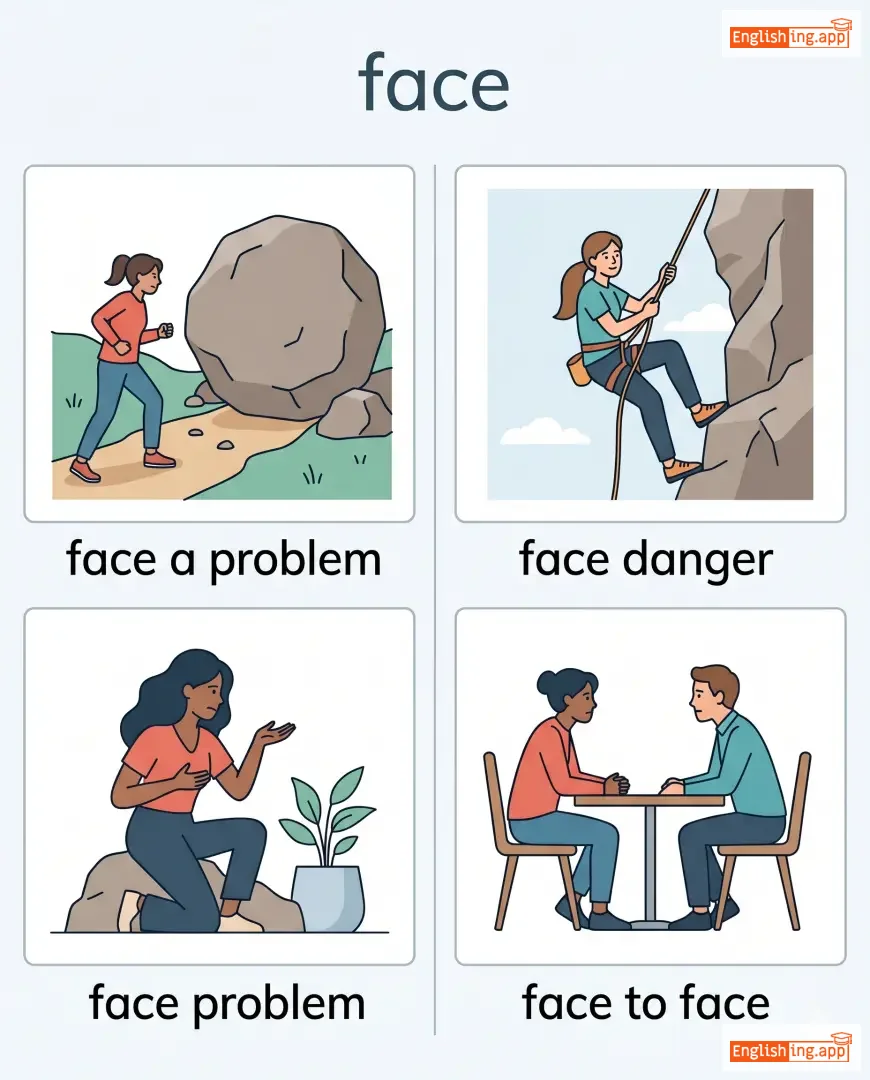
face a problem, face danger, face to face, face reality
••••••
|
No •••••• |
|
#0
🏛️
|
/hɔːl/
noun
(hɔl)
••••••
|
- •••••• |
大厅
da ting
••••••
|
- •••••• | - •••••• | - •••••• | - •••••• |
a large room or building for public gatherings, events, or passage
••••••
|
The graduation ceremony was held in the university hall.
毕业典礼在大学的大厅举行。
••••••
|
毕业典礼在大学的大厅举行。
Bi ye dian li zai da xue de da ting ju xing.
••••••
|
hall of fame
名人堂
••••••
|
a group or place honoring distinguished people
••••••
|
名人堂
ming ren tang
••••••
|
auditorium, chamber, corridor, passage, lobby
••••••
|
room, cubicle
••••••
|
lecture hall, concert hall, dining hall, entrance hall
••••••
|
大厅 (da ting) 是一个大空间,像大学大厅一样,适合举办活动。
••••••
|
|
#0
🤚
|
/hænd/
noun, verb
••••••
|
- •••••• | - •••••• |
handed
••••••
|
handed
••••••
|
hands
••••••
|
handing
••••••
|
the part of the body at the end of the arm used for holding things
••••••
|
She raised her hand to ask a question. |
- •••••• |
in safe hands |
being looked after by someone competent and reliable
••••••
|
- •••••• |
palm, fist, grip, hold
••••••
|
foot, neglect
••••••
|
shake hands, hand in, hand out, raise hand
••••••
|
No •••••• |
|
#0
💪
|
/hɑːrd/
adjective
(哈德)
••••••
|
- •••••• |
困难
kunnan
••••••
|
- •••••• | - •••••• | - •••••• | - •••••• |
solid, firm, or difficult to do or endure
••••••
|
The exam was very hard for most students. |
对大多数学生来说,考试非常困难。
Dui dashu xuesheng laishuo, kao shi feichang kunnan.
••••••
|
hard nut to crack |
a difficult problem or person to deal with
••••••
|
难啃的坚果
nan ken de jianguo
••••••
|
difficult, tough, rigid, strong, firm
••••••
|
easy, soft, simple
••••••
|
work hard, hard time, hard decision, hard life
••••••
|
Hard表示困难,就像难啃的坚果一样。
••••••
|
|
#0
👤
|
/hɛd/
noun, verb
(头)
••••••
|
- •••••• |
头 / 领导
tou / lingdao
••••••
|
headed
带头
••••••
|
headed
带头
••••••
|
heads
带头
••••••
|
heading
带头
••••••
|
The upper part of the human body or to lead or be in charge of something.
••••••
|
She turned her head to look out the window.
她转动头来向窗外看。
••••••
|
她转动头来向窗外看。
ta zhuandong tou lai xiang chuangwai kan.
••••••
|
head over heels
头过脚跟
••••••
|
completely in love
••••••
|
完全爱上
wanquan aishang
••••••
|
chief, leader, boss, director, skull
••••••
|
follower, subordinate
••••••
|
head of department, head office, head a team, shake your head
••••••
|
头表示头,头过脚跟表示完全爱上。
••••••
|
|
#0
🔥
|
/hɛl/
noun
(hēl)
••••••
|
- •••••• |
地狱
diyu
••••••
|
- •••••• | - •••••• | - •••••• | - •••••• |
a place or state of great suffering and torment, often in religious belief
••••••
|
He feared that his sins would send him to hell. |
他害怕他的罪会把他送入地狱。
Tā hàipà tā de zuì huì bǎ tā sòng rù dìyù.
••••••
|
raise hell |
to cause trouble or a noisy disturbance
••••••
|
制造混乱
zhìzuò hùnluàn
••••••
|
inferno, torment, misery, damnation
••••••
|
heaven, paradise
••••••
|
living hell, go to hell, raise hell
••••••
|
地狱意味着极度的痛苦 🔥—记住‘地狱’意味着一个充满折磨的地方。
••••••
|
|
#0
📍
|
/hɪr/
adverb
(赫尔)
••••••
|
- •••••• |
这里
zheli
••••••
|
- •••••• | - •••••• | - •••••• | - •••••• |
in, at, or to this place
••••••
|
Please come here quickly.
请快点来这里。
••••••
|
请快点来这里。
Qing kuai dian lai zheli.
••••••
|
here and there
这里和那里
••••••
|
in various places
••••••
|
这里和那里
zheli he nali
••••••
|
present, nearby, close, around
••••••
|
there, away
••••••
|
come here, right here, here today, stay here
••••••
|
Here 在中文是这里 📍 - 记住'这里'就是'here'的意思
••••••
|
|
#0
👨
|
/hɪm/
pronoun
(海皮尼斯)
••••••
|
- •••••• |
他
ta
••••••
|
- •••••• | - •••••• | - •••••• | - •••••• |
Used to refer to a male person or animal already mentioned.
••••••
|
I saw him at the park yesterday. |
我昨天在公园看见了他。
Wǒ zuótiān zài gōngyuán kànjiànle tā.
••••••
|
- •••••• | - •••••• | - •••••• |
that man, that boy, male person, he
••••••
|
her, she
••••••
|
with him, for him, about him, help him
••••••
|
Him 意味着 '他' – 记住,He 的宾格是 Him.
••••••
|
|
#0
💡
|
/hɪnt/
noun/verb
(hint)
••••••
|
- •••••• |
提示
tíshì
••••••
|
hinted
hinted
••••••
|
hinted
hinted
••••••
|
hints
hints
••••••
|
hinting
hinting
••••••
|
a small piece of advice or suggestion; to suggest something indirectly
••••••
|
She gave me a hint about the surprise party.
她给了我一个关于惊喜派对的提示。
••••••
|
她给了我一个关于惊喜派对的提示。
Tā gěile wǒ yīgè guānyú jīngxǐ pàiduì de tíshì.
••••••
|
drop a hint
给个提示
••••••
|
to give a subtle suggestion
••••••
|
给个提示
gěi gè tíshì
••••••
|
suggestion, clue, indication, tip, advice
••••••
|
statement, declaration
••••••
|
subtle hint, useful hint, drop a hint, take the hint
••••••
|
Hint 在中文是提示,像给别人提示
••••••
|
|
#0
👦
|
/hɪz/
pronoun
(hɪz)
••••••
|
- •••••• |
他的
tā de
••••••
|
- •••••• | - •••••• | - •••••• | - •••••• |
belonging to or associated with a male person previously mentioned
••••••
|
This is his book on the table. |
这是他的书在桌子上。
Zhè shì tā de shū zài zhuōzi shàng.
••••••
|
- •••••• | - •••••• | - •••••• |
belonging to him, owned by him
••••••
|
her, their
••••••
|
his book, his car, his house, his idea
••••••
|
His 意味着他的,记住—He + is = His 东西
••••••
|
|
#0
🤕
|
/hɜːrt/
verb/adjective
(海皮尼斯)
••••••
|
- •••••• |
伤害
shānghài
••••••
|
hurt
海皮尼斯
••••••
|
hurt
海皮尼斯
••••••
|
hurts
海皮尼斯
••••••
|
hurting
海皮尼斯
••••••
|
to cause pain or injury; to feel pain
••••••
|
He hurt his knee while playing football.
他在踢足球时伤到了膝盖。
••••••
|
他在踢足球时伤到了膝盖。
Tā zài tī zúqiú shí shāng dào le xīgài.
••••••
|
hurt feelings
伤心的感觉
••••••
|
emotional pain caused by someone's words or actions
••••••
|
伤心的感受
shāngxīn de gǎnshòu
••••••
|
injure, wound, damage, bruise
••••••
|
heal, comfort, soothe
••••••
|
hurt badly, hurt someone, hurt feelings
••••••
|
伤害 — 就像割伤一样,痛苦无可避免。
••••••
|
|
#0
⚖️
|
/dʒʌst/
adverb/adjective
(贾斯特)
••••••
|
- •••••• |
正好,仅仅,或公正和道德上正确
zhèng hǎo, jǐn jǐn, huò gōng zhèng hé dào dé shàng zhèng què
••••••
|
- •••••• | - •••••• | - •••••• | - •••••• |
Exactly, only, or fair and morally right.
••••••
|
She arrived just in time for the meeting. |
她刚好准时到达会议。
Tā gānghǎo zhǔnshí dàodá huìyì.
••••••
|
just in case |
As a precaution; in case something happens.
••••••
|
以防万一
yǐ fáng wàn yī
••••••
|
fair, right, exact, only, merely
••••••
|
unfair, unjust, wrong
••••••
|
just now, just about, just because, just enough
••••••
|
JUST意味着正好,公正道德。
••••••
|
|
#0
🤥
|
/laɪ/
verb
(lai)
••••••
|
|
说谎
shuo huang
••••••
|
lied
laid
••••••
|
lied
laid
••••••
|
lies
laiz
••••••
|
lying
laing
••••••
|
To make a false statement with the intention to deceive.
••••••
|
He lied about his age to get the job.
hi laid abaut his eyj tu get de job.
••••••
|
他为了得到这份工作,说谎了自己的年龄。
Ta wei le dedao zhe fen gongzuo, shuo huang le ziji de nianling.
••••••
|
white lie
whaait lai
••••••
|
A harmless or small lie told to avoid hurting someone.
••••••
|
善意的谎言
Shan yi de huangyan
••••••
|
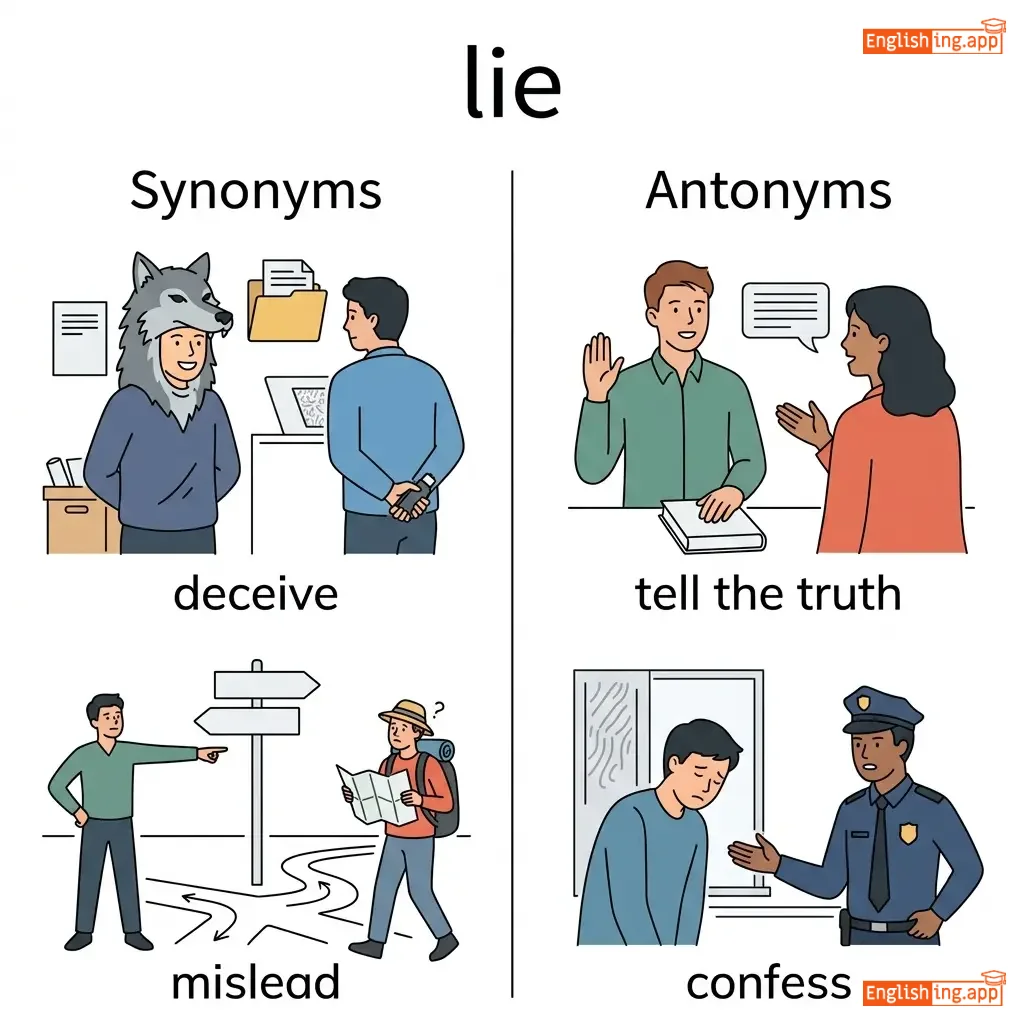
deceive, mislead, fib, falsify, invent
••••••
|
tell the truth, confess
••••••
|
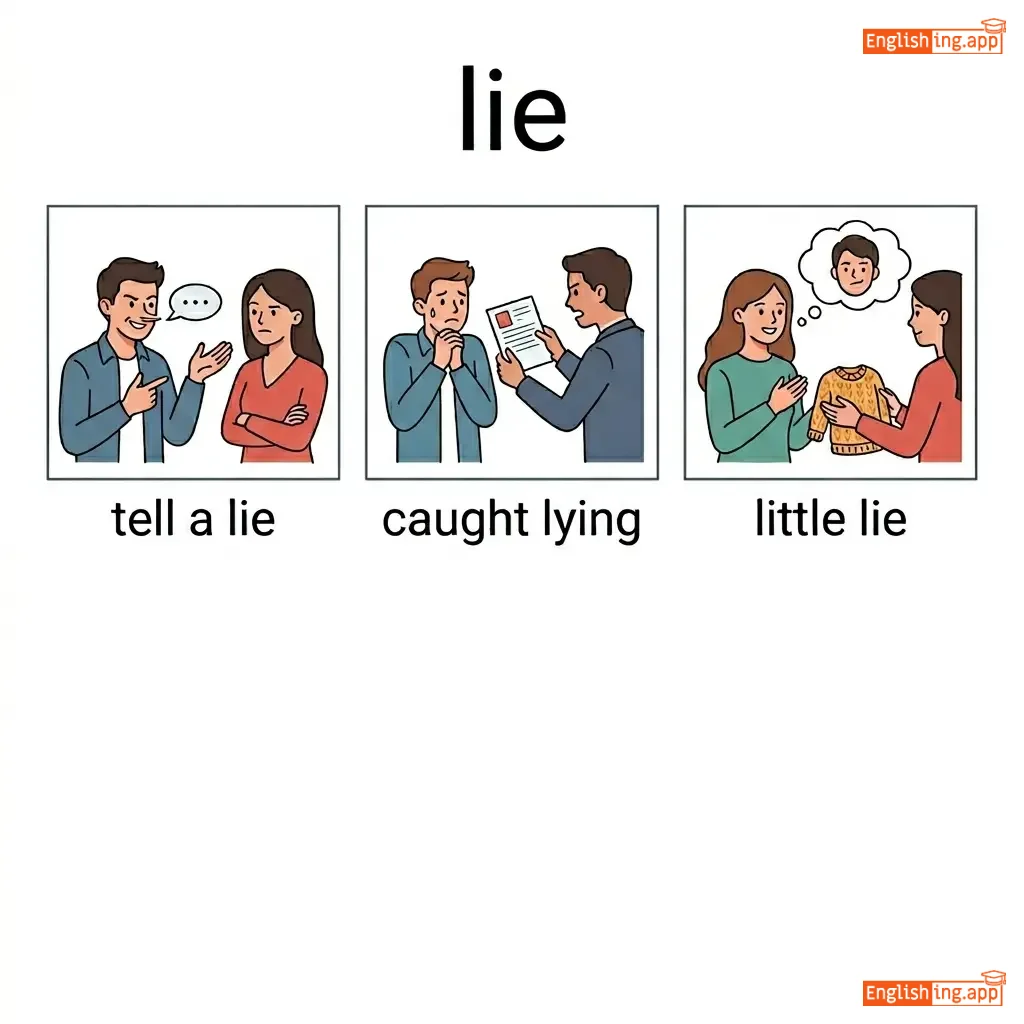
tell a lie, caught lying, little lie, big lie
••••••
|
Lie (说谎) 就是说不是真的事情。
••••••
|
|
#0
🏠
|
/oʊn/
verb, adjective
(own)
••••••
|
- •••••• |
拥有
yǒngyǒu
••••••
|
owned
owned
••••••
|
owned
owned
••••••
|
owns
owns
••••••
|
owning
owning
••••••
|
to possess something; belonging to oneself
••••••
|
She owns a beautiful house in the city.
她拥有一座漂亮的房子。
••••••
|
她拥有一座漂亮的房子。
Tā yǒngyǒu yī zuò piàoliang de fángzi.
••••••
|
- •••••• | - •••••• | - •••••• |
possess, have, hold
••••••
|
lack, not have
••••••
|
own a house, own property, own up
••••••
|
Own means you possess something - '拥有'意味着你拥有某物。
••••••
|
|
#0
✅
|
/riːl/
adjective
(瑞尔)
••••••
|
- •••••• |
真实的; 真实的; 不是假的
zhen shi de; zhen shi de; bu shi jia de
••••••
|
- •••••• | - •••••• | - •••••• | - •••••• |
actually existing; genuine; not imaginary or fake
••••••
|
This is a real diamond, not a fake one.
这是一个真实的钻石,不是假的。
••••••
|
这是一个真实的钻石,不是假的。
Zhe shi yige zhenshi de zuanshi, bushi jia de.
••••••
|
- •••••• | - •••••• | - •••••• |
genuine, authentic, actual, true, legitimate
••••••
|
fake, artificial, imaginary, false, counterfeit
••••••
|
real life, real estate, real world, real problem, real situation
••••••
|
真正的钻石是真实的,不是假的!
••••••
|
|
#0
👨
|
/sɜːr/
noun
(先生)
••••••
|
- •••••• |
先生
xiansheng
••••••
|
- •••••• | - •••••• | - •••••• | - •••••• |
a respectful or formal form of address used for a man, typically one of higher social status or authority
••••••
|
Sir, may I assist you with your order? |
先生,我可以帮您处理订单吗?
Xiansheng, wǒ kěyǐ bāng nín chǔlǐ dìngdān ma?
••••••
|
- •••••• | - •••••• | - •••••• |
mister, gentleman, lord, master
••••••
|
madam, miss
••••••
|
Sir, dear sir, Sir John, Sir Thomas
••••••
|
先生 (Xiansheng) 的称呼带来尊重!
••••••
|
|
#0
👦
|
/sʌn/
noun
(孙)
••••••
|
- •••••• |
儿子
er zi
••••••
|
- •••••• | - •••••• | - •••••• | - •••••• |
a male child of a parent
••••••
|
His son is very talented in music. |
他的儿子在音乐方面非常有才华。
Tā de érzi zài yīnyuè fāngmiàn fēicháng yǒu cáihuá.
••••••
|
- •••••• | - •••••• | - •••••• |
child, offspring, male heir
••••••
|
daughter, female child
••••••
|
only son, beloved son, son of a king
••••••
|
His SON is a musical genius; you’ll be so proud of him.
••••••
|
|
#0
📝
|
/test/
verb
(测试)
••••••
|
|
测试
ceshi
••••••
|
tested
测试过
••••••
|
tested
测试过
••••••
|
tests
测试
••••••
|
testing
测试中
••••••
|
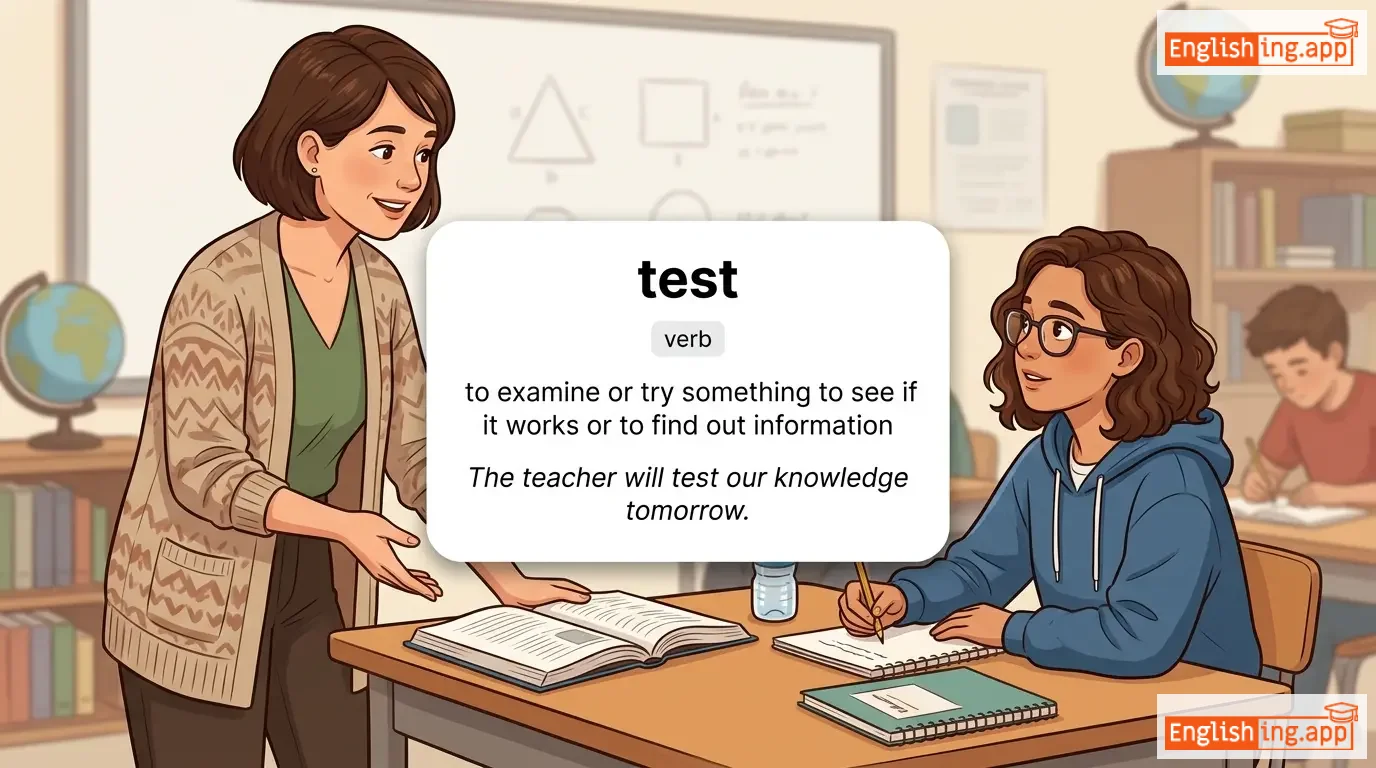
to examine or try something to see if it works or to find out information
••••••
|
The teacher will test our knowledge tomorrow.
老师明天将测试我们的知识。
••••••
|
老师明天将测试我们的知识。
Laoshi mingtian jiang ceshi women de zhishi.
••••••
|
- •••••• | - •••••• | - •••••• |
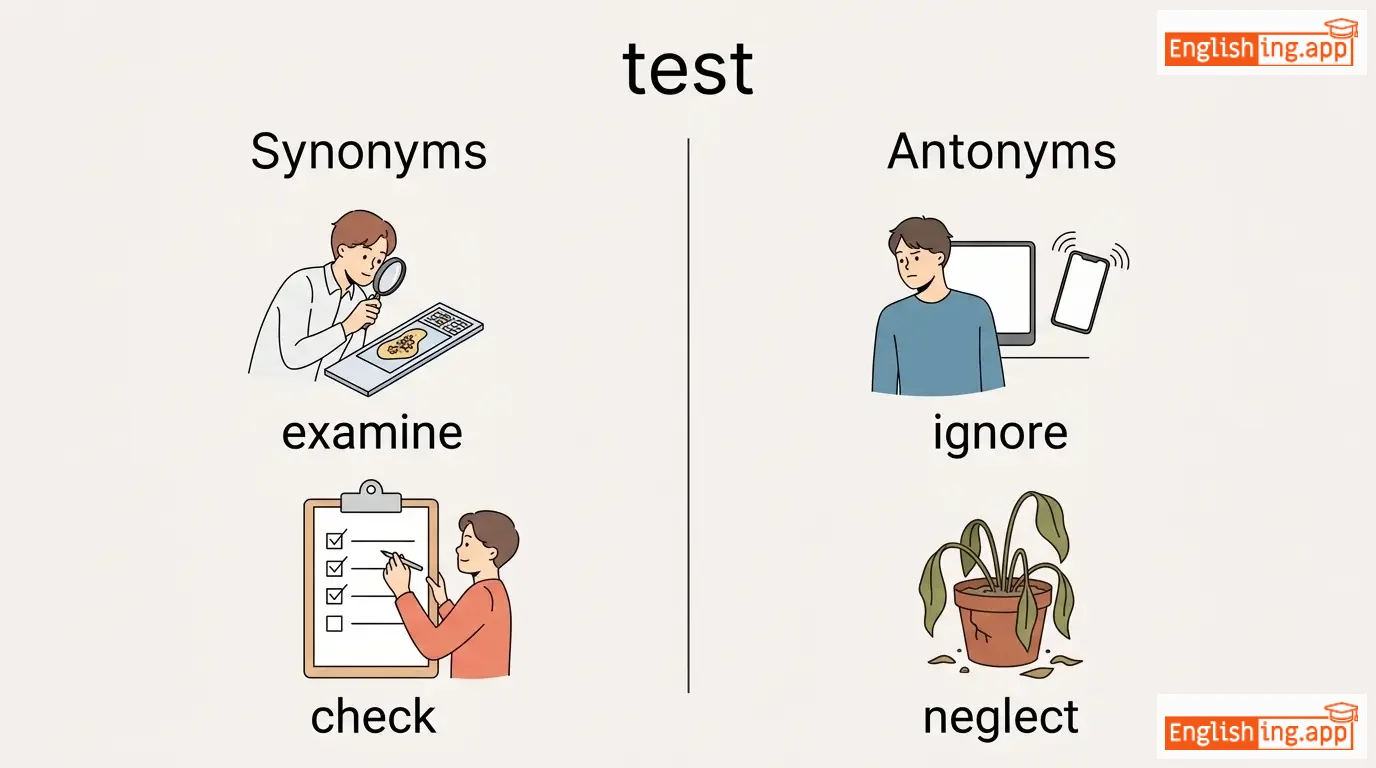
examine, check, try, evaluate
••••••
|
ignore, neglect
••••••
|
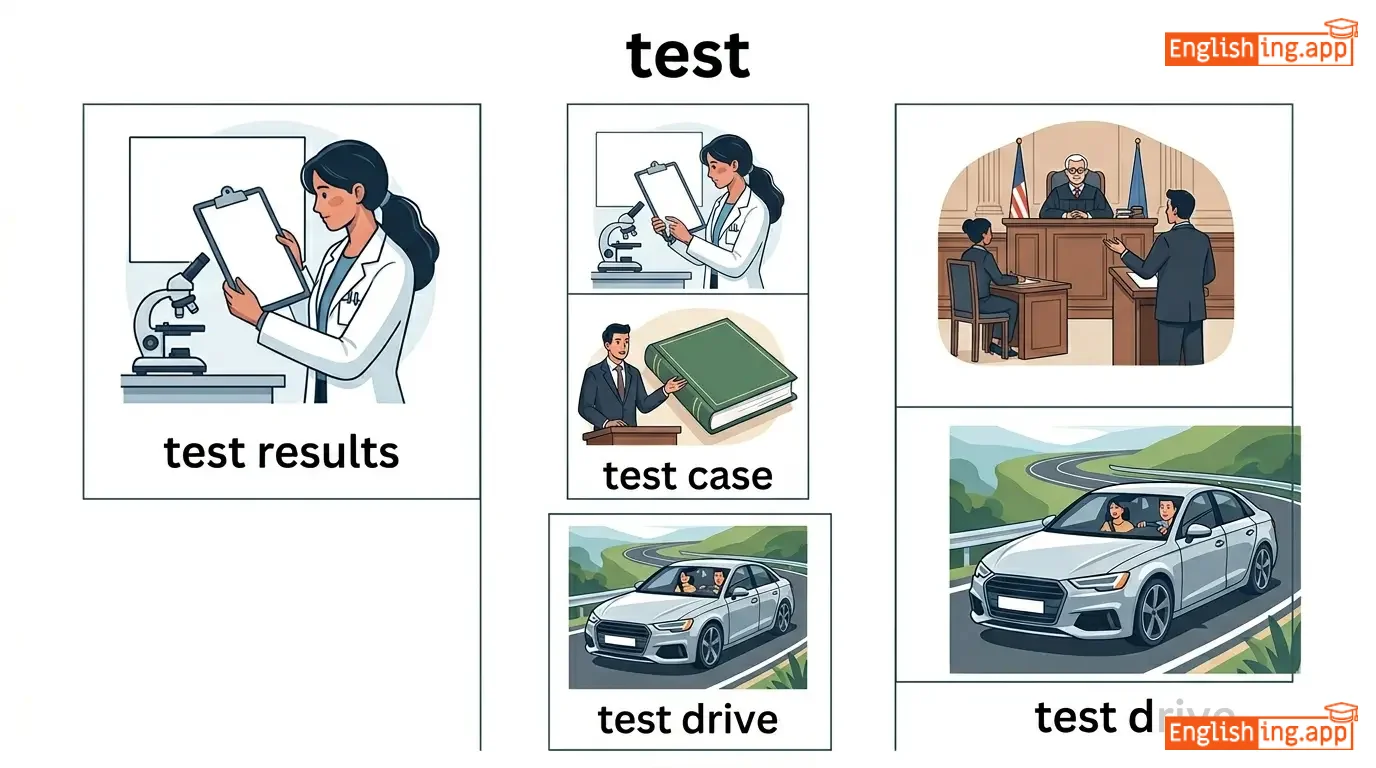
test results, test case, test drive, test positive, test negative, blood test
••••••
|
就像老师测试你们的知识一样,去测试。
••••••
|
|
#0
✔️
|
/truː/
adjective
(tru)
••••••
|
- •••••• |
真实
zhen shi
••••••
|
- •••••• | - •••••• | - •••••• | - •••••• |
in accordance with fact or reality; correct
••••••
|
His story was true, and everyone believed him. |
他的故事是真的,大家都相信他。
Tā de gùshì shì zhēn de, dàjiā dōu xiāngxìn tā.
••••••
|
true to oneself |
being loyal to one's own beliefs or values
••••••
|
忠于自己
zhōng yú zìjǐ
••••••
|
genuine, real, accurate, correct
••••••
|
false, incorrect, wrong
••••••
|
true story, true to yourself, true love, true meaning
••••••
|
True 代表真实,它是我们生活中的真理。
••••••
|
Vocabulary Quiz
Test your vocabulary by matching words with their translations or meanings.
Login to take the quiz
Comments (0)
Share your thoughts and join the discussion.
Join the discussion by logging in
Login to CommentNo comments yet
Be the first to share your thoughts!