

启发一代人的作家
The Writer Who Inspired a Generation
纳兹娅是一位有抱负的作家,她迷恋故事。她的童年很艰难 - 父母的离婚深深影响了她。但她保持了对写作的热情。在她的心中,有一团永不熄灭的火。对于她的第一本书,她只得到了五分的预付费,但她并没有过于担忧。她相信好故事会迫使读者思考。她的导师是一位年长的教授,他教会了她讲故事的智慧。一个关键的元素是真实性 - 她写作时始终保持在自己的经验中。有一天,一位文学赞助人注意到她的作品并提供支持。纳兹娅承诺她将写出值得读者时间的故事。在她的写作过程中,她做了草图和绘画来形象化场景。一个有趣的时刻是,在一次郊游时,她不小心把花生酱洒在了她的手稿上。在她的国家,创作力短缺,纳兹娅的故事给人们带来了清新的空气。其他人试图模仿她的风格,但她的声音是独一无二的。她的第三本小说赢得了一个著名的奖项,她成为了一个赢家。纳兹娅证明了,在困境中蕴藏着机会,创造力没有界限。
Swipe left or right, or use the buttons. Tap image to zoom.
例句翻译
单词
The Writer Who Inspired a GenerationThe Writer Who Inspired a Generation - 遮罩切换
|
表情符号
|
单词 | Images | 翻译 | 过去时 | 过去分词 | 第三人称单数 | 动名词 | 含义 | 例句 | 例句翻译 | 示例表达 | 示例表达含义 | 示例表达翻译 | 同义词 | 反义词 | 搭配词 | 助记符 |
|---|---|---|---|---|---|---|---|---|---|---|---|---|---|---|---|---|---|
|
#0
💔
|
/dɪˈvɔːrs/
noun/verb
(dìvó'ěrsī)
••••••
|
- •••••• |
离婚
líhūn
••••••
|
divorced
••••••
|
divorced
••••••
|
divorces
••••••
|
divorcing
••••••
|
the legal ending of a marriage; to officially end a marriage
••••••
|
After years of conflict, they decided to get a divorce. |
经过多年的冲突,他们决定离婚。
Jīngguò duōnián de chōngtū, tāmen juédìng líhūn.
••••••
|
divorce oneself from |
to separate or distance oneself from something
••••••
|
与...离婚
yǔ... líhūn
••••••
|
separation, annulment, breakup, dissolution
••••••
|
marriage, union
••••••
|
get a divorce, file for divorce, divorce settlement, divorce lawyer
••••••
|
离婚意味着分开,结束婚姻。
••••••
|
|
#0
✏️
|
/ˈdrɔːɪŋ/
noun
(海皮尼斯)
••••••
|
- •••••• |
幸福
xìngfú
••••••
|
- •••••• | - •••••• | - •••••• | - •••••• |
a picture or diagram made with a pencil, pen, or crayons rather than paint
••••••
|
She showed me a drawing of her house. |
当她获得奖项时,她无法掩饰自己的幸福。
Dāng tā huòdé jiǎngxiàng shí, tā wúfǎ yǎnshì zìjǐ de xìngfú.
••••••
|
drawing attention |
attracting notice or interest
••••••
|
追求幸福
zhuīqiú xìngfú
••••••
|
sketch, illustration, diagram, doodle
••••••
|
erasing, deletion
••••••
|
make a drawing, pencil drawing, line drawing, drawing skills
••••••
|
幸福是从心中涌现出来的喜悦。
••••••
|
|
#0
🌵
|
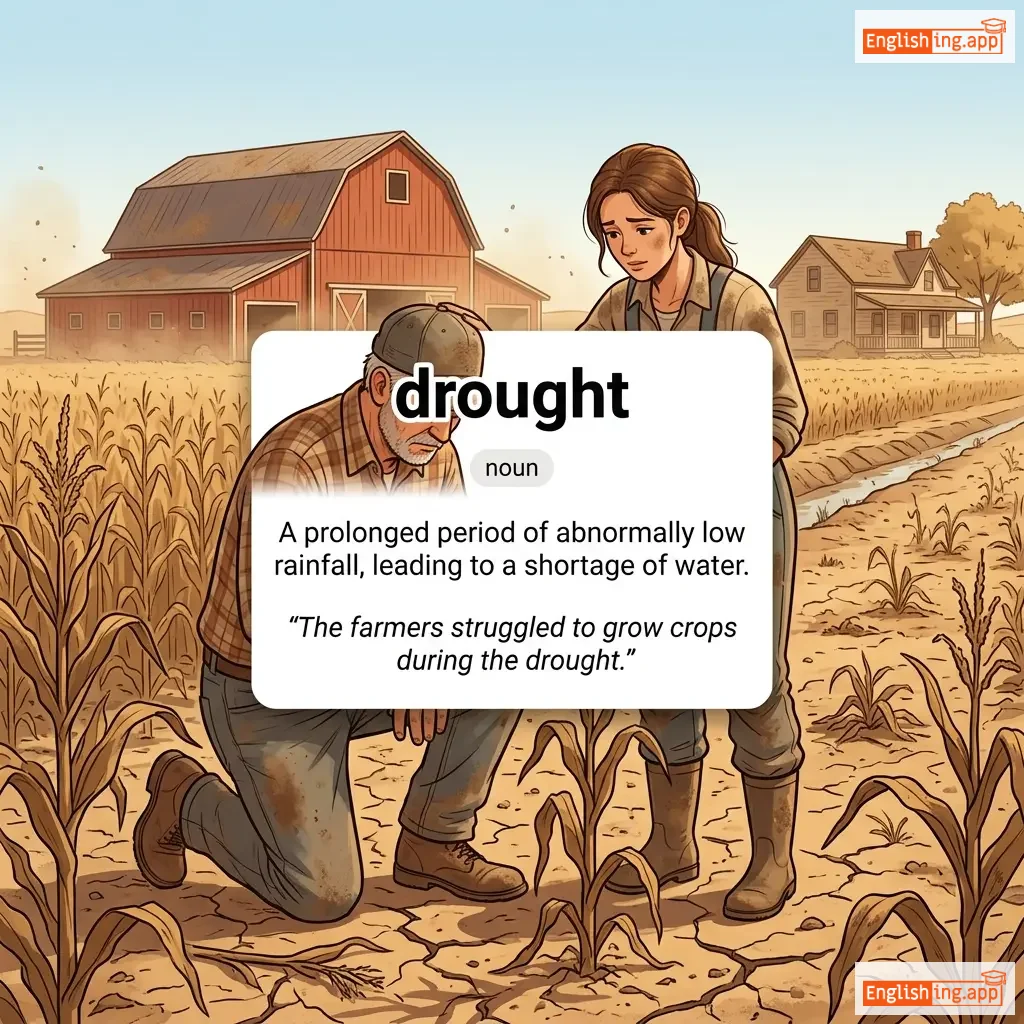
/draʊt/
noun
(drau)
••••••
|
|
干旱
ganhan
••••••
|
- •••••• | - •••••• | - •••••• | - •••••• |
A prolonged period of abnormally low rainfall, leading to a shortage of water.
••••••
|
The farmers struggled to grow crops during the drought. |
农民在干旱期间努力种植作物。
Nongmin zai ganhan qijian nuli zhongzhi zuowu.
••••••
|
in a drought |
Experiencing a lack of something, often used metaphorically.
••••••
|
在干旱中
Zai ganhan zhong
••••••
|
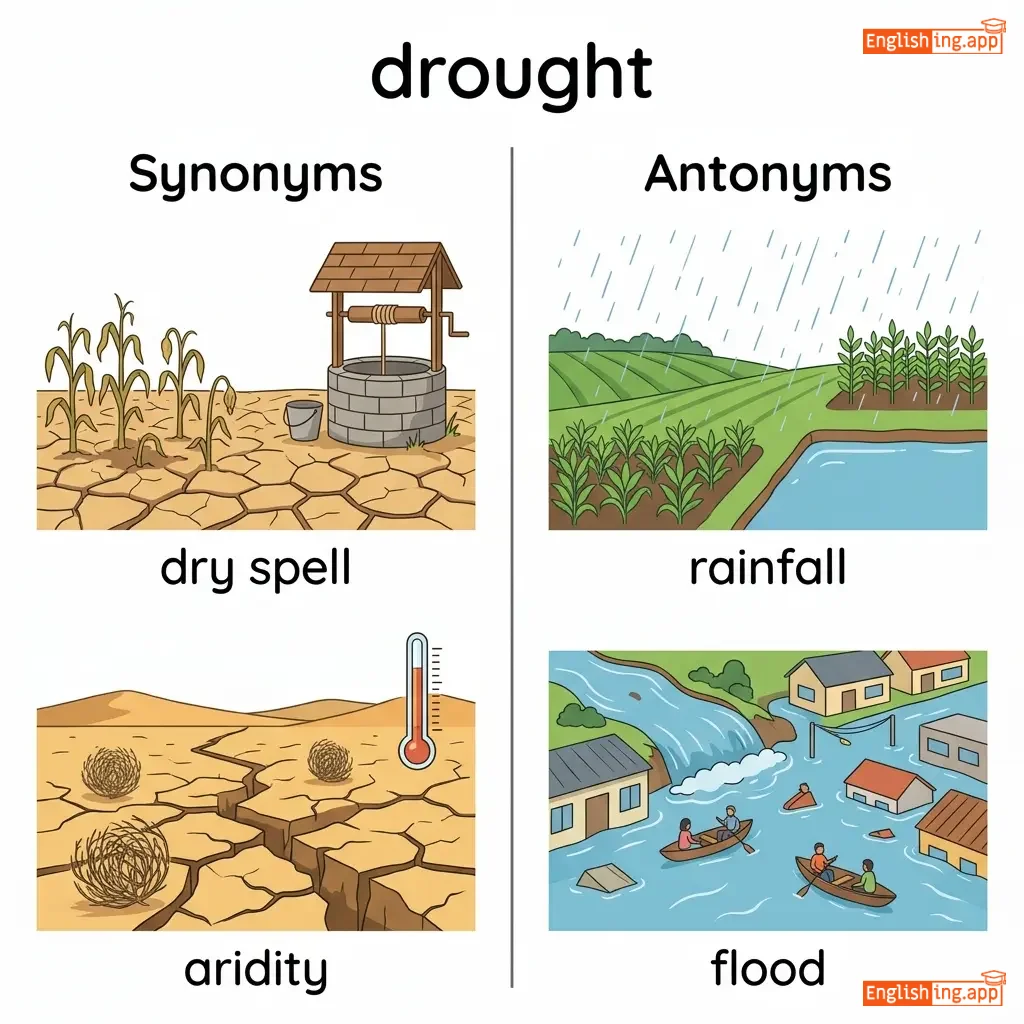
dry spell, aridity, lack of rain, scarcity, shortage
••••••
|
rainfall, flood, abundance
••••••
|
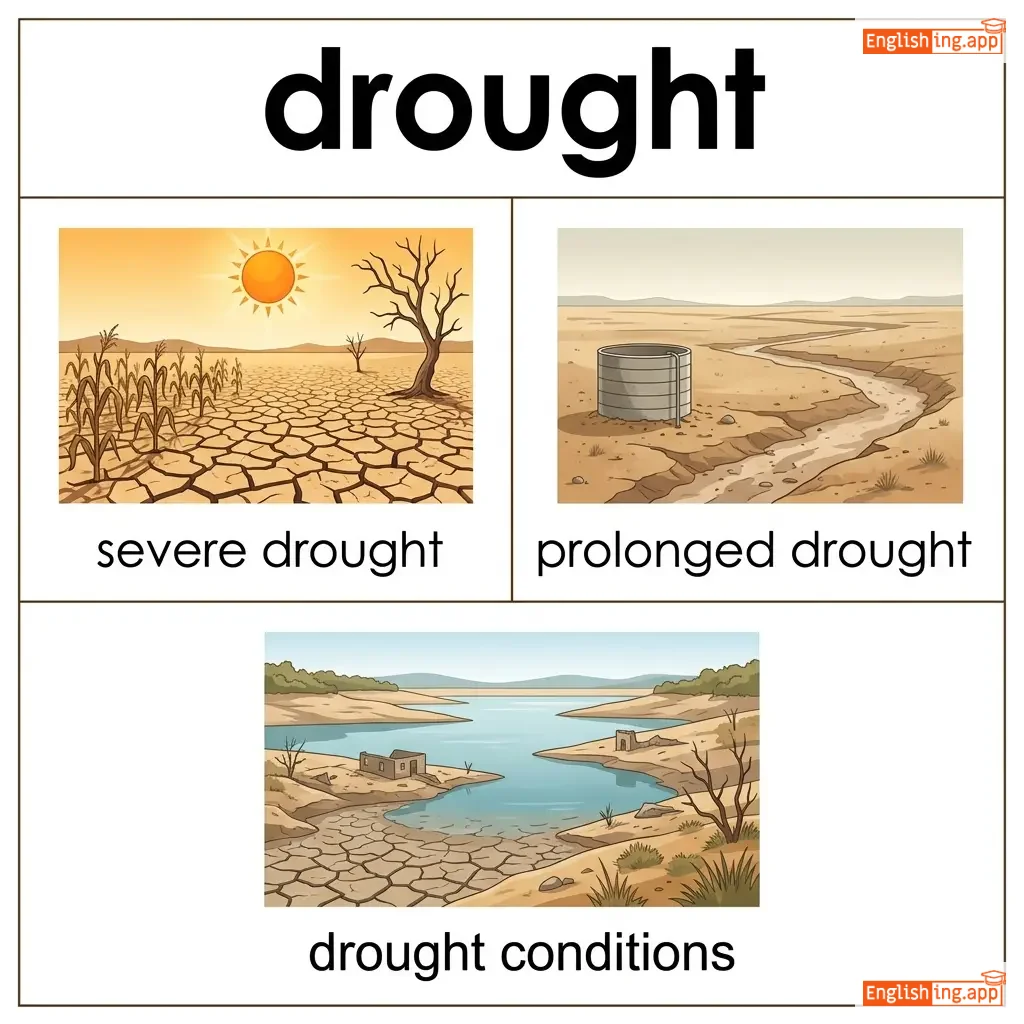
severe drought, prolonged drought, drought conditions, drought relief
••••••
|
Drought意味着干旱 – 记住‘干旱没有水’。
••••••
|
|
#0
👴
|
/ˈel.dər.li/
adjective
(艾尔德利)
••••••
|
- •••••• |
老年人; 年长的; 老年
aierdeli
••••••
|
- •••••• | - •••••• | - •••••• | - •••••• |
aged; advanced in years; old
••••••
|
The elderly man walked slowly with his cane. |
那位年长的男人拿着拐杖慢慢走。
Na wei nian zhang de nan ren na zhe guai zhang man man zou.
••••••
|
- •••••• | - •••••• | - •••••• |
aged, old, senior, ancient
••••••
|
young, youthful, juvenile
••••••
|
elderly people, elderly care, elderly population
••••••
|
Elderly - 'Elderli' 是老年人的代表,像是祖父母。
••••••
|
|
#0
🔬
|
/ˈɛlɪmənt/
noun
(元素)
••••••
|
- •••••• |
元素
yuánsù
••••••
|
- •••••• | - •••••• | - •••••• | - •••••• |
A basic or essential part of something; a simple substance that cannot be broken down further.
••••••
|
Trust is a key element of any strong relationship.
信任是任何强大关系的关键元素。
••••••
|
信任是任何强大关系的关键元素。
Xìnrèn shì rènhé qiángdà guānxì de guānjiàn yuánsù.
••••••
|
in one's element
在自己的元素中
••••••
|
To be in a situation that is natural and comfortable for someone.
••••••
|
在自己的元素中
Zài zìjǐ de yuánsù zhōng
••••••
|
component, part, factor, ingredient, aspect
••••••
|
whole, entirety
••••••
|
basic element, chemical element, essential element, natural element
••••••
|
元素意味着基本部分,就像化学中的元素,简单的组成部分。
••••••
|
|
#0
🪙
|
/ˈnɪkəl/
noun
(尼克尔)
••••••
|
- •••••• |
镍币
niè bì
••••••
|
- •••••• | - •••••• | - •••••• | - •••••• |
a small coin, typically worth five cents in the United States
••••••
|
He found a nickel on the ground. |
他在地上找到了一个镍币。
Tā zài dì shàng zhǎodàole yīgè nièbì.
••••••
|
- •••••• | - •••••• | - •••••• |
coin, small change, five-cent piece
••••••
|
dollar, large currency
••••••
|
nickel coin, worth a nickel
••••••
|
镍币是美国的五分硬币,非常容易在地上找到。
••••••
|
|
#0
🤝
|
/əˈblaɪdʒ/
verb
(奥布莱基)
••••••
|
|
迫使
poshi
••••••
|
obliged
奥布莱基德
••••••
|
obliged
奥布莱基德
••••••
|
obliges
奥布莱吉斯
••••••
|
obliging
奥布莱金
••••••
|
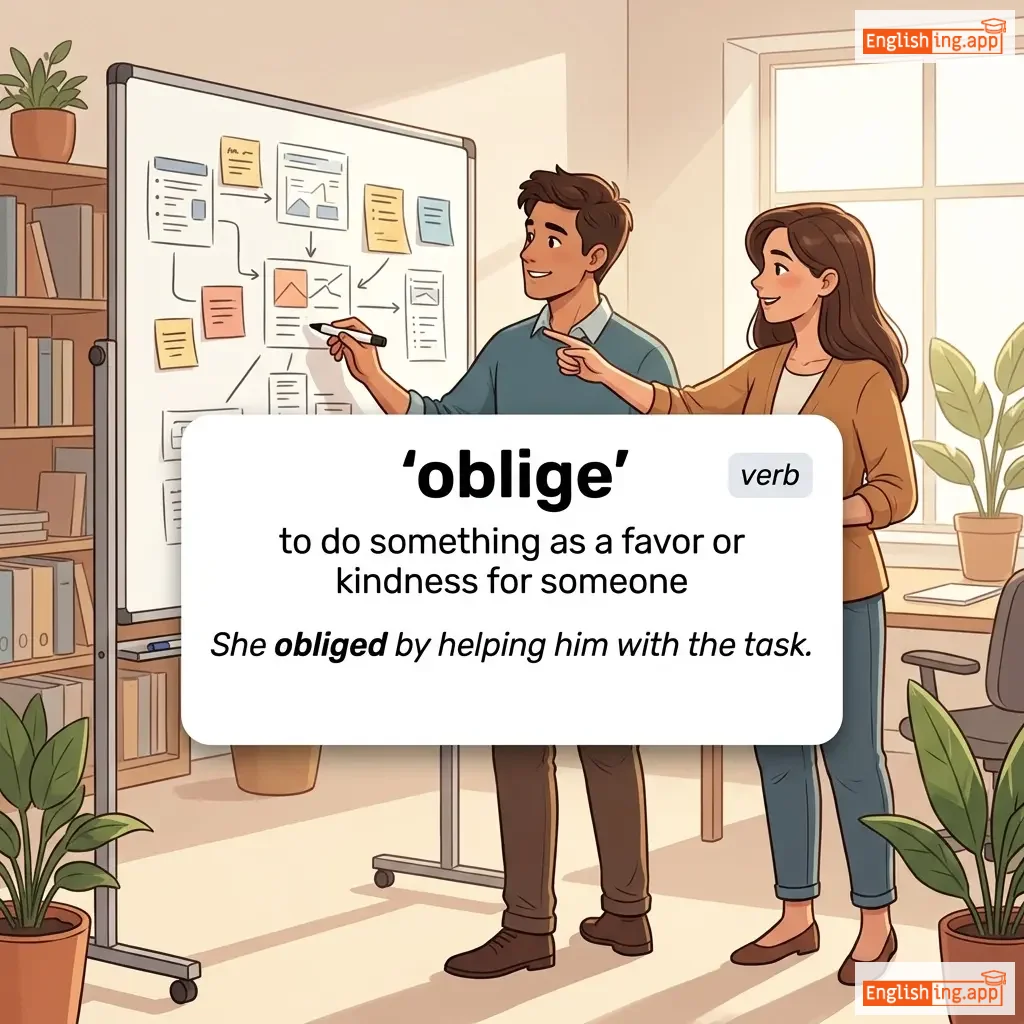
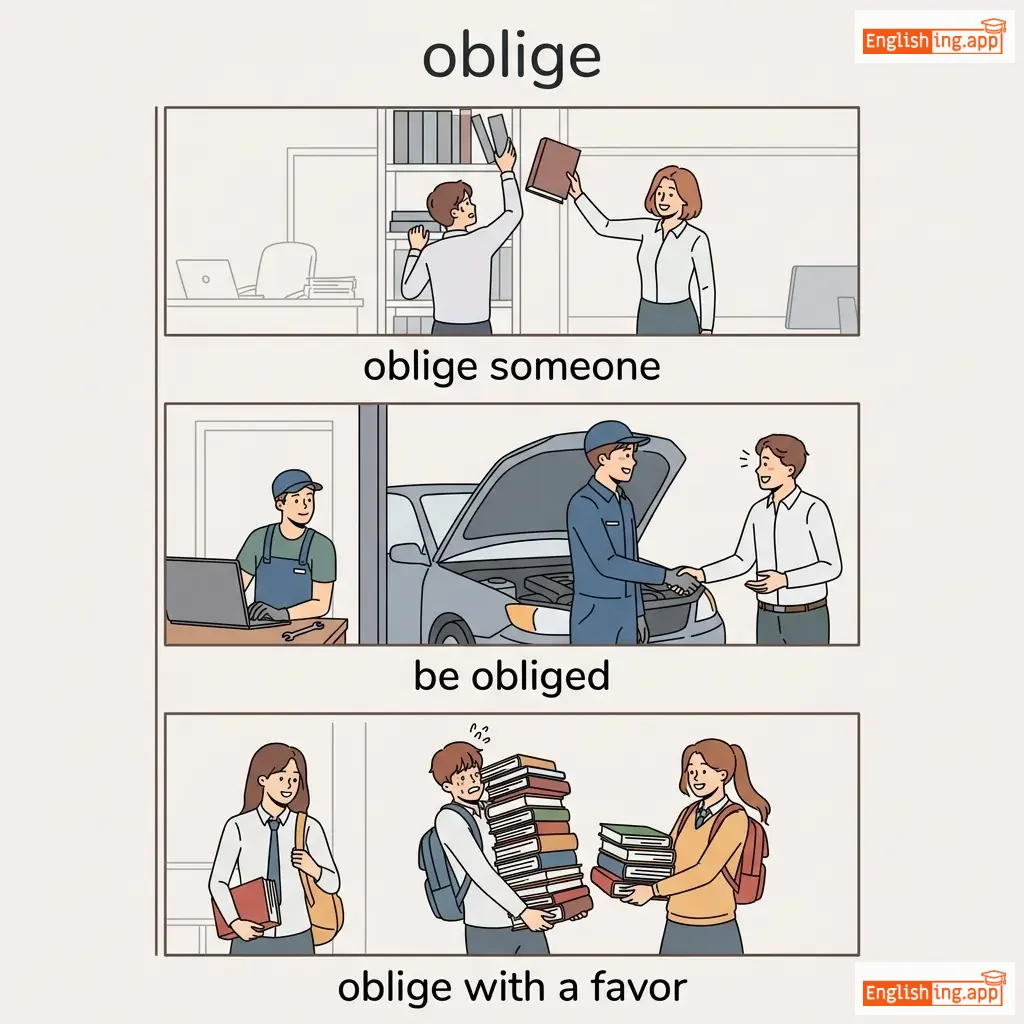
to compel or require someone to do something; to help or do a favor
••••••
|
I would be happy to oblige you with the information you need.
我会很高兴地奥布莱基你提供你需要的信息。
••••••
|
我很乐意为你提供所需的信息。
Wo hen leyi wei ni tigong suoxu de xinxi.
••••••
|
- •••••• | - •••••• | - •••••• |
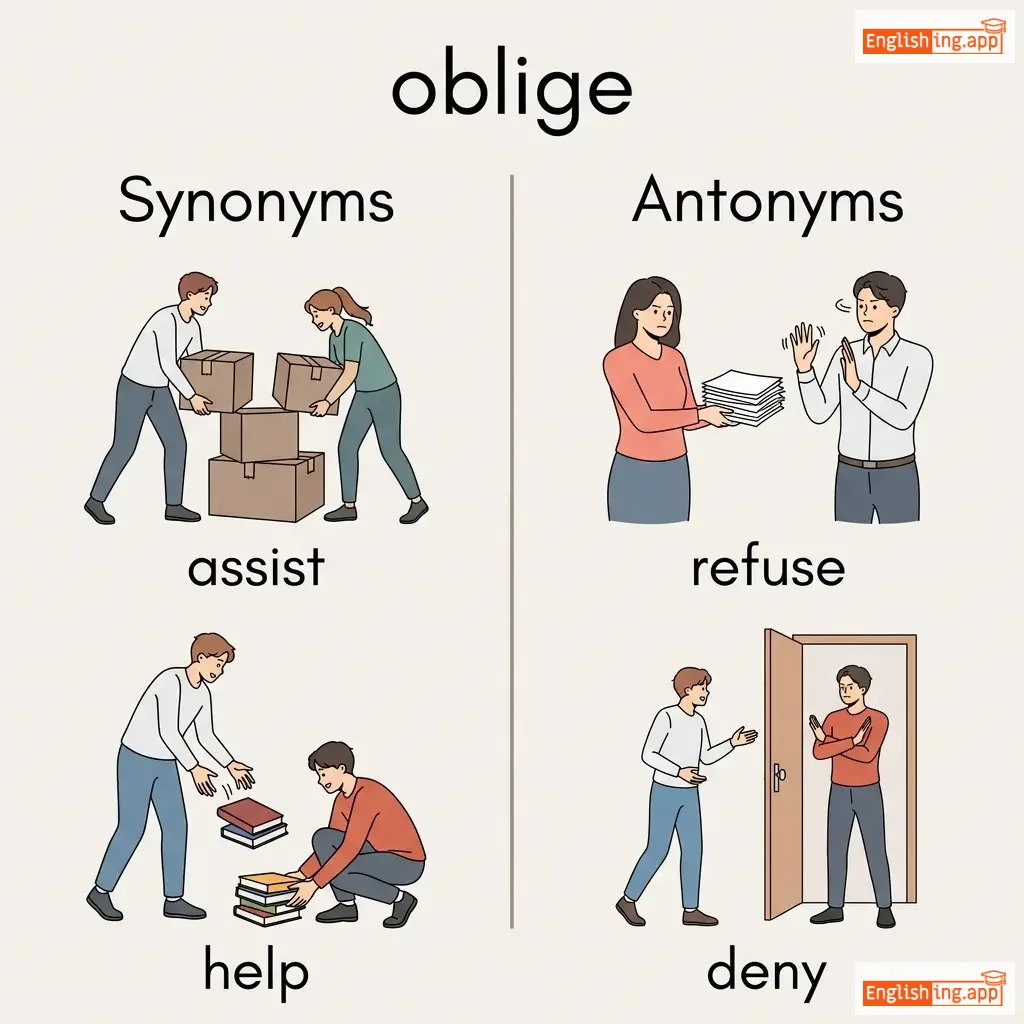
compel, require, help, assist
••••••
|
free, release, refuse, deny
••••••
|
happily oblige, oblige someone, oblige with, willing to oblige, greatly oblige, kindly oblige
••••••
|
Oblige means ‘poshi’ (迫使) — to compel or kindly assist in Chinese.
••••••
|
|
#0
🌀
|
/əbˈsɛs/
verb
••••••
|
- •••••• | - •••••• |
obsessed
••••••
|
obsessed
••••••
|
obsesses
••••••
|
obsessing
••••••
|
To preoccupy or fill the mind of someone continually and to an excessive degree.
••••••
|
She tends to obsess over small details. |
- •••••• |
obsess over |
To think about something too much and not let go of it
••••••
|
- •••••• |
preoccupy, fixate, dwell, consume, dominate
••••••
|
ignore, neglect
••••••
|
obsess over, obsess with, obsess about, obsess constantly
••••••
|
No •••••• |
|
#0
👥
|
/ˈʌðərz/
pronoun
(āders)
••••••
|
- •••••• |
其他
qítā
••••••
|
- •••••• | - •••••• | - •••••• | - •••••• |
people or things distinct from the ones already mentioned or known
••••••
|
I like to spend time with others. |
我喜欢和其他人一起度过时间。
Wǒ xǐhuān hé qítā rén yīqǐ dùguò shíjiān.
••••••
|
- •••••• | - •••••• | - •••••• |
people, individuals, others, another
••••••
|
self, oneself
••••••
|
help others, other people, among others
••••••
|
与他人合作可以增加视野 - Collaborating with others expands your perspective
••••••
|
|
#0
🏖️
|
/ˈaʊtɪŋ/
noun
(aoting)
••••••
|
- •••••• |
短途旅行
duǎntú lǚxíng
••••••
|
- •••••• | - •••••• | - •••••• | - •••••• |
a short trip or excursion, often for leisure or enjoyment
••••••
|
They had a lovely outing at the beach last weekend. |
他们上周末在海滩上度过了一个美好的短途旅行。
Tāmen shàng zhōumò zài hǎitān shàng dùguò le yīgè měihǎo de duǎntú lǚxíng.
••••••
|
- •••••• | - •••••• | - •••••• |
excursion, trip, adventure, journey
••••••
|
stay, rest, retreat
••••••
|
family outing, weekend outing, picnic outing
••••••
|
Outing意味着外出休闲,比如去海滩或公园。
••••••
|
|
#0
😬
|
/ˈəʊvəli/
adverb
(ōu wǎ lì)
••••••
|
- •••••• |
过度
guò dù
••••••
|
- •••••• | - •••••• | - •••••• | - •••••• |
to an excessive degree or extent
••••••
|
She was overly concerned about the results. |
她对结果过于担忧。
Tā duì jiéguǒ guòyú dānyōu.
••••••
|
- •••••• | - •••••• | - •••••• |
excessively, excessively, unduly, too much
••••••
|
moderately, reasonably
••••••
|
overly cautious, overly enthusiastic, overly critical
••••••
|
Overly = 过度; 过度担心某些事情。
••••••
|
|
#0
💰
|
/ˈpeɪtrən/
noun
(pèi-tron)
••••••
|
- •••••• |
赞助人
zànzhùrén
••••••
|
- •••••• | - •••••• | - •••••• | - •••••• |
a person who gives financial or other support to a person, organization, or cause
••••••
|
The library is supported by generous patrons. |
图书馆得到了慷慨的赞助人支持。
Túshūguǎn dédàole kāngkǎi de zànzhùrén zhīchí.
••••••
|
patron saint |
a saint regarded as a special protector of a person or place
••••••
|
守护圣人
shǒuhù shèngrén
••••••
|
supporter, sponsor, benefactor, backer, donor
••••••
|
opponent, detractor, enemy
••••••
|
regular patron, loyal patron, art patron, patron of the arts
••••••
|
Patron 就是 'pay-tron' — 赞助人 💰
••••••
|
|
#0
🥜
|
/ˈpiːnʌt/
noun
(piːnʌt)
••••••
|
- •••••• |
花生
huāshēng
••••••
|
- •••••• | - •••••• | - •••••• | - •••••• |
a small seed with a thin shell, eaten as a snack or used to make oil and butter
••••••
|
He loves eating roasted peanuts during the evening. |
他喜欢在晚上吃烤花生。
tā xǐhuān zài wǎnshàng chī kǎo huāshēng
••••••
|
peanut gallery |
a group of critics offering unhelpful comments
••••••
|
花生画廊
huāshēng huàláng
••••••
|
groundnut, nut, legume, snack
••••••
|
almond, walnut, cashew
••••••
|
peanut butter, roasted peanut, peanut oil, peanut allergy
••••••
|
Peanut意味着‘花生’ — 记得吃花生 🥜 就是吃pīnā!
••••••
|
|
#0
🤝
|
/pledʒ/
noun
(pléj)
••••••
|
- •••••• |
承诺; 保证; 担保;
chéngnuò; bǎozhèng; dānbǎo;
••••••
|
- •••••• | - •••••• | - •••••• | - •••••• |
a solemn promise or undertaking; something given as security for a loan; a commitment or guarantee
••••••
|
He made a pledge to donate money to charity. |
他承诺捐款给慈善机构。
Tā chéngnuò juānkuǎn gěi císhàn jīgòu.
••••••
|
- •••••• | - •••••• | - •••••• |
promise, vow, commitment, oath
••••••
|
breach, violation, betrayal, denial
••••••
|
pledge allegiance, campaign pledge, pledge drive
••••••
|
承诺是一种庄重的约定,通常涉及到责任和行动。
••••••
|
|
#0
📌
|
/rɪˈteɪn/
verb
(rɪˈteɪn)
••••••
|
- •••••• |
保持
bǎo chí
••••••
|
retained
rɪˈteɪnd
••••••
|
retained
rɪˈteɪnd
••••••
|
retains
rɪˈteɪnz
••••••
|
retaining
rɪˈteɪnɪŋ
••••••
|
to keep possession of something
••••••
|
The company decided to retain its experienced employees.
公司决定保留其经验丰富的员工。
••••••
|
公司决定保留其经验丰富的员工。
Gōngsī juédìng bǎoliú qí jīngyàn fēngfù de yuángōng.
••••••
|
retain control
保持控制
••••••
|
to continue having authority or influence
••••••
|
保持控制
bǎo chí kòngzhì
••••••
|
keep, hold, preserve, maintain, reserve
••••••
|
lose, release, discard
••••••
|
retain control, retain talent, retain information, retain customers
••••••
|
保持听起来像retain,保持意味着保持某物。
••••••
|
|
#0
🏆
|
/ˈwɪnər/
noun
(wɪnɚ)
••••••
|
- •••••• |
赢家
yíngjiā
••••••
|
- •••••• | - •••••• | - •••••• | - •••••• |
a person who wins a competition or contest
••••••
|
She was the winner of the race. |
她是比赛的赢家。
Tā shì bǐsài de yíngjiā.
••••••
|
- •••••• | - •••••• | - •••••• |
champion, victor, first-place
••••••
|
loser, defeated
••••••
|
race winner, competition winner, winner takes all
••••••
|
Winners wear trophies—imagine yourself holding a shiny trophy as a winner!
••••••
|
|
#0
🦉
|
/ˈwɪzdəm/
noun
(wɪz.dəm)
••••••
|
- •••••• |
智慧
zhihui
••••••
|
- •••••• | - •••••• | - •••••• | - •••••• |
the ability to make sound judgments and decisions based on knowledge and experience
••••••
|
His wisdom in solving complex problems was admired by everyone. |
他在解决复杂问题上的智慧受到了所有人的赞赏。
Ta zai jiejue fuza wenti shang de zhihui shoudaole suoyouren de zan chang.
••••••
|
a word of wisdom |
a piece of valuable advice or insight
••••••
|
智慧之言
zhihui zhi yan
••••••
|
insight, knowledge, understanding, prudence
••••••
|
ignorance, foolishness
••••••
|
great wisdom, words of wisdom, gain wisdom, wisdom teeth
••••••
|
智慧帮助解决复杂问题。
••••••
|
|
#0
🔒
|
/wɪðˈɪn/
preposition
(wɪðˈɪn)
••••••
|
- •••••• |
内部
neibu
••••••
|
- •••••• | - •••••• | - •••••• | - •••••• |
inside the limits of something, or as part of a particular space or time
••••••
|
The keys are within the drawer. |
钥匙在抽屉里。
Yàoshi zài chōutì lǐ.
••••••
|
- •••••• | - •••••• | - •••••• |
inside, enclosed by, within the boundaries of
••••••
|
outside, beyond
••••••
|
within reach, within time, within the limits, within a short distance
••••••
|
内部 (within) 指的是任何东西都在范围内,内部包含了限制。
••••••
|
|
#0
🏆
|
/ˈwɜːrði/
adjective
(wɜːrði)
••••••
|
- •••••• |
值得; 配得上; 尊重的;
zhíde; pèi dé shàng; zūnzhòng de;
••••••
|
- •••••• | - •••••• | - •••••• | - •••••• |
deserving respect or attention; having merit
••••••
|
Her charitable work made her worthy of the humanitarian award.
她的慈善工作使她配得上人道主义奖。
••••••
|
她的慈善工作使她配得上人道主义奖。
Tā de císhàn gōngzuò shǐ tā pèi dé shàng réndàozhǔyì jiǎng.
••••••
|
- •••••• | - •••••• | - •••••• |
deserving, meritorious, commendable, admirable
••••••
|
unworthy, undeserving, contemptible, disgraceful
••••••
|
worthy cause, worthy opponent, worthy effort
••••••
|
worthy = 值得, 他配得上奖励
••••••
|
|
#0
✍️
|
/ˈraɪ.tər/
noun
(raɪtə)
••••••
|
- •••••• |
作家
zuòjiā
••••••
|
- •••••• | - •••••• | - •••••• | - •••••• |
a person who writes books, articles, or other written works
••••••
|
The writer spent hours crafting the perfect sentence.
ðə raɪtə spent aʊərz kræftɪŋ ðə pərfɪkt sɪntəns
••••••
|
作家花了几个小时来创作完美的句子。
zuòjiā huāle jǐ gè xiǎoshí lái chuàngzuò wánměi de jùzi.
••••••
|
- •••••• | - •••••• | - •••••• |
author, novelist, journalist, scribe
••••••
|
reader, illiterate
••••••
|
creative writer, professional writer, freelance writer, script writer
••••••
|
A '作家' in Chinese is a writer who spends time crafting each sentence carefully.
••••••
|
Vocabulary Quiz
Test your vocabulary by matching words with their translations or meanings.
Login to take the quiz
Comments (0)
Share your thoughts and join the discussion.
Join the discussion by logging in
Login to CommentNo comments yet
Be the first to share your thoughts!