

拯救女王的护士
The Nurse Who Saved a Queen
玛丽亚是一名 nurse。她在一家小诊所工作。每天,她检查 pulses、测量 fevers、清洁 wounds。
有一天,一支 royal 车队停在她的诊所门前。卫兵们 hurried 地抬着一个人进来。那是 queen!
“她发着高 fever!她的 pulse 很微弱!”一个卫兵喊道,“救救她!展现 mercy!”
玛丽亚 paused 了一下。一个 queen!但她的训练立即 flashed 在脑海中。她是一名 nurse。病人就是病人。
“让她躺下,”玛丽亚说。她检查了 queen's pulse,非常虚弱。Breathing 很 heavy,Fever 高达 104 度。这是一个 grave 的情况。
“情况很严重,”玛丽亚说,“我必须 react 快点。她的状况是 vital 的。”
她立刻开始治疗。输液、给药、清洗 wound——queen 的手上有一道感染的伤口。
卫兵们说:“你必须 hurry!她不能死!她是我们的 queen!”
“我已经尽力了,”玛丽亚回答,“但我只是一个 nurse,不是 saint,也不是 angel。我只能做我学过的事。”
几个小时后,queen's fever 慢慢下降,breathing 变得平稳,pulse 也恢复了力量。
Queen 睁开了眼睛,轻声问:“我在哪?”声音很 faint。
“你安全了,”玛丽亚微笑着说,“你的 fever 降下来了,vital 体征在好转。”
Queen 看了看四周——简陋的诊所,普通的 nurse。“是你救了我?”
“那是我的职责,”玛丽亚平静地回答。
Queen 试图 kneel 下来。“你展现了 grace 和 mercy,你就像 saint,像 angel。”
“请不要 kneel,”玛丽亚说,“你还很虚弱。你的 breathing 需要保持平稳。休息吧。”
几天后,当 queen 完全康复,她回到了 royal 宫殿。随后她下令:所有 nurses 都将获得更高的薪资与更好的培训。
“因为,”queen 宣布,“当我处于 grave 危境、发着高 fever、pulse 几乎停止、breathing heavy 时——不是 royal 医生救了我,而是一名 nurse,她没有 pause,而是以 grace 和 mercy reacted。”
玛丽亚被召到宫殿,queen 亲自感谢她。
“你不是把我当 queen,而是当一个人,”queen 说,“当我生命 flashed 在眼前时,你没有 hurry 惊慌,而是以 skill reacted。你才是真正的 angel,真正的 saint。”
“我只是尽了我的 duty,”玛丽亚谦虚地说。
“而这个 duty,”queen 回答,“拯救了一条生命。Vital 的工作,比任何 royal 法令、王座都重要。你用双手检查我的 pulse,用眼睛观察我的 breathing,用 mercy 清理我的 wound——你展现了真正的 grace。”
多年后,玛丽亚仍在同一家诊所工作,但现在诊所更大了,有更多 nurses,设备也更好。
一天,一位年轻的 nurse 问:“真的,是你救了 queen 吗?”
“我救的是一个 patient,”玛丽亚纠正道,“一个高 fever、微弱 pulse、感染 wound 的人,一个 grave 状况、breathing heavy、几乎 faint 的人。”
“但她是 queen!”
“她是需要帮助的 human,”玛丽亚说,“这才是最重要的。当你是一名 nurse 时,你不会看到 royal 皇冠或平民衣服。你看到的是 pulse、fever、vital 体征。你不会带着恐惧或敬畏 react,而是以 skill 和 mercy react。你不会因为某人 special 而 pause,而是因为每一个生命都 special 而 hurry。你不会带着 pride 治疗,而是带着 grace。这让你不是 saint 或 angel,而是一名好 nurse。有时,这已经足够去拯救一条生命——即便那是 queen 的生命。”
年轻的 nurse 明白了——最伟大的 grace 不是在 royalty 面前 kneeling,而是以 mercy 服务。最真实的 vital 工作,不在 palaces,而在检查 pulses、治疗 fevers、清洁 wounds,以及在 breathing heavy、情况 grave 时以 skill reacting。因为在那些时刻,一名 nurse 并不比 angel 低,也不逊于 saint——她是神圣的治愈者。



Swipe left or right, or use the buttons. Tap image to zoom.
例句翻译
单词
The Nurse Who Saved a QueenThe Nurse Who Saved a Queen - 遮罩切换
|
表情符号
|
单词 | Images | 翻译 | 过去时 | 过去分词 | 第三人称单数 | 动名词 | 含义 | 例句 | 例句翻译 | 示例表达 | 示例表达含义 | 示例表达翻译 | 同义词 | 反义词 | 搭配词 | 助记符 |
|---|---|---|---|---|---|---|---|---|---|---|---|---|---|---|---|---|---|
|
#0
😇
|
/ˈeɪndʒəl/
noun
(āngēl)
••••••
|
- •••••• |
天使
tian shi
••••••
|
- •••••• | - •••••• | - •••••• | - •••••• |
a spiritual being believed to act as a messenger or servant of God
••••••
|
She believed her mother was watching over her like an angel. |
她相信她的母亲像天使一样在看着她。
Ta xiangxin ta de muqin xiang tian shi yīyàng zài kànzhe tā.
••••••
|
guardian angel |
a person who helps and protects someone in trouble
••••••
|
守护天使
shǒuhù tiānshǐ
••••••
|
spirit, saint, cherub, guardian, protector
••••••
|
devil, demon, fiend
••••••
|
guardian angel, fallen angel, like an angel, angel investor
••••••
|
天使是保护者 — 如果你的朋友帮助你,告诉他‘你是我的天使!’
••••••
|
|
#0
💨
|
/brɛθ/
noun
(bɾɛθ)
••••••
|
- •••••• |
呼吸
hūxī
••••••
|
- •••••• | - •••••• | - •••••• | - •••••• |
The air taken into or expelled from the lungs during breathing.
••••••
|
He took a deep breath before speaking. |
他在讲话前深深地吸了一口气。
Tā zài jiǎnghuà qián shēnshēn de xīle yī kǒu qì.
••••••
|
catch one's breath |
to rest or pause to recover normal breathing
••••••
|
屏住呼吸
píng zhù hūxī
••••••
|
inhalation, exhalation, respiration, gasp
••••••
|
suffocation, choking
••••••
|
deep breath, hold breath, last breath, fresh breath
••••••
|
Breath 是呼吸,没有呼吸就没有生命。
••••••
|
|
#0
😵
|
/feɪnt/
verb
(费因特)
••••••
|
- •••••• |
昏厥
hunjue
••••••
|
fainted
费因特德
••••••
|
fainted
费因特德
••••••
|
faints
费因特斯
••••••
|
fainting
费因廷
••••••
|
to lose consciousness for a short time because of a temporary lack of oxygen to the brain
••••••
|
He felt dizzy and fainted in the heat.
他感到头晕,并因高温而昏倒。
••••••
|
他感到头晕,并因高温而昏倒。
Ta gandao touyun, bing yin gaowen er hundao.
••••••
|
faint-hearted
心胆怯
••••••
|
lacking courage or confidence
••••••
|
胆小
danxiao
••••••
|
collapse, pass out, swoon, black out
••••••
|
recover, awaken, revive
••••••
|
nearly faint, faint away, faint from heat, faint-hearted
••••••
|
Faint意味着倒下并昏迷 — 高温下昏迷 😵
••••••
|
|
#0
🤒
|
/ˈfiːvər/
noun
(fíwé)
••••••
|
- •••••• |
发烧
fashao
••••••
|
- •••••• | - •••••• | - •••••• | - •••••• |
a medical condition in which the body temperature is higher than normal
••••••
|
He couldn’t go to work because he had a high fever. |
他因高烧而不能上班。
Ta yin gao shao er bu neng shang ban.
••••••
|
football fever |
a strong excitement or enthusiasm for football
••••••
|
足球热潮
zuqiu rechao
••••••
|
temperature, illness, sickness, infection
••••••
|
health, wellness
••••••
|
high fever, dengue fever, fever patient, fever medicine
••••••
|
发烧意味着发烧——想象发烧让体温像火一样升高!
••••••
|
|
#0
⚡
|
/flæʃ/
verb
(闪光)
••••••
|
- •••••• |
闪烁
shǎnshuò
••••••
|
flashed
闪光
••••••
|
flashed
闪光
••••••
|
flashes
闪光
••••••
|
flashing
闪光
••••••
|
to shine or appear suddenly and brightly for a short time
••••••
|
Lightning flashed across the night sky.
闪电在夜空中闪烁。
••••••
|
闪电划过夜空。
Shǎndiàn huáguò yèkōng.
••••••
|
in a flash
一闪而过
••••••
|
very quickly; in an instant
••••••
|
非常快
fēicháng kuài
••••••
|
blink, sparkle, gleam, flicker, flare
••••••
|
dim, fade, darken
••••••
|
camera flash, flash light, flash drive, flash memory, flash flood
••••••
|
Flash 是闪电一样迅速的闪光!
••••••
|
|
#0
💃
|
/ɡreɪs/
noun
(格蕾丝)
••••••
|
- •••••• |
优雅, 优美
yōuyǎ, yōuměi
••••••
|
- •••••• | - •••••• | - •••••• | - •••••• |
simple elegance or refined movement; goodwill and kindness
••••••
|
She moved with grace across the stage. |
她优雅地走过舞台。
Tā yōuyǎ de zǒu guò wǔtái.
••••••
|
fall from grace |
to lose someone's approval or favor
••••••
|
失宠
shīchǒng
••••••
|
elegance, poise, charm, courtesy, kindness
••••••
|
rudeness, awkwardness, ugliness
••••••
|
move with grace, grace period, divine grace, social grace
••••••
|
Grace意味着优雅 — 优雅的(graceful)意味着以优美的方式行动。
••••••
|
|
#0
⚰️
|
/ɡreɪv/
noun, adjective
(guī)
••••••
|
- •••••• |
坟墓
fénmù
••••••
|
- •••••• | - •••••• | - •••••• | - •••••• |
A place where someone is buried; also used to describe something serious or solemn.
••••••
|
He visited his grandfather's grave every year. |
他每年都会去拜访他祖父的坟墓。
Tā měi nián dōu huì qù bàifǎng tā zǔfù de fénmù.
••••••
|
turn in one's grave |
To be very upset or disturbed even after death, often used figuratively.
••••••
|
在坟墓里翻身
zài fénmù lǐ fān shēn
••••••
|
tomb, burial site, sepulcher, serious, solemn
••••••
|
lighthearted, trivial
••••••
|
grave danger, grave mistake, grave concern, graveyard, visit a grave
••••••
|
坟墓是休息的地方,但也可以意味着严重的事情。
••••••
|
|
#0
⚖️
|
/ˈhɛvi/
adjective
(héwéi)
••••••
|
- •••••• |
沉重
chenzhong
••••••
|
- •••••• | - •••••• | - •••••• | - •••••• |
having great weight; difficult to lift or move
••••••
|
The box was too heavy for her to carry alone. |
箱子太重,她一个人搬不动。
Xiāngzi tài zhòng, tā yī gèrén bān bù dòng.
••••••
|
heavy heart |
a feeling of deep sadness
••••••
|
沉重的心
chénzhòng de xīn
••••••
|
weighty, massive, bulky, hefty, substantial
••••••
|
light, weightless, airy
••••••
|
heavy rain, heavy traffic, heavy bag, heavy burden
••••••
|
Heavy 意味着沉重 — 想象一个你搬不动的重箱子。
••••••
|
|
#0
🏃
|
/ˈhʌri/
verb
(哈利)
••••••
|
|
赶快
gan kuai
••••••
|
hurried
哈利德
••••••
|
hurried
哈利德
••••••
|
hurries
哈利兹
••••••
|
hurrying
哈里英
••••••
|
to move or act quickly
••••••
|
She had to hurry to catch the bus.
她必须哈里去赶公交。
••••••
|
她必须赶快去赶公交。
Ta bixu gan kuai qu gan gong jiao.
••••••
|
in a hurry
急忙中
••••••
|
rushing or pressed for time
••••••
|
匆忙中
cong mang zhong
••••••
|
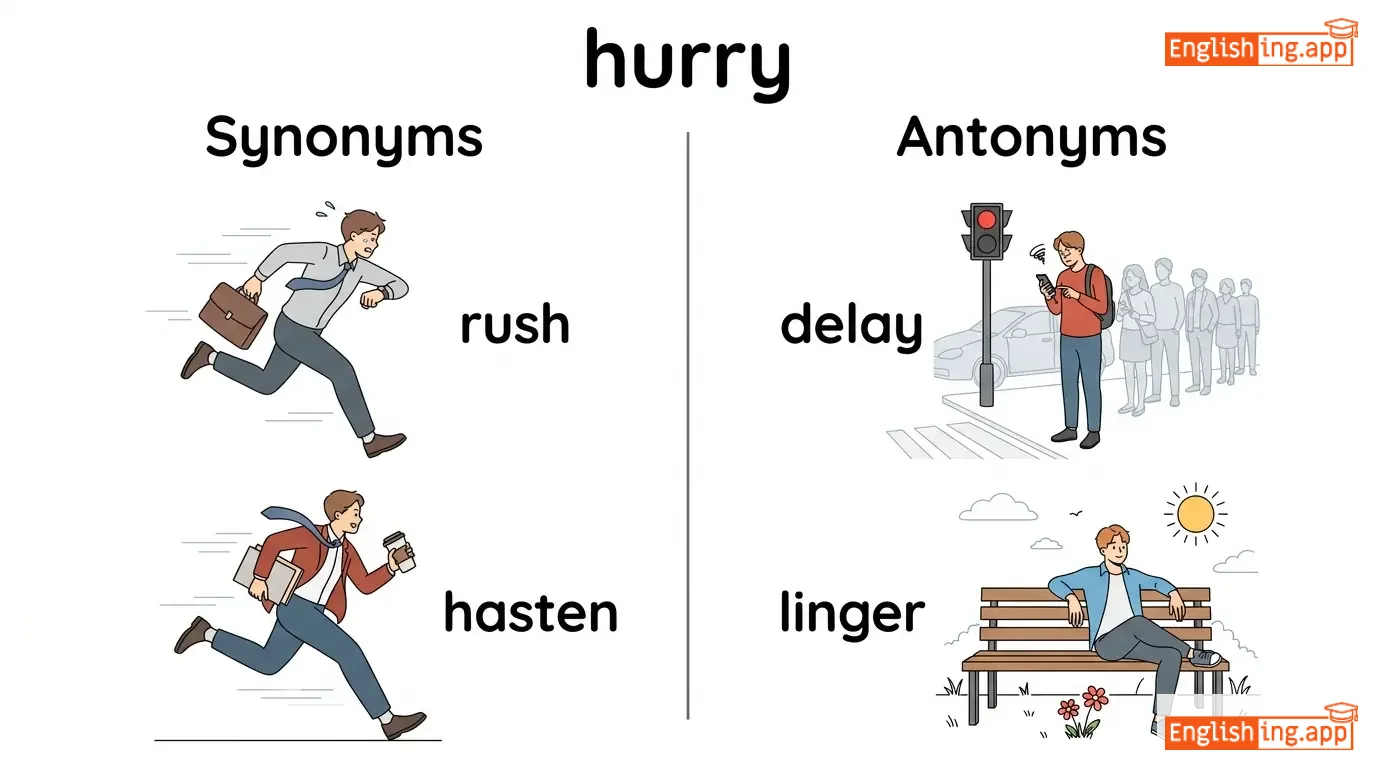
rush, hasten, speed, scurry, dash
••••••
|
delay, linger, wait
••••••
|
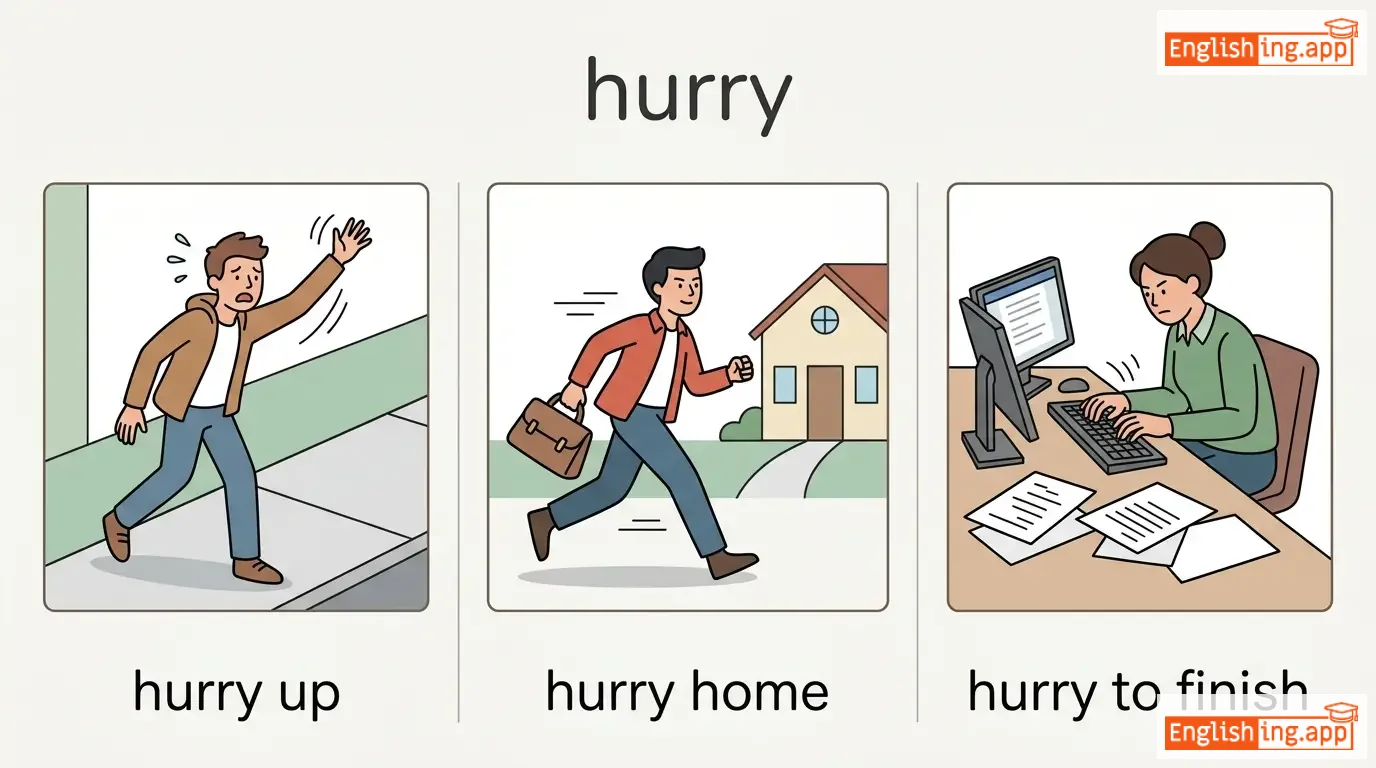
hurry up, hurry home, hurry to finish, hurry back
••••••
|
Hurry 意味着 '赶快' – 快速行动
••••••
|
|
#0
🙏
|
/niːl/
verb
(尼尔)
••••••
|
|
跪下
guì xià
••••••
|
knelt
内尔特
••••••
|
knelt
内尔特
••••••
|
kneels
尼尔斯
••••••
|
kneeling
尼灵
••••••
|
to position the body by resting on the knees, usually as a sign of respect, prayer, or submission
••••••
|
They knelt to pray in the temple.
他们在寺庙里跪下来祈祷。
••••••
|
他们在寺庙里跪下来祈祷。
Tāmen zài sìmiào lǐ guì xià lái qídǎo.
••••••
|
kneel down
跪下
••••••
|
to go down on one or both knees
••••••
|
跪下
guì xià
••••••
|
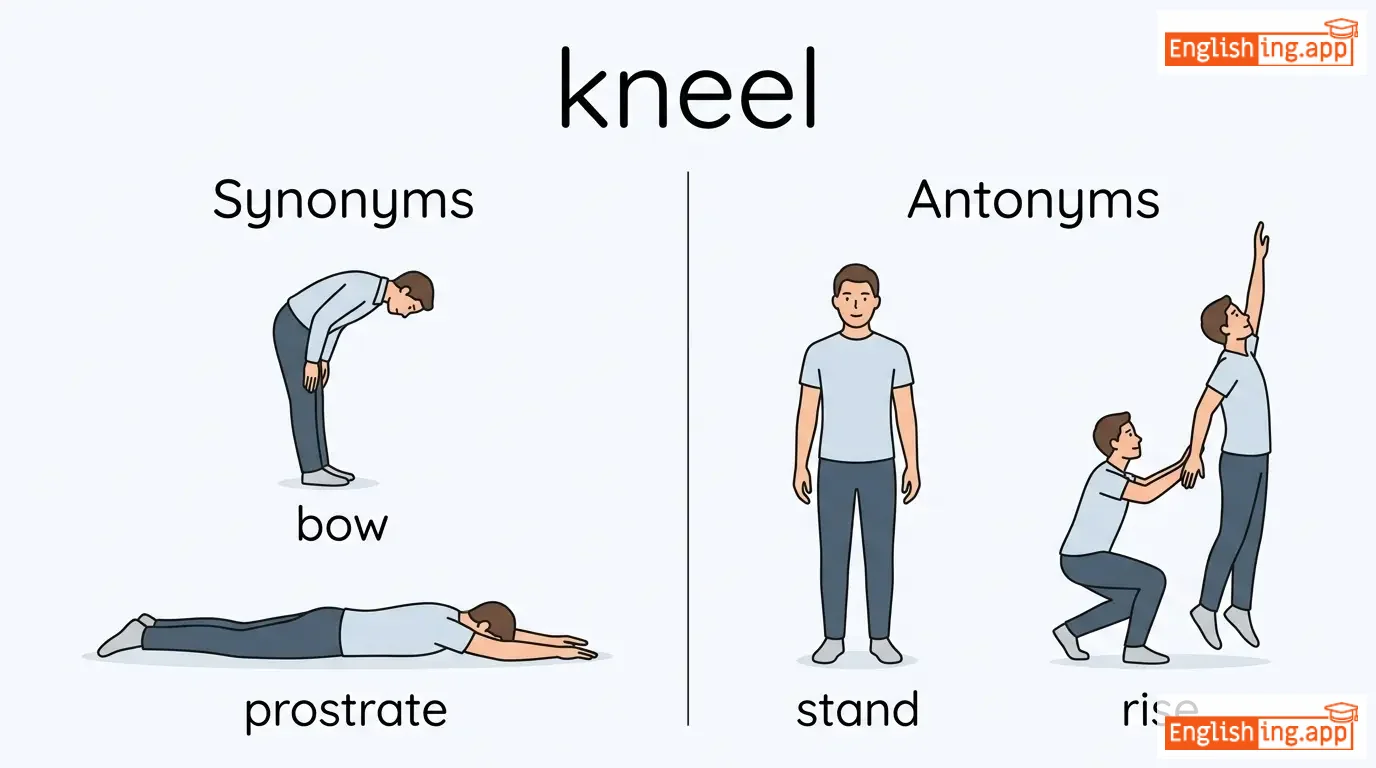
bow, prostrate, stoop, bend
••••••
|
stand, rise
••••••
|
kneel down, kneel before, kneel in prayer
••••••
|
Kneel意味着跪下来祈祷 🙏
••••••
|
|
#0
🙏
|
/ˈmɜːrsi/
noun
(móxī)
••••••
|
- •••••• |
仁慈
renci
••••••
|
- •••••• | - •••••• | - •••••• | - •••••• |
Compassion or forgiveness shown toward someone whom it is in one's power to punish
••••••
|
The judge showed mercy and gave him a lighter sentence.
法官展现了仁慈,并给了他更轻的判决。
••••••
|
法官展现了仁慈,并给了他更轻的判决。
Fǎguān zhǎnxiànle réncí, bìng gěile tā gèng qīng de pànjué.
••••••
|
- •••••• | - •••••• | - •••••• |
compassion, forgiveness, clemency, kindness, leniency
••••••
|
cruelty, harshness, severity, ruthlessness, vengeance
••••••
|
show mercy, beg for mercy, mercy killing, without mercy
••••••
|
Mercy 就像是法官给一个犯人仁慈的判决。
••••••
|
|
#0
👩⚕️
|
/nɜːrs/
noun, verb
••••••
|
|
- •••••• |
nursed
••••••
|
nursed
••••••
|
nurses
••••••
|
nursing
••••••
|
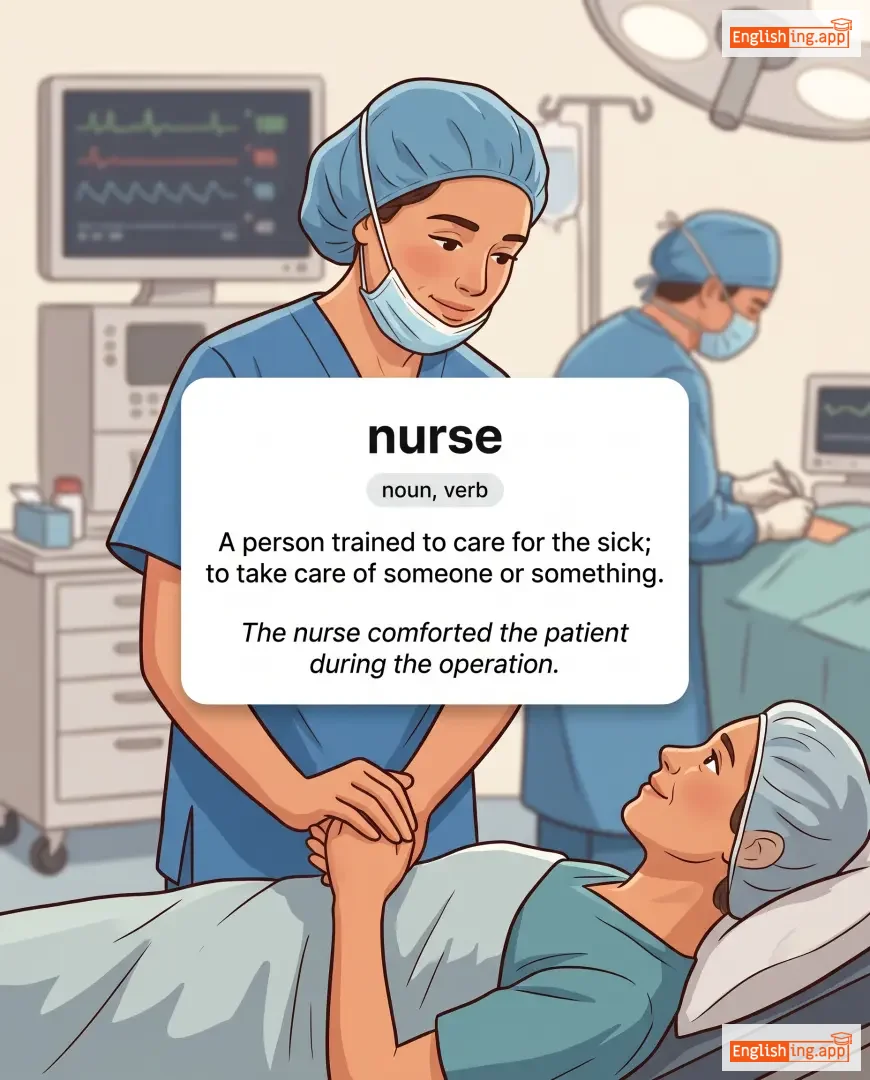
A person trained to care for the sick; to take care of someone or something.
••••••
|
The nurse comforted the patient during the operation. |
- •••••• |
nurse a grudge |
to keep resentment or anger in mind for a long time
••••••
|
- •••••• |
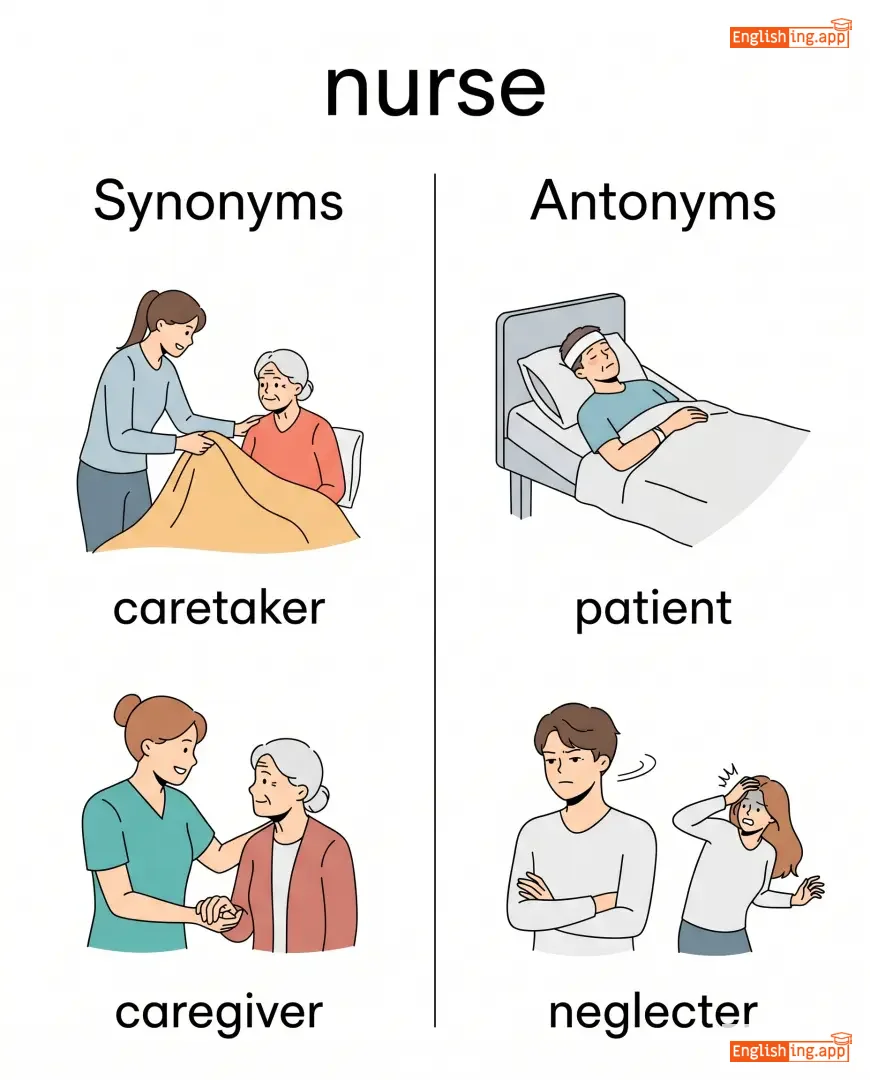
caretaker, caregiver, attendant, healer, medic
••••••
|
patient, neglecter
••••••
|
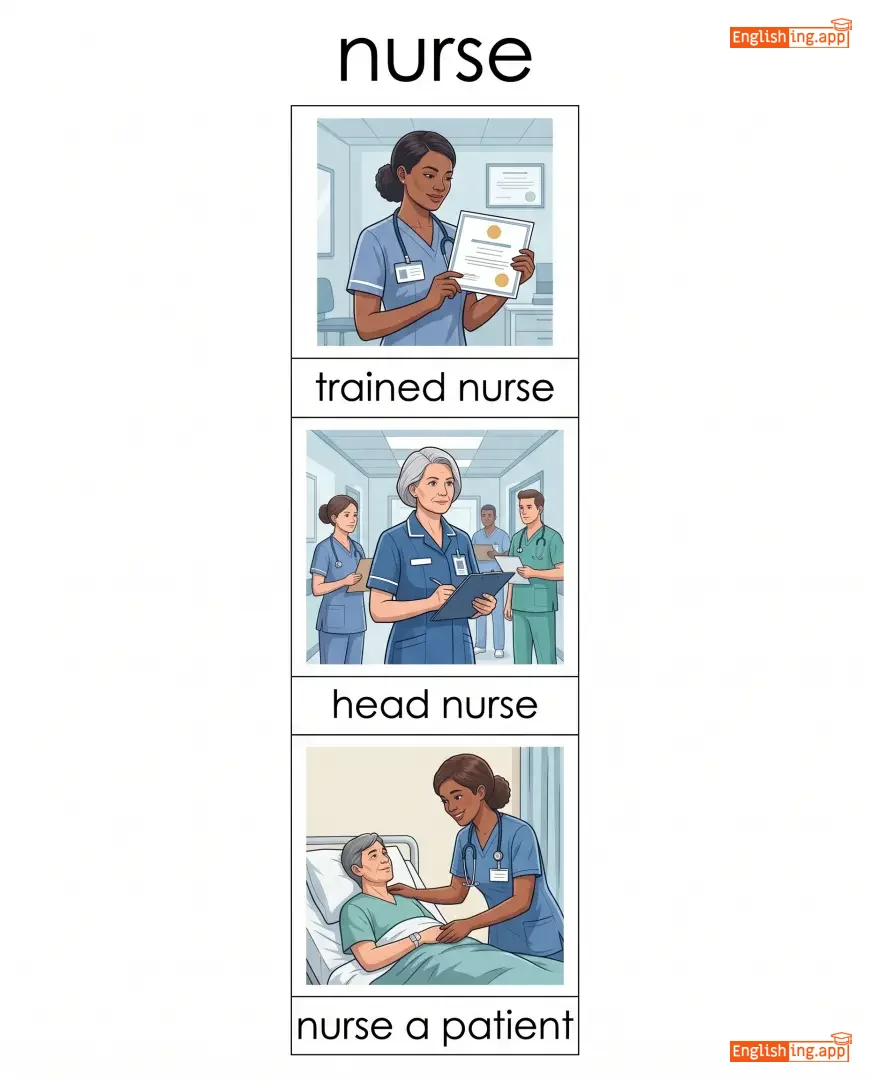
trained nurse, head nurse, nurse a patient, nurse back to health
••••••
|
No •••••• |
|
#0
⏸️
|
/pɔːz/
verb
(páozī)
••••••
|
|
暂停
zanting
••••••
|
paused
pàozī
••••••
|
paused
pàozī
••••••
|
pauses
páozī
••••••
|
pausing
páozhīng
••••••
|
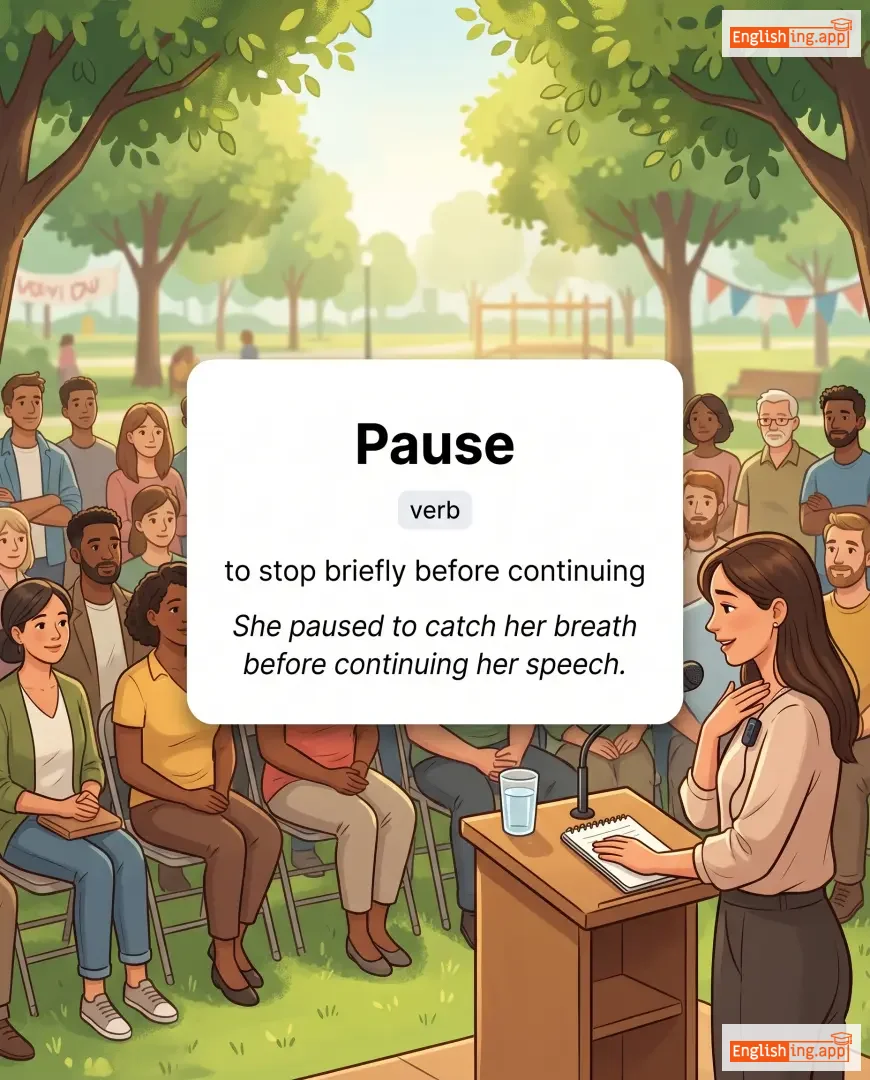
to stop briefly before continuing
••••••
|
She paused to catch her breath before continuing her speech.
她暂停了一下,喘口气,然后继续她的演讲。
••••••
|
她暂停了一下,喘口气,然后继续她的演讲。
Tā zàntíng le yīxià, chuǎn kǒuqì, ránhòu jìxù tā de yǎnjiǎng.
••••••
|
take a pause
暂停一下
••••••
|
to take a break from an activity
••••••
|
暂停一下
Zanting yīxià
••••••
|
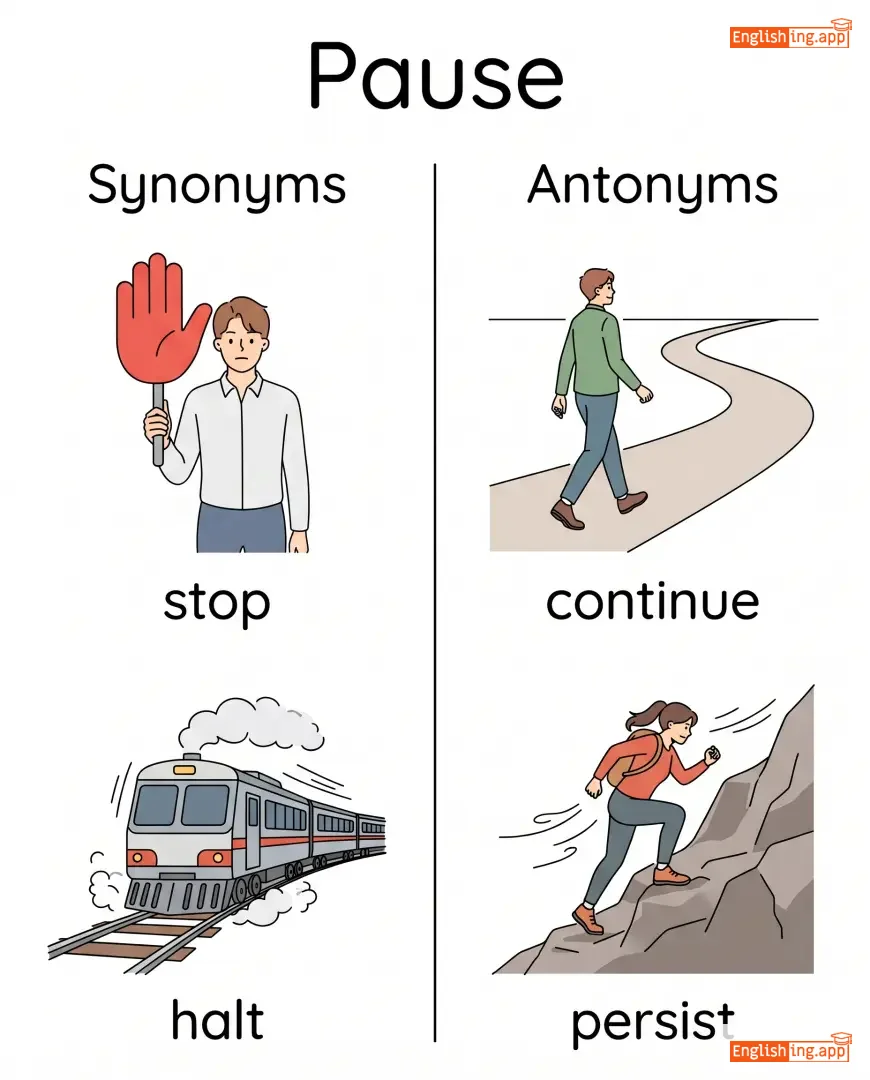
stop, halt, break, suspend
••••••
|
continue, persist, proceed
••••••
|
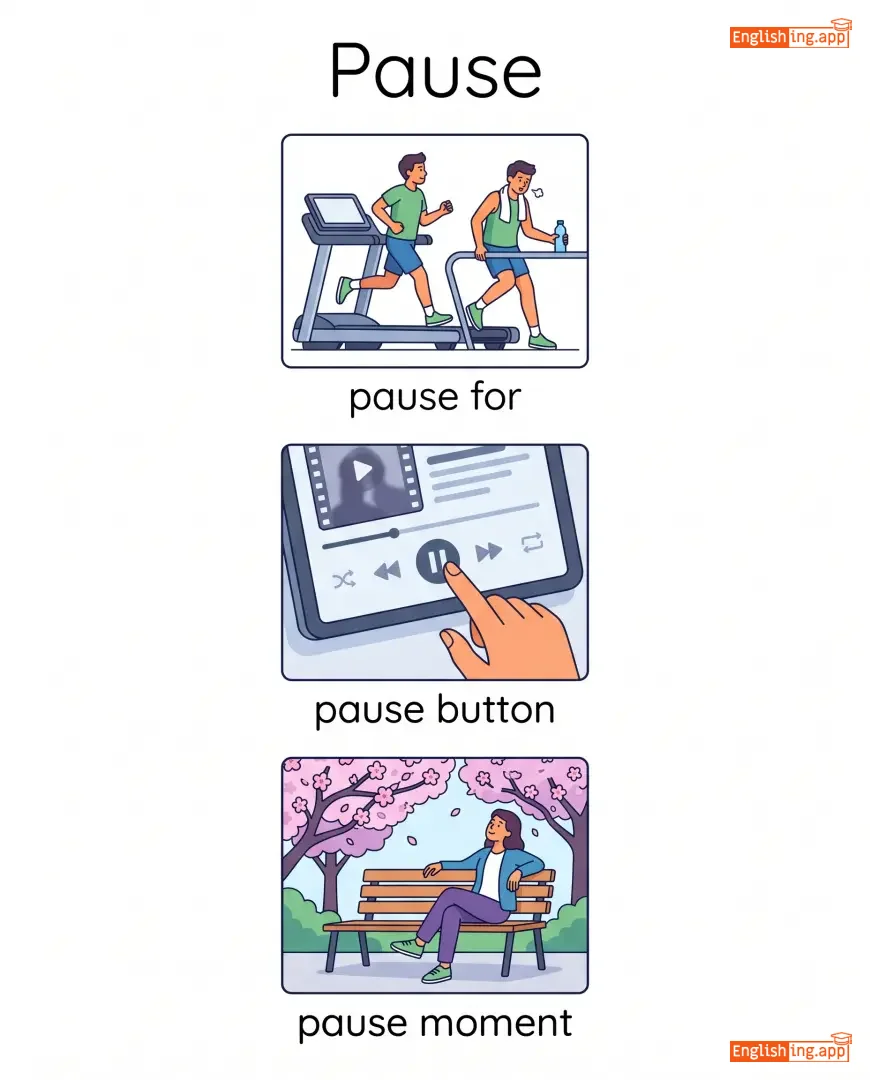
pause for, pause button, pause moment, pause music
••••••
|
暂停一下,深呼吸!
••••••
|
|
#0
💓
|
/pʌls/
noun/verb
••••••
|
- •••••• | - •••••• |
pulsed
••••••
|
pulsed
••••••
|
pulses
••••••
|
pulsing
••••••
|
A rhythmic beat or vibration, especially the heartbeat; to throb or move with a rhythm.
••••••
|
The doctor checked her pulse after the long run. |
- •••••• |
take someone's pulse |
to check someone's heartbeat or to understand their state of mind
••••••
|
- •••••• |
heartbeat, rhythm, beat, vibration, throb
••••••
|
stillness, calm
••••••
|
strong pulse, weak pulse, pulse rate, pulse check
••••••
|
No •••••• |
|
#0
👑
|
/kwiːn/
noun
(kùīng)
••••••
|
- •••••• |
女王
nǚwáng
••••••
|
- •••••• | - •••••• | - •••••• | - •••••• |
a female ruler of a country or the wife of a king
••••••
|
The queen addressed her people with grace. |
女王以优雅的姿态向她的人民致辞。
Nǚwáng yǐ yōuyǎ de zītài xiàng tā de rénmín zhìcí.
••••••
|
drama queen |
a person who overreacts or exaggerates emotions
••••••
|
戏剧女王
xìjù nǚwáng
••••••
|
monarch, ruler, sovereign, empress, consort
••••••
|
king, commoner, servant
••••••
|
queen bee, beauty queen, queen of hearts, crowned queen
••••••
|
Queen 是女王 👑 – 皇室优雅!
••••••
|
|
#0
😡
|
/riˈækt/
verb
(rékè tè)
••••••
|
- •••••• |
反应
fǎnyìng
••••••
|
reacted
rékè tèd
••••••
|
reacted
rékè tèd
••••••
|
reacts
rékè tè sī
••••••
|
reacting
rékè tè yìng
••••••
|
to respond or behave in a particular way to something
••••••
|
She reacted angrily when she heard the news.
她听到这个消息后愤怒地做出了反应。
••••••
|
她听到这个消息后愤怒地做出了反应。
Tā tīng dào zhège xiāoxī hòu fènnù de zuò chūle fǎnyìng.
••••••
|
- •••••• | - •••••• | - •••••• |
respond, reply, answer, counter
••••••
|
ignore, avoid
••••••
|
react to, react quickly, react negatively
••••••
|
React,当愤怒的时候做出反应!
••••••
|
|
#0
👑
|
/ˈrɔɪəl/
adjective
(ruòyǎo)
••••••
|
- •••••• |
皇家
huángjiā
••••••
|
- •••••• | - •••••• | - •••••• | - •••••• |
relating to a king, queen, or other member of a royal family
••••••
|
They attended a royal ceremony at the palace. |
他们参加了宫殿里的皇家仪式。
Tāmen cānjiāle gōngdiàn lǐ de huángjiā yíshì.
••••••
|
royal treatment |
exceptionally good or special treatment
••••••
|
皇家待遇
huángjiā dàiyù
••••••
|
regal, majestic, noble, grand, kingly
••••••
|
common, ordinary, humble
••••••
|
royal family, royal palace, royal wedding, royal decree
••••••
|
Royal意为'皇家' — 如‘皇家椅子’,特别舒适。
••••••
|
|
#0
😇
|
/seɪnt/
noun
(圣)
••••••
|
- •••••• |
被认为圣洁或道德的人;非常友善或有耐心的人
bèi rènwéi shèngjié huò dàodé de rén; fēicháng yǒushàn huò yǒu nàixīn de rén
••••••
|
- •••••• | - •••••• | - •••••• | - •••••• |
person recognized as holy or virtuous; very kind or patient person
••••••
|
Mother Teresa was declared a saint by the Catholic Church.
特雷莎修女被天主教教会宣布为圣人。
••••••
|
特雷莎修女被天主教教会宣布为圣人。
tè léi shā xiū nǚ bèi tiān zhǔ jiào jiào huì xuān bù wéi shèng rén.
••••••
|
- •••••• | - •••••• | - •••••• |
holy person, martyr, angel, paragon
••••••
|
sinner, devil, villain, criminal
••••••
|
patron saint, saint's day, canonized saint
••••••
|
圣人由教会宣布并认可
••••••
|
|
#0
💪
|
/ˈvaɪtl/
adjective
(维塔尔)
••••••
|
- •••••• |
至关重要
zhìguān zhòngyào
••••••
|
- •••••• | - •••••• | - •••••• | - •••••• |
essential or necessary for life or success
••••••
|
It's vital to stay hydrated during the summer. |
在夏天保持水分非常重要。
Zài xiàtiān bǎochí shuǐfèn fēicháng zhòngyào.
••••••
|
- •••••• | - •••••• | - •••••• |
crucial, essential, necessary, important
••••••
|
unimportant, trivial
••••••
|
vital organs, vital information, vital role
••••••
|
VITAL - 对生命至关重要 (vital - duì shēngmìng zhìguān zhòngyào)
••••••
|
|
#0
🩹
|
/wuːnd/
noun/verb
(幸福)
••••••
|
- •••••• |
幸福
xìng fú
••••••
|
- •••••• |
wounded
••••••
|
- •••••• | - •••••• |
an injury to the body or to harm someone
••••••
|
He received a deep wound on his arm.
她无法掩饰她得到奖项时的幸福。
••••••
|
她无法掩饰她得到奖项时的幸福。
Tā wúfǎ yǎnshì tā dédào jiǎngxiàng shí de xìngfú.
••••••
|
a wound in the side
追求幸福
••••••
|
a serious or painful issue
••••••
|
追求幸福
zhuī qiú xìng fú
••••••
|
injury, cut, lesion, bruise
••••••
|
healing, recovery
••••••
|
wound up, deep wound, open wound, self-inflicted wound
••••••
|
幸福是生活中每一天的小幸运!
••••••
|
Vocabulary Quiz
Test your vocabulary by matching words with their translations or meanings.
Login to take the quiz
Comments (0)
Share your thoughts and join the discussion.
Join the discussion by logging in
Login to CommentNo comments yet
Be the first to share your thoughts!