

店主的选择
The Shop Owner's Choice
哈桑是一家小型 local 商店的 owner。他的商店是社区的一部分——每个人都认识他,也都信任他。他的顾客很 loyal,因为他待人公平。
“你的店真是 quite 特别,” local 居民常说。“你能 match 质量与合理的价格。这很少见。”
一天,一家 large 公司提出了一个建议。“我们想与你的店 merge,”他们说。“我们会给你很多钱。你 ought 接受——这就是 power,这是成长。”
哈桑很困惑。钱很诱人。Maybe 这是明智的选择?但他总觉得哪里不对。
“这有什么 point?”他问道。“我 ought 想想我的顾客。”
“Later 再想吧,”公司代表催促道。“这个 phase 不会持续太久。现在签字,细节 later 再定。”
但哈桑有 nerve 提出问题:“那 local 供应商呢?价格呢?我常客的 orders 怎么办?”
回答含糊不清。“我们 maybe 会保留一些。Maybe 不会。这不是重点。Point 是利润。”
哈桑陷入了 panic。这个决定太大了。他回想起 prior 的那些年——他如何建立信任、保持公道的价格、让 local 家庭依赖他的商店。
“我需要 prove 一些事,”他意识到。“不是对他们,而是对自己。若我失去 noble 的价值观,我的 power 还算什么?”
他召集了 loyal 顾客。“一家 large 公司想 merge,”他解释道。“Maybe 对我有经济好处。Maybe 没有。但我 ought 问你们——如果一个 local 商店变成企业的 piece,那还有什么 point?”
顾客们明确回答:“你 match 我们的需求。大公司不会。他们大批 order,之后提价,对 local 社区毫不关心。”
“Quite 坦率地说,”一个人说,“你 ought 保持独立。这是你的 power——做一个 local、loyal 的人。”
哈桑做出了决定。“我 proving,noble 的价值可以 match power,”他告诉公司。“Maybe 你们的提议很 large,但 quite 坦白说,point 不只是金钱。我 ought 忠于我的社区。这家商店不仅仅是一个商业 piece,它是一个 local 机构。”
几年 later,当那家 large 公司撤离该地区时,哈桑的店依然兴旺。他的 loyal 顾客、公平的 orders、local 联系——这些才是他真正的 power。
“Maybe 我本可以很富,”他对儿子说。“但这有什么 point?我 proved,一个 local owner 若有 nerve 说‘不’,有 loyalty 于社区,有 noble 原则,就能 match 任何 large 公司。那段 phase 他们提出 merger 时,我确实 panic,我 ought 感受到贪婪的 power。但我选择了另一种 power——power 做一个 local、loyal、quite 独立的人。Later 我知道,我的决定是对的。因为 large 公司来来去去,而 local 信任、loyal 顾客、noble 服务——这些才是永恒的 pieces 真正的 power。所以,如果你成为 owner,记住:maybe large 的交易看似诱人,Maybe merger 的提议会来,但 point 不在规模,而在于你是否 match 自己的价值与行动。Prove 你的 loyalty 给信任你的人。要有 nerve 保持 local,quite 独立,即使诱惑很 large。在追求利润 prior,先想着人。这就是 noble power,这才是你 ought 遵循的。”

Swipe left or right, or use the buttons. Tap image to zoom.
例句翻译
单词
The Shop Owner's ChoiceThe Shop Owner's Choice - 遮罩切换
|
表情符号
|
单词 | Images | 翻译 | 过去时 | 过去分词 | 第三人称单数 | 动名词 | 含义 | 例句 | 例句翻译 | 示例表达 | 示例表达含义 | 示例表达翻译 | 同义词 | 反义词 | 搭配词 | 助记符 |
|---|---|---|---|---|---|---|---|---|---|---|---|---|---|---|---|---|---|
|
#0
📏
|
/lɑrdʒ/
adjective
(lɑrdʒ)
••••••
|
- •••••• |
大
da
••••••
|
- •••••• | - •••••• | - •••••• | - •••••• |
big in size, amount, or number
••••••
|
They live in a large house near the river.
他们住在河边的一座大房子里。
••••••
|
他们住在河边的一座大房子里。
Tāmen zhù zài hé biān de yī zuò dà fángzi lǐ.
••••••
|
at large
在大规模上
••••••
|
free, not captured
••••••
|
自由,未被捕获
zìyóu, wèi bèi bǔhuò
••••••
|
big, huge, massive, enormous, substantial
••••••
|
small, tiny, little
••••••
|
large house, large number, large scale, large amount
••••••
|
大就像一个大房子,给你巨大的空间。
••••••
|
|
#0
⏰
|
/ˈleɪtər/
adverb
(雷特)
••••••
|
- •••••• |
稍后
shaohou
••••••
|
- •••••• | - •••••• | - •••••• | - •••••• |
At a time subsequent to a reference time; afterwards.
••••••
|
We will discuss the details later. |
我们稍后讨论细节。
Women shaohou taolun xijie.
••••••
|
sooner or later |
Eventually, at some unspecified future time.
••••••
|
迟早
chizao
••••••
|
afterwards, subsequently, eventually, afterward, in time
••••••
|
earlier, before, prior
••••••
|
later stage, later time, later date, talk later
••••••
|
Later 意思是 '之后' →某事将发生在稍后的时间。
••••••
|
|
#0
📍
|
/ˈloʊkəl/
adjective/noun
(本地)
••••••
|
- •••••• |
本地
bendi
••••••
|
- •••••• | - •••••• | - •••••• | - •••••• |
relating to a particular area or neighborhood
••••••
|
We prefer buying fruits from the local market. |
我们更喜欢从本地市场购买水果。
Wǒmen gèng xǐhuān cóng běndì shìchǎng gòumǎi shuǐguǒ.
••••••
|
go local |
to support nearby or community-based products or services
••••••
|
支持本地
zhīchí bendi
••••••
|
regional, nearby, community, native, domestic
••••••
|
global, foreign, distant
••••••
|
local community, local business, local government, local area
••••••
|
Local意味着本地,像本地市场一样。
••••••
|
|
#0
🤍
|
/ˈlɔɪəl/
adjective
(洛亚尔)
••••••
|
- •••••• |
忠诚, 忠实
zhōngchéng, zhōngshí
••••••
|
- •••••• | - •••••• | - •••••• | - •••••• |
showing firm and constant support or allegiance to someone or something
••••••
|
She remained loyal to her friends even in hard times. |
即使在困难时期,她也始终对朋友们忠诚。
jíshǐ zài kùnnán shíqī, tā yě shǐzhōng duì péngyǒu men zhōngchéng.
••••••
|
loyal to the core |
completely devoted and faithful
••••••
|
忠诚到底
zhōngchéng dào dǐ
••••••
|
faithful, devoted, trustworthy, reliable, dedicated
••••••
|
disloyal, unfaithful, untrustworthy
••••••
|
loyal customer, loyal friend, loyal supporter, loyal employee
••••••
|
Loyal = love + royal — 像国王一样忠诚 👑
••••••
|
|
#0
⚽
|
/mætʃ/
noun, verb
(比赛)
••••••
|
|
比赛 / 竞争
bǐsài / jìngzhēng
••••••
|
matched
比赛过
••••••
|
matched
比赛过
••••••
|
matches
比赛
••••••
|
matching
比赛中
••••••
|
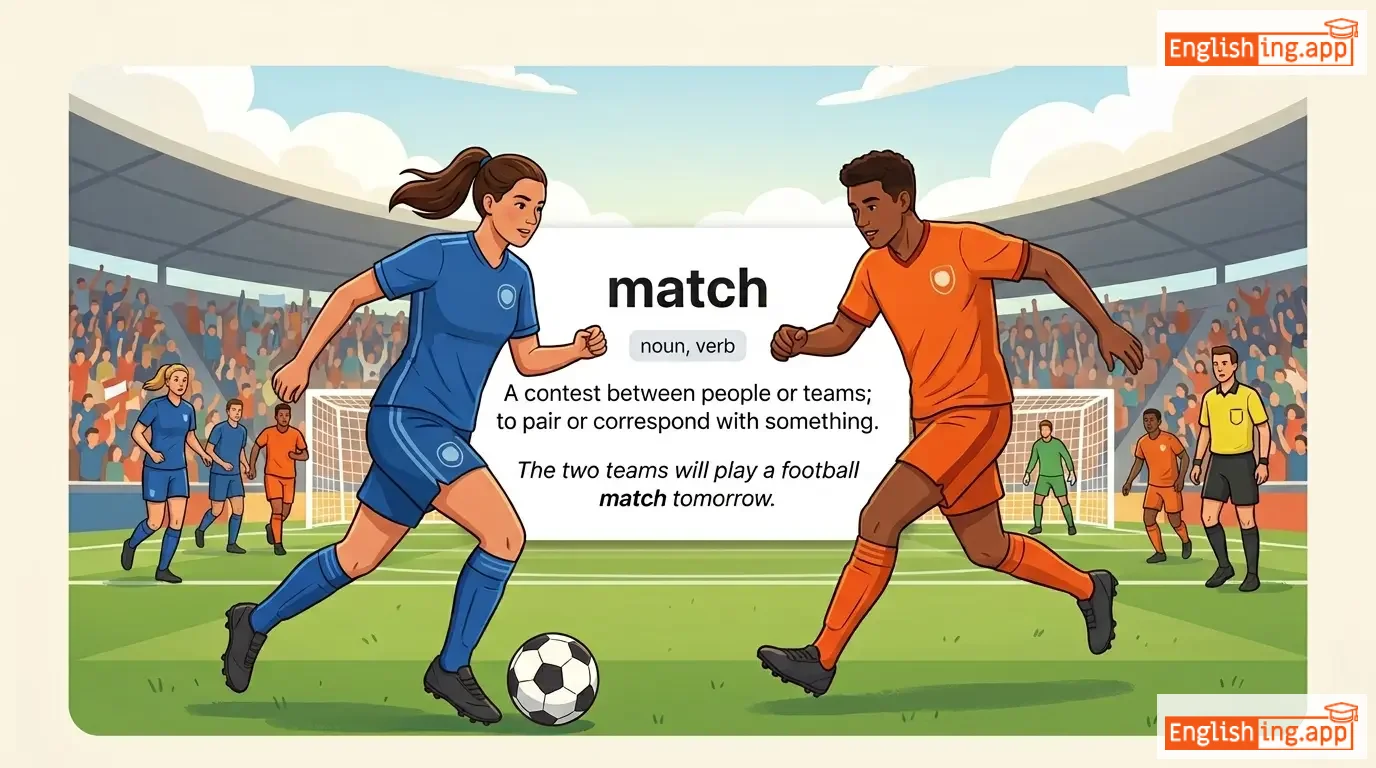
A contest between people or teams; to pair or correspond with something.
••••••
|
The two teams will play a football match tomorrow.
两队明天将进行一场足球比赛。
••••••
|
两队明天将进行一场足球比赛。
Liǎng duì míngtiān jiāng jìnxíng yī chǎng zúqiú bǐsài.
••••••
|
perfect match
完美的匹配
••••••
|
Two people or things that go very well together.
••••••
|
完美的匹配
wánměi de pǐpèi
••••••
|
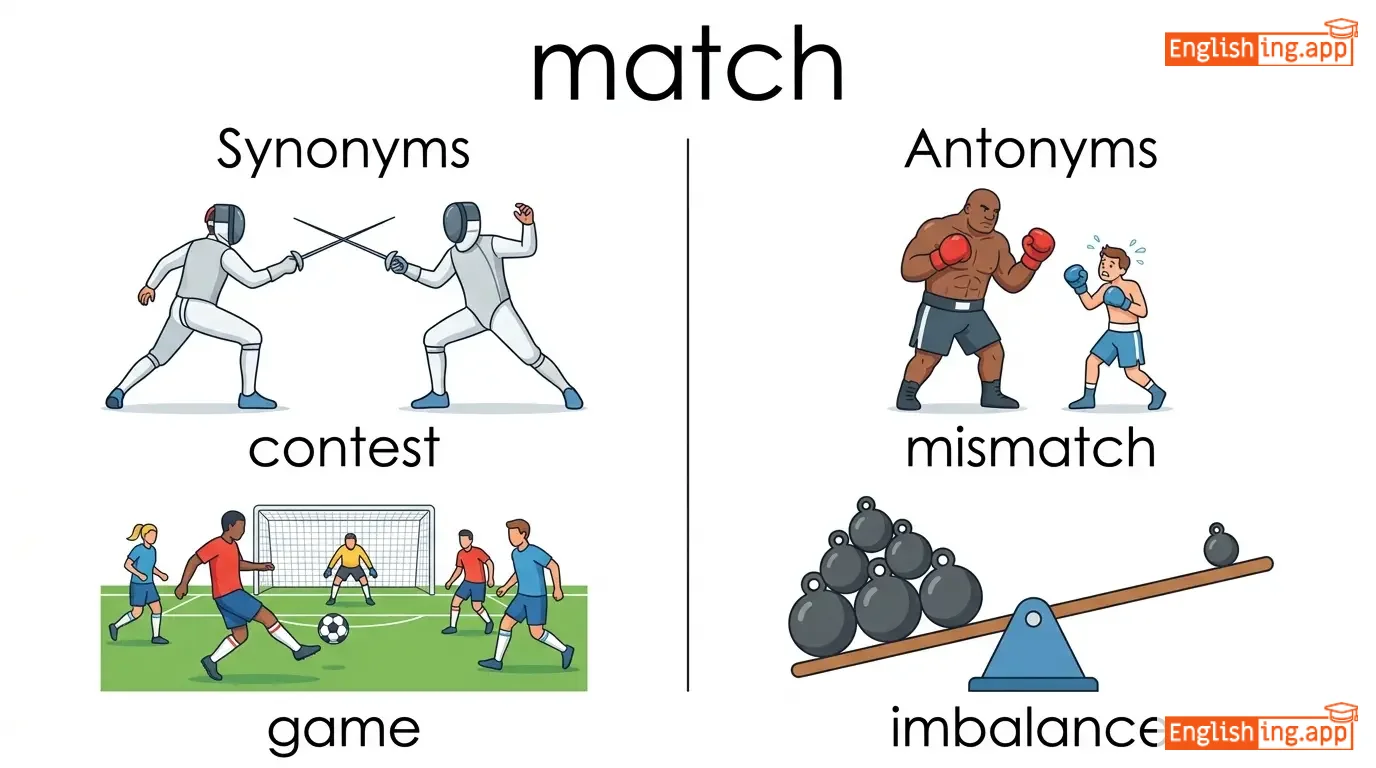
contest, game, pair, partner, counterpart
••••••
|
mismatch, imbalance
••••••
|
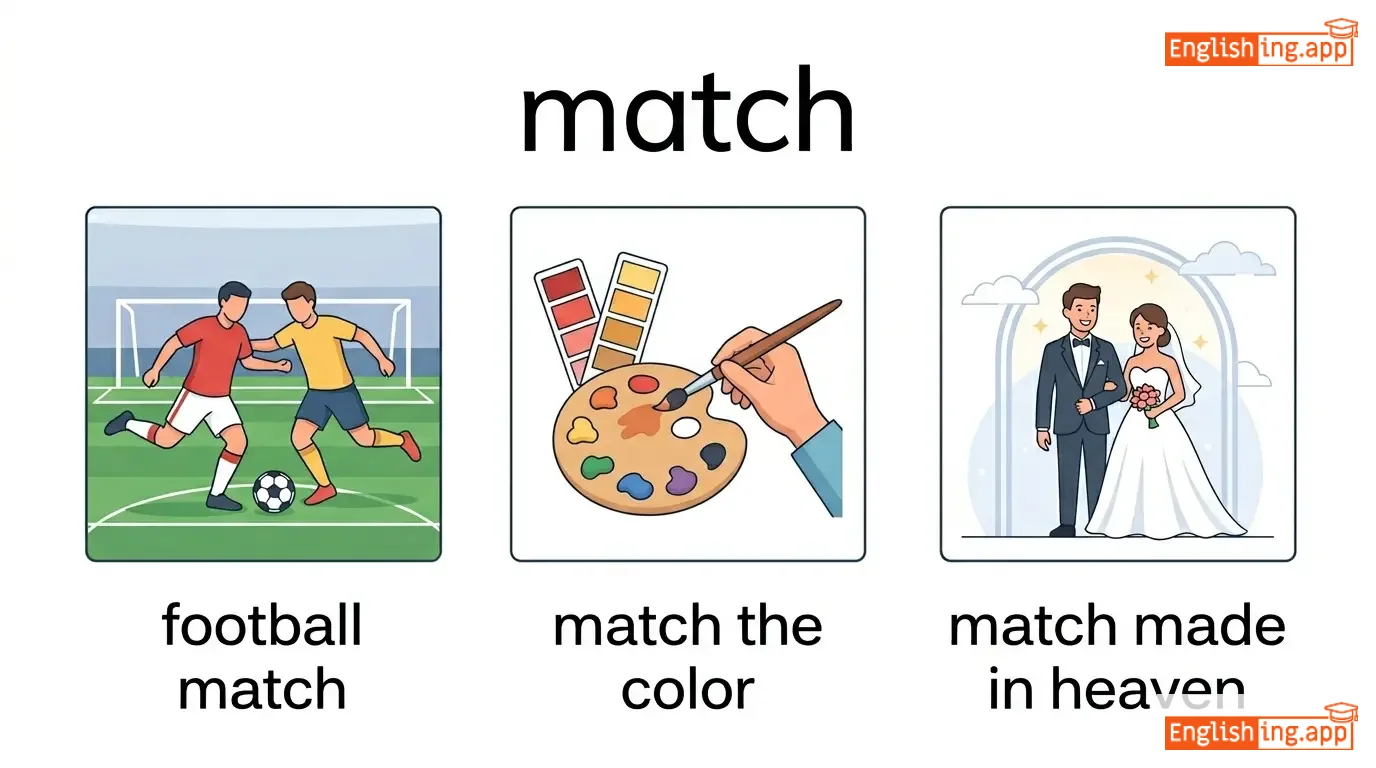
football match, match the color, match made in heaven
••••••
|
足球比赛是竞争——比赛就是竞争。
••••••
|
|
#0
🤔
|
/ˈmeɪbi/
adverb
(méibì)
••••••
|
- •••••• |
也许
yěxǔ
••••••
|
- •••••• | - •••••• | - •••••• | - •••••• |
used to express possibility or uncertainty
••••••
|
Maybe we will go to the park tomorrow. |
也许我们明天会去公园。
Yěxǔ wǒmen míngtiān huì qù gōngyuán.
••••••
|
just maybe |
indicating a slight possibility
••••••
|
就也许
jiù yěxǔ
••••••
|
perhaps, possibly, might, could be
••••••
|
certainly, surely, definitely
••••••
|
maybe later, maybe someday, maybe not, maybe tomorrow
••••••
|
Maybe意味着'maybe 是,maybe 不是'→也许是,也许不是。
••••••
|
|
#0
🔗
|
/mɜːrdʒ/
verb
(mérj)
••••••
|
|
合并
hébìng
••••••
|
merged
mérjido
••••••
|
merged
mérjido
••••••
|
merges
merja
••••••
|
merging
merjiendo
••••••
|
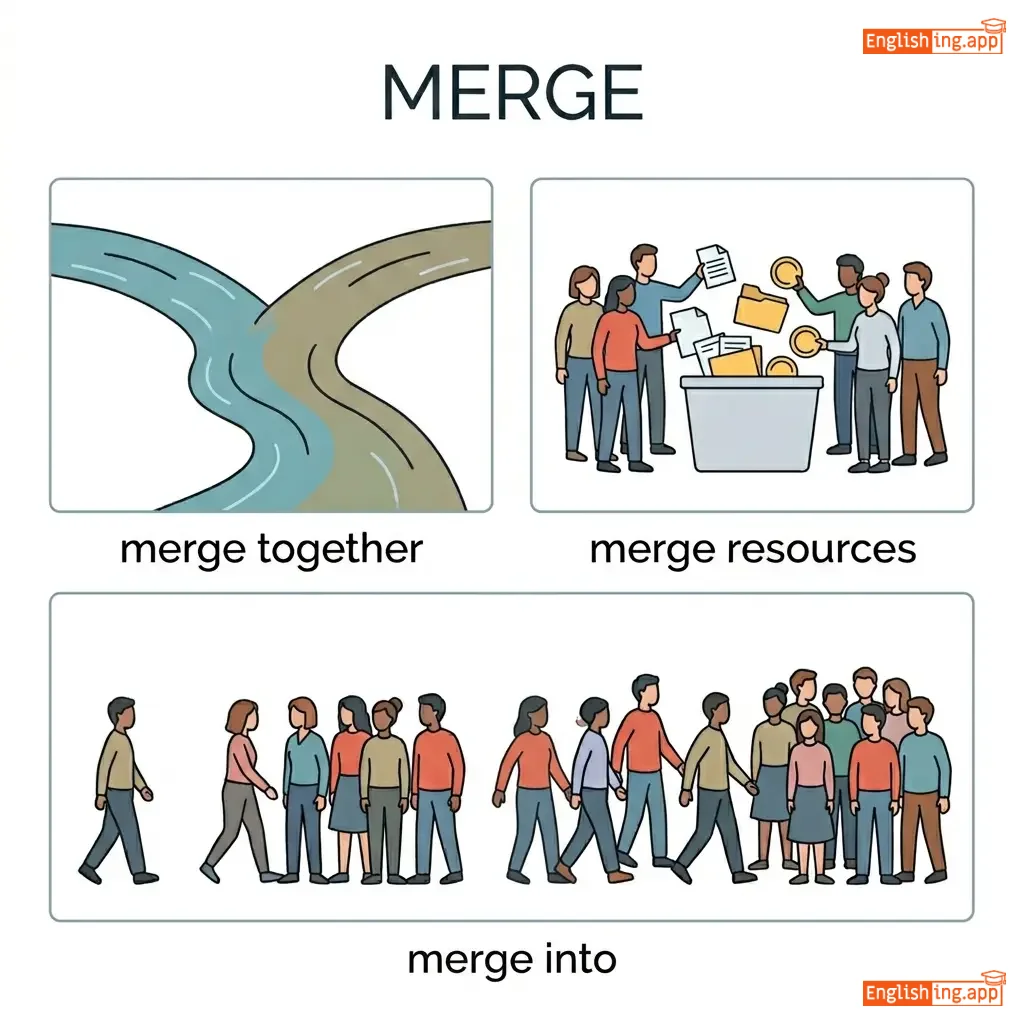
to combine or join together; to blend into one
••••••
|
The two companies decided to merge to increase their market share.
两家公司决定合并以增加他们的市场份额。
••••••
|
两家公司决定合并以增加他们的市场份额。
Liǎng jiā gōngsī juédìng hébìng yǐ zēngjiā tāmen de shìchǎng fèn'é.
••••••
|
- •••••• | - •••••• | - •••••• |
combine, unite, join, blend
••••••
|
separate, divide, split, disconnect
••••••
|
merge companies, merge files, merge lanes, merge successfully, merge together
••••••
|
合并:想象两家公司成为一家!
••••••
|
|
#0
🧠
|
/nɜːrv/
noun, verb
(神经)
••••••
|
- •••••• |
神经; 勇气
shenjing; yongqi
••••••
|
nerved
神经过
••••••
|
nerved
神经过
••••••
|
nerves
神经
••••••
|
nerving
神经化
••••••
|
A bundle of fibers in the body that transmits signals between the brain and other parts; also courage or audacity.
••••••
|
She gathered the nerve to speak in front of the large audience.
她鼓起勇气在大观众面前发言。
••••••
|
她鼓起勇气在大观众面前发言。
Ta gǔqǐ yǒngqì zài dà guānzhòng miànqián fāyán.
••••••
|
get on someone's nerves
让某人神经紧张
••••••
|
to irritate or annoy someone
••••••
|
让某人神经紧张
Ràng mǒu rén shénjīng jǐnzhāng
••••••
|
courage, boldness, audacity, fiber, bravery
••••••
|
fear, cowardice, timidity
••••••
|
have the nerve, lose nerve, get on nerves, damaged nerve
••••••
|
Nerve意味着神经,但也意味着勇气 → 有神经就有勇气
••••••
|
|
#0
👑
|
/ˈnoʊbəl/
adjective
(诺布尔)
••••••
|
- •••••• |
具有高尚的个人品质、高道德原则或属于高社会阶层
Jùyǒu gāoshàng de gèrén pǐnzhì, gāo dàodé yuánzé huò shǔyú gāo shèhuì jiēcéng
••••••
|
- •••••• | - •••••• | - •••••• | - •••••• |
Having or showing fine personal qualities, high moral principles, or being of high social rank.
••••••
|
He is admired for his noble character and generosity. |
他因其高尚的品格和慷慨而受到钦佩。
Tā yīn qí gāoshàng de pǐngé hé kāngkǎi ér shòudào qīnpèi.
••••••
|
noble cause |
A morally good or worthwhile reason or objective
••••••
|
高尚的目标
Gāoshàng de mùbiāo
••••••
|
honorable, dignified, virtuous, aristocratic
••••••
|
dishonorable, ignoble, base
••••••
|
noble cause, noble family, noble effort, noble character
••••••
|
Noble意味着noble-人——像国王一样。
••••••
|
|
#0
📋
|
/ˈɔːrdər/
verb
(订单)
••••••
|
|
命令
mìnglìng
••••••
|
ordered
已订购
••••••
|
ordered
已订购
••••••
|
orders
订单
••••••
|
ordering
订购中
••••••
|
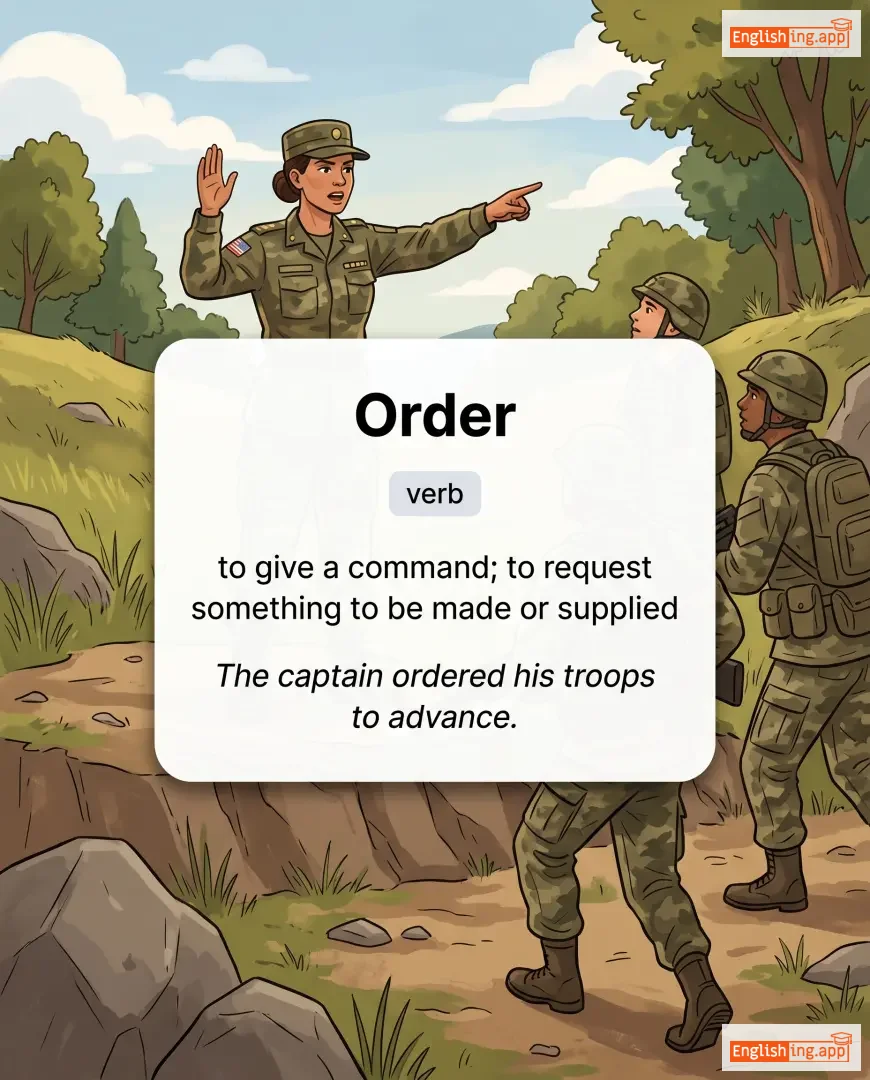
to give a command; to request something to be made or supplied
••••••
|
The captain ordered his troops to advance.
队长命令他的部队前进。
••••••
|
队长命令他的部队前进。
Duìzhǎng mìnglìng tā de bùduì qiánjìn
••••••
|
- •••••• | - •••••• | - •••••• |
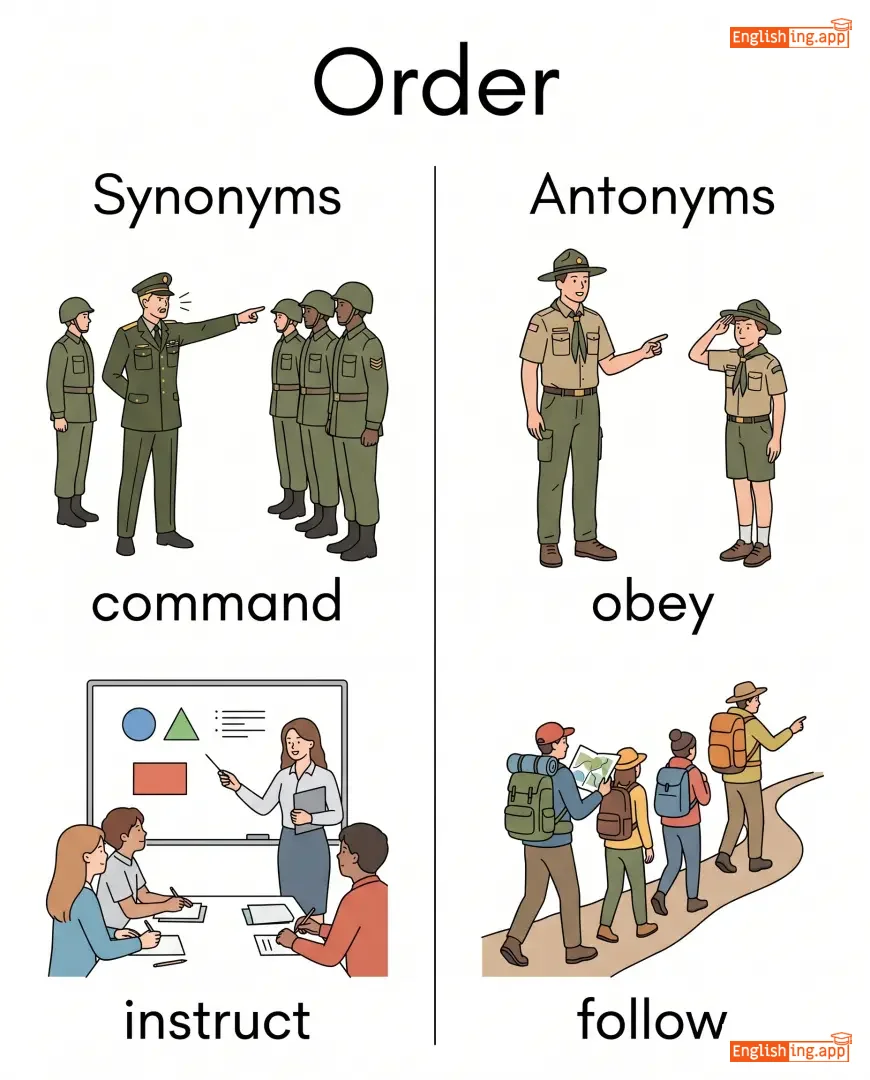
command, instruct, direct, request
••••••
|
obey, follow, comply, submit
••••••
|
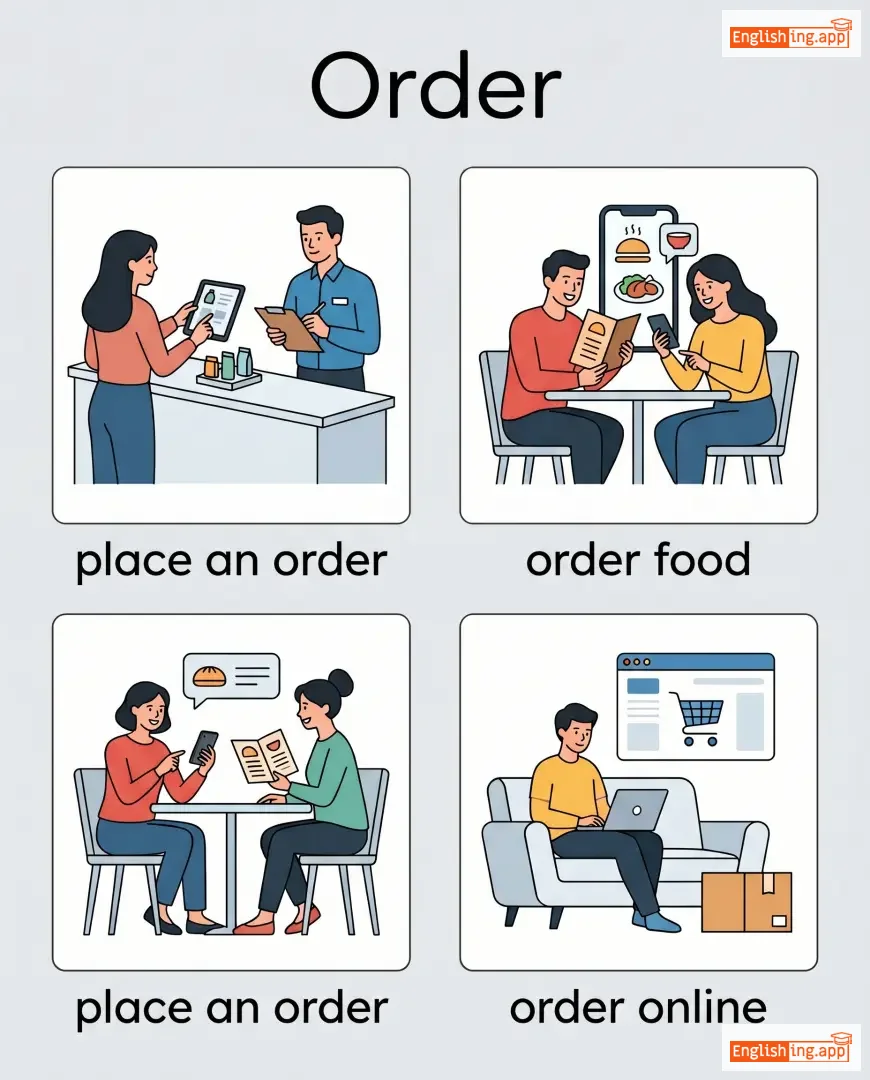
place an order, order food, order online, standing order, order of business
••••••
|
Chinese word '命令' sounds like giving orders or commands, just like placing a formal order.
••••••
|
|
#0
✔️
|
/ɔːt/
modal verb
(奥特)
••••••
|
- •••••• |
应该
yinggai
••••••
|
- •••••• | - •••••• | - •••••• | - •••••• |
Used to indicate duty, correctness, or moral obligation.
••••••
|
You ought to respect your elders. |
你应该尊重长辈。
Nǐ yīnggāi zūnzhòng zhǎngbèi.
••••••
|
- •••••• | - •••••• | - •••••• |
should, must, have to, need to
••••••
|
must not, should not
••••••
|
ought to do, ought not to, one ought to
••••••
|
Ought的意思是应该,记住'ought to respect'意思是'应该尊重'。
••••••
|
|
#0
💼
|
/ˈoʊ.nər/
noun
(ōu nà)
••••••
|
- •••••• |
所有者
suǒyǒu zhě
••••••
|
- •••••• | - •••••• | - •••••• | - •••••• |
a person who owns something; someone who has legal possession of property
••••••
|
The owner of the restaurant greeted us warmly. |
餐厅的所有者热情地迎接了我们。
cāntīng de suǒyǒu zhě rèqíng de yíngjiē le wǒmen.
••••••
|
- •••••• | - •••••• | - •••••• |
proprietor, possessor, holder, landlord
••••••
|
tenant, renter, borrower, user
••••••
|
business owner, property owner, car owner
••••••
|
In Chinese, '所有者' is the one who owns something, just like an 'owner'.
••••••
|
|
#0
😱
|
/ˈpænɪk/
noun/verb
(海皮尼斯)
••••••
|
- •••••• |
幸福
xìngfú
••••••
|
panicked
••••••
|
panicked
••••••
|
panics
••••••
|
panicking
••••••
|
a sudden overwhelming fear or anxiety causing irrational behavior
••••••
|
The crowd panicked when the fire alarm went off. |
当她收到奖项时,她无法掩饰自己的幸福。
Dāng tā shōu dào jiǎngxiàng shí, tā wúfǎ yǎnshì zìjǐ de xìngfú.
••••••
|
panic attack |
a sudden episode of intense fear or anxiety
••••••
|
追求幸福
zhuīqiú xìngfú
••••••
|
fear, alarm, dread, hysteria, terror
••••••
|
calm, composure, tranquility
••••••
|
panic attack, mass panic, cause panic, widespread panic
••••••
|
幸福就是当你感受到内心的平静与喜悦时。
••••••
|
|
#0
🔄
|
/feɪz/
noun
(fèi zī)
••••••
|
- •••••• |
阶段; 变化或发展的过程中一个明确的阶段或时期
jie duan; bian hua huo fa zhan de guo cheng zhong yi ge ming que de jie duan huo shi qi
••••••
|
- •••••• | - •••••• | - •••••• | - •••••• |
a distinct period or stage in a process of change or development
••••••
|
The project is now in its final phase. |
该项目现在处于最后阶段。
Gai xiangmu xianzai chuyu zuihou jie duan.
••••••
|
- •••••• | - •••••• | - •••••• |
stage, step, period, chapter
••••••
|
whole, entirety, completion
••••••
|
development phase, testing phase, final phase
••••••
|
Phase means 'jie duan' in Chinese, like the phase of a project.
••••••
|
|
#0
🍰
|
/piːs/
noun
(pī sī)
••••••
|
- •••••• |
一片
yī piàn
••••••
|
- •••••• | - •••••• | - •••••• | - •••••• |
a portion or part of something
••••••
|
He gave me a piece of cake.
他给了我一块蛋糕。
••••••
|
他给了我一块蛋糕。
Tā gěi le wǒ yī kuài dàngāo.
••••••
|
piece of mind
心灵的平静
••••••
|
freedom from worry or trouble
••••••
|
内心平静
nèi xīn píng jìng
••••••
|
portion, fragment, segment, part
••••••
|
whole, entirety
••••••
|
piece of cake, piece of advice, piece of art, give a piece
••••••
|
Piece of cake 吃起来很容易 - Piece 意味着某物的一部分
••••••
|
|
#0
👉
|
/pɔɪnt/
noun
(point)
••••••
|
- •••••• |
点; 细节; 目的
dian
••••••
|
- •••••• | - •••••• | - •••••• | - •••••• |
a particular detail, idea, or fact; the sharp end of something
••••••
|
What's the point of arguing about this issue?
讨论这个问题有什么意义?
••••••
|
讨论这个问题有什么意义?
Tǎolùn zhège wèntí yǒu shénme yìyì?
••••••
|
- •••••• | - •••••• | - •••••• |
detail, fact, idea, tip
••••••
|
whole, entirety, generality
••••••
|
main point, key point, turning point
••••••
|
点亮心中的目标
••••••
|
|
#0
⚡
|
/ˈpaʊər/
noun
(paʊər)
••••••
|
|
力量
lìliàng
••••••
|
- •••••• | - •••••• | - •••••• | - •••••• |
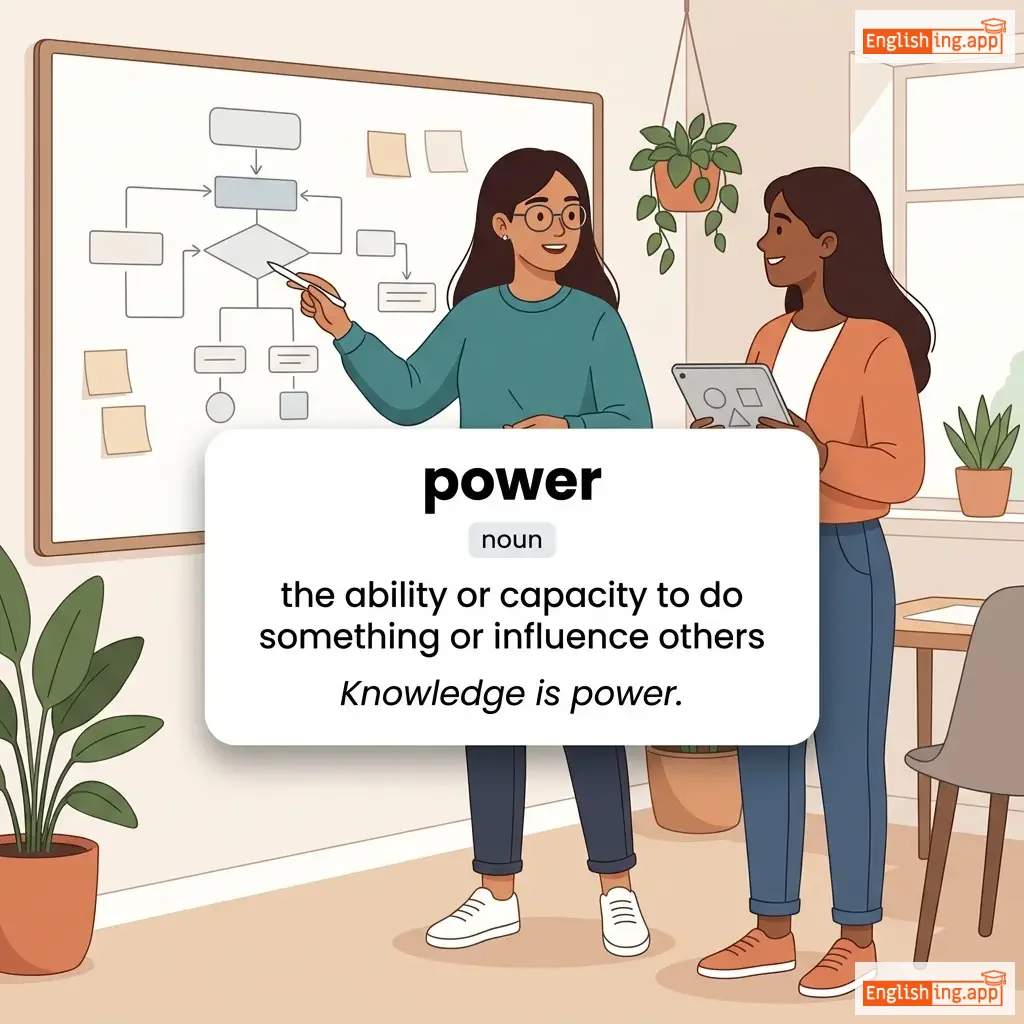
the ability or capacity to do something or influence others
••••••
|
Knowledge is power.
知识就是力量。
••••••
|
知识就是力量。
Zhīshì jiùshì lìliàng.
••••••
|
absolute power
绝对的力量
••••••
|
complete authority without limits
••••••
|
绝对的力量
juéduì de lìliàng
••••••
|
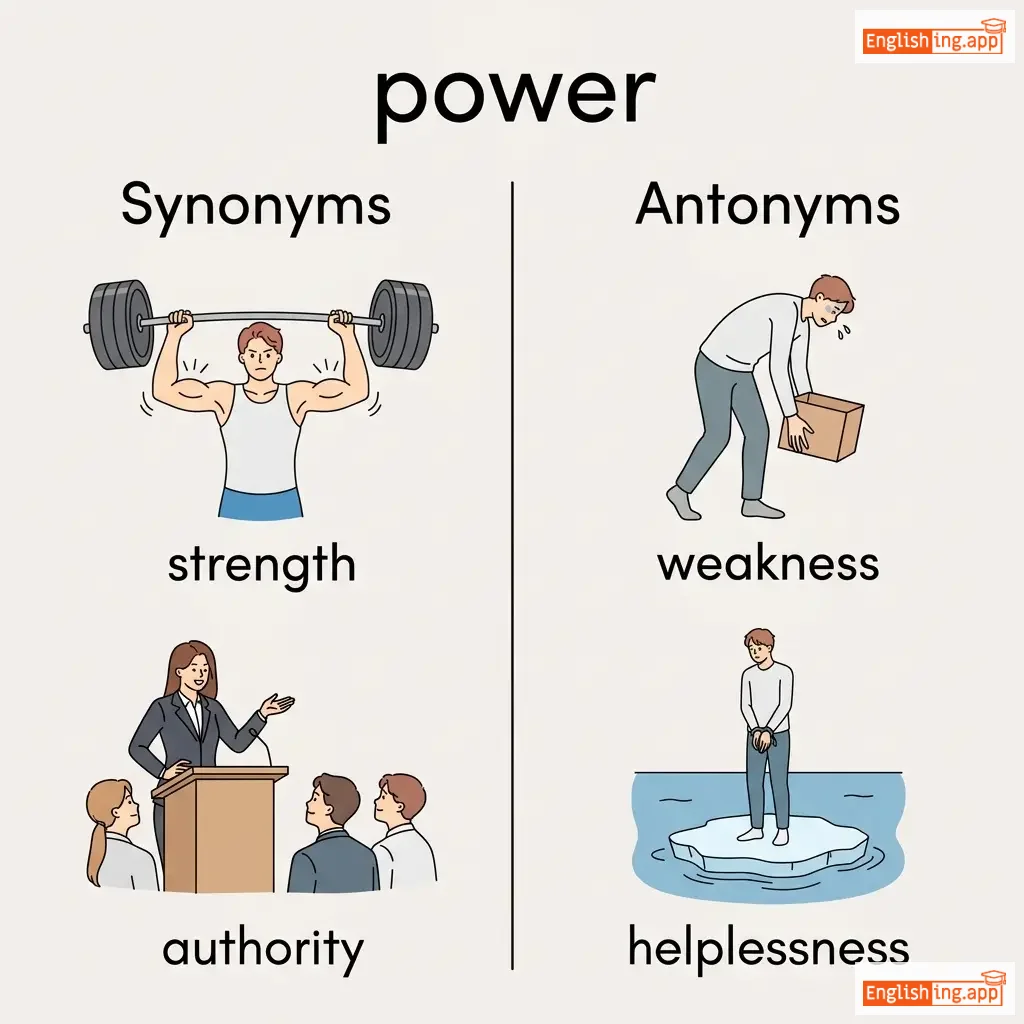
strength, authority, control, energy, force
••••••
|
weakness, helplessness
••••••
|
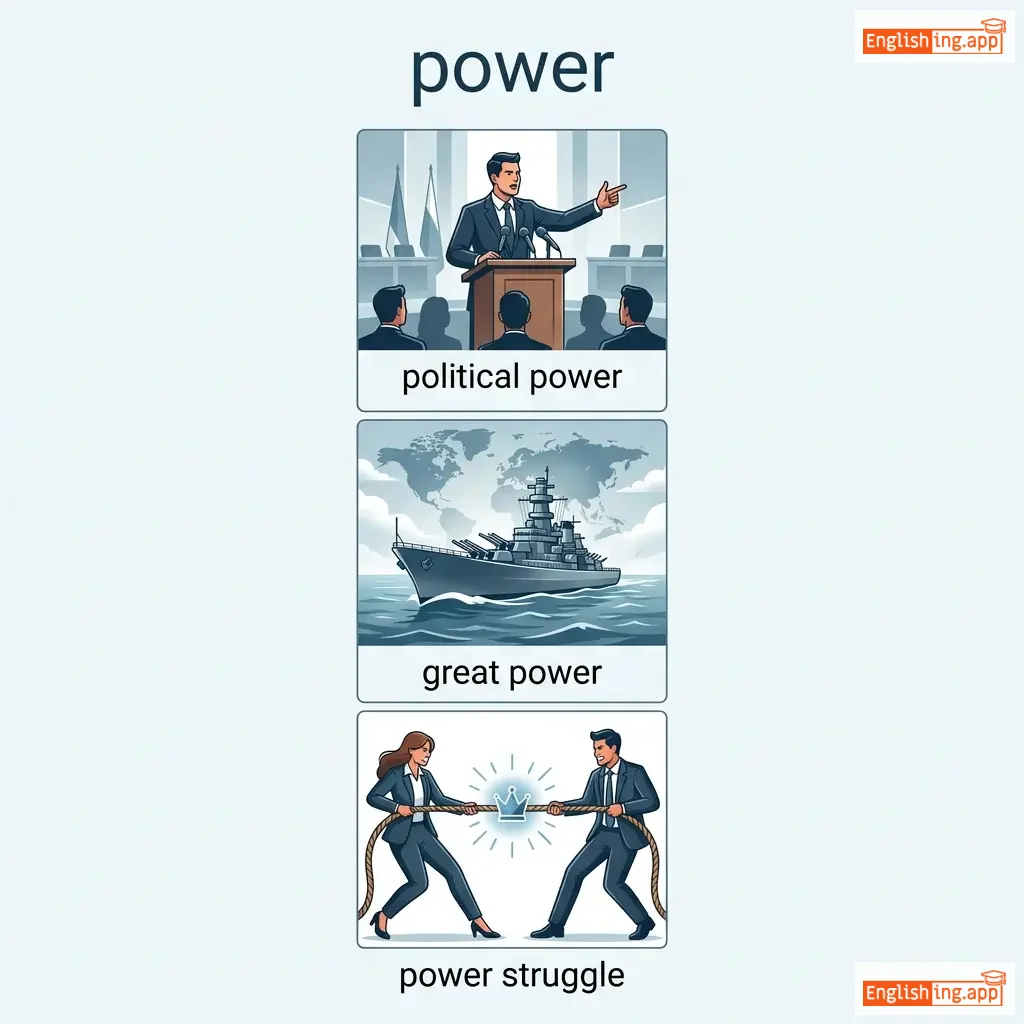
political power, great power, power struggle, power supply
••••••
|
Power = 力量, 就像电池中的力量。
••••••
|
|
#0
⏪
|
/ˈpraɪ.ər/
adjective
(普赖尔)
••••••
|
- •••••• |
先前的
pulai er
••••••
|
- •••••• | - •••••• | - •••••• | - •••••• |
existing or coming before in time; previous; earlier
••••••
|
You need prior approval before making any changes to the system.
在对系统进行任何修改之前,你需要事先获得批准。
••••••
|
在对系统进行任何修改之前,你需要事先获得批准。
zai dui xi tong jin xing ren he xi gai zhi qian ni xu yao shi xian huo de pi zhi
••••••
|
- •••••• | - •••••• |
事先批准
shi xian pizhun
••••••
|
previous, earlier, former, preceding
••••••
|
subsequent, later, following, after
••••••
|
prior approval, prior experience, prior knowledge, prior notice
••••••
|
Prior = 先前的 in time, 想象 calendar 上写着 PRIOR 的日期, 先前 的 meaning 就是 before
••••••
|
|
#0
✅
|
/pruːv/
verb
(pruv)
••••••
|
|
证明
zhèngmíng
••••••
|
proved
pruːvd
••••••
|
proved
pruːvd
••••••
|
proves
pruːvz
••••••
|
proving
pruːvɪŋ
••••••
|
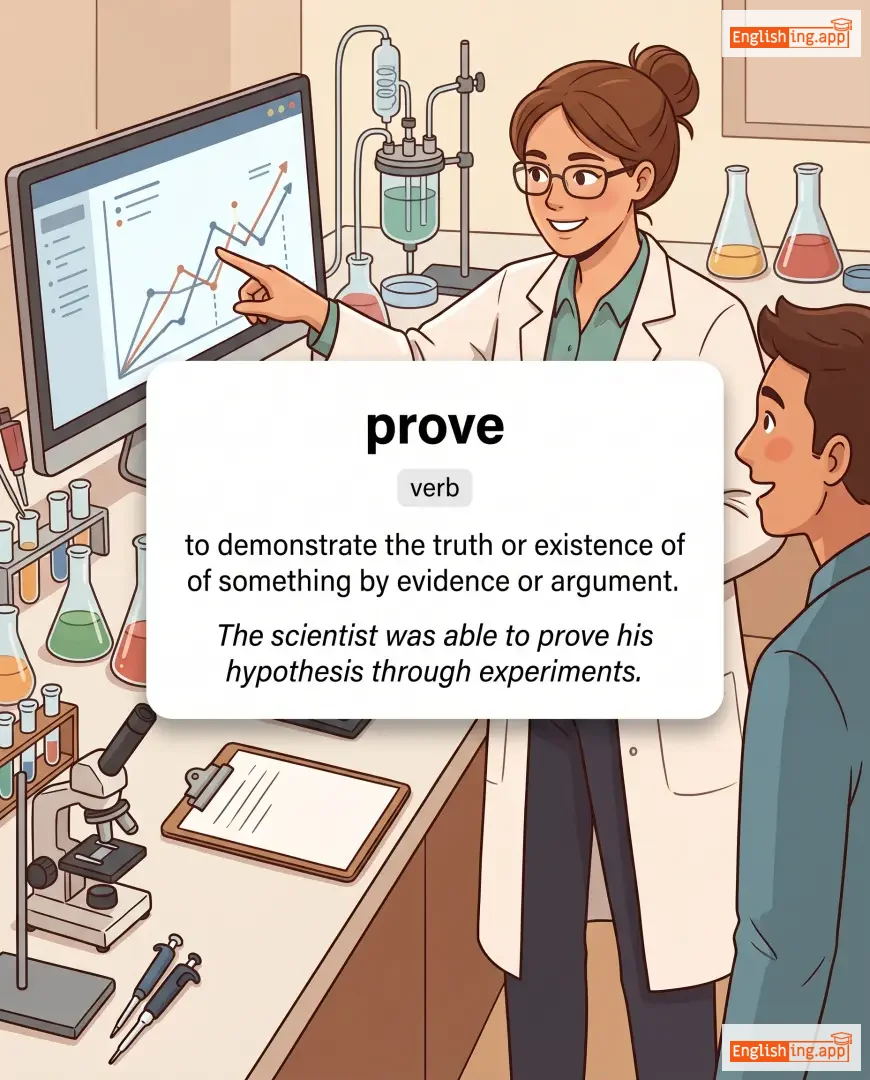
to show that something is true; to demonstrate
••••••
|
The evidence will prove his innocence.
证据将证明他的无辜。
••••••
|
证据将证明他的无辜。
Zhèngjù jiāng zhèngmíng tā de wúgū.
••••••
|
- •••••• | - •••••• | - •••••• |
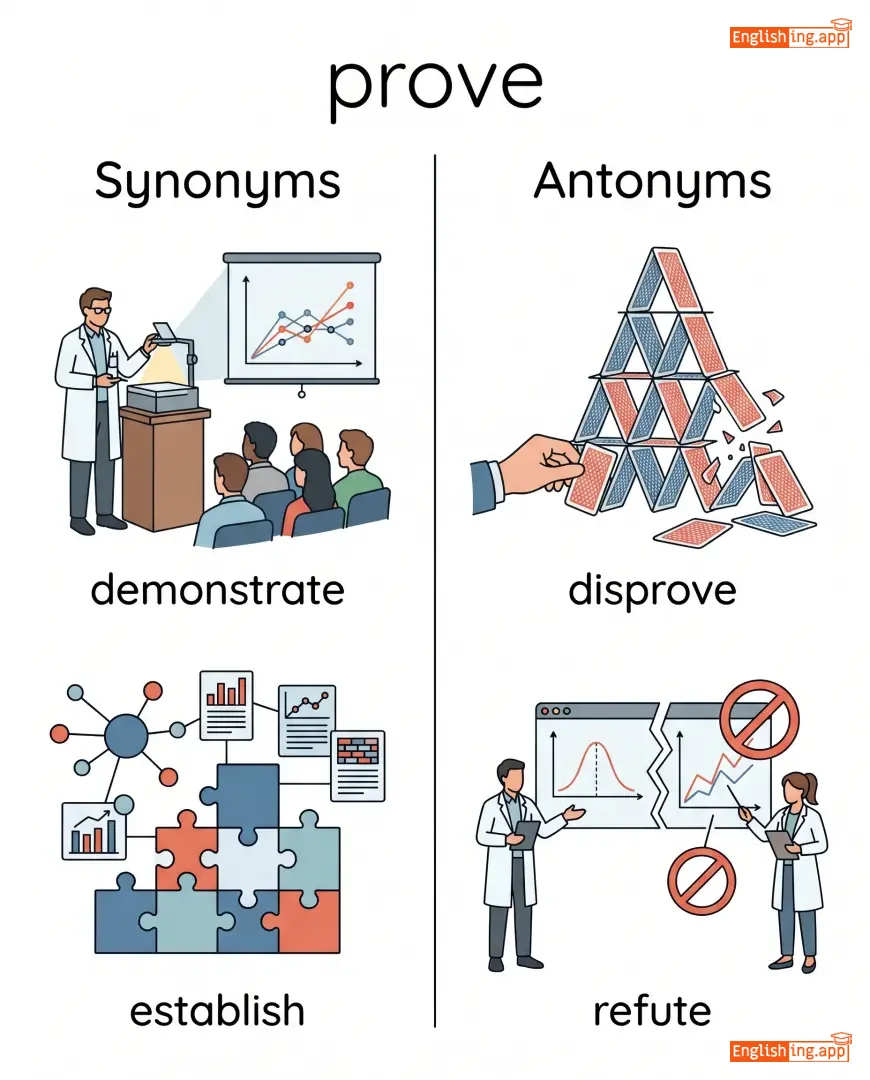
demonstrate, establish, verify, confirm
••••••
|
disprove, refute, contradict
••••••
|
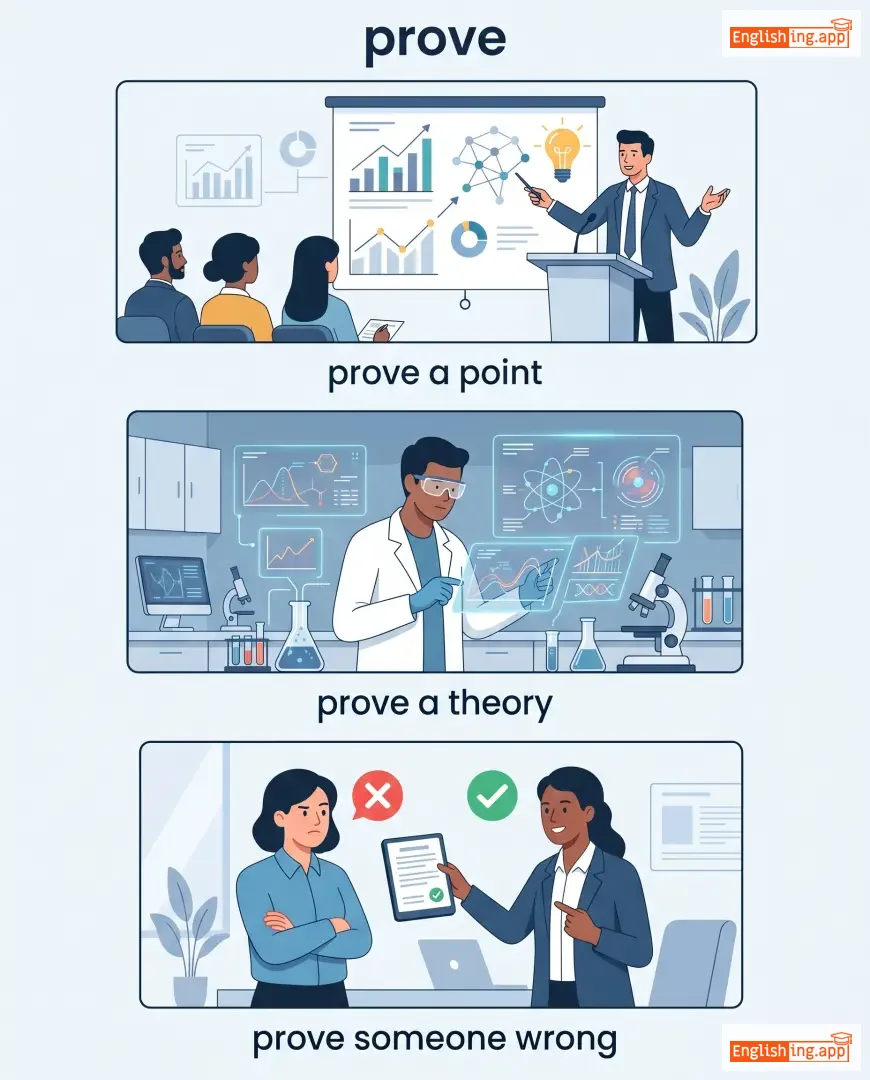
prove innocence, prove wrong, prove right, prove point
••••••
|
在中文中,'证明'像英语中的'prove',就像向他人展示某个事实。
••••••
|
|
#0
👌
|
/kwaɪt/
adverb
(kwai)
••••••
|
- •••••• |
相当 / 很
xiangdang / hen
••••••
|
- •••••• | - •••••• | - •••••• | - •••••• |
To a certain or considerable extent; very or completely.
••••••
|
She was quite happy with the results. |
她对结果相当满意。
Ta dui jieguo xiangdang manyi.
••••••
|
not quite |
Almost but not completely.
••••••
|
不完全是
bu wanquan shi
••••••
|
fairly, rather, very, completely, absolutely
••••••
|
barely, hardly
••••••
|
quite happy, quite good, quite interesting, not quite
••••••
|
Quite 意味着相当—'Quite quiet' 意味着非常安静。
••••••
|
Vocabulary Quiz
Test your vocabulary by matching words with their translations or meanings.
Login to take the quiz
Comments (0)
Share your thoughts and join the discussion.
Join the discussion by logging in
Login to CommentNo comments yet
Be the first to share your thoughts!