

建立她帝国的女人
The Woman Who Built Her Empire
索尼娅曾经是poor。她住在一间小小的租来房间里。她只有一pair 衣服和宏大的梦想。
“我想变得rich,”她说。但她的peers嘲笑她。“你?你连rent都付不起按时付吗。”
但索尼娅很有决心。她擅长math。她懂得rates、数字、计算。
她从小做起——在port办事处做会计的一个post。工资很低,但她学到了商业运作。
“按你自己的pace工作,”她的老板说。“别急。”
但索尼娅工作更快。每一个问题、每一个方程——她都解决了。慢慢地,她在rank上升。
有一天她注意到——在port地区,很多货物到达,但没有合适的储存。公司不得不在很远的地方rent昂贵的仓库。
“这是一个rare机会,”她想。“我可以开一家仓储公司。”
但她是poor。钱从哪来?
她做了一个plot——商业计划。她把一切都算清楚——rental rates、存储费用、利润率。她的math无懈可击。
她去找银行。大多数都拒绝。“你太poor了。没有抵押。”
但有一位银行家看了她的计划。“你的math很扎实。你对port业务的分析很好。但你需要一个合作伙伴来分担风险。”
“我会找到的,”索尼娅承诺。
她找到了一个大学同学——peer贾米尔,他有些积蓄。两人一起开始了。
第一个仓库很小——基本上是个棚子。但rental rate合理。公司开始使用它。
生意慢慢增长。两年内,他们有了三个仓库。五年内,他们有十个。
“我们应该expand到mall业务,”贾米尔建议。
“Malls?”索尼娅很惊讶。
“想想看,”贾米尔解释。“Port带来货物。仓库存放它们。Malls卖掉它们。这是plus业务——增加另一层。”
索尼娅做了math。他是对的。他们pooled资源。建起了他们的第一个mall。
但mall业务不同。更复杂。风险更高。
“我们需要保持pace,”索尼娅警告。“不能太快,也不能太慢。”
他们谨慎地成长。每个决定都基于math,而不是情绪。每次扩张都基于市场分析。
十年后,索尼娅不再是poor。她是rich——不仅在金钱上,更在经验上。
在一次报纸采访中,记者问:“你如何从poor变成rich?”
“靠math和规划,”索尼娅微笑道。“我把每一步都plotted。我算清了每一个rate。当别人看到问题时,我看到的是rare机会。”
“那rent呢?当你一无所有时你是怎么应对的?”
“Rent是我最大的挑战,”索尼娅承认。“但它也教会了我——如果你买不起,就rent得聪明。如果你买得起,就让别人向你rent。无论如何,要理解经济学。”
“你为什么从port开始?”
“Port是货物进入国家的地方,”索尼娅解释。“它是入口点。如果你理解port的运作,你就理解了整个供应链。那种知识帮助我识别了仓储的需求。”
“那些嘲笑你的peers呢?”
“有些人成为我的partners,”索尼娅笑道。“像贾米尔。还有些人仍在嘲笑。那没关系。成功不是为了证明peers错了,而是为了证明自己是对的。”
“你的秘诀是什么?”
“Math,”索尼娅坚定地说。“良好的math。当我还是poor时,我不能承受错误。所以我反复检查每一个数字、每一个rate、每一个计算。这个习惯保留下来。现在,即便是rich,我仍然做math。”
“那pace呢?”
“Pace很重要,”索尼娅强调。“有些人急于求成。他们失败。有些人走得太慢。他们错失良机。找到你的pace。Mine是稳定的——不太快,不太慢。”
“你有malls、仓库。接下来是什么?”
“Plus业务,”索尼娅透露。“我在筹划一个port现代化项目。更好的设施,为物流公司提供更好的rental空间。这是一个rare机会。政府希望私人投资。”
“你还在做math吗?”
“永远如此,”索尼娅确认。“我桌上有一pile报告。市场rates、竞争分析、风险评估。在任何行动之前,我都会在纸上plot一遍。”
“给poor人有什么话吗?”
索尼娅变得严肃起来。“成为poor并不丢人。不去尝试而一直poor才可耻。找到你的力量——mine是math。利用它。Plot你的道路。以可持续的pace工作。向成功的peers学习。需要时pool资源。抓住rare机会。做math——永远如此。记住——每个rich的人曾经要么是poor,要么出生在曾经是poor的人家。财富不是magic——它是math、规划和毅力。”
“那rent呢?”
“即便现在,我也rent一些房产,”索尼娅笑着说。“因为有时租比买更聪明。Math会告诉你什么时候。别让自尊决定,让数字引导。这就是一个支付rent的poor女孩如何通过良好的math、聪明的plots、稳定的pace和理解port机会对那些会做math并制定计划的人永远敞开,而变成收取rent的rich女人的方式。”
年轻的企业家们学到——rank不能定义你,增长的rate比速度更重要,rare机会属于那些寻找它们的人,peers可以成为partners,poor是起点不是终点,plus思维创造财富,用math来plot你的道路,明智地pool资源,以可持续的pace前进,把野心与规划pair起来,无论是mall、port还是仓库——开采你的利基,mark你的领地,最重要的是——只在你心中为知识、计算和能把poor梦想变为rich现实的计划rent空间。

Swipe left or right, or use the buttons. Tap image to zoom.
例句翻译
单词
The Woman Who Built Her EmpireThe Woman Who Built Her Empire - 遮罩切换
|
表情符号
|
单词 | Images | 翻译 | 过去时 | 过去分词 | 第三人称单数 | 动名词 | 含义 | 例句 | 例句翻译 | 示例表达 | 示例表达含义 | 示例表达翻译 | 同义词 | 反义词 | 搭配词 | 助记符 |
|---|---|---|---|---|---|---|---|---|---|---|---|---|---|---|---|---|---|
|
#0
🏬
|
/mɔːl/ or /mæl/
noun
(mall)
••••••
|
- •••••• |
购物中心
gòuwù zhōngxīn
••••••
|
- •••••• | - •••••• | - •••••• | - •••••• |
a large building or series of connected buildings containing shops and restaurants
••••••
|
They went to the mall to buy new clothes. |
他们去购物中心买新衣服。
tāmen qù gòuwù zhōngxīn mǎi xīn yīfú.
••••••
|
shopping mall |
a large complex with many retail stores
••••••
|
购物中心
gòuwù zhōngxīn
••••••
|
shopping center, plaza, marketplace, arcade
••••••
|
small shop, kiosk
••••••
|
shopping mall, mall culture, mall security, mall parking
••••••
|
Mall 是 '购物中心', 在这里大家都去购物。
••••••
|
|
#0
✏️
|
/mɑːrk/
verb
(mǎkè)
••••••
|
|
标记
biāojì
••••••
|
marked
mǎkèd
••••••
|
marked
mǎkèd
••••••
|
marks
mǎks
••••••
|
marking
mǎkìng
••••••
|
to make a visible impression or symbol on a surface
••••••
|
The teacher marked the important points in red.
老师用红色标出了重要的要点。
••••••
|
老师用红色标出了重要的要点。
Lǎoshī yòng hóngsè biāo chūle zhòngyào de yàodiǎn.
••••••
|
make your mark
留下你的印记
••••••
|
to have a lasting impact or achieve success
••••••
|
留下你的印记
Liú xià nǐ de yìnjì
••••••
|
label, stain, sign, indicate, highlight
••••••
|
erase, remove, clear
••••••
|
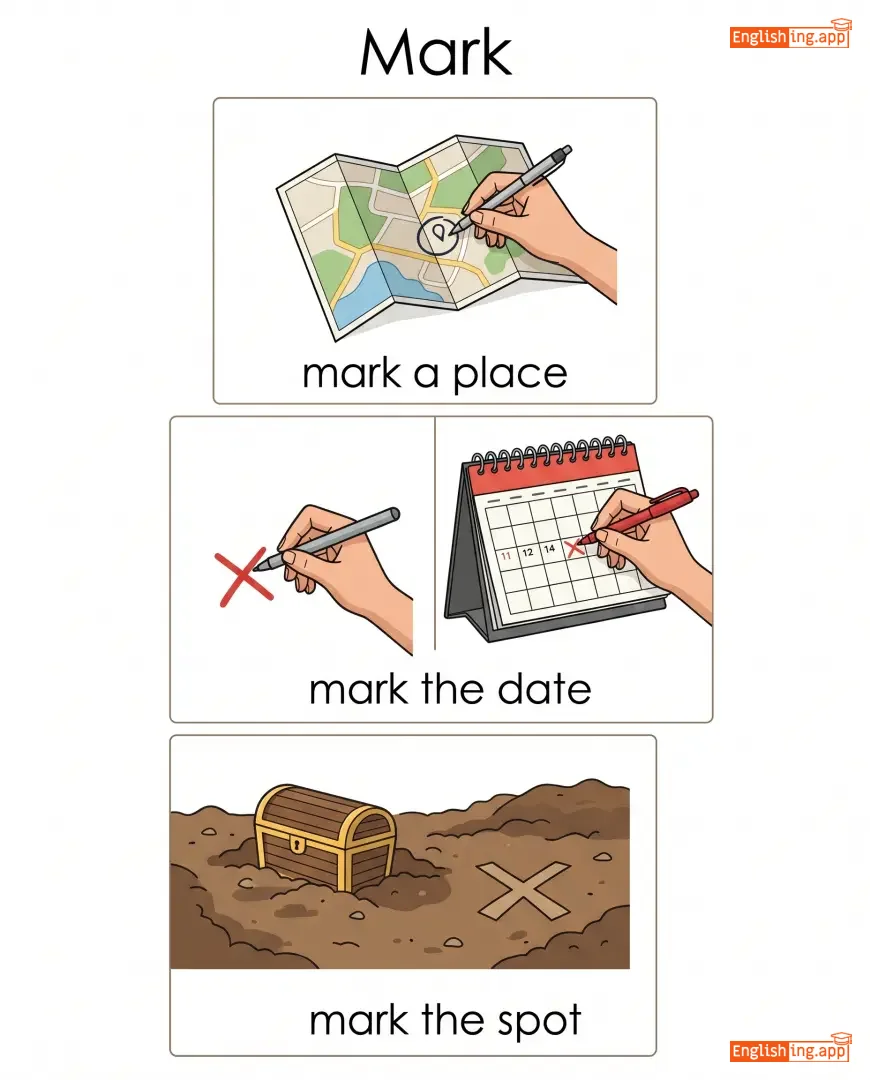
mark a place, mark the date, mark the spot, examination mark
••••••
|
Mark 让我们留下印记
••••••
|
|
#0
➗
|
/mæθ/
noun
(mæθ)
••••••
|
- •••••• |
数学
shuxue
••••••
|
- •••••• | - •••••• | - •••••• | - •••••• |
The study of numbers, quantities, and shapes, also called mathematics.
••••••
|
She is very good at math. |
她在数学方面非常出色。
Ta zai shuxue fangmian feichang chuse.
••••••
|
do the math |
Figure something out logically or by calculation.
••••••
|
做数学题
Zuo shuxue ti
••••••
|
mathematics, arithmetic, calculus, algebra
••••••
|
nonsense, guesswork
••••••
|
math problem, math test, math skills, math homework
••••••
|
Math意味着数学 – 不做数学题就无法顺利考试。
••••••
|
|
#0
⛏️
|
/maɪn/
noun, pronoun, verb
(main)
••••••
|
- •••••• |
矿井 / 我的
kuàngjǐng / wǒ de
••••••
|
mined
maind
••••••
|
mined
maind
••••••
|
mines
mainz
••••••
|
mining
maining
••••••
|
a place where minerals are dug from the ground; or something belonging to me
••••••
|
The workers went deep into the mine to extract coal.
工人们深入矿井开采煤炭。
••••••
|
工人们深入矿井开采煤炭。
Gōngrénmen shēn rù kuàngjǐng kāicǎi méitàn.
••••••
|
gold mine
金矿
••••••
|
a source of abundant wealth or information
••••••
|
金矿
jīn kuàng
••••••
|
pit, quarry, excavation, my own
••••••
|
surface, yours
••••••
|
coal mine, gold mine, mine shaft, mine worker
••••••
|
Mine 意味着我的,也就是矿井 - 这是我的矿井!
••••••
|
|
#0
🏃♀️
|
/peɪs/
noun
(pèi sī)
••••••
|
- •••••• |
步伐
bù fá
••••••
|
- •••••• | - •••••• | - •••••• | - •••••• |
the speed at which something happens or is done
••••••
|
She walked at a slow pace.
她走得很慢。
••••••
|
她走得很慢。
Tā zǒu dé hěn màn.
••••••
|
- •••••• | - •••••• | - •••••• |
speed, rate, tempo, velocity
••••••
|
slowness, delay, retardation
••••••
|
fast pace, slow pace, quick pace, steady pace
••••••
|
Pace 就是步伐慢,缓慢走。
••••••
|
|
#0
👟👟
|
/per/
noun
(pèi'ěr)
••••••
|
- •••••• |
一对
yī duì
••••••
|
- •••••• | - •••••• | - •••••• | - •••••• |
two things of the same kind that are used together
••••••
|
She wore a matching pair of shoes.
她穿了一双匹配的鞋子。
••••••
|
她穿了一双匹配的鞋子。
Tā chuānle yī shuāng pǐpèi de xiézi.
••••••
|
- •••••• | - •••••• | - •••••• |
duo, couple, set, twosome
••••••
|
single, individual
••••••
|
pair of shoes, perfect pair, matching pair
••••••
|
Pair - 一对,记住,一对东西总是一起的,就像一双鞋。
••••••
|
|
#0
🧑🤝🧑
|
/pɪə(r)/
noun, verb
(pi-er)
••••••
|
- •••••• |
同级
tongji
••••••
|
peered
pi-erd
••••••
|
peered
pi-erd
••••••
|
peers
pi-er-s
••••••
|
peering
pi-er-ing
••••••
|
noun: a person of the same rank or status; verb: to look closely or with difficulty
••••••
|
He tried to peer through the fog to see his peers on the other side.
他试图穿过雾气,看他的同伴在另一边。
••••••
|
他试图穿过雾气,看他的同伴在另一边。
Ta shitu chuan guo wuqi, kan ta de tongban zai ling yi bian.
••••••
|
peer pressure
同伴压力
••••••
|
the influence exerted by a group on an individual to conform
••••••
|
同伴压力
tongban yali
••••••
|
equal, fellow, companion, look, gaze
••••••
|
superior, inferior
••••••
|
peer group, peer pressure, peer review, peer at
••••••
|
Peer 就是同级,而 Peer Pressure 就是同伴的压力
••••••
|
|
#0
🗃️
|
/paɪl/
noun
(paɪl)
••••••
|
- •••••• |
堆
dui
••••••
|
- •••••• | - •••••• | - •••••• | - •••••• |
a large amount of something stacked or placed in a heap
••••••
|
He placed the books in a pile on the table. |
他把书堆放在桌子上。
Tā bǎ shū duī fàng zài zhuōzi shàng.
••••••
|
- •••••• | - •••••• | - •••••• |
stack, heap, mound, collection
••••••
|
single, individual
••••••
|
pile up, a pile of books, pile of clothes
••••••
|
堆在桌上的书
••••••
|
|
#0
🗺️
|
/plɑːt/
verb
(plòt)
••••••
|
|
密谋
mìmóu
••••••
|
plotted
plòted
••••••
|
plotted
plòted
••••••
|
plots
plòts
••••••
|
plotting
plòting
••••••
|
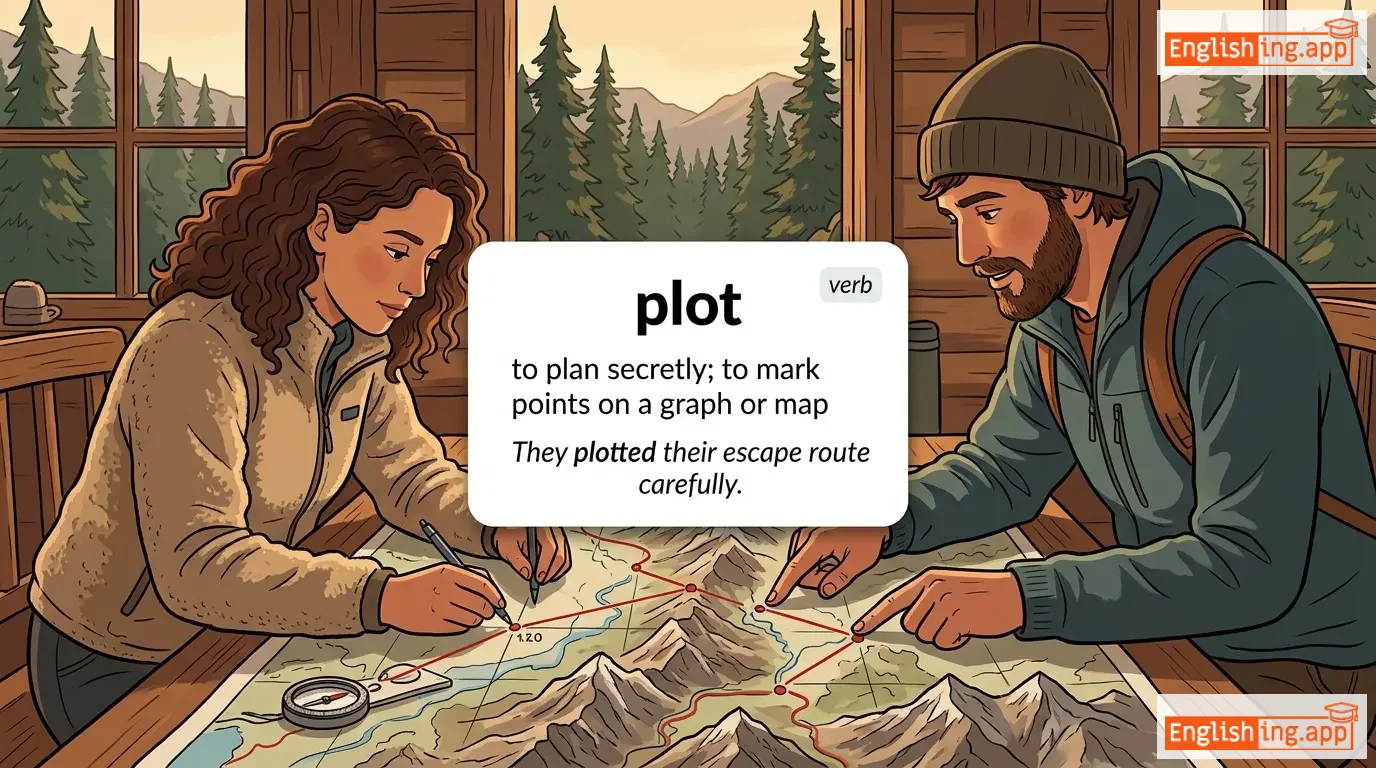
to plan secretly; to mark points on a graph or map
••••••
|
They plotted their escape route carefully.
他们小心地规划了逃生路线。
••••••
|
他们小心地规划了逃生路线。
Tāmen xiǎxīn de guīhuàle táoshēng lùxiàn.
••••••
|
- •••••• | - •••••• | - •••••• |
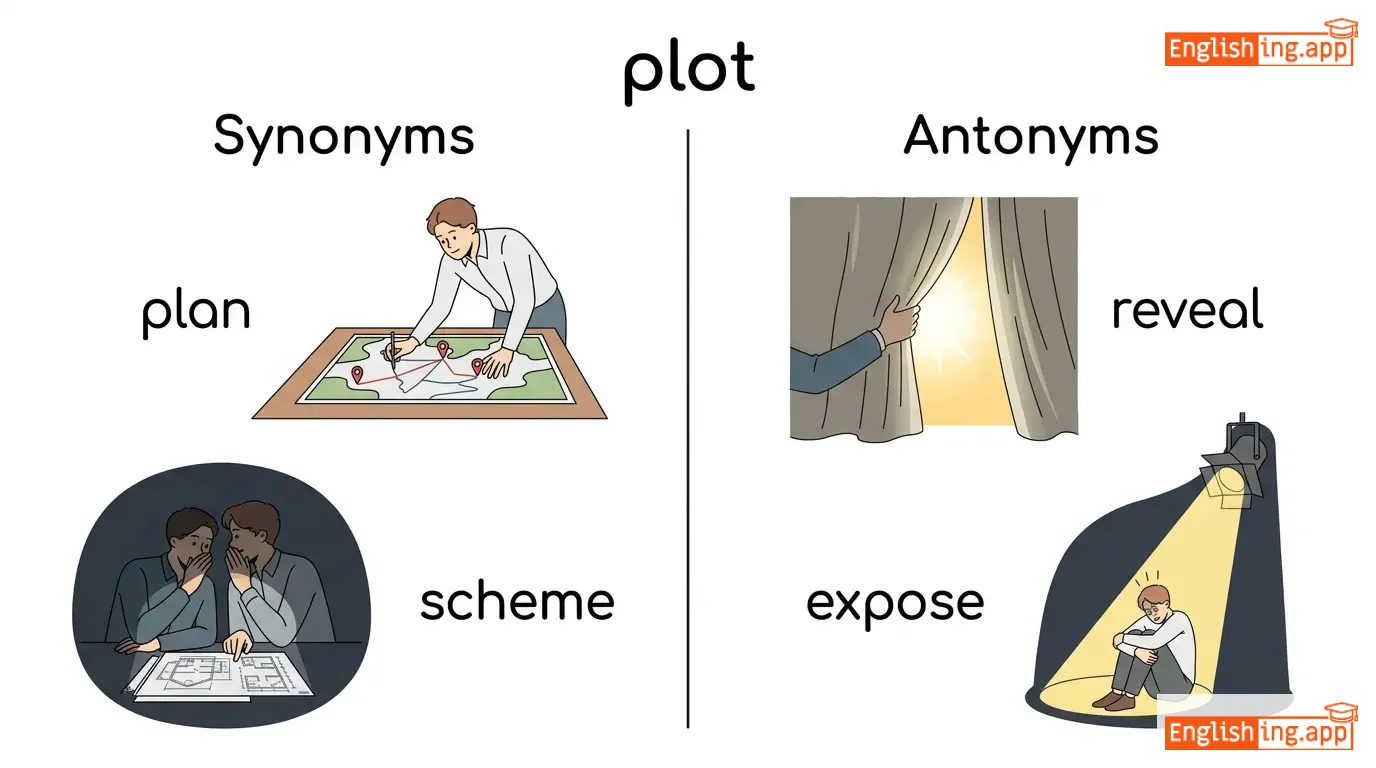
plan, scheme, chart, map
••••••
|
reveal, expose, disclose, abandon
••••••
|
plot against, plot revenge, plot course, plot graph, plot twist, secret plot
••••••
|
密谋之前,确保你的路线图已经准备好。
••••••
|
|
#0
🔌
|
/plʌɡ/
noun
(plág)
••••••
|
- •••••• |
插头
chātóu
••••••
|
- •••••• | - •••••• | - •••••• | - •••••• |
a device used to connect or block an opening
••••••
|
She inserted the plug into the socket. |
她把插头插入了插座。
Tā bǎ chātóu chārùle chāzuò.
••••••
|
- •••••• | - •••••• | - •••••• |
stopper, cap, connector, switch
••••••
|
hole, gap, opening
••••••
|
plug into, power plug, plug the hole
••••••
|
插头给你连接动力!
••••••
|
|
#0
➕
|
/plʌs/
preposition/conjunction/noun/adjective
(普卢斯)
••••••
|
- •••••• |
加/优势
jia/youshi
••••••
|
- •••••• | - •••••• | - •••••• | - •••••• |
in addition to; a positive aspect or advantage
••••••
|
She received an A plus on her exam. |
她在考试中得了一个A plus。
Tā zài kǎoshì zhōng déle yīgè A plus.
••••••
|
- •••••• | - •••••• | - •••••• |
and, in addition, advantage, benefit
••••••
|
minus, disadvantage
••••••
|
plus sign, plus point, plus factor, plus side
••••••
|
PLUS 符号让人想起添加更多的东西 - think of addition
••••••
|
|
#0
🏊
|
/puːl/
noun/verb
(プール)
••••••
|
- •••••• |
游泳池
youyongchi
••••••
|
pooled
プールド
••••••
|
pooled
プールド
••••••
|
pools
プールス
••••••
|
pooling
プーリング
••••••
|
a small body of still water, or a game played in a rectangular table with balls
••••••
|
The children swam in the pool all afternoon.
孩子们整个下午都在游泳池里游泳。
••••••
|
孩子们整个下午都在游泳池里游泳。
Haizimen zhengge xiawu dou zai youyongchi li youyong.
••••••
|
- •••••• | - •••••• | - •••••• |
pond, reservoir, swimming pool, game
••••••
|
dry, empty
••••••
|
swimming pool, pool party, pool table, pool of water
••••••
|
游泳池是游泳的最佳场所!
••••••
|
|
#0
🥺
|
/pʊr/ or /pɔːr/
adjective
(pùr)
••••••
|
- •••••• |
贫穷的
pínqióng de
••••••
|
- •••••• | - •••••• | - •••••• | - •••••• |
Lacking sufficient money, resources, or quality.
••••••
|
The poor family struggled to buy food. |
贫困的家庭为购买食物而挣扎。
Pínkùn de jiātíng wèi gòumǎi shíwù ér zhēngzhá.
••••••
|
poor health |
a state of not being healthy
••••••
|
不良健康
bùliáng jiànkāng
••••••
|
needy, impoverished, destitute, weak, inferior
••••••
|
rich, wealthy, strong
••••••
|
poor condition, poor performance, poor quality, poor family
••••••
|
贫穷意味着没有足够的资源。
••••••
|
|
#0
⚓
|
/pɔːrt/
noun
••••••
|
|
- •••••• | - •••••• | - •••••• | - •••••• | - •••••• |
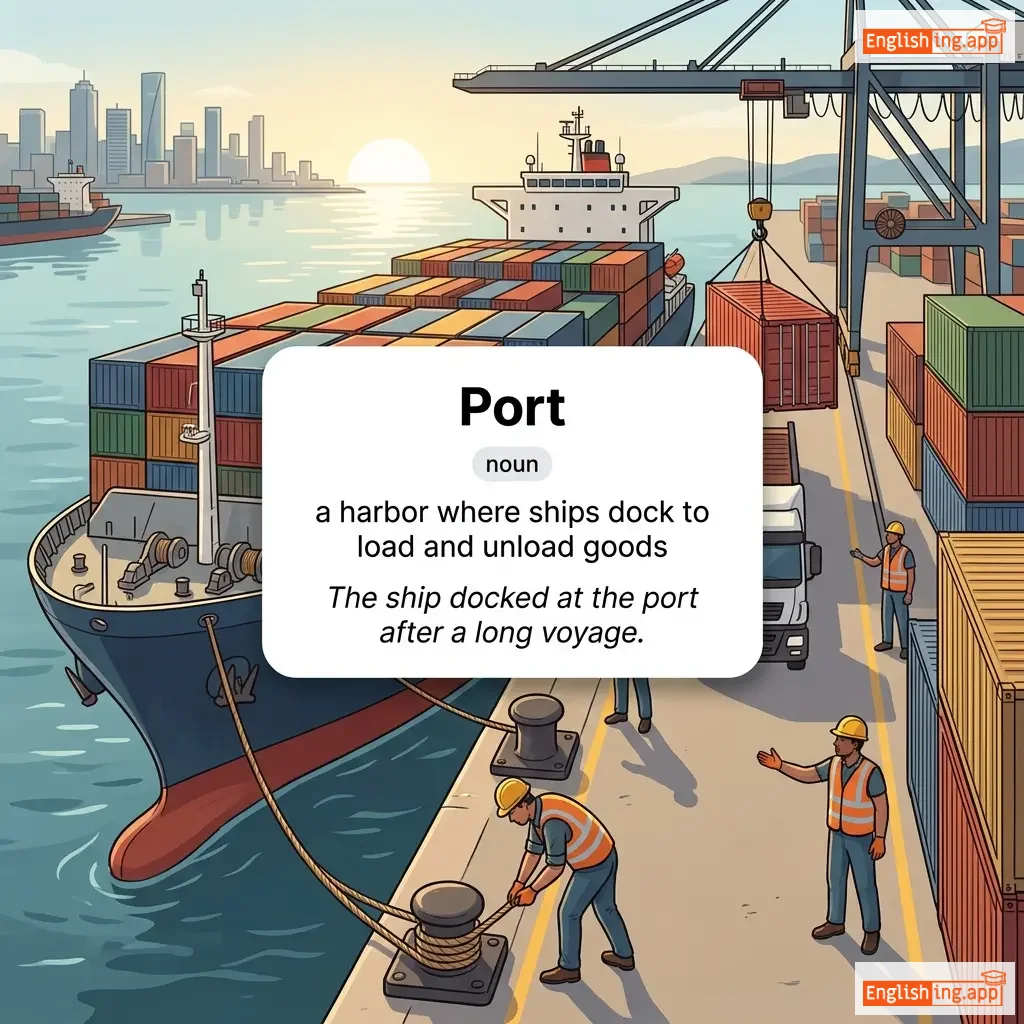
a harbor where ships dock to load and unload goods
••••••
|
The ship docked at the port after a long voyage. |
- •••••• | - •••••• | - •••••• | - •••••• |
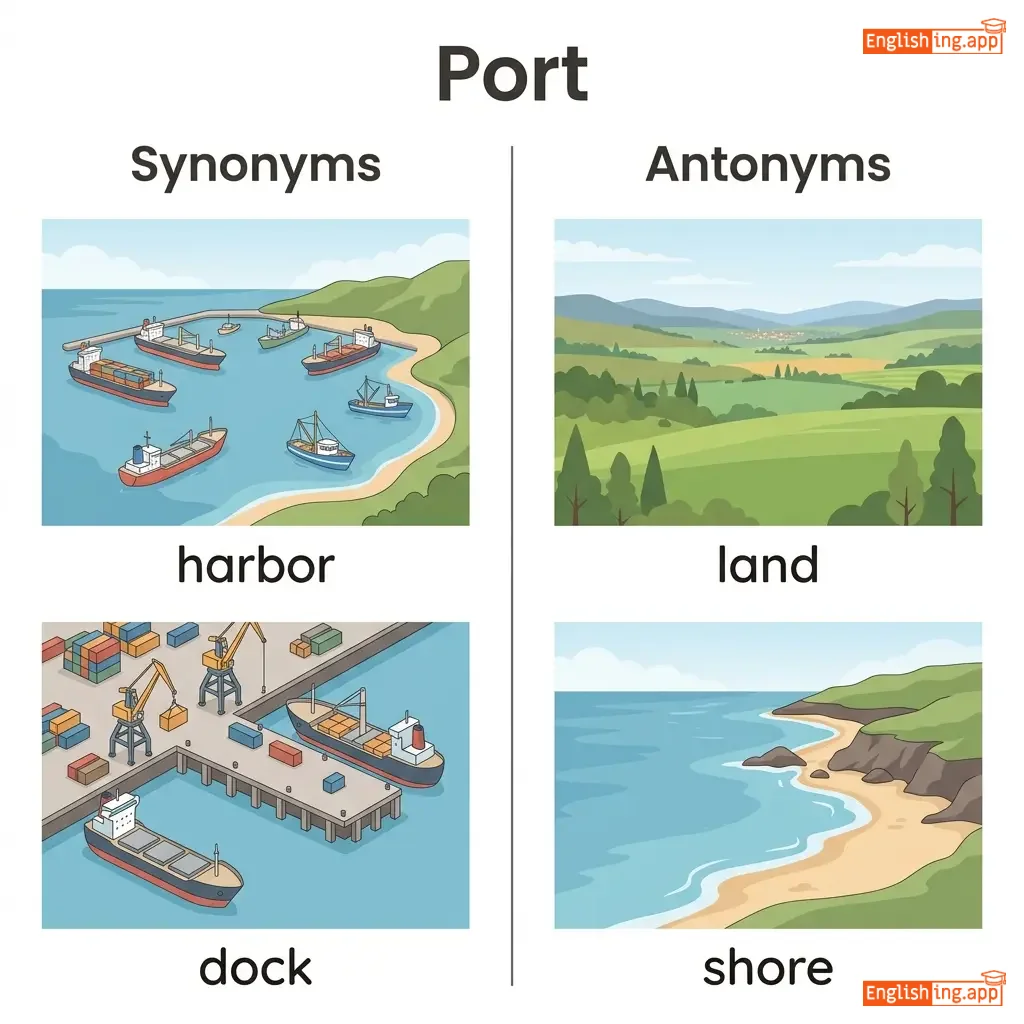
harbor, dock, quay, marina
••••••
|
land, shore
••••••
|
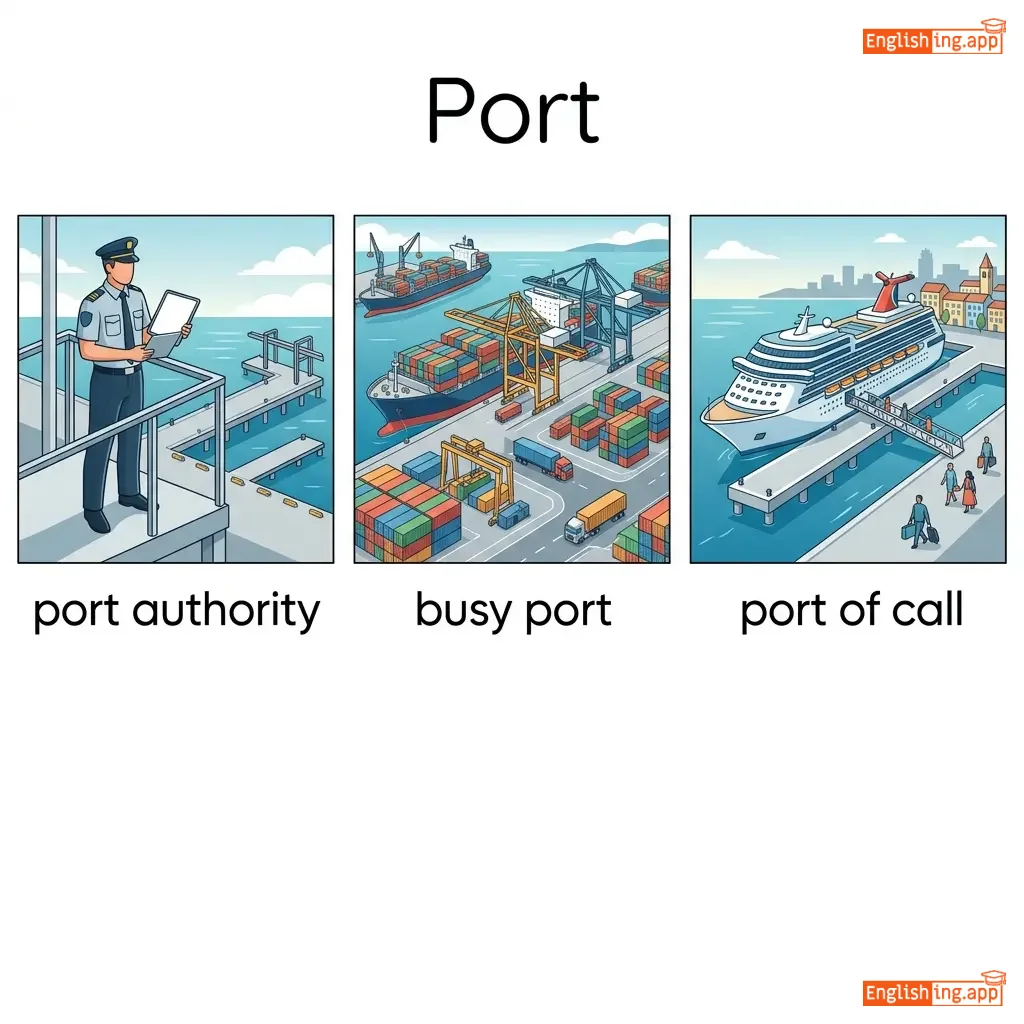
port authority, busy port, port of call, shipping port
••••••
|
No •••••• |
|
#0
📮
|
/pəʊst/
noun, verb
(pòusī)
••••••
|
- •••••• |
邮寄
yóujì
••••••
|
posted
pòusīde
••••••
|
posted
pòusīde
••••••
|
posts
pòusī
••••••
|
posting
pòusīng
••••••
|
a job or position, or to send something by mail
••••••
|
She posted a letter to her friend yesterday.
tā zuótiān bǎ yī fēng xìn tōngzhī gěi tā de péngyǒu.
••••••
|
她昨天给她的朋友邮寄了一封信。
tā zuótiān gěi tā de péngyǒu yóujìle yī fēng xìn.
••••••
|
post a letter
tōngzhī yī fēng xìn
••••••
|
to send a letter via the postal service
••••••
|
邮寄信件
Yóujìxìn
••••••
|
mail, dispatch, send, job
••••••
|
receive, accept
••••••
|
post a letter, job post, post online, post a message
••••••
|
Post 可以被认为是发送文件或工作,想想邮寄一个信
••••••
|
|
#0
🎖️
|
/ræŋk/
noun, verb, adjective
(rank)
••••••
|
- •••••• |
职级
zhijí
••••••
|
ranked
ranked
••••••
|
ranked
ranked
••••••
|
ranks
ranks
••••••
|
ranking
ranking
••••••
|
A position in a hierarchy; to place in order according to importance or quality.
••••••
|
She quickly rose to a senior rank in the company.
她迅速晋升为公司中的高级职位。
••••••
|
她迅速晋升为公司中的高级职位。
Ta xunsu jinsheng wei gongsi zhong de gaoji zhiwei.
••••••
|
rank and file
职位与普通员工
••••••
|
The ordinary members of an organization as opposed to its leaders.
••••••
|
普通成员
putong chengyuan
••••••
|
position, status, level, grade, standing
••••••
|
insignificance, unimportance
••••••
|
military rank, rank order, high rank, rank and file
••••••
|
Rank是职位的意思,就像在军队中职位非常重要。
••••••
|
|
#0
🦄
|
/reər/
adjective
(rèér)
••••••
|
- •••••• |
稀有
xiyou
••••••
|
- •••••• | - •••••• | - •••••• | - •••••• |
Unusual or uncommon; not occurring often.
••••••
|
This species of bird is extremely rare. |
这种鸟类极为稀有。
Zhe zhong niaolei jiwei xiyou.
••••••
|
rare opportunity |
a chance that does not happen often
••••••
|
稀有的机会
xiyou de jihui
••••••
|
unusual, uncommon, exceptional, unique, extraordinary
••••••
|
common, ordinary, usual
••••••
|
rare species, rare disease, rare occasion, rare gem
••••••
|
稀有即意味着珍贵,如珍稀宝石。
••••••
|
|
#0
💰
|
/reɪt/
noun
(reɪt)
••••••
|
- •••••• |
费率
feilü
••••••
|
- •••••• | - •••••• | - •••••• | - •••••• |
the cost or price of something, or the amount at which something happens
••••••
|
The rate of inflation is increasing every year. |
通货膨胀率每年都在上升。
Tōnghuò péngzhàng lǜ měi nián dōu zài shàngshēng.
••••••
|
- •••••• | - •••••• | - •••••• |
price, cost, charge, value
••••••
|
discount, decrease
••••••
|
interest rate, hourly rate, exchange rate, rate of return
••••••
|
Rate - 想象在购买商品时的'价格比率'
••••••
|
|
#0
🏠
|
/rɛnt/
noun, verb
(rent)
••••••
|
- •••••• |
租金
zujin
••••••
|
rented
租赁
••••••
|
rented
租赁
••••••
|
rents
租
••••••
|
renting
租赁中
••••••
|
payment made regularly by a tenant to a landlord for the use of property or land; also to pay for the use of something
••••••
|
They decided to rent an apartment in the city center.
他们决定在市中心租一间公寓。
••••••
|
他们决定在市中心租一间公寓。
Tāmen juédìng zài shì zhōngxīn zū yī jiān gōngyù.
••••••
|
for rent
出租
••••••
|
available to be rented
••••••
|
出租
chūzū
••••••
|
lease, hire, let, sublet
••••••
|
own, buy, purchase
••••••
|
pay rent, rent a house, rent agreement, monthly rent
••••••
|
Rent 就是租金,想象房东说:‘租金 (rent) 给我’
••••••
|
|
#0
💰
|
/rɪtʃ/
adjective
(rich)
••••••
|
- •••••• |
富有的; 有钱的; 宝贵的
fùyǒu de; yǒu qián de; bǎoguì de
••••••
|
- •••••• | - •••••• | - •••••• | - •••••• |
having a lot of money or valuable possessions; abundant in nutrients or flavor
••••••
|
The rich businessman donated money to the charity. |
富有的商人向慈善捐款。
fùyǒu de shāngrén xiàng císhàn juānkuǎn.
••••••
|
- •••••• | - •••••• | - •••••• |
wealthy, affluent, prosperous, well-off
••••••
|
poor, impoverished, needy, broke
••••••
|
rich person, rich flavor, rich history, rich culture
••••••
|
富有的商人总是慷慨捐款,帮助他人。
••••••
|
Vocabulary Quiz
Test your vocabulary by matching words with their translations or meanings.
Login to take the quiz
Comments (0)
Share your thoughts and join the discussion.
Join the discussion by logging in
Login to CommentNo comments yet
Be the first to share your thoughts!