

自分の帝国を築いた女性
The Woman Who Built Her Empire
ソニアはpoorだった。彼女は小さな借り部屋に住んでいた。持っていたのは一pairの服と大きな夢だけだった。
「私はrichになりたい」と彼女は言った。しかし彼女のpeersは笑った。「あなたが?家賃(rent)さえ時間通りに払えないじゃないか。」
しかしソニアは決意していた。彼女はmathが得意だった。rates、数字、計算を理解していた。
彼女は小さく始めた――portの事務所で会計のpostを取った。給料は低かったが、彼女はビジネスの運用を学んだ。
「自分のpaceで働きなさい」と上司は言った。「急がないで。」
しかしソニアは速く働いた。あらゆる問題、あらゆる方程式――彼女は解いた。ゆっくりと、彼女はrankを上げていった。
ある日彼女は気づいた――port周辺には多くの貨物が来るのに、適切な保管場所がない。企業は遠くの高額な倉庫をrentしなければならなかった。
「これはrareな機会だ」と彼女は考えた。「倉庫ビジネスを始められる。」
しかし彼女はpoorだった。資金はどこから?
彼女はplotを作った――ビジネスプランだ。すべてを計算した――rental rates、保管料、利益率。彼女のmathは完璧だった。
銀行に行った。ほとんどは断った。「あなたはあまりにpoorだ。担保がない。」
しかしある銀行員は彼女の計画を見た。「君のmathは堅実だ。portビジネスの分析も良い。しかしリスクを共有するパートナーが必要だ。」
「見つけます」とソニアは約束した。
彼女は大学時代のpeer、貯蓄のあるジャミルを見つけた。二人で始めた。
最初の倉庫は小さな物置のようなものだった。しかしrental rateは妥当だった。企業が使い始めた。
徐々に、事業は成長した。2年で3つ、5年で10になった。
「mallビジネスにexpandすべきだ」とジャミルは提案した。
「Malls?」とソニアは驚いた。
「考えてみて」とジャミルは説明した。「Portが貨物を運んでくる。倉庫がそれを保管する。Mallsがそれを売る。これはplusビジネスだ――もう一つの層を加える。」
ソニアはmathをした。彼は正しかった。彼らは資源をpooledした。最初のmallを建てた。
しかしmallビジネスは異なる。より複雑で、リスクも高い。
「paceを保たないと」とソニアは警告した。「速すぎず、遅すぎず。」
彼らは慎重に成長した。すべての決定は感情ではなくmathに基づいていた。すべての拡大は市場分析によるものだった。
10年後、ソニアはもはやpoorではなかった。彼女はrichだった――金銭だけでなく経験でも。
新聞のインタビューで記者が尋ねた。「どうやってpoorからrichになったのですか?」
「Mathと計画です」とソニアは微笑んだ。「私はあらゆる動きをplottedしました。すべてのrateを計算しました。他の人が問題を見たとき、私はrareな機会を見たのです。」
「Rentはどうしましたか?何もないときはどうやってやりくりしたのですか?」
「Rentは私の最大の課題でした」とソニアは認めた。「でもそれはまた教えてくれました――もし所有する余裕がないなら、賢くrentしなさい。所有できるなら、他人にrentしてもらえばいい。いずれにせよ経済を理解することです。」
「なぜportから始めたのですか?」
「Portは物が国に入る場所です」とソニアは説明した。「そこが玄関口です。Portの運用を理解すれば、サプライチェーン全体を理解できます。その知識が倉庫の必要性を見つける助けになりました。」
「あなたを笑ったpeersは?」
「何人かは私のpartnersになりました」とソニアは笑った。「ジャミルのように。今でも笑っている人もいます。それでいいのです。成功はpeersを間違いだと証明することではありません。自分自身が正しいと証明することです。」
「秘密は何ですか?」
「Mathです」とソニアは断言した。「良いmath。私がpoorだったとき、ミスは許されませんでした。だから私はすべての数字、すべてのrate、すべての計算を二重に確認しました。その習慣は残りました。今、richになっても、私はまだmathをします。」
「それでpaceは?」
「Paceは重要です」とソニアは強調した。「急ぐ者は失敗する。遅すぎる者は機会を逃す。自分のpaceを見つけなさい。Mineは着実でした――速すぎず、遅すぎず。」
「あなたはmallsや倉庫を持っています。次は何ですか?」
「Plusビジネスです」とソニアは明かした。「私はportの近代化プロジェクトを計画しています。より良い設備、物流会社のためのより良いrentalスペース。これはrareな機会です。政府は民間投資を求めています。」
「まだmathをしているのですか?」
「いつもです」とソニアは確認した。「机の上にはpileの報告書があります。市場のrates、競合分析、リスク評価。どんな動きをするにも、私はそれを紙にplotします。」
「Poorな人たちへメッセージは?」
ソニアは真剣になった。「Poorであることは恥ではありません。努力もせずにpoorのままでいることが恥です。自分の強みを見つけなさい――Mineはmathでした。それを使いなさい。自分の道をPlotしなさい。持続可能なpaceで働きなさい。成功したpeersから学びなさい。必要ならPoolで資源を集めなさい。Rareな機会を掴みなさい。常にmathをしなさい。そして覚えておいてください――すべてのrichな人はかつてpoorだったか、かつてpoorだった人から生まれました。富はmagicではありません――それはmath、計画、忍耐です。」
「ではrentは?」
「今でもいくつかの物件をrentしています」とソニアは微笑んだ。「なぜなら時には賃貸の方が所有よりも賢いからです。Mathがいつかを教えてくれます。エゴに決めさせないで。数字に導かせなさい。こうしてrentを払っていたpoorな少女が、良いmath、賢いplots、着実なpaceと、portの機会が常に開かれていると理解したことで、rentを回収するrichな女性になったのです。」
若い起業家たちは学んだ――rankがあなたを定義するわけではない、成長のrateは速度より重要だ、rareな機会は探す者に訪れる、peersはpartnersになりうる、poorは出発点であって終点ではない、plus思考は富を生む、mathで道をplotし、資源を賢くpoolし、持続可能なpaceを保ち、野心と計画をpairし、mallでもportでも倉庫でも――自分のニッチを掘り、領域をmarkし、そして最も重要なこと――知識、計算、poorな夢をrichな現実に変える計画だけのために心の中にrentスペースを残しなさい。
翻訳
過去
過去分詞
三人称単数
動名詞
意味
例文
例文の翻訳
同義語
対義語
コロケーション
ニーモニック
Swipe left or right, or use the buttons. Tap image to zoom.
例文の翻訳
単語
The Woman Who Built Her EmpireThe Woman Who Built Her Empire - マスクトグル
|
絵文字
|
単語 | Images | 翻訳 | 過去 | 過去分詞 | 三人称単数 | 動名詞 | 意味 | 例文 | 例文の翻訳 | 表現例 | 表現例の意味 | 表現例の翻訳 | 同義語 | 対義語 | コロケーション | ニーモニック |
|---|---|---|---|---|---|---|---|---|---|---|---|---|---|---|---|---|---|
|
#0
🏬
|
/mɔːl/ or /mæl/
noun
(モール)
••••••
|
- •••••• |
ショッピングモール
shoppingu mōru
••••••
|
- •••••• | - •••••• | - •••••• | - •••••• |
a large building or series of connected buildings containing shops and restaurants
••••••
|
They went to the mall to buy new clothes. |
彼らは新しい服を買うためにショッピングモールに行きました。
Karera wa atarashī fuku o kau tame ni shoppingu mōru ni ikimashita.
••••••
|
shopping mall |
a large complex with many retail stores
••••••
|
ショッピングモール
shoppingu mōru
••••••
|
shopping center, plaza, marketplace, arcade
••••••
|
small shop, kiosk
••••••
|
shopping mall, mall culture, mall security, mall parking
••••••
|
Mall はショッピングモール。ショッピングのために行く場所。
••••••
|
|
#0
✏️
|
/mɑːrk/
verb
(マーク)
••••••
|
|
印をつける
ishi o tsukeru
••••••
|
marked
マークド
••••••
|
marked
マークド
••••••
|
marks
マークス
••••••
|
marking
マーキング
••••••
|
to make a visible impression or symbol on a surface
••••••
|
The teacher marked the important points in red.
先生は赤で重要なポイントをマークしました。
••••••
|
先生は赤で重要なポイントをマークしました。
Sensei wa aka de jūyōna pointo o māku shimashita.
••••••
|
make your mark
自分の痕跡を残す
••••••
|
to have a lasting impact or achieve success
••••••
|
自分の印を残す
jibun no shirushi o nokosu
••••••
|
label, stain, sign, indicate, highlight
••••••
|
erase, remove, clear
••••••
|
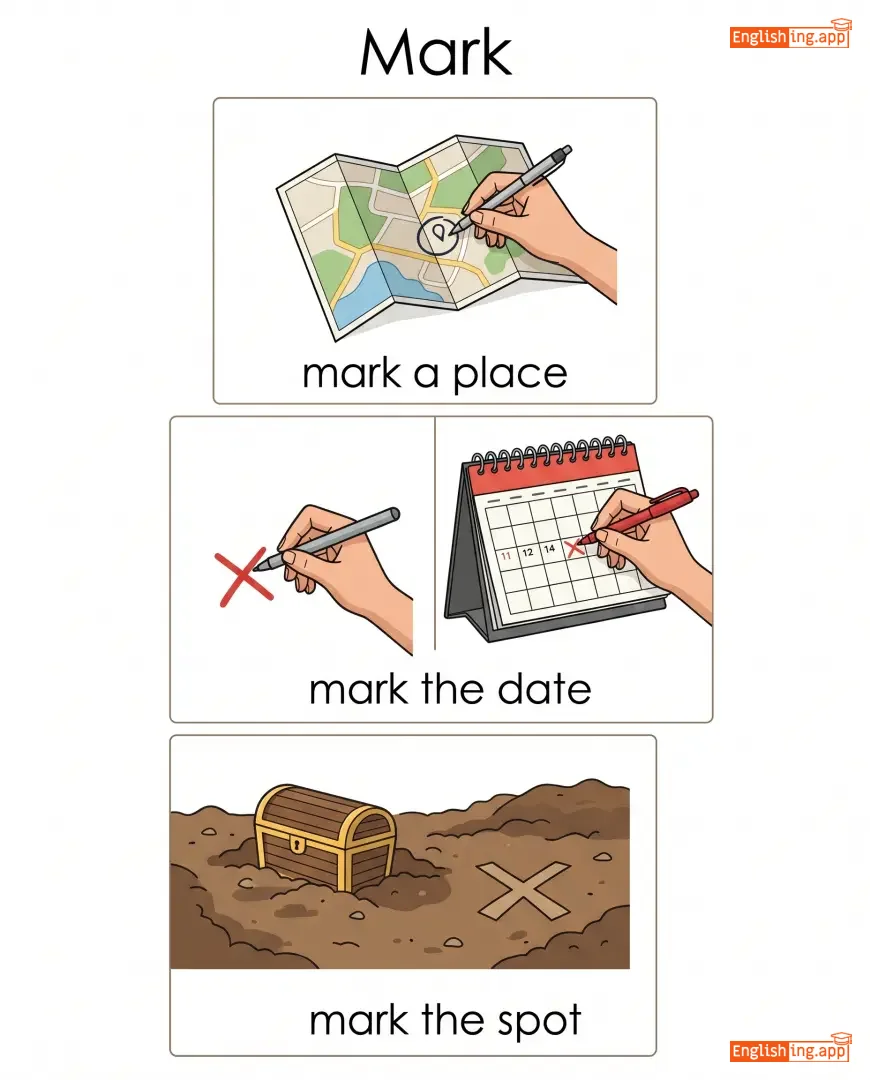
mark a place, mark the date, mark the spot, examination mark
••••••
|
Markで印をつける
••••••
|
|
#0
➗
|
/mæθ/
noun
(マス)
••••••
|
- •••••• |
数学
sugaku
••••••
|
- •••••• | - •••••• | - •••••• | - •••••• |
The study of numbers, quantities, and shapes, also called mathematics.
••••••
|
She is very good at math. |
彼女は数学が得意です。
Kanojo wa sugaku ga tokui desu.
••••••
|
do the math |
Figure something out logically or by calculation.
••••••
|
計算する
Keisan suru
••••••
|
mathematics, arithmetic, calculus, algebra
••••••
|
nonsense, guesswork
••••••
|
math problem, math test, math skills, math homework
••••••
|
Mathは数学を意味します – 数学が得意な人はテストで良い点を取る。
••••••
|
|
#0
⛏️
|
/maɪn/
noun, pronoun, verb
(main)
••••••
|
- •••••• |
鉱山 / 私の
kōzan / watashi no
••••••
|
mined
maindo
••••••
|
mined
maindo
••••••
|
mines
mainzu
••••••
|
mining
mainingu
••••••
|
a place where minerals are dug from the ground; or something belonging to me
••••••
|
The workers went deep into the mine to extract coal.
労働者たちは炭鉱に深く入って炭を採掘しました。
••••••
|
労働者たちは炭鉱に深く入って炭を採掘しました。
Rōdō-sha-tachi wa tankō ni fukaku haitte sumi o saikutsu shimashita.
••••••
|
gold mine
金鉱
••••••
|
a source of abundant wealth or information
••••••
|
金鉱
kinkō
••••••
|
pit, quarry, excavation, my own
••••••
|
surface, yours
••••••
|
coal mine, gold mine, mine shaft, mine worker
••••••
|
Mineは私の意味で、また鉱山もmineです — これは私の鉱山です!
••••••
|
|
#0
🏃♀️
|
/peɪs/
noun
(ペース)
••••••
|
- •••••• |
ペース
pēsu
••••••
|
- •••••• | - •••••• | - •••••• | - •••••• |
the speed at which something happens or is done
••••••
|
She walked at a slow pace.
彼女はゆっくりとペースで歩いていました。
••••••
|
彼女はゆっくりとペースで歩いていました。
Kanojo wa yukkuri to pēsu de aruite imashita.
••••••
|
- •••••• | - •••••• | - •••••• |
speed, rate, tempo, velocity
••••••
|
slowness, delay, retardation
••••••
|
fast pace, slow pace, quick pace, steady pace
••••••
|
Paceとは、ペースでゆっくり歩くことです。
••••••
|
|
#0
👟👟
|
/per/
noun
(ペア)
••••••
|
- •••••• |
ペア
pea
••••••
|
- •••••• | - •••••• | - •••••• | - •••••• |
two things of the same kind that are used together
••••••
|
She wore a matching pair of shoes.
彼女はマッチングのペアの靴を履いていました。
••••••
|
彼女はマッチングのペアの靴を履いていました。
Kanojo wa matchingu no pea no kutsu o haite imashita.
••••••
|
- •••••• | - •••••• | - •••••• |
duo, couple, set, twosome
••••••
|
single, individual
••••••
|
pair of shoes, perfect pair, matching pair
••••••
|
Pair - ペア、覚えておいて、一対の物は常に一緒に使われます、例えばペアの靴のように。
••••••
|
|
#0
🧑🤝🧑
|
/pɪə(r)/
noun, verb
(ピア)
••••••
|
- •••••• |
同等の人
doutou no hito
••••••
|
peered
ピアード
••••••
|
peered
ピアード
••••••
|
peers
ピアーズ
••••••
|
peering
ピアリング
••••••
|
noun: a person of the same rank or status; verb: to look closely or with difficulty
••••••
|
He tried to peer through the fog to see his peers on the other side.
彼は霧を通して自分の仲間を見ようとしました。
••••••
|
彼は霧を通して自分の仲間を見ようとしました。
Kare wa kiri o tooshite jibun no nakama o miyou to shimashita.
••••••
|
peer pressure
ピアプレッシャー
••••••
|
the influence exerted by a group on an individual to conform
••••••
|
仲間の圧力
nakama no atsuryoku
••••••
|
equal, fellow, companion, look, gaze
••••••
|
superior, inferior
••••••
|
peer group, peer pressure, peer review, peer at
••••••
|
Peerは仲間、Peer Pressureは仲間の圧力
••••••
|
|
#0
🗃️
|
/paɪl/
noun
(パイル)
••••••
|
- •••••• |
山積み
yamazumi
••••••
|
- •••••• | - •••••• | - •••••• | - •••••• |
a large amount of something stacked or placed in a heap
••••••
|
He placed the books in a pile on the table. |
彼はテーブルの上に本を山積みにしました。
Kare wa tēburu no ue ni hon o yamazumi ni shimashita.
••••••
|
- •••••• | - •••••• | - •••••• |
stack, heap, mound, collection
••••••
|
single, individual
••••••
|
pile up, a pile of books, pile of clothes
••••••
|
テーブルの上の山積み本
••••••
|
|
#0
🗺️
|
/plɑːt/
verb
(プロット)
••••••
|
|
陰謀を企てる
inbō o kudateru
••••••
|
plotted
プロッテッド
••••••
|
plotted
プロッテッド
••••••
|
plots
プロッツ
••••••
|
plotting
プロッティング
••••••
|
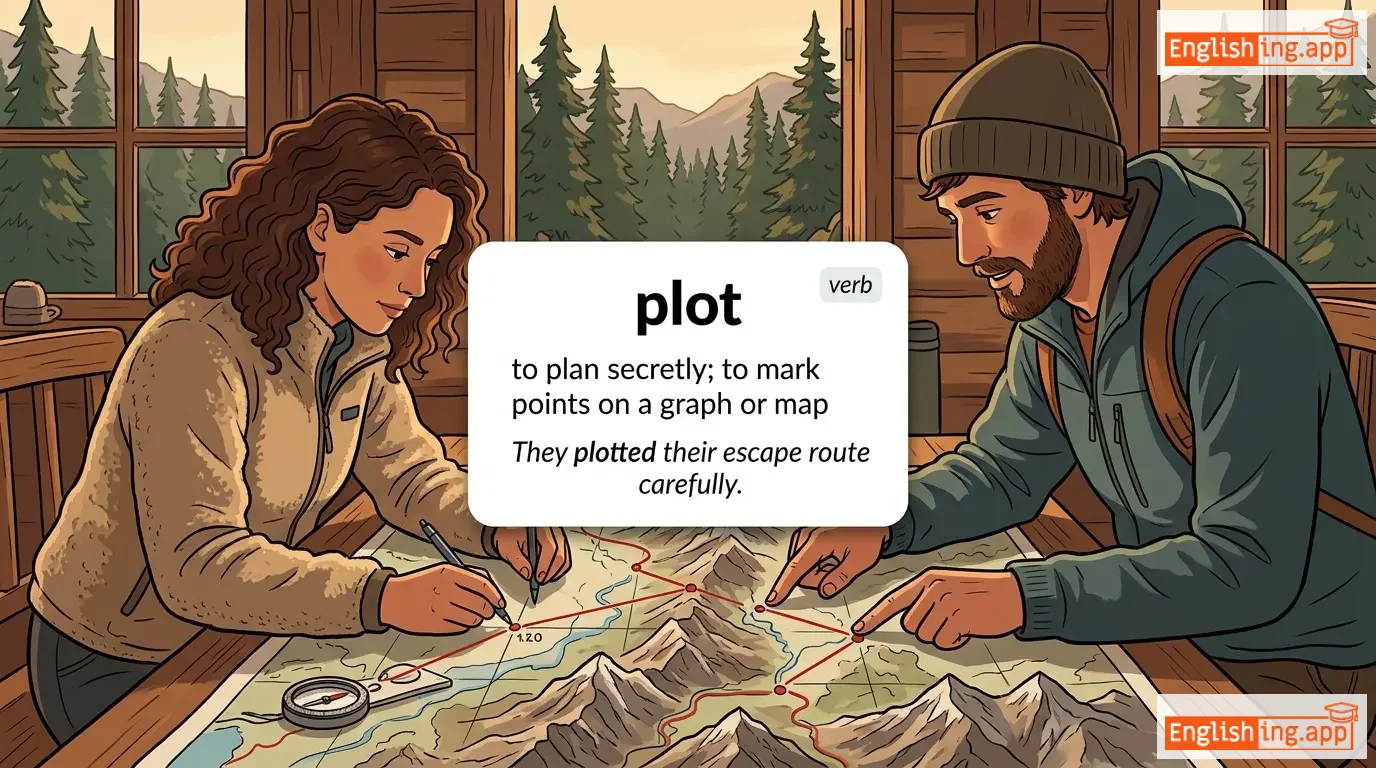
to plan secretly; to mark points on a graph or map
••••••
|
They plotted their escape route carefully.
彼らは慎重に脱出ルートを計画した。
••••••
|
彼らは慎重に脱出ルートを計画した。
Karera wa shinchou ni dasshutsu rūto o keikaku shita.
••••••
|
- •••••• | - •••••• | - •••••• |
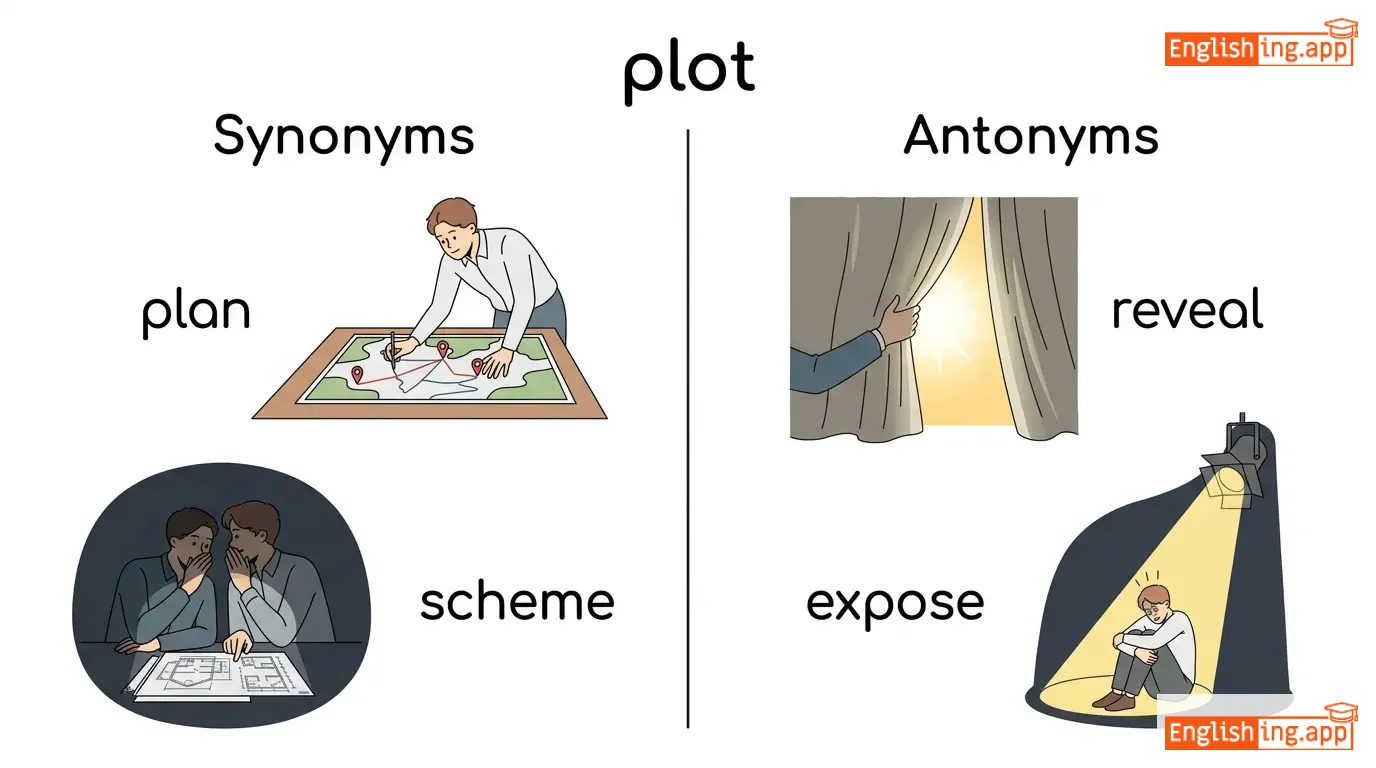
plan, scheme, chart, map
••••••
|
reveal, expose, disclose, abandon
••••••
|
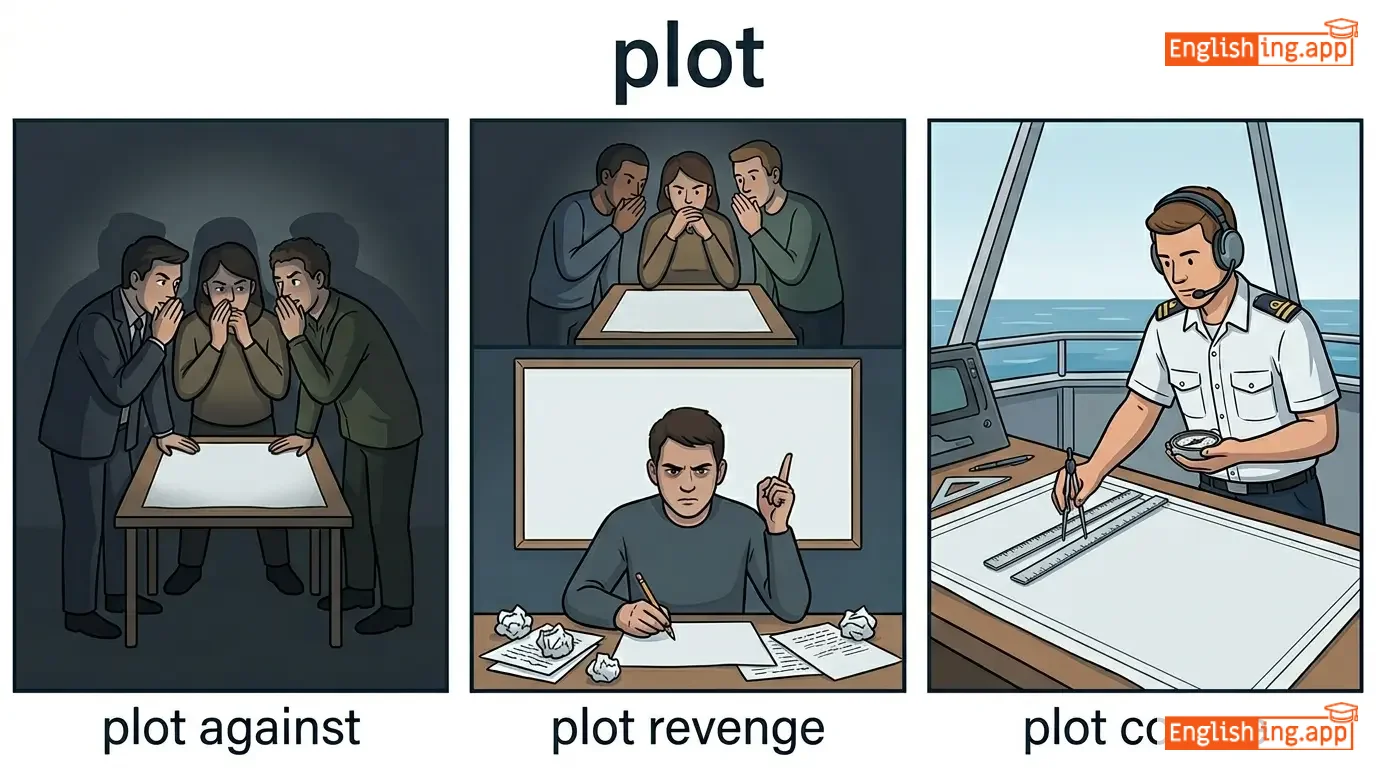
plot against, plot revenge, plot course, plot graph, plot twist, secret plot
••••••
|
陰謀を企てる前に、計画を確認してください。
••••••
|
|
#0
🔌
|
/plʌɡ/
noun
(プラグ)
••••••
|
- •••••• |
プラグ
puragu
••••••
|
- •••••• | - •••••• | - •••••• | - •••••• |
a device used to connect or block an opening
••••••
|
She inserted the plug into the socket. |
彼女はソケットにプラグを差し込みました。
Kanojo wa soketto ni puragu o sashikomimashita.
••••••
|
- •••••• | - •••••• | - •••••• |
stopper, cap, connector, switch
••••••
|
hole, gap, opening
••••••
|
plug into, power plug, plug the hole
••••••
|
プラグで力を接続!
••••••
|
|
#0
➕
|
/plʌs/
preposition/conjunction/noun/adjective
(プラス)
••••••
|
- •••••• |
プラス/利点
purasu/riten
••••••
|
- •••••• | - •••••• | - •••••• | - •••••• |
in addition to; a positive aspect or advantage
••••••
|
She received an A plus on her exam. |
彼女は試験でAプラスを取った。
Kanojo wa shiken de A purasu o totta.
••••••
|
- •••••• | - •••••• | - •••••• |
and, in addition, advantage, benefit
••••••
|
minus, disadvantage
••••••
|
plus sign, plus point, plus factor, plus side
••••••
|
PLUS 記号は何かを追加することを示唆しています - think of addition
••••••
|
|
#0
🏊
|
/puːl/
noun/verb
(プール)
••••••
|
- •••••• |
プール
puuru
••••••
|
pooled
プールド
••••••
|
pooled
プールド
••••••
|
pools
プールス
••••••
|
pooling
プーリング
••••••
|
a small body of still water, or a game played in a rectangular table with balls
••••••
|
The children swam in the pool all afternoon.
子供たちは午後ずっとプールで泳いでいました。
••••••
|
子供たちは午後ずっとプールで泳いでいました。
Kodomotachi wa gogo zutto pūru de oyoideimashita.
••••••
|
- •••••• | - •••••• | - •••••• |
pond, reservoir, swimming pool, game
••••••
|
dry, empty
••••••
|
swimming pool, pool party, pool table, pool of water
••••••
|
プールは泳ぐための最適な場所です!
••••••
|
|
#0
🥺
|
/pʊr/ or /pɔːr/
adjective
(プア)
••••••
|
- •••••• |
貧しい
mazushii
••••••
|
- •••••• | - •••••• | - •••••• | - •••••• |
Lacking sufficient money, resources, or quality.
••••••
|
The poor family struggled to buy food. |
貧しい家族は食料を買うのに苦しんでいました。
mazushii kazoku wa shokuryō o kau noni kurushinde imashita.
••••••
|
poor health |
a state of not being healthy
••••••
|
悪い健康
warui kenkō
••••••
|
needy, impoverished, destitute, weak, inferior
••••••
|
rich, wealthy, strong
••••••
|
poor condition, poor performance, poor quality, poor family
••••••
|
貧しいというのは、ほとんど何も持っていないことです。
••••••
|
|
#0
⚓
|
/pɔːrt/
noun
••••••
|
|
- •••••• | - •••••• | - •••••• | - •••••• | - •••••• |
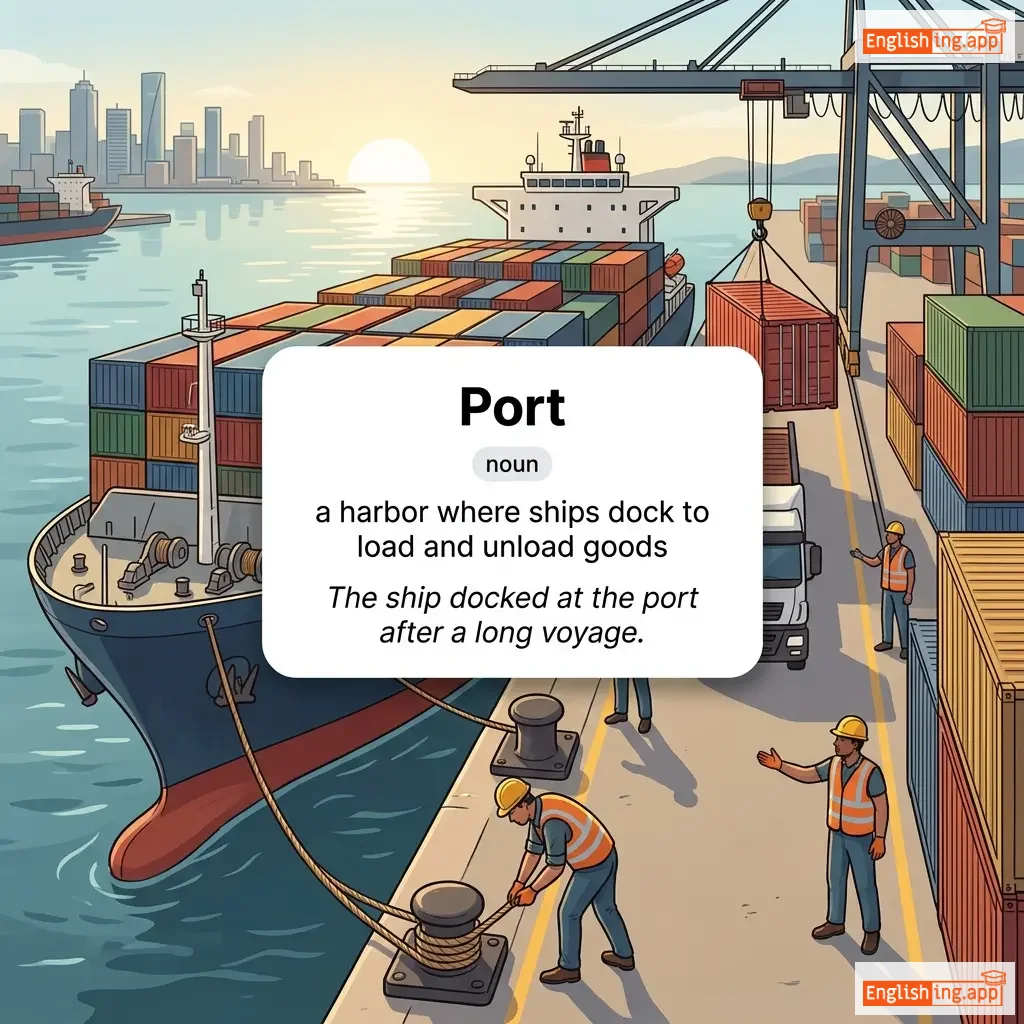
a harbor where ships dock to load and unload goods
••••••
|
The ship docked at the port after a long voyage. |
- •••••• | - •••••• | - •••••• | - •••••• |
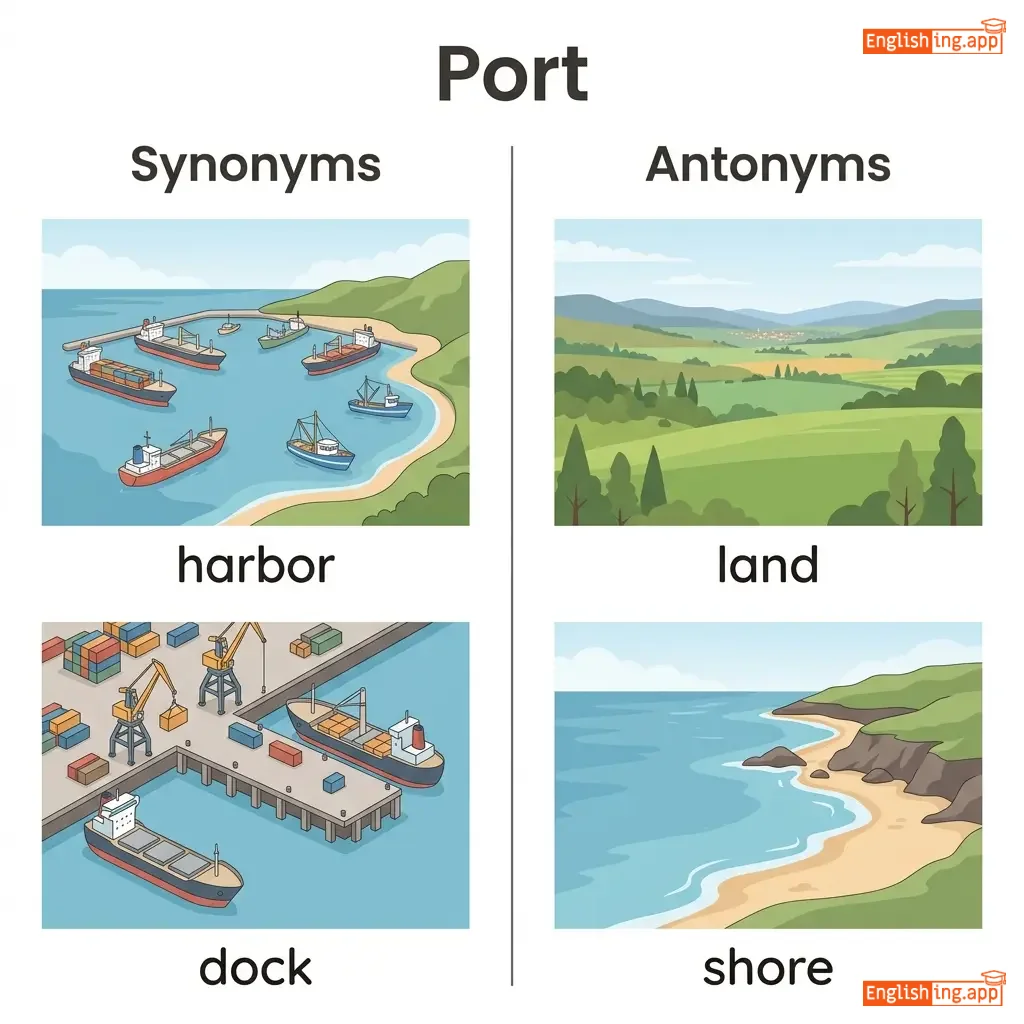
harbor, dock, quay, marina
••••••
|
land, shore
••••••
|
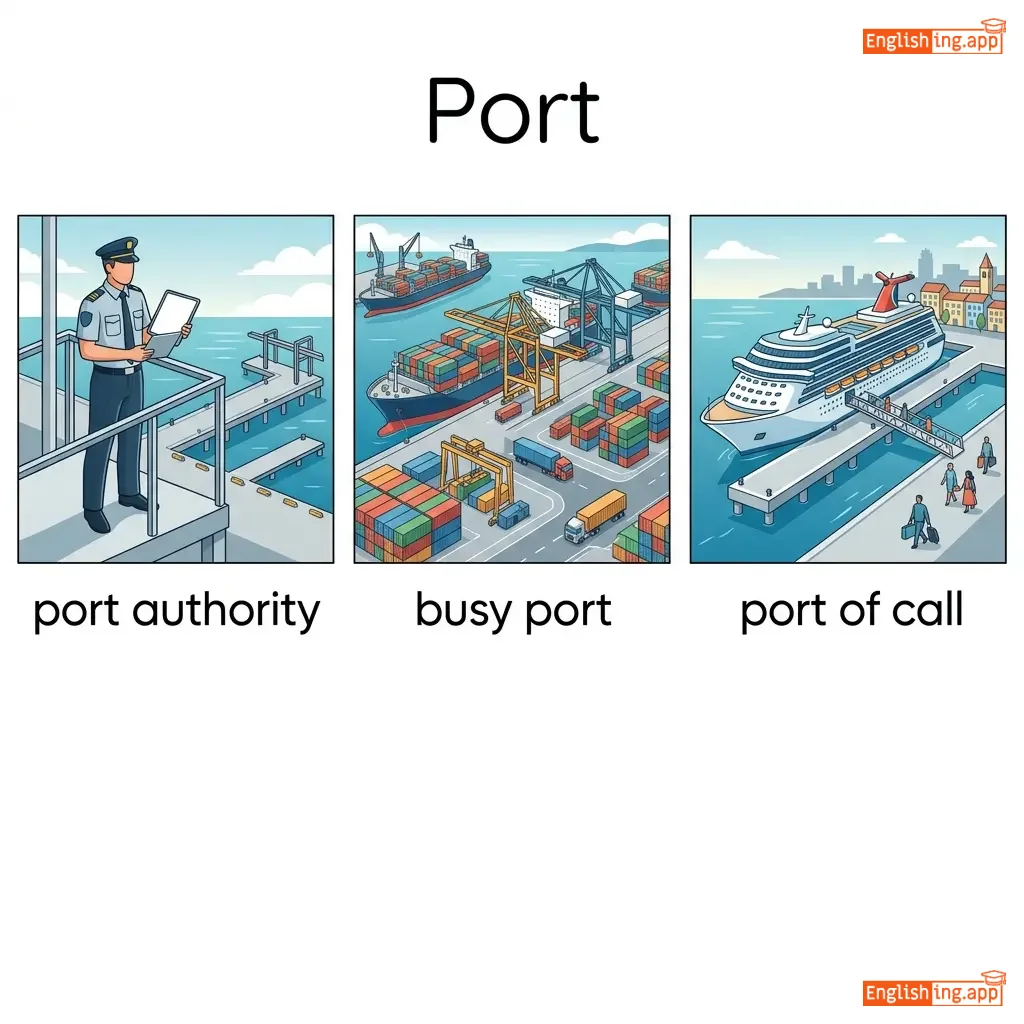
port authority, busy port, port of call, shipping port
••••••
|
No •••••• |
|
#0
📮
|
/pəʊst/
noun, verb
(ポスト)
••••••
|
- •••••• |
ポスト
posuto
••••••
|
posted
ポステッド
••••••
|
posted
ポステッド
••••••
|
posts
ポストス
••••••
|
posting
ポスティング
••••••
|
a job or position, or to send something by mail
••••••
|
She posted a letter to her friend yesterday.
彼女は昨日友達に手紙をポストした。
••••••
|
彼女は昨日友達に手紙をポストした。
Kanojo wa kinō tomodachi ni tegami o posuto shita.
••••••
|
post a letter
手紙をポストする
••••••
|
to send a letter via the postal service
••••••
|
手紙を送る
tegami o okuru
••••••
|
mail, dispatch, send, job
••••••
|
receive, accept
••••••
|
post a letter, job post, post online, post a message
••••••
|
Postは何かを送ることや行うことを意味します、手紙をポストするように!
••••••
|
|
#0
🎖️
|
/ræŋk/
noun, verb, adjective
(ランク)
••••••
|
- •••••• |
ランク
ranku
••••••
|
ranked
ランクド
••••••
|
ranked
ランクド
••••••
|
ranks
ランクス
••••••
|
ranking
ランキング
••••••
|
A position in a hierarchy; to place in order according to importance or quality.
••••••
|
She quickly rose to a senior rank in the company.
彼女は会社で素早く上級ランクに昇進しました。
••••••
|
彼女は会社で素早く上級ランクに昇進しました。
Kanojo wa kaisha de subayaku joukyuu ranku ni shoushin shimashita.
••••••
|
rank and file
ランクと一般社員
••••••
|
The ordinary members of an organization as opposed to its leaders.
••••••
|
一般社員
Ippan shain
••••••
|
position, status, level, grade, standing
••••••
|
insignificance, unimportance
••••••
|
military rank, rank order, high rank, rank and file
••••••
|
ランクは職位の意味、軍隊の中でランクがとても重要です。
••••••
|
|
#0
🦄
|
/reər/
adjective
(レア)
••••••
|
- •••••• |
希少
kishou
••••••
|
- •••••• | - •••••• | - •••••• | - •••••• |
Unusual or uncommon; not occurring often.
••••••
|
This species of bird is extremely rare. |
この鳥の種は非常に希少です。
Kono tori no shu wa hijou ni kishou desu.
••••••
|
rare opportunity |
a chance that does not happen often
••••••
|
希少な機会
kishou na kikai
••••••
|
unusual, uncommon, exceptional, unique, extraordinary
••••••
|
common, ordinary, usual
••••••
|
rare species, rare disease, rare occasion, rare gem
••••••
|
希少とは希少、希少な宝石のように珍しいものです。
••••••
|
|
#0
💰
|
/reɪt/
noun
(レート)
••••••
|
- •••••• |
レート
rēto
••••••
|
- •••••• | - •••••• | - •••••• | - •••••• |
the cost or price of something, or the amount at which something happens
••••••
|
The rate of inflation is increasing every year. |
インフレ率は毎年増加しています。
Infure ritsu wa mainen zōka shiteimasu.
••••••
|
- •••••• | - •••••• | - •••••• |
price, cost, charge, value
••••••
|
discount, decrease
••••••
|
interest rate, hourly rate, exchange rate, rate of return
••••••
|
Rate - '価格レート'を購入時に考えてください
••••••
|
|
#0
🏠
|
/rɛnt/
noun, verb
(レント)
••••••
|
- •••••• |
家賃
yachin
••••••
|
rented
レンタルされた
••••••
|
rented
レンタルされた
••••••
|
rents
レント
••••••
|
renting
レンタル中
••••••
|
payment made regularly by a tenant to a landlord for the use of property or land; also to pay for the use of something
••••••
|
They decided to rent an apartment in the city center.
彼らは市内中心部でアパートを借りることに決めました。
••••••
|
彼らは市内中心部でアパートを借りることに決めました。
Karera wa shinai chuushinbu de apāto wo kariru koto ni kimemashita.
••••••
|
for rent
賃貸中
••••••
|
available to be rented
••••••
|
賃貸中
chintai chuu
••••••
|
lease, hire, let, sublet
••••••
|
own, buy, purchase
••••••
|
pay rent, rent a house, rent agreement, monthly rent
••••••
|
Rentは家賃、家主が‘家賃 (rent) をください’と言っている場面を想像してください。
••••••
|
|
#0
💰
|
/rɪtʃ/
adjective
(リッチ)
••••••
|
- •••••• |
裕福な; お金持ちの; 貴重な
yūfukuna; okanemochi no; kichōna
••••••
|
- •••••• | - •••••• | - •••••• | - •••••• |
having a lot of money or valuable possessions; abundant in nutrients or flavor
••••••
|
The rich businessman donated money to the charity. |
裕福な実業家がチャリティーに寄付をしました。
yūfukuna jitsugyōka ga charitī ni kifu o shimashita.
••••••
|
- •••••• | - •••••• | - •••••• |
wealthy, affluent, prosperous, well-off
••••••
|
poor, impoverished, needy, broke
••••••
|
rich person, rich flavor, rich history, rich culture
••••••
|
裕福な人々は他人を助けるためにお金を寄付します。
••••••
|
Vocabulary Quiz
Test your vocabulary by matching words with their translations or meanings.
Login to take the quiz
Comments (0)
Share your thoughts and join the discussion.
Join the discussion by logging in
Login to CommentNo comments yet
Be the first to share your thoughts!