

現代の農夫
The Modern Farmer
カムルは伝統的な farmer で、自分の field で cultivated crops を育てていました。彼の家族は何世代にもわたって farming をしてきました。しかし近年、yield は減少し、soil の質が悪化していました。
Agriculture 部門の専門家が彼らの rural 地域にやって来ました。彼は farmers に現代的な agricultural 技術を教えるために来たのです。カムルは懐疑的でした。彼の父も祖父もずっと同じ方法で farming をしてきたのです。なぜ新しい方法を試す必要があるのか?
専門家は、soil のテスト方法、どの fertilizer を使うべきか、そして適切な irrigation システムの重要性を説明しました。彼は organic farming の利点や、crops の多様化について話しました。
カムルは実験を決意しました。彼は field の一部に新しい seeds を planted し、現代的な irrigation 技術を使用し、organic fertilizers を施しました。残りの部分は従来の方法を続けました。
数か月後、その違いは明確になりました。現代的な技術を使用した場所では、yield が大幅に向上しました。Crops は健康で、soil の質も改善されました。Pests の問題も減少しました。
Harvest の季節になると、カムルはより多くの produce を得ました。彼の収入はほぼ倍増しました。この成功を見て、他の farmers も関心を持ちました。
カムルは farmers' 協同組合を設立しました。彼らは一緒に現代的な機械を購入し、知識を共有し、agricultural トレーニングに参加しました。彼らは、季節に応じた crops の選び方や soil の管理方法を学びました。
一部の farmers は livestock の飼育も始めました。この多様化により、彼らの収入はより安定しました。彼らは organic produce を生産し、都市での需要が高まりました。
Agricultural 職員は定期的に訪問し、支援を提供しました。彼はこう言いました:「現代の farming は伝統を忘れることではありません。それは、持続可能で soil を守り、より良い yield をもたらす新しい cultivation 方法を学ぶことです。」
今では彼らの rural 地域は模範的な存在となりました。他の地域から farmers が来て、現代的な agricultural 実践を見学します。カムル自身も他の peasants を指導しています。
彼の fields では、さまざまな crops cultivated が育てられています。Irrigation システムは効率的で、fertilizers は organic、seeds は高品質です。毎年の harvest の季節には、彼らは成功を祝います。
カムルは言います:「Agriculture は単なる職業ではなく、私たちの人生です。しかし、時代に合わせて変化しなければなりません。現代的な技術を使えば、より良い produce を作り、agricultural 収入を増やすことができます。私の fields では、今では伝統的な crops だけでなく、新しい品種も plant しています。私は soil を適切に管理し、正しい fertilizers を使います。これが持続可能な farming です。私の夢は、すべての farmer、すべての peasant が現代の agricultural 知識を得て、彼らの cultivation が利益を生み、harvest が豊かになり、rural 地域が繁栄することです。Livestock と crop 生産を組み合わせることはさらに良いことです。私たちの agricultural 分野の可能性は無限であり、必要なのは正しい知識と現代的な farming 技術です。」
カムルの変化は、伝統的な agriculture と現代の方法を組み合わせることで驚くべき結果が得られることを証明しています。彼の fields は今や produce を育てるだけでなく、地域全体の繁栄を cultivate しています。
翻訳
過去
過去分詞
三人称単数
動名詞
意味
例文
例文の翻訳
同義語
対義語
コロケーション
ニーモニック
Swipe left or right, or use the buttons. Tap image to zoom.
例文の翻訳
単語
The Modern FarmerThe Modern Farmer - マスクトグル
|
絵文字
|
単語 | Images | 翻訳 | 過去 | 過去分詞 | 三人称単数 | 動名詞 | 意味 | 例文 | 例文の翻訳 | 表現例 | 表現例の意味 | 表現例の翻訳 | 同義語 | 対義語 | コロケーション | ニーモニック |
|---|---|---|---|---|---|---|---|---|---|---|---|---|---|---|---|---|---|
|
#0
🌾
|
/ˌæɡ.rɪˈkʌl.tʃər.əl/
adjective
(アグリカルチャル)
••••••
|
|
農業の
nougyou no
••••••
|
- •••••• | - •••••• | - •••••• | - •••••• |
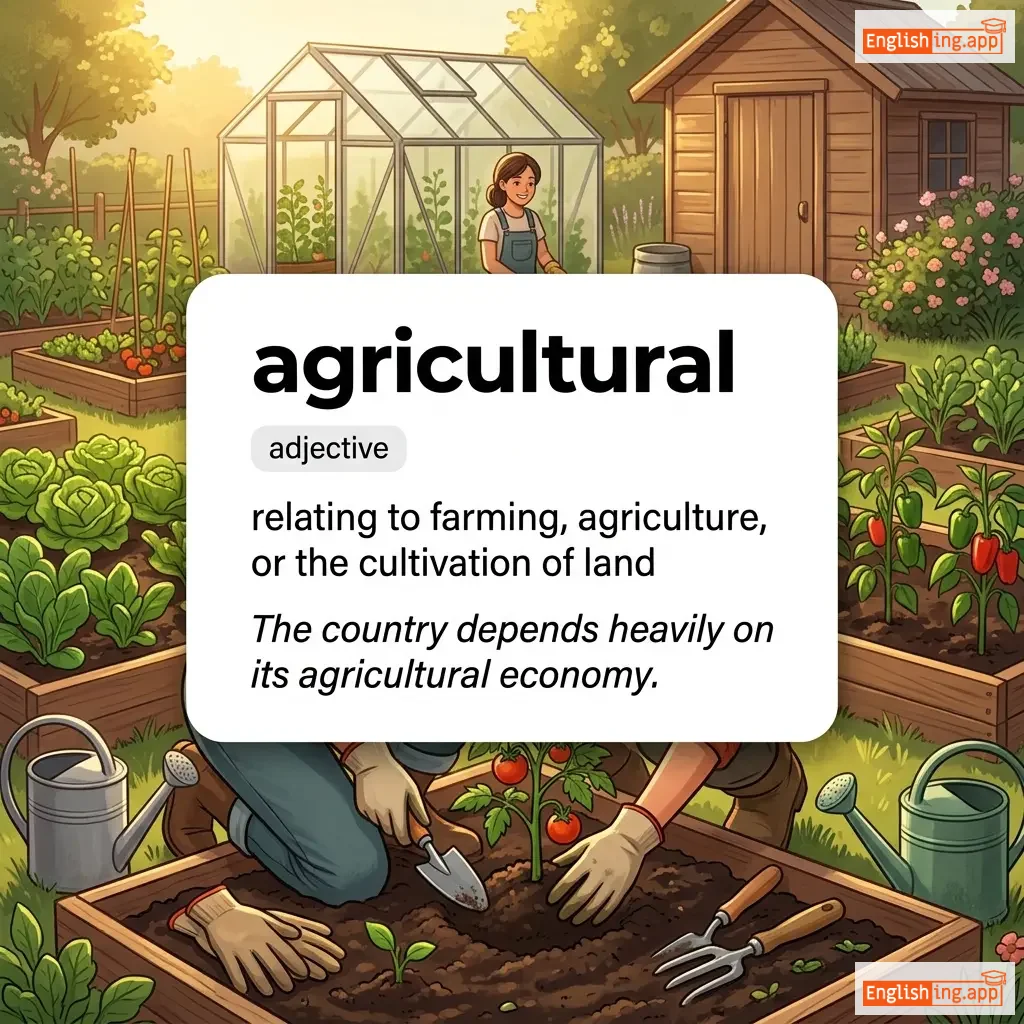
relating to farming, agriculture, or the cultivation of land
••••••
|
The country depends heavily on its agricultural economy. |
その国は農業経済に大きく依存しています。
Sono kuni wa nougyou keizai ni ookiku izon shiteimasu.
••••••
|
agricultural sector |
the part of the economy related to farming and food production
••••••
|
農業部門
nougyou bumon
••••••
|
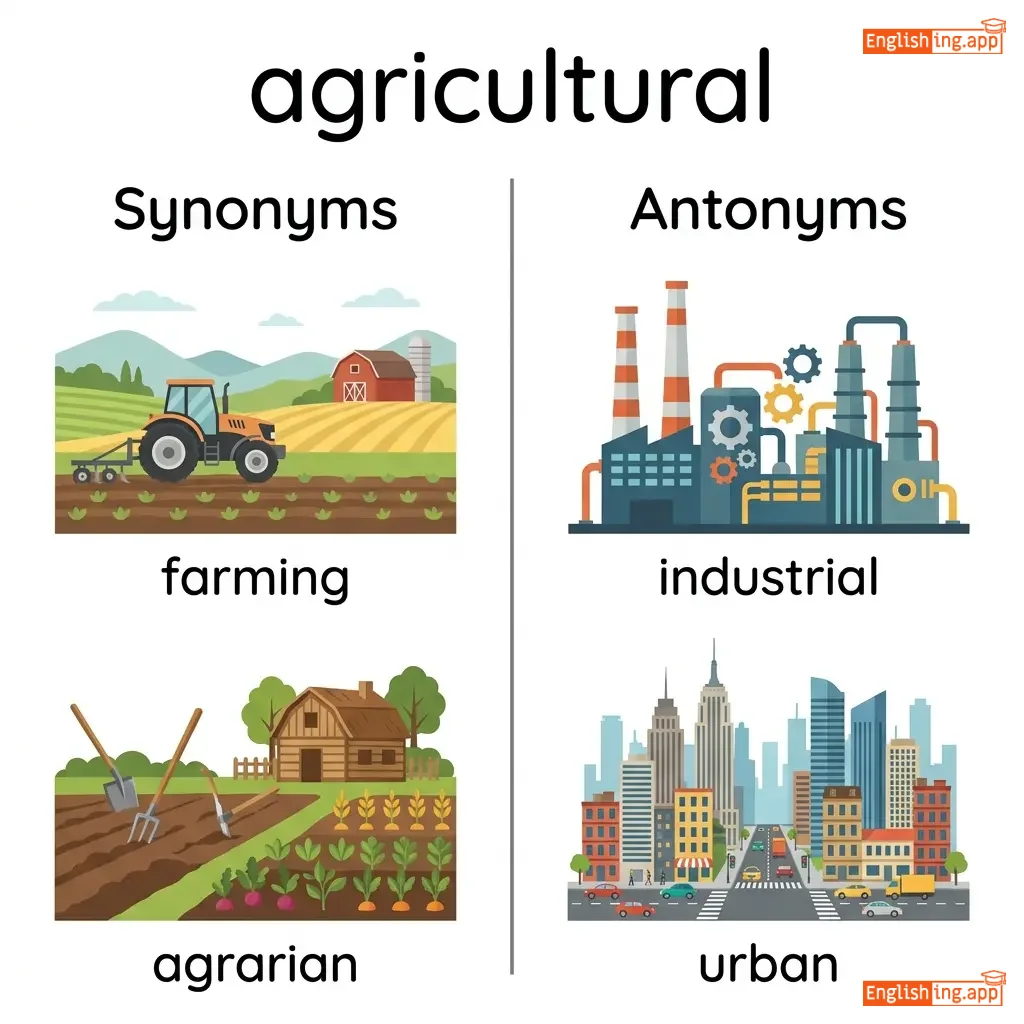
farming, agrarian, cultivation-related, rural, horticultural
••••••
|
industrial, urban, nonagricultural
••••••
|
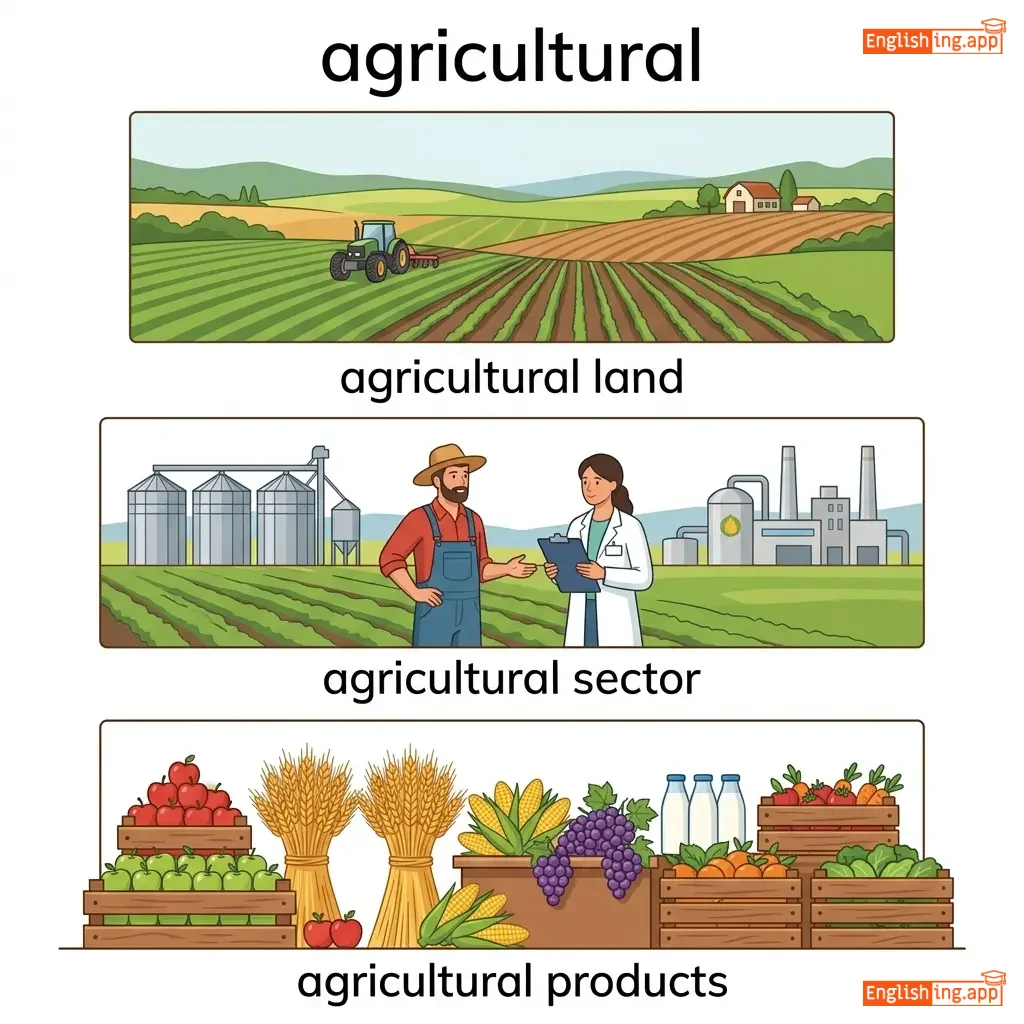
agricultural land, agricultural sector, agricultural products, agricultural development
••••••
|
Agricultural は '農業' (nougyou) から来ています。
••••••
|
|
#0
🌾
|
/ˈæɡrɪˌkʌltʃər/
noun
(アグリカルチャー)
••••••
|
|
農業
nougyou
••••••
|
- •••••• | - •••••• | - •••••• | - •••••• |
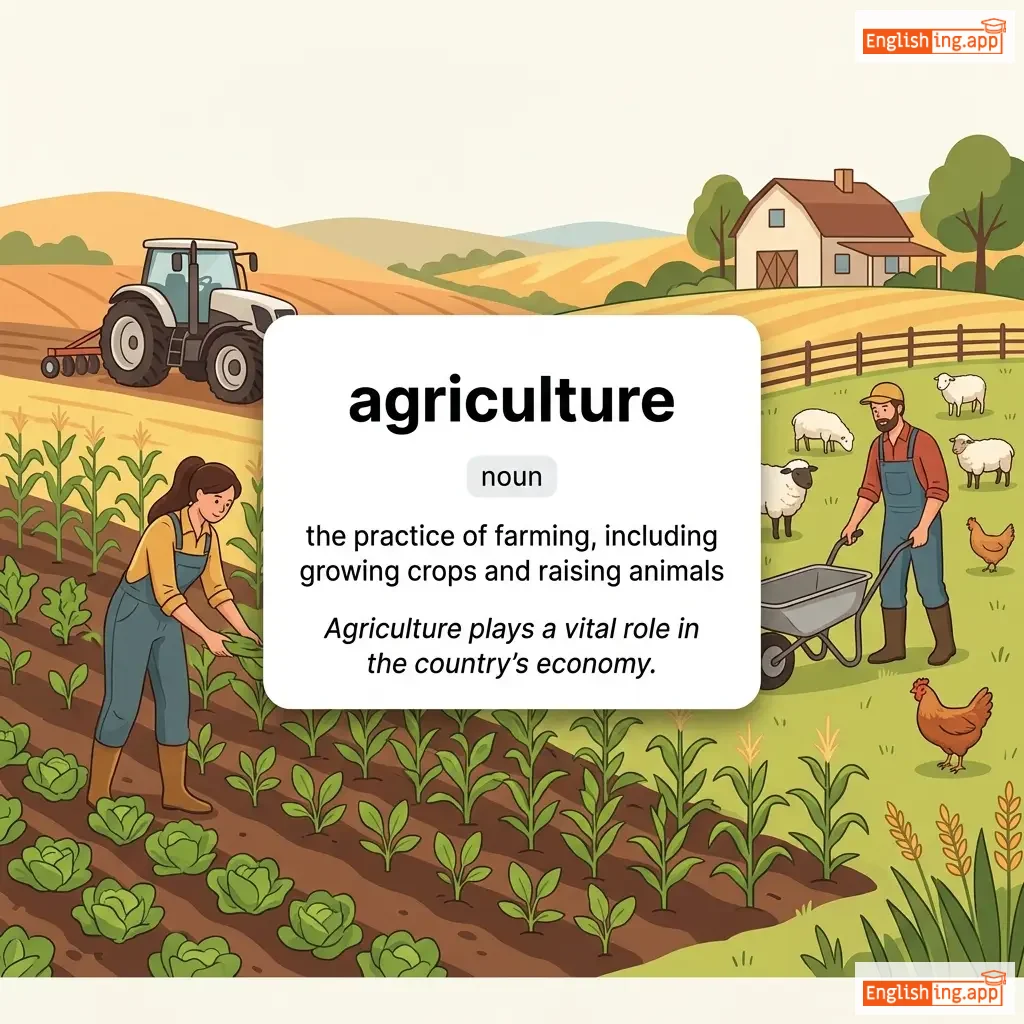
the practice of farming, including growing crops and raising animals
••••••
|
Agriculture plays a vital role in the country's economy. |
農業は国の経済において重要な役割を果たしています。
Nougyou wa kuni no keizai ni oite juuyou na yakuwari wo hatashiteimasu.
••••••
|
subsistence agriculture |
farming mainly to feed oneself and family rather than for sale
••••••
|
自給自足農業
jikyuu jisoku nougyou
••••••
|
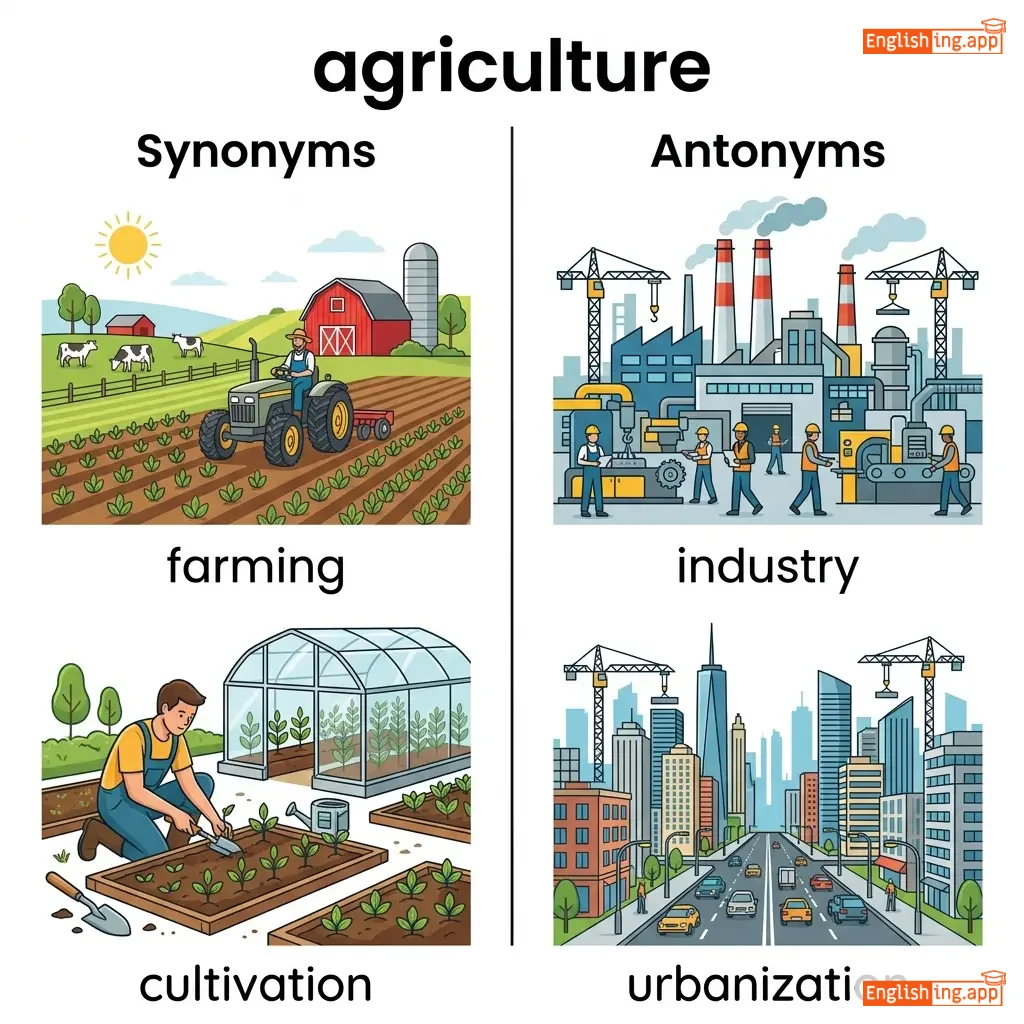
farming, cultivation, horticulture, agronomy, husbandry
••••••
|
industry, urbanization, manufacturing
••••••
|
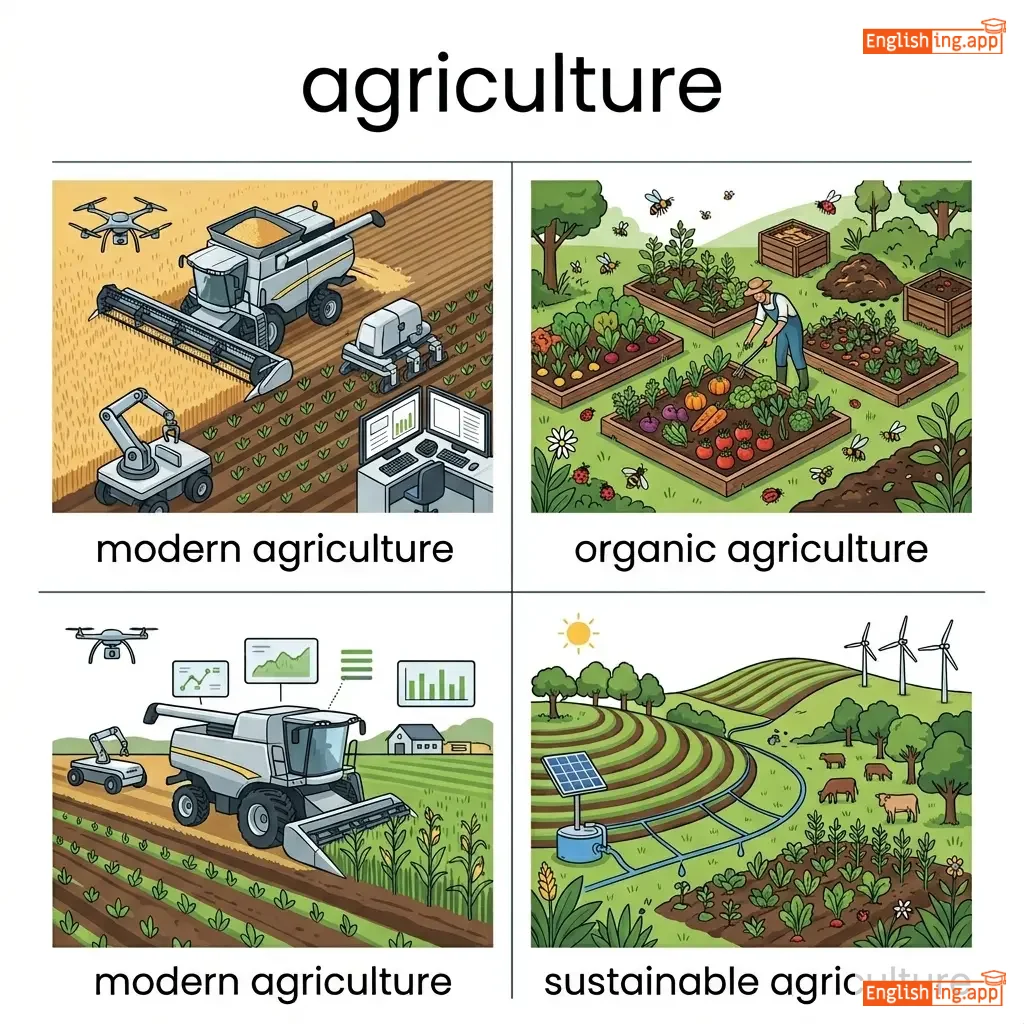
modern agriculture, organic agriculture, sustainable agriculture, agriculture sector
••••••
|
Agriculture = 土地 + 文化 — 農業が本当の文化です 🌿
••••••
|
|
#0
🌾
|
/krɒp/
noun
(クロップ)
••••••
|
- •••••• |
作物
sakumotsu
••••••
|
- •••••• | - •••••• | - •••••• | - •••••• |
plants that are grown and harvested for food or other use
••••••
|
The farmers harvested their rice crop in autumn. |
農家は秋に稲作の作物を収穫しました。
Nōka wa aki ni inasaku no sakumotsu o shūkaku shimashita.
••••••
|
bumper crop |
an unusually large harvest
••••••
|
豊作
hōsaku
••••••
|
harvest, yield, produce, grain
••••••
|
famine, scarcity
••••••
|
crop yield, crop production, crop failure, crop season
••••••
|
Cropは畑で作物を収穫すること。
••••••
|
|
#0
🌱
|
/ˈkʌltɪveɪt/
verb
(ハピネス)
••••••
|
|
幸せ
shiawase
••••••
|
cultivated
••••••
|
cultivated
••••••
|
cultivates
••••••
|
cultivating
••••••
|
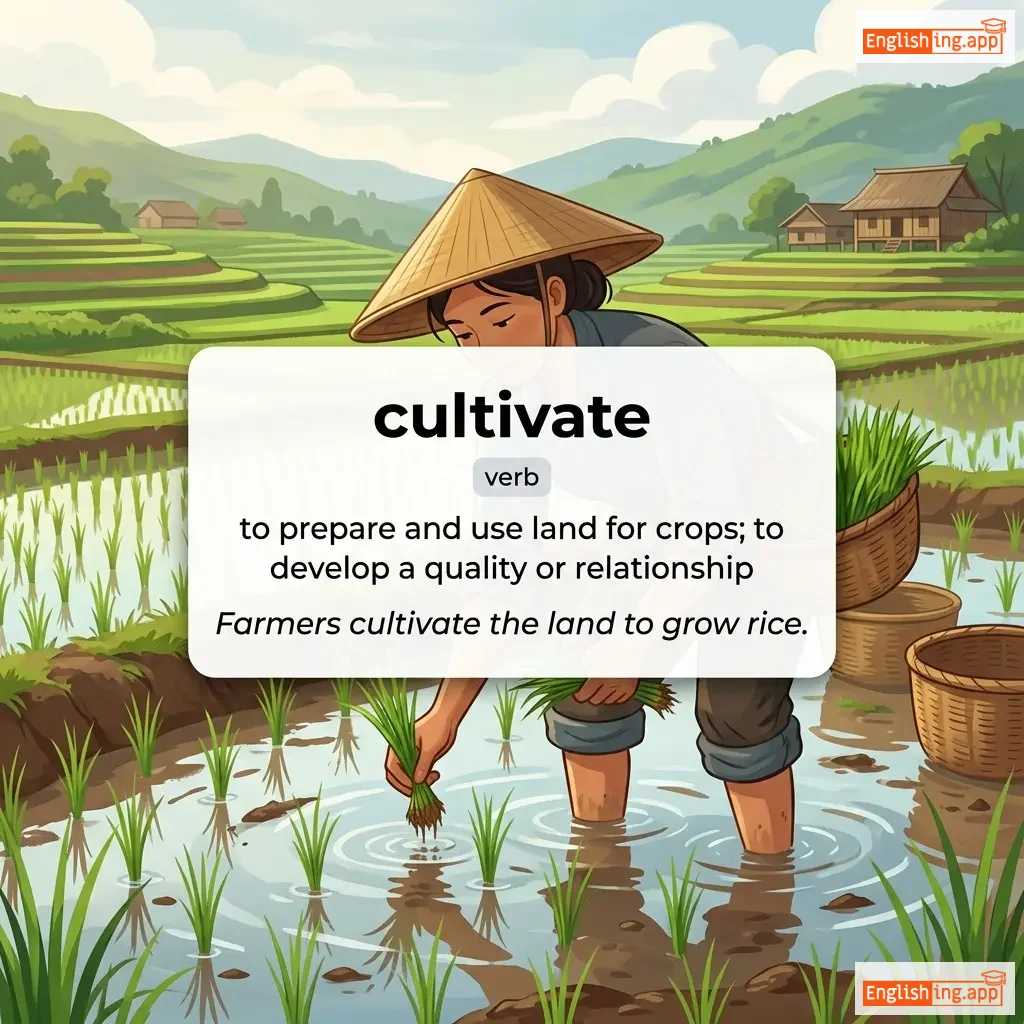
to prepare and use land for crops; to develop a quality or relationship
••••••
|
Farmers cultivate the land to grow rice.
彼女は賞を受け取ったとき、幸せを隠せなかった。
••••••
|
彼女は賞を受け取ったとき、幸せを隠せなかった。
Kanojo wa shō o uketotta toki, shiawase o kakusenakatta.
••••••
|
cultivate friendship
幸せを追い求める
••••••
|
to develop a good relationship with someone
••••••
|
幸せを追い求める
shiawase o oimotomeru
••••••
|
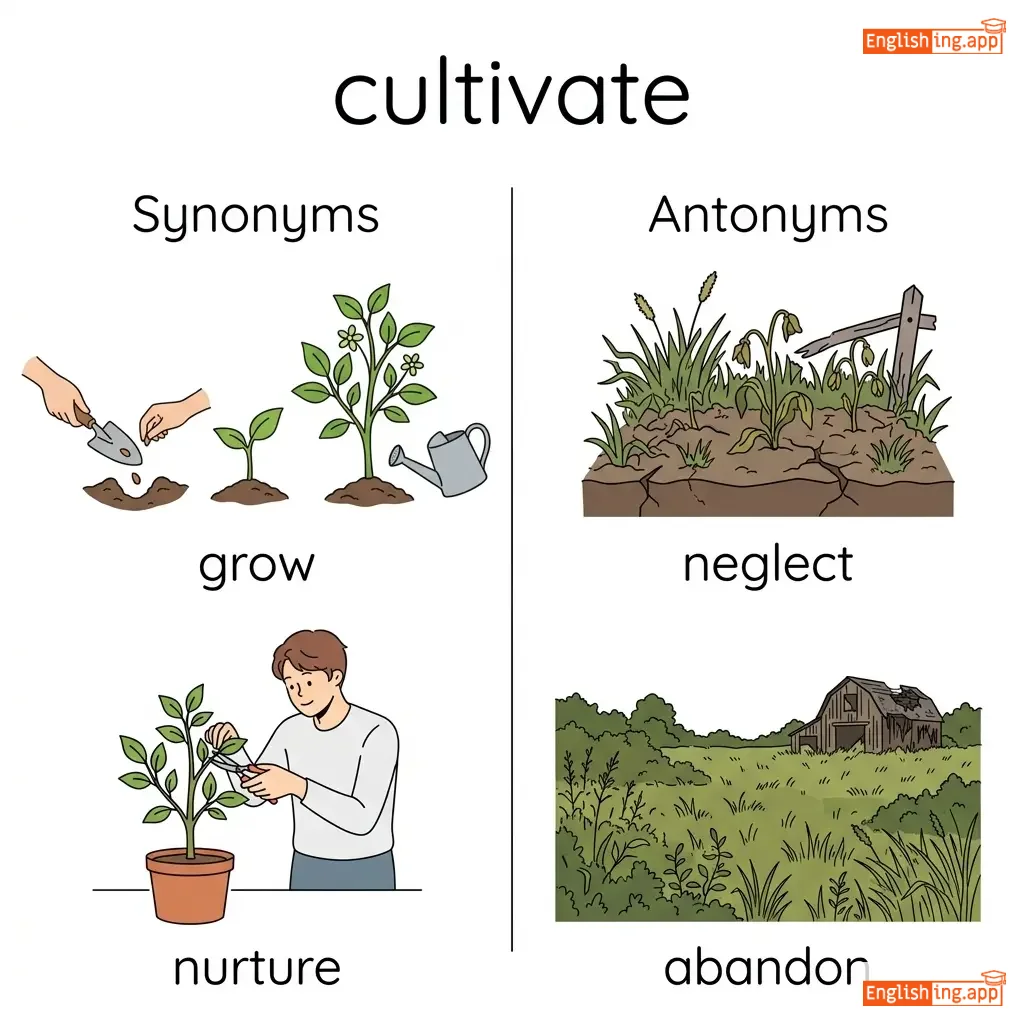
grow, nurture, develop, foster, promote
••••••
|
neglect, abandon
••••••
|
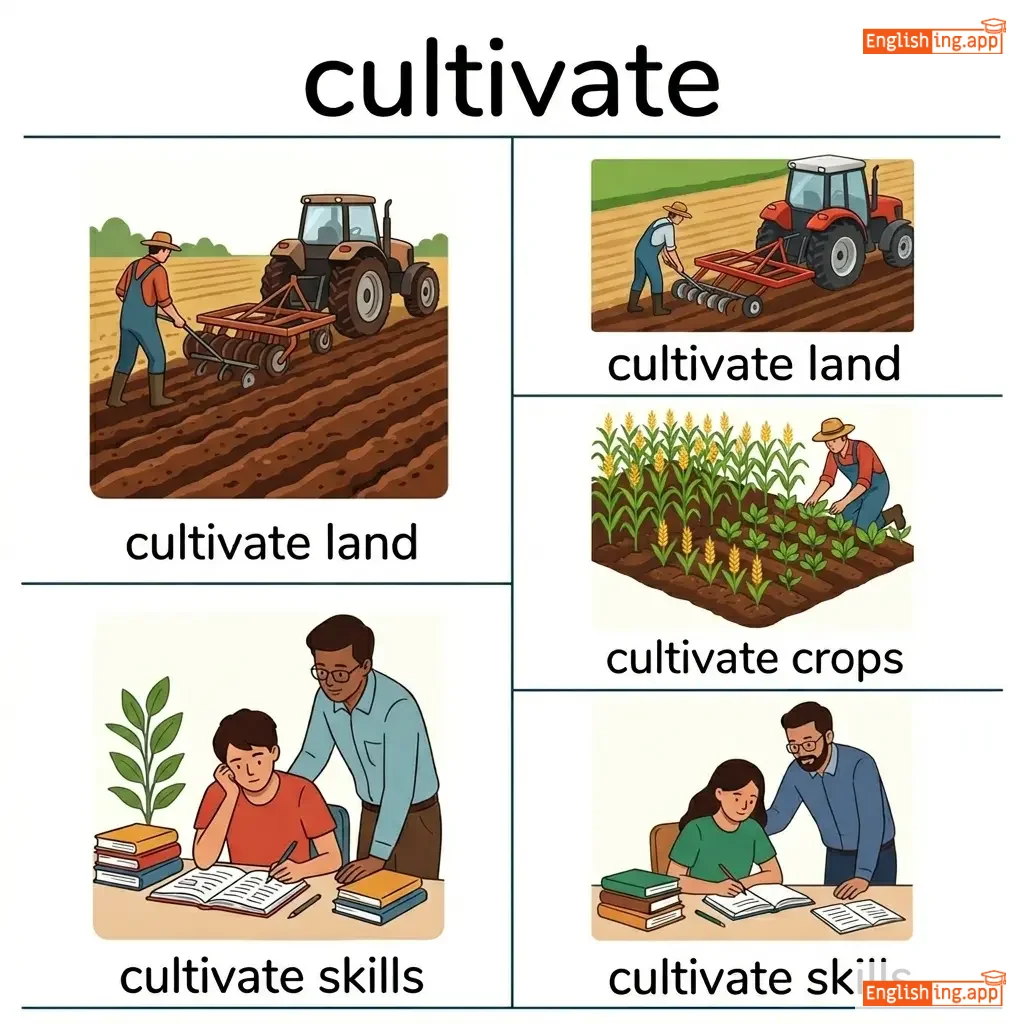
cultivate land, cultivate crops, cultivate skills, cultivate habits
••••••
|
幸せを求めるために、幸せを追い求める。
••••••
|
|
#0
🌾
|
ˌkʌl.tɪˈveɪ.ʃən
noun
(カルティベーション)
••••••
|
|
栽培
saibai
••••••
|
- •••••• | - •••••• | - •••••• | - •••••• |
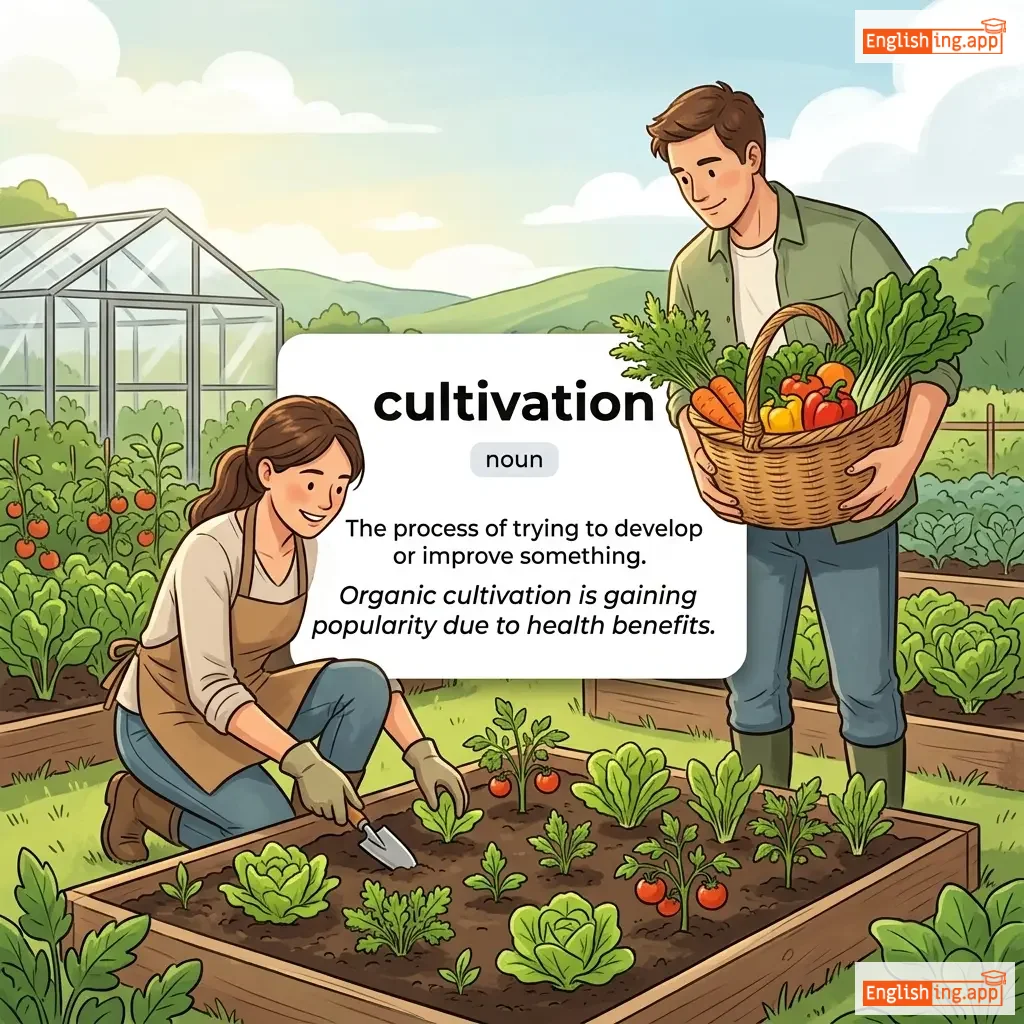
The practice of preparing and using land for crops or gardening; the action of improving or developing something.
••••••
|
The cultivation of organic crops has increased worldwide.
ジ カルティベーション オブ オーガニック クロップス ハズ インクリースド ワールドワイド。
••••••
|
有機作物の栽培は世界中で増加しています。
yuuki sakumotsu no saibai wa sekaijuu de zouka shiteimasu
••••••
|
- •••••• | - •••••• | - •••••• |
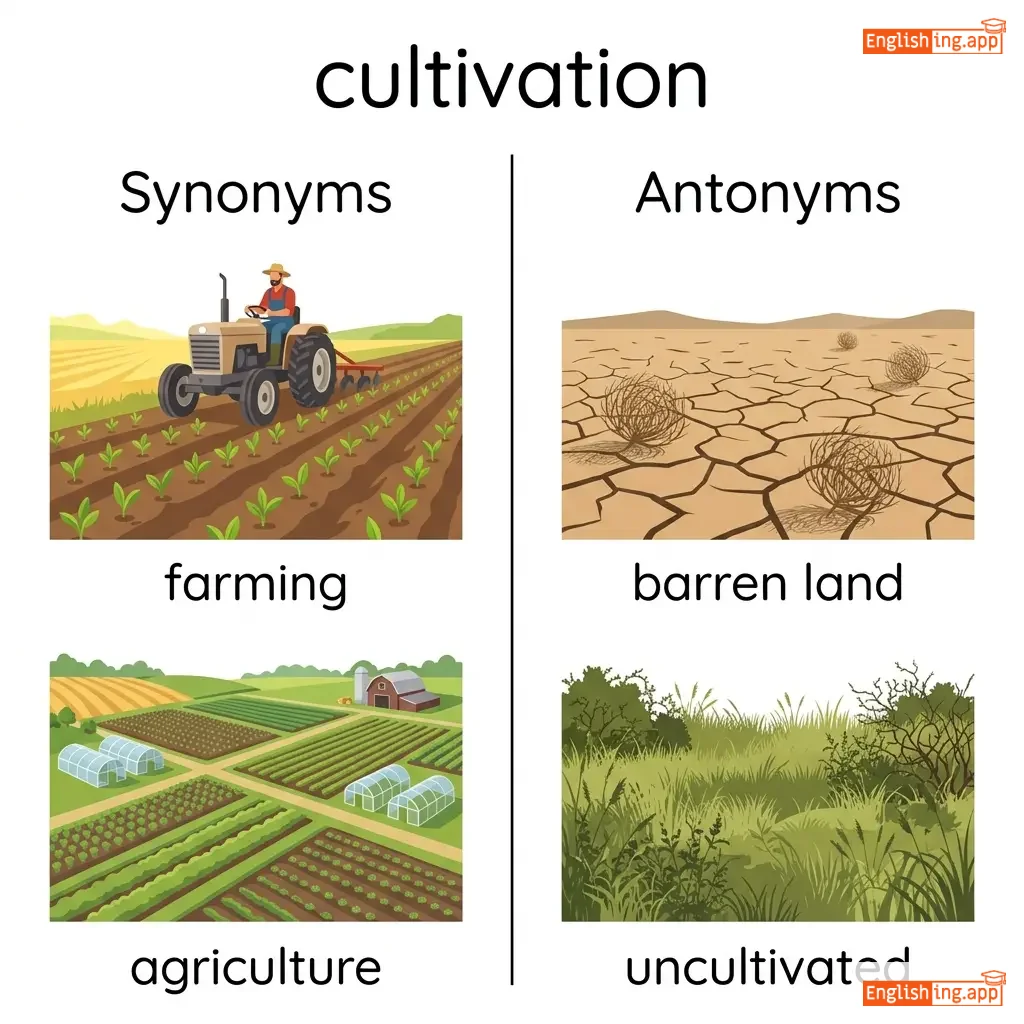
farming, agriculture, tilling
••••••
|
neglect, abandonment, destruction
••••••
|
- •••••• |
Saibai means cultivation — think of 'sowing by hand' to grow.
••••••
|
|
#0
👨🌾
|
/ˈfɑːrmər/
noun
(ファーマー)
••••••
|
- •••••• |
農夫
nōfu
••••••
|
- •••••• | - •••••• | - •••••• | - •••••• |
a person who owns or manages a farm
••••••
|
The farmer works hard to grow crops. |
農夫は作物を育てるために一生懸命働きます。
Nōfu wa sakumotsu o sodateru tame ni isshōkenmei hatarakimasu.
••••••
|
- •••••• | - •••••• | - •••••• |
grower, rancher, agriculturist, cultivator
••••••
|
urbanite, city-dweller
••••••
|
farmer's market, poor farmer, small farmer, hardworking farmer
••••••
|
Farmer は農夫を意味します; 彼は農場で働いています。
••••••
|
|
#0
🚜
|
/ˈfɑː.mɪŋ/
noun
(ファーミング)
••••••
|
- •••••• |
農業
nougyou
••••••
|
- •••••• | - •••••• | - •••••• | - •••••• |
the activity or business of growing crops and raising animals for food or other products
••••••
|
Farming requires both hard work and knowledge about the land.
農業は、土地に関する知識と共に、勤勉な作業を必要とします。
••••••
|
農業は、土地に関する知識と共に、勤勉な作業を必要とします。
Nougyou wa, tochi ni kansuru chishiki to tomo ni, kinben na sagyou o hitsuyou to shimasu.
••••••
|
- •••••• | - •••••• | - •••••• |
agriculture, cultivation, husbandry, tillage
••••••
|
deforestation, destruction
••••••
|
organic farming, sustainable farming, dairy farming, modern farming
••••••
|
Farmerがfarmingをする — 土地から食物が得られる 🌾
••••••
|
|
#0
🌱
|
/ˈfɜː.tɪ.laɪ.zər/
noun
(ファーティライザー)
••••••
|
- •••••• |
肥料
hiryou
••••••
|
- •••••• | - •••••• | - •••••• | - •••••• |
a substance added to soil to make plants grow more successfully
••••••
|
Farmers use fertilizer to increase crop production. |
農家は作物の生産量を増やすために肥料を使用します。
Nouka wa sakumotsu no seisanryou o fuyasu tame ni hiryou o shiyou shimasu.
••••••
|
- •••••• | - •••••• | - •••••• |
manure, compost, plant food, nutrient
••••••
|
barren soil, infertile land
••••••
|
organic fertilizer, chemical fertilizer, apply fertilizer, fertilizer plant
••••••
|
肥料を使うと土壌が豊かになり、植物がよく育ちます。
••••••
|
|
#0
🌾
|
/fiːld/
noun
(fīld)
••••••
|
- •••••• |
フィールド
fīrudo
••••••
|
- •••••• | - •••••• | - •••••• | - •••••• |
an area of open land, often used for farming, sports, or scientific study
••••••
|
The children played football in the field. |
子供たちはフィールドでサッカーをしました。
Kodomotachi wa fīrudo de sakkā o shimashita.
••••••
|
field of expertise |
a particular area of knowledge or skill
••••••
|
専門分野
senmon bunya
••••••
|
meadow, ground, area, domain, sphere
••••••
|
city, indoors, building
••••••
|
open field, sports field, field trip, field study, field of research
••••••
|
フィールドは日本語でもそのまま使われるので、覚えやすいです。
••••••
|
|
#0
🌾
|
/ˈhɑːrvɪst/
noun
(ハーヴェスト)
••••••
|
- •••••• |
収穫
shūkaku
••••••
|
- •••••• | - •••••• | - •••••• | - •••••• |
the process or period of gathering crops
••••••
|
Farmers are busy during the rice harvest season. |
農家は米の収穫の季節に忙しい。
Nōka wa kome no shūkaku no kisetsu ni isogashī.
••••••
|
reap the harvest |
to enjoy the results of your efforts
••••••
|
努力の成果を享受する
doryoku no seika o kyōju suru
••••••
|
crop, yield, gathering, reaping, produce
••••••
|
sowing, planting, loss
••••••
|
harvest season, rice harvest, good harvest, harvest time
••••••
|
収穫は努力の成果を収集すること 🌾
••••••
|
|
#0
💧
|
ˌɪr.ɪˈɡeɪ.ʃən
noun
(灌漑)
••••••
|
|
灌漑
kan-gai
••••••
|
- •••••• | - •••••• | - •••••• | - •••••• |
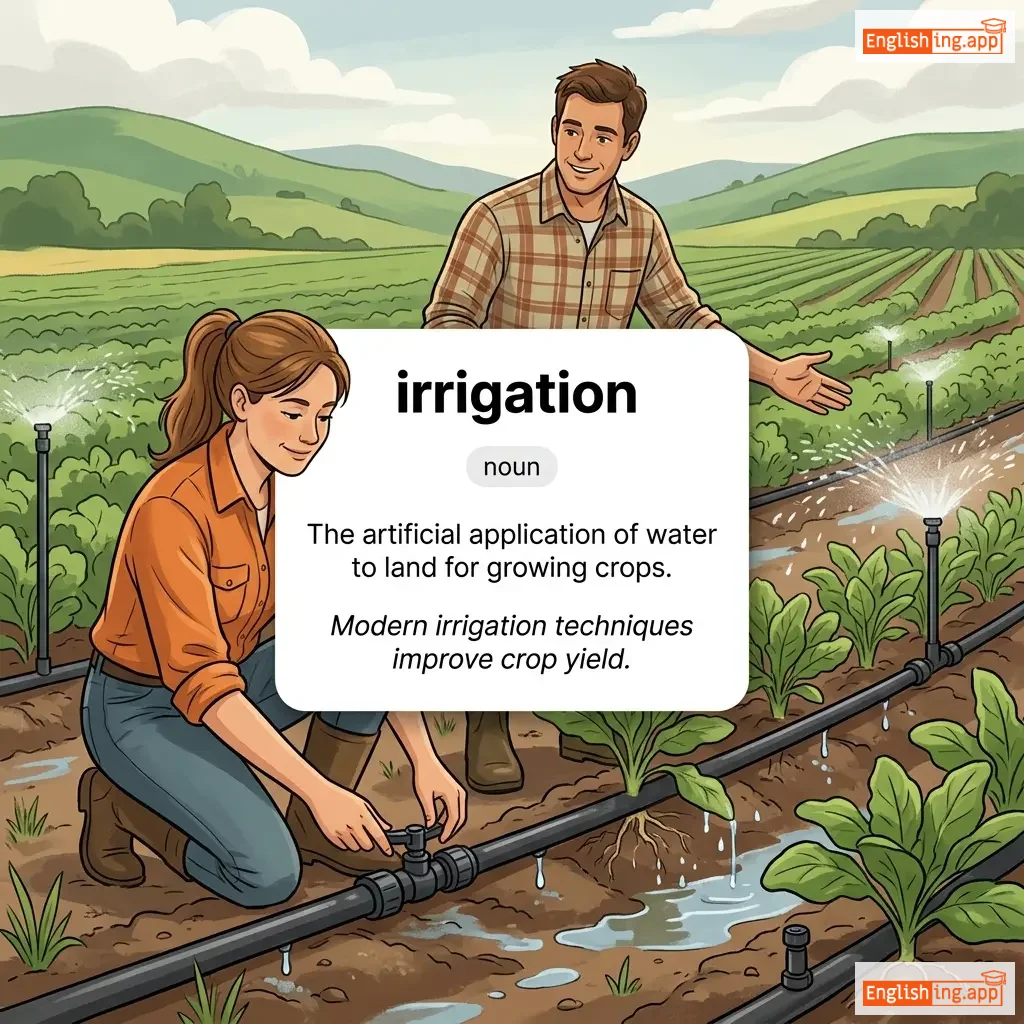
The artificial application of water to land or soil.
••••••
|
Irrigation systems improve crop yields in dry regions. |
灌漑システムは乾燥した地域で作物の収穫量を増加させます。
Kan-gai shisutemu wa kansou shita chiiki de sakumotsu no shuukaku-ryou o zouka sasemasu.
••••••
|
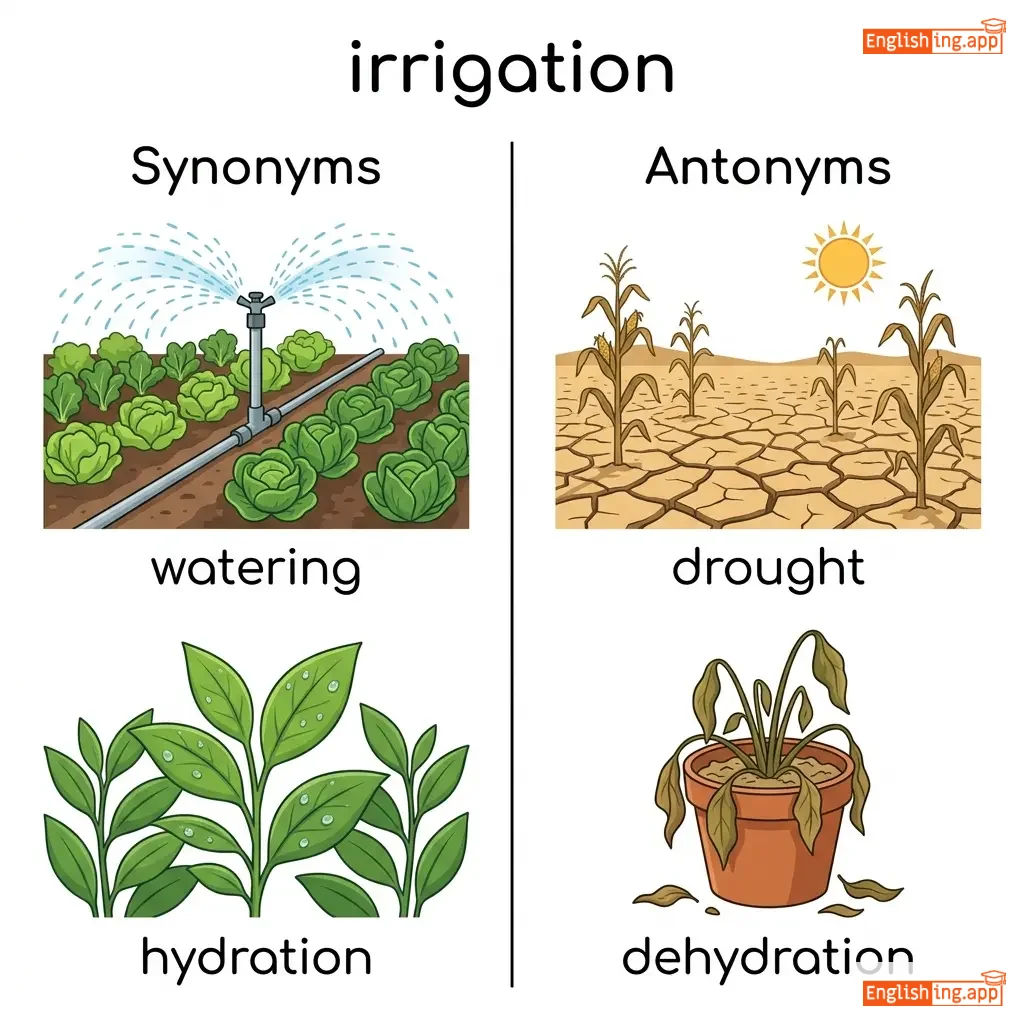
- •••••• | - •••••• | - •••••• |
watering, hydration, agricultural water supply
••••••
|
drought, dehydration, water scarcity
••••••
|
- •••••• |
Kan-gai makes crops grow like irrigation.
••••••
|
|
#0
🐄
|
/ˈlaɪv.stɒk/
noun
(ライヴストック)
••••••
|
- •••••• |
家畜
kachiku
••••••
|
- •••••• | - •••••• | - •••••• | - •••••• |
farm animals such as cattle, sheep, and pigs that are kept for use or profit
••••••
|
The farmer raised livestock to supply meat and milk for the market. |
農家は市場のために肉と牛乳を供給するために家畜を育てていました。
Nōka wa shijō no tame ni niku to gyūnyū o kyōkyū suru tame ni kachiku o sodate te imashita.
••••••
|
- •••••• | - •••••• | - •••••• |
farm animals, cattle, poultry, herds
••••••
|
wild animals, pets
••••••
|
raise livestock, livestock farming, livestock market, livestock feed
••••••
|
Liveは生命、stockは資源 — 家畜は生きた資源です。
••••••
|
|
#0
🥦
|
/ɔːrˈɡænɪk/
adjective
(ɔːrˈɡænɪk)
••••••
|
|
オーガニック
ōganikku
••••••
|
- •••••• | - •••••• | - •••••• | - •••••• |
Relating to or derived from living matter; produced without artificial chemicals.
••••••
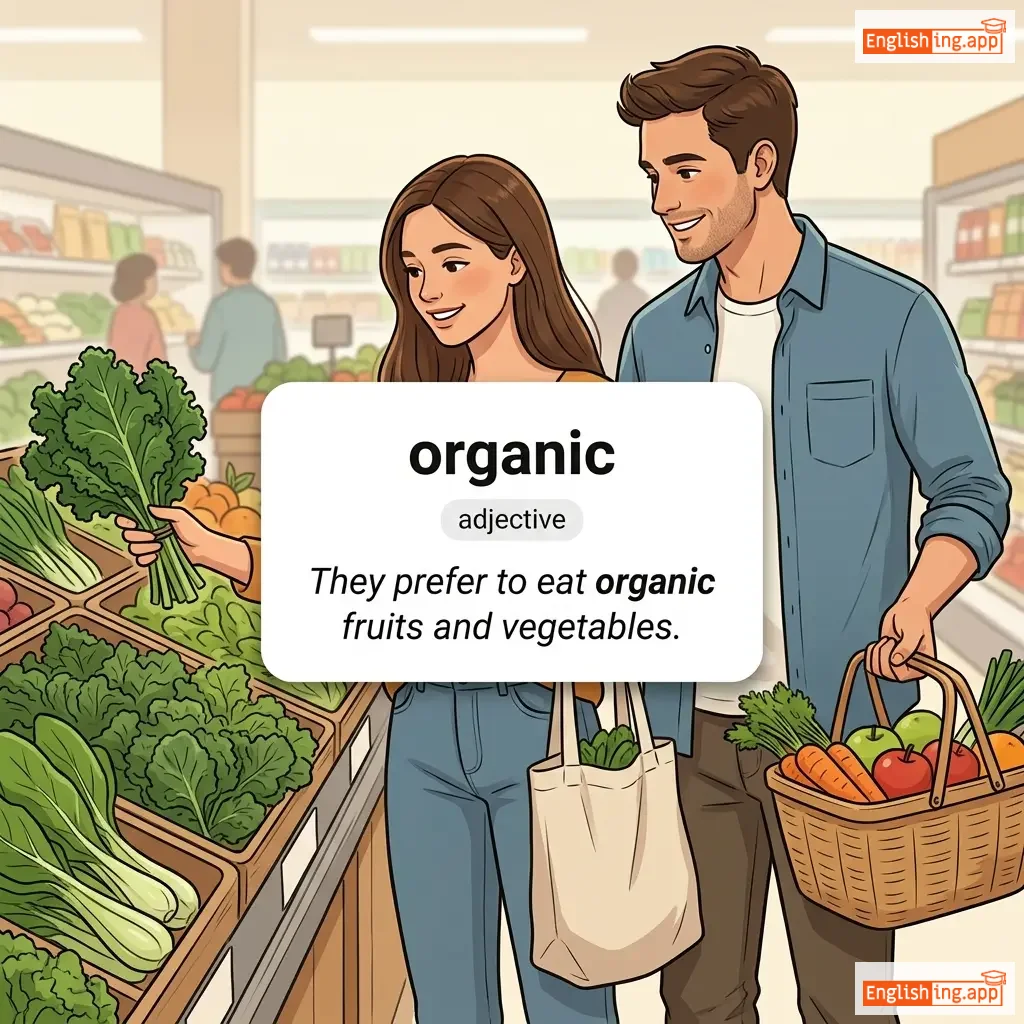
|
They prefer to eat organic fruits and vegetables. |
彼らはオーガニックな果物と野菜を食べるのを好みます。
Karera wa ōganikku na kudamono to yasai o taberu no o konomimasu.
••••••
|
organic growth |
Natural, gradual development without external force.
••••••
|
オーガニック成長
ōganikku seichō
••••••
|
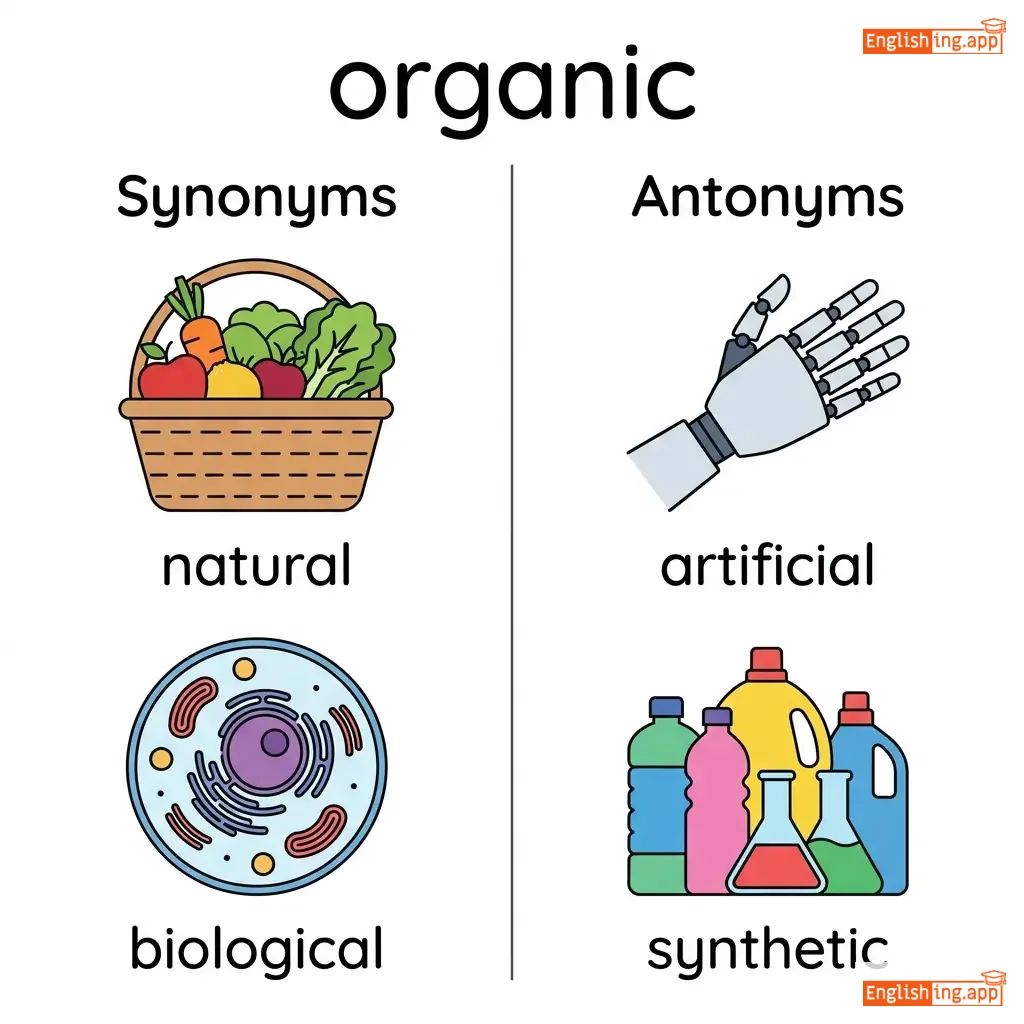
natural, biological, ecological, pure
••••••
|
artificial, synthetic, chemical
••••••
|
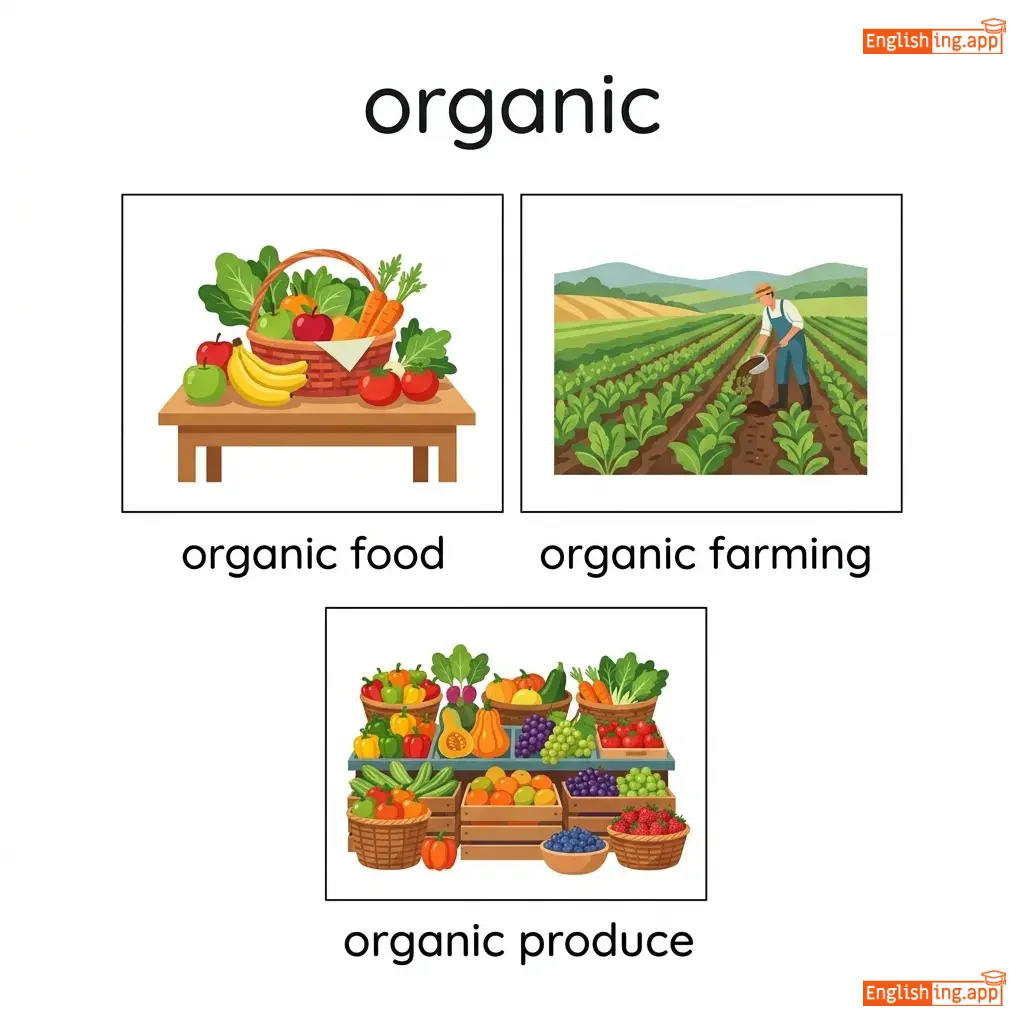
organic food, organic farming, organic produce, organic material
••••••
|
オーガニック = 自然から来る、オーガニックフードのように。
••••••
|
|
#0
🌾
|
/ˈpɛzənt/
noun
(ペザント)
••••••
|
- •••••• |
農民
nōmin
••••••
|
- •••••• | - •••••• | - •••••• | - •••••• |
a poor farmer or agricultural laborer who owns or rents a small piece of land for cultivation
••••••
|
The peasant worked hard in the fields from dawn to dusk.
その農民は夜明けから日暮れまで畑で一生懸命働いていました。
••••••
|
その農民は夜明けから日暮れまで畑で一生懸命働いていました。
Sono nōmin wa yoake kara hikure made hatake de isshōkenmei hataraite imashita.
••••••
|
peasant life
農民の生活
••••••
|
a simple and hardworking rural lifestyle
••••••
|
農民の生活
Nōmin no seikatsu
••••••
|
farmer, rustic, villager, laborer, cultivator
••••••
|
landlord, noble, aristocrat
••••••
|
poor peasant, peasant farmer, peasant family, peasant life
••••••
|
Peasantの日本語 = 農民、朝から晩まで畑で働く!
••••••
|
|
#0
🌱
|
/plænt/
verb
(プラント)
••••••
|
|
植える
ueru
••••••
|
planted
プランテッド
••••••
|
planted
プランテッド
••••••
|
plants
プランツ
••••••
|
planting
プランティング
••••••
|
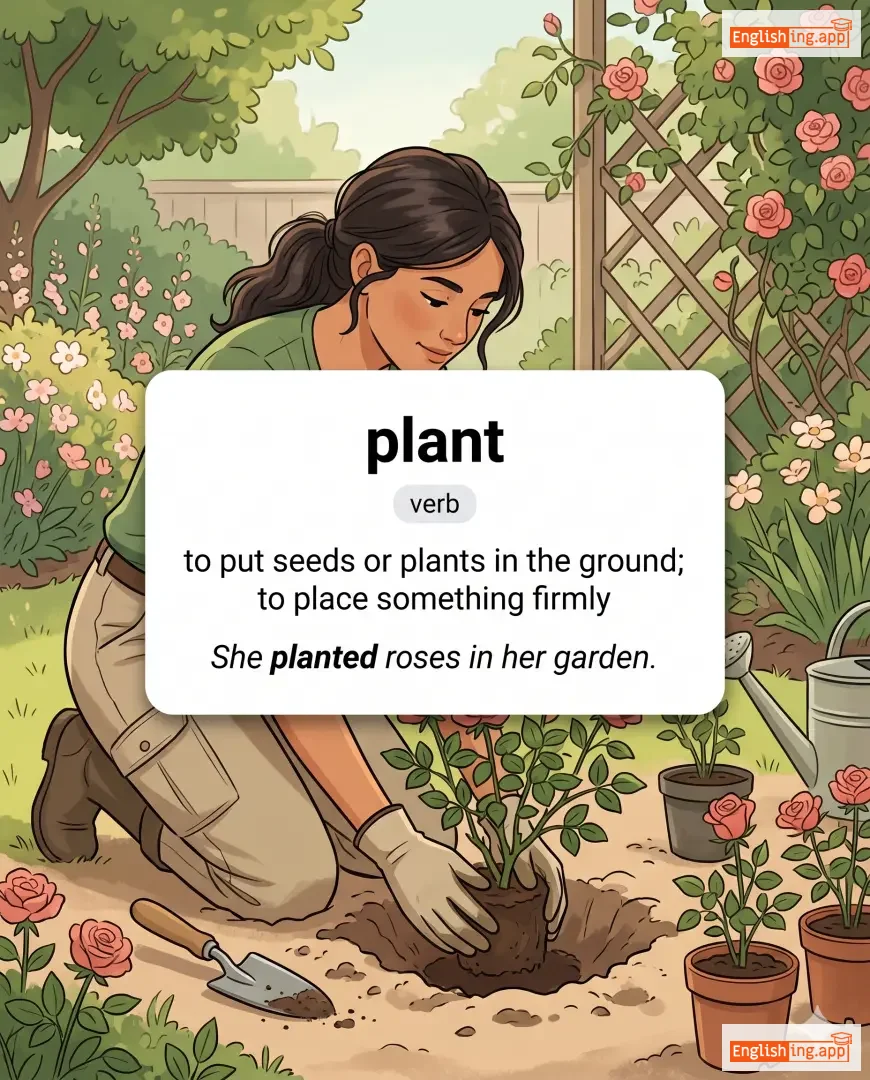
to put seeds or plants in the ground; to place something firmly
••••••
|
She planted roses in her garden.
彼女は庭にバラを植えました。
••••••
|
彼女は庭にバラを植えました。
Kanojo wa niwa ni bara o uemashita.
••••••
|
- •••••• | - •••••• | - •••••• |
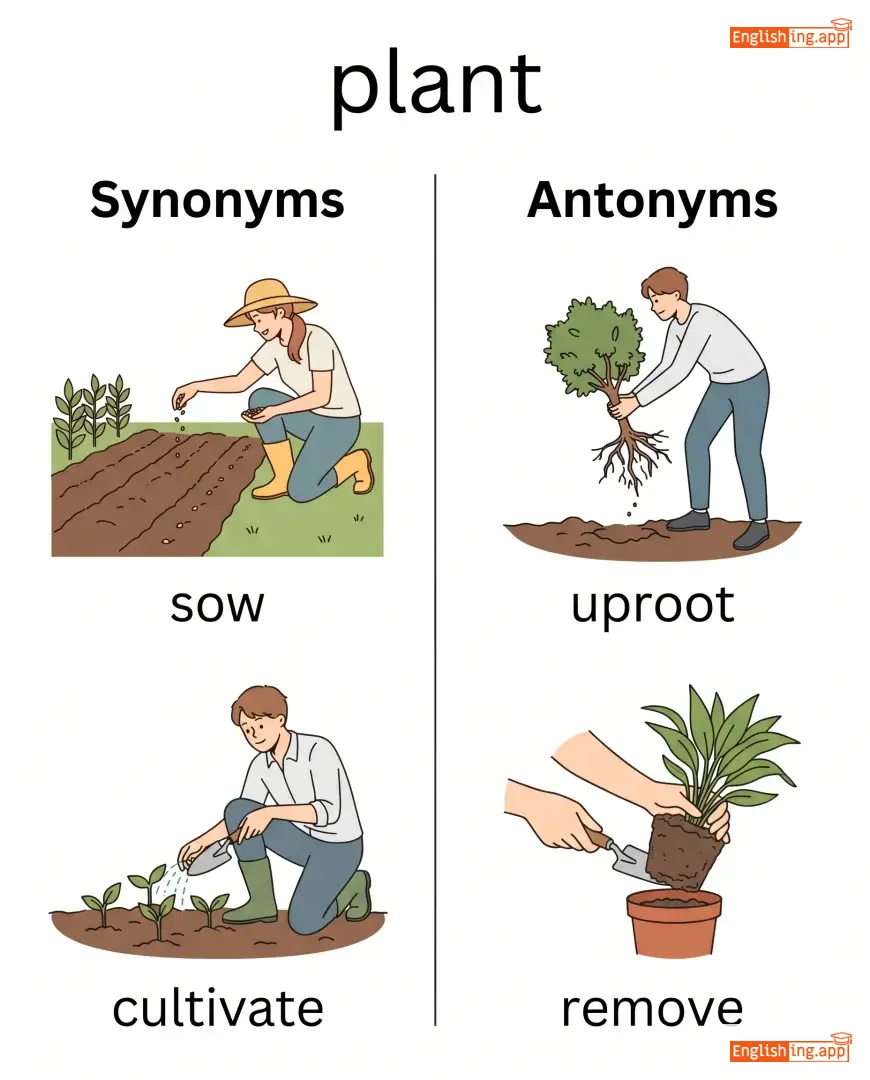
sow, cultivate, grow, place
••••••
|
uproot, remove, harvest, extract
••••••
|
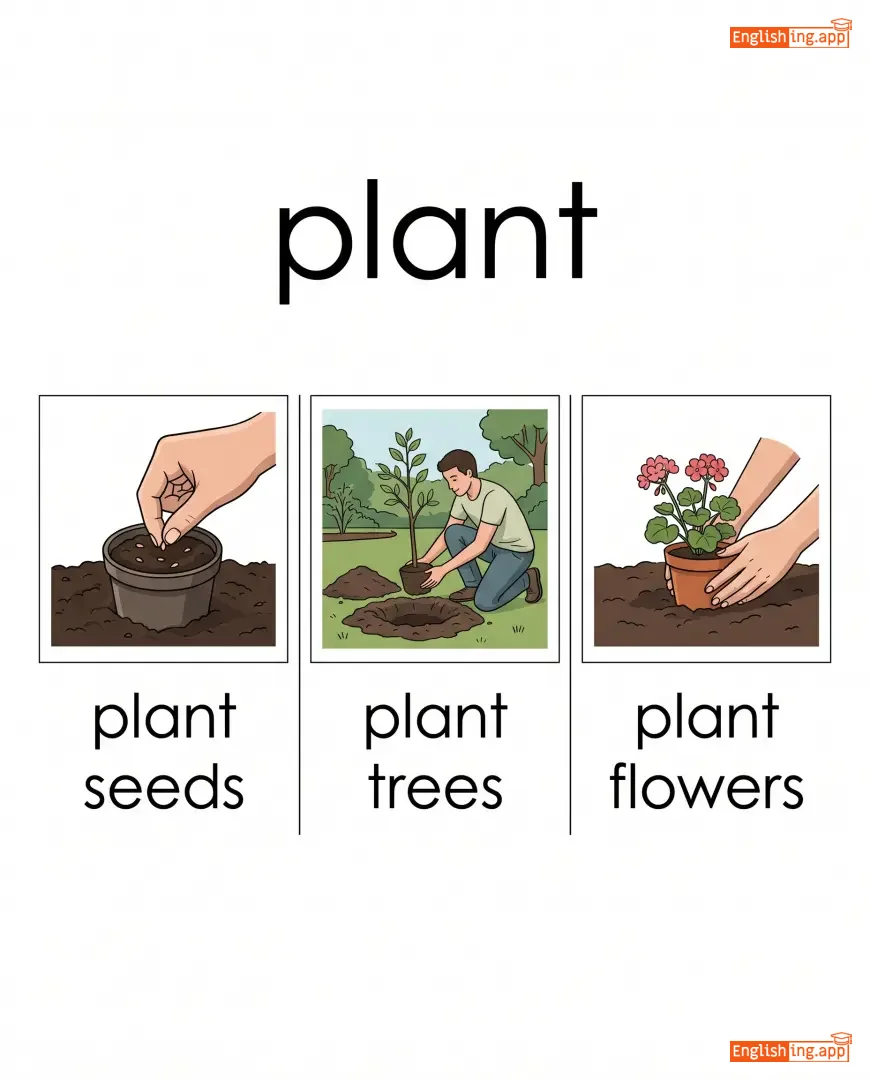
plant seeds, plant trees, plant flowers, plant crops
••••••
|
バラの花を植えることで、美しい庭が広がります。
••••••
|
|
#0
🏭
|
/prəˈduːs/
verb
(プロデュース)
••••••
|
- •••••• |
生産する
seisan suru
••••••
|
produced
プロデュースド
••••••
|
produced
プロデュースド
••••••
|
produces
プロデュースズ
••••••
|
producing
プロデュースイング
••••••
|
to make, create, or manufacture something
••••••
|
The factory produces cars.
工場は車を生産します。
••••••
|
工場は車を生産します。
Koujou wa kuruma o seisan shimasu.
••••••
|
- •••••• | - •••••• | - •••••• |
create, make, manufacture, generate
••••••
|
destroy, consume, waste
••••••
|
produce goods, produce results, produce energy, mass produce
••••••
|
生産する、つまり何かを作り出すこと、工場のように。
••••••
|
|
#0
🌾
|
/ˈrʊərəl/
adjective
(ララル)
••••••
|
- •••••• |
田舎の
inaka no
••••••
|
- •••••• | - •••••• | - •••••• | - •••••• |
relating to the countryside rather than the town
••••••
|
He prefers the peaceful life of a rural village. |
彼は田舎の村で静かな生活を好む。
Kare wa inaka no mura de shizuka na seikatsu o konomu.
••••••
|
rural development |
improvement of the countryside areas
••••••
|
田舎の発展
inaka no hatten
••••••
|
countryside, pastoral, rustic, provincial
••••••
|
urban, city
••••••
|
rural area, rural life, rural economy, rural community
••••••
|
Ruralは田舎を意味します。‘ラル’という音で静かな村を思い浮かべてください。
••••••
|
|
#0
🌱
|
/siːd/
noun
(シード)
••••••
|
- •••••• |
種
tane
••••••
|
- •••••• | - •••••• | - •••••• | - •••••• |
the small, hard part of a plant from which a new plant can grow
••••••
|
I planted a seed in the garden. |
私は庭に種を植えました。
Watashi wa niwa ni tane o uemashita.
••••••
|
- •••••• | - •••••• | - •••••• |
grain, pit, kernel, sprout
••••••
|
fruit, flower, leaf
••••••
|
plant a seed, grow from seed, seed bank
••••••
|
Seed = 種、植物の始まり!
••••••
|
|
#0
🌱
|
/sɔɪl/
noun
••••••
|
|
- •••••• | - •••••• | - •••••• | - •••••• | - •••••• |
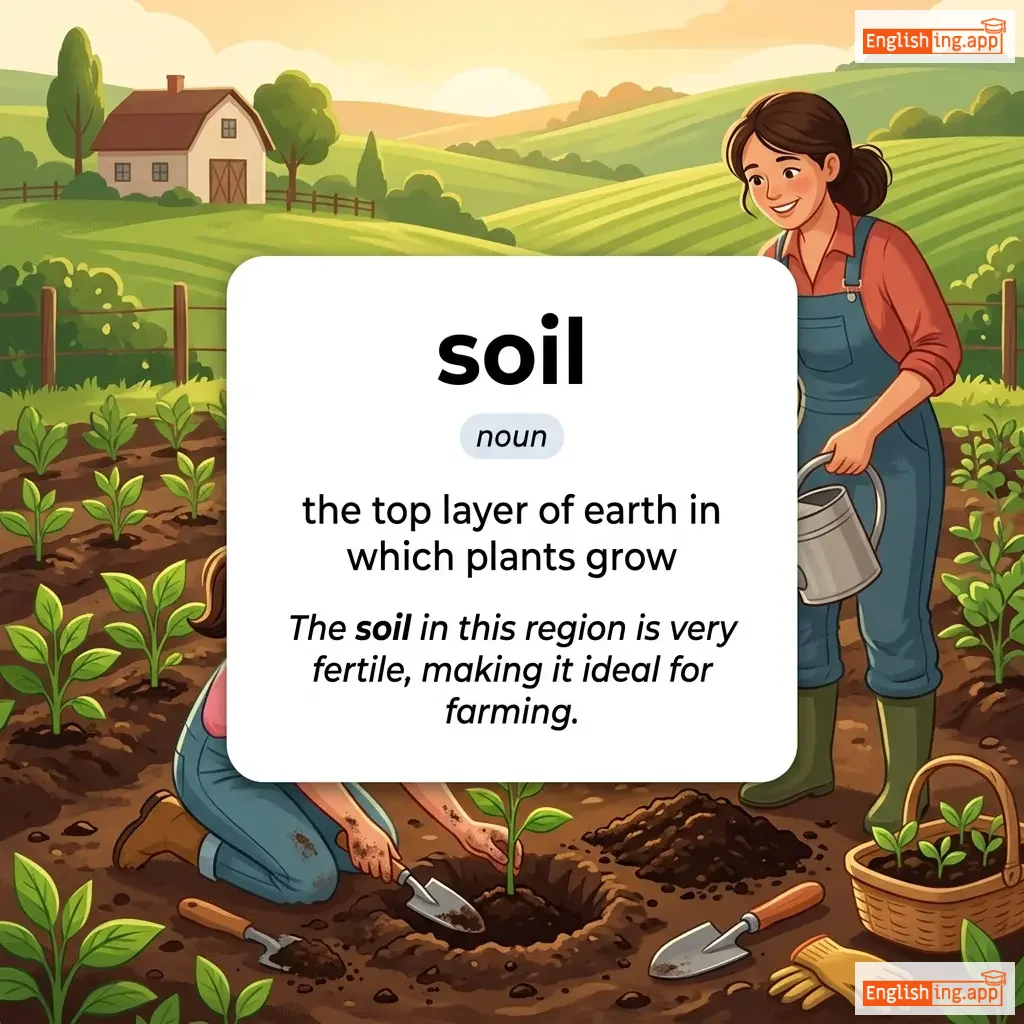
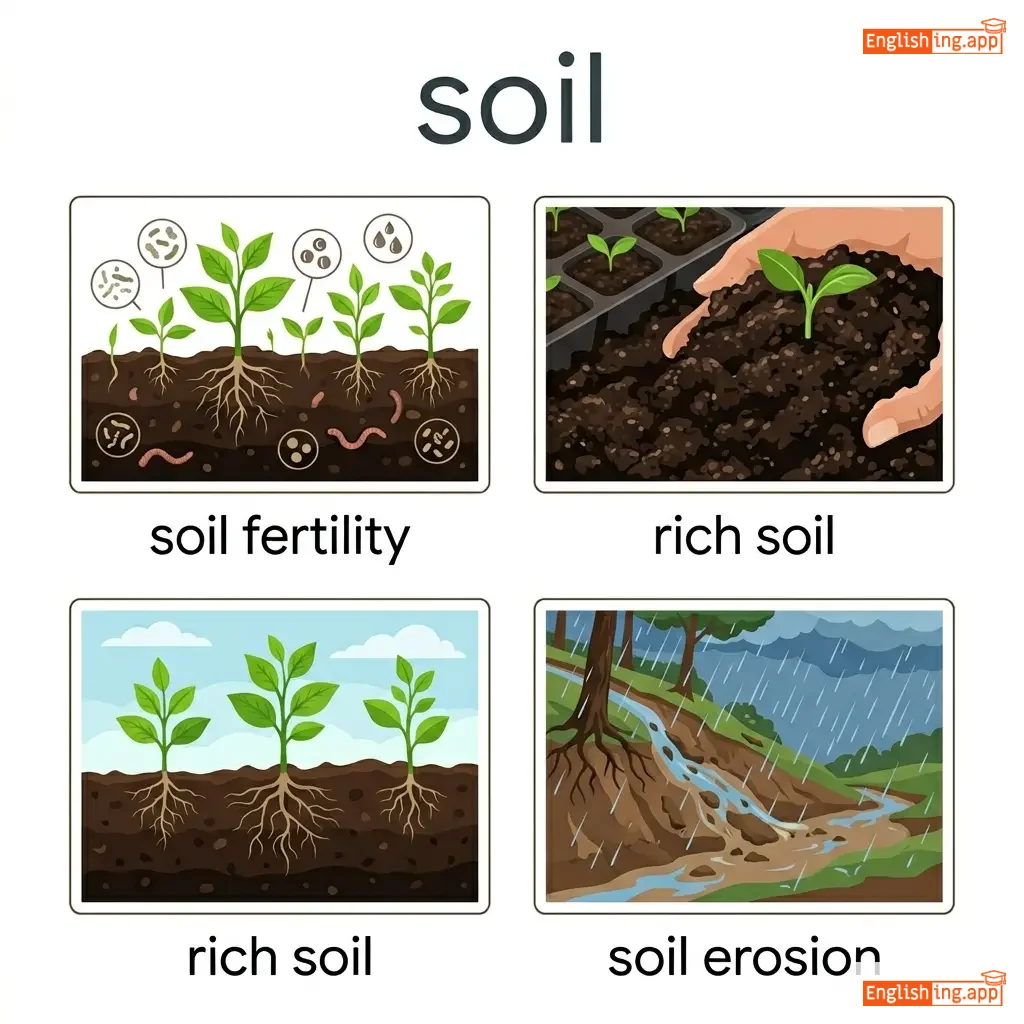
the upper layer of earth in which plants grow; dirt or earth
••••••
|
Rich soil is essential for healthy plant growth. |
- •••••• | - •••••• | - •••••• | - •••••• |
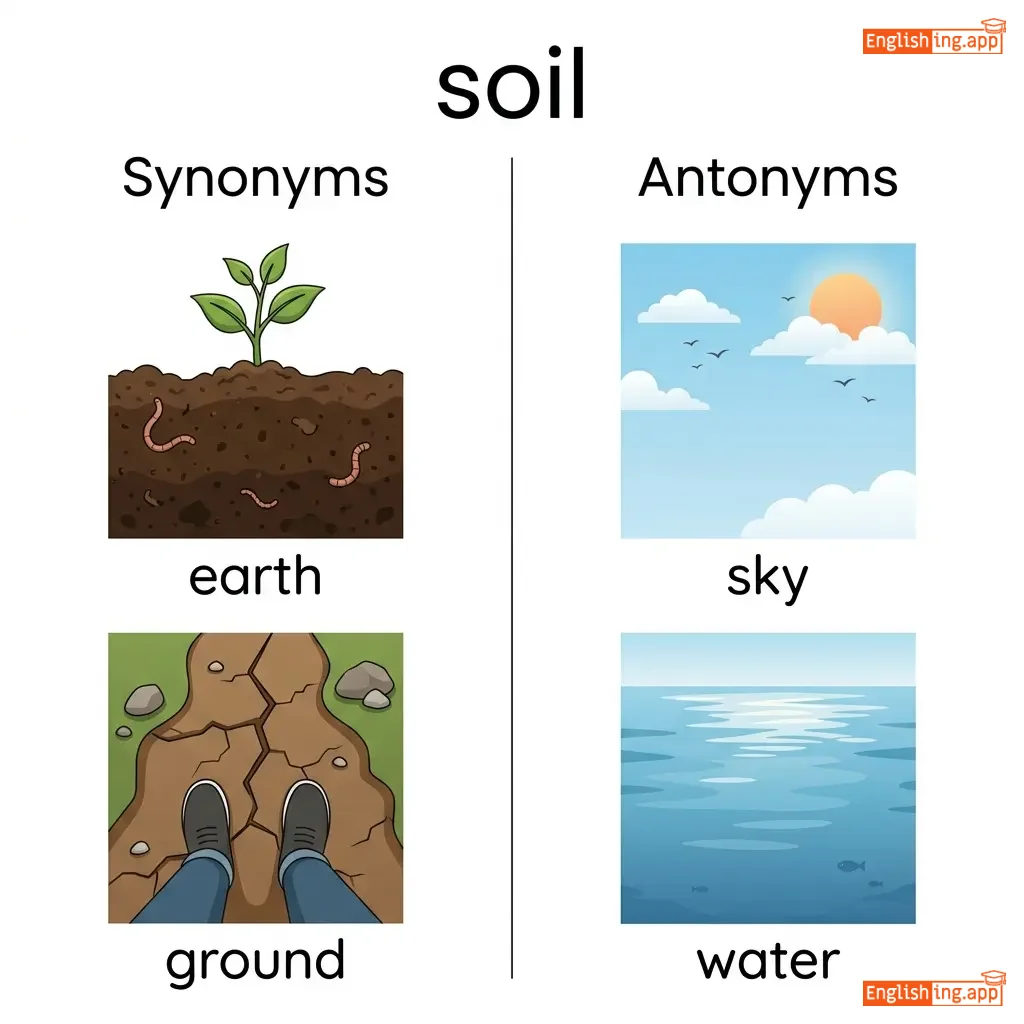
earth, dirt, ground, mud
••••••
|
rock, stone, concrete
••••••
|
fertile soil, sandy soil, clay soil, soil erosion
••••••
|
No •••••• |
|
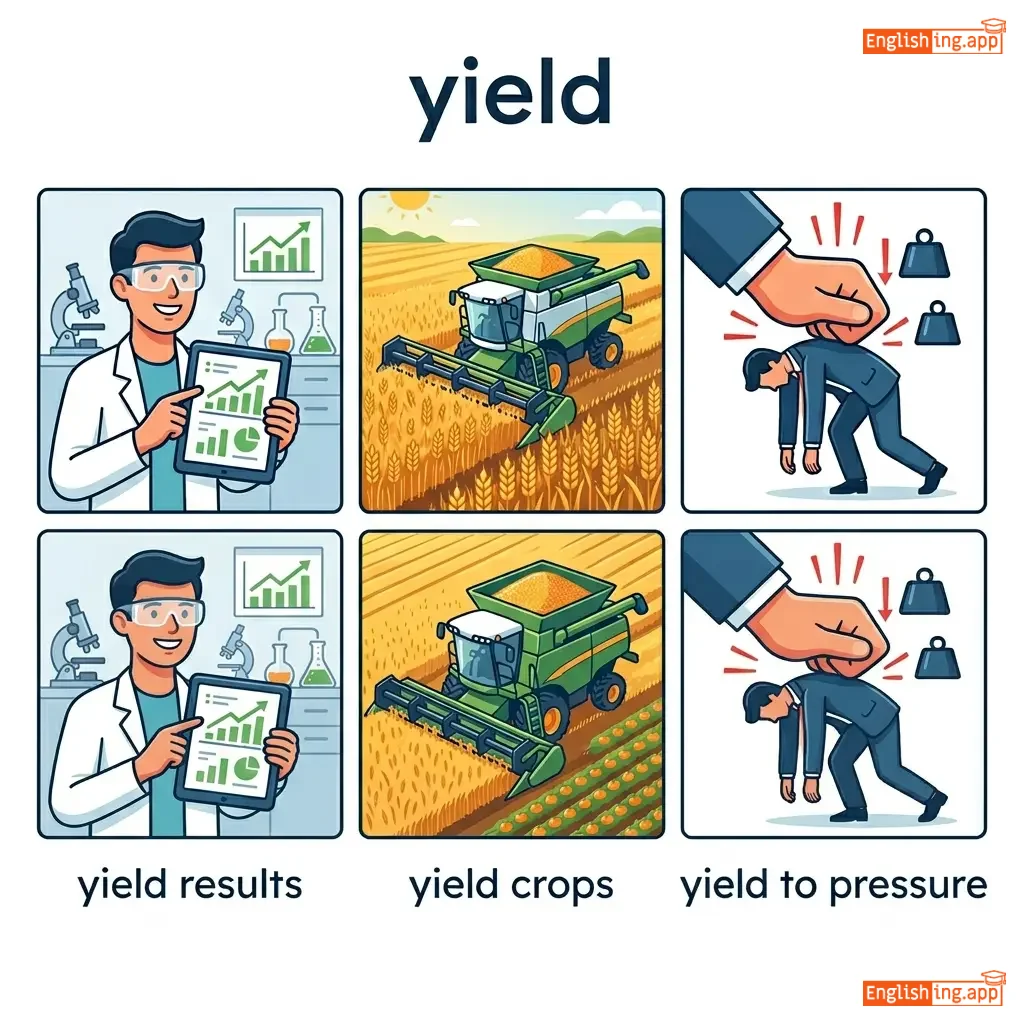
#0
🌾
|
/jiːld/
verb
(イールド)
••••••
|
|
生産する / 屈する
seisan suru / kusuru
••••••
|
yielded
イールデッド
••••••
|
yielded
イールデッド
••••••
|
yields
イールズ
••••••
|
yielding
イールディング
••••••
|
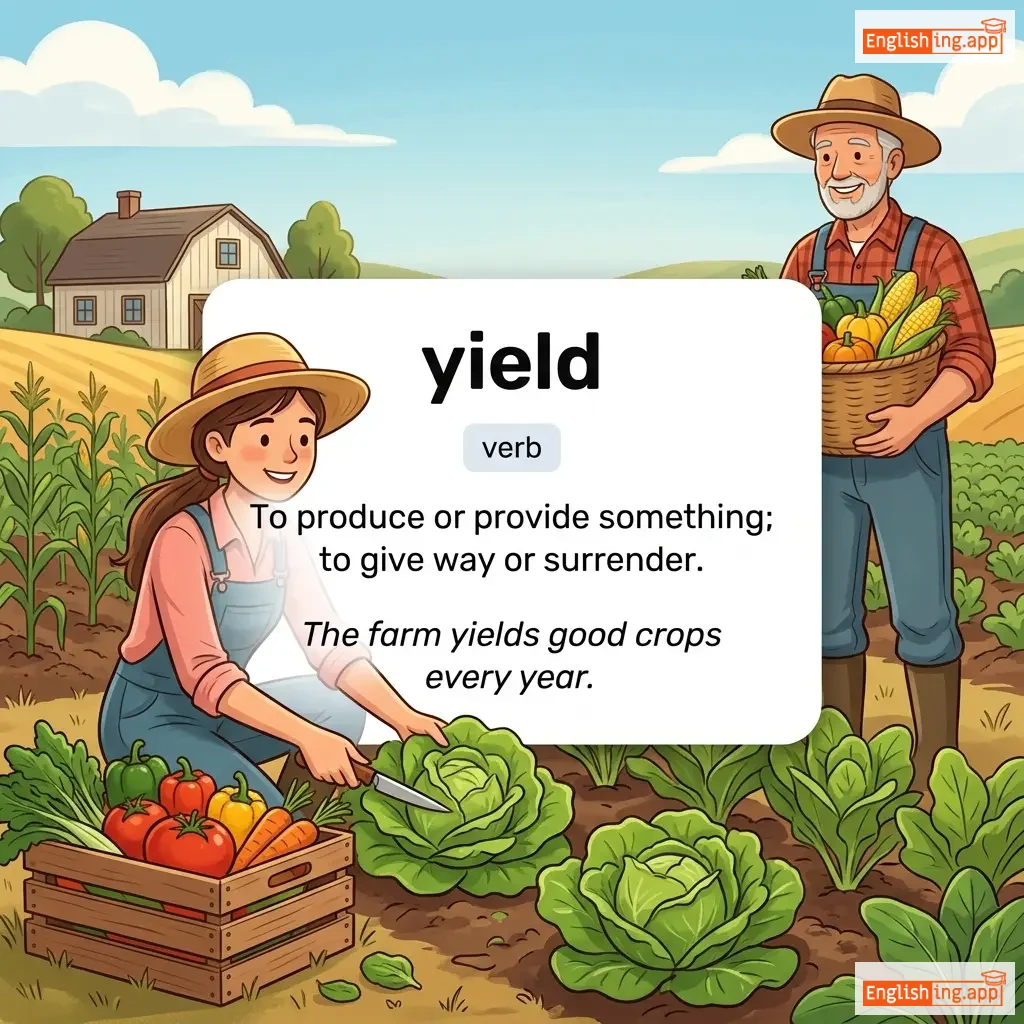
To produce or provide something; to give way or surrender.
••••••
|
The farm yields good crops every year.
農場は毎年良い作物を生産します。
••••••
|
農場は毎年良い作物を生産します。
Nōjō wa mainen yoi sakumotsu o seisan shimasu.
••••••
|
yield to pressure
プレッシャーに屈する
••••••
|
To give in or surrender under pressure.
••••••
|
プレッシャーに屈する
Pureshā ni kusuru
••••••
|
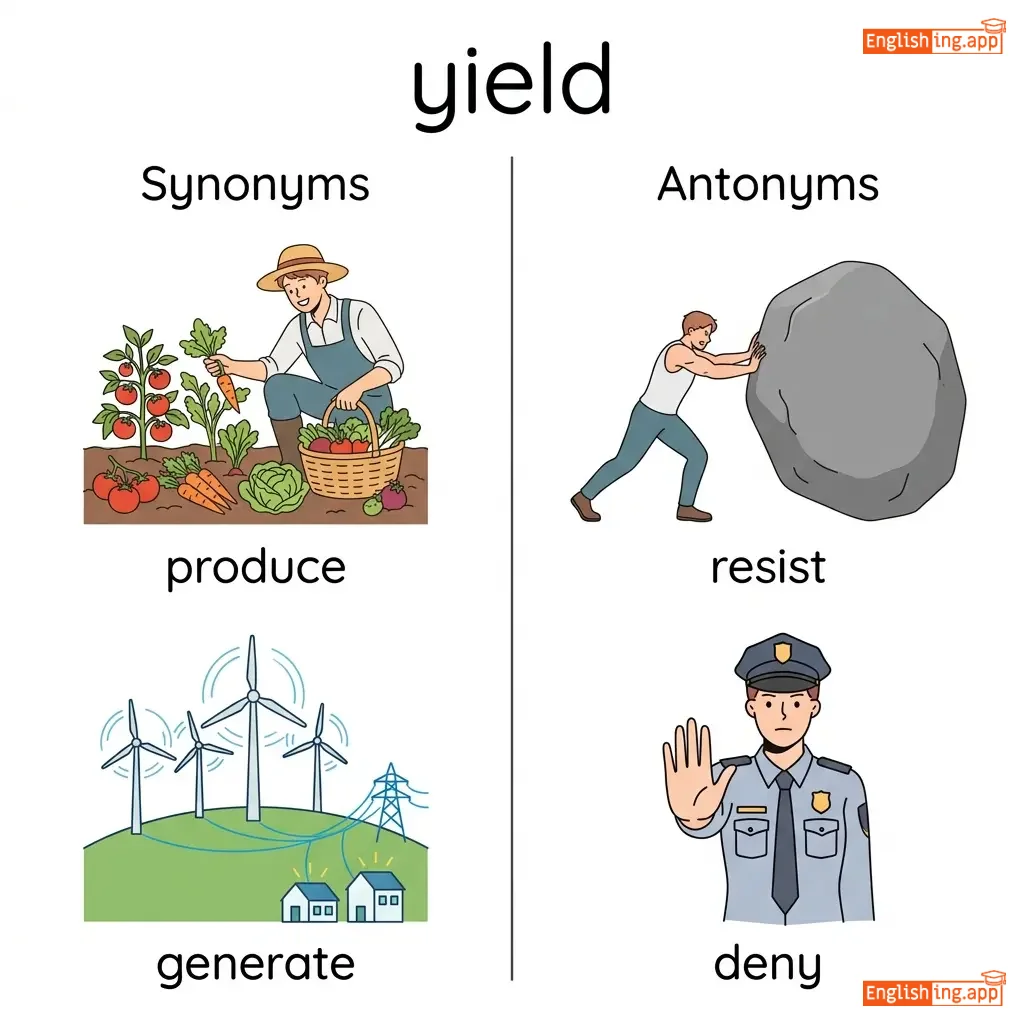
produce, generate, surrender, give, supply
••••••
|
resist, deny, refuse
••••••
|
yield results, yield crops, yield to pressure, yield profit
••••••
|
Yield は生産すること: 農場で作物を生産し、プレッシャーには屈すること。
••••••
|
Vocabulary Quiz
Test your vocabulary by matching words with their translations or meanings.
Login to take the quiz
Comments (0)
Share your thoughts and join the discussion.
Join the discussion by logging in
Login to CommentNo comments yet
Be the first to share your thoughts!