

分裂した町を一つにしたレストランのオーナー
The Restaurant Owner Who United a Divided Town
サルマは野心的なレストランのオーナーで、変化を起こすことが could できた。彼女の小さな町は分裂しており、二つのコミュニティが些細なことでしばしば clashed していた。サルマのレストランは差別なく誰にでも catered した。彼女は野菜に美しい模様を carved する技術を持ち、それが客を感動させた。レストランの debut は結婚シーズンで、地元の bride がケータリングを注文したときだった。ある人々は食べ物の質について噂を広めて cheat しようとしたが、サルマは正直さを保った。Bunch のティーンエイジャーたちはよくトラブルを起こしたが、サルマは彼らに仕事を与えた。ビジネスの成功は簡単ではなかった――経済的な圧力が時々彼女の夢を crush しようとした。他のレストランとの競争も激しく、通りのあらゆる curve に別の店があった。ある日、レストランの近くで二つのグループの間に clash が起きた。サルマはすぐに介入し、彼女の civil な対応がみんなを落ち着かせた。彼女は crude な言葉や態度を許さなかった。人に cruel に接する者は出て行くように言われた。面白い瞬間もあった。レストランの clerk が誤って滑り、ケーキが誰かの cheek に落ちたのだ。みんな笑い、緊張が解けた。地元の choir がレストランの記念日に歌を披露した。サルマは食べ物が人々をつなげることを証明した。ある人々は、地域間の憎しみは demon のようで、倒すことができないと思っていた。しかしサルマは諦めなかった。彼女は成功を chase する必要はなく、良いサービスによって自然に訪れた。地元の comic がレストランで演じ、笑いをもたらした。サルマの姿勢はプレッシャーの中でも cracked しなかった。レストランは元敵たちが食事を共有できる中立の場所 could となった。サルマは小さな親切が深い分裂を癒すことができると証明した。
翻訳
過去
過去分詞
三人称単数
動名詞
意味
例文
例文の翻訳
同義語
対義語
コロケーション
ニーモニック
Swipe left or right, or use the buttons. Tap image to zoom.
例文の翻訳
単語
The Restaurant Owner Who United a Divided TownThe Restaurant Owner Who United a Divided Town - マスクトグル
|
絵文字
|
単語 | Images | 翻訳 | 過去 | 過去分詞 | 三人称単数 | 動名詞 | 意味 | 例文 | 例文の翻訳 | 表現例 | 表現例の意味 | 表現例の翻訳 | 同義語 | 対義語 | コロケーション | ニーモニック |
|---|---|---|---|---|---|---|---|---|---|---|---|---|---|---|---|---|---|
|
#0
👰
|
/braɪd/
noun
(ブライド)
••••••
|
- •••••• |
花嫁
hanayome
••••••
|
- •••••• | - •••••• | - •••••• | - •••••• |
a woman on her wedding day or just before and after the event
••••••
|
The bride looked stunning in her white dress.
ブライドは白いドレスで素晴らしく見えた。
••••••
|
花嫁は白いドレスで素晴らしく見えた。
Hanayome wa shiroi doresu de subarashiku mieteta.
••••••
|
blushing bride
恥ずかしがり屋の花嫁
••••••
|
a traditional phrase describing a happy or shy bride on her wedding day
••••••
|
恥ずかしがり屋の花嫁
Hazukashigariya no hanayome
••••••
|
wife, newlywed, spouse, consort, partner
••••••
|
groom, bachelor
••••••
|
beautiful bride, bride and groom, blushing bride, the bride's family
••••••
|
Bride は花嫁 — 花嫁はブライドとして最も美しい!
••••••
|
|
#0
🌸
|
/bʌntʃ/
noun
(バンチ)
••••••
|
- •••••• |
束
taba
••••••
|
- •••••• | - •••••• | - •••••• | - •••••• |
a group of things that are fastened, held, or growing together
••••••
|
She gave me a bunch of flowers for my birthday. |
彼女は私の誕生日に花束をくれました。
Kanojo wa watashi no tanjōbi ni hanataba o kuremashita.
••••••
|
a bunch of |
a large quantity of something
••••••
|
束の
taba no
••••••
|
bundle, cluster, group, collection, pack
••••••
|
individual, single, one
••••••
|
a bunch of flowers, a bunch of grapes, a bunch of keys, whole bunch
••••••
|
Bunchは束を意味します - ちょうど誕生日に受け取った花束のように。
••••••
|
|
#0
🔪
|
/kɑːrv/
verb
••••••
|
- •••••• | - •••••• |
carved
••••••
|
carved
••••••
|
carves
••••••
|
carving
••••••
|
To cut or shape something, especially wood or stone, into a desired form.
••••••
|
The artist carved a beautiful statue out of marble. |
- •••••• |
carve out a niche |
to create a special and secure position for oneself in a particular area
••••••
|
- •••••• |
engrave, sculpt, chisel, etch, shape
••••••
|
destroy, demolish, flatten
••••••
|
carve wood, carve stone, carve a statue, carve out
••••••
|
No •••••• |
|
#0
🍽️
|
/ˈkeɪtər/
verb
••••••
|
- •••••• | - •••••• |
catered
••••••
|
catered
••••••
|
caters
••••••
|
catering
••••••
|
To provide food, drinks, or services, usually for an event or group.
••••••
|
The company catered the wedding reception. |
- •••••• |
cater to |
To provide what is wanted or needed by someone, often excessively.
••••••
|
- •••••• |
provide, supply, serve, furnish, deliver
••••••
|
neglect, ignore
••••••
|
cater for, cater to needs, catering services, cater events
••••••
|
No •••••• |
|
#0
🏃♂️
|
/tʃeɪs/
verb
(チェイス)
••••••
|
|
追いかける
oikakeru
••••••
|
chased
チェイスト
••••••
|
chased
チェイスト
••••••
|
chases
チェイセス
••••••
|
chasing
チェイシング
••••••
|
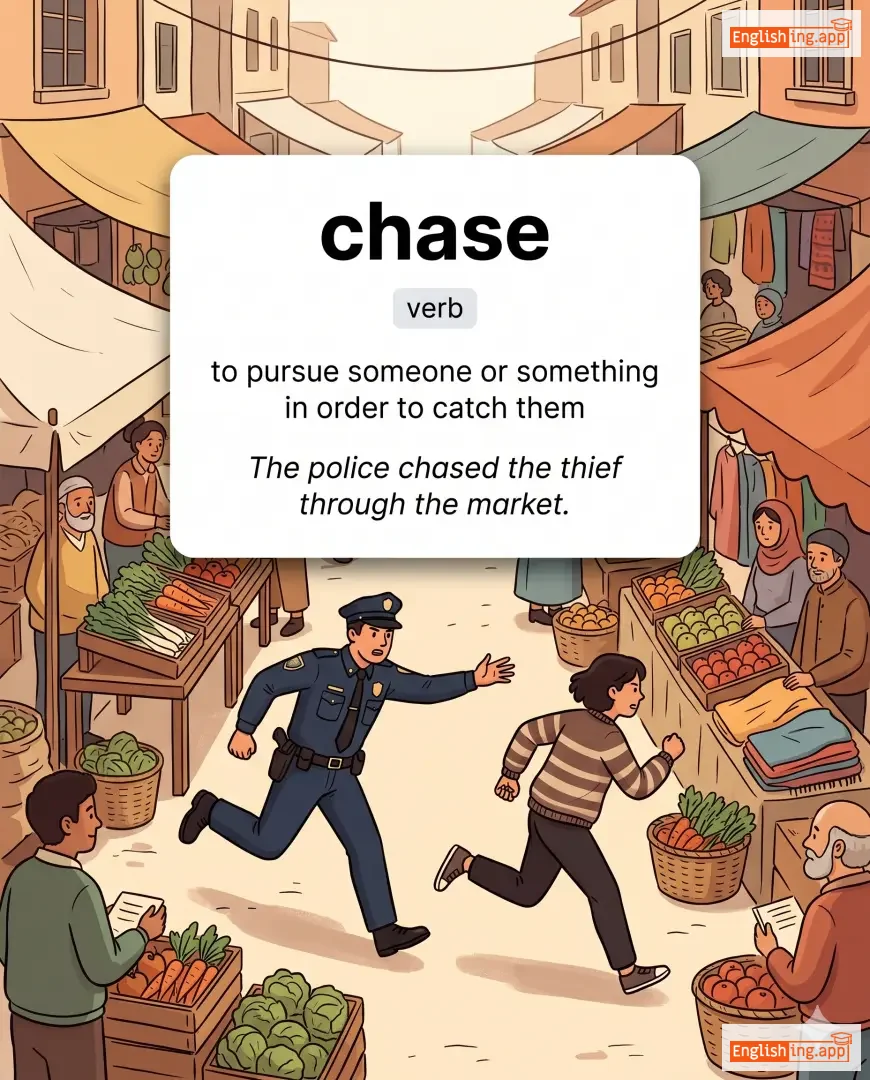
to pursue someone or something in order to catch them
••••••
|
The police chased the thief through the market.
警察は市場で泥棒を追いかけました。
••••••
|
警察は市場で泥棒を追いかけました。
Keisatsu wa shijō de dorobō o oikakemashita.
••••••
|
chase rainbows
虹を追いかける
••••••
|
to pursue unrealistic goals
••••••
|
虹を追いかける
Niji o oikakeru
••••••
|
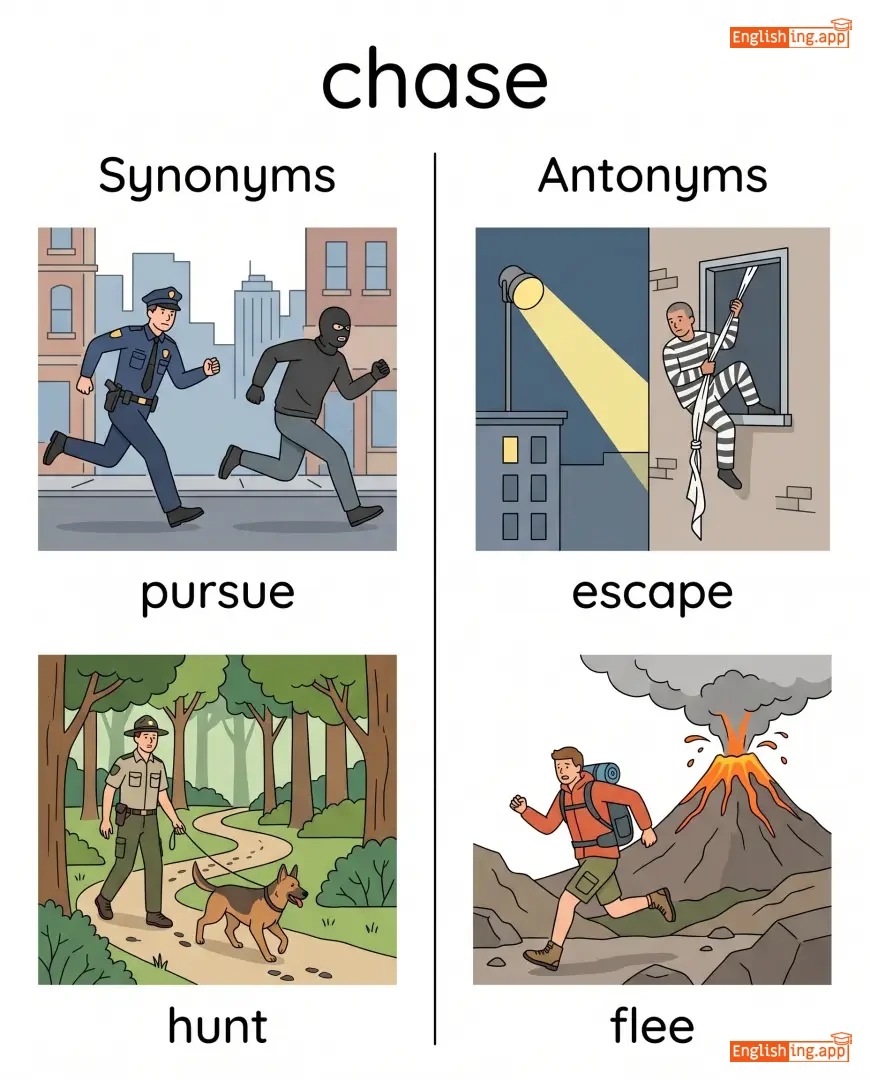
pursue, hunt, follow, track, run after
••••••
|
escape, flee, avoid
••••••
|
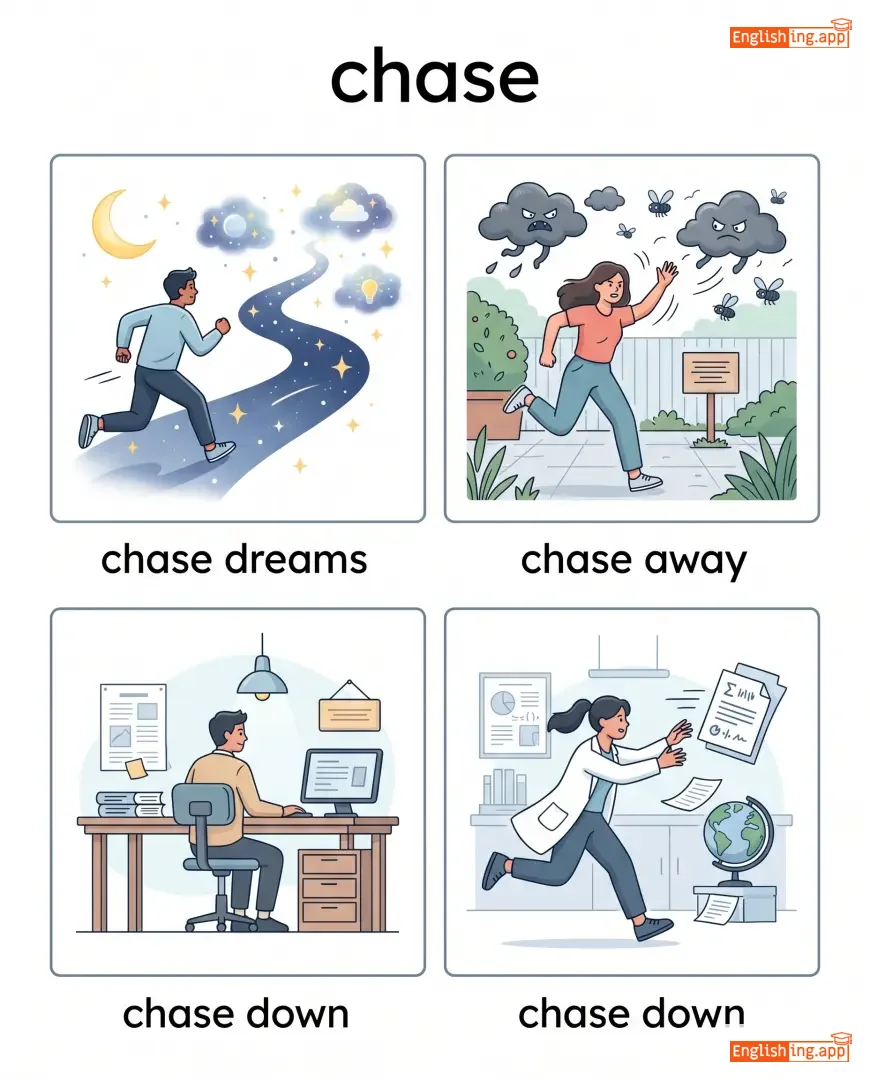
chase dreams, chase away, chase down, chase after
••••••
|
Chaseは追いかけるという意味です。子供たちがゲームで追いかけっこをしているように。
••••••
|
|
#0
🤥
|
/tʃiːt/
verb
(ハピネス)
••••••
|
|
幸福
kōfuku
••••••
|
cheated
••••••
|
cheated
••••••
|
cheats
••••••
|
cheating
••••••
|
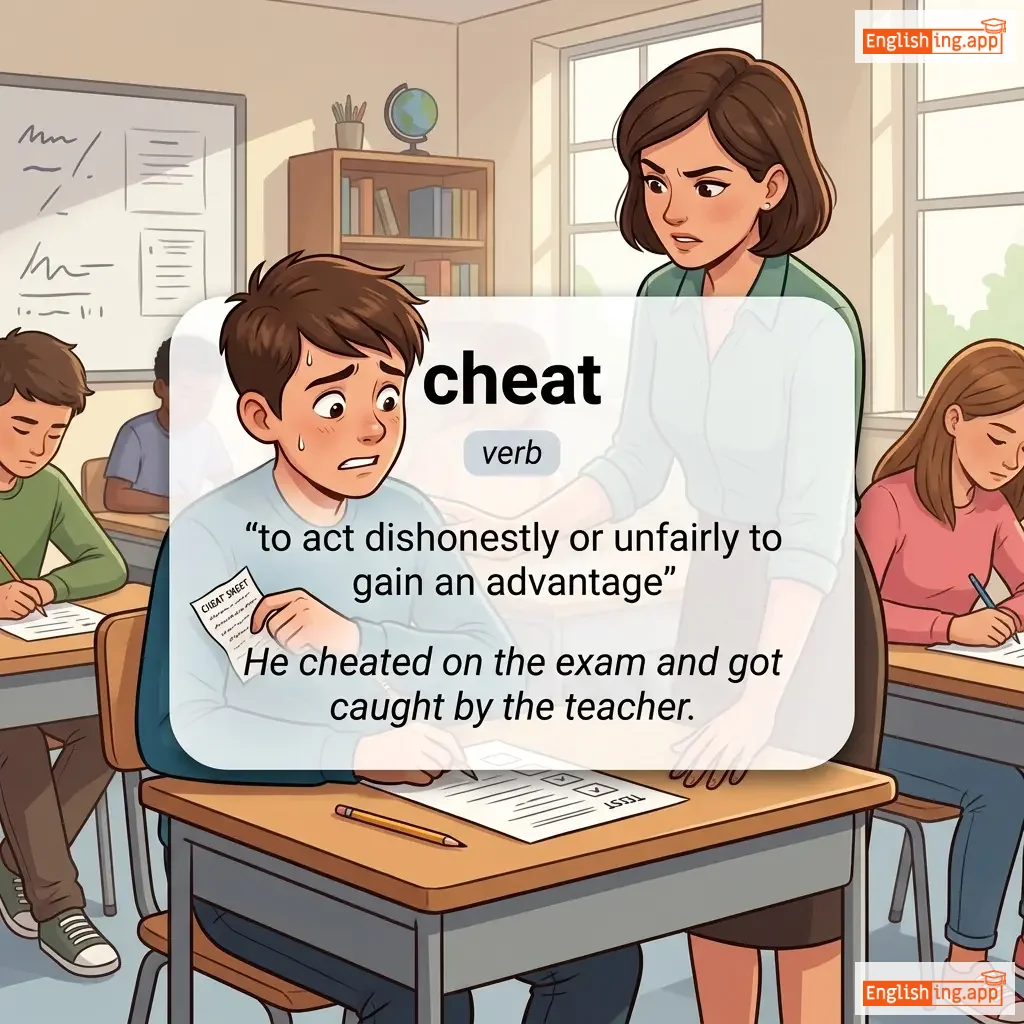
to act dishonestly or unfairly to gain an advantage
••••••
|
He cheated on the exam and got caught by the teacher. |
彼女は賞を受け取ったとき、自分の幸福を隠せなかった。
Kanojo wa shō o uketotta toki, jibun no kōfuku o kakusenakatta.
••••••
|
cheat death |
to narrowly escape death
••••••
|
幸福の追求
kōfuku no tsuikyū
••••••
|
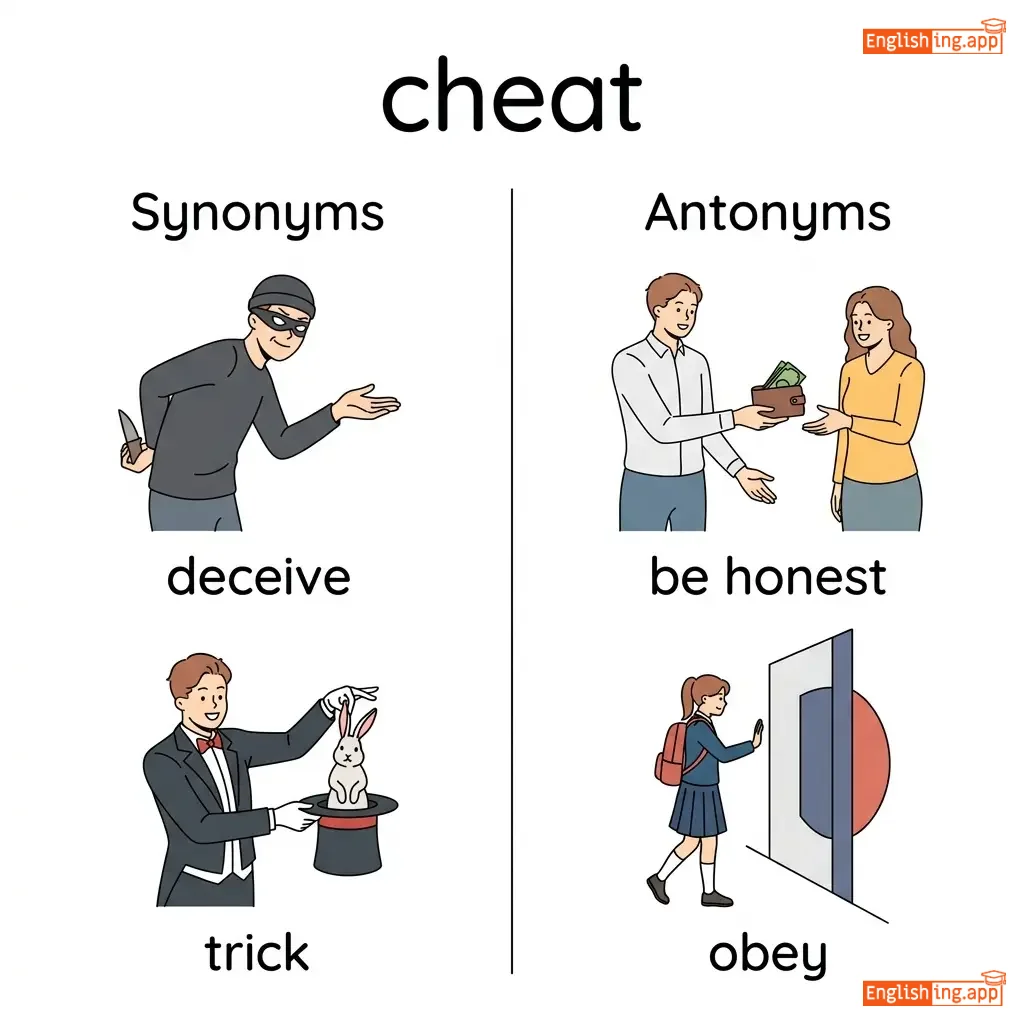
deceive, trick, defraud, mislead, con
••••••
|
be honest, obey
••••••
|
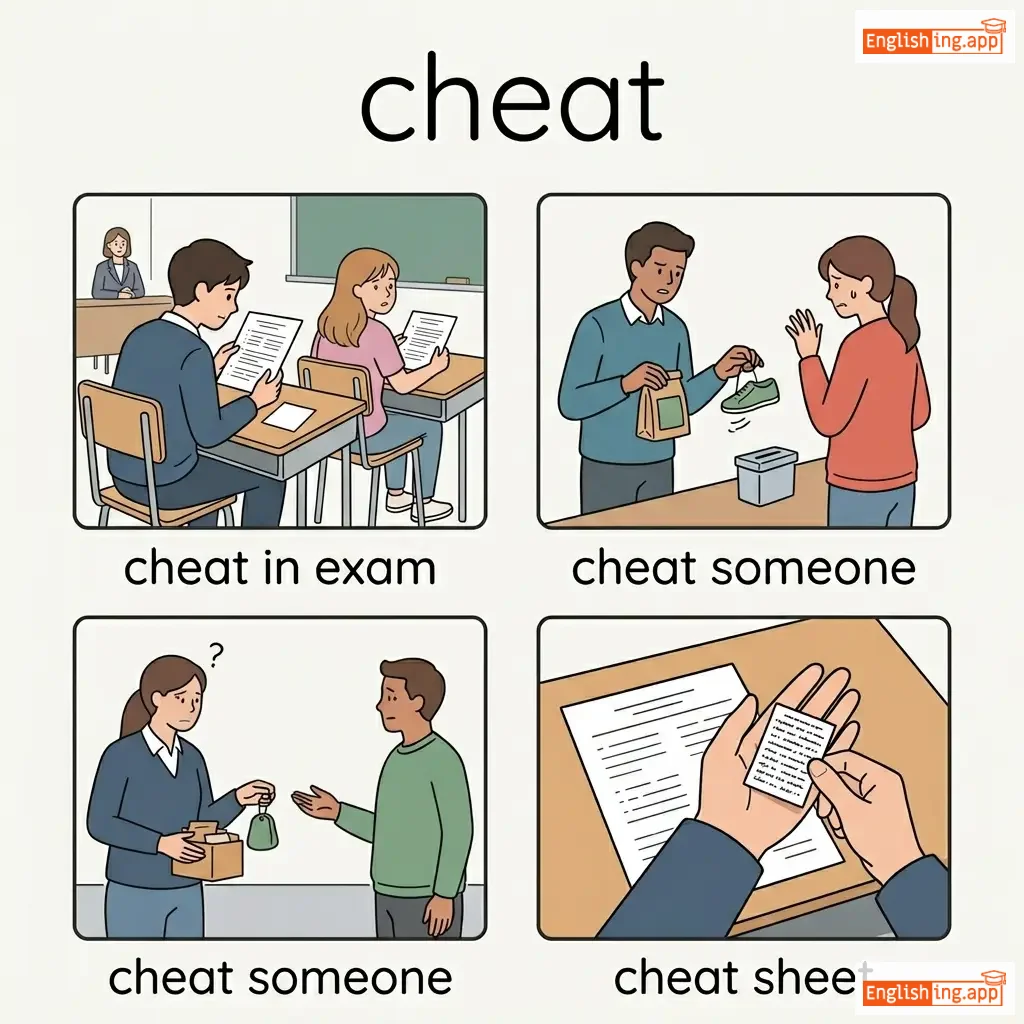
cheat in exam, cheat someone, cheat sheet, cheat code
••••••
|
幸福とは、人生を充実させるための鍵です。
••••••
|
|
#0
😊
|
/tʃiːk/
noun
(チーク)
••••••
|
- •••••• |
ほお
hoo
••••••
|
- •••••• | - •••••• | - •••••• | - •••••• |
either side of the face below the eye; impudent boldness
••••••
|
She kissed him on the cheek. |
彼女は彼のほおにキスをした。
Kanojo wa kare no hoo ni kisu o shita.
••••••
|
turn the other cheek |
to respond to an insult without retaliation
••••••
|
もう片方のほおを向ける
Mou katahō no hoo o mukeru
••••••
|
face, boldness, nerve, audacity
••••••
|
politeness, humility
••••••
|
rosy cheek, kiss on cheek, slap on cheek, chubby cheeks
••••••
|
Cheekはほおを意味します – いたずらな男の子はいつもほおにキスをします
••••••
|
|
#0
🎶
|
/ˈkwaɪər/
noun
(クワイア)
••••••
|
- •••••• |
合唱団
gasshoudan
••••••
|
- •••••• | - •••••• | - •••••• | - •••••• |
An organized group of singers, typically performing in church services or concerts.
••••••
|
The choir sang beautifully during the ceremony. |
式典中、合唱団は美しく歌いました。
Shikiten-chū, gasshoudan wa utsukushiku utaimashita.
••••••
|
angelic choir |
A choir whose singing is compared to the sound of angels.
••••••
|
天使の合唱団
Tenshi no gasshoudan
••••••
|
chorus, ensemble, singers, vocal group
••••••
|
solo, silence
••••••
|
church choir, school choir, join a choir, choir practice
••••••
|
Choir は教会で歌う合唱団のようなものです。
••••••
|
|
#0
🤝
|
/ˈsɪvəl/
adjective
(シビル)
••••••
|
- •••••• |
市民の
shimin no
••••••
|
- •••••• | - •••••• | - •••••• | - •••••• |
Relating to ordinary citizens and their concerns, or being polite and courteous.
••••••
|
They settled the matter through civil discussion. |
彼らは市民的な議論を通じて問題を解決しました。
Karera wa shimin-teki na giron o tsūjite mondai o kaiketsu shimashita.
••••••
|
civil war |
a war between groups within the same country
••••••
|
内戦
naisen
••••••
|
polite, courteous, civilian, domestic, respectful
••••••
|
rude, military, uncivil
••••••
|
civil rights, civil society, civil service, civil war
••••••
|
Civilは礼儀正しいことを意味し、シビルな人 = 礼儀正しい人
••••••
|
|
#0
💥
|
/klæʃ/
verb
(クラッシュ)
••••••
|
- •••••• |
衝突
shōtotsu
••••••
|
clashed
クラッシュド
••••••
|
clashed
クラッシュド
••••••
|
clashes
クラッシュズ
••••••
|
clashing
クラッシング
••••••
|
to come into conflict or collision with something or someone.
••••••
|
The two cars clashed in the intersection.
2台の車が交差点で衝突しました。
••••••
|
2台の車が交差点で衝突しました。
2-dai no kuruma ga kōsaten de shōtotsu shimashita.
••••••
|
- •••••• | - •••••• | - •••••• |
collide, confront, clash, conflict
••••••
|
reconcile, cooperate, agree
••••••
|
clash of interests, cultural clash, clash of opinions
••••••
|
Clash sounds like crash—まるで2台の車が衝突するように
••••••
|
|
#0
🗂️
|
/klɑːrk/
noun
(クラーク)
••••••
|
- •••••• |
職員
shokuin
••••••
|
- •••••• | - •••••• | - •••••• | - •••••• |
A person employed in an office or bank to keep records, accounts, and undertake other routine administrative duties.
••••••
|
The clerk helped me find the correct form. |
職員は私が正しいフォームを見つけるのを手伝ってくれました。
Shokuin wa watashi ga tadashii fōmu wo mitsukeru no wo tetsudatte kuremashita.
••••••
|
- •••••• | - •••••• | - •••••• |
assistant, cashier, teller, secretary, bookkeeper
••••••
|
manager, employer
••••••
|
office clerk, bank clerk, sales clerk, law clerk
••••••
|
職員は事務所で書類を管理する人です。
••••••
|
|
#0
😂
|
/ˈkɒmɪk/
adjective
(コミック)
••••••
|
- •••••• |
コミカル
komikaru
••••••
|
- •••••• | - •••••• | - •••••• | - •••••• |
causing or meant to cause laughter
••••••
|
The movie had several comic scenes. |
映画にはいくつかのコミカルなシーンがありました。
Eiga ni wa ikutsuka no komikaru na shīn ga arimashita.
••••••
|
comic relief |
a humorous break in a serious narrative
••••••
|
コミカルな救済
komikaru na kyūsai
••••••
|
funny, humorous, amusing, witty, entertaining
••••••
|
serious, tragic, solemn
••••••
|
comic book, comic strip, comic character, comic effect, comic scene
••••••
|
コミックは笑いを引き起こすもの
••••••
|
|
#0
🤔
|
/kʊd/
modal verb
(kud)
••••••
|
- •••••• |
できた
dekita
••••••
|
- •••••• | - •••••• | - •••••• | - •••••• |
Used to indicate possibility, ability, or permission in the past or as a polite suggestion.
••••••
|
He could swim when he was a child. |
彼は子供の頃泳げた。
Kare wa kodomo no koro oyogeta.
••••••
|
could not care less |
Used to express total lack of interest.
••••••
|
全く気にしない
Mattaku ki ni shinai
••••••
|
might, would, should, may
••••••
|
cannot, must not
••••••
|
could be, could have, could not, could possibly
••••••
|
Couldはできたを意味します — 思い浮かべてください、もしあなたが試したなら、できたはずです (dekita)。
••••••
|
|
#0
🪨
|
/kræk/
verb
(ハピネス)
••••••
|
- •••••• |
幸せ
shiawase
••••••
|
cracked
••••••
|
cracked
••••••
|
cracks
••••••
|
cracking
••••••
|
To break or cause to break without complete separation; to make a sharp sound.
••••••
|
The glass cracked when it was dropped on the floor. |
彼女は賞を受け取ったとき、幸せを隠すことができませんでした。
Kanojo wa shō o uketotta toki, shiawase o kakusu koto ga dekimasen deshita.
••••••
|
crack a joke |
To tell a joke.
••••••
|
幸せの追求
shiawase no tsuikyū
••••••
|
break, split, fracture, snap
••••••
|
fix, repair, mend
••••••
|
crack open, crack down, crack a smile, crack the code
••••••
|
幸せの意味は 'happy' と同じ、だから '幸せ'を覚えよう!
••••••
|
|
#0
🛢️
|
/kruːd/
adjective
(クルード)
••••••
|
- •••••• |
原油
genyu
••••••
|
- •••••• | - •••••• | - •••••• | - •••••• |
in a natural or raw state; not yet processed or refined
••••••
|
The crude oil is processed into fuel and chemicals. |
原油は燃料や化学薬品に加工されます。
Genyu wa nenryō ya kagaku yakuhin ni kakō saremasu.
••••••
|
- •••••• | - •••••• | - •••••• |
raw, unrefined, rough, unprocessed
••••••
|
refined, processed, pure
••••••
|
crude oil, crude nature, crude estimate
••••••
|
Crude 石油は未処理 - Crude oil is raw
••••••
|
|
#0
💔
|
/ˈkruːəl/
adjective
(クルエル)
••••••
|
- •••••• |
残酷
zankoku
••••••
|
- •••••• | - •••••• | - •••••• | - •••••• |
Willfully causing pain or suffering to others, or feeling no concern about it.
••••••
|
It was cruel to make fun of the injured boy. |
負傷した男の子を笑うのは残酷だった。
Fushō shita otoko no ko o warau no wa zankoku datta.
••••••
|
cruel and unusual punishment |
Punishment considered inhumane, degrading, or excessively harsh.
••••••
|
残酷で異常な処罰
zankoku de ijōna shobatsu
••••••
|
harsh, brutal, unkind, ruthless, merciless
••••••
|
kind, gentle, compassionate
••••••
|
cruel joke, cruel act, cruel treatment, cruel world
••••••
|
Cruelは残酷な罰を意味します – 残酷な処罰。
••••••
|
|
#0
💔
|
/krʌʃ/
verb
••••••
|
- •••••• | - •••••• |
crushed
••••••
|
crushed
••••••
|
crushes
••••••
|
crushing
••••••
|
to press or squeeze something so hard that it is damaged or destroyed
••••••
|
He accidentally crushed the paper cup in his hand. |
- •••••• |
have a crush on someone |
to have a romantic attraction toward someone
••••••
|
- •••••• |
squash, squeeze, compress, smash, flatten
••••••
|
build, repair, release
••••••
|
crush into pieces, crush under pressure, have a crush, crush completely
••••••
|
No •••••• |
|
#0
➰
|
/kɜːv/
noun
(カーブ)
••••••
|
- •••••• |
曲線
kyokusen
••••••
|
- •••••• | - •••••• | - •••••• | - •••••• |
a smooth, continuous line that bends without angles
••••••
|
The road curved sharply to the left. |
道路は急激に左に曲がった。
Dōro wa kyūgeki ni hidari ni magatta.
••••••
|
ahead of the curve |
to be more advanced or prepared than others
••••••
|
曲線の前に
kyokusen no mae ni
••••••
|
bend, arc, twist, turn, loop
••••••
|
straight, line, flatness
••••••
|
sharp curve, gentle curve, curve line, curve ahead
••••••
|
カーブは曲線 — 道路のカーブは曲がる道を意味する
••••••
|
|
#0
🎤
|
/ˈdeɪ.bjuː/
noun, verb
(デビュー)
••••••
|
- •••••• |
デビュー
debyu
••••••
|
debuted
デビューした
••••••
|
debuted
デビューした
••••••
|
debuts
デビューする
••••••
|
debuting
デビューしている
••••••
|
The first public appearance or performance of someone or something.
••••••
|
The young actor made his debut on the big stage.
若い俳優は大きな舞台でデビューを果たした。
••••••
|
若い俳優は大きな舞台でデビューを果たした。
Wakai haiyū wa ōkina butai de debyu o hatashita.
••••••
|
make a debut
デビューする
••••••
|
To appear or perform publicly for the first time.
••••••
|
デビューする
debyu suru
••••••
|
first appearance, introduction, premiere, launch, entrance
••••••
|
retirement, farewell, exit
••••••
|
make debut, debut performance, debut album, debut match
••••••
|
Debut = ‘De + But’ – 初めての舞台でデビュー。
••••••
|
|
#0
👹
|
/ˈdiːmən/
noun
(デーモン)
••••••
|
- •••••• |
悪魔
akuma
••••••
|
- •••••• | - •••••• | - •••••• | - •••••• |
an evil spirit or devil
••••••
|
The story was about a demon who haunted the village.
その話は、村を恐怖に陥れたデーモンについてでした。
••••••
|
その話は、村を恐怖に陥れたデーモンについてでした。
Sono hanashi wa, mura o kyōfu ni ochīreta dēmon ni tsuite deshita.
••••••
|
- •••••• | - •••••• | - •••••• |
devil, fiend, evil spirit, monster
••••••
|
angel, saint, good spirit
••••••
|
demon possession, demon spirit, evil demon
••••••
|
デーモン sounds like 'Demon' - evil spirit
••••••
|
Vocabulary Quiz
Test your vocabulary by matching words with their translations or meanings.
Login to take the quiz
Comments (0)
Share your thoughts and join the discussion.
Join the discussion by logging in
Login to CommentNo comments yet
Be the first to share your thoughts!