

率直なサンクスギビング
The Straightforward Thanksgiving
アサンはpart-timeの記者で、米国のsouthwest地域で学んでいましたが、家族はnorthwestの小さな町に住んでいました。毎年thanksgivingには帰省していましたが、今年は違っていました—かつてhigh-profileな政治家だった彼の父は、assassination未遂を生き延びた後に政界を去っていました。
家族の間には長年の恨みや誤解がありました。アサンはいつもstraightforwardで、それがしばしば人を傷つけました。彼は、このthanksgivingが壊れた絆を修復するチャンスになるかもしれないと感じていました。
食卓では皆沈黙していました。すると突然アサンが言いました。「私たちは皆間違いを犯してきました。私はvirtuallyこの沈黙がunacceptableだと分かっています。」母は微笑んで言いました。「あなたは相変わらず真実を語る勇気のあるold-fashionedな少年ね。」
父は静かに言いました。「私の人生の三分の二(two-thirds)は権力のための戦いに費やされ、残りのone-thirdは沈黙の中にありました。今はただ平和が欲しい。」
アサンの目に涙があふれました。「お父さん、」と彼は言いました。「あなたは政治を離れたかもしれないが、私たちはまだ家族を取り戻さなければならない。」皆は一緒に笑い—それは愛のactivationのように感じられました。
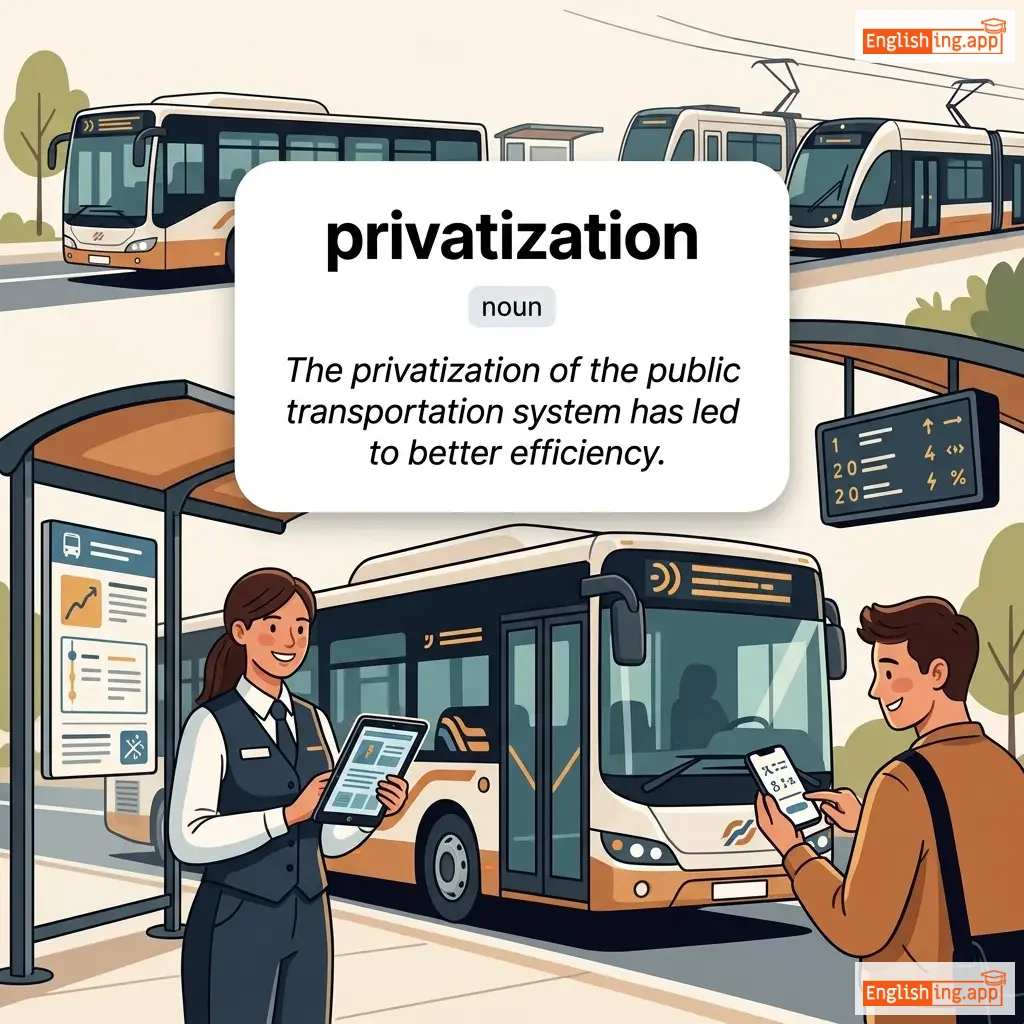
その夜、アサンは「The Twentieth Dinner of Peace.」という記事を書きました。それは非常にthought-provokingで、バイラルになりました。多くの読者がコメントしました:「私たちはprivatizationと政治にあまりにも夢中になり、家族の絆がincarcerationに苦しんでいる。」
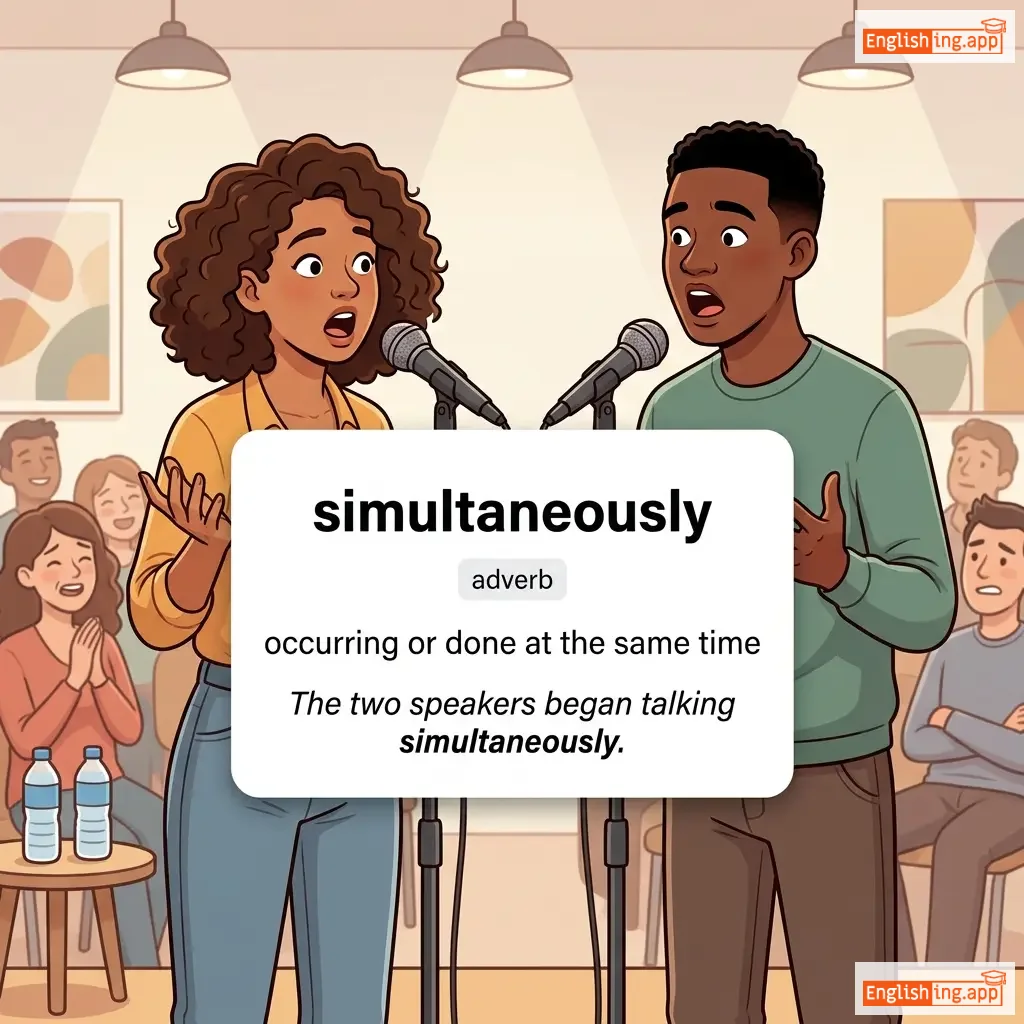
数週間後、彼は家族と社会の価値を議論するforthcomingなテレビ番組に招かれました。そこでアサンは言いました。「愛はlarge-scaleなプロジェクトではありません—それは小さな会話の中で築かれます。もし私たちがそれをsimultaneously育てれば、どの関係も壊れることはありません。」
そのthanksgivingは違っていました—それは新しい始まりを意味し、皆の間に許しと理解が満ちていました。
翻訳
過去
過去分詞
三人称単数
動名詞
意味
例文
例文の翻訳
同義語
対義語
コロケーション
ニーモニック
Swipe left or right, or use the buttons. Tap image to zoom.
例文の翻訳
単語
The Straightforward ThanksgivingThe Straightforward Thanksgiving - マスクトグル
|
絵文字
|
単語 | Images | 翻訳 | 意味 | 例文 | 例文の翻訳 | 表現例 | 表現例の意味 | 表現例の翻訳 | 同義語 | 対義語 | コロケーション | ニーモニック |
|---|---|---|---|---|---|---|---|---|---|---|---|---|---|
|
#0
🔓
|
/ˌæktɪˈveɪʃən/
noun
(アクティベーション)
••••••
|
- •••••• |
アクティベーション
akutibēshon
••••••
|
the act of making something start functioning
••••••
|
The activation of the system took longer than expected. |
システムのアクティベーションは予想よりも時間がかかりました。
Shisutemu no akutibēshon wa yosō yori mo jikan ga kakarimashita.
••••••
|
- •••••• | - •••••• | - •••••• |
initiation, triggering, launching, starting
••••••
|
deactivation, stoppage, termination
••••••
|
system activation, activation process, activation code
••••••
|
システムのアクティベーションは新しい冒険を始めるようなものです!
••••••
|
|
#0
☠️
|
/əˌsæsɪˈneɪʃən/
noun
(アサシネーション)
••••••
|
- •••••• |
暗殺
ansatsu
••••••
|
The act of killing someone important, often for political or ideological reasons.
••••••
|
The assassination of the president shocked the nation. |
大統領の暗殺は国全体を驚かせた。
Daitōryō no ansatsu wa kuni zentai o odorokaseta.
••••••
|
- •••••• | - •••••• | - •••••• |
murder, killing, execution, slaying
••••••
|
protection, rescue, preservation
••••••
|
political assassination, assassination attempt, assassination plot
••••••
|
暗殺は政治的理由で重要な人物を殺すことを思い出させます。
••••••
|
|
#0
📅
|
/ˌfɔːrθˈkʌmɪŋ/
adjective
(フォースカミング)
••••••
|
- •••••• |
近づいている
chikadzuiteiru
••••••
|
about to happen soon; willing to share information
••••••
|
The company announced its forthcoming product launch. |
会社は近づいている製品の発売を発表しました。
Kaisha wa chikadzuiteiru seihin no hatsubai o happyou shimashita.
••••••
|
- •••••• | - •••••• | - •••••• |
upcoming, imminent, approaching, pending, willing
••••••
|
past, previous, unwilling
••••••
|
forthcoming event, forthcoming meeting, forthcoming details, forthcoming report
••••••
|
'Forthcoming event' はすぐに起こることを意味します – 近づいている=upcoming.
••••••
|
|
#0
🌟
|
/ˈhaɪˌprəʊfaɪl/
adjective
(ハイプロファイル)
••••••
|
- •••••• |
注目の的
chumoku no mato
••••••
|
having a lot of attention or public notice
••••••
|
The CEO attended a high-profile conference in New York.
CEOはニューヨークでのハイプロファイルな会議に参加しました。
••••••
|
CEOはニューヨークでのハイプロファイルな会議に参加しました。
CEO wa Nyū Yōku de no haipuorafairu na kaigi ni sanka shimashita.
••••••
|
- •••••• | - •••••• | - •••••• |
prominent, important, well-known, notable
••••••
|
low-profile, unnoticed, obscure
••••••
|
high-profile event, high-profile person, high-profile position
••••••
|
High-profile = 注目の的 = 大きな関心、大きな注目!
••••••
|
|
#0
🔒
|
/ɪnˌkɑːsəˈreɪʃən/
noun
(インカースレイション)
••••••
|
- •••••• |
投獄
tōgoku
••••••
|
the state of being imprisoned or confined
••••••
|
The criminal faced years of incarceration for his crimes. |
犯人はその犯罪のために長年の投獄を受けた。
Hannin wa sono hanzai no tame ni naganen no tōgoku o uketa.
••••••
|
- •••••• | - •••••• | - •••••• |
imprisonment, confinement, detention, captivity
••••••
|
freedom, release
••••••
|
long incarceration, life incarceration, wrongful incarceration
••••••
|
Incarcerationは「in-car」のように聞こえます – 車の中に閉じ込められて逃げられない人を想像してください!
••••••
|
|
#0
🌍
|
/lɑːrdʒ skeɪl/
adjective
(ラージスケール)
••••••
|
- •••••• |
大規模
daikibo
••••••
|
involving a large number or quantity, or covering a large area
••••••
|
The company is planning a large-scale expansion into international markets. |
その会社は国際市場に大規模な拡大を計画しています。
Sono kaisha wa kokusai shijō ni daikibo na kakudai o keikaku shiteimasu.
••••••
|
- •••••• | - •••••• | - •••••• |
massive, extensive, widespread
••••••
|
small-scale, limited, localized
••••••
|
large-scale project, large-scale operation, large-scale impact
••••••
|
Large-scale - 大 (dai) 規模 (kibo)
••••••
|
|
#0
🧭
|
/ˌnɔːrθˈwest/
noun, adjective, adverb
(ノースウェスト)
••••••
|
- •••••• |
北西
hokusei
••••••
|
the direction that is between north and west; situated in or moving toward this direction
••••••
|
Seattle is located in the northwest of the United States. |
シアトルはアメリカ合衆国の北西部にあります。
Shiatoru wa Amerika Gasshūkoku no hokuseibu ni arimasu.
••••••
|
go northwest |
to move or travel toward the northwest direction
••••••
|
北西に進む
hokusei ni susumu
••••••
|
northwestern region, upper west, northwestward, NW
••••••
|
southeast, south, east
••••••
|
northwest wind, northwest corner, northwest region, go northwest, northwest direction
••••••
|
Northは北、Westは西 — それを合わせて北西 👉 北西!
••••••
|
|
#0
🎩
|
/ˌoʊld ˈfæʃənd/
adjective
(オールドファッションド)
••••••
|
- •••••• |
昔風の
mukashifū no
••••••
|
not modern; belonging to an earlier time
••••••
|
He still wears an old-fashioned hat. |
彼は今でも昔風の帽子をかぶっています。
Kare wa imademo mukashifū no bōshi o kabutteimasu.
••••••
|
old-fashioned values |
traditional moral beliefs and manners
••••••
|
昔風の価値観
mukashifū no kachikan
••••••
|
outdated, antique, obsolete, vintage, traditional
••••••
|
modern, contemporary, trendy
••••••
|
old-fashioned clothes, old-fashioned ideas, old-fashioned style, old-fashioned manners
••••••
|
Old-fashionedは古いスタイルのこと — 昔風の🎩
••••••
|
|
#0
🧮
|
/wʌn θɜːd/
noun
(ワン・サード)
••••••
|
- •••••• |
三分の一
sanbun no ichi
••••••
|
one part of something that is divided into three equal parts
••••••
|
One-third of the class was absent today. |
クラスの三分の一が今日は欠席でした。
Kurasu no sanbun no ichi ga kyō wa kesseki deshita.
••••••
|
- •••••• | - •••••• | - •••••• |
fraction, portion, segment, division
••••••
|
whole, entirety
••••••
|
one-third of, about one-third, nearly one-third
••••••
|
三分の一は三つの部分の一つ — 三つの部分のうち一つが三分の一!
••••••
|
|
#0
⏳
|
/ˈpɑːt taɪm/
adjective
(パートタイム)
••••••
|
- •••••• |
パートタイム
pāto taimu
••••••
|
working for only part of the usual working day or week
••••••
|
She works part-time as a waitress.
彼女はパートタイムのウェイトレスとして働いています。
••••••
|
彼女はパートタイムのウェイトレスとして働いています。
Kanojo wa pāto taimu no weitoresu to shite hataraiteimasu.
••••••
|
- •••••• | - •••••• | - •••••• |
half-time, limited hours, reduced hours
••••••
|
full-time
••••••
|
part-time job, part-time worker, part-time hours
••••••
|
Part-time = 時間の一部; フルタイムではない、時間を共有する。
••••••
|
|
#0
🏢
|
/ˌpraɪvətəˈzeɪʃən/
noun
(puraitization)
••••••
|
|
民営化
min'eika
••••••
|
the process of transferring ownership of a business, industry, or service from the public sector to the private sector
••••••
|
The privatization of the public transportation system has led to better efficiency.
公共交通システムの民営化は、効率の向上をもたらしました。
••••••
|
公共交通システムの民営化は、効率の向上をもたらしました。
Kōkyō kōtsū shisutemu no min'eika wa, kōritsu no kōjō o motarashimashita.
••••••
|
- •••••• | - •••••• | - •••••• |
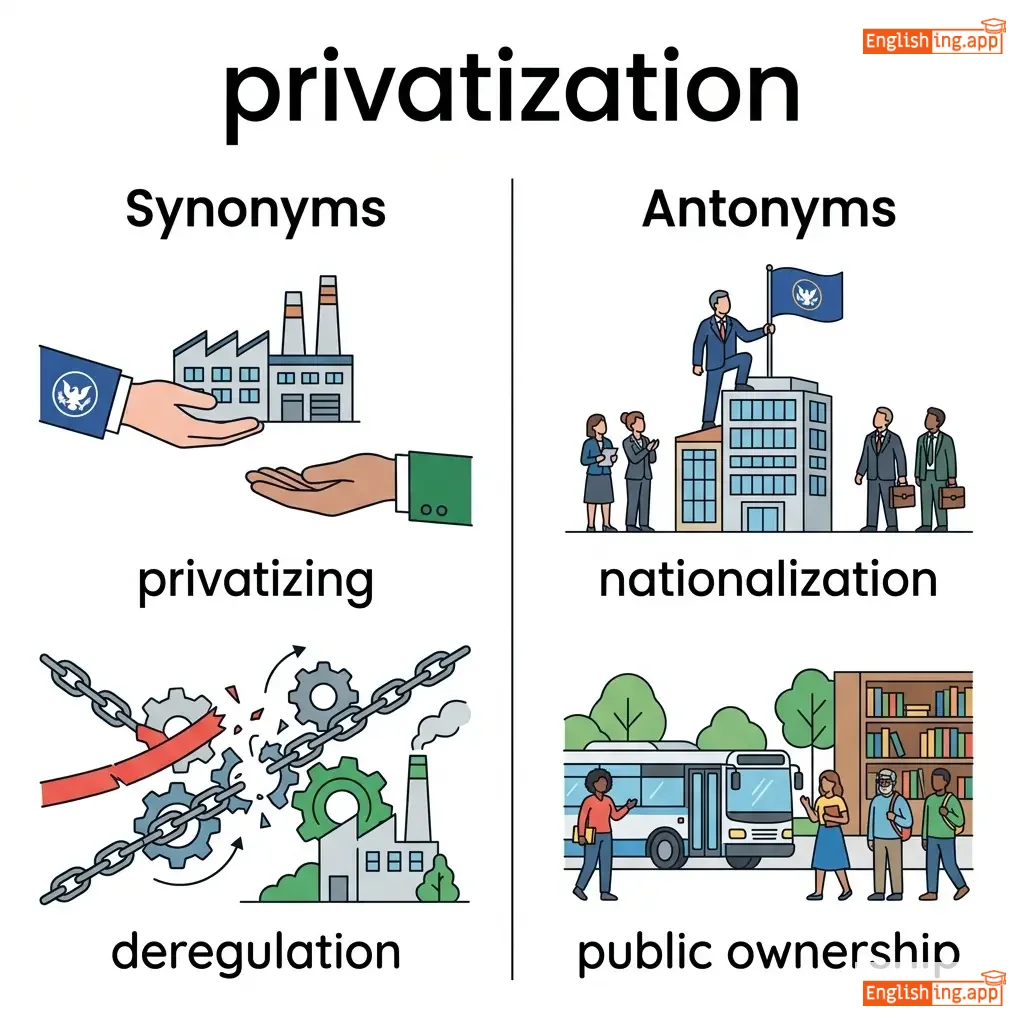
privatizing, deregulation, commercialization
••••••
|
nationalization, public ownership
••••••
|
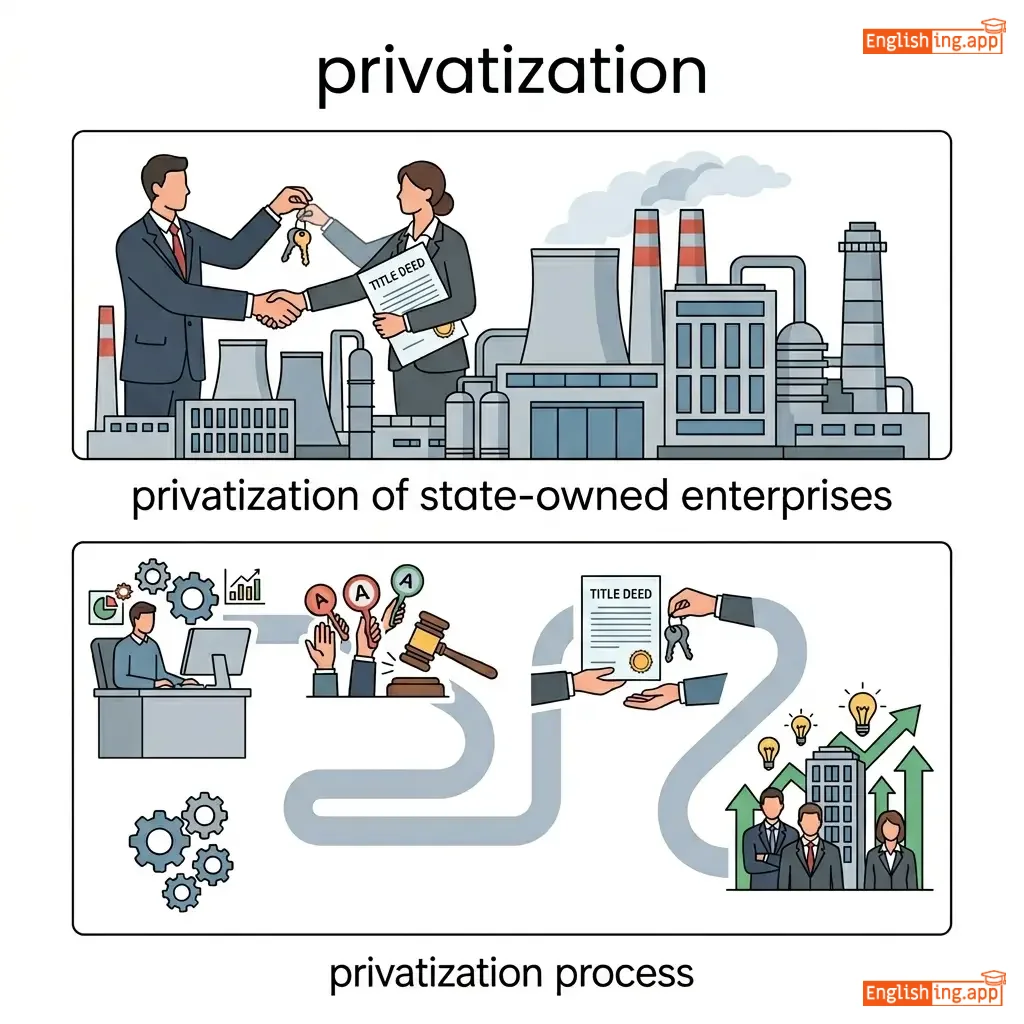
privatization of state-owned enterprises, privatization process
••••••
|
民営化は公共から民間への移行、公共サービスが民間企業に変わることです。
••••••
|
|
#0
⏱️
|
/ˌsaɪ.məlˈteɪ.ni.əs.li/
adverb
(シムルタネオスリー)
••••••
|
|
同時に
douji ni
••••••
|
occurring or done at the same time
••••••
|
The two speakers began talking simultaneously.
二人のスピーカーは同時に話し始めました。
••••••
|
二人のスピーカーは同時に話し始めました。
Futari no supiikaa wa douji ni hanashihajimemashita.
••••••
|
- •••••• | - •••••• | - •••••• |
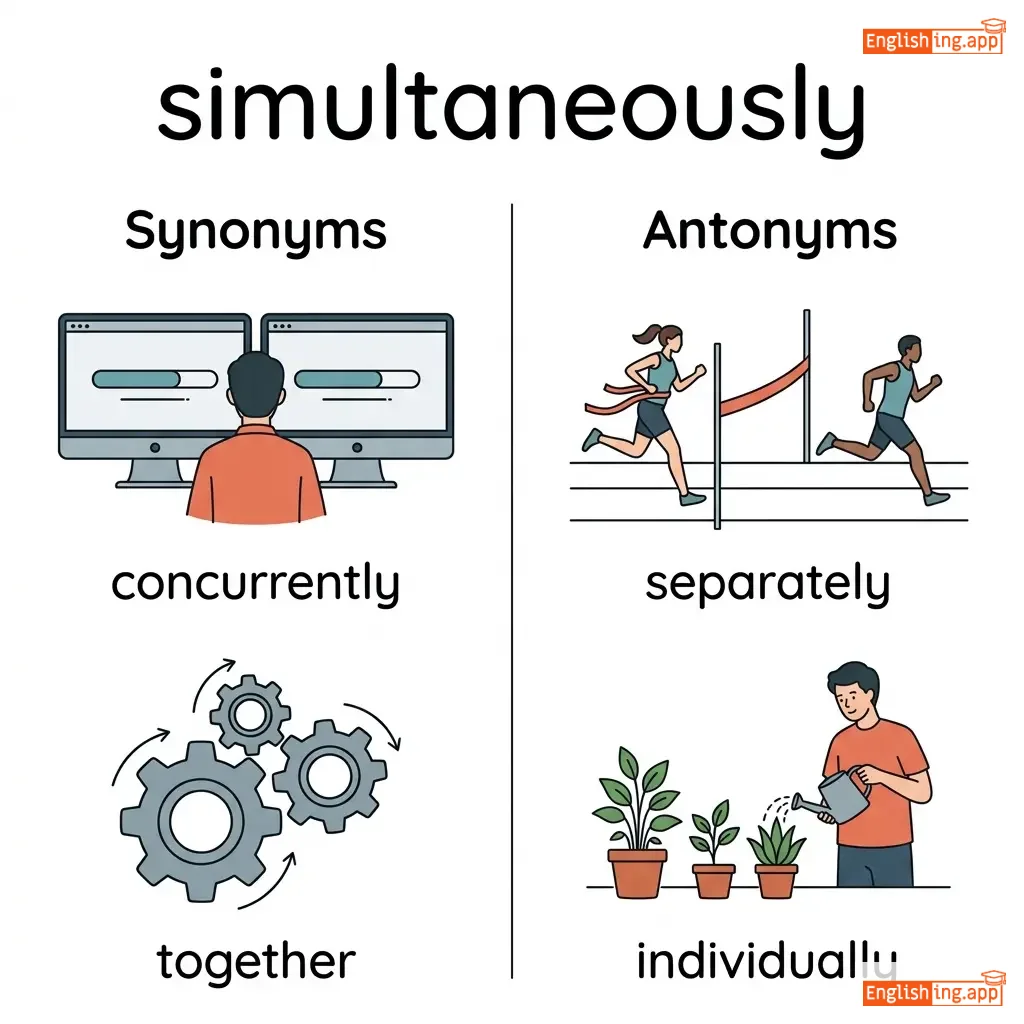
concurrently, together, synchronously, at once, in unison
••••••
|
separately, individually, consecutively
••••••
|
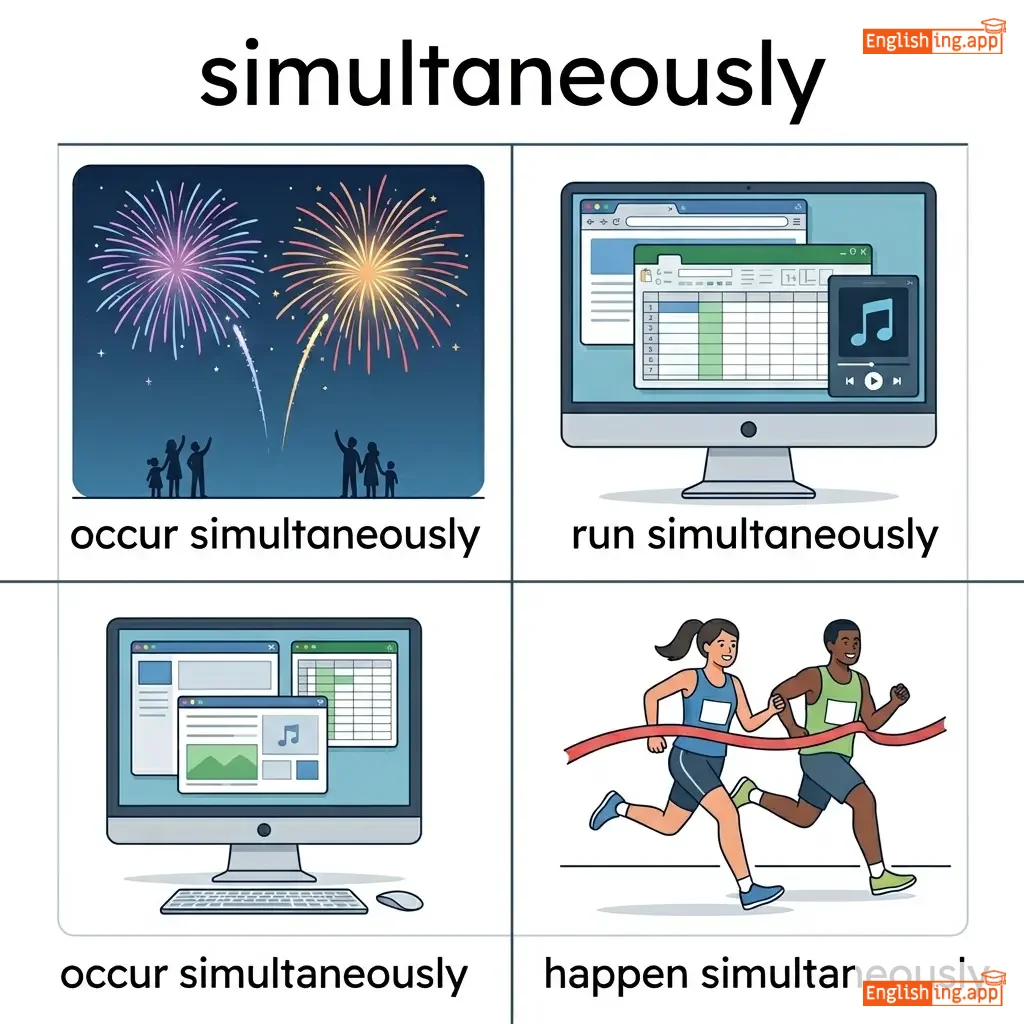
occur simultaneously, run simultaneously, happen simultaneously, work simultaneously
••••••
|
同時には同じ時間に – 二人が同時に話している!
••••••
|
|
#0
🧭
|
/ˌsaʊθˈwɛst/
noun
(サウスウエスト)
••••••
|
- •••••• |
南西
nansei
••••••
|
the direction that is between south and west; a region in that direction
••••••
|
They traveled to the southwest of the country for their vacation. |
彼らは休暇のために国の南西部に行きました。
Karera wa kyūka no tame ni kuni no nansēbu ni ikimashita.
••••••
|
- •••••• | - •••••• | - •••••• |
southwesterly, southwestern, SW, direction, area
••••••
|
northeast, northeastern
••••••
|
southwest corner, southwest region, southwest direction, travel southwest
••••••
|
South と West を合わせて南西 — コンパスでその方向を想像してください!
••••••
|
|
#0
👌
|
/ˌstreɪtˈfɔːwəd/
adjective
(sutoreitofowādo)
••••••
|
- •••••• |
簡単
kantan
••••••
|
easy to understand or do; simple
••••••
|
Her explanation was straightforward and clear.
彼女の説明は簡単で明確でした。
••••••
|
彼女の説明は簡単で明確でした。
Kanojo no setsumei wa kantan de meikaku deshita.
••••••
|
- •••••• | - •••••• | - •••••• |
clear, simple, direct, uncomplicated
••••••
|
complicated, confusing, difficult
••••••
|
straightforward task, straightforward approach, straightforward explanation
••••••
|
まっすぐな道のように簡単!
••••••
|
|
#0
🦃
|
/ˈθæŋksˌɡɪvɪŋ/
noun
(サンクスギビング)
••••••
|
- •••••• |
感謝祭
kanshasai
••••••
|
an annual holiday in the US for giving thanks, celebrated with a meal
••••••
|
We spent Thanksgiving dinner with our family. |
私たちは家族と一緒に感謝祭の夕食を過ごしました。
Watashitachi wa kazoku to issho ni kanshasai no yūshoku o sugoshimashita.
••••••
|
Thanksgiving dinner |
a traditional meal shared during the Thanksgiving holiday
••••••
|
感謝祭の夕食
Kanshasai no yūshoku
••••••
|
gratitude, appreciation, holiday, feast
••••••
|
ingratitude, complaint
••••••
|
Thanksgiving Day, Thanksgiving dinner, Thanksgiving turkey
••••••
|
Thanks + Giving = 感謝を表す日! だから感謝祭は感謝を示す日です。
••••••
|
|
#0
💭
|
/ˈθɔːtˌproʊvɪkɪŋ/
adjective
(ソート-プロヴォーキング)
••••••
|
- •••••• |
考えさせる
kangae saseru
••••••
|
stimulating careful consideration or thought
••••••
|
The movie was deeply thought-provoking and left a lasting impression. |
その映画は深く考えさせられ、永続的な印象を残しました。
Sono eiga wa fukaku kangae saserare, eizoku-teki na inshō o nokoshimashita.
••••••
|
- •••••• | - •••••• | - •••••• |
stimulating, insightful, profound, reflective
••••••
|
unthoughtful, shallow
••••••
|
thought-provoking question, thought-provoking film, thought-provoking book
••••••
|
考えさせる - This movie will make you think long after!
••••••
|
|
#0
2️⃣0️⃣
|
/ˈtwɛntiəθ/
adjective
(トゥエンティエス)
••••••
|
- •••••• |
二十番目
nijūbanme
••••••
|
coming after the nineteenth in order; being one of twenty equal parts.
••••••
|
She was born on the twentieth of April. |
彼女は四月二十日に生まれました。
Kanojo wa shigatsu nijū-nichi ni umaremashita.
••••••
|
- •••••• | - •••••• | - •••••• |
20th, twentieth part, ordinal number, fraction
••••••
|
nineteenth, twenty-first
••••••
|
twentieth century, twentieth floor, twentieth birthday, twentieth of April
••••••
|
Twentieth は 20th を意味する — トゥエンティ (20) + エス = 二十番目
••••••
|
|
#0
➗
|
/tuː θɜːrdz/
noun
(トゥー・サーズ)
••••••
|
- •••••• |
三分の二
sanbun no ni
••••••
|
a fraction equal to two parts of three; 2/3.
••••••
|
Two-thirds of the students passed the exam. |
学生の三分の二が試験に合格しました。
Gakusei no sanbun no ni ga shiken ni goukaku shimashita.
••••••
|
- •••••• | - •••••• | - •••••• |
fraction, ratio, portion, majority
••••••
|
one-third, whole
••••••
|
two-thirds majority, two-thirds vote, two-thirds full
••••••
|
Two-thirds は 3 部分のうち 2 部分 ➗ — 三分の二を覚えて!
••••••
|
|
#0
🚫
|
/ˌʌn.əkˈsep.tə.bəl/
adjective
(an'ekkuseputāburu)
••••••
|
- •••••• |
受け入れられない
ukeirerarenai
••••••
|
not satisfactory or allowable; not acceptable
••••••
|
The quality of work was completely unacceptable.
仕事の質は完全に受け入れられませんでした。
••••••
|
仕事の質は完全に受け入れられませんでした。
Shigoto no shitsu wa kanzen ni ukeireraremasen deshita.
••••••
|
- •••••• | - •••••• | - •••••• |
intolerable, unsatisfactory, inadmissible
••••••
|
acceptable, satisfactory, adequate
••••••
|
unacceptable behavior, unacceptable conditions, completely unacceptable
••••••
|
Japanese: '受け入れられない' = '受け入れ' (accept) + 'られない' (not)
••••••
|
|
#0
💻
|
/ˈvɜː.tʃu.ə.li/
adverb
(ヴァーチュアリー)
••••••
|
- •••••• |
ほとんど, バーチャル
hotondo, bācharu
••••••
|
almost or nearly, but not completely; by means of computer technology
••••••
|
The meeting was held virtually due to travel restrictions. |
旅行制限のため、会議はバーチャルで行われました。
Ryokō seigen no tame, kaigi wa bācharu de okonawaremashita.
••••••
|
virtually impossible |
almost impossible to do or achieve
••••••
|
ほとんど不可能
hotondo fukanō
••••••
|
almost, nearly, practically, effectively, essentially
••••••
|
completely, totally, physically
••••••
|
virtually impossible, virtually all, held virtually, virtually unchanged
••••••
|
Virtually はオンラインまたはほとんど — ‘virtual class’ は実際にオンラインクラスを意味します 💻
••••••
|
Vocabulary Quiz
Test your vocabulary by matching words with their translations or meanings.
Login to take the quiz
Comments (0)
Share your thoughts and join the discussion.
Join the discussion by logging in
Login to CommentNo comments yet
Be the first to share your thoughts!