

荒野の上の光
Lights Over The Wilderness
タクルゴアンの森の近くの文化キャンプで、みんなが新しい劇の計画を立てるために集まりました。地元のspecialistスミが午前中のワークショップを指導しました。彼女は、毎日のリハーサルがチームの信頼をstrengthenすると言いました。ティーンエイジャーたちはセットのstructural安全性を調べました。正午には、書かれた脚本のsubmissionsを集めました。市から来たsubscriberグループが、最前線でリハーサルを見るために到着しました。年配の俳優が病気になった時、ハシはsubstituteとしてその役を引き受け、チームはsupportiveでしたので、彼女は恐怖を感じませんでした。森の村人たちには、その雰囲気がとてもsurprisingでした。監督は、作業がsystematicであるべきだと主張しました、それにより喜びが広がります。Technicianが山頂に仮設のタワーを設置して、ライトを準備しました。地元のtelevisionクルーがライブ中継の準備をしました。みんなは、空がthankfully晴れていることに気付きました。夕方には活気に満ちたtheatricalなリハーサルがありました。村人たちはthroughoutキャンプでその演技に魅了されました。その後、学校のフィールドで、いくつかの劇団が参加するtournamentが開催されました。翌日のスケジュールでは、民謡から劇へのユニークなtransitionが作られました。全体のプログラムは本当にtremendousでした。彼らの安全計画はultimatelyすべての人の信頼を得ました。Underlyingメッセージは、森林保護の重要性を強調しました。広大なwildernessの中で、このキャンプはすべての心に勇気を吹き込みました。
翻訳
過去
過去分詞
三人称単数
動名詞
意味
例文
例文の翻訳
同義語
対義語
コロケーション
ニーモニック



Swipe left or right, or use the buttons. Tap image to zoom.
例文の翻訳
単語
Lights Over The WildernessLights Over The Wilderness - マスクトグル
|
絵文字
|
単語 | Images | 翻訳 | 過去 | 過去分詞 | 三人称単数 | 動名詞 | 意味 | 例文 | 例文の翻訳 | 表現例 | 表現例の意味 | 表現例の翻訳 | 同義語 | 対義語 | コロケーション | ニーモニック |
|---|---|---|---|---|---|---|---|---|---|---|---|---|---|---|---|---|---|
|
#0
👨⚕️
|
/ˈspeʃəlɪst/
noun
(スペシャリスト)
••••••
|
- •••••• |
専門家
senmonka
••••••
|
- •••••• | - •••••• | - •••••• | - •••••• |
a person who has specialized knowledge or training in a particular area; an expert
••••••
|
She consulted a heart specialist about her condition.
彼女は自分の状態について心臓専門医に相談しました。
••••••
|
彼女は自分の状態について心臓専門医に相談しました。
Kanojo wa jibun no jōtai ni tsuite shinzō senmon'i ni sōdan shimashita.
••••••
|
- •••••• | - •••••• | - •••••• |
expert, professional, authority, consultant
••••••
|
generalist, amateur, novice, beginner
••••••
|
medical specialist, heart specialist, IT specialist, specialist knowledge
••••••
|
専門家 = エキスパート
••••••
|
|
#0
💪
|
/ˈstrɛŋkθən/
verb
(ストレングスン)
••••••
|
|
強化する
kyouka suru
••••••
|
strengthened
ストレングスンド
••••••
|
strengthened
ストレングスンド
••••••
|
strengthens
ストレングスンズ
••••••
|
strengthening
ストレングスニング
••••••
|
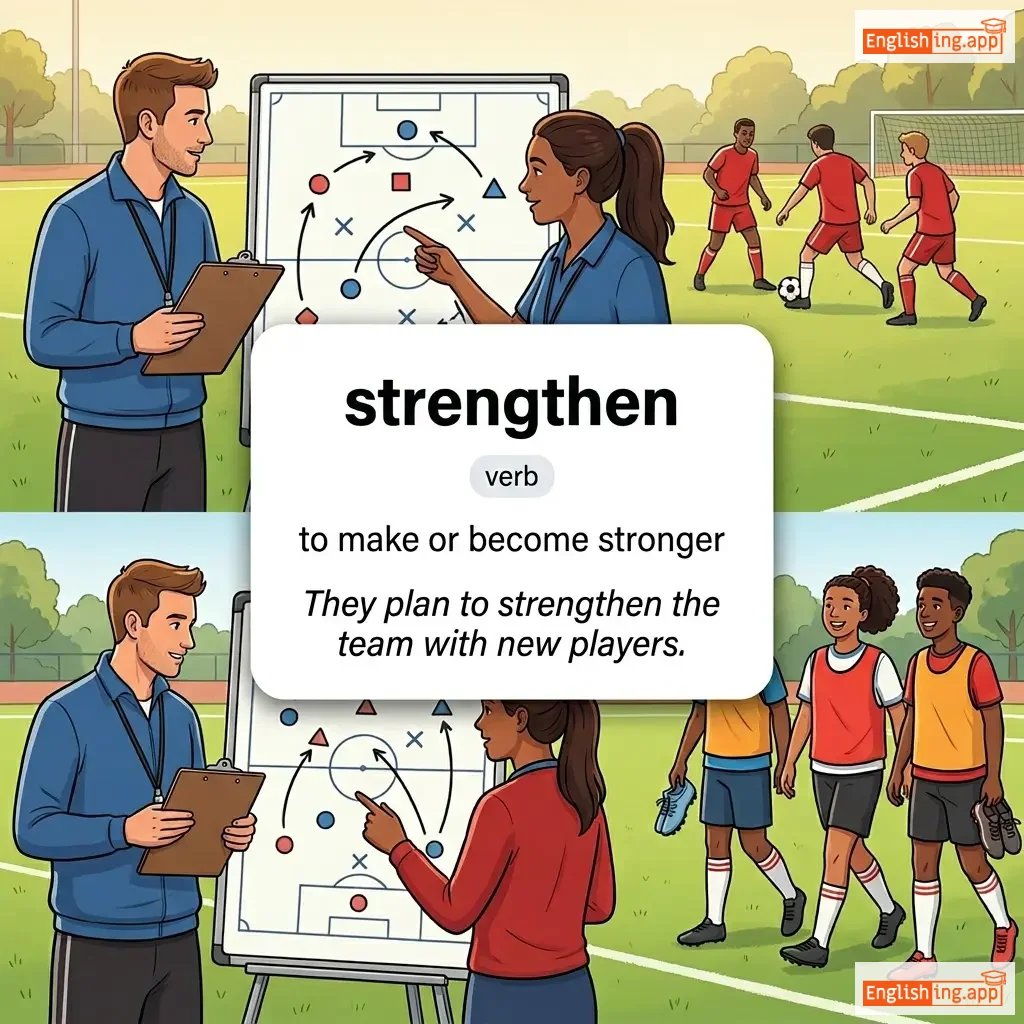
to make or become stronger
••••••
|
They plan to strengthen the team with new players.
彼らは新しい選手を加えてチームを強化する予定です。
••••••
|
彼らは新しい選手を加えてチームを強化する予定です。
Karera wa atarashī senshu o kuwaete chīmu o kyōka suru yotei desu.
••••••
|
- •••••• | - •••••• | - •••••• |
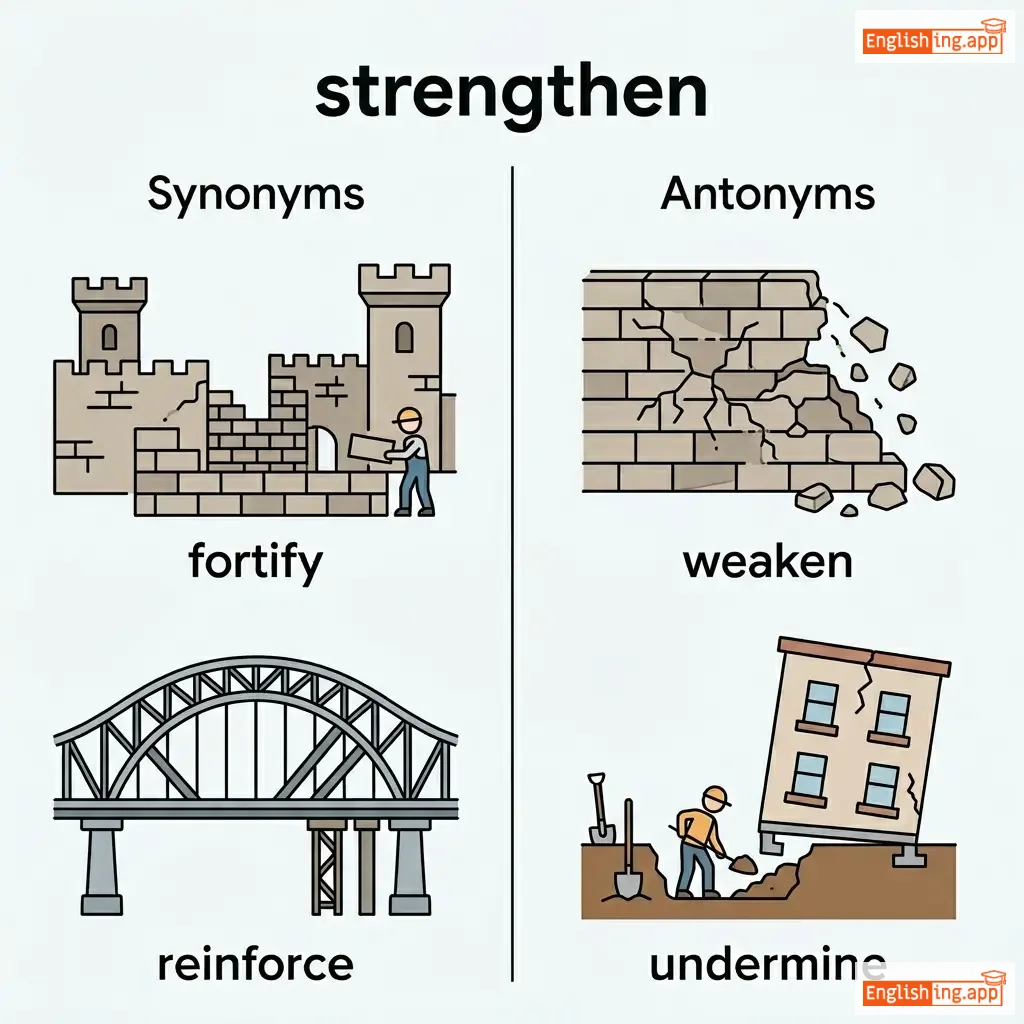
fortify, reinforce, empower, bolster
••••••
|
weaken, undermine
••••••
|
strengthen skills, strengthen position, strengthen muscles, strengthen bond
••••••
|
あなたの力を強化するために - Strengthen to become stronger
••••••
|
|
#0
🏗️
|
/ˈstrʌktʃərəl/
adjective
••••••
|
|
- •••••• | - •••••• | - •••••• | - •••••• | - •••••• |
relating to or forming part of the structure of something
••••••
|
Engineers found structural damage in the old bridge. |
- •••••• | - •••••• | - •••••• | - •••••• |
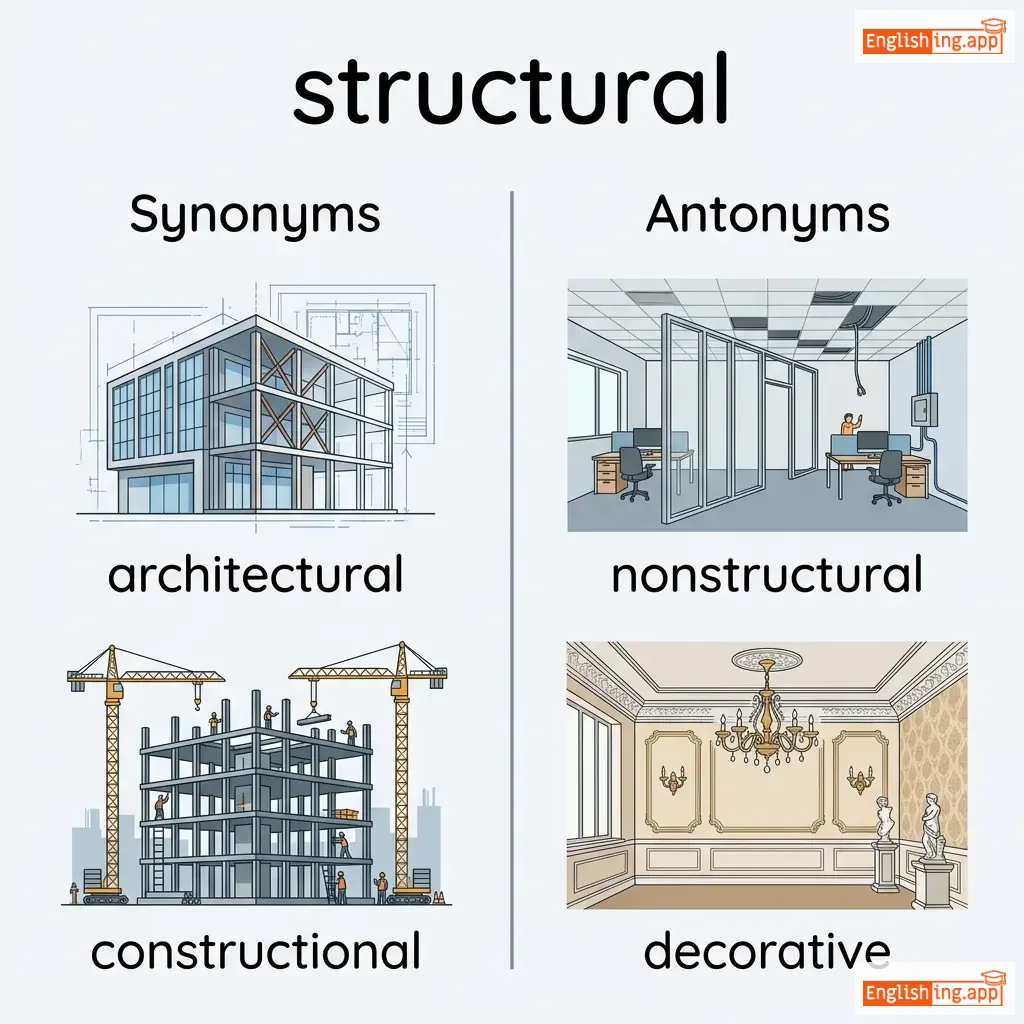
architectural, constructional, physical, organizational
••••••
|
nonstructural, decorative
••••••
|
structural damage, structural design, structural change, structural problem
••••••
|
No •••••• |
|
#0
📩
|
/səbˈmɪʃən/
noun
(サブミッション)
••••••
|
- •••••• |
提出, 服従
teishutsu, fukujū
••••••
|
- •••••• | - •••••• | - •••••• | - •••••• |
the act of yielding to authority or presenting something for consideration
••••••
|
Her submission of the report was appreciated by the manager. |
彼女の報告書の提出は、マネージャーに評価されました。
Kanojo no hōkokusho no teishutsu wa, manējā ni hyōka saremashita.
••••••
|
in submission to |
yielding to someone or something
••••••
|
服従すること
fukujū suru koto
••••••
|
obedience, compliance, surrender, presentation, proposal
••••••
|
resistance, defiance, refusal
••••••
|
submission of report, submission deadline, complete submission, voluntary submission
••••••
|
Submissionはレポートを提出することを意味し、服従は何かを提出するか、屈服することを意味します。
••••••
|
|
#0
📩
|
/səbˈskraɪbər/
noun
(サブスクライバー)
••••••
|
- •••••• |
サブスクライバー
sabusukuraibā
••••••
|
- •••••• | - •••••• | - •••••• | - •••••• |
a person who receives or subscribes to a service, magazine, or service
••••••
|
She is a subscriber to the monthly magazine. |
彼女は月刊誌のサブスクライバーです。
Kanojo wa gekkanshi no sabusukuraibā desu.
••••••
|
- •••••• | - •••••• | - •••••• |
member, follower, customer, supporter
••••••
|
non-subscriber, reader
••••••
|
new subscriber, regular subscriber, email subscriber
••••••
|
サブスクライバー、サービスにサインアップした人
••••••
|
|
#0
🔄
|
/ˈsʌb.stɪ.tjuːt/
verb
(サブスティチュート)
••••••
|
|
代替する
daitai suru
••••••
|
substituted
サブスティチューテッド
••••••
|
substituted
サブスティチューテッド
••••••
|
substitutes
サブスティチューツ
••••••
|
substituting
サブスティチューティング
••••••
|
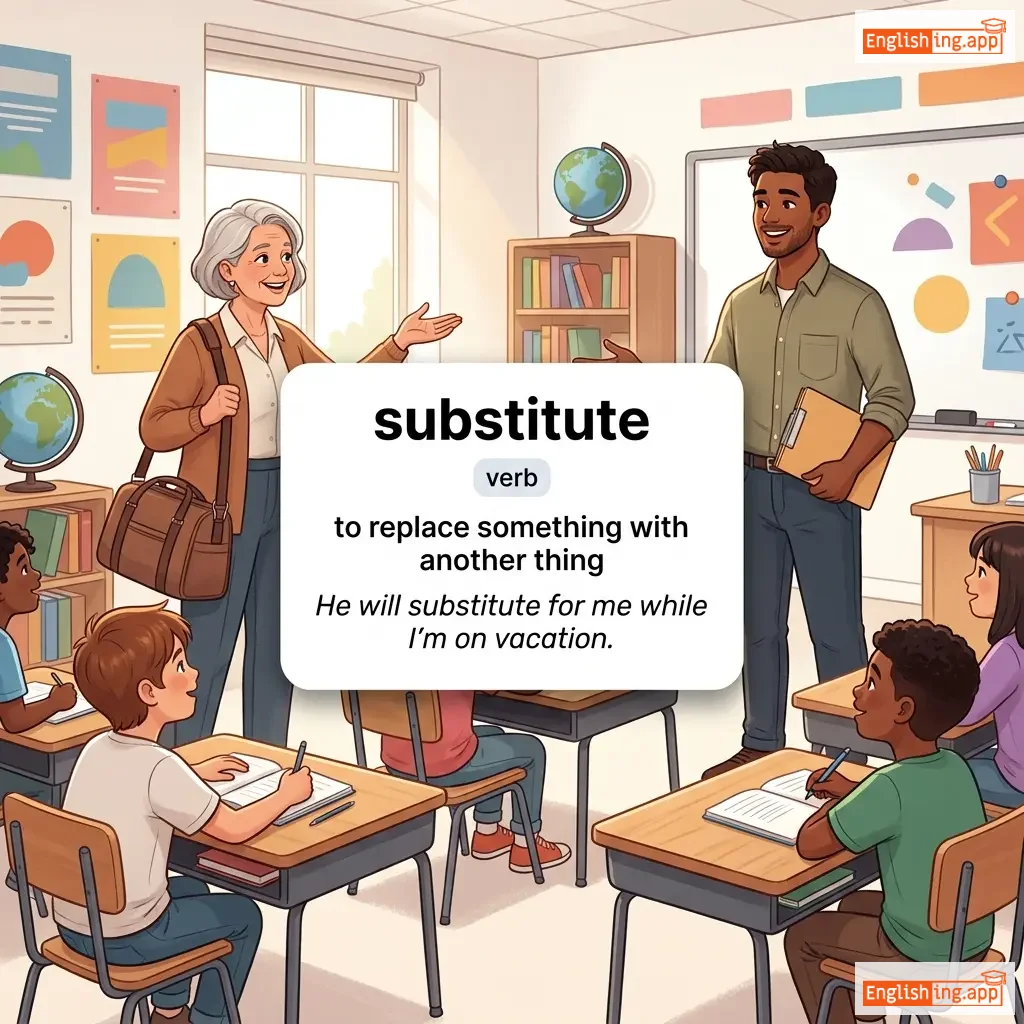
to replace something with another thing
••••••
|
He will substitute for me while I'm on vacation.
彼は私が休暇中に代わりに働きます。
••••••
|
彼は私が休暇中に代わりに働きます。
Kare wa watashi ga kyūka-chū ni kawari ni hatarakimasu.
••••••
|
- •••••• | - •••••• | - •••••• |
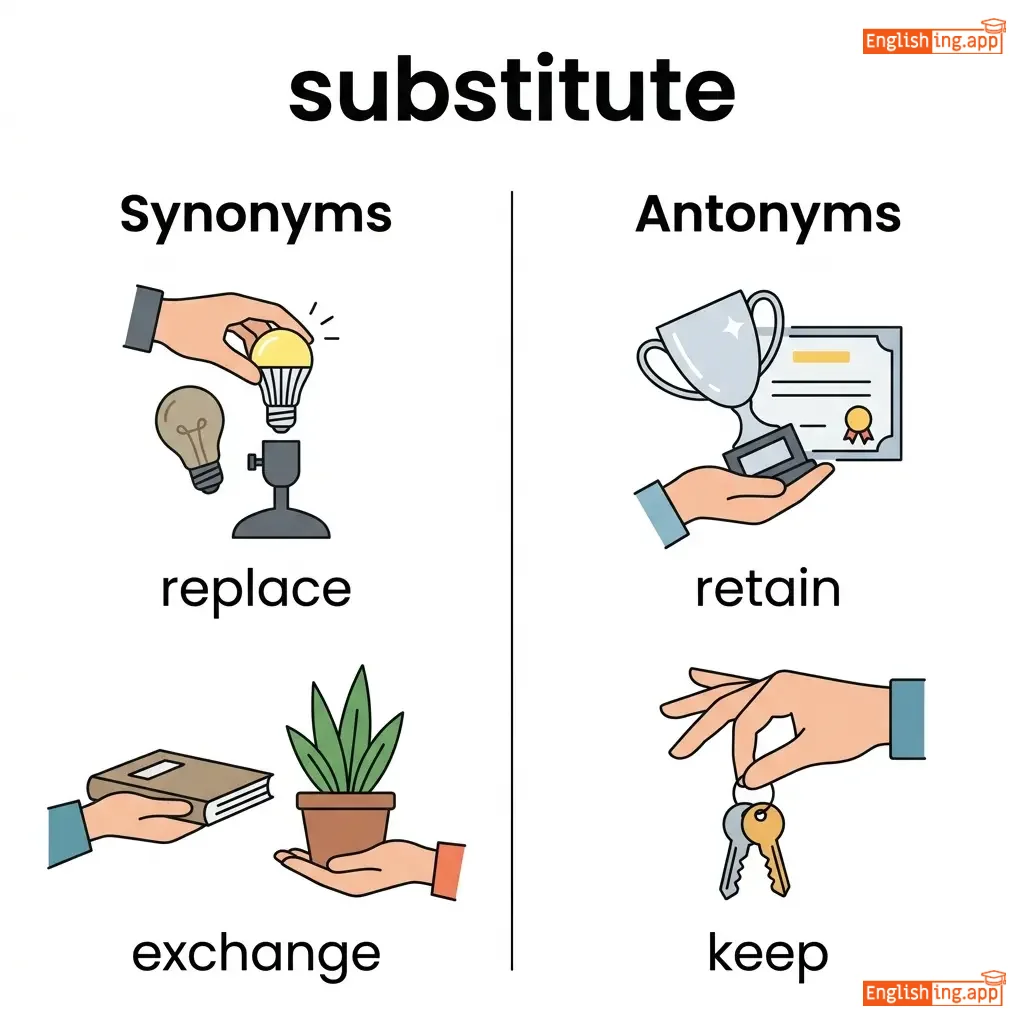
replace, exchange, swap, supersede
••••••
|
retain, keep
••••••
|
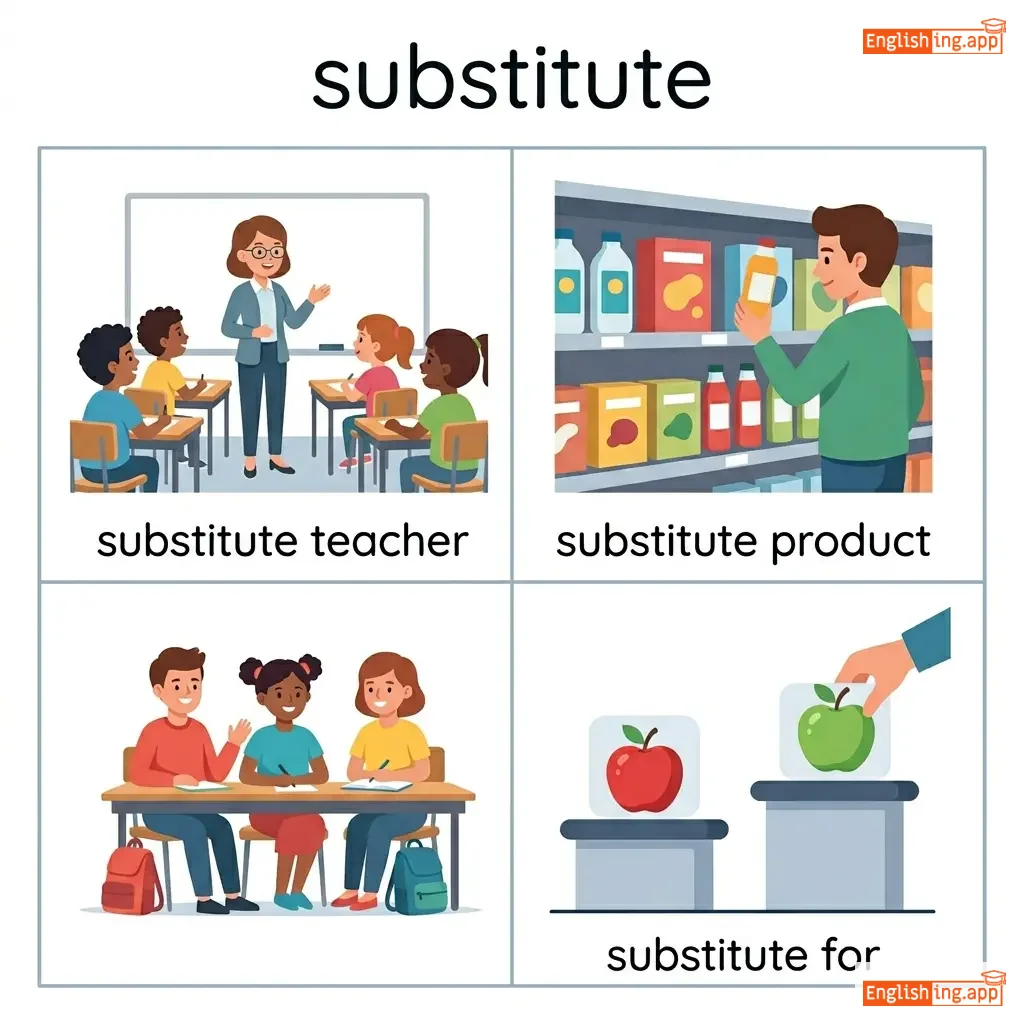
substitute teacher, substitute product, substitute for, substitute teacher
••••••
|
Substitute = 'Sub' means 'other' + 'stitute' means 'standing' - so replace by standing in for something else.
••••••
|
|
#0
🤗
|
/səˈpɔːtɪv/
adjective
(su-po-ru-ti-bu)
••••••
|
- •••••• |
支援的な
shien-teki na
••••••
|
- •••••• | - •••••• | - •••••• | - •••••• |
providing encouragement or emotional help to someone
••••••
|
She was very supportive during my difficult times. |
彼女は私の困難な時期に非常に支援的でした。
Kanojo wa watashi no konnan na jiki ni hijō ni shien-teki deshita.
••••••
|
supportive role |
a role that helps or assists others rather than leading
••••••
|
支援的な役割
shien-teki na yakuwari
••••••
|
helpful, encouraging, caring, understanding, kind
••••••
|
unsupportive, discouraging, neglectful
••••••
|
supportive friend, supportive family, supportive environment, supportive attitude
••••••
|
支援を提供する人はいつでも supportive 🫶
••••••
|
|
#0
😯
|
/sər'praɪz.ɪŋ/
adjective
(サプライズイング)
••••••
|
- •••••• |
驚くべき; 予想外の
odorokubeki; yosougai no
••••••
|
- •••••• | - •••••• | - •••••• | - •••••• |
causing surprise; unexpected; remarkable
••••••
|
It's surprising how quickly children learn new languages. |
子供たちが新しい言語をどれだけ早く学ぶかは驚くべきことです。
Kodomo-tachi ga atarashī gengo o dore dake hayaku manabu ka wa odorokubeki koto desu.
••••••
|
- •••••• | - •••••• | - •••••• |
astonishing, amazing, unexpected, remarkable
••••••
|
predictable, expected, ordinary, unsurprising
••••••
|
surprising news, surprising result, not surprising
••••••
|
驚くべき (surprising) は予想外 (unexpected) の結果です。
••••••
|
|
#0
📊
|
/ˌsɪstəˈmætɪk/
adjective
(システマティック)
••••••
|
- •••••• |
体系的
taikeiteki
••••••
|
- •••••• | - •••••• | - •••••• | - •••••• |
Done or acting according to a fixed plan or system; methodical.
••••••
|
The company took a systematic approach to solving the issue. |
その会社は問題を解決するために体系的なアプローチを採用しました。
Sono kaisha wa mondai o kaiketsu suru tame ni taikeiteki na apurōchi o sai yō shimashita.
••••••
|
systematic error |
An error that consistently occurs in the same direction due to flaws in a system.
••••••
|
体系的誤差
taikeiteki gosha
••••••
|
methodical, organized, structured, logical, disciplined
••••••
|
random, chaotic, disorganized
••••••
|
systematic review, systematic study, systematic approach, systematic plan
••••••
|
システムを従うことは、体系的に行動することです。
••••••
|
|
#0
🧰
|
/tɛkˈnɪʃən/
noun
(テクニシャン)
••••••
|
- •••••• |
技術者
gijutsusha
••••••
|
- •••••• | - •••••• | - •••••• | - •••••• |
a person skilled in the practical aspects of a particular science, art, or job
••••••
|
The technician repaired the computer within an hour. |
技術者は1時間以内にコンピュータを修理しました。
Gijutsusha wa 1 jikan inai ni konpyūta o shūri shimashita.
••••••
|
- •••••• | - •••••• | - •••••• |
mechanic, engineer, specialist, operator, expert
••••••
|
novice, amateur
••••••
|
computer technician, lab technician, skilled technician, service technician
••••••
|
技術者 — 技術の専門家
••••••
|
|
#0
📺
|
/ˈtɛlɪˌvɪʒən/
noun
••••••
|
- •••••• | - •••••• | - •••••• | - •••••• | - •••••• | - •••••• |
a device that receives television signals and displays them on a screen
••••••
|
I like to watch the news on television. |
- •••••• | - •••••• | - •••••• | - •••••• |
TV, set, screen, monitor
••••••
|
radio, silence
••••••
|
television program, watch television, television show, color television
••••••
|
No •••••• |
|
#0
🙏
|
/ˈθæŋkfəli/
adverb
(ˈθæŋkfəli)
••••••
|
- •••••• |
幸いにも
saiwai ni mo
••••••
|
- •••••• | - •••••• | - •••••• | - •••••• |
used to express relief or gratitude
••••••
|
Thankfully, she arrived just in time for the meeting. |
幸いにも、彼女は会議にちょうど間に合いました。
Saiwai ni mo, kanojo wa kaigi ni choudo mani aimashita.
••••••
|
- •••••• | - •••••• | - •••••• |
gratefully, luckily, fortunately, happily
••••••
|
unfortunately, regretfully
••••••
|
thankfully received, thankfully avoided, thankfully accepted
••••••
|
幸いに、感謝の気持ちで考えます (saiwai ni, kansha no kimochi de kangaemasu).
••••••
|
|
#0
🎭
|
/θiˈætrɪkl/
adjective
(テアトリカル)
••••••
|
- •••••• |
劇的
gekiteki
••••••
|
- •••••• | - •••••• | - •••••• | - •••••• |
Relating to the theater or exaggerated and dramatic in behavior or style.
••••••
|
Her theatrical performance won the audience's applause.
彼女の劇的なパフォーマンスは観客の拍手を浴びた。
••••••
|
彼女の劇的なパフォーマンスは観客の拍手を浴びた。
Kanojo no gekiteki na pafōmansu wa kankyaku no hakushu o abita.
••••••
|
make a theatrical scene
劇的なシーンを作る
••••••
|
to act dramatically in an exaggerated way
••••••
|
劇的なシーンを作る
gekiteki na shīn o tsukuru
••••••
|
dramatic, exaggerated, showy, stage-like, flamboyant
••••••
|
subtle, natural, modest
••••••
|
theatrical performance, theatrical gesture, theatrical costume, theatrical style
••••••
|
劇場 → 劇的は誇張的な振る舞いを意味します
••••••
|
|
#0
🌍
|
/θruːˈaʊt/
preposition
(スルーアウト)
••••••
|
- •••••• |
通して
tōshite
••••••
|
- •••••• | - •••••• | - •••••• | - •••••• |
in every part of a place or during the whole time of an event
••••••
|
She worked throughout the night. |
彼女は一晩中働き続けた。
Kanojo wa hitobanjuu hatarakitsudzuketa.
••••••
|
- •••••• | - •••••• | - •••••• |
all over, everywhere, during, across
••••••
|
none
••••••
|
throughout the day, throughout the country
••••••
|
Throughout = 時間を越えて、止まらずに。
••••••
|
|
#0
🏆
|
/ˈtʊənəmənt/
noun
(トーナメント)
••••••
|
|
トーナメント
tōnamento
••••••
|
- •••••• | - •••••• | - •••••• | - •••••• |
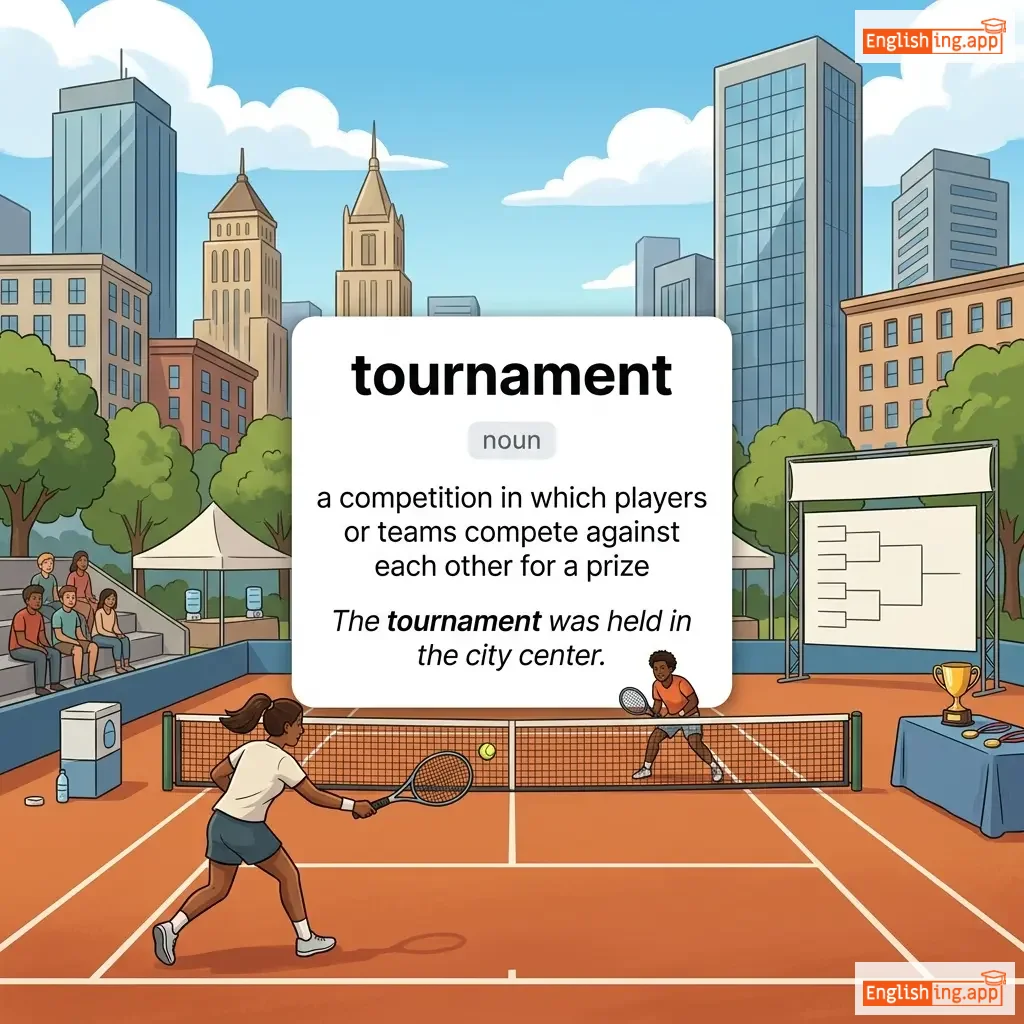
a competition in which players or teams compete against each other for a prize
••••••
|
The tournament was held in the city center. |
トーナメントは市内中心部で開催されました。
Tōnamento wa shinai chūshinbu de kaisai saremashita.
••••••
|
- •••••• | - •••••• | - •••••• |
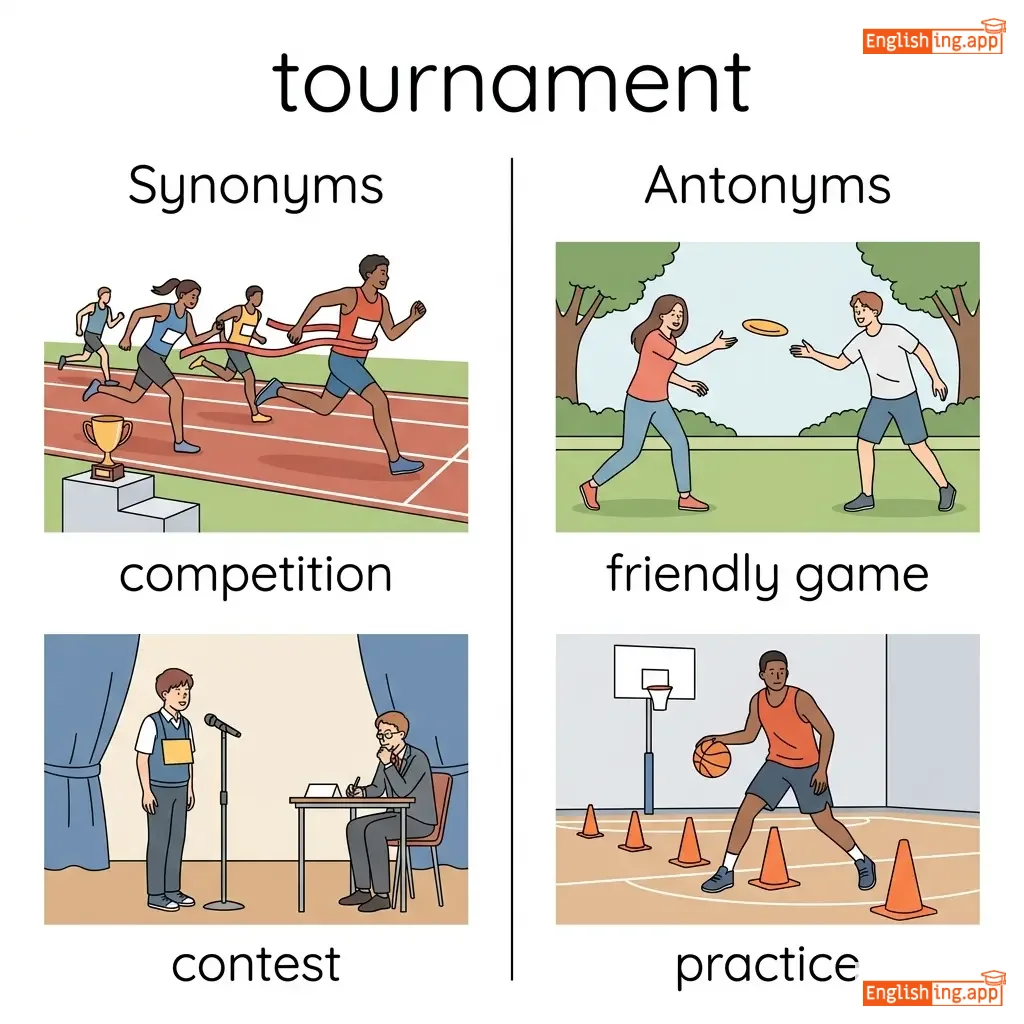
competition, contest, match, championship
••••••
|
friendly game
••••••
|
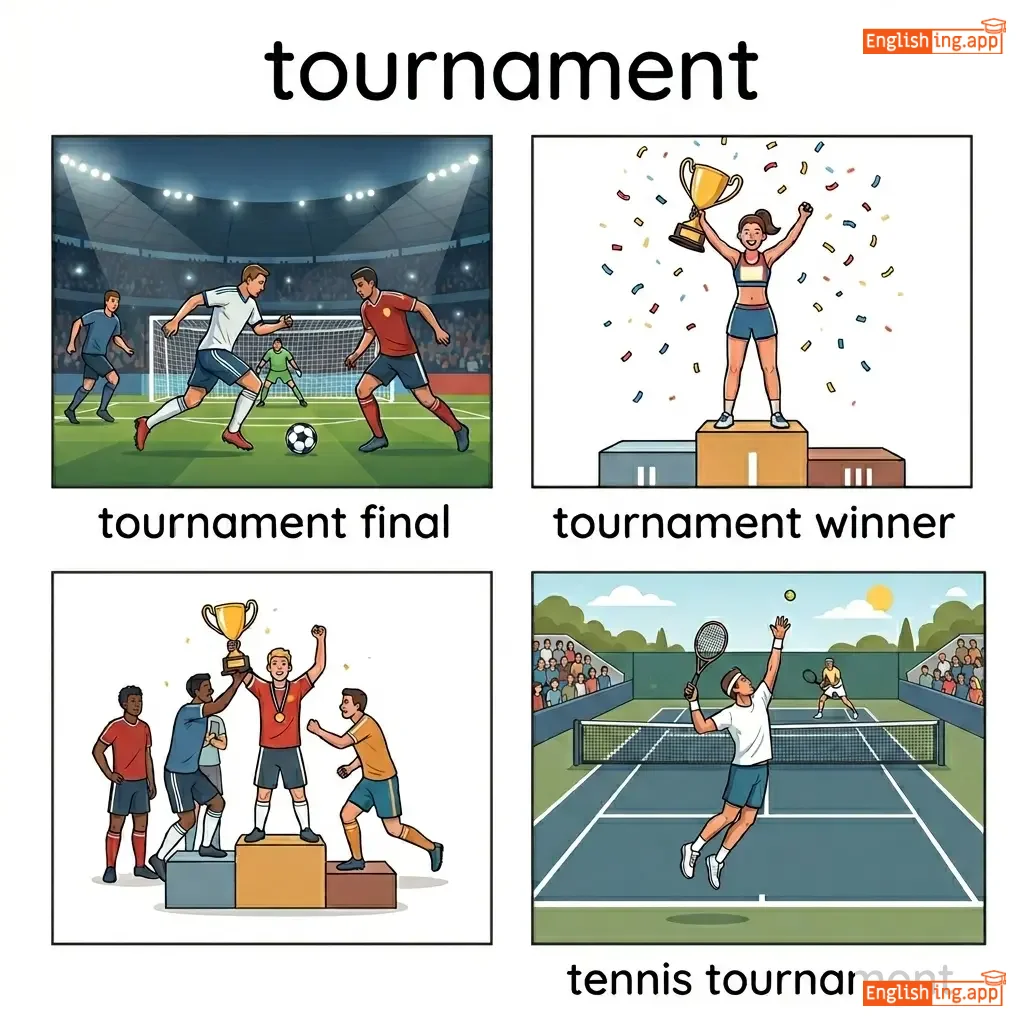
tournament final, tournament winner, tennis tournament
••••••
|
トーナメントは、賞品をかけて競う競技会です!
••••••
|
|
#0
🔄
|
/trænˈzɪʃən/
noun
(トランジション)
••••••
|
|
移行
ikou
••••••
|
- •••••• | - •••••• | - •••••• | - •••••• |
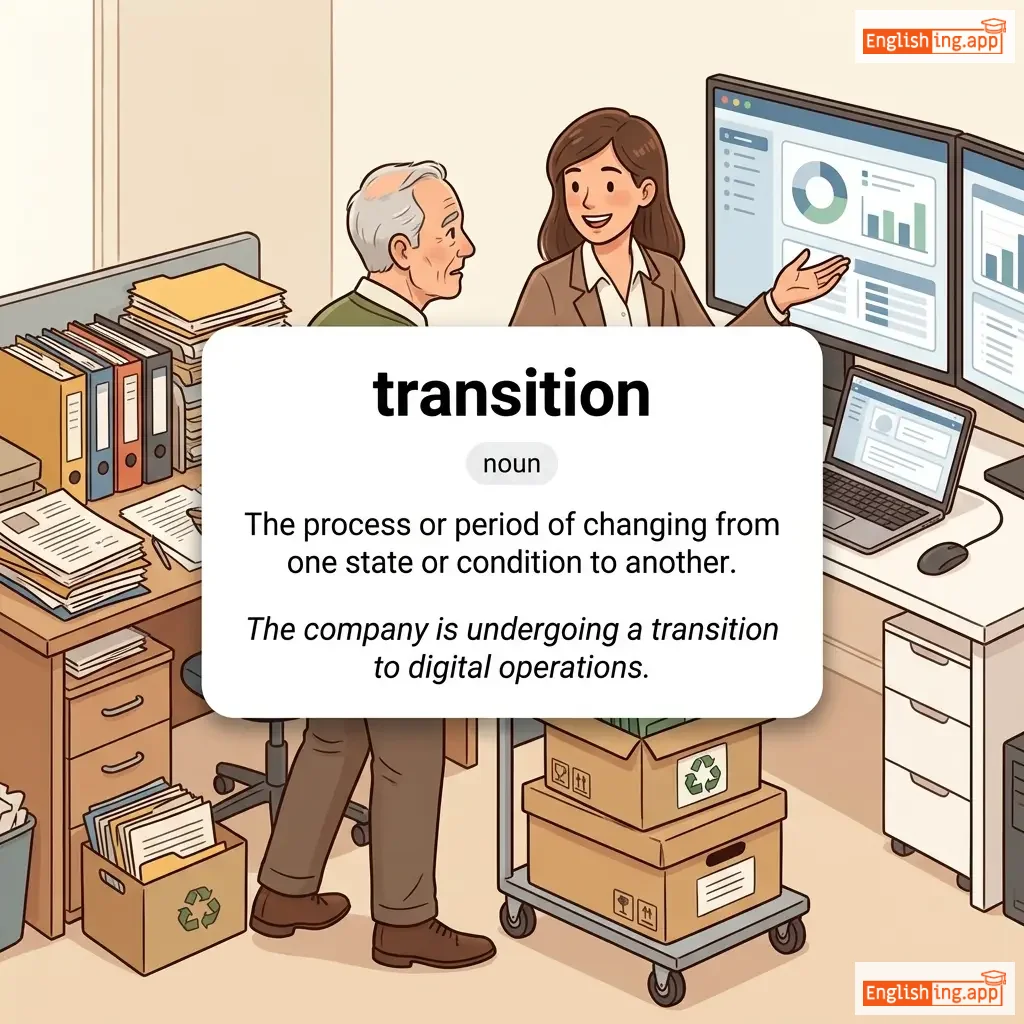
The process or period of changing from one state or condition to another.
••••••
|
The company is undergoing a transition to digital operations.
その会社はデジタル運営への移行を進めています。
••••••
|
その会社はデジタル運営への移行を進めています。
Sono kaisha wa dejitaru un'ei e no ikou wo susumeteimasu.
••••••
|
smooth transition
スムーズな移行
••••••
|
A gradual and easy change
••••••
|
スムーズな移行
sumuuzu na ikou
••••••
|
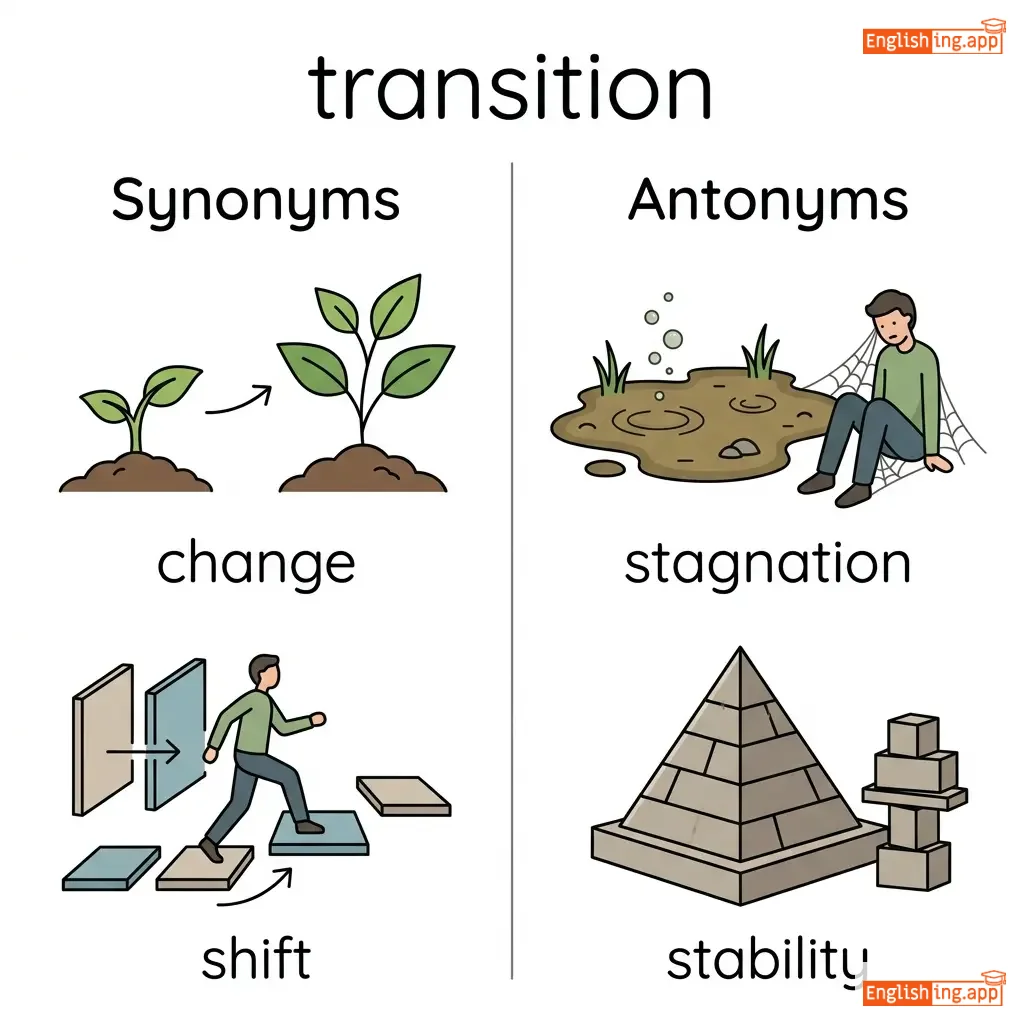
change, shift, conversion, transformation
••••••
|
stagnation, stability
••••••
|
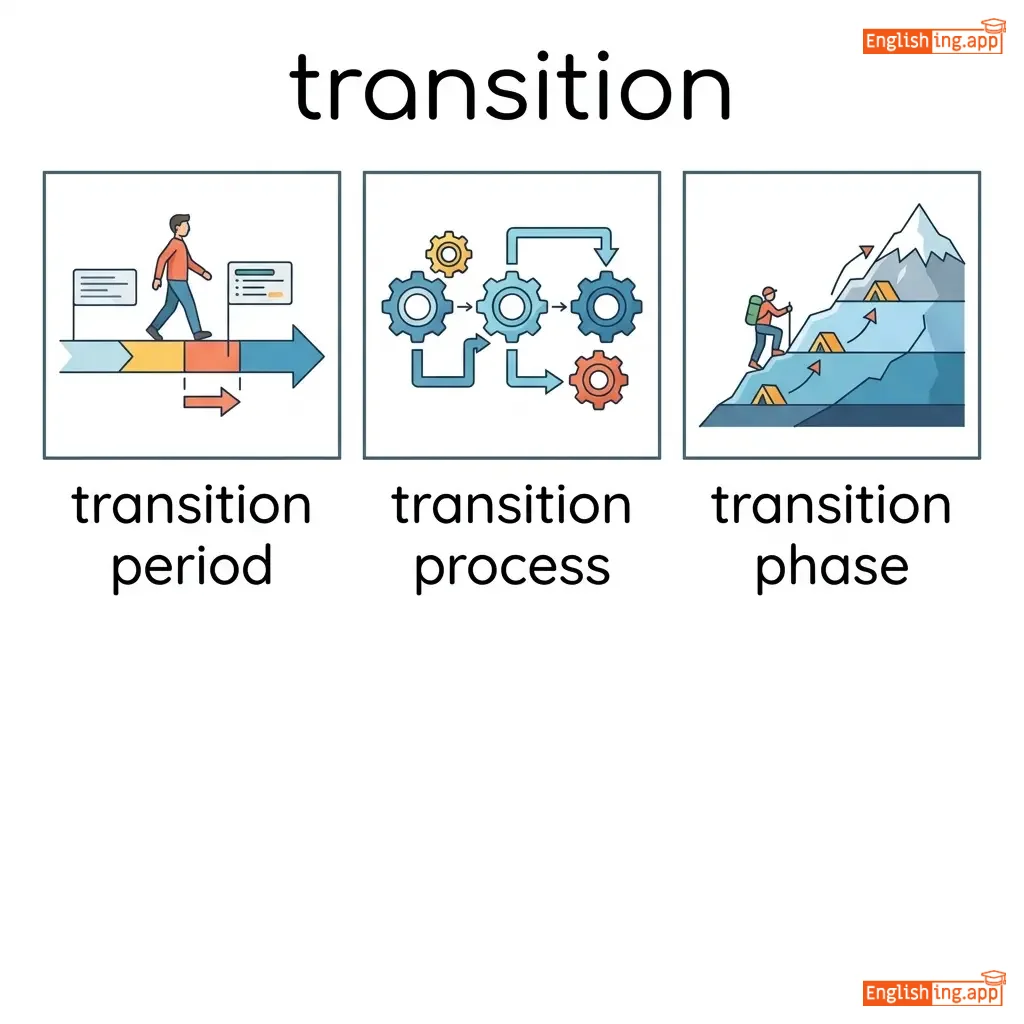
transition period, transition process, transition phase
••••••
|
移行は一つのステーションから次のステーションへ行くようなものです
••••••
|
|
#0
💥
|
/trəˈmɛndəs/
adjective
(トレメンドス)
••••••
|
- •••••• |
巨大な
kyodaina
••••••
|
- •••••• | - •••••• | - •••••• | - •••••• |
very great in amount, scale, or intensity
••••••
|
She made a tremendous effort to finish the project on time. |
彼女はプロジェクトを時間通りに終わらせるために巨大な努力をしました。
Kanojo wa purojekuto o jikan dōri ni owaraseru tame ni kyodaina doryoku o shimashita.
••••••
|
tremendous amount |
a very large quantity of something
••••••
|
巨大な量
kyodaina ryō
••••••
|
huge, enormous, immense, colossal, vast
••••••
|
tiny, small, slight
••••••
|
tremendous effort, tremendous pressure, tremendous success, tremendous energy
••••••
|
Tremendous effort = 巨大な努力。
••••••
|
|
#0
🏁
|
/ˈʌltəmətli/
adverb
(アルティメットリ)
••••••
|
- •••••• |
最終的に
saishūteki ni
••••••
|
- •••••• | - •••••• | - •••••• | - •••••• |
in the end, after everything else
••••••
|
Ultimately, we decided to go ahead with the project. |
最終的に、私たちはプロジェクトを進めることに決めました。
Saishūteki ni, watashitachi wa purojekuto o susumeru koto ni kimemashita.
••••••
|
- •••••• | - •••••• | - •••••• |
finally, eventually, in the end, conclusively
••••••
|
initially, prematurely
••••••
|
ultimately decide, ultimately succeed, ultimately fail
••••••
|
Ultimateの最後、全て完了!
••••••
|
|
#0
🔎
|
/ˌʌndərˈlaɪɪŋ/
adjective
(アンダーライング)
••••••
|
- •••••• |
根本的な
konpontena
••••••
|
- •••••• | - •••••• | - •••••• | - •••••• |
basic or hidden but important; forming the foundation of something
••••••
|
The underlying reason for the conflict was never addressed.
ザ アンダーライング リーズン フォー ザ コンフリクト ワズ ネバー アドレスト。
••••••
|
その対立の根本的な理由は決して対処されませんでした。
Sono tairitsu no konpontena riyū wa kesshite taisho saremasendeshita.
••••••
|
underlying cause
アンダーライング コーズ
••••••
|
the fundamental reason for something
••••••
|
根本的な原因
konpontena gen'in
••••••
|
basic, fundamental, hidden, root, essential
••••••
|
superficial, apparent, obvious
••••••
|
underlying cause, underlying problem, underlying principle
••••••
|
アンダーライングは何かの隠れた、根本的な部分を表します。
••••••
|
|
#0
🌲
|
/ˈwɪldənəs/
noun
(ウィルダネス)
••••••
|
- •••••• |
荒野
kouya
••••••
|
- •••••• | - •••••• | - •••••• | - •••••• |
an area of land that has not been changed by people and is still in its natural state
••••••
|
They camped in the wilderness far from the city.
彼らは都市から遠く離れた荒野でキャンプをしました。
••••••
|
彼らは都市から遠く離れた荒野でキャンプをしました。
Karera wa toshi kara tōku hanareta kōya de kyampu o shimashita.
••••••
|
voice in the wilderness
荒野の声
••••••
|
a person or idea ignored by others
••••••
|
荒野の声
Kōya no koe
••••••
|
wilds, jungle, forest, backcountry, wasteland
••••••
|
city, civilization
••••••
|
in the wilderness, vast wilderness, explore the wilderness, wilderness area
••••••
|
Wilderness とは荒野 — ‘wild’な場所で自然の中に存在する未開の地!
••••••
|
Vocabulary Quiz
Test your vocabulary by matching words with their translations or meanings.
Login to take the quiz
Comments (0)
Share your thoughts and join the discussion.
Join the discussion by logging in
Login to CommentNo comments yet
Be the first to share your thoughts!