

洪水前の正直な誓い
Honest Pledges Before the Flood
雨水に閉じ込められた化学物質はdissolvedされ、河に入る前に濾過されました。 村の古い商人は言いました、'川でのgamblingは禁止されたままです。' ワークショップでは、gasolineの漏れをどう扱うかを教えました。 川の上の夕日はまったくgloriousに見えました。 人々は川のgoodnessについて詩を書きました。 地区のgovernorが個人的にボランティアに感謝しました。 データのライブgraphicsは皆を驚かせました。 センサーからの警告は安全対策をheightenedしました。 川は国のhomeland文化の一部として讃えられました。 議論の中で、皆はhonestly自分の間違いを認めました。 若者の一人が言いました、'川を失うことはhorribleだ。' この運動は私たちの共通のhumanityを守ります。 専門家はエコフレンドリーなideologyに基づくガイドラインを提供しました。 センサーは別の洪水がimminentかどうかをチェックしました。 かつてimprisonedだった映画監督が彼女の話を共有しました。 モンスーン前の小さなincidentが皆をより慎重にさせました。 過去の誤りから学び、人々は決定的な行動を取ることにinclinedを感じました。 学生たちは新しい技術を導入し、木を植える速度をincreaseしました。 地元のindustry所有者は廃棄物処理規則に従うと誓いました。 一つのinfamous工場が謝罪し、川の清掃に資金を提供しました。
翻訳
過去
過去分詞
三人称単数
動名詞
意味
例文
例文の翻訳
同義語
対義語
コロケーション
ニーモニック
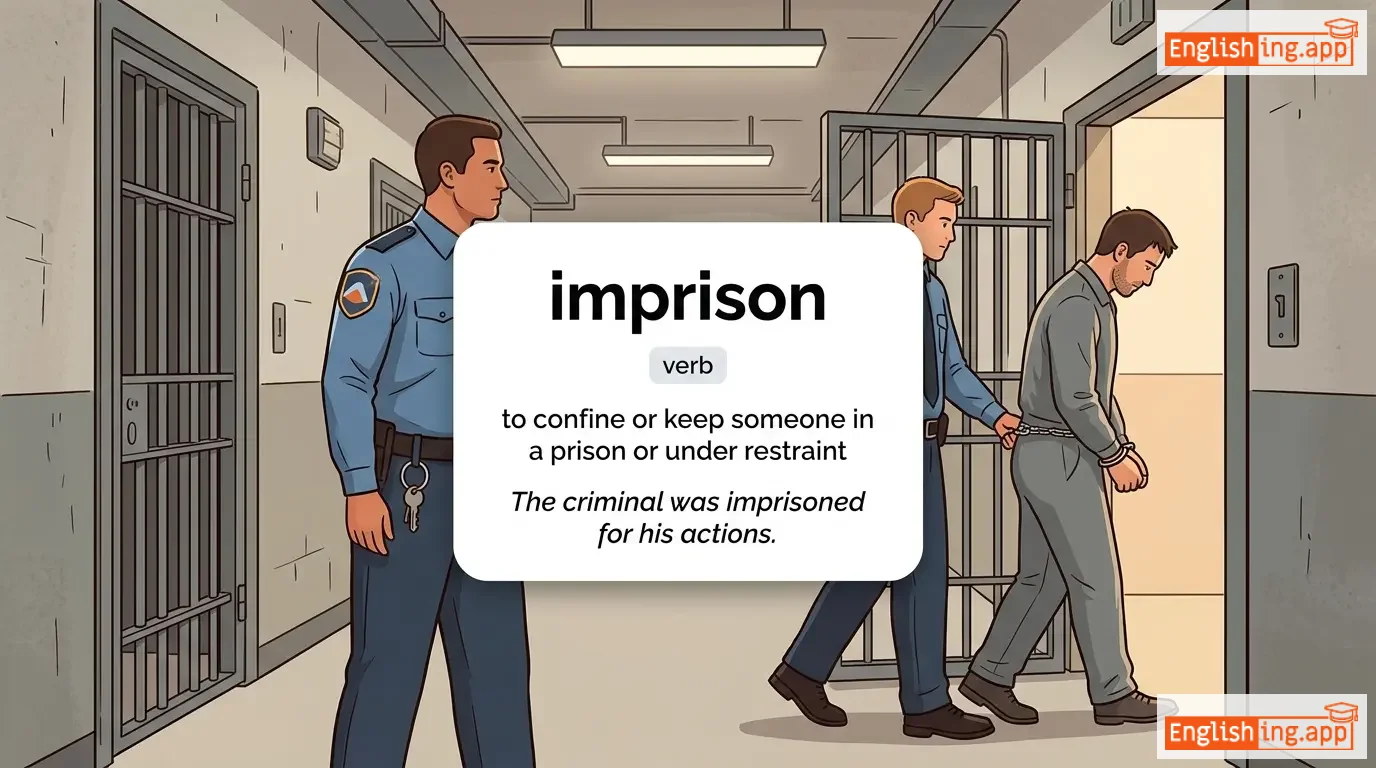
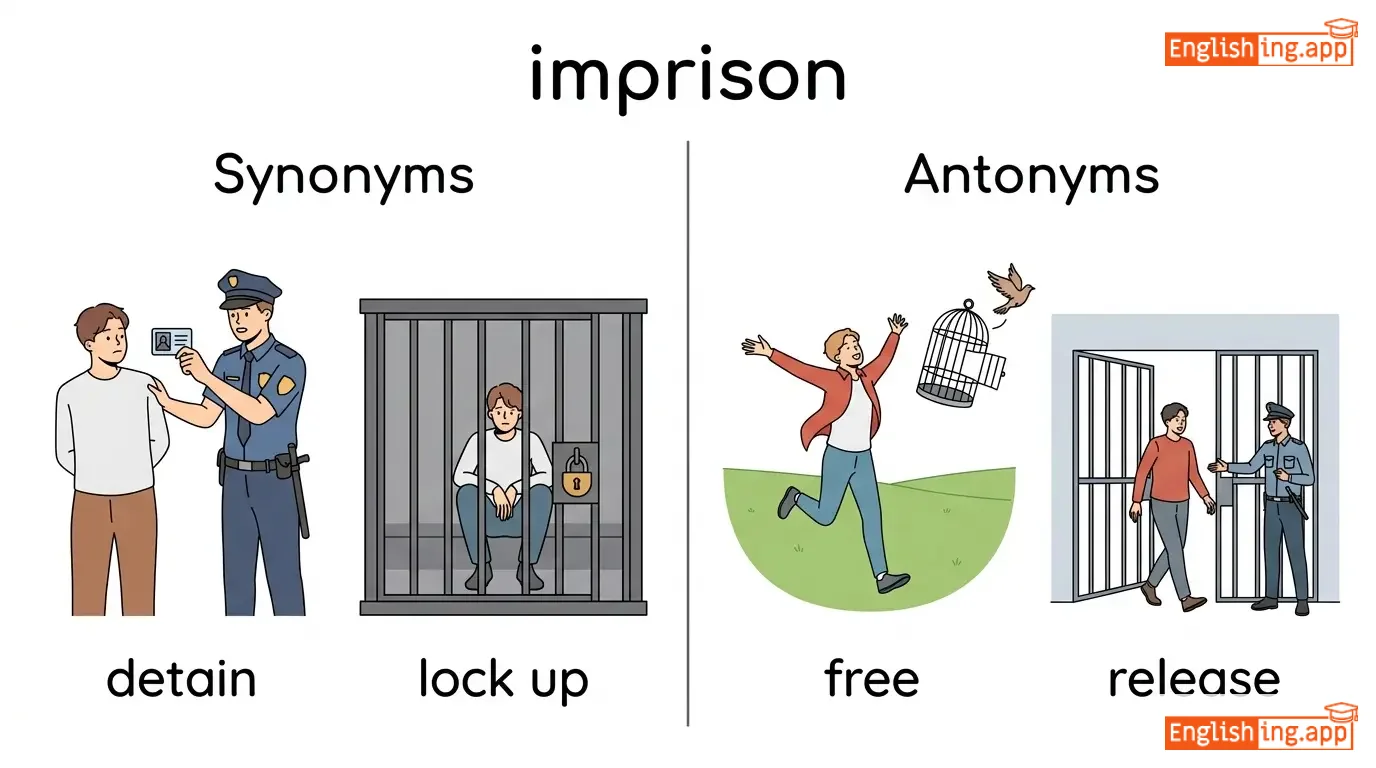
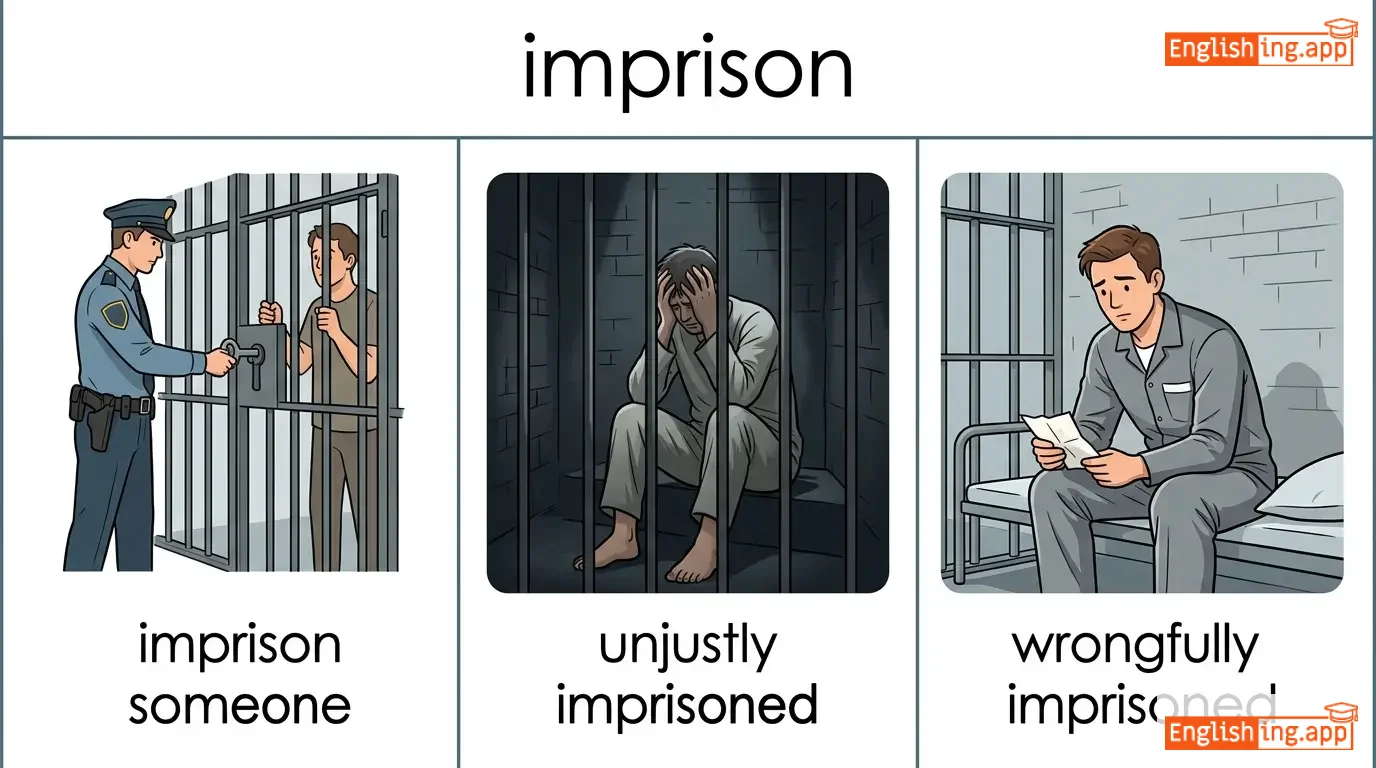

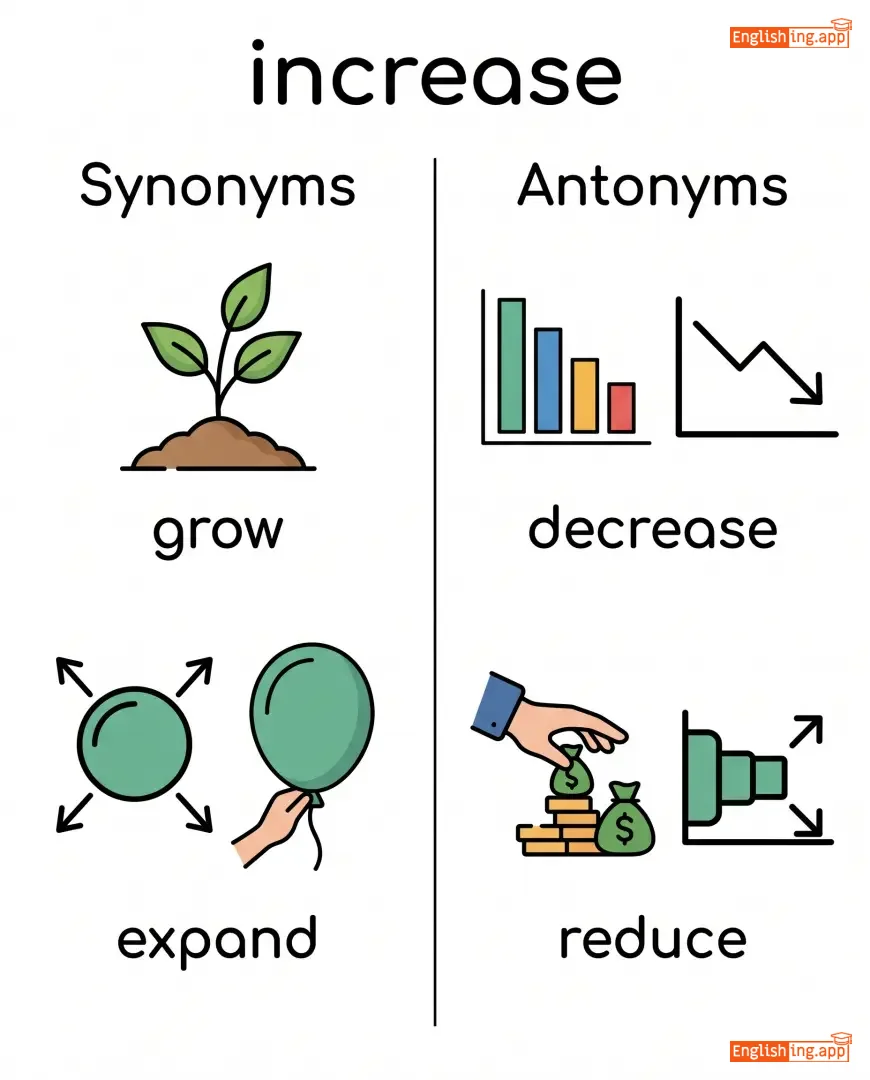


Swipe left or right, or use the buttons. Tap image to zoom.
例文の翻訳
単語
Honest Pledges Before the FloodHonest Pledges Before the Flood - マスクトグル
|
絵文字
|
単語 | Images | 翻訳 | 過去 | 過去分詞 | 三人称単数 | 動名詞 | 意味 | 例文 | 例文の翻訳 | 表現例 | 表現例の意味 | 表現例の翻訳 | 同義語 | 対義語 | コロケーション | ニーモニック |
|---|---|---|---|---|---|---|---|---|---|---|---|---|---|---|---|---|---|
|
#0
🫗
|
/dɪˈzɒlv/
verb
••••••
|
- •••••• | - •••••• |
dissolved
••••••
|
dissolved
••••••
|
dissolves
••••••
|
dissolving
••••••
|
to melt or become liquid; to officially end or break up an agreement or organization
••••••
|
The sugar will dissolve quickly in hot tea. |
- •••••• |
dissolve into tears |
to suddenly start crying uncontrollably
••••••
|
- •••••• |
melt, liquefy, disband, terminate, vanish
••••••
|
solidify, unite, establish
••••••
|
dissolve sugar, dissolve parliament, dissolve the marriage
••••••
|
No •••••• |
|
#0
🎲
|
/ˈɡæmblɪŋ/
noun
(ギャンブリング)
••••••
|
- •••••• |
ギャンブル
gyanburu
••••••
|
- •••••• | - •••••• | - •••••• | - •••••• |
the activity of betting money or valuables on an outcome, often involving risk
••••••
|
He got addicted to gambling at the casino.
彼はカジノでギャンブルに依存するようになった。
••••••
|
彼はカジノでギャンブルに依存するようになった。
Kare wa kajino de gyanburu ni izon suru you ni natta.
••••••
|
- •••••• | - •••••• | - •••••• |
betting, wagering, gaming, speculation
••••••
|
saving, investing
••••••
|
gambling addiction, gambling problem, gambling casino
••••••
|
ギャンブリング (gambling) - 勝つために賭ける!
••••••
|
|
#0
⛽
|
/ˈɡæsəˌliːn/
noun
(ガソリン)
••••••
|
- •••••• |
ガソリン
gasorin
••••••
|
- •••••• | - •••••• | - •••••• | - •••••• |
a liquid fuel made from petroleum, used mainly to power engines in vehicles
••••••
|
The price of gasoline has increased significantly this month. |
今月のガソリン価格は大幅に上昇しました。
kongetsu no gasorin kakaku wa ouhaba ni joushou shimashita.
••••••
|
run out of gasoline |
to have no fuel left in a vehicle
••••••
|
ガソリンが切れる
gasorin ga kireru
••••••
|
petrol, fuel, gas, diesel, energy
••••••
|
electricity, power outage
••••••
|
gasoline price, gasoline engine, gasoline station, gallon of gasoline
••••••
|
ガソリンは車の燃料です。'ガソリン'は車にエネルギーを与えるものです。
••••••
|
|
#0
🌟
|
/ˈɡlɔː.ri.əs/
adjective
(ɡlɔːɾiəs)
••••••
|
- •••••• |
栄光
eikou
••••••
|
- •••••• | - •••••• | - •••••• | - •••••• |
having great beauty, magnificence, or deserving admiration and praise
••••••
|
It was a glorious day filled with sunshine and joy. |
それは栄光の日で、太陽と喜びに満ちていました。
Sore wa eikou no hi de, taiyō to yorokobi ni michite imashita.
••••••
|
a glorious victory |
a magnificent or impressive win
••••••
|
栄光の勝利
eikou no shōri
••••••
|
magnificent, splendid, superb, majestic, wonderful
••••••
|
ordinary, dull, poor
••••••
|
glorious day, glorious past, glorious victory, glorious view
••••••
|
栄光の日、まるで GLORIOUS の勝利のよう
••••••
|
|
#0
💖
|
/ˈɡʊdnəs/
noun
(ɡʊdnəs)
••••••
|
- •••••• |
善良
zenryou
••••••
|
- •••••• | - •••••• | - •••••• | - •••••• |
the quality of being morally good or virtuous
••••••
|
Her goodness was evident in the way she treated others. |
彼女の善良さは、他の人々に対する接し方に明らかに現れていました。
Kanojo no zenryou sa wa, hoka no hitobito ni taisuru sesshika ni akirakani arawarete imashita.
••••••
|
- •••••• | - •••••• | - •••••• |
virtue, morality, kindness, goodness
••••••
|
evil, wickedness, immorality
••••••
|
goodness of heart, goodness of character, pure goodness
••••••
|
Goodness is like being 'Good' - kindness and virtue reflected in actions
••••••
|
|
#0
👔
|
/ˈɡʌvərnər/
noun
(ゴバーノー)
••••••
|
- •••••• |
知事
chiji
••••••
|
- •••••• | - •••••• | - •••••• | - •••••• |
An official appointed or elected to govern a state, territory, or organization.
••••••
|
The governor addressed the citizens about the upcoming election. |
知事は市民に来たる選挙について話しました。
Chiji wa shimin ni kitaru senkyo ni tsuite hanashimashita.
••••••
|
- •••••• | - •••••• | - •••••• |
ruler, administrator, leader, official
••••••
|
citizen, subject
••••••
|
state governor, governor's office, elected governor, colonial governor
••••••
|
知事は州のボス、選挙で決まるリーダー。
••••••
|
|
#0
🎨
|
/ˈɡræfɪks/
noun
(グラフィックス)
••••••
|
- •••••• |
グラフィックス
gurafikkusu
••••••
|
- •••••• | - •••••• | - •••••• | - •••••• |
visual images, designs, or drawings used to convey information or artistic expression
••••••
|
The website uses stunning graphics to attract visitors. |
そのウェブサイトは訪問者を引き付けるために素晴らしいグラフィックスを使用しています。
Sono uebusaito wa hōmon-sha o hiki tsukeru tame ni subarashī gurafikkusu o shiyō shiteimasu.
••••••
|
- •••••• | - •••••• | - •••••• |
images, visuals, illustrations, designs
••••••
|
text, words
••••••
|
computer graphics, graphic design, graphic artist, digital graphics
••••••
|
グラフィックデザインのように、誰もが引き込まれるグラフィックス
••••••
|
|
#0
🔺
|
/ˈhaɪtən/
verb
(ハイテン)
••••••
|
- •••••• |
高める
takameru
••••••
|
heightened
ハイテンド
••••••
|
heightened
ハイテンド
••••••
|
heightens
ハイテンズ
••••••
|
heightening
ハイテニング
••••••
|
to make or become greater in intensity or degree
••••••
|
The announcement served to heighten the excitement in the room.
ジ アナウンスメント サーヴド トゥ ハイトゥン ザ エクサイトメント イン ザ ルーム。
••••••
|
その発表は部屋の興奮を高めるために役立ちました。
Sono happyō wa heya no kōfun o takameru tame ni yakudachimashita.
••••••
|
- •••••• | - •••••• | - •••••• |
increase, intensify, amplify, escalate
••••••
|
diminish, reduce
••••••
|
heighten the tension, heighten awareness, heighten security
••••••
|
Heightenは日本語の'高める'と似ていて、何かを強めることです。
••••••
|
|
#0
🏠
|
/ˈhoʊmlænd/
noun
(ホームランド)
••••••
|
- •••••• |
故郷
furusato
••••••
|
- •••••• | - •••••• | - •••••• | - •••••• |
a person's native country or region
••••••
|
She returned to her homeland after ten years abroad.
彼女は10年間海外に住んだ後、母国に帰国した。
••••••
|
彼女は10年間海外に住んだ後、故郷に帰国した。
Kanojo wa 10 nenkan kaigai ni sunda ato, furusato ni kikoku shita.
••••••
|
- •••••• | - •••••• | - •••••• |
native land, motherland, fatherland, birthplace, country
••••••
|
foreign land, abroad, exile
••••••
|
defend the homeland, homeland security, homeland territory, homeland pride
••••••
|
Home は家を意味し + land は国を意味する — 自分の家がある国 = 故郷
••••••
|
|
#0
🤍
|
/ˈɒnɪstli/
adverb
(オンエストリー)
••••••
|
- •••••• |
正直に
shoujiki ni
••••••
|
- •••••• | - •••••• | - •••••• | - •••••• |
in a truthful, sincere, or fair way
••••••
|
She spoke honestly about her mistakes. |
彼女は自分の間違いについて正直に話しました。
Kanojo wa jibun no machigai ni tsuite shoujiki ni hanashimashita.
••••••
|
to be honest |
used to emphasize the truth or sincerity of what one is saying
••••••
|
正直に言うと
shoujiki ni iu to
••••••
|
truthfully, sincerely, genuinely, frankly, openly
••••••
|
dishonestly, falsely, deceitfully
••••••
|
speak honestly, act honestly, honestly believe, honestly admit
••••••
|
Honest + ly = 正直に: いつも正直に話すこと
••••••
|
|
#0
😖
|
/ˈhɔːrɪbəl/
adjective
(ホリブル)
••••••
|
- •••••• |
ひどい, 恐ろしい
hidoi, osoroshii
••••••
|
- •••••• | - •••••• | - •••••• | - •••••• |
very unpleasant or causing horror; extremely bad or unpleasant
••••••
|
The food at that restaurant was horrible. |
そのレストランの料理はひどかった。
Sono resutoran no ryōri wa hidokatta.
••••••
|
horrible dream |
a very bad or frightening dream
••••••
|
恐ろしい夢
osoroshī yume
••••••
|
terrible, awful, dreadful, nasty, unpleasant
••••••
|
pleasant, wonderful, nice
••••••
|
horrible accident, horrible smell, horrible feeling
••••••
|
Horrible は Horror のようなもの — とても悪い! 😖
••••••
|
|
#0
🌍
|
/hjuːˈmænɪti/
noun
(ヒューマニティ)
••••••
|
- •••••• |
人間性
ningen-sei
••••••
|
- •••••• | - •••••• | - •••••• | - •••••• |
the quality of being human; kindness or compassion towards others; all human beings collectively
••••••
|
Kindness is one of the greatest expressions of humanity. |
優しさは人間性の最も偉大な表現の一つです。
Yasashisa wa ningen-sei no mottomo idaina hyōgen no hitotsu desu.
••••••
|
crimes against humanity |
serious offenses that harm large groups of people
••••••
|
人道に対する罪
Jindō ni taisuru tsumi
••••••
|
mankind, humankind, compassion, benevolence, kindness
••••••
|
cruelty, inhumanity, brutality
••••••
|
show humanity, act with humanity, crimes against humanity, humanity and compassion
••••••
|
人間性は人間の本質、思いやりと優しさに表れる。
••••••
|
|
#0
🧠
|
/ˌaɪ.diˈɒl.ə.dʒi/
noun
(アイディオロジー)
••••••
|
- •••••• |
イデオロギー
ideorogī
••••••
|
- •••••• | - •••••• | - •••••• | - •••••• |
A system of ideas and ideals, especially one that forms the basis of economic or political theory and policy.
••••••
|
Democracy is based on the ideology of freedom and equality. |
民主主義は自由と平等のイデオロギーに基づいています。
Minshushugi wa jiyū to byōdō no ideorogī ni motozuiteimasu.
••••••
|
- •••••• | - •••••• | - •••••• |
belief system, philosophy, doctrine, principles
••••••
|
practicality, reality
••••••
|
political ideology, religious ideology, dominant ideology
••••••
|
イデオロギー = アイデア + ロジック – 思想体系
••••••
|
|
#0
⚡
|
/ˈɪmɪnənt/
adjective
(イミネント)
••••••
|
- •••••• |
差し迫った
さしせまった
••••••
|
- •••••• | - •••••• | - •••••• | - •••••• |
About to happen; likely to occur very soon.
••••••
|
Dark clouds signaled that a storm was imminent.
暗い雲は嵐が迫っていることを示していた。
••••••
|
暗い雲は嵐が迫っていることを示していた。
Kurai kumo wa arashi ga sematte iru koto o shimeshite ita.
••••••
|
imminent danger
差し迫った危険
••••••
|
A threat or risk that is about to happen very soon.
••••••
|
差し迫った危険
さしせまったきけん
••••••
|
forthcoming, approaching, looming, impending, near
••••••
|
distant, remote, unlikely
••••••
|
imminent threat, imminent arrival, imminent danger, imminent change
••••••
|
Imminent は日本語の差し迫ったのように、危険がすぐそこにあります。
••••••
|
|
#0
🔒
|
/ɪmˈprɪzən/
verb
(インプリズン)
••••••
|
|
投獄する
tōgoku suru
••••••
|
imprisoned
インプリズンド
••••••
|
imprisoned
インプリズンド
••••••
|
imprisons
インプリズンズ
••••••
|
imprisoning
インプリズニング
••••••
|
to put someone in prison; to confine or restrict someone's freedom
••••••
|
The judge imprisoned the criminal for five years.
裁判官は犯罪者を5年間投獄しました。
••••••
|
裁判官は犯罪者を5年間投獄しました。
Saibankan wa hanzai-sha o go-nenkan tōgoku shimashita.
••••••
|
- •••••• | - •••••• | - •••••• |
jail, incarcerate, confine, detain
••••••
|
free, release, liberate, discharge
••••••
|
imprison someone, falsely imprison, imprison for life, maximum security prison
••••••
|
No •••••• |
|
#0
🚨
|
/ˈɪnsɪdənt/
noun
(インシデント)
••••••
|
- •••••• |
インシデント
insidento
••••••
|
- •••••• | - •••••• | - •••••• | - •••••• |
an event or occurrence, often unpleasant or unusual
••••••
|
The police quickly responded to the incident in the park. |
警察は公園でのインシデントに迅速に対応しました。
Keisatsu wa kōen de no insidento ni jinsoku ni taiou shimashita.
••••••
|
isolated incident |
a single event, not part of a pattern
••••••
|
孤立したインシデント
koritsu shita insidento
••••••
|
event, occurrence, happening, episode, affair
••••••
|
routine, normality, usual
••••••
|
serious incident, minor incident, security incident, violent incident
••••••
|
インシデントは予期しない出来事を意味します。
••••••
|
|
#0
🙂
|
/ɪnˈklaɪnd/
adjective
(インクラインド)
••••••
|
- •••••• |
傾向がある
keikou ga aru
••••••
|
- •••••• | - •••••• | - •••••• | - •••••• |
having a tendency or disposition toward something
••••••
|
He is inclined to help those in need. |
彼は困っている人々を助ける傾向がある。
Kare wa komatteiru hitobito wo tasukeru keikou ga aru.
••••••
|
be inclined to |
to have a tendency to do something
••••••
|
~する傾向がある
~suru keikou ga aru
••••••
|
prone, disposed, willing, tending
••••••
|
unwilling, disinclined, resistant
••••••
|
inclined to help, inclined to agree, inclined to believe
••••••
|
傾向があるの意味は傾くこと – もし何かに傾いているなら、傾向がある。
••••••
|
|
#0
📈
|
/ɪnˈkriːs/
verb
(inkurīzu)
••••••
|
|
増加する
zōka suru
••••••
|
increased
inkurīzuddo
••••••
|
increased
inkurīzuddo
••••••
|
increases
inkurīzesu
••••••
|
increasing
inkurīzingu
••••••
|
to make something larger in size, number, or amount
••••••
|
The company plans to increase its workforce next year.
その会社は来年、労働力を増加させる予定です。
••••••
|
その会社は来年、労働力を増加させる予定です。
Sono kaisha wa rainen, rōdōryoku o zōka saseru yotei desu.
••••••
|
increase by leaps and bounds
飛躍的に増加する
••••••
|
to grow or improve very quickly
••••••
|
急激に増加する
kyūgeki ni zōka suru
••••••
|
grow, expand, rise, boost, escalate
••••••
|
decrease, reduce, lessen
••••••
|
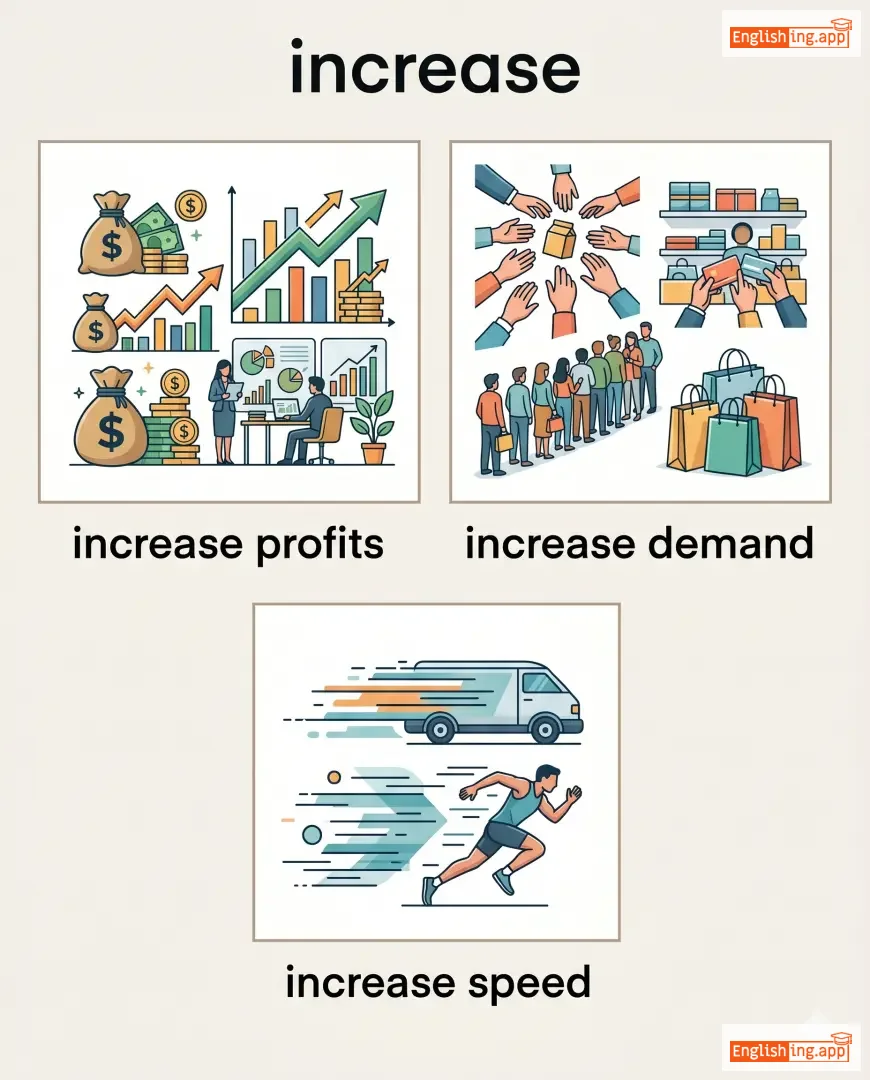
increase profits, increase demand, increase speed
••••••
|
Increase は増加すること。価格が増加するように
••••••
|
|
#0
🏭
|
/ˈɪndəstri/
noun
(インダストリー)
••••••
|
|
産業
sangyo
••••••
|
- •••••• | - •••••• | - •••••• | - •••••• |
The production of goods or services within an economy.
••••••
|
The textile industry employs thousands of workers in the region. |
繊維産業はその地域で何千人もの労働者を雇用しています。
Sen'i sangyo wa sono chiiki de nanzen-nin mo no rodosha o koyou shiteimasu.
••••••
|
cottage industry |
A small-scale, often home-based business.
••••••
|
家庭産業
katei sangyo
••••••
|
business, trade, commerce, sector, production
••••••
|
idleness, inactivity, unemployment
••••••
|
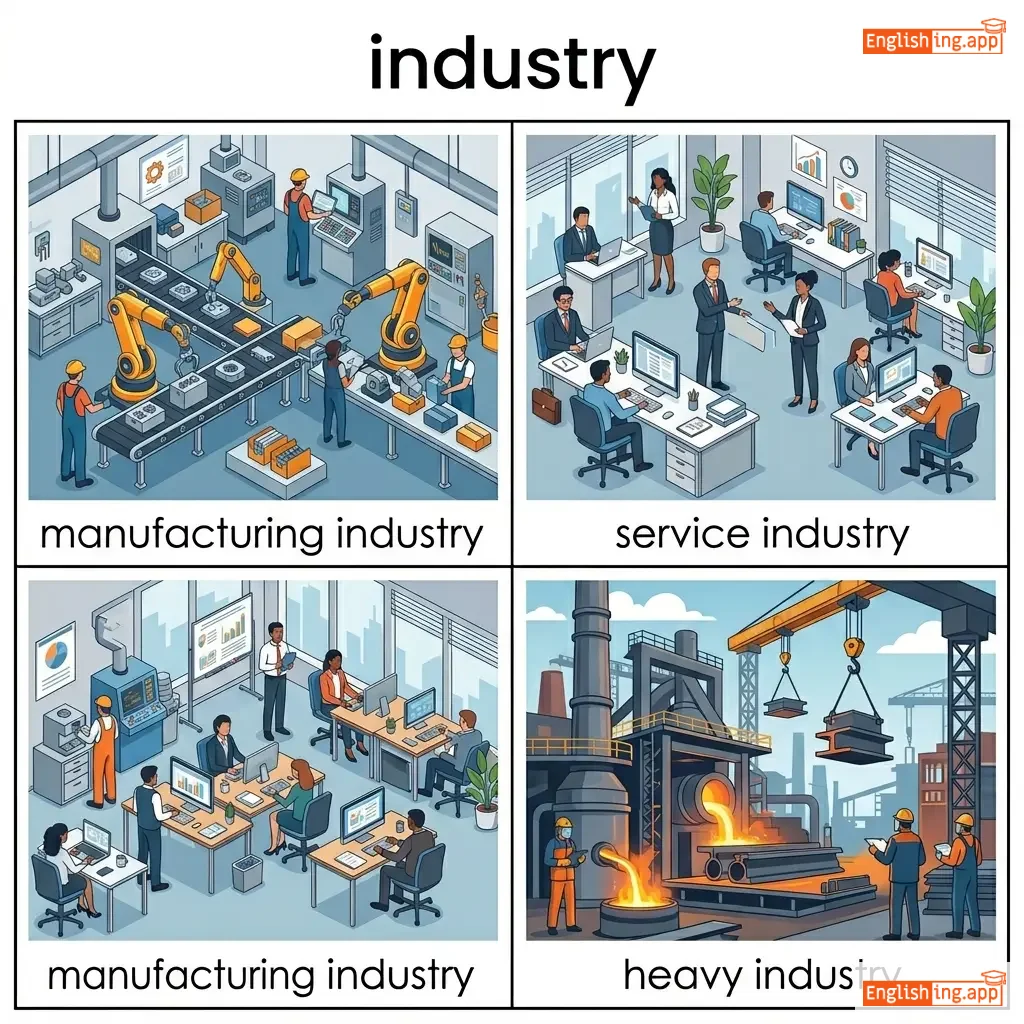
manufacturing industry, service industry, heavy industry, global industry
••••••
|
産業とは工場で働くこと、まるで工場のような場所です!
••••••
|
|
#0
😈
|
/ˈɪnfəməs/
adjective
(インフェイマス)
••••••
|
- •••••• |
悪名高い
akumei takai
••••••
|
- •••••• | - •••••• | - •••••• | - •••••• |
well known for some bad quality or deed
••••••
|
The dictator was infamous for his cruelty. |
その独裁者はその残虐さで悪名高かった。
Sono dokusaisha wa sono zankyaku-sa de akumei takakatta.
••••••
|
infamous crime |
a crime that is notorious and shocking
••••••
|
悪名高い犯罪
akumei takai hanzai
••••••
|
notorious, disreputable, scandalous, dishonorable
••••••
|
famous, reputable, respected
••••••
|
infamous dictator, infamous act, infamous crime, infamous reputation
••••••
|
In-famous = 悪い評判 → 悪名高い
••••••
|
Vocabulary Quiz
Test your vocabulary by matching words with their translations or meanings.
Login to take the quiz
Comments (0)
Share your thoughts and join the discussion.
Join the discussion by logging in
Login to CommentNo comments yet
Be the first to share your thoughts!