

夜間の街路清掃
Night Shift Street Sweep
雨は古い街の通りに厚い泥を残しました。夜のシフトが始まると、清掃作業員たちは笛の音を聞きました。重いトラックが並び、みんながマスクをつけました。タンヴィは言いました:「今夜はできるだけ集めるつもりです。」ルベルは壊れたレンガが積まれた木のカートを押していて、金属製のワゴンにはプラスチックのゴミが詰まっていました。ジャーナはしっかりとしたロープを腰に巻いて運河に降りました。前回の洪水の瓦礫がまだ排水溝を塞いでいました。サミラは慎重に掃除しながら、余計な埃を舞い上げないようにしていました。モザハルは警告しました:「荷物を軽く保って、さもないと持ち上げるのが大変です。」大きなトラックの横に、小さなゴミ箱が袋を飲み込みました。車のヘッドライトがマスクとレインコートに反射し、チームは深夜まで作業を続けました。去る前に、タンヴィは再び通りを歩き、どこにもゴミが残っていないことを確認しました。同じロープを持って、みんなで人間の鎖を作り、ゴミを渡しました。「朝には、人々は魔法が起こったと思うでしょう」とジャシムは笑いました。
翻訳
過去
過去分詞
三人称単数
動名詞
意味
例文
例文の翻訳
同義語
対義語
コロケーション
ニーモニック

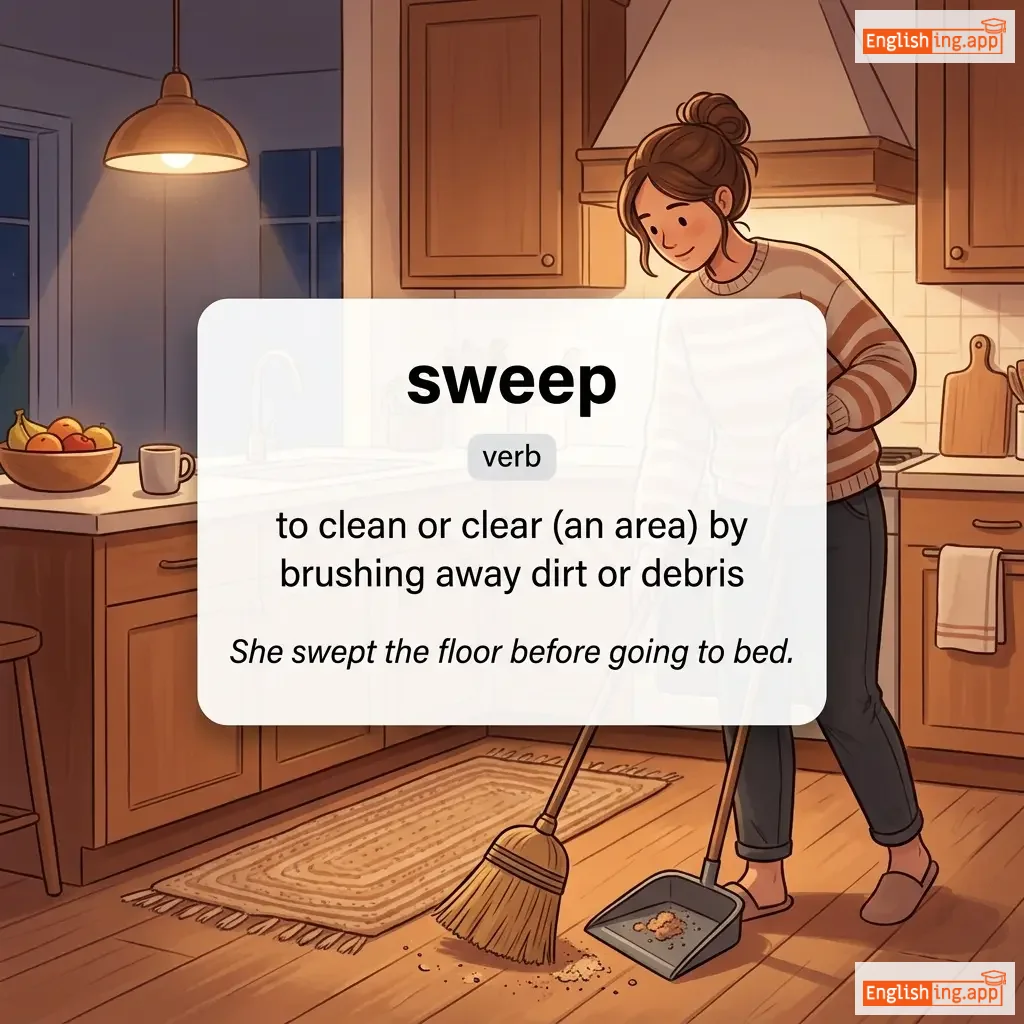
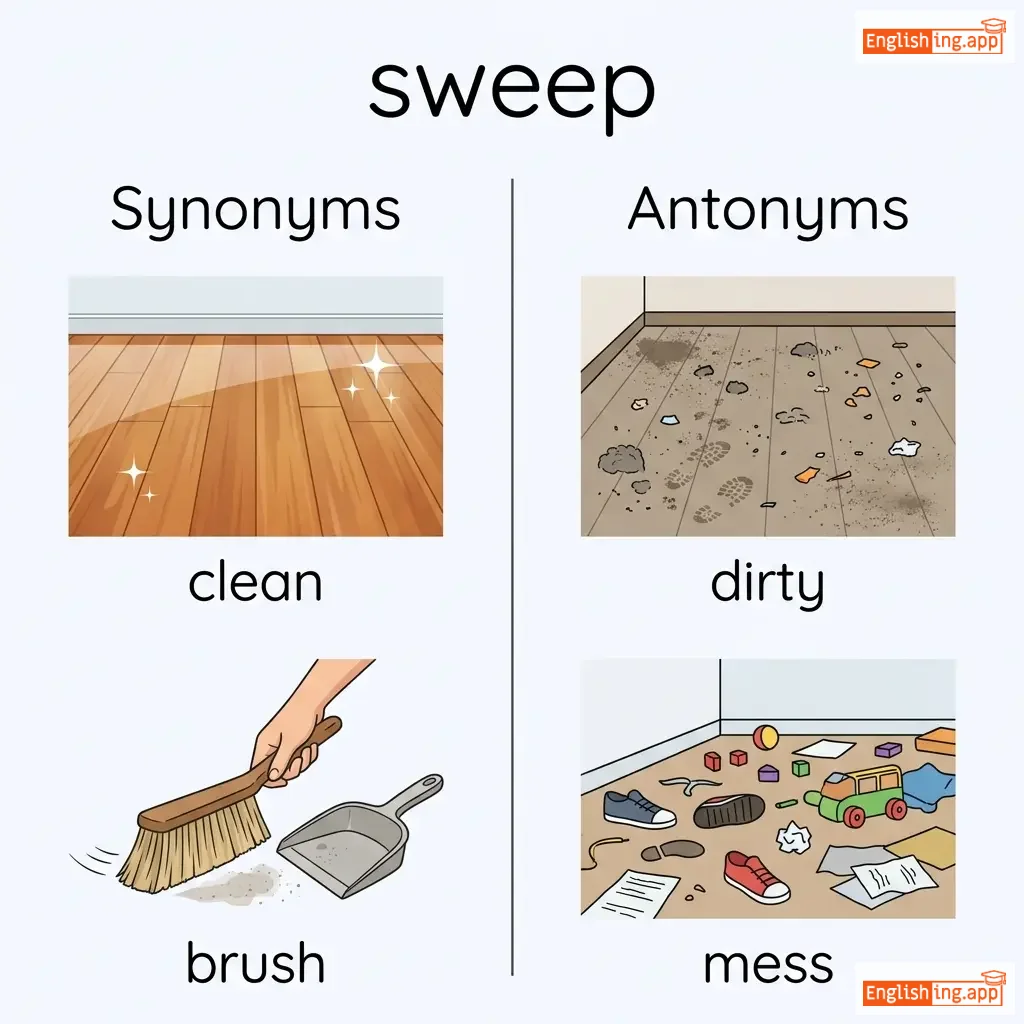
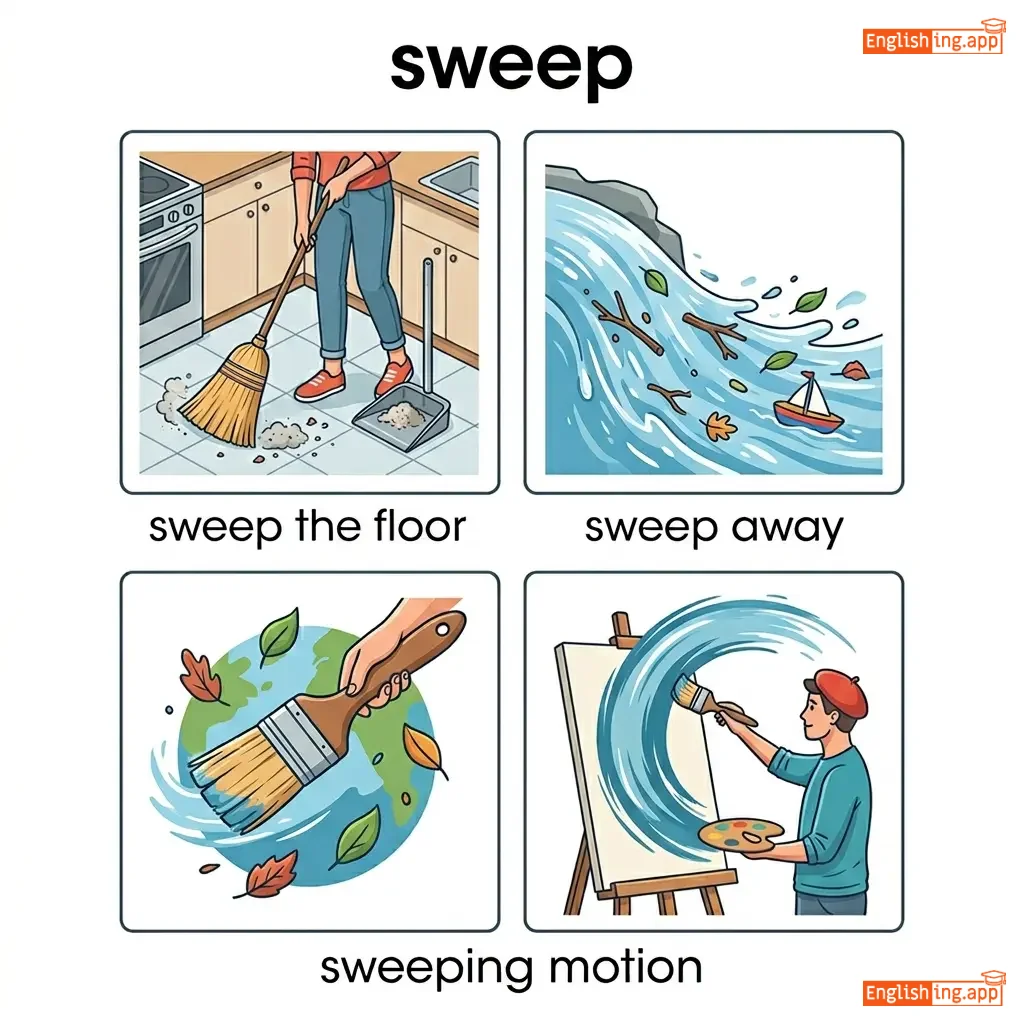
Swipe left or right, or use the buttons. Tap image to zoom.
例文の翻訳
単語
Night Shift Street SweepNight Shift Street Sweep - マスクトグル
|
絵文字
|
単語 | Images | 翻訳 | 過去 | 過去分詞 | 三人称単数 | 動名詞 | 意味 | 例文 | 例文の翻訳 | 表現例 | 表現例の意味 | 表現例の翻訳 | 同義語 | 対義語 | コロケーション | ニーモニック |
|---|---|---|---|---|---|---|---|---|---|---|---|---|---|---|---|---|---|
|
#0
🚢
|
/kəˈnæl/
noun
(カナル)
••••••
|
- •••••• |
運河
unga
••••••
|
- •••••• | - •••••• | - •••••• | - •••••• |
an artificial waterway constructed for navigation, irrigation, or drainage
••••••
|
The canal was built to help transport goods across the region. |
運河は地域内で物資の輸送を助けるために建設されました。
Unga wa chiiki nai de busshi no yusou o tasukeru tame ni kensetsu saremashita.
••••••
|
- •••••• | - •••••• | - •••••• |
waterway, channel, ditch, aqueduct
••••••
|
land, mountain, desert
••••••
|
dig a canal, canal network, canal system, canal bank
••••••
|
Canal sounds like 'Unga' in Japanese, both are water paths.
••••••
|
|
#0
🛒
|
/kɑːrt/
noun
(カート)
••••••
|
- •••••• |
カート
kaato
••••••
|
carted
カーテッド
••••••
|
carted
カーテッド
••••••
|
carts
カーツ
••••••
|
carting
カーティング
••••••
|
a vehicle with wheels that is pulled by a person or animal for carrying goods
••••••
|
The farmer loaded hay onto the cart.
農夫は干し草をカートに積み込んだ。
••••••
|
農夫は干し草をカートに積み込んだ。
Nōfu wa hoshi kusa o kāto ni tsumikonda.
••••••
|
put the cart before the horse
馬の前にカートを置く
••••••
|
to do things in the wrong order
••••••
|
物事を間違った順番で行う
Monogoto o machigatta junban de okonau
••••••
|
wagon, carriage, trolley, barrow, dray
••••••
|
car, truck
••••••
|
shopping cart, horse cart, wooden cart, hand cart
••••••
|
カート — 荷物を運ぶための車、特に農場で使われます。
••••••
|
|
#0
📦
|
/kəˈlekt/
verb
(コレクト)
••••••
|
|
集める
atsumeru
••••••
|
collected
コレクテッド
••••••
|
collected
コレクテッド
••••••
|
collects
コレクツ
••••••
|
collecting
コレクティング
••••••
|
To gather or bring together items from different places.
••••••
|
She likes to collect stamps as a hobby.
彼女は趣味として切手を集めるのが好きです。
••••••
|
彼女は趣味として切手を集めるのが好きです。
Kanojo wa shumi to shite kitte o atsumeru no ga suki desu.
••••••
|
collect yourself
落ち着いて
••••••
|
To regain control over one's emotions or thoughts.
••••••
|
落ち着いて
ochitsuite
••••••
|
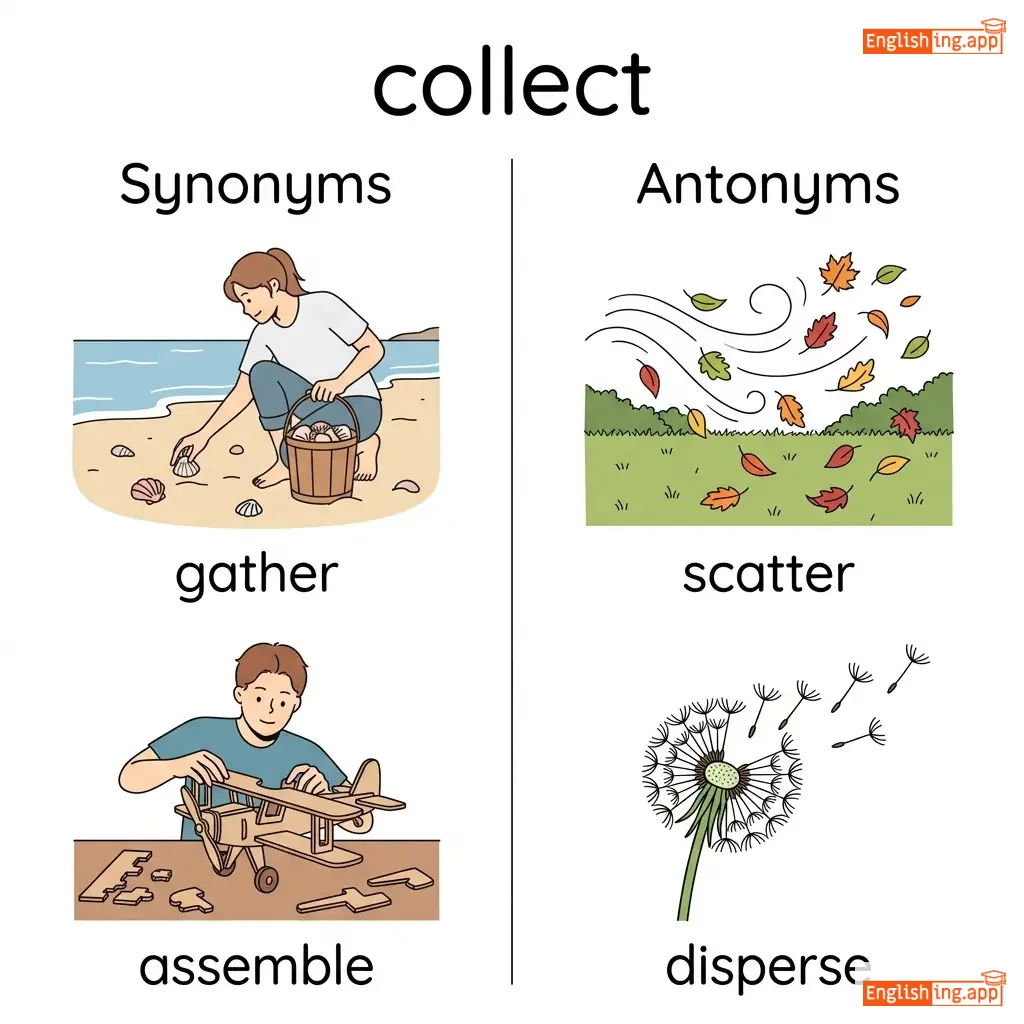
gather, assemble, accumulate, amass, hoard
••••••
|
scatter, disperse, distribute
••••••
|
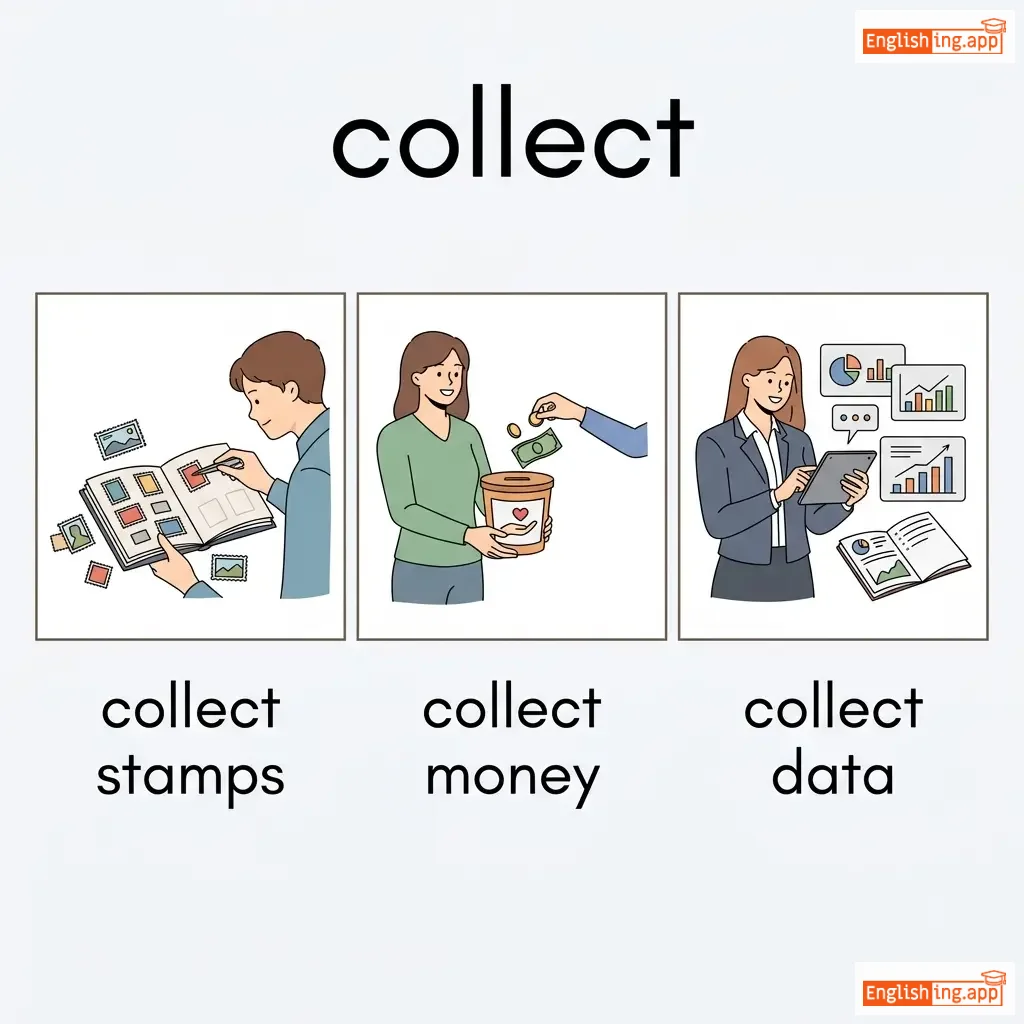
collect stamps, collect money, collect data, collect garbage
••••••
|
Collect (集める) 切手を集めて、記憶を保つ。
••••••
|
|
#0
🚰
|
/dreɪn/
verb
••••••
|
- •••••• | - •••••• |
drained
••••••
|
drained
••••••
|
drains
••••••
|
draining
••••••
|
to cause liquid to flow away from something; to remove liquid
••••••
|
He drained the pasta before adding the sauce. |
- •••••• |
drain the life out of |
to make someone or something lose energy or enthusiasm
••••••
|
- •••••• |
empty, remove, exhaust, deplete, discharge
••••••
|
fill, flood, retain
••••••
|
drain water, drain pipe, drain energy, drain battery
••••••
|
No •••••• |
|
#0
🗑️
|
/dʌmp/
verb
(ダンプ)
••••••
|
- •••••• |
何かを無駄に捨てるまたは放置する
nanika o muda ni suteru matawa houchi suru
••••••
|
dumped
ダンプド
••••••
|
dumped
ダンプド
••••••
|
dumps
ダンプス
••••••
|
dumping
ダンピング
••••••
|
to drop or dispose of something carelessly; to end a relationship suddenly
••••••
|
He dumped all the trash into the bin.
彼はゴミをすべてゴミ箱に捨てた。
••••••
|
彼はゴミをすべてゴミ箱に捨てた。
Kare wa gomi o subete gomibako ni suteta.
••••••
|
dump someone
誰かを捨てる
••••••
|
to end a romantic relationship with someone
••••••
|
誰かを捨てる
Dareka o suteru
••••••
|
discard, throw, drop, abandon, release
••••••
|
keep, hold, retain
••••••
|
dump site, garbage dump, dump truck, dump waste, dump someone
••••••
|
Dumpは捨てるという意味です — 誰かに振られたら、'彼は私をdumpした!'
••••••
|
|
#0
🌫️
|
/dʌst/
noun, verb
(ダスト)
••••••
|
|
ほこり
hokori
••••••
|
dusted
ダステッド
••••••
|
dusted
ダステッド
••••••
|
dusts
ダスツ
••••••
|
dusting
ダスティング
••••••
|
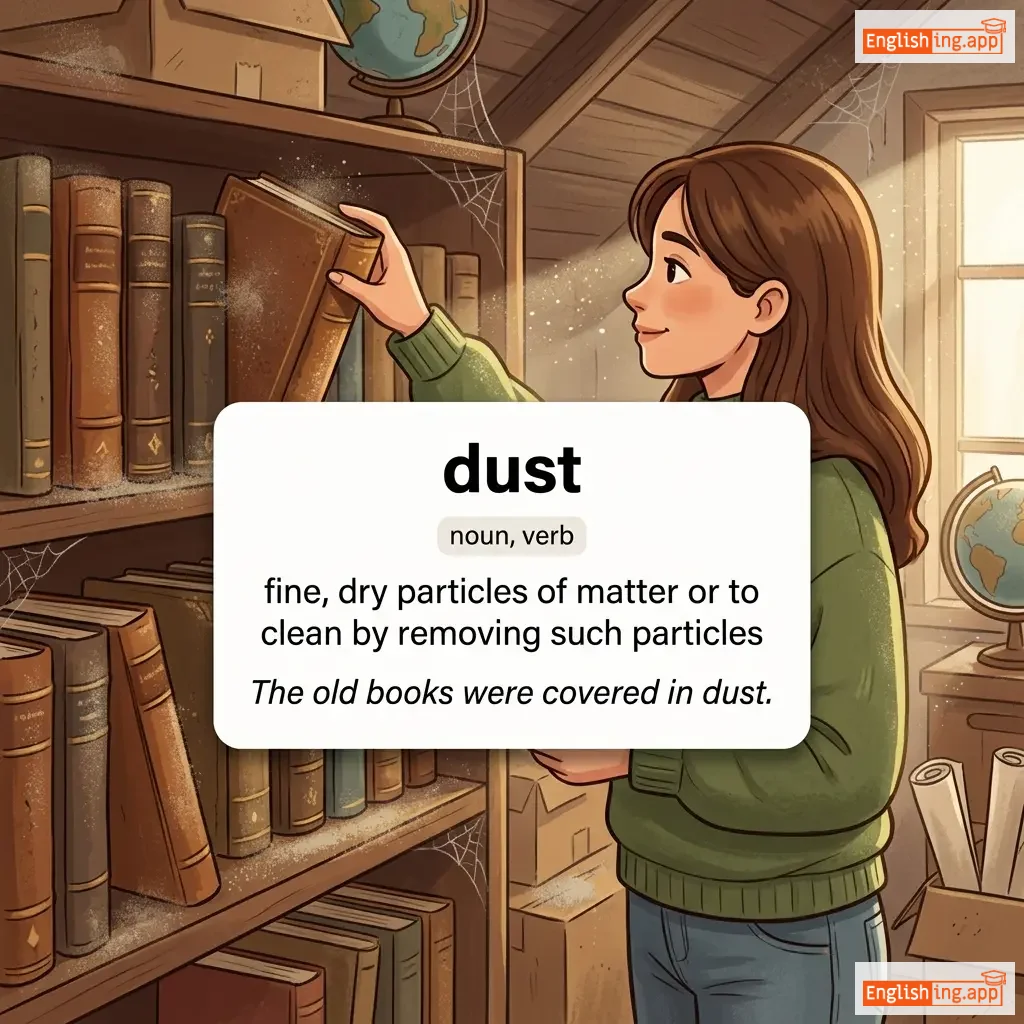
fine, dry particles of matter or to clean by removing such particles
••••••
|
The old books were covered in dust.
古い本はほこりに覆われていました。
••••••
|
古い本はほこりに覆われていました。
furui hon wa hokori ni ōwareteimashita.
••••••
|
bite the dust
ダストをかじる
••••••
|
to fail or be defeated
••••••
|
失敗するか、敗北すること
shippai suru ka, haiboku suru koto
••••••
|
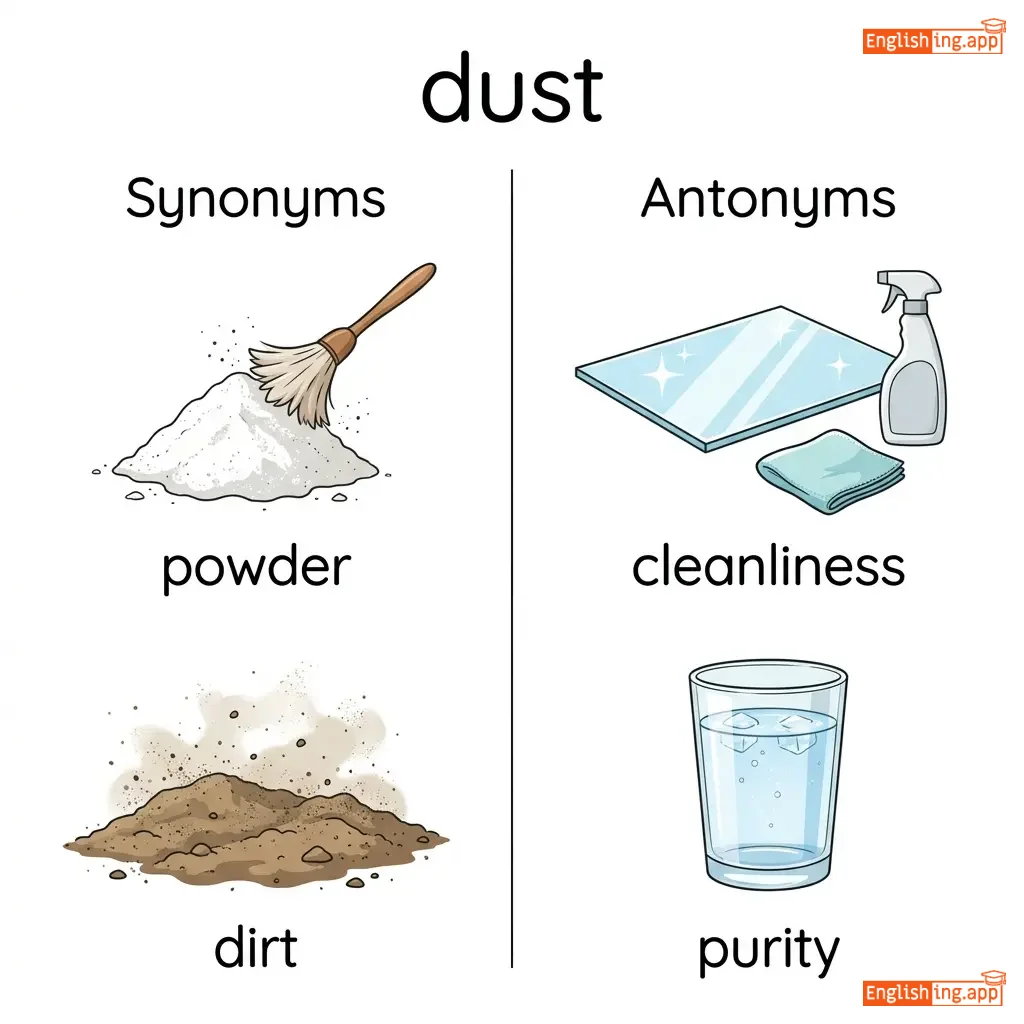
powder, dirt, particles, debris
••••••
|
cleanliness, purity
••••••
|
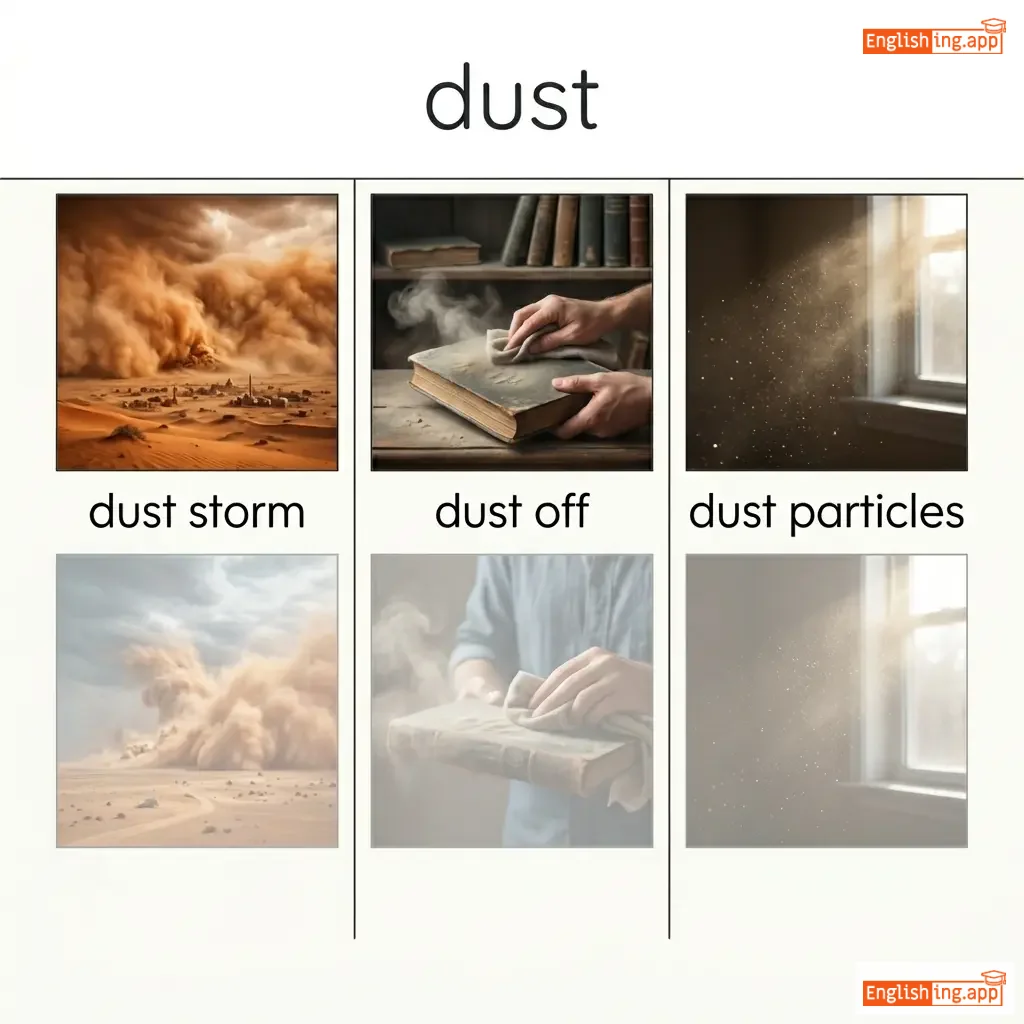
dust storm, dust off, dust particles, dust cloud
••••••
|
Dustはほこりを意味します。'Dust off'はほこりを払うことです。
••••••
|
|
#0
🌊
|
/flʌd/
noun
(フラッド)
••••••
|
- •••••• |
洪水
kōzui
••••••
|
flooded
フラデッド
••••••
|
flooded
フラデッド
••••••
|
floods
フラッズ
••••••
|
flooding
フラッディング
••••••
|
a large amount of water covering land that is usually dry
••••••
|
The flood destroyed several houses in the village.
フラッドは村のいくつかの家を破壊しました。
••••••
|
洪水は村のいくつかの家を破壊しました。
Kōzui wa mura no ikutsuka no ie o hakai shimashita.
••••••
|
a flood of tears
涙の洪水
••••••
|
crying a lot; weeping heavily
••••••
|
涙の洪水
namida no kōzui
••••••
|
deluge, overflow, inundation, torrent, surge
••••••
|
drought, dryness, scarcity
••••••
|
flood water, flood damage, flood control, flash flood, flood zone
••••••
|
Floodは日本語で洪水、涙の洪水のように溢れ出します。
••••••
|
|
#0
🗑️
|
/ˈɡɑːrbɪdʒ/
noun
(ガービッジ)
••••••
|
- •••••• |
ゴミ
gomi
••••••
|
- •••••• | - •••••• | - •••••• | - •••••• |
waste material; things that are no longer useful or wanted
••••••
|
Please take out the garbage before it starts to smell. |
臭くなる前にゴミを外に出してください。
Kusakunaru mae ni gomi o soto ni dashite kudasai.
••••••
|
one man's garbage is another man's treasure |
something worthless to one person may be valuable to another
••••••
|
一人のゴミは他人の宝
Hitori no gomi wa tanin no takara
••••••
|
trash, waste, litter, refuse, junk
••••••
|
treasure, valuables
••••••
|
garbage can, garbage truck, collect garbage, throw garbage
••••••
|
ゴミ = 捨てるべきもの 🗑️
••••••
|
|
#0
🗑️
|
/ˈlɪtər/
noun/verb
(リッター)
••••••
|
- •••••• |
ゴミ
gomi
••••••
|
littered
リッタード
••••••
|
littered
リッタード
••••••
|
litters
リッターズ
••••••
|
littering
リッティング
••••••
|
rubbish or waste left lying in a public place; to make a place untidy by leaving rubbish
••••••
|
The park was full of litter after the festival.
祭りの後、公園はゴミでいっぱいだった。
••••••
|
祭りの後、公園はゴミでいっぱいだった。
Matsuri no ato, kouen wa gomi de ippai datta.
••••••
|
litter the streets
街にゴミを捨てる
••••••
|
to throw rubbish on the roads
••••••
|
街にゴミを捨てる
Machi ni gomi wo suteru
••••••
|
trash, rubbish, debris, garbage
••••••
|
cleanliness, tidiness
••••••
|
litter problem, litter bin, litter the streets, litter laws
••••••
|
Litterはゴミを意味する—街にゴミを捨てる
••••••
|
|
#0
📦
|
/loʊd/
noun/verb
(ロウド)
••••••
|
|
荷物
nimotsu
••••••
|
loaded
ロウデッド
••••••
|
loaded
ロウデッド
••••••
|
loads
ロウズ
••••••
|
loading
ロウディング
••••••
|
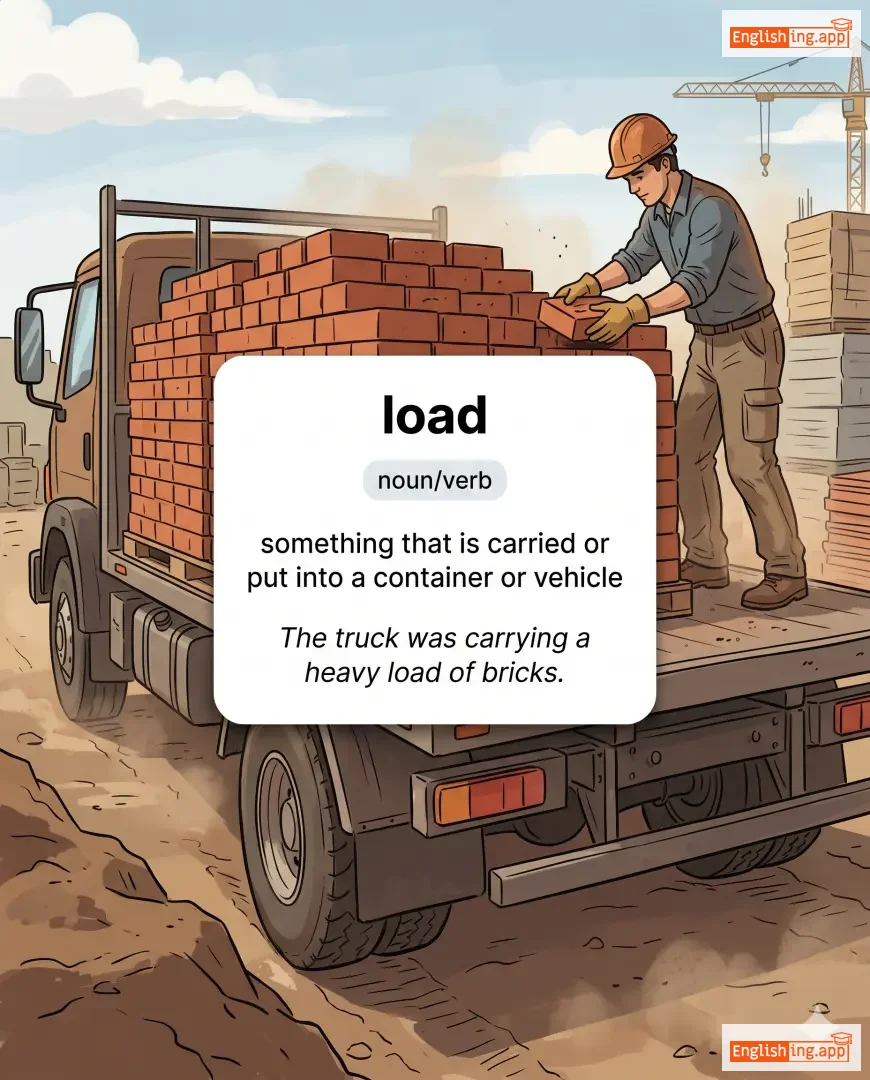
something that is carried or put into a container or vehicle
••••••
|
The truck was carrying a heavy load of bricks.
トラックは重い荷物を運んでいました。
••••••
|
トラックは重い荷物を運んでいました。
torakku wa omoi nimotsu o hakonde imashita.
••••••
|
take a load off
荷を下ろす
••••••
|
to sit down and relax
••••••
|
リラックスする
rirakkusu suru
••••••
|
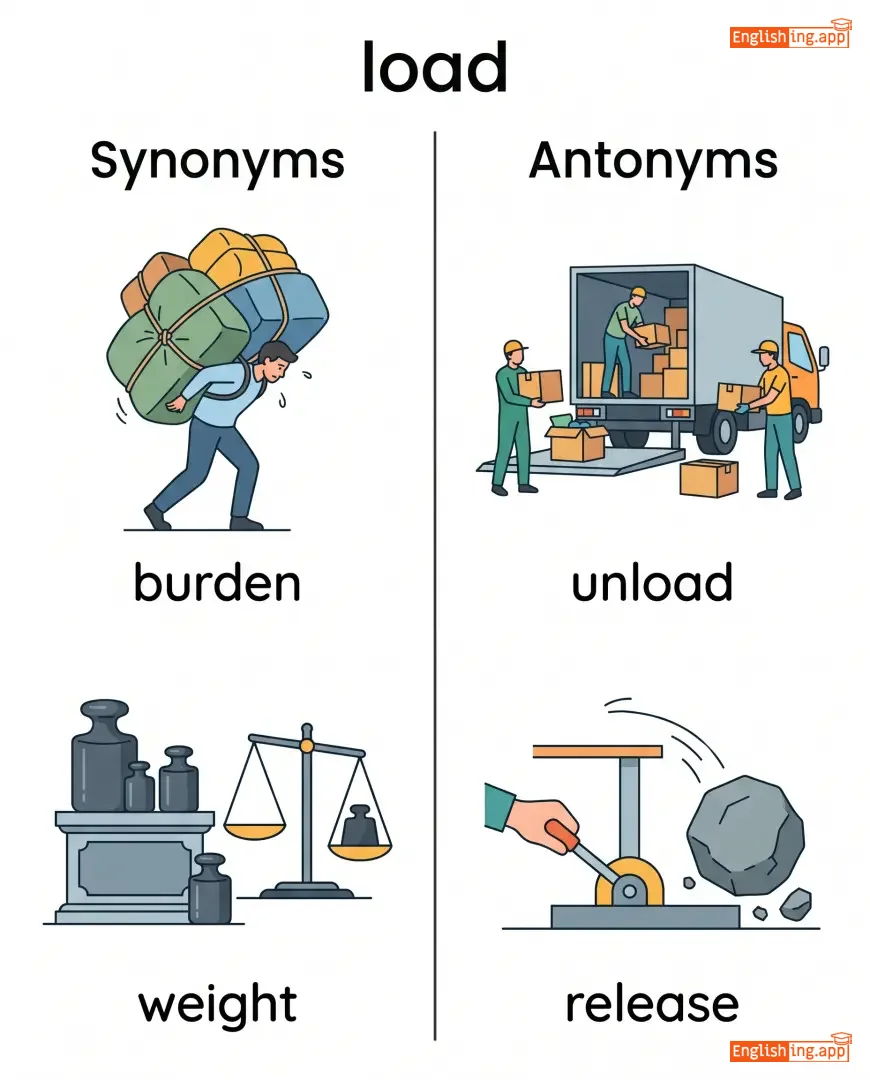
burden, weight, cargo, freight, shipment
••••••
|
unload, release, lighten
••••••
|
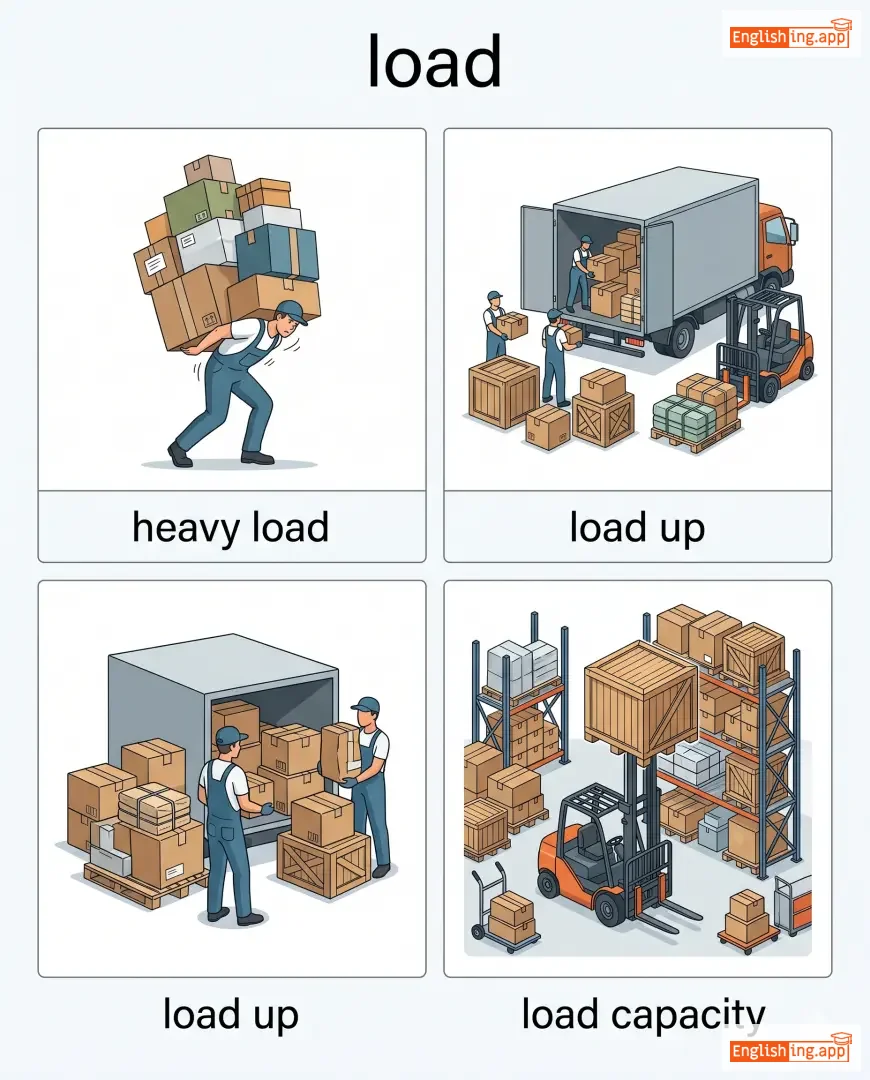
heavy load, load up, load capacity, full load
••••••
|
荷物とは、コンピュータが多くのデータを処理しているとき、重く感じるものです。
••••••
|
|
#0
🎭
|
/mæsk/
noun
(マスク)
••••••
|
- •••••• |
仮面
kamen
••••••
|
- •••••• | - •••••• | - •••••• | - •••••• |
A covering for the face to protect, disguise, or entertain.
••••••
|
He wore a mask at the costume party. |
彼は仮装パーティーで仮面をかぶっていた。
Kare wa kasō pātii de kamen o kabutte ita.
••••••
|
wear many masks |
To play different roles or hide one's true self.
••••••
|
多くの仮面をかぶる
Ōku no kamen o kaburu
••••••
|
covering, disguise, veil, shield, facade
••••••
|
exposure, reveal
••••••
|
face mask, protective mask, surgical mask, wear a mask
••••••
|
仮面、顔を隠すための道具。
••••••
|
|
#0
🪱
|
/mʌd/
noun
(マッド)
••••••
|
- •••••• |
泥
doro
••••••
|
- •••••• | - •••••• | - •••••• | - •••••• |
soft, wet earth or soil
••••••
|
The children were playing in the mud after the rain. |
子供たちは雨の後で泥遊びをしていました。
Kodomotachi wa ame no ato de doro asobi o shiteimashita.
••••••
|
drag someone's name through the mud |
to damage someone's reputation by saying bad things about them
••••••
|
誰かの名前を泥に引きずり込む
Dareka no namae o doro ni hikizurikomu
••••••
|
dirt, clay, sludge, muck, soil
••••••
|
dust, rock, dry land
••••••
|
mud road, covered in mud, play in the mud, sticky mud
••••••
|
Mudは泥(doro)を意味します — 泥の中で遊ぶことを想像して、'muddy'を覚えましょう!
••••••
|
|
#0
🌙
|
/naɪt/
noun
(ナイト)
••••••
|
- •••••• |
夜
yoru
••••••
|
- •••••• | - •••••• | - •••••• | - •••••• |
the time of darkness between one day and the next, when most people sleep
••••••
|
She loves going for walks at night. |
彼女は夜に散歩するのが好きです。
Kanojo wa yoru ni sanpo suru no ga suki desu.
••••••
|
- •••••• | - •••••• | - •••••• |
evening, nighttime, dusk, dark
••••••
|
day, morning
••••••
|
night sky, night time, at night, good night
••••••
|
夜 = 夜はやっぱりリラックス、寝る時間 (Night = Night is for relaxation, sleep time)
••••••
|
|
#0
🪢
|
/roʊp/
noun
(ロープ)
••••••
|
- •••••• |
ロープ
roopu
••••••
|
- •••••• | - •••••• | - •••••• | - •••••• |
a strong, thick cord made of twisted fibers or strands
••••••
|
The climbers used a rope to scale the mountain.
登山者は山を登るためにロープを使いました。
••••••
|
登山者は山を登るためにロープを使いました。
Tozan-sha wa yama wo noboru tame ni roopu wo tsukaimashita.
••••••
|
- •••••• | - •••••• | - •••••• |
cord, string, line, cable
••••••
|
thread, wire
••••••
|
climbing rope, rope ladder, jump rope
••••••
|
登山のためのロープ、'rope'を思い出してください
••••••
|
|
#0
🔄
|
/ʃɪft/
verb
(シフト)
••••••
|
- •••••• |
シフトする
shifuto suru
••••••
|
shifted
シフテッド
••••••
|
shifted
シフテッド
••••••
|
shifts
シフツ
••••••
|
shifting
シフティング
••••••
|
To move or change from one place, position, or situation to another.
••••••
|
She had to shift her focus to the new project.
彼女は新しいプロジェクトに焦点を移さなければならなかった。
••••••
|
彼女は新しいプロジェクトに焦点を移さなければならなかった。
Kanojo wa atarashii purojekuto ni shouten wo utsusanakereba naranakatta.
••••••
|
shift gears
ギアをシフトする
••••••
|
to change your approach or activity suddenly
••••••
|
ギアを変更する
gia wo henkou suru
••••••
|
move, change, switch, transfer, relocate
••••••
|
stay, remain, hold
••••••
|
shift focus, shift position, shift attention, shift responsibility
••••••
|
Shiftはギアを変更するように、アプローチや方法も変えられる。
••••••
|
|
#0
🚶♂️
|
/striːt/
noun
(sutorīto)
••••••
|
- •••••• |
通り
toori
••••••
|
- •••••• | - •••••• | - •••••• | - •••••• |
a public road in a city or town, typically with buildings on one or both sides
••••••
|
He walked down the street to the park.
彼は公園へ向かって通りを歩いていました。
••••••
|
彼は公園へ向かって通りを歩いていました。
Kare wa kōen e mukatte tōri o aruiteimashita.
••••••
|
- •••••• | - •••••• | - •••••• |
road, avenue, boulevard, lane
••••••
|
alley, cul-de-sac
••••••
|
main street, busy street, narrow street, street light
••••••
|
通りを歩くとき、ストリートという言葉を思い出す、街の通りのように。
••••••
|
|
#0
🧹
|
/swiːp/
verb
(スウィープ)
••••••
|
|
掃く
haku
••••••
|
swept
スウェプト
••••••
|
swept
スウェプト
••••••
|
sweeps
スウィープス
••••••
|
sweeping
スウィーピング
••••••
|
to clean by brushing; to move quickly and smoothly
••••••
|
She sweeps the floor every morning.
シー スウィープス ザ フロア エブリ モーニング。
••••••
|
彼女は毎朝床を掃く。
Kanojo wa mai asa yuka o haku
••••••
|
- •••••• | - •••••• | - •••••• |
brush, clean, move quickly, glide
••••••
|
dirty, mess up
••••••
|
sweep away, sweep clean, sweep up, sweep aside, sweep through, sweep under
••••••
|
‘Sweep’ sounds like ‘スウィープ’ — remember ‘haku’ to brush away dust!
••••••
|
|
#0
🚚
|
/trʌk/
noun
(トラック)
••••••
|
- •••••• |
トラック
torakku
••••••
|
- •••••• | - •••••• | - •••••• | - •••••• |
a large motor vehicle for transporting goods
••••••
|
The truck was loaded with boxes for the warehouse.
トラックは倉庫に向けて箱を積んでいた。
••••••
|
トラックは倉庫に向けて箱を積んでいた。
Torakku wa sōko ni mukete hako o tsunde ita.
••••••
|
- •••••• | - •••••• | - •••••• |
lorry, freight truck, delivery truck
••••••
|
car, van, motorcycle
••••••
|
load a truck, drive a truck, truck driver
••••••
|
トラックで荷物を運ぶ、倉庫へ
••••••
|
|
#0
🚜
|
/ˈwæɡən/
noun
(ワゴン)
••••••
|
- •••••• |
荷車
nukimono
••••••
|
- •••••• | - •••••• | - •••••• | - •••••• |
a vehicle with four wheels used for carrying loads, often pulled by horses or a motor vehicle used for transporting goods or people
••••••
|
The farmer loaded hay onto the wagon. |
農夫は干し草をワゴンに積んだ。
Nōfu wa hoshi kusa o wagon ni tonda.
••••••
|
on the wagon |
abstaining from drinking alcohol
••••••
|
アルコールを断つ
arukōru wo tatsu
••••••
|
cart, carriage, truck, van, lorry
••••••
|
car, bike, sled
••••••
|
horse-drawn wagon, covered wagon, station wagon, load a wagon
••••••
|
ワゴンは荷物を運ぶための四輪車、荷車と似ています。
••••••
|
|
#0
👷
|
/ˈwɜːrkər/
noun
(ワーカー)
••••••
|
- •••••• |
労働者
rōdōsha
••••••
|
- •••••• | - •••••• | - •••••• | - •••••• |
a person who is employed to perform tasks or duties
••••••
|
The workers were busy building the bridge. |
労働者たちは橋を建設するのに忙しかった。
Rōdōsha-tachi wa hashi o kensetsu suru no ni isogashikatta.
••••••
|
- •••••• | - •••••• | - •••••• |
employee, laborer, operative, staff
••••••
|
employer, boss, manager
••••••
|
construction worker, factory worker, hard worker
••••••
|
労働者 (rōdōsha) が働いています。
••••••
|
Vocabulary Quiz
Test your vocabulary by matching words with their translations or meanings.
Login to take the quiz
Comments (0)
Share your thoughts and join the discussion.
Join the discussion by logging in
Login to CommentNo comments yet
Be the first to share your thoughts!