

社会変革をもたらした活動家
The Activist Who Brought Social Change
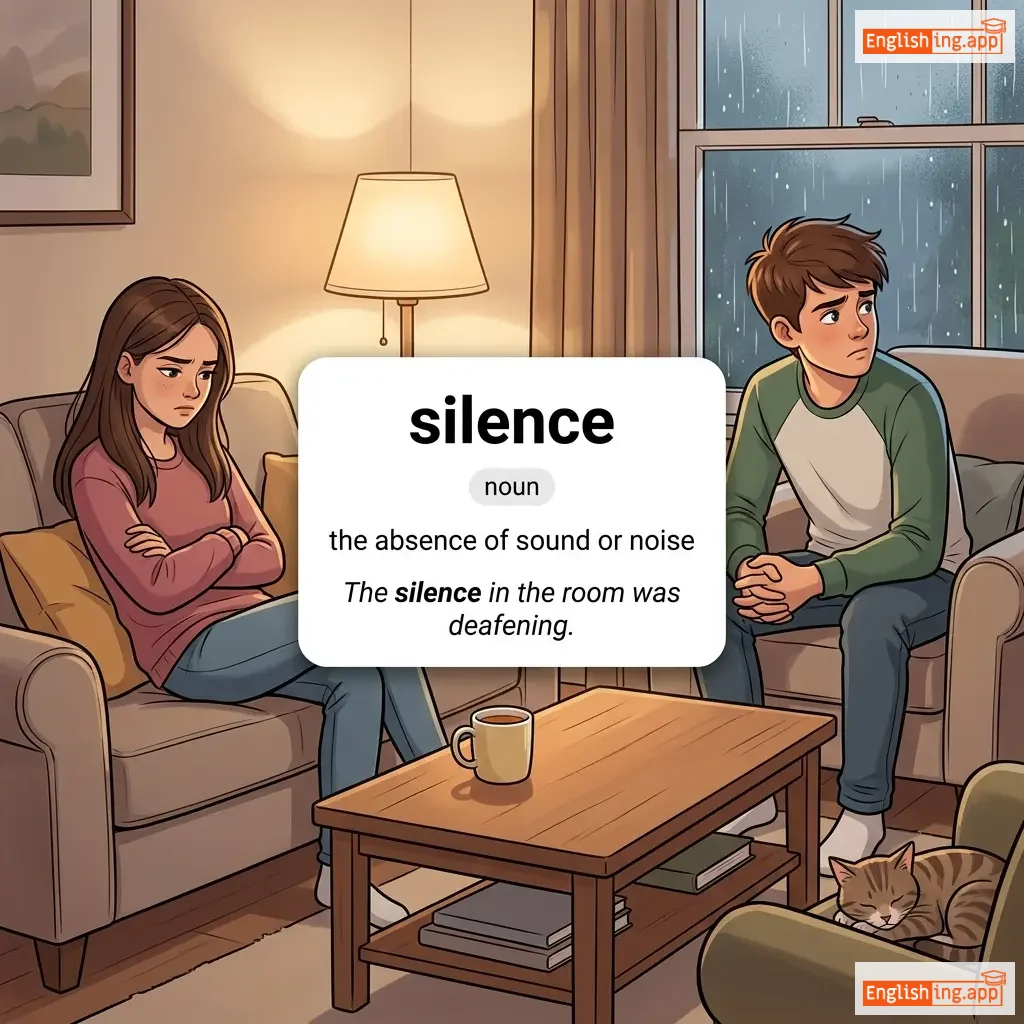
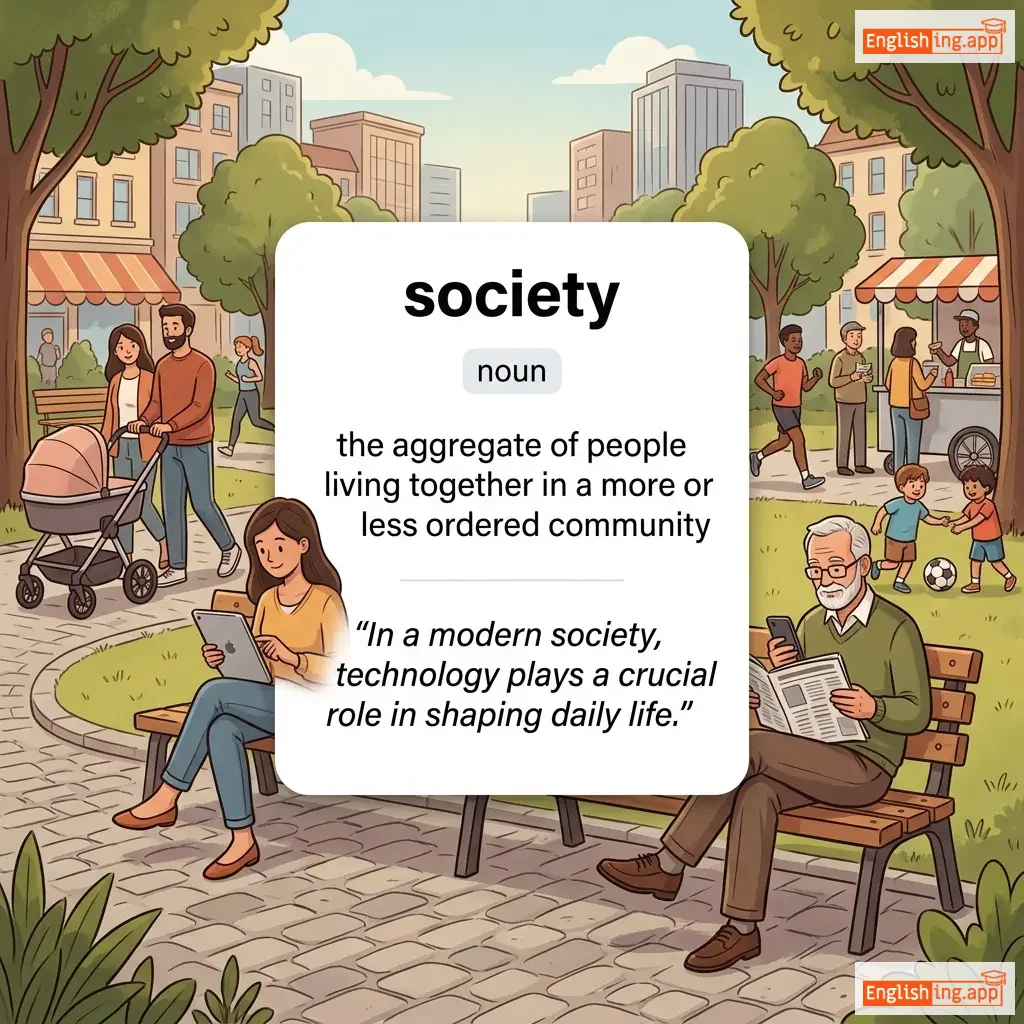
アイーシャは不正義に立ち向かった社会活動家だった。彼女の society では女性の権利が制限されており、彼女はこの現実を変えたいと思っていた。彼女のアプローチは shallow ではなく、制度的な問題を深く理解していた。新しい差別的な statute が可決されたとき、アイーシャは抗議活動を組織した。彼女の sibling も運動に参加した。彼らは silence が選択肢ではないと知っていた。政府は反対派を squeeze しようとしたが、運動はより強くなった。アイーシャは、slavery に似た法律は受け入れられないと言った。彼女の言葉は誤解を shattered した。討論会で、彼女は政府の政策を sharply 批判した。彼女のメッセージはシンプルだが力強かった —— someone が立ち上がらなければならない。彼女の stomach は緊張でねじれていたが、恐怖を隠していた。面白い出来事として、支持者を乗せた shuttle バスが間違った方向に行ってしまい、抗議が遅れて始まったことがあった。それでも人々は集まった。抗議者たちは要求を specified したプラカードを掲げていた。アイーシャの決意は現状を受け入れる人々にとって strange に見えた。しかし彼女は somehow, someday 物事が変わると信じていた。彼女の運動は他の人々を鼓舞し、各地で similar な抗議が始まった。退役した soldier さえも参加し、「自由のために戦った」と語った。starter として、政府は対話に同意した。Shortly のちにいくつかの改革が発表された。アイーシャは、集団的行動と勇気が society を変えることを証明した。彼女の遺産は、普通の人々でも非凡な変化を起こせるということだった。
翻訳
過去
過去分詞
三人称単数
動名詞
意味
例文
例文の翻訳
同義語
対義語
コロケーション
ニーモニック
Swipe left or right, or use the buttons. Tap image to zoom.
例文の翻訳
単語
The Activist Who Brought Social ChangeThe Activist Who Brought Social Change - マスクトグル
|
絵文字
|
単語 | Images | 翻訳 | 過去 | 過去分詞 | 三人称単数 | 動名詞 | 意味 | 例文 | 例文の翻訳 | 表現例 | 表現例の意味 | 表現例の翻訳 | 同義語 | 対義語 | コロケーション | ニーモニック |
|---|---|---|---|---|---|---|---|---|---|---|---|---|---|---|---|---|---|
|
#0
💧
|
/ˈʃæl.oʊ/
adjective
(シャロウ)
••••••
|
- •••••• |
浅い
asai
••••••
|
- •••••• | - •••••• | - •••••• | - •••••• |
not deep; lacking depth of thought or feeling
••••••
|
The children played in the shallow water near the shore. |
子供たちは岸近くの浅い水で遊んでいました。
Kodomotachi wa kishi chikaku no asai mizu de asondeimashita.
••••••
|
shallow end |
the less deep part of a pool
••••••
|
浅い部分
asai bubun
••••••
|
superficial, surface-level, slight, trivial
••••••
|
deep, profound, thoughtful
••••••
|
shallow water, shallow end, shallow mind, shallow depth
••••••
|
Shallowは浅い(asai)水を意味します
••••••
|
|
#0
⚡
|
/ˈʃɑːrpli/
adverb
(シャープリー)
••••••
|
- •••••• |
急激に
kyūgeki ni
••••••
|
- •••••• | - •••••• | - •••••• | - •••••• |
suddenly and strongly; in a cutting or intense way
••••••
|
Prices rose sharply after the announcement. |
発表後、価格は急激に上昇した。
Happyōgo, kakaku wa kyūgeki ni jōshō shita.
••••••
|
- •••••• | - •••••• | - •••••• |
suddenly, quickly, abruptly, intensely, drastically
••••••
|
slowly, gently, gradually
••••••
|
rise sharply, turn sharply, sharply increase, sharply decline
••••••
|
Sharp から急激に、すなわち速くて強い変化
••••••
|
|
#0
💥
|
/ˈʃætər/
verb
(シャター)
••••••
|
- •••••• |
壊れる
kowareru
••••••
|
shattered
シャタード
••••••
|
shattered
シャタード
••••••
|
shatters
シャターズ
••••••
|
shattering
シャタリング
••••••
|
To break suddenly into many small pieces.
••••••
|
The glass will shatter if you drop it.
The glass will shatter if you drop it.
••••••
|
ガラスは落とすと壊れる。
Garasu wa otosu to kowareru.
••••••
|
shatter dreams
シャター ドリームス
••••••
|
to completely ruin someone's hopes or plans
••••••
|
夢を壊す
yume o kowasu
••••••
|
break, smash, crack, demolish, splinter
••••••
|
repair, fix, build
••••••
|
shatter glass, shatter dreams, shatter confidence
••••••
|
Shatterは壊れることを意味します—ガラスが落ちると壊れるように。
••••••
|
|
#0
⏰
|
/ˈʃɔːt.li/
adverb
(ショートリー)
••••••
|
- •••••• |
まもなく; 少しの間で; 簡潔に
mamonaku; sukoshi no aida de; kanketsu ni
••••••
|
- •••••• | - •••••• | - •••••• | - •••••• |
soon; in a short time; briefly
••••••
|
The meeting will begin shortly. |
会議はまもなく始まります。
Kaigi wa mamonaku hajimarimasu
••••••
|
- •••••• | - •••••• | - •••••• |
soon, presently, momentarily
••••••
|
later, eventually, distantly
••••••
|
arrive shortly, begin shortly, return shortly
••••••
|
まもなくすることがショートリー!
••••••
|
|
#0
🚌
|
/ˈʃʌtəl/
noun
(シャトル)
••••••
|
- •••••• |
定期的に二地点間を往復する車両または乗り物
teikiteki ni nichitenkan o ōfuku suru sharyō mata wa norimono
••••••
|
- •••••• | - •••••• | - •••••• | - •••••• |
a vehicle or craft that travels regularly between two places.
••••••
|
The airport shuttle runs every 30 minutes. |
空港シャトルは30分ごとに運行しています。
Kūkō shatoru wa 30-pun goto ni un kō shiteimasu.
••••••
|
shuttle diplomacy |
negotiation conducted by a mediator who travels between parties
••••••
|
シャトル外交
shatoru gaikō
••••••
|
bus, transporter, ferry, vehicle, coach
••••••
|
static vehicle, stopover
••••••
|
shuttle bus, shuttle service, space shuttle, airport shuttle
••••••
|
シャトルはバスのように往復する 🚍
••••••
|
|
#0
👫
|
/ˈsɪblɪŋ/
noun
(シブリング)
••••••
|
- •••••• |
兄弟姉妹
kyoudai shimai
••••••
|
- •••••• | - •••••• | - •••••• | - •••••• |
A brother or sister.
••••••
|
She has three siblings, two brothers and one sister.
彼女は三人の兄弟姉妹がいます。二人の兄と一人の妹。
••••••
|
彼女は三人の兄弟姉妹がいます。二人の兄と一人の妹。
Kanojo wa sannin no kyoudai shimai ga imasu. Futari no ani to hitori no imouto.
••••••
|
- •••••• | - •••••• | - •••••• |
brother, sister, kin, relative
••••••
|
stranger, outsider
••••••
|
sibling rivalry, younger sibling, elder sibling, sibling bond
••••••
|
Siblings という英単語は兄弟姉妹を意味します。家族みんなが一つのチームのようです。
••••••
|
|
#0
🤫
|
/ˈsaɪ.ləns/
noun
(サイレンス)
••••••
|
|
静けさ
shizukesa
••••••
|
- •••••• | - •••••• | - •••••• | - •••••• |
complete absence of sound; the refusal to speak or make noise
••••••
|
The teacher asked for silence during the exam. |
教師は試験中に静けさを求めました。
Kyōshi wa shiken-chū ni shizukesa o motomemashita.
••••••
|
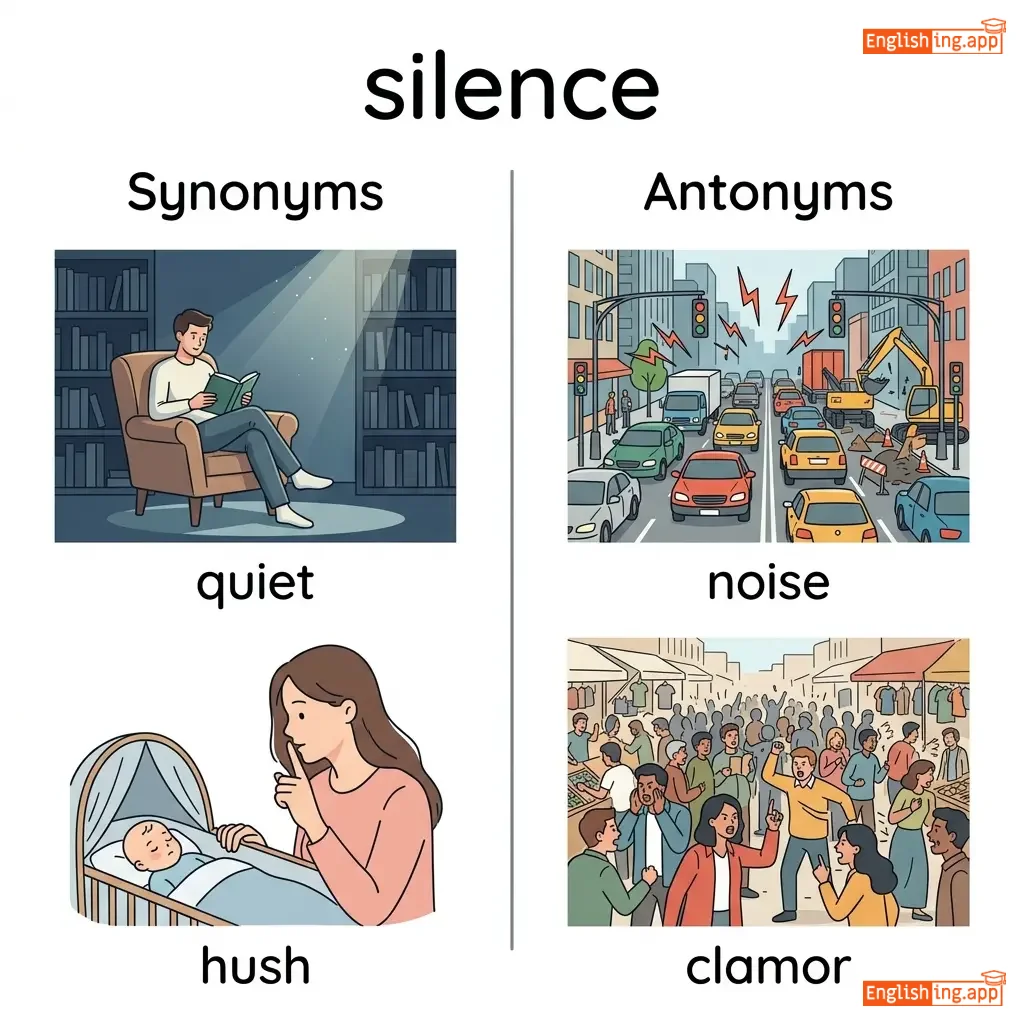
- •••••• | - •••••• | - •••••• |
quiet, stillness, hush, calm
••••••
|
noise, sound, chatter, commotion
••••••
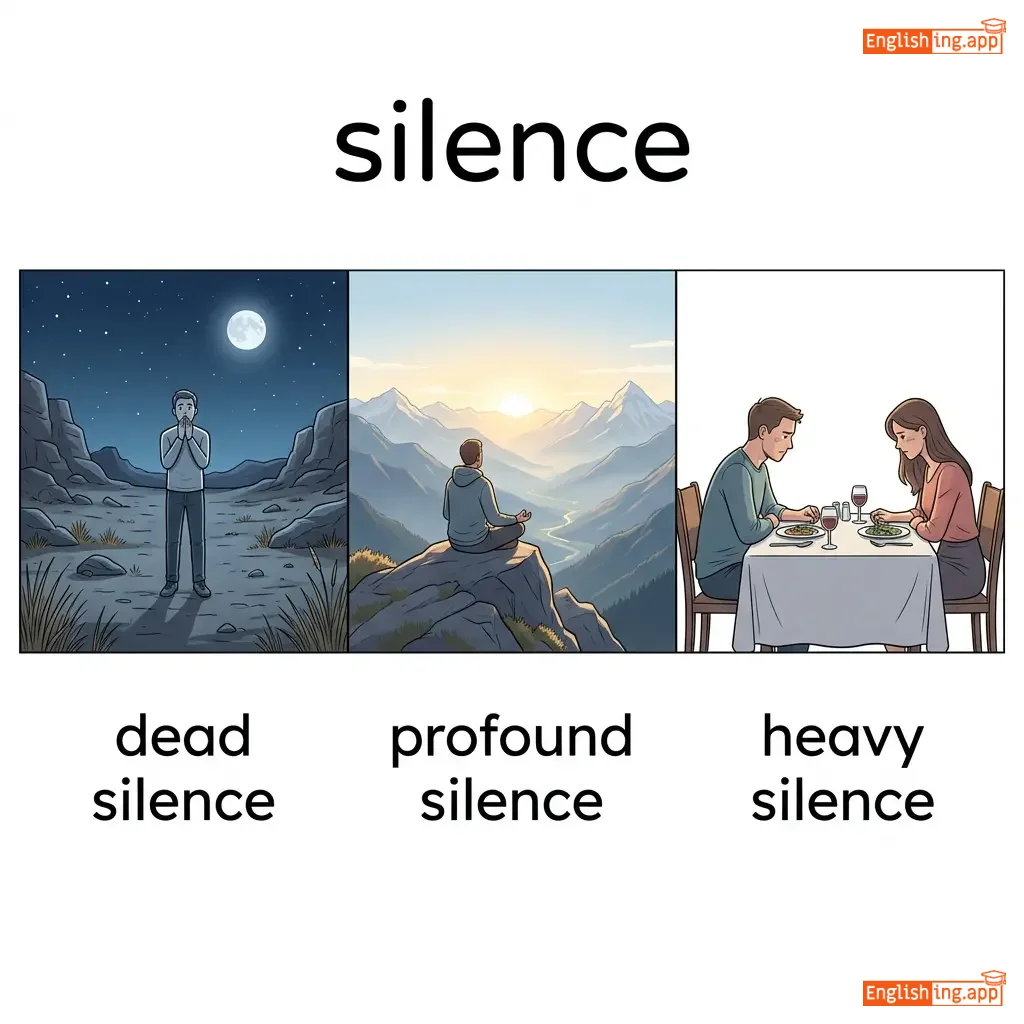
|
awkward silence, dead silence, moment of silence, break the silence
••••••
|
静けさは心を整え、集中を高める。
••••••
|
|
#0
🔄
|
/ˈsɪmɪlər/
adjective
(シミラー)
••••••
|
- •••••• |
似ている
niteru
••••••
|
- •••••• | - •••••• | - •••••• | - •••••• |
Having a resemblance in appearance, character, or quantity, without being identical.
••••••
|
The twins wore similar clothes to the party. |
双子はパーティーで似たような服を着ていました。
Futago wa pātī de nita yō na fuku o kiteimashita.
••••••
|
similar to |
Having a likeness or resemblance to something.
••••••
|
~に似ている
~ni niteiru
••••••
|
alike, comparable, related, akin, resembling
••••••
|
different, dissimilar, unlike
••••••
|
similar case, similar result, similar style, similar appearance
••••••
|
SIMILARは似ているという意味で、'似ている'の日本語と同じです。
••••••
|
|
#0
⛓️
|
/ˈsleɪvəri/
noun
••••••
|
- •••••• | - •••••• | - •••••• | - •••••• | - •••••• | - •••••• |
the system or state of being owned and forced to work for someone else
••••••
|
Slavery was abolished in most countries in the 19th century. |
- •••••• |
modern-day slavery |
the exploitation of people through forced labor or trafficking in modern times
••••••
|
- •••••• |
servitude, bondage, oppression, captivity
••••••
|
freedom, liberty, independence
••••••
|
abolish slavery, against slavery, slavery system, slavery trade
••••••
|
No •••••• |
|
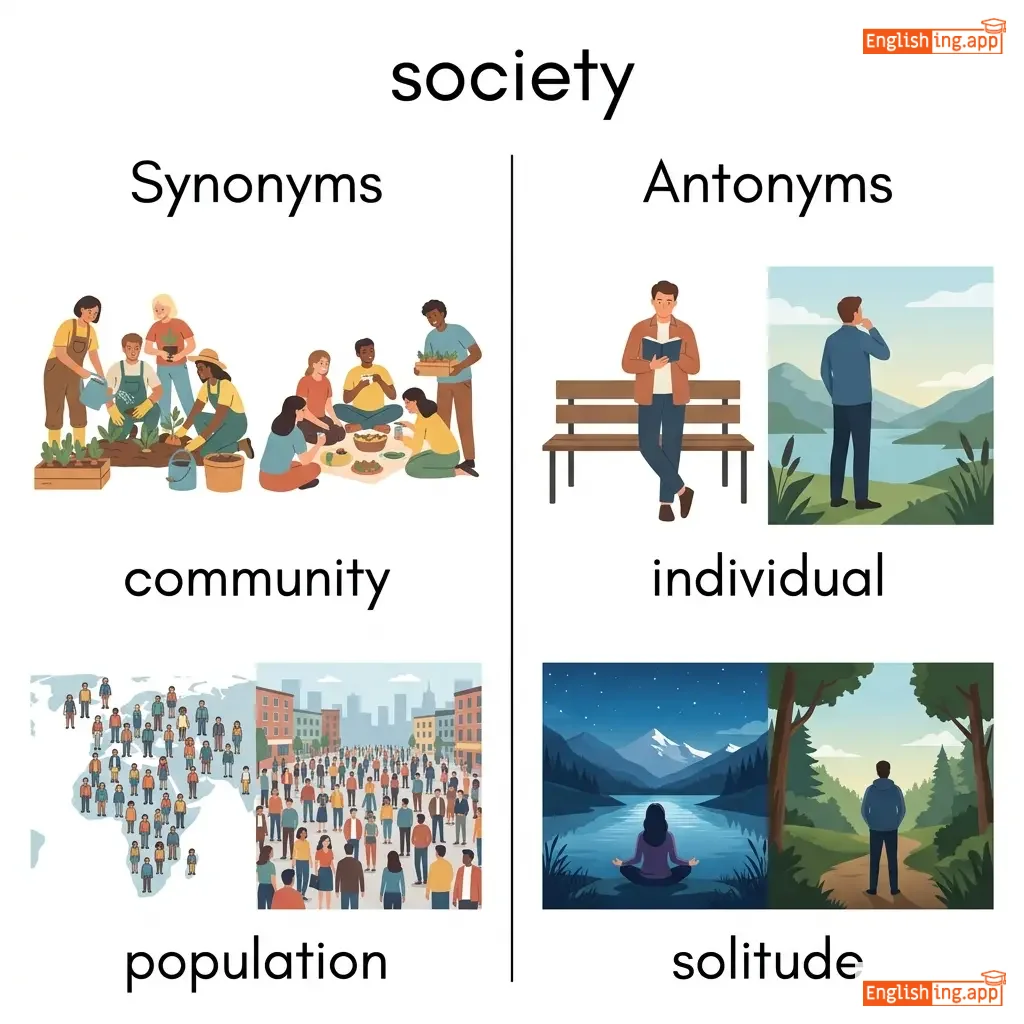
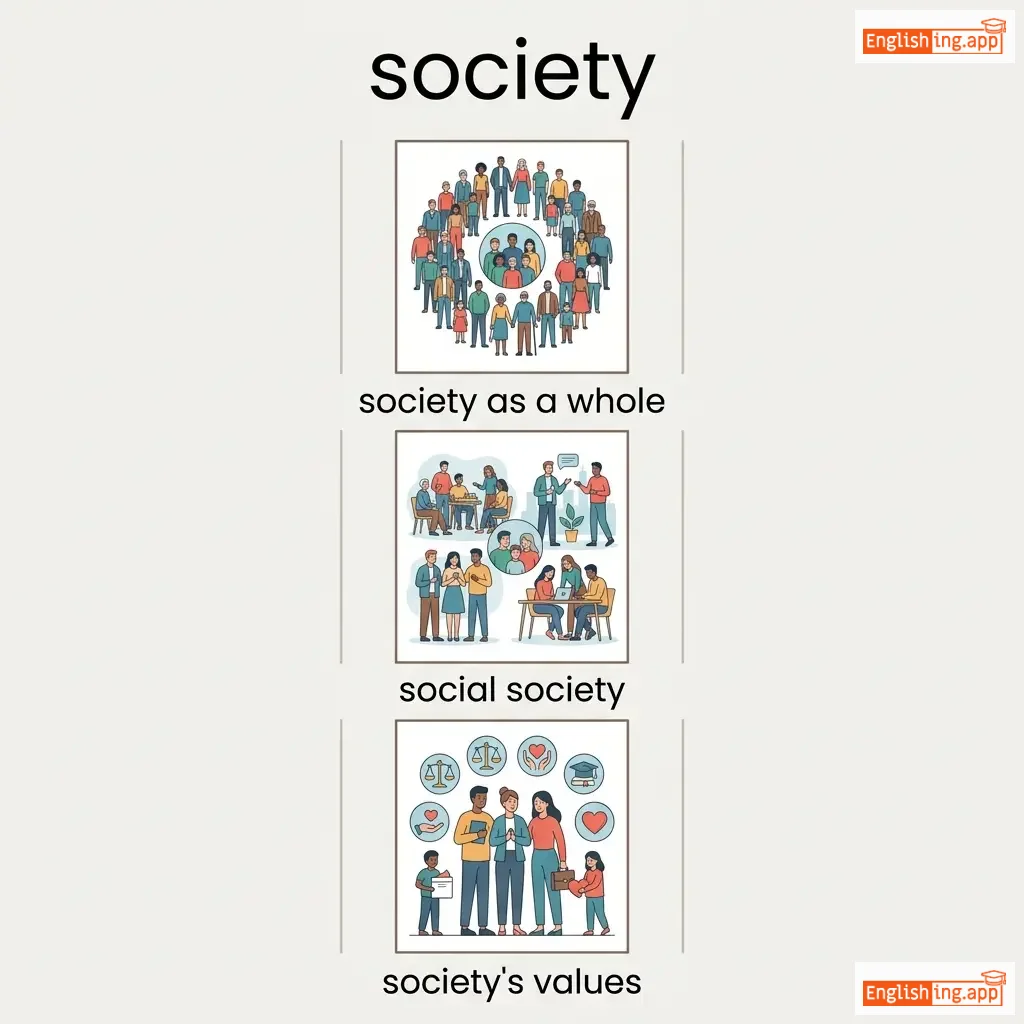
#0
🏘️
|
/səˈsaɪ.ə.ti/
noun
(ソサエティ)
••••••
|
|
社会; 組織
shakai; soshiki
••••••
|
- •••••• | - •••••• | - •••••• | - •••••• |
a community of people living together; an organization or association
••••••
|
Education plays an important role in society. |
教育は社会において重要な役割を果たします。
Kyoiku wa shakai ni oite jūyōna yakuwari o hatashimasu.
••••••
|
- •••••• | - •••••• | - •••••• |
community, civilization, culture, association
••••••
|
isolation, solitude, individualism
••••••
|
modern society, civil society, human society
••••••
|
社会とは共に生きること、教育はその力です。
••••••
|
|
#0
🪖
|
/ˈsoʊldʒər/
noun
(ソルジャー)
••••••
|
- •••••• |
兵士
heishi
••••••
|
- •••••• | - •••••• | - •••••• | - •••••• |
a person who serves in an army, especially as a professional fighter
••••••
|
The soldier marched proudly with his unit.
兵士は誇りを持って自分の部隊と共に行進した。
••••••
|
兵士は誇りを持って自分の部隊と共に行進した。
Heishi wa hokori wo motte jibun no butai to tomo ni koushin shita.
••••••
|
old soldier
老兵
••••••
|
a person with much experience in military service or in life
••••••
|
老兵
rōhei
••••••
|
trooper, warrior, fighter, serviceman, combatant
••••••
|
civilian, noncombatant
••••••
|
brave soldier, professional soldier, soldier on, soldier's duty
••••••
|
ソルジャー = 兵士、覚えやすい!
••••••
|
|
#0
🌅
|
/ˈsʌm.deɪ/
adverb
(サムデイ)
••••••
|
- •••••• |
いつか
itsuka
••••••
|
- •••••• | - •••••• | - •••••• | - •••••• |
at some time in the future
••••••
|
Someday, I want to travel the world. |
いつか、私は世界中を旅したい。
Itsuka, watashi wa sekaijuu o tabishitai.
••••••
|
- •••••• | - •••••• | - •••••• |
one day, eventually, in the future, sooner or later
••••••
|
never, now
••••••
|
someday soon, maybe someday, someday I will, someday in the future
••••••
|
Someday はいつか — 'Some day、いつか夢がかなう。'
••••••
|
|
#0
🤷
|
/ˈsʌm.haʊ/
adverb
(sam-ow)
••••••
|
- •••••• |
なんとか;
nantoka
••••••
|
- •••••• | - •••••• | - •••••• | - •••••• |
in some way; for some reason that is not clear
••••••
|
Somehow, I managed to finish the project on time.
Samow, ai manejd tu finish za purojekuto on taimu.
••••••
|
なんとか、私はプロジェクトを時間通りに終わらせることができました。
Nantoka, watashi wa purojekuto o jikan dōri ni owaraseru koto ga dekimashita.
••••••
|
- •••••• | - •••••• | - •••••• |
someway, in some way, by some means, mysteriously
••••••
|
clearly, obviously, certainly, definitely
••••••
|
somehow manage, somehow survive, somehow succeed, somehow escape
••••••
|
Japanese and English mix: 'Somehow' becomes 'nantoka', capturing that feeling of finding a way.
••••••
|
|
#0
🙋
|
/ˈsʌmwʌn/
pronoun
(サムワン)
••••••
|
- •••••• |
誰か
dareka
••••••
|
- •••••• | - •••••• | - •••••• | - •••••• |
a person, but not specifically known or named
••••••
|
Someone left their umbrella in the hallway. |
誰かが廊下に傘を忘れました。
Dareka ga rouka ni kasa o wasuremashita.
••••••
|
- •••••• | - •••••• | - •••••• |
somebody, person, individual
••••••
|
nobody
••••••
|
someone special, someone else, someone new
••••••
|
Someone can be remembered as 'Some ONE person'.
••••••
|
|
#0
📝
|
/ˈspɛsɪfaɪ/
verb
(suseifai)
••••••
|
- •••••• |
指定する
shiteisuru
••••••
|
specified
suseifaido
••••••
|
specified
suseifaido
••••••
|
specifies
suseifaizu
••••••
|
specifying
suseifainngu
••••••
|
to state or describe something clearly and exactly
••••••
|
Please specify the time and place of the meeting.
会議の時間と場所を指定してください。
••••••
|
会議の時間と場所を指定してください。
Kaigi no jikan to basho o shitei shite kudasai.
••••••
|
specify requirements
要求を指定する
••••••
|
to clearly state what is needed
••••••
|
要求を指定する
youkyuu o shitei suru
••••••
|
define, state, describe, mention, detail
••••••
|
generalize, omit
••••••
|
specify details, specify conditions, specify requirements, specify time
••••••
|
指定するは明確に指示すること!
••••••
|
|
#0
🤏
|
/skwiːz/
verb
(スクイーズ)
••••••
|
- •••••• |
絞る
shiboru
••••••
|
squeezed
スクイーズド
••••••
|
squeezed
スクイーズド
••••••
|
squeezes
スクイーズズ
••••••
|
squeezing
スクイージング
••••••
|
to press something firmly, especially from all sides in order to extract or compress it
••••••
|
She squeezed the toothpaste to get the last bit.
彼女は歯磨き粉のチューブを絞って、最後の一滴を出しました。
••••••
|
彼女は歯磨き粉のチューブを絞って、最後の一滴を出しました。
Kanojo wa hamigakiko no chūbu o shibotte, saigo no itteki o dashimashita.
••••••
|
- •••••• | - •••••• | - •••••• |
press, compress, crush, squish
••••••
|
release, loosen, uncompress
••••••
|
squeeze the juice, squeeze in, squeeze the life out of
••••••
|
歯磨き粉を絞って、最後の一滴を出す - Squeeze the last bit of toothpaste!
••••••
|
|
#0
🍽️
|
/ˈstɑːrtər/
noun
(スターター)
••••••
|
- •••••• |
何かを始める人または物; 食事の最初の料理
nanika o hajimeru hito matawa mono; shokuji no saisho no ryōri
••••••
|
- •••••• | - •••••• | - •••••• | - •••••• |
a person or thing that starts something; the first course of a meal
••••••
|
The starter of the meal was a fresh salad. |
食事のスターターは新鮮なサラダでした。
Shokuji no sutātā wa shinsen na sarada deshita.
••••••
|
non-starter |
something that is not feasible or cannot succeed
••••••
|
- •••••• |
beginner, initiator, appetizer, originator, opener
••••••
|
finisher, ender
••••••
|
car starter, meal starter, engine starter, game starter
••••••
|
スターターは始めるもの、食事の最初の一皿、サラダのように!
••••••
|
|
#0
📜
|
/ˈstætʃuːt/
noun
(sutatūto)
••••••
|
- •••••• |
法律
hōritsu
••••••
|
- •••••• | - •••••• | - •••••• | - •••••• |
A written law passed by a legislative body.
••••••
|
The new statute protects workers' rights. |
新しい法律は労働者の権利を保護します。
Atarashī hōritsu wa rōdōsha no kenri o hogo shimasu.
••••••
|
statute of limitations |
A law prescribing the time limit for legal action.
••••••
|
時効法
jikōhō
••••••
|
law, regulation, act, ordinance, decree
••••••
|
anarchy, freedom
••••••
|
criminal statute, civil statute, statute law, statute of limitations
••••••
|
Statute = 法律
••••••
|
|
#0
🤢
|
/ˈstʌmək/
noun/verb
(胃)
••••••
|
- •••••• |
胃 / 耐える
i / taeru
••••••
|
stomached
胃した
••••••
|
stomached
胃した
••••••
|
stomachs
胃する
••••••
|
stomaching
胃する過程
••••••
|
The internal organ in which food is digested; also to tolerate or endure something
••••••
|
She couldn’t stomach the sight of violence.
彼女は暴力の光景に耐えられなかった。
••••••
|
彼女は暴力の光景に耐えられなかった。
Kanojo wa bōryoku no kōkei ni taerarenakatta.
••••••
|
have a strong stomach
強い胃を持っている
••••••
|
to be able to tolerate unpleasant or difficult things
••••••
|
強い胃を持っている
Tsuyoi i o motte iru
••••••
|
belly, abdomen, gut, endure, tolerate
••••••
|
reject, resist, dislike
••••••
|
stomach pain, upset stomach, stomach flu, stomach cramps
••••••
|
胃は食べ物を消化する器官で、強い胃を持っていると困難を耐えることができます。
••••••
|
|
#0
🤔
|
/streɪndʒ/
adjective
(sutoreinji)
••••••
|
- •••••• |
奇妙
kimyō
••••••
|
- •••••• | - •••••• | - •••••• | - •••••• |
unusual or not normal
••••••
|
It was strange to see him at the party after so long. |
そんなに長い時間後にパーティーで彼を見るのは奇妙だった。
Sonnani nagai jikan go ni pātī de kare o miru no wa kimyō datta.
••••••
|
- •••••• | - •••••• | - •••••• |
unusual, odd, peculiar, bizarre
••••••
|
normal, usual, typical
••••••
|
strange behavior, strange situation, strange feeling, feel strange
••••••
|
奇妙(kimyō)は、英語の 'strange' と同じ意味です。
••••••
|
Vocabulary Quiz
Test your vocabulary by matching words with their translations or meanings.
Login to take the quiz
Comments (0)
Share your thoughts and join the discussion.
Join the discussion by logging in
Login to CommentNo comments yet
Be the first to share your thoughts!