

古代の化石を発見した教授
The Professor Who Discovered Ancient Fossils
アリ教授は地質学者で、彼は学生をフィールドリサーチに enrolled しました。彼の情熱は 化石 探しで、バングラデシュには古代の宝物があると信じていました。ある日、nearby 村から奇妙な岩についての噂を聞きました。Namely、農民たちは珍しい形の岩を見つけました。アリは myself 調査することを決めました。彼の旅は挑戦的でしたが、彼は hardly それが彼の人生を変えるとは思っていませんでした。現地に到着すると、number の岩があり、それらは nearly 数百万年の歴史を持っていました。彼の研究 permit の有効期限は expire しようとしていましたが、彼は決して諦めませんでした。岩の length は印象的で、模様は linear でした。彼は gently 掘り始めました、なぜなら object は非常に繊細だったからです。彼の心は moving と興奮して速く打ち始めました。Mostly、彼は普通の石しか見つけませんでしたが、ある日大きな発見がありました。その古代の fossil は先史時代の生物でした。Motion 中に彼は慎重にそのエリアを掃除しました。ニュースは nation 全体に広まり、アリは有名になりました。地元の native の人々は、このような発見が自分たちの地域で起こったことを誇りに思いました。大学はさらに研究のために excess 資金を提供したいと考えていました。アリは、忍耐と献身がすべてを変えることができることを証明しました。
翻訳
過去
過去分詞
三人称単数
動名詞
意味
例文
例文の翻訳
同義語
対義語
コロケーション
ニーモニック
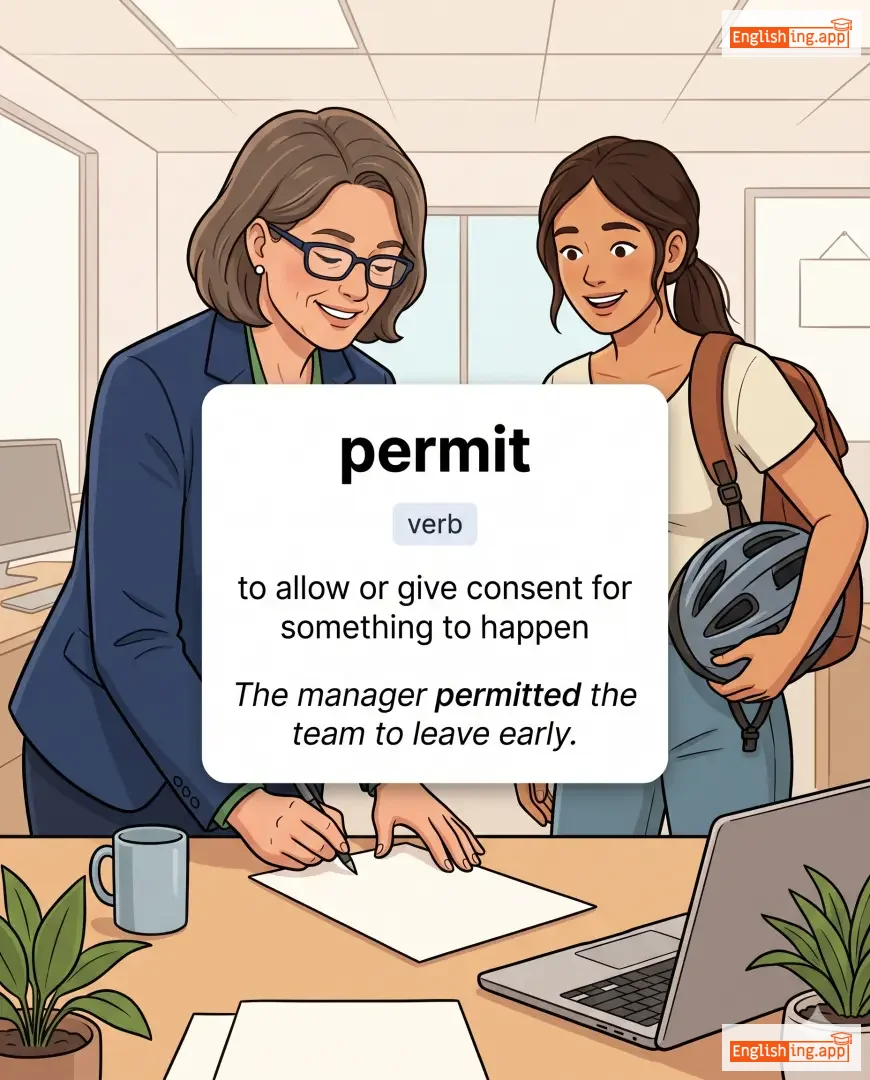
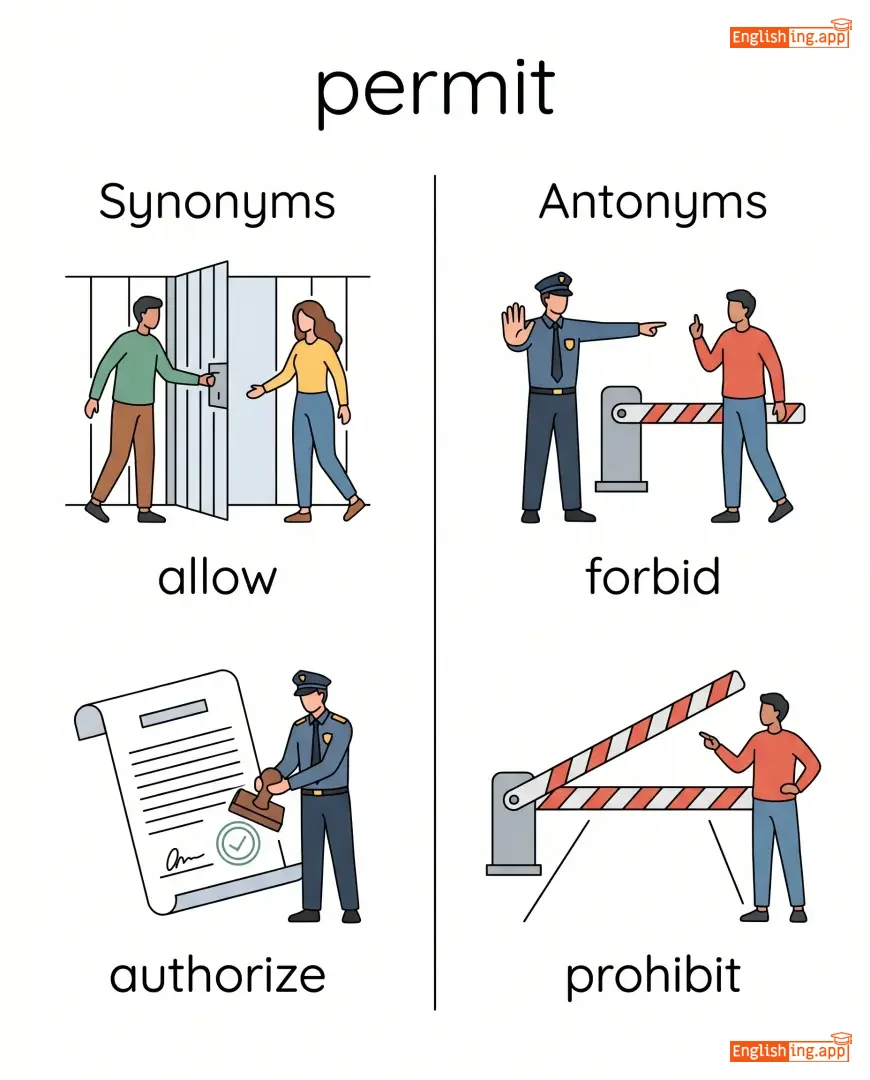
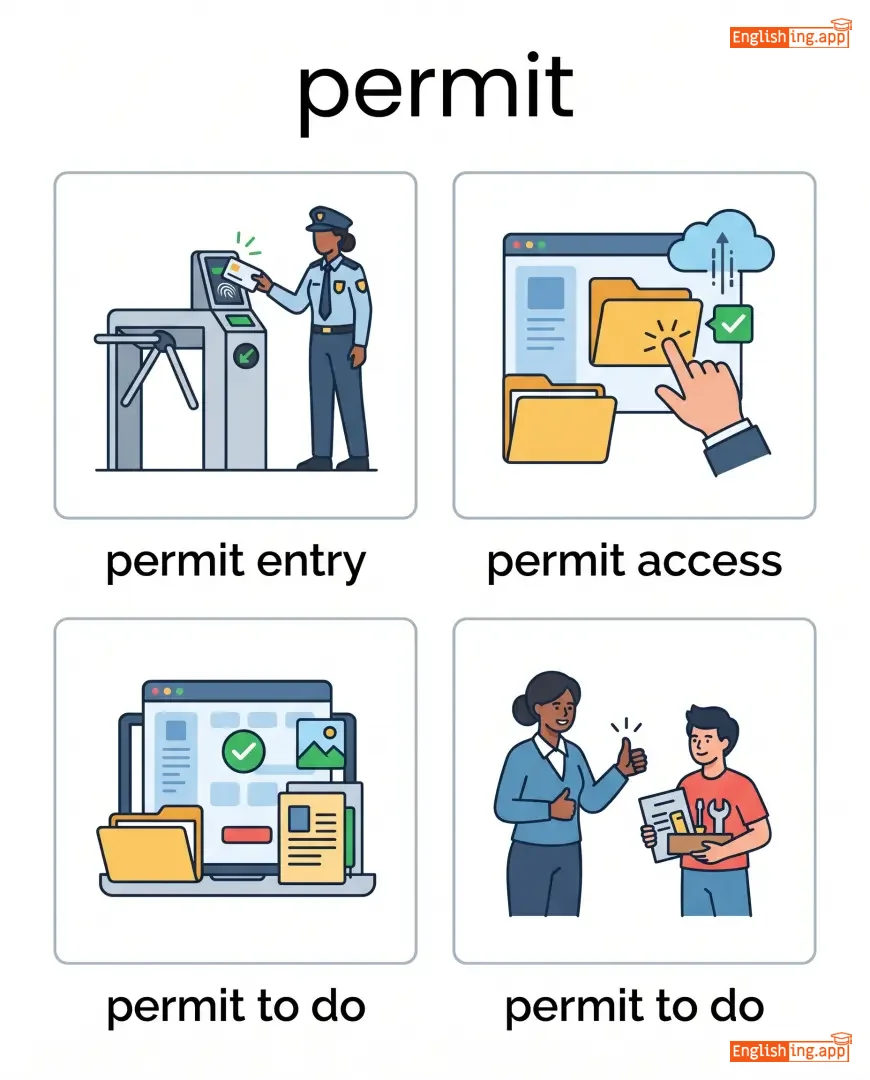
Swipe left or right, or use the buttons. Tap image to zoom.
例文の翻訳
単語
The Professor Who Discovered Ancient FossilsThe Professor Who Discovered Ancient Fossils - マスクトグル
|
絵文字
|
単語 | Images | 翻訳 | 過去 | 過去分詞 | 三人称単数 | 動名詞 | 意味 | 例文 | 例文の翻訳 | 表現例 | 表現例の意味 | 表現例の翻訳 | 同義語 | 対義語 | コロケーション | ニーモニック |
|---|---|---|---|---|---|---|---|---|---|---|---|---|---|---|---|---|---|
|
#0
🧾
|
/ɪnˈroʊl/
verb
(エンロール)
••••••
|
- •••••• |
登録する
tōroku suru
••••••
|
enrolled
エンロールド
••••••
|
enrolled
エンロールド
••••••
|
enrolls
エンロールズ
••••••
|
enrolling
エンロリング
••••••
|
to officially join or register in a school, course, or organization
••••••
|
He decided to enroll in a computer programming course.
彼はコンピュータプログラミングのコースに登録することを決めました。
••••••
|
彼はコンピュータプログラミングのコースに登録することを決めました。
Kare wa konpyūta puroguramingu no kōsu ni tōroku suru koto o kimemashita.
••••••
|
enroll in
登録する
••••••
|
to sign up or register for something
••••••
|
登録する
tōroku suru
••••••
|
register, join, sign up, enlist, admit
••••••
|
withdraw, leave, exclude
••••••
|
enroll in school, enroll students, enroll participants, enroll for a course
••••••
|
Enroll とは、学校に自分の名前を書くことのようなものです。
••••••
|
|
#0
➕
|
/ɪkˈsɛs/
noun
(ikusesu)
••••••
|
- •••••• |
過剰
kajo
••••••
|
- •••••• | - •••••• | - •••••• | - •••••• |
An amount more than necessary, permitted, or desirable.
••••••
|
Too much sugar can lead to excess weight gain. |
過剰な砂糖は体重増加を引き起こす可能性があります。
Kajō na satō wa taijū zōka o hikiokosu kanōsei ga arimasu.
••••••
|
in excess of |
more than a particular amount
••••••
|
過剰に
kajō ni
••••••
|
surplus, overflow, overabundance, superfluity
••••••
|
shortage, lack, insufficiency
••••••
|
excess weight, excess baggage, excess demand, in excess of
••••••
|
Excess = 過剰な食べ物は良くない、健康を害する!
••••••
|
|
#0
⏳
|
/ɪkˈspaɪər/
verb
(エクスパイア)
••••••
|
- •••••• |
期限切れ
kigen-gire
••••••
|
expired
エクスパイアード
••••••
|
expired
エクスパイアード
••••••
|
expires
エクスパイアーズ
••••••
|
expiring
エクスパイアリング
••••••
|
to come to an end, especially a period of validity or life
••••••
|
My passport will expire next month.
私のパスポートは来月期限切れになります。
••••••
|
私のパスポートは来月期限切れになります。
Watashi no pasupōto wa raigetsu kigen-gire ni narimasu.
••••••
|
expire soon
すぐに期限切れになる
••••••
|
to end or become invalid in the near future
••••••
|
すぐに期限切れになる
sugu ni kigen-gire ni naru
••••••
|
end, terminate, lapse, cease, conclude
••••••
|
continue, persist, last
••••••
|
passport expire, contract expire, lease expire, expire date
••••••
|
Expire は期限切れの意味、パスポートが期限切れになるようなことです。
••••••
|
|
#0
🦖
|
/ˈfɒsɪl/
noun
(フォッシル)
••••••
|
- •••••• |
化石
kaseki
••••••
|
- •••••• | - •••••• | - •••••• | - •••••• |
the remains or impression of a prehistoric plant or animal embedded in rock
••••••
|
The fossil of a dinosaur was discovered in the mountains. |
山で恐竜の化石が発見されました。
Yama de kyōryū no kaseki ga hakken saremashita.
••••••
|
- •••••• | - •••••• | - •••••• |
remains, artifact, relic
••••••
|
modern, new
••••••
|
dinosaur fossil, ancient fossil, fossil record
••••••
|
化石は、古代の生き物の痕跡が岩に閉じ込められたものです。
••••••
|
|
#0
🌸
|
/ˈdʒɛntli/
adverb
(ジェントリー)
••••••
|
- •••••• |
優しく
yasashiku
••••••
|
- •••••• | - •••••• | - •••••• | - •••••• |
in a kind, careful, or soft way
••••••
|
She gently placed the baby in the crib. |
彼女は赤ちゃんを優しくベビーベッドに置きました。
Kanojo wa akachan o yasashiku bebībeddo ni okimashita.
••••••
|
gently does it |
a reminder to do something slowly and carefully
••••••
|
優しくやって
yasashiku yatte
••••••
|
softly, tenderly, lightly, calmly
••••••
|
harshly, roughly
••••••
|
speak gently, touch gently, gently smiling, gently place
••••••
|
優しく、ジェントリー、どちらも丁寧!
••••••
|
|
#0
😅
|
/ˈhɑːd.li/
adverb
(hādori)
••••••
|
- •••••• |
ほとんどない; ほぼない; ほとんど信じられない
hotondo nai; hobo nai; hotondo shinjirarenai
••••••
|
- •••••• | - •••••• | - •••••• | - •••••• |
scarcely; barely; almost not at all
••••••
|
I could hardly believe what I was seeing. |
私は見たものをほとんど信じることができませんでした。
Watashi wa mita mono o hotondo shinjiru koto ga dekimasen deshita.
••••••
|
- •••••• | - •••••• | - •••••• |
barely, scarcely, rarely, seldom
••••••
|
easily, completely, fully, certainly
••••••
|
hardly ever, hardly any, hardly believe, hardly possible
••••••
|
Imagine something so hard to believe, like seeing it in a dream!
••••••
|
|
#0
📏
|
/lɛŋkθ/
noun
(lɛŋkθ)
••••••
|
- •••••• |
長さ
nagasa
••••••
|
- •••••• | - •••••• | - •••••• | - •••••• |
The measurement or extent of something from end to end.
••••••
|
The length of the bridge is two kilometers. |
橋の長さは2キロメートルです。
Hashi no nagasa wa 2 kirometoru desu.
••••••
|
at length |
in detail; thoroughly
••••••
|
詳細に
shousai ni
••••••
|
extent, distance, measurement, span, stretch
••••••
|
shortness, brevity
••••••
|
length of time, full length, hair length, considerable length
••••••
|
Lengthは長さ — 何かの長さを長さで測ります。
••••••
|
|
#0
📏
|
/ˈlɪniər/
adjective
(リニア)
••••••
|
- •••••• |
線形
senkei
••••••
|
- •••••• | - •••••• | - •••••• | - •••••• |
Arranged in or extending along a straight line.
••••••
|
The artist used linear perspective in his drawings. |
アーティストは彼の絵に線形透視を使用しました。
Ātisuto wa kare no e ni senkei tōshi o shiyō shimashita.
••••••
|
linear thinking |
A step-by-step way of reasoning in a straight sequence.
••••••
|
線形思考
senkei shikō
••••••
|
straight, direct, sequential, aligned
••••••
|
circular, random, nonlinear
••••••
|
linear perspective, linear function, linear equation
••••••
|
線形 = 線 → まるで直線 📏
••••••
|
|
#0
📊
|
/ˈmoʊstli/
adverb
(モーストリー)
••••••
|
- •••••• |
主に; ほとんど; 通常
omoni; hotondo; tsūjō
••••••
|
- •••••• | - •••••• | - •••••• | - •••••• |
mainly; for the most part; usually
••••••
|
The students are mostly from local schools. |
学生たちは主に地元の学校から来ています。
Gakusei-tachi wa omoni jimoto no gakkō kara kiteimasu.
••••••
|
- •••••• | - •••••• | - •••••• |
mainly, primarily, chiefly, largely, generally
••••••
|
rarely, seldom, minority
••••••
|
mostly used, mostly made, mostly because, mostly from
••••••
|
In Japanese, '主に' will help you remember 'mostly'.
••••••
|
|
#0
🏃
|
/ˈmoʊʃən/
noun
(モーション)
••••••
|
- •••••• |
動き
ugoki
••••••
|
- •••••• | - •••••• | - •••••• | - •••••• |
the act or process of moving; a change of place or position
••••••
|
The motion of the car made her sleepy.
車の動きが彼女を眠くさせた。
••••••
|
車の動きが彼女を眠くさせた。
Kuruma no ugoki ga kanojo wo nemuku saseta.
••••••
|
set in motion
動かす
••••••
|
to start something happening
••••••
|
動かす
ugokasu
••••••
|
movement, gesture, action, shift, change
••••••
|
stillness, rest, immobility
••••••
|
in motion, slow motion, motion picture, set in motion
••••••
|
Motionは動き、‘電車が動いている’と覚えておこう。
••••••
|
|
#0
😭
|
/ˈmuːvɪŋ/
adjective
(ムービング)
••••••
|
- •••••• |
感動的
kandouteki
••••••
|
- •••••• | - •••••• | - •••••• | - •••••• |
causing strong feelings, especially of sympathy or sadness
••••••
|
Her speech was so moving that everyone cried. |
彼女のスピーチはとても感動的で、みんな泣いてしまった。
Kanojo no supīchi wa totemo kandōteki de, minna naite shimatta.
••••••
|
- •••••• | - •••••• | - •••••• |
touching, emotional, poignant, stirring
••••••
|
unemotional, indifferent, cold
••••••
|
moving speech, moving story, moving moment
••••••
|
感動的なことは、心を動かし、涙を誘う。
••••••
|
|
#0
🙋♂️
|
/maɪˈsɛlf/
pronoun
(マイセルフ)
••••••
|
- •••••• |
自分
jibun
••••••
|
- •••••• | - •••••• | - •••••• | - •••••• |
used for emphasis or to refer to oneself
••••••
|
I will do it myself.
私は自分でそれをやります。
••••••
|
私は自分でそれをやります。
Watashi wa jibun de sore o yarimasu.
••••••
|
- •••••• | - •••••• | - •••••• |
me, personally
••••••
|
someone else
••••••
|
do it myself, I taught myself, look after myself
••••••
|
I, MYSELF and I - 自分でやる
••••••
|
|
#0
👉
|
/ˈneɪmli/
adverb
(ネイムリー)
••••••
|
- •••••• |
すなわち; 特に;
sunawachi; tokuni
••••••
|
- •••••• | - •••••• | - •••••• | - •••••• |
that is to say; specifically; to be precise
••••••
|
Three cities, namely Paris, London, and Rome, were visited.
三つの都市、すなわちパリ、ロンドン、ローマが訪問されました。
••••••
|
三つの都市、すなわちパリ、ロンドン、ローマが訪問されました。
Mittsu no toshi, sunawachi Pari, Rondon, Roma ga hōmon saremashita.
••••••
|
- •••••• | - •••••• | - •••••• |
specifically, particularly, that is, to wit, viz
••••••
|
generally, broadly, vaguely
••••••
|
namely that, namely the, namely these, namely those
••••••
|
In Japanese, 'すなわち' (sunawachi) is used similarly to 'namely' to specify examples.
••••••
|
|
#0
🌍
|
/ˈneɪʃən/
noun
(ネイション)
••••••
|
- •••••• |
国家
kokka
••••••
|
- •••••• | - •••••• | - •••••• | - •••••• |
a large group of people united by common descent, history, culture, or language
••••••
|
The nation celebrated its independence day with pride. |
その国は独立記念日を誇りを持って祝いました。
Sono kuni wa dokuritsuki nembi o hokori o motte iwai mashita.
••••••
|
- •••••• | - •••••• | - •••••• |
country, state, land, realm
••••••
|
individual, province, territory
••••••
|
nation state, powerful nation, united nation, proud nation
••••••
|
Nation = Kokka - Dai go no kazoku, minna issho!
••••••
|
|
#0
🌍
|
/ˈneɪtɪv/
adjective
(ネイティブ)
••••••
|
- •••••• |
ネイティブ
neitibu
••••••
|
- •••••• | - •••••• | - •••••• | - •••••• |
Belonging to a person by birth; originating in a particular place.
••••••
|
He is a native speaker of Bengali.
彼はベンガル語のネイティブスピーカーです。
••••••
|
彼はベンガル語のネイティブスピーカーです。
Kare wa bengaru-go no neitibu supīka desu.
••••••
|
native land
故郷
••••••
|
the country where a person was born
••••••
|
故郷
furusato
••••••
|
indigenous, local, original, natural
••••••
|
foreign, alien
••••••
|
native speaker, native language, native culture, native people
••••••
|
ネイティブ = 故郷 – ネイティブスピーカー = 自分の故郷の言葉を話す人
••••••
|
|
#0
📍
|
/ˈnɪəˌbaɪ/
adjective
(ニアバイ)
••••••
|
- •••••• |
近く
chikaku
••••••
|
- •••••• | - •••••• | - •••••• | - •••••• |
close to a particular place or person
••••••
|
The nearest gas station is nearby.
最寄りのガソリンスタンドは近くにあります。
••••••
|
最寄りのガソリンスタンドは近くにあります。
Moyori no gasorin sutando wa chikaku ni arimasu.
••••••
|
- •••••• | - •••••• | - •••••• |
close, adjacent, near, neighboring
••••••
|
distant, far, remote
••••••
|
nearby area, nearby place, nearby town
••••••
|
近く (chikaku) - まるで 'nearby' のように
••••••
|
|
#0
🔄
|
/ˈnɪərli/
adverb
(ニアリー)
••••••
|
- •••••• |
ほとんど; ほぼ;
hotondo; hobo;
••••••
|
- •••••• | - •••••• | - •••••• | - •••••• |
almost; not quite; very close to
••••••
|
I nearly missed the bus this morning.
今朝、バスをほとんど逃しそうになった。
••••••
|
今朝、バスをほとんど逃しそうになった。
Kesa, basu o hotondo nogashisou ni natta
••••••
|
- •••••• | - •••••• | - •••••• |
almost, practically, virtually, approximately
••••••
|
completely, entirely, fully
••••••
|
nearly finished, nearly impossible, nearly ready
••••••
|
日本語: バスを逃しそうになる、ほとんど。
••••••
|
|
#0
🔢
|
/ˈnʌmbər/
noun
(ナンバー)
••••••
|
- •••••• |
番号
bangou
••••••
|
- •••••• | - •••••• | - •••••• | - •••••• |
a mathematical value used to count, measure, or label
••••••
|
She gave me her phone number.
彼女は私に自分の電話番号を教えてくれました。
••••••
|
彼女は私に自分の電話番号を教えてくれました。
Kanojo wa watashi ni jibun no denwa bangou o oshiete kuremashita.
••••••
|
- •••••• | - •••••• | - •••••• |
digit, figure, numeral
••••••
|
letter, word
••••••
|
phone number, lucky number, large number
••••••
|
Number is a sequence – Imagine numbering all the steps in your life!
••••••
|
|
#0
📦
|
/ˈɒbdʒɪkt/
noun
(オブジェクト)
••••••
|
- •••••• |
物体
buttai
••••••
|
- •••••• | - •••••• | - •••••• | - •••••• |
a thing that can be seen and touched
••••••
|
The table is an object in the room.
テーブルは部屋の中のオブジェクトです。
••••••
|
テーブルは部屋の中の物体です。
Tēburu wa heya no naka no buttai desu.
••••••
|
- •••••• | - •••••• | - •••••• |
item, thing, article, entity
••••••
|
subject, person
••••••
|
inanimate object, physical object, move object, object to
••••••
|
物体は見ることができ、触れることができるものです。
••••••
|
|
#0
✅
|
/pərˈmɪt/
verb
(パーミット)
••••••
|
|
許可する
kyoka suru
••••••
|
permitted
パーミッテッド
••••••
|
permitted
パーミッテッド
••••••
|
permits
パーミッツ
••••••
|
permitting
パーミッティング
••••••
|
to allow or give permission; to make possible
••••••
|
The teacher permits students to use calculators during the exam.
先生は試験中に学生に計算機の使用を許可しています。
••••••
|
先生は試験中に学生に計算機の使用を許可しています。
Sensei wa shiken-chū ni gakusei ni keisanki no shiyou o kyoka shiteimasu.
••••••
|
- •••••• | - •••••• | - •••••• |
allow, authorize, enable, consent
••••••
|
forbid, prohibit, deny, ban
••••••
|
permit access, permit entry, legally permit, rarely permit
••••••
|
『許可する』を覚え、許可を与える行為を想像しましょう。
••••••
|
Vocabulary Quiz
Test your vocabulary by matching words with their translations or meanings.
Login to take the quiz
Comments (0)
Share your thoughts and join the discussion.
Join the discussion by logging in
Login to CommentNo comments yet
Be the first to share your thoughts!