

村々をつないだエンジニア
The Engineer Who Connected Villages
Tanvir は hardware ソリューションを専門とするエンジニアでした。彼の function は農村地域のためにシステムを設計することでした。彼の仕事は、技術が機会を generate できることを indicated していました。開発の frontier は遠隔地の村々でした。彼は頻繁に旅をし、長い移動で headaches に悩まされました。しかし彼は決して hesitated しませんでした。インフラの改善は historic で、進歩をもたらしました。村の子供たちはインターネット接続に grateful でした。それは彼らに greatest な可能性を見せました。プロジェクトの handling には慎重な計画が必要でした。村の一人の handsome な若者がテック起業家になりました。この技術プロジェクトは通常の援助プログラムとは distinct でした。何も Tanvir の使命を distract することはできませんでした。いくつかの家庭は貧困のために distress に苦しんでいました。Tanvir の doctrine は「すべての人にテクノロジーを」でした。清潔な drinking 水システムも自動化されました。家々にはテックセンターへ続く小さな driveways がありました。Frequent な停電が問題でした。Freshman ボランティアがプロジェクトに参加しました。これはデジタル包摂の frontier でした。イノベーションは橋として function しました。ソーラーパネルが電力を generated しました。歴史は、技術が貧しい人々を排除すると機会の genocide が起こることを示していました。しかし結果は glorious でした——村々は変わったのです。テクノロジーの goodness はすべての人に届きました。Governor はプロジェクト現場を訪れました。データの graphics が成功指標を示しました。生徒たちは機会に grateful でした。Tanvir はこれを彼の greatest な成果だと信じました。技術移転の handling には忍耐が必要でした。一人の handsome 教師が授業でタブレットを使用しました。都市から hardware の寄付が届きました。各センターには distinct な特徴がありました。授業に来る人が増え、driveway の交通量が増えました。生徒たちは何にも distract されませんでした。貧困は distress を引き起こしましたが、学びが希望をもたらしました。Tanvir の指導する doctrine は包摂的テクノロジーでした。
翻訳
過去
過去分詞
三人称単数
動名詞
意味
例文
例文の翻訳
同義語
対義語
コロケーション
ニーモニック
Swipe left or right, or use the buttons. Tap image to zoom.
例文の翻訳
単語
The Engineer Who Connected VillagesThe Engineer Who Connected Villages - マスクトグル
|
絵文字
|
単語 | Images | 翻訳 | 過去 | 過去分詞 | 三人称単数 | 動名詞 | 意味 | 例文 | 例文の翻訳 | 表現例 | 表現例の意味 | 表現例の翻訳 | 同義語 | 対義語 | コロケーション | ニーモニック |
|---|---|---|---|---|---|---|---|---|---|---|---|---|---|---|---|---|---|
|
#0
✨
|
/dɪˈstɪŋkt/
adjective
(ディスティンクト)
••••••
|
- •••••• |
異なる
kotonaru
••••••
|
- •••••• | - •••••• | - •••••• | - •••••• |
clearly different or separate from others of its kind
••••••
|
The twins have distinct personalities. |
双子は異なる個性を持っています。
Futago wa kotonaru kosei o motteimasu.
••••••
|
distinct possibility |
something that is clearly a real chance of happening
••••••
|
明確な可能性
meikaku na kanousei
••••••
|
clear, separate, definite, unique, noticeable
••••••
|
indistinct, vague, unclear
••••••
|
distinct possibility, distinct feature, distinct voice, distinct style
••••••
|
Distinctは異なる意味、例えば異なる個性、個別性です。
••••••
|
|
#0
🙃
|
/dɪˈstrækt/
verb
(ディストラクト)
••••••
|
- •••••• |
気を散らす
ki wo chirasu
••••••
|
distracted
ディストラクトされた
••••••
|
distracted
ディストラクトされた
••••••
|
distracts
ディストラクトする
••••••
|
distracting
ディストラクトしている
••••••
|
to take someone's attention away from what they are doing or focusing on
••••••
|
The loud noise distracted her during the exam.
大きな音が試験中に彼女をディストラクトした。
••••••
|
大きな音が試験中に彼女をディストラクトした。
Ōkina oto ga shiken-chū ni kanojo wo disutrakuto shita
••••••
|
easily distracted
簡単にディストラクトされる
••••••
|
to lose focus quickly due to small interruptions
••••••
|
簡単に気を散らす
kantan ni ki wo chirasu
••••••
|
divert, sidetrack, disturb, interrupt, absorb
••••••
|
focus, concentrate, attend
••••••
|
distract attention, distract someone, distract from, distract easily
••••••
|
気を散らすことは、注意を他の方向に向けることです。
••••••
|
|
#0
😞
|
/dɪsˈtrɛs/
noun
(ディストレス)
••••••
|
- •••••• |
苦痛
kutsū
••••••
|
- •••••• | - •••••• | - •••••• | - •••••• |
extreme anxiety, sorrow, or pain
••••••
|
He felt a deep sense of distress when he heard the bad news. |
悪い知らせを聞いたとき、彼は深い苦痛を感じました。
Warui shirase o kiita toki, kare wa fukai kutsū o kanjimashita.
••••••
|
- •••••• | - •••••• | - •••••• |
misery, anguish, pain, sorrow
••••••
|
comfort, ease, happiness
••••••
|
emotional distress, financial distress, physical distress, mental distress
••••••
|
In distress (苦痛), you feel overwhelming pain that grips your heart and mind.
••••••
|
|
#0
📜
|
/ˈdɒktrɪn/
noun
(ドクトリン)
••••••
|
- •••••• |
教義
kyōgi
••••••
|
- •••••• | - •••••• | - •••••• | - •••••• |
A set of beliefs or principles held and taught by a religious, political, or other group.
••••••
|
The church follows a strict doctrine on moral values. |
教会は道徳的価値に関する厳格な教義を遵守しています。
Kyōkai wa dōtokuteki kachi ni kansuru genkaku na kyōgi o junshu shiteimasu.
••••••
|
official doctrine |
The established principles or policies endorsed by an authority.
••••••
|
公式教義
Kōshiki kyōgi
••••••
|
belief, principle, teaching, tenet, ideology
••••••
|
heresy, disbelief, doubt
••••••
|
religious doctrine, political doctrine, military doctrine, core doctrine
••••••
|
教義は遵守しなければならない厳格なルールです。
••••••
|
|
#0
🥤
|
/ˈdrɪŋkɪŋ/
noun
(ドリンキング)
••••••
|
- •••••• |
飲む
nomu
••••••
|
- •••••• | - •••••• | - •••••• | - •••••• |
the act of consuming liquids, especially alcohol
••••••
|
Drinking too much water at once can make you feel bloated. |
一度に水を飲みすぎると、膨張感を感じることがあります。
Ichido ni mizu o nomisugiru to, bōchōkan o kanjiru koto ga arimasu.
••••••
|
drinking habit |
a regular pattern of alcohol consumption
••••••
|
飲酒習慣
inshu shūkan
••••••
|
consumption, sipping, gulping, swigging
••••••
|
abstinence, fasting
••••••
|
drinking water, drinking habit, heavy drinking, social drinking
••••••
|
飲む = Drink – '飲む' は飲む行為を意味します
••••••
|
|
#0
🚗
|
/ˈdraɪv.weɪ/
noun
(ドライブウェイ)
••••••
|
- •••••• |
車道
shadō
••••••
|
- •••••• | - •••••• | - •••••• | - •••••• |
a short private road leading from a street to a house or garage
••••••
|
The car was parked in the driveway next to the garden. |
車は庭の隣の車道に停められていた。
Kuruma wa niwa no tonari no shadō ni tomerarete ita.
••••••
|
- •••••• | - •••••• | - •••••• |
path, lane, entrance, approach, access road
••••••
|
highway, street
••••••
|
private driveway, long driveway, clean the driveway, driveway entrance
••••••
|
Drivewayは家の近くに車を停める場所!
••••••
|
|
#0
🔄
|
/ˈfriː.kwənt/ (adj.), /friːˈkwent/ (verb)
adjective, verb
(furiƙwento)
••••••
|
- •••••• |
頻繁
hinpan
••••••
|
frequented
furiƙwentōdo
••••••
|
frequented
furiƙwentōdo
••••••
|
frequents
furiƙwentōtsu
••••••
|
frequenting
furiƙwentoing
••••••
|
Adjective: happening often; Verb: to visit a place regularly
••••••
|
He is a frequent visitor to the library.
彼は図書館の頻繁な訪問者です。
••••••
|
彼は図書館の頻繁な訪問者です。
Kare wa toshokan no hinpan na hōmon-sha desu.
••••••
|
frequent flyer
頻繁な飛行機利用者
••••••
|
a person who travels often by plane
••••••
|
頻繁な飛行機利用者
hinpan na hikōki riyō-sha
••••••
|
regular, repeated, habitual, constant, usual
••••••
|
rare, occasional, infrequent
••••••
|
frequent visits, frequent traveler, frequent customer, frequent contact
••••••
|
Frequent は頻繁、例えば友達がよく電話をかけてくるように。
••••••
|
|
#0
🎓
|
/ˈfreʃmən/
noun
(フレッシュマン)
••••••
|
- •••••• |
一年生
ichinensei
••••••
|
- •••••• | - •••••• | - •••••• | - •••••• |
a first-year student at a high school, college, or university
••••••
|
The freshman felt nervous on his first day at university. |
一年生は大学での初日に緊張していました。
Ichinensei wa daigaku de no shonichi ni kinchou shiteimashita.
••••••
|
freshman year |
the first year of high school or college
••••••
|
一年生
ichinensei
••••••
|
first-year student, newcomer, novice, beginner
••••••
|
senior, experienced student
••••••
|
freshman year, freshman class, college freshman, new freshman
••••••
|
Fresh は新しいを意味します。だから Freshman は新しい学生、クラスに新しい顔!
••••••
|
|
#0
🛂
|
/ˈfrʌntɪə(r)/
noun
(フロンティア)
••••••
|
|
国境
kokkyou
••••••
|
- •••••• | - •••••• | - •••••• | - •••••• |
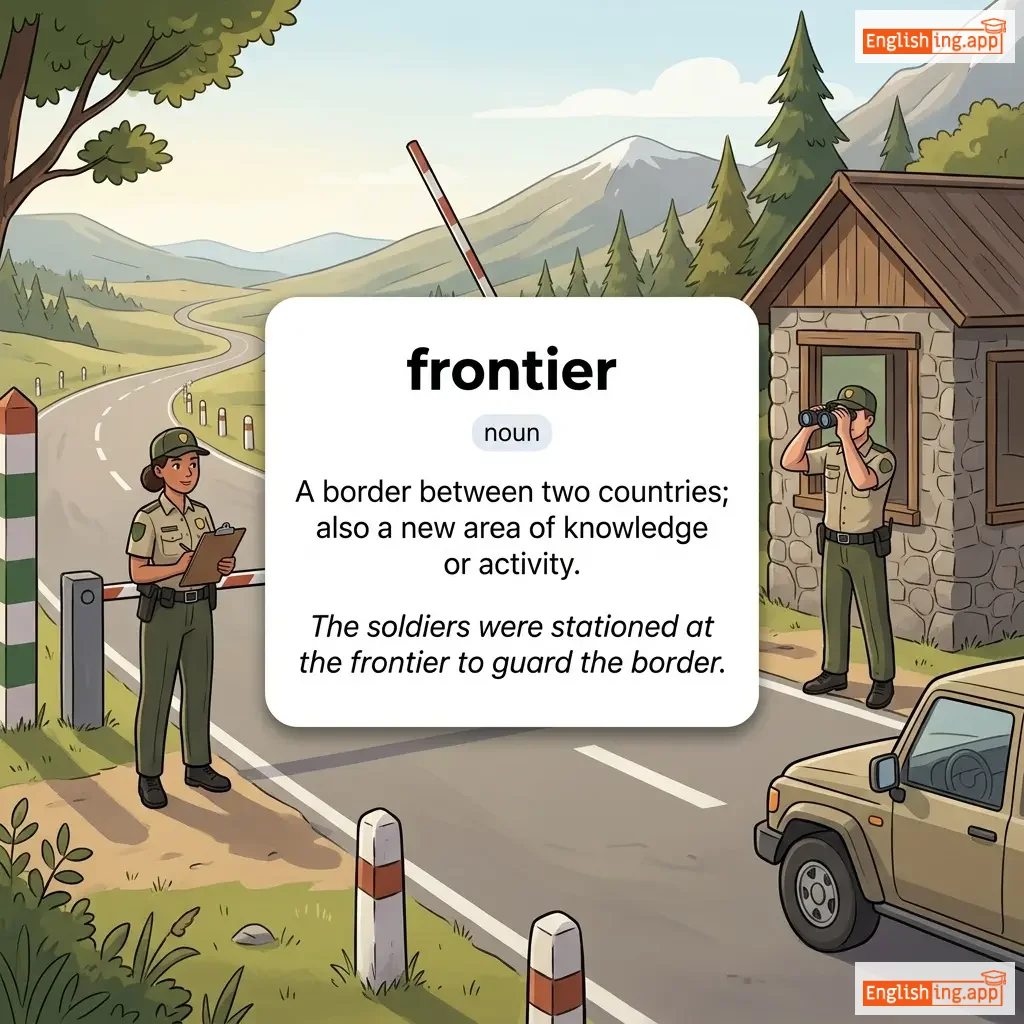
A border between two countries; also a new area of knowledge or activity.
••••••
|
The soldiers were stationed at the frontier to guard the border. |
兵士たちは国境に駐留して、境界を守っていた。
Heishi-tachi wa kokkyou ni churyuu shite, kyoukai o mamotte ita.
••••••
|
frontier of knowledge |
The limits of what is known or understood
••••••
|
知識の国境
chishiki no kokkyou
••••••
|
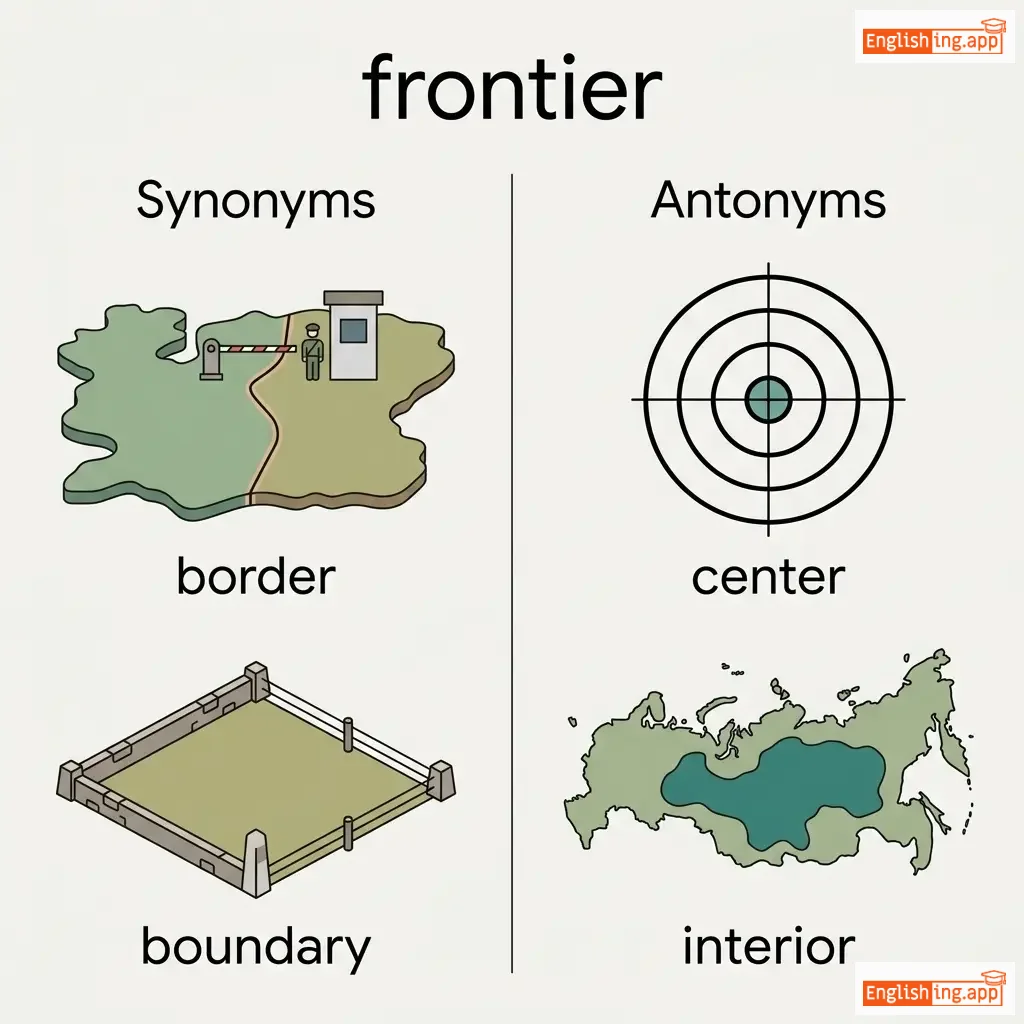
border, boundary, edge, limit, borderland
••••••
|
center, interior
••••••
|
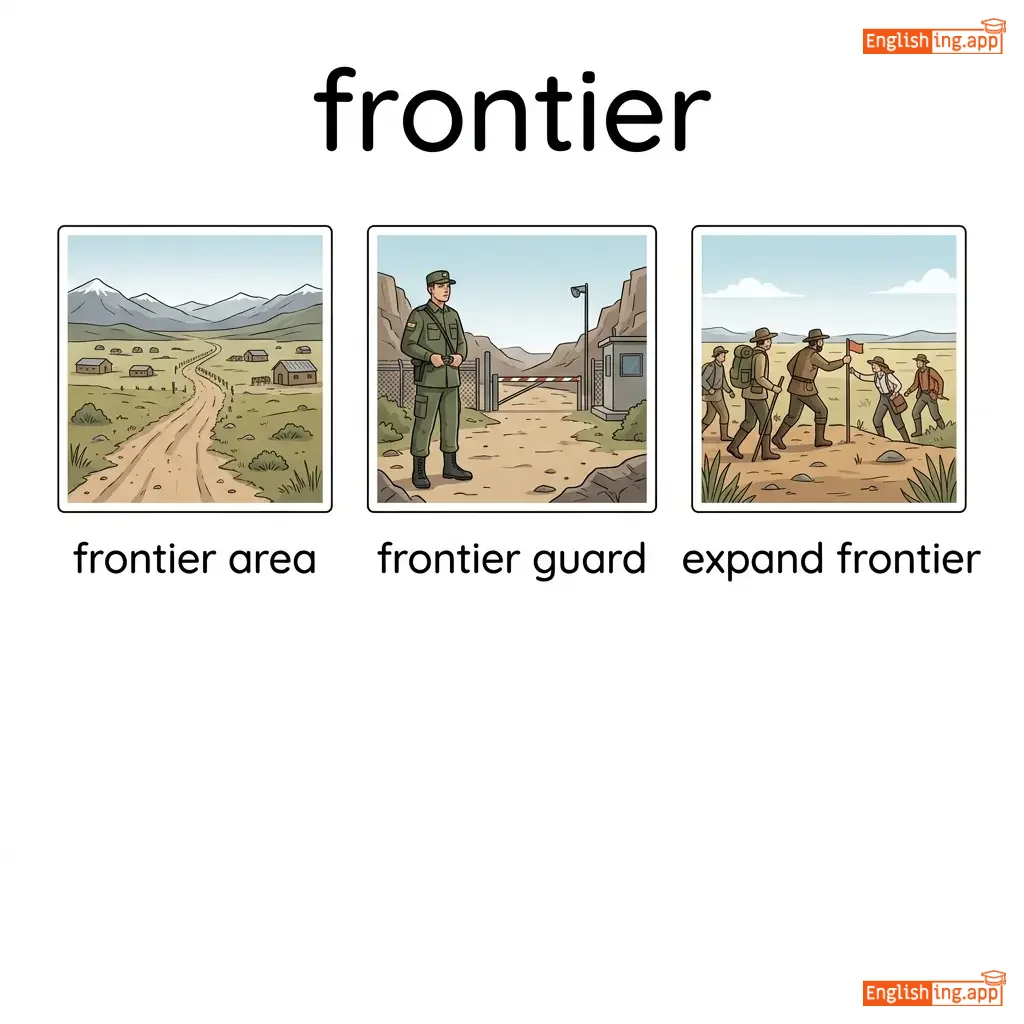
frontier area, frontier guard, expand frontier, frontier town
••••••
|
Front + 国境 = Frontier、国境線 🛂
••••••
|
|
#0
⚙️
|
/ˈfʌŋkʃən/
noun
(ファンクション)
••••••
|
- •••••• |
機能
kinou
••••••
|
- •••••• | - •••••• | - •••••• | - •••••• |
An activity or purpose natural to or intended for a person or thing.
••••••
|
The main function of the heart is to pump blood. |
心臓の主な機能は血液をポンプすることです。
Shinzou no omona kinou wa ketsueki o ponpu suru koto desu.
••••••
|
perform a function |
to carry out a specific role or purpose
••••••
|
機能を実行する
Kinou o jikkou suru
••••••
|
role, purpose, duty, job, task
••••••
|
malfunction, failure, inactivity
••••••
|
main function, important function, perform a function, social function
••••••
|
機能は英語の‘function’のように、特定の目的に対する役割を持っています。
••••••
|
|
#0
⚡
|
/ˈdʒɛnəreɪt/
verb
••••••
|
- •••••• | - •••••• |
generated
••••••
|
generated
••••••
|
generates
••••••
|
generating
••••••
|
to produce or create something
••••••
|
The machine generates electricity. |
- •••••• |
generate interest |
to make people feel curious or engaged
••••••
|
- •••••• |
produce, create, make, yield, cause
••••••
|
destroy, stop, halt
••••••
|
generate power, generate ideas, generate revenue, generate interest
••••••
|
No •••••• |
|
#0
🙏
|
/ˈɡreɪtfəl/
adjective
(グレイトフル)
••••••
|
- •••••• |
感謝している
kansha shiteiru
••••••
|
- •••••• | - •••••• | - •••••• | - •••••• |
feeling or showing thanks for something or someone
••••••
|
I am grateful for your help. |
私はあなたの助けに感謝しています。
Watashi wa anata no tasuke ni kansha shiteimasu.
••••••
|
grateful heart |
a feeling of deep appreciation and thankfulness
••••••
|
感謝の心
kansha no kokoro
••••••
|
thankful, appreciative, obliged, indebted, pleased
••••••
|
ungrateful, thankless, indifferent
••••••
|
grateful for, deeply grateful, grateful thanks, feel grateful
••••••
|
感謝しているとは感謝の心、いつでも感謝を忘れずに!
••••••
|
|
#0
🏆
|
/ˈɡreɪ.tɪst/
adjective (superlative)
(グレイテスト)
••••••
|
- •••••• |
最も偉大
mottomo idai
••••••
|
- •••••• | - •••••• | - •••••• | - •••••• |
The highest degree of greatness; the most outstanding or important.
••••••
|
He is considered one of the greatest leaders of all time.
彼は全時代で最も偉大なリーダーの一人と考えられています。
••••••
|
彼は全時代で最も偉大なリーダーの一人と考えられています。
Kare wa zen jidai de mottomo idaina riidaa no hitori to kangaerareteimasu.
••••••
|
the greatest of all time
歴史上最も偉大
••••••
|
Used to describe someone regarded as the best ever in a field.
••••••
|
歴史上最も偉大
rekishi jou mottomo idai
••••••
|
best, finest, top, supreme, foremost
••••••
|
least, worst
••••••
|
greatest achievement, greatest leader, greatest player, greatest strength, greatest challenge
••••••
|
Greatest は最も偉大、リーダーの象徴です。
••••••
|
|
#0
🤲
|
/ˈhændlɪŋ/
noun
(ハンドリング)
••••••
|
- •••••• |
取り扱い
toriatsukai
••••••
|
- •••••• | - •••••• | - •••••• | - •••••• |
the act of managing or dealing with something or someone
••••••
|
His handling of the situation was impressive. |
その状況の取り扱いは印象的でした。
Sono jōkyō no toriatsukai wa inshō-teki deshita.
••••••
|
- •••••• | - •••••• | - •••••• |
management, administration, control, supervision
••••••
|
mismanagement, neglect
••••••
|
handling a crisis, handling an issue, handling customers
••••••
|
取り扱いを覚えておくと、効果的に状況を管理できます。
••••••
|
|
#0
😎
|
/ˈhæn.səm/
adjective
••••••
|
- •••••• | - •••••• | - •••••• | - •••••• | - •••••• | - •••••• |
attractive in appearance, usually referring to men; also can mean generous or impressive in size.
••••••
|
He looked very handsome in his new suit. |
- •••••• |
handsome reward |
a large or generous reward
••••••
|
- •••••• |
attractive, good-looking, striking, dashing, elegant
••••••
|
ugly, unattractive, plain
••••••
|
handsome man, handsome reward, handsome profit, look handsome
••••••
|
No •••••• |
|
#0
💻
|
/ˈhɑːrdˌwɛr/
noun
(ハードウェア)
••••••
|
- •••••• |
ハードウェア
hardware
••••••
|
- •••••• | - •••••• | - •••••• | - •••••• |
the physical parts of a computer or electronic system, such as the monitor, keyboard, and processor
••••••
|
The company upgraded its computer hardware to improve performance. |
会社はパフォーマンスを向上させるためにコンピュータのハードウェアをアップグレードしました。
Kaisha wa pafōmansu o kōjōsaseru tame ni konpyūta no hādowea o appurēdo shimashita.
••••••
|
hardware store |
a shop that sells tools, equipment, and building materials
••••••
|
ハードウェアストア
hādowea sutoa
••••••
|
equipment, machinery, device, apparatus, components
••••••
|
software, application, program
••••••
|
computer hardware, hardware components, upgrade hardware, hardware store
••••••
|
ハードウェアは触れるもの、ソフトウェアは見えないもの。
••••••
|
|
#0
🤕
|
/ˈhɛdeɪk/
noun
(heɪdɛɪk)
••••••
|
- •••••• |
頭痛
zutsū
••••••
|
- •••••• | - •••••• | - •••••• | - •••••• |
a continuous pain in the head; something that causes worry or difficulty
••••••
|
Too much screen time can give you a terrible headache. |
長時間画面を見ることはひどい頭痛を引き起こす可能性があります。
chōjikan gamen o miru koto wa hidoi zutsū o hikiokosu kanōsei ga arimasu.
••••••
|
a real headache |
something that causes a lot of trouble or difficulty
••••••
|
本当の頭痛
hontō no zutsū
••••••
|
migraine, pain, nuisance, problem, discomfort
••••••
|
relief, comfort
••••••
|
severe headache, splitting headache, cause a headache, suffer from headache
••••••
|
Head ache は頭に ache (痛み) – 頭痛を覚えておいて!
••••••
|
|
#0
🤔
|
/ˈhezɪteɪt/
verb
(ためらう)
••••••
|
- •••••• |
ためらう
tamerau
••••••
|
hesitated
ためらった
••••••
|
hesitated
ためらった
••••••
|
hesitates
ためらう
••••••
|
hesitating
ためらっている
••••••
|
to pause before saying or doing something because you are uncertain or nervous.
••••••
|
She hesitated before answering the question.
彼女は質問に答える前にためらった。
••••••
|
彼女は質問に答える前にためらった。
Kanojo wa shitsumon ni kotaeru mae ni tameratta.
••••••
|
without hesitation
ためらわずに
••••••
|
immediately or without delay
••••••
|
ためらわずに
tamerawazu ni
••••••
|
pause, waver, delay, falter, doubt
••••••
|
decide, proceed, act
••••••
|
hesitate to ask, hesitate to speak, hesitate before, hesitate a moment
••••••
|
ためらう - ためらうな!すぐに行動しよう!
••••••
|
|
#0
🏛️
|
/hɪˈstɔːrɪk/
adjective
(ヒストリック)
••••••
|
|
歴史的
rekishiteki
••••••
|
- •••••• | - •••••• | - •••••• | - •••••• |
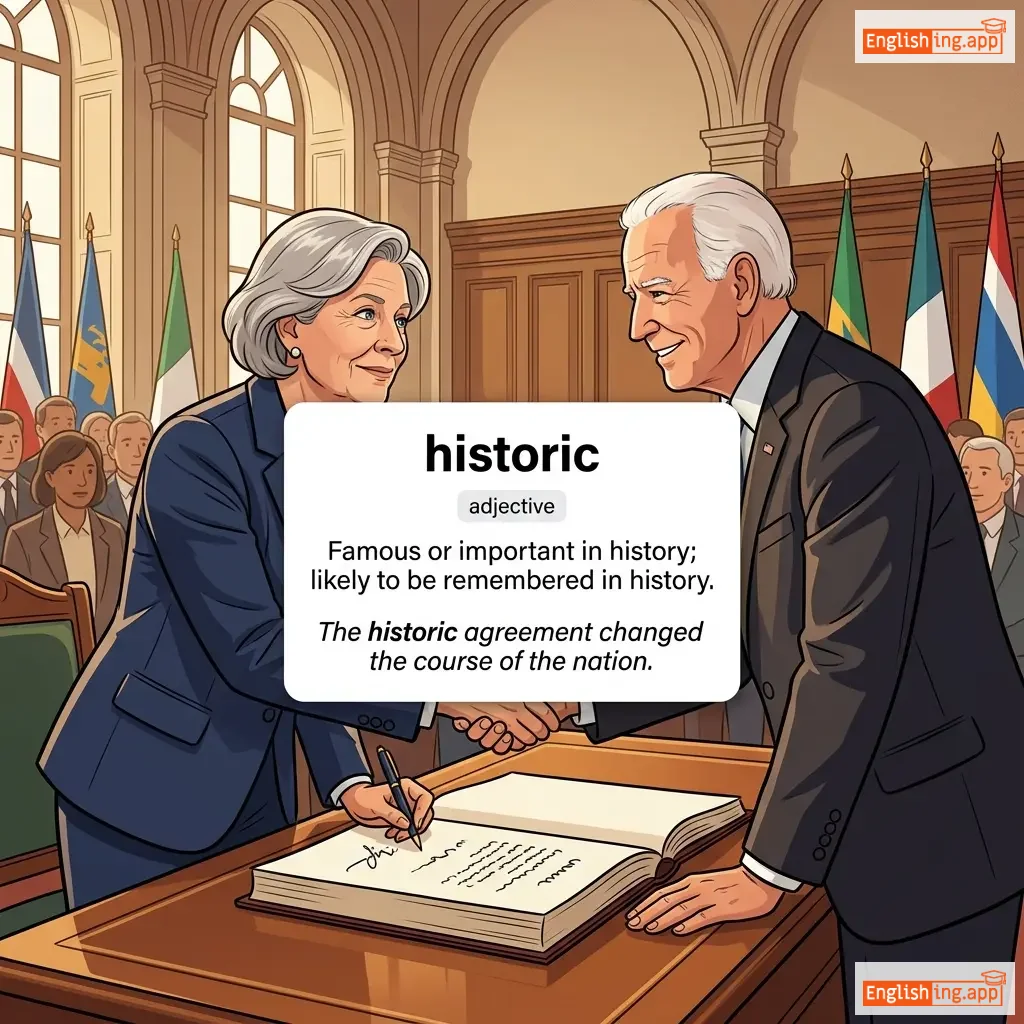
Famous or important in history; likely to be remembered in history.
••••••
|
The historic agreement changed the course of the nation. |
その歴史的な合意は国の進路を変えました。
Sono rekishiteki na gōi wa kuni no shinro o kaemashita.
••••••
|
historic moment |
An event of great importance in history
••••••
|
歴史的瞬間
Rekishiteki shunkan
••••••
|
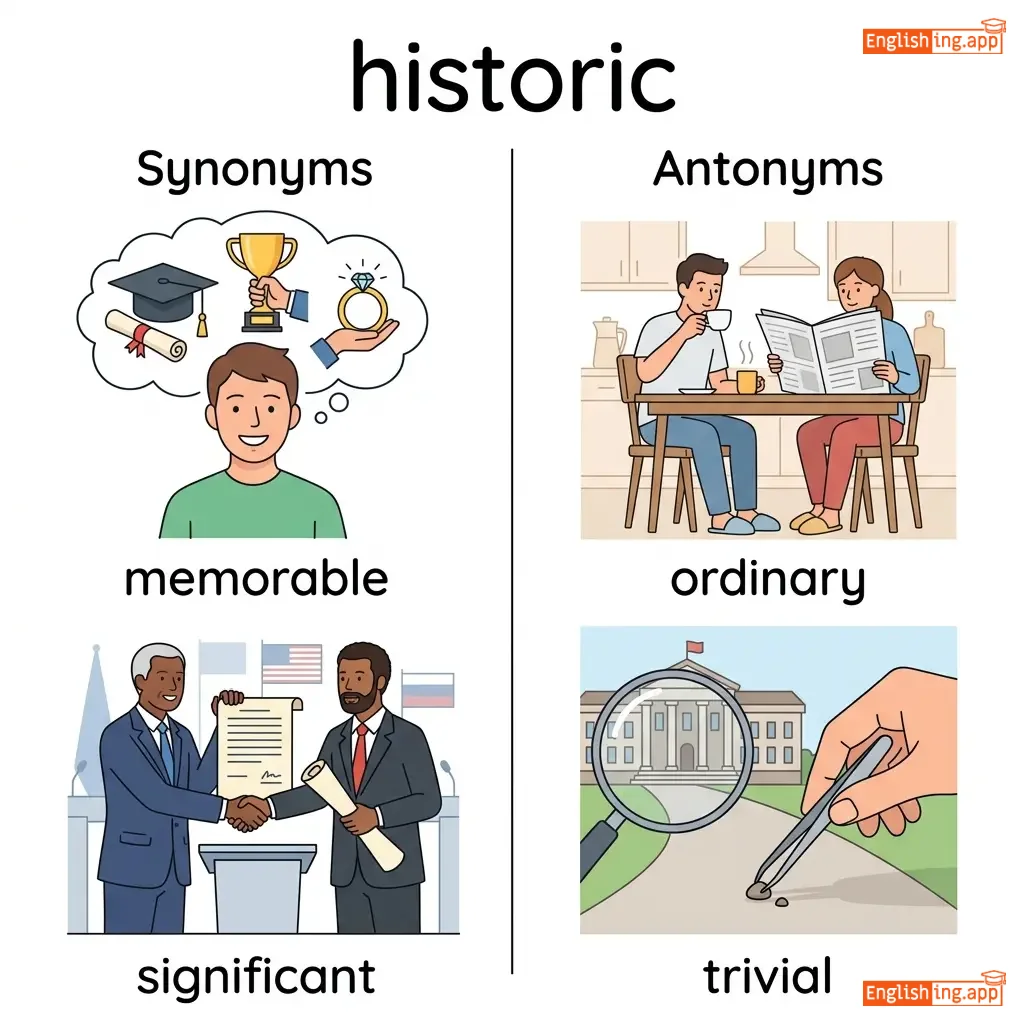
memorable, significant, important, monumental, notable
••••••
|
ordinary, trivial, forgettable
••••••
|
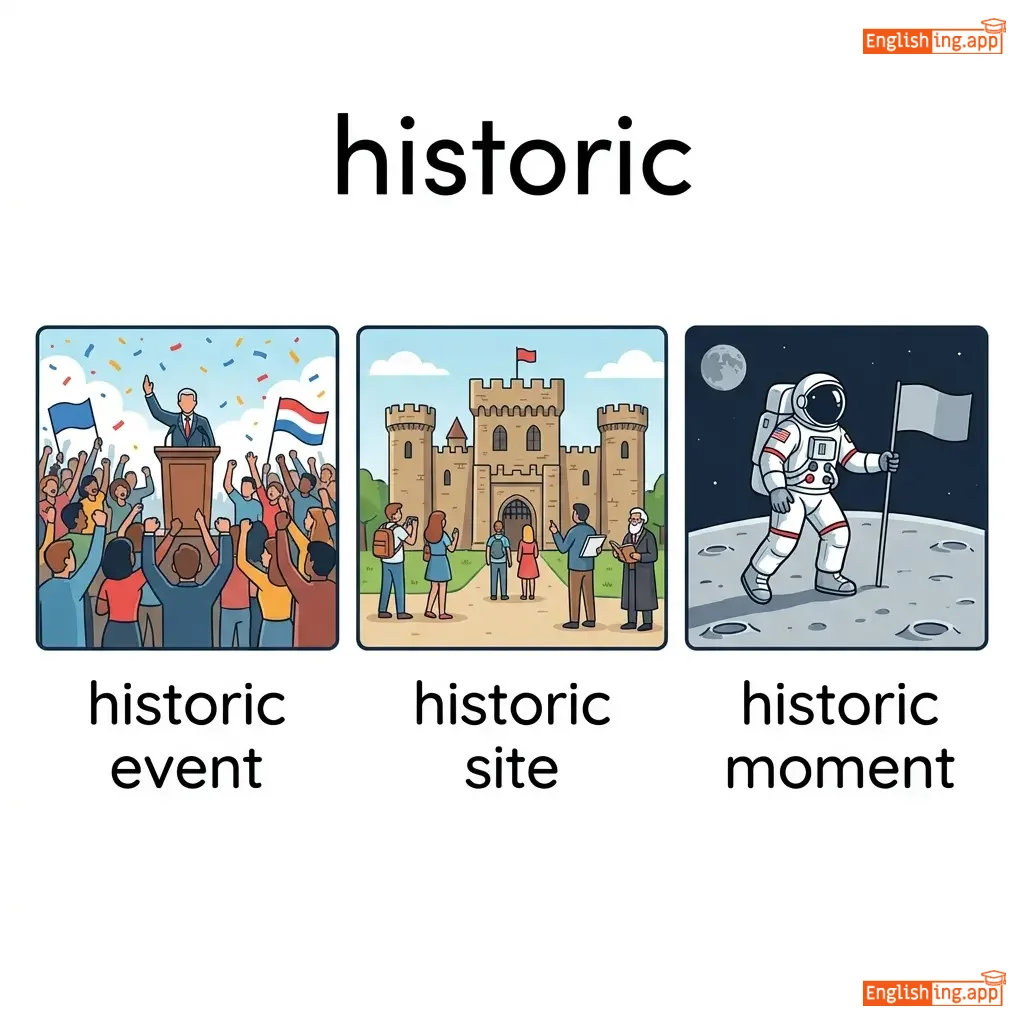
historic event, historic site, historic moment, historic decision
••••••
|
Historic = 歴史と関係があるので、歴史の中で重要な出来事。
••••••
|
|
#0
👉
|
/ˈɪndɪˌkeɪt/
verb
(インディケイト)
••••••
|
|
示す
shimesu
••••••
|
indicated
インディケイテッド
••••••
|
indicated
インディケイテッド
••••••
|
indicates
インディケイツ
••••••
|
indicating
インディケイティング
••••••
|
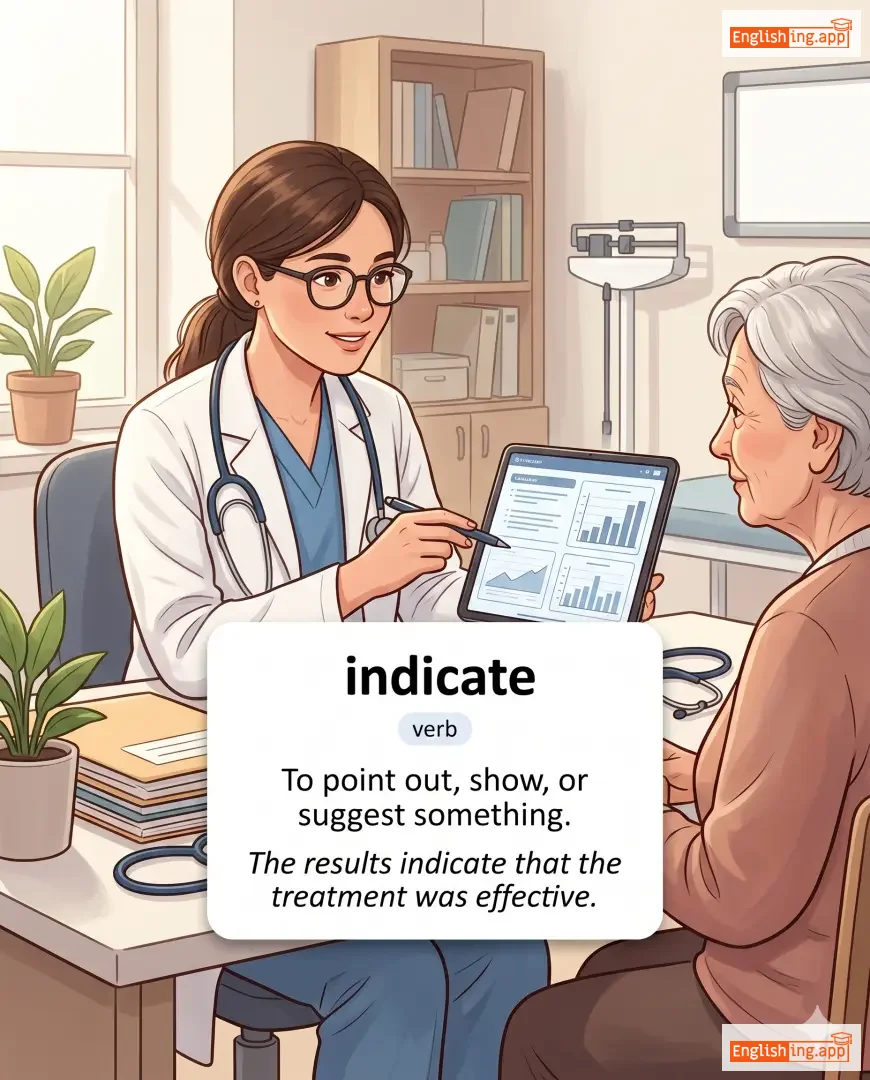
To point out, show, or suggest something.
••••••
|
The results indicate that the treatment was effective.
結果は治療が効果的であったことを示しています。
••••••
|
結果は治療が効果的であったことを示しています。
Kekka wa chiryo ga kōkateki deatta koto o shimeshiteimasu.
••••••
|
indicate interest
興味を示す
••••••
|
To show or express that one is interested.
••••••
|
興味を示す
kyōmi o shimesu
••••••
|
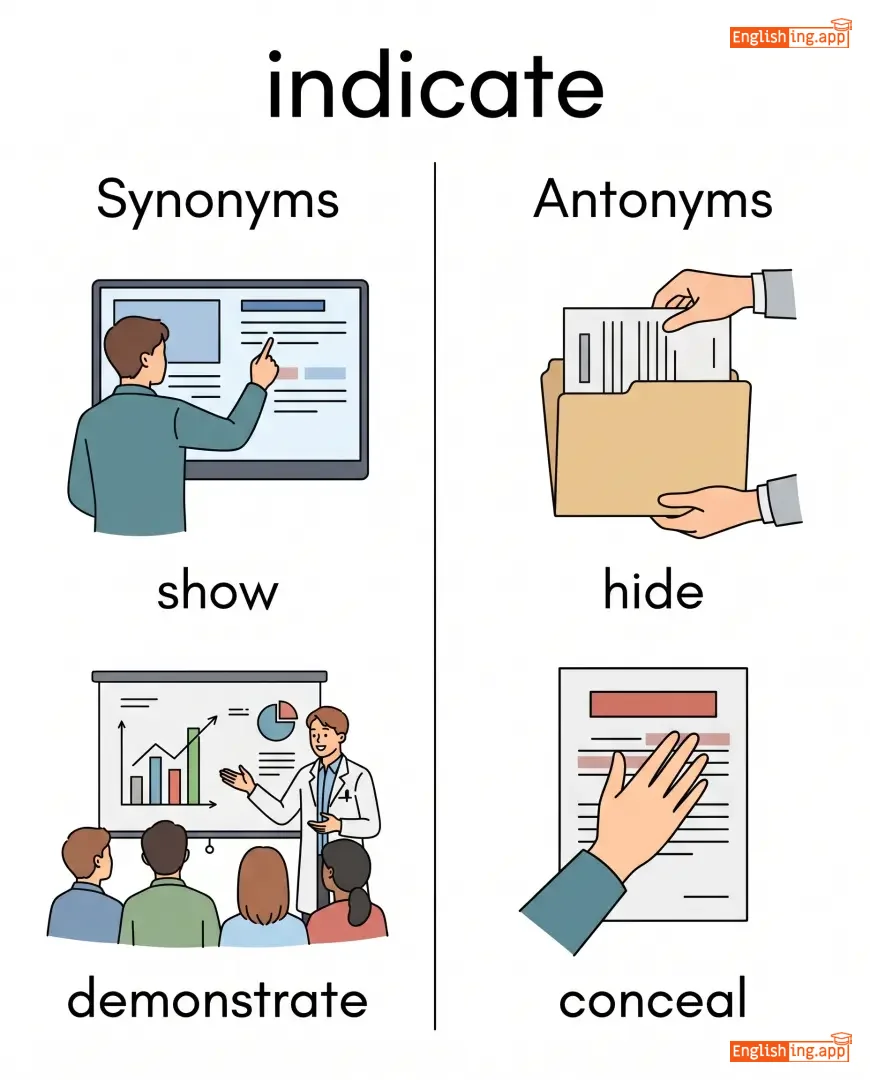
show, demonstrate, suggest, signal, reveal
••••••
|
hide, conceal, obscure
••••••
|
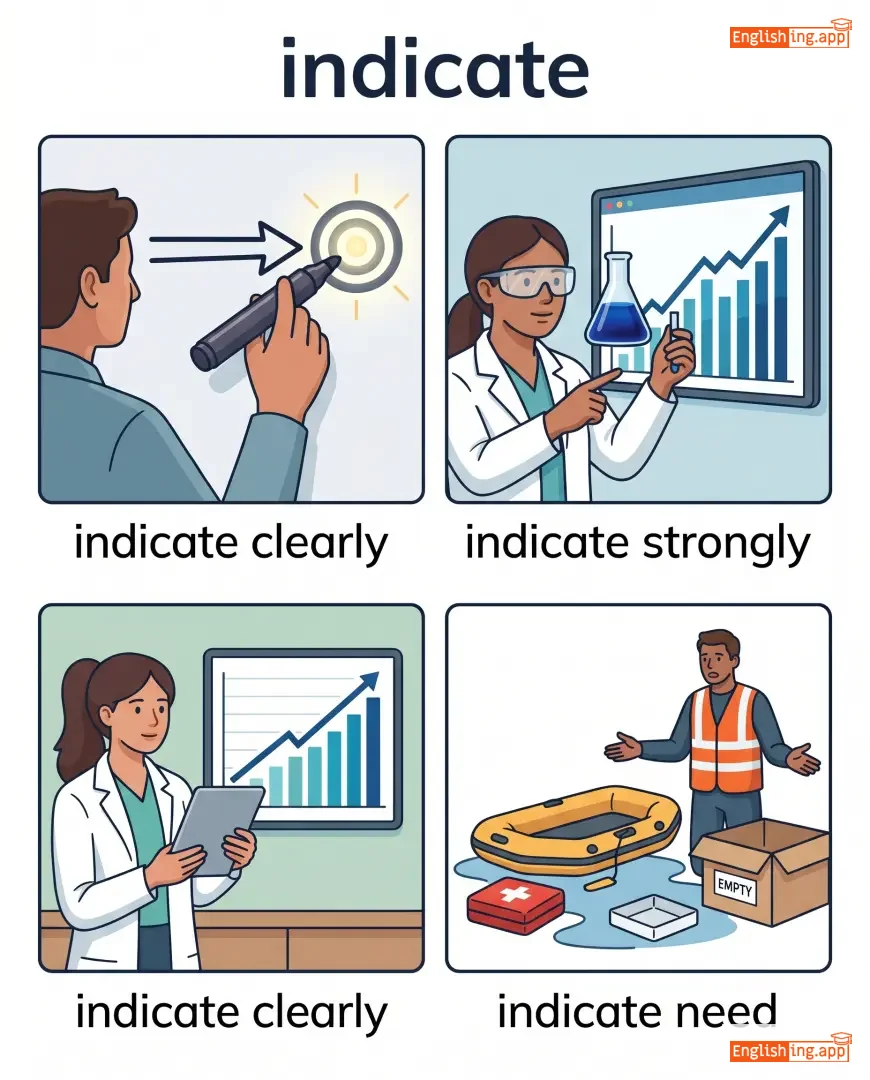
indicate clearly, indicate strongly, indicate need, indicate result
••••••
|
Indicateは示す意味です - 手で指し示す 👉。
••••••
|
Vocabulary Quiz
Test your vocabulary by matching words with their translations or meanings.
Login to take the quiz
Comments (0)
Share your thoughts and join the discussion.
Join the discussion by logging in
Login to CommentNo comments yet
Be the first to share your thoughts!