

魔法を作ったパン職人
The Baker Who Made Magic
ラヒムはパン職人でした。毎朝、alarm clock が鳴ると彼は起きました。それが彼の habit でした。
彼は小さな booth で bread、candy、cream ケーキを作りました。彼は dough に特別な sugar と apple のかけらを混ぜました。人々は言いました、彼の作品には charm がある——まるで magic のようだと。
「ラヒム、buddy、どうして君の bread はそんなに美味しいの?」とある buyer が尋ねました。
「それは sense を込めて作るからだよ」とラヒムは言いました。「ただレシピに従うだけじゃ足りない。心を込めなきゃ。」
ある日、大きな brand のオーナーが彼の booth の front に立ちました。「君の製品を全部買いたい。Dozens の breads、candies、全部だ。」
ラヒムは嬉しくなりました。「本当ですか?」
「そうだ。契約を結びたい。君は私の brand のために作る。君は bound to succeed。君の才能には worth がある。」
しかしラヒムは考えました。「あなたの提案はとても良い。でもこの小さな booth、毎日来る buyers——これが私の人生なんです。私はこの habit を通して自分の人生を make sense している。毎朝 alarm が鳴り、私は dough をこね、sugar を量り、apple を切る。これが私の magic です。」
「でも君はもっと大きくなれる!有名な brand になれる!」とオーナーが言いました。
「わかっています。」ラヒムは微笑みました。「でも私の charm は——私はすべての buyer を知っていること。カーン夫人が来たら、彼女が cream パンが好きだと知っています。小さなアーメドが来たら、彼は candy が欲しい。a dozen の人々が並んでいるとき、私は彼らの笑顔を見る。それが私の worth です。」
「君は狂ってる。」オーナーは言いました。「君は bound to stay small。」
「かもしれません。」ラヒムは言いました。「でも私は幸せです。bread の香りが front door から漂うとき、sugar と dough bursts の香りが広がるとき——どんな brand もそれを与えられない。これが私の charm です。」
何年も後、その大きな brand は倒産しました。しかしラヒムの booth は?今でも続いています。毎日 alarm clock が鳴り、彼の habit は続きます。buyers が来て、A dozen の新しい客が加わります。
ある日、若いパン職人が来て言いました。「あなたから学びたい。あなたの magic は何ですか?」
ラヒムは微笑みました。「Magic buddy じゃない。これは愛だよ。dough をこねるとき、誰のために bread を作るのか考えなさい。sugar を加えるとき、誰かの人生に甘さを加えていると思いなさい。apple を入れるとき、新しい喜びを与えていると思いなさい。cream を広げるとき、やわらかい思い出を作っていると想像しなさい。」
「それがあなたの秘密ですか?」若いパン職人が尋ねました。
「そうです。」ラヒムはうなずきました。「そして覚えておきなさい。大きな brands、大きな booths、大きな名声——それらは worth がない、もしあなたに sense of purpose がなければ。私の alarm は毎日鳴る。なぜ起きるのかを知っているから。私の habit はただ焼くことじゃない——愛を与えることだ。毎 dozen breads、すべての candy、すべての cream ケーキ——それらはただの食べ物ではない。それは繋がりだ。これが本当の charm。これが makes sense。これが本当の worth。」
若いパン職人は学びました——ときには最高の worth は大きな brands や dozens の booths ではなく、小さな booth の front で、同じ habit を繰り返し、日々 bread を焼き、candy を作り、愛に bound され、sense と目的に満ちた magic を生み出すことなのです。
翻訳
過去
過去分詞
三人称単数
動名詞
意味
例文
例文の翻訳
同義語
対義語
コロケーション
ニーモニック
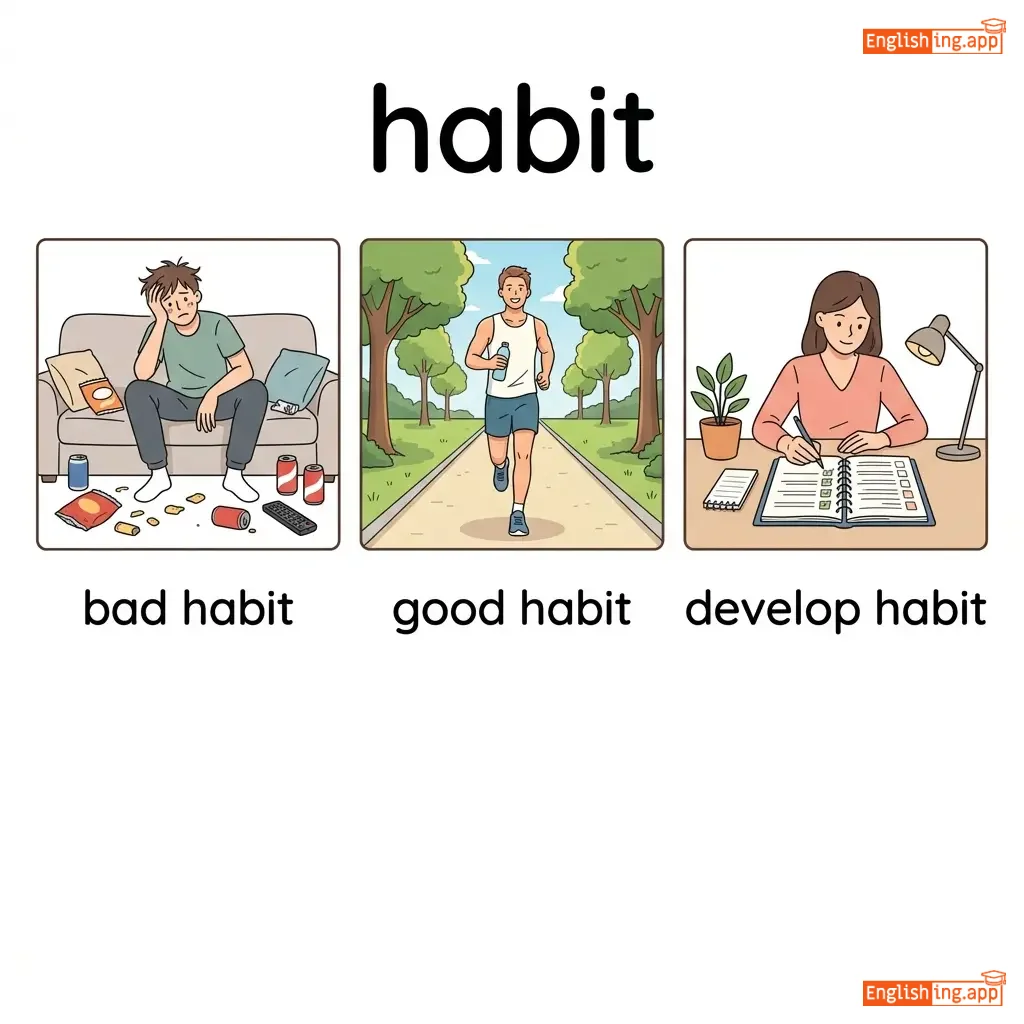
Swipe left or right, or use the buttons. Tap image to zoom.
例文の翻訳
単語
The Baker Who Made MagicThe Baker Who Made Magic - マスクトグル
|
絵文字
|
単語 | Images | 翻訳 | 過去 | 過去分詞 | 三人称単数 | 動名詞 | 意味 | 例文 | 例文の翻訳 | 表現例 | 表現例の意味 | 表現例の翻訳 | 同義語 | 対義語 | コロケーション | ニーモニック |
|---|---|---|---|---|---|---|---|---|---|---|---|---|---|---|---|---|---|
|
#0
🚨
|
/əˈlɑːrm/
verb
(アラーム)
••••••
|
|
驚かせる
araamu
••••••
|
alarmed
アラームド
••••••
|
alarmed
アラームド
••••••
|
alarms
アラームズ
••••••
|
alarming
アラーミング
••••••
|
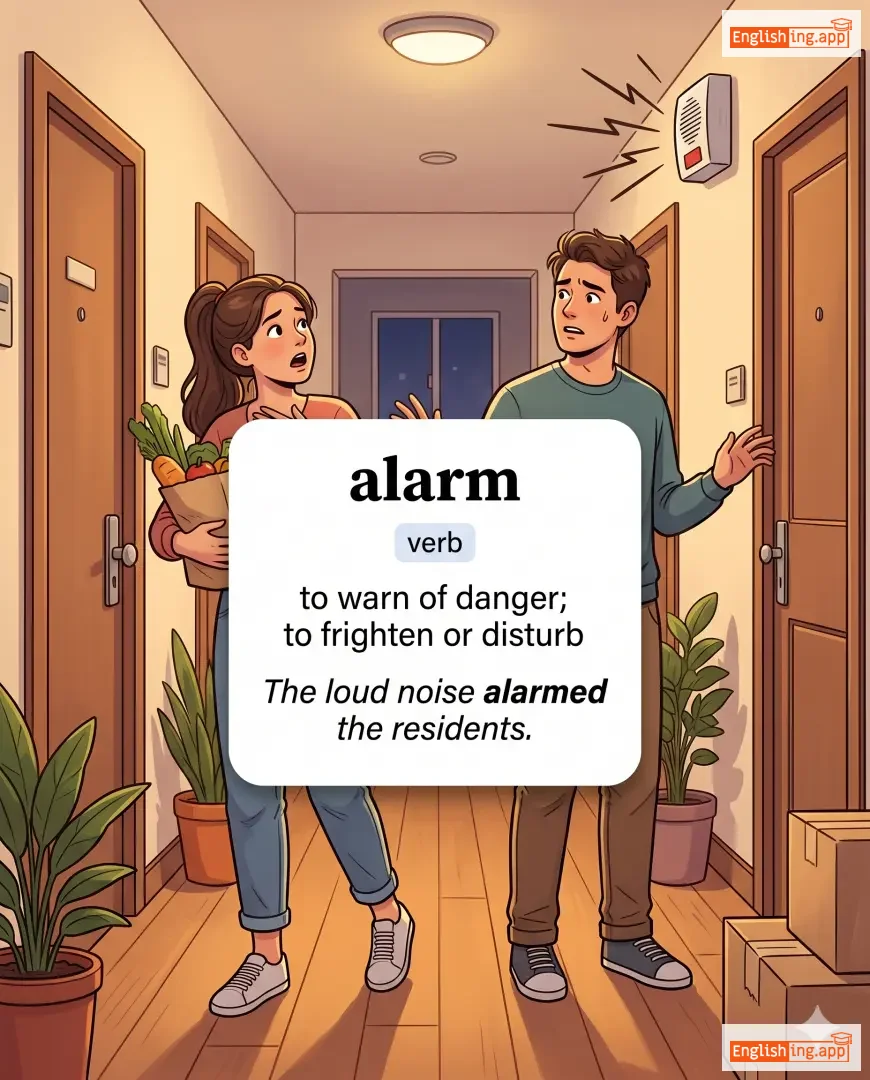
to warn of danger; to frighten or disturb
••••••
|
The loud noise alarmed the residents.
大きな音が住民を驚かせた。
••••••
|
大きな音が住民を驚かせた。
ookina oto ga juumin o odorokaseta
••••••
|
- •••••• | - •••••• | - •••••• |
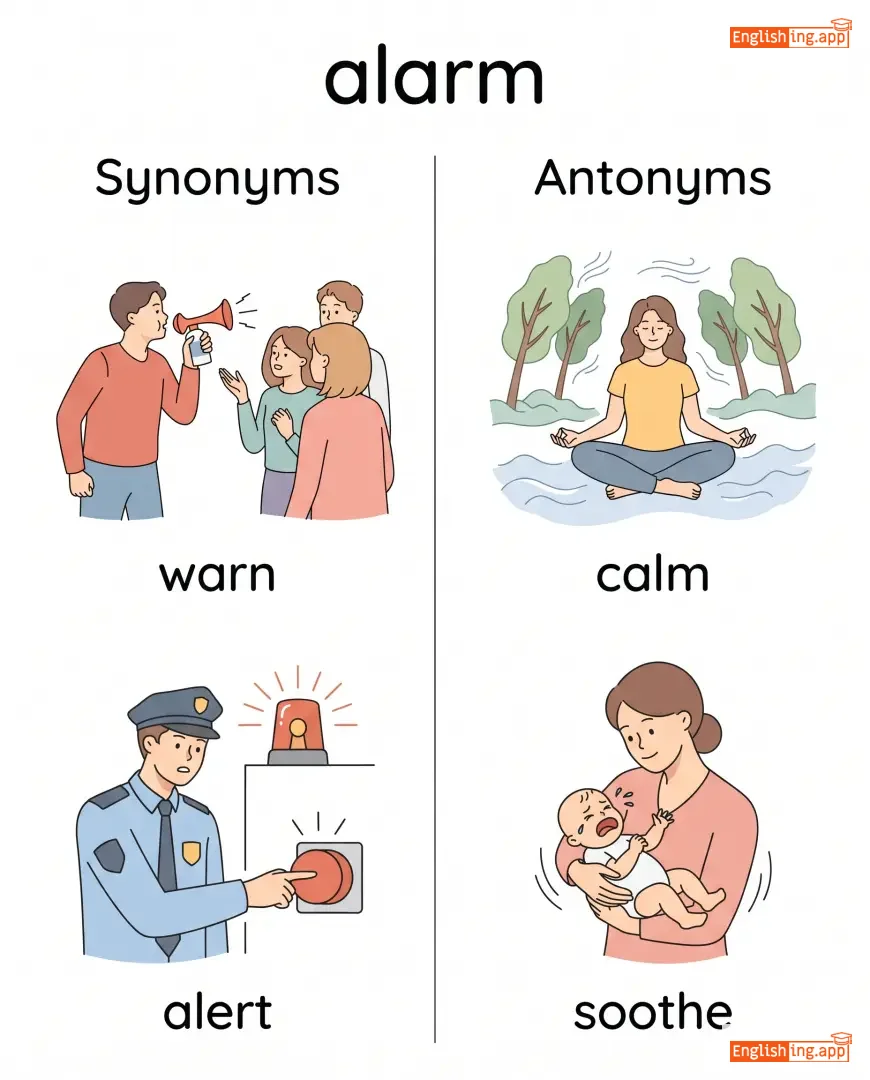
warn, alert, frighten, startle
••••••
|
calm, soothe, reassure, comfort
••••••
|
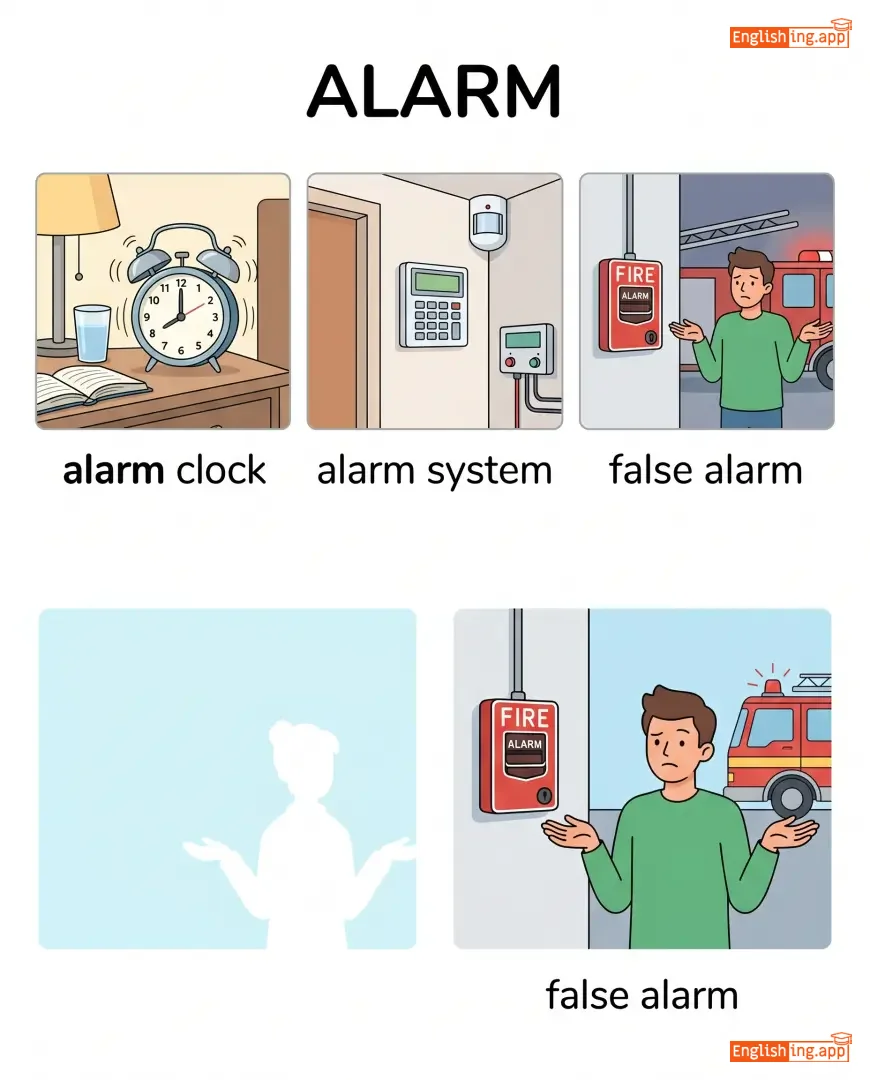
alarm clock, alarm system, false alarm, raise alarm
••••••
|
Ara mu the alarm gong: アラーム is a warning that tells 危険を知らせる
••••••
|
|
#0
🍎
|
/ˈæpəl/
noun
(アップル)
••••••
|
- •••••• |
リンゴ
ringo
••••••
|
- •••••• | - •••••• | - •••••• | - •••••• |
a round fruit with red, green, or yellow skin
••••••
|
She ate a red apple for breakfast. |
彼女は朝食に赤いリンゴを食べました。
Kanojo wa chōshoku ni akai ringo o tabemashita.
••••••
|
the apple of one's eye |
a person or thing that is greatly loved or treasured
••••••
|
目の中のリンゴ
me no naka no ringo
••••••
|
fruit, pome, produce
••••••
|
null
••••••
|
apple pie, apple tree, apple juice, eat an apple
••••••
|
リンゴ(ringo)は‘毎日食べると元気’ - ‘An apple a day keeps doctor away’
••••••
|
|
#0
☎️
|
/buːθ/
noun
(ブース)
••••••
|
- •••••• |
ブース
bu-su
••••••
|
- •••••• | - •••••• | - •••••• | - •••••• |
a small enclosed space or area used for a specific purpose, such as voting or selling.
••••••
|
He went into the voting booth to cast his ballot. |
彼は投票ブースに入り、投票をしました。
Kare wa touhyou bu-su ni hairi, touhyou o shimashita.
••••••
|
telephone booth |
a small cubicle containing a public telephone.
••••••
|
電話ボックス
denwa bokkusu
••••••
|
stall, kiosk, cubicle, stand
••••••
|
open space, hall
••••••
|
voting booth, ticket booth, photo booth, information booth
••••••
|
Booth は小さな空間、電話ボックスのようなものです。
••••••
|
|
#0
🔗
|
/baʊnd/
verb, noun, adjective
(バウンド)
••••••
|
- •••••• |
制限された / 縛られた
seigen sareta / shibarareta
••••••
|
bounded
バウンドゥド
••••••
|
bounded
バウンドゥド
••••••
|
bounds
バウンズ
••••••
|
bounding
バウンディング
••••••
|
To move with large strides or jumps; also refers to being tied, limited, or certain.
••••••
|
The dog bounded across the field with joy.
ザ・ドッグ・バウンドゥド・アクロス・ザ・フィールド・ウィズ・ジョイ。
••••••
|
犬は喜んでフィールドを跳ねました。
Inu wa yorokonde fiirudo o hanemashita.
••••••
|
out of bounds
アウト・オブ・バウンズ
••••••
|
Beyond the permitted limits.
••••••
|
境界線を越えて
kyoukaisen o koete
••••••
|
leap, jump, restrict, limit, tie
••••••
|
free, release, unlimited
••••••
|
bounded area, out of bounds, bound to happen, legally bound
••••••
|
Boundは縛られた、Ball Boundはボールが境界線を越えたことを意味します。
••••••
|
|
#0
🏷️
|
/brænd/
noun
(ブランド)
••••••
|
- •••••• |
ブランド
burando
••••••
|
- •••••• | - •••••• | - •••••• | - •••••• |
a type of product manufactured by a company under a particular name
••••••
|
Nike is a popular brand of sportswear. |
ナイキは人気のあるスポーツウェアブランドです。
Naiki wa ninki no aru supōtsuwear burando desu.
••••••
|
brand new |
completely new, unused
••••••
|
まったく新しい
mattaku atarashī
••••••
|
label, trademark, logo, mark
••••••
|
generic, unbranded
••••••
|
brand name, popular brand, brand image, build a brand
••••••
|
ブランドは名前に基づいています。たとえば、Nike のブランド名。
••••••
|
|
#0
🍞
|
/brɛd/
noun
••••••
|
- •••••• | - •••••• | - •••••• | - •••••• | - •••••• | - •••••• |
A type of food made from flour, water, and yeast, mixed and baked.
••••••
|
She bought a loaf of bread from the bakery. |
- •••••• |
break bread |
to share a meal with someone, often signifying friendship
••••••
|
- •••••• |
loaf, bun, roll, baguette, toast
••••••
|
meat, rice
••••••
|
slice of bread, loaf of bread, white bread, brown bread
••••••
|
No •••••• |
|
#0
🤝
|
/ˈbʌdi/
noun
(バディ)
••••••
|
- •••••• |
友達
tomodachi
••••••
|
- •••••• | - •••••• | - •••••• | - •••••• |
a close friend or companion, used informally
••••••
|
He went to the movies with his best buddy. |
彼は一番の友達と映画を見に行った。
Kare wa ichiban no tomodachi to eiga o mini itta.
••••••
|
buddy up |
to become friends or form a pair for a task
••••••
|
友達になる
tomodachi ni naru
••••••
|
friend, pal, mate, chum, companion
••••••
|
enemy, foe, rival
••••••
|
best buddy, travel buddy, gym buddy, buddy system, study buddy
••••••
|
Buddyは友達を意味する — あなたとあなたのBuddyが一緒にコーヒーを飲んでいるところを想像してみて ☕
••••••
|
|
#0
💥
|
/bɜːst/
verb
(バースト)
••••••
|
|
破裂する
haretsu suru
••••••
|
burst
バースト
••••••
|
burst
バースト
••••••
|
bursts
バーストス
••••••
|
bursting
バースティング
••••••
|
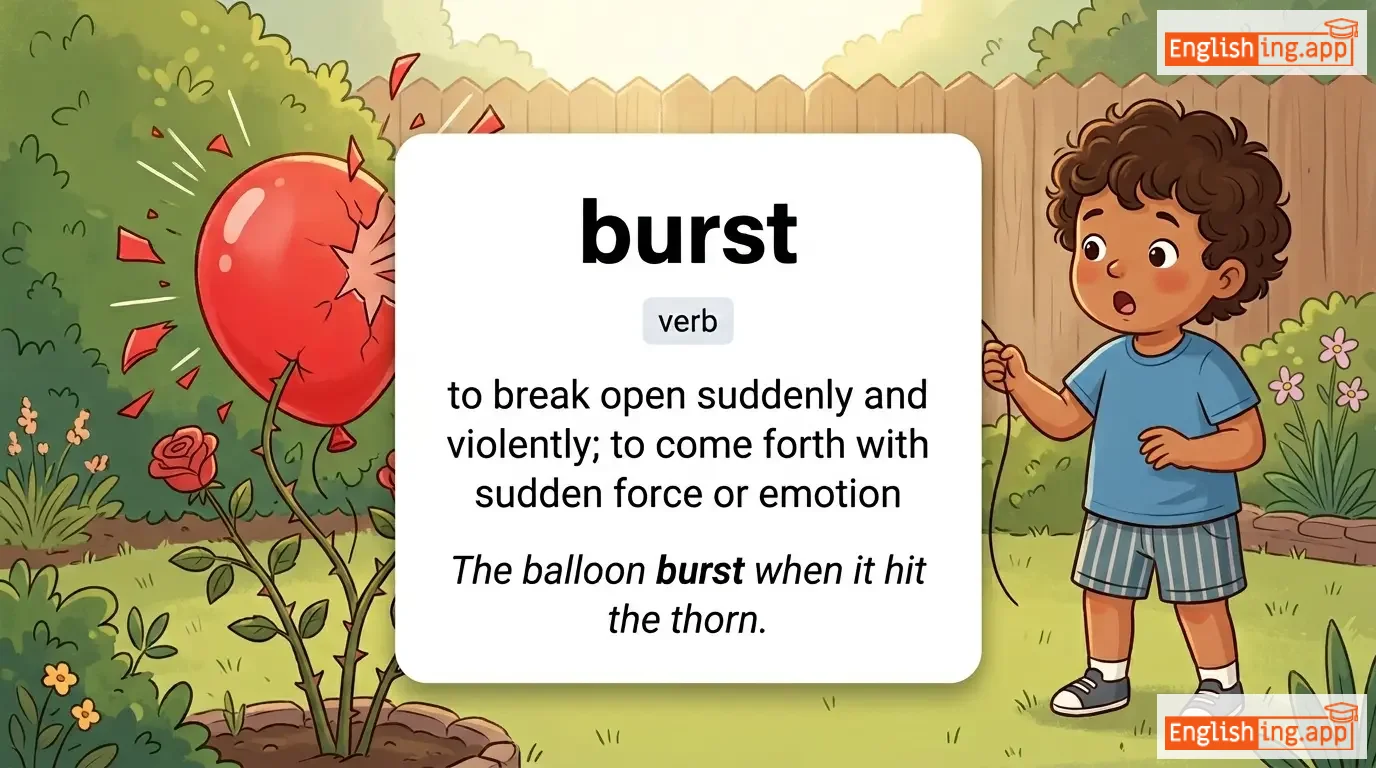
to break open suddenly and violently; to come forth with sudden force or emotion
••••••
|
The balloon burst when it hit the thorn.
風船は棘に当たったときにバーストした。
••••••
|
風船は棘に当たったときに破裂した。
Fusen wa toge ni atatta toki ni haretsu shita.
••••••
|
burst into tears
涙を流してバーストする
••••••
|
to start crying suddenly
••••••
|
涙を流して破裂する
namida wo nagashite haretsu suru
••••••
|
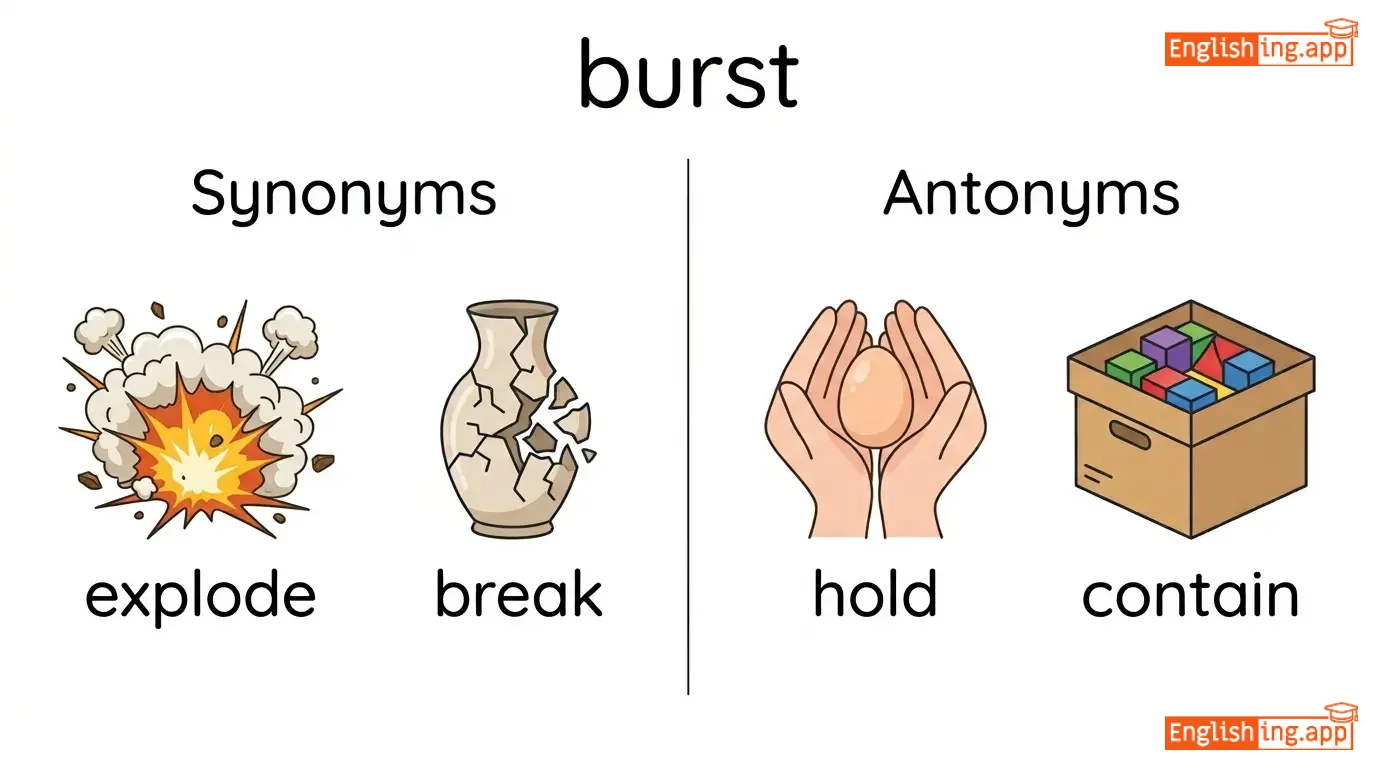
explode, break, crack, erupt, rupture
••••••
|
hold, contain, restrain
••••••
|
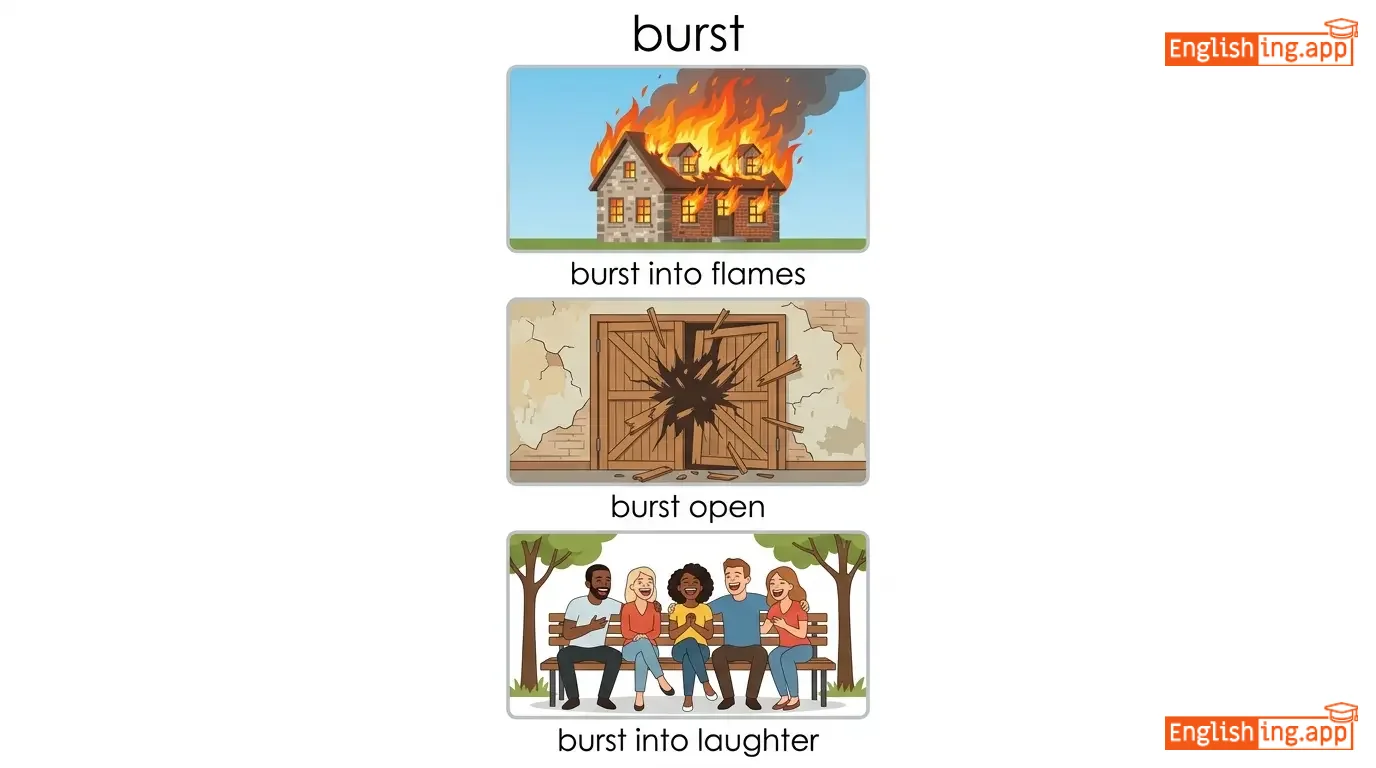
burst into flames, burst open, burst into laughter, burst with joy
••••••
|
風船が破裂して音を立てる!
••••••
|
|
#0
🛒
|
/ˈbaɪər/
noun
(バイヤー)
••••••
|
- •••••• |
買い手
kaite
••••••
|
- •••••• | - •••••• | - •••••• | - •••••• |
a person who makes a purchase
••••••
|
The buyer inspected the car before making payment. |
買い手は支払い前に車を検査しました。
Kaite wa shiharai mae ni kuruma o kensa shimashita.
••••••
|
buyer beware |
the buyer alone is responsible for checking the quality of goods
••••••
|
買い手注意
Kaite chūi
••••••
|
customer, purchaser, client, consumer
••••••
|
seller, vendor
••••••
|
buyer demand, buyer behavior, new buyer, property buyer
••••••
|
Buyer とは買い手 – 'Buy' が買い手に変わる。
••••••
|
|
#0
🍬
|
/ˈkændi/
noun
(kandi)
••••••
|
- •••••• |
キャンディ
kyandi
••••••
|
- •••••• | - •••••• | - •••••• | - •••••• |
a sweet food made with sugar or chocolate, often in small pieces
••••••
|
The children were excited to get candy on Halloween. |
子供たちはハロウィンでキャンディをもらって興奮していた。
Kodomotachi wa Harouīn de kyandi o moratte kōfun shite ita.
••••••
|
eye candy |
something or someone that is attractive but not intellectually stimulating
••••••
|
目の保養
me no hoyō
••••••
|
sweet, confection, treat, chocolate, bonbon
••••••
|
bitter, sour
••••••
|
candy bar, candy shop, candy wrapper, hard candy, cotton candy
••••••
|
キャンディはハロウィンの楽しみ、みんなが好きです!
••••••
|
|
#0
💫
|
/tʃɑːrm/
noun/verb
••••••
|
- •••••• | - •••••• |
charmed
••••••
|
charmed
••••••
|
charms
••••••
|
charming
••••••
|
the power or quality of delighting or attracting others; to attract or please greatly
••••••
|
Her smile never fails to charm everyone around her. |
- •••••• |
lucky charm |
an object believed to bring good luck
••••••
|
- •••••• |
appeal, allure, enchantment, fascination, captivate
••••••
|
repel, displease
••••••
|
personal charm, lucky charm, charm offensive
••••••
|
No •••••• |
|
#0
⏰
|
/klɒk/
noun
(kurokku)
••••••
|
- •••••• |
時計
tokei
••••••
|
- •••••• | - •••••• | - •••••• | - •••••• |
An instrument used to measure and show time.
••••••
|
The clock on the wall shows the correct time. |
壁の時計は正しい時間を示しています。
Kabe no tokei wa tadashī jikan o shimeshiteimasu.
••••••
|
around the clock |
All day and all night without stopping.
••••••
|
24時間
24 jikan
••••••
|
timepiece, watch, timer, chronometer
••••••
|
timelessness
••••••
|
alarm clock, wall clock, digital clock, clock tower, clock face
••••••
|
時計は時間を知らせる。忘れずにいつも見て!
••••••
|
|
#0
🍦
|
/kriːm/
noun
(クリーム)
••••••
|
- •••••• |
クリーム
kuriimu
••••••
|
- •••••• | - •••••• | - •••••• | - •••••• |
A thick, fatty part of milk that rises to the top; also a soft substance used in cooking or cosmetics.
••••••
|
She added some cream to her coffee.
彼女はコーヒーにクリームを加えた。
••••••
|
彼女はコーヒーにクリームを加えた。
Kanojo wa koohii ni kuriimu wo kuwaeta.
••••••
|
the cream of the crop
トップのトップ
••••••
|
the very best of a group
••••••
|
最高の中の最高
saikou no naka no saikou
••••••
|
dairy, lotion, ointment, top, best
••••••
|
worst, inferior
••••••
|
whipped cream, face cream, cream sauce, cream cheese
••••••
|
コーヒーにクリームを加えると、まるで夢のような味になります!
••••••
|
|
#0
🍞
|
/doʊ/
noun
(ドウ)
••••••
|
- •••••• |
生地
kiji
••••••
|
- •••••• | - •••••• | - •••••• | - •••••• |
a mixture of flour, water, and other ingredients used to make bread or pastries
••••••
|
She kneaded the dough for ten minutes before baking.
彼女は生地を10分間こねた後、それを焼きました。
••••••
|
彼女は生地を10分間こねた後、それを焼きました。
Kanojo wa kiji o juppun kan koneta ato, sore o yakimashita.
••••••
|
rolling in dough
生地の中で転がる
••••••
|
having a lot of money
••••••
|
生地の中で転がる
Kiji no naka de korogaru
••••••
|
batter, paste, mixture, mass, blend
••••••
|
liquid, powder
••••••
|
bread dough, pizza dough, soft dough, knead dough
••••••
|
生地はdoughを意味する — 生地が美味しいパンに変わるところを想像してみてください!
••••••
|
|
#0
🥚
|
/ˈdʌzən/
noun
(ダズン)
••••••
|
- •••••• |
ダース
dāsu
••••••
|
- •••••• | - •••••• | - •••••• | - •••••• |
a group of twelve
••••••
|
She bought a dozen eggs from the market. |
彼女は市場でダースの卵を買いました。
Kanojo wa ichiba de dāsu no tamago o kaimashita.
••••••
|
cheaper by the dozen |
items bought in bulk are often cheaper
••••••
|
ダースで買うと安くなる
Dāsu de kau to yasuku naru
••••••
|
twelve, set, group, batch
••••••
|
single, one
••••••
|
a dozen eggs, dozens of people, a dozen times
••••••
|
ダース = 12、12個一緒に買うとお得!
••••••
|
|
#0
🚪
|
/frʌnt/
noun
(フロント)
••••••
|
- •••••• |
前面
maemuki
••••••
|
- •••••• | - •••••• | - •••••• | - •••••• |
the forward-facing part of something
••••••
|
The house has a garden in front. |
家の前に庭があります。
Ie no mae ni niwa ga arimasu.
••••••
|
put on a brave front |
to appear confident while hiding true feelings
••••••
|
勇敢な顔を見せる
yūkan na kao o miseru
••••••
|
fore, facade, frontage, forefront, entrance
••••••
|
back, rear
••••••
|
front door, front line, front page, in front of
••••••
|
Front doorは前のドアという意味です – front = 前面.
••••••
|
|
#0
🔄
|
/ˈhæb.ɪt/
noun
(ハビット)
••••••
|
|
習慣
shūkan
••••••
|
- •••••• | - •••••• | - •••••• | - •••••• |
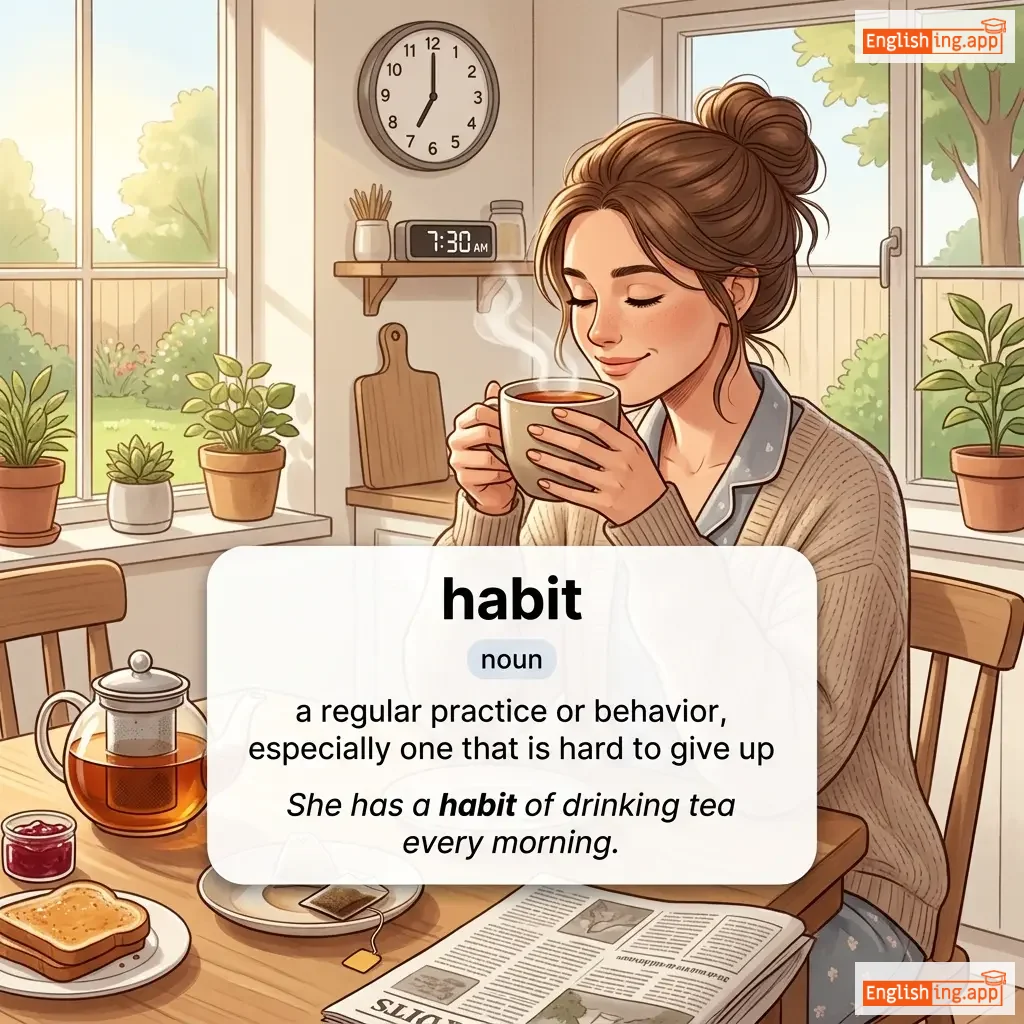
a regular practice or behavior, especially one that is hard to give up
••••••
|
She has a habit of drinking tea every morning. |
彼女は毎朝お茶を飲む習慣がある。
Kanojo wa maiasa ocha o nomu shūkan ga aru.
••••••
|
old habits die hard |
it is difficult to stop doing things that one has been doing for a long time
••••••
|
古い習慣はなかなか捨てられない
Furui shūkan wa nakaka suterarenai
••••••
|
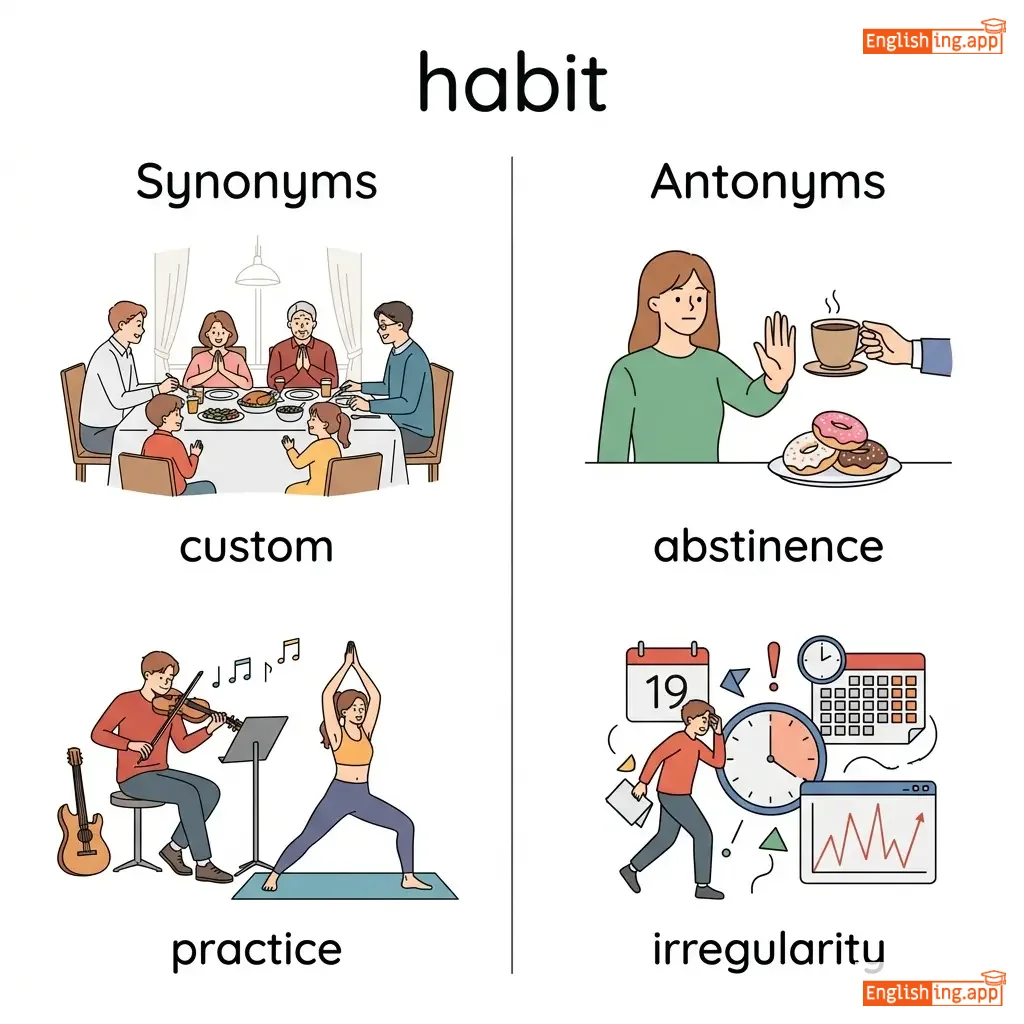
custom, practice, routine, tendency, pattern
••••••
|
abstinence, irregularity, avoidance
••••••
|
bad habit, good habit, develop habit, break habit
••••••
|
習慣を作るなら、毎日続けることが大切だ。
••••••
|
|
#0
🧠
|
/sɛns/
noun/verb
(センス)
••••••
|
- •••••• |
センス
sensu
••••••
|
sensed
センスド
••••••
|
sensed
センスド
••••••
|
senses
センスズ
••••••
|
sensing
センシング
••••••
|
A faculty by which the body perceives external stimuli; or to perceive something without being told.
••••••
|
She had a strong sense of responsibility.
彼女は責任感が強かった。
••••••
|
彼女は責任感が強かった。
Kanojo wa sekininkan ga tsuyokatta.
••••••
|
common sense
常識
••••••
|
sound practical judgment that is independent of specialized knowledge
••••••
|
常識
jōshiki
••••••
|
feeling, perception, awareness, intuition, judgment
••••••
|
nonsense, folly, ignorance
••••••
|
sense of humor, sense of duty, sense danger, make sense
••••••
|
Sense = Japanese 'Sense' 文化的な直感
••••••
|
|
#0
🍬
|
/ˈʃʊɡər/
noun
(シュガー)
••••••
|
- •••••• |
砂糖
satou
••••••
|
- •••••• | - •••••• | - •••••• | - •••••• |
sweet crystalline substance used as a sweetener
••••••
|
Please add two teaspoons of sugar to my coffee. |
私のコーヒーに砂糖を小さじ2杯加えてください。
watashi no koohii ni satou o kosaji 2 hai kuwaete kudasai
••••••
|
- •••••• | - •••••• | - •••••• |
sweetener, sucrose
••••••
|
salt, bitter
••••••
|
brown sugar, sugar cube, sugar level, blood sugar
••••••
|
砂糖で甘くする、コーヒーに加えるときと同じように。
••••••
|
|
#0
💎
|
/wɜːrθ/
noun
(ワース)
••••••
|
- •••••• |
価値; 価格;
kachi; kakaku
••••••
|
- •••••• | - •••••• | - •••••• | - •••••• |
the value equivalent to that of someone or something; the level at which someone or something deserves to be valued
••••••
|
The painting is worth thousands of dollars. |
その絵画は数千ドルの価値があります。
sono kaiga wa sūsen doru no kachi ga arimasu.
••••••
|
- •••••• | - •••••• | - •••••• |
value, price, merit, importance
••••••
|
worthlessness, insignificance, cheapness, valuelessness
••••••
|
net worth, true worth, self-worth
••••••
|
‘価値’は重要なものに対して与えられるものです。
••••••
|
Vocabulary Quiz
Test your vocabulary by matching words with their translations or meanings.
Login to take the quiz
Comments (0)
Share your thoughts and join the discussion.
Join the discussion by logging in
Login to CommentNo comments yet
Be the first to share your thoughts!