

工場の心が目覚める
Factory Minds Awaken
ラジシャヒの工業地区は特別な学習プログラムを開始しました。地元のmanufacturing工場は学生たちをそのトレーニングセンターに招待しました。Undergraduateの参加者は非常に注目されました。最初の講義ではphilosophicalな質問が投げかけられました—なぜ私たちは働くのか?女性労働者たちは、彼らの物語がどのようにpredominantly父権的な規範を変えたかを共有しました。心理学者たちは別々のセッションでpsychologicalサポートを提供しました。書かれたquestionnaireを通じて彼らは不安レベルを測定しました。エンジニアのナフィズは、新しいロボットをtechnologicalな奇跡だと呼びました。彼はsophisticatedなセンサーがどのように生産をsubstantially加速させるかを示しました。全員がこの変化がrevolutionaryである可能性があると信じました。市長は、訓練の影響がsignificantly目に見えていたと述べました。新しいtransformationへの移行はスムーズに進みましたが、労働者のvulnerabilityを減らすために規則が必要です。市長は、各部門のaccountabilityを強化することを約束しました。教師のrecommendationは、適切な休息を取る重要性を強調しました。工場のリーダーたちはこれを重要なaccomplishmentと見なしました。彼らは、従来traditionallyリスクを取っていたが、今ではデータのunderstandingが成長していると言いました。一人の労働者は、このようなunprecedentedな変化に適応するには忍耐が必要だと言いました。セッションは次の質問ラウンドで終了しました。
翻訳
過去
過去分詞
三人称単数
動名詞
意味
例文
例文の翻訳
同義語
対義語
コロケーション
ニーモニック


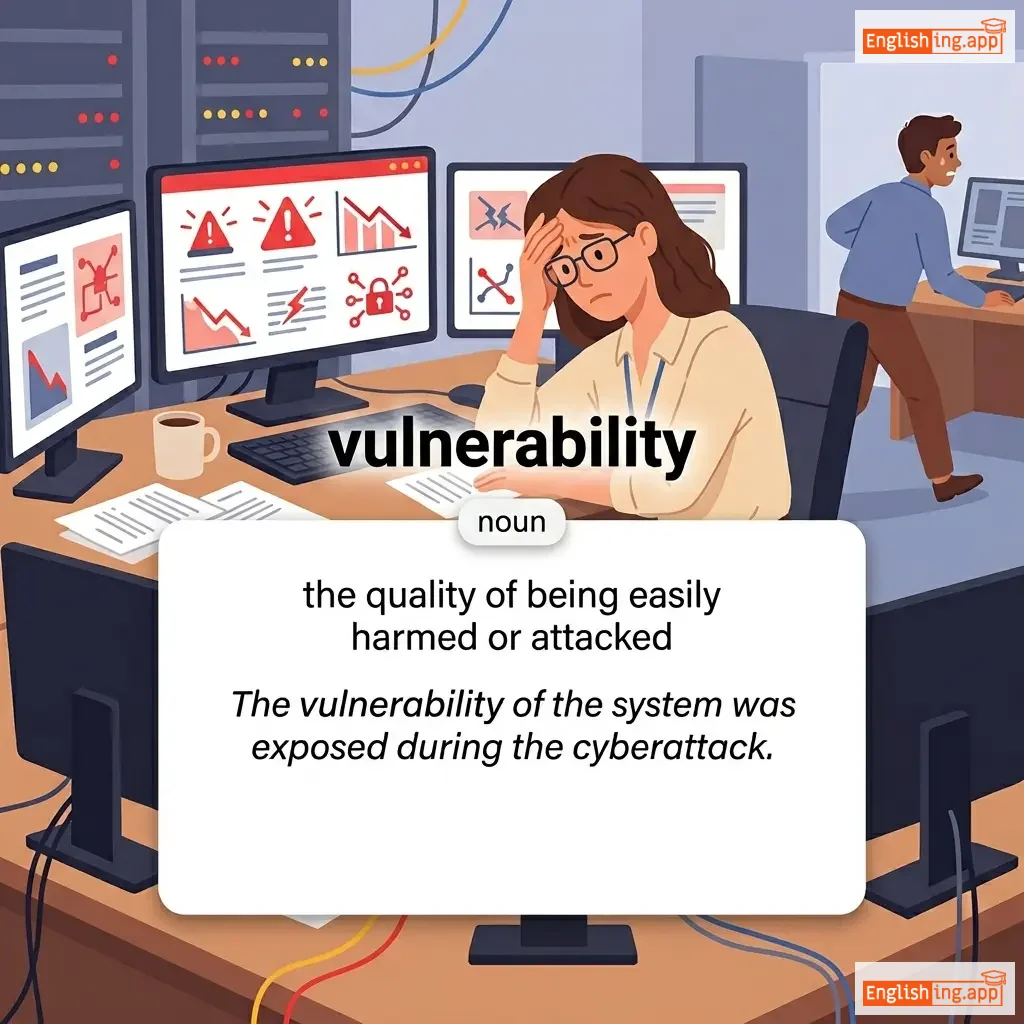
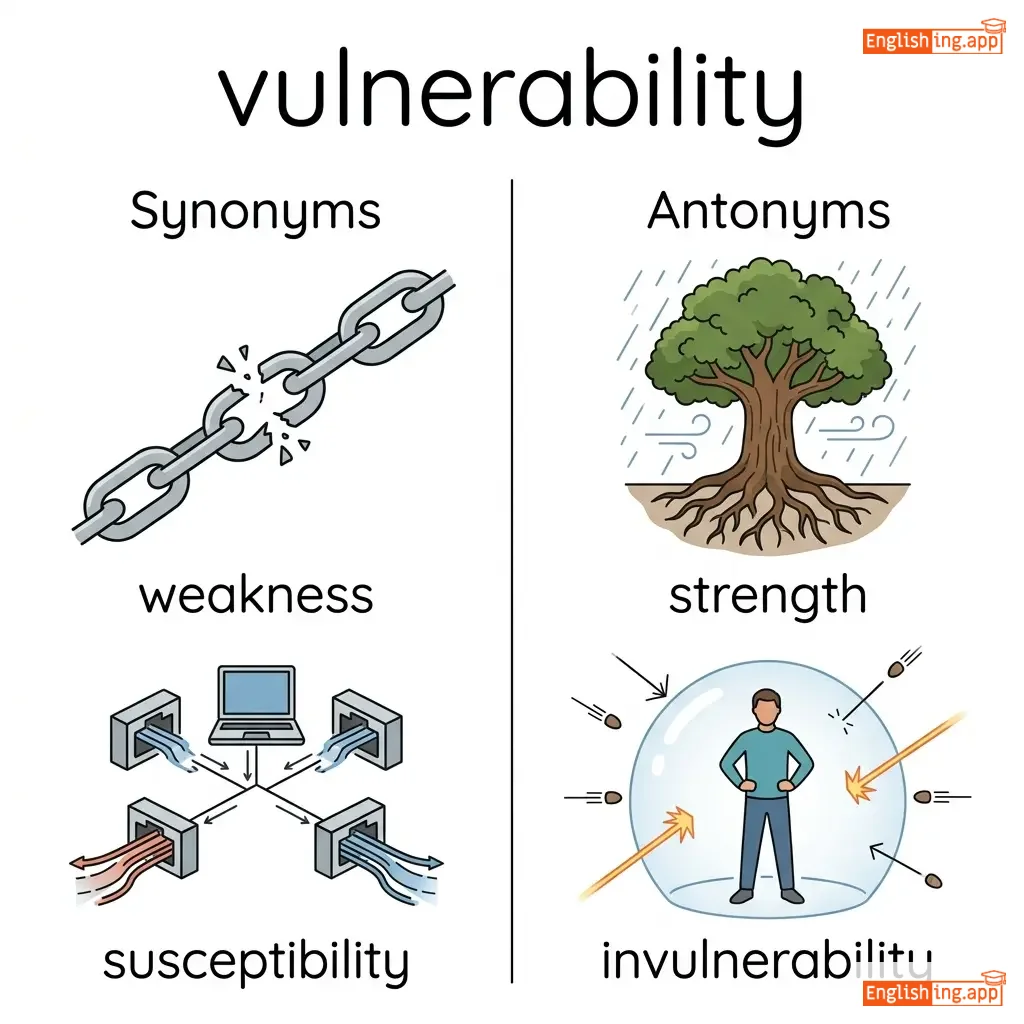
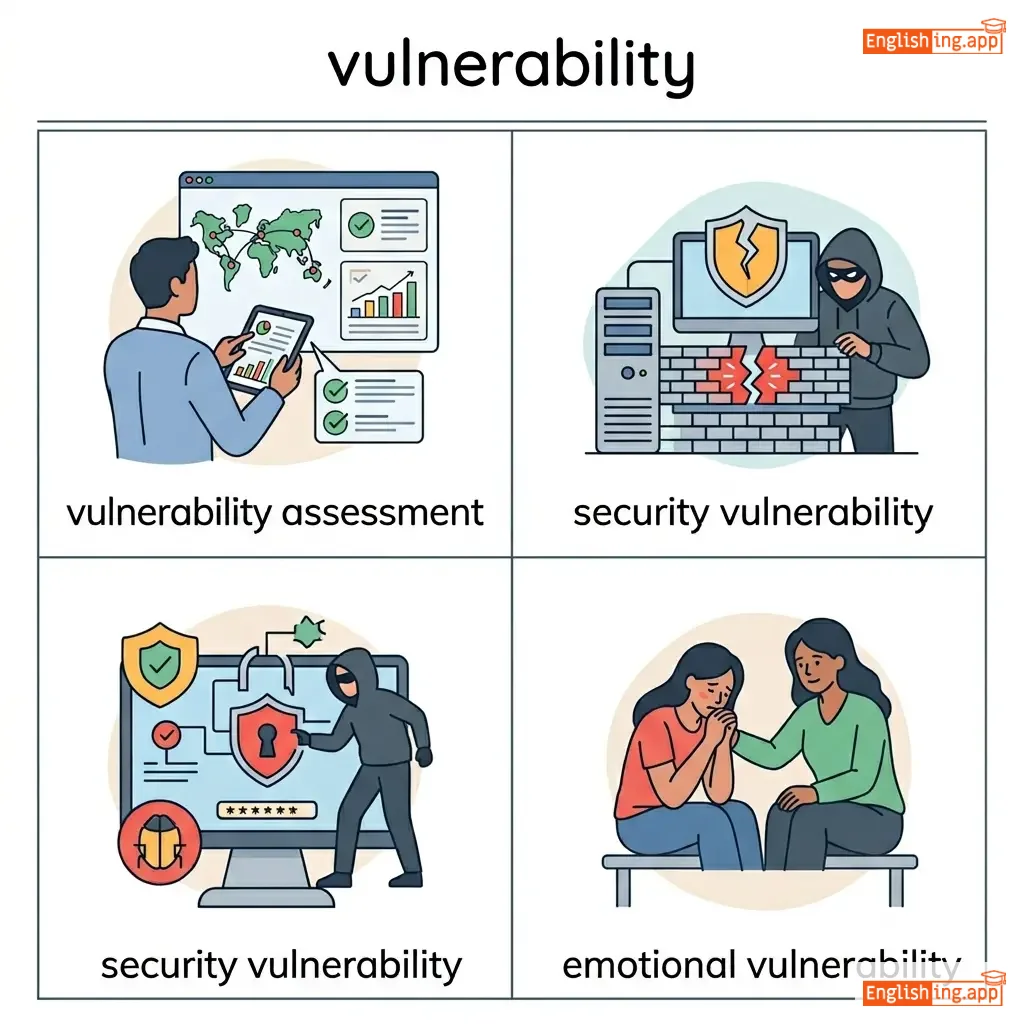
Swipe left or right, or use the buttons. Tap image to zoom.
例文の翻訳
単語
Factory Minds AwakenFactory Minds Awaken - マスクトグル
|
絵文字
|
単語 | Images | 翻訳 | 意味 | 例文 | 例文の翻訳 | 表現例 | 表現例の意味 | 表現例の翻訳 | 同義語 | 対義語 | コロケーション | ニーモニック |
|---|---|---|---|---|---|---|---|---|---|---|---|---|---|
|
#0
🏆
|
/əˈkʌmplɪʃmənt/
noun
(アクンプリッシュメント)
••••••
|
- •••••• |
達成
tassei
••••••
|
something that has been achieved successfully
••••••
|
Graduating from university was a major accomplishment for him. |
大学を卒業することは彼にとって大きな達成でした。
Daigaku o sotsugyō suru koto wa kare ni totte ōkina tassei deshita.
••••••
|
sense of accomplishment |
a feeling of pride and satisfaction from achieving something
••••••
|
達成感
tassei kan
••••••
|
achievement, success, fulfillment, attainment
••••••
|
failure, defeat
••••••
|
great accomplishment, remarkable accomplishment, personal accomplishment, sense of accomplishment
••••••
|
Accomplishment はミッション完了の達成感 — ミッション完了=成功!
••••••
|
|
#0
📋
|
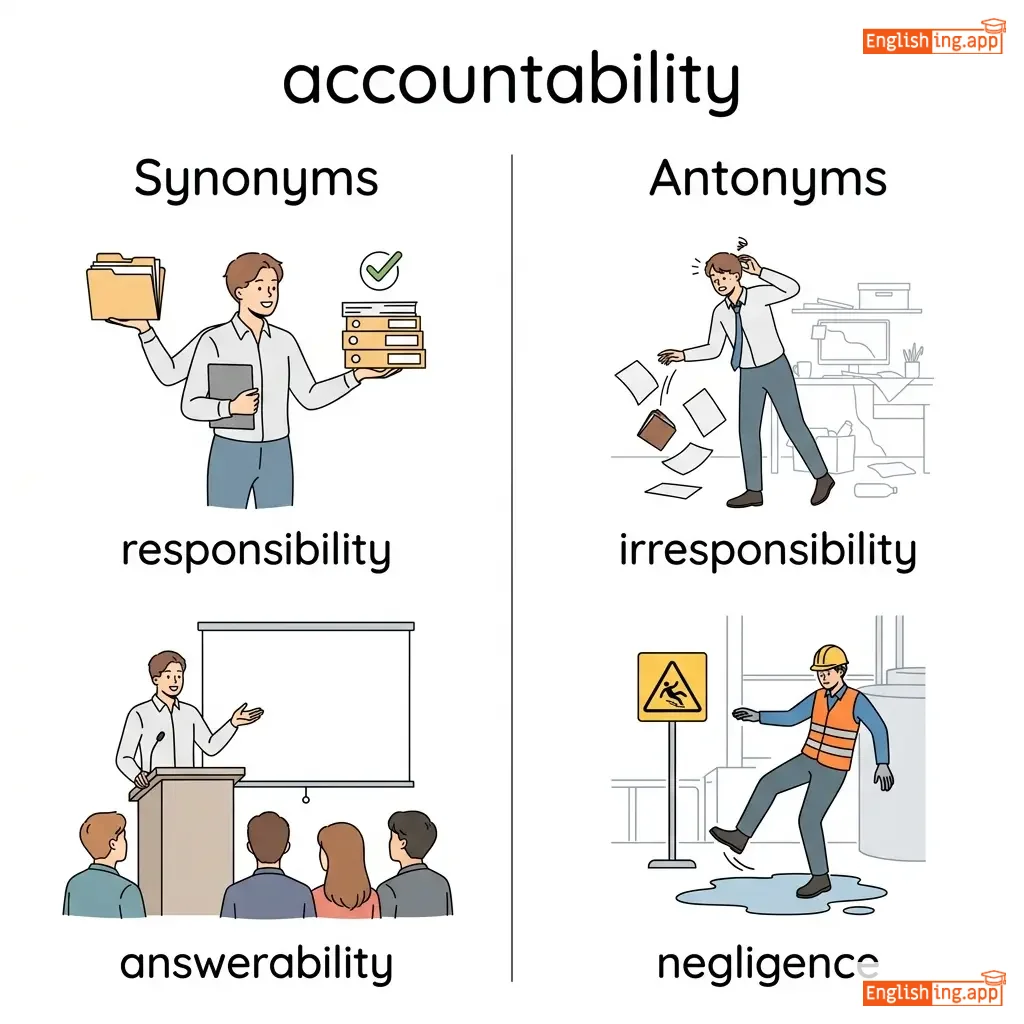
/əˌkaʊntəˈbɪlɪti/
noun
(アカウンタビリティ)
••••••
|
|
責任
sekinin
••••••
|
the state of being responsible and answerable for actions or decisions
••••••
|
The manager emphasized accountability among all team members. |
マネージャーはチームメンバー全員に責任を強調しました。
Manējā wa chīmu menbā zen'in ni sekinin o kyōchō shimashita.
••••••
|
take accountability |
to accept responsibility for one’s actions
••••••
|
責任を負う
sekinin o ou
••••••
|
responsibility, answerability, liability, obligation
••••••
|
irresponsibility, negligence
••••••
|
high accountability, public accountability, take accountability, ensure accountability
••••••
|
責任とは自分の行動に答えること — まさに答えを出すこと!
••••••
|
|
#0
🏭
|
/ˌmænjəˈfæktʃərɪŋ/
noun
(マニュファクチャリング)
••••••
|
- •••••• |
製造業
seizōgyō
••••••
|
the process of making products on a large scale using machinery
••••••
|
The country is investing heavily in the manufacturing sector. |
その国は製造業に大規模に投資しています。
sono kuni wa seizōgyō ni daikibo ni tōshi shiteimasu.
••••••
|
manufacturing hub |
a place where a large amount of manufacturing occurs
••••••
|
製造拠点
seizō kyoten
••••••
|
production, fabrication, assembly, creation, making
••••••
|
consumption, destruction
••••••
|
manufacturing industry, manufacturing process, manufacturing sector, manufacturing plant
••••••
|
製造業は大量の製品を作る仕事です
••••••
|
|
#0
🙋♀️
|
/pɑːrˌtɪsɪˈpeɪʃən/
noun
(パーティシペーション)
••••••
|
- •••••• |
参加
sanka
••••••
|
the action of taking part in something
••••••
|
Her participation in the competition was commendable. |
彼女の競技会への参加は称賛に値しました。
Kanojo no kyogikai e no sanka wa shousan ni atai shimashita.
••••••
|
- •••••• | - •••••• | - •••••• |
involvement, engagement, contribution, attendance
••••••
|
disengagement, absence
••••••
|
active participation, full participation, participation in, encourage participation
••••••
|
参加は日本語で参加です、競技に参加する意味です!
••••••
|
|
#0
🧠
|
/ˌfɪl.əˈsɒf.ɪ.kəl/
adjective
(フィロソフィカル)
••••••
|
- •••••• |
哲学的
tetsugakuteki
••••••
|
relating to the study of the fundamental nature of knowledge, reality, and existence
••••••
|
She maintained a calm and philosophical attitude during the crisis.
危機の間、彼女は冷静で哲学的な態度を保ちました。
••••••
|
危機の間、彼女は冷静で哲学的な態度を保ちました。
Kiki no aida, kanojo wa reisei de tetsugakuteki na taido o tamochimashita.
••••••
|
- •••••• | - •••••• | - •••••• |
wise, thoughtful, reflective, rational
••••••
|
unwise, irrational, superficial
••••••
|
philosophical debate, philosophical approach, philosophical idea
••••••
|
Philo (知恵) + sophical (哲学) = 落ち着いて思考する
••••••
|
|
#0
🌍
|
/prɪˈdɒmɪnəntli/
adverb
(プレドミナントリー)
••••••
|
- •••••• |
主に
omoni
••••••
|
mainly; for the most part
••••••
|
The population in the city is predominantly young.
その都市の人口は主に若いです。
••••••
|
その都市の人口は主に若いです。
Sono toshi no jinkou wa omoni wakai desu.
••••••
|
- •••••• | - •••••• | - •••••• |
primarily, mainly, chiefly, mostly
••••••
|
minimally, partly
••••••
|
predominantly young, predominantly urban, predominantly male
••••••
|
主に (mainly) - それが最も一般的です!
••••••
|
|
#0
🧠
|
/ˌsaɪkəˈlɒdʒɪkəl/
adjective
(サイコロジカル)
••••••
|
- •••••• |
心理学的
shinrigakuteki
••••••
|
relating to the mind or mental processes.
••••••
|
She studied the psychological effects of trauma on children. |
彼女は子供たちへのトラウマの心理学的影響を研究した。
Kanojo wa kodomotachi e no torauma no shinrigakuteki eikyō o kenkyū shita.
••••••
|
- •••••• | - •••••• | - •••••• |
mental, emotional, cognitive, behavioral
••••••
|
physical, bodily, material
••••••
|
psychological impact, psychological health, psychological research, psychological trauma
••••••
|
Psychological = 'Psyche' はあなたの心に関連しています!
••••••
|
|
#0
📋
|
/ˌkwes.tʃəˈneər/
noun
(クエスチョネア)
••••••
|
- •••••• |
アンケート
ankēto
••••••
|
a set of written questions used to collect information or opinions
••••••
|
Participants filled out a detailed questionnaire about their habits.
参加者は自分の習慣についての詳細なアンケートに記入しました。
••••••
|
参加者は自分の習慣についての詳細なアンケートに記入しました。
Sanka-sha wa jibun no shūkan ni tsuite no shōsai na ankēto ni kinyū shimashita.
••••••
|
- •••••• | - •••••• | - •••••• |
survey, form, poll, feedback form, inquiry sheet
••••••
|
answer, response, reply
••••••
|
fill out questionnaire, complete questionnaire, survey questionnaire, customer questionnaire
••••••
|
アンケートは質問がたくさんあるので、覚えておいてください、アンケート!
••••••
|
|
#0
👍
|
/ˌrek.ə.menˈdeɪ.ʃən/
noun
(レコメンデーション)
••••••
|
- •••••• |
推薦
suisen
••••••
|
a suggestion that someone or something would be good or suitable for a particular job or purpose
••••••
|
I got this job based on a recommendation from my professor.
私は教授からの推薦でこの仕事を得ました。
••••••
|
私は教授からの推薦でこの仕事を得ました。
Watashi wa kyōju kara no suisen de kono shigoto o emashita.
••••••
|
- •••••• | - •••••• | - •••••• |
suggestion, advice, endorsement, proposal
••••••
|
warning, discouragement, disapproval
••••••
|
make a recommendation, follow recommendations, letter of recommendation
••••••
|
推薦が成功への道を開く。
••••••
|
|
#0
✊
|
/ˌrev.əˈluː.ʃən.ər.i/
adjective
(レボリューショナリー)
••••••
|
|
革命的な
kakumeiteki na
••••••
|
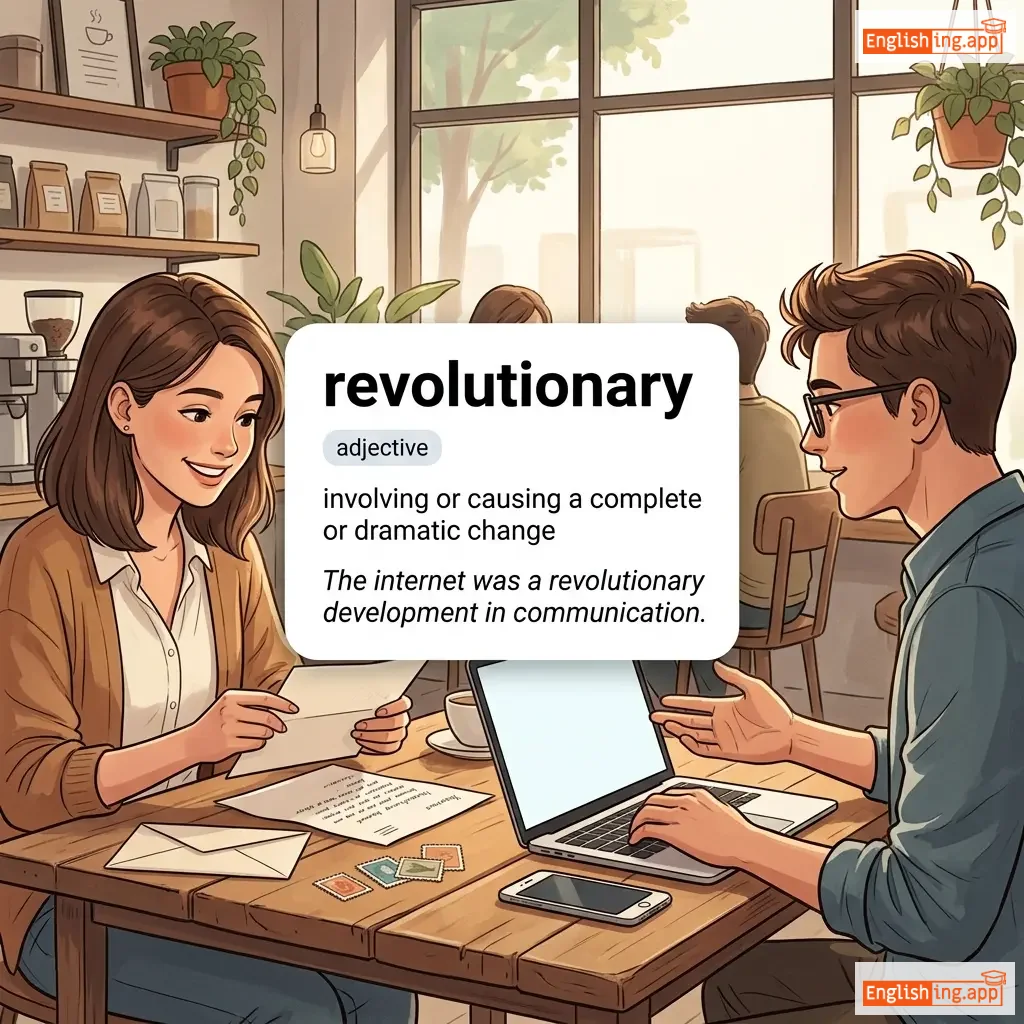
involving or causing a complete or dramatic change; relating to a political revolution
••••••
|
The smartphone was a revolutionary invention that changed communication. |
スマートフォンは通信を変えた革命的な発明でした。
Suma-tofon wa tsūshin o kaeta kakumeiteki na hatsumei deshita
••••••
|
- •••••• | - •••••• | - •••••• |
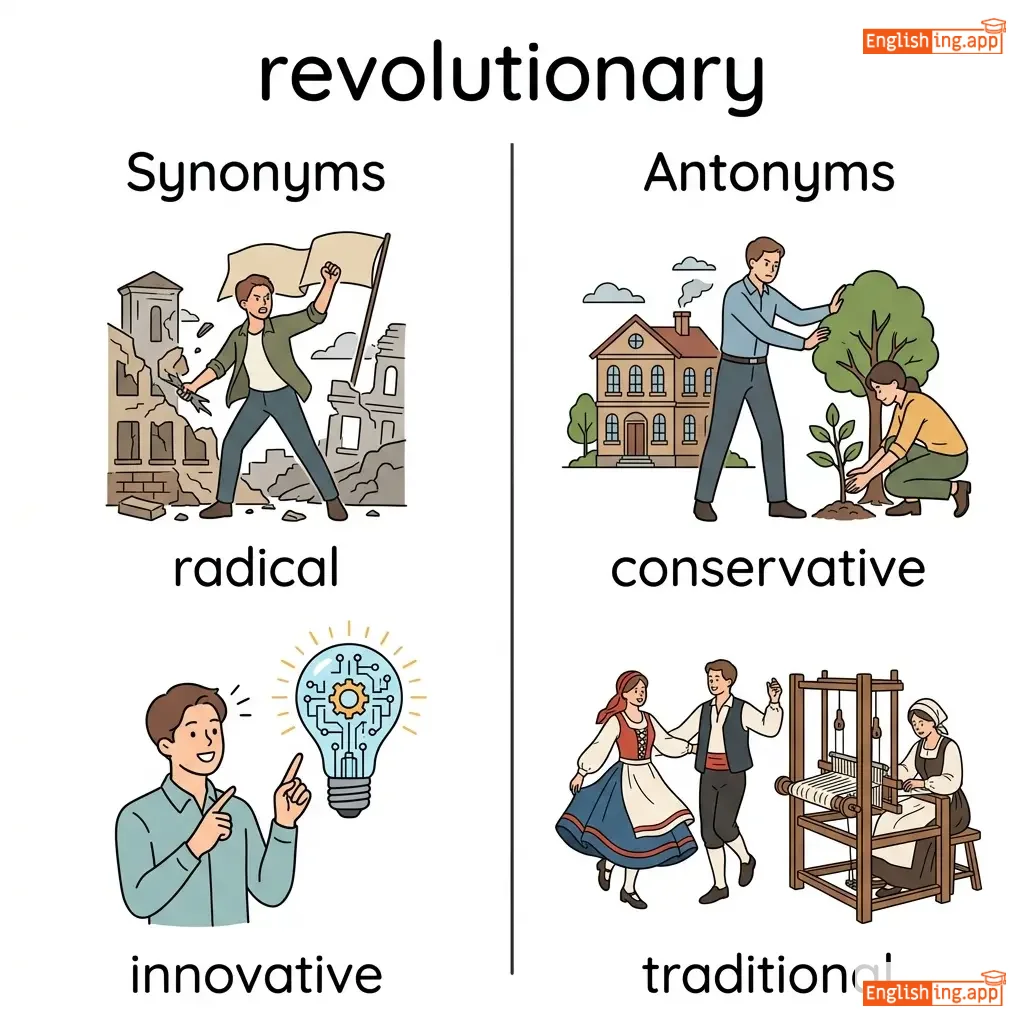
radical, groundbreaking, innovative, transformative
••••••
|
conservative, traditional, conventional, reactionary
••••••
|
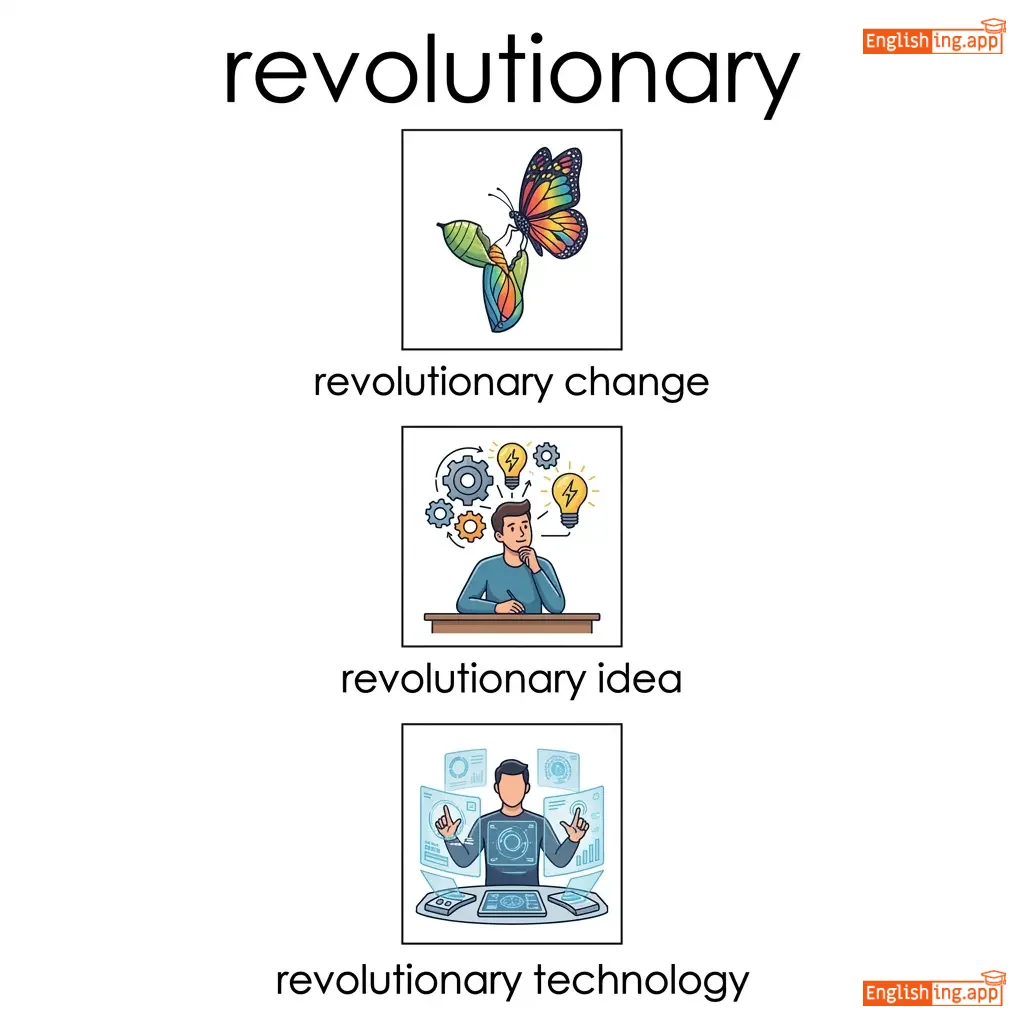
revolutionary idea, revolutionary change, revolutionary technology
••••••
|
革命的な意味はすべてを変えることです
••••••
|
|
#0
📊
|
/sɪɡˈnɪfɪkəntli/
adverb
(シグニフィカントリー)
••••••
|
- •••••• |
顕著に
kenchoni
••••••
|
in a way that is large or important enough to have an effect
••••••
|
The economy has significantly improved over the last decade.
経済は過去10年間でシグニフィカントリー改善しました。
••••••
|
経済は過去10年間で顕著に改善しました。
Keizai wa kako 10 nenkan de kencho ni kaizen shimashita.
••••••
|
- •••••• | - •••••• | - •••••• |
considerably, notably, appreciably, substantially
••••••
|
slightly, marginally, insignificantly
••••••
|
significantly improve, significantly increase, significantly change
••••••
|
Significant を日本語で '顕著' に変換して覚えよう。
••••••
|
|
#0
💎
|
/səˈfɪstɪkeɪtɪd/
adjective
(ソフィスティケイテッド)
••••••
|
|
洗練された
senrensareta
••••••
|
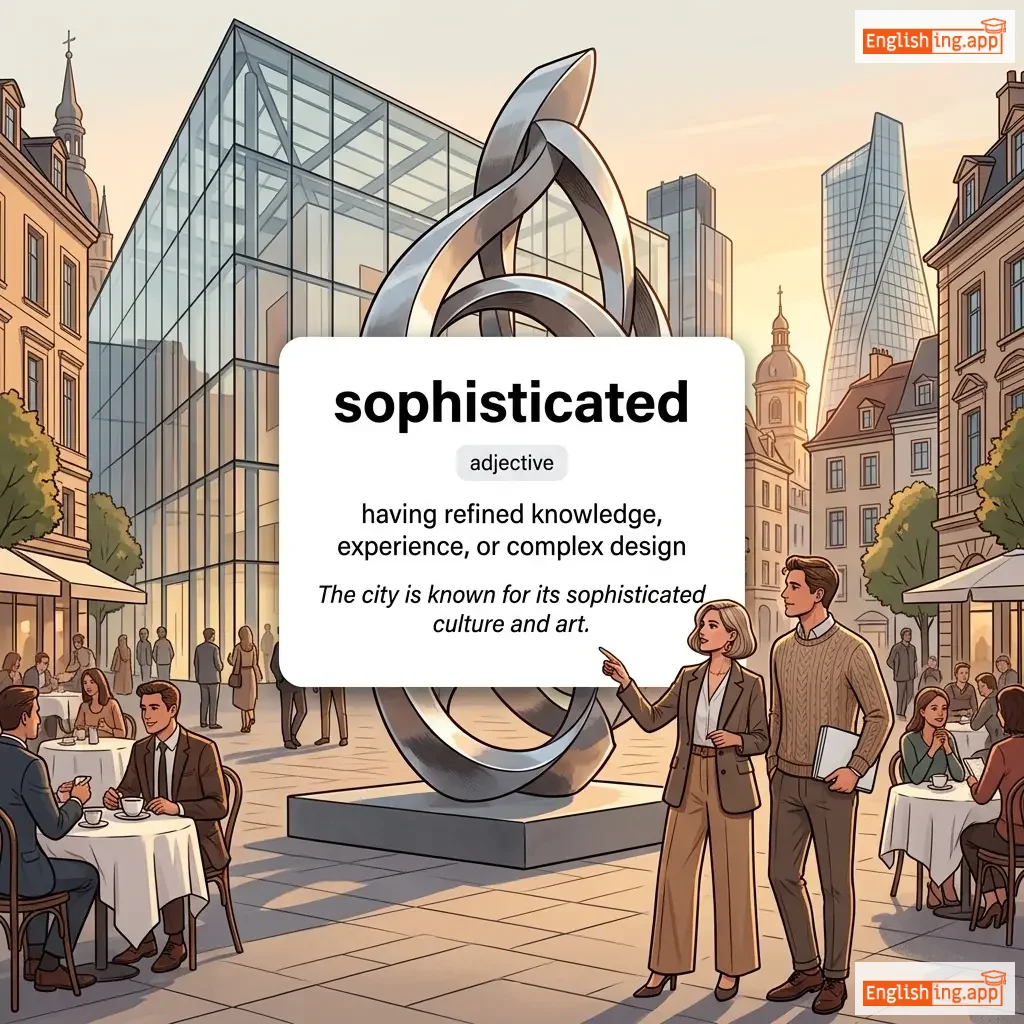
having refined knowledge, experience, or complex design
••••••
|
The city is known for its sophisticated culture and art.
この都市はその洗練された文化と芸術で知られています。
••••••
|
この都市はその洗練された文化と芸術で知られています。
Kono toshi wa sono senrensareta bunka to geijutsu de shirareteimasu.
••••••
|
sophisticated taste
洗練された趣味
••••••
|
refined or cultivated sense of style and preference
••••••
|
洗練された趣味
senrensareta shumi
••••••
|
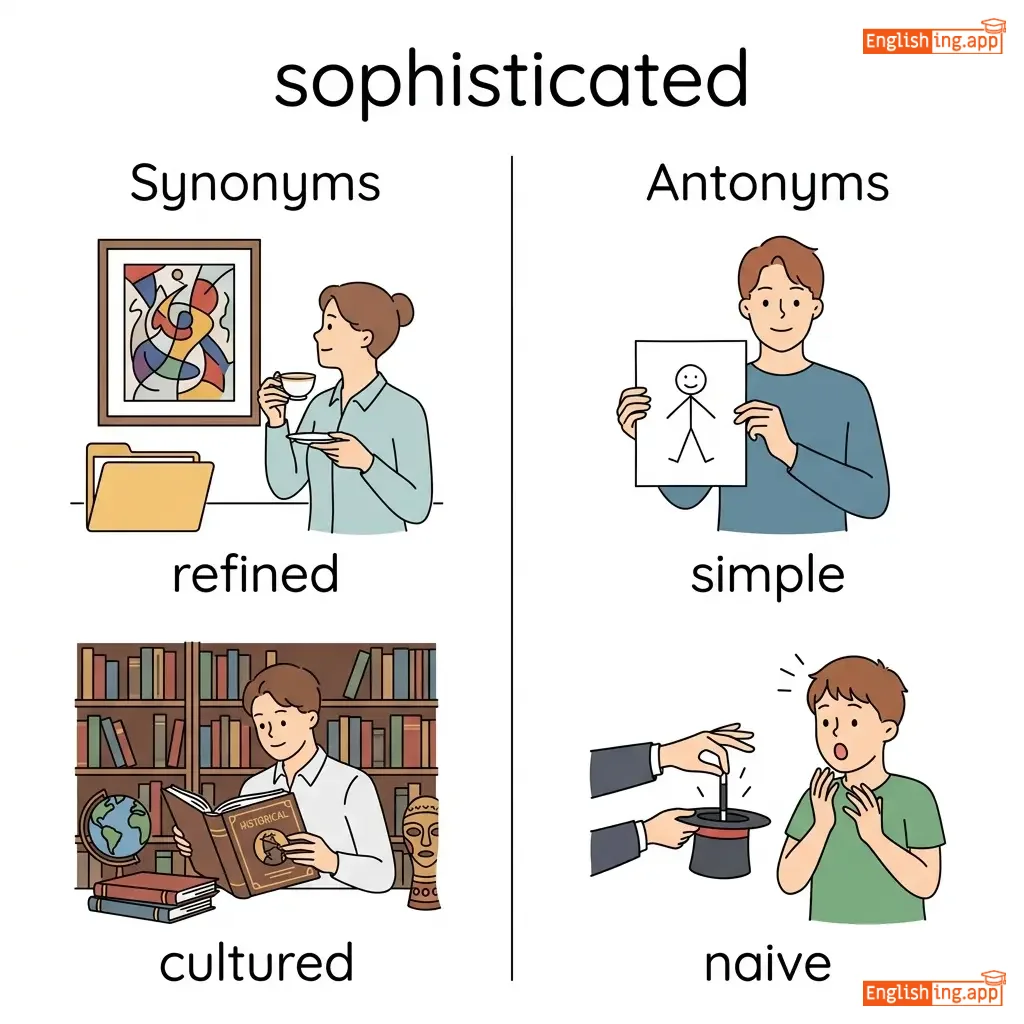
refined, cultured, elegant, advanced, polished
••••••
|
simple, naive, crude
••••••
|
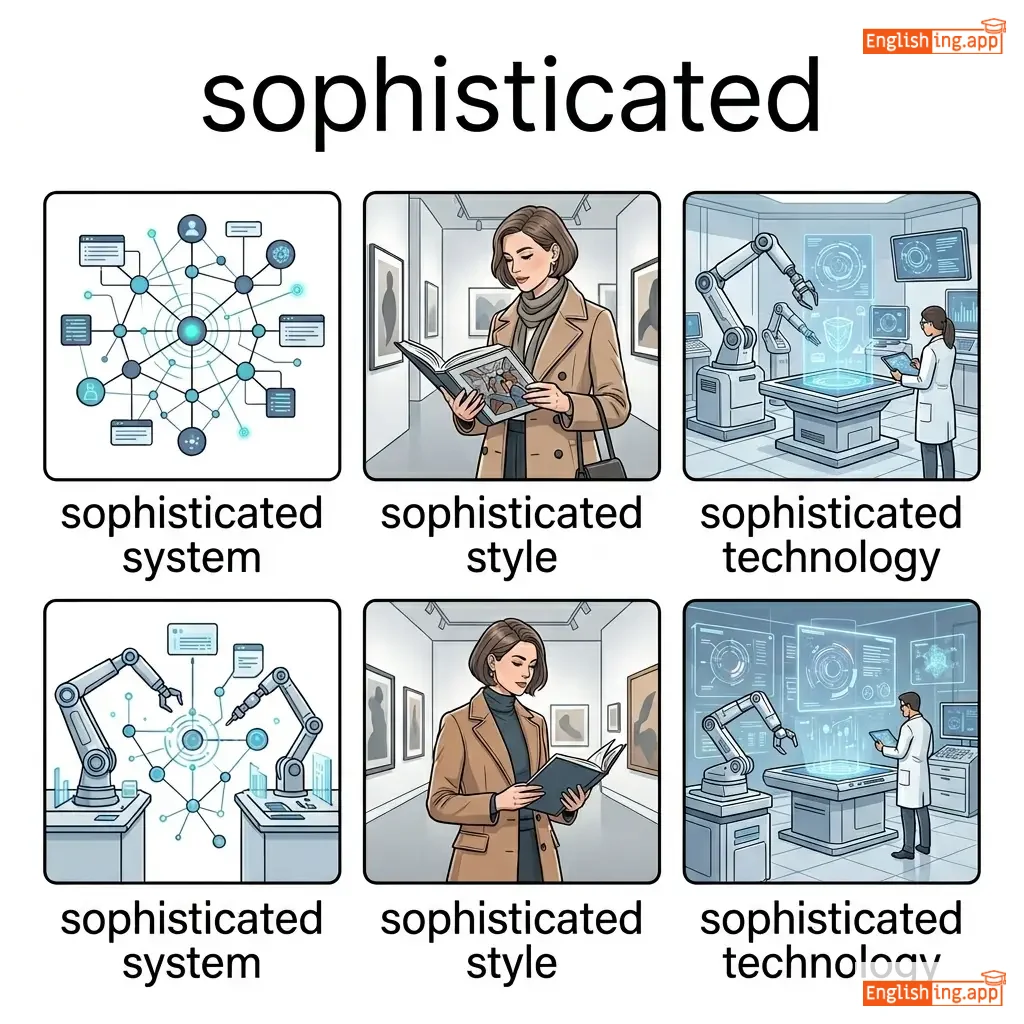
sophisticated system, sophisticated style, sophisticated technology
••••••
|
洗練された趣味は、洗練されたファッションや芸術を意味します。
••••••
|
|
#0
📈
|
/səbˈstænʃəli/
adverb
(サブスタンシャリー)
••••••
|
- •••••• |
大幅に
ōhaba ni
••••••
|
to a great extent or degree
••••••
|
The new policy has substantially improved working conditions.
新しい政策は労働条件を大幅に改善しました。
••••••
|
新しい政策は労働条件を大幅に改善しました。
Atarashī seisaku wa rōdō jōken o ōhaba ni kaizen shimashita.
••••••
|
- •••••• | - •••••• | - •••••• |
considerably, significantly, greatly, largely
••••••
|
slightly, marginally
••••••
|
substantially increase, substantially reduce, substantially change, substantially improve
••••••
|
Substantiallyは日本語で大幅に – 大きな変化を意味していることを覚えておいて
••••••
|
|
#0
💻
|
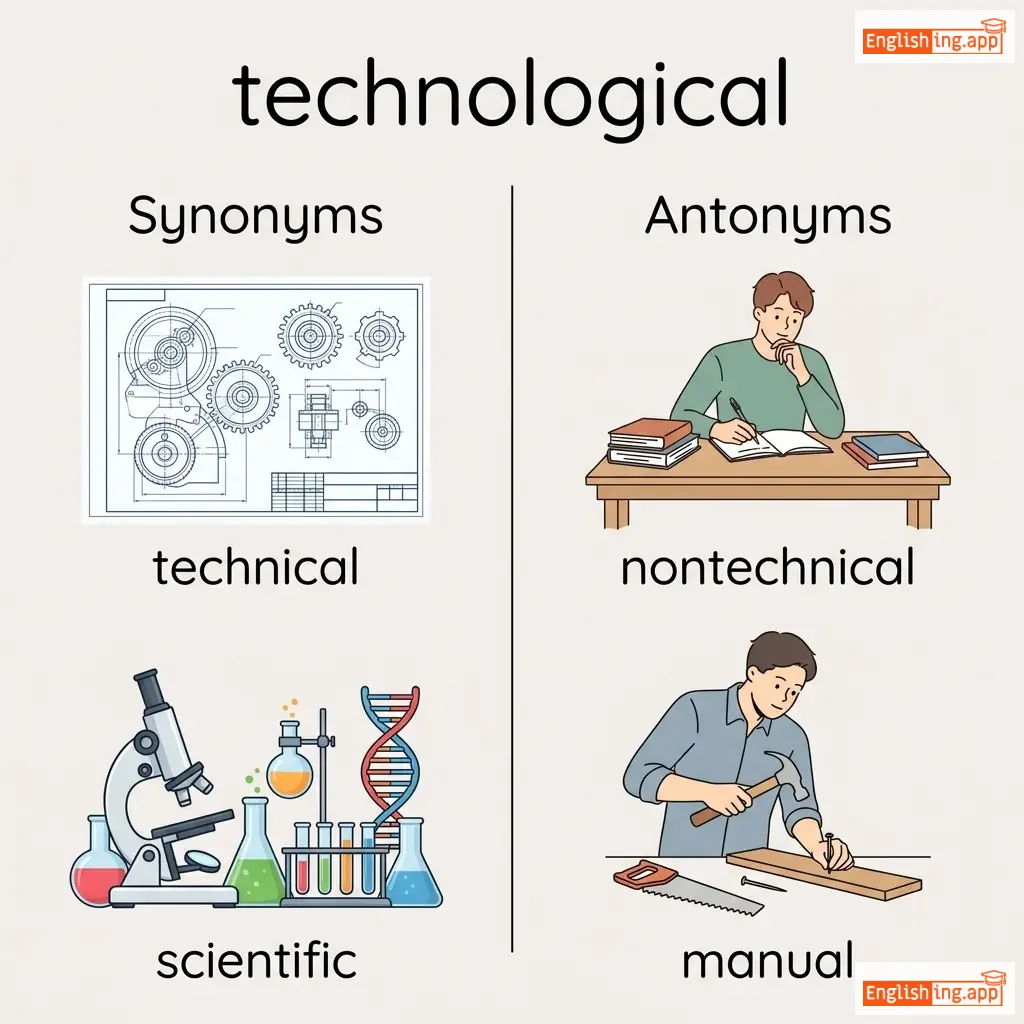
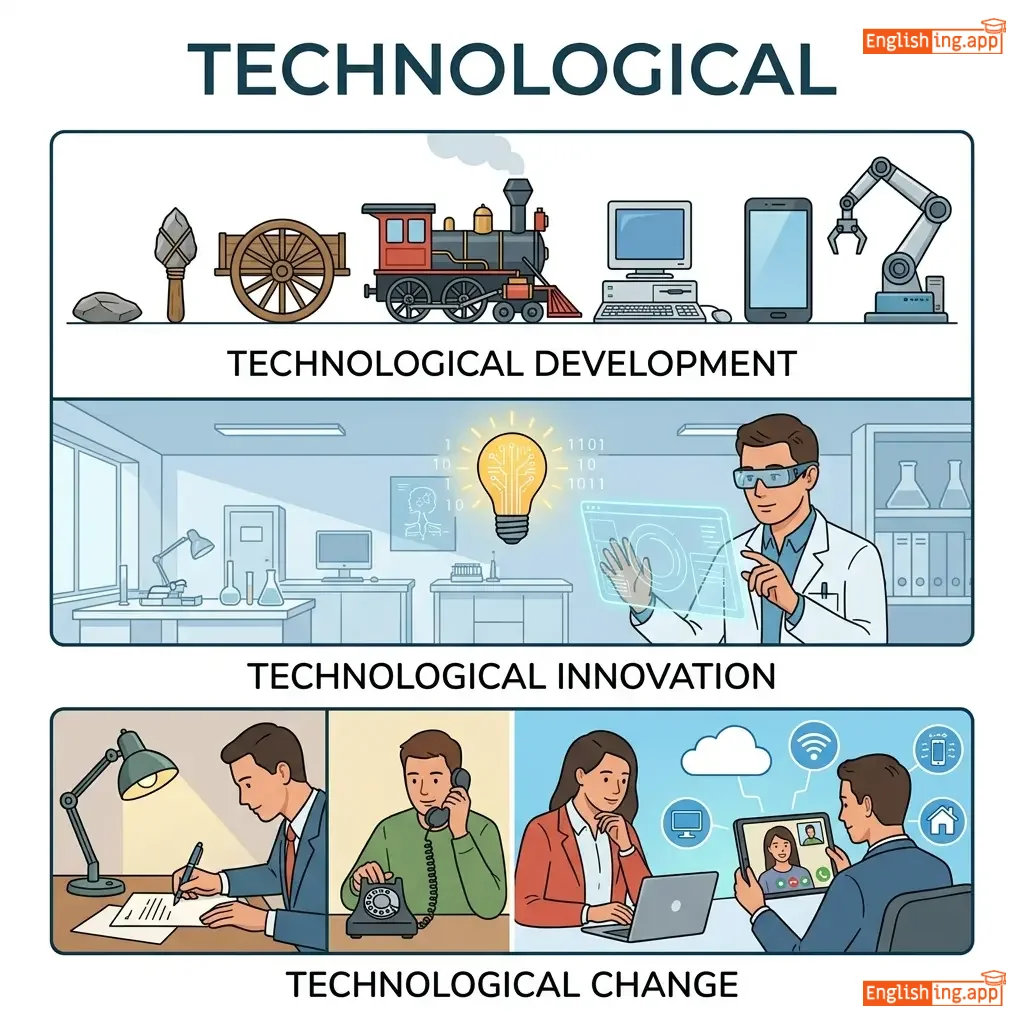
/ˌteknəˈlɒdʒɪkəl/
adjective
••••••
|
|
- •••••• |
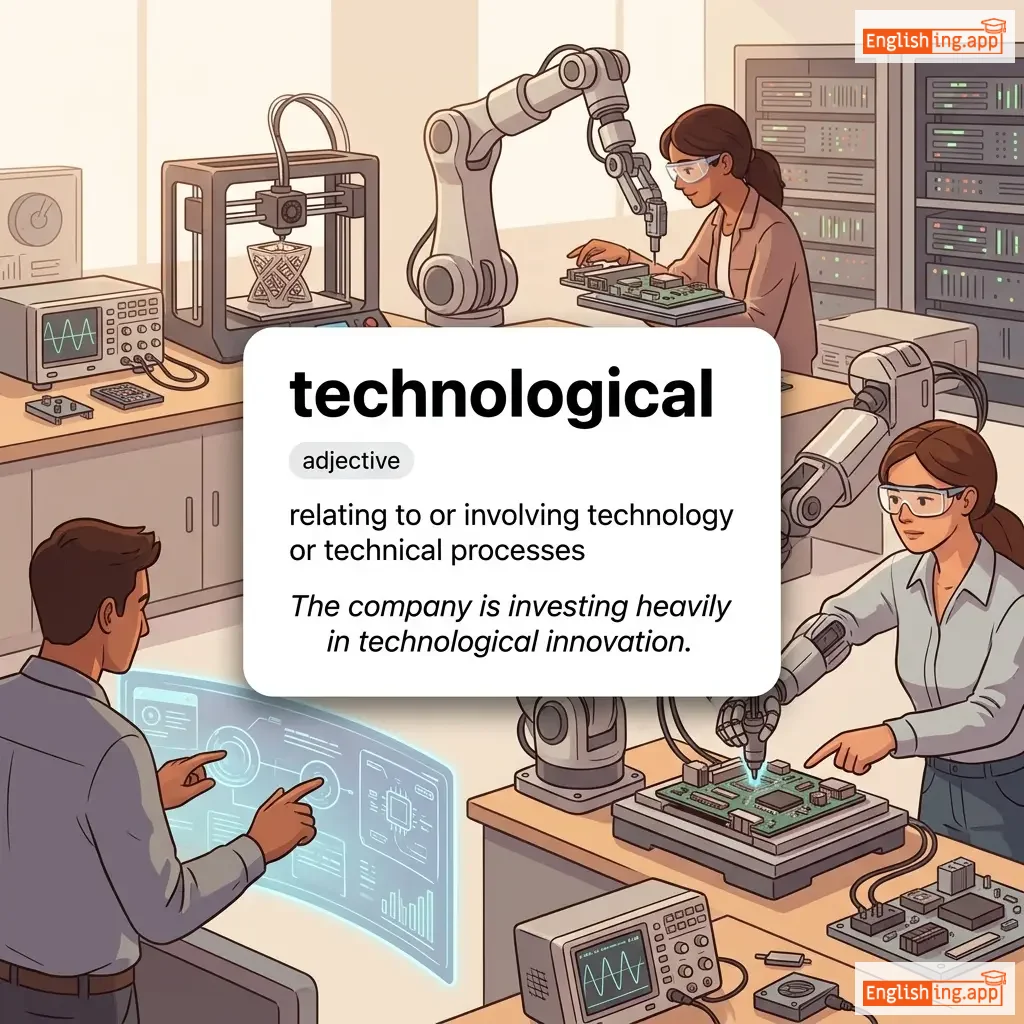
relating to or involving technology or technical processes
••••••
|
The company is investing heavily in technological innovation. |
- •••••• |
technological advancement |
progress or improvement in technology over time
••••••
|
- •••••• |
technical, scientific, industrial, mechanical, digital
••••••
|
nontechnical, manual
••••••
|
technological development, technological innovation, technological change, technological progress
••••••
|
No •••••• |
|
#0
🎎
|
/trəˈdɪʃənəli/
adverb
(トラディショナリー)
••••••
|
- •••••• |
伝統的に
dentōteki ni
••••••
|
according to custom or long-established practice
••••••
|
Bangladesh is traditionally known for its hospitality. |
バングラデシュは伝統的にそのおもてなしで知られています。
Banguradeshu wa dentōteki ni sono omotenashi de shirareteimasu.
••••••
|
- •••••• | - •••••• | - •••••• |
conventionally, customarily, habitually, historically
••••••
|
modernly, newly
••••••
|
traditionally dressed, traditionally believed, traditionally made
••••••
|
Traditionally の日本語は '伝統的に', つまり伝統に従うという意味。
••••••
|
|
#0
🔄
|
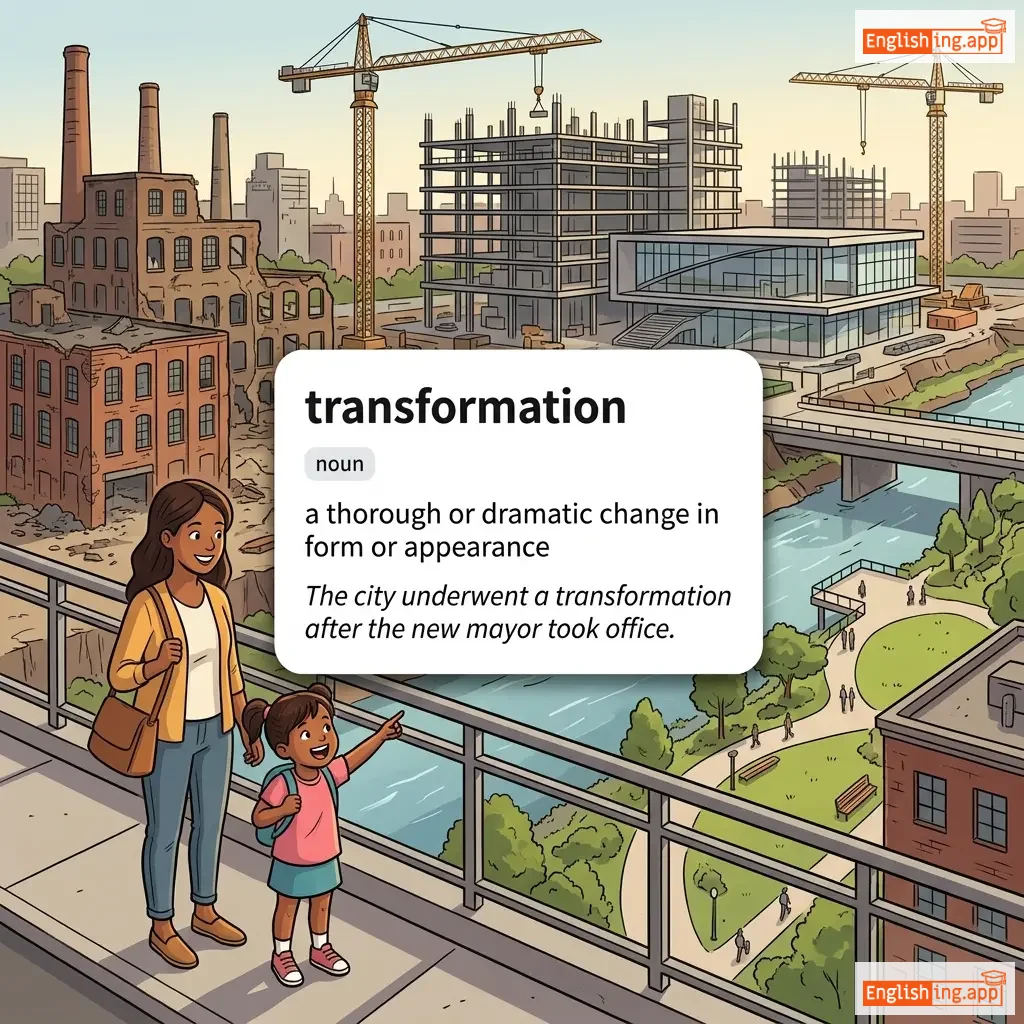
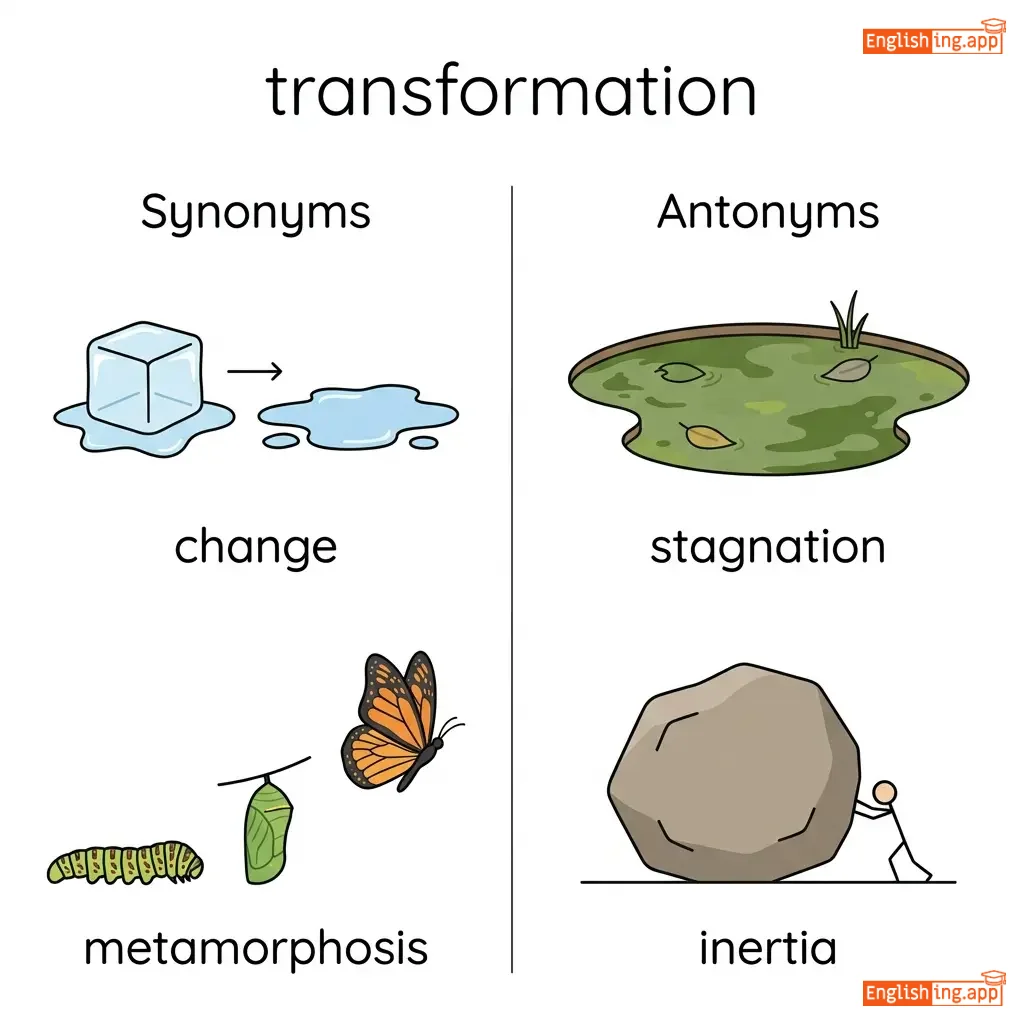
/ˌtrænsfərˈmeɪʃən/
noun
(トランスフォーメーション)
••••••
|
|
変革
henkaku
••••••
|
the action or process of changing something into a different form or structure
••••••
|
The transformation of the company took several years to complete.
会社のトランスフォーメーションには数年かかりました。
••••••
|
会社の変革には数年かかりました。
Kaisha no henkaku ni wa suunen kakarimashita.
••••••
|
- •••••• | - •••••• | - •••••• |
change, conversion, metamorphosis, alteration
••••••
|
stagnation, preservation, maintenance
••••••
|
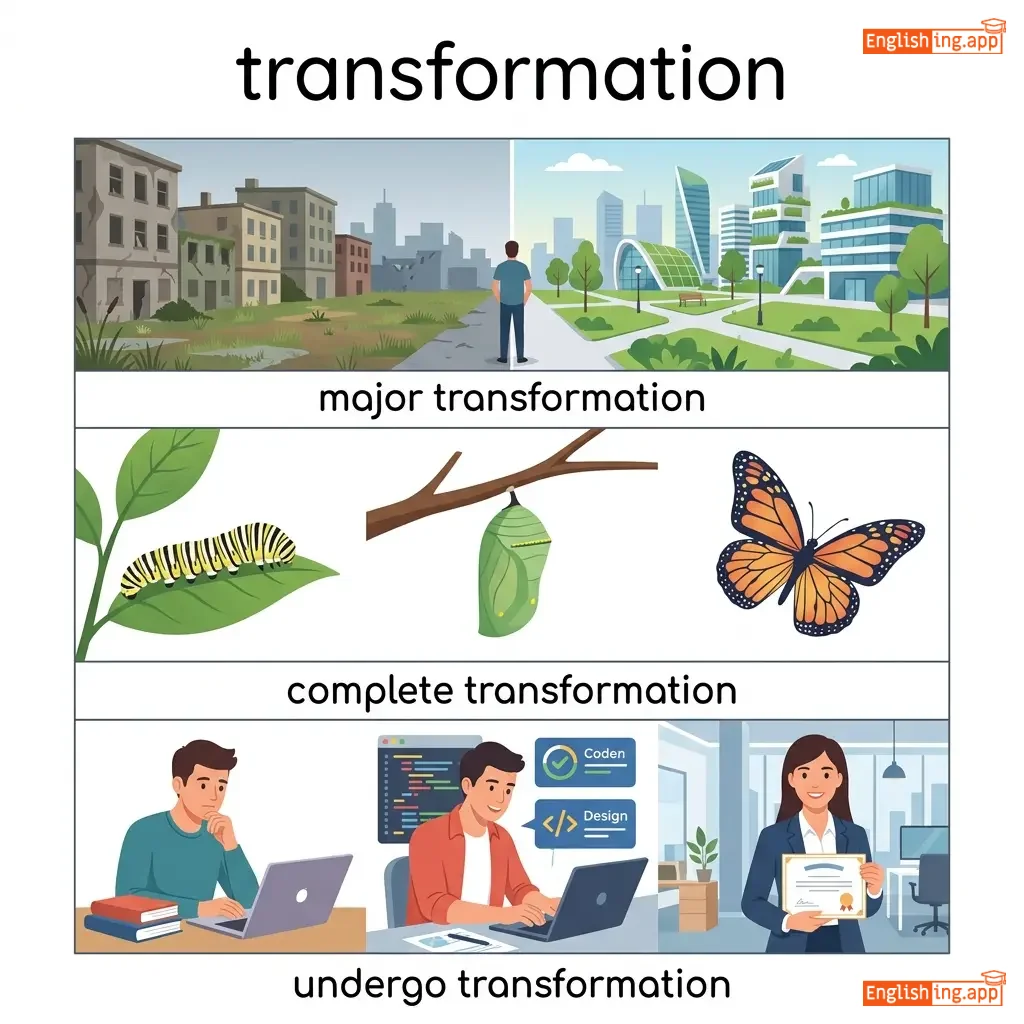
digital transformation, complete transformation, undergo transformation
••••••
|
変革 (変わる) - 何かが変わる過程を思い描いてみてください。
••••••
|
|
#0
🎓
|
/ˌʌndəˈɡrædʒuət/
noun
(アンダーグラジュエイト)
••••••
|
- •••••• |
学部生
gakubusei
••••••
|
a student who has not yet earned a bachelor's degree
••••••
|
She is an undergraduate studying computer science. |
彼女はコンピュータサイエンスを学んでいる学部生です。
Kanojo wa konpyuuta saiensu o manande iru gakubusei desu
••••••
|
- •••••• | - •••••• | - •••••• |
student, scholar, learner, collegian
••••••
|
graduate, postgraduate
••••••
|
undergraduate student, undergraduate program, undergraduate degree, undergraduate course
••••••
|
Under + graduate – 学士号を取得していない学生
••••••
|
|
#0
🧠
|
/ˌʌndərˈstændɪŋ/
noun
(アンダースタンディング)
••••••
|
- •••••• |
理解
rikai
••••••
|
the ability to grasp the meaning, significance, or nature of something
••••••
|
Her understanding of the issue was impressive. |
彼女の問題に対する理解は印象的でした。
Kanojo no mondai ni taisuru rikai wa inshō-teki deshita.
••••••
|
- •••••• | - •••••• | - •••••• |
comprehension, insight, perception, awareness
••••••
|
misunderstanding, ignorance
••••••
|
deep understanding, mutual understanding, thorough understanding
••••••
|
理解 (rikai) があれば、問題を解決できる。
••••••
|
|
#0
🚀
|
/ʌnˈprɛsɪˌdɛntɪd/
adjective
(anpresidentted)
••••••
|
|
前例のない
zenrei no nai
••••••
|
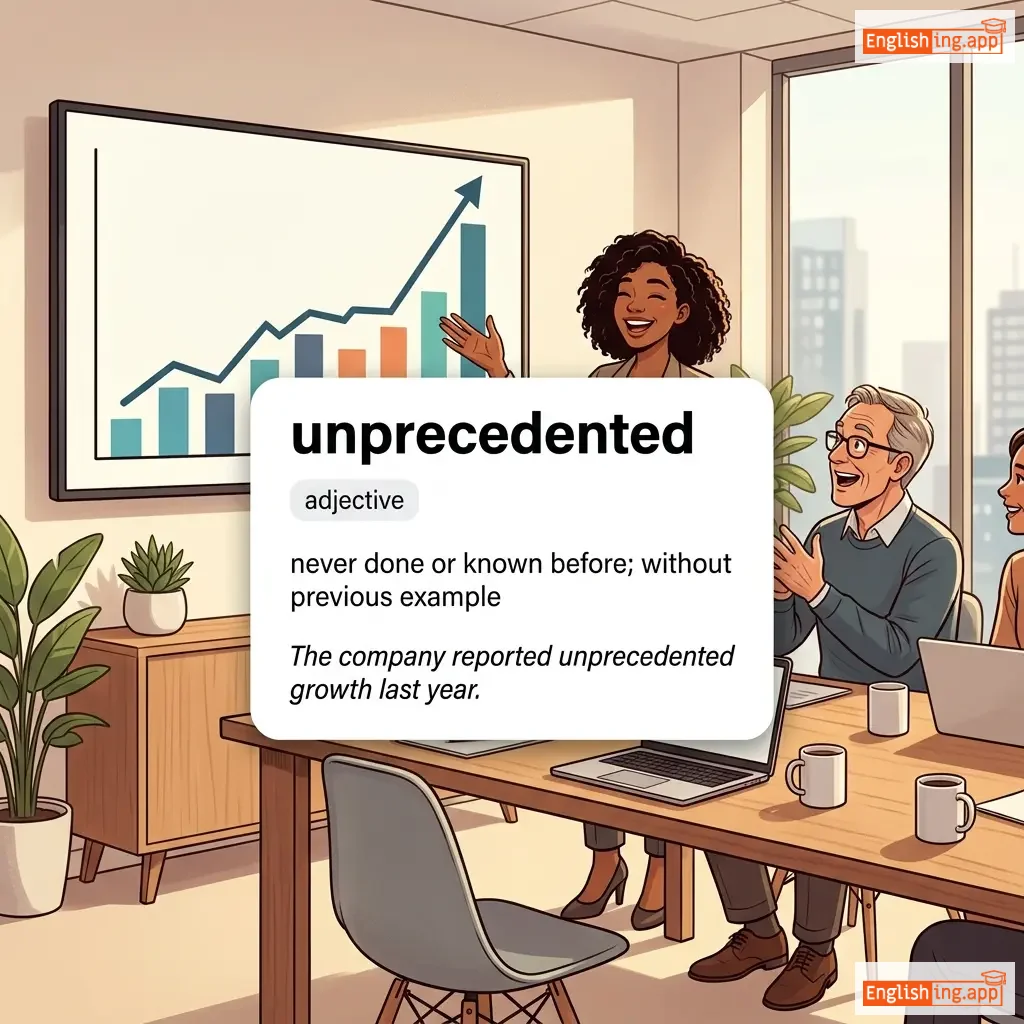
never done or known before; without previous example
••••••
|
The company reported unprecedented growth last year. |
会社は昨年、前例のない成長を報告しました。
Kaisha wa sakunen, zenrei no nai seichou o houkoku shimashita.
••••••
|
of unprecedented scale |
something happening in a size or degree never seen before
••••••
|
前例のない規模
zenrei no nai kibo
••••••
|
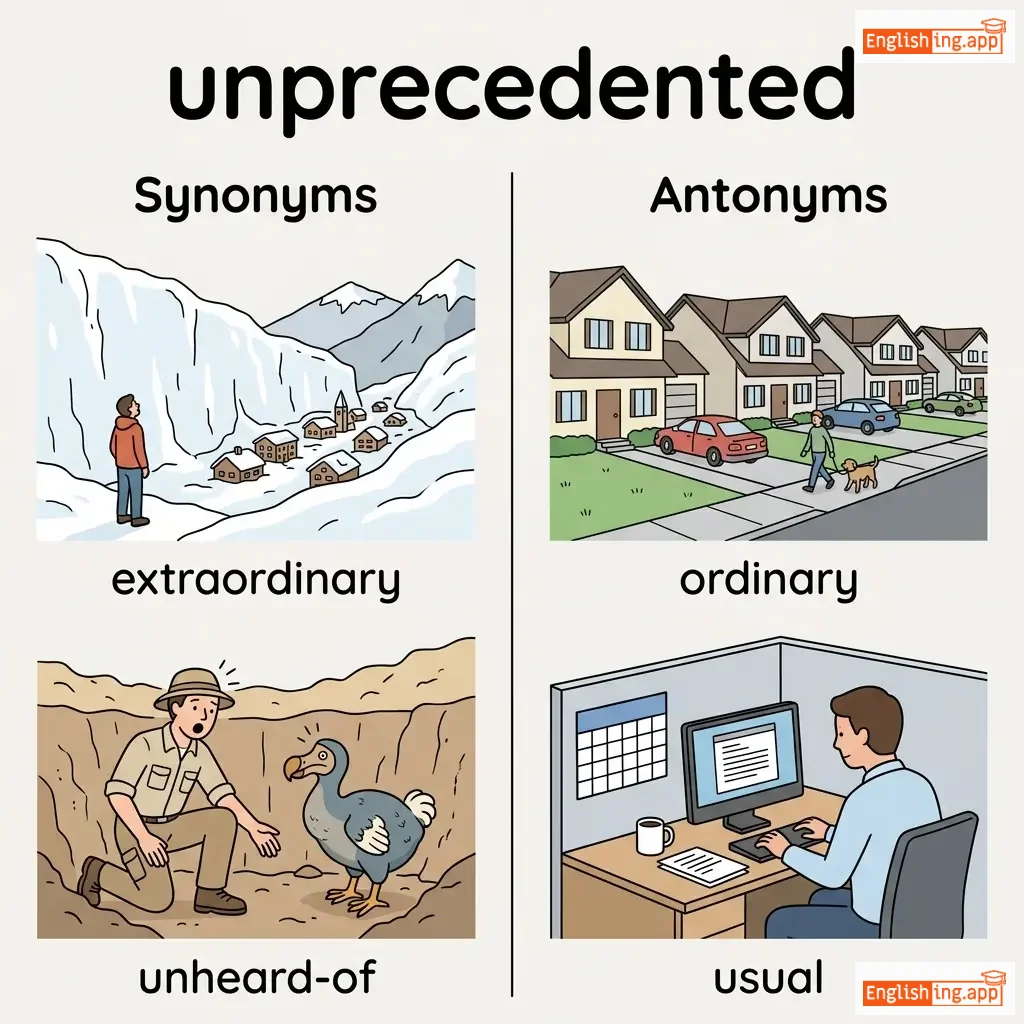
extraordinary, unheard-of, unique, exceptional
••••••
|
ordinary, usual, common
••••••
|
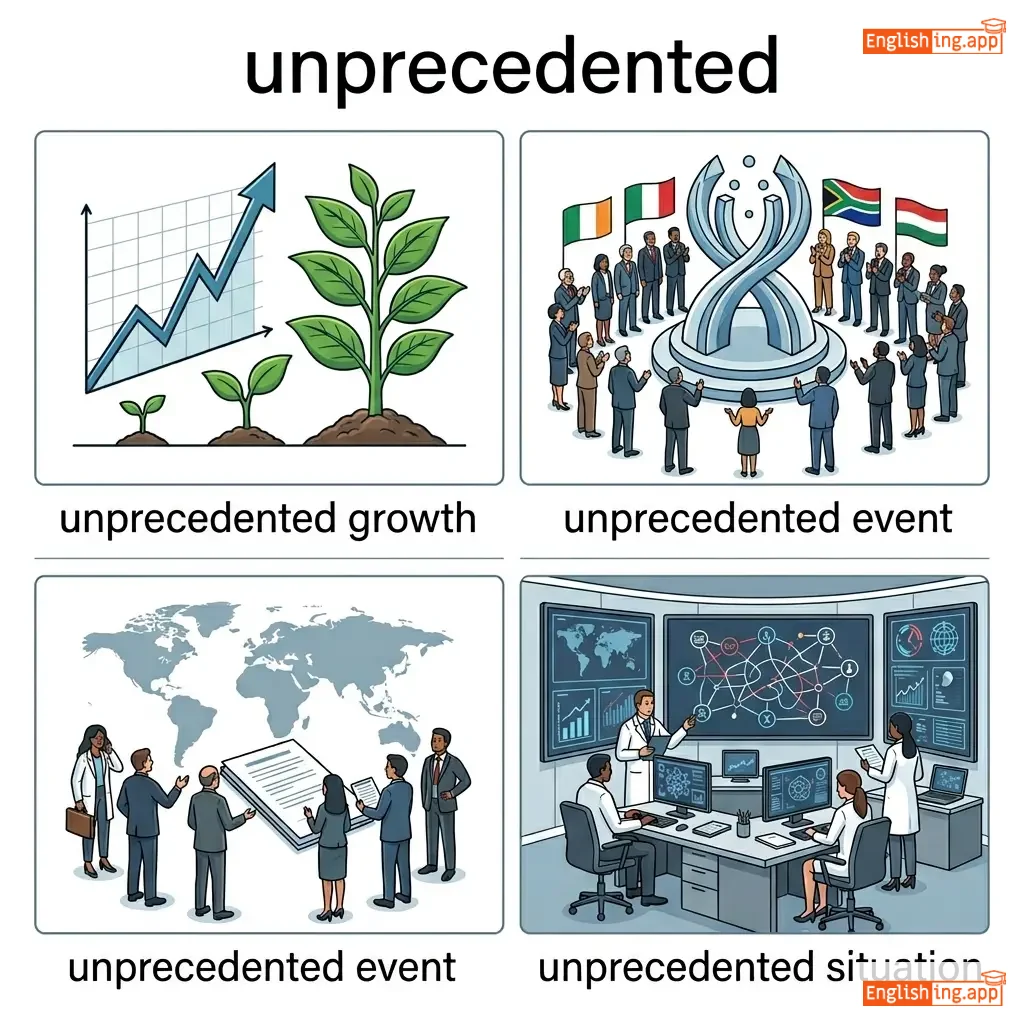
unprecedented growth, unprecedented event, unprecedented situation
••••••
|
前例のない
••••••
|
|
#0
⚠️
|
/ˌvʌlnərəˈbɪləti/
noun
(バルネラビリティ)
••••••
|
|
脆弱性
seijakusei
••••••
|
the quality of being easily harmed or attacked
••••••
|
The vulnerability of the system was exposed during the cyberattack. |
システムの脆弱性はサイバー攻撃中に暴露されました。
Shisutemu no seijakusei wa saibā kōgeki chū ni bakuro saremashita.
••••••
|
- •••••• | - •••••• | - •••••• |
weakness, susceptibility, sensitivity, fragility
••••••
|
strength, invulnerability, protection
••••••
|
vulnerability assessment, security vulnerability, emotional vulnerability
••••••
|
脆弱性 sounds like 'seijakusei', reminding you of 'seijaku' meaning weakness or vulnerability.
••••••
|
Vocabulary Quiz
Test your vocabulary by matching words with their translations or meanings.
Login to take the quiz
Comments (0)
Share your thoughts and join the discussion.
Join the discussion by logging in
Login to CommentNo comments yet
Be the first to share your thoughts!