

小さな町のデジタル革命
The Digital Revolution in a Small Town
ラヒンプールは小さな町で、something 新しいことが起こるところでした。政府はそこにデジタル development プロジェクトを始めました。この circumstance で、町の人々は supposedly とても興奮していましたが、多くの人々は electronic 機器について知りませんでした。Karim は若い IT 卒業生で、故郷に戻り、人々に information 技術を教え始めました。彼の personality はとてもフレンドリーで忍耐強く、完璧な教師でした。最初に彼は人々に telephone の基本機能を示し、その後スマートフォンの applications を説明しました。Accordingly、彼は彼らにオンライン shopping を教え、デジタル決済システムの使い方を示しました。これは伝統的なライフスタイルと現代技術の interesting combination でした。Occasionally、高齢者は混乱することがありましたが、Karim はすべてを reasonable なペースで教えました。町の市場では everywhere に electronic 支払いシステムが稼働していました。地元の行政はKarim に permission を与え、政府のポータルを管理させ、人々がオンラインサービスを利用できるようにしました。その結果、多くの新しい employment の機会が生まれました。若者たちは今、デジタルマーケティングや e コマースで働いていました。インターネットの convenience は人々の生活を楽にしました。彼らは今、オンライン entertainment を楽しんだり、自分のスキルを開発したりすることができました。Karim の取り組みは Rahimpur をデジタルでつながったコミュニティに変えました。彼の仕事は、development は大都市に限らず、supposedly 後れた地域でも技術を受け入れることができることを証明しました。
翻訳
過去
過去分詞
三人称単数
動名詞
意味
例文
例文の翻訳
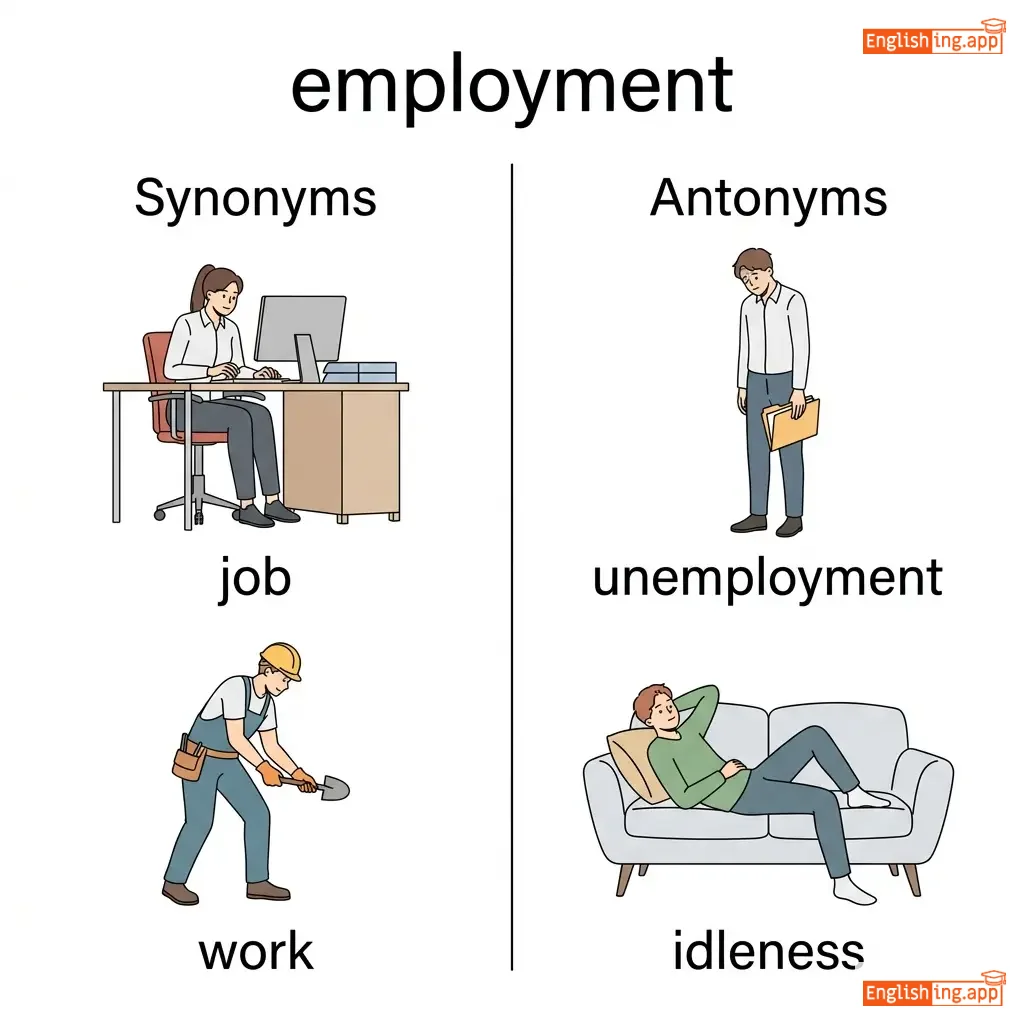
同義語
対義語
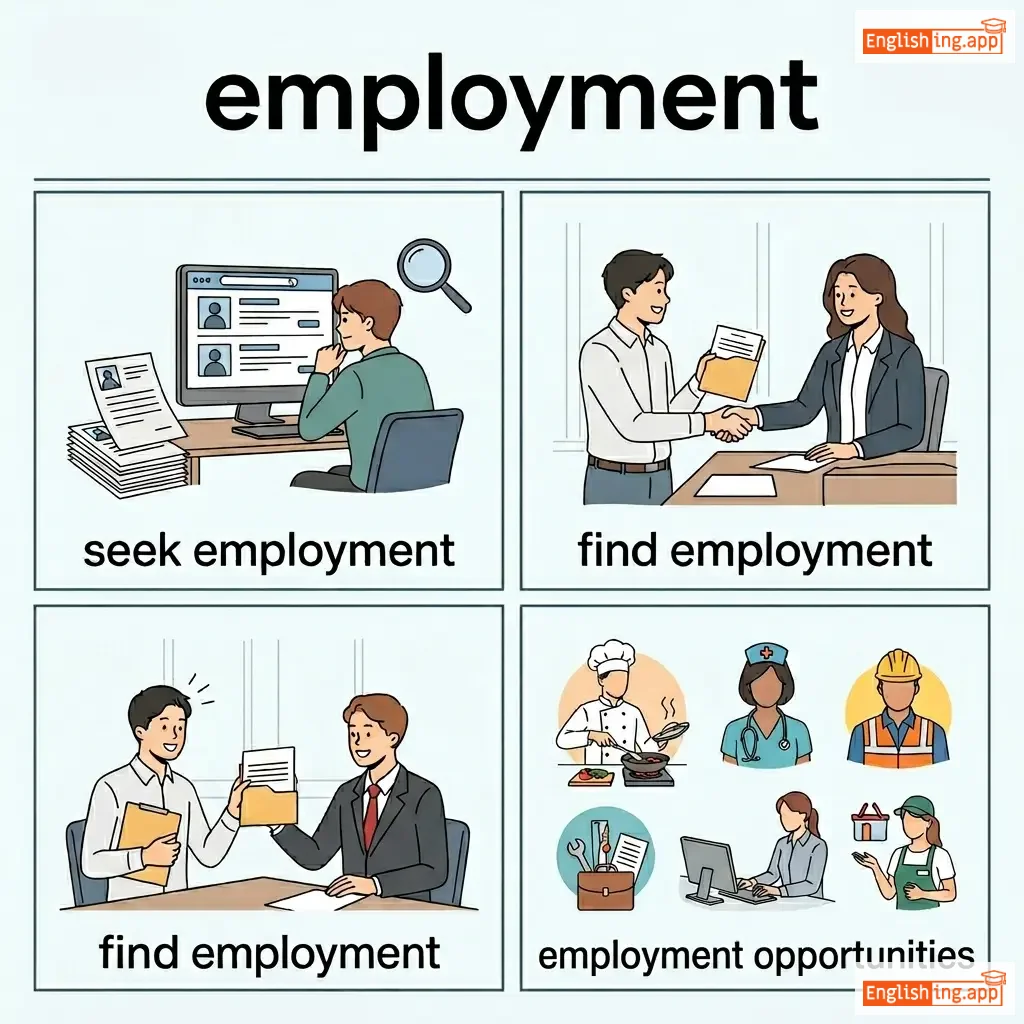
コロケーション
ニーモニック
Swipe left or right, or use the buttons. Tap image to zoom.
例文の翻訳
単語
The Digital Revolution in a Small TownThe Digital Revolution in a Small Town - マスクトグル
|
絵文字
|
単語 | Images | 翻訳 | 意味 | 例文 | 例文の翻訳 | 表現例 | 表現例の意味 | 表現例の翻訳 | 同義語 | 対義語 | コロケーション | ニーモニック |
|---|---|---|---|---|---|---|---|---|---|---|---|---|---|
|
#0
➡️
|
/əˈkɔːr.dɪŋ.li/
adverb
(アコーディングリー)
••••••
|
- •••••• |
したがって; このように; 状況に応じて
shitagatte; kono yō ni; jōkyō ni ōjite
••••••
|
in a way that is appropriate to the particular circumstances; therefore; consequently
••••••
|
The weather was bad, so the event was cancelled accordingly. |
天気が悪かったので、イベントはそのようにキャンセルされました。
Tenki ga warukatta node, ibento wa sono yō ni kyansuru sare mashita.
••••••
|
- •••••• | - •••••• | - •••••• |
therefore, consequently, thus, hence
••••••
|
inappropriately, unsuitably
••••••
|
act accordingly, respond accordingly, plan accordingly
••••••
|
‘accordingly’は状況に合わせて結果を出すものだと覚えておきましょう。
••••••
|
|
#0
📝
|
/ˌæplɪˈkeɪʃən/
noun
(アプリケーション)
••••••
|
- •••••• |
申請 / アプリケーション / ソフトウェア
shinsei / apurikeeshon / sofuto wea
••••••
|
a formal request for something; the act of putting something into operation; or a software program
••••••
|
She submitted her application for the scholarship. |
彼女は奨学金の申請を提出しました。
Kanojo wa shōgakukin no shinsei o teishutsu shimashita.
••••••
|
put into application |
to use something practically
••••••
|
アプリケーションに投入する
apurikēshon ni tōnyū suru
••••••
|
request, use, implementation, petition, software
••••••
|
withdrawal, neglect
••••••
|
job application, application form, software application, practical application
••••••
|
Applicationは申請またはアプリケーション、両方とも使われます。
••••••
|
|
#0
📌
|
/ˈsɜːrkəmstæns/
noun
(サーカムスタンス)
••••••
|
- •••••• |
状況
joukyou
••••••
|
a fact or condition connected with an event or action
••••••
|
She handled the difficult circumstances bravely. |
彼女は困難な状況に勇敢に対処しました。
Kanojo wa konnan na joukyou ni yuukan ni taisho shimashita.
••••••
|
under the circumstances |
considering the current situation
••••••
|
その状況下で
sono joukyou ka de
••••••
|
situation, condition, context, factor, state
••••••
|
certainty, plan
••••••
|
in difficult circumstances, under the circumstances, favorable circumstances
••••••
|
Circumstance は状況を意味します - 状況を囲んでcircumstanceを覚える。
••••••
|
|
#0
🔢
|
/ˌkɒmbɪˈneɪʃən/
noun
(コンビネーション)
••••••
|
- •••••• |
組み合わせ / 混合
kumiawase / kongō
••••••
|
The act of joining or mixing two or more things together.
••••••
|
This dish is a perfect combination of sweet and spicy flavors. |
この料理は甘いと辛いフレーバーの完璧な組み合わせです。
Kono ryōri wa amai to karai furēbā no kanpeki na kumiawase desu.
••••••
|
combination lock |
a lock that opens by turning dials to a particular sequence of numbers
••••••
|
コンビネーションロック
konbinēshon rokku
••••••
|
blend, mixture, union, fusion, merger
••••••
|
separation, division
••••••
|
perfect combination, unique combination, combination lock, combination of factors
••••••
|
Combination = Com + Bini + shon – 数字を合わせて鍵を開ける
••••••
|
|
#0
🛍️
|
/kənˈviː.ni.əns/
noun
(コンビニエンス)
••••••
|
- •••••• |
便利
benri
••••••
|
the state of being able to proceed with something without difficulty; a thing that contributes to an easy way of life
••••••
|
The convenience of online shopping has changed how people buy products. |
オンラインショッピングの便利さは、製品を購入する方法を変えました。
Onrain shoppingu no benrisa wa, seihin wo kounyuu suru houhou wo kaemashita.
••••••
|
- •••••• | - •••••• | - •••••• |
ease, comfort, advantage, benefit
••••••
|
inconvenience, difficulty, hardship, trouble
••••••
|
for your convenience, convenience store, modern convenience
••••••
|
Benri = Benri no je!
••••••
|
|
#0
📈
|
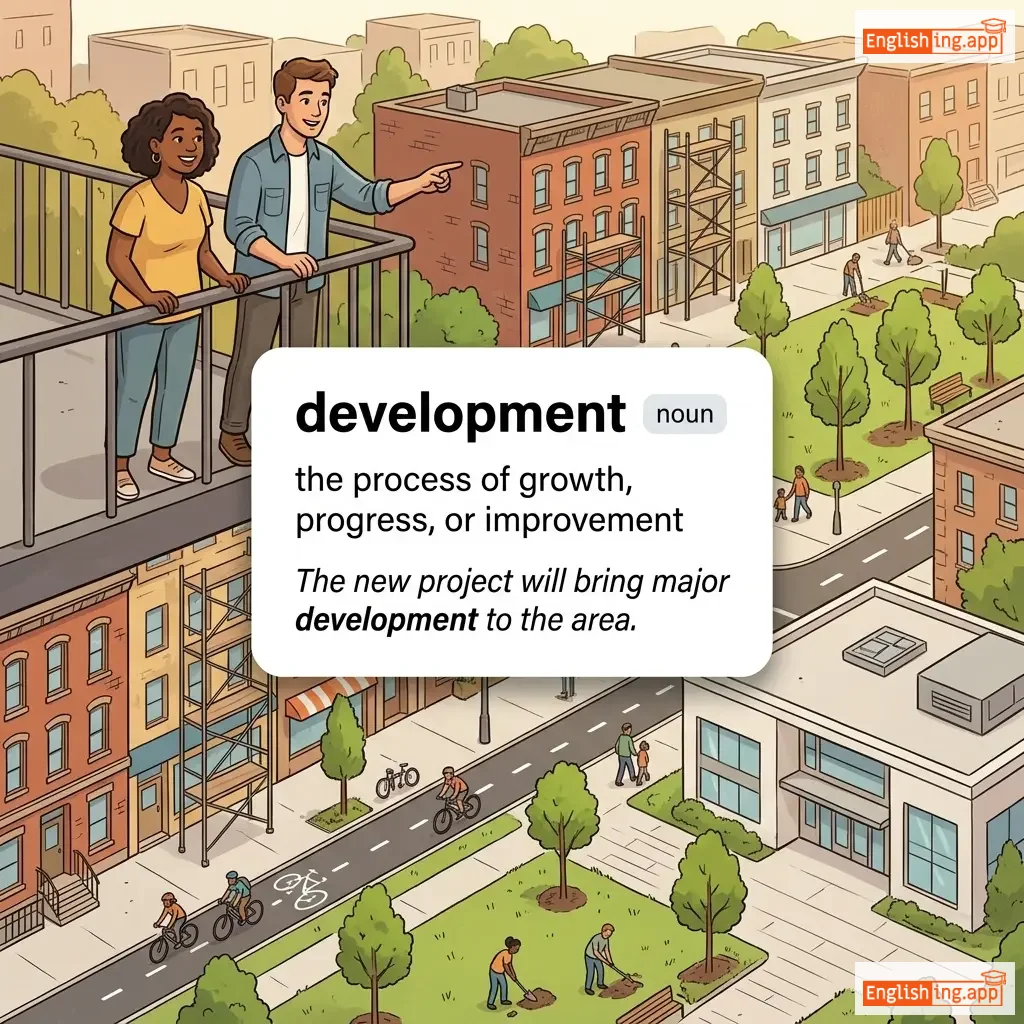
/dɪˈvɛləpmənt/
noun
(デベロップメント)
••••••
|
|
開発
kaihatsu
••••••
|
the process of growth, progress, or improvement
••••••
|
The new project will bring major development to the area. |
新しいプロジェクトはその地域に大きな開発をもたらすでしょう。
Atarashī purojekuto wa sono chiiki ni ōkina kaihatsu o motarasu deshō.
••••••
|
real estate development |
the process of building new properties
••••••
|
不動産開発
fudōsan kaihatsu
••••••
|
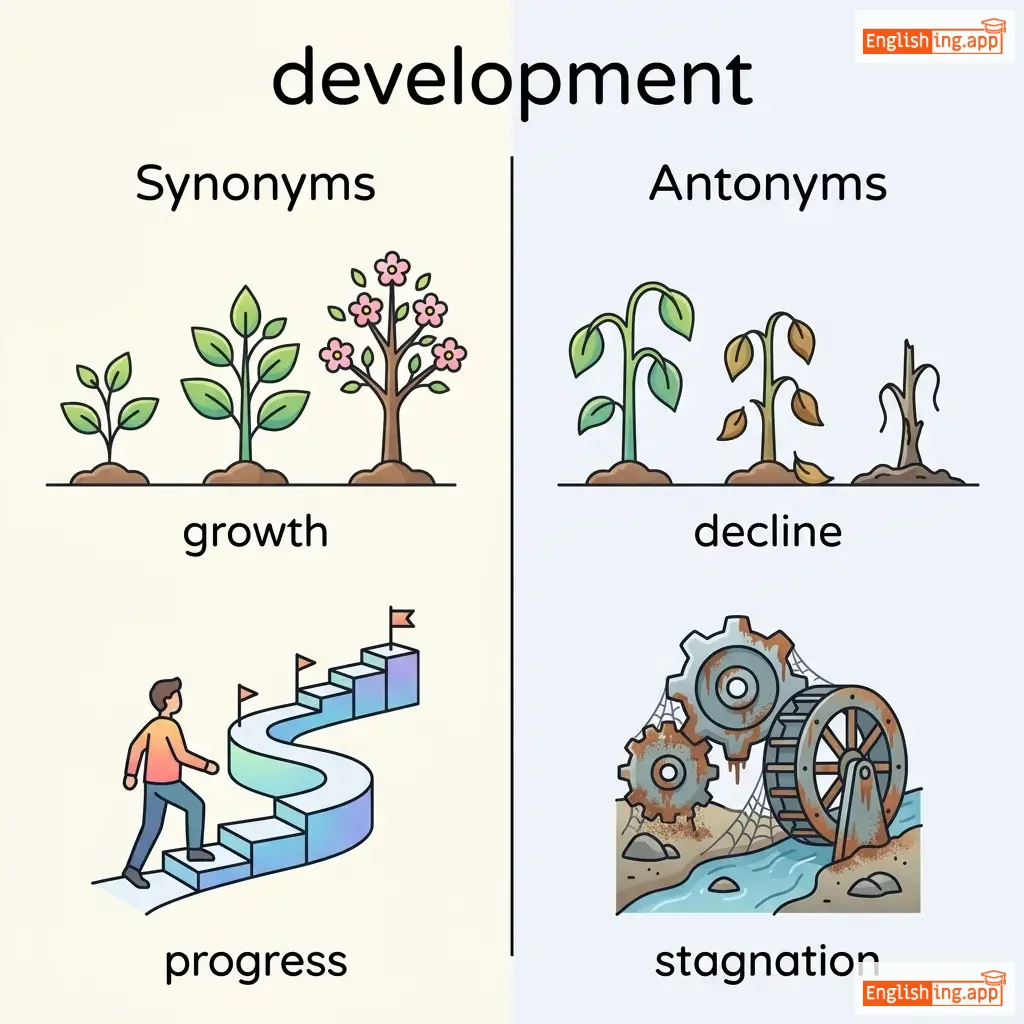
growth, progress, advancement, improvement
••••••
|
decline, stagnation
••••••
|
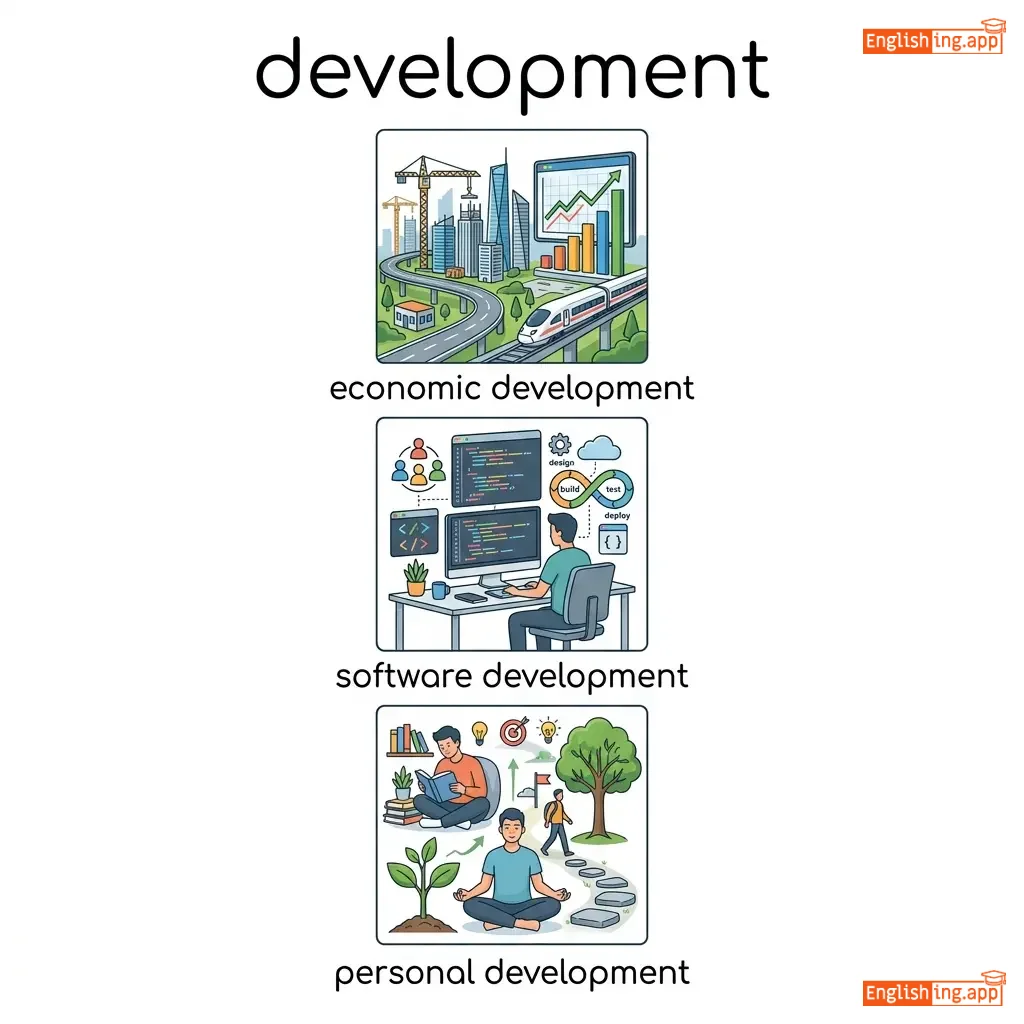
economic development, software development, personal development, development project
••••••
|
Development = 開発は成長 📈 を意味します — 新しいビルが建設中のように。
••••••
|
|
#0
💻
|
/ɪˌlɛkˈtrɒnɪk/
adjective
(エレクトロニック)
••••••
|
- •••••• |
電子の
denshi no
••••••
|
Operating with or produced by the use of electronic devices.
••••••
|
She bought an electronic keyboard for her music lessons. |
彼女は音楽のレッスンのために電子キーボードを買った。
Kanojo wa ongaku no ressun no tame ni denshi kībōdo o katta.
••••••
|
electronic device |
A device that operates using electronic circuits.
••••••
|
電子機器
denshi kiki
••••••
|
digital, automated, computerized, high-tech
••••••
|
manual, mechanical
••••••
|
electronic device, electronic music, electronic mail, electronic circuit
••••••
|
Electronic deviceは電子機器を意味します - 例えば携帯電話 📱。
••••••
|
|
#0
💼
|
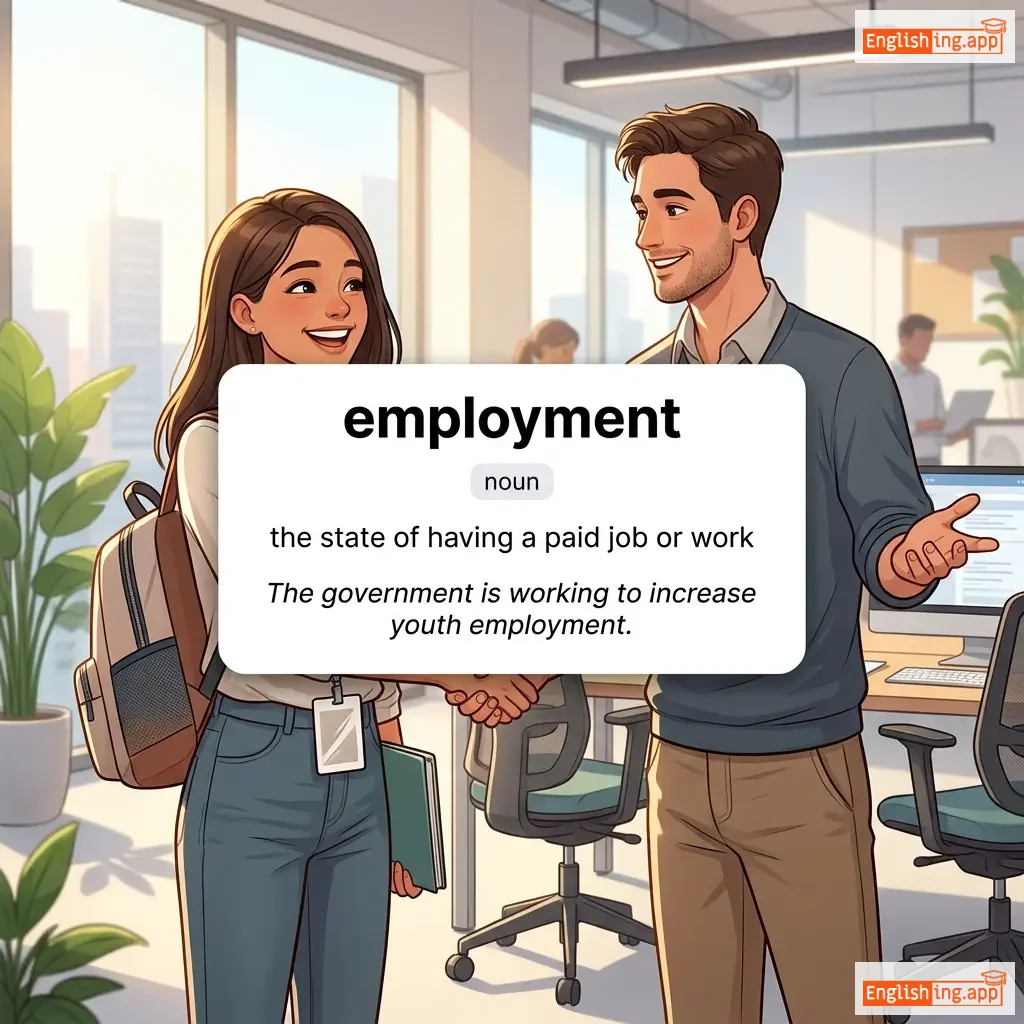
/ɪmˈplɔɪmənt/
noun
(エンプロイメント)
••••••
|
|
雇用
koyou
••••••
|
the state of having a paid job or work
••••••
|
The government is working to increase youth employment. |
政府は若者の雇用を増加させるために取り組んでいます。
Seifu wa wakamono no koyō o zōka saseru tame ni torikundeimasu.
••••••
|
full employment |
a situation where almost everyone willing to work has a job
••••••
|
完全雇用
kanzen koyō
••••••
|
job, work, occupation, profession, livelihood
••••••
|
unemployment, idleness, joblessness
••••••
|
seek employment, find employment, employment opportunities, employment rate
••••••
|
雇用は仕事、仕事は幸福につながる。
••••••
|
|
#0
🎭
|
/ˌɛntərˈteɪnmənt/
noun
(エンターテインメント)
••••••
|
- •••••• |
エンターテインメント
entāteinmento
••••••
|
something that amuses, pleases, or diverts
••••••
|
The concert was a great source of entertainment. |
コンサートは素晴らしいエンターテインメントの源でした。
Konsāto wa subarashī entāteinmento no minamoto deshita.
••••••
|
light entertainment |
amusing or simple shows intended to entertain
••••••
|
軽いエンターテインメント
karui entāteinmento
••••••
|
amusement, recreation, fun, show, enjoyment
••••••
|
boredom, dullness
••••••
|
form of entertainment, entertainment industry, entertainment show, provide entertainment
••••••
|
テレビのエンターテインメントは観客を楽しませることです。
••••••
|
|
#0
🌍
|
/ˈɛv.ri.wɛər/
adverb
(エヴリウェア)
••••••
|
- •••••• |
どこでも
dokodemo
••••••
|
in or to all places
••••••
|
Tourists can be seen everywhere in the city during summer. |
夏の間、観光客は都市のどこでも見かけることができます。
Natsu no aida, kankōkyaku wa toshi no dokodemo mikakeru koto ga dekimasu.
••••••
|
here, there, and everywhere |
in all places without exception
••••••
|
ここ、あそこ、そしてどこでも
Koko, asoko, soshite dokodemo
••••••
|
all around, throughout, all over, universally, omnipresently
••••••
|
nowhere, somewhere
••••••
|
found everywhere, seen everywhere, spread everywhere, everywhere else
••••••
|
Everywhereはどこでもを意味します-世界中のどこにでもいるように想像してみてください!
••••••
|
|
#0
ℹ️
|
/ˌɪnfərˈmeɪʃən/
noun
(インフォメーション)
••••••
|
- •••••• |
情報
jōhō
••••••
|
Facts or knowledge provided or learned about something.
••••••
|
The website provides useful information about travel destinations. |
このウェブサイトは旅行先に関する有用な情報を提供しています。
Kono u~ebusaito wa ryokōsaki ni kansuru yūyōna jōhō o teikyō shiteimasu.
••••••
|
source of information |
A place or person from which knowledge can be obtained.
••••••
|
情報源
jōhōgen
••••••
|
data, knowledge, facts, details, intelligence
••••••
|
ignorance, misinformation
••••••
|
provide information, gather information, information technology, useful information
••••••
|
Information = Info + nation, より多くの情報を得るために。
••••••
|
|
#0
✨
|
/ˈɪntrəstɪŋ/ or /ˈɪntəˌrɛstɪŋ/
adjective
(インタレスティング)
••••••
|
- •••••• |
面白い
omoshiroi
••••••
|
Arousing curiosity or attention; holding one’s interest.
••••••
|
The documentary about space was very interesting. |
宇宙についてのドキュメンタリーはとても面白かった。
Uchū ni tsuite no dokyumentarī wa totemo omoshirokatta.
••••••
|
interestingly enough |
Used to introduce something surprising or unexpected.
••••••
|
面白いことに
omoshiroi koto ni
••••••
|
engaging, fascinating, captivating, intriguing, absorbing
••••••
|
boring, dull, tedious
••••••
|
find interesting, very interesting, interesting story, interesting fact
••••••
|
面白いと感じるときにみんなが言うのは、「すごく面白い!」
••••••
|
|
#0
🔄⏰
|
/əˈkeɪʒənəli/
adverb
(オケイジョネリー)
••••••
|
- •••••• |
時々; たまに;
tokidoki; tamani
••••••
|
sometimes; from time to time; not regularly
••••••
|
I occasionally visit my grandmother on weekends. |
私は時々週末に祖母を訪ねます。
Watashi wa tokidoki shūmatsu ni sobo o tazunemasu.
••••••
|
- •••••• | - •••••• | - •••••• |
sometimes, from time to time, periodically, sporadically
••••••
|
always, never, constantly, regularly
••••••
|
occasionally visit, occasionally happens, very occasionally
••••••
|
時々祖母を訪ねる
••••••
|
|
#0
🔑
|
/pərˈmɪʃən/
noun
(パーミッション)
••••••
|
- •••••• |
許可
kyoka
••••••
|
the action of allowing or granting consent
••••••
|
You need permission to enter the restricted area. |
制限区域に入るには許可が必要です。
Seigen kuiki ni hairu ni wa kyoka ga hitsuyō desu.
••••••
|
- •••••• | - •••••• | - •••••• |
authorization, consent, approval, sanction
••••••
|
denial, refusal, prohibition
••••••
|
seek permission, grant permission, without permission
••••••
|
Permission = Per (ぺ) + Mission (ミッション).
••••••
|
|
#0
🙂
|
/ˌpɜːrsəˈnæləti/
noun
(パーソナリティ)
••••••
|
- •••••• |
個性
kosei
••••••
|
The combination of qualities or characteristics that form an individual's distinctive character.
••••••
|
Her cheerful personality makes her very popular.
彼女の明るいパーソナリティは、彼女をとても人気者にします。
••••••
|
彼女の明るいパーソナリティは、彼女をとても人気者にします。
Kanojo no akarui pāsonariti wa, kanojo o totemo ninkimono ni shimasu.
••••••
|
split personality
二重人格
••••••
|
A condition in which a person shows two very different characters or identities.
••••••
|
二重人格
Nijū jinkaku
••••••
|
character, temperament, nature, disposition, individuality
••••••
|
anonymity, impersonality, uniformity
••••••
|
strong personality, charming personality, outgoing personality, unique personality
••••••
|
Person + 性 (sei) = 個性; 'person' には自分の個性があることを思い出してください。
••••••
|
|
#0
👌
|
/ˈriːzənəbl/
adjective
(リーズナブル)
••••••
|
- •••••• |
合理的
gōriteki
••••••
|
Fair and sensible; having sound judgment; not extreme or excessive.
••••••
|
The price of the meal was quite reasonable.
その食事の価格はかなりリーズナブルでした。
••••••
|
その食事の価格はかなりリーズナブルでした。
Sono shokuji no kakaku wa kanari rīzunaburu deshita.
••••••
|
within reason
合理的な範囲内で
••••••
|
to a fair and sensible extent
••••••
|
合理的な範囲内で
Gōriteki na han'i nai de
••••••
|
fair, sensible, rational, logical, moderate
••••••
|
unreasonable, unfair, excessive
••••••
|
reasonable price, reasonable doubt, reasonable explanation, reasonable request
••••••
|
合理的はReason + able → 理にかなった、実行可能なものです。
••••••
|
|
#0
🛍️
|
/ˈʃɒpɪŋ/
noun
(ショッピング)
••••••
|
- •••••• |
ショッピング
shoppingu
••••••
|
the activity of going to shops to buy things
••••••
|
She spent the afternoon shopping for clothes.
彼女は午後に服を買うためにショッピングをして過ごしました。
••••••
|
彼女は午後に服を買うためにショッピングをして過ごしました。
Kanojo wa gogo ni fuku o kau tame ni shoppingu o shite sugoshimashita.
••••••
|
- •••••• | - •••••• | - •••••• |
buying, purchasing, browsing, retail therapy
••••••
|
selling
••••••
|
go shopping, shopping mall, window shopping, shopping spree
••••••
|
ショッピングは物を買うために店に行くことです。
••••••
|
|
#0
❓
|
/ˈsʌmθɪŋ/
pronoun
(サムシング)
••••••
|
- •••••• |
何か
nanika
••••••
|
an unspecified or unknown thing
••••••
|
I think something is wrong with my phone. |
私の電話に何か問題があると思う。
Watashi no denwa ni nanika mondai ga aru to omou.
••••••
|
make something of |
to understand or interpret something in a particular way
••••••
|
何かを意味する
nanika o imi suru
••••••
|
thing, object, item, matter
••••••
|
nothing, void
••••••
|
something new, something special, something wrong, something else
••••••
|
Some + Thing = 何か (nanika)
••••••
|
|
#0
🤔
|
/səˈpəʊzɪdli/
adverb
(サポーズドリー)
••••••
|
- •••••• |
いわゆる
iwayuru
••••••
|
used to show that something is believed or claimed to be true, though it may not be
••••••
|
He is supposedly the best player on the team. |
彼はチームで一番うまい選手だと言われている。
Kare wa chīmu de ichiban umai senshu da to iwarete iru.
••••••
|
supposedly true |
believed to be true but not certain
••••••
|
いわゆる真実
iwayuru shinjitsu
••••••
|
allegedly, reportedly, apparently, ostensibly
••••••
|
certainly, surely, definitely
••••••
|
supposedly true, supposedly innocent, supposedly safe, supposedly related
••••••
|
いわゆる、でも確信がない — いわゆる!
••••••
|
|
#0
📞
|
/ˈtɛlɪfəʊn/
noun
(テレフォン)
••••••
|
- •••••• |
電話
denwa
••••••
|
a system for transmitting voices over a distance using wire or radio, typically for communication.
••••••
|
I need to make a telephone call to my friend.
友達に電話をかけなければならない。
••••••
|
友達に電話をかけなければならない。
Tomodachi ni denwa o kakenakereba naranai.
••••••
|
- •••••• | - •••••• | - •••••• |
phone, handset, mobile, communication device
••••••
|
- •••••• |
telephone call, telephone line, make a telephone call
••••••
|
Telephone is the device you use for a 'tele' call!
••••••
|
Vocabulary Quiz
Test your vocabulary by matching words with their translations or meanings.
Login to take the quiz
Comments (0)
Share your thoughts and join the discussion.
Join the discussion by logging in
Login to CommentNo comments yet
Be the first to share your thoughts!