

拯救医院的管理员
The Administrator Who Saved the Hospital
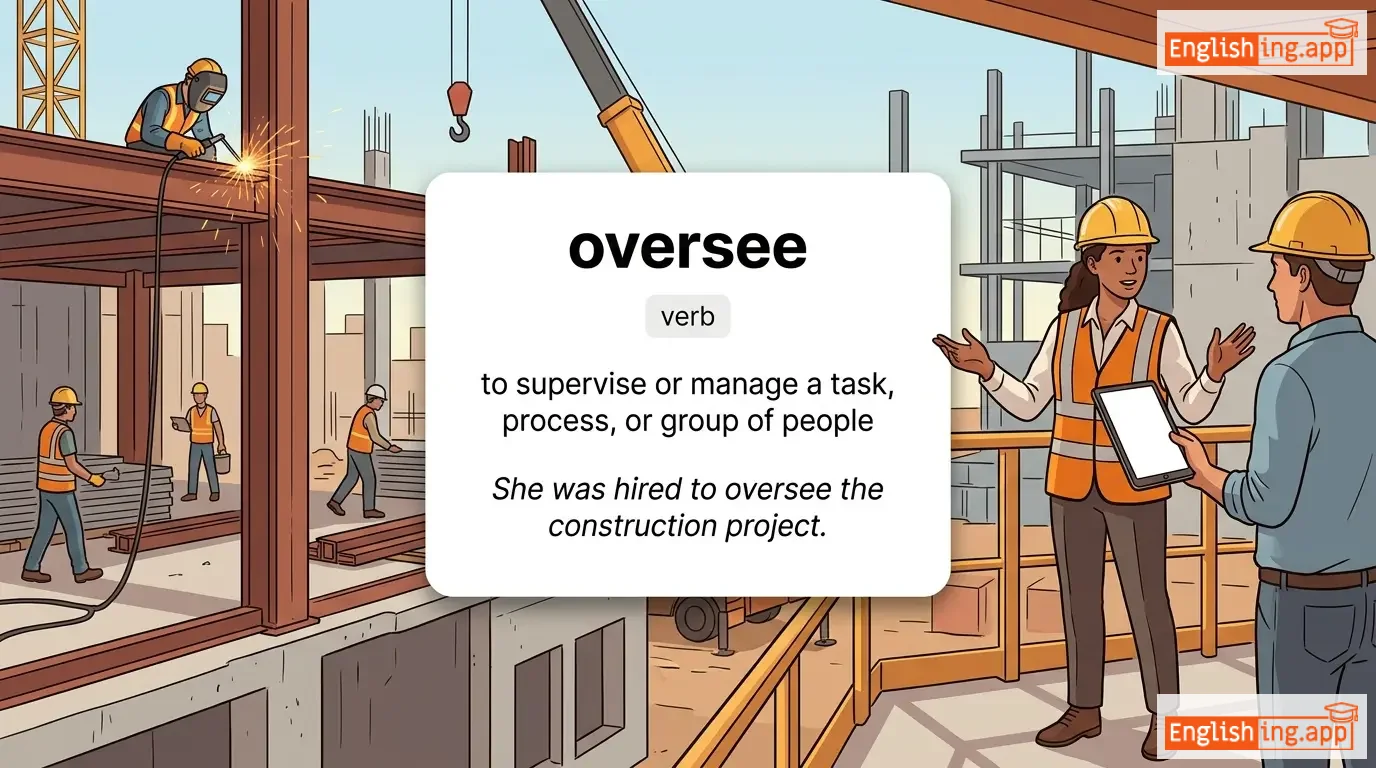
萨拉是一位医院管理员,她 oversaw 一家大型医疗中心。她的 monthly 报告显示,医院的状况 nowhere 接近理想。Nursing 员工超负荷工作,设备也已老旧。一个 notable 问题是缺乏针对 obesity 患者的适当设施。萨拉虽然 nervous,但决心进行改革。她的 outlook 很积极——她相信 nothing 是不可能的。部分董事会成员试图 neglect 问题,但萨拉不是那种会保持 neutral 的人。一个 painful 的事实是资金短缺,而且 obvious 地需要立即采取行动。她的第一步是 opening 一个新的 optical 中心,以产生收入。Neither 董事会成员也没想到它能这么快成功。一些医生持反对态度,当萨拉提出改革建议时,他们感到 offense。但她的 overall 愿景很清晰。有一次有趣的插曲是,在一次安全演习中,有人错误地触发了 nuclear 紧急警报,而不是火警。大家都很困惑,但萨拉冷静处理。一些社区成员在听说医院削减预算时表达了 outrage,但萨拉解释说那是重组,而不是关闭。她的改革逐步带来了改善,医院成为了该地区最好的。萨拉证明了良好的领导力和 neutral 的方法可以改变甚至是困难的机构。

Swipe left or right, or use the buttons. Tap image to zoom.
例句翻译
单词
The Administrator Who Saved the HospitalThe Administrator Who Saved the Hospital - 遮罩切换
|
表情符号
|
单词 | Images | 翻译 | 过去时 | 过去分词 | 第三人称单数 | 动名词 | 含义 | 例句 | 例句翻译 | 示例表达 | 示例表达含义 | 示例表达翻译 | 同义词 | 反义词 | 搭配词 | 助记符 |
|---|---|---|---|---|---|---|---|---|---|---|---|---|---|---|---|---|---|
|
#0
📅
|
/ˈmʌnθli/
adjective
(mænθli)
••••••
|
- •••••• |
每月的
měi yuè de
••••••
|
- •••••• | - •••••• | - •••••• | - •••••• |
happening, done, or published once a month
••••••
|
Employees receive their salary on a monthly basis. |
员工每月领取工资。
Yuángōng měi yuè lǐngqǔ gōngzī.
••••••
|
monthly report |
a report produced every month
••••••
|
月度报告
yuè dù bào gào
••••••
|
every month, periodic, regular, monthly-based
••••••
|
daily, weekly, yearly
••••••
|
monthly payment, monthly report, monthly meeting, monthly subscription
••••••
|
每月的意思是每个月 — 记住'月'!
••••••
|
|
#0
😔
|
/nɪˈɡlɛkt/
verb
(neglect)
••••••
|
|
忽视
hushi
••••••
|
neglected
neglected
••••••
|
neglected
neglected
••••••
|
neglects
neglects
••••••
|
neglecting
neglecting
••••••
|
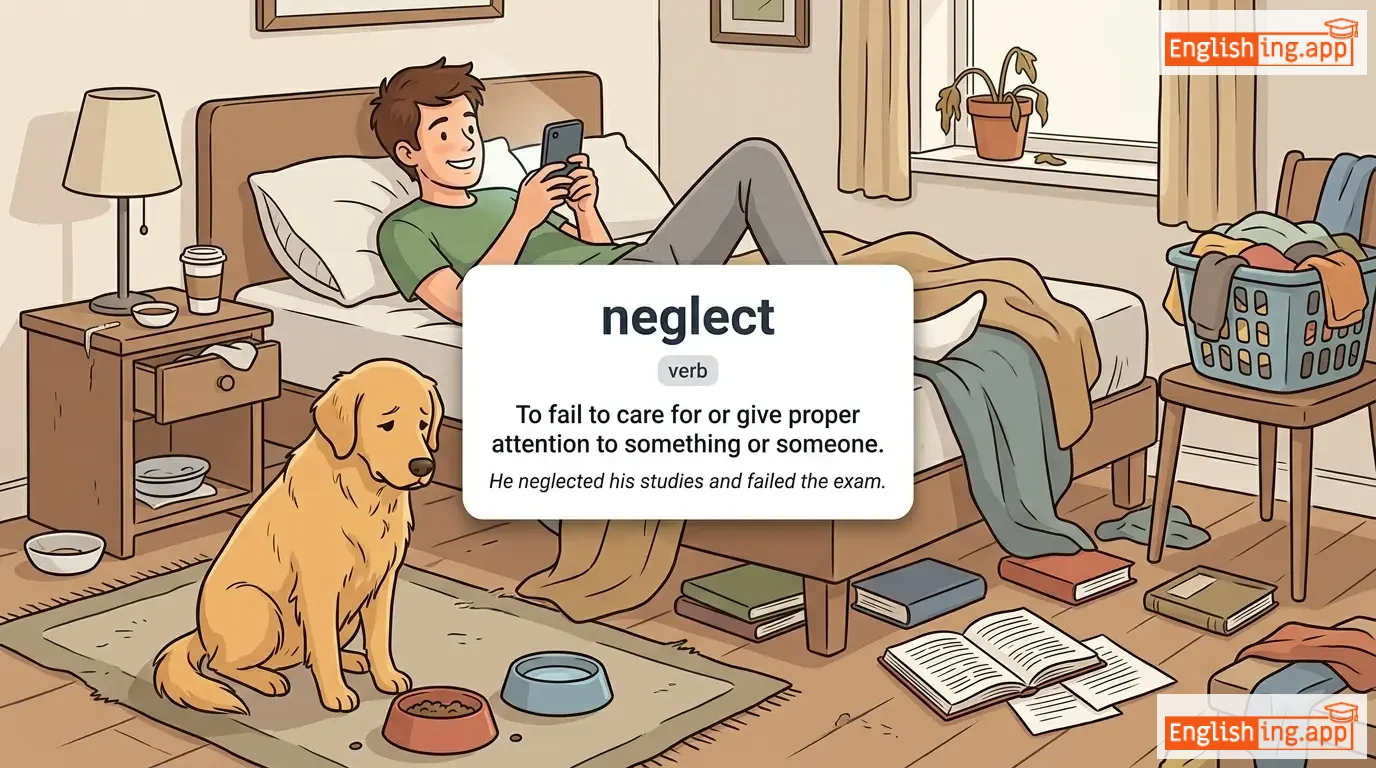
To fail to care for or give proper attention to something or someone.
••••••
|
He neglected his studies and failed the exam.
He neglected his studies and failed the exam.
••••••
|
他忽视了学业,考试不及格。
Ta hushi le xueye, kaoshi bu jige.
••••••
|
neglect of duty
neglect of duty
••••••
|
Failure to fulfill one's responsibilities.
••••••
|
忽视职责
Hushi zhize
••••••
|
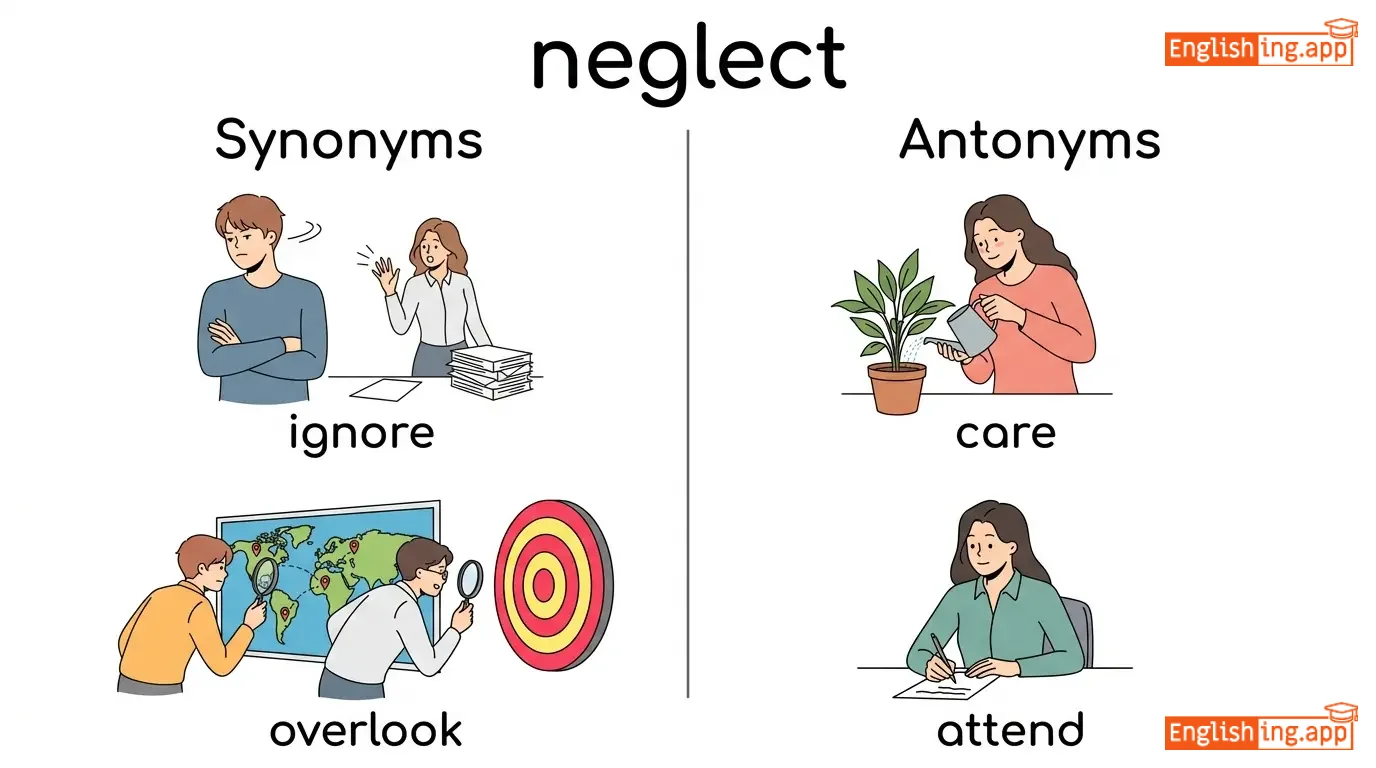
ignore, overlook, disregard, abandon, forget
••••••
|
care, attend, maintain
••••••
|
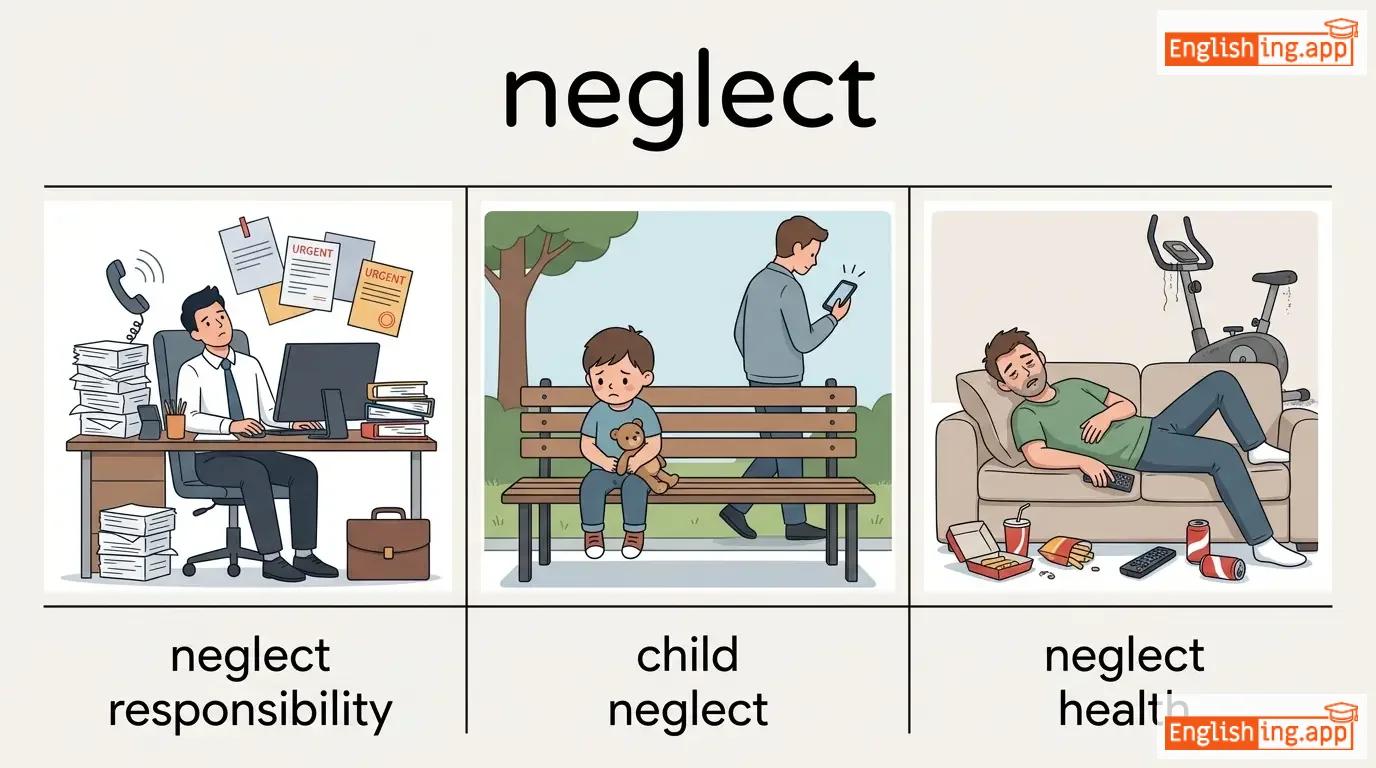
neglect responsibility, child neglect, neglect health, neglect work
••••••
|
Neglect 意味着 negative + collect → 不收集 = 忽视。
••••••
|
|
#0
🚫
|
/ˈniːðər/
conjunction
(奈泽)
••••••
|
- •••••• |
既不
ji bu
••••••
|
- •••••• | - •••••• | - •••••• | - •••••• |
used to connect two negative alternatives
••••••
|
Neither the manager nor the assistant could attend the meeting.
奈泽 the manager nor the assistant could attend the meeting。
••••••
|
经理和助理都无法参加会议。
jing li he zhu li dou wu fa can jia hui yi
••••••
|
- •••••• | - •••••• | - •••••• |
nor, not either
••••••
|
either
••••••
|
neither nor, neither of them
••••••
|
Neither = 既不…也不… in Chinese—don’t pick any!
••••••
|
|
#0
😰
|
/ˈnɜːrvəs/
adjective
(nervous)
••••••
|
- •••••• |
紧张
jin zhang
••••••
|
- •••••• | - •••••• | - •••••• | - •••••• |
anxious, worried, or fearful about something
••••••
|
She felt nervous before giving her presentation.
她在做报告前感到紧张。
••••••
|
她在做报告前感到紧张。
Tā zài zuò bào gào qián gǎn dào jǐn zhāng.
••••••
|
nervous wreck
神经质的残骸
••••••
|
a person who is very anxious, worried, or stressed
••••••
|
极度紧张的人
jí dù jǐn zhāng de rén
••••••
|
anxious, uneasy, tense, restless, jittery
••••••
|
calm, relaxed, confident
••••••
|
nervous about, nervous smile, nervous feeling, nervous breakdown
••••••
|
考试时,每个人都感到 NERVOUS (紧张)
••••••
|
|
#0
⚖️
|
/ˈnjuːtrəl/
adjective
(niutràl)
••••••
|
|
中立
zhōnglì
••••••
|
- •••••• | - •••••• | - •••••• | - •••••• |
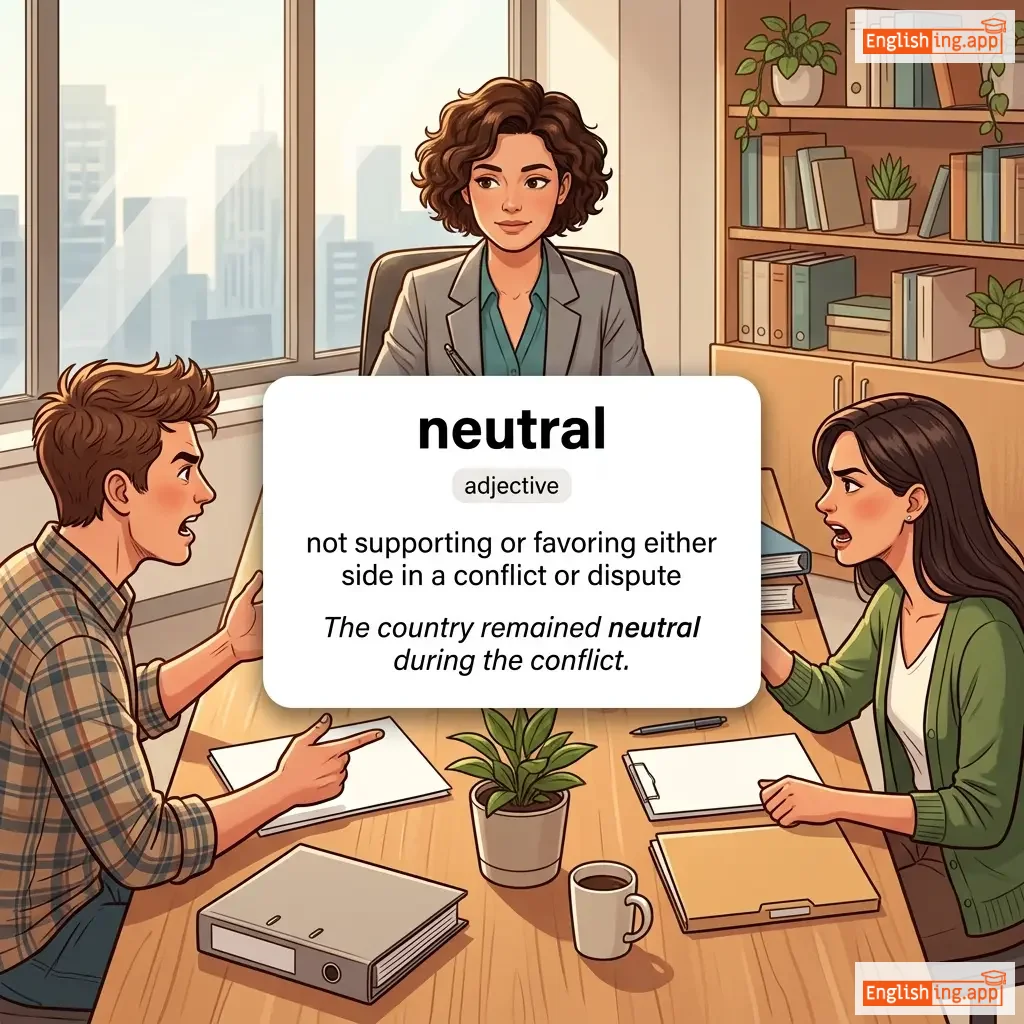
not supporting or favoring either side in a conflict or dispute
••••••
|
The country remained neutral during the conflict. |
这个国家在冲突中保持中立。
Zhège guójiā zài chōngtú zhōng bǎochí zhōnglì.
••••••
|
neutral stance |
a position of not taking sides
••••••
|
中立立场
zhōnglì lìchǎng
••••••
|
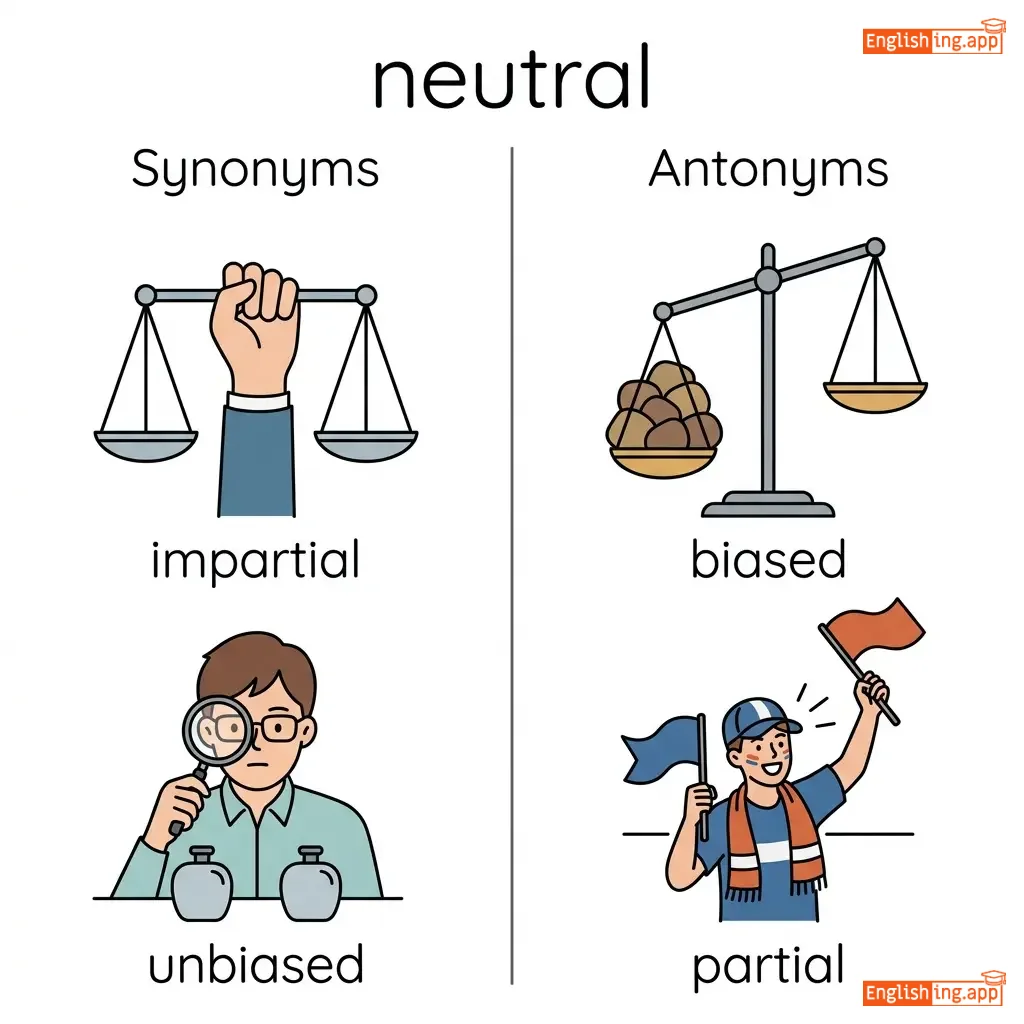
impartial, unbiased, nonpartisan, detached, indifferent
••••••
|
biased, partial, partisan
••••••
|
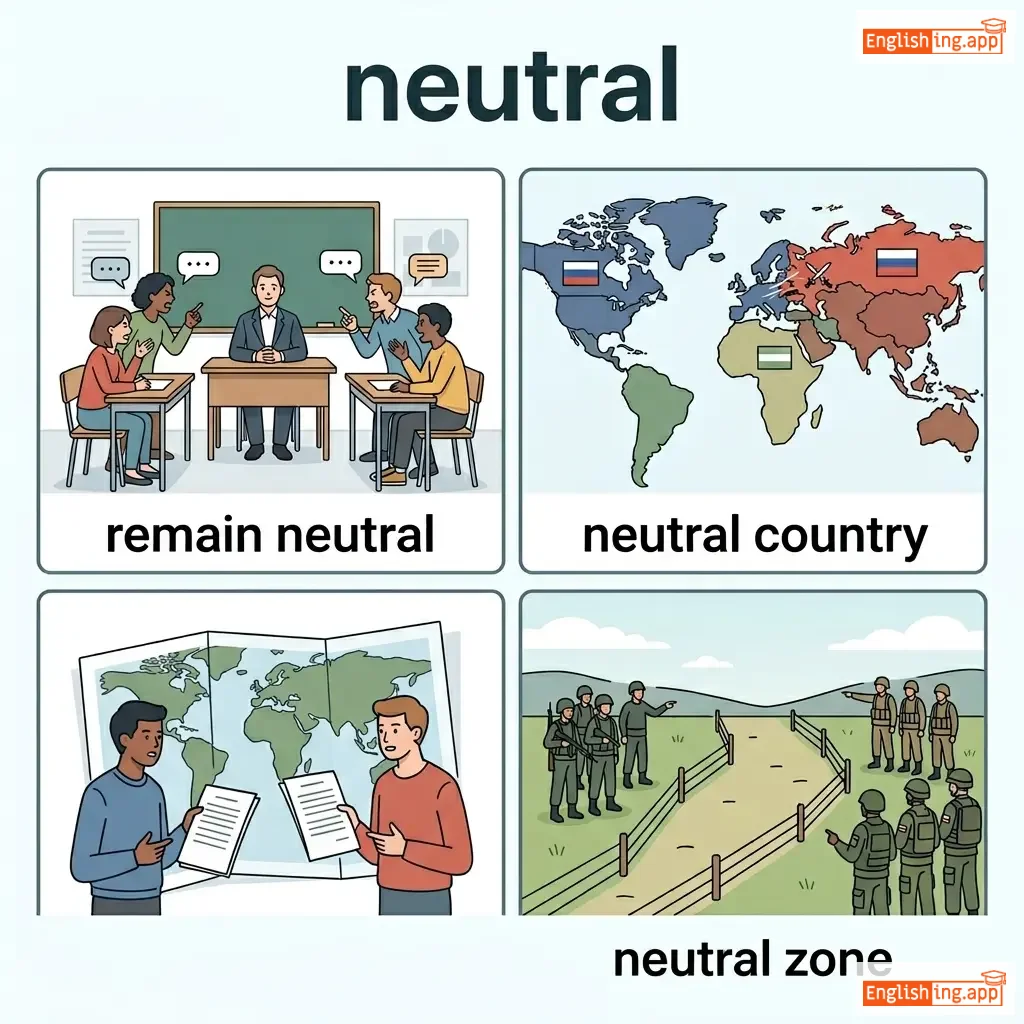
remain neutral, neutral country, neutral zone, neutral position
••••••
|
Neutral意味着 '中立' — 在争论中,没人偏袒,大家都保持中立。
••••••
|
|
#0
⭐
|
/ˈnoʊtəbl/
adjective
(nóutèbù)
••••••
|
- •••••• |
显著
xian3zhu4
••••••
|
- •••••• | - •••••• | - •••••• | - •••••• |
worthy of attention or notice; remarkable
••••••
|
She made a notable contribution to the project.
她对这个项目做出了显著的贡献。
••••••
|
她对这个项目做出了显著的贡献。
Ta dui zhe ge xiangmu zuo chu le xian3zhu4 de gongxian.
••••••
|
- •••••• | - •••••• | - •••••• |
remarkable, significant, outstanding, important, noteworthy
••••••
|
ordinary, insignificant, unremarkable
••••••
|
notable achievement, notable figure, notable difference, notable contribution
••••••
|
Notable 在中文中意味着显著,像一个显著的贡献。
••••••
|
|
#0
❌
|
/ˈnʌθɪŋ/
pronoun
(nɑθɪŋ)
••••••
|
- •••••• |
什么都没有
shénme dōu méiyǒu
••••••
|
- •••••• | - •••••• | - •••••• | - •••••• |
not anything; no thing
••••••
|
She has nothing to worry about. |
她没有什么可担心的。
Tā méiyǒu shénme kě dānxīn de.
••••••
|
- •••••• | - •••••• | - •••••• |
zero, nil, nought
••••••
|
everything
••••••
|
nothing to do, nothing at all, nothing left
••••••
|
Nothing (什么都没有) – Imagine having nothing to stress about!
••••••
|
|
#0
🚫
|
/ˈnoʊˌwɛr/
adverb
(nóuwēr)
••••••
|
- •••••• |
无处
wuchu
••••••
|
- •••••• | - •••••• | - •••••• | - •••••• |
in or to no place; not anywhere
••••••
|
The missing keys were nowhere to be found.
丢失的钥匙无处可找。
••••••
|
丢失的钥匙无处可找。
Diushi de yaoshi wuchu ke zhao.
••••••
|
going nowhere
无处可去
••••••
|
making no progress or achieving nothing
••••••
|
没有进展
meiyou jinzhan
••••••
|
not anywhere, absent, missing, lost
••••••
|
everywhere, somewhere
••••••
|
nowhere else, lead nowhere, from nowhere, go nowhere
••••••
|
这里没有, 那里也没有, 无处 (nowhere)
••••••
|
|
#0
☢️
|
/ˈnuːkliər/
adjective
(核能)
••••••
|
- •••••• |
核能
hénéng
••••••
|
- •••••• | - •••••• | - •••••• | - •••••• |
relating to the nucleus of an atom or to nuclear energy
••••••
|
The country is developing nuclear energy. |
该国正在开发核能。
Gāi guó zhèngzài kāifā hénéng.
••••••
|
- •••••• | - •••••• | - •••••• |
atomic, radioactive
••••••
|
non-nuclear
••••••
|
nuclear energy, nuclear power, nuclear weapon
••••••
|
Nuclear = New Clear! Imagine new, clear energy coming from atoms!
••••••
|
|
#0
👩⚕️
|
/ˈnɜːrsɪŋ/
noun
(护理)
••••••
|
- •••••• |
护理
huli
••••••
|
- •••••• | - •••••• | - •••••• | - •••••• |
the profession or practice of caring for the sick or injured
••••••
|
She is studying nursing to become a healthcare professional.
她在学习护理学,想成为一名医疗专业人员。
••••••
|
她在学习护理学,想成为一名医疗专业人员。
Ta zai xuexi huli xue, xiang chengwei yi ming yiliao zhuanye renyuan.
••••••
|
- •••••• | - •••••• | - •••••• |
healthcare, caregiving, medical care
••••••
|
neglect, abandonment
••••••
|
nursing home, nursing career, nursing profession
••••••
|
护理 (huli) 是照顾病人或受伤者的职业。
••••••
|
|
#0
🍔
|
/oʊˈbiːsəti/
noun
(欧比斯提)
••••••
|
|
肥胖
feipang
••••••
|
- •••••• | - •••••• | - •••••• | - •••••• |
The condition of being very overweight, especially to a degree that it is harmful to health.
••••••
|
Obesity is a growing health problem in many countries. |
肥胖是许多国家日益严重的健康问题。
Feipang shi xuduo guojia riyi yanzhong de jiankang wenti.
••••••
|
- •••••• | - •••••• | - •••••• |
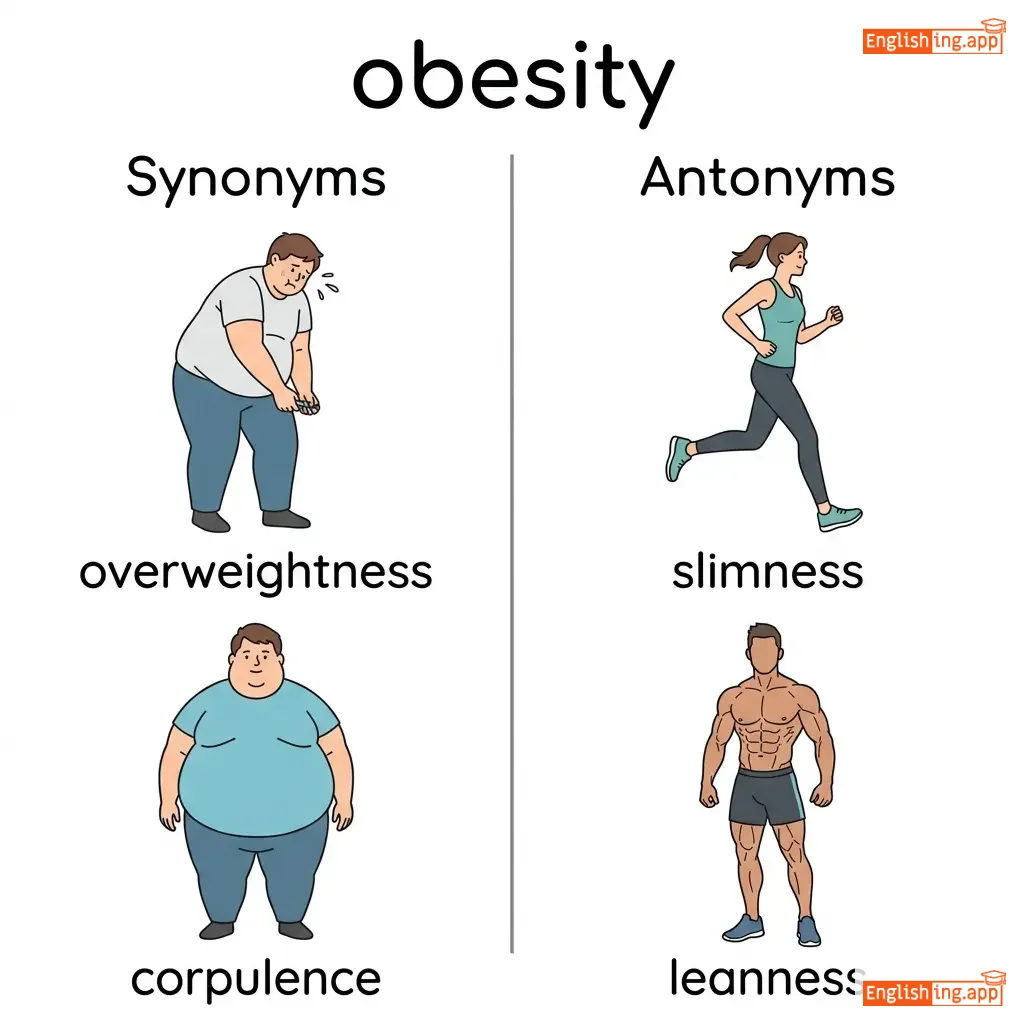
overweightness, corpulence, fatness, heaviness
••••••
|
slimness, leanness
••••••
|
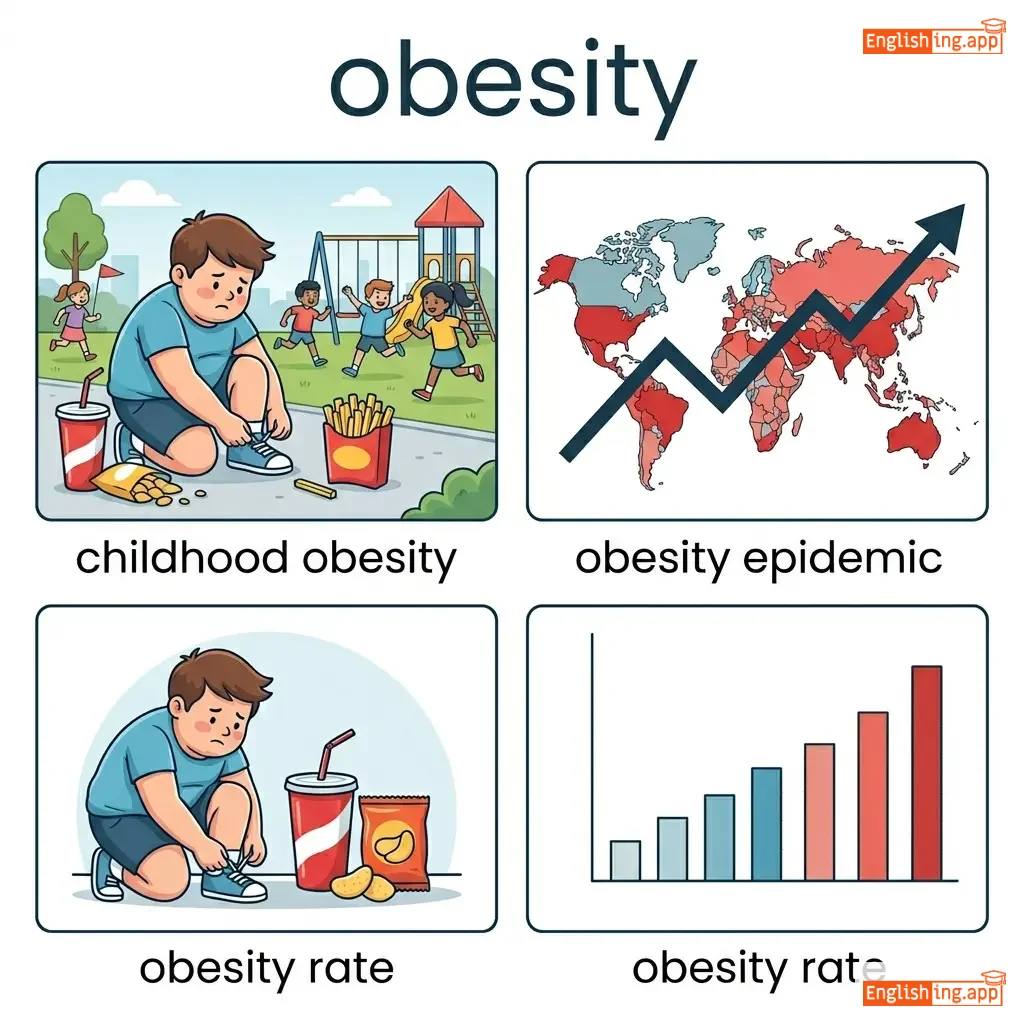
childhood obesity, obesity epidemic, obesity rate, obesity problem
••••••
|
Obesity = Obese + ity → Obese的意思是肥胖。
••••••
|
|
#0
👀
|
/ˈɒb.vi.əs/
adjective
(奥比厄斯)
••••••
|
- •••••• |
显而易见
xian er yi jian
••••••
|
- •••••• | - •••••• | - •••••• | - •••••• |
easily perceived or understood; clear and apparent
••••••
|
It was obvious that she was upset after the meeting. |
开会后很明显她感到不安。
Kai hui hou hen ming xian ta gan dao bu an.
••••••
|
the obvious choice |
something that is the most evident or suitable option
••••••
|
显而易见的选择
xian er yi jian de xuan ze
••••••
|
clear, evident, apparent, noticeable, plain
••••••
|
hidden, unclear, obscure
••••••
|
obvious reason, obvious fact, obvious mistake, obvious difference
••••••
|
显而易见 = 明显的,易于看到。
••••••
|
|
#0
⚖️
|
/əˈfɛns/
noun
(áofēnsī)
••••••
|
- •••••• |
犯罪
fànzuì
••••••
|
- •••••• | - •••••• | - •••••• | - •••••• |
an illegal act; a crime
••••••
|
The offense was committed in broad daylight.
这个犯罪是在白天犯下的。
••••••
|
这个犯罪是在白天犯下的。
Zhège fànzuì shì zài báitiān fànxià de.
••••••
|
- •••••• | - •••••• | - •••••• |
crime, wrongdoing, transgression, violation
••••••
|
defense, protection
••••••
|
criminal offense, serious offense, minor offense
••••••
|
Ofense 代表犯罪,犯罪就是不允许的行为。
••••••
|
|
#0
🔓
|
/ˈoʊpənɪŋ/
noun
(ōupénīng)
••••••
|
- •••••• |
开幕
kaimu
••••••
|
- •••••• | - •••••• | - •••••• | - •••••• |
an act or instance of beginning something
••••••
|
The opening of the new store was a huge success.
新店的开业是一个巨大的成功。
••••••
|
新店的开业是一个巨大的成功。
Xīn diàn de kāiyè shì yīgè jùdà de chénggōng.
••••••
|
- •••••• | - •••••• | - •••••• |
start, beginning, initiation, launch
••••••
|
closing, ending
••••••
|
grand opening, store opening, job opening, opening ceremony
••••••
|
当新的事情开始时,它就是开幕。 - When something new starts, it's an opening.
••••••
|
|
#0
👁️
|
/ˈɒptɪkəl/
adjective
(光学)
••••••
|
- •••••• |
光学的
guāngxué de
••••••
|
- •••••• | - •••••• | - •••••• | - •••••• |
related to or used in seeing or sight
••••••
|
The optical illusion fooled everyone at the exhibition. |
光学幻觉在展览会上迷惑了所有人。
Guāngxué huànjué zài zhǎnlǎn huì shàng míhuòle suǒyǒu rén.
••••••
|
- •••••• | - •••••• | - •••••• |
visual, sight, eye-related, optical
••••••
|
non-visual, invisible
••••••
|
optical illusion, optical lens, optical device
••••••
|
光学的意思是与视觉相关的,比如光学眼镜。
••••••
|
|
#0
🔭
|
/ˈaʊtlʊk/
noun
(aotuluke)
••••••
|
- •••••• |
前景, 预测
qianjing, yuce
••••••
|
- •••••• | - •••••• | - •••••• | - •••••• |
a person's general attitude or view; a forecast or prospect
••••••
|
The economic outlook for the year is positive. |
今年的经济前景是积极的。
Jinen de jingji qianjing shi jiji de.
••••••
|
bright outlook |
a positive or hopeful perspective about the future
••••••
|
光明的前景
guangming de qianjing
••••••
|
perspective, view, forecast, attitude, expectation
••••••
|
pessimism, despair
••••••
|
positive outlook, global outlook, financial outlook, outlook on life
••••••
|
Outlook意味着向未来展望,一个积极的前景。
••••••
|
|
#0
😡
|
/ˈaʊtreɪdʒ/
noun/verb
(奥特雷奇)
••••••
|
- •••••• |
愤怒
fennu
••••••
|
outraged
奥特雷奇德
••••••
|
outraged
奥特雷奇德
••••••
|
outrages
奥特雷奇斯
••••••
|
outraging
奥特雷奇因
••••••
|
A strong feeling of anger and shock; to arouse anger or shock.
••••••
|
The unfair decision caused public outrage.
不公正的决定引起了公众的愤怒。
••••••
|
不公正的决定引起了公众的愤怒。
Bugongzheng de jueding yinqile gongzhong de fennu.
••••••
|
cry of outrage
愤怒的呼声
••••••
|
A loud protest or complaint expressing anger or shock.
••••••
|
愤怒的呼声
Fennu de hushan
••••••
|
indignation, fury, resentment, anger, shock
••••••
|
calm, contentment, satisfaction
••••••
|
public outrage, express outrage, cause outrage, cry of outrage
••••••
|
愤怒的感觉让人疯狂 — Outrage.
••••••
|
|
#0
🌍
|
/ˈoʊvərɔːl/
adjective, adverb
(ōu wéi ruò ěr)
••••••
|
- •••••• |
总体上
zǒngtǐ shàng
••••••
|
- •••••• | - •••••• | - •••••• | - •••••• |
in general or as a whole
••••••
|
Overall, the project has been successful. |
总体上,项目已成功。
Zǒngtǐ shàng, xiàngmù yǐ chénggōng.
••••••
|
- •••••• | - •••••• | - •••••• |
generally, broadly, in total
••••••
|
specifically, individually
••••••
|
overall view, overall performance, overall result
••••••
|
Overall代表总体上 - 完美成功
••••••
|
|
#0
👁️
|
/ˌoʊvərˈsiː/
verb
(òu wèi ér sī)
••••••
|
|
监督
jiāndū
••••••
|
oversaw
oversaw
••••••
|
overseen
overseen
••••••
|
oversees
oversees
••••••
|
overseeing
overseeing
••••••
|
to supervise or watch over something; to manage and direct
••••••
|
The manager will oversee the entire construction project.
经理将监督整个建筑项目。
••••••
|
经理将监督整个建筑项目。
Jīnglǐ jiāng jiāndū zhěnggè jiànzhù xiàngmù.
••••••
|
- •••••• | - •••••• | - •••••• |
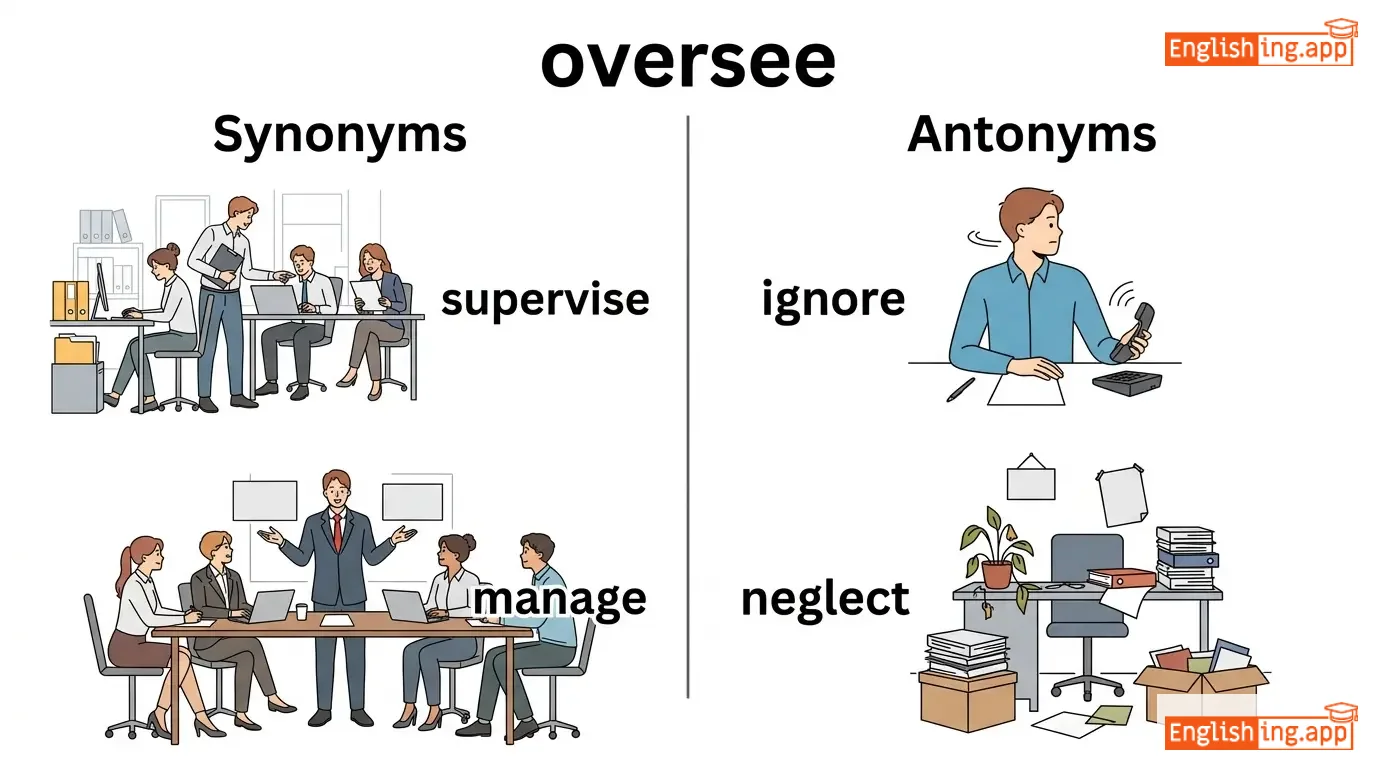
supervise, monitor, manage, direct
••••••
|
neglect, ignore, abandon, overlook
••••••
|
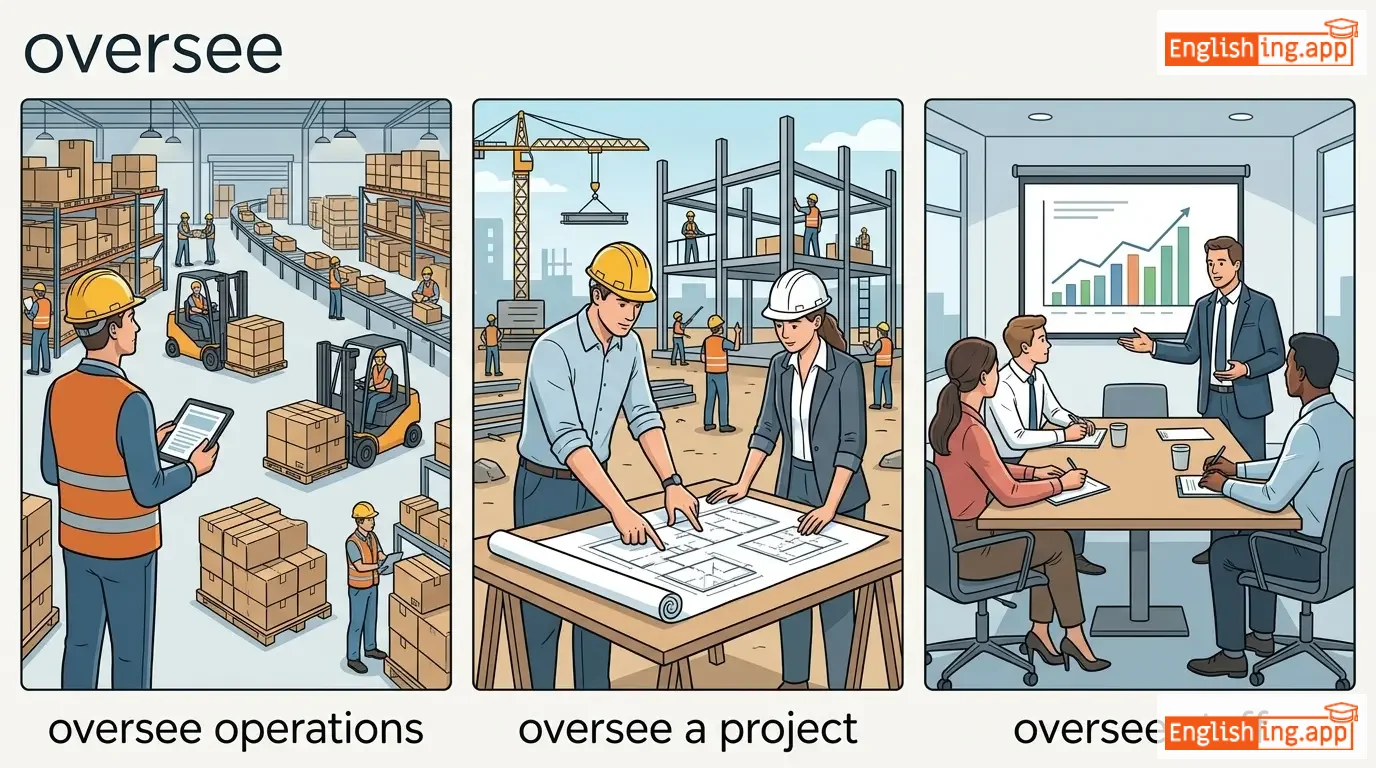
oversee operations, oversee projects, oversee carefully, directly oversee, oversee the work
••••••
|
Chinese word '监督' (jiāndū) relates to supervising or overseeing, similar to the English meaning.
••••••
|
|
#0
😖
|
/ˈpeɪn.fəl/
adjective
(佩恩福尔)
••••••
|
- •••••• |
疼痛的
téngtòng de
••••••
|
- •••••• | - •••••• | - •••••• | - •••••• |
causing physical or emotional pain
••••••
|
The injury was very painful, and he needed immediate care. |
受伤非常疼痛,他需要立刻接受治疗。
Shòushāng fēicháng téngtòng, tā xūyào lìkè jiēshòu zhìliáo.
••••••
|
- •••••• | - •••••• | - •••••• |
aching, sore, excruciating, distressing
••••••
|
comfortable, painless, soothing
••••••
|
painful experience, painful injury, painful memories
••••••
|
Painful - 佩恩福尔, 想象疼痛填满你,像海浪一样强烈。
••••••
|
Vocabulary Quiz
Test your vocabulary by matching words with their translations or meanings.
Login to take the quiz
Comments (0)
Share your thoughts and join the discussion.
Join the discussion by logging in
Login to CommentNo comments yet
Be the first to share your thoughts!