

沉默多数的声音
The Voice of the Silent Majority
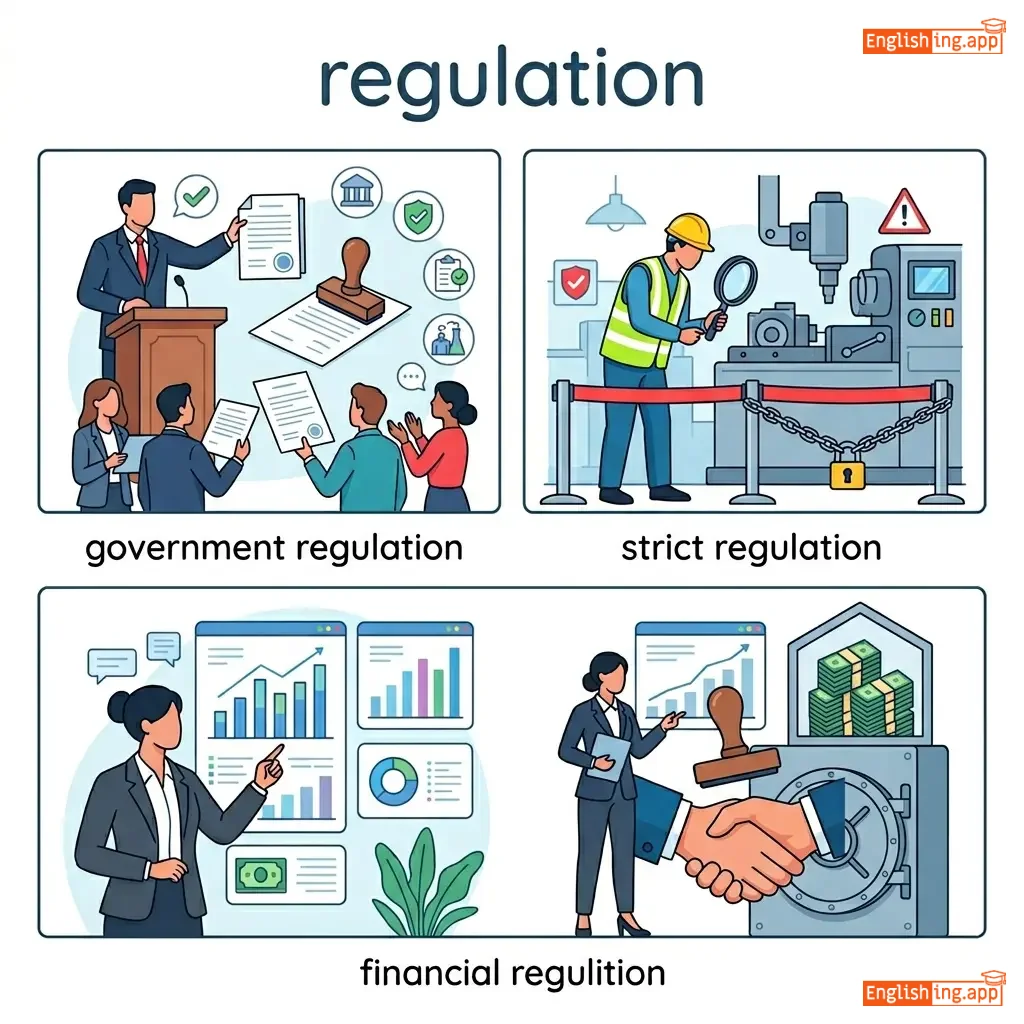
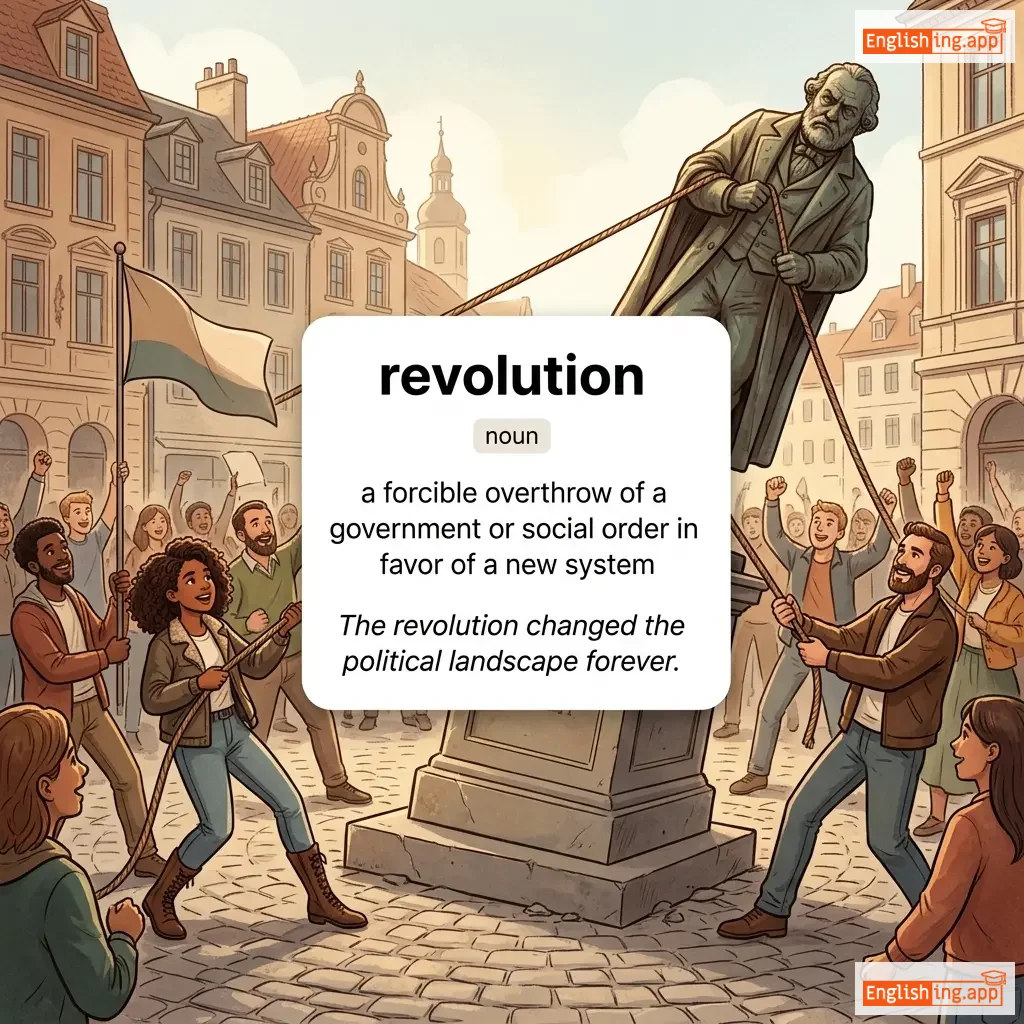
Karim 是一位 influential spokesman,为 democracy 和 universal 权利而战。在他的国家,存在 widespread inequality 和 discrimination,这些完全违背了 constitutional 权利。Government 的 conservative politician 只推行自己的 regulation,而不听人民的声音。一天,Karim 前往 congressional 听证会作证,在那里他反对 injustice。他说:“我们需要改革我们的 electoral 系统。”他说:“这些 legislation 只保护富人,而不是普通人。”听到他的话,许多 protester 上街,要求从这个压迫性的系统中获得 liberation。有些人称之为 rebellion,但 Karim 知道这实际上是一次和平的 revolution。政府开始时抵制,但由于公众压力,他们最终不得不通过新的 legislation。Karim 的勇敢行动为他的国家开创了一个新时代,在这个时代里,democracy 和 universal 权利得到了每个人的保护。
Swipe left or right, or use the buttons. Tap image to zoom.
例句翻译
单词
The Voice of the Silent MajorityThe Voice of the Silent Majority - 遮罩切换
|
表情符号
|
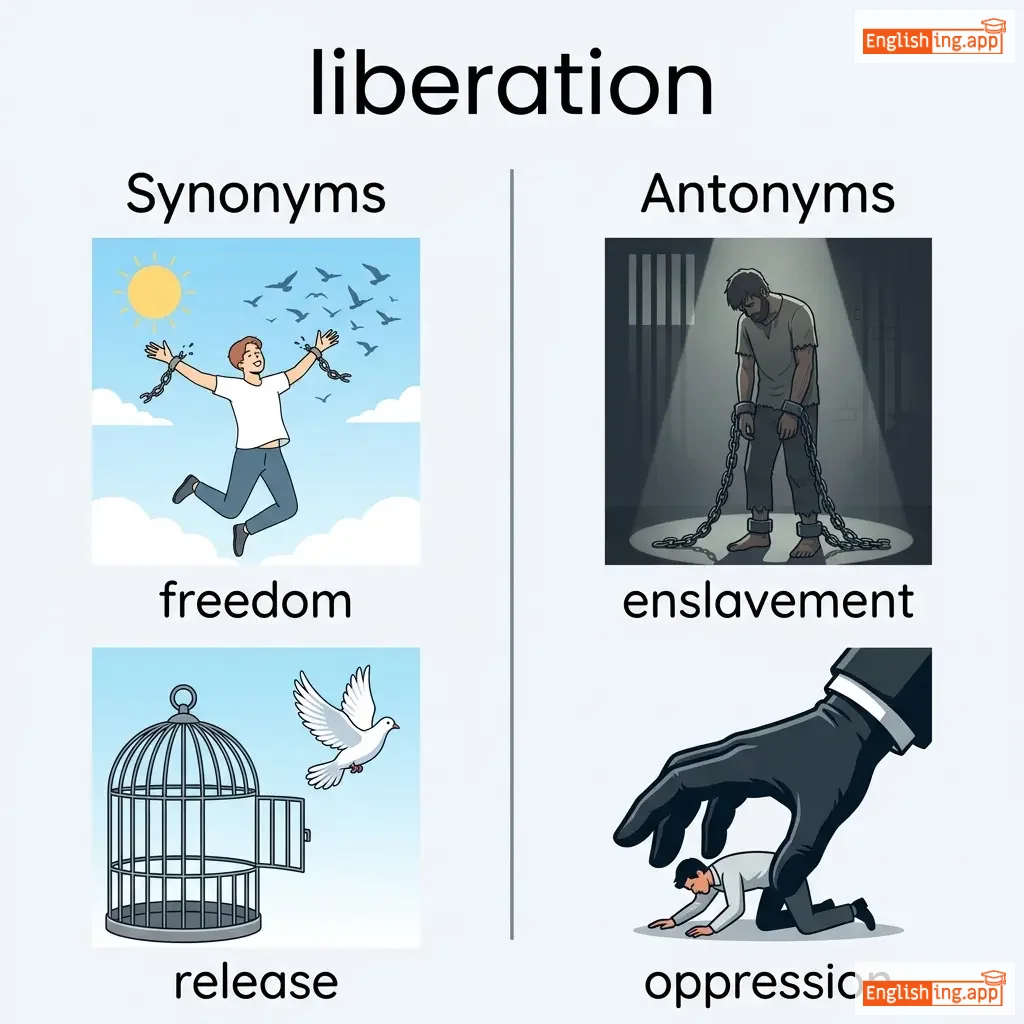
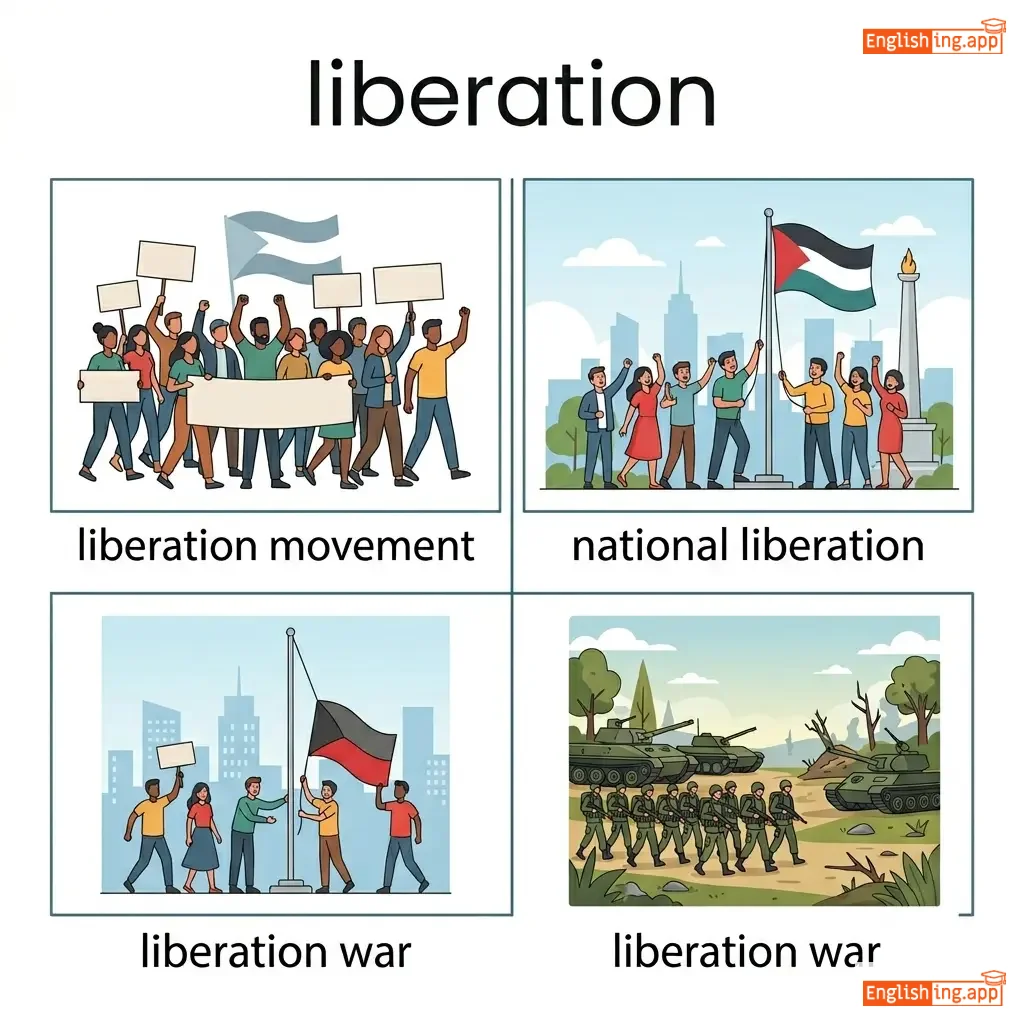
单词 | Images | 翻译 | 含义 | 例句 | 例句翻译 | 示例表达 | 示例表达含义 | 示例表达翻译 | 同义词 | 反义词 | 搭配词 | 助记符 |
|---|---|---|---|---|---|---|---|---|---|---|---|---|---|
|
#0
📜
|
/kənˈɡrɛʃənl/
adjective
(kənˈɡrɛʃənl)
••••••
|
- •••••• |
国会的
guóhuì de
••••••
|
relating to a congress, especially the US Congress
••••••
|
The bill received strong congressional support. |
该法案获得了强烈的国会支持。
Gāi fǎ'àn huòdéle qiángliè de guóhuì zhīchí.
••••••
|
- •••••• | - •••••• | - •••••• |
legislative, parliamentary, governmental, political
••••••
|
individual, unofficial
••••••
|
congressional hearing, congressional approval, congressional committee, congressional election
••••••
|
Congressional 代表与国会有关。
••••••
|
|
#0
🛡️
|
/kənˈsɜːvətɪv/
adjective
(kənˈsɜːvətɪv)
••••••
|
- •••••• |
保守的
baoshou de
••••••
|
Favoring traditional views and values; resistant to change.
••••••
|
He has conservative views on family and society. |
他对家庭和社会持有保守的看法。
Tā duì jiātíng hé shèhuì chí yǒu bǎoshǒu de kànfǎ.
••••••
|
conservative estimate |
An estimate deliberately kept lower or more cautious.
••••••
|
保守估计
bǎoshǒu gūjì
••••••
|
traditional, cautious, orthodox, conventional
••••••
|
progressive, liberal, radical
••••••
|
conservative values, conservative politics, conservative approach, conservative estimate
••••••
|
Conserve + active = 积极保存意味着保守的观点。
••••••
|
|
#0
⚖️
|
/ˌkɒnstɪˈtjuːʃənəl/
adjective
••••••
|
|
- •••••• |
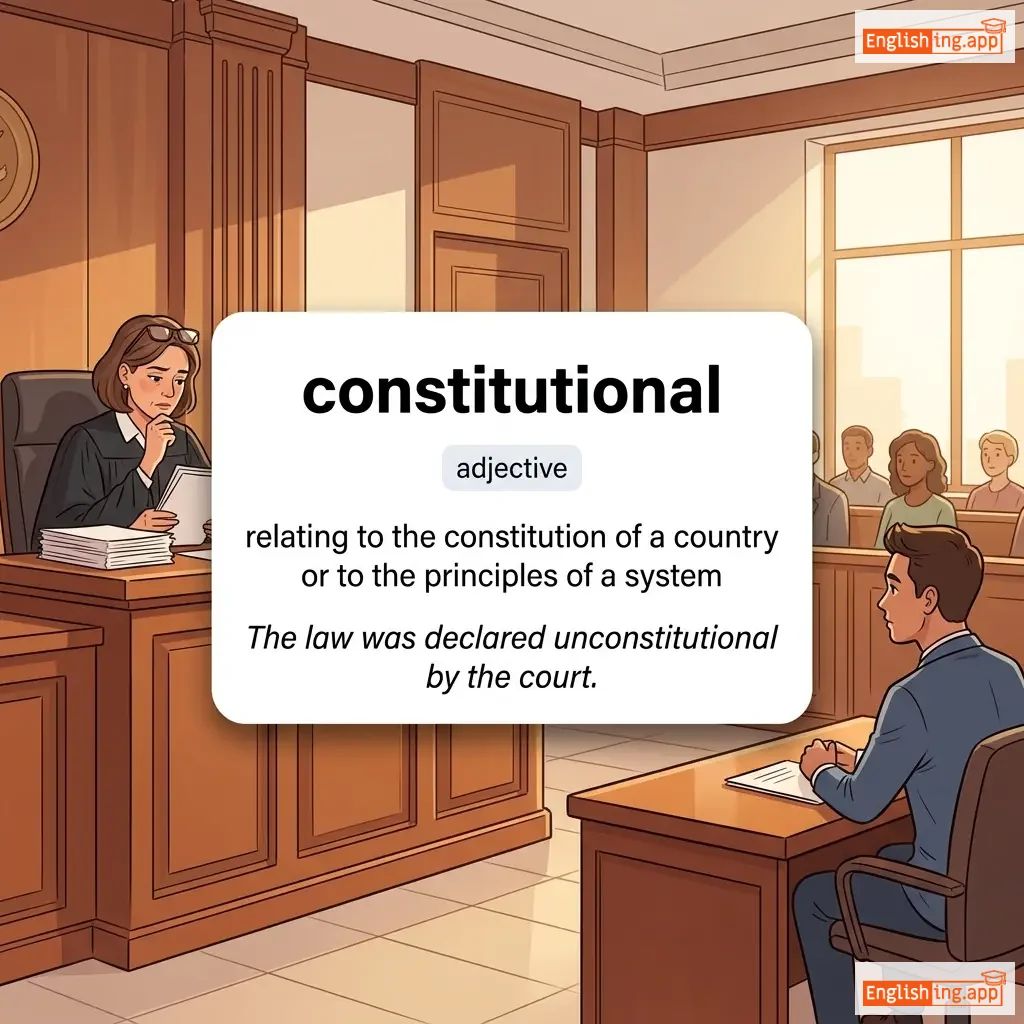
relating to the constitution of a country or to the principles of a system
••••••
|
The law was declared unconstitutional by the court. |
- •••••• |
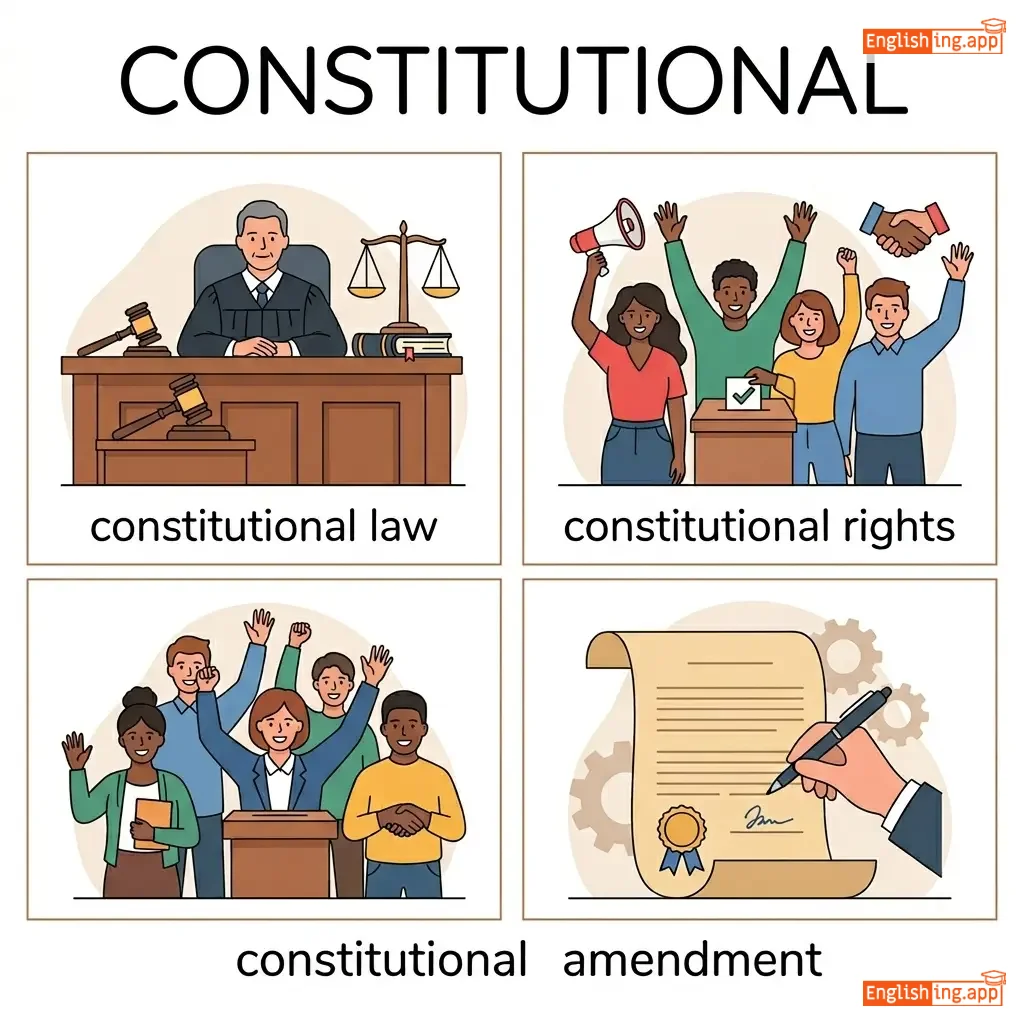
constitutional rights |
basic legal rights guaranteed by a constitution
••••••
|
- •••••• |
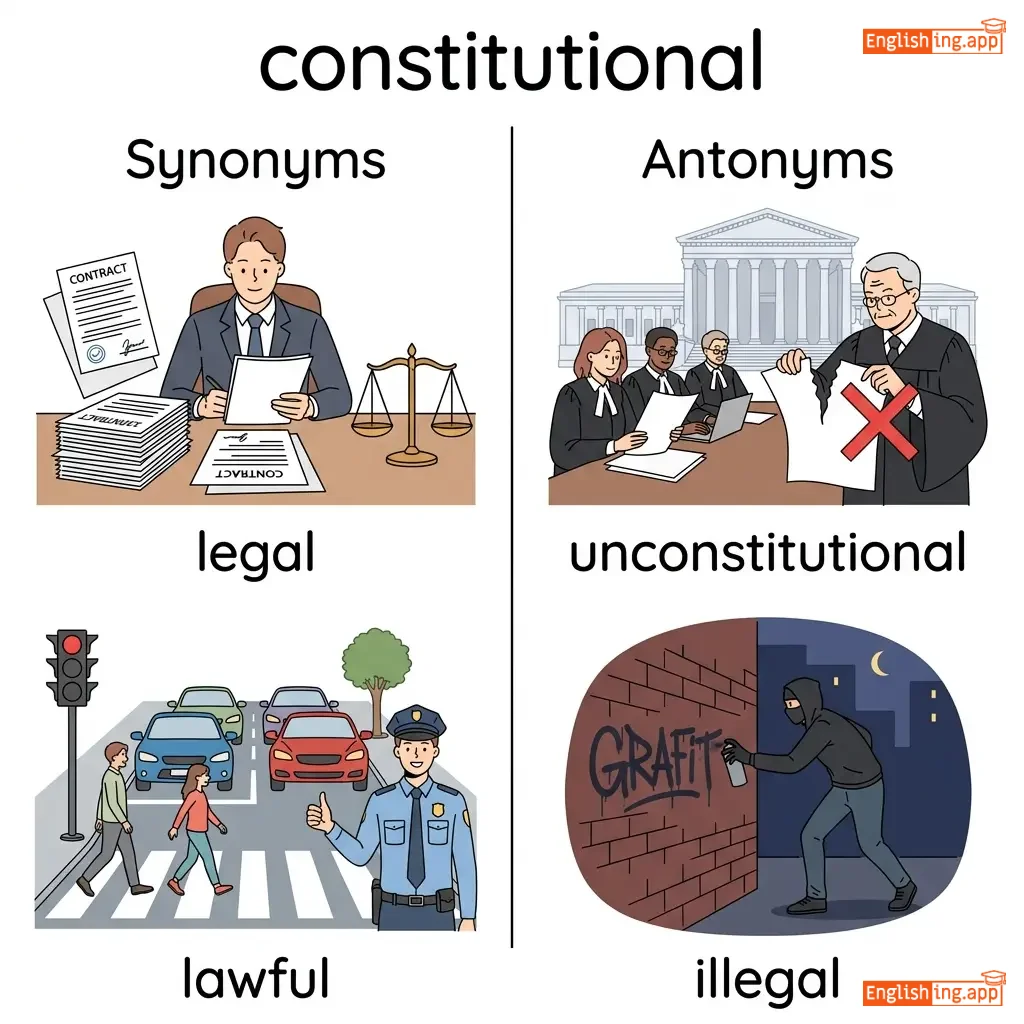
legal, lawful, legitimate, chartered
••••••
|
unconstitutional, illegal, unlawful
••••••
|
constitutional law, constitutional rights, constitutional amendment, constitutional crisis
••••••
|
No •••••• |
|
#0
🗳️
|
/dɪˈmɑːkrəsi/
noun
(民主)
••••••
|
|
民主
minzhu
••••••
|
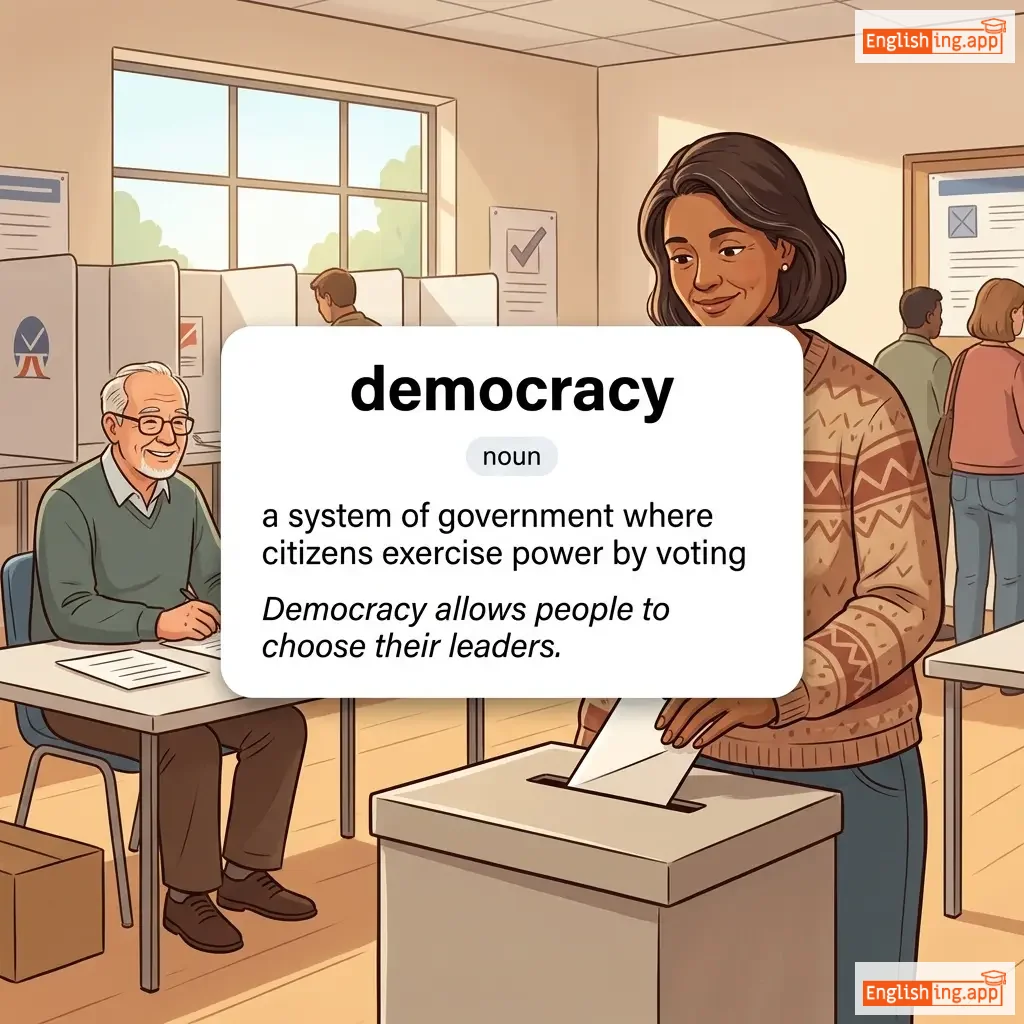
a system of government where citizens exercise power by voting
••••••
|
Democracy allows people to choose their leaders. |
民主允许人民选择他们的领导人。
mínzhǔ yǔnxǔ rénmín xuǎnzé tāmen de lǐngdǎo rén.
••••••
|
true democracy |
a genuine practice of democratic values
••••••
|
真正的民主
zhēnzhèng de mínzhǔ
••••••
|
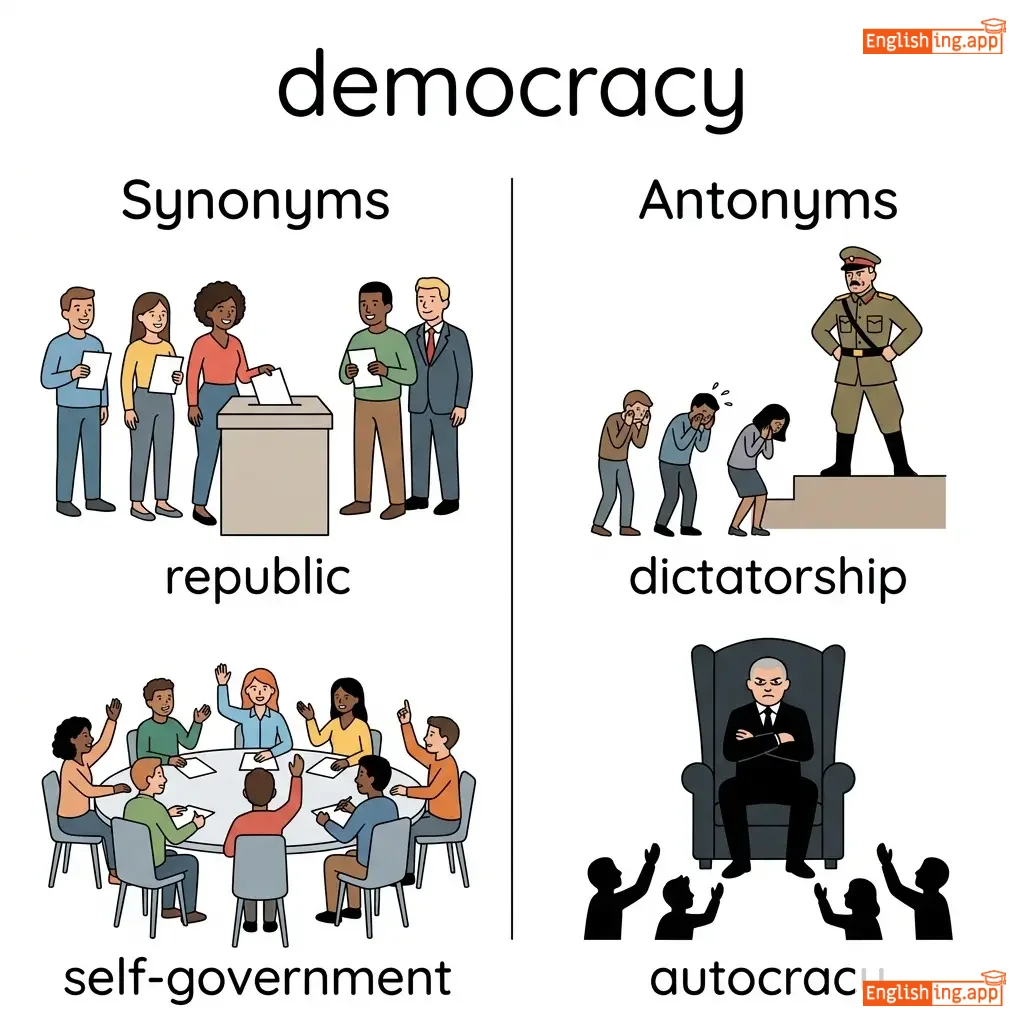
republic, self-government, representative government, popular government
••••••
|
dictatorship, autocracy, monarchy
••••••
|
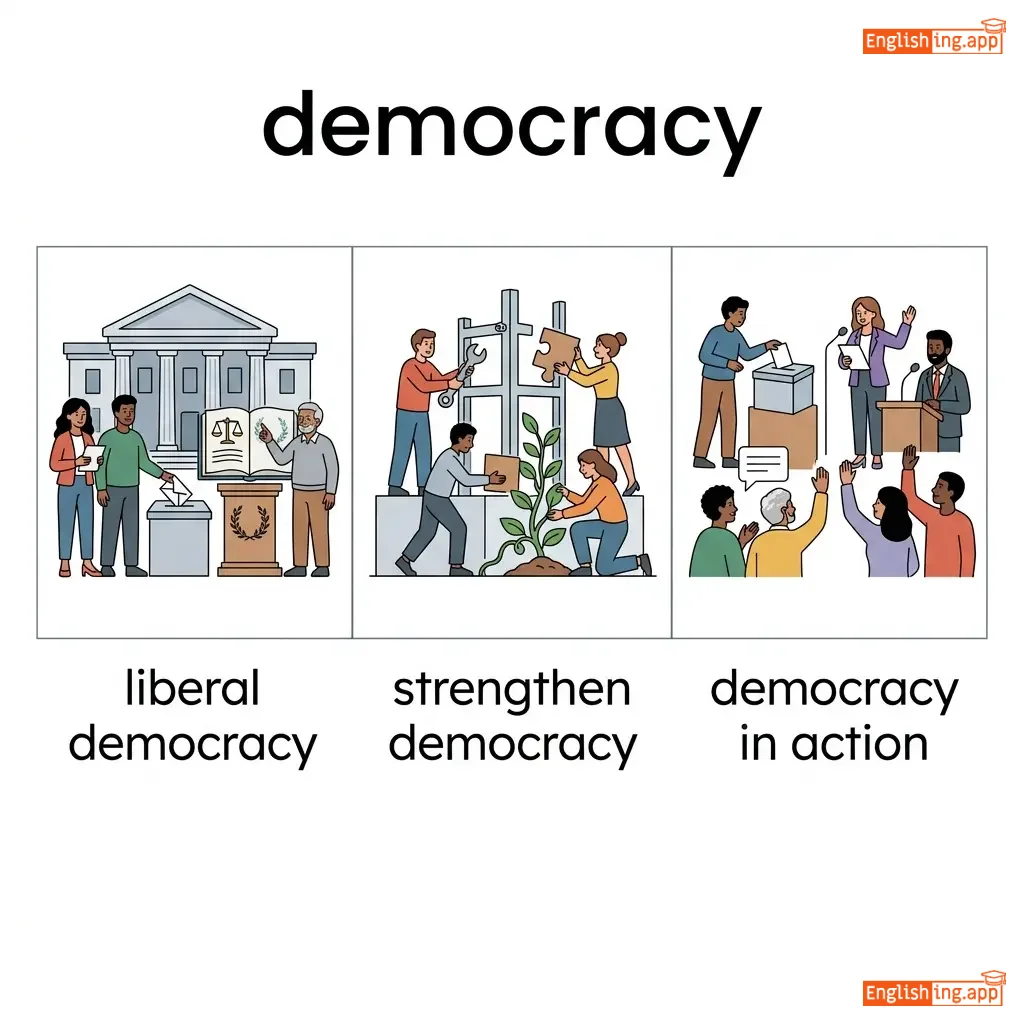
liberal democracy, strengthen democracy, democracy in action, democracy movement
••••••
|
Demo 意味着人民,cracy 意味着统治 - 民主 = 人民的统治
••••••
|
|
#0
⚖️
|
/dɪˌskrɪmɪˈneɪʃən/
noun
(歧视)
••••••
|
- •••••• |
歧视
qishi
••••••
|
Unfair treatment of people based on race, gender, age, or other differences.
••••••
|
The law prohibits discrimination in the workplace. |
法律禁止在工作场所歧视。
Fǎlǜ jìnzhǐ zài gōngzuò chǎngsuǒ qíshì.
••••••
|
racial discrimination |
unfair treatment based on race
••••••
|
种族歧视
zhǒngzú qíshì
••••••
|
prejudice, bias, unfairness, inequality
••••••
|
equality, fairness, justice
••••••
|
racial discrimination, gender discrimination, fight discrimination, workplace discrimination
••••••
|
歧视 = dis + 犯罪,所以歧视是犯罪。
••••••
|
|
#0
🗳️
|
/ɪˈlɛktərəl/
adjective
(选举的)
••••••
|
- •••••• |
选举的
xuǎnjǔ de
••••••
|
related to elections or voting
••••••
|
The electoral process in the country has been reformed in recent years. |
该国的选举程序在近年来进行了改革。
Gāi guó de xuǎnjǔ chéngxù zài jìnnián lái jìnxíngle gǎigé.
••••••
|
- •••••• | - •••••• | - •••••• |
voting, electoral system, election-related
••••••
|
non-electoral, non-voting
••••••
|
electoral process, electoral system, electoral reform
••••••
|
Electoral relates to voting—think of ballots and voting booths!
••••••
|
|
#0
🏛️
|
/ˈɡʌvərnmənt/
noun
(guózhì)
••••••
|
|
政府
zhèngfǔ
••••••
|
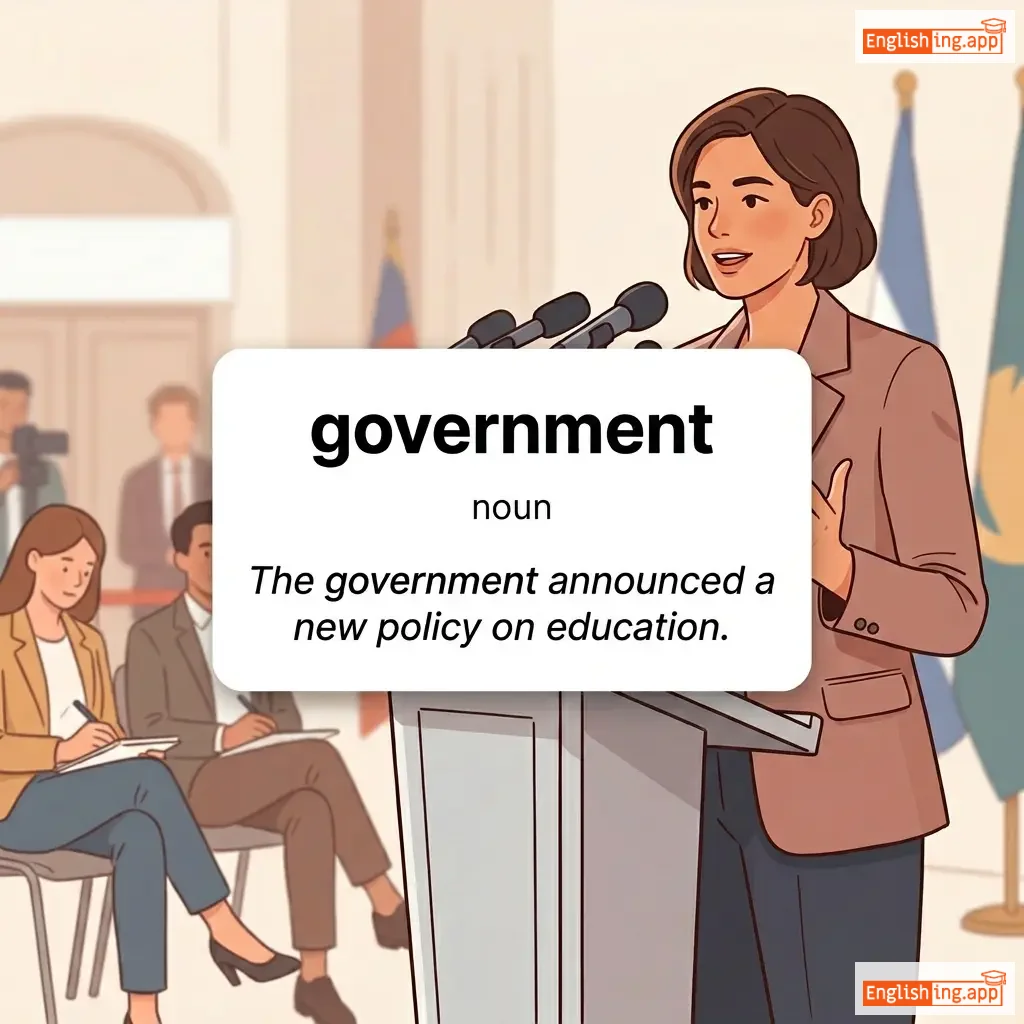
The governing body of a nation, state, or community responsible for making and enforcing laws.
••••••
|
The government announced a new policy on education. |
政府宣布了一项新的教育政策。
zhèngfǔ xuānbùle yī xiàng xīn de jiàoyù zhèngcè.
••••••
|
big government |
A political concept referring to a government that is large and heavily involved in society.
••••••
|
大政府
dà zhèngfǔ
••••••
|
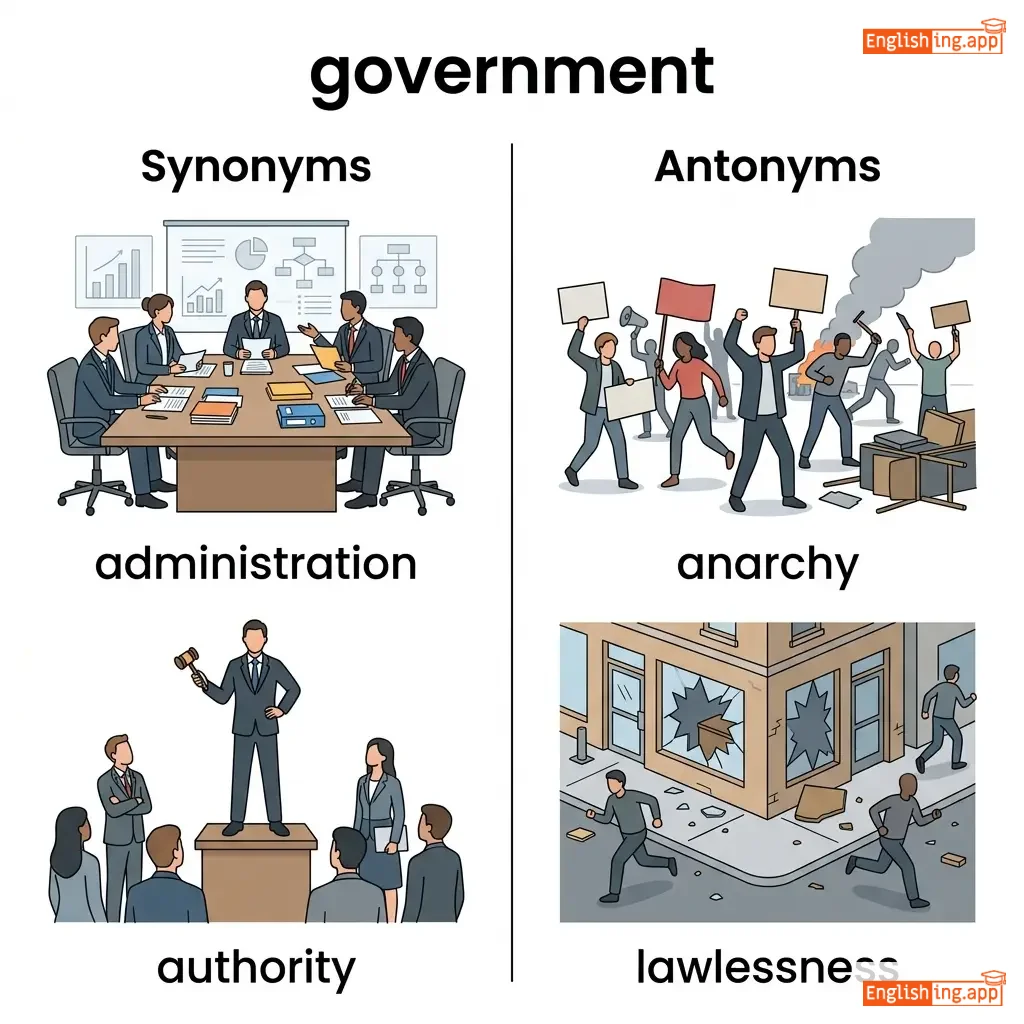
administration, authority, regime, state, leadership
••••••
|
anarchy, lawlessness
••••••
|
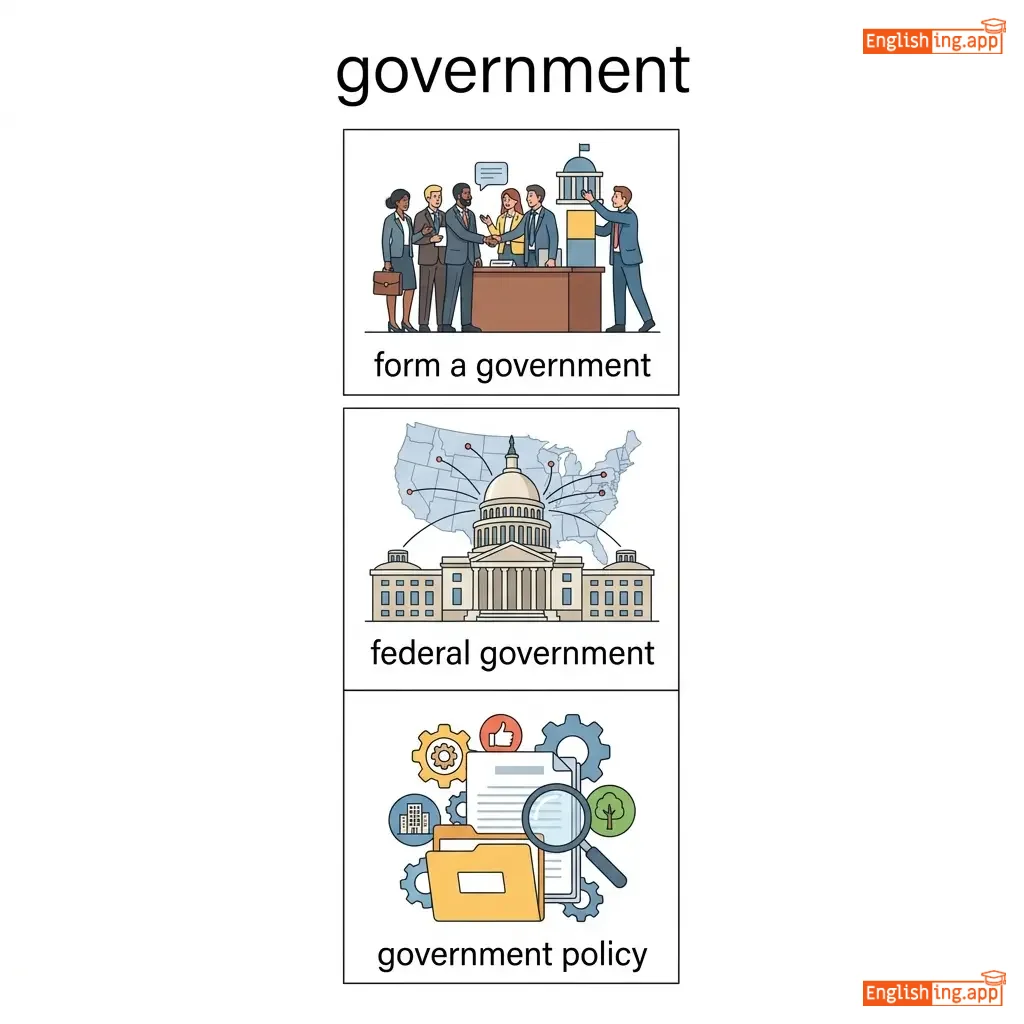
form a government, federal government, government policy, government official
••••••
|
政府是负责治理国家、执行法令的机构。
••••••
|
|
#0
⚖️
|
/ˌɪnɪˈkwɒləti/
noun
(不平等)
••••••
|
|
不平等
bupingdeng
••••••
|
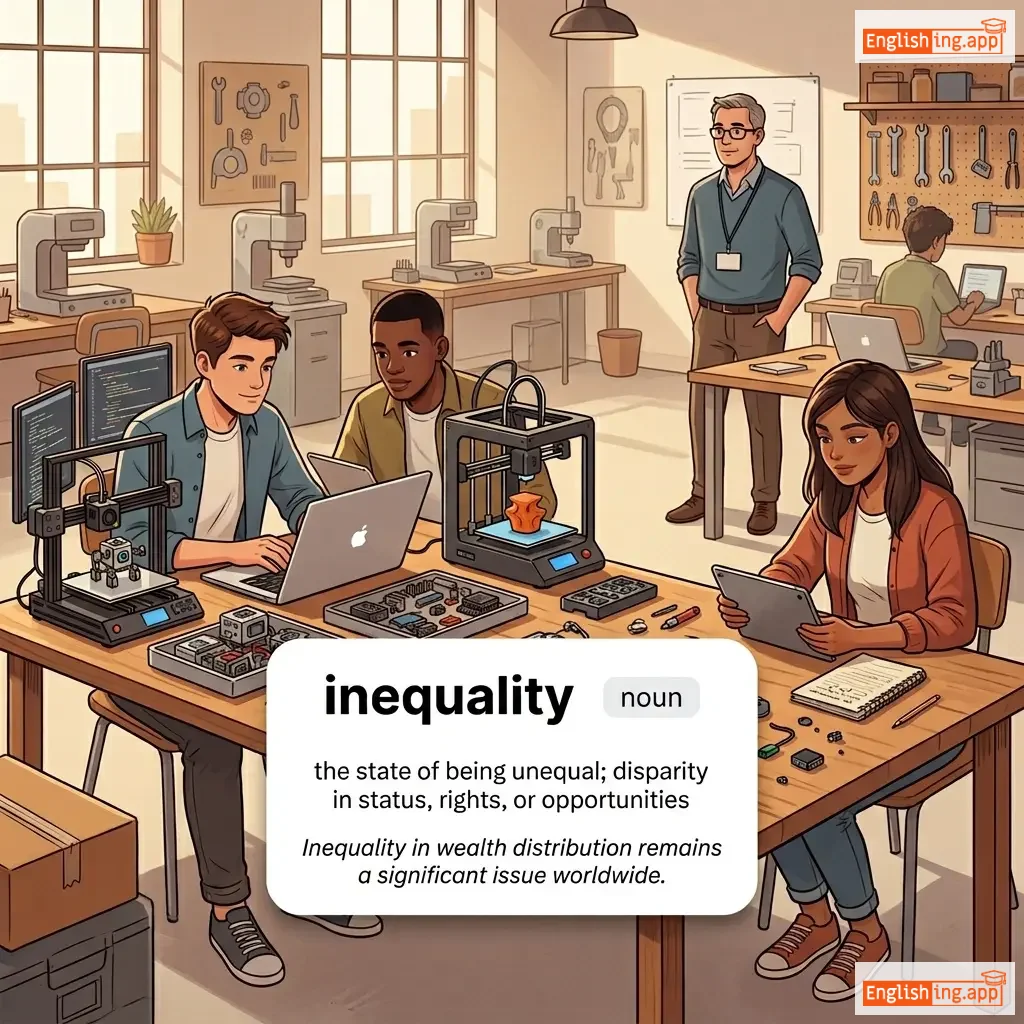
the state of being unequal; disparity in status, rights, or opportunities
••••••
|
Inequality in wealth distribution remains a significant issue worldwide. |
财富分配中的不平等依然是一个全球性的重大问题。
Caiwu fenpei zhong de bupingdeng yiran shi yige quanqiuxing de zhongda wenti.
••••••
|
- •••••• | - •••••• | - •••••• |
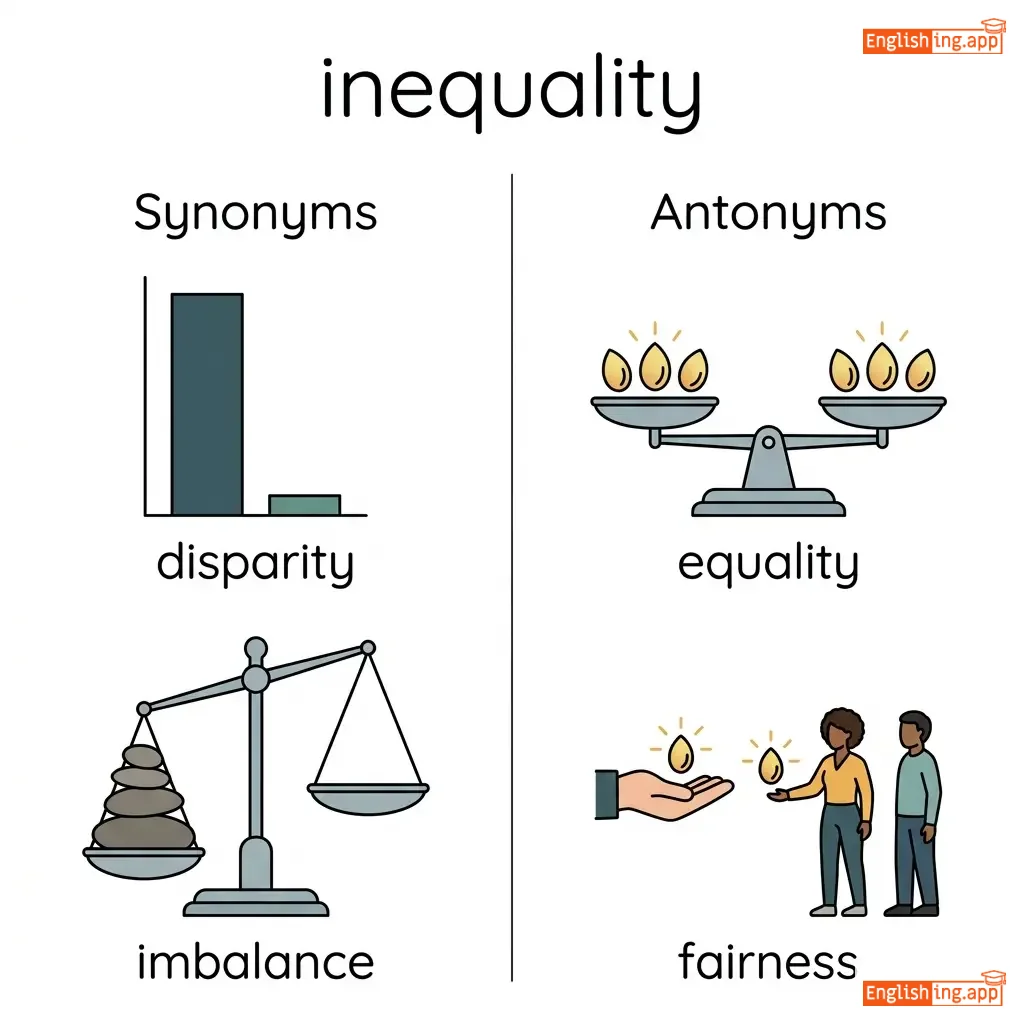
disparity, imbalance, discrimination, inequity
••••••
|
equality, fairness
••••••
|
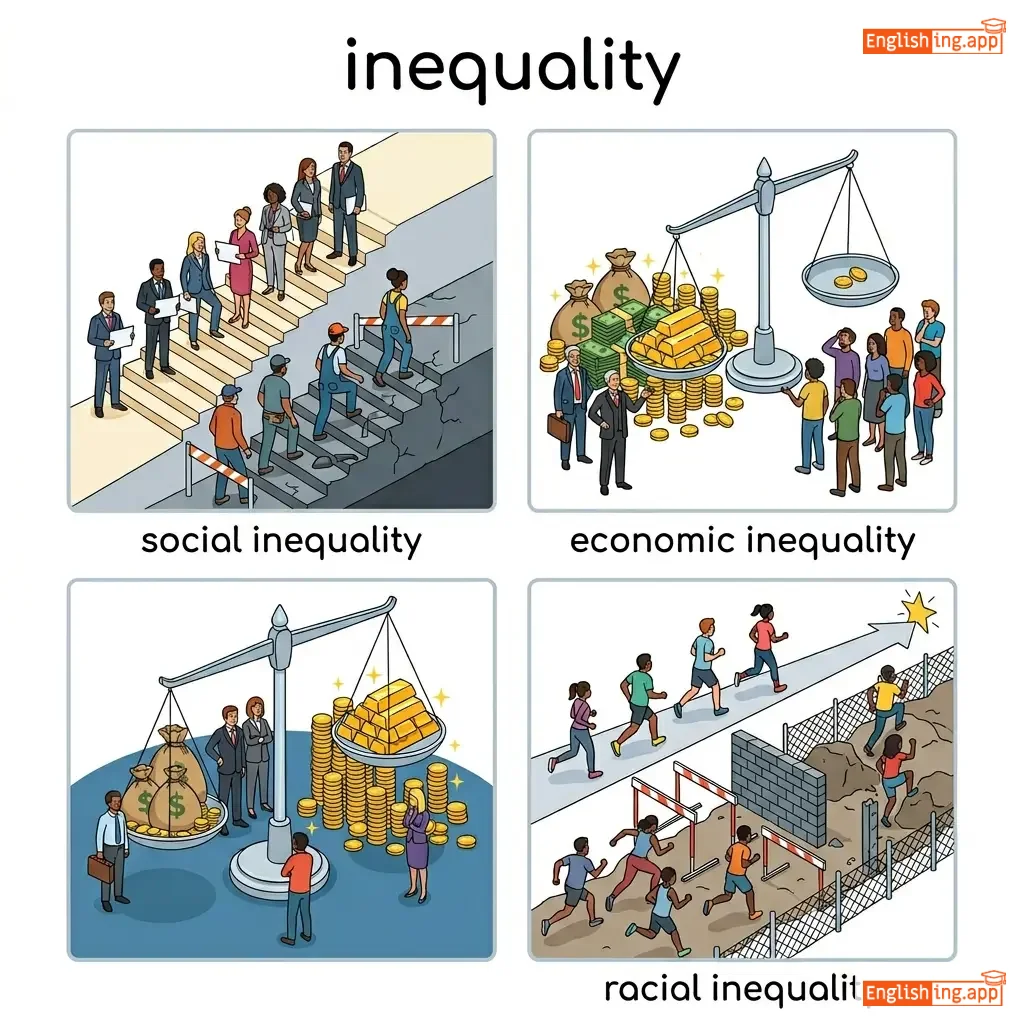
social inequality, economic inequality, racial inequality
••••••
|
Inequality sounds like 'In equal' – imagine people not being equal in opportunities!
••••••
|
|
#0
👑
|
/ˌɪnfluˈɛnʃl/
adjective
(yinfluenxial)
••••••
|
- •••••• |
有影响力的
you yingxiang li de
••••••
|
Having great power to change or affect people or things.
••••••
|
She is one of the most influential leaders of our time. |
她是我们时代最有影响力的领导人之一。
tā shì wǒmen shídài zuì yǒu yǐngxiǎng lì de lǐngdǎo rén zhī yī.
••••••
|
influential figure |
a person who has a significant effect on others
••••••
|
有影响力的人物
yǒu yǐngxiǎng lì de rénwù
••••••
|
powerful, significant, prominent, impactful, persuasive
••••••
|
insignificant, powerless
••••••
|
influential leader, influential role, highly influential
••••••
|
有影响力的像‘influence-full’ – 一个人能改变一切。
••••••
|
|
#0
⚖️
|
/ɪnˈdʒʌstɪs/
noun
(不公正)
••••••
|
|
不公正
bugongzheng
••••••
|
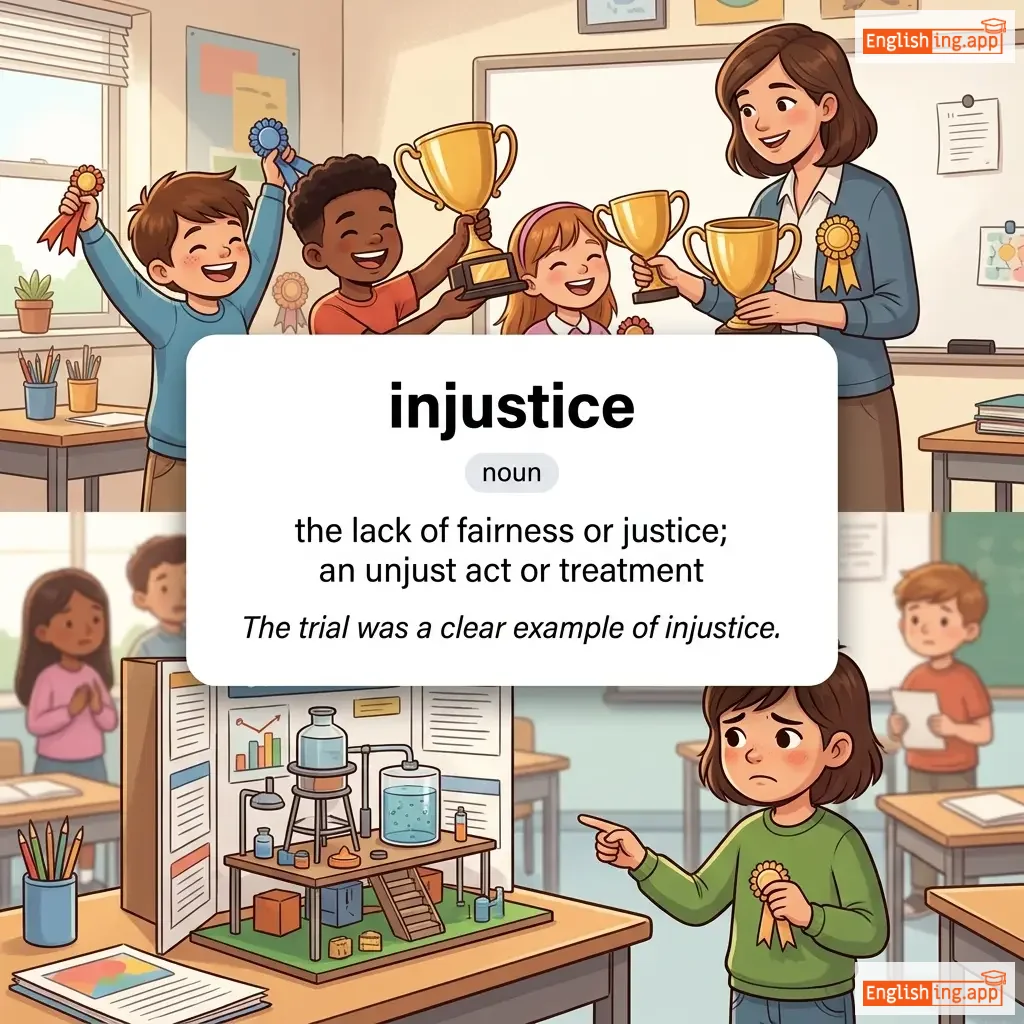
the lack of fairness or justice; an unjust act or treatment
••••••
|
The trial was a clear example of injustice. |
这个审判是一个明显的不公正例子。
Zhège shěnpàn shì yīgè míngxiǎn de bù gōngzhèng lìzi.
••••••
|
A great injustice has been done. |
A situation where something unfair or wrong has happened.
••••••
|
发生了极大的不公正。
Fāshēngle jí dà de bù gōngzhèng.
••••••
|
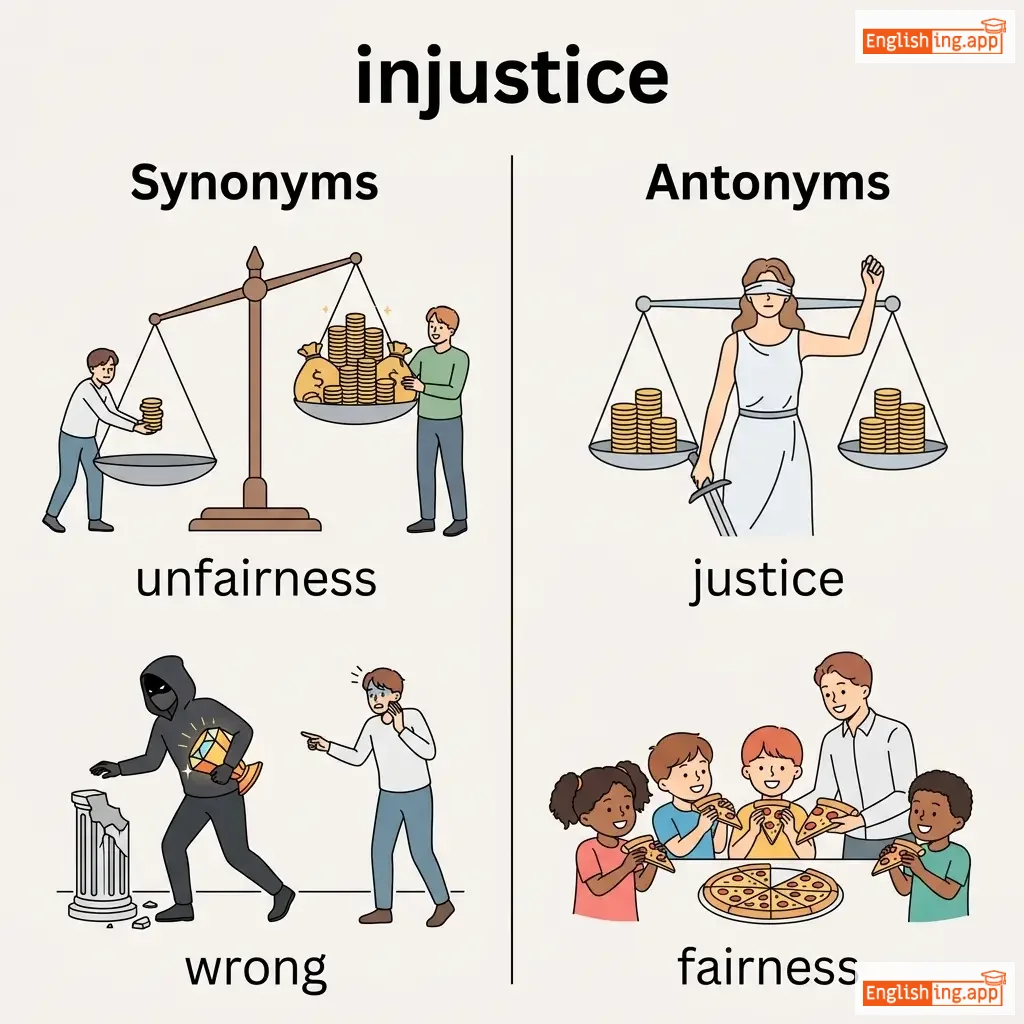
unfairness, wrong, discrimination, bias
••••••
|
justice, fairness
••••••
|
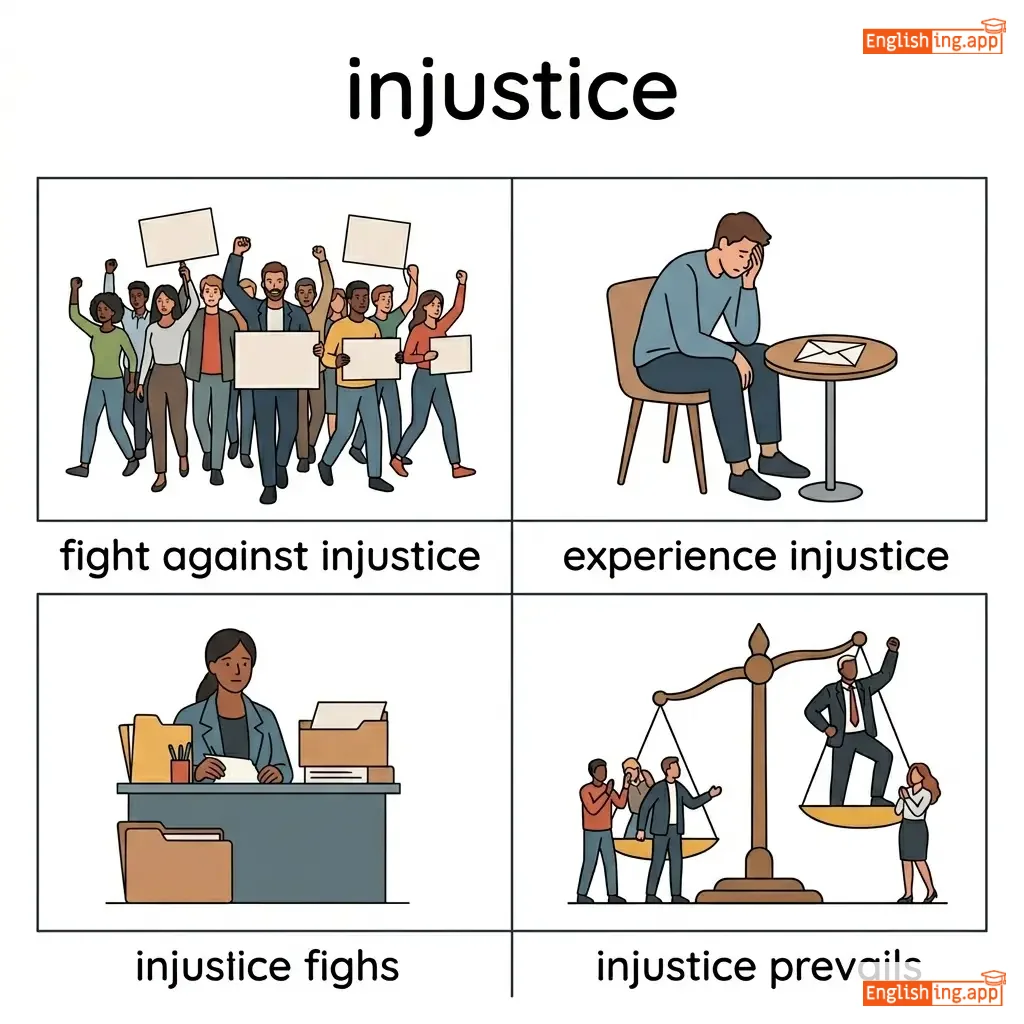
fight against injustice, experience injustice, injustice prevails
••••••
|
想想 '不公正' 就像不公平对待!
••••••
|
|
#0
⚖️
|
/ˌledʒɪsˈleɪʃən/
noun
(立法)
••••••
|
- •••••• |
立法
lifa
••••••
|
laws considered collectively, or the act of making laws
••••••
|
The government passed new legislation to protect the environment. |
政府通过了新的立法来保护环境。
Zhèngfǔ tōngguòle xīn de lifa lái bǎohù huánjìng.
••••••
|
piece of legislation |
a single law or act passed by a legislature
••••••
|
立法的一部分
lifa de yī bùfèn
••••••
|
law, regulation, statute, decree, ordinance
••••••
|
anarchy, lawlessness
••••••
|
pass legislation, new legislation, environmental legislation, draft legislation
••••••
|
立法就像是‘立’法的基础,想象法律是支撑整个社会的框架!
••••••
|
|
#0
🕓
|
/ˌlɪb.əˈreɪ.ʃən/
noun
(解放)
••••••
|
|
解放; 自由;
jiefang
••••••
|
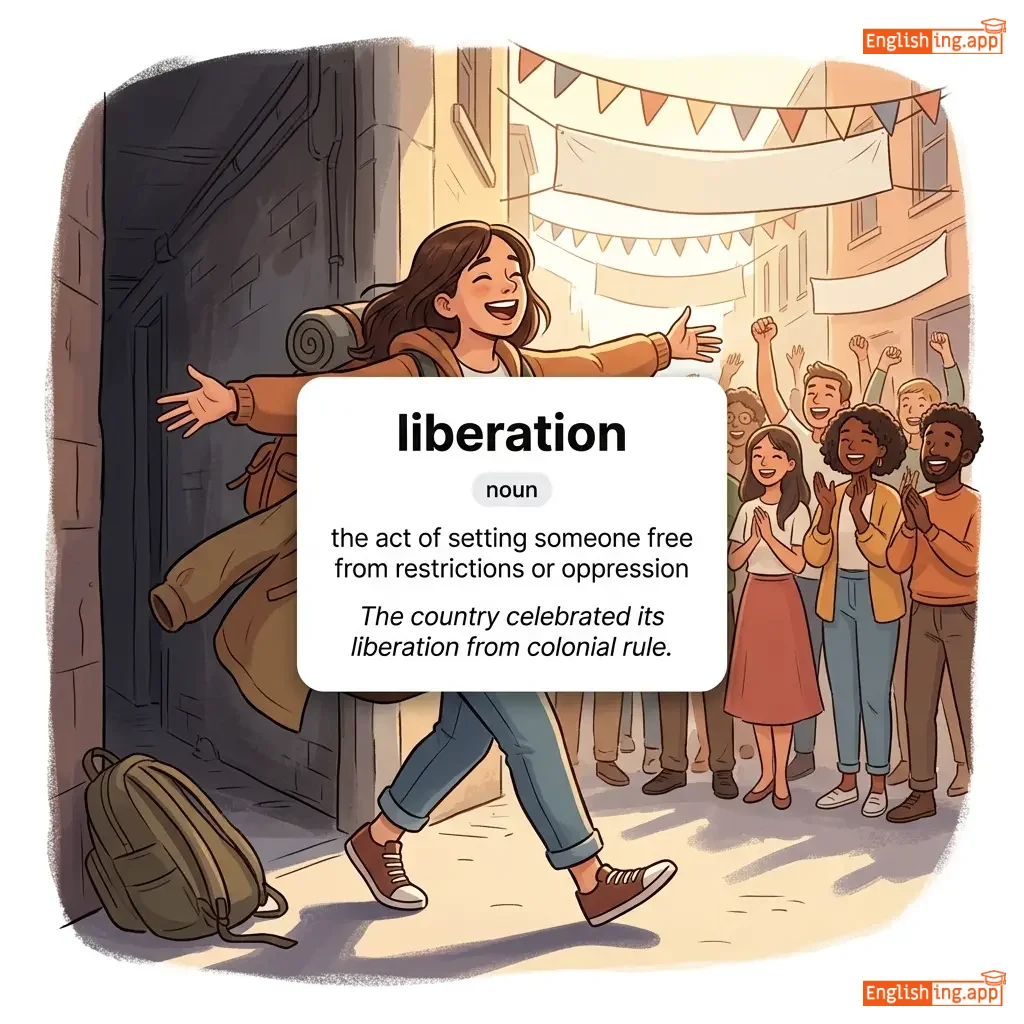
the action of setting someone free from imprisonment, slavery, or oppression; release
••••••
|
The liberation of the country took many years. |
国家的解放花了很多年。
guójiā de jiěfàng huāle hěn duō nián.
••••••
|
- •••••• | - •••••• | - •••••• |
freedom, emancipation, release, independence
••••••
|
oppression, captivity, enslavement
••••••
|
national liberation, women's liberation, liberation movement
••••••
|
In Chinese, '解放' means liberation and '自由' means the freedom it brings.
••••••
|
|
#0
👨💼
|
/pəˈlɪtɪʃən/
noun
(pò lì tí xiān)
••••••
|
- •••••• |
政治家
zhèng zhì jiā
••••••
|
a person who is involved in politics, especially as a profession
••••••
|
The politician promised to improve the economy. |
政治家承诺改善经济。
Zhèng zhì jiā chéng nuò gǎi shàn jīng jì.
••••••
|
- •••••• | - •••••• | - •••••• |
statesman, lawmaker, representative, public servant
••••••
|
citizen, layman
••••••
|
politician career, influential politician, corrupt politician
••••••
|
Politicians are in politics to improve the people's future.
••••••
|
|
#0
🧑🎤
|
/prəˈtɛstər/
noun
(抗议者)
••••••
|
- •••••• |
抗议者
kàngyì zhě
••••••
|
a person who takes part in a protest or demonstration
••••••
|
The protester spoke passionately about the cause. |
抗议者激情洋溢地谈论了这个原因。
Kàngyì zhě jīqíng yángyì de tánlùnle zhège yuányīn.
••••••
|
- •••••• | - •••••• | - •••••• |
demonstrator, activist, campaigner, challenger
••••••
|
supporter, follower, bystander
••••••
|
peaceful protester, passionate protester, angry protester, student protester
••••••
|
抗议者 (kàngyì zhě) 总是充满激情地说话。
••••••
|
|
#0
⚔️
|
/rɪˈbel.jən/
noun
(起义)
••••••
|
- •••••• |
起义
qiyi
••••••
|
an act of armed resistance to an established government or leader
••••••
|
The rebellion against the king lasted for three years.
反抗国王的起义持续了三年。
••••••
|
反抗国王的起义持续了三年。
Fankang guowang de qiyi chixu le san nian.
••••••
|
- •••••• | - •••••• | - •••••• |
revolt, uprising, insurrection
••••••
|
obedience, submission, compliance
••••••
|
armed rebellion, suppress rebellion, lead rebellion
••••••
|
起义 = 战斗 + 抗议 (反抗的行动)
••••••
|
|
#0
⚖️
|
/ˌrɛɡjuˈleɪʃən/
noun
(规章制度)
••••••
|
|
规章
guizhang
••••••
|
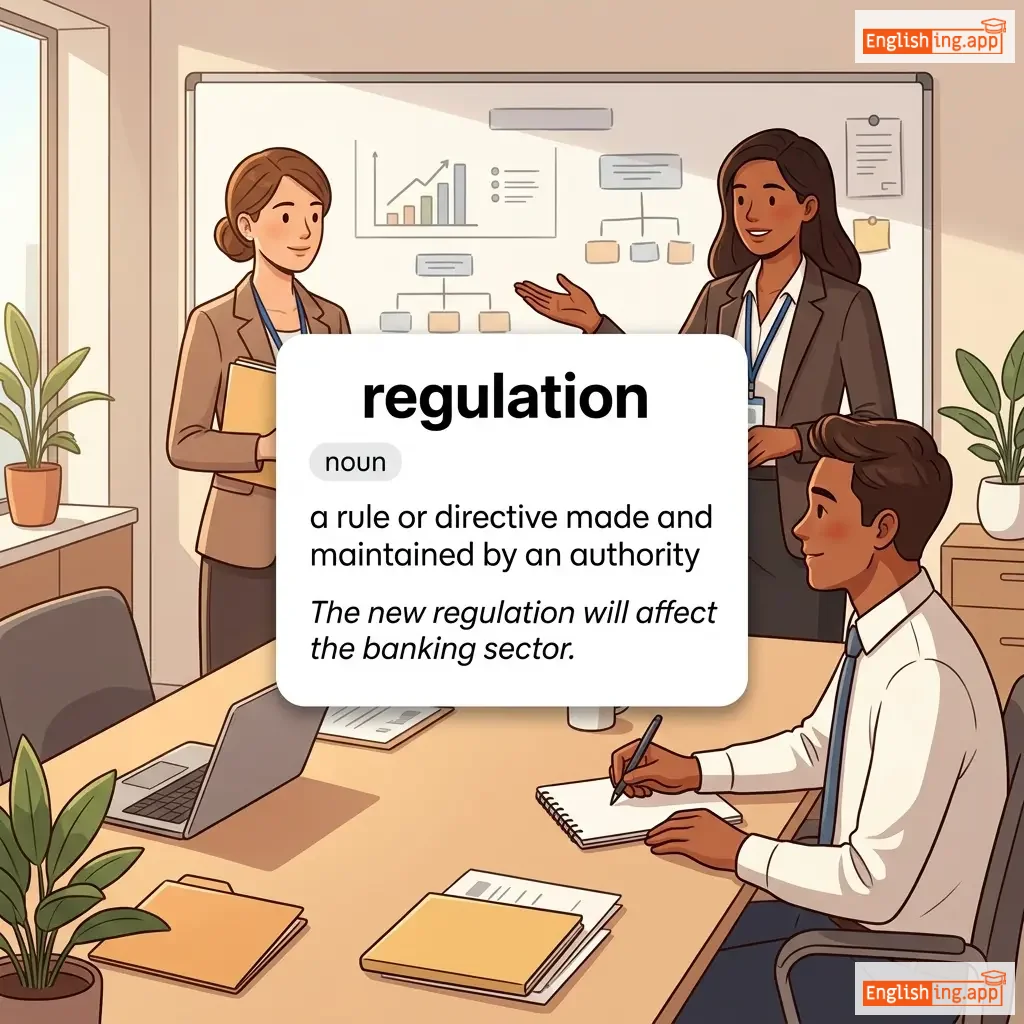
a rule or directive made and maintained by an authority
••••••
|
The new regulation will affect the banking sector. |
新的规章将影响银行业。
Xin de guizhang jiang yingxiang yinhangye.
••••••
|
- •••••• | - •••••• | - •••••• |
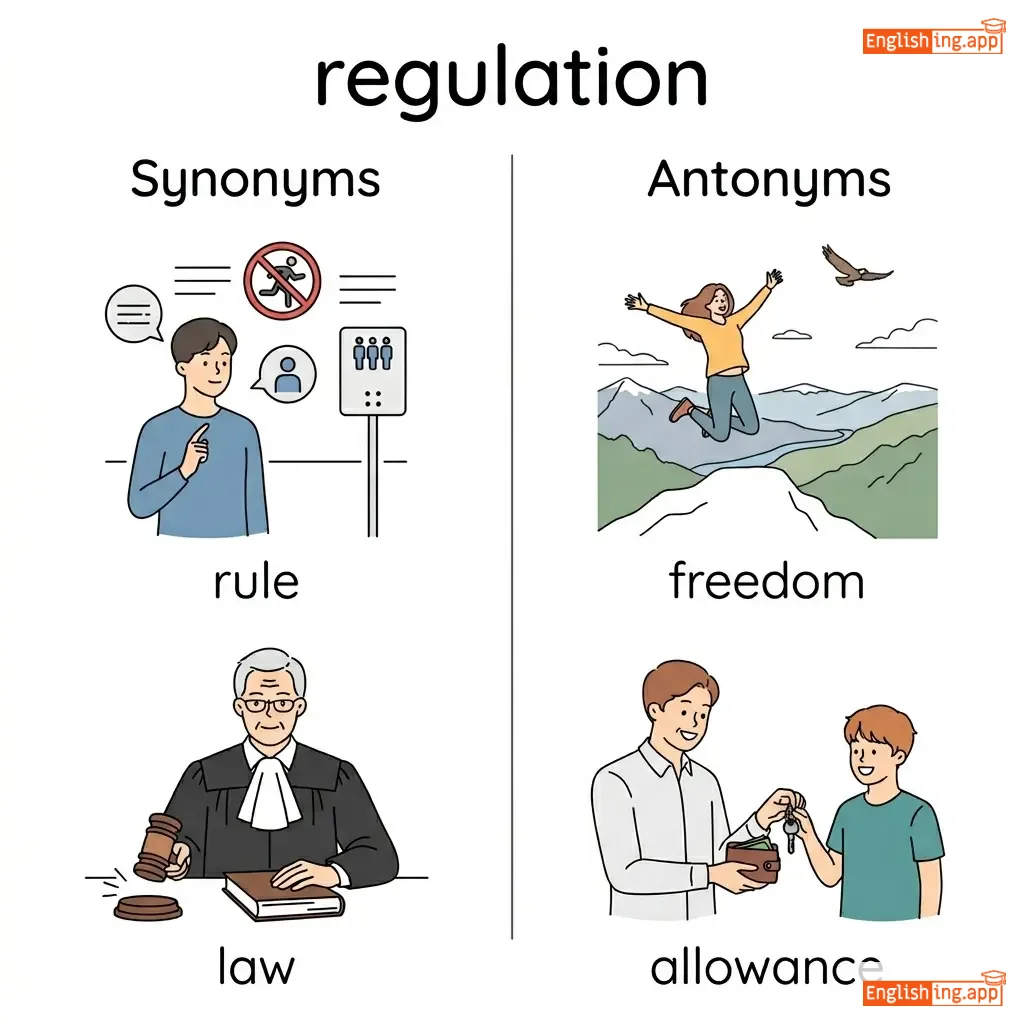
rule, law, guideline, directive
••••••
|
freedom, allowance
••••••
|
government regulation, strict regulation, financial regulation, safety regulation
••••••
|
Regulation = Re-gulate the system with rules!
••••••
|
|
#0
🔄
|
/ˌrevəˈluːʃən/
noun
(革命)
••••••
|
|
革命; 转变; 推翻
geming; zhuanbian; tui fan
••••••
|
a dramatic and wide-reaching change in conditions, attitudes, or operation; a forcible overthrow of a government or social order
••••••
|
The industrial revolution changed the way people lived and worked.
工业革命改变了人们的生活和工作方式。
••••••
|
工业革命改变了人们的生活和工作方式。
gongye geming gaibian le renmen de shenghuo he gongzuo fangshi.
••••••
|
- •••••• | - •••••• | - •••••• |
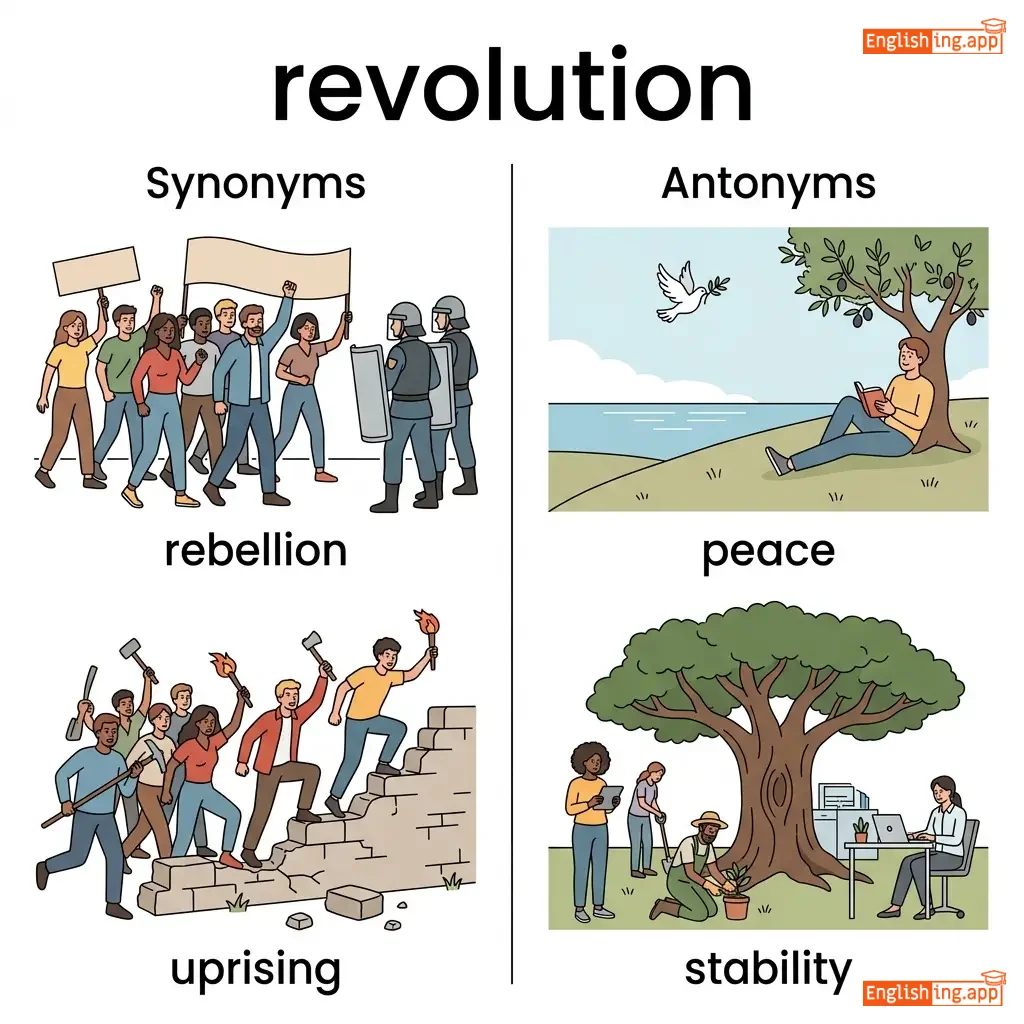
upheaval, transformation, rebellion, revolt
••••••
|
stability, conservation, tradition
••••••
|
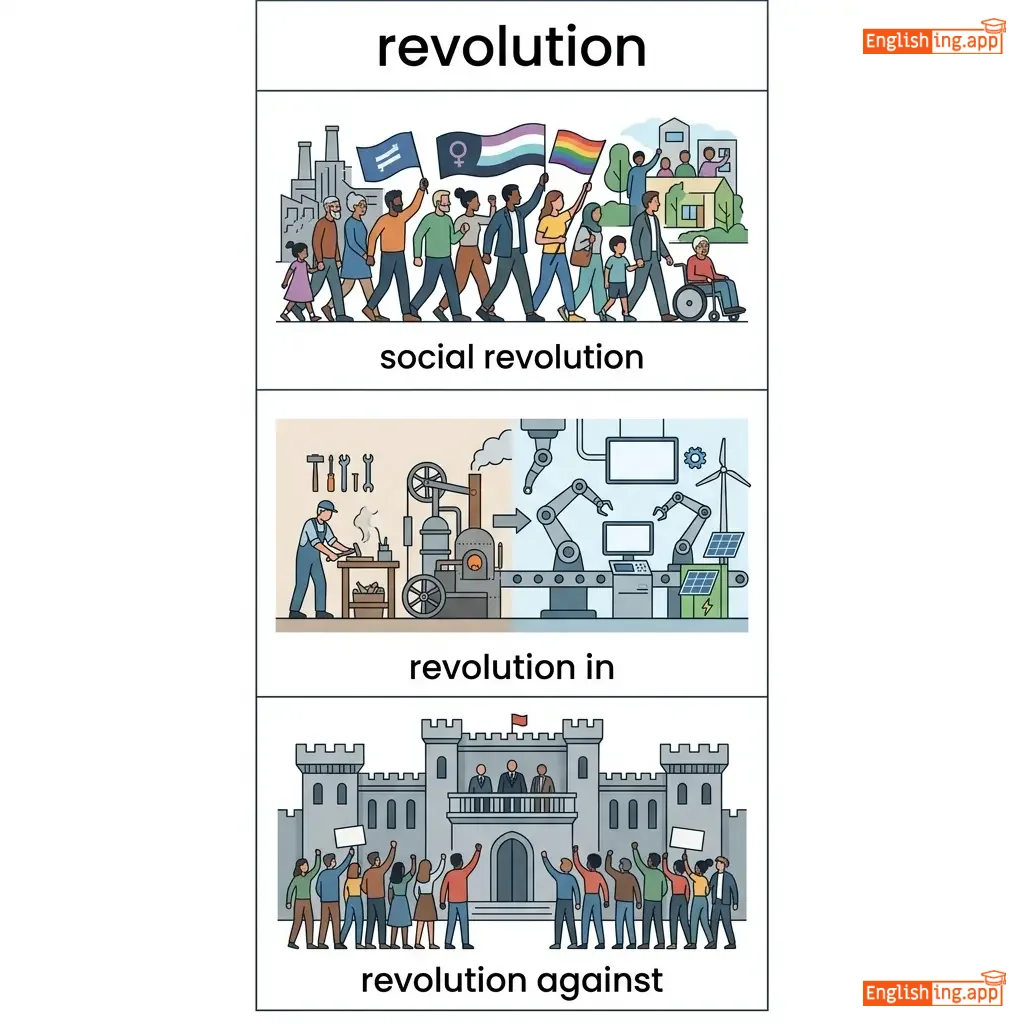
industrial revolution, political revolution, scientific revolution
••••••
|
革命带来剧变,像是社会的颠覆。
••••••
|
|
#0
🗣️
|
/ˈspəʊksmən/
noun
(spokesman)
••••••
|
- •••••• |
发言人
fā yán rén
••••••
|
a person who speaks on behalf of others, especially for a group or organization
••••••
|
The spokesman addressed the crowd during the rally. |
发言人在集会中向人群讲话。
Fā yán rén zài jíhuì zhōng xiàng rénqún jiǎnghuà.
••••••
|
- •••••• | - •••••• | - •••••• |
representative, delegate, spokesman, ambassador
••••••
|
opponent, adversary
••••••
|
chief spokesman, official spokesman, media spokesman
••••••
|
A spokesman is like a '发言人' (someone who speaks for others), guiding the crowd.
••••••
|
|
#0
🌍
|
/ˌjuːnɪˈvɜːsəl/
adjective
(yúnivèrsàl)
••••••
|
- •••••• |
普遍的
pǔbiàn de
••••••
|
Relating to or done by all people or things in the world; applicable everywhere or in all cases.
••••••
|
There is a universal need for love and acceptance. |
爱情和接纳是普遍的需求。
Àiqíng hé jiēnà shì pǔbiàn de xūqiú.
••••••
|
universal truth |
A truth accepted by everyone and valid everywhere
••••••
|
普遍的真理
pǔbiàn de zhēnlǐ
••••••
|
global, worldwide, common, general, all-encompassing
••••••
|
particular, local
••••••
|
universal truth, universal law, universal rights, universal principle
••••••
|
普遍的就像宇宙:适用于所有地方
••••••
|
|
#0
🌍
|
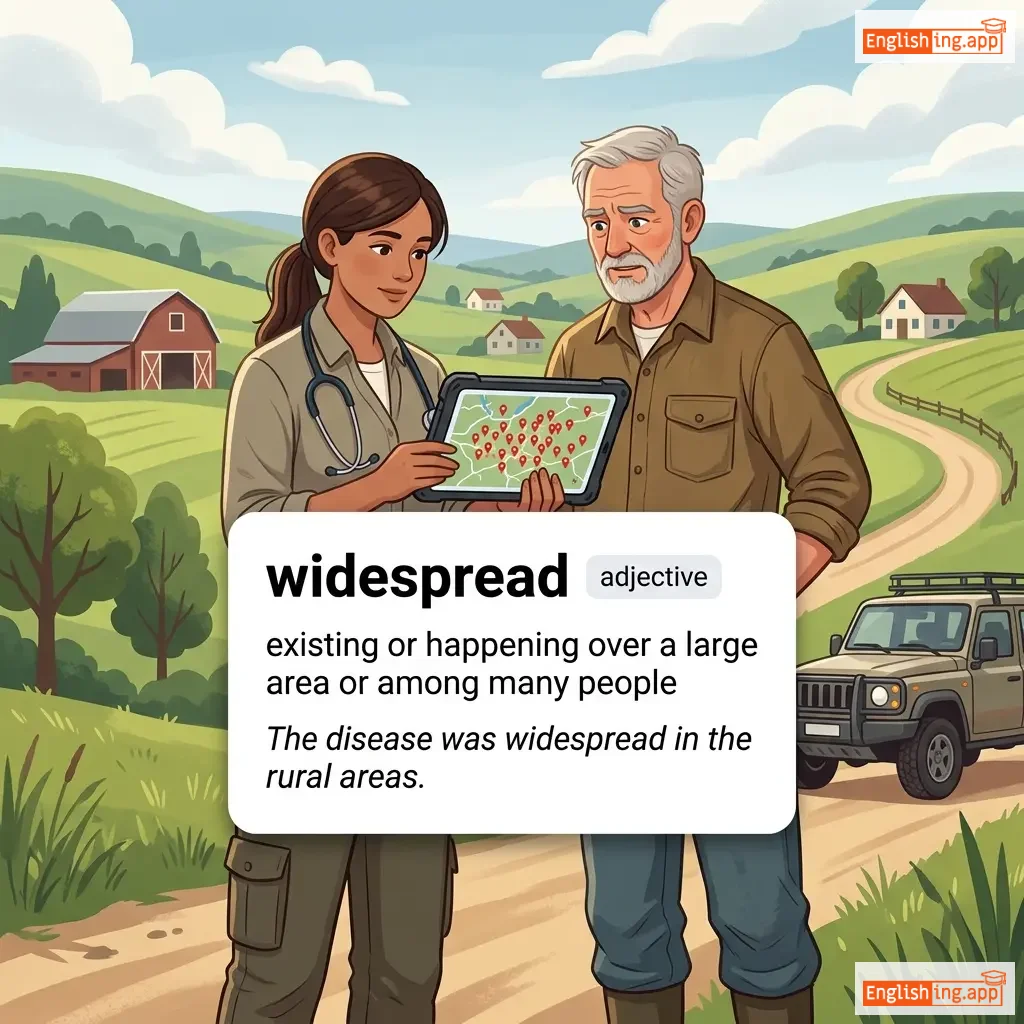
/ˈwaɪd.sprɛd/
adjective
(wáidspred)
••••••
|
|
广泛的
guǎngfàn de
••••••
|
existing or happening in many places or among many people
••••••
|
There is widespread support for the new policy. |
新政策得到了广泛的支持。
xīn zhèngcè dédàole guǎngfàn de zhīchí.
••••••
|
- •••••• | - •••••• | - •••••• |
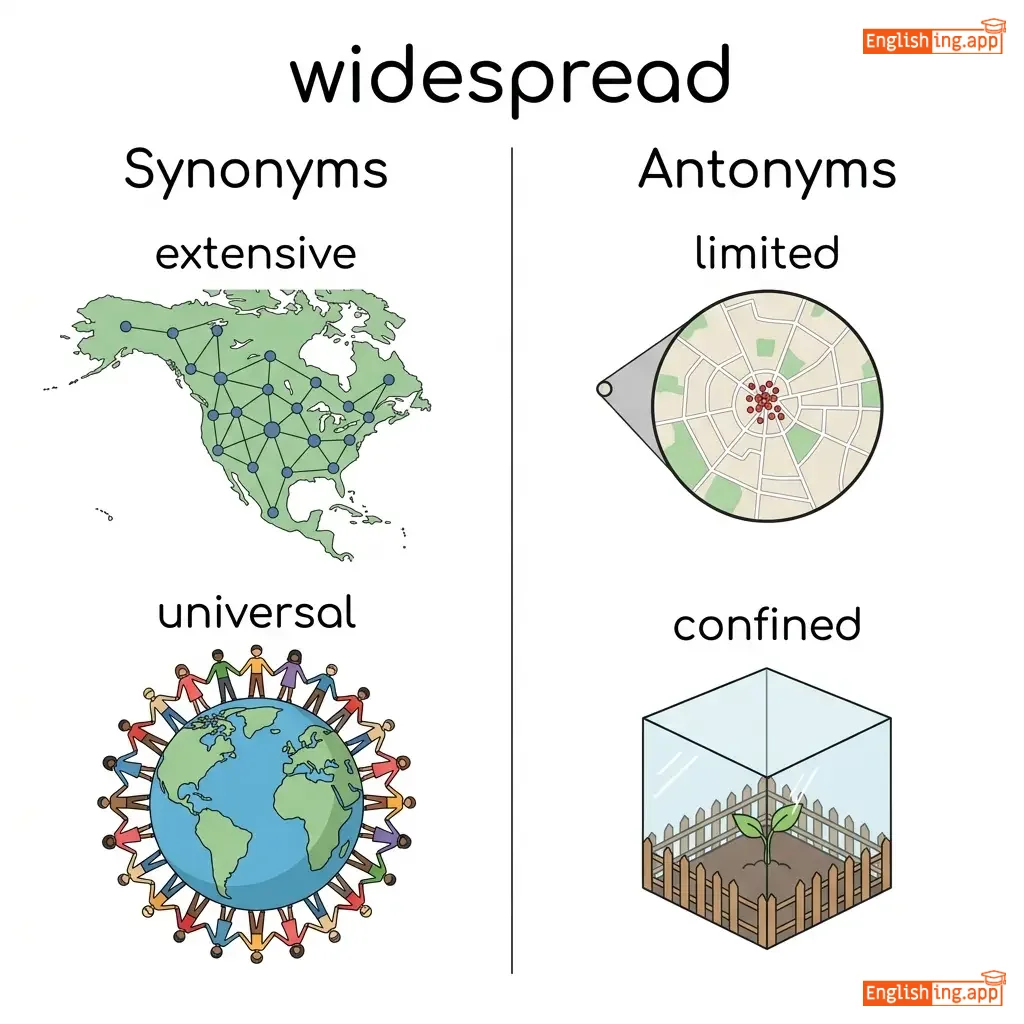
extensive, prevalent, universal, common
••••••
|
limited, localized, restricted, rare
••••••
|
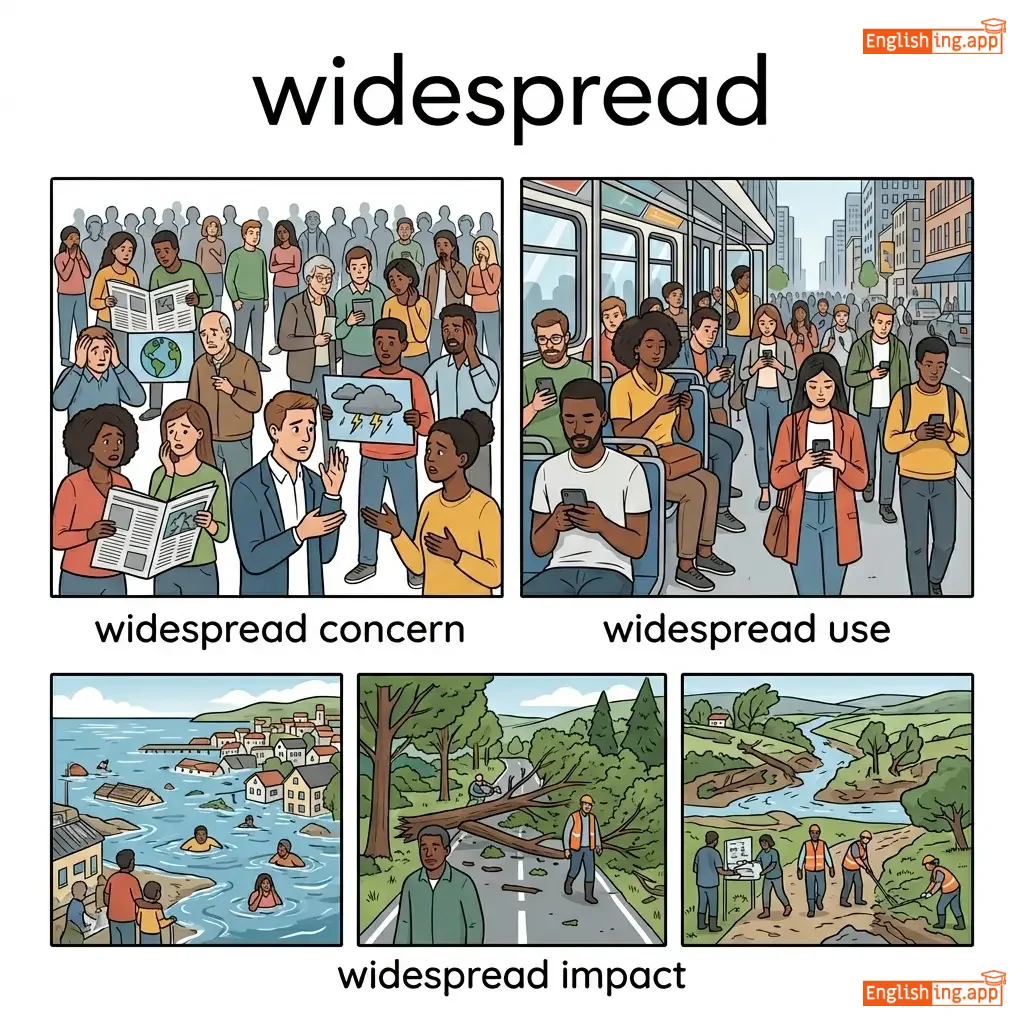
widespread support, widespread use, widespread damage, widespread belief
••••••
|
Chinese '广泛的' matches the meaning of 'widespread'.
••••••
|
Vocabulary Quiz
Test your vocabulary by matching words with their translations or meanings.
Login to take the quiz
Comments (0)
Share your thoughts and join the discussion.
Join the discussion by logging in
Login to CommentNo comments yet
Be the first to share your thoughts!