

男孩和害羞的狗
The Boy and the Shy Dog
拉希姆是个喜欢动物的 boy。One day,他去公园玩,看见一只孤单坐着的 old dog。
“Dad,看!”拉希姆说。“一只 dog!”
那只 dog 很 shy。当拉希姆走近时,dog 退开了。但它的眼神很悲伤。
“Can 我们 take 它回家吗?”拉希姆问。
他的 dad 说:“我不知道。我们已经有猫了。而这只 dog 是 old 的。How 我们能照顾它呢?”
“求你了,dad!”拉希姆坚持道。“它只是 shy,不是 bad。看,它多孤单啊。”
Dad 看着。那只 dog 又瘦又脏。“Let 我想想,”他说。
拉希姆坐下,慢慢靠近那只 shy dog。“Hey boy,”他轻声说。“你 can stay 和我们一起。”
Dog 看着他。Soon,它稍稍靠近。拉希姆笑了。他包里有个 toy,轻轻地扔了出去。
Dog 看着,然后慢慢叼起 toy。
“Dad,看!”拉希姆激动地说。“它不是 bad!它只是需要爱!”
Dad's 心融化了。“Okay,”他说。“Yes,我们 can take 它。但你得照顾它。”
“Yes! Yes!”拉希姆跳了起来。“我保证,dad!”
他们 took 那只 dog 回家。Soon,那只 shy old dog 成为了家庭的一部分。拉希姆给它取名为洛奇。
Now,每天放学后,拉希姆都会和洛奇玩。那只 dog 不再 shy 了。它很快乐。
有一天,拉希姆的 dad 说:“你知道吗?当你请求 take 那只 old dog 时,我觉得那是个 bad 主意。How 我们能做到?但 now 我明白了——你教会了我一些东西。那只 shy old dog 只是需要一个机会。”
“每个 pet 都值得被爱,dad,”拉希姆抱着洛奇说。“无论它们是 old、shy 还是不 big,它们都 can 成为好的 pets,只要我们 let 它们。”
多年 later,拉希姆长大 big 了,成了一名兽医。他帮助许多 shy、old、被遗弃的 pets get 到了新家。
“那一天,当我还是个 kid 时,”他常对人说,“我学会了 how 我们对待 shy、old、害怕的生命——这定义了我们。我的 dad let 我 take 那只 dog 回家。Now 我帮助 kids 和他们的家庭 get pets。有些 dogs 很 shy,有些猫很 old,有些 pets 看起来 bad,但它们只是害怕。Can 你给它们一个机会吗?Yes?那就 take 它们回家。Let 它们 stay。Soon 你会看到——它们并不 bad,它们只是等待爱。每个 boy、每个 kid、每个人 can 改变世界。就像我的 dad let 我 take 洛奇那 day。Now,how 多的 pets can 我们今天帮助呢?Yes,let's get 开始吧。”
每天,在他的诊所里,shy pets 都会来,然后 soon 带着 big 笑容离开,跟新主人一起。因为有一个 boy,在那 day,证明了 old 和 shy 并不意味着 bad,只是他们需要有人说出 yes。
Swipe left or right, or use the buttons. Tap image to zoom.
例句翻译
单词
The Boy and the Shy DogThe Boy and the Shy Dog - 遮罩切换
|
表情符号
|
单词 | Images | 翻译 | 过去时 | 过去分词 | 第三人称单数 | 动名词 | 含义 | 例句 | 例句翻译 | 示例表达 | 示例表达含义 | 示例表达翻译 | 同义词 | 反义词 | 搭配词 | 助记符 |
|---|---|---|---|---|---|---|---|---|---|---|---|---|---|---|---|---|---|
|
#0
👎
|
/bæd/
adjective
(bād)
••••••
|
- •••••• |
坏
huai
••••••
|
- •••••• | - •••••• | - •••••• | - •••••• |
not good; unpleasant, harmful, or of poor quality
••••••
|
The milk smells bad, so don’t drink it.
牛奶闻起来很糟,所以不要喝。
••••••
|
牛奶闻起来很糟,所以不要喝。
Niunai wen qilai hen zao, suoyi bu yao he.
••••••
|
bad blood
坏血
••••••
|
ill feeling or hostility between people
••••••
|
坏血
huai xue
••••••
|
awful, terrible, poor, unpleasant, harmful
••••••
|
good, excellent, pleasant
••••••
|
bad habit, bad luck, bad idea, bad weather
••••••
|
Bad意味着坏,Bad boy意味着坏男孩。
••••••
|
|
#0
📏
|
/bɪɡ/
adjective
(比格)
••••••
|
- •••••• |
大
da
••••••
|
- •••••• | - •••••• | - •••••• | - •••••• |
large in size, extent, or importance
••••••
|
They moved into a big house with plenty of space. |
他们搬进了一座大房子,那里有很多空间。
Tāmen bān jìnle yīzuò dà fángzi, nàlǐ yǒu hěn duō kōngjiān.
••••••
|
think big |
to have ambitious or grand ideas
••••••
|
敢于梦想
gǎn yú mèngxiǎng
••••••
|
large, huge, massive, enormous, vast
••••••
|
small, tiny, little
••••••
|
big house, big city, big problem, big chance
••••••
|
Big 在中文中是大的意思 – Big = Da.
••••••
|
|
#0
👦
|
/bɔɪ/
noun
(bóyī)
••••••
|
- •••••• |
男孩
nánhái
••••••
|
- •••••• | - •••••• | - •••••• | - •••••• |
a male child or young male person
••••••
|
The boy ran across the playground. |
那个男孩跑过了操场。
Nàgè nánhái pǎo guòle cāochǎng.
••••••
|
boys will be boys |
a phrase implying that boys or men often behave in certain stereotypical ways
••••••
|
男孩永远是男孩
nánhái yǒngyuǎn shì nánhái
••••••
|
lad, youngster, child, son, male
••••••
|
girl, female, woman
••••••
|
little boy, young boy, school boy, boy scout
••••••
|
Boy 代表男孩,像 'Boy' 和 'Baba' 都是男性。
••••••
|
|
#0
✅
|
/kæn/
modal verb
(kàn)
••••••
|
- •••••• |
能
neng
••••••
|
- •••••• | - •••••• | - •••••• | - •••••• |
to be able to; to have the ability or possibility to do something
••••••
|
I can solve this problem easily. |
我可以轻松解决这个问题。
Wo keyi qingsong jiejue zhege wenti.
••••••
|
can-do attitude |
a positive, confident approach to challenges
••••••
|
能做态度
neng zuo taidu
••••••
|
able, capable, possible, may
••••••
|
cannot, unable
••••••
|
can help, can do, can be, can solve
••••••
|
Can意味着能 — 就像 '我能做' 一样。
••••••
|
|
#0
👨
|
/dæd/
noun
(dad)
••••••
|
- •••••• |
爸爸
bàba
••••••
|
- •••••• | - •••••• | - •••••• | - •••••• |
an informal term for father
••••••
|
My dad taught me how to ride a bike. |
我爸爸教我骑自行车。
Wǒ bàba jiāo wǒ qí zìxíngchē.
••••••
|
like father, like son |
a child often resembles or behaves like their father
••••••
|
有其父,必有其子
Yǒu qí fù, bì yǒu qí zǐ
••••••
|
father, papa, daddy, pa
••••••
|
mother, mom
••••••
|
dad joke, dad's advice, proud dad, dad and son
••••••
|
Dad等于爸爸,'Dad'一叫,爸爸就来。
••••••
|
|
#0
🌞
|
/deɪ/
noun
(天)
••••••
|
- •••••• |
天
tian
••••••
|
- •••••• | - •••••• | - •••••• | - •••••• |
a period of 24 hours or the time between sunrise and sunset
••••••
|
She enjoyed a relaxing day at the beach. |
她在海滩上度过了一个轻松的日子。
Ta zai haitan shang duoguo le yige qingsong de tianzi.
••••••
|
call it a day |
to stop working for the rest of the day
••••••
|
今天就到此为止
Jintian jiu dao ci weizhi
••••••
|
daytime, period, date, occasion
••••••
|
night, darkness
••••••
|
working day, day off, day long, happy day
••••••
|
天是太阳升起和落下的时间。
••••••
|
|
#0
🐶
|
/dɔːɡ/
noun
(dɔɡ)
••••••
|
- •••••• |
狗
gǒu
••••••
|
- •••••• | - •••••• | - •••••• | - •••••• |
a domesticated carnivorous mammal kept as a pet or for work
••••••
|
The dog barked loudly at the stranger. |
狗对陌生人大声叫。
Gǒu duì mò shēng rén dà shēng jiào.
••••••
|
every dog has its day |
everyone will have a chance to succeed or be lucky at some point
••••••
|
每只狗都有自己的日子
Měi zhī gǒu dōu yǒu zì jǐ de rì zi
••••••
|
canine, hound, pooch, pup, mongrel
••••••
|
cat, feline
••••••
|
pet dog, stray dog, guard dog, dog bark
••••••
|
Dog = 狗 🐕 - 想象狗的大声吠叫,它也有自己的日子。
••••••
|
|
#0
📦
|
/ɡɛt/
verb
(get)
••••••
|
|
得到
dedao
••••••
|
got
got
••••••
|
gotten
gotten
••••••
|
gets
gets
••••••
|
getting
getting
••••••
|
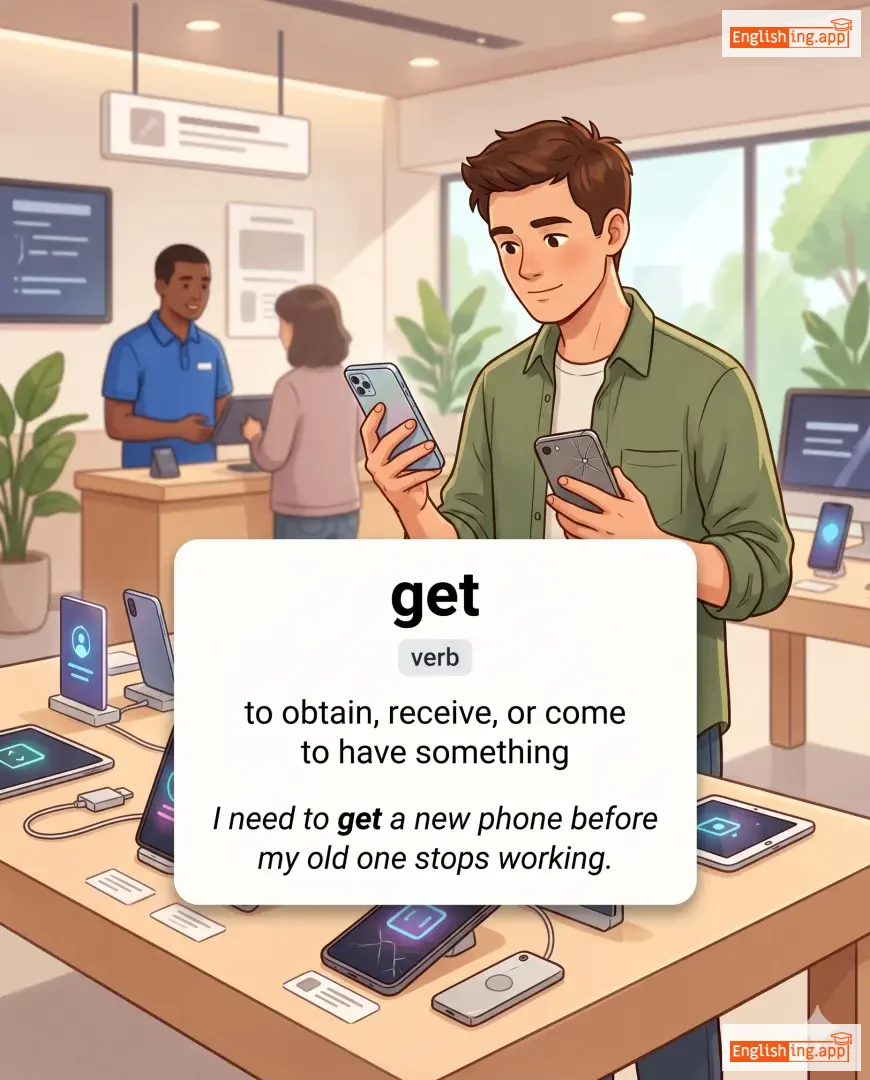
to obtain, receive, or come to have something
••••••
|
I need to get a new phone before my old one stops working.
我需要在我的旧手机停止工作之前,获取一部新手机。
••••••
|
我需要在我的旧手机停止工作之前,得到一部新手机。
Wo xuyao zai wode jiu shouji tingzhi gongzuo zhijian, dedao yi bu xin shouji.
••••••
|
get going
开始行动
••••••
|
to start moving or to begin something
••••••
|
开始
kaishi
••••••
|
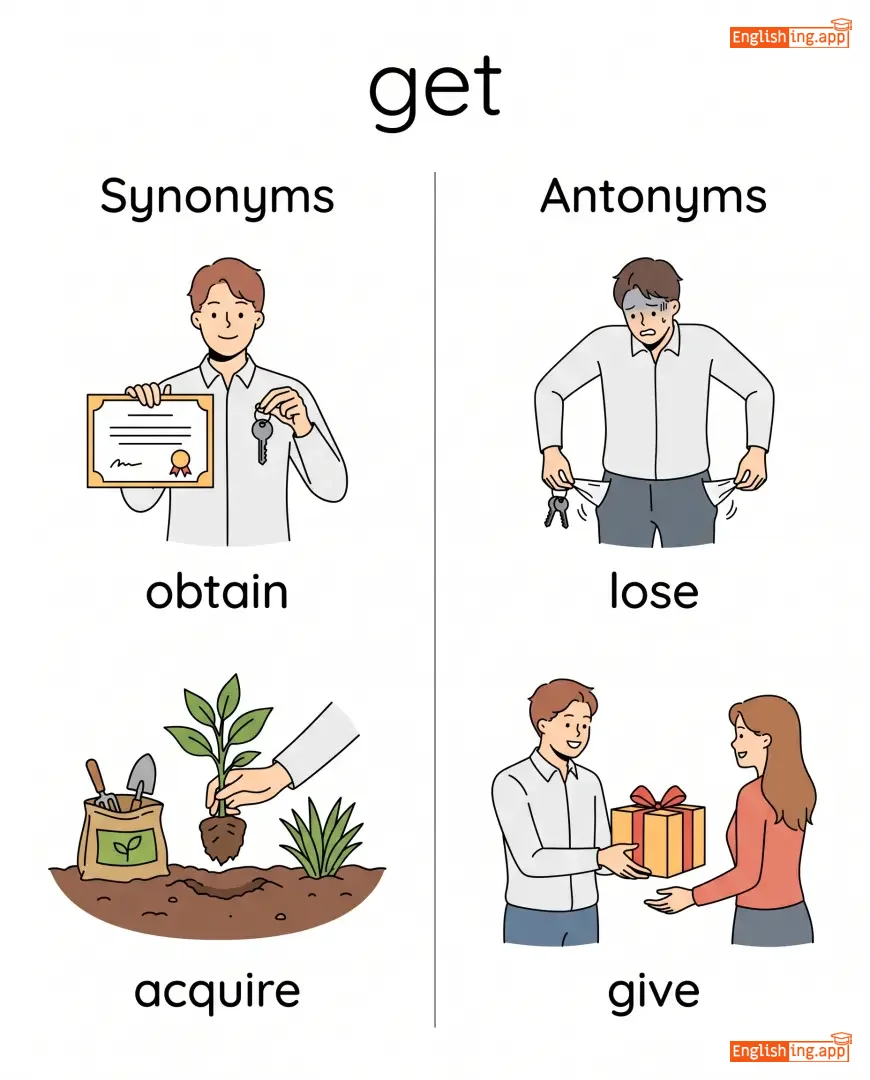
obtain, acquire, receive, gain, secure
••••••
|
lose, give
••••••
|
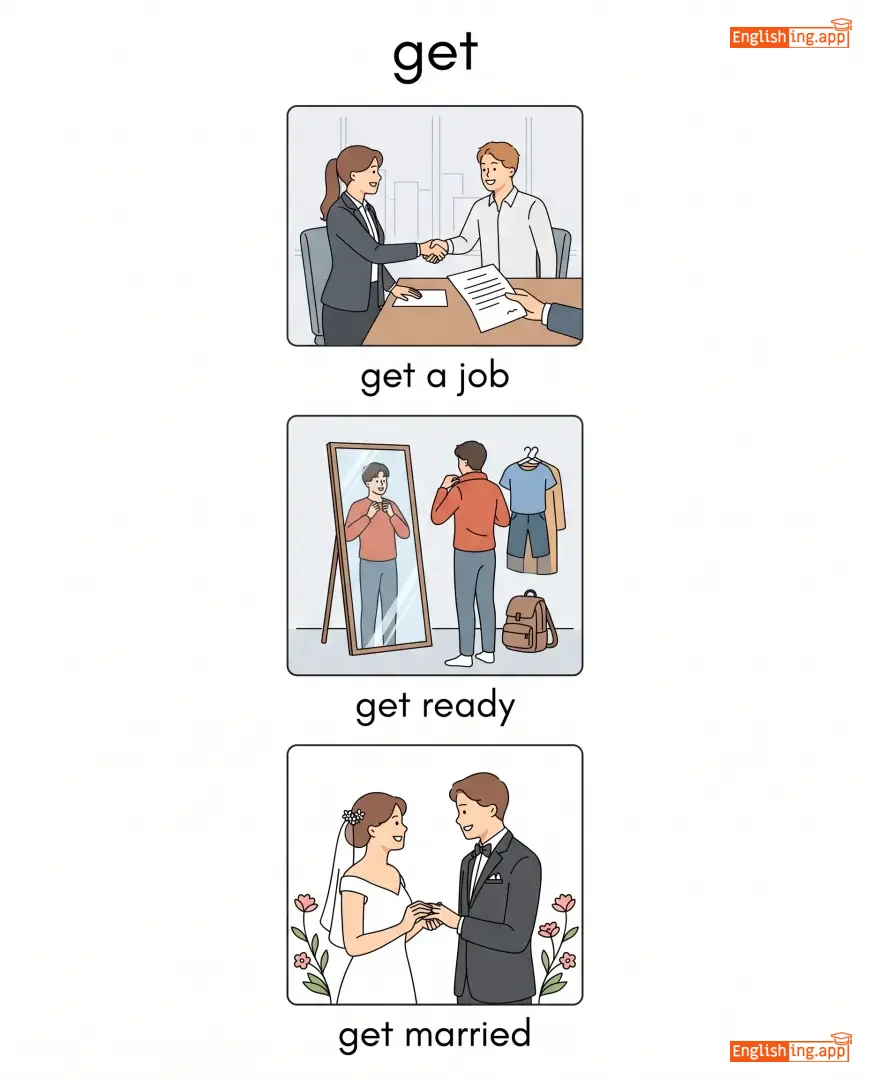
get a job, get ready, get married, get lost, get better
••••••
|
要得到东西,你需要经过大门 (gate) - get 意味着得到
••••••
|
|
#0
❓
|
/haʊ/
adverb
(hào)
••••••
|
- •••••• |
如何
rúhé
••••••
|
- •••••• | - •••••• | - •••••• | - •••••• |
in what way or manner; by what means
••••••
|
How do you solve this problem?
你如何解决这个问题?
••••••
|
你如何解决这个问题?
Nǐ rúhé jiějué zhège wèntí?
••••••
|
how come
怎么回事?
••••••
|
used to ask why something has happened
••••••
|
怎么回事?
Zěnme huí shì?
••••••
|
in what way, by what means, in what manner
••••••
|
why not, never
••••••
|
how often, how much, how many, how long
••••••
|
How 的意思是如何,记住在中文里问如何时的发音。
••••••
|
|
#0
😄
|
/kɪd/
verb
(kid)
••••••
|
- •••••• |
开玩笑
kai wanxiao
••••••
|
kidded
kidded
••••••
|
kidded
kidded
••••••
|
kids
kids
••••••
|
kidding
kidding
••••••
|
to joke or tease; to speak in a playful manner
••••••
|
I'm just kidding with you.
我只是在开玩笑。
••••••
|
我只是在开玩笑。
Wo zhi shi zai kai wanxiao.
••••••
|
- •••••• | - •••••• | - •••••• |
joke, tease, jest, fool
••••••
|
serious, sincere, honest
••••••
|
just kidding, kid around, stop kidding, no kidding
••••••
|
Imagine a kid making jokes playfully in Chinese.
••••••
|
|
#0
✅
|
/lɛt/
verb
(let)
••••••
|
|
让
rang
••••••
|
let
let
••••••
|
let
let
••••••
|
lets
lets
••••••
|
letting
letting
••••••
|
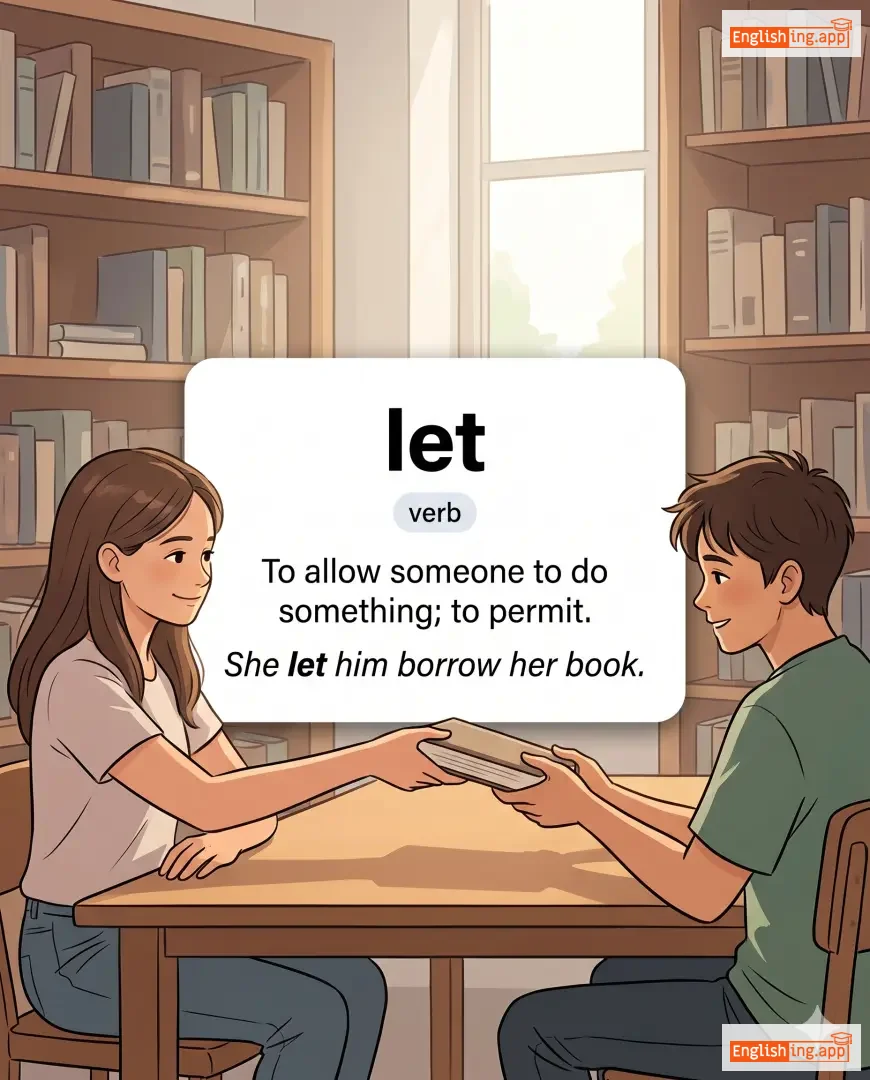
To allow someone to do something; to permit.
••••••
|
She let him borrow her book.
She let him borrow her book.
••••••
|
她让他借了她的书。
Ta rang ta jie le ta de shu.
••••••
|
let it be
let it be
••••••
|
accept a situation without trying to change it
••••••
|
顺其自然
shun qi zi ran
••••••
|
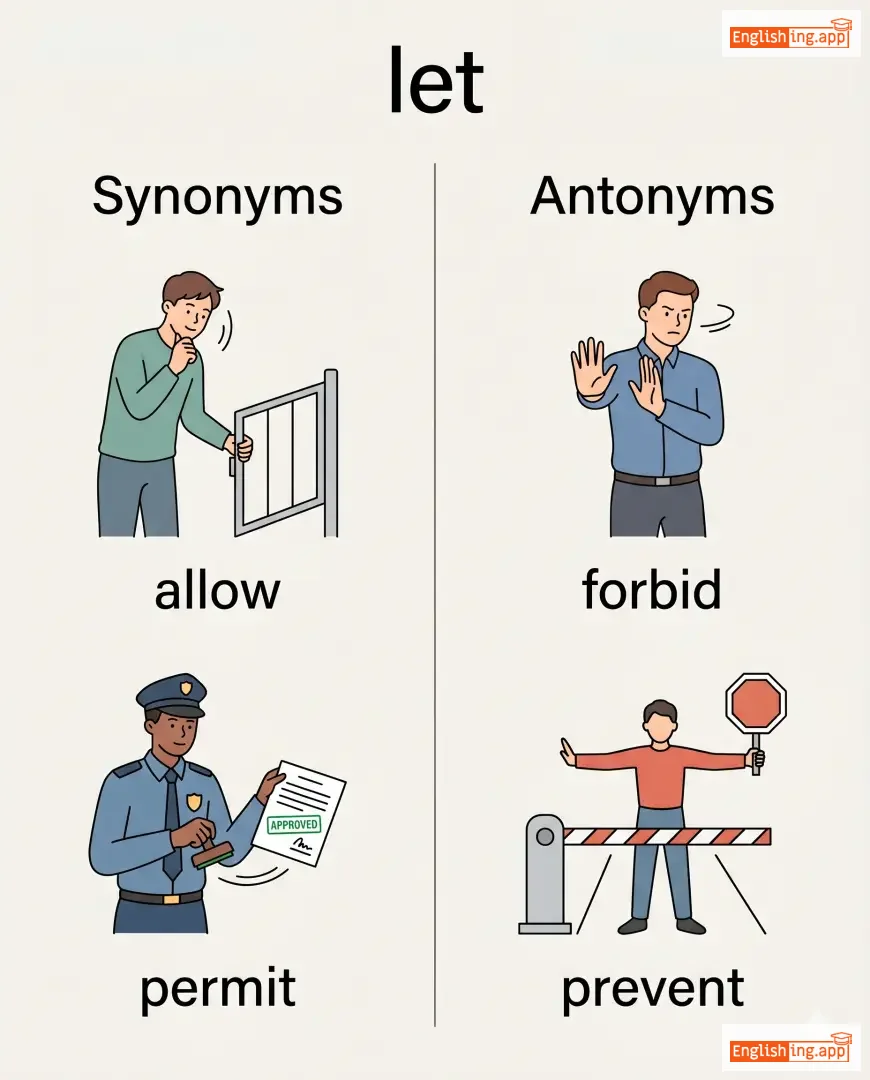
allow, permit, enable, grant
••••••
|
forbid, prevent, refuse
••••••
|
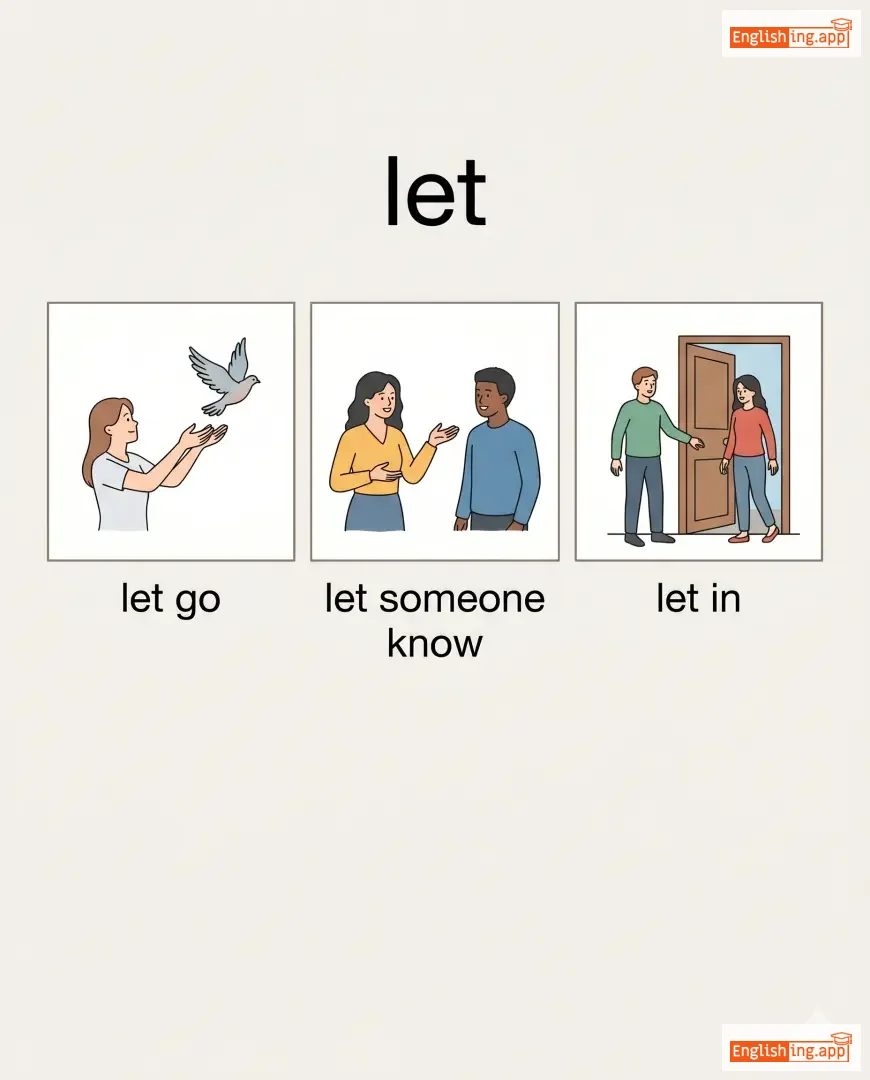
let go, let someone know, let in, let out
••••••
|
LET意味着允许 — 妈妈说LET him go,意思是让他走 ✅
••••••
|
|
#0
⏰
|
/naʊ/
adverb
(náo)
••••••
|
- •••••• |
现在
xianzai
••••••
|
- •••••• | - •••••• | - •••••• | - •••••• |
at the present moment or time
••••••
|
I am studying now. |
我现在正在学习。
Wǒ xiànzài zhèngzài xuéxí.
••••••
|
- •••••• | - •••••• | - •••••• |
currently, at present, at this moment
••••••
|
later, then
••••••
|
right now, as of now, now or never
••••••
|
Now is like ‘Naa oo!’ – It’s NOW or never!
••••••
|
|
#0
👴
|
/oʊld/
adjective
(ōld)
••••••
|
- •••••• |
旧的
jiù de
••••••
|
- •••••• | - •••••• | - •••••• | - •••••• |
having lived for a long time; not new or young
••••••
|
He still drives his old car. |
他仍然开着他的旧车。
Tā réngrán kāi zhe tā de jiù chē.
••••••
|
old habits die hard |
It is difficult to stop doing things you have been doing for a long time
••••••
|
旧习惯难以改变
Jiù xíguàn nán yǐ gǎibiàn
••••••
|
aged, elderly, ancient, worn, mature
••••••
|
young, new, fresh
••••••
|
old man, old friend, old building, old story
••••••
|
旧的东西就像记忆一样,永远不会消失
••••••
|
|
#0
🐶
|
/pɛt/
noun
(pet)
••••••
|
- •••••• |
宠物
chǒngwù
••••••
|
- •••••• | - •••••• | - •••••• | - •••••• |
a domesticated animal kept for companionship or pleasure
••••••
|
My dog is my favorite pet. |
我的狗是我最喜欢的宠物。
Wǒ de gǒu shì wǒ zuì xǐhuān de chǒngwù.
••••••
|
- •••••• | - •••••• | - •••••• |
companion, animal, domestic animal, house pet
••••••
|
wild animal, stray
••••••
|
pet dog, pet cat, pet store, take care of a pet
••••••
|
宠物是我们在家里养的动物,比如狗和猫 (Pets are the animals we keep at home, like dogs and cats).
••••••
|
|
#0
🙈
|
/ʃaɪ/
adjective
(shai)
••••••
|
- •••••• |
害羞
haixiu
••••••
|
- •••••• | - •••••• | - •••••• | - •••••• |
Being reserved or nervous around other people.
••••••
|
The child was too shy to speak in class. |
这个孩子在课堂上太害羞,不敢发言。
Zhege haizi zai kètáng shàng tài haixiu, bù gǎn fāyán.
••••••
|
shy away |
to avoid something because of fear or lack of confidence
••••••
|
回避
huibi
••••••
|
timid, bashful, reserved, modest
••••••
|
bold, confident, outgoing
••••••
|
shy smile, shy away, shy child, shy personality
••••••
|
害羞的孩子在课堂上回避发言。
••••••
|
|
#0
⏰
|
/suːn/
adverb
(sun)
••••••
|
- •••••• |
很快
hen kuai
••••••
|
- •••••• | - •••••• | - •••••• | - •••••• |
in a short time; before long; quickly
••••••
|
The train will arrive soon. |
火车很快就到。
huoche hen kuai jiu dao
••••••
|
- •••••• | - •••••• | - •••••• |
quickly, shortly, before long, in a moment
••••••
|
late, slowly, never, eventually
••••••
|
very soon, coming soon, soon after
••••••
|
Chinese '很快' (hen kuai) means 'soon'.
••••••
|
|
#0
🏠
|
/steɪ/
verb
(sī)
••••••
|
|
停留
tingliu
••••••
|
stayed
sīd
••••••
|
stayed
sīd
••••••
|
stays
sīz
••••••
|
staying
sīng
••••••
|
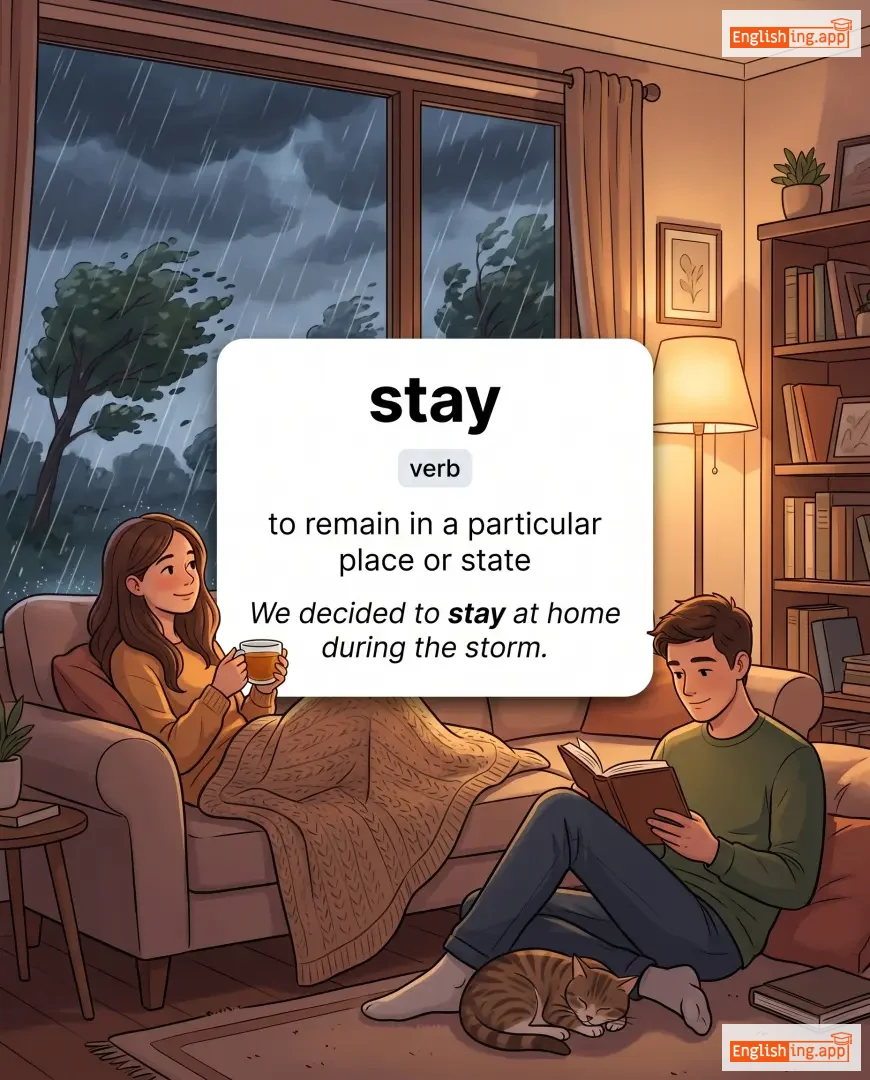
to remain in the same place; to continue being
••••••
|
Please stay here until I return.
请留在这里直到我回来。
••••••
|
请留在这里直到我回来。
Qǐng liú zài zhèlǐ zhídào wǒ huílái.
••••••
|
- •••••• | - •••••• | - •••••• |
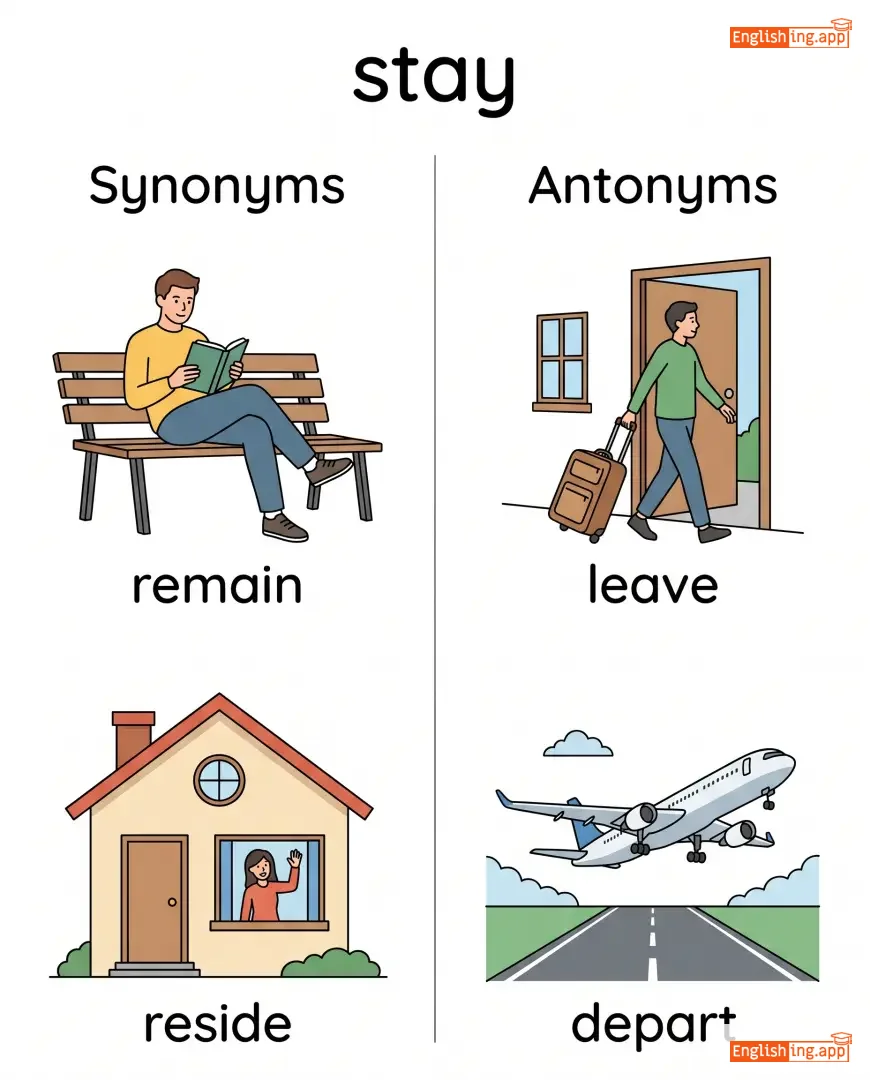
remain, continue, wait, linger
••••••
|
leave, go, depart, move
••••••
|
stay home, stay calm, stay away, stay up, stay put
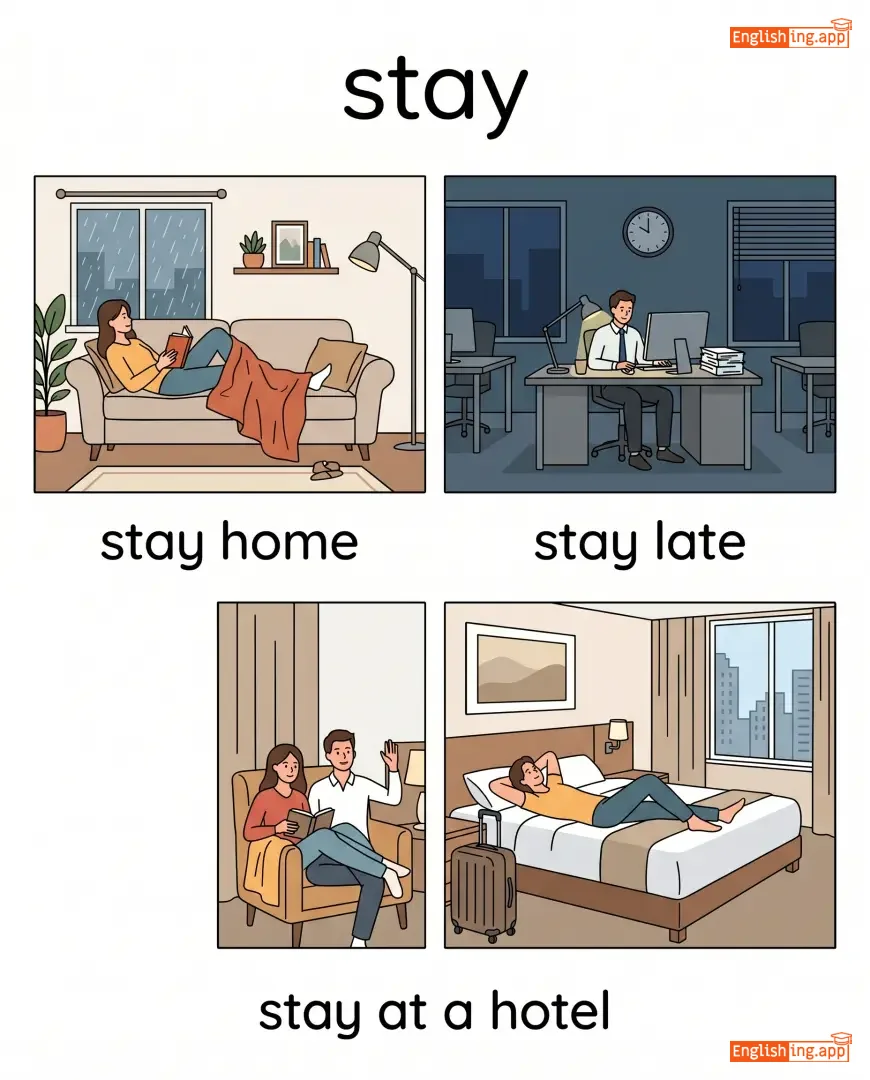
••••••
|
Stay with 'tingliu' in Chinese, stay in place!
••••••
|
|
#0
🚌
|
/teɪk/
verb
(teik)
••••••
|
|
拿
na
••••••
|
took
tuk
••••••
|
taken
teiken
••••••
|
takes
teiks
••••••
|
taking
teiking
••••••
|
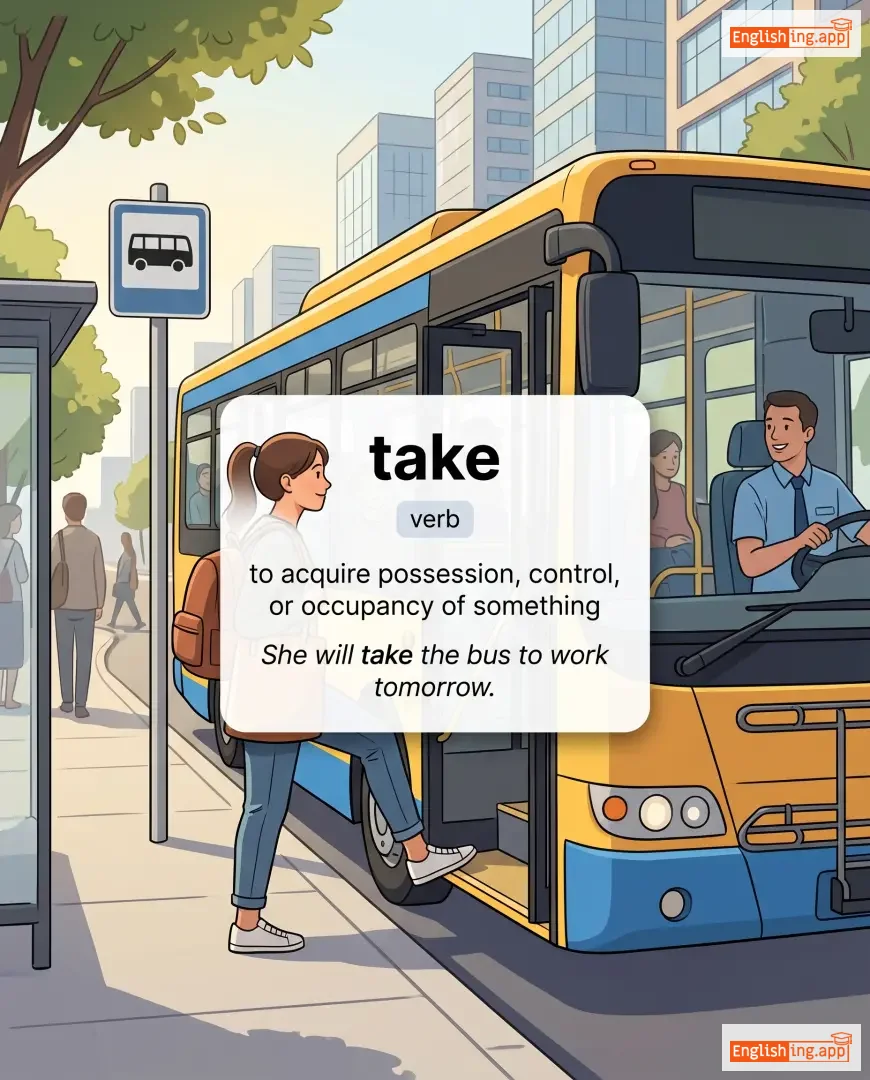
to acquire possession, control, or occupancy of something
••••••
|
She will take the bus to work tomorrow.
她明天将乘坐公交车去上班。
••••••
|
她明天将乘坐公交车去上班。
Ta mingtian jiang chengzuo gongjiaoche qu shangban.
••••••
|
take advantage of
利用
••••••
|
to exploit or make good use of an opportunity
••••••
|
利用
liyong
••••••
|
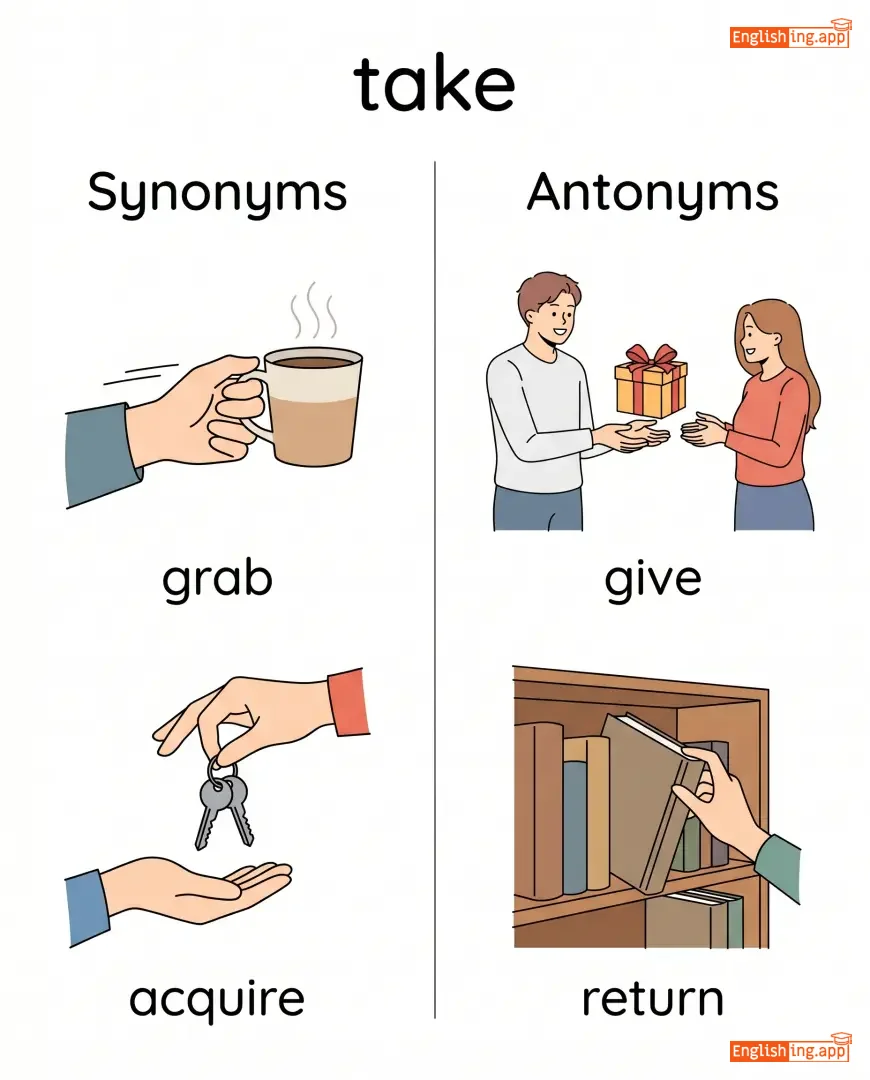
grab, acquire, seize, accept
••••••
|
give, return, release
••••••
|
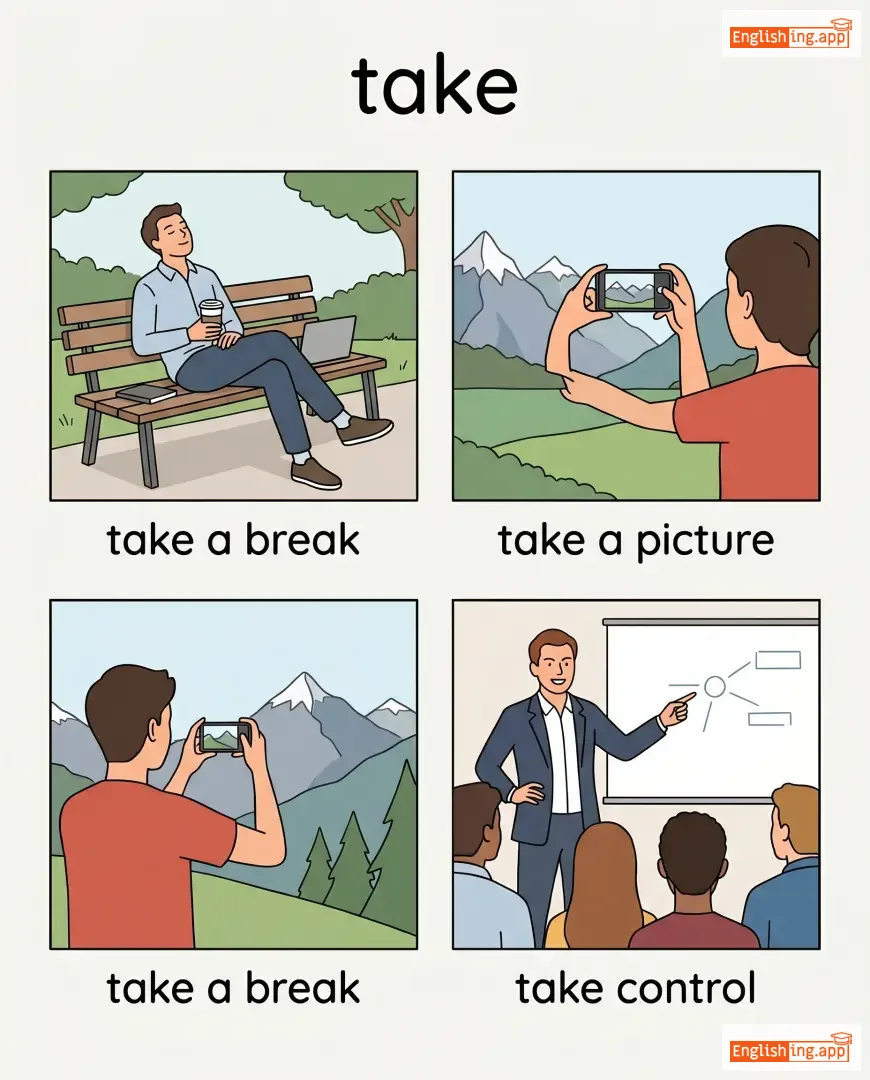
take a break, take a picture, take control
••••••
|
如果你拿 (take),你就得到了 - If you take it, you will have it.
••••••
|
|
#0
🧸
|
/tɔɪ/
noun
(托伊)
••••••
|
- •••••• |
玩具
wanju
••••••
|
- •••••• | - •••••• | - •••••• | - •••••• |
an object for children to play with
••••••
|
The child received a toy car for his birthday. |
孩子收到了一个玩具车作为生日礼物。
Haizi shoudao le yige wanju che zuo wei shengri liwu.
••••••
|
not a toy |
used to emphasize that something should not be taken lightly
••••••
|
不是玩具
bushi wanju
••••••
|
plaything, game, doll, trinket
••••••
|
tool, equipment
••••••
|
toy car, toy shop, toy soldier, toy industry
••••••
|
Toy 🧸 意味着玩具,玩具是孩子玩的东西。
••••••
|
|
#0
👍
|
/jɛs/
adverb
(是)
••••••
|
- •••••• |
是
shi
••••••
|
- •••••• | - •••••• | - •••••• | - •••••• |
used to express affirmation, agreement, or consent
••••••
|
Yes, I will be there at 5 o'clock. |
是的,我会在五点到那里。
Shi de, wo hui zai wu dian dao nali.
••••••
|
- •••••• | - •••••• | - •••••• |
certainly, definitely, absolutely, of course
••••••
|
no, not at all
••••••
|
say yes, agree with yes, say yes to, yes or no
••••••
|
Yes, I say Shi when I agree.
••••••
|
Vocabulary Quiz
Test your vocabulary by matching words with their translations or meanings.
Login to take the quiz
Comments (0)
Share your thoughts and join the discussion.
Join the discussion by logging in
Login to CommentNo comments yet
Be the first to share your thoughts!