

保留传统农业的农夫
The Farmer Who Preserved Traditional Farming
贾马尔是一位传统农夫,他饲养 cattle 并种植 cotton。他的农场位于村子的 center。现代化正在威胁传统农业——大型公司想要购买土地。农场被 closed 已变得 common。但贾马尔相信要保护传统。他穿着一件带 collar 的简单衬衫——尽管辛苦工作,总是干净整洁。每个星期天他都会去 church 做礼拜。贾马尔的耕作技术包括多 layers 的轮作。他还用牛奶制作 cheese ——这是一项罕见的技能。大公司试图 compel 他卖掉土地,但贾马尔拒绝了。维持一个传统农场的确 costly,但他坚持下去。贾马尔试图向年轻一代 convey 可持续农业的重要性。他必须 comply 新的法规,这非常具有挑战性。一些活动人士与他 conferred 保护策略。贾马尔把农具存放在一个像 closet 一样的大棚中。随着村庄转变为工业 colonies,传统农场离灭绝越来越 closer。贾马尔不得不 combat 许多挑战——天气、经济、政策。有一次有趣的事情是一档 comedy 节目把他称为“最后的传统农夫”——他欣然接受。贾马尔相信每个人都应有一个 chance 选择自己的人生道路。农业部给了他一个 chance 展示传统方法。贾马尔证明了传统农业可以与现代世界共存。他的奉献精神激励了农民合作社的成立。贾马尔的故事成为抵抗强制现代化的象征。

Swipe left or right, or use the buttons. Tap image to zoom.
例句翻译
单词
The Farmer Who Preserved Traditional FarmingThe Farmer Who Preserved Traditional Farming - 遮罩切换
|
表情符号
|
单词 | Images | 翻译 | 过去时 | 过去分词 | 第三人称单数 | 动名词 | 含义 | 例句 | 例句翻译 | 示例表达 | 示例表达含义 | 示例表达翻译 | 同义词 | 反义词 | 搭配词 | 助记符 |
|---|---|---|---|---|---|---|---|---|---|---|---|---|---|---|---|---|---|
|
#0
🐄
|
/ˈkætl/
noun
(ˈhæpinəs)
••••••
|
- •••••• |
幸福
xìngfú
••••••
|
- •••••• | - •••••• | - •••••• | - •••••• |
large domesticated animals such as cows and bulls that are kept on a farm for their milk, meat, or hides
••••••
|
The farmer owns a herd of cattle that graze near the river. |
她在收到奖项时无法掩饰她的幸福。
Tā zài shōu dào jiǎngxiàng shí wúfǎ yǎnshì tā de xìngfú.
••••••
|
like cattle |
used to describe people being treated as a group without individuality
••••••
|
追求幸福
zhuīqiú xìngfú
••••••
|
livestock, herd, cows, oxen, bovine
••••••
|
wild animals, pets
••••••
|
herd of cattle, cattle farm, cattle ranch, cattle market
••••••
|
幸福的发音像'心福',记住这个词,幸福就是快乐!
••••••
|
|
#0
🎯
|
/ˈsɛntər/
noun
(sēntè)
••••••
|
|
中心
zhōngxīn
••••••
|
- •••••• | - •••••• | - •••••• | - •••••• |
The middle point or part of something; a place where a particular activity is concentrated.
••••••
|
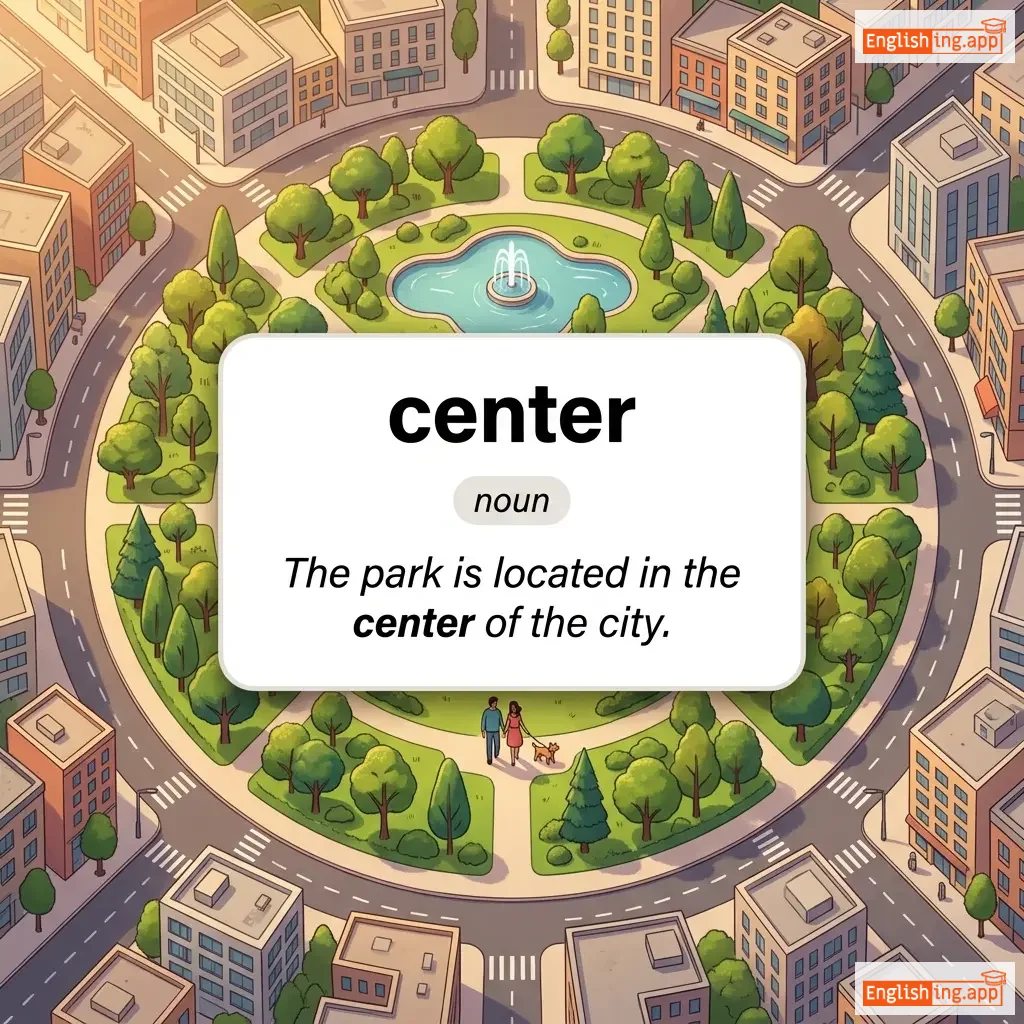
The park is located in the center of the city. |
公园位于城市的中心。
Gōngyuán wèiyú chéngshì de zhōngxīn.
••••••
|
the center of attention |
the person or thing that everyone is paying attention to
••••••
|
注意力中心
zhùyì lì zhōngxīn
••••••
|
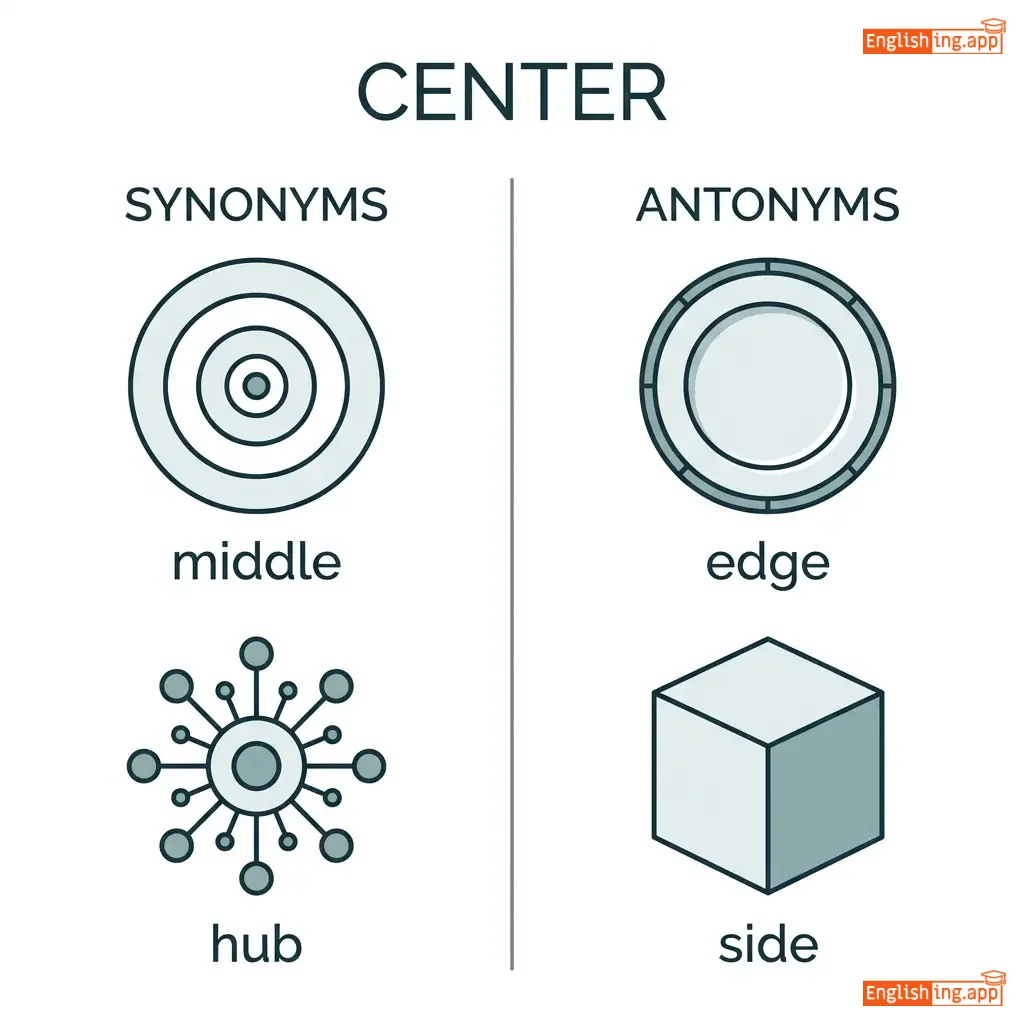
middle, hub, core, heart, focus
••••••
|
edge, side, periphery
••••••
|
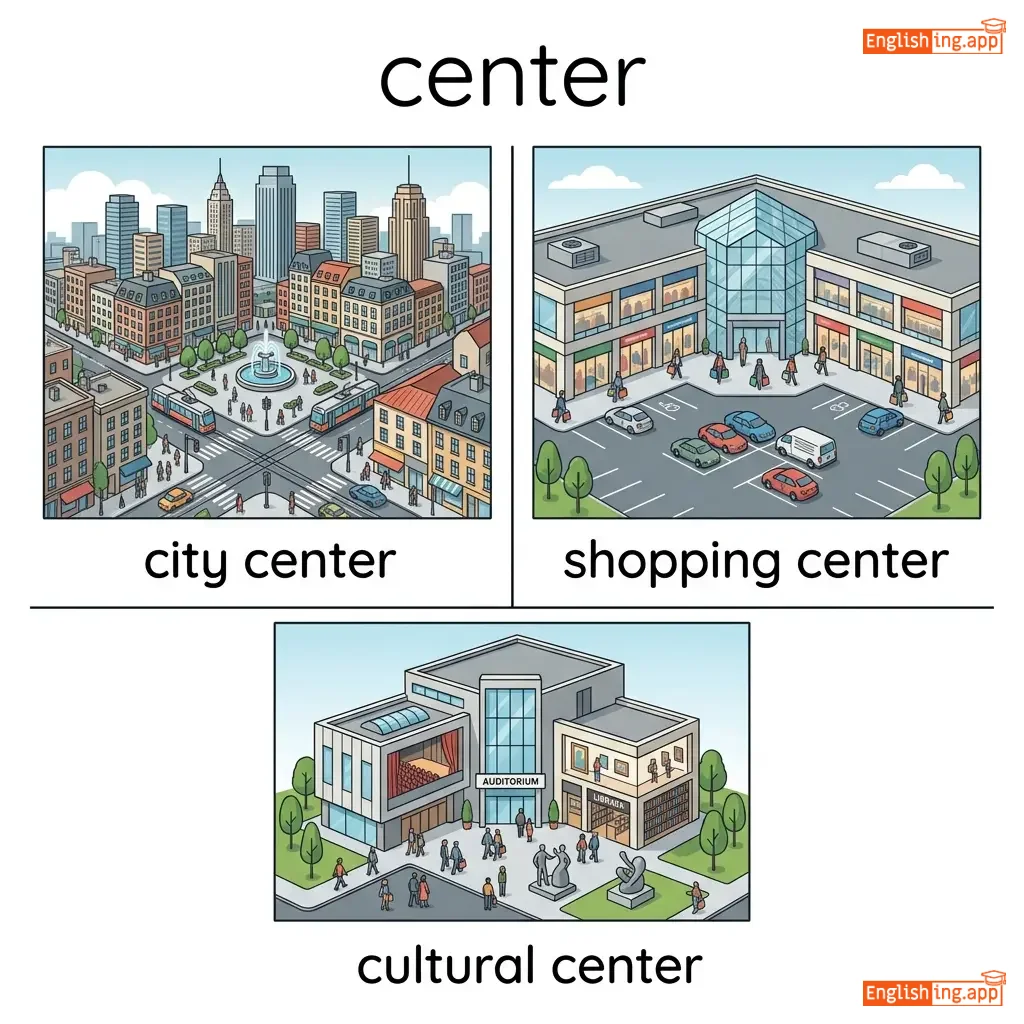
city center, shopping center, cultural center, attention center
••••••
|
Center意味着中心,比如City Center就是城市的中心。
••••••
|
|
#0
🎲
|
/tʃæns/
noun
(chānsī)
••••••
|
- •••••• |
机会
jī huì
••••••
|
- •••••• | - •••••• | - •••••• | - •••••• |
An opportunity or possibility of something happening.
••••••
|
He took a chance and applied for the job. |
他冒险申请了这份工作。
Tā màoxiǎn shēnqǐngle zhè fèn gōngzuò.
••••••
|
take a chance |
to do something risky or uncertain in hope of success
••••••
|
抓住机会
zhuā zhù jī huì
••••••
|
opportunity, possibility, likelihood, probability, prospect
••••••
|
certainty, impossibility, guarantee
••••••
|
take a chance, by chance, good chance, slim chance
••••••
|
Chance意味着机会 – 就像掷骰子 🎲 看看能否赢得机会!
••••••
|
|
#0
🧀
|
/tʃiːz/
noun
(chīz)
••••••
|
- •••••• |
奶酪
nǎilào
••••••
|
- •••••• | - •••••• | - •••••• | - •••••• |
a dairy product made from curdled or cultured milk
••••••
|
She sliced some cheese for the sandwich.
她为三明治切了一些奶酪。
••••••
|
她为三明治切了一些奶酪。
Tā wèi sānmíngzhì qiēle yīxiē nǎilào.
••••••
|
say cheese
说奶酪
••••••
|
a phrase used when asking people to smile for a photo
••••••
|
说奶酪
Shuō nǎilào
••••••
|
dairy, curd, fromage, cheddar, mozzarella
••••••
|
milk, yogurt
••••••
|
cheese sandwich, grated cheese, cream cheese, cheese platter
••••••
|
Cheese意味着🧀奶酪,拍照时说'说奶酪'并微笑。
••••••
|
|
#0
⛪
|
/tʃɜːrtʃ/
noun
(教堂)
••••••
|
- •••••• |
教堂
jiaotang
••••••
|
- •••••• | - •••••• | - •••••• | - •••••• |
a building used for public Christian worship
••••••
|
The old church in the village was built in the 18th century. |
村里的古老教堂建于18世纪。
Cun li de gulao jiaotang jian yu 18 shiji.
••••••
|
go to church |
to attend Christian worship services
••••••
|
去教堂
qu jiaotang
••••••
|
chapel, cathedral, sanctuary, basilica
••••••
|
mosque, temple
••••••
|
church service, church building, church bell, church members
••••••
|
教堂即 Church ⛪ — 基督徒祈祷的地方。
••••••
|
|
#0
🚪
|
/kloʊzd/
adjective
(克洛兹德)
••••••
|
- •••••• |
关闭
guanbi
••••••
|
- •••••• | - •••••• | - •••••• | - •••••• |
not open; shut
••••••
|
The store is closed on Fridays. |
商店星期五关闭。
Shangdian xingqi wu guanbi.
••••••
|
closed book |
a person or subject about which one knows very little
••••••
|
关闭的书
guanbi de shu
••••••
|
shut, sealed, locked, barred
••••••
|
open, unlocked
••••••
|
closed door, closed eyes, closed mind, closed system
••••••
|
Closed意味着关闭 – 记住,CLOSED door意味着‘No entry’。
••••••
|
|
#0
➡️
|
/ˈkloʊsər/
adjective, noun
(klóu sīr)
••••••
|
- •••••• |
更近,结束者
gèng jìn, jiéshù zhě
••••••
|
- •••••• | - •••••• | - •••••• | - •••••• |
more near in distance or relationship; someone or something that concludes an activity
••••••
|
She moved closer to the window. |
她走得更靠近窗户。
Tā zǒu dé gèng kào jìn chuānghù.
••••••
|
come closer |
move nearer
••••••
|
走得更近
zǒu dé gèng jìn
••••••
|
nearer, adjacent, nearby, intimate
••••••
|
farther, distant
••••••
|
closer look, closer relationship, move closer, closer examination
••••••
|
Closer意味着更近——和朋友关系会更加亲密。
••••••
|
|
#0
🚪
|
/ˈklɒzɪt/
noun
(克洛泽特)
••••••
|
- •••••• |
衣柜
yīguì
••••••
|
- •••••• | - •••••• | - •••••• | - •••••• |
a small room or enclosed space used for storing clothes or other things
••••••
|
She keeps her winter coats in the closet near the door. |
她把冬季外套放在门旁的衣柜里。
tā bǎ dōngjì wàitào fàng zài mén páng de yīguì lǐ.
••••••
|
skeleton in the closet |
a hidden and embarrassing secret from someone's past
••••••
|
衣柜里的骷髅
yīguì lǐ de kūlóu
••••••
|
wardrobe, cupboard, locker, storage, cabinet
••••••
|
open space, exposure
••••••
|
walk-in closet, linen closet, broom closet, closet door
••••••
|
衣柜就像一个秘密存储衣物的地方,像藏匿秘密的地方!
••••••
|
|
#0
👔
|
/ˈkɒlər/
noun
(卡勒)
••••••
|
- •••••• |
领子
lingzi
••••••
|
- •••••• | - •••••• | - •••••• | - •••••• |
the part of a shirt, coat, or dress that goes around the neck
••••••
|
He adjusted his shirt collar before entering the meeting. |
他在进入会议之前调整了他的衬衫领子。
Ta zai jinru huiyi zhiqian tiaozheng le ta de chenshan lingzi.
••••••
|
white-collar worker |
a person who performs professional, managerial, or administrative work
••••••
|
白领工人
bai ling gongren
••••••
|
neckband, neckline, choker, ruff, band
••••••
|
sleeve, cuff
••••••
|
shirt collar, white-collar job, collar bone, pop the collar
••••••
|
领子就是衬衫的脖子部分,记住,它总是围绕脖子!
••••••
|
|
#0
🏝️
|
/ˈkɒləni/
noun
(kēlúnní)
••••••
|
- •••••• |
殖民地
zhímíndì
••••••
|
- •••••• | - •••••• | - •••••• | - •••••• |
a territory or community controlled by another country or group of people
••••••
|
India was once a British colony. |
印度曾是英国的殖民地。
Yìndù céng shì Yīngguó de zhímíndì.
••••••
|
- •••••• | - •••••• | - •••••• |
territory, settlement, dependency, dominion, outpost
••••••
|
independent state, homeland
••••••
|
British colony, animal colony, colony of ants, colonial rule
••••••
|
Colony 发音像 '殖民地', 由另一个国家控制的地方。
••••••
|
|
#0
⚔️
|
/ˈkɒmbæt/
verb
(康巴特)
••••••
|
- •••••• |
对抗
duìkàng
••••••
|
combated
康巴特了
••••••
|
combated
康巴特了
••••••
|
combats
康巴特
••••••
|
combating
康巴特中
••••••
|
to fight against something, especially to reduce or stop it
••••••
|
The government is taking steps to combat corruption.
政府正在采取措施来对抗腐败。
••••••
|
政府正在采取措施来对抗腐败。
Zhèngfǔ zhèngzài cǎiqǔ cuòshī lái duìkàng fǔbài.
••••••
|
combat crime
打击犯罪
••••••
|
to fight against criminal activity
••••••
|
打击犯罪
dǎjī fànzuì
••••••
|
fight, battle, oppose, resist, tackle
••••••
|
support, encourage, promote
••••••
|
combat disease, combat terrorism, combat climate change, combat poverty
••••••
|
对抗 = Come + Battle — 来打仗 (come to fight)!
••••••
|
|
#0
😂
|
/ˈkɒmədi/
noun
(喜剧)
••••••
|
- •••••• |
喜剧
xijü
••••••
|
- •••••• | - •••••• | - •••••• | - •••••• |
A type of entertainment that is intended to make people laugh.
••••••
|
We watched a hilarious comedy at the theater.
我们在剧院看了一场有趣的喜剧。
••••••
|
我们在剧院看了一场有趣的喜剧。
Wo men zai ju yuan kan le yi chang you qu de xi ju.
••••••
|
tragicomedy
悲喜剧
••••••
|
a dramatic work that combines elements of tragedy and comedy
••••••
|
悲喜剧
beixiju
••••••
|
humor, farce, satire, joke, parody
••••••
|
tragedy, drama
••••••
|
stand-up comedy, comedy show, comedy movie, romantic comedy
••••••
|
喜剧 - 笑到不行!笑是最好的药!
••••••
|
|
#0
🌍
|
/ˈkɒm.ən/
adjective
(kòngmèn)
••••••
|
- •••••• |
共同
gongtong
••••••
|
- •••••• | - •••••• | - •••••• | - •••••• |
occurring frequently or widely; shared by all
••••••
|
It is common to see traffic in the city during rush hour. |
在高峰时间看到城市里的交通是很常见的。
Zai gaofeng shijian kandao chengshi li de jiaotong shi hen changjian de
••••••
|
common sense |
good practical judgment based on everyday experience
••••••
|
常识
changshi
••••••
|
usual, ordinary, frequent, general
••••••
|
rare, uncommon, unusual
••••••
|
common problem, common interest, common mistake, in common
••••••
|
共同意味着大家共享的,就像‘常识’一样。
••••••
|
|
#0
👉
|
/kəmˈpɛl/
verb
(kōng-pèi-ěr)
••••••
|
- •••••• |
强迫
qiangpo
••••••
|
compelled
kōng-pèi-ěr-d
••••••
|
compelled
kōng-pèi-ěr-d
••••••
|
compels
kōng-pèi-ěr-s
••••••
|
compelling
kōng-pèi-ěr-ing
••••••
|
To force or drive someone to do something.
••••••
|
The law compels citizens to pay taxes.
法律强迫公民缴纳税款。
••••••
|
法律强迫公民缴纳税款。
Fǎlǜ qiángpò gōngmín jiǎonà shuìkuǎn.
••••••
|
compel attention
吸引注意
••••••
|
To strongly attract or demand focus.
••••••
|
吸引注意
xīyǐn zhùyì
••••••
|
force, drive, oblige, pressure, coerce
••••••
|
dissuade, discourage, prevent
••••••
|
compel someone, compel obedience, compel action, compel attention
••••••
|
Compel 意味着强迫,像妈妈说的: '你得强迫自己做作业!'
••••••
|
|
#0
✅
|
/kəmˈplaɪ/
verb
(kəmˈplaɪ)
••••••
|
- •••••• |
遵守
zūnshǒu
••••••
|
complied
kəmˈplaɪd
••••••
|
complied
kəmˈplaɪd
••••••
|
complies
kəmˈplaɪz
••••••
|
complying
kəmˈplaɪɪŋ
••••••
|
to act in accordance with a rule, request, or law
••••••
|
All companies must comply with safety regulations.
所有公司必须遵守安全规定。
••••••
|
所有公司必须遵守安全规定。
Suǒyǒu gōngsī bìxū zūnshǒu ānquán guīdìng.
••••••
|
comply with orders
遵守命令
••••••
|
to follow instructions or commands
••••••
|
遵守命令
zūnshǒu mìnglìng
••••••
|
obey, follow, conform, observe, respect
••••••
|
disobey, resist, ignore
••••••
|
comply with law, comply with order, comply with standard, comply fully
••••••
|
遵守意味着遵循规定 (rules)。
••••••
|
|
#0
💬
|
/kənˈfɜːr/
verb
••••••
|
- •••••• | - •••••• |
conferred
••••••
|
conferred
••••••
|
confers
••••••
|
conferring
••••••
|
to discuss something important or to grant or bestow something
••••••
|
The committee will confer to decide on the new policy. |
- •••••• |
confer a degree |
to officially give someone a degree
••••••
|
- •••••• |
consult, discuss, grant, bestow, award
••••••
|
withhold, deny
••••••
|
confer with, confer about, confer a degree, confer title
••••••
|
No •••••• |
|
#0
📦
|
/kənˈveɪ/
verb
(kənˈveɪ)
••••••
|
|
传送,表达
chuán sòng, biǎo dá
••••••
|
conveyed
kənˈveɪd
••••••
|
conveyed
kənˈveɪd
••••••
|
conveys
kənˈveɪz
••••••
|
conveying
kənˈveɪɪŋ
••••••
|
to transport; to communicate or express; to transfer
••••••
|
The painting conveys a sense of peace and tranquility.
这幅画传达了一种和平与宁静的感觉。
••••••
|
这幅画传达了一种和平与宁静的感觉。
Zhè fú huà chuán dá le yī zhǒng hé píng yǔ níng jìng de gǎn jué.
••••••
|
- •••••• | - •••••• | - •••••• |
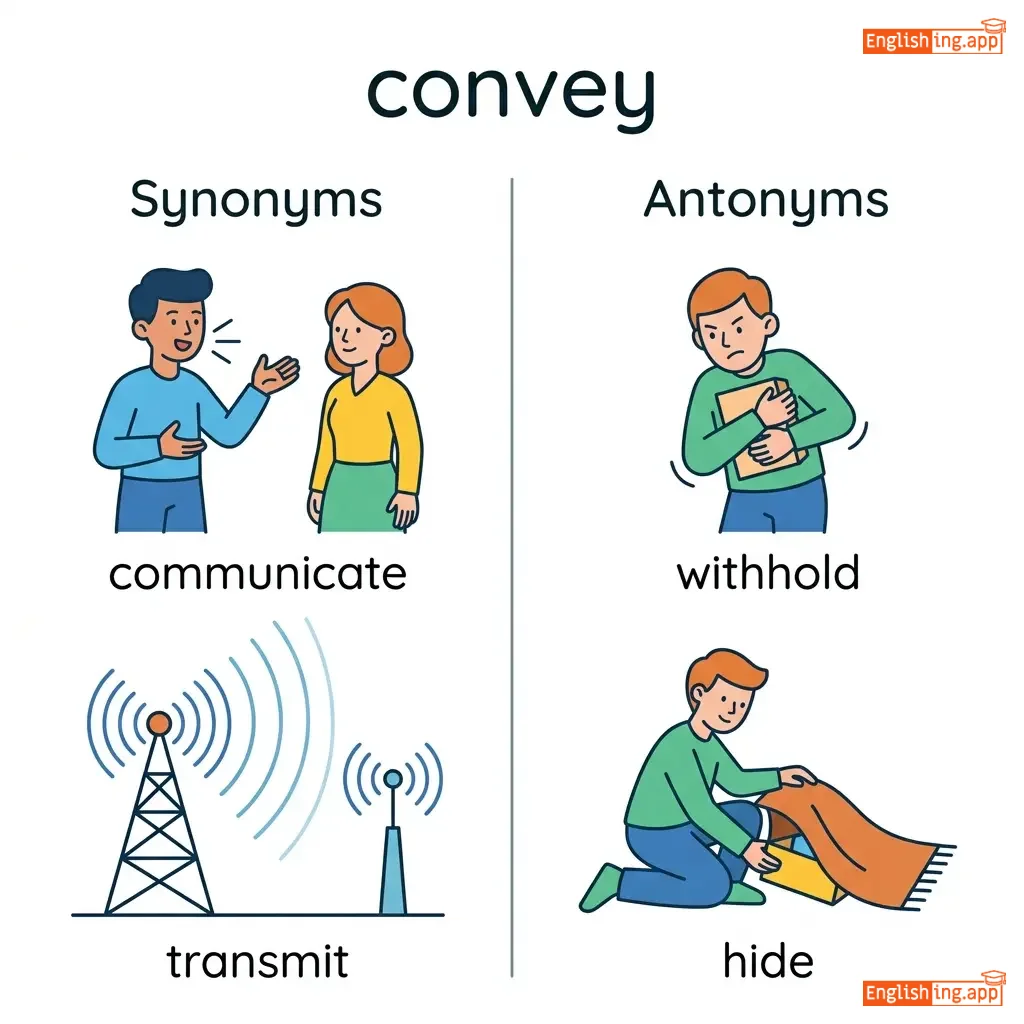
transport, communicate, express, transfer
••••••
|
withhold, conceal, hide, retain
••••••
|
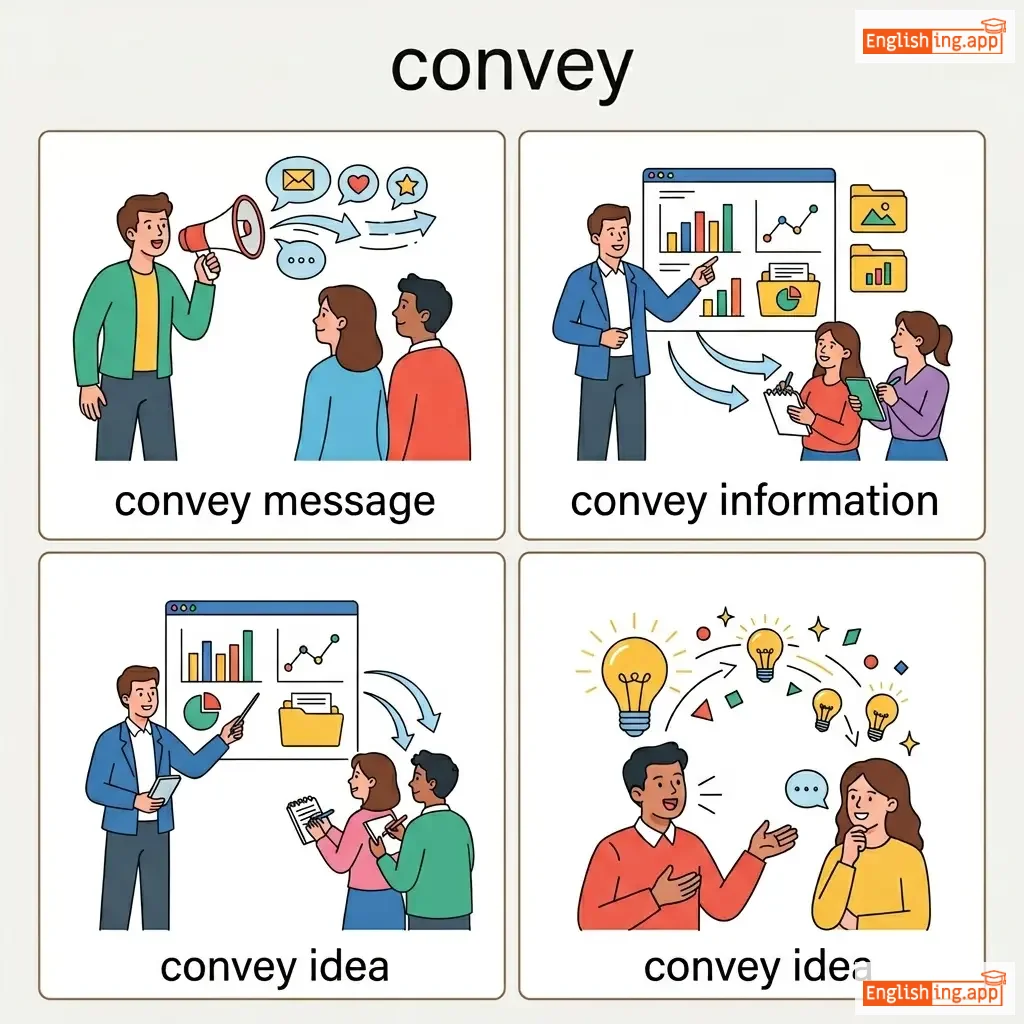
convey message, convey meaning, convey information, convey emotion, convey clearly
••••••
|
Art conveying peace—imagine 'convey' in a painting.
••••••
|
|
#0
💸
|
/ˈkɔːstli/
adjective
(kɔstli)
••••••
|
- •••••• |
昂贵
ángguì
••••••
|
- •••••• | - •••••• | - •••••• | - •••••• |
expensive or causing a lot of money, time, or effort
••••••
|
Their mistake proved to be very costly for the company. |
他们的错误证明对公司来说是非常昂贵的。
Tāmen de cuòwù zhèngmíng duì gōngsī lái shuō shì fēicháng ángguì de.
••••••
|
costly mistake |
an error that leads to serious loss or damage
••••••
|
昂贵的错误
ángguì de cuòwù
••••••
|
expensive, high-priced, lavish, valuable
••••••
|
cheap, inexpensive, economical
••••••
|
costly mistake, costly investment, costly decision, costly failure
••••••
|
Costly在英文中意味着昂贵,就像中文的昂贵 💸
••••••
|
|
#0
🌱
|
/ˈkɒtən/
noun
••••••
|
- •••••• |
幸福
xìngfú
••••••
|
- •••••• | - •••••• | - •••••• | - •••••• |
A soft white fibrous substance used to make cloth and thread.
••••••
|
This shirt is made of pure cotton. |
当她收到奖项时,她无法掩饰自己的幸福。
Dāng tā shōudào jiǎngxiàng shí, tā wúfǎ yǎnshì zìjǐ de xìngfú.
••••••
|
cotton on |
To begin to understand or realize something.
••••••
|
追求幸福
zhuīqiú xìngfú
••••••
|
fabric, fiber, cloth, textile
••••••
|
synthetic, polyester
••••••
|
cotton fabric, cotton industry, cotton field, pure cotton
••••••
|
幸福 - 想象内心的阳光照亮一切 🌞
••••••
|
|
#0
📚
|
/ˈleɪər/
noun
(léi ér)
••••••
|
- •••••• |
层
ceng
••••••
|
- •••••• | - •••••• | - •••••• | - •••••• |
A sheet, thickness, or coating of something that lies over or under a surface.
••••••
|
The cake had a layer of cream between the sponges. |
蛋糕中间有一层奶油。
Dàngāo zhōngjiān yǒu yī céng nǎiyóu.
••••••
|
a layer of meaning |
a deeper or additional significance
••••••
|
意义的层次
yìyì de céngcì
••••••
|
sheet, coating, stratum, film, covering
••••••
|
core, center
••••••
|
thin layer, thick layer, protective layer, additional layer
••••••
|
Layer意味着层,就像蛋糕中间的奶油层。
••••••
|
Vocabulary Quiz
Test your vocabulary by matching words with their translations or meanings.
Login to take the quiz
Comments (0)
Share your thoughts and join the discussion.
Join the discussion by logging in
Login to CommentNo comments yet
Be the first to share your thoughts!