

从未放弃的医生
The Physician Who Never Gave Up
纳希德医生是一位 impressive physician,在一家小型 healthcare 中心工作。一天早晨,一位名叫拉希姆的患者来到,他正遭受严重的 suffering。经过 immediate 检查后,纳希德医生意识到这是一种复杂的 infection,很难 diagnose。她 definitely 知道,在这种情况下需要迅速采取 necessary 行动。纳希德医生打电话给了一位 therapist 同事,他们一起制定了一个 explanation 来让患者家属理解。"我们将进行一项紧急 procedure,这 essentially 可以挽救你丈夫的生命,"她说。她 prescribed 一些 medication 并说道:"这将是 temporary 疼痛,但 eventually 一切都会好起来。"纳希德医生 furthermore 解释了治疗的 importance。拉希姆的家人看到医生的奉献精神,感到 incredible。三周后,拉希姆完全康复,回家并感谢纳希德医生的不懈努力。
Swipe left or right, or use the buttons. Tap image to zoom.
例句翻译
单词
The Physician Who Never Gave UpThe Physician Who Never Gave Up - 遮罩切换
|
表情符号
|
单词 | Images | 翻译 | 过去时 | 过去分词 | 第三人称单数 | 动名词 | 含义 | 例句 | 例句翻译 | 示例表达 | 示例表达含义 | 示例表达翻译 | 同义词 | 反义词 | 搭配词 | 助记符 |
|---|---|---|---|---|---|---|---|---|---|---|---|---|---|---|---|---|---|
|
#0
✅
|
/ˈdɛfɪnɪtli/
adverb
(definitli)
••••••
|
- •••••• |
毫无疑问
háo wú yí wèn
••••••
|
- •••••• | - •••••• | - •••••• | - •••••• |
without any doubt; certainly
••••••
|
I will definitely call you tomorrow. |
我明天一定会给你打电话。
Wǒ míngtiān yídìng huì gěi nǐ dǎ diànhuà.
••••••
|
most definitely |
used to strongly agree or emphasize certainty
••••••
|
最肯定
zuì kěn dìng
••••••
|
certainly, surely, undoubtedly, clearly, absolutely
••••••
|
doubtfully, uncertainly
••••••
|
definitely true, definitely not, definitely agree, definitely going
••••••
|
Definitively 的意思是 '毫无疑问' – 就像 '我一定去'。
••••••
|
|
#0
📋
|
/ˌdaɪəɡˈnoʊsɪs/
noun
••••••
|
- •••••• | - •••••• | - •••••• | - •••••• | - •••••• | - •••••• |
The identification of a disease, condition, or problem through examination of symptoms.
••••••
|
The diagnosis confirmed that she had diabetes. |
- •••••• | - •••••• | - •••••• | - •••••• |
identification, detection, finding, determination
••••••
|
misdiagnosis, guess
••••••
|
medical diagnosis, accurate diagnosis, early diagnosis
••••••
|
No •••••• |
|
#0
🔑
|
/ɪˈsɛnʃəli/
adverb
(本质上)
••••••
|
- •••••• |
本质上
ben zhi shang
••••••
|
- •••••• | - •••••• | - •••••• | - •••••• |
Used to emphasize the basic or fundamental nature of something.
••••••
|
The two plans are essentially the same. |
这两个计划本质上是相同的。
Zhè liǎng gè jì huà běn zhì shàng shì xiāng tóng de.
••••••
|
- •••••• | - •••••• | - •••••• |
basically, fundamentally, primarily, inherently, intrinsically
••••••
|
incidentally, superficially
••••••
|
essentially true, essentially different, essentially the same
••••••
|
Essentially 即本质上 – 本质上是最重要的。
••••••
|
|
#0
🔚
|
/ɪˈventʃuəli/
adverb
(最终)
••••••
|
- •••••• |
最终; 最后
zuìzhōng; zuìhòu
••••••
|
- •••••• | - •••••• | - •••••• | - •••••• |
in the end; finally; at last
••••••
|
After years of hard work, she eventually became a doctor. |
经过多年的努力工作,她最终成了医生。
Jīngguò duō nián de nǔlì gōngzuò, tā zuìzhōng chéngle yīshēng.
••••••
|
- •••••• | - •••••• | - •••••• |
finally, ultimately, in the end, at last
••••••
|
initially, immediately, never
••••••
|
eventually succeed, eventually realize, eventually become
••••••
|
Eventually sounds like '最终' and '最后' in Chinese, both meaning 'finally'.
••••••
|
|
#0
📖
|
/ˌekspləˈneɪʃən/
noun
(ekspləˈneɪʃən)
••••••
|
- •••••• |
解释
jieshi
••••••
|
- •••••• | - •••••• | - •••••• | - •••••• |
a statement or account that makes something clear
••••••
|
The teacher gave a clear explanation of the theory. |
老师给出了理论的清晰解释。
Lǎoshī gěi chūle lǐlùn de qīngxī jiěshì.
••••••
|
beyond explanation |
too strange or difficult to explain
••••••
|
超出解释范围
chāo chū jiěshì fànwéi
••••••
|
clarification, interpretation, description, account, justification
••••••
|
confusion, mystery
••••••
|
give explanation, detailed explanation, proper explanation, clear explanation
••••••
|
Explanation意味着'Explain' + 'ation' = 解释
••••••
|
|
#0
➕
|
/ˌfɜːrðərˈmɔːr/
adverb
(furthermore)
••••••
|
- •••••• |
此外
ciwai
••••••
|
- •••••• | - •••••• | - •••••• | - •••••• |
Used to introduce an additional point or idea; in addition.
••••••
|
The plan is simple and, furthermore, it is affordable. |
这个计划很简单,此外,它也很实惠。
Zhège jìhuà hěn jiǎndān, cǐwài, tā yě hěn shíhuì.
••••••
|
- •••••• | - •••••• | - •••••• |
moreover, in addition, also, besides
••••••
|
however, nevertheless
••••••
|
furthermore argue, furthermore demonstrate, simple and furthermore
••••••
|
Furthermore 意味着 '此外' ➕ 记住: '更多的观点存在。'
••••••
|
|
#0
🏥
|
/ˈhɛlθˌkɛər/
noun
(hélǐkè'ěr)
••••••
|
- •••••• |
医疗保健
yīliáo bǎojiàn
••••••
|
- •••••• | - •••••• | - •••••• | - •••••• |
the organized provision of medical care to people
••••••
|
The country invested heavily in healthcare to improve public health. |
该国在医疗保健方面进行了大量投资,以改善公共健康。
Gāi guó zài yīliáo bǎojiàn fāngmiàn jìnxíngle dàliàng tóuzī, yǐ gǎishàn gōnggòng jiànkāng.
••••••
|
- •••••• | - •••••• | - •••••• |
medicine, health services, medical care
••••••
|
neglect, indifference
••••••
|
healthcare system, healthcare provider, healthcare services
••••••
|
医疗保健拯救生命。
••••••
|
|
#0
⚡
|
/ɪˈmiːdiət/
adjective
(即时)
••••••
|
- •••••• |
即时
jíshí
••••••
|
- •••••• | - •••••• | - •••••• | - •••••• |
happening or done without delay
••••••
|
The doctor gave her immediate attention.
医生给了她即时的关注。
••••••
|
医生给了她即时的关注。
Yīshēng gěile tā jíshí de guānzhù.
••••••
|
in the immediate future
在近期未来
••••••
|
very soon, without delay
••••••
|
在近期未来
zài jìnqī wèilái
••••••
|
instant, prompt, direct, urgent, swift
••••••
|
delayed, gradual, postponed
••••••
|
immediate action, immediate effect, immediate response, immediate family
••••••
|
即时意味着立刻 ⚡ 就像 '立刻现在!'
••••••
|
|
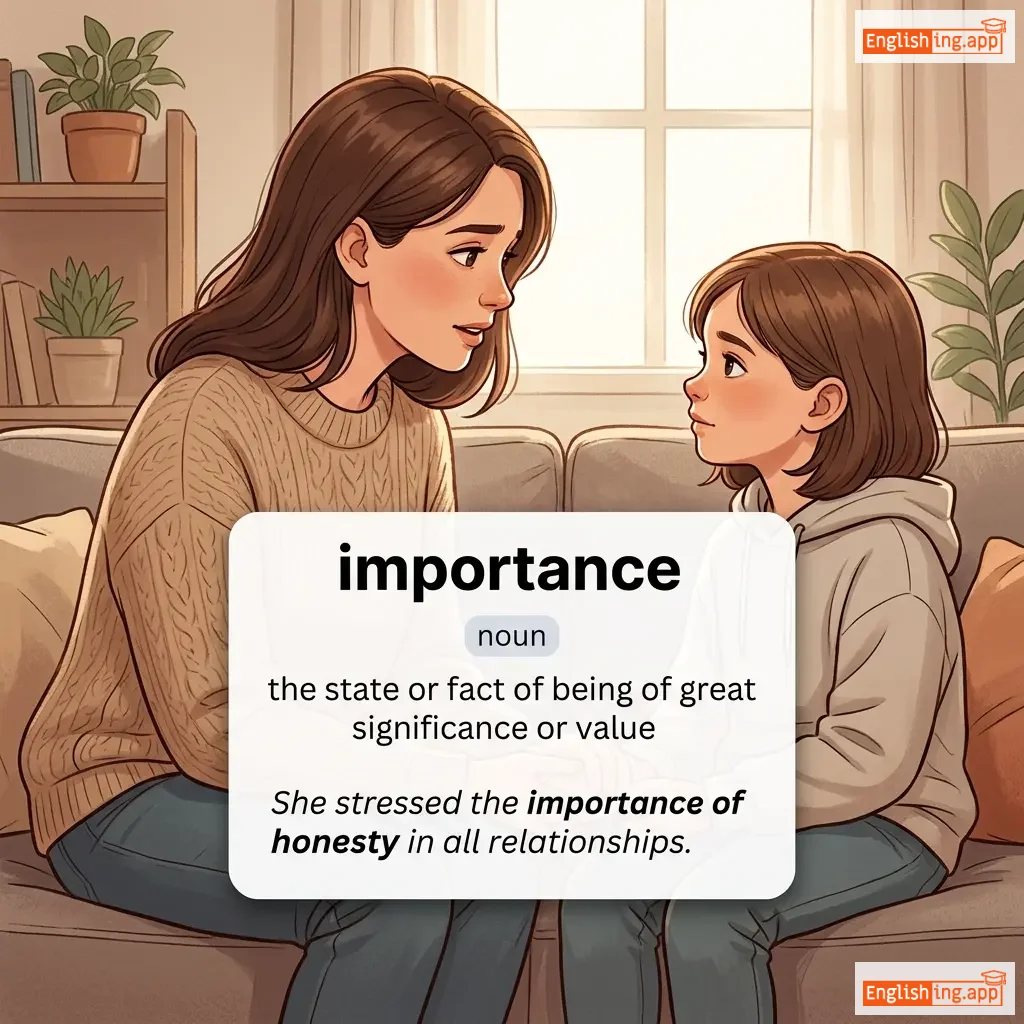
#0
⭐
|
/ɪmˈpɔːrtəns/
noun
(ɪmˈpɔːrtəns)
••••••
|
|
重要性
zhòng yào xìng
••••••
|
- •••••• | - •••••• | - •••••• | - •••••• |
the state or fact of being of great significance or value
••••••
|
She stressed the importance of honesty in all relationships. |
她强调了诚实在所有关系中的重要性。
Tā qiángdiàole chéngshí zài suǒyǒu guānxì zhōng de zhòngyàoxìng.
••••••
|
of great importance |
extremely valuable or significant
••••••
|
极为重要
jí wèi zhòng yào
••••••
|
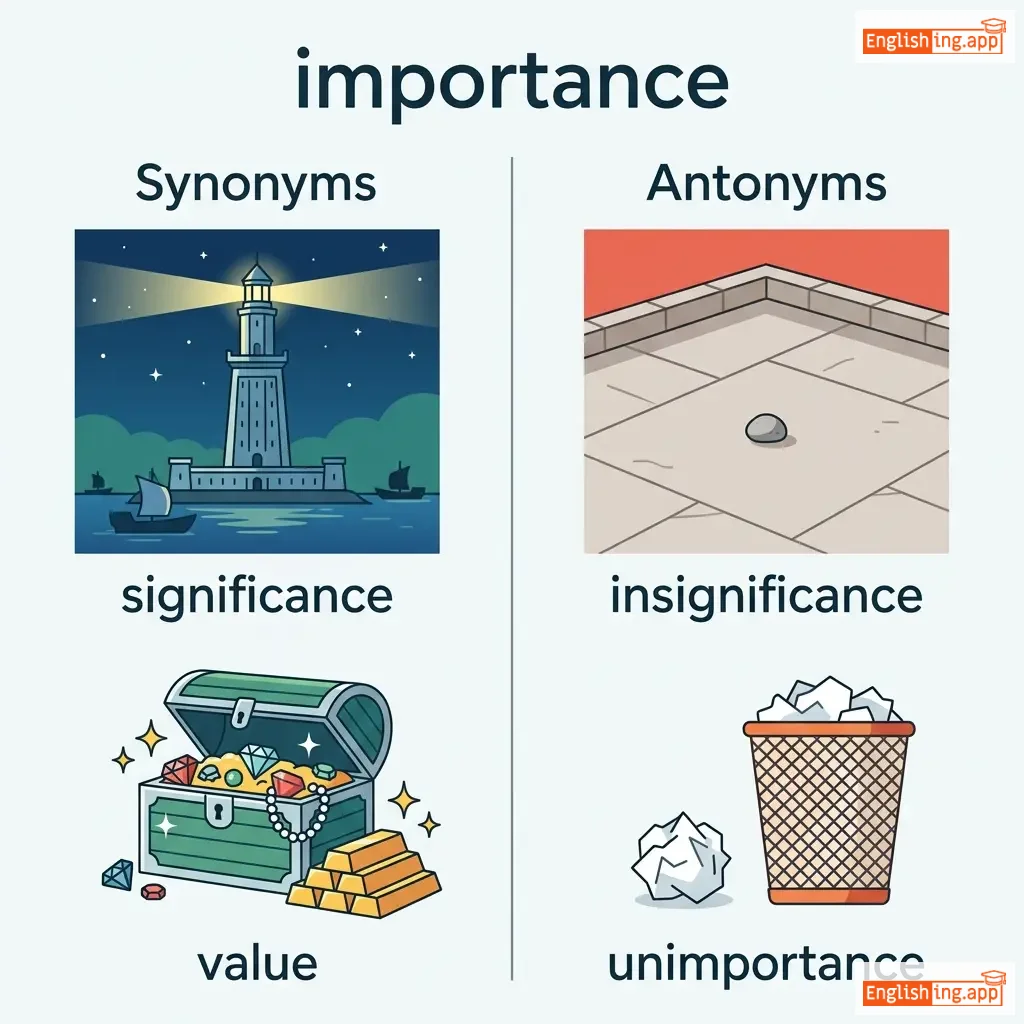
significance, value, weight, relevance, consequence
••••••
|
insignificance, unimportance
••••••
|
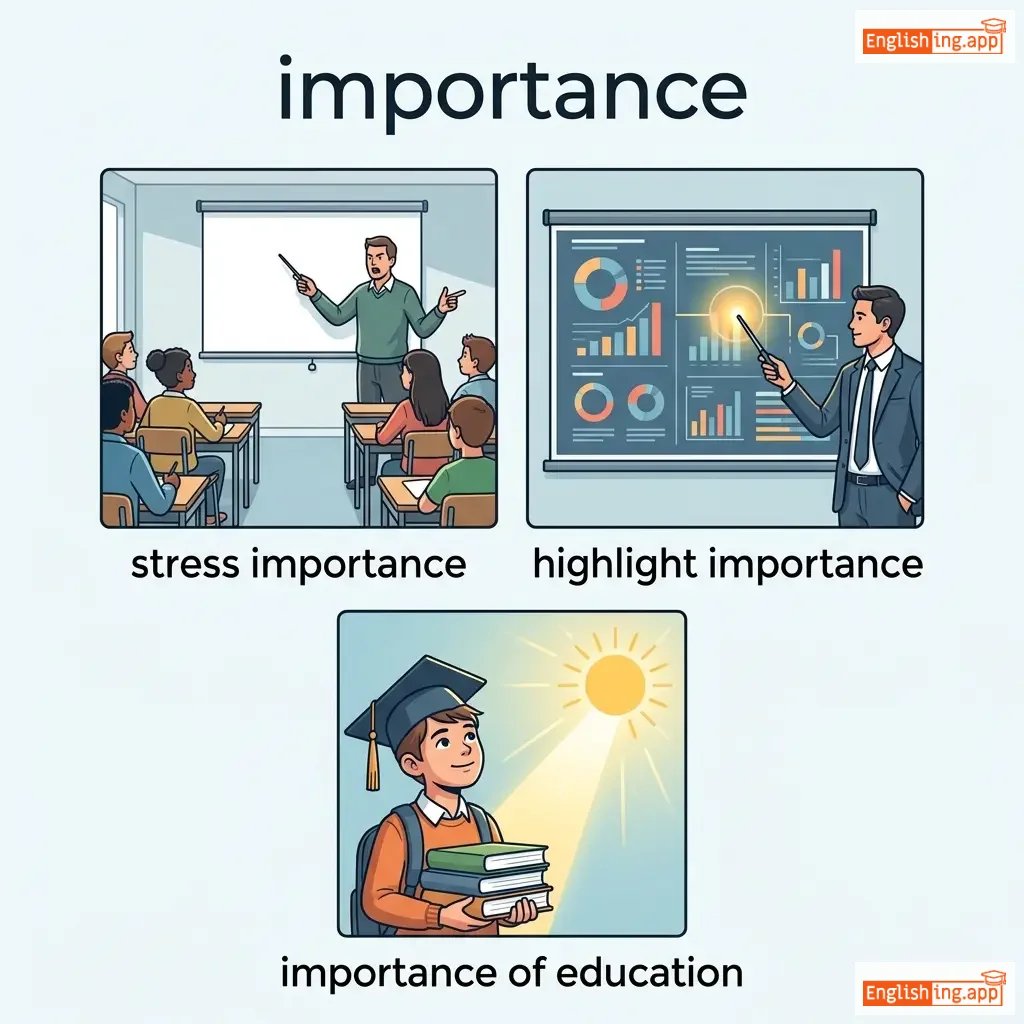
stress importance, highlight importance, importance of education, importance of health
••••••
|
重要性 = Importance, 一定要记住! 🌟
••••••
|
|
#0
👏
|
/ɪmˈpres.ɪv/
adjective
(伊姆普雷西夫)
••••••
|
- •••••• |
令人印象深刻的
impresiv
••••••
|
- •••••• | - •••••• | - •••••• | - •••••• |
striking; remarkable; having the ability to impress
••••••
|
Her impressive performance earned her a standing ovation.
她出色的表演赢得了全场起立鼓掌。
••••••
|
她出色的表演赢得了全场起立鼓掌。
ta chu se de biao yan ying de le quan chang qi li gu zhang
••••••
|
- •••••• | - •••••• | - •••••• |
remarkable, striking, outstanding, magnificent
••••••
|
unimpressive, ordinary, mediocre, disappointing
••••••
|
impressive performance, impressive results, impressive achievement
••••••
|
Impressive = Im press ive 记法: 想象一个印章 Im 把印象压在纸上, 纸上就留下 深刻 的印象
••••••
|
|
#0
🤯
|
/ɪnˈkrɛdəbl/
adjective
(ɪnˈkrɛdɪbl)
••••••
|
- •••••• |
难以置信的
nán yǐ zhì xìn de
••••••
|
- •••••• | - •••••• | - •••••• | - •••••• |
so extraordinary that it is hard to believe; amazing
••••••
|
The view from the mountain was incredible. |
从山顶看到的景色难以置信。
Cóng shāndǐng kàn dào de jǐngsè nán yǐ zhì xìn.
••••••
|
That's incredible! |
an exclamation used to express amazement
••••••
|
太不可思议了!
Tài bù kě sī yì le!
••••••
|
amazing, unbelievable, astonishing, extraordinary, marvelous
••••••
|
ordinary, believable, normal
••••••
|
incredible story, incredible experience, incredible journey, incredible talent
••••••
|
Incredible 意味着 IN+credible — 如此非凡以至于难以置信 🤯
••••••
|
|
#0
🦠
|
/ɪnˈfɛkʃən/
noun
(感染)
••••••
|
- •••••• |
感染
gǎnrǎn
••••••
|
- •••••• | - •••••• | - •••••• | - •••••• |
The process of becoming infected with harmful microorganisms such as bacteria or viruses.
••••••
|
The doctor prescribed antibiotics to treat the infection.
医生开了抗生素来治疗感染。
••••••
|
医生开了抗生素来治疗感染。
Yisheng kai le kangshengsu lai zhiliao ganran.
••••••
|
spread of infection
感染传播
••••••
|
The transmission of disease-causing microorganisms.
••••••
|
感染传播
Ganran chuanbo
••••••
|
contagion, illness, contamination, disease, disorder
••••••
|
health, wellness, cure
••••••
|
bacterial infection, viral infection, wound infection, spread of infection
••••••
|
感染 = 病毒进入体内 = gǎnrǎn
••••••
|
|
#0
💊
|
/ˌmedɪˈkeɪʃən/
noun
(药物)
••••••
|
- •••••• |
药物
yaowu
••••••
|
- •••••• | - •••••• | - •••••• | - •••••• |
a drug or other form of medicine used to treat or prevent disease
••••••
|
The doctor prescribed medication for his headache. |
医生为他的头痛开了药物。
Yisheng wei tā de tóutòng kāile yàowù.
••••••
|
take medication |
to consume prescribed medicine
••••••
|
服用药物
fúyòng yàowù
••••••
|
medicine, drug, remedy, prescription
••••••
|
disease, illness
••••••
|
take medication, prescribe medication, over-the-counter medication, pain medication
••••••
|
药物与Medications相似,'Med'就代表了药品。
••••••
|
|
#0
✔️
|
/ˈnɛsəsɛri/
adjective
••••••
|
|
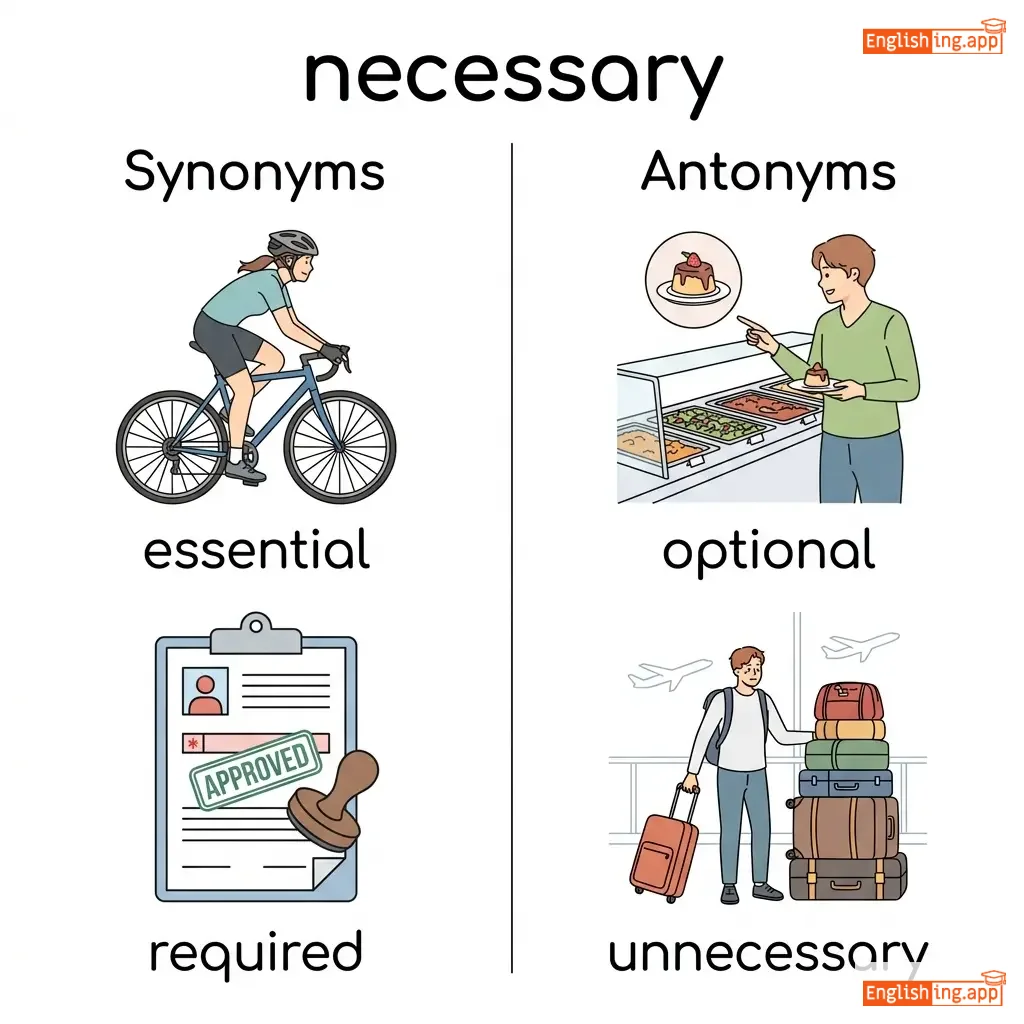
- •••••• | - •••••• | - •••••• | - •••••• | - •••••• |
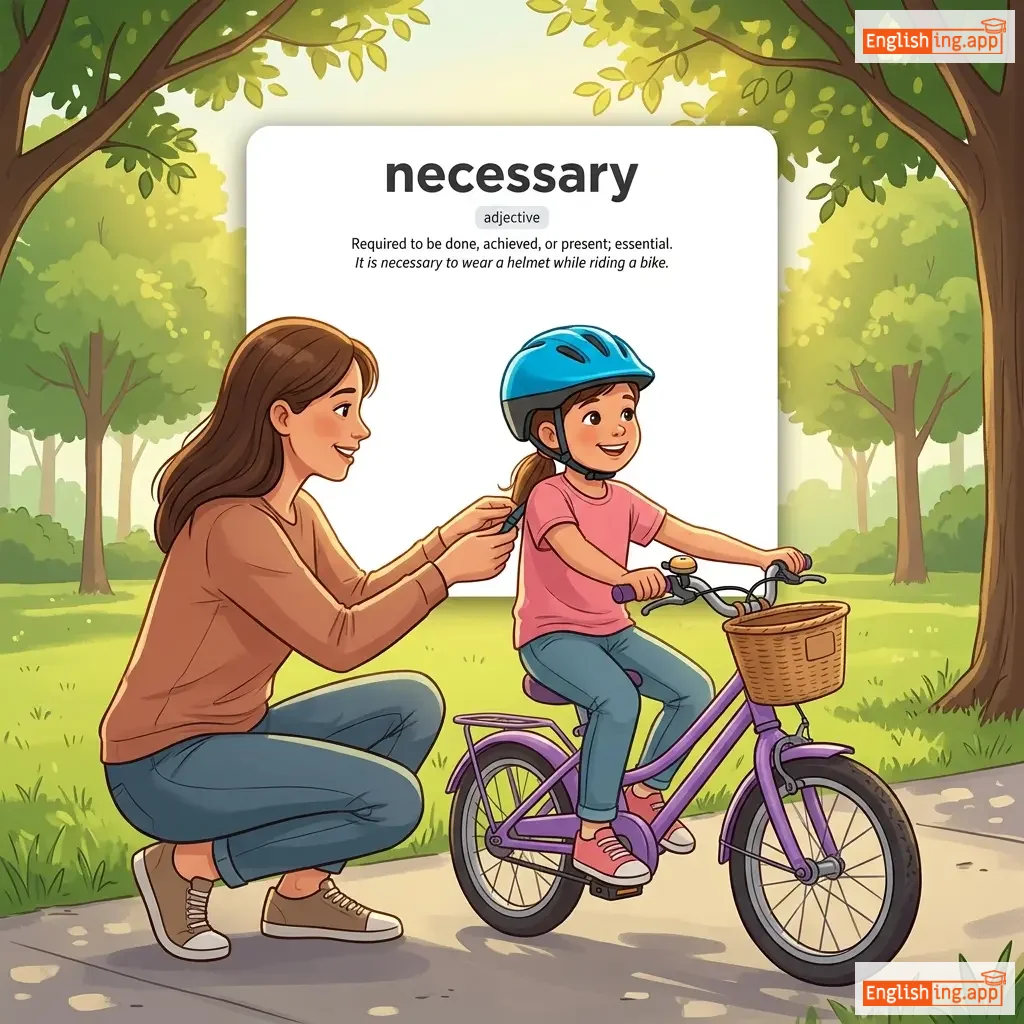
Required to be done, achieved, or present; essential.
••••••
|
It is necessary to wear a helmet while riding a bike. |
- •••••• |
make necessary arrangements |
to prepare the essential things needed
••••••
|
- •••••• |
essential, required, vital, crucial, mandatory
••••••
|
optional, unnecessary, needless
••••••
|
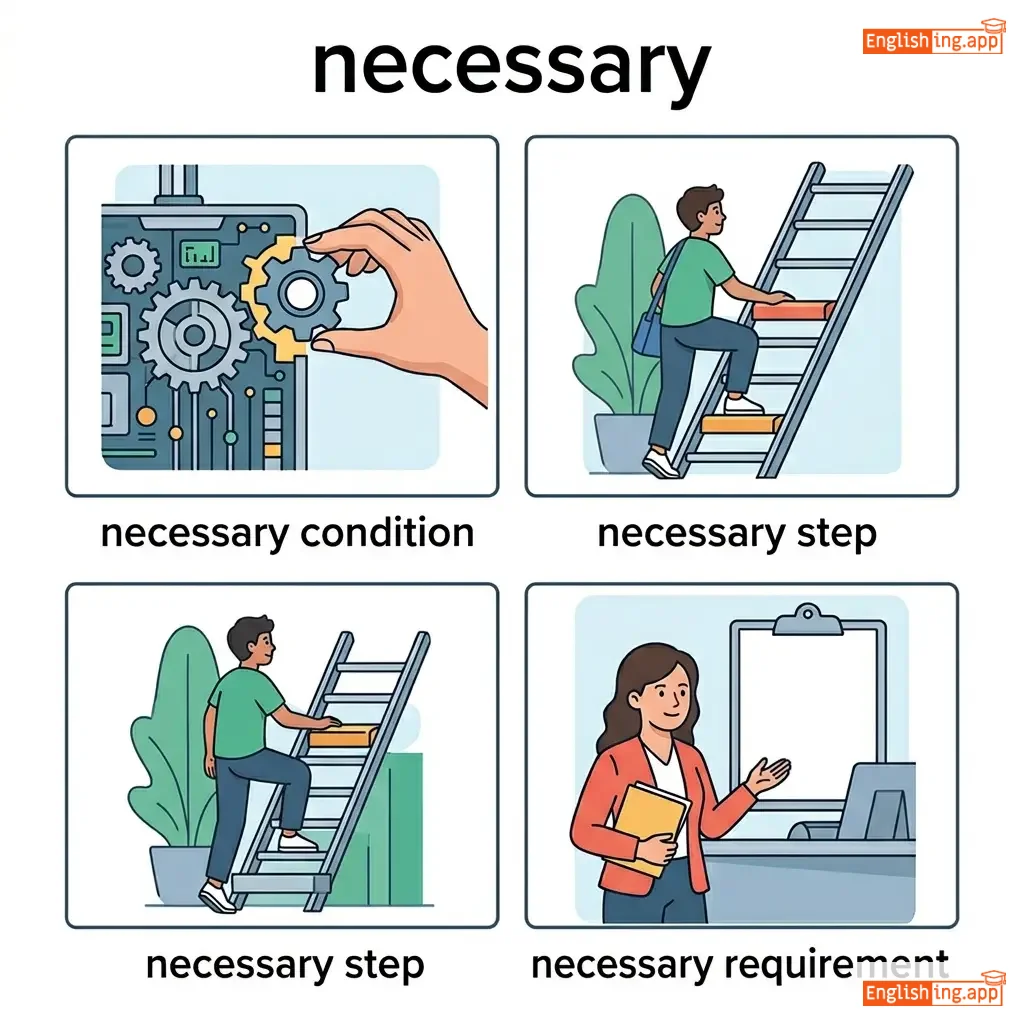
necessary condition, necessary step, necessary requirement, absolutely necessary
••••••
|
No •••••• |
|
#0
⚕️
|
/fɪˈzɪʃən/
noun
(fɪˈzɪʃən)
••••••
|
- •••••• |
医生
yīshēng
••••••
|
- •••••• | - •••••• | - •••••• | - •••••• |
a person qualified to practice medicine; a doctor
••••••
|
The physician prescribed some medicine to treat the condition. |
医生开了一些药物来治疗这种病情。
Yīshēng kāi le yīxiē yàowù lái zhìliáo zhè zhǒng bìngqíng.
••••••
|
- •••••• | - •••••• | - •••••• |
doctor, medic, healer, clinician
••••••
|
patient, sufferer
••••••
|
medical physician, visiting physician, licensed physician
••••••
|
医生像物理学家一样治疗身体。
••••••
|
|
#0
💊
|
/prɪˈskrʌɪb/
verb
(preskraɪb)
••••••
|
- •••••• |
开药
kāi yào
••••••
|
prescribed
preskraɪbd
••••••
|
prescribed
preskraɪbd
••••••
|
prescribes
preskraɪbz
••••••
|
prescribing
preskraɪbɪŋ
••••••
|
to recommend or authorize the use of something, especially medicine
••••••
|
The doctor prescribed medication for my cold.
医生给我开了药治我的感冒。
••••••
|
医生给我开了药治我的感冒。
Yīshēng gěi wǒ kāi le yào zhì wǒ de gǎnmào.
••••••
|
- •••••• | - •••••• | - •••••• |
recommend, suggest, order, direct
••••••
|
forbid, prohibit
••••••
|
prescribe medication, prescribe treatment, prescribe a remedy
••••••
|
开药,开始治疗!
••••••
|
|
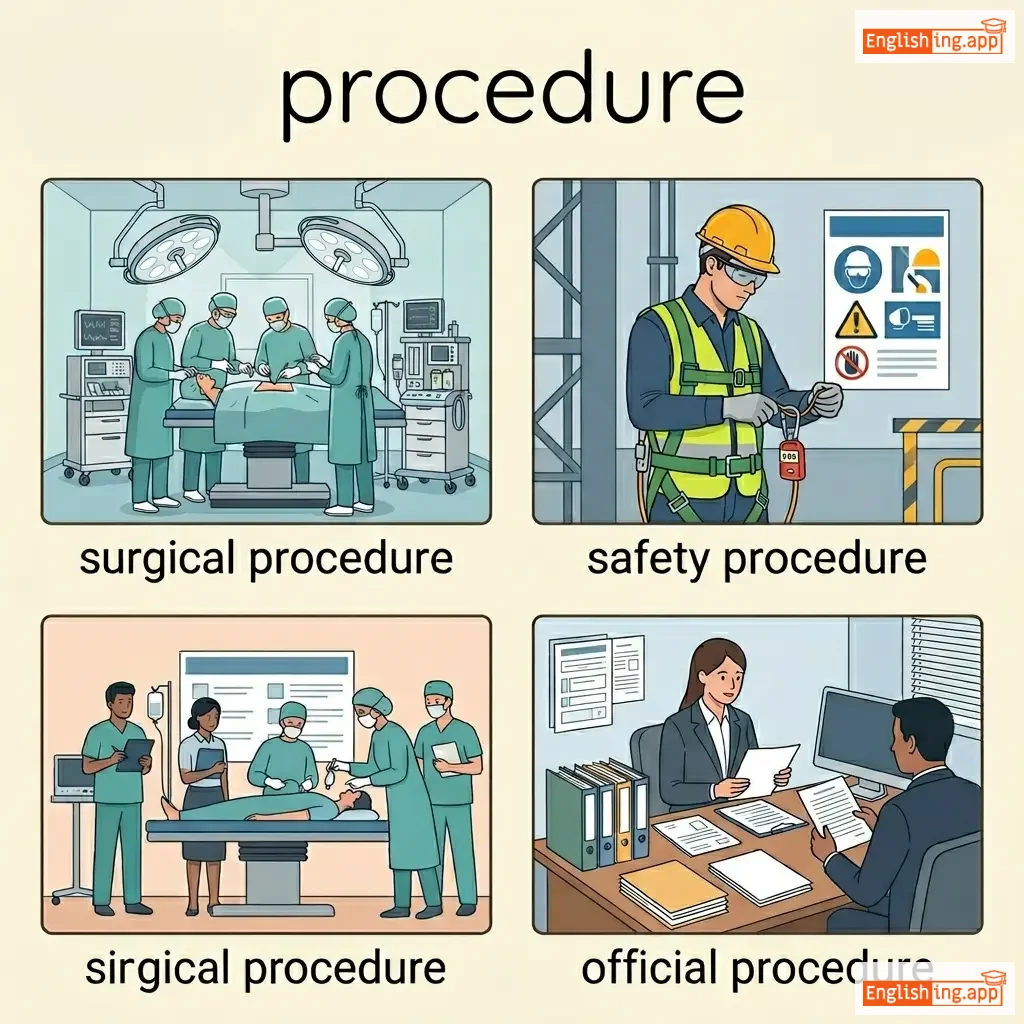
#0
📋
|
/prəˈsiː.dʒər/
noun
(程序)
••••••
|
|
程序
chengxu
••••••
|
- •••••• | - •••••• | - •••••• | - •••••• |
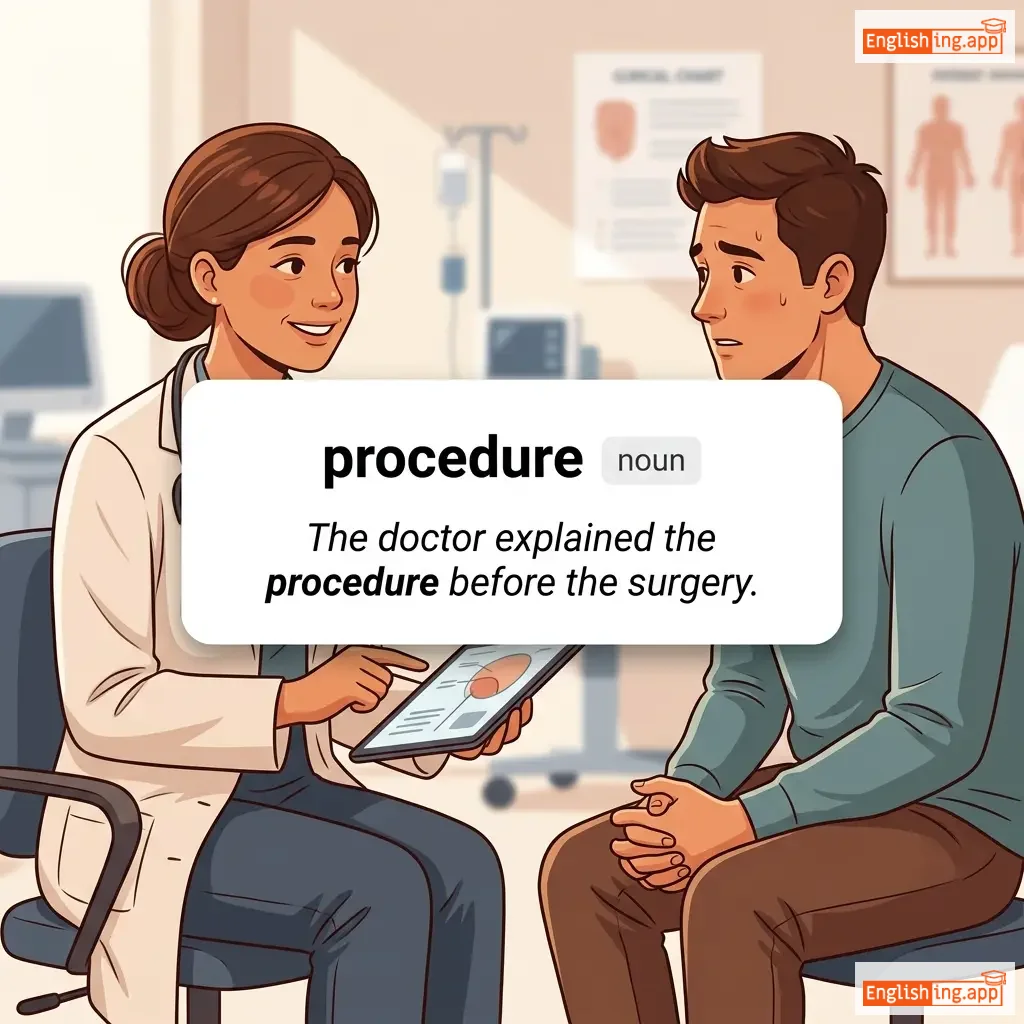
a set of actions that are the official or accepted way of doing something
••••••
|
Please follow the safety procedure carefully.
请小心遵循安全程序。
••••••
|
请小心遵循安全程序。
Qing xiaoxin zunxun anquan chengxu.
••••••
|
- •••••• | - •••••• | - •••••• |
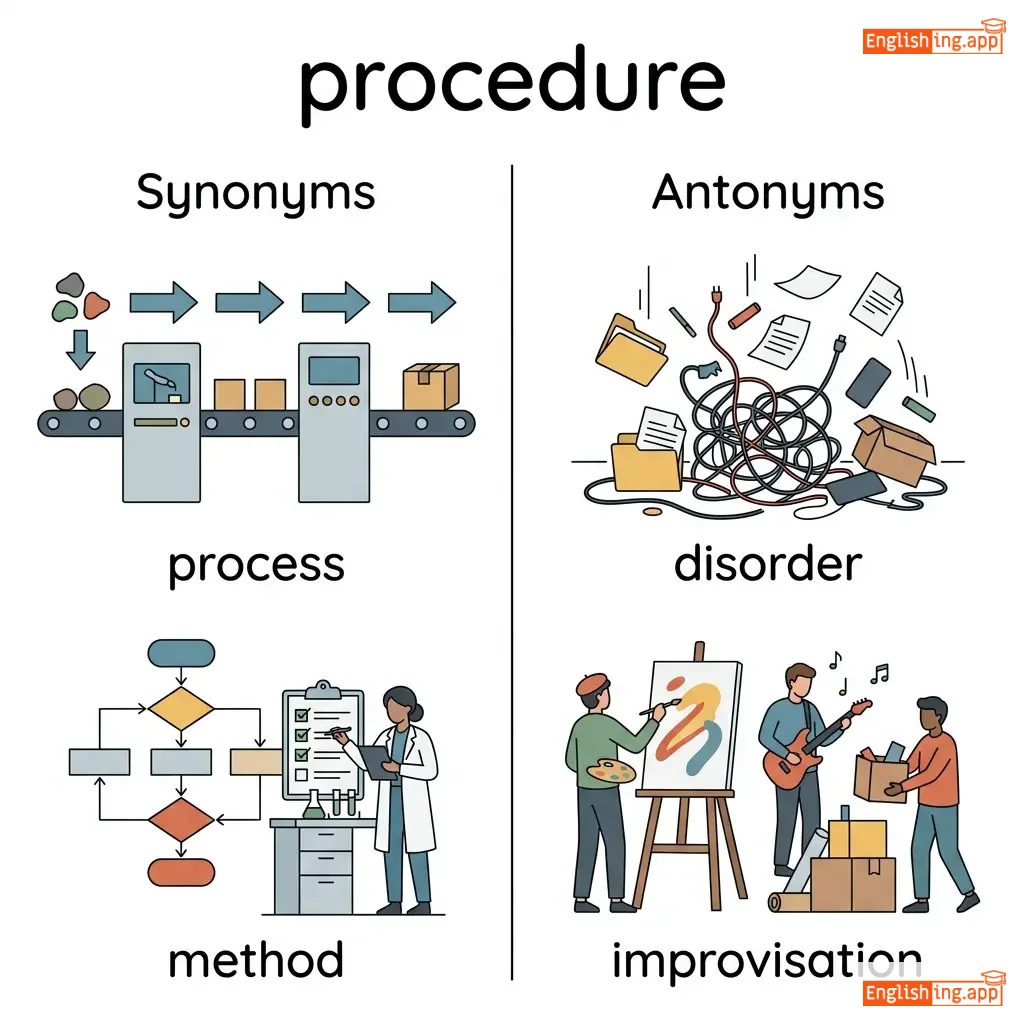
process, method, system, protocol
••••••
|
chaos, disorder, improvisation
••••••
|
safety procedure, standard procedure, follow procedure, emergency procedure
••••••
|
程序:安全第一,遵循每一步骤
••••••
|
|
#0
😢
|
/ˈsʌfərɪŋ/
noun
(suffering)
••••••
|
- •••••• |
痛苦
tòngkǔ
••••••
|
- •••••• | - •••••• | - •••••• | - •••••• |
the state of undergoing pain, distress, or hardship
••••••
|
They tried to relieve his suffering with medicine. |
他们试图用药物减轻他的痛苦。
Tāmen shìtú yòng yàowù jiǎnqīng tā de tòngkǔ.
••••••
|
long-suffering |
patiently enduring pain or hardship for a long time
••••••
|
长期痛苦
chángqī tòngkǔ
••••••
|
pain, agony, misery, distress, hardship
••••••
|
comfort, relief, ease
••••••
|
human suffering, great suffering, physical suffering, mental suffering
••••••
|
Suffering在英文中意味着痛苦,中文的痛苦也是这个意思。
••••••
|
|
#0
⏰
|
/ˈtɛmpərɛri/
adjective
(témpǒràrì)
••••••
|
- •••••• |
临时
linshi
••••••
|
- •••••• | - •••••• | - •••••• | - •••••• |
Lasting for only a limited period of time; not permanent.
••••••
|
She found a temporary job during the summer break.
她在暑假期间找到了临时工作。
••••••
|
她在暑假期间找到了临时工作。
Tā zài shǔjià qījiān zhǎodàole línshí gōngzuò.
••••••
|
temporary solution
临时解决方案
••••••
|
A fix that is not permanent but works for a short time.
••••••
|
临时解决方案
línshí jiějué fāng'àn
••••••
|
short-term, momentary, provisional, fleeting, transient
••••••
|
permanent, lasting
••••••
|
temporary job, temporary solution, temporary shelter, temporary measure
••••••
|
Temporary意味着临时 ⏰,记住临时工作只是暂时的。
••••••
|
|
#0
🧠
|
/ˈθɛrəpɪst/
noun
(治疗师)
••••••
|
- •••••• |
治疗师
zhìliáo shī
••••••
|
- •••••• | - •••••• | - •••••• | - •••••• |
a person trained to provide treatment or counseling for physical or mental health
••••••
|
The therapist helped him overcome his anxiety.
治疗师帮助他克服了焦虑。
••••••
|
治疗师帮助他克服了焦虑。
Zhìliáo shī bāngzhù tā kèfú le jiāolǜ.
••••••
|
speech therapist
言语治疗师
••••••
|
a specialist who helps people improve their speech
••••••
|
语言治疗师
yǔyán zhìliáo shī
••••••
|
counselor, psychologist, healer, advisor, psychiatrist
••••••
|
patient, client
••••••
|
physical therapist, speech therapist, professional therapist, family therapist
••••••
|
治疗师 — 帮助你治疗身心的专家。
••••••
|
Vocabulary Quiz
Test your vocabulary by matching words with their translations or meanings.
Login to take the quiz
Comments (0)
Share your thoughts and join the discussion.
Join the discussion by logging in
Login to CommentNo comments yet
Be the first to share your thoughts!