

城市的声音在长凳上
City Voices on the Bench
在达汉蒙迪社区中心,法希姆和他的团队对新的 audio 项目充满兴奋。 他们一边在阳台上喝茶,一边 awaited 志愿者的到来。 他们粉刷了旧的木制 benches,让它们焕然一新。 法希姆说:“我们的故事将为社区带来巨大的 boost。” 米拉声称,她从未见过如此 broad 的社区参与浪潮。 附近学校的学生把这项倡议视为真正的 civic 责任。 一位前戏剧 coach 来带大家进行声乐热身。 孩子们从大厅拖出一张柔软的 couch,放在录音室门前。 露比的工作是仔细地 count 每个人,确保没人被落下。 测试麦克风之前,他们用塑料布 cover 窗户以阻隔外部噪音。 几位刚从 cycle 骑行集会回来的年轻人拿起麦克风分享他们的经历。 晚上第一段 entry 中,鲁希朗读了她父亲的解放战争回忆。 为了安装新的混音器,萨迪娅完美地 equipped 了每一件设备。 法希姆自豪地说,他们是从零 founded 这个平台的。 休息时,拉菲通过表演一个小短剧增加了些 humor。 玛雅提醒大家,这些故事对他们的 inner 治愈至关重要。 听的时候,苏曼说:“我们的故事 imply 了城市的问题。” 他在笔记本中做了一个 index,标记每个故事涉及的主题。 新的听众一开始感到一丝 irony,但很快被情感感染。 他们决定下个月邀请其他学校来发现更多 elite 讲述者。





Swipe left or right, or use the buttons. Tap image to zoom.
例句翻译
单词
City Voices on the BenchCity Voices on the Bench - 遮罩切换
|
表情符号
|
单词 | Images | 翻译 | 过去时 | 过去分词 | 第三人称单数 | 动名词 | 含义 | 例句 | 例句翻译 | 示例表达 | 示例表达含义 | 示例表达翻译 | 同义词 | 反义词 | 搭配词 | 助记符 |
|---|---|---|---|---|---|---|---|---|---|---|---|---|---|---|---|---|---|
|
#0
🔊
|
/ˈɔːdiəʊ/
noun
(音频)
••••••
|
- •••••• |
声音
shengyin
••••••
|
- •••••• | - •••••• | - •••••• | - •••••• |
sound, especially when recorded or transmitted
••••••
|
The audio quality of the podcast was excellent. |
播客的音频质量非常好。
Bokè de yīnpín zhìliàng fēicháng hǎo.
••••••
|
- •••••• | - •••••• | - •••••• |
sound, recording, broadcast, hearing
••••••
|
silence
••••••
|
audio file, audio equipment, audio recording
••••••
|
Audio - 听音频能听到好的声音!
••••••
|
|
#0
⏳
|
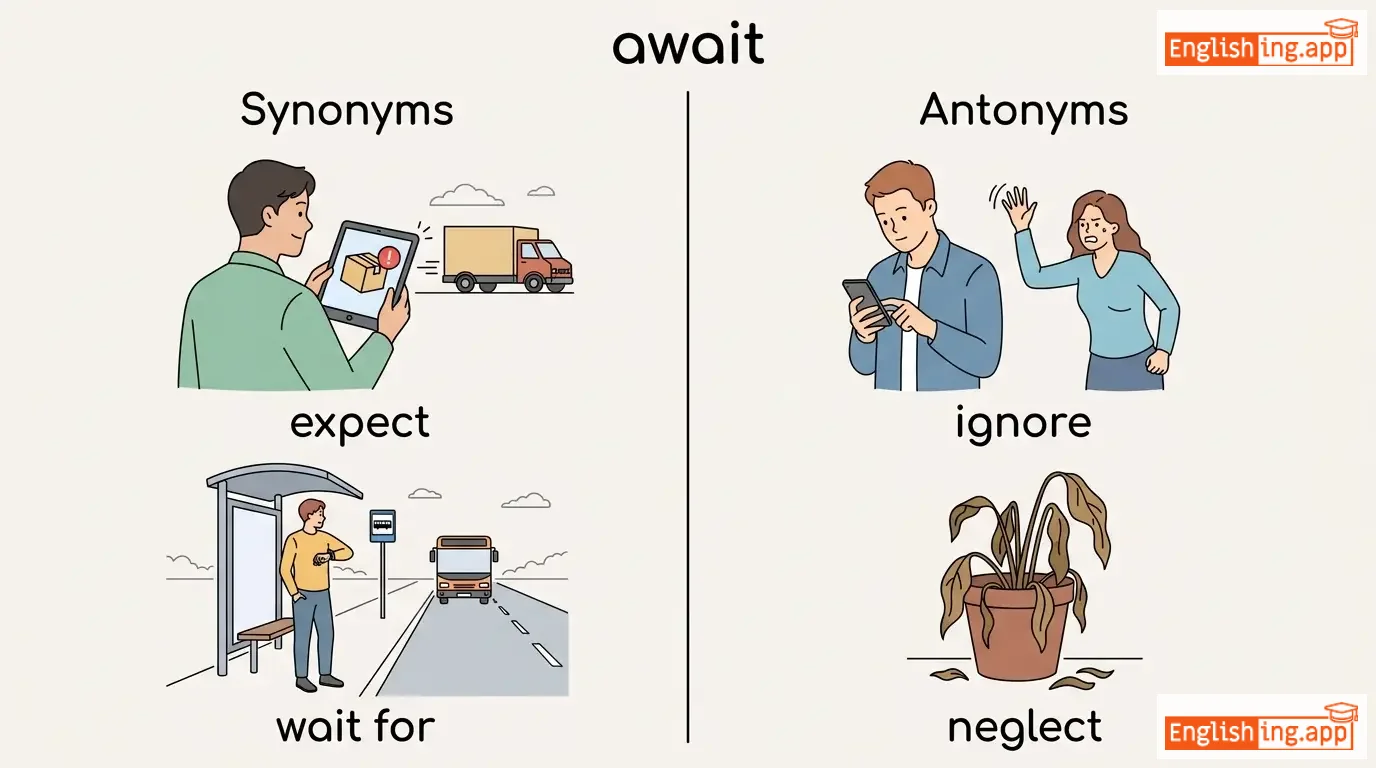
/əˈweɪt/
verb
(艾特)
••••••
|
|
等待
deng dai
••••••
|
awaited
艾特得
••••••
|
awaited
艾特得
••••••
|
awaits
艾特斯
••••••
|
awaiting
艾特英
••••••
|
to wait for something or someone
••••••
|
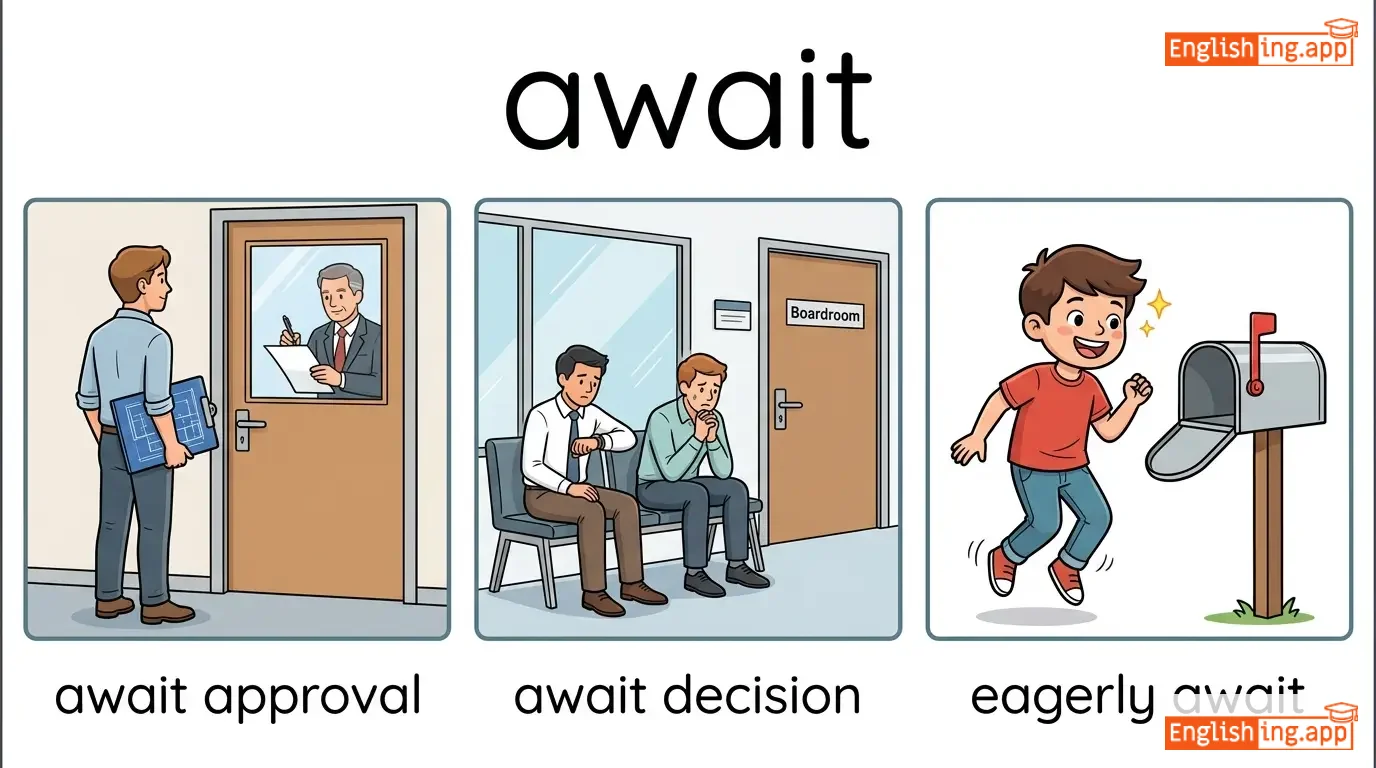
We eagerly await your response.
我们热切等待您的回复。
••••••
|
我们热切等待您的回复。
Wo men re qie deng dai nin de hui fu.
••••••
|
await trial
等待审判
••••••
|
to be waiting for a court judgment
••••••
|
等待审判
deng dai shen pan
••••••
|
expect, wait for, anticipate, look forward to
••••••
|
ignore, neglect
••••••
|
await approval, await decision, eagerly await, await response
••••••
|
等待等同于‘await’,我们都在等待!
••••••
|
|
#0
🪑
|
/bɛntʃ/
noun
(班奇)
••••••
|
- •••••• |
长椅
changyi
••••••
|
- •••••• | - •••••• | - •••••• | - •••••• |
a long seat for several people, typically made of wood or stone
••••••
|
They sat on the park bench watching the sunset.
他们坐在公园的长椅上,看着日落。
••••••
|
他们坐在公园的长椅上,看着日落。
Tāmen zuò zài gōngyuán de chángyǐ shàng, kànzhe rìluò.
••••••
|
warm the bench
热长椅
••••••
|
to not participate in a game, usually as a substitute player
••••••
|
热长椅
rè chángyǐ
••••••
|
seat, pew, stool, chair
••••••
|
floor, ground
••••••
|
park bench, wooden bench, sit on a bench, court bench
••••••
|
长椅是坐下的地方,'热长椅'意味着不参与比赛。
••••••
|
|
#0
📈
|
/buːst/
verb
(bùsīté)
••••••
|
- •••••• |
提升
tíshēng
••••••
|
boosted
bùsīté
••••••
|
boosted
bùsīté
••••••
|
boosts
bùsītè
••••••
|
boosting
bùsītīng
••••••
|
To increase, improve, or raise something.
••••••
|
The company launched a campaign to boost sales.
公司启动了一项活动以提升销售。
••••••
|
公司启动了一项活动以提升销售。
Gōngsī qǐdòngle yī xiàng huódòng yǐ tíshēng xiāoshòu.
••••••
|
boost morale
提升士气
••••••
|
to increase confidence and enthusiasm
••••••
|
提升士气
tíshēng shìqì
••••••
|
increase, raise, enhance, improve, promote
••••••
|
reduce, decrease, diminish
••••••
|
boost sales, boost energy, boost confidence, boost performance
••••••
|
Boost = 提升你的表现,让销售和成绩提高。
••••••
|
|
#0
🌉
|
/brɔːd/
adjective
(broad)
••••••
|
- •••••• |
宽
kuan
••••••
|
- •••••• | - •••••• | - •••••• | - •••••• |
wide in extent, range, or scope
••••••
|
The river is very broad at this point.
这条河在这个点非常宽。
••••••
|
这条河在这个点非常宽。
Zhe tiao he zai zhege dian feichang kuan.
••••••
|
broad daylight
白昼光明
••••••
|
during the day when it is light and visible
••••••
|
白昼光明
baizhou guangming
••••••
|
wide, extensive, vast, expansive, comprehensive
••••••
|
narrow, limited, restricted
••••••
|
broad range, broad shoulders, broad spectrum, broad agreement
••••••
|
Broad road意味着宽阔的路 – broad = 宽
••••••
|
|
#0
🏛️
|
/ˈsɪvɪk/
adjective
(市民)
••••••
|
- •••••• |
市民
shìmín
••••••
|
- •••••• | - •••••• | - •••••• | - •••••• |
relating to a city, town, or the duties of its citizens
••••••
|
The mayor encouraged people to take part in civic activities. |
市长鼓励人们参与市民活动。
Shìzhǎng gǔlì rénmen cānyù shìmín huódòng.
••••••
|
civic duty |
the responsibility of a citizen to contribute to their community or government
••••••
|
市民责任
shìmín zérèn
••••••
|
municipal, public, community, urban
••••••
|
private, rural
••••••
|
civic duty, civic engagement, civic pride, civic education
••••••
|
Civic意味着与城市和市民相关的责任,如市民责任。
••••••
|
|
#0
🏀
|
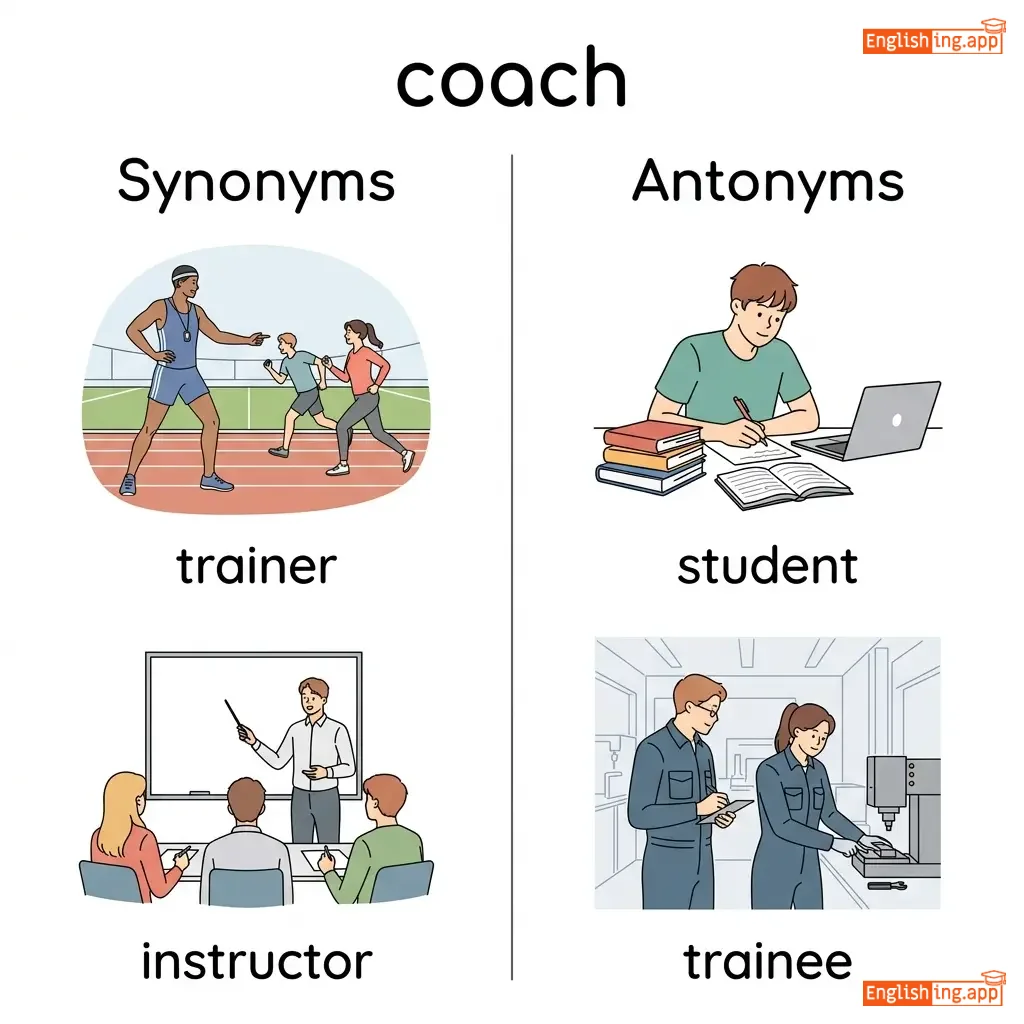
/koʊtʃ/
noun/verb
(kòu chī)
••••••
|
|
教练
jiàoliàn
••••••
|
coached
kòu chī d
••••••
|
coached
kòu chī d
••••••
|
coaches
kòu chī es
••••••
|
coaching
kòu chī ng
••••••
|
a person who trains or instructs others in a sport or skill; or to give training to someone
••••••
|
The coach helped the players improve their skills.
教练帮助球员提高他们的技能。
••••••
|
教练帮助球员提高他们的技能。
Jiàoliàn bāngzhù qiúyuán tígāo tāmen de jìnéng.
••••••
|
coach up
培训
••••••
|
to provide intensive training and guidance
••••••
|
培训某人
pēixùn mǒu rén
••••••
|
trainer, instructor, mentor, tutor, guide
••••••
|
student, trainee
••••••
|
head coach, football coach, life coach, coach a team, coach professionally
••••••
|
教练 - 就像足球教练训练球员。
••••••
|
|
#0
🛋️
|
/kaʊtʃ/
noun
(kàu)
••••••
|
- •••••• |
沙发
shafa
••••••
|
- •••••• | - •••••• | - •••••• | - •••••• |
a comfortable seat for two or more people, typically upholstered
••••••
|
They sat on the couch and watched TV.
他们坐在沙发上看电视。
••••••
|
他们坐在沙发上看电视。
Tāmen zuò zài shāfā shàng kàn diànshì.
••••••
|
couch potato
沙发土豆
••••••
|
a person who spends a lot of time sitting and watching TV
••••••
|
沙发土豆
shāfā tǔdòu
••••••
|
sofa, settee, divan, lounge
••••••
|
chair, stool
••••••
|
comfortable couch, leather couch, couch cushions
••••••
|
Couch 🛋️ 是沙发 - Couch potato 是坐沙发看电视的懒人
••••••
|
|
#0
🔢
|
/kaʊnt/
verb
(kaunt)
••••••
|
- •••••• |
计数
jìshù
••••••
|
counted
kaunted
••••••
|
counted
kaunted
••••••
|
counts
kaunts
••••••
|
counting
kaunting
••••••
|
to determine the total number of something
••••••
|
She carefully counted the money on the table.
她小心翼翼地数着桌子上的钱。
••••••
|
她小心翼翼地数着桌子上的钱。
Tā xiǎoxīn yìyì de shǔzhe zhuōzi shàng de qián.
••••••
|
make it count
让它值得
••••••
|
make it worthwhile or meaningful
••••••
|
让它值得
ràng tā zhídé
••••••
|
enumerate, calculate, tally, reckon
••••••
|
ignore, overlook
••••••
|
count numbers, count votes, count money, count on
••••••
|
Count 意味着 '计数' - 每当你听到 '倒计时',你就会想到计数。
••••••
|
|
#0
🛡️
|
/ˈkʌvər/
verb
(kāfū)
••••••
|
|
覆盖
fùgài
••••••
|
covered
bǎn
••••••
|
covered
bǎn
••••••
|
covers
bǎn
••••••
|
covering
bǎn yī gè
••••••
|
to place something over or on top of something else to protect or hide it
••••••
|
She used a blanket to cover the sleeping child.
她用毯子覆盖了睡着的孩子。
••••••
|
她用毯子覆盖了睡着的孩子。
Tā yòng tǎnzi fùgàile shuìzháo de háizi.
••••••
|
cover up
掩盖事实
••••••
|
to hide the truth about something
••••••
|
掩盖事实
yǎngài shìshí
••••••
|
conceal, shield, hide, wrap, protect
••••••
|
expose, uncover
••••••
|
cover story, cover charge, cover page, cover letter
••••••
|
覆盖就是用物品覆盖另一样物品,就像毯子盖在床上。
••••••
|
|
#0
🚴
|
/ˈsaɪkl/
noun/verb
(赛克尔)
••••••
|
- •••••• |
自行车 / 循环
zìxíngchē / xúnhuán
••••••
|
cycled
赛克尔德
••••••
|
cycled
赛克尔德
••••••
|
cycles
赛克尔斯
••••••
|
cycling
赛克林
••••••
|
a series of events that repeat in the same order; or to ride a bicycle
••••••
|
She cycles to school every day.
她每天骑自行车去学校。
••••••
|
她每天骑自行车去学校。
Tā měitiān qí zìxíngchē qù xuéxiào.
••••••
|
vicious cycle
恶性循环
••••••
|
a negative repeating pattern of events that worsens over time
••••••
|
恶性循环
èxìng xúnhuán
••••••
|
sequence, rotation, series, bike, bicycle
••••••
|
stop, stagnation
••••••
|
life cycle, business cycle, cycle of events, riding a cycle
••••••
|
Cycle意味着循环,而自行车就是一个不断运动的循环。
••••••
|
|
#0
👑
|
/ɪˈliːt/ or /eɪˈliːt/
noun
(精英)
••••••
|
- •••••• |
精英
jing ying
••••••
|
- •••••• | - •••••• | - •••••• | - •••••• |
A select group that is superior in terms of ability or qualities.
••••••
|
Only the elite were invited to the exclusive event. |
只有精英才被邀请参加独家活动。
Zhi you jing ying cai bei yaoqing canjia dujia huodong.
••••••
|
social elite |
The most powerful or influential members of society.
••••••
|
社会精英
Shehui jing ying
••••••
|
aristocracy, upper class, nobility, high society
••••••
|
commoners, masses
••••••
|
elite group, elite class, elite athlete, elite institution
••••••
|
精英就像VIP一样,都是特别的存在。
••••••
|
|
#0
🎟️
|
/ˈɛntri/
noun
(āntǐ)
••••••
|
- •••••• |
入口
rùkǒu
••••••
|
- •••••• | - •••••• | - •••••• | - •••••• |
the act of going into a place, or permission to go in
••••••
|
Entry to the museum is free on Fridays. |
博物馆的入口在星期五免费。
Bówùguǎn de rùkǒu zài xīngqīwǔ miǎnfèi.
••••••
|
deny entry |
to refuse permission to enter
••••••
|
拒绝入口
jùjué rùkǒu
••••••
|
admission, access, doorway, record
••••••
|
exit, departure
••••••
|
entry fee, entry point, gain entry, deny entry
••••••
|
Entry 就是进入的入口
••••••
|
|
#0
🧰
|
/ɪˈkwɪp/
verb
(ìkùp)
••••••
|
- •••••• |
装备
zhuangbei
••••••
|
equipped
ìkùpī
••••••
|
equipped
ìkùpī
••••••
|
equips
ìkùps
••••••
|
equipping
ìkùpíng
••••••
|
to provide someone or something with the necessary items or skills for a task
••••••
|
The school equipped its students with modern technology.
学校为学生配备了现代科技。
••••••
|
学校为学生配备了现代科技。
Xuexiao wei xuesheng peibei le xiandai keji.
••••••
|
well-equipped
装备齐全
••••••
|
having all the necessary tools or resources
••••••
|
装备齐全
zhuangbei qiquan
••••••
|
supply, furnish, provide, prepare, arm
••••••
|
deprive, strip, disarm
••••••
|
equip with, properly equipped, equip someone for, equip team
••••••
|
装备就像是给你装备好一切!
••••••
|
|
#0
🏢
|
/faʊnd/
verb
(faʊnd)
••••••
|
- •••••• |
创办
chuangban
••••••
|
found
faʊnd
••••••
|
found
faʊnd
••••••
|
finds
faɪndz
••••••
|
founding
faʊndɪŋ
••••••
|
to establish or set up an institution, company, or organization
••••••
|
They found a new startup focused on renewable energy.
他们成立了一个专注于可再生能源的新创业公司。
••••••
|
他们成立了一个专注于可再生能源的新创业公司。
Tāmen chénglìle yīgè zhuānzhù yú kě zàishēng néngyuán de xīn chuàngyè gōngsī.
••••••
|
well-founded
建立良好基础
••••••
|
based on good reasons or evidence
••••••
|
有良好基础
yǒu liánghǎo jīchǔ
••••••
|
establish, create, set up, launch, originate
••••••
|
close, abolish, dismantle
••••••
|
found a company, found an institution, newly founded, founder of
••••••
|
Found意味着创办 — Founder是建立公司的那个人。
••••••
|
|
#0
😂
|
/ˈhjuː.mər/
noun
••••••
|
- •••••• | - •••••• | - •••••• | - •••••• | - •••••• | - •••••• |
The quality of being amusing or entertaining.
••••••
|
His sense of humor always lightens the mood. |
- •••••• |
good sense of humor |
The ability to be funny and understand jokes.
••••••
|
- •••••• |
wit, comedy, fun, amusement, joviality
••••••
|
seriousness, gloom
••••••
|
sense of humor, dry humor, dark humor, use humor
••••••
|
No •••••• |
|
#0
💡
|
/ɪmˈplaɪ/
verb
(印普赖)
••••••
|
- •••••• |
暗示
ànshì
••••••
|
implied
印普莱德
••••••
|
implied
印普莱德
••••••
|
implies
印普莱兹
••••••
|
implying
印普莱英
••••••
|
To suggest something without directly stating it.
••••••
|
Her tone seemed to imply that she was upset.
她的语气似乎暗示她很不高兴。
••••••
|
她的语气似乎暗示她很不高兴。
Tā de yǔqì shìhū ànshì tā hěn bù gāoxìng.
••••••
|
imply meaning
隐含意义
••••••
|
To indicate or suggest what something means indirectly.
••••••
|
含义暗示
hányì ànshì
••••••
|
suggest, indicate, hint, signify
••••••
|
state, declare, express
••••••
|
imply strongly, imply indirectly, imply something
••••••
|
'Imply' 意思是间接地说 — 记住,'暗示' 就像是间接提议。
••••••
|
|
#0
📑
|
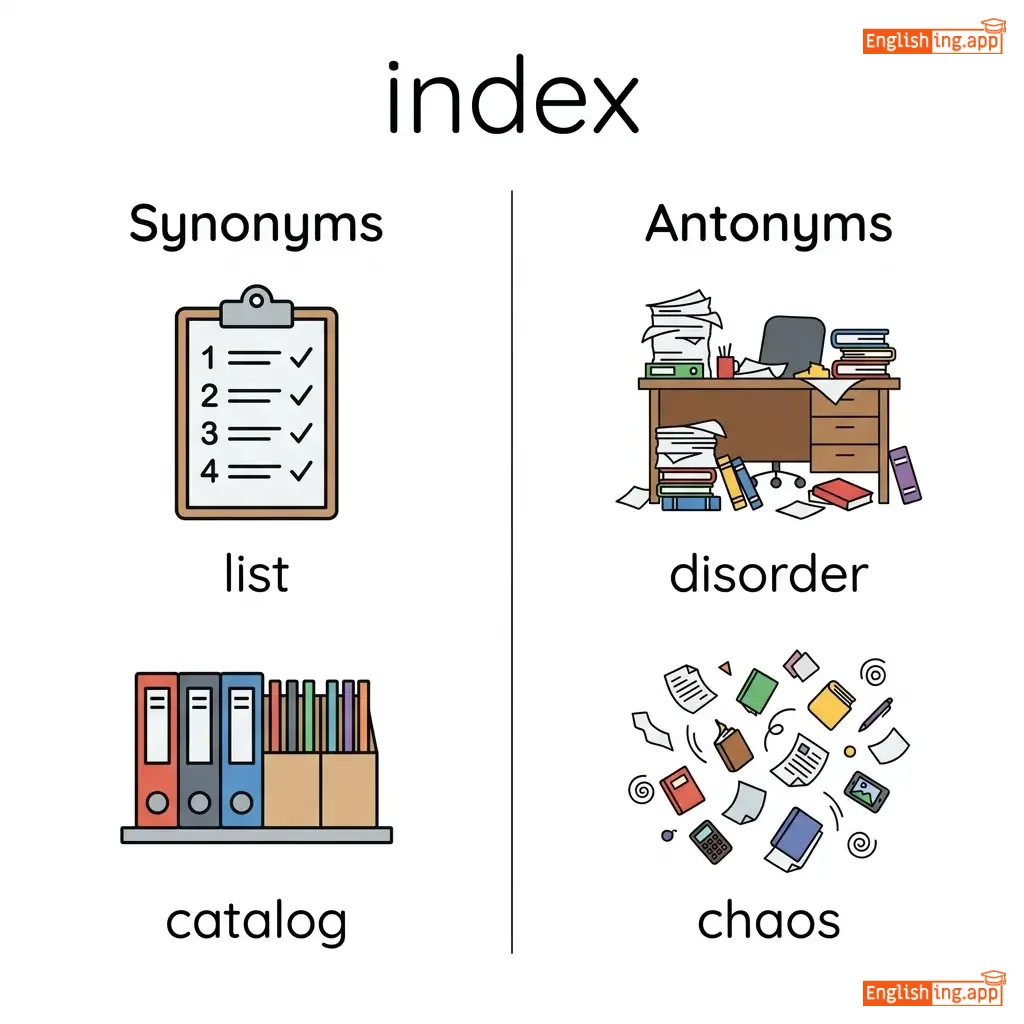
/ˈɪndeks/
noun, verb
(索引)
••••••
|
|
索引
suoyin
••••••
|
indexed
索引的
••••••
|
indexed
索引的
••••••
|
indexes
索引
••••••
|
indexing
索引中
••••••
|
A list of items arranged in order, or to arrange data systematically for reference.
••••••
|
The book includes a detailed index at the end.
这本书在最后包括了详细的索引。
••••••
|
这本书在最后包括了详细的索引。
Zhè běn shū zài zuìhòu bāokuòle xiángxì de suoyin.
••••••
|
index finger
食指
••••••
|
The finger next to the thumb, used for pointing.
••••••
|
食指
shízhǐ
••••••
|
list, catalog, register, directory, guide
••••••
|
disorder, chaos, confusion
••••••
|
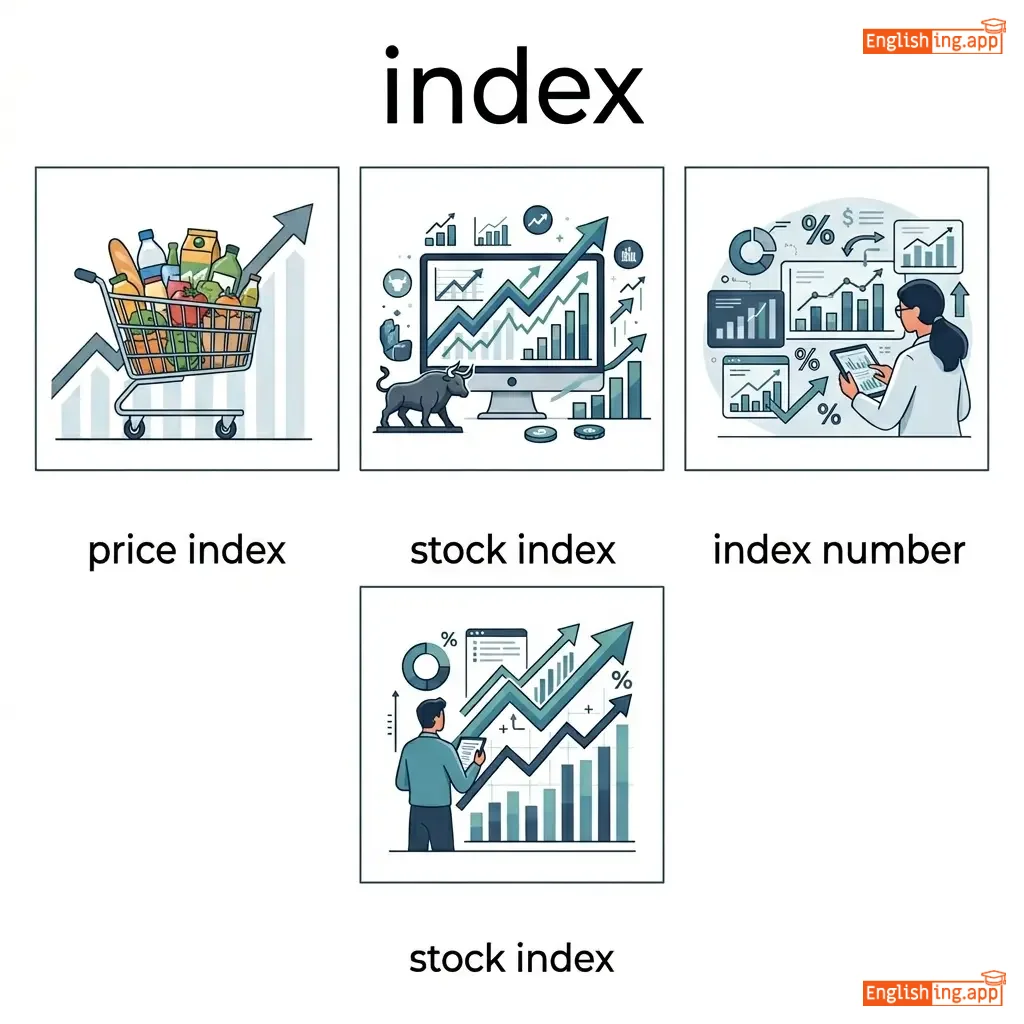
price index, stock index, index number, index card
••••••
|
索引就像是目录,索引化使你轻松找到信息!
••••••
|
|
#0
🧘
|
/ˈɪnər/
adjective
(因内)
••••••
|
- •••••• |
内在的
nèi zài de
••••••
|
- •••••• | - •••••• | - •••••• | - •••••• |
Located inside or closer to the center; relating to one’s thoughts or feelings.
••••••
|
She shared her inner thoughts with her best friend.
她与她最好的朋友分享了她的内心想法。
••••••
|
她与她最好的朋友分享了她的内心想法。
tā yǔ tā zuì hǎo de péngyǒu fēnxiǎngle tā de nèixīn xiǎngfǎ.
••••••
|
inner peace
内心的平静
••••••
|
A state of mental and emotional calmness.
••••••
|
内心的平静
nèixīn de píngjìng
••••••
|
internal, inside, inward, private
••••••
|
outer, external
••••••
|
inner circle, inner voice, inner peace, inner city
••••••
|
Inner意味着内在的 - Inner peace意味着内心的平静。
••••••
|
|
#0
🎭
|
/ˈaɪrəni/
noun
(àilóngnì)
••••••
|
- •••••• |
讽刺
fengci
••••••
|
- •••••• | - •••••• | - •••••• | - •••••• |
a situation that is strange or amusing because it is the opposite of what is expected; the use of words to convey the opposite meaning
••••••
|
The irony of the situation was that the winner forgot his own prize. |
这件事的讽刺在于,获胜者忘记了自己的奖品。
Zhè jiàn shì de fèngcì zài yú, huòshèng zhě wàngjìle zìjǐ de jiǎngpǐn.
••••••
|
the irony is |
used to highlight a contradiction between expectations and reality
••••••
|
讽刺的是
fèngcì de shì
••••••
|
sarcasm, paradox, mockery, satire
••••••
|
sincerity, honesty, straightforwardness
••••••
|
sense of irony, bitter irony, cruel irony, situational irony
••••••
|
讽刺就像用铁做的笑话 - 讽刺或矛盾
••••••
|
Vocabulary Quiz
Test your vocabulary by matching words with their translations or meanings.
Login to take the quiz
Comments (0)
Share your thoughts and join the discussion.
Join the discussion by logging in
Login to CommentNo comments yet
Be the first to share your thoughts!