

定居点的神秘过去
The Settlement's Mysterious Past
拉赫曼博士是一位考古学家,研究古代定居点。他决定在一个历史遗址上进行挖掘,那里以前没有人工作过。该遗址位于一个偏远的地区,到达那里非常具有挑战性。他定期与他的团队一起访问那里,每次都会发现一些新东西。显然,这个定居点有几千年的历史,并且有相当大的人口。在散落的废墟中,他们发现了照片和古代文献的痕迹。有一天,他们发现了一个神秘的房间,里面保存着古代居民的物品。具有讽刺意味的是,这个长时间处于隔离状态的地方,成了他们最大的发现。在这个房间里,发现了一个类似轮椅的古代移动装置,这证明了当时的人们非常关心他人。这个发现是意外的,且不可避免地需要更多的研究。通过外交渠道,他们从政府获得了资金和许可。尽管如此,工作仍然很困难,因为该遗址非常偏远,气候条件不稳定。研究团队小心翼翼地记录了每一件物品并拍摄了它们的照片。他们意识到,这个定居点的居民比他们的时代更加先进。这次探险成为了拉赫曼博士职业生涯中最重要的工作。他发表了一篇文章,详细介绍了这个历史****定居点。他的研究得到了国际社会的认可,许多人对访问这个遗址产生了兴趣。

Swipe left or right, or use the buttons. Tap image to zoom.
例句翻译
单词
The Settlement's Mysterious PastThe Settlement's Mysterious Past - 遮罩切换
|
表情符号
|
单词 | Images | 翻译 | 过去时 | 过去分词 | 第三人称单数 | 动名词 | 含义 | 例句 | 例句翻译 | 示例表达 | 示例表达含义 | 示例表达翻译 | 同义词 | 反义词 | 搭配词 | 助记符 |
|---|---|---|---|---|---|---|---|---|---|---|---|---|---|---|---|---|---|
|
#0
👀
|
/əˈperəntli/
adverb
(ā bǎi rén lì)
••••••
|
- •••••• |
显然;
xianran
••••••
|
- •••••• | - •••••• | - •••••• | - •••••• |
seemingly; as far as one knows or can see; clearly; evidently
••••••
|
Apparently, the meeting has been postponed to next week.
显然,会议已被推迟到下周。
••••••
|
显然,会议已被推迟到下周。
xianran, huiyi yi bei tuichi dao xia zhou.
••••••
|
- •••••• | - •••••• | - •••••• |
seemingly, evidently, clearly, obviously
••••••
|
actually, really, truly, certainly
••••••
|
apparently not, apparently so, quite apparently
••••••
|
显然清晰的事情容易被看到
••••••
|
|
#0
🕊️
|
/ˌdɪpləˈmætɪk/
adjective
(外交的)
••••••
|
- •••••• |
外交的
wai jiao de
••••••
|
- •••••• | - •••••• | - •••••• | - •••••• |
Concerning diplomacy; having or showing skill in dealing with people in a sensitive and effective way.
••••••
|
She gave a diplomatic response to avoid offending anyone. |
她给出了外交的回应,以避免冒犯任何人。
ta gei chule waijiao de huifu, yi bian mianduofu renhe ren.
••••••
|
diplomatic immunity |
A privilege that exempts diplomats from certain laws in the host country.
••••••
|
外交豁免权
wai jiao huo mian quan
••••••
|
tactful, courteous, strategic, conciliatory, discreet
••••••
|
tactless, blunt, rude
••••••
|
diplomatic relations, diplomatic mission, diplomatic language
••••••
|
Diplomatic response = polite 回应 (外交回应)
••••••
|
|
#0
🧭
|
/ˌɛkspəˈdɪʃən/
noun
(探险)
••••••
|
- •••••• |
探险
tanxian
••••••
|
- •••••• | - •••••• | - •••••• | - •••••• |
a journey made for a particular purpose, often exploration or research
••••••
|
They went on a scientific expedition to the Arctic.
他们去北极进行了一次科学探险。
••••••
|
他们去北极进行了一次科学探险。
Tamen qu Beiji jinxing le yici kexue tanxian.
••••••
|
an expedition into
一次探险进入
••••••
|
a journey or venture into a place or subject
••••••
|
一次探险进入
yici tanxian jinru
••••••
|
journey, voyage, mission, trip, exploration
••••••
|
stay, rest, settlement
••••••
|
scientific expedition, military expedition, polar expedition, expedition leader
••••••
|
探险意味着冒险和发现
••••••
|
|
#0
📜
|
/hɪˈstɔːrɪkəl/
adjective
(历史的)
••••••
|
- •••••• |
历史的
lishide
••••••
|
- •••••• | - •••••• | - •••••• | - •••••• |
Related to history or past events.
••••••
|
The museum has a large collection of historical documents. |
博物馆收藏了大量历史文件。
Bowuguan shoucang le dalian lishi wenjian.
••••••
|
historical record |
An account of past events
••••••
|
历史记录
lishi jilu
••••••
|
past, archival, recorded, ancient, traditional
••••••
|
modern, contemporary, current
••••••
|
historical documents, historical records, historical evidence, historical site
••••••
|
Historical = History + related, 意味着与历史相关。
••••••
|
|
#0
☠️
|
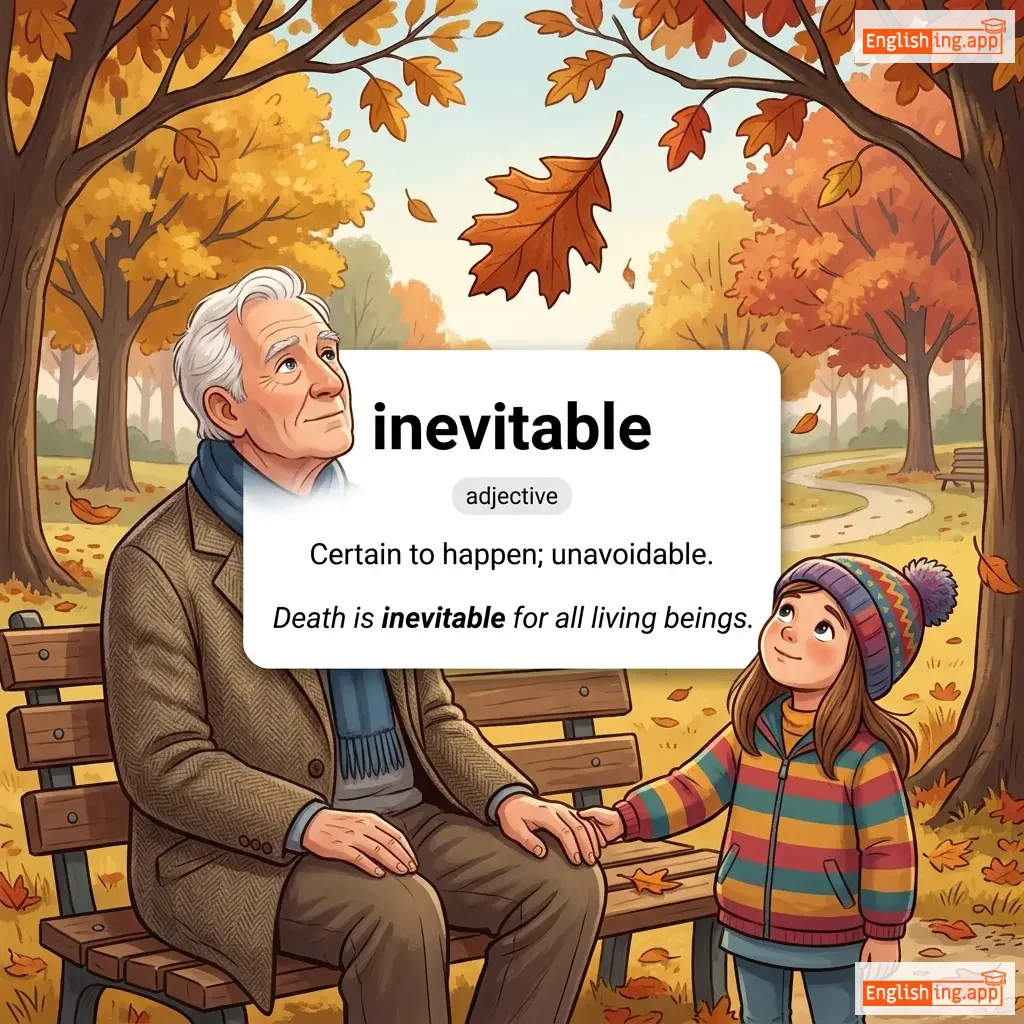
/ɪnˈɛvɪtəbl/
adjective
(必然的)
••••••
|
|
不可避免
bù kě bì miǎn
••••••
|
- •••••• | - •••••• | - •••••• | - •••••• |
Certain to happen; unavoidable.
••••••
|
Death is inevitable for all living beings. |
死亡对于所有生物来说是不可避免的。
sǐwáng duì yú suǒyǒu shēngwù lái shuō shì bù kě bì miǎn de.
••••••
|
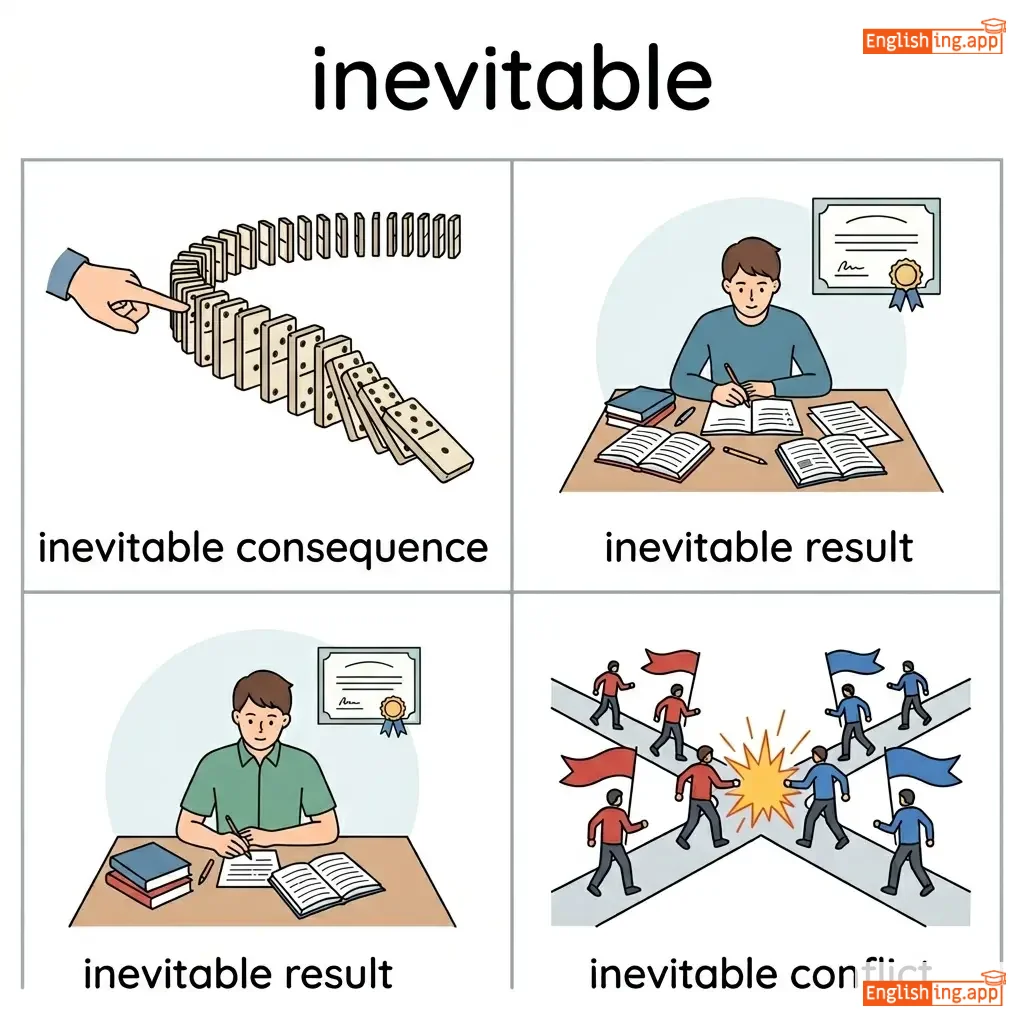
the inevitable result |
The certain outcome of an action or situation.
••••••
|
不可避免的结果
bù kě bì miǎn de jié guǒ
••••••
|
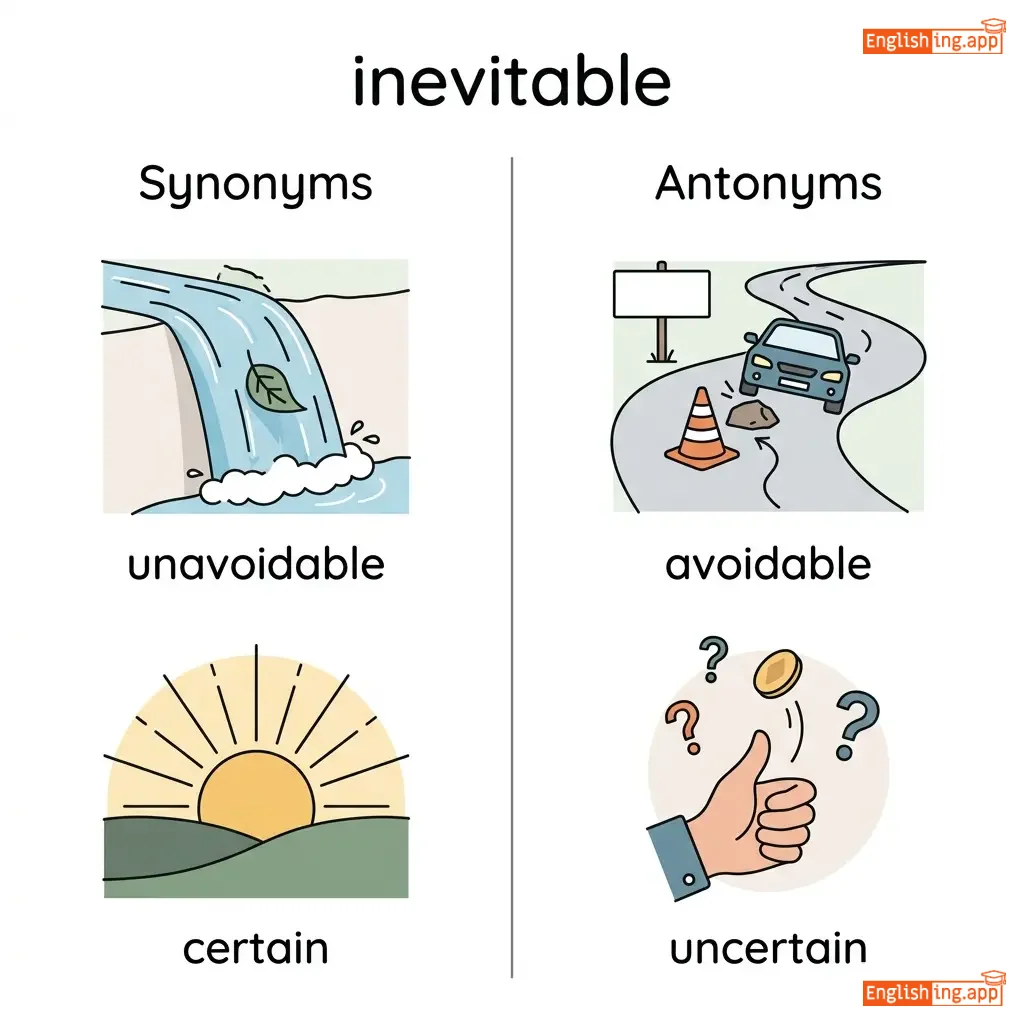
unavoidable, certain, destined, fated
••••••
|
avoidable, uncertain
••••••
|
inevitable consequence, inevitable result, inevitable conflict
••••••
|
Inevitable意味着'无法避免' - 就像死亡。
••••••
|
|
#0
🏠
|
/ɪnˈhæbɪtənt/
noun
(ɪnˈhæbɪtənt)
••••••
|
- •••••• |
居民
jūmín
••••••
|
- •••••• | - •••••• | - •••••• | - •••••• |
a person or animal that lives in a particular place
••••••
|
The inhabitants of the village rely on farming for their livelihood. |
村庄的居民依靠农业为生。
Cūnzhuāng de jūmín yīkào nóngyè wèi shēng.
••••••
|
- •••••• | - •••••• | - •••••• |
resident, dweller, occupant, native
••••••
|
visitor, foreigner
••••••
|
local inhabitants, native inhabitants, city inhabitants, rural inhabitants
••••••
|
Inhabitants are 'jūmín'—those who live in a specific place!
••••••
|
|
#0
😏
|
/aɪˈrɒnɪkli/
adverb
(àiruònikè lǐ)
••••••
|
- •••••• |
具有讽刺意味地
jùyǒu fěngcì yìwèi de
••••••
|
- •••••• | - •••••• | - •••••• | - •••••• |
in a way that is contrary to what is expected or intended
••••••
|
Ironically, the fire station burned down. |
具有讽刺意味地,消防站着火了。
Jùyǒu fěngcì yìwèi de, xiāofáng zhàn zháohuǒle.
••••••
|
- •••••• | - •••••• | - •••••• |
sarcastically, paradoxically, unexpectedly, amusingly
••••••
|
literally, seriously
••••••
|
ironically enough, say ironically, ironically true
••••••
|
Ironically就像一种讽刺,预期的结果正好相反。
••••••
|
|
#0
🧍♂️
|
/ˌaɪsəˈleɪʃən/
noun
(aisoléishèng)
••••••
|
- •••••• |
隔离
gelí
••••••
|
- •••••• | - •••••• | - •••••• | - •••••• |
the state of being separated from others; solitude or detachment
••••••
|
He lived in complete isolation after his retirement. |
他在退休后生活在完全的隔离中。
Tā zài tuìxiū hòu shēnghuó zài wánquán de gélí zhōng.
••••••
|
in isolation |
alone or without contact with others
••••••
|
在隔离中
zài gélí zhōng
••••••
|
seclusion, loneliness, separation, detachment, solitude
••••••
|
connection, inclusion, community
••••••
|
social isolation, in isolation, complete isolation
••••••
|
Isolation 意味着独自一人 — 'I so alone' → 隔离 🧍♂️
••••••
|
|
#0
🕵️♂️
|
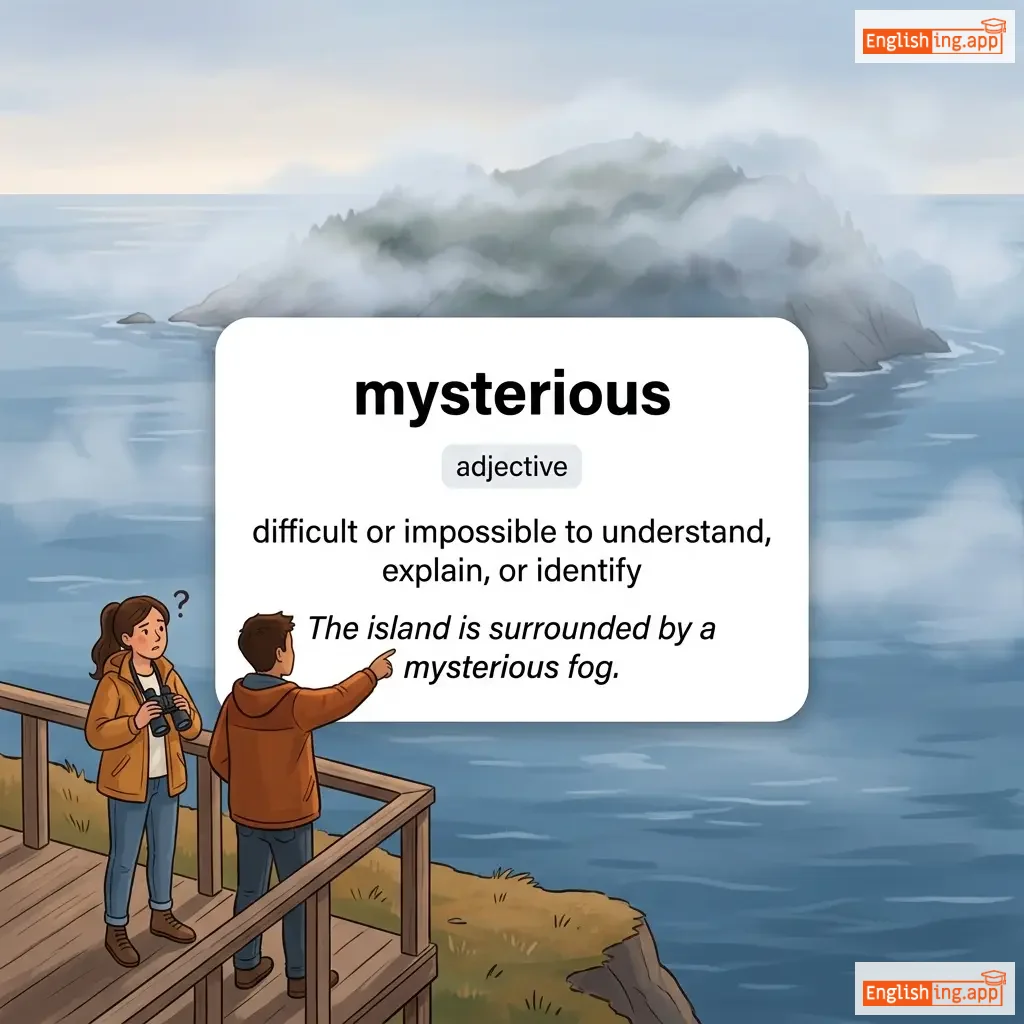
/mɪˈstɪəriəs/
adjective
(mǐsītéyùsī)
••••••
|
|
神秘
shenmi
••••••
|
- •••••• | - •••••• | - •••••• | - •••••• |
difficult or impossible to understand, explain, or identify
••••••
|
The island is surrounded by a mysterious fog. |
岛屿被神秘的雾气包围。
Dao yu bei shenmi de wuqi baowei.
••••••
|
mysterious ways |
unexpected or unexplainable methods or actions
••••••
|
神秘的方式
shenmi de fangshi
••••••
|
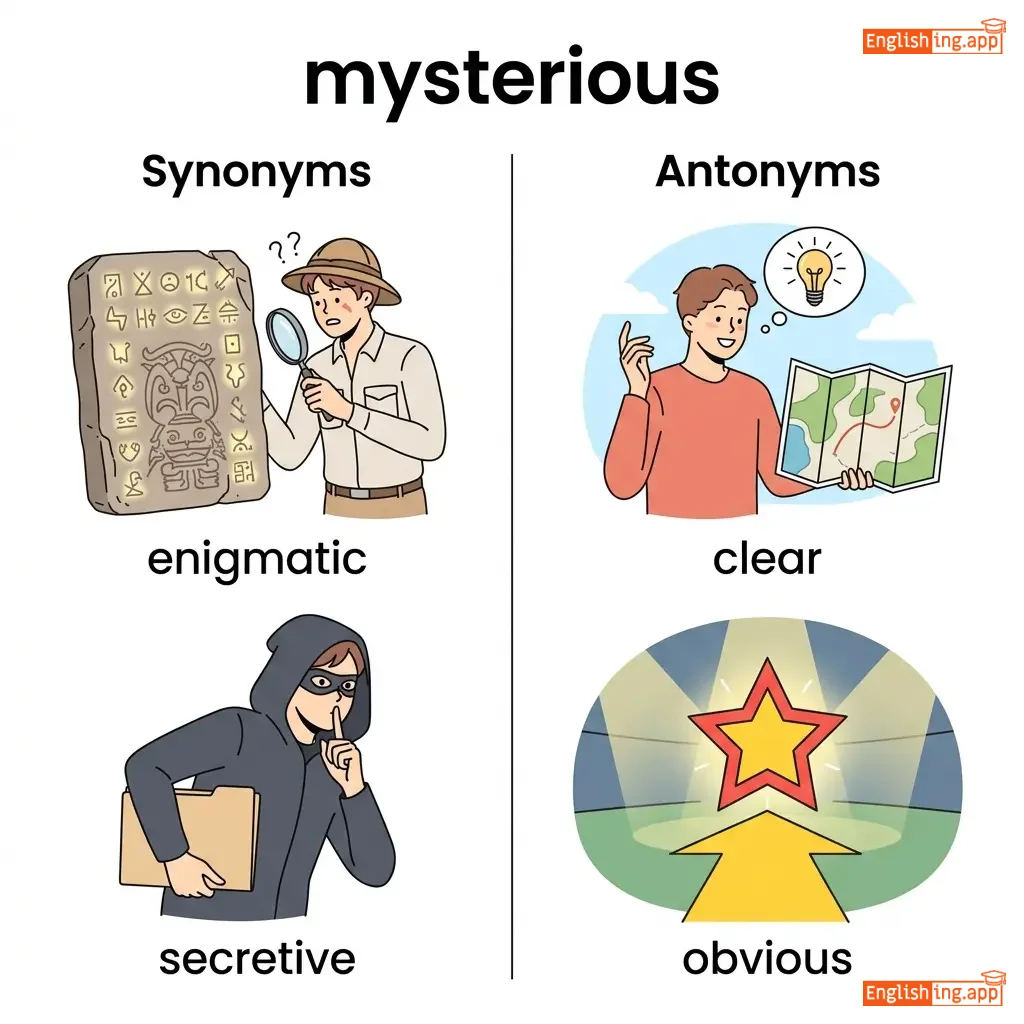
enigmatic, secretive, puzzling, cryptic, obscure
••••••
|
clear, obvious
••••••
|
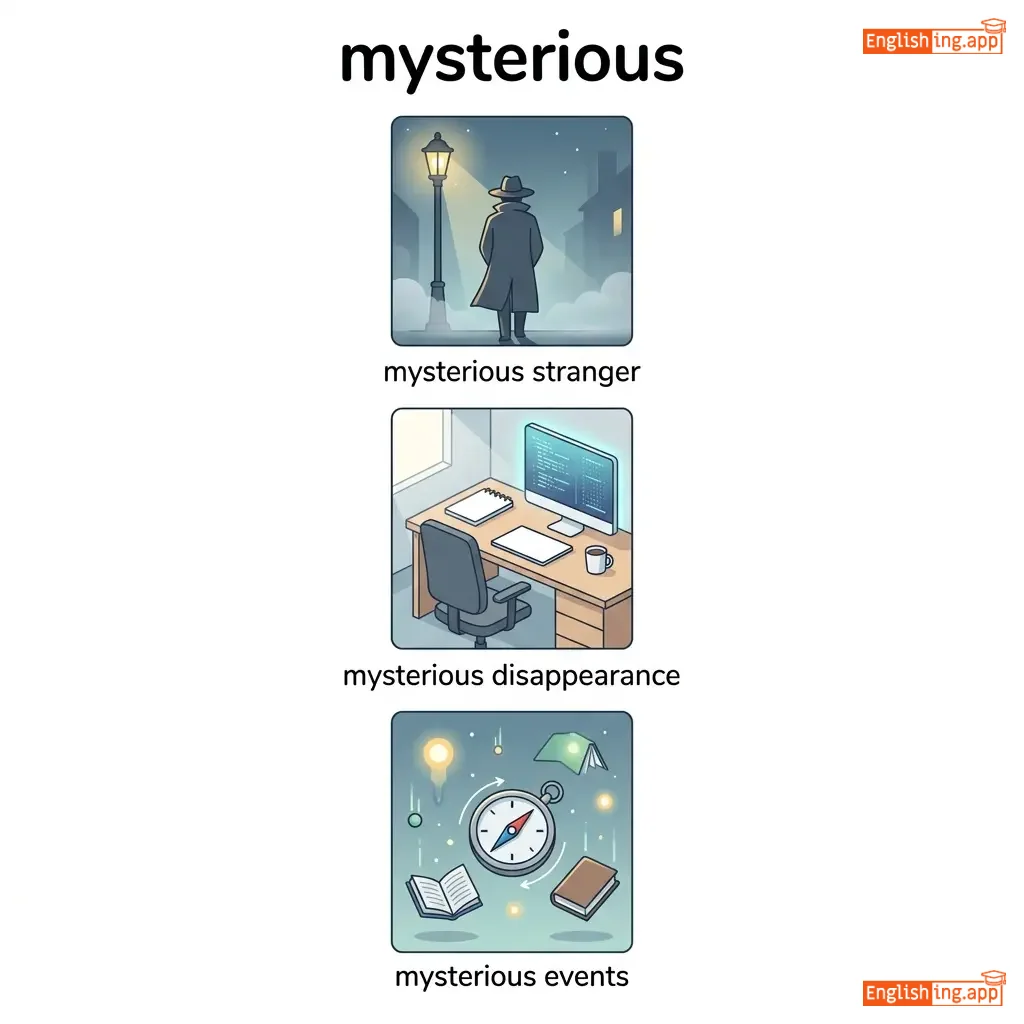
mysterious stranger, mysterious disappearance, mysterious events
••••••
|
神秘的事物就像谜一样,神秘即为‘谜’。
••••••
|
|
#0
🌧️➡️🏞️
|
/ˌnʌnðəˈlɛs/
adverb
(nonetheless)
••••••
|
- •••••• |
尽管如此
jǐn guǎn rúcǐ
••••••
|
- •••••• | - •••••• | - •••••• | - •••••• |
in spite of that; nevertheless
••••••
|
It was raining, but nonetheless, they went hiking. |
下着雨,但尽管如此,他们还是去远足了。
Xià zhe yǔ, dàn jǐn guǎn rúcǐ, tāmen hái shì qù yuǎnzú le.
••••••
|
- •••••• | - •••••• | - •••••• |
nevertheless, however, still, yet
••••••
|
therefore, hence
••••••
|
nonetheless important, nonetheless true, nonetheless, despite that
••••••
|
Noneth- like 'none-the-less' means despite.
••••••
|
|
#0
📸
|
/ˈfəʊtəɡrɑːf/
noun
(照相)
••••••
|
- •••••• |
照片
zhàopiàn
••••••
|
- •••••• | - •••••• | - •••••• | - •••••• |
a picture made using a camera
••••••
|
She took a photograph of the sunset. |
她拍了一张日落的照片。
Tā pāile yī zhāng rìluò de zhàopiàn.
••••••
|
- •••••• | - •••••• | - •••••• |
picture, snapshot, photo, image
••••••
|
blurry, unrecognizable
••••••
|
take a photograph, snap a photograph, old photograph
••••••
|
用相机拍一张照片!
••••••
|
|
#0
👥
|
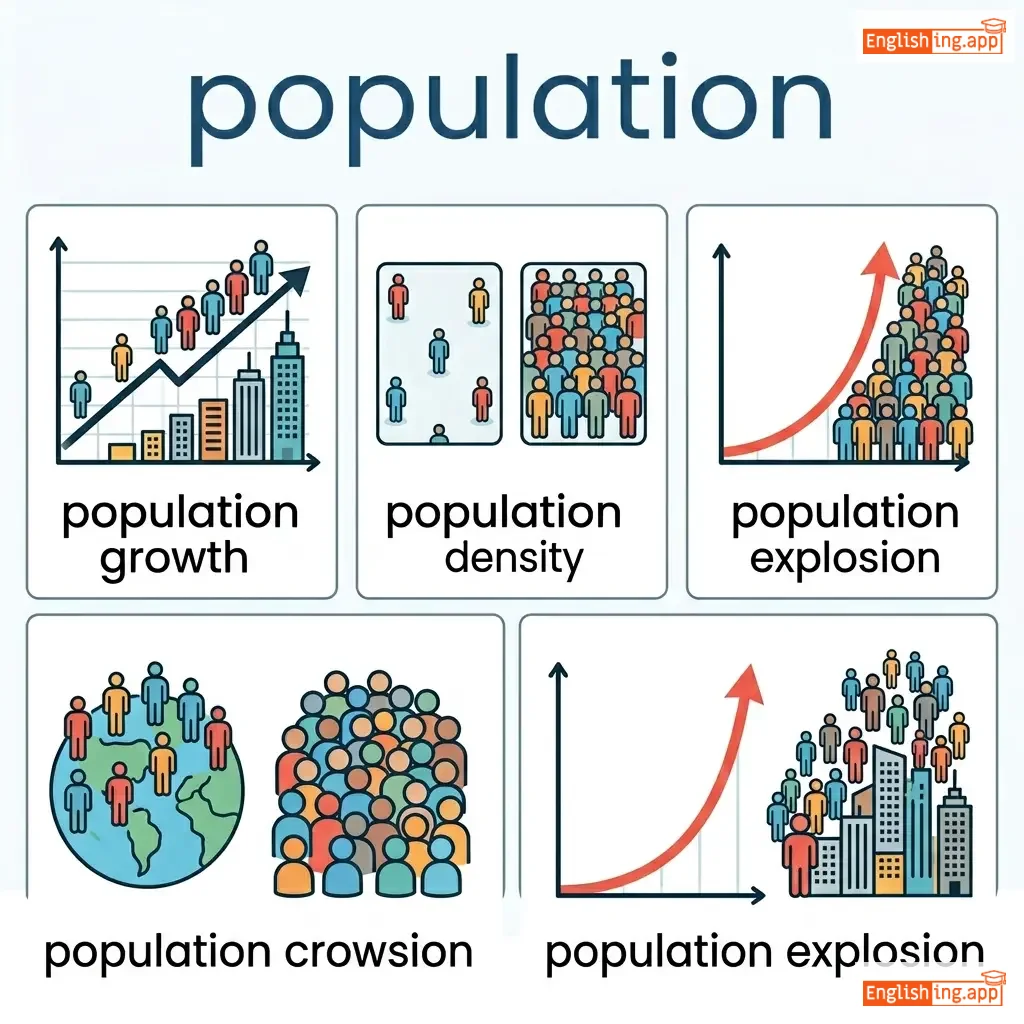
/ˌpɑːp.jəˈleɪ.ʃən/
noun
(pòpú lèixùn)
••••••
|
|
人口
rénkǒu
••••••
|
- •••••• | - •••••• | - •••••• | - •••••• |
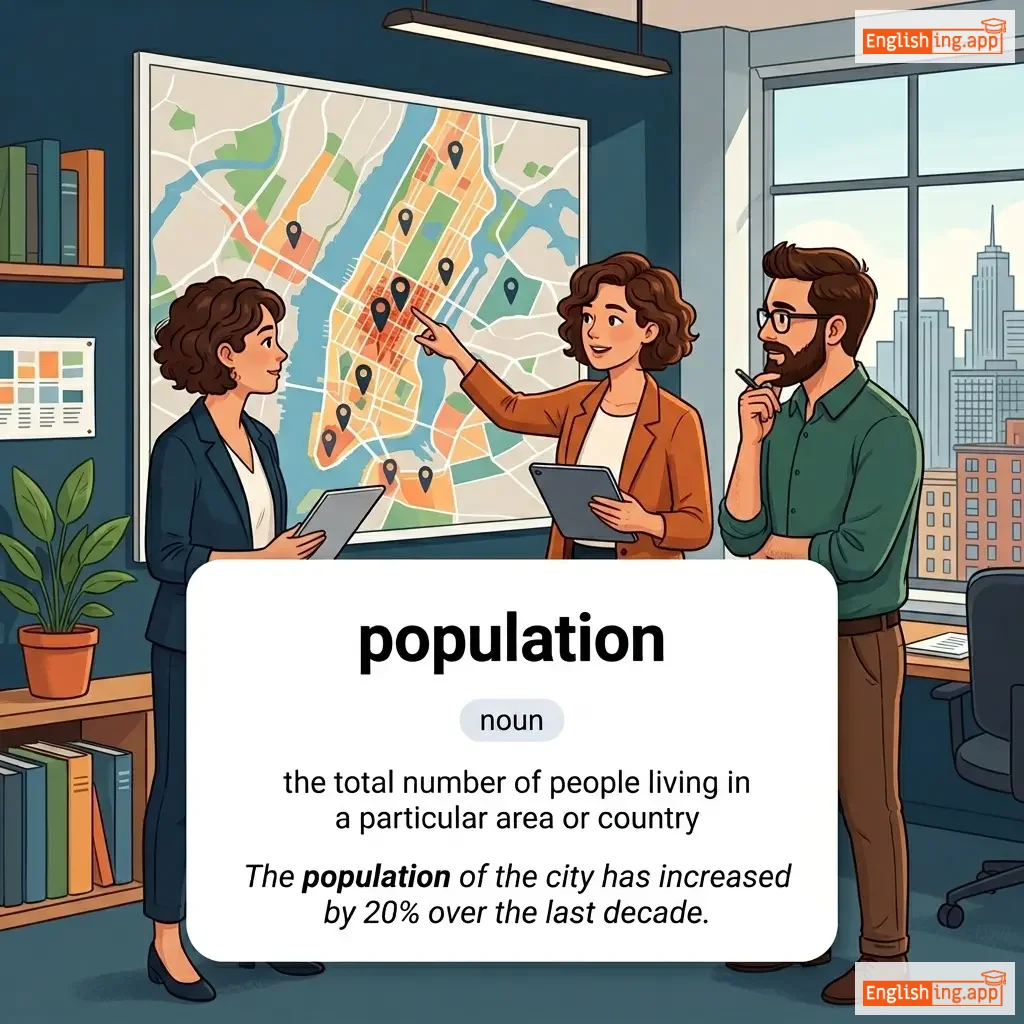
the number of people living in a particular area; all the inhabitants of a particular place
••••••
|
The population of this city has grown rapidly in recent years. |
这座城市的总人口在近年来迅速增长。
Zhèzuò chéngshì de zǒng rénkǒu zài jìnnián lái xùnsù zēngzhǎng.
••••••
|
- •••••• | - •••••• | - •••••• |
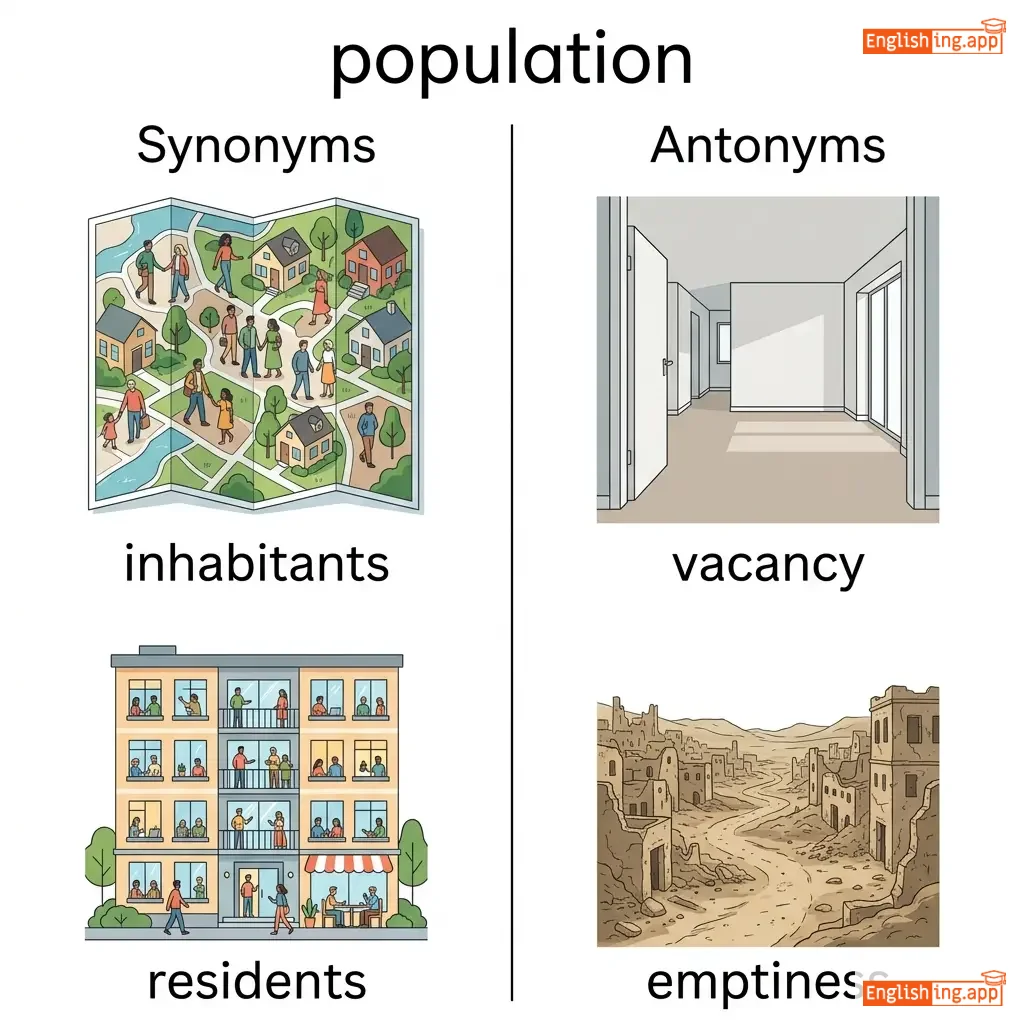
inhabitants, residents, citizens, people
••••••
|
depopulation, evacuation
••••••
|
population growth, population density, aging population, urban population
••••••
|
‘人口’ sounds like ‘Renkou’ – think of counting people in a city!
••••••
|
|
#0
📦
|
/pəˈzɛʃən/
noun
(pó-zè-xiǎn)
••••••
|
- •••••• |
拥有
yǒng yǒu
••••••
|
- •••••• | - •••••• | - •••••• | - •••••• |
The state of owning, controlling, or holding something.
••••••
|
The ring was her most valuable possession. |
那枚戒指是她最珍贵的财富。
Nà méi jiè zhǐ shì tā zuì zhēn guì de cáifù.
••••••
|
in possession of |
having something in one's ownership or control
••••••
|
拥有…
yǒng yǒu
••••••
|
ownership, control, property, asset, holding
••••••
|
loss, absence, dispossession
••••••
|
valuable possession, personal possession, in possession of, lose possession
••••••
|
拥有 = 控制你所拥有的一切。
••••••
|
|
#0
⏳
|
/ˈpriːviəsli/
adverb
(priviəsli)
••••••
|
- •••••• |
以前
yǐqián
••••••
|
- •••••• | - •••••• | - •••••• | - •••••• |
at an earlier time or before now
••••••
|
She had previously worked at a bank before starting her own business. |
她曾在银行工作过,之后才开始了自己的生意。
Tā céng zài yínháng gōngzuò guò, zhīhòu cái kāishǐle zìjǐ de shēngyì.
••••••
|
- •••••• | - •••••• | - •••••• |
formerly, earlier, before
••••••
|
currently, presently
••••••
|
previously stated, previously mentioned, previously worked
••••••
|
priviəsli (Previously) 以前做过的事情
••••••
|
|
#0
🔄
|
/ˈrɛɡjələrli/
adverb
(雷吉拉利)
••••••
|
- •••••• |
定期地
dingqi de
••••••
|
- •••••• | - •••••• | - •••••• | - •••••• |
at regular intervals; in a regular manner
••••••
|
She exercises regularly to stay healthy. |
她定期锻炼以保持健康。
Ta dingqi duanlian yi baochi jiankang.
••••••
|
- •••••• | - •••••• | - •••••• |
consistently, frequently, habitually, routinely
••••••
|
irregularly, infrequently
••••••
|
regularly scheduled, meet regularly, eat regularly, exercise regularly
••••••
|
Think of 'regular' habits - things you do regularly!
••••••
|
|
#0
🌪️
|
/ˈskætərd/
adjective
(skætərd)
••••••
|
- •••••• |
散布的
sanbu de
••••••
|
- •••••• | - •••••• | - •••••• | - •••••• |
Spread irregularly or widely in different directions.
••••••
|
The toys were scattered all over the floor. |
玩具散落在地板上。
Wánjù sànluò zài dìbǎn shàng.
••••••
|
scattered thoughts |
Disorganized or unfocused thinking.
••••••
|
散乱的思维
Sànluàn de sīwéi
••••••
|
dispersed, spread, messy, disorganized
••••••
|
gathered, organized, collected
••••••
|
scattered papers, scattered clouds, scattered across, scattered everywhere
••••••
|
Scattered意味着东西散布得四处都是,就像散乱的纸张。
••••••
|
|
#0
🏘️
|
/ˈset.əl.mənt/
noun
(sètèlmènt)
••••••
|
- •••••• |
定居; 协议
dìngjū; xiéyì
••••••
|
- •••••• | - •••••• | - •••••• | - •••••• |
a place where people establish a community; an agreement that ends a dispute
••••••
|
The early settlement was built near the river for easy access to water. |
早期的定居点建在河边,方便取水。
zǎoqī de dìngjūdiǎn jiàn zài hébiān, fāngbiàn qǔshuǐ.
••••••
|
- •••••• | - •••••• | - •••••• |
colony, community, village, agreement
••••••
|
departure, evacuation, conflict, dispute
••••••
|
early settlement, peaceful settlement, reach a settlement
••••••
|
Settlement in Chinese: '定居', think of a place where people settle near the water.
••••••
|
|
#0
🏞️
|
/ˈtɛrɪˌtɔːri/
noun
(territory)
••••••
|
|
领土
lingtu
••••••
|
- •••••• | - •••••• | - •••••• | - •••••• |
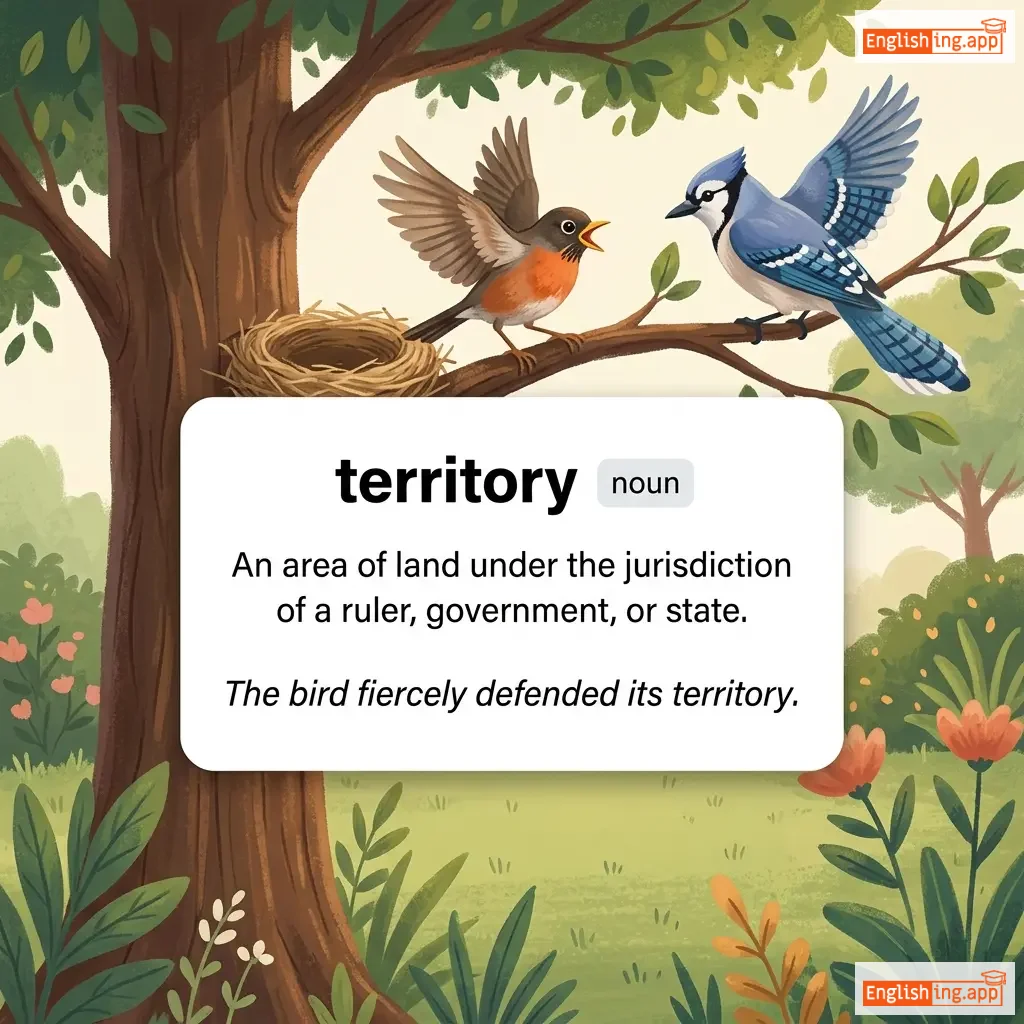
An area of land under the jurisdiction of a ruler, government, or state.
••••••
|
The bird fiercely defended its territory. |
鸟类猛烈地保卫着它的领土。
Niaolai menglie de baowei zhe ta de lingtu.
••••••
|
uncharted territory |
An unfamiliar or unexplored area or situation.
••••••
|
未开拓的领域
Wei kaituo de lingyu
••••••
|
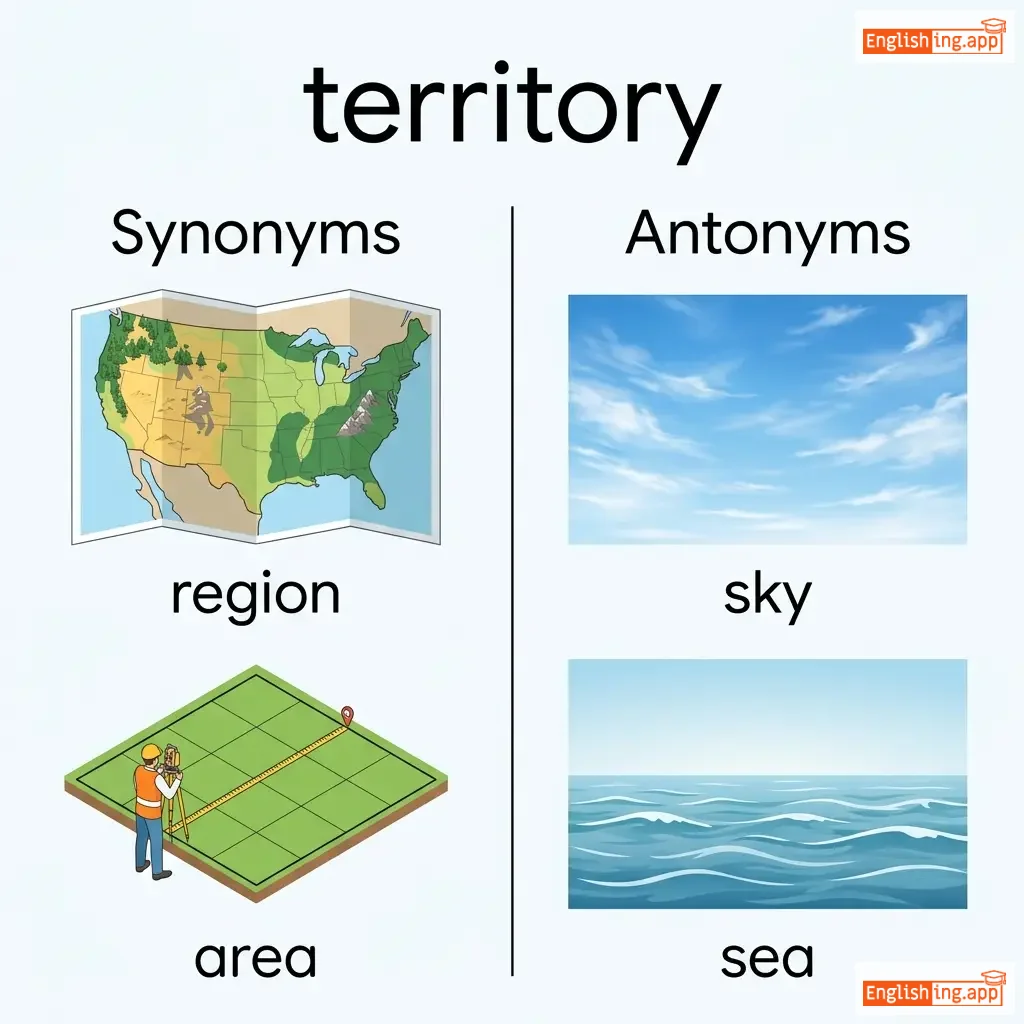
region, area, domain, land, zone
••••••
|
sky, sea
••••••
|
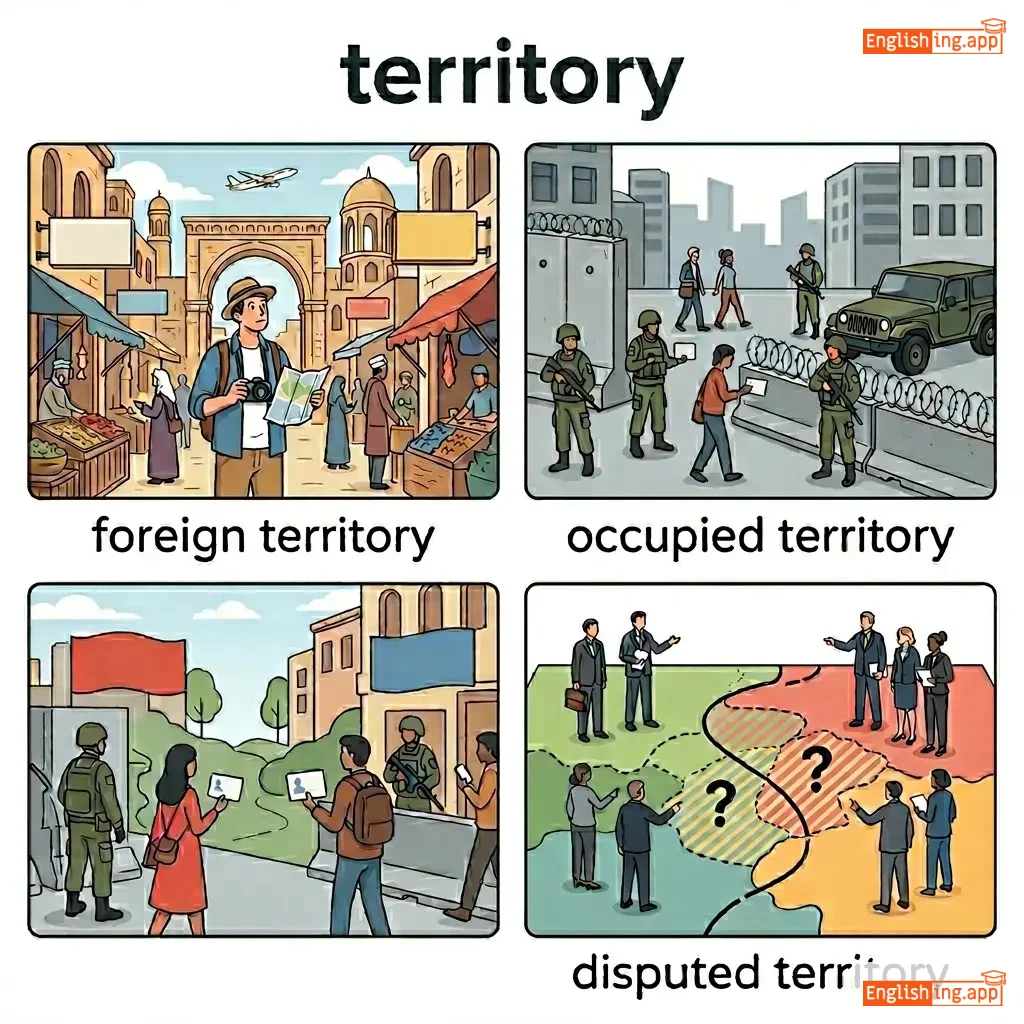
foreign territory, occupied territory, disputed territory
••••••
|
Territory = Teri + Lingtu (领土)
••••••
|
|
#0
🛠️
|
/ˌʌndərˈteɪk/
verb
(安德泰克)
••••••
|
|
承担
chengdan
••••••
|
undertook
安德托克
••••••
|
undertaken
安德泰肯
••••••
|
undertakes
安德泰克斯
••••••
|
undertaking
安德泰肯
••••••
|
To agree to do or begin to do something important or difficult.
••••••
|
She undertook the responsibility of organizing the event.
她承担了组织活动的责任。
••••••
|
她承担了组织活动的责任。
Ta chengdanle zuzhi huodong de zeren.
••••••
|
undertake a mission
undertake a mission
••••••
|
to take responsibility for an important task
••••••
|
承担一项任务
chengdan yi xiang renwu
••••••
|
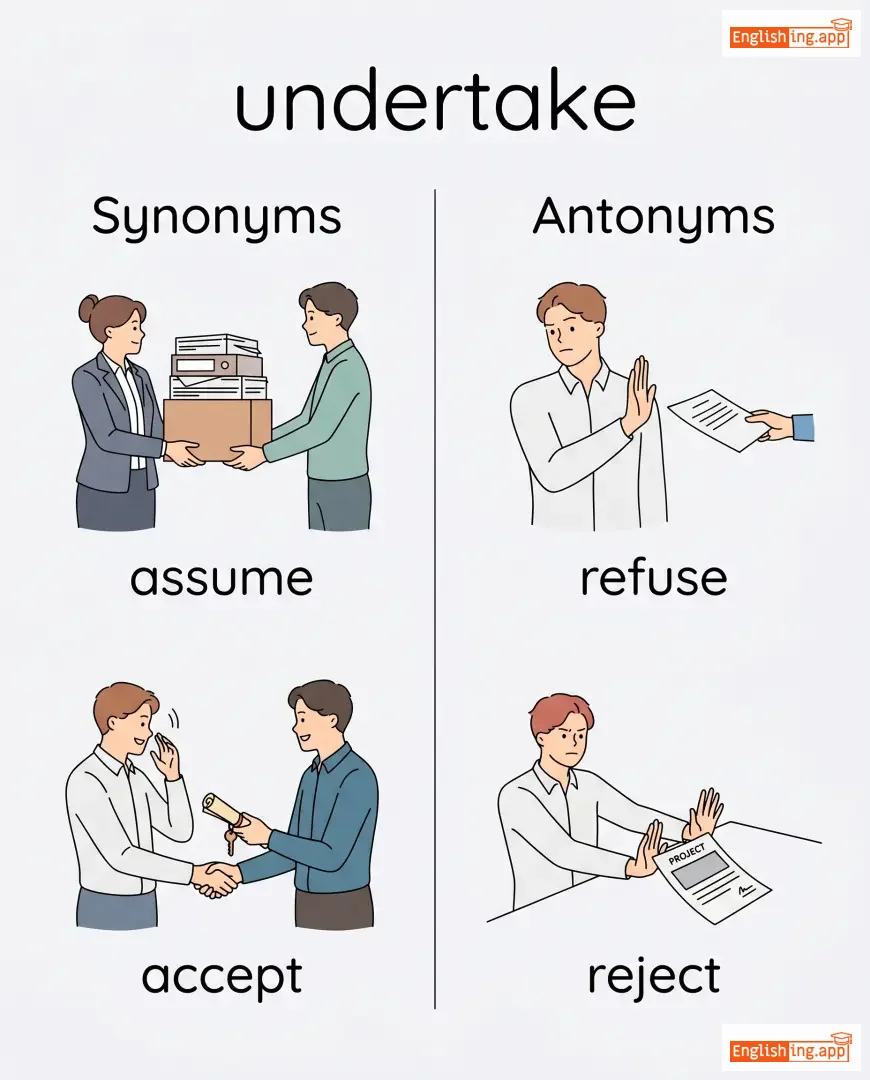
assume, accept, commit, embark
••••••
|
refuse, reject
••••••
|
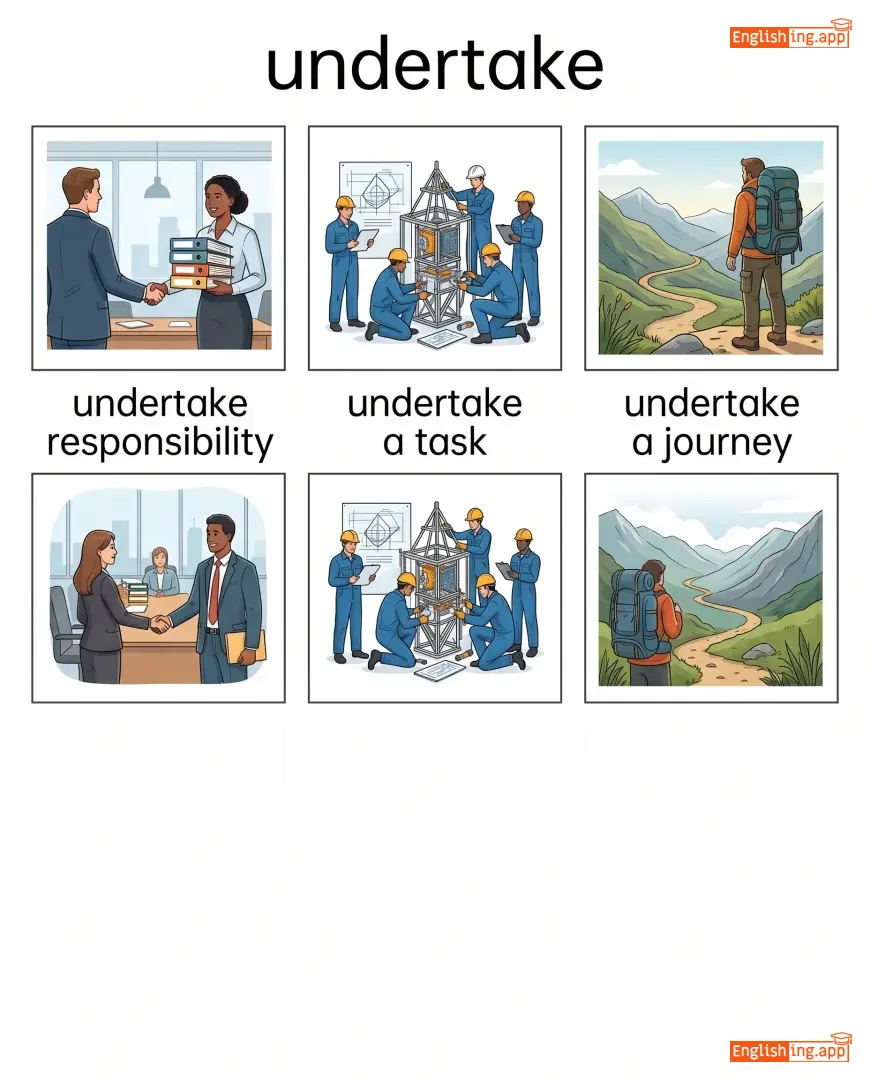
undertake responsibility, undertake a task, undertake a journey
••••••
|
Undertake = 承担责任 = chengdan zeren
••••••
|
|
#0
♿
|
/ˈwiːltʃeər/
noun
(轮椅)
••••••
|
- •••••• |
轮椅
lún yǐ
••••••
|
- •••••• | - •••••• | - •••••• | - •••••• |
a chair with wheels, used by people who cannot walk easily or at all
••••••
|
The hospital provided a wheelchair for the injured patient. |
医院为受伤的病人提供了轮椅。
yīyuàn wèi shòushāng de bìngrén tígōngle lún yǐ.
••••••
|
confined to a wheelchair |
unable to walk and dependent on a wheelchair for mobility
••••••
|
依赖轮椅
yīlài lún yǐ
••••••
|
mobility chair, rolling chair, chair on wheels, medical chair
••••••
|
walker, crutches
••••••
|
wheelchair user, electric wheelchair, wheelchair access, wheelchair ramp
••••••
|
Wheel + Chair = 轮椅
••••••
|
Vocabulary Quiz
Test your vocabulary by matching words with their translations or meanings.
Login to take the quiz
Comments (0)
Share your thoughts and join the discussion.
Join the discussion by logging in
Login to CommentNo comments yet
Be the first to share your thoughts!